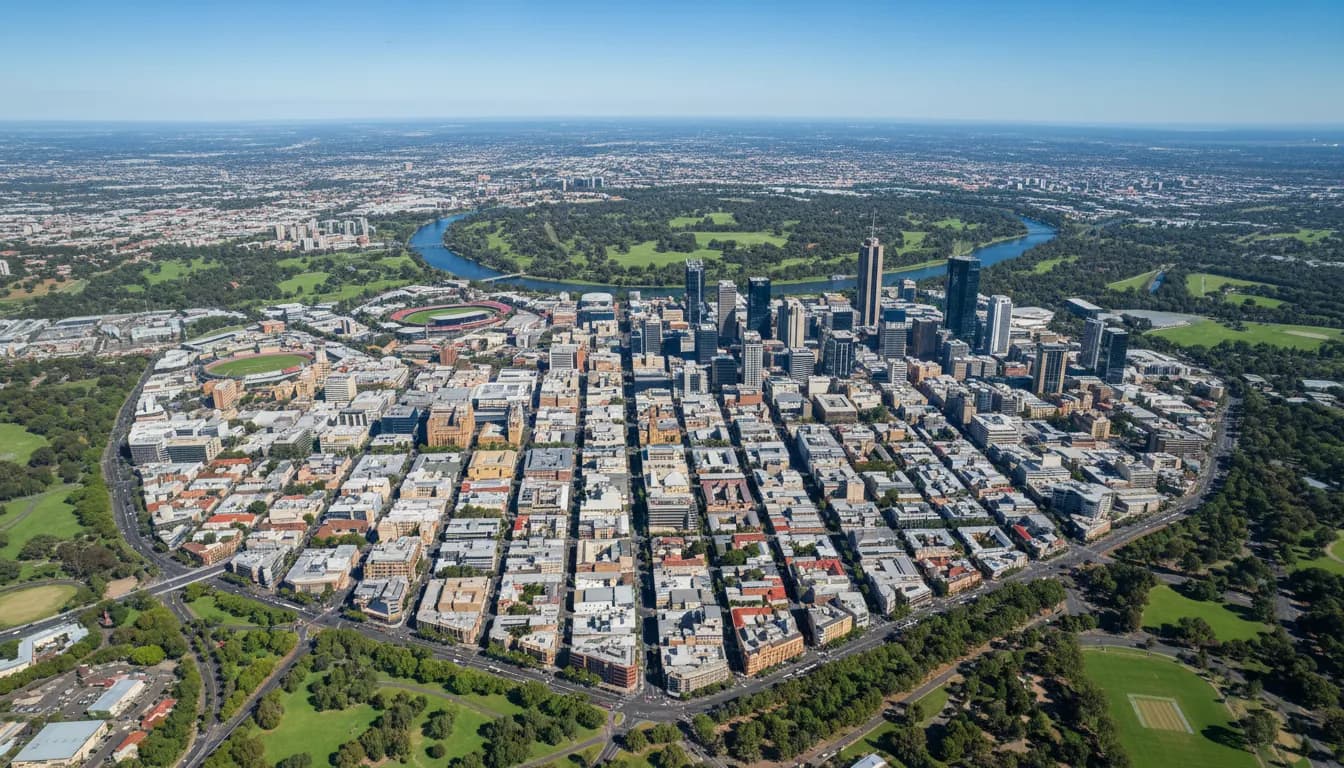
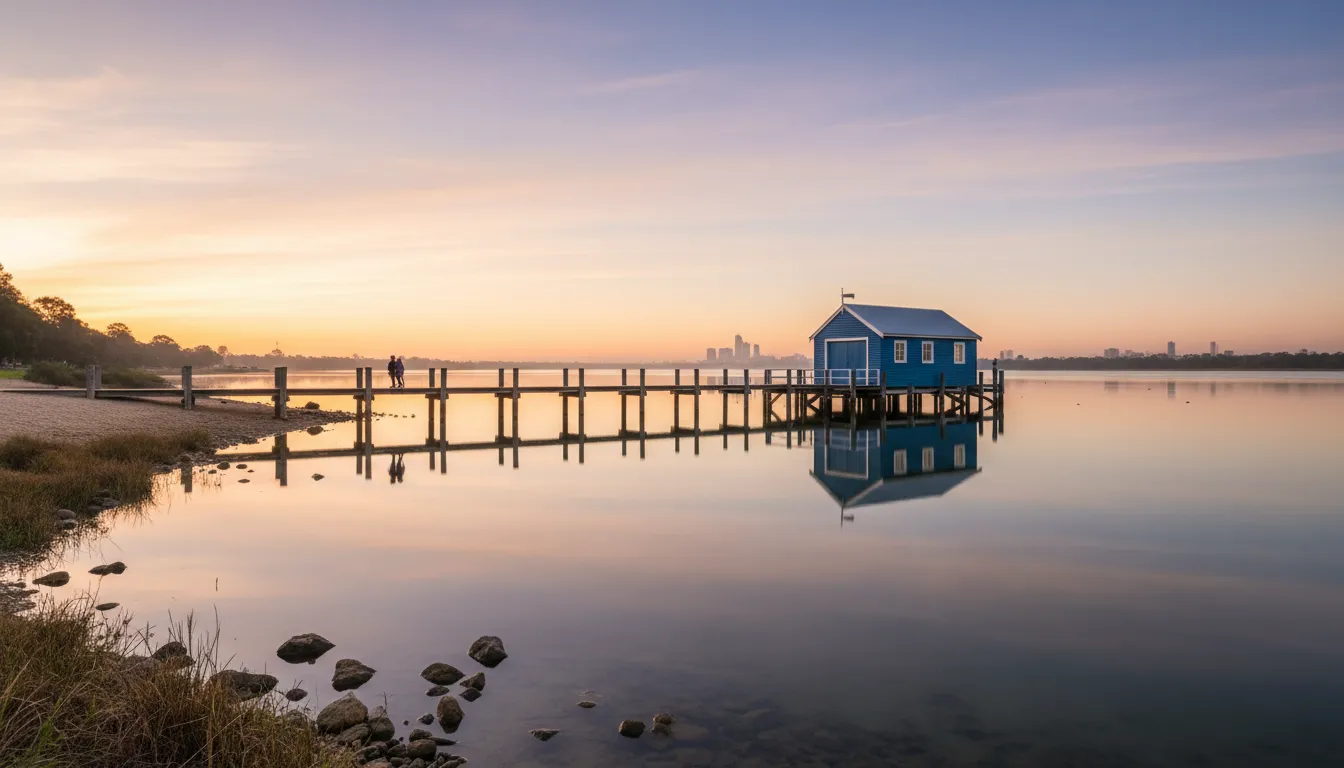
Perth, Western Australia's sun-drenched capital, often captivates visitors with its pristine beaches, sprawling parklands, and the shimmering Swan River. As a writer who has journeyed through countless landscapes, from the bustling markets of Hanoi to the ancient ruins of Rome, I find immense joy in discovering those unique, often understated, landmarks that truly define a city's soul. Among Perth's many visual delights, one structure has emerged as an undeniable icon, drawing photographers and dreamers alike: the Crawley Edge Boatshed, affectionately known as the Blue Boathouse.
This humble, solitary structure, perched elegantly on the calm waters of Matilda Bay, has transcended its original purpose to become a global symbol of Perth's serene beauty. It's more than just a boathouse; it’s a canvas for the changing light, a testament to enduring simplicity, and a pilgrimage site for those seeking that perfect, postcard-worthy shot. In this guide, we'll embark on a step-by-step journey to fully appreciate and capture the magic of the Blue Boathouse, ensuring your visit is as rewarding as the stunning photographs you’ll take home.
History of the Crawley Edge Boatshed
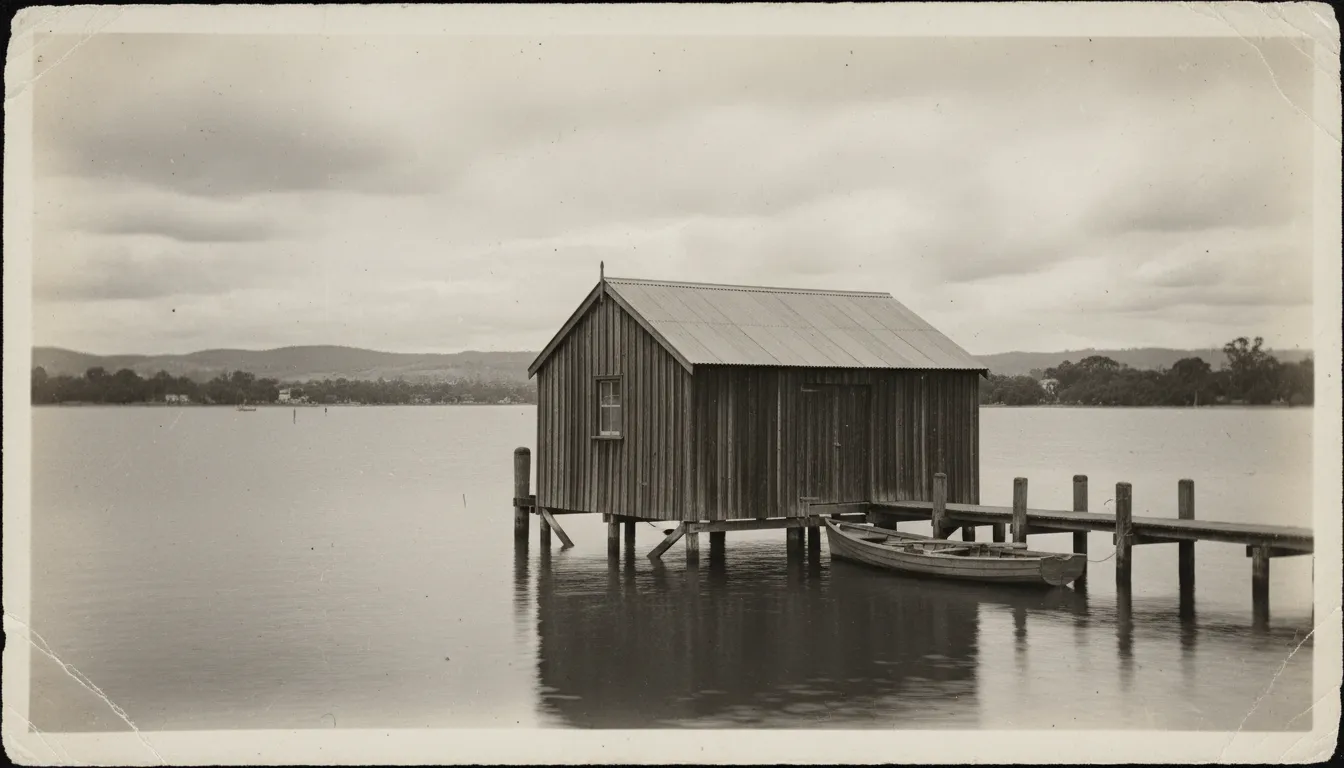
The story of the Crawley Edge Boatshed is one of quiet resilience and unexpected fame, a narrative that resonates deeply with the way simple structures can become cultural touchstones. Built in the 1930s, this timber boathouse initially served a practical function, providing shelter for boats on the tranquil waters of the Swan River. It was a functional piece of infrastructure, reflecting the era's utilitarian approach to riverside life.
For decades, the boathouse remained a local secret, known primarily to university students and residents enjoying the nearby UWA campus grounds and Matilda Bay foreshore. Its distinct blue hue, painted sometime in the mid-20th century, began to set it apart against the natural greens and browns of the riverbanks and the changing blues of the sky. It stood as a silent witness to countless sunrises and sunsets, its wooden piles firmly rooted in the riverbed.
The advent of social media, particularly Instagram, dramatically transformed the boathouse's destiny from local curiosity to international sensation. Suddenly, its photogenic qualities – the striking blue, the calm reflective waters, and its solitary charm – were shared globally, turning it into a must-visit destination. I've seen this phenomenon unfold in many corners of the world, where a hidden gem finds its moment in the digital spotlight, often bringing both blessings and challenges.
Today, the Crawley Edge Boatshed is a testament to how architectural simplicity, combined with a picturesque natural setting, can capture the collective imagination. It represents a piece of Perth's evolving heritage, a place where history quietly converges with contemporary culture. Its enduring appeal lies not just in its beauty, but in the story of how a utilitarian structure became an emblem of a city's identity.
Step 1: Choosing the Right Time (Tides and Light)
Capturing the perfect image of the Blue Boathouse is an art form, deeply influenced by two crucial natural elements: the tides and the quality of light. As an enthusiast who has chased the golden hour from the rice paddies of Sapa to the desert landscapes of Jordan, I can attest that timing is everything. Understanding these factors will elevate your photographs from mere snapshots to evocative works of art.
The Swan River, while seemingly calm, does experience subtle tidal movements, and these can significantly impact the visual appeal of your shot. At high tide, the water level rises, often submerging the base of the boathouse and creating a smoother, more expansive reflection. Conversely, low tide can expose more of the muddy foreshore and the boathouse's wooden piles, offering a different, perhaps more rustic, perspective. I always recommend checking local tide charts for Perth to align your visit with the conditions that best suit your desired aesthetic.
Beyond the tides, the light is arguably the most critical factor in achieving stunning results. The 'golden hour,' occurring shortly after sunrise and just before sunset, casts a warm, soft glow that is incredibly flattering to the boathouse and its surroundings. The low angle of the sun creates long shadows, adds depth, and bathes the scene in hues of gold, orange, and pink, making the blue of the boathouse truly pop.
Sunrise offers a serene, often less crowded experience, with the sun rising over the eastern banks of the river, illuminating the boathouse from the front. Sunset provides a dramatic backdrop as the sun dips below the western horizon, casting vibrant colors across the sky and reflecting them onto the water. Each time of day presents a unique palette and atmosphere, so consider what kind of mood you wish to convey in your photographs.
Step 2: Logistics and Parking Challenges
Visiting a popular landmark like the Blue Boathouse requires a bit of planning, especially concerning transport and parking. Having navigated the labyrinthine streets of old European cities and the sprawling urban centres of Asia, I know that practical considerations can make or break a travel experience. Getting to the boathouse itself is relatively straightforward, but parking near this iconic Perth famous landscape can be a challenge, particularly during peak times.
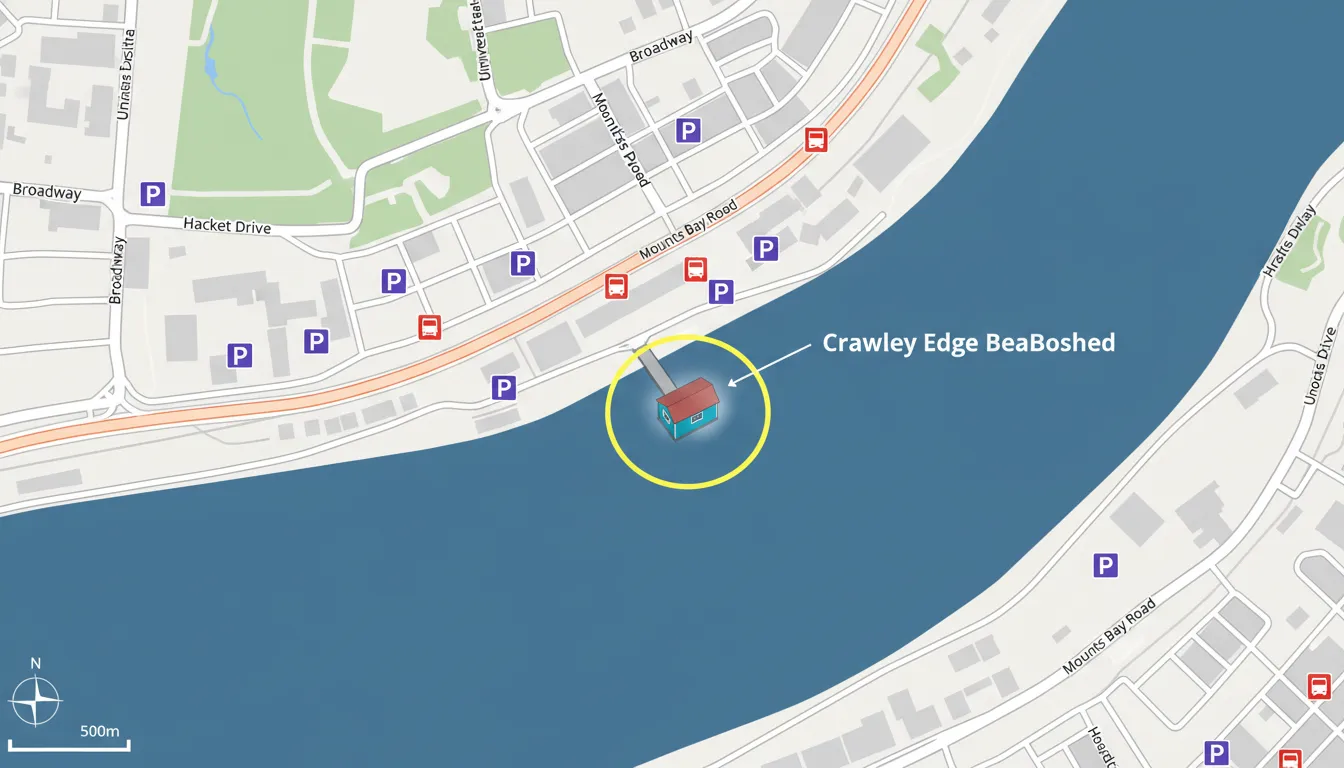
The Crawley Edge Boatshed is located just off Mounts Bay Road, within easy reach of the University of Western Australia (UWA) campus and the Perth CBD. If you're relying on public transport, several bus routes operate along Mounts Bay Road, with stops conveniently located near the UWA entrance. From there, it’s a short, pleasant walk along the foreshore to the boathouse, allowing you to soak in the tranquil beauty of Matilda Bay.
For those driving, finding a parking spot can be the most frustrating aspect of your visit. There is limited street parking available along Mounts Bay Road, but these spots are often quickly snatched up by early birds or UWA staff and students. Further parking can be found within the UWA campus itself, though some areas may require payment or have time restrictions. I’ve learned that arriving very early in the morning, especially on a weekday, significantly increases your chances of securing a convenient spot.
Alternatively, consider parking a bit further afield and enjoying a scenic walk or bike ride along the riverside paths. This approach not only alleviates parking stress but also allows you to discover other charming nooks of Matilda Bay and its surrounding parklands. Accessibility is generally good, with paved paths leading to the boathouse, making it suitable for prams and wheelchairs, though navigating crowded areas might require patience.
Step 3: Camera Settings for Water Reflections
The magic of the Blue Boathouse is often amplified by its stunning reflections on the calm waters of the Swan River. Capturing these reflections effectively requires a thoughtful approach to your camera settings, whether you're using a professional DSLR or a smartphone. Drawing from years of documenting diverse cultures and landscapes, I've found that understanding basic photography principles can dramatically enhance your visual storytelling.
For capturing the sharp details of the boathouse and its crisp reflection, a relatively narrow aperture (e.g., f/8 to f/11) is ideal. This setting ensures a greater depth of field, keeping both the foreground (reflection) and background (boathouse) in sharp focus. If you're shooting handheld, ensure your shutter speed is fast enough to prevent blur, typically 1/125th of a second or faster, depending on your lens.
When the light is bright, particularly during the day, a polarizing filter can be your best friend. This filter helps to reduce glare from the water's surface, allowing the camera sensor to 'see through' the reflections more clearly and reveal the vibrant blue of the boathouse with greater intensity. It also enhances color saturation and contrast, making your images pop. I rarely travel without one, especially when shooting near water.
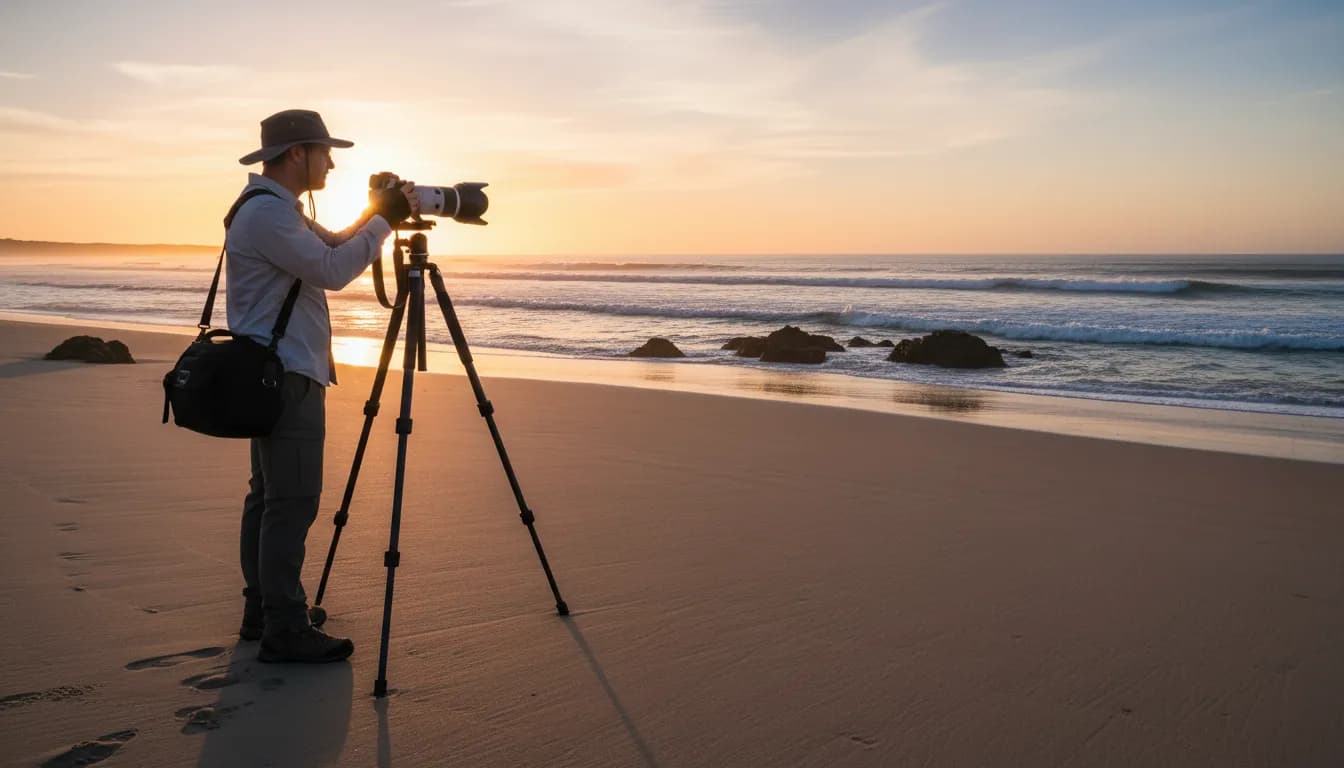
If you're aiming for that silky-smooth, ethereal water effect often seen in long exposure photography, you'll need a tripod and potentially a neutral density (ND) filter. An ND filter reduces the amount of light entering the lens, allowing for much slower shutter speeds (several seconds or even minutes) even in daylight. This technique blurs any movement in the water, transforming ripples into a painterly, milky surface that beautifully contrasts with the static boathouse. For low-light conditions like sunrise or sunset, keep your ISO as low as possible (e.g., ISO 100-400) to minimize noise, relying on a tripod to compensate for slower shutter speeds.
Step 4: Avoiding the Crowds
The immense popularity of the Blue Boathouse, while a testament to its charm, also presents a significant challenge: crowds. As someone who seeks authentic experiences and meaningful connections beyond superficial tourism, I find that navigating thronged locations requires strategic planning. Capturing the serene beauty of this Perth famous landscape without dozens of other visitors in your shot can feel like an impossible feat, but with a few tactics, it's entirely achievable.
The most effective strategy is to visit during off-peak hours. This invariably means setting your alarm for a pre-dawn arrival, aiming to be at the boathouse well before sunrise. Not only will you experience the magical transition of light and capture those coveted golden hour shots, but you'll also find a significantly quieter environment. Weekdays, especially outside of school holidays, are generally less crowded than weekends.
Another approach is to seek alternative perspectives. While the direct frontal shot is the most iconic, explore different angles along the foreshore. Walking further along the path in either direction can offer unique compositional opportunities, showcasing the boathouse within the broader context of Matilda Bay and the distant city skyline. Sometimes, a slightly elevated position from the nearby embankment can also provide a fresh viewpoint, giving a better sense of the boathouse's relationship with the water.
Finally, practice patience and respect. Even if there are other photographers, try to be mindful of their space and allow everyone a chance to capture their desired shots. Sometimes, waiting a few minutes for a small gap in the crowd can yield the perfect, unobstructed frame. Remember, the goal is to enjoy the experience and capture the beauty, not to rush or compete.
Conclusion
The Crawley Edge Boatshed, Perth's iconic Blue Boathouse, stands as a captivating example of how simplicity can achieve global recognition. From its humble beginnings as a functional structure to its current status as a social media darling, it embodies a unique blend of history, natural beauty, and photographic allure. My journeys have shown me that the true essence of a place often lies in these quiet, enduring symbols, offering a window into a city's character.
By thoughtfully planning your visit – considering the tides and light, navigating the logistics, mastering your camera settings, and strategizing to avoid the crowds – you can transform a simple outing into an unforgettable encounter with this Perth famous landscape. Beyond the perfect photograph, take a moment to simply breathe in the tranquility of Matilda Bay, appreciate the gentle lapping of the water, and connect with the quiet charm that has captivated so many.
The Blue Boathouse is more than just a picture; it’s an invitation to pause, reflect, and discover the understated elegance that defines much of Western Australia's beauty. It’s a reminder that sometimes, the most profound experiences come from appreciating the simple, enduring structures that grace our world. Your journey to this iconic spot promises not just beautiful images, but also a deeper connection to Perth's unique story.