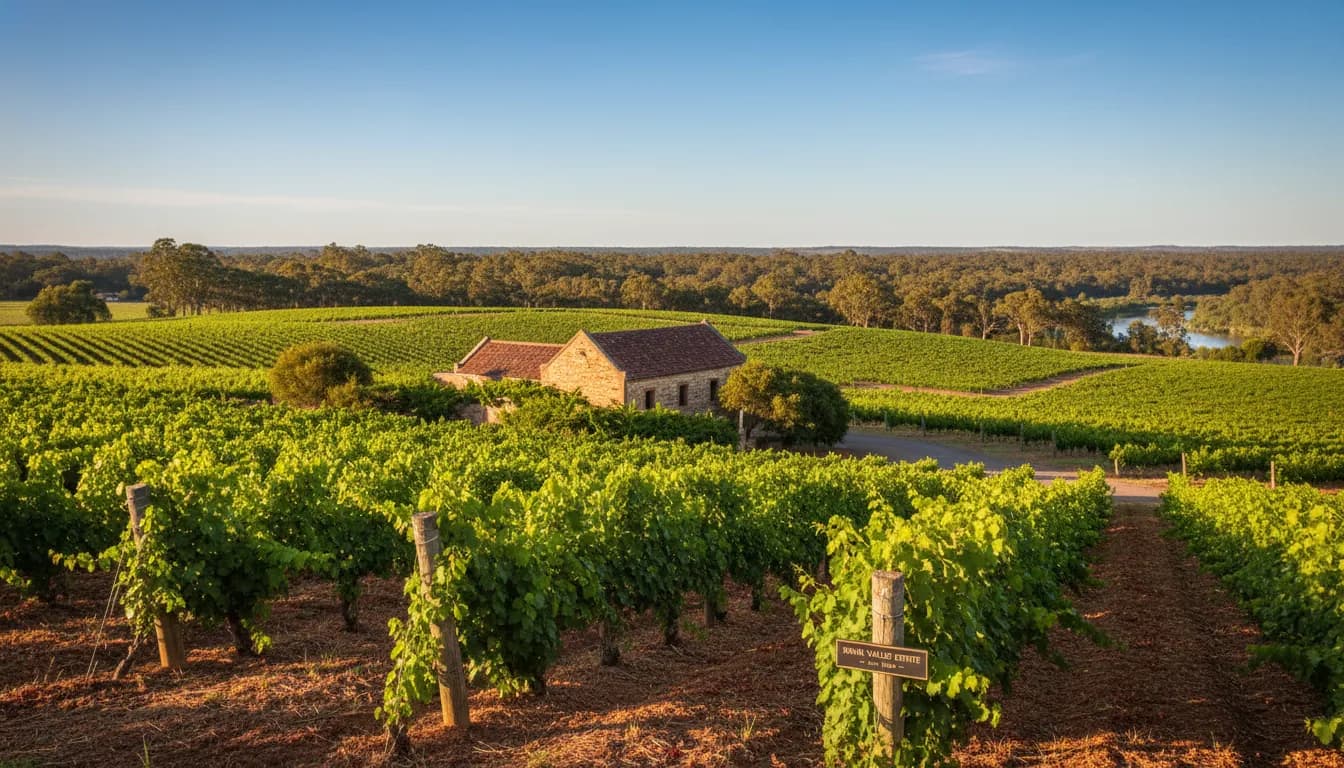
Perth, a city often celebrated for its stunning coastline and vibrant urban life, holds a secret just a stone's throw from its bustling centre. This hidden gem, a landscape steeped in history and natural beauty, is the Swan Valley. It stands as a testament to Western Australia’s rich agricultural heritage and offers an immersive experience into a world of exquisite flavours and captivating scenery.
As an avid traveller and a connoisseur of cultural experiences, I've always found landscapes that marry human endeavour with natural splendor particularly fascinating. The Swan Valley is precisely one such place, a celebrated 'Perth Famous Landscape' that offers far more than just picturesque views. It provides a profound insight into the fundamentals of viticulture and regional identity.
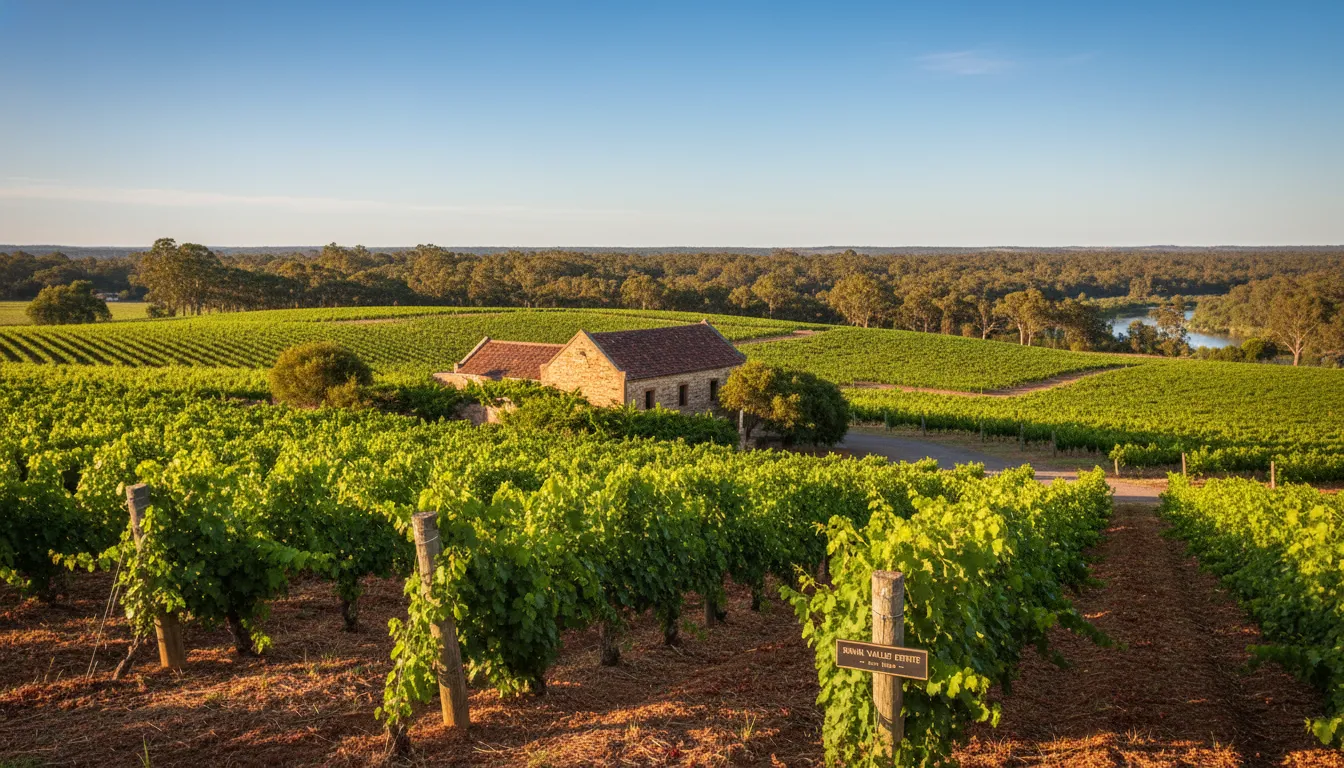
Here, the gentle undulations of vineyards meet the timeless flow of the Swan River, creating a mosaic of green and gold under the brilliant Western Australian sun. This region, Australia's second oldest wine region, is not merely a collection of wineries; it is a living, breathing narrative of pioneering spirit, cultural fusion, and gastronomic excellence. My own journeys through this valley have always been filled with discovery.
It is a place where every sip tells a story, every meal celebrates local produce, and every vista invites contemplation. For those seeking to understand the core of Perth's diverse landscapes beyond its immediate urban appeal, the Swan Valley offers an invaluable and truly memorable exploration. Join me as we delve into the heart of this iconic wine region, unveiling its charm and significance.
The Intersection of Agriculture and Natural Beauty
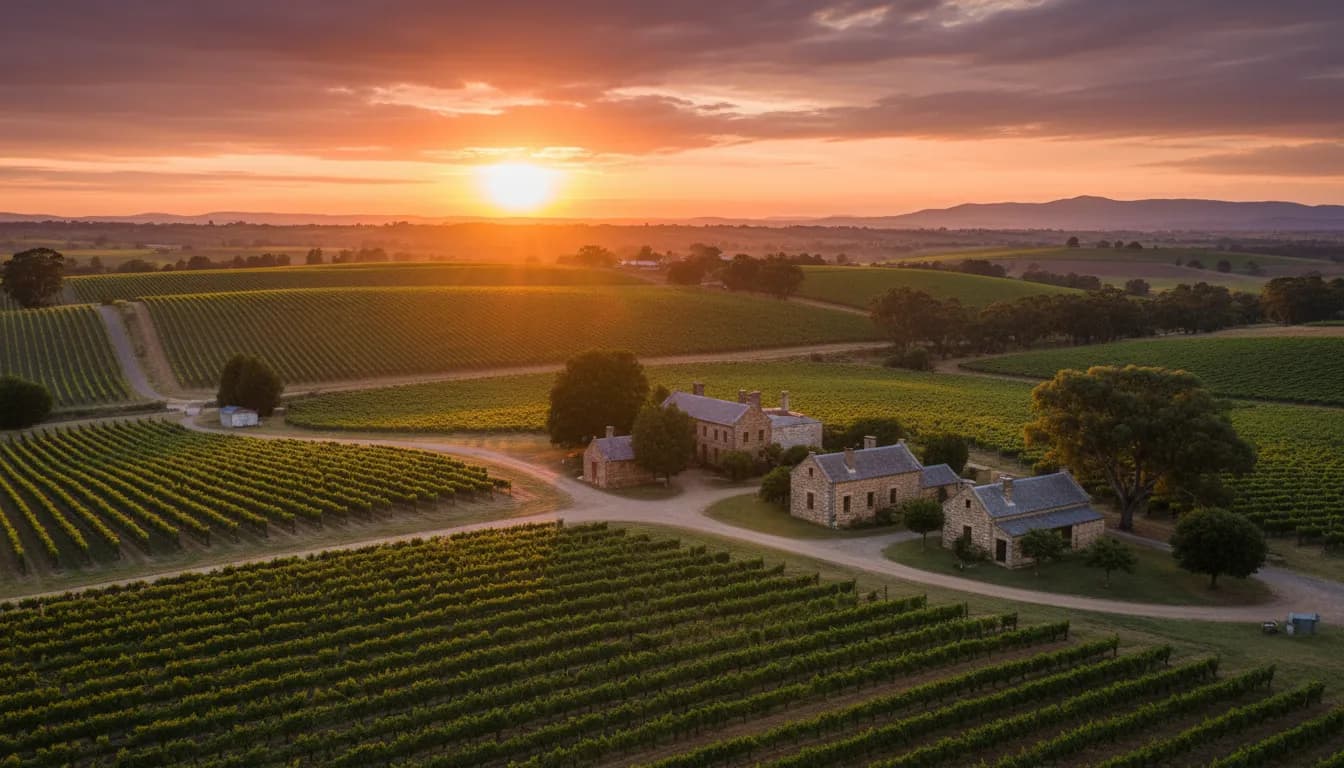
The Swan Valley is a remarkable example of how human agricultural pursuits can harmonise with, and even enhance, natural beauty. Its history as a wine-producing region dates back to the 1830s, making it a cornerstone of Western Australia's viticultural identity. The pioneering efforts of early settlers transformed this fertile land into a vibrant agricultural hub.
This transformation began with the planting of grapevines, carefully selected to thrive in the region's Mediterranean climate. The warm, dry summers and mild winters, coupled with alluvial soils deposited by the Swan River, proved ideal for viticulture. It allowed for the cultivation of diverse grape varietals, from the robust Shiraz to the delicate Verdelho.
Walking through the vineyards, especially during late spring, is an experience I always cherish. The rows of vibrant green vines, meticulously pruned and trained, stretch towards the horizon under a vast, blue sky. This ordered beauty contrasts wonderfully with the wilder, natural bushland that often frames the valley.
The visual appeal of the valley is undeniable, creating a landscape that is both productive and profoundly aesthetic. It’s a place where you can witness the cycle of nature and the hand of humanity working in concert. From the budding vines in spring to the heavy clusters of grapes ripening in late summer, each season paints a different picture of agricultural grace.
Beyond the grapes, the valley also nurtures a diverse array of other agricultural products. Olive groves, market gardens, and fruit orchards dot the landscape, adding to its rich tapestry. This diversity speaks to the inherent fertility of the region and the ingenuity of its farmers.
The very air in the Swan Valley carries a scent distinct from the city – a blend of ripening fruit, damp earth, and occasionally, the sweet aroma of fermenting grapes. This sensory experience is fundamental to understanding the valley's charm. It’s a place that engages all your senses, drawing you deeper into its agricultural heart.
This blend of cultivated beauty and natural setting makes the Swan Valley a unique and cherished part of the 'Perth Famous Landscape.' It’s not just about what is grown here, but how it is grown, and how that process shapes the very essence of the place. The commitment to sustainable practices by many local producers further enhances this harmonious relationship between land and livelihood.
Swan River Views and Floodplain Geography
The Swan River is more than just a scenic backdrop to the valley; it is the very lifeblood and geological architect of the Swan Valley. Its meandering course has, over millennia, shaped the flat, fertile floodplain that is so crucial to the region's agricultural success. This river is a defining feature of the 'Perth Famous Landscape fundamentals.'
Geologically, the Swan Valley sits within a classic floodplain environment, characterised by rich alluvial soils deposited by the river. These soils are typically deep, loamy, and well-drained, providing an ideal substrate for grapevines and other crops. This unique soil composition contributes significantly to the distinct terroir of Swan Valley wines.
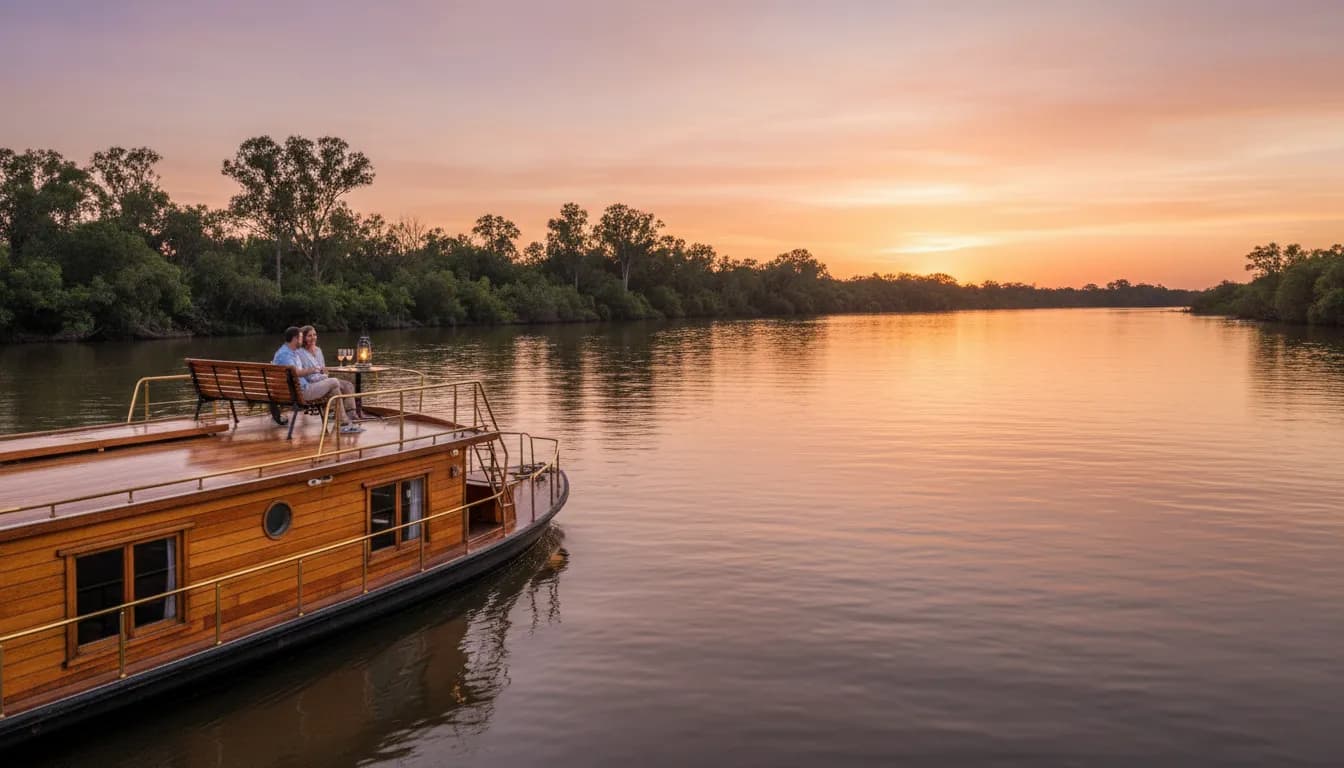
My own explorations have often led me to the banks of the Swan River, where the tranquil waters reflect the sky and the surrounding greenery. The river not only provides a vital water source for irrigation but also moderates the climate, creating unique microclimates within the valley itself. These subtle variations can influence grape ripeness and flavour profiles.
The river's presence is also a historical marker, having served as a crucial transport route in the early days of settlement. Paddle steamers once plied these waters, carrying produce and people between the valley and Perth. This historical connection deepens the sense of place and heritage as you explore the region.
From a scenic perspective, the river views are simply breathtaking. There are numerous spots along its course where you can enjoy a picnic, watch local birdlife, or simply soak in the peaceful atmosphere. The contrast between the cultivated vineyards and the natural riverine bushland is particularly striking.
The floodplain’s flat topography also makes the valley incredibly accessible and easy to navigate. Unlike more mountainous wine regions, the Swan Valley offers gentle landscapes that are perfect for cycling or leisurely drives. This ease of access enhances the visitor experience, making exploration a joy.
Understanding the river's role is key to appreciating the valley's identity. It's not just a body of water; it’s a dynamic force that has sculpted the land, enriched the soil, and sustained generations of farmers and winemakers. Its enduring flow is a constant reminder of the natural bounty that underpins this famous landscape.
The Swan River’s influence extends beyond agriculture, fostering a diverse ecosystem of flora and fauna. Birdwatchers will delight in spotting pelicans, black swans (from which the river gets its name), and various other waterbirds. This natural diversity adds another layer to the valley’s environmental richness.
Exploring the Food and Wine Trail
The Swan Valley Food and Wine Trail is undoubtedly the heart of the region's cultural and gastronomic experience. It’s an immersive journey that goes far beyond simple wine tasting, embracing a rich tapestry of local produce, artisanal crafts, and culinary delights. This trail is a vibrant embodiment of 'More Discovery, More Experience.'
My personal philosophy when traveling is to eat and drink like a local, and the Swan Valley offers endless opportunities for this. The trail is home to over 40 wineries, ranging from large, well-known estates to intimate, family-run boutique vineyards. Each offers a unique perspective on the region's winemaking traditions.
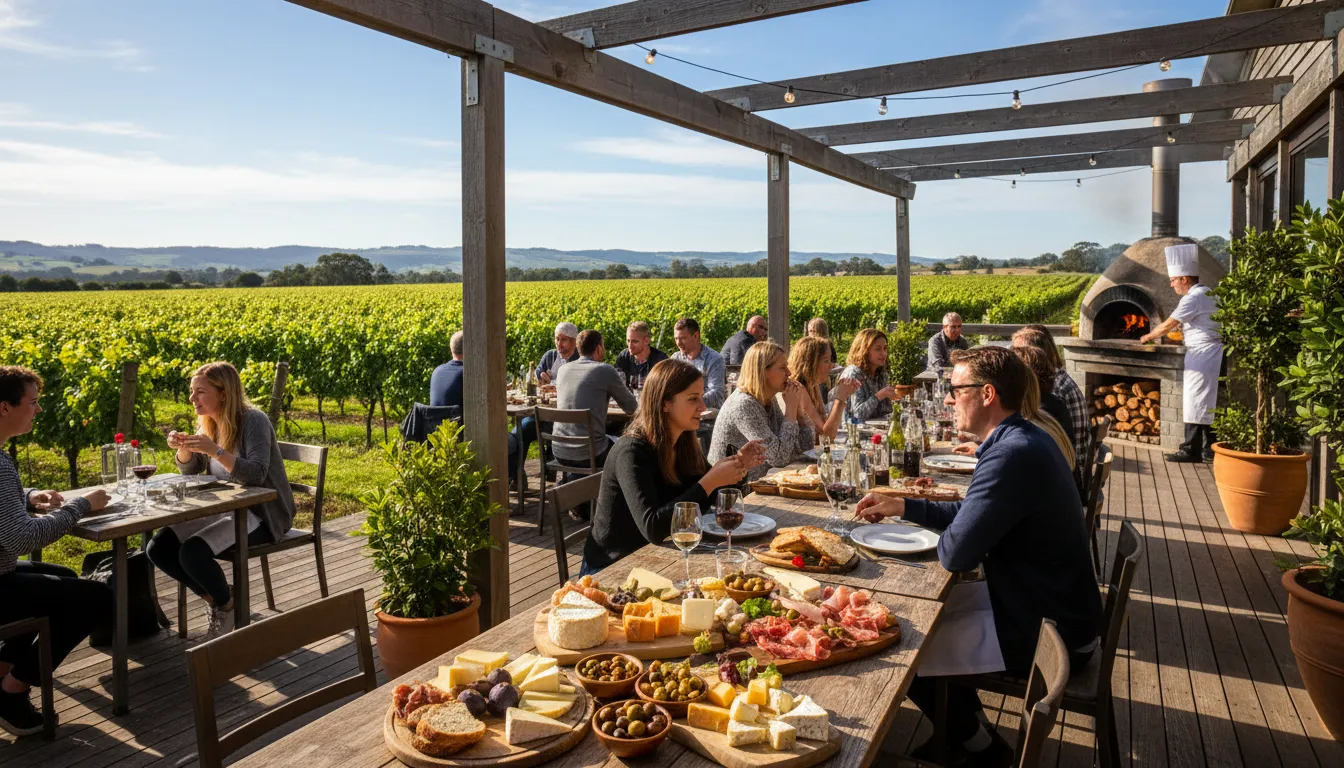
Beyond the grapes, the valley is a veritable pantry of gourmet treasures. You’ll find award-winning breweries crafting innovative beers, distilleries producing small-batch gins and whiskies, and cideries offering refreshing alternatives. My advice is always to arrive hungry and with an open mind.
One of the highlights for me is always the chance to visit local artisan producers. Imagine stepping into a chocolate factory where you can watch chocolatiers at work, or a nougat factory sampling delectable sweet treats. There are also olive oil producers, cheese makers, and even coffee roasters, each contributing to the valley’s diverse culinary scene.
Many wineries and breweries boast exceptional restaurants and cafes, serving dishes that highlight fresh, seasonal local produce. From fine dining experiences with vineyard views to casual platters perfect for sharing, the culinary offerings are diverse and delicious. I particularly recall a magnificent lunch at a vineyard restaurant, pairing local barramundi with a crisp Verdelho, a truly unforgettable combination.
The trail also offers opportunities for cultural immersion. Many estates have been run by the same families for generations, and their stories are woven into the fabric of the valley. Engaging with these passionate producers often provides fascinating insights into the history and heritage of the region. It's a connection to the people behind the produce.
For those interested in the fundamentals of food production, you can often find farm gates selling fresh fruit and vegetables directly from the grower. This direct connection to the source is a powerful experience, reminding us of the journey our food takes from farm to table. It reinforces the idea of food as the soul of a destination.
The Swan Valley also embraces a spirit of innovation, with new producers and experiences constantly emerging. From guided food tours to masterclasses in winemaking or cooking, there are countless ways to deepen your appreciation for the region's offerings. It’s a dynamic and evolving cultural landscape.
Exploring the Food and Wine Trail is not just about consumption; it's about connection. It's about connecting with the land, the people, and the vibrant culture that makes the Swan Valley such a special 'Perth Famous Landscape.' It’s an invitation to savour, learn, and discover at your own pace.
Best Seasons for Vineyard Photography
Capturing the essence of the Swan Valley through photography is a truly rewarding endeavour, as the landscape transforms dramatically with each passing season. Understanding these seasonal shifts is key to immortalising the 'Perth Famous Landscape' in its most captivating light. Each period offers unique opportunities for photographers, from amateur enthusiasts to seasoned pros.
Spring (September - November): This is a season of rebirth and vibrant greenery. The vines awaken from their winter slumber, bursting forth with tender, bright green shoots and delicate tendrils. The landscape is fresh and full of promise.
Spring photography captures the nascent beauty of the vineyards, often bathed in soft, ethereal light. You can focus on close-ups of new growth, or wide shots of fields coming alive. The air is crisp, and wildflowers often bloom along the verges, adding pops of colour.
Summer (December - February): Summer brings lush, full canopies of deep green leaves, heavy with ripening grape bunches. This is the busiest time in the valley, leading up to the harvest. The sunlight is often strong and clear, perfect for bold, contrasting images.
Late summer offers golden hour opportunities as the sun sets over the vineyards, casting long shadows and warm hues. Capturing the plump grapes on the vine, glistening with dew or sunlight, makes for stunning detail shots. The energetic atmosphere of harvest can also be a compelling subject.
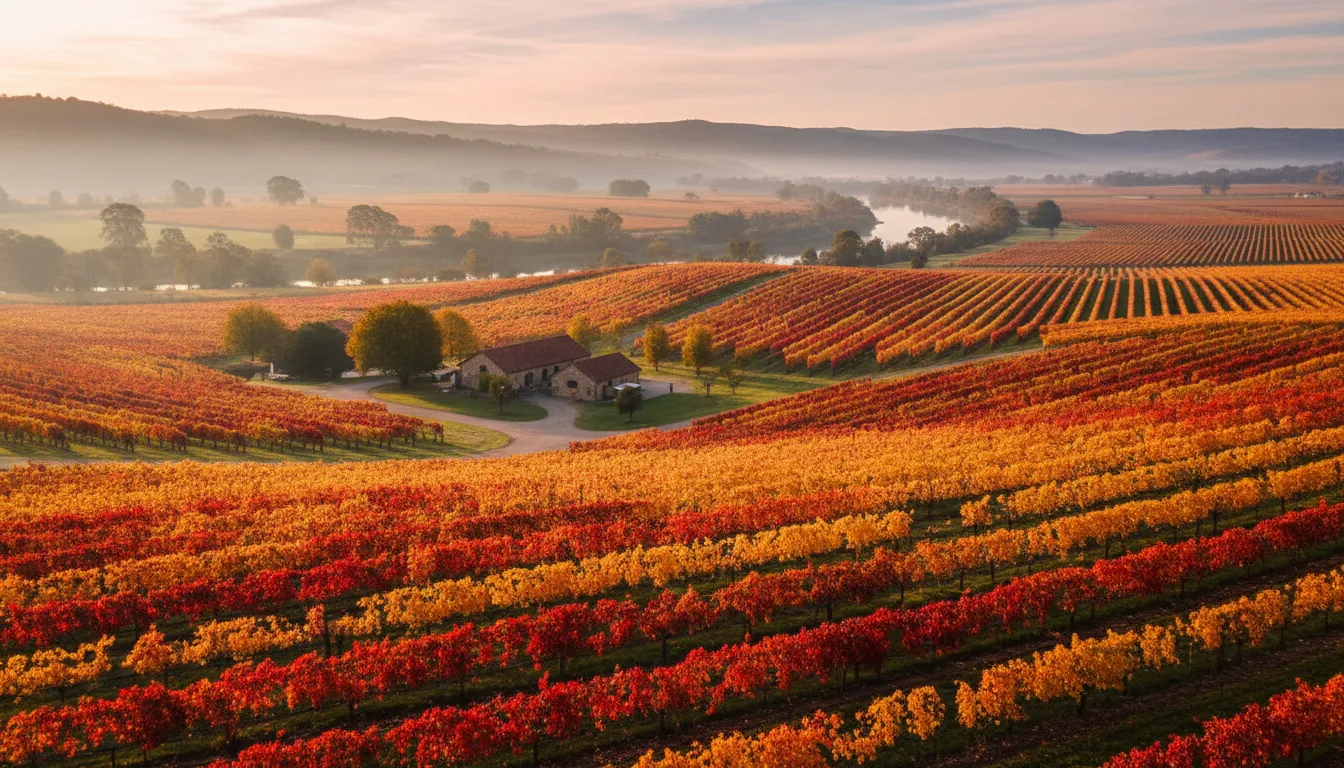
Autumn (March - May): For many, autumn is the most visually spectacular season in the Swan Valley. After the harvest, the vine leaves transform into a breathtaking palette of fiery reds, deep oranges, and golden yellows. The entire valley becomes a painter's dream.
This period is ideal for capturing expansive landscape shots that showcase the dramatic colour changes. The light is often softer and more diffused than in summer, allowing for rich, saturated colours. Early morning mist rising over the vineyards adds an element of drama and mystery.
Winter (June - August): While seemingly dormant, winter in the Swan Valley possesses a stark, elegant beauty. The vines are pruned back to their gnarled trunks, revealing the intricate structure of the vineyard. The landscape takes on a more subdued, melancholic charm.
Winter photography can focus on the sculptural quality of the bare vines, often silhouetted against a grey sky or a low-lying mist. The quietude of the valley during this time offers a different kind of photographic opportunity, emphasising texture and form. It's a chance to capture the fundamental framework of the vineyards.
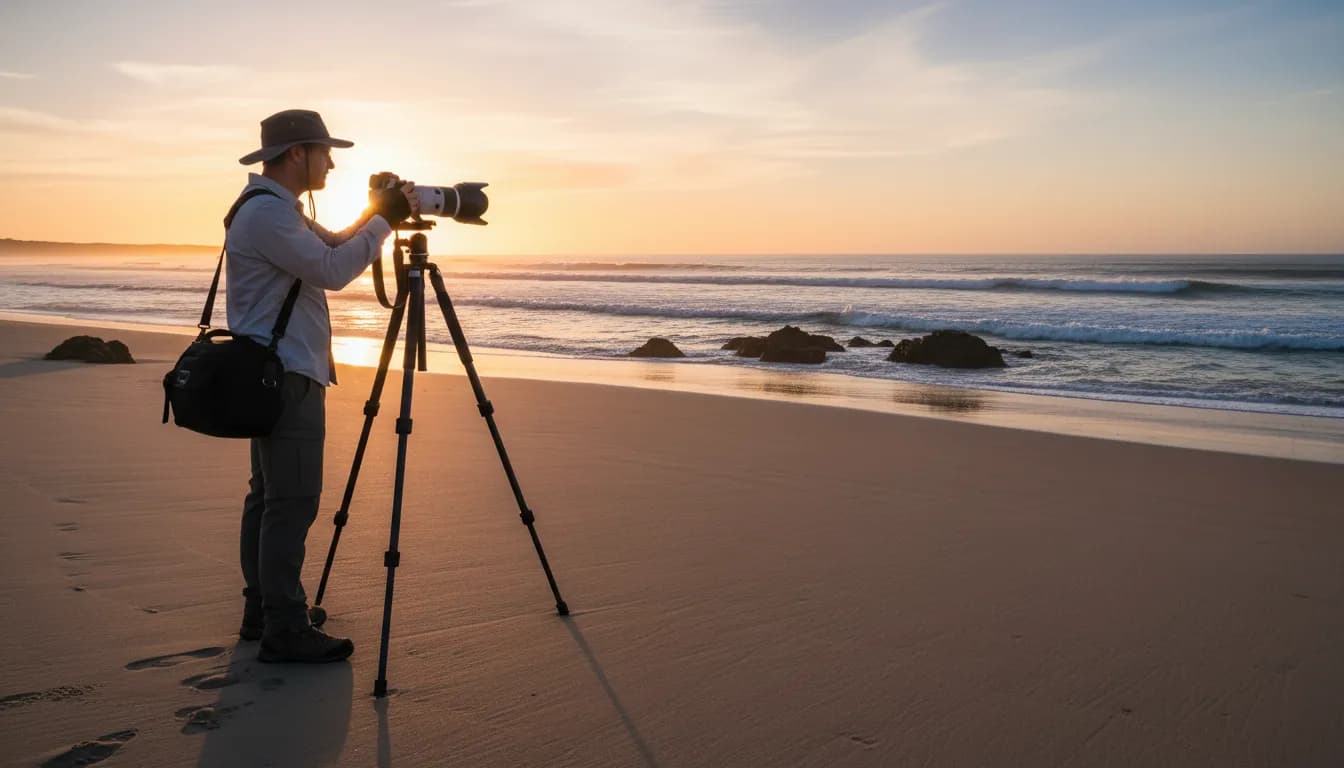
Regardless of the season, early morning or late afternoon golden hours consistently provide the best natural light for photography. The soft, warm glow enhances colours and reduces harsh shadows. Always consider the weather, as an overcast day can provide beautiful, diffused light, while a clear day offers dramatic skies.
Conclusion
The Swan Valley, a truly remarkable 'Perth Famous Landscape,' offers a profound journey into the heart of Western Australian culture, history, and gastronomy. It is a destination that beautifully intertwines the fundamental elements of agriculture and natural beauty, creating a rich tapestry of experiences. From its pioneering viticultural heritage to the life-giving flow of the Swan River, every aspect of the valley tells a compelling story.
My own travels have continually reinforced the idea that places like the Swan Valley offer so much more than meets the eye. They invite us to connect with the land, appreciate artisanal crafts, and savour the flavours born from generations of dedication. It is a place where culinary excellence meets breathtaking scenery, creating unforgettable memories.
For the culturally curious and those seeking authentic connections, the Swan Valley is an essential exploration. It stands as a testament to the enduring human spirit of innovation and the timeless allure of nature’s bounty. It provides a unique lens through which to understand the true essence of Perth’s diverse landscapes.
As MLifeOn champions 'More Discovery, More Experience,' the Swan Valley perfectly embodies this ethos. It is a destination that encourages slow travel, deep dives into local traditions, and the joy of uncovering hidden gems around every bend. I wholeheartedly recommend experiencing this magnificent region for yourself.
Allow yourself to wander its trails, taste its exquisite offerings, and absorb its unique atmosphere. The Swan Valley is not just a place to visit; it is a landscape to be experienced, understood, and cherished. It truly is a journey to unforgettable cultural stories and inspiring connections.