NUI MOT PAGODA - A PEACEFUL SANCTUARY AMID THE MEMORIES OF CON DAO
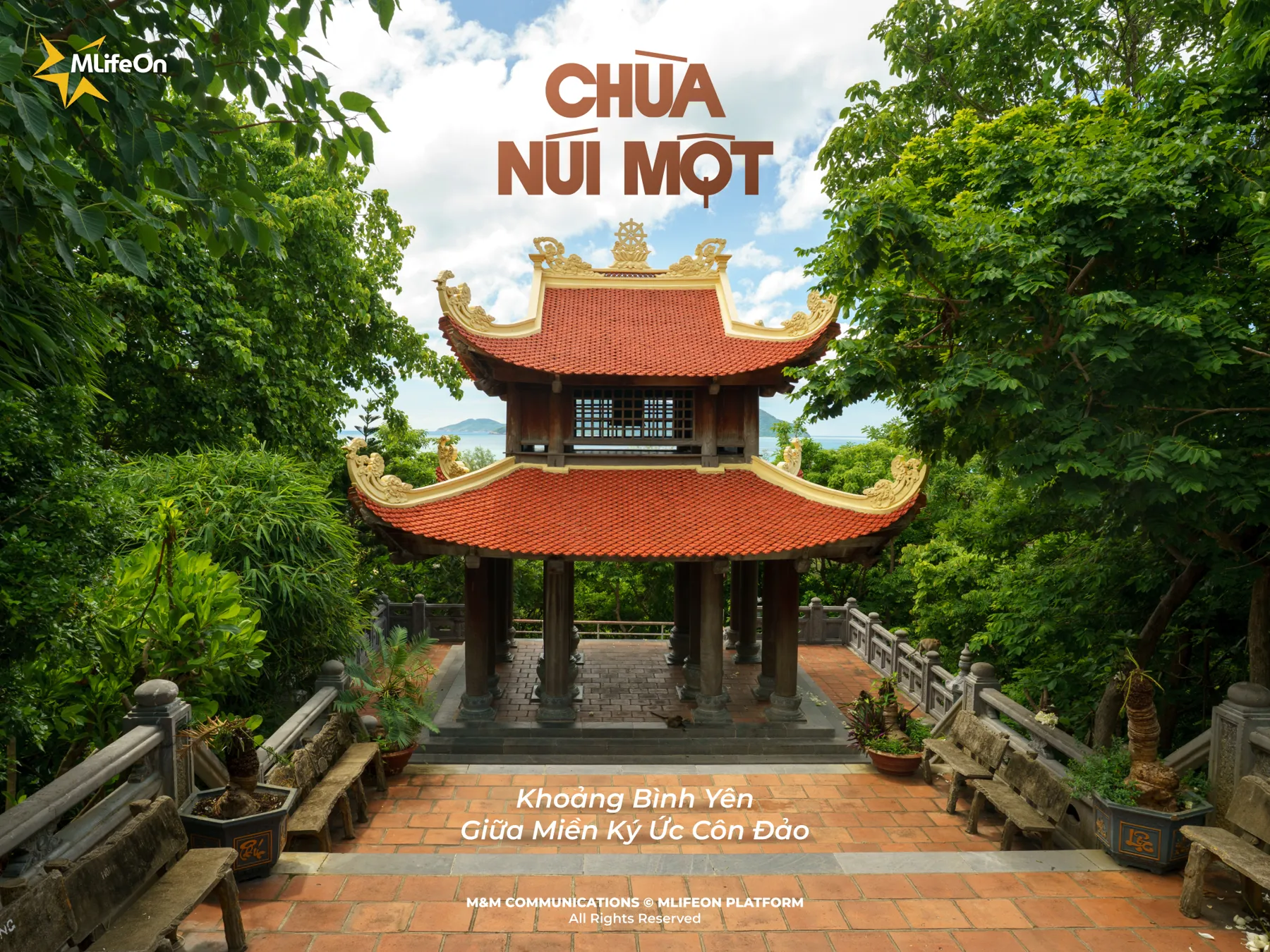
Nui Mot Pagoda, also known as Van Son Tu, is not only a tranquil spiritual sanctuary surrounded by the sea and sky of Con Dao, but also a place marked by a unique chapter of history. Behind the serenity visitors experience today lies a story closely connected to the painful years of Con Dao’s past.
A witness to history amid the sea and sky of Con Dao
Nui Mot Pagoda was built in 1964 on Nui Mot Mountain, during a period when Con Dao was still home to a harsh prison system. As a result, the history of the pagoda carries a very different story from the peaceful atmosphere visitors see today.
According to historical records about Nui Mot Pagoda, the original structure was built by the authorities at the time to serve the religious needs of officials, soldiers, and their families living on the island. However, the construction itself was closely tied to the labor of prisoners being held in Con Dao.
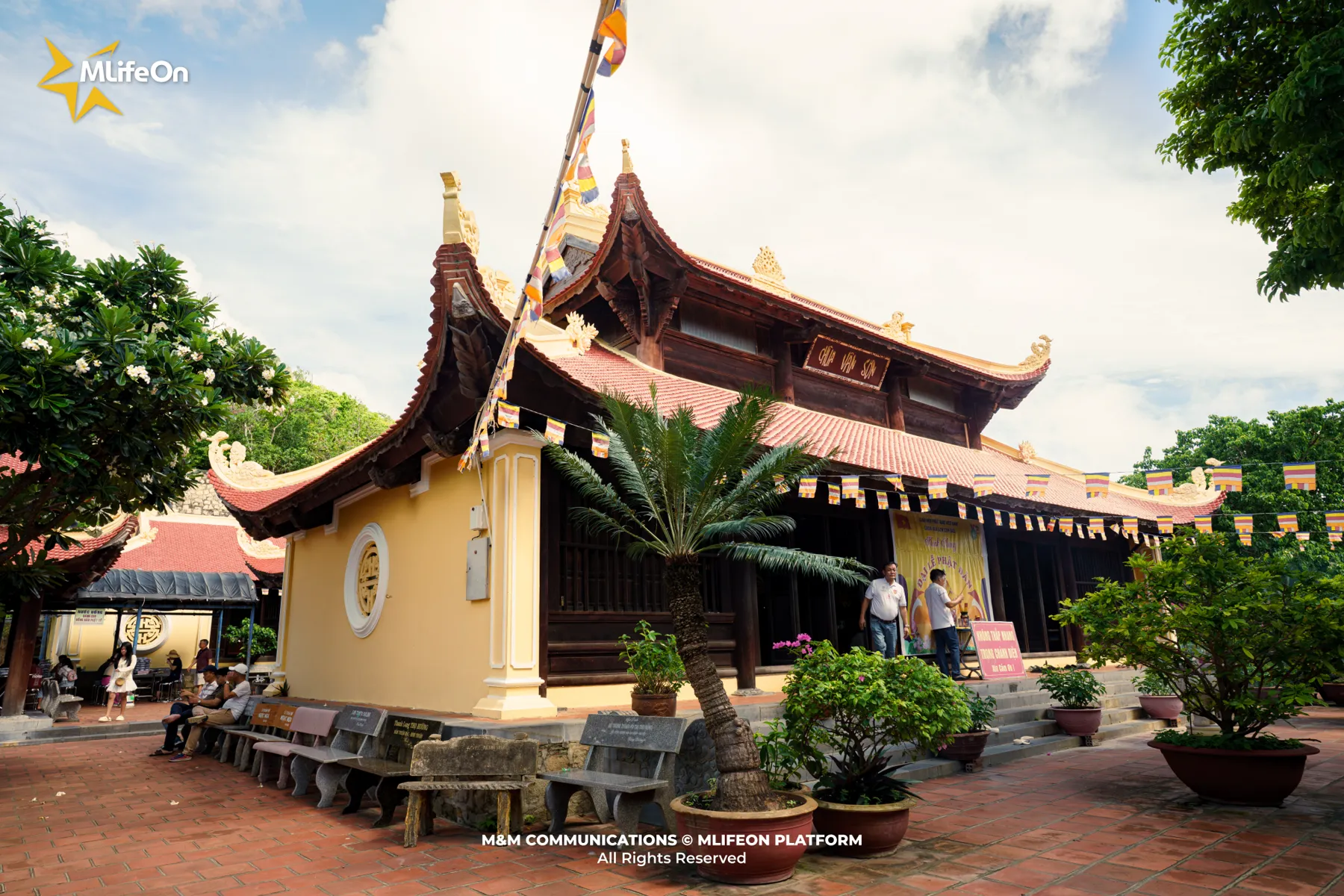
In 1965, prisoners serving life sentences at Camp 2, also known as Phu Hai Prison, were forced to work on the construction of the pagoda. Under extremely difficult conditions, they had to carry sand, stone, cement, and other building materials from the foot of the mountain to the construction site above. During this period, prisoners also protested against forced labor, adding another unforgettable chapter to the history of the pagoda.
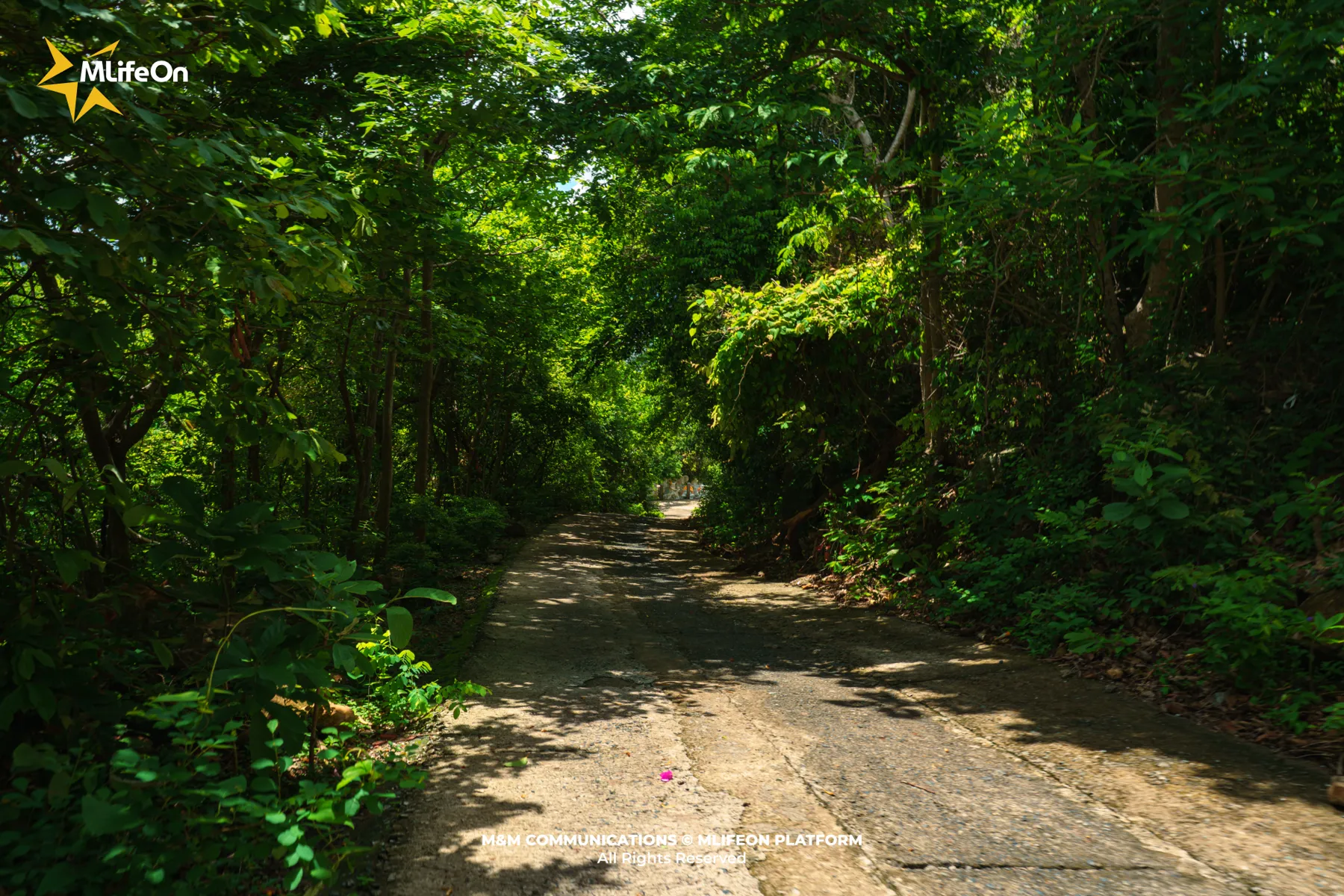
More than half a century later, the path leading up Nui Mot Mountain presents a very different scene. Visitors today can leisurely climb the steps to worship the Buddha and admire the surrounding landscape, while the same mountain once bore the heavy footsteps of prisoners forced to labor there.
There is no need for grand monuments to remind visitors of the past. That story alone is enough to make Nui Mot Pagoda a special part of Con Dao’s historical memory.
An unique “mountain behind, water Ahead” setting
Alongside its historical story, the location of Nui Mot Pagoda also contributes greatly to its distinctive character. Van Son Tu stands on a mountainside in a position often described by the traditional concept of “mountain behind, water ahead”, sheltered by the mountain at the back while overlooking a vast landscape of water, residential areas, and the sea of Con Dao.
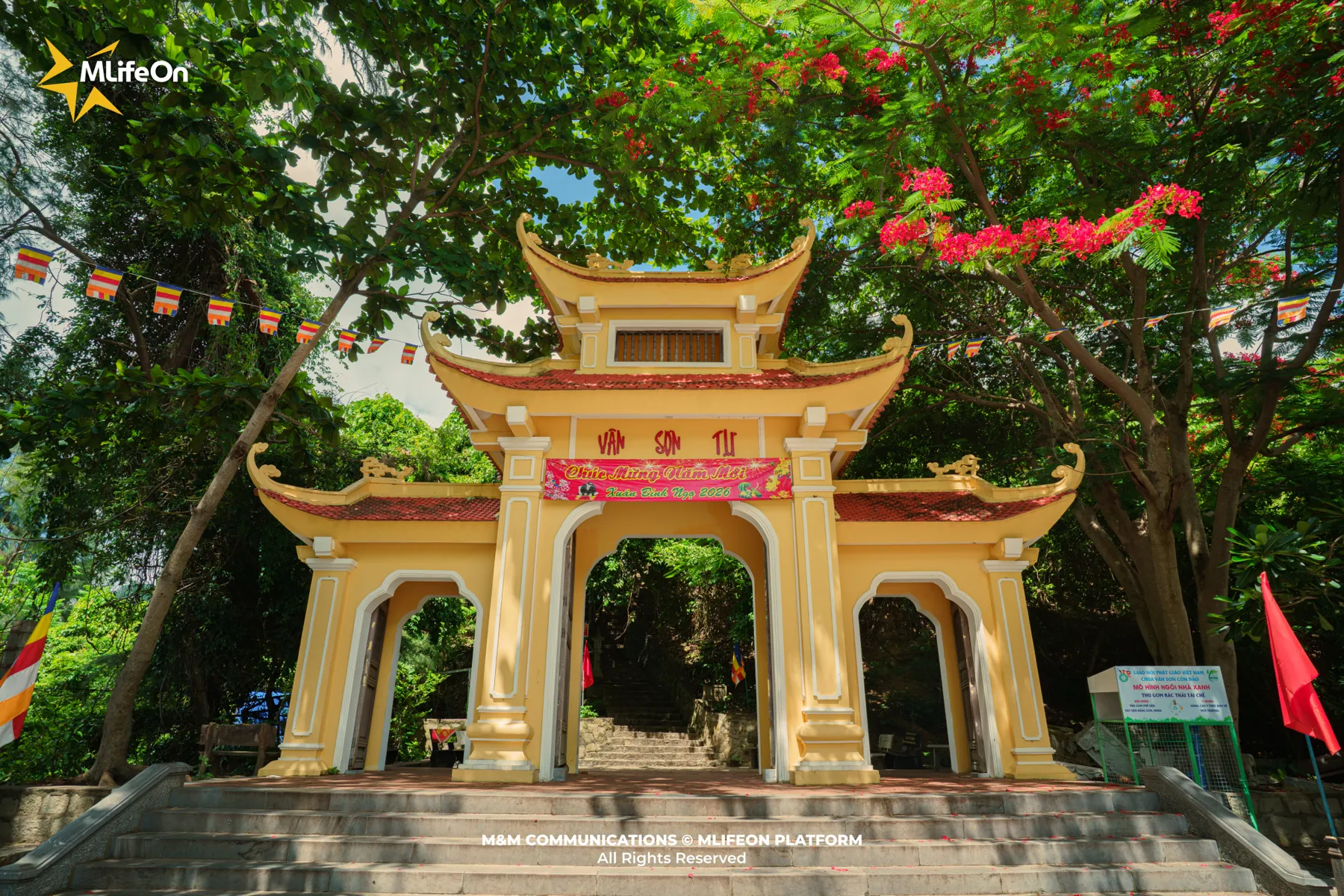
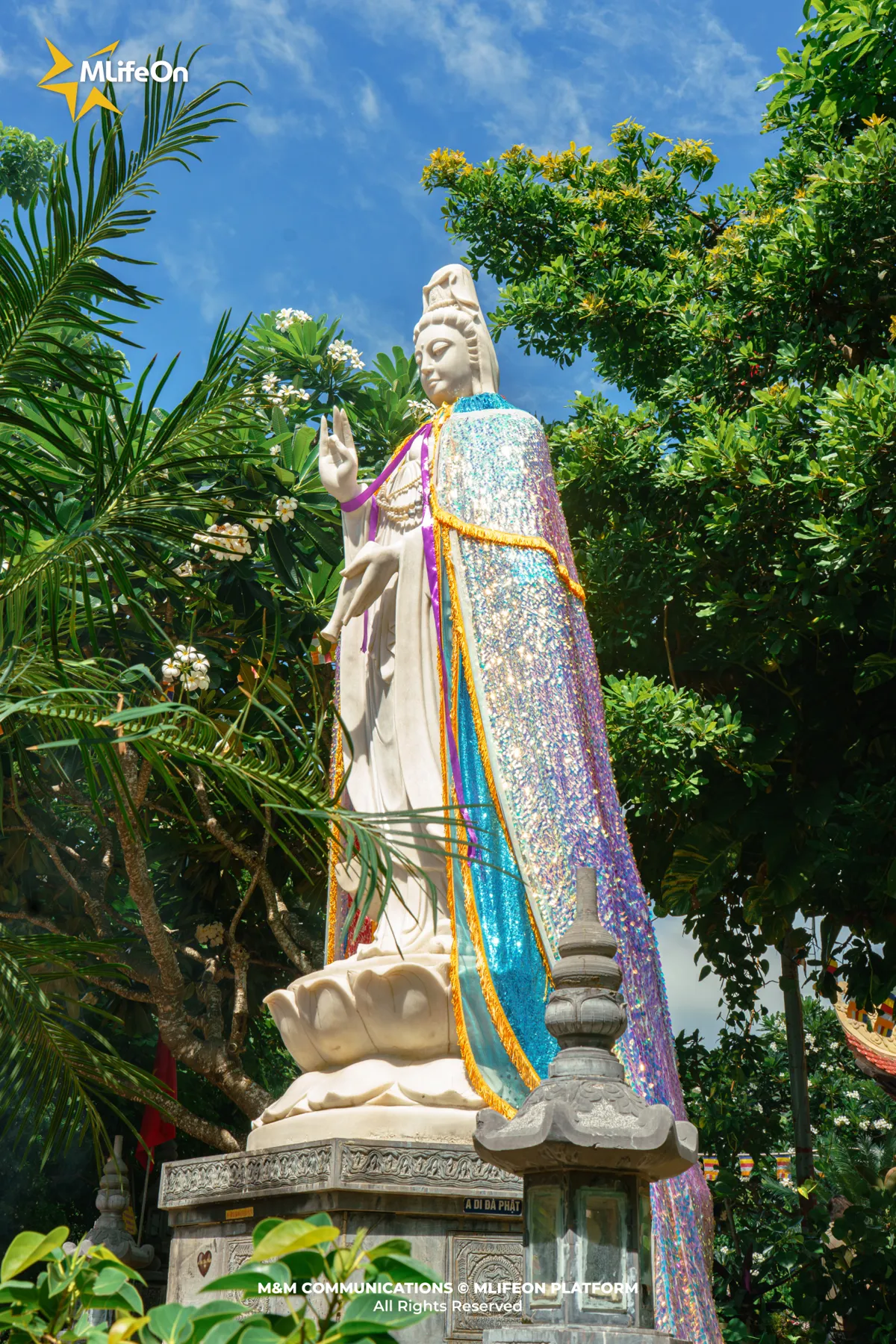
To reach the main grounds, visitors must climb a series of steps winding along the mountainside. The higher they go, the wider the landscape becomes. Rooftops appear far below, An Hai Lake stretches into the distance, and beyond it, the blue sea seems to merge with the horizon.
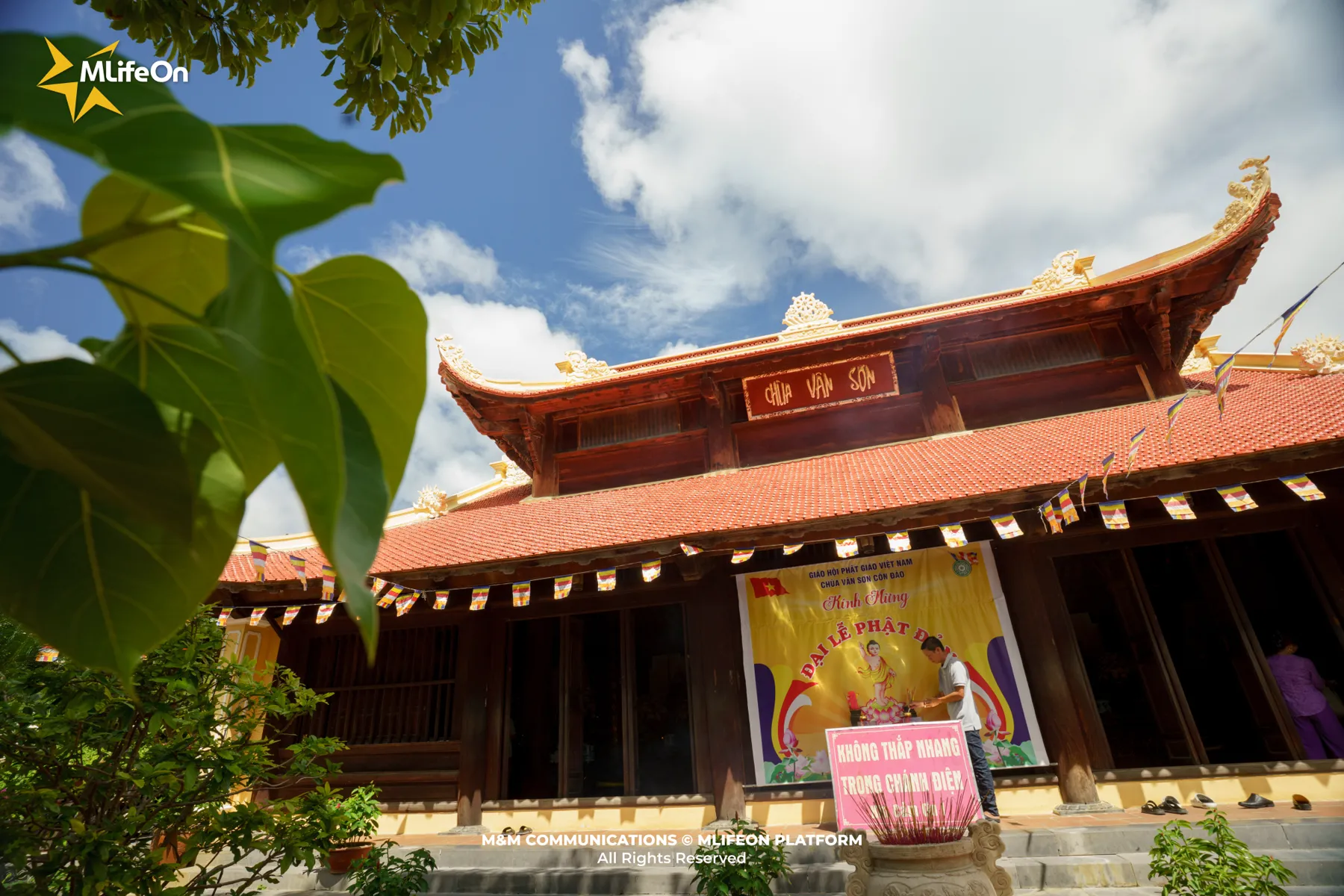
The pagoda features traditional Vietnamese architecture, with tiled roofs and familiar architectural details. Rather than appearing overly grand against its surroundings, the structure blends naturally into the landscape. The forested mountain behind it forms a natural backdrop, while the expansive sky and water in front create a sense of openness and tranquility.
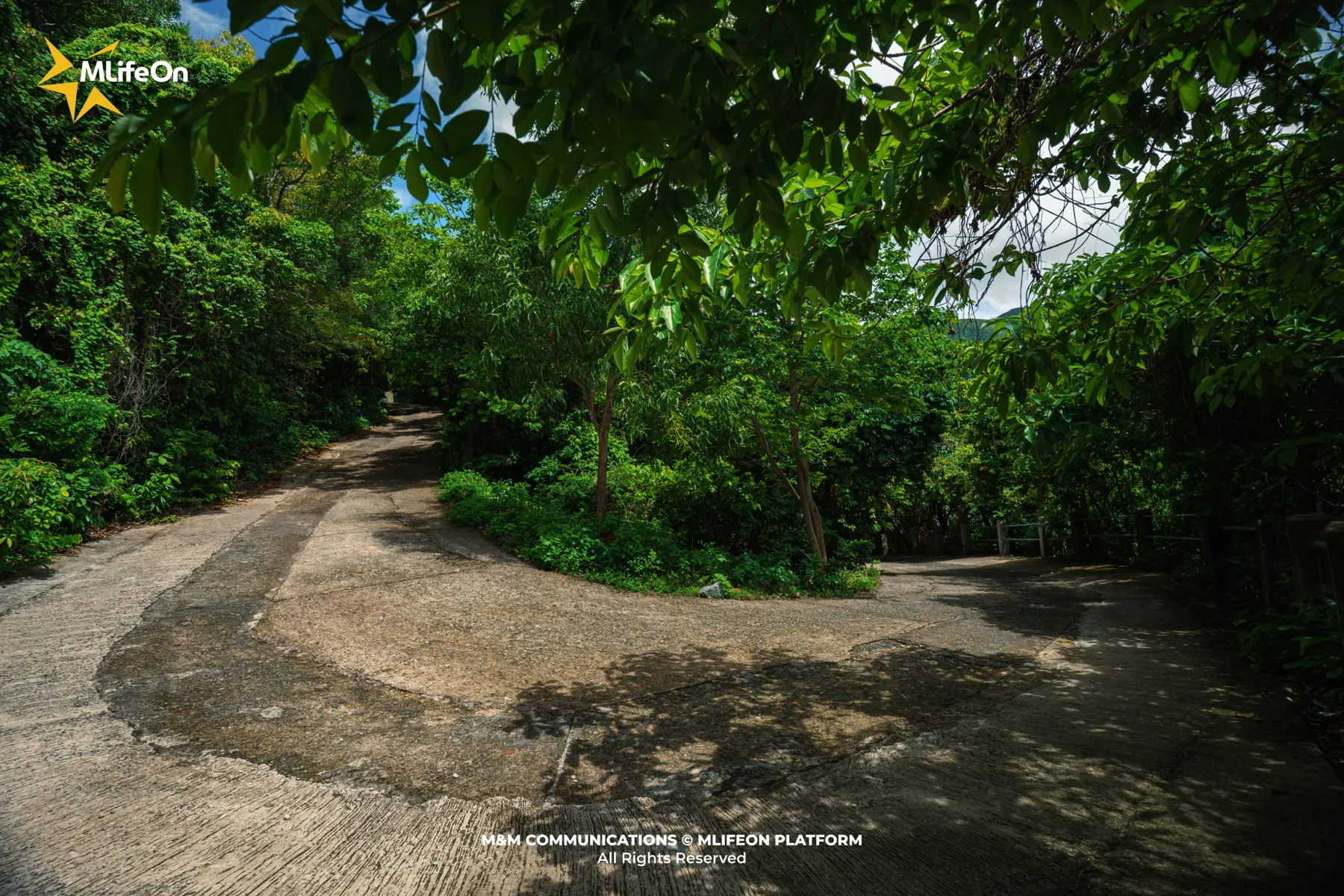
It is this location that makes architecture and nature seem almost inseparable. Visitors do not simply see a pagoda built on a mountain; they experience it as an integral part of the landscape of Con Dao.
Van Son Tu - A peaceful spiritual sanctuary in Con Dao today
After 1975, Nui Mot Pagoda gradually became a familiar place of worship for local residents. Over the years, the pagoda has undergone restoration and renovation, giving it a more spacious and well-maintained appearance while preserving its harmony with the natural landscape of Nui Mot Mountain.
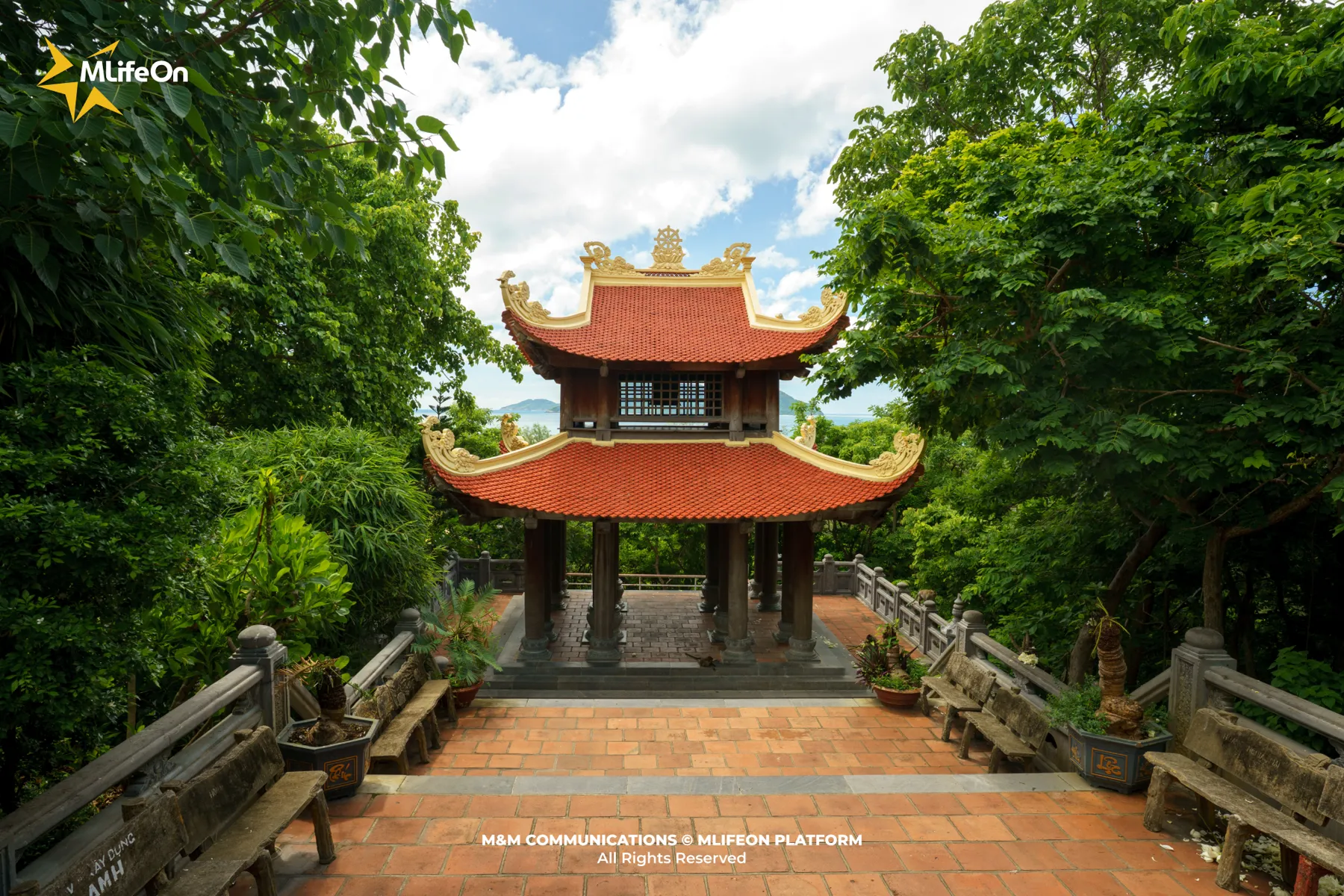
Today, Van Son Tu welcomes both local residents and visitors from across the country who come to worship the Buddha, offer incense, and pray for health and peace. During festivals, Lunar New Year, and the beginning of each year, visiting the pagoda has also become part of the spiritual journey for many people traveling to Con Dao.
Some come with personal prayers. Others light incense in remembrance, while some simply wish to find a quiet place for reflection. Whatever their reason for visiting, once they pass through the pagoda gate, the rhythm of life below seems to fade away for a while.
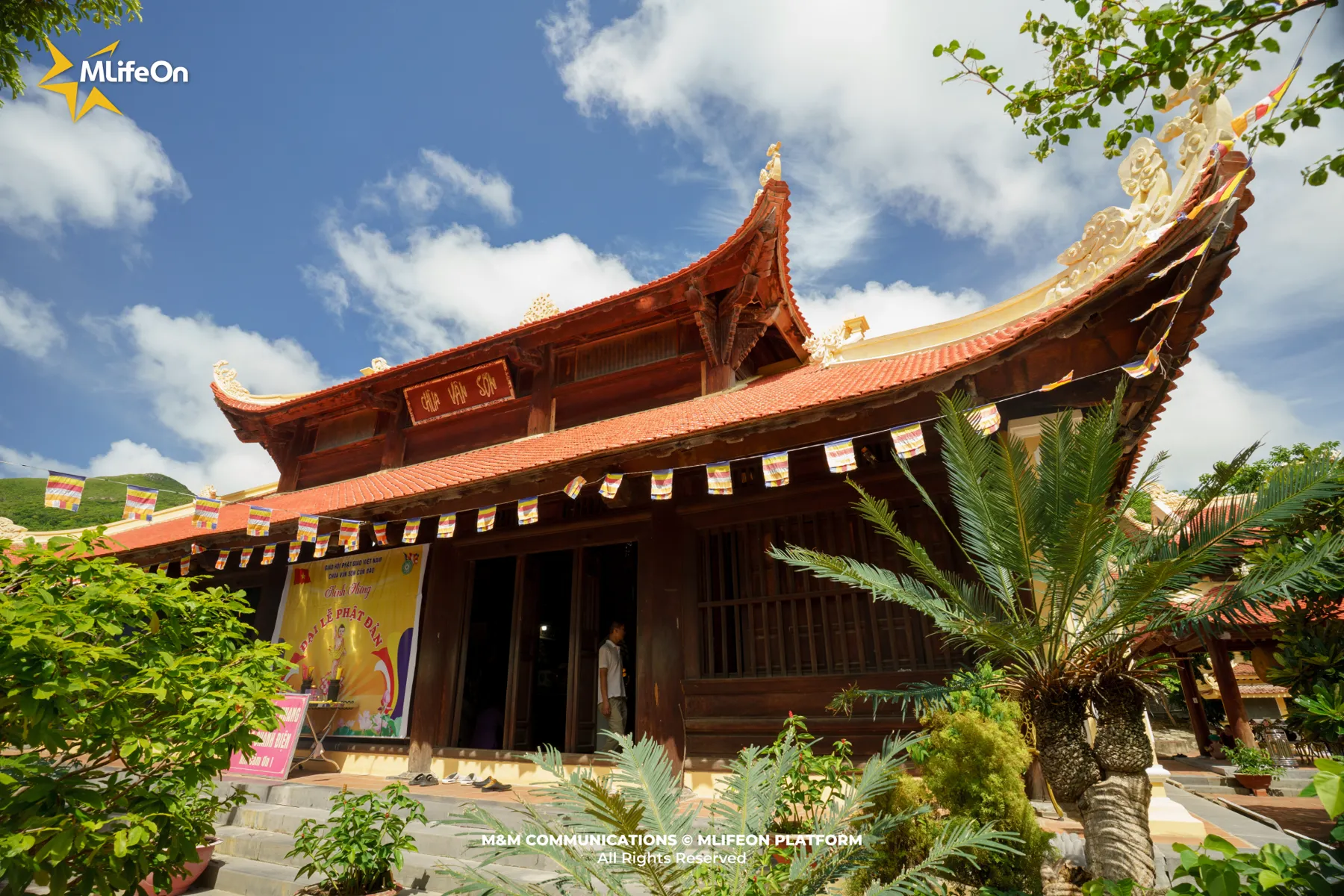
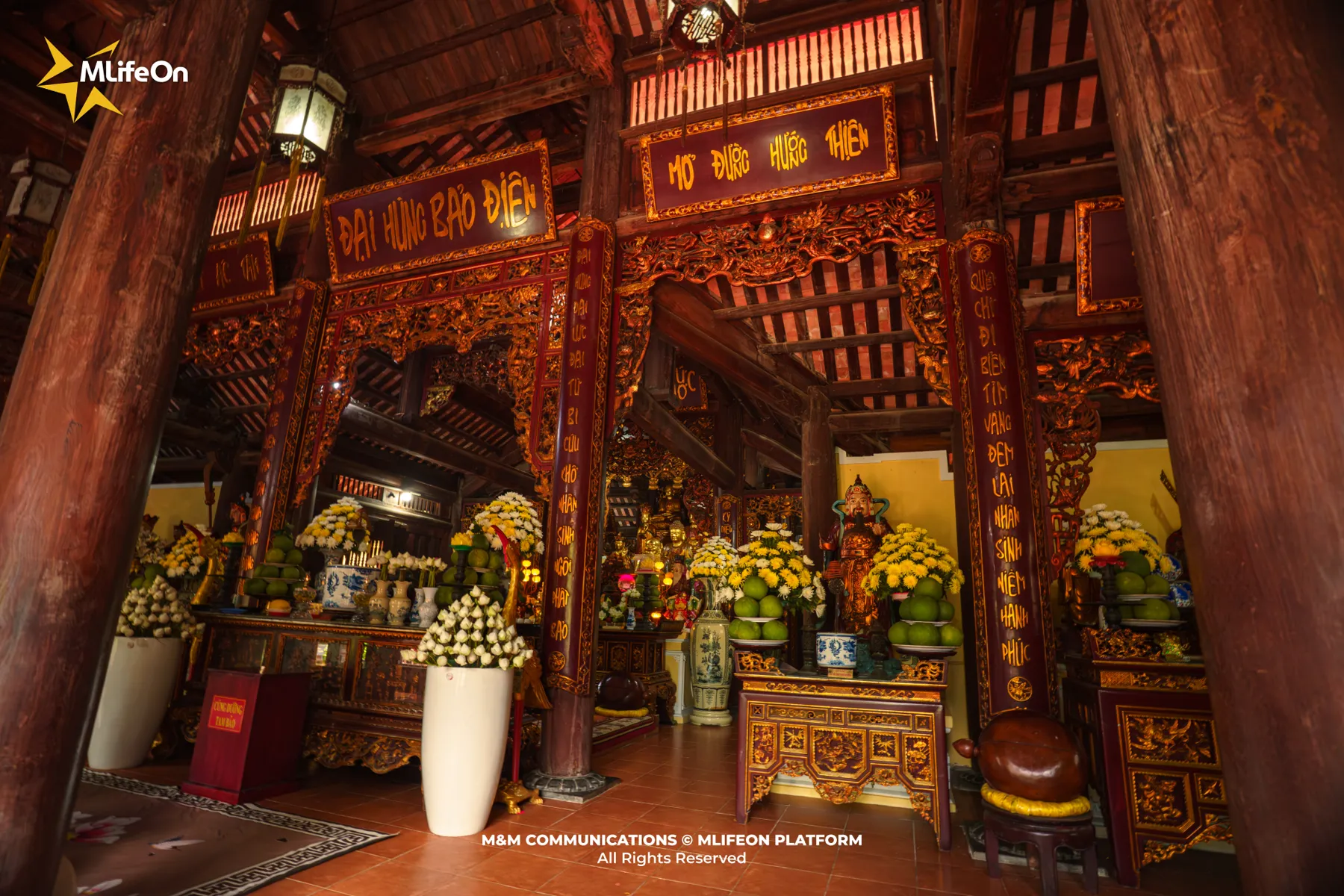
Perhaps the value of a spiritual sanctuary can sometimes be as simple as that. It lies not only in its architecture or rituals, but also in the feeling of having a peaceful space where people can reflect on the things they value most.
For this reason, Nui Mot Pagoda has become an integral part of life in Con Dao today. A pagoda born during an extraordinary period of history now welcomes those seeking serenity and offering prayers for peace and well-being.
Amid the memories of the past, today’s peace feels even more precious
Con Dao today is very different from the place once described as “hell on earth.” Coastal roads stretch along the sea, houses sit peacefully beneath the mountains, local people go about their everyday lives, and visitors arrive from near and far, creating a gentle rhythm of life surrounded by deep blue seas and lush greenery.
Standing at Nui Mot Pagoda and looking down, that transformation becomes especially clear. Below lies a living Con Dao, moving at a slow and peaceful pace. Behind the pagoda stands the mountain that once witnessed the footsteps of prisoners subjected to forced labor. The past and the present do not erase one another; instead, they coexist on the same land.
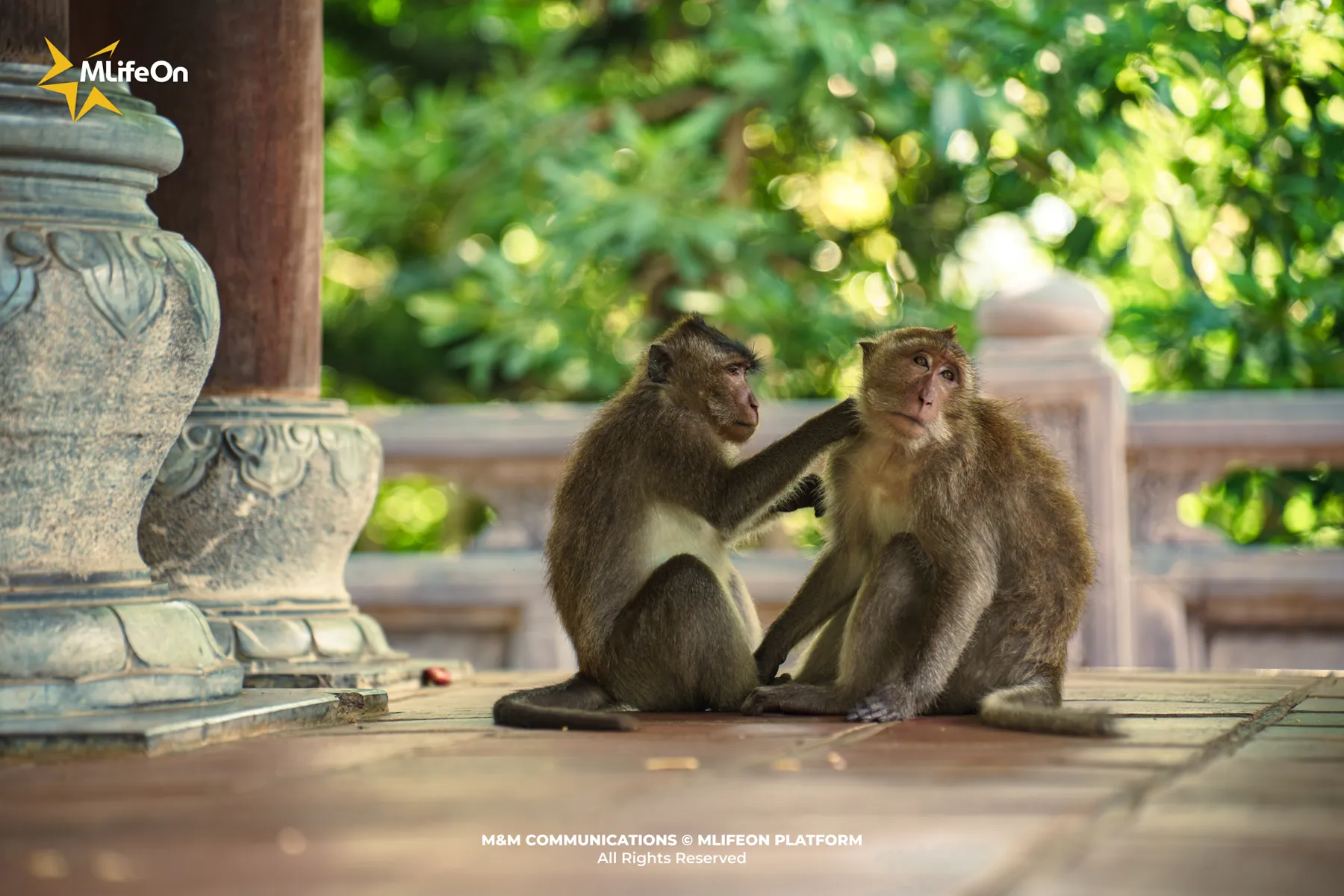
Con Dao continues to preserve its memories. Yet amid those memories, life goes on, the sound of temple bells still echoes through the air, and prayers for peace continue to drift with the sea breeze each day.
Conclusion
Today, Nui Mot Pagoda is a special place of peace amid the mountains, forests, sea, sky, and many layers of memory that define Con Dao. Learning the story behind the pagoda allows visitors not only to appreciate its serenity, but also to understand more deeply the value of the peaceful life that exists here today. Perhaps that is what gives Van Son Tu such a distinctive and lasting place in the hearts of those who have visited.