As a passionate explorer of cultures and histories, my journeys through Vietnam have always been profoundly moving. South Vietnam, in particular, holds a tapestry of stories woven through centuries of conflict, resilience, and vibrant cultural evolution. From ancient pagodas humming with spiritual devotion to somber war memorials that whisper tales of sacrifice, these sites offer a powerful connection to the past.
For the culturally curious traveler, especially those within the Vietnamese-Australian community seeking to reconnect with their heritage, understanding how to approach these sacred and significant places is paramount. This guide is born from countless visits and deep reflection, offering best practices to ensure your exploration is not only enriching but also respectful and sustainable. It's about more than just seeing; it's about truly experiencing and honoring the legacy embedded in every stone and story.
Respecting Sacred Spaces: Temples and Pagodas
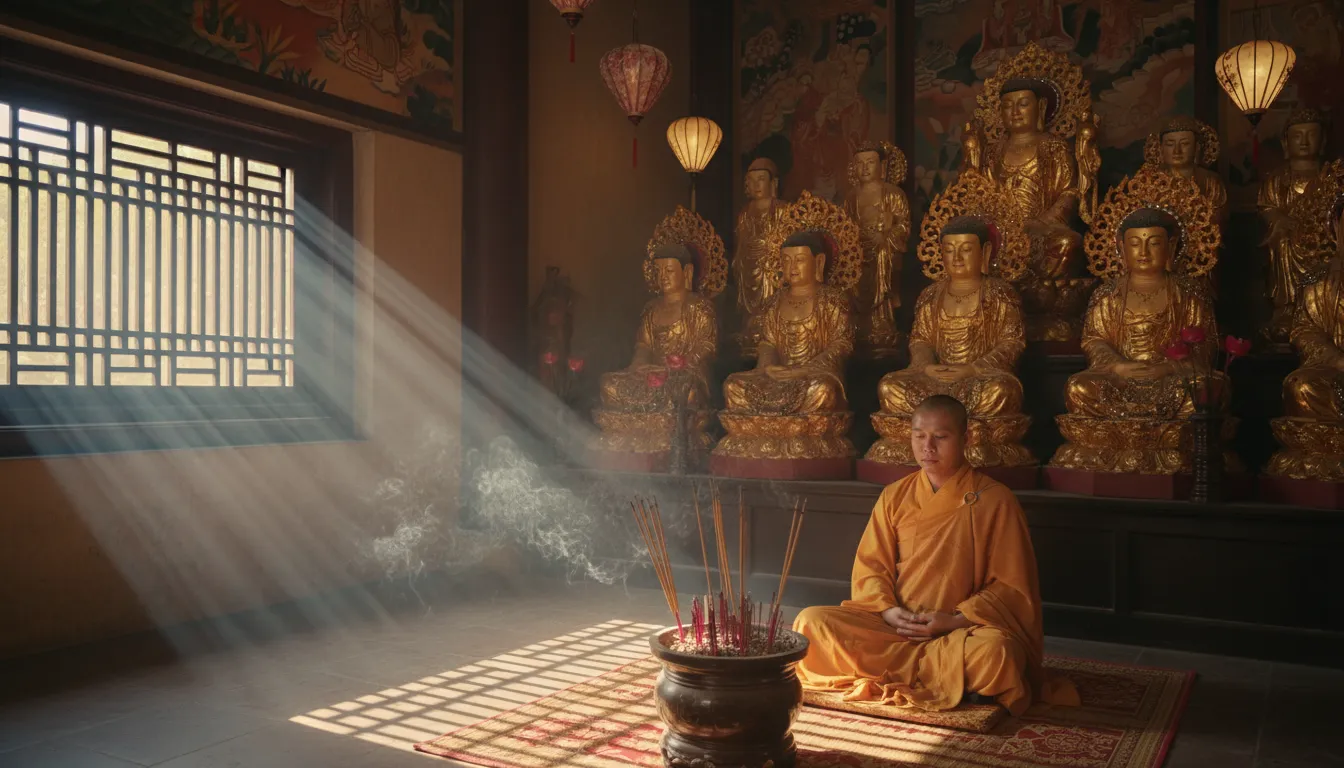
My first encounter with a Vietnamese pagoda was in the heart of Ho Chi Minh City, a serene oasis amidst the urban bustle. The scent of incense, the gentle chanting, and the intricate architecture immediately transported me. These sacred spaces, often centuries old, are not mere tourist attractions; they are active centers of worship, community, and spiritual life.
Approaching them with reverence is the first step. Dress modestly, covering shoulders and knees, as a sign of respect for the spiritual sanctity of the place. I always carry a light scarf or sarong in my bag, which proves invaluable for spontaneous visits. Remove your shoes before entering the main worship halls, a traditional gesture that signifies leaving the outside world behind.
Inside, maintain a quiet demeanor. Observe the rituals and practices of the local worshippers without interruption, and resist the urge to speak loudly or draw attention to yourself. I've often found that by simply sitting quietly and absorbing the atmosphere, I gain a deeper appreciation for the spiritual essence of the pagoda. This silent observation often opens doors to unexpected moments of personal connection and reflection.
Photography is generally permitted, but always be discreet and respectful. Avoid using flash, especially during ceremonies, and never photograph people praying without their explicit permission. It's about capturing the beauty and spirit of the place without intruding on the privacy or devotion of others. Remember, these are living spiritual sites, not just historical relics.
Engaging with monks or temple custodians can be a profound experience if done respectfully. A polite nod, a small bow, or a quiet question about the temple's history or significance, when appropriate, can lead to insightful conversations. I once had a monk patiently explain the symbolism of a particular Bodhisattva statue, enriching my understanding immensely. Always be mindful of their time and commitments.
Consider making a small donation to the temple. These contributions help maintain the sacred grounds and support the monastic community, ensuring these cultural treasures continue to thrive. It's a tangible way to express gratitude for the experience and contribute to the preservation of Vietnamese heritage.
Photography Etiquette at War Memorials and Museums
South Vietnam's history is inextricably linked to the conflicts of the 20th century, and its war memorials and museums are poignant reminders of immense sacrifice and resilience. Sites like the War Remnants Museum in Ho Chi Minh City or the Cu Chi Tunnels offer powerful, often sobering, insights into the human cost of war. My own visits have always left me with a profound sense of reflection and humility.
When visiting these sites, maintaining a somber and respectful demeanor is crucial. These are places of remembrance, not backdrops for casual selfies or loud conversations. I’ve observed visitors taking lighthearted photos, which, while perhaps not intended to be disrespectful, can certainly come across as such to others who are reflecting on the gravity of the history.
Photography is often allowed, but with specific considerations. At the War Remnants Museum, for instance, graphic images and exhibits demand a sensitive approach. Focus on documenting the historical narrative rather than trivializing the exhibits with inappropriate poses or expressions. Think about the story you are capturing and how it contributes to understanding, not just a personal collection.
Always check for signs indicating 'no photography' zones, especially around sensitive exhibits or preserved artifacts. Some sections might be restricted to protect fragile items or ensure privacy. Respecting these rules is a fundamental aspect of responsible tourism.
When photographing memorials or statues, consider the solemnity of the subject. Capture the grandeur and the message of remembrance, but avoid overly posed or cheerful shots. The aim is to honor the memory of those who suffered and sacrificed, not to create a holiday snapshot. A thoughtful composition can convey respect far more powerfully than a forced smile.
Engage with the information presented in museums thoughtfully. These institutions house not just artifacts but also narratives that have shaped a nation. Taking the time to read the plaques, watch the documentaries, and listen to the audio guides deepens your understanding and appreciation. This intellectual engagement is a form of respect in itself, demonstrating a genuine interest in the history being preserved.
Cultural Sensitivity: Engaging with Local Historians
One of the richest aspects of my travels has been the opportunity to connect with local people who hold the living memory and nuanced understanding of their culture and history. In South Vietnam, engaging with local historians, whether formal scholars or community elders, provides an invaluable dimension to your journey. Their perspectives often fill in the gaps left by official narratives and offer a more personal, human touch to historical events.
I recall a conversation with an elderly woman in a small village near My Tho, who shared stories of her family's resilience during the war, completely changing my abstract understanding of the conflict. Such interactions are priceless. To initiate these, approach with genuine curiosity and humility. Start with open-ended questions that invite storytelling rather than demanding specific facts.
Language can be a barrier, but it's not insurmountable. A polite attempt at a few Vietnamese phrases, even just 'Xin chào' (hello) and 'Cảm ơn' (thank you), can go a long way in building rapport. Consider hiring a local guide who can facilitate deeper conversations and translate nuances. Their expertise extends beyond language; they understand cultural cues and can bridge potential misunderstandings.
Be an active and empathetic listener. Avoid interrupting or imposing your own interpretations or political views. Remember, you are there to learn from their perspective, which may be vastly different from your own. The history of Vietnam, particularly the American War, is complex and deeply personal for many. Respecting divergent viewpoints is essential for a meaningful exchange.
When discussing sensitive topics, such as past conflicts, tread carefully. Allow individuals to share what they are comfortable with, and never push for details that seem to cause distress. My experience has taught me that patience and genuine empathy are key to unlocking profound insights. Sometimes, the most powerful stories are told through subtle gestures or unspoken emotions.
Offer a small token of appreciation, like a cup of tea or a small gift, if the interaction has been prolonged and insightful. This gesture of gratitude acknowledges their generosity in sharing their time and knowledge. It fosters goodwill and strengthens the connection between visitors and the local community. These personal encounters are where history truly comes alive, transcending textbooks and monuments.
Sustainable Tourism: Preserving Ancient Structures
The ancient structures of South Vietnam, from the intricate carvings of Cham towers to the weathered brickwork of colonial-era buildings, are testaments to enduring artistry and historical depth. Their preservation is a collective responsibility, and as travelers, we play a significant role in ensuring they stand for future generations. My own commitment to sustainable travel stems from witnessing the delicate balance between tourism and conservation.
Adhere strictly to designated paths and viewing areas. This simple act prevents erosion, protects fragile ground, and minimizes direct contact with ancient surfaces. I've often seen visitors straying off paths for a better photo, unaware of the subtle damage they might be causing. Every footprint outside the designated area contributes to wear and tear over time.
Refrain from touching ancient walls, carvings, or artifacts. The oils and dirt from our hands, over countless interactions, can degrade delicate materials and accelerate their deterioration. Imagine thousands of hands touching a single ancient relief; the cumulative effect is significant. Observe with your eyes, not your hands.
Support local conservation efforts. Many historic sites have small entrance fees, and these often directly contribute to maintenance and restoration projects. Look for opportunities to donate to reputable organizations dedicated to cultural heritage preservation. Your financial contribution, however small, can make a tangible difference in safeguarding these irreplaceable treasures.
Minimize your waste, especially plastic. Carry a reusable water bottle and dispose of any trash properly in designated bins. Litter not only detracts from the aesthetic beauty of a site but can also attract pests that damage structures. Leaving no trace is a fundamental principle of responsible tourism.
Choose tour operators and accommodations that demonstrate a commitment to sustainable practices. Research companies that prioritize local employment, minimize environmental impact, and contribute to community development. Supporting businesses that align with ethical tourism values reinforces the importance of responsible travel throughout the industry.
Educate yourself and others about the importance of preservation. Share your knowledge with fellow travelers and encourage them to adopt best practices. By becoming an advocate for sustainable tourism, you contribute to a larger movement that protects cultural heritage worldwide. Our role as visitors is not just to consume, but to contribute to the longevity of these remarkable places.

Essential Packing List for Historical Exploration
Preparing thoughtfully for your journey through South Vietnam's historic sites can significantly enhance your experience. Having the right gear not only ensures comfort but also prepares you for various situations. Over the years, I've refined my packing list to be both practical and focused on the unique demands of cultural exploration.
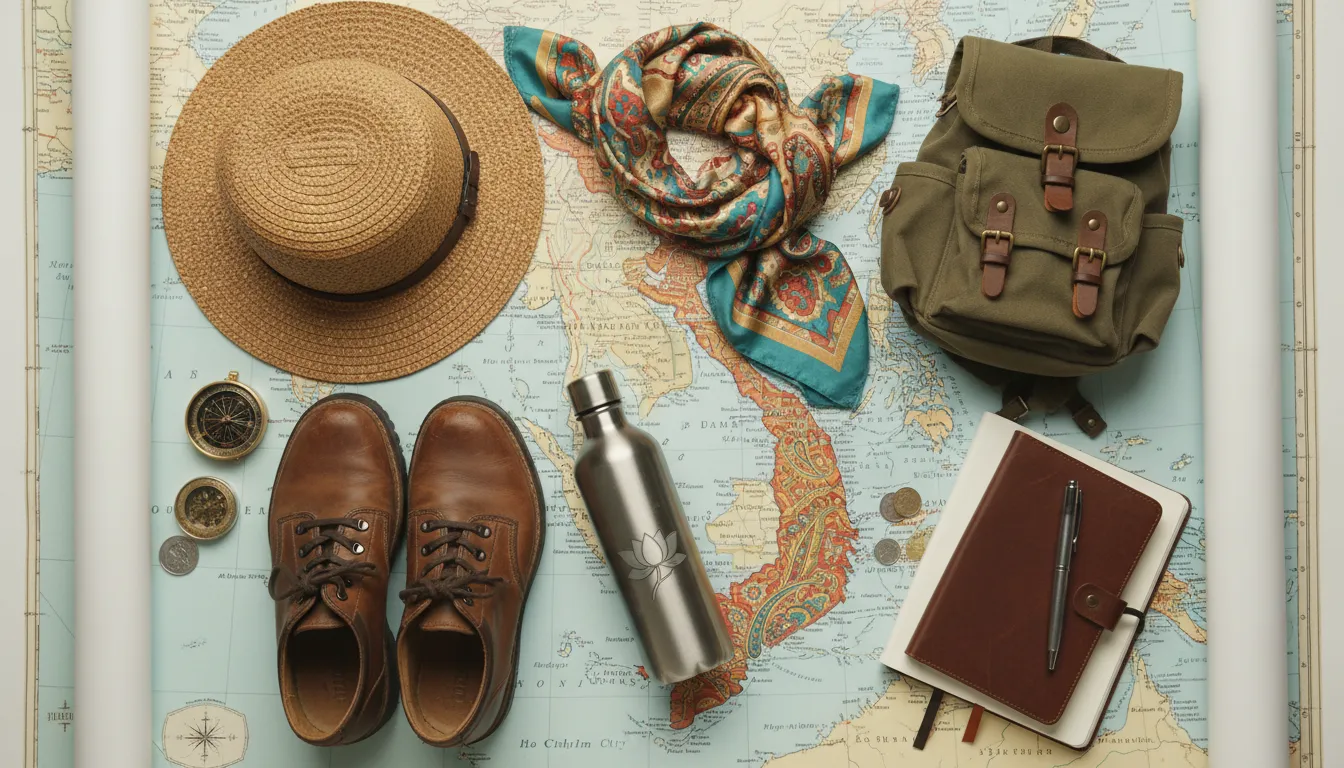
Comfortable, Modest Clothing: Lightweight, breathable fabrics are essential for Vietnam's often humid climate. Pack long pants or skirts and shirts that cover your shoulders for visiting temples and pagodas. Loose-fitting clothing is also more comfortable for extended periods of walking and exploring. I always include a light scarf for extra coverage or sun protection.
Sturdy Walking Shoes: You'll be doing a lot of walking, often on uneven surfaces, cobblestones, or dirt paths. A good pair of comfortable, broken-in walking shoes or sandals with good arch support is crucial. Avoid brand-new shoes that might cause blisters.
Sun Protection: The Vietnamese sun can be intense. A wide-brimmed hat, sunglasses, and high-SPF sunscreen are non-negotiable. I also recommend a light, long-sleeved shirt for extra protection during midday excursions. Heatstroke is a real risk if you're not prepared.
Reusable Water Bottle: Staying hydrated is vital. Carry a reusable water bottle and refill it frequently. Many hotels and cafes offer filtered water, reducing your reliance on single-use plastic bottles. This is a small but impactful step towards sustainable travel.
Insect Repellent: Especially when exploring sites surrounded by nature, like the Cu Chi Tunnels or ancient ruins, insect repellent is a must. Dengue fever is a concern in some areas, so protecting yourself from mosquito bites is paramount.
Small Backpack or Daypack: A lightweight daypack is perfect for carrying your essentials: water, camera, sunscreen, a light jacket, and any souvenirs you might pick up. Choose one that's comfortable to wear for hours.
Portable Charger/Power Bank: You'll likely be using your phone for navigation, photos, and information. A portable charger ensures your devices stay powered throughout the day, preventing missed photo opportunities or getting lost.
Cash (Vietnamese Dong): While credit cards are accepted in many urban areas, smaller vendors, rural sites, and local eateries often prefer or only accept cash. It's always wise to have a supply of Vietnamese Dong in small denominations.
Travel Journal and Pen: For a truly immersive experience, I always carry a small journal. It's a wonderful way to record your observations, reflections, and the stories you encounter. The act of writing helps solidify memories and process experiences.
Basic First-Aid Kit: Include essentials like band-aids, antiseptic wipes, pain relievers, and any personal medications. Small scrapes or headaches can happen anywhere, and being prepared means you won't disrupt your exploration.
Phrasebook or Translation App: While many people in tourist areas speak English, having a basic Vietnamese phrasebook or a translation app on your phone can be incredibly helpful and appreciated by locals. It shows respect for their language and culture.
Conclusion
Exploring the historic sites of South Vietnam is an unparalleled journey into the heart of a resilient and culturally rich nation. From the spiritual sanctuaries that whisper ancient prayers to the poignant memorials that recount tales of fortitude, each site offers a unique window into a profound past. As a seasoned traveler, I’ve learned that the true essence of such a journey lies not just in what you see, but in how you engage with it.
By embracing best practices—showing respect in sacred spaces, observing proper etiquette at solemn memorials, engaging with local voices, and committing to sustainable tourism—you transform your visit into a meaningful exchange. These practices ensure that the beauty and integrity of these irreplaceable sites are preserved for generations to come, allowing their stories to continue to inspire and educate. For the Vietnamese-Australian community, this approach offers a deeper, more resonant connection to ancestral lands and heritage.
Your journey through South Vietnam's historic sites is an opportunity for profound personal discovery and cultural immersion. Go forth with an open heart, a curious mind, and a commitment to respectful exploration. May your path be filled with unforgettable stories and inspiring connections, fulfilling MLifeOn's promise of 'More Discovery, More Experience.' The echoes of history await your mindful presence.