As a seasoned traveler and chronicler of cultures, few regions captivate me quite like the Mekong Delta, a vibrant network of waterways, fertile lands, and a history as rich and flowing as the river itself. South Vietnam, often viewed through the lens of its more recent past, holds layers of stories etched into its landscapes and structures, waiting to be discovered. For those of us at MLifeOn, seeking authentic narratives and profound connections, places like My Tho offer an unparalleled journey into the soul of this remarkable land.
My Tho, a charming city nestled on the northern bank of the Tiền River, an arm of the Mekong, stands as a prime example of South Vietnam's enduring historical significance. It's a place where ancient victories, colonial influences, and spiritual devotion converge, painting a vivid picture of the region's diverse heritage. Embarking on a journey through My Tho is not merely a sightseeing trip; it's an immersive experience into the very heart of Southern Vietnamese identity and resilience.
My Tho: The Gateway to the Mekong History
My Tho's strategic location, approximately 70 kilometers southwest of Ho Chi Minh City, has historically positioned it as a vital gateway to the Mekong Delta. Its name, believed to derive from the Khmer 'Muek Thma' meaning 'white pearl,' hints at its long-standing importance even before Vietnamese settlement. From its early days, the city served as a crucial port, facilitating trade and cultural exchange across the vast river network.
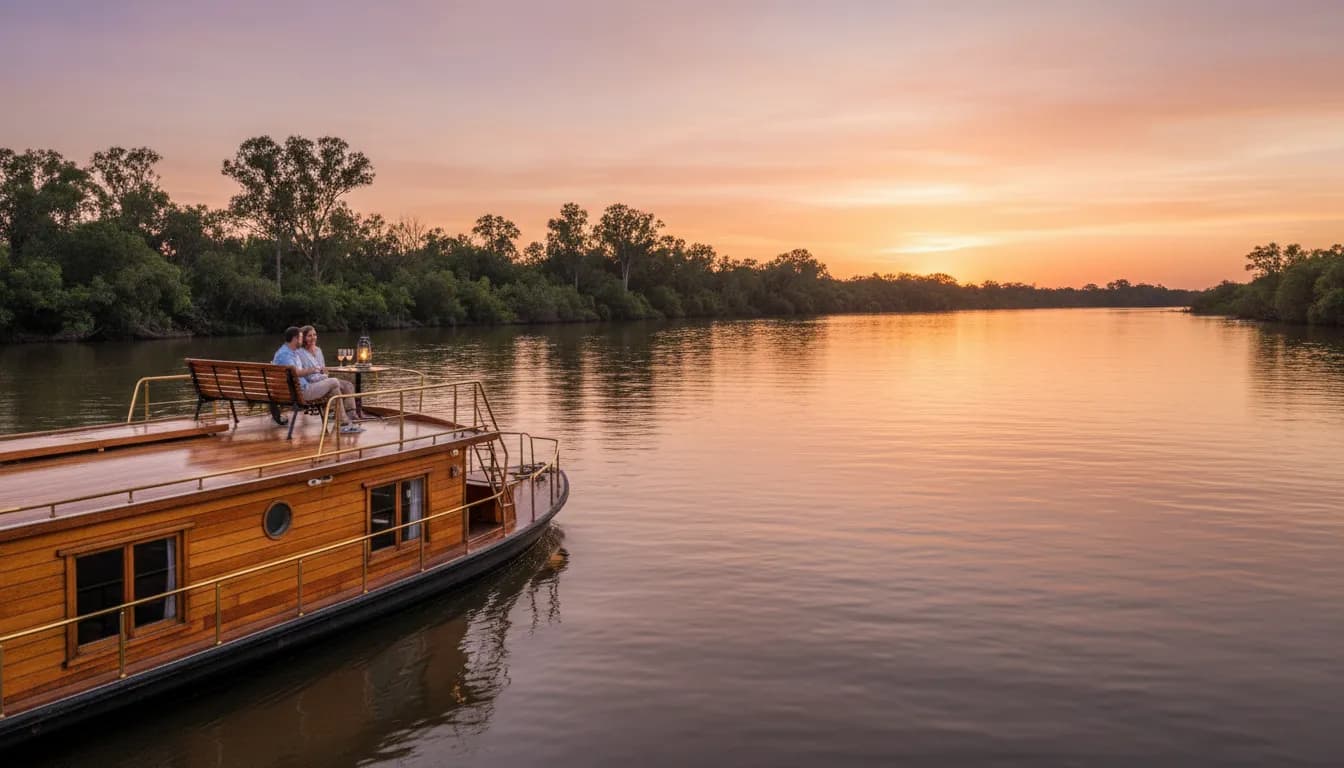
The Mekong River, often referred to as the 'rice bowl' of Vietnam, has always been the lifeblood of this region, shaping its economy, culture, and history. My Tho, situated at a major crossroads of these waterways, naturally became a focal point for commerce, migration, and military strategy. Exploring its streets and waterways today is to walk through centuries of this rich, intricate history.
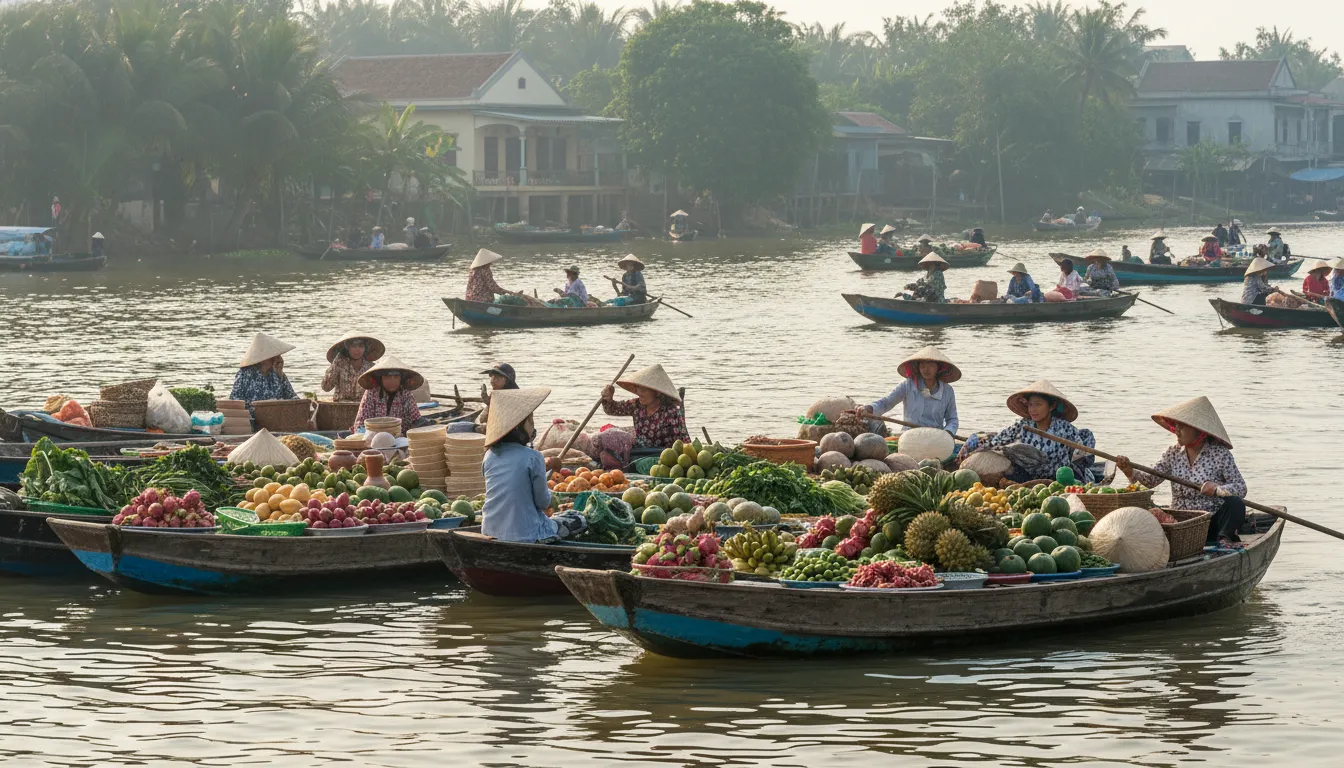
My personal expeditions into the delta have always started from My Tho, not just for its convenience, but for the immediate sense of stepping into a historical continuum. The bustling river life, the boats laden with produce, and the gentle rhythm of the water all speak to an ancient way of life that persists, connecting past and present in a tangible embrace. It truly feels like unlocking the Mekong's story right from its historical heart.
Detailed Case Study: Vinh Trang Pagoda
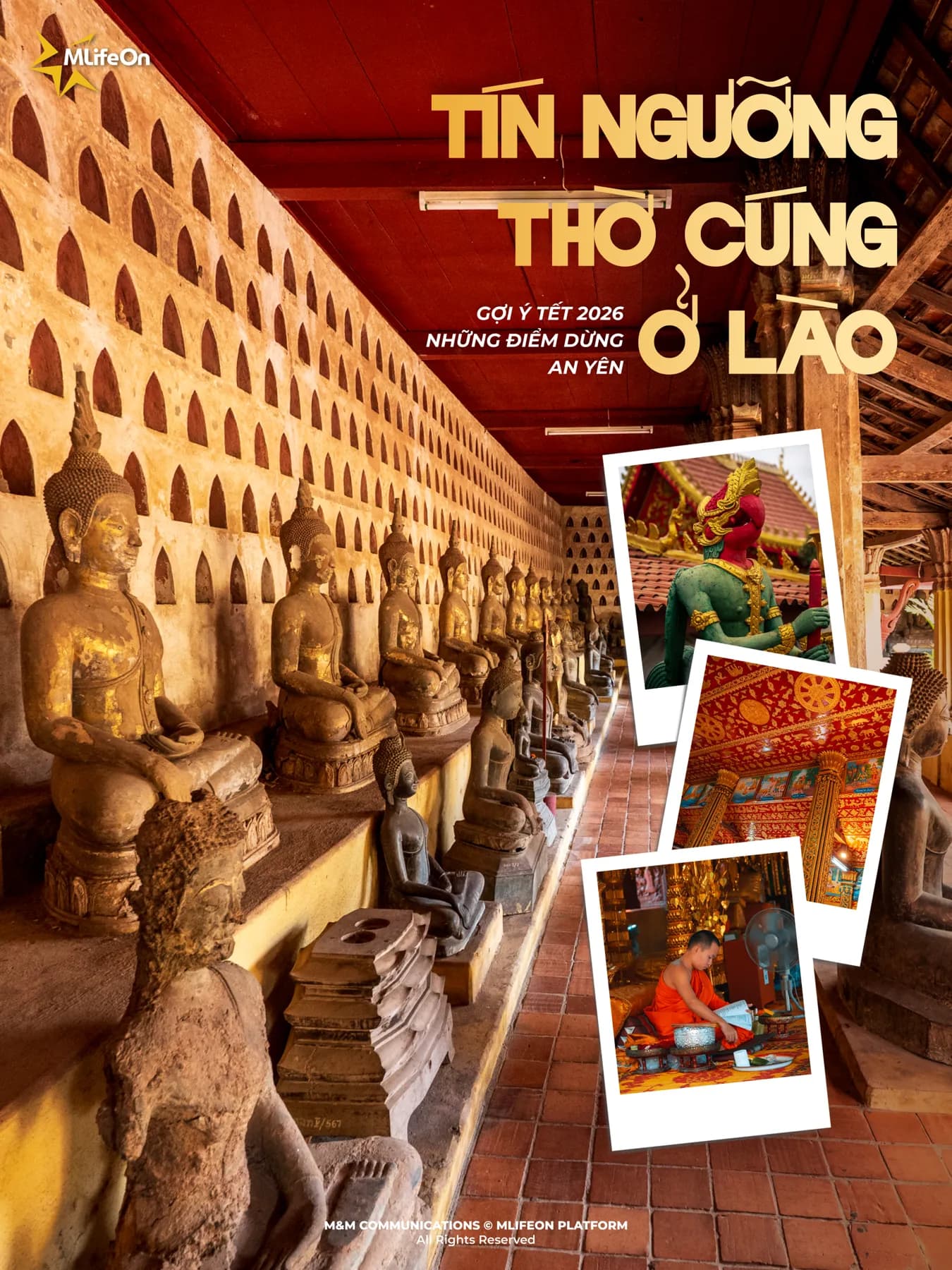
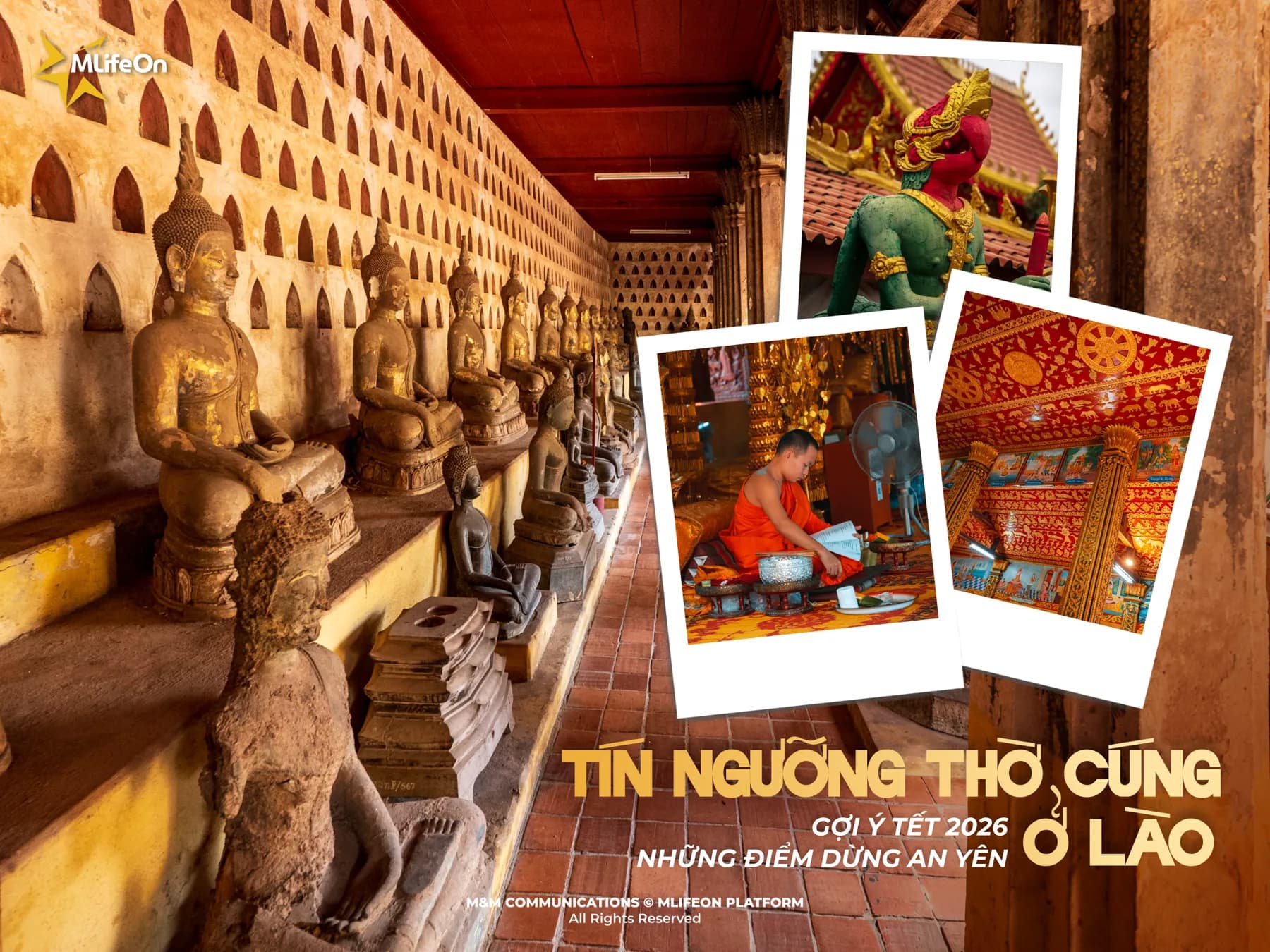
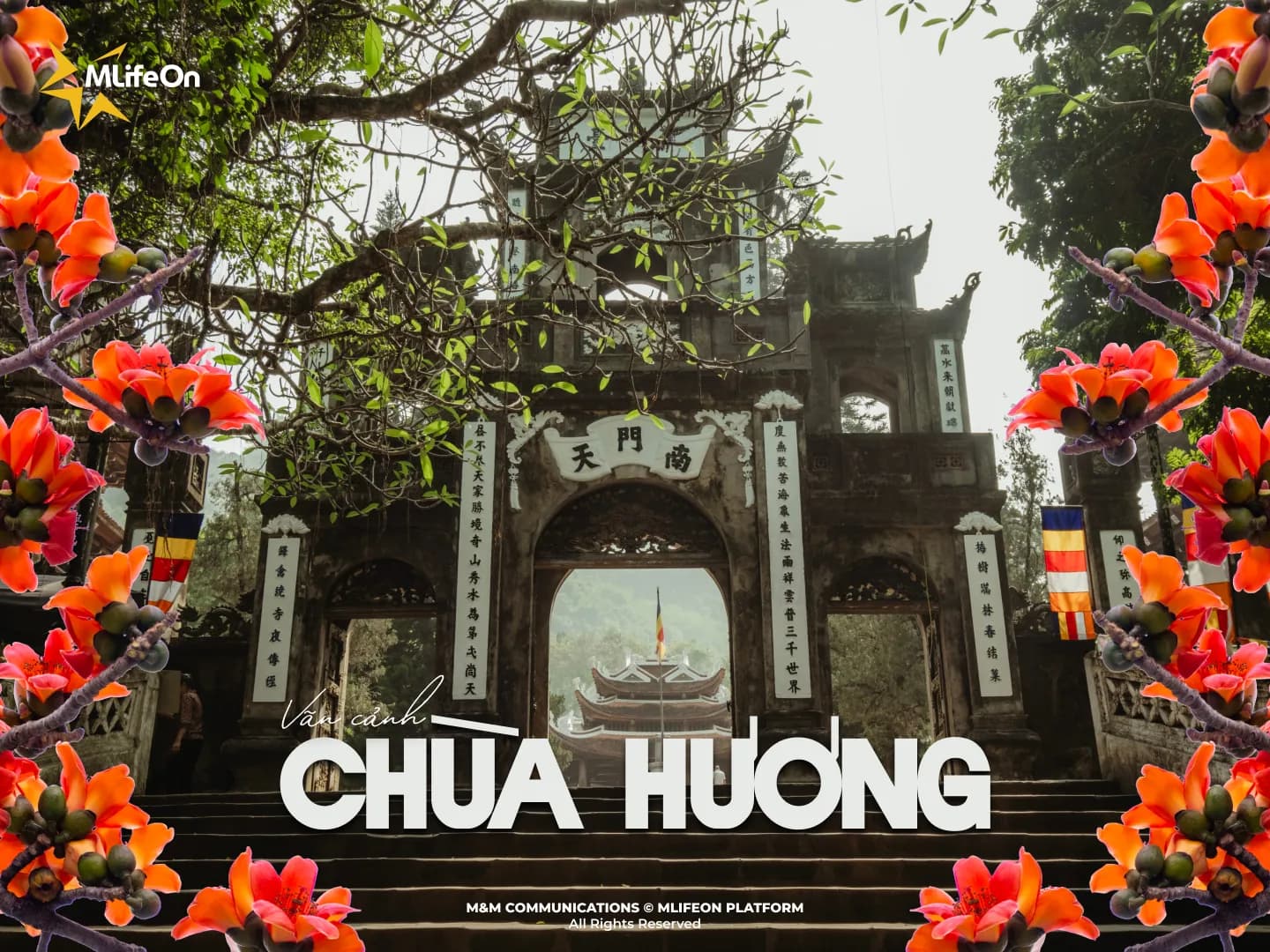
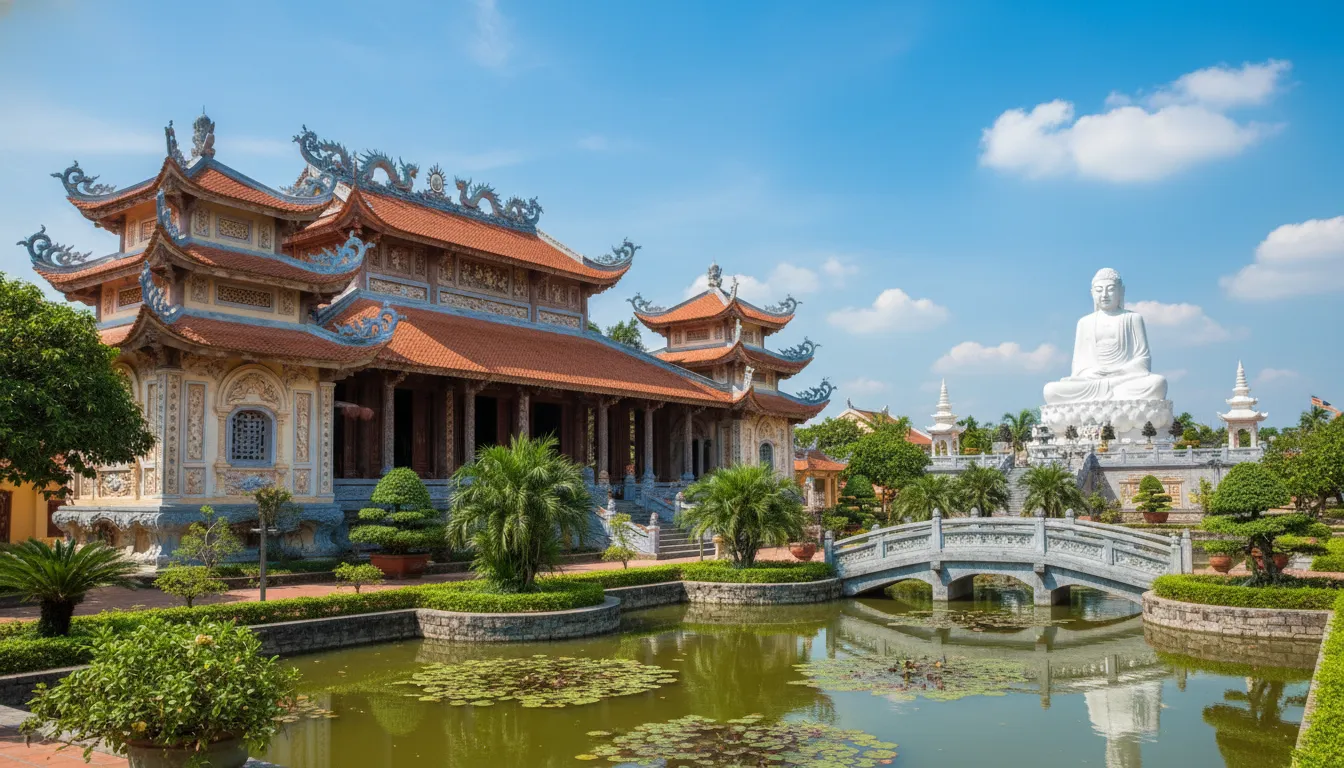
Among My Tho’s most prominent historical gems is the magnificent Vinh Trang Pagoda, a testament to the spiritual and artistic richness of the Mekong Delta. Founded in the early 19th century by Monk Hue Dang, this sacred site has undergone several renovations and expansions, evolving into the architectural marvel we see today. It stands as a beacon of Buddhist faith and a striking example of cultural synthesis.
The pagoda is not just a place of worship; it is an open-air museum, showcasing an extraordinary blend of architectural styles. Its serene gardens, intricate carvings, and imposing Buddha statues invite contemplation and wonder. Walking through its expansive grounds, one cannot help but feel the deep spiritual energy that permeates every stone and statue.
My first visit to Vinh Trang was an unexpected delight, a tranquil oasis amidst the delta's vibrant chaos. The sheer scale of the statues, particularly the colossal reclining Buddha, standing Buddha, and Maitreya Buddha, is breathtaking. Each figure, meticulously crafted, tells a story of devotion and artistic mastery, reflecting the profound Buddhist traditions of the region.
Blending Khmer, Chinese, and European Architecture
What truly sets Vinh Trang Pagoda apart is its unique architectural fusion, an eloquent narrative of the diverse cultural influences that have shaped Southern Vietnam. The pagoda masterfully blends elements from Khmer, Chinese, and European architectural traditions, creating a harmonious and visually stunning complex. This syncretism is a physical manifestation of the region's historical cross-cultural dialogues.
From the moment you approach, the Chinese influence is evident in the ornate, multi-tiered roofs, adorned with vibrant dragon and phoenix motifs that guard the entrances. These traditional Eastern symbols signify prosperity and power, often seen in ancient temples across China and Vietnam. The intricate ceramic mosaics, depicting scenes from Buddhist scriptures and folk tales, further enhance this distinctive aesthetic.
However, as you delve deeper, Khmer architectural elements also become apparent, particularly in the subtle curvatures of the roofs and some of the decorative patterns reminiscent of Angkor Wat. This influence is a natural reflection of the historical proximity and long-standing interactions between the Vietnamese and Khmer peoples in the Mekong Delta. It speaks to a shared heritage and artistic exchange that predates modern borders.
Adding another fascinating layer to this blend are the unexpected European touches, a legacy of the French colonial era. You might notice stained-glass windows, intricate tile work, and even some Gothic arches, which are distinctively un-Vietnamese, yet beautifully integrated into the overall design. These elements, particularly visible in the facade and some interior details, offer a rare glimpse into the complex cultural interactions of the time. This unique combination makes Vinh Trang a truly singular architectural experience.
The History of Rạch Gầm-Xoài Mút Victory
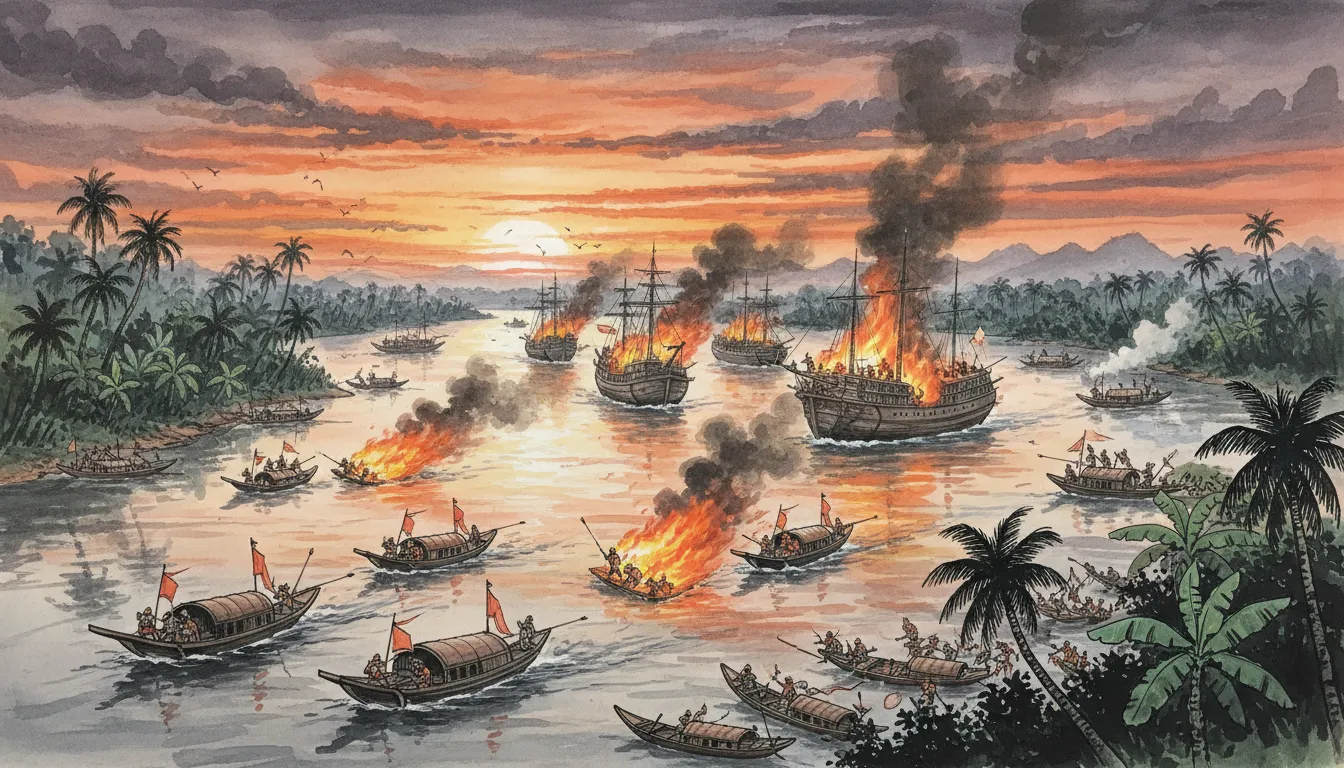
Beyond its spiritual landmarks, My Tho also holds the echoes of significant military triumphs, none more celebrated than the Battle of Rạch Gầm-Xoài Mút. This decisive naval victory, fought on January 19, 1785, near the present-day towns of Châu Thành and Cai Bè, stands as a pivotal moment in Vietnamese history. It showcased the strategic genius of Emperor Quang Trung (Nguyễn Huệ) and secured the independence of Southern Vietnam from foreign intervention.
The battle took place during a tumultuous period when the Nguyễn Lords, vying for power in the south, sought assistance from Siam (modern-day Thailand) against the Tây Sơn rebels. The Siamese army, with a massive fleet and ground forces, invaded the Mekong Delta, aiming to establish their dominance. This foreign incursion posed a grave threat to Vietnamese sovereignty and the people's way of life.
Nguyễn Huệ, one of the Tây Sơn brothers, masterminded a brilliant ambush on the Tiền River, near the confluence of the Rạch Gầm and Xoài Mút tributaries. Utilizing the complex riverine terrain, he lured the unsuspecting Siamese fleet into a narrow, pre-arranged trap. His forces, hidden along the riverbanks and on nearby islands, launched a devastating surprise attack, deploying fire rafts and small, agile boats.
The result was an overwhelming victory for the Vietnamese forces, virtually annihilating the Siamese fleet and ending their ambitions in the region. This triumph not only consolidated the Tây Sơn Dynasty's control over Southern Vietnam but also forged a powerful sense of national unity and pride. It remains a celebrated chapter in the nation's struggle for self-determination.
Visiting the memorial site dedicated to this battle near My Tho evokes a profound sense of history and patriotism. Standing by the tranquil river, it's easy to imagine the chaos and courage of that fateful day, a powerful reminder of the resilience of the Vietnamese people. It's a testament to the fact that beyond the serene beauty of the delta, there are stories of fierce determination and strategic brilliance.
Colonial Architecture in My Tho City Center
The French colonial period, from the mid-19th century to the mid-20th century, left an indelible mark on Vietnam, and My Tho is no exception. The city center, with its wide boulevards and distinctive buildings, offers a fascinating glimpse into this era. These structures, though often repurposed, stand as tangible reminders of a significant chapter in the city's development.
As a key administrative and commercial hub in the Mekong Delta, My Tho benefited from French urban planning and infrastructure development. The colonial administration invested in public works, including roads, bridges, and important civic buildings, transforming the city's landscape. Many of these structures continue to define the urban fabric of My Tho today.
Walking through My Tho’s downtown, I often find myself admiring the elegant, if sometimes faded, facades of these colonial-era buildings. The old Post Office, for instance, with its classic French architectural lines, still functions, silently connecting the past with the present. Its high ceilings, arched windows, and sturdy construction speak of a different time, yet its utility endures.
Another prominent example is the former Provincial Governor's Residence, often characterized by its grand scale and European design principles. While its exact function may have changed over the decades, its imposing presence continues to shape the city's central square. These buildings, distinct from traditional Vietnamese architecture, reflect a period of profound cultural and political transformation.
The old market buildings and some private villas also showcase characteristic French colonial styles, featuring elements like louvered shutters, terracotta roofs, and spacious verandas designed for the tropical climate. These architectural remnants provide a valuable insight into the daily lives and administrative structures of the colonial period, offering a tangible link to a complex and contested past. They are not merely old buildings, but historical documents etched in stone and mortar.
How My Tho Shaped Southern Trade History
My Tho's geographical position made it an indispensable hub in the intricate tapestry of Southern Vietnamese trade history. For centuries, the city served as a vital nexus for the collection, processing, and distribution of goods flowing through the Mekong Delta. Its role was crucial in connecting the agricultural heartland with both regional and international markets.
The Mekong Delta, often lauded as Vietnam's 'rice bowl,' produced vast quantities of rice, fruits, and other agricultural products. My Tho, situated at a strategic point on the Tiền River, became the primary collection point for these commodities. Farmers and merchants from surrounding provinces would bring their produce to My Tho by boat, where it would then be loaded onto larger vessels for onward transport.
Beyond rice, My Tho was also central to the trade of fish, coconuts, and various tropical fruits like durian and rambutan. The river itself was a bustling highway, teeming with sampans, barges, and larger junks, all contributing to the vibrant commercial activity. This constant flow of goods and people fostered a dynamic marketplace and a cosmopolitan atmosphere.
During the French colonial era, My Tho's commercial importance only grew. The French developed infrastructure, including railways and port facilities, to more efficiently extract resources from the delta. My Tho became a key export terminal, particularly for rice destined for other parts of the French Empire and beyond. This solidified its status as a major economic player in the region.
My experiences on the Mekong often involve observing the modern-day continuation of this trade. Though larger ships now navigate the deeper channels, the smaller boats still ply the tributaries, carrying everything from fresh produce to building materials. It's a living history lesson, demonstrating how the river has consistently been the engine of commerce and sustenance for generations. The legacy of My Tho's trade history is visible in every floating market and every laden sampan, a testament to its enduring economic significance.
Conclusion
My Tho, with its blend of spiritual serenity, historical valor, colonial charm, and enduring commercial vitality, stands as a compelling example of the rich tapestry of South Vietnam's historic sites. It is far more than just a stopping point on a Mekong Delta tour; it is a profound journey into the very essence of Southern Vietnamese identity and resilience. From the intricate beauty of Vinh Trang Pagoda to the strategic brilliance of Rạch Gầm-Xoài Mút, and the architectural remnants of a colonial past, My Tho offers a multifaceted historical narrative.
For the culturally curious traveler, particularly those with Vietnamese-Australian connections seeking to reconnect with their heritage, My Tho provides invaluable insights. It showcases how diverse cultural influences have converged and evolved, creating a unique synthesis that defines the region. The city’s unwavering connection to the Mekong River further underscores its historical significance, painting a vivid picture of a life shaped by the rhythm of the water.
At MLifeOn, we believe in journeys that offer more than just sights – we seek experiences that forge deeper connections and reveal authentic stories. My Tho encapsulates this ethos, inviting visitors to look beyond the surface and delve into the layers of history, culture, and human endeavor that have shaped this remarkable corner of Vietnam. It is truly a gateway to unforgettable cultural stories and inspiring connections, fulfilling our tagline: 'More Discovery, More Experience.'