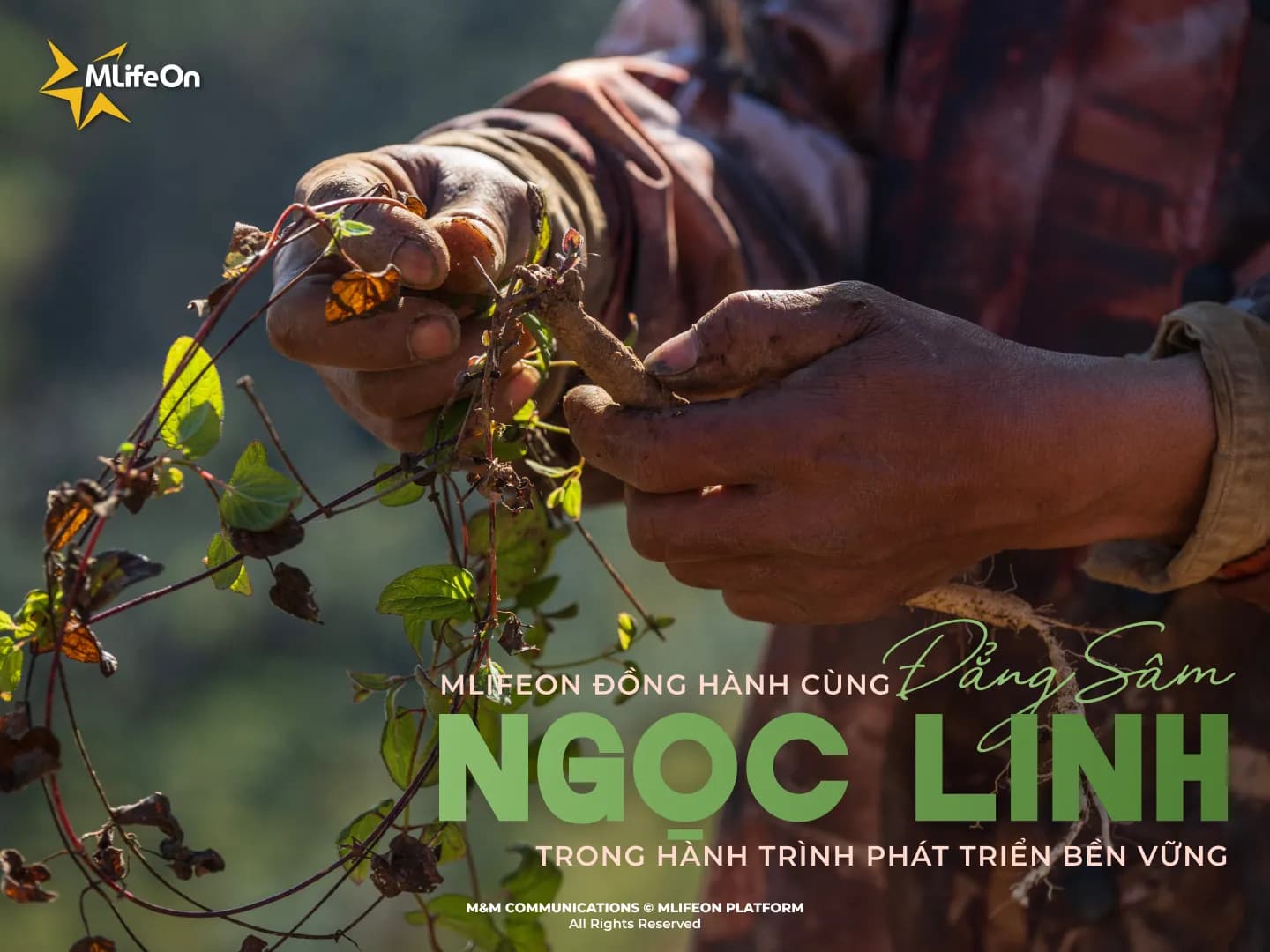
MLIFEON ACCOMPANYING NGOC LINH CODONOPSIS ON A SUSTAINABLE DEVELOPMENT JOURNEY

Vy Vy
MLIFEON ACCOMPANYING NGOC LINH CODONOPSIS ON A SUSTAINABLE DEVELOPMENT JOURNEY
Introducing the growing region of Ngoc Linh codonopsis, the local Sedang ethnic community, Toong Tang Xanh Cooperative, and MLifeOn’s journey of accompanying and contributing to sustainable development projects.

In Quang Ngai Province formerly Kon Tum, particularly in the Ngoc Linh mountain area, codonopsis is a familiar medicinal plant to local communities. Codonopsis has long been present in daily life, closely connected to forests, upland fields, and traditional herbal practices of the Sedang ethnic people. In this project, MLifeOn has the opportunity to accompany Toong Tang Xanh Cooperative, directly exploring codonopsis, including cultivation methods, harvesting practices, and the role this medicinal plant plays in local livelihoods.

Ngoc Linh Codonopsis from the mountain forests

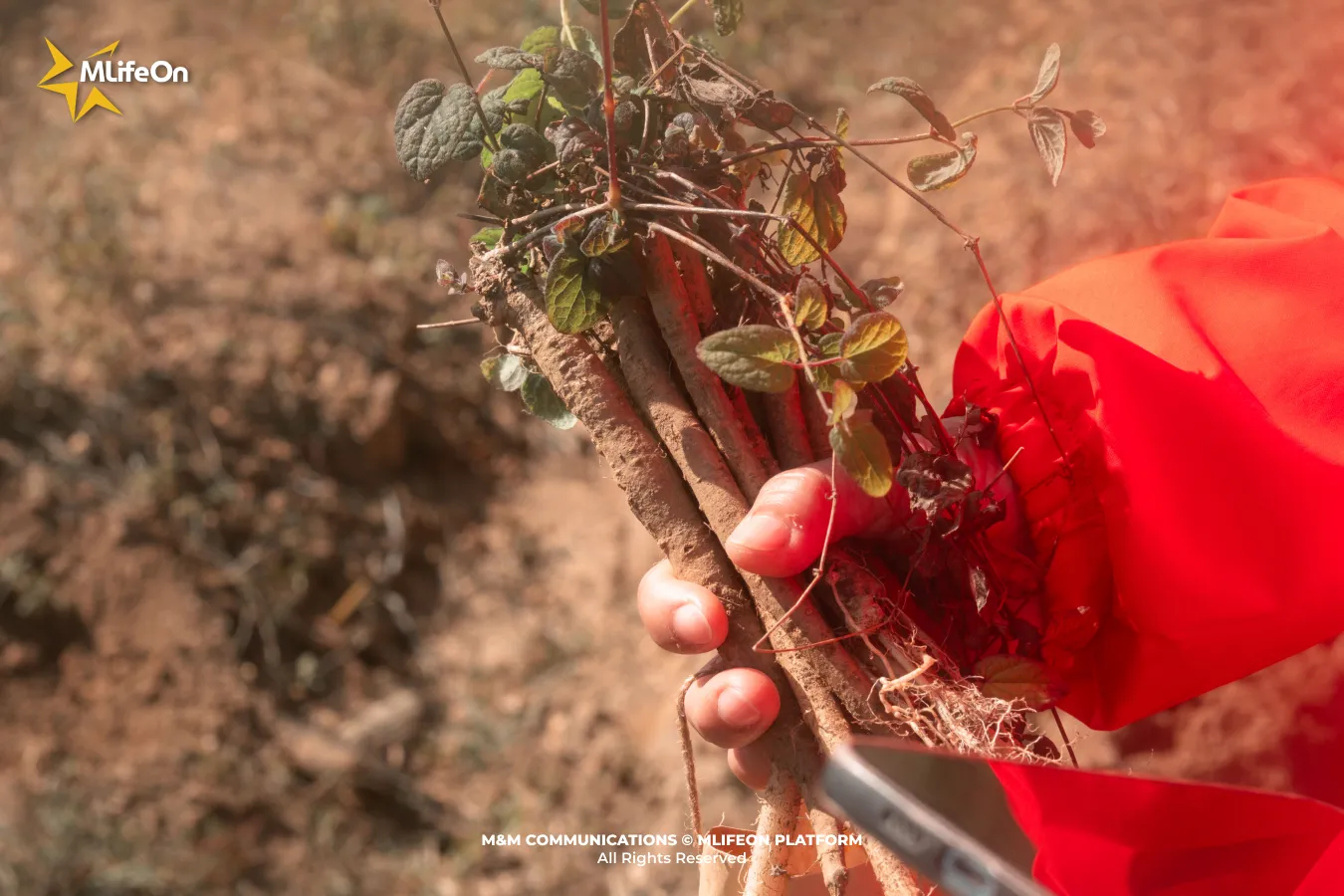
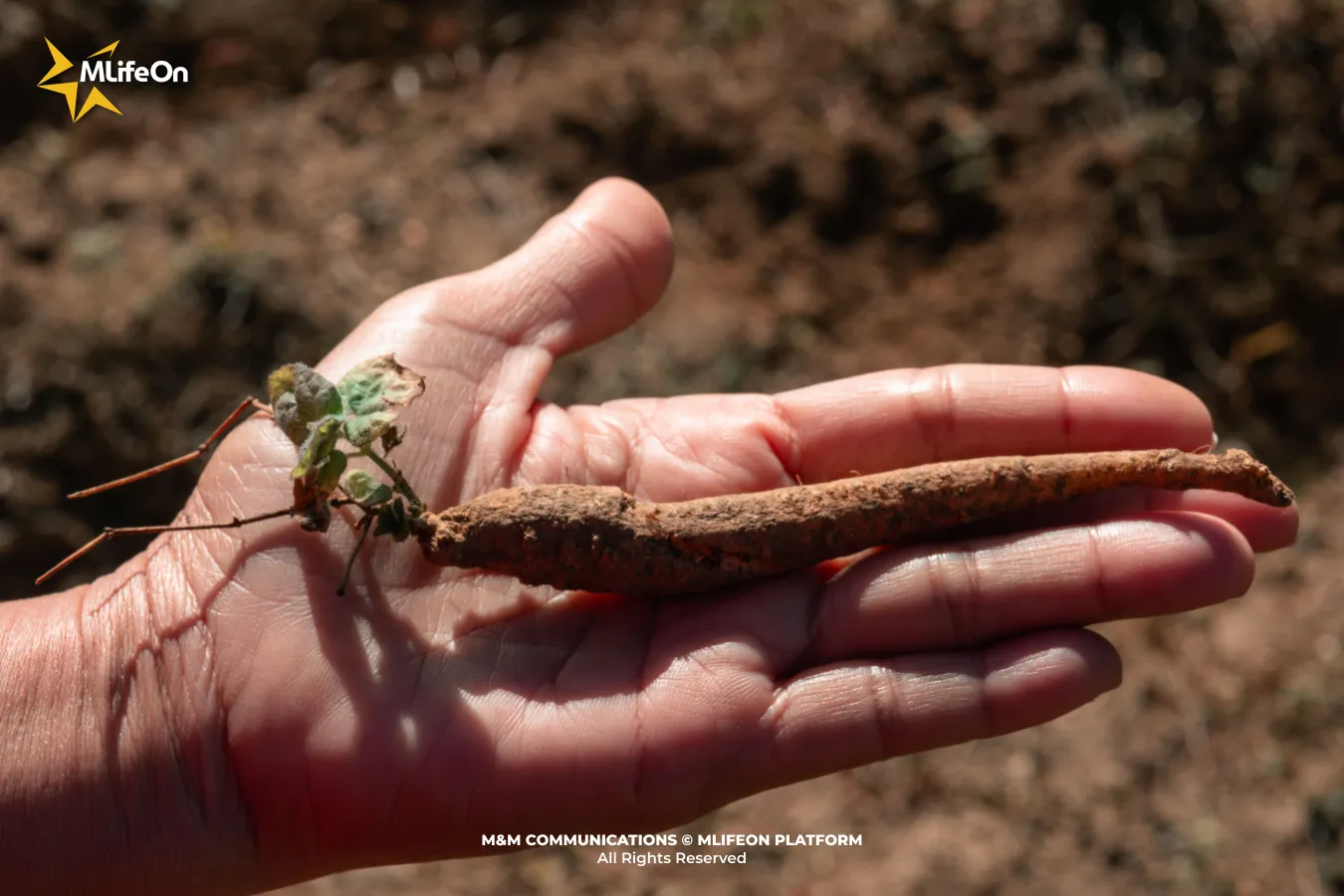
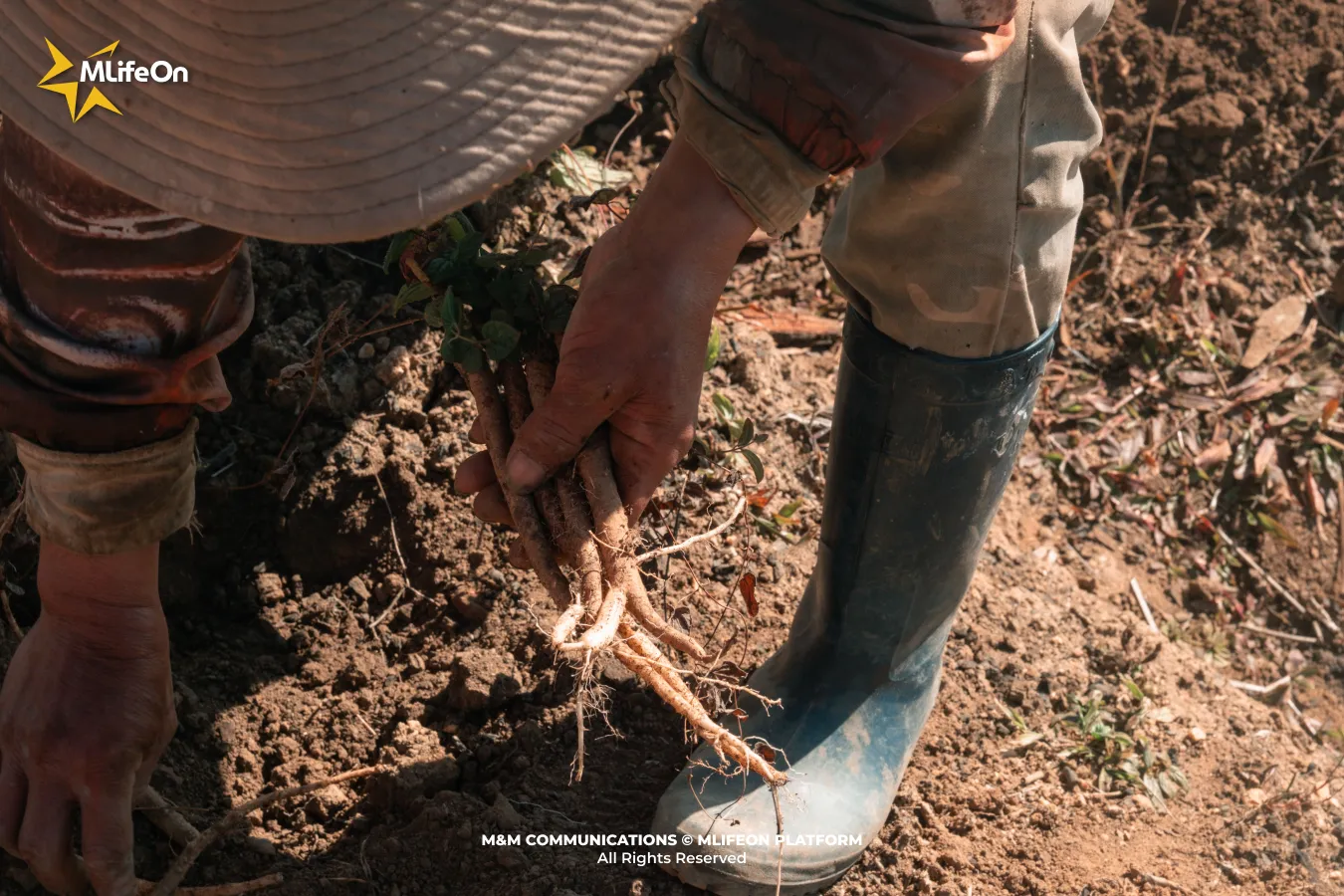
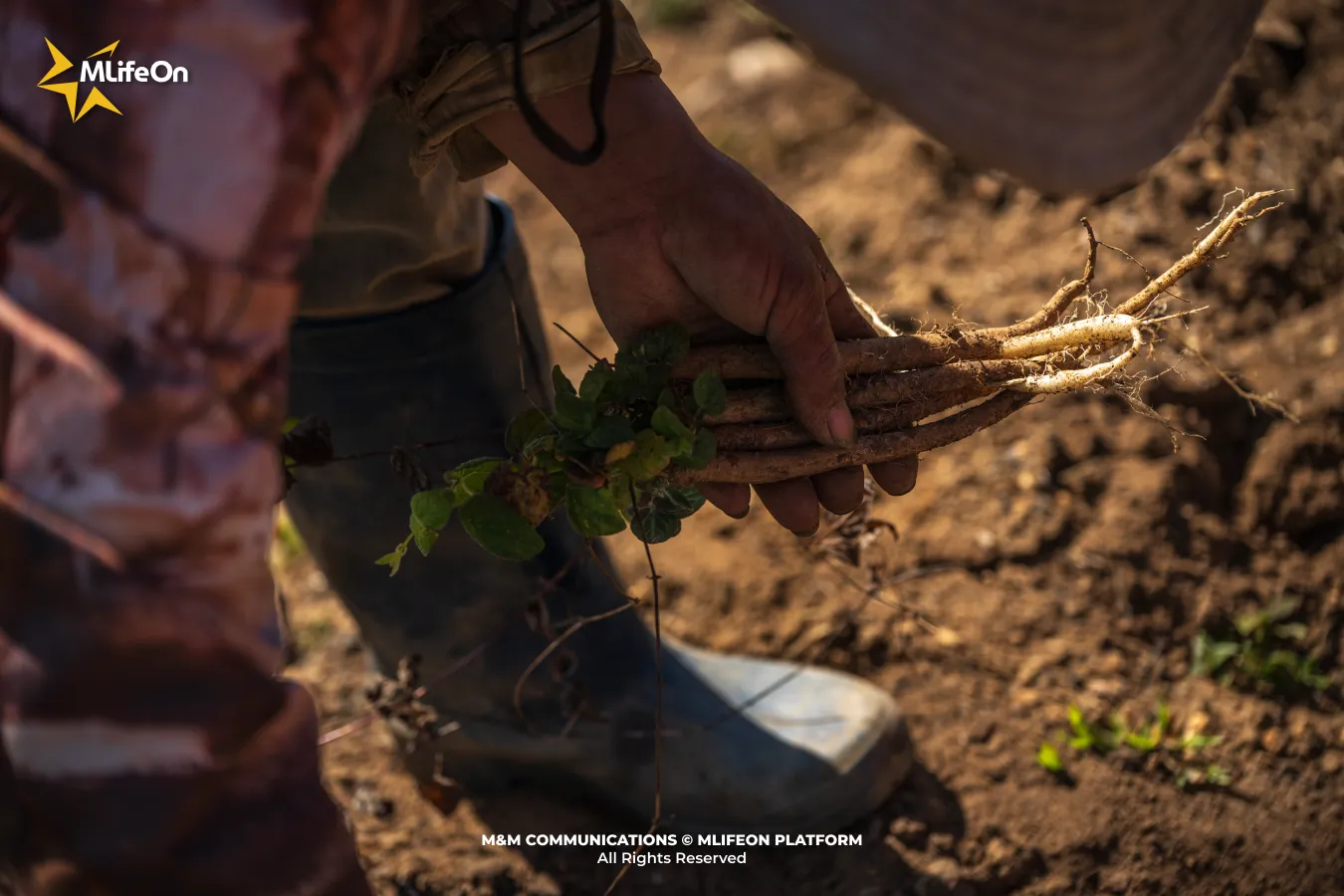
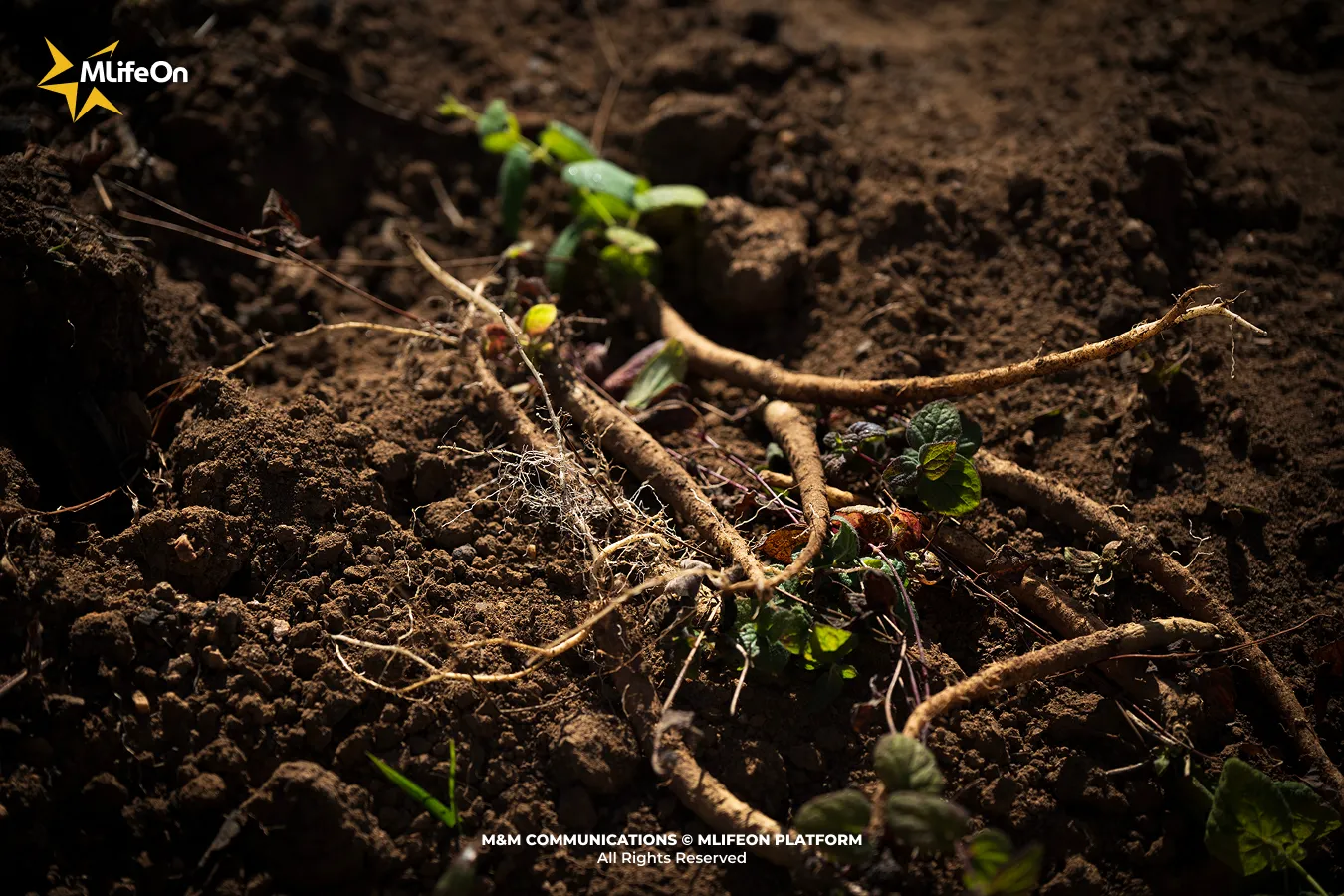
Codonopsis, locally known as “sâm dây” and often referred to as Ngọc Linh codonopsis, is a climbing plant whose root develops into a tuber. The plant grows well at medium to high elevations, where the climate is cool and the soil is loose and rich in humus.
Frame 988.png

Frame 974.png

Frame 981.png

In the Ngoc Linh mountain area, codonopsis grows naturally or is cultivated by local people in their fields and along forest edges. The soil conditions and cool climate of the highland region create a suitable environment for the plant to grow steadily across seasons. This is also why codonopsis from this area is often valued for its quality and the presence of active compounds, including saponin, a component frequently mentioned in herbal research materials.
Frame 983.png

Frame 973.png

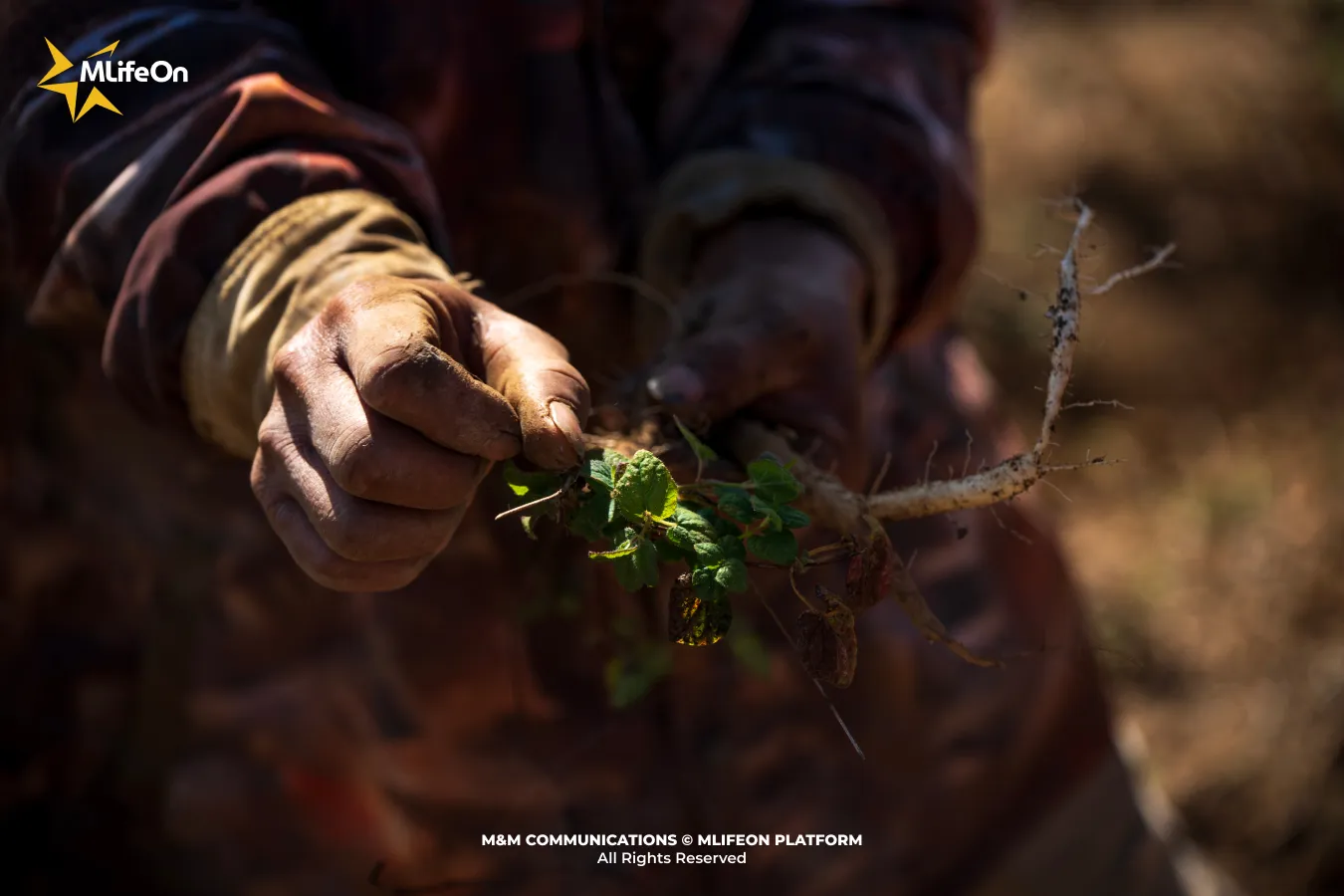
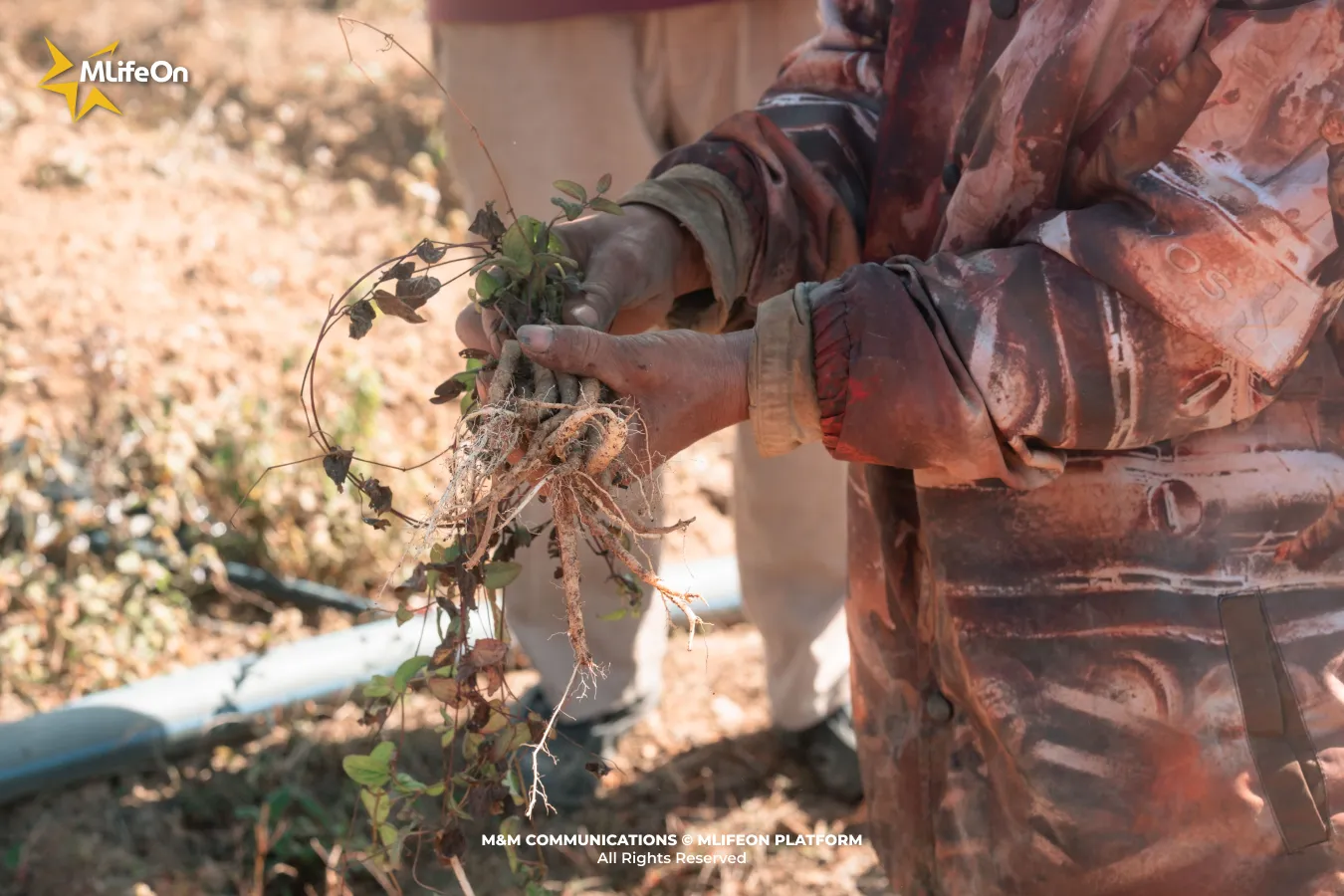
Wild codonopsis root, a natural essence of health from the mountain forests.

In everyday life, codonopsis is used by local people in various ways, such as boiling it for drinking water, cooking it in soups, soaking it in alcohol, or drying it for later use. These simple methods fit well with the daily rhythm and living conditions of mountain communities.

The Sedang community and codonopsis cultivation

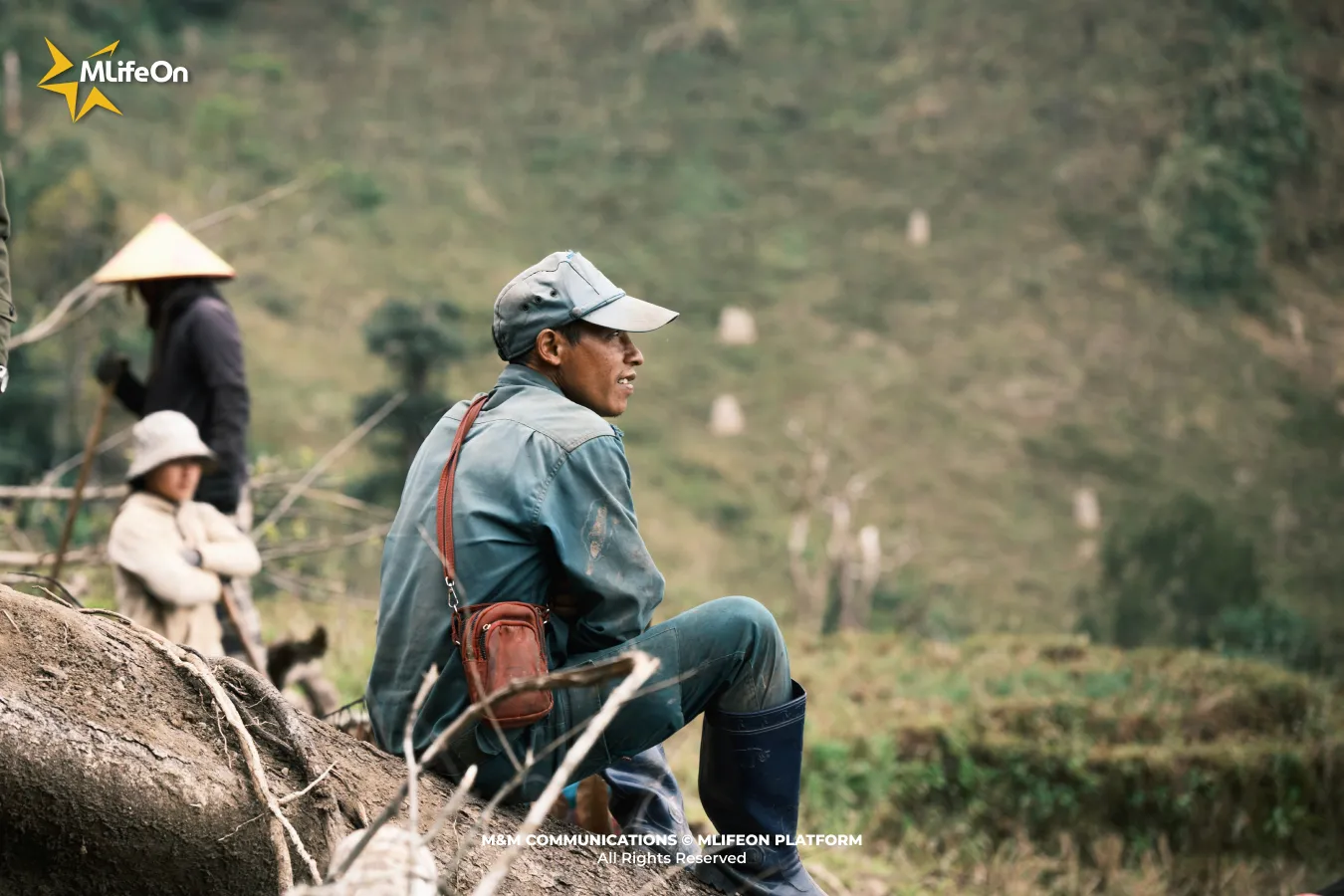
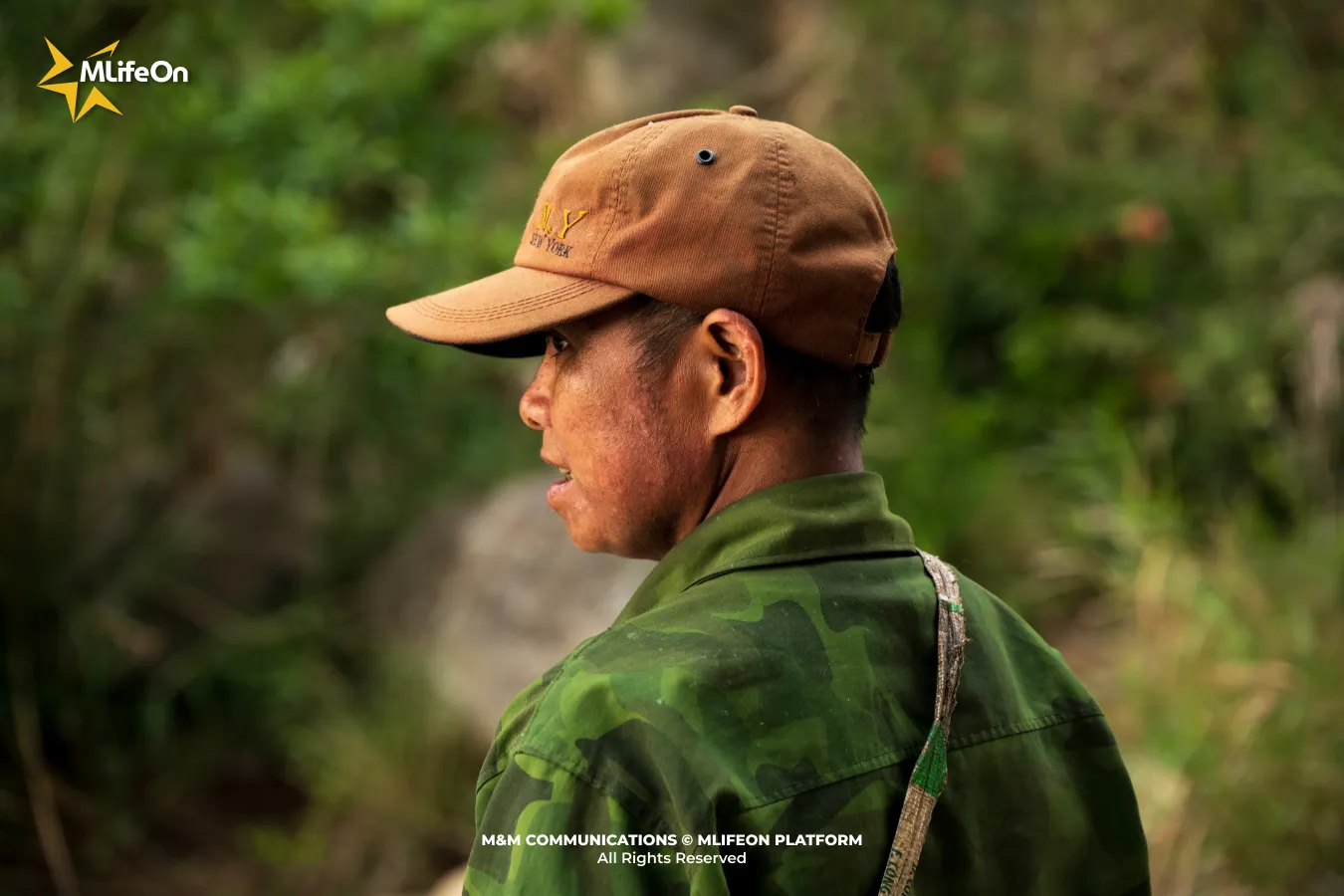
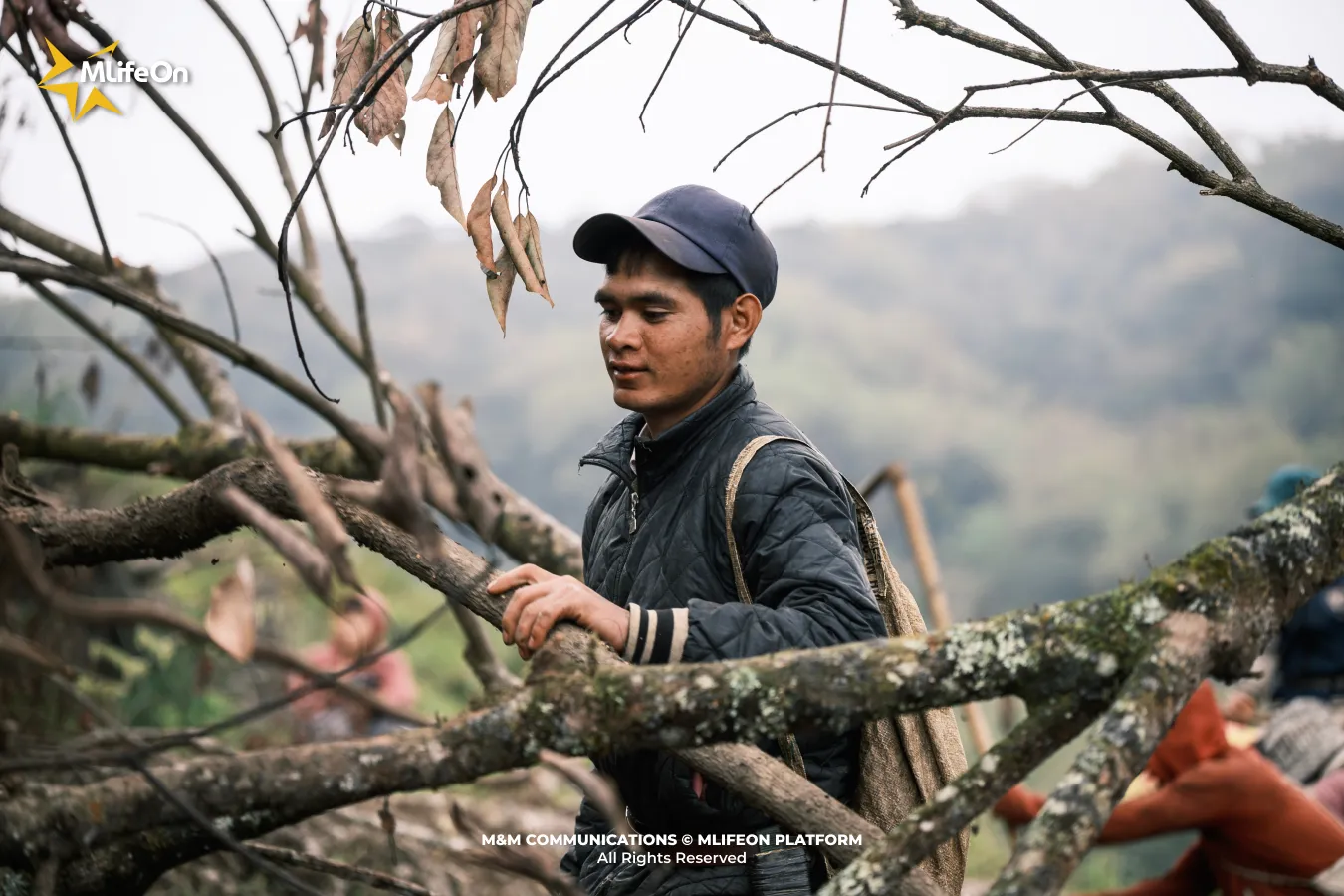
For the Sedang people, codonopsis is not cultivated as a large scale crop aimed at maximizing production. The cultivation and harvesting of the plant rely largely on experience in observing nature, understanding the plant’s growth cycle, and adapting to the soil conditions of each field across different seasons.
Frame 978.png

Frame 982.png

Frame 976.png

Local people usually cultivate codonopsis in their fields or along forest edges, where the soil is loose and the moisture level is suitable for the plant to grow. During harvest, smaller roots are often kept aside and used as planting material for the next season. In addition, when codonopsis seeds ripen and dry, they fall to the ground. With the arrival of the first seasonal rains, these seeds can germinate naturally. In particular, in fields where vegetation has been cleared by burning, the germination rate of the seeds is often higher, allowing the plants to continue growing in the following seasons.

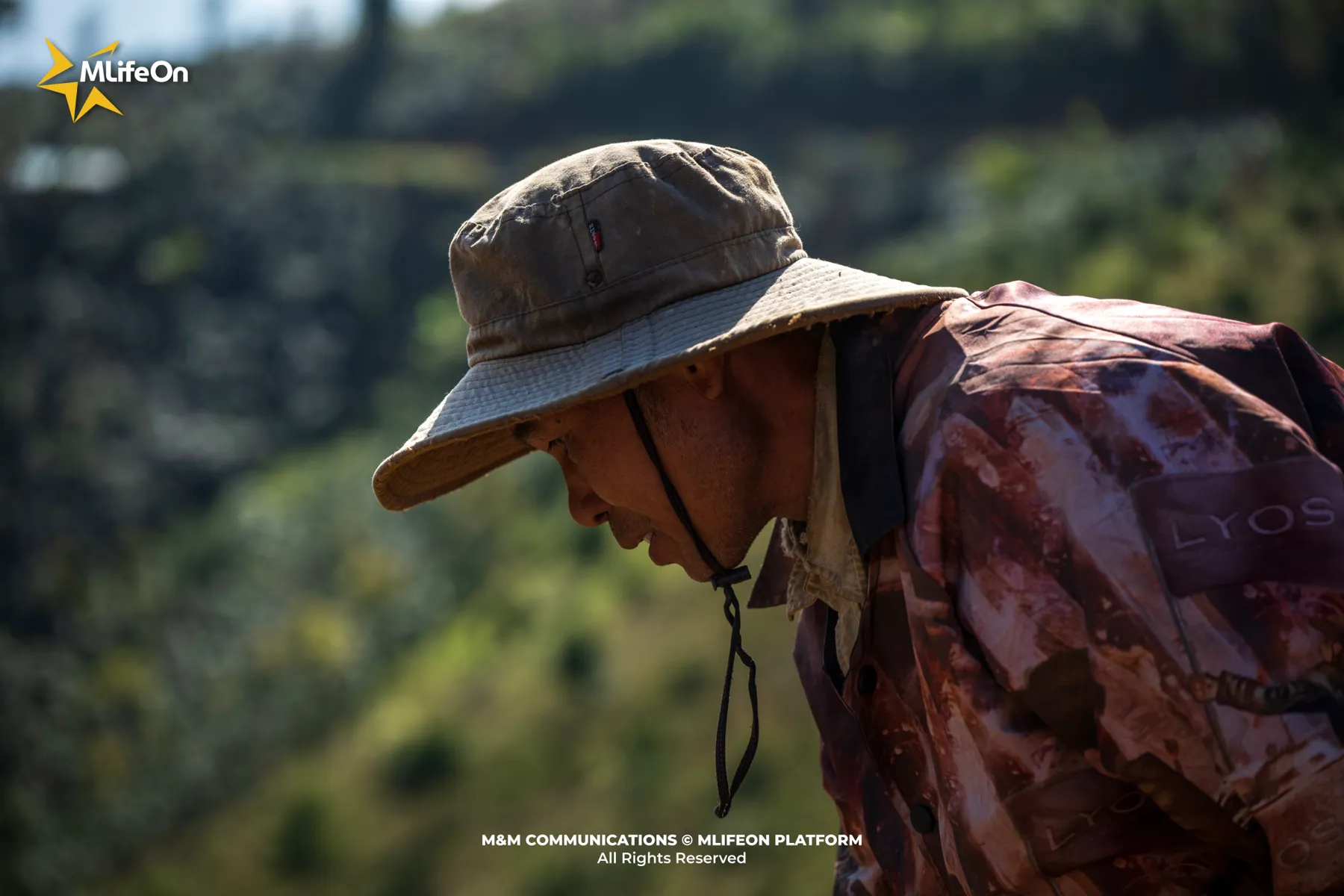
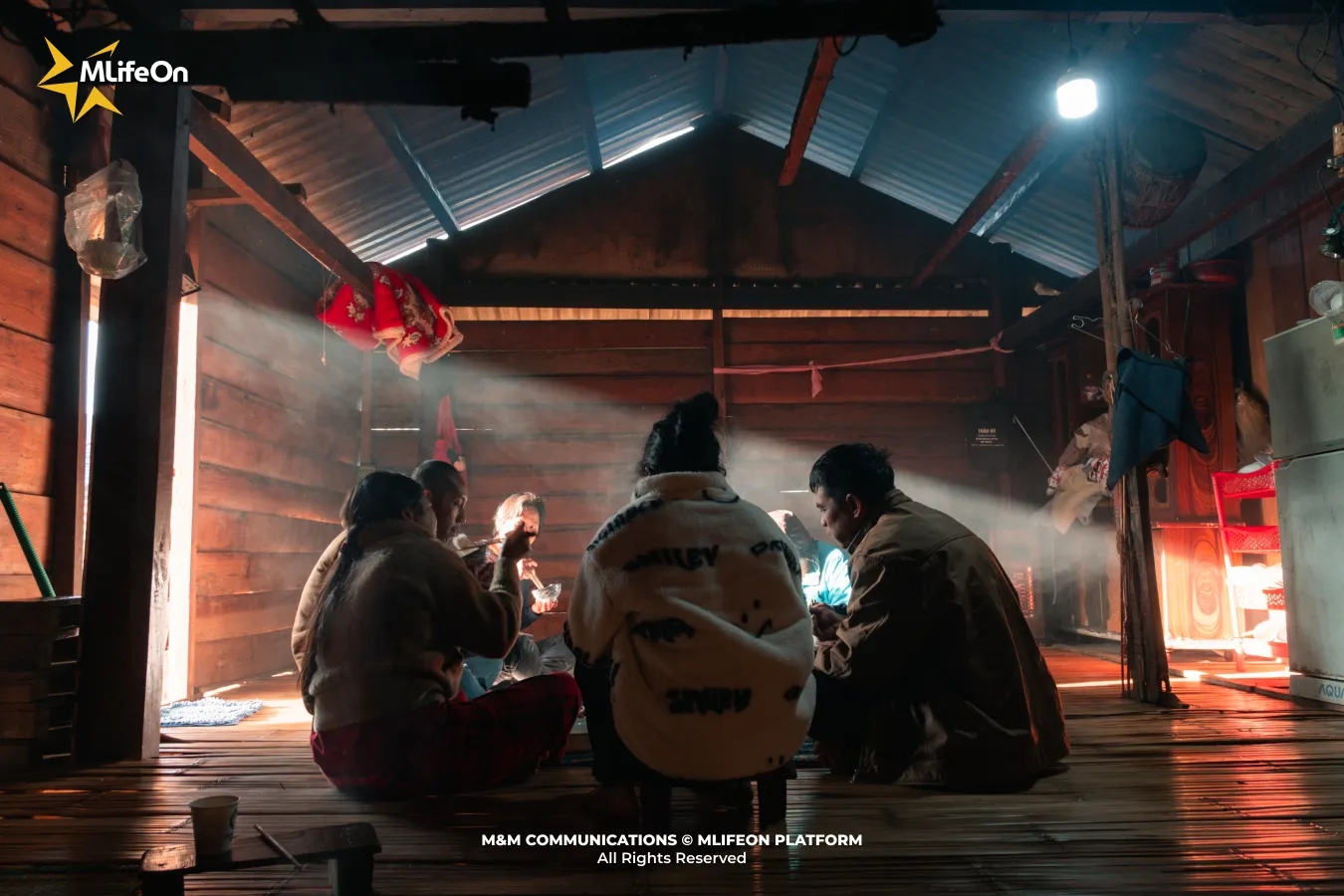
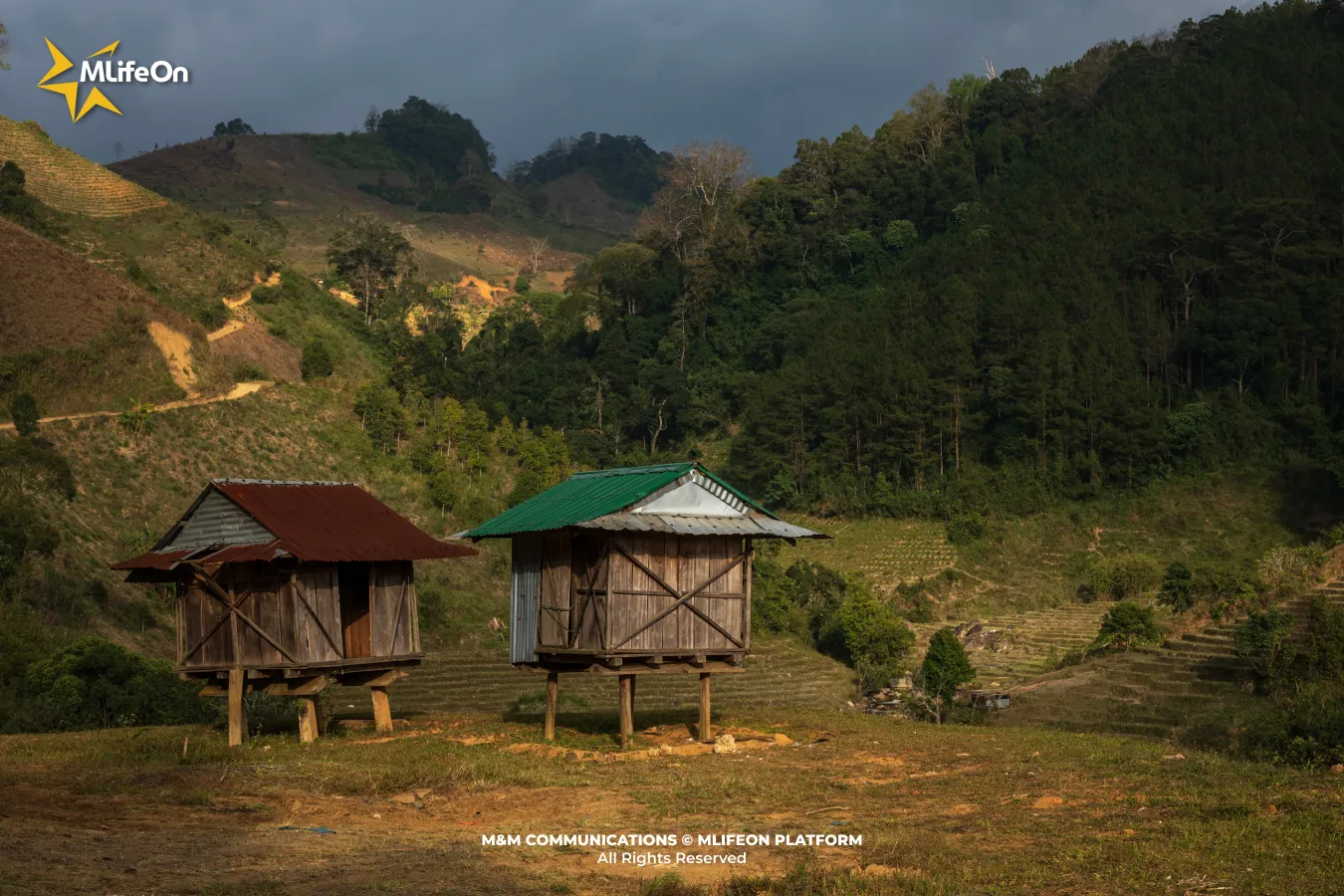
The lives of the Sedang people are closely connected with forests and upland fields. For this reason, codonopsis cultivation follows the familiar rhythm of local farming practices and becomes part of everyday livelihood and daily life.
Frame 985.png

11.jpg

Frame 979.png

The codonopsis plant carries economic value while also reflecting local knowledge and the way communities care for their natural environment. 

MLifeOn collaborates with Toong Xang Xanh Cooperative toward sustainable development

Toong Xang Xanh Cooperative was established with the goal of supporting local communities in developing indigenous herbal products, including Ngoc Linh codonopsis. The cooperative plays a role in organizing raw material areas, guiding farmers through initial processing steps, and connecting these products to the market with transparent information about their origin.

Beyond economic value, Toong Xang Xanh also focuses on preserving local knowledge, ensuring that the Sedang people remain central to the process of cultivating, caring for, and harvesting codonopsis. This approach helps link production activities with forest protection and the long term maintenance of the ecosystem.

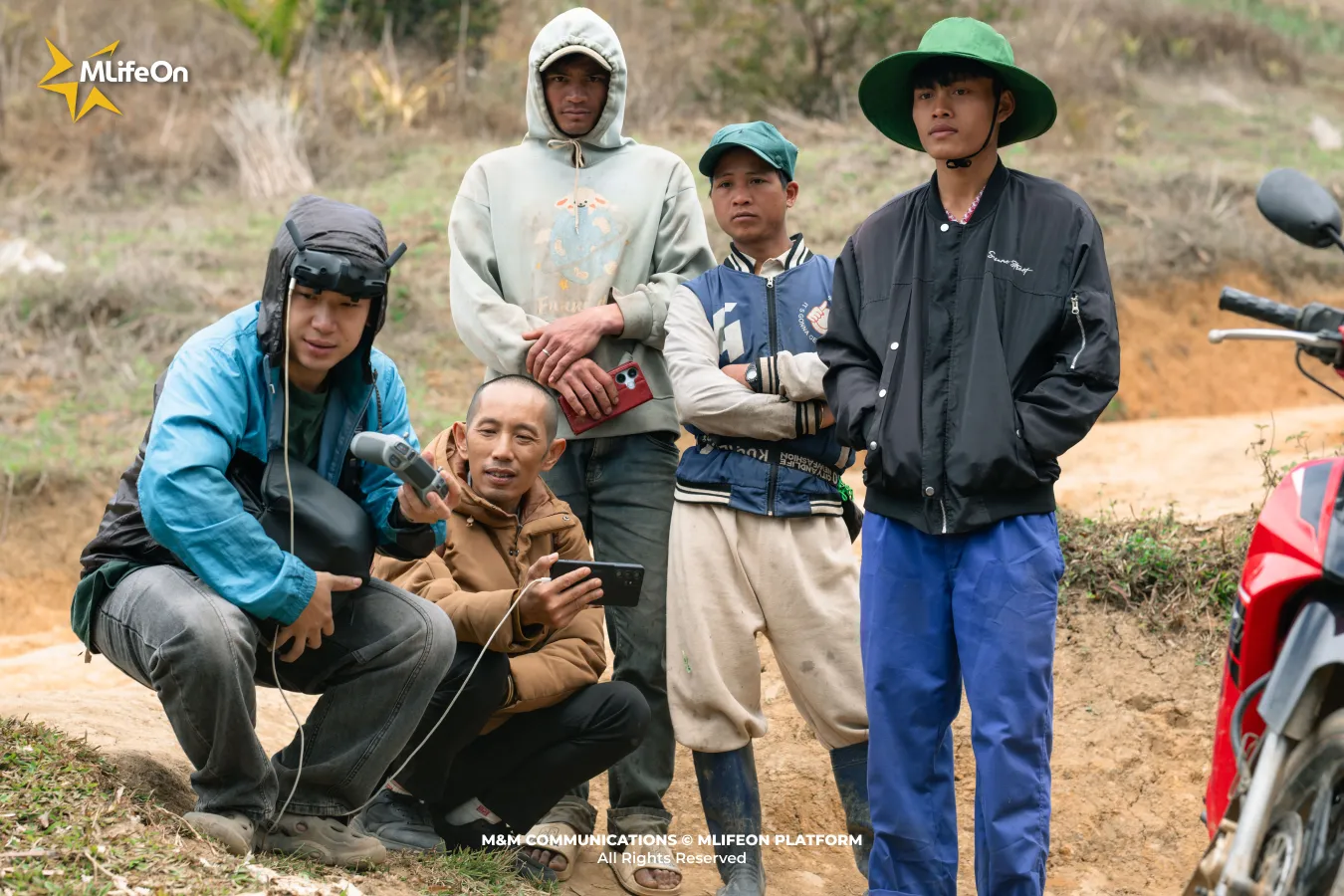
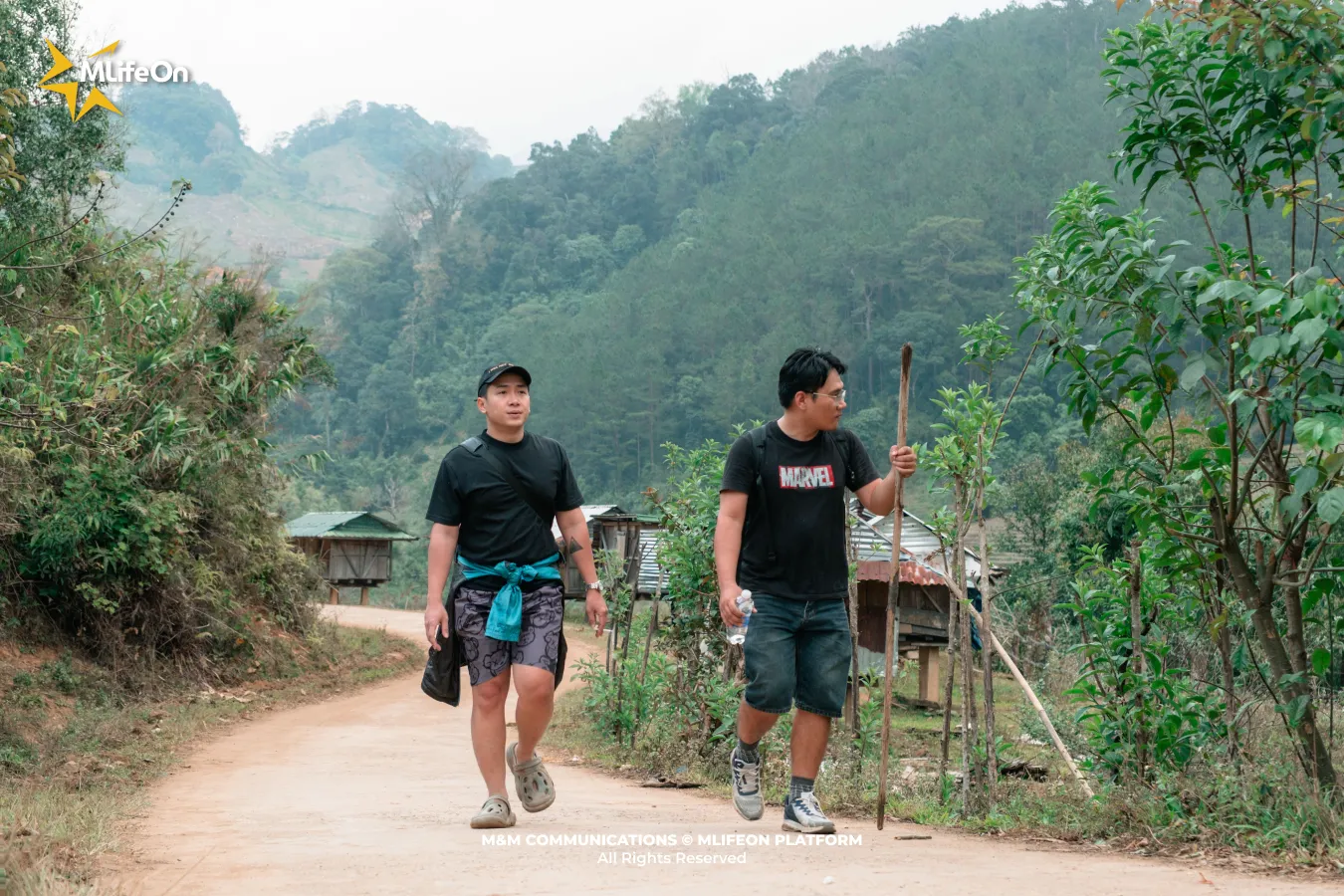
In this project, M&M Communications and MLifeOn worked alongside Toong Xang Xanh Cooperative to document, compile, and share information about Ngoc Linh codonopsis in a clear and accessible way. The focus of this collaboration is to tell the story of the growing region, the people involved, and the journey toward sustainable development, rather than focusing only on the final product.
Frame 989.png

Frame 984.png

Frame 987.png

Practical experience at the codonopsis growing area

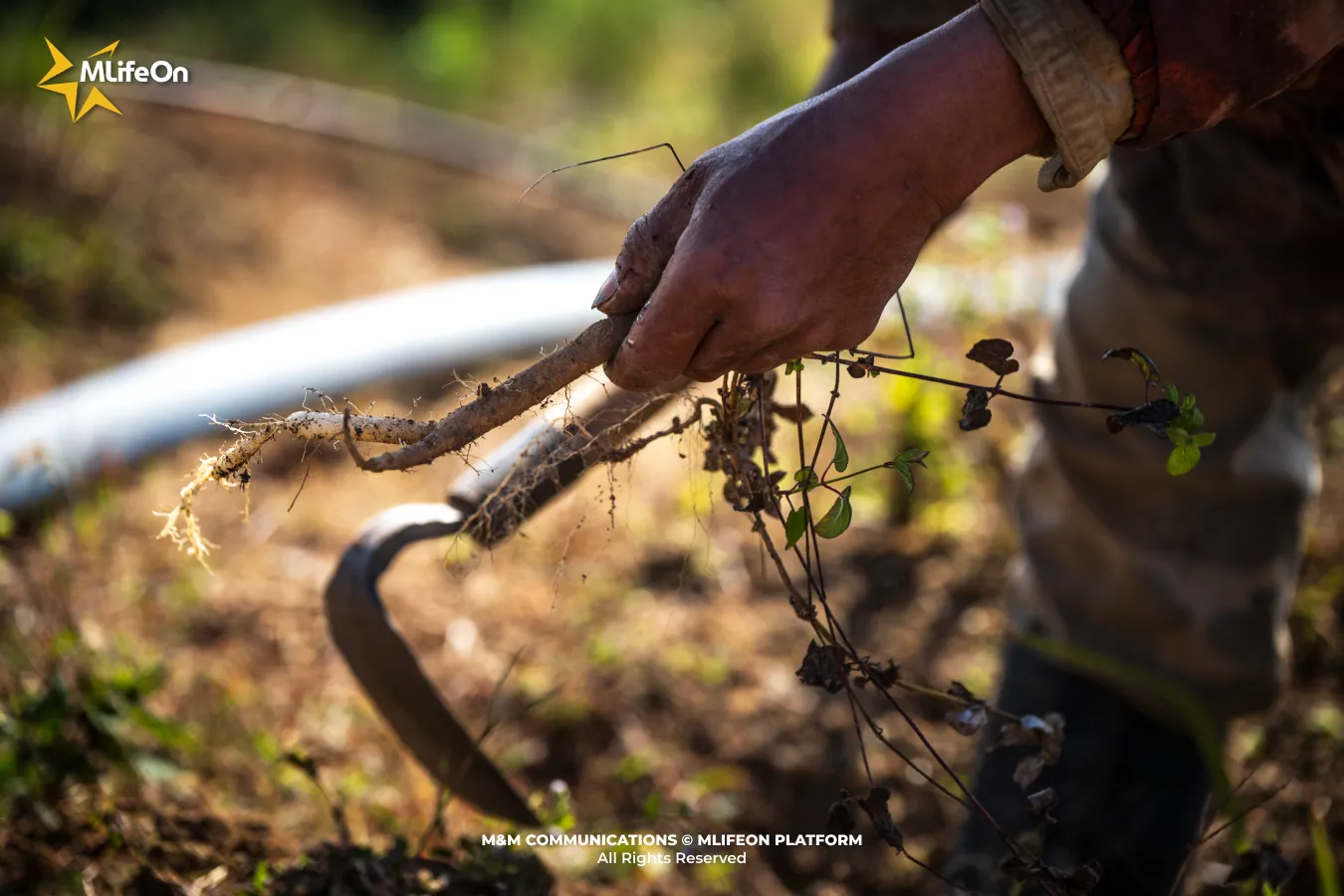
During our time in Kon Tum, we had the opportunity to follow local farmers to their codonopsis fields and directly observe the process from plant care and harvesting to the initial stages of processing. Most of the steps are carried out manually and depend greatly on weather conditions, seasonal cycles, and the experience of the growers.

Digging up the roots, cleaning the soil, sorting, and drying them all require careful handling to avoid affecting the quality of the tubers. Through these on site experiences, it becomes clear that developing codonopsis is not only about production volume, but also about maintaining a balance between cultivation practices, local livelihoods, and the natural environment of the mountain region.
Frame 986.png

Frame 980.png

Conclusion

Codonopsis in the Ngoc Linh mountain area is an indigenous medicinal plant closely connected to the forests and the daily life of the Sedang community. Through the connection of Toong Xang Xanh Cooperative and the collaborative project between MLifeOn and M&M Communications, the journey of codonopsis can be documented more clearly, from the growing areas and the people involved to its orientation toward sustainable development.

This is not only a story about a medicinal plant, but also about how people choose to preserve values that have long been connected with the mountain forests.

—--------

CREDIT: 

  • Photography: Luan Nguyen, Tran Le Minh Quan 

About the Authors

All Articles

MLIFEON ACCOMPANYING NGOC LINH CODONOPSIS ON A SUSTAINABLE DEVELOPMENT JOURNEY

MLIFEON ACCOMPANYING NGOC LINH CODONOPSIS ON A SUSTAINABLE DEVELOPMENT JOURNEY

Introducing the growing region of Ngoc Linh codonopsis, the local Sedang ethnic community, Toong Tang Xanh Cooperative, and MLifeOn’s journey of accompanying and contributing to sustainable development projects.

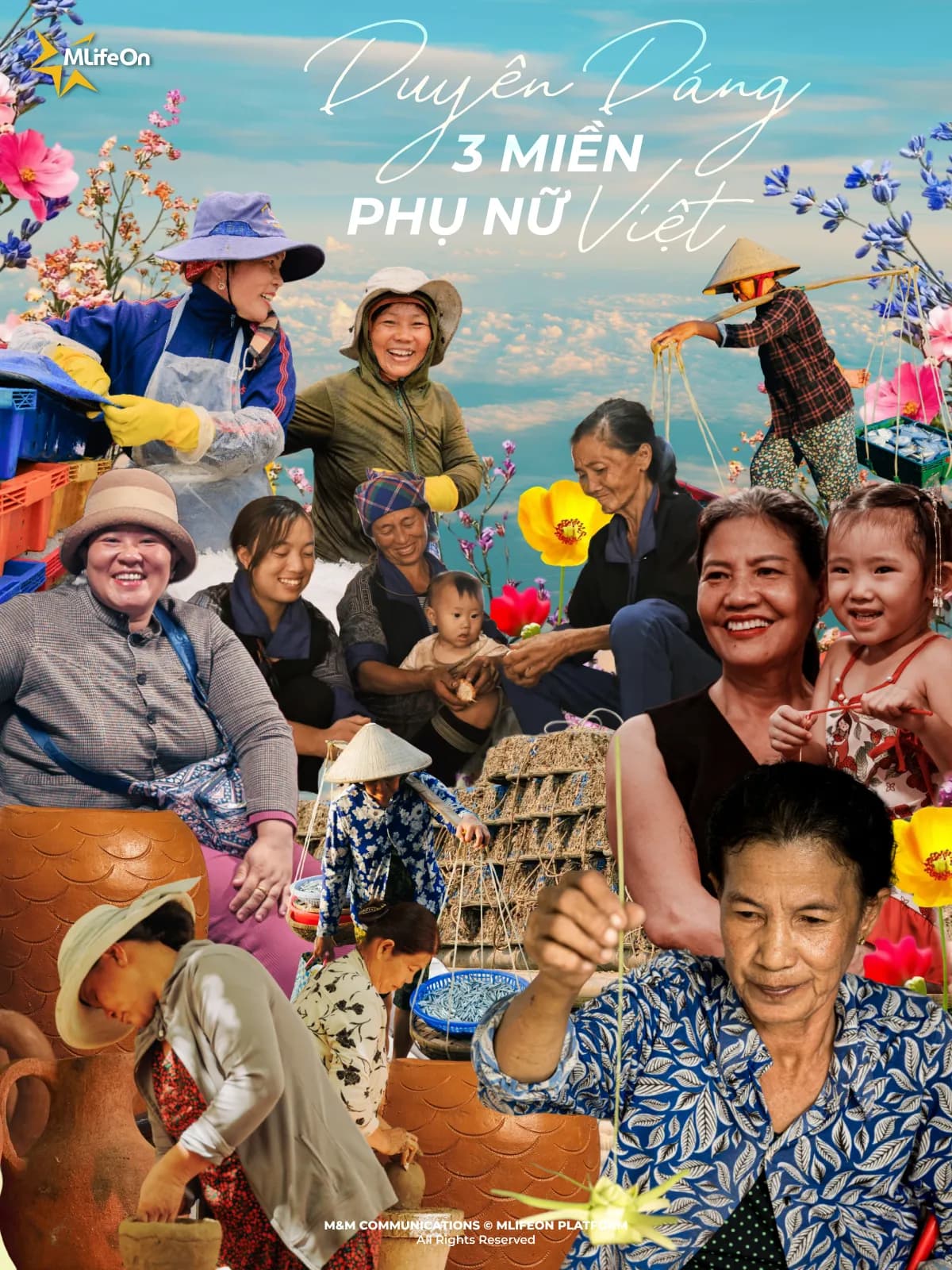
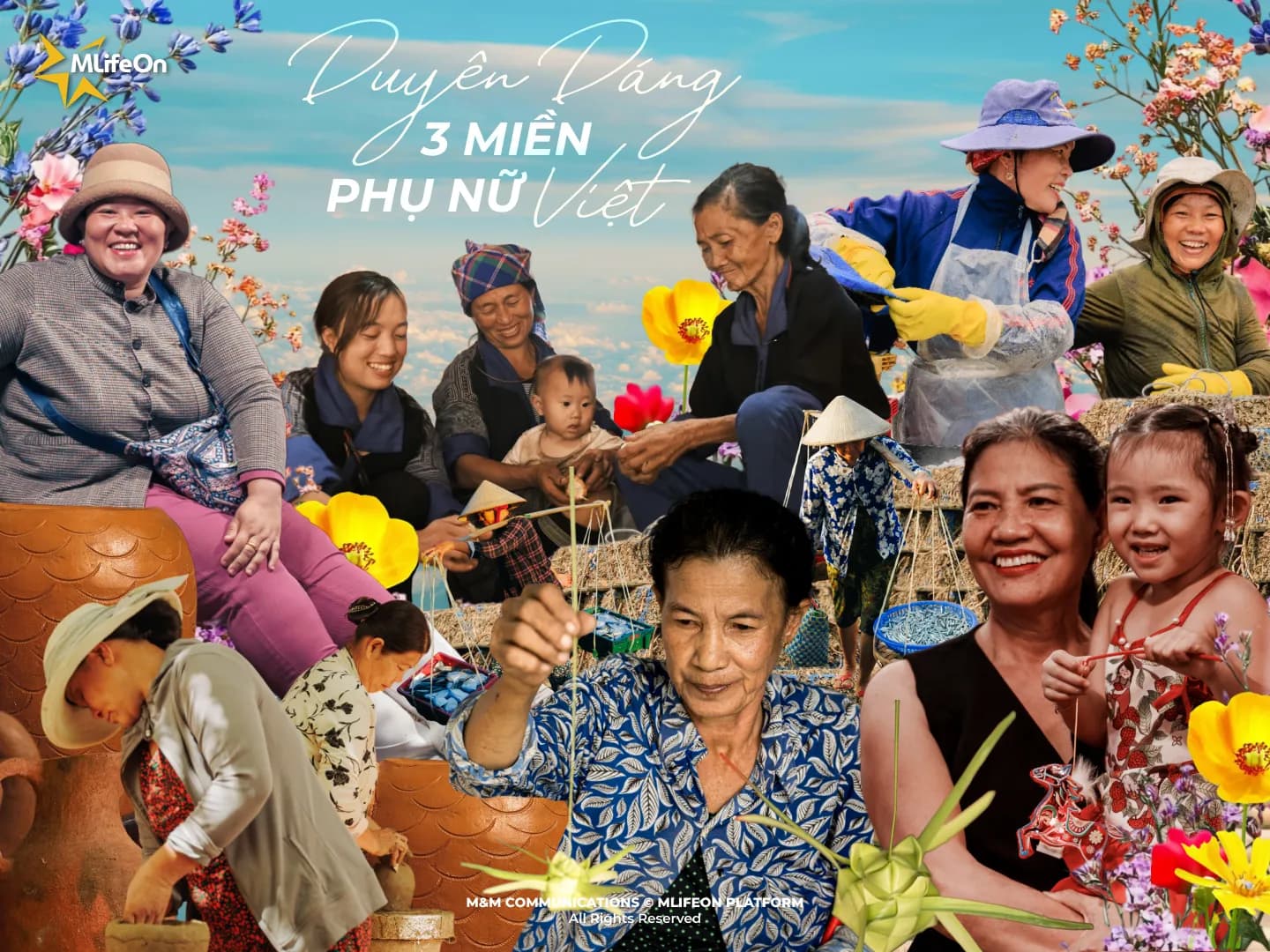
THE CHARM OF VIETNAMESE WOMEN

THE CHARM OF VIETNAMESE WOMEN

Explore the beauty of Vietnamese women across the three regions of North, Central, and South to better understand their personalities, characteristics, and unique traits.

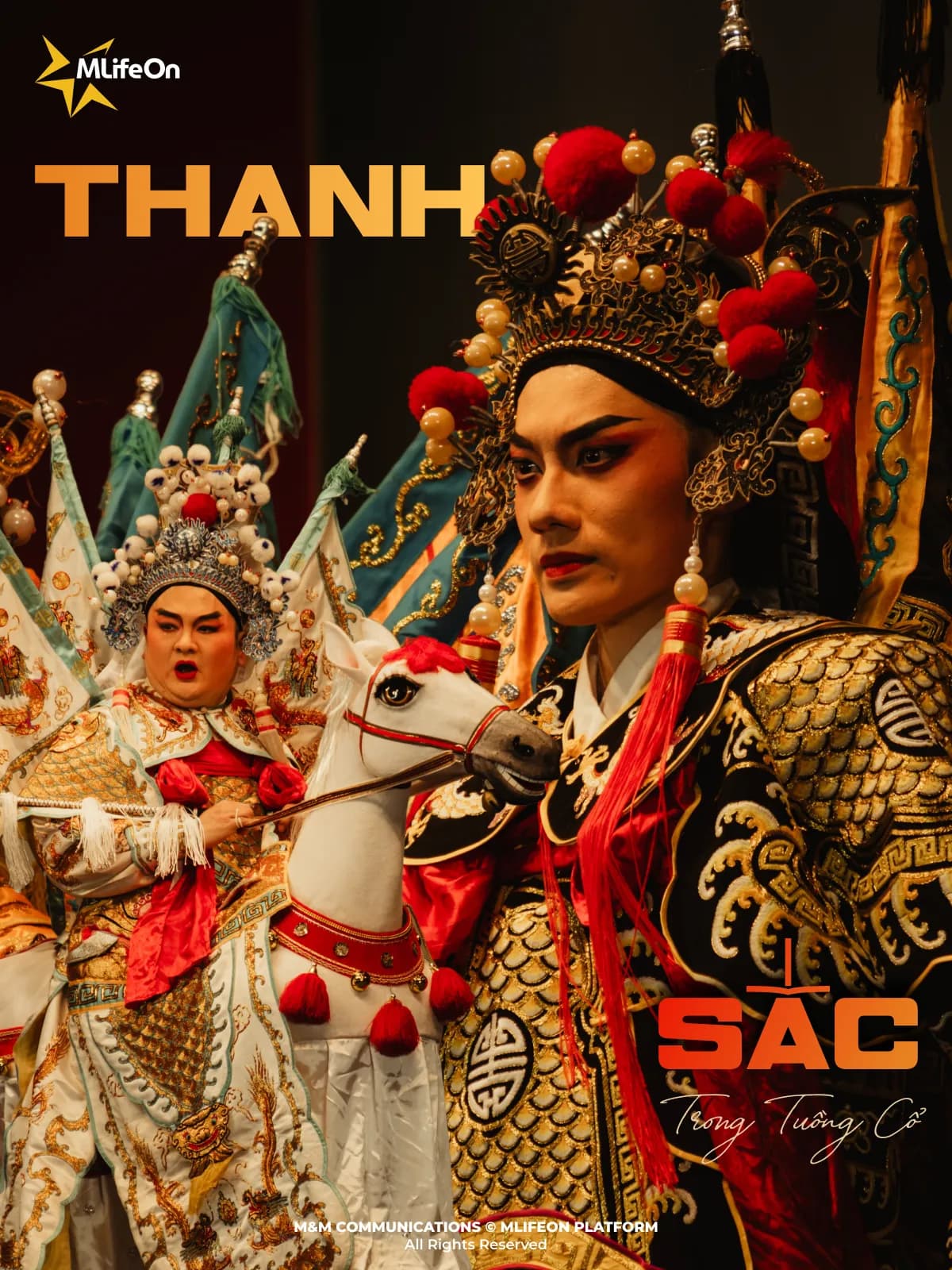
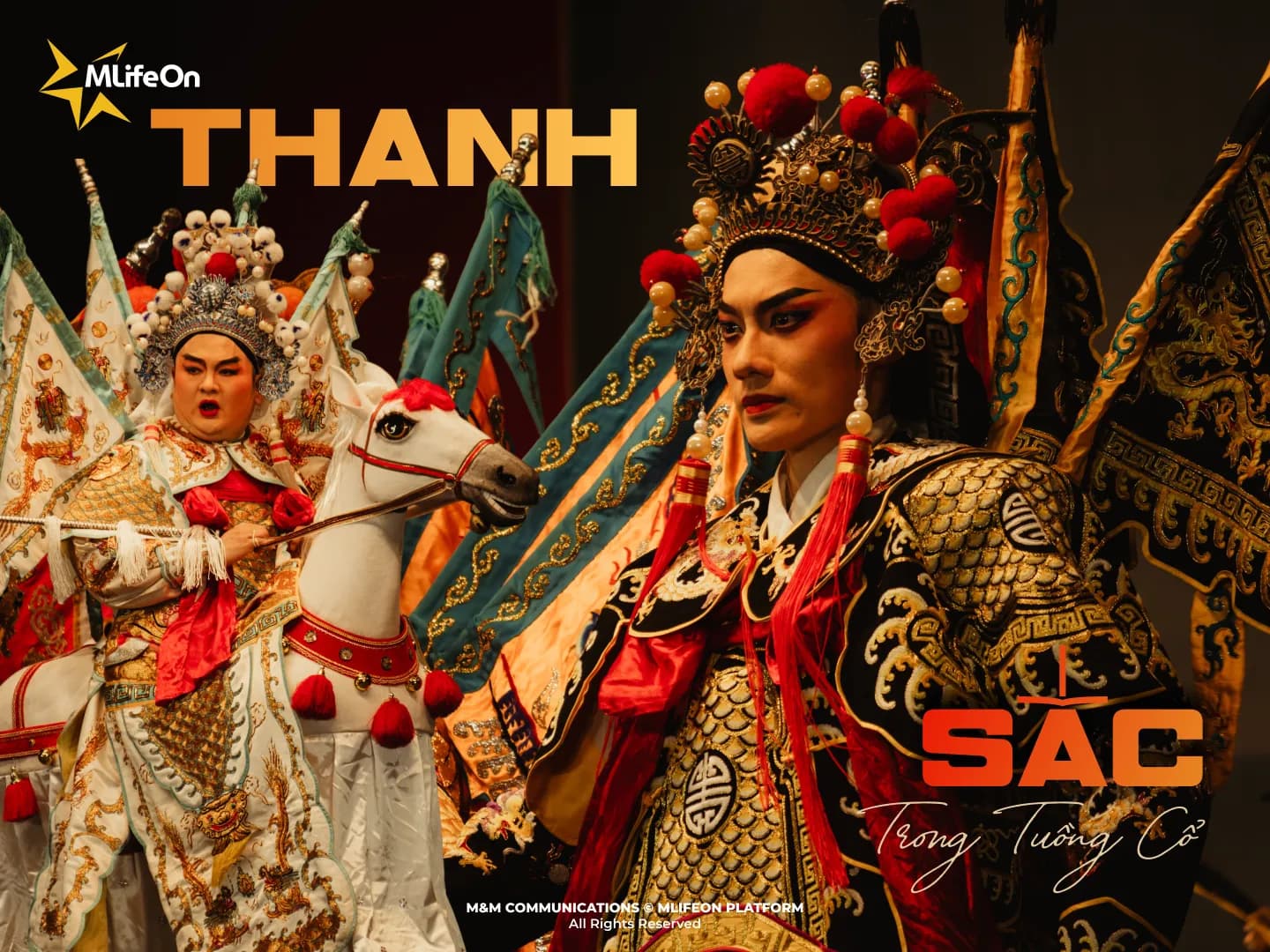
SOUND AND COLOR IN TEOCHEW TRADITIONAL OPERA

SOUND AND COLOR IN TEOCHEW TRADITIONAL OPERA

Discover Teochew Traditional Opera, a unique and enduring art form of the Chinese community, where sound, color, ritual, and memory intertwine on stage.

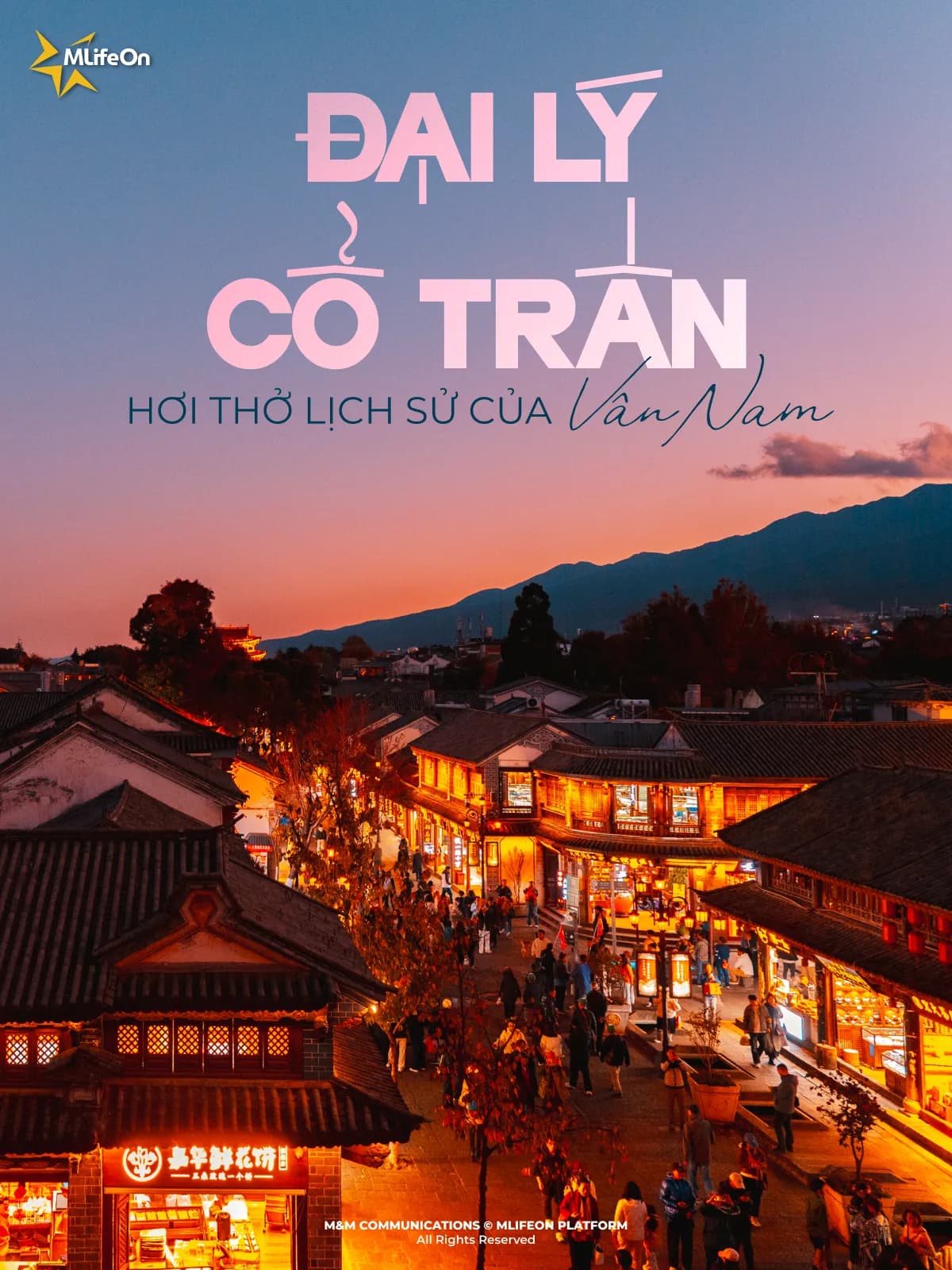
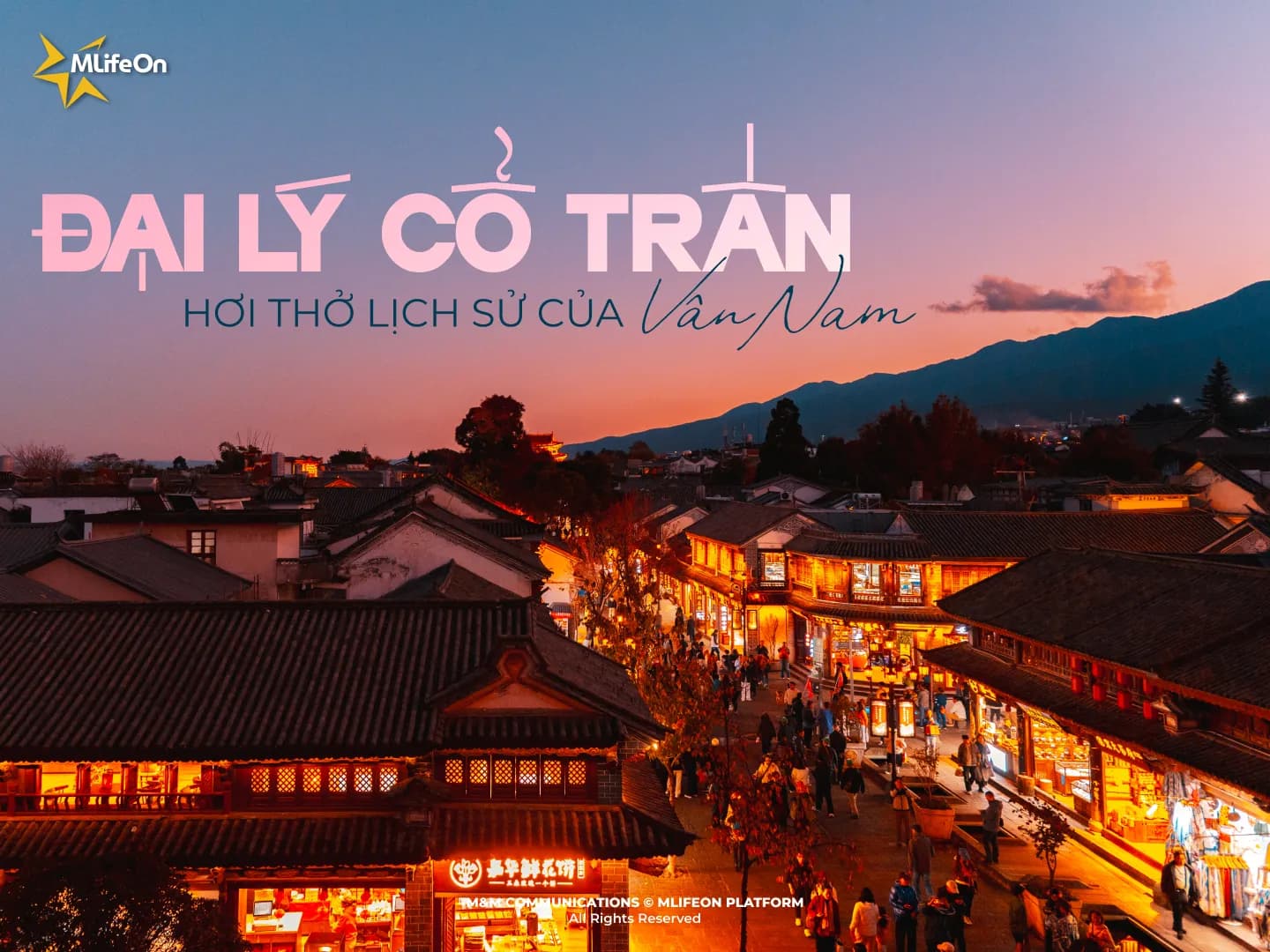
DALI ANCIENT TOWN - A HISTORICAL MARK OF YUNNAN PROVINCE

DALI ANCIENT TOWN - A HISTORICAL MARK OF YUNNAN PROVINCE

Explore Dali Ancient Town, a famous destination in Yunnan, China. A place where nature, architecture, and people blend harmoniously.

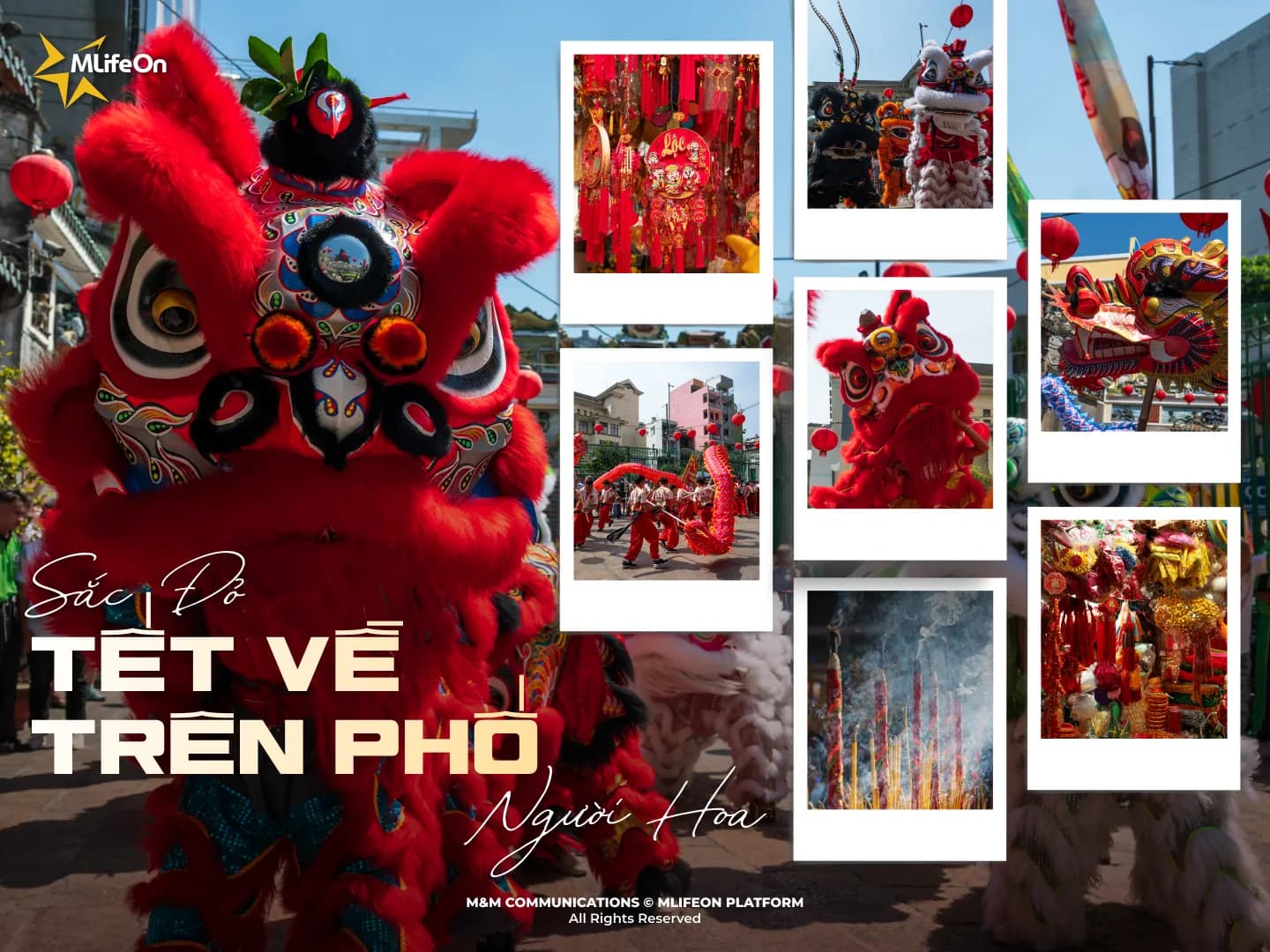
THE VIBRANT RED OF TET ON SAIGON’S CHINESE STREETS

THE VIBRANT RED OF TET ON SAIGON’S CHINESE STREETS

In the days leading up to Tet, Saigon’s Chinese neighborhoods gradually dress themselves in familiar shades of red. From decoration shops and everyday preparations to the quiet presence of Ong Bon Pagoda, the spirit of Tet reveals itself through simple, intimate details of daily life.

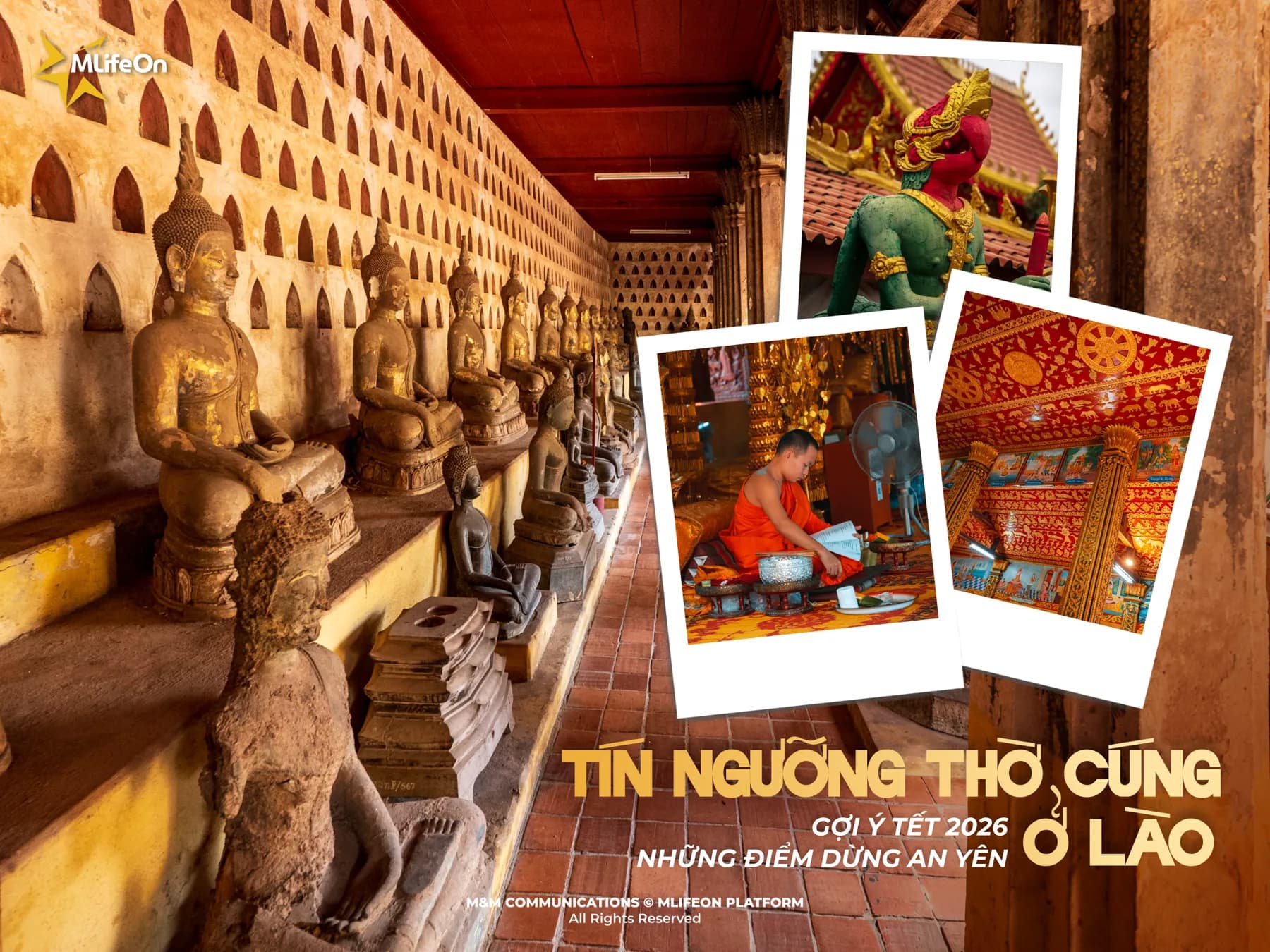
ANCESTRAL WORSHIP IN LAOS – PEACEFUL STOPS FOR A SERENE TET 2026

ANCESTRAL WORSHIP IN LAOS – PEACEFUL STOPS FOR A SERENE TET 2026

In Laos, Buddhist beliefs are not separate from everyday life but woven are into daily routines and social customs. Temples, sacred sites, and places of worship are not merely tourist attractions; they are spaces where people seek calm and balance. For those looking for a gentle, reflective journey during Tet 2026, Laos offers a slow-paced, tranquil, and refreshingly different way to welcome the new year.

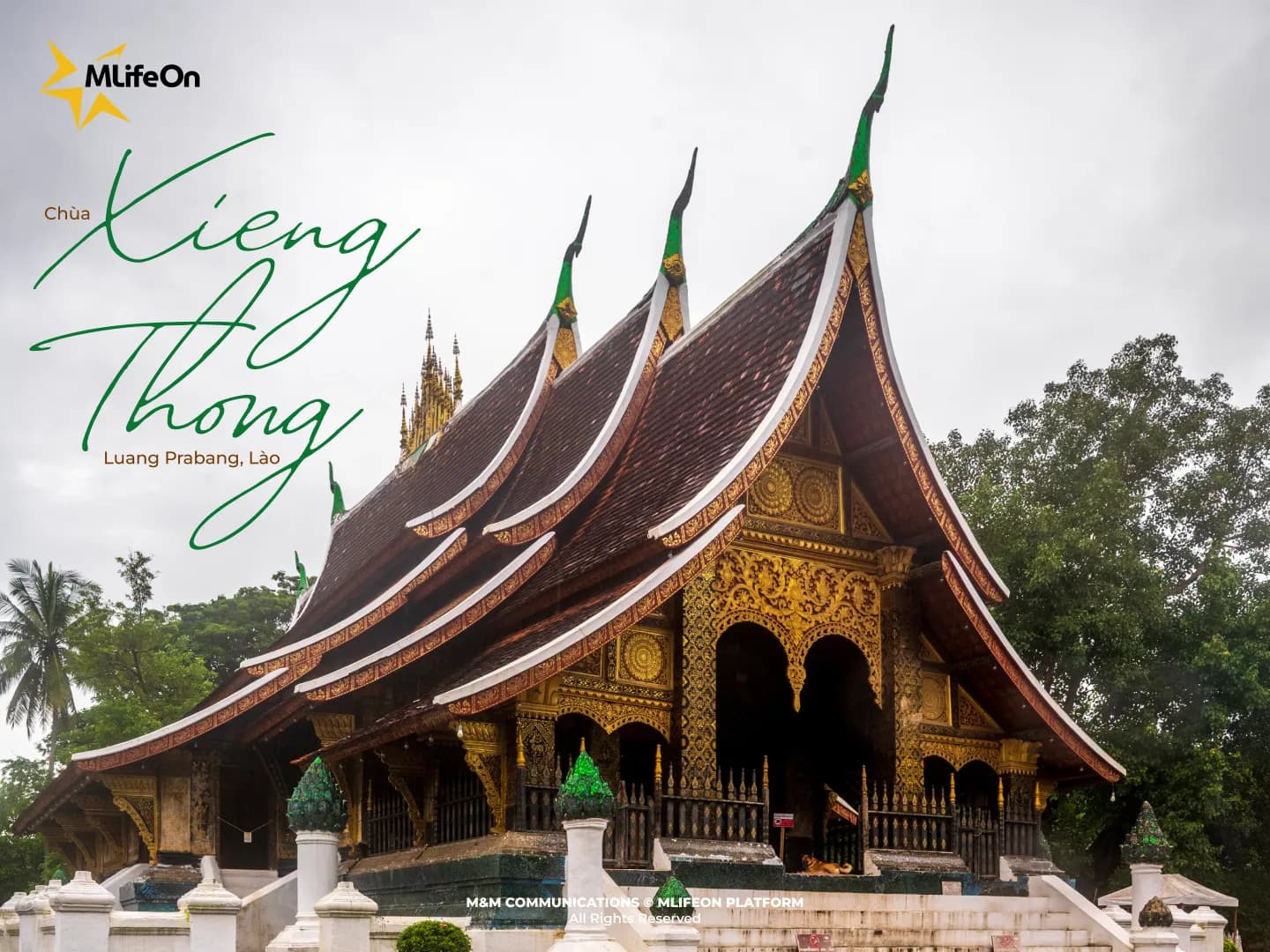
VISITING XIENG THONG TEMPLE - A SACRED ANCIENT TEMPLE IN LUANG PRABANG, LAOS

VISITING XIENG THONG TEMPLE - A SACRED ANCIENT TEMPLE IN LUANG PRABANG, LAOS

After an afternoon rain, Xieng Thong Temple appears calmer and more defined than usual. Without harsh sunlight or large crowds, this ancient temple of Luang Prabang reveals its architecture, setting, and spiritual value carefully preserved for centuries. A slower perspective that helps explain why Xieng Thong is not merely a tourist attraction, but a living memory of Lao Buddhism.

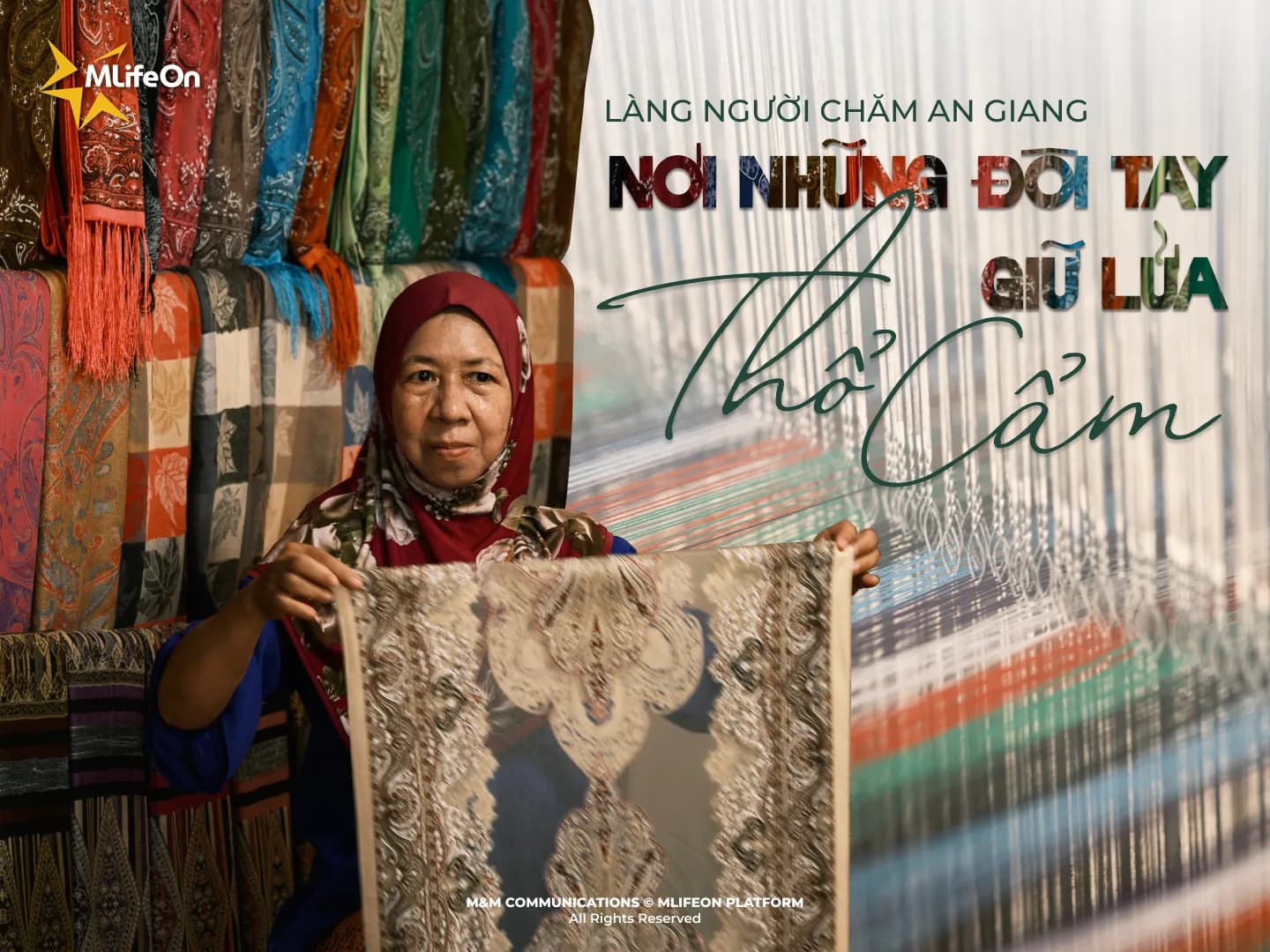
CHAM VILLAGES IN AN GIANG - WHERE SKILLED HANDS KEEP THE FLAME OF BROCADE WEAVING ALIVE

CHAM VILLAGES IN AN GIANG - WHERE SKILLED HANDS KEEP THE FLAME OF BROCADE WEAVING ALIVE

In An Giang, where the cool waters of the Hau River meet the Chau Doc River, Cham villages have existed quietly for generations. Unassuming and unshowy, life here flows slowly, much like the river in front of each home. Within this gentle rhythm, one tradition has been steadfastly preserved over time: the art of brocade weaving, passed down through the hands of Cham women.

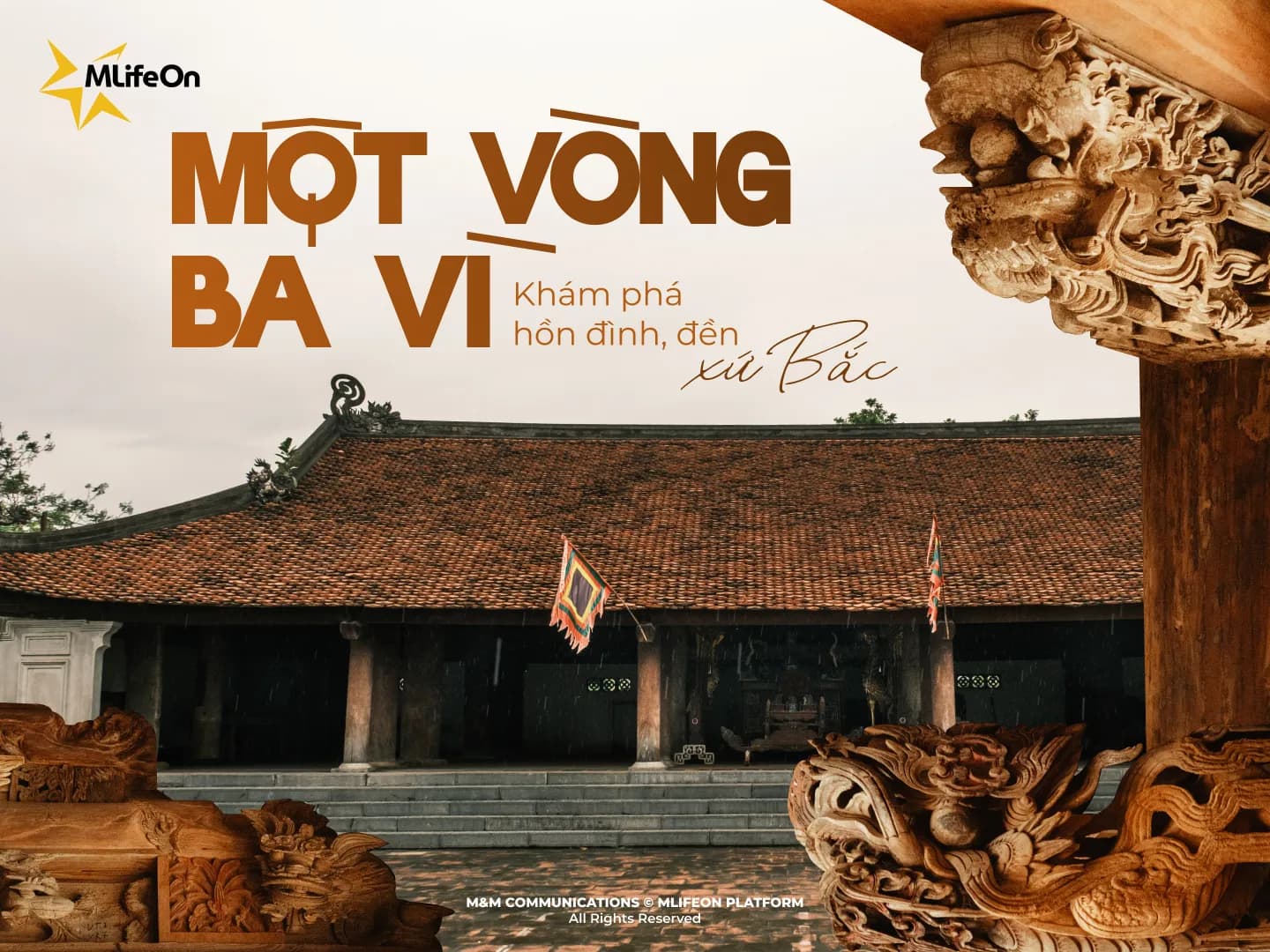
A JOURNEY THROUGH BA VI - DISCOVERING THE SPIRIT OF NORTHERN COMMUNAL HOUSES AND TEMPLES

A JOURNEY THROUGH BA VI - DISCOVERING THE SPIRIT OF NORTHERN COMMUNAL HOUSES AND TEMPLES

Ba Vi is more than mountains and winding roads. Scattered across this land are ancient communal houses and temples that have endured for centuries. Moss-covered roofs and carved wooden pillars emerge as fragments of Northern Vietnam’s cultural memory in tranquil settings.

TRADITIONAL HAIRDRESSING - OLD SHOP, OLD PROFESSION

TRADITIONAL HAIRDRESSING - OLD SHOP, OLD PROFESSION

Explore the traditional Vietnamese hairdressing profession to discover its history, current state, and the cultural values ​​that are gradually fading amidst today's modern life.

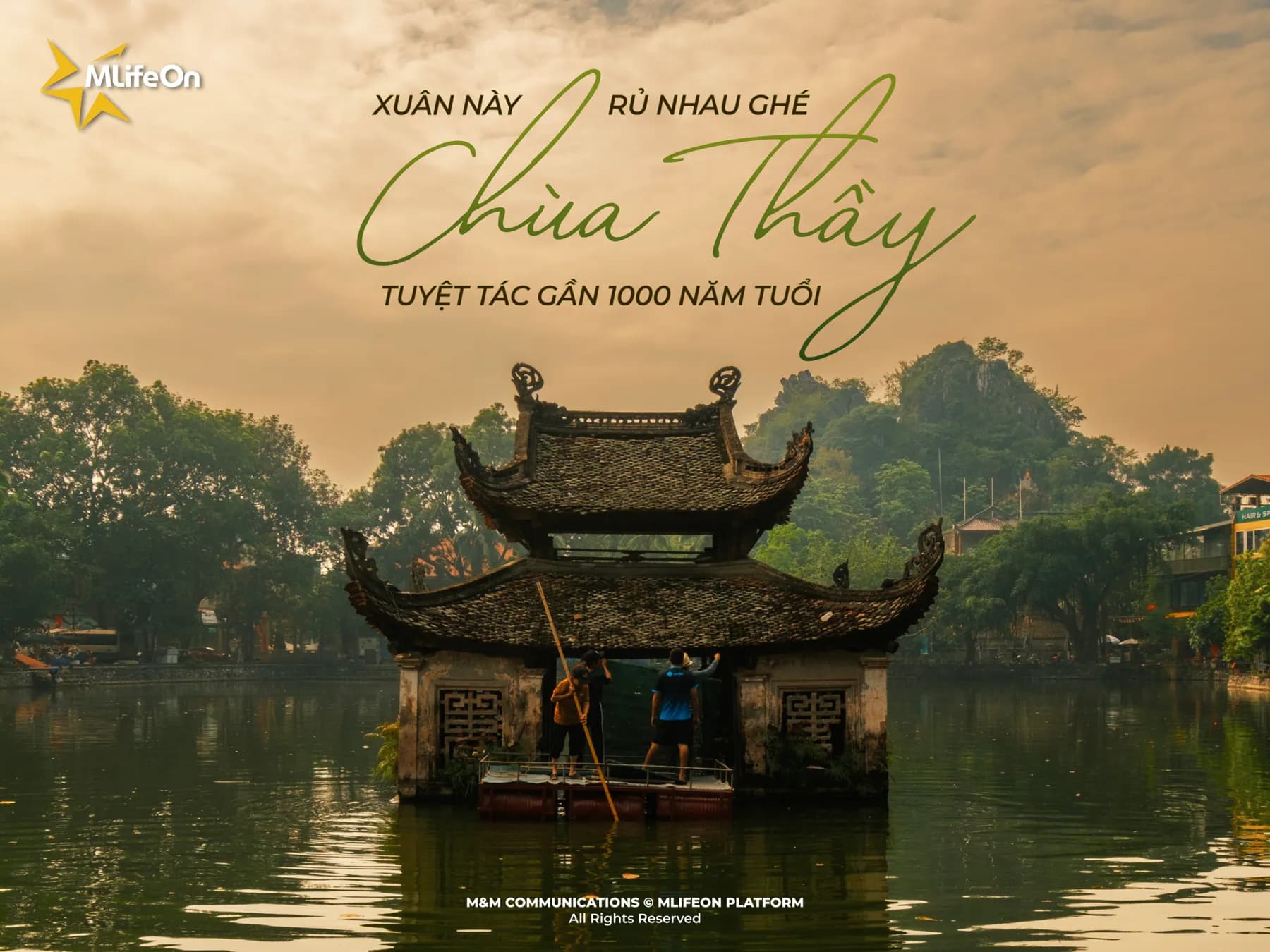
THIS SPRING, LET’S VISIT THAY PAGODA – A NEARLY 1,000-YEAR-OLD MASTERPIECE

THIS SPRING, LET’S VISIT THAY PAGODA – A NEARLY 1,000-YEAR-OLD MASTERPIECE

Not located in the heart of the bustling city, nor close to noisy urban centers, Thay Pagoda chooses a quiet setting at the foot of Sai Son Mountain. It is close enough for a day trip, yet far enough to gently pull visitors away from the hurried rhythm of city life.

MLIFEON PARTNERS WITH TAN TAY PLUM VILLAGE

MLIFEON PARTNERS WITH TAN TAY PLUM VILLAGE

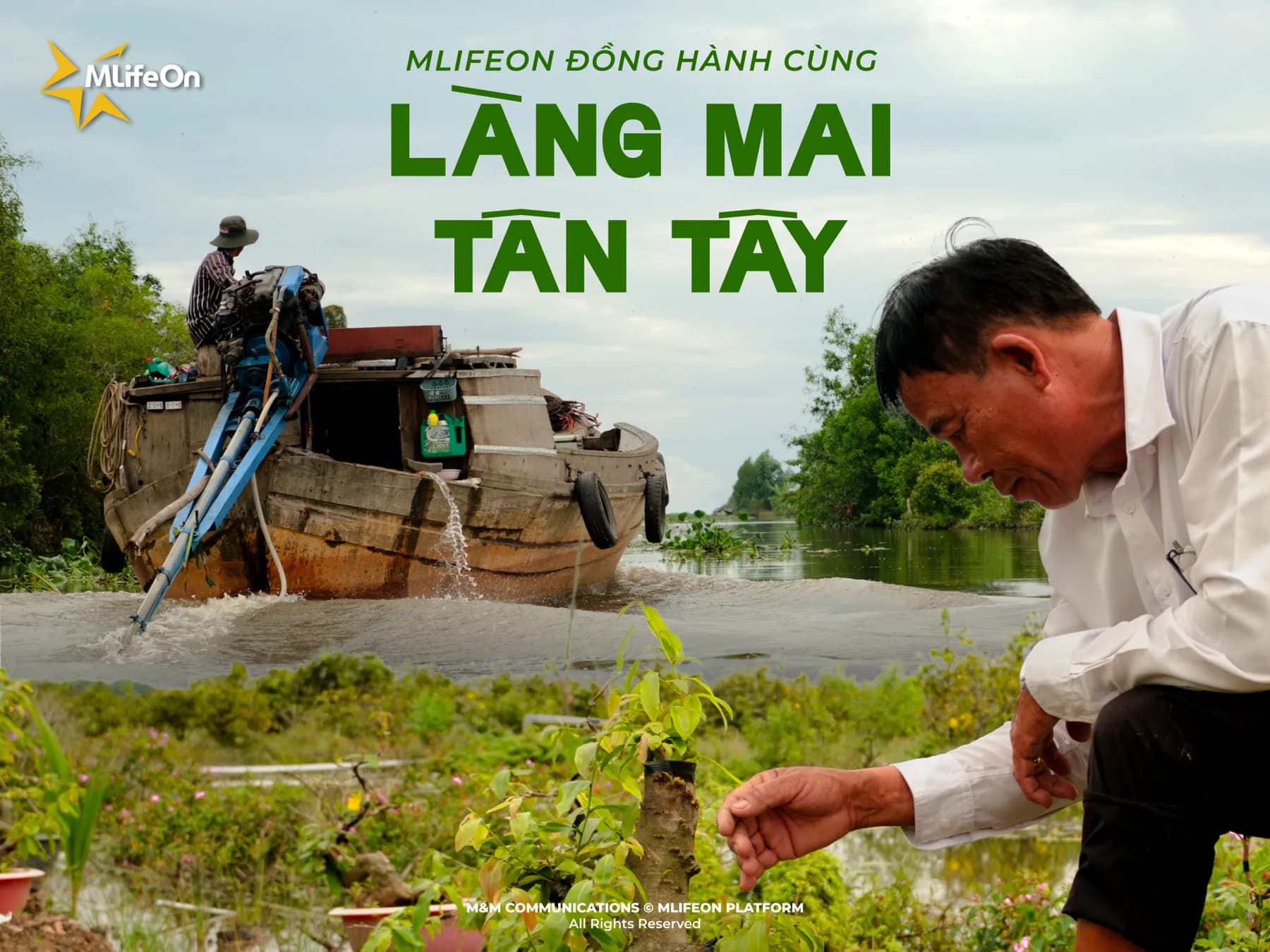
By partnering with Tan Tay Plum Blossom Village in community projects, MLifeOn has had the opportunity to directly experience the beauty of the scenery, culture, and people of this place. Follow MLifeOn to explore.

DUONG LAM ANCIENT VILLAGE - A CULTURAL HERITAGE OF DOAI REGION, HANOI

DUONG LAM ANCIENT VILLAGE - A CULTURAL HERITAGE OF DOAI REGION, HANOI

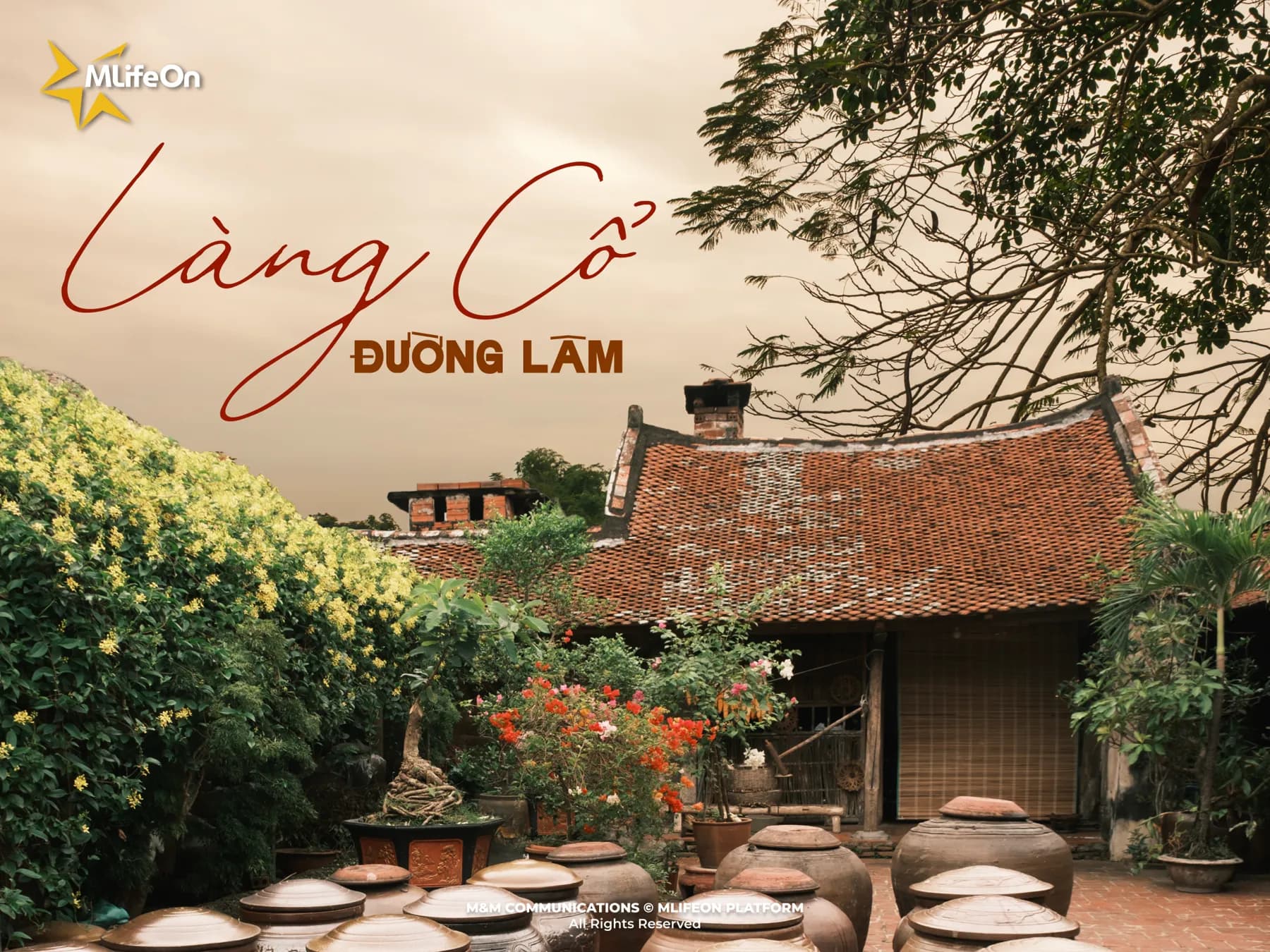
Experience the rhythm of life and the atmosphere of a Northern Vietnamese village at Duong Lam Ancient Village, a distinctive cultural destination in Hanoi.

CHINESE ASSOCIATION HALLS - A UNIQUE TOUCH IN THE HEART OF VIETNAM

CHINESE ASSOCIATION HALLS - A UNIQUE TOUCH IN THE HEART OF VIETNAM

Join us on a journey to explore Chinese Assembly Halls in Vietnam, and learn about the function and architectural beauty of these structures.

KHMER CEREMONIAL HATS AND MASKS - THE SOUL OF SOUTHERN VIETNAMESE THEATRE

KHMER CEREMONIAL HATS AND MASKS - THE SOUL OF SOUTHERN VIETNAMESE THEATRE

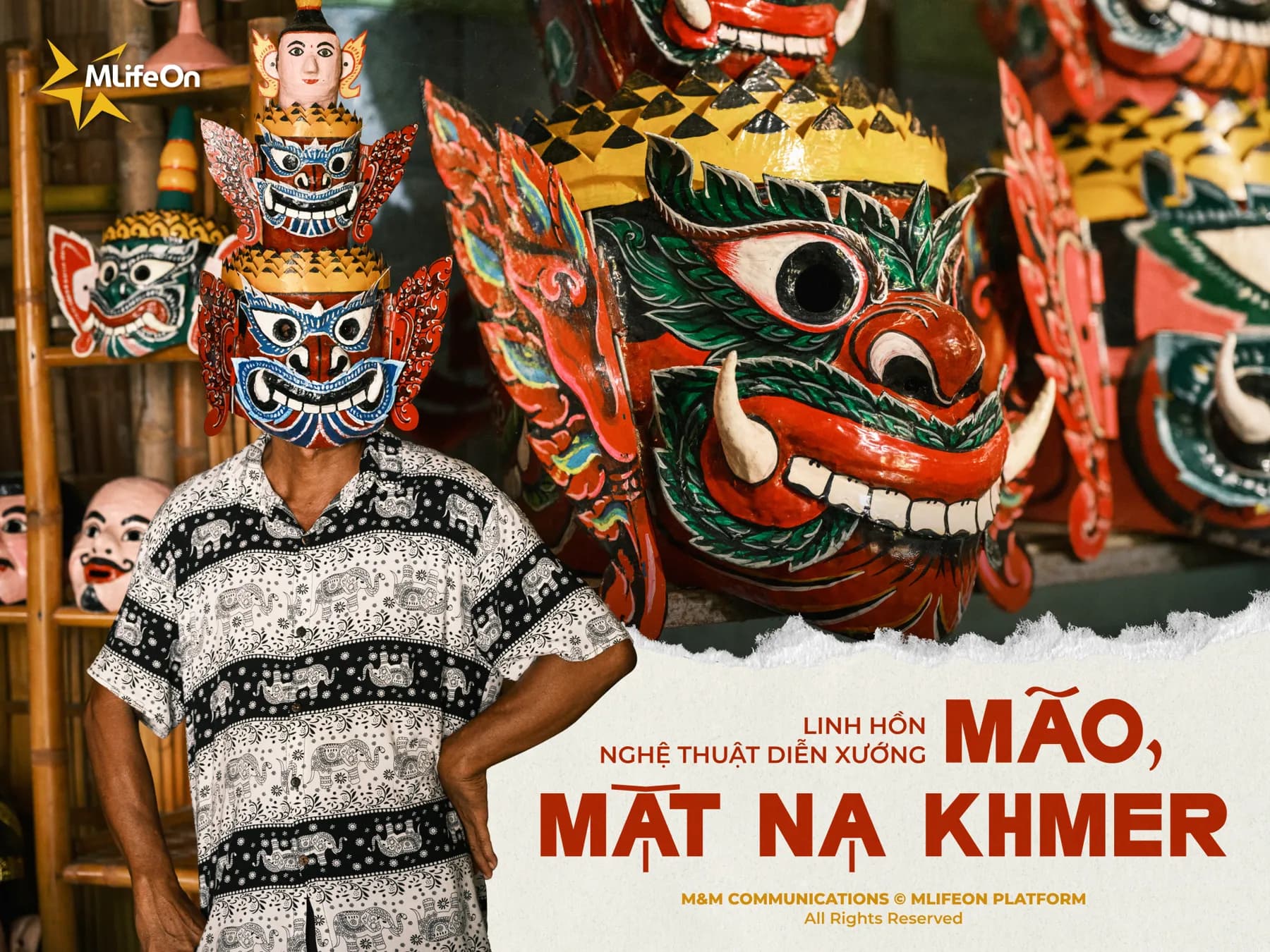
Explore Khmer ceremonial hats and masks, sacred and mystical elements associated with the performing arts and spiritual life of the Southern Khmer people.

CO LOA ANCIENT CITADEL - A NATIONAL HISTORICAL SITE IN THE HEART OF HANOI

CO LOA ANCIENT CITADEL - A NATIONAL HISTORICAL SITE IN THE HEART OF HANOI

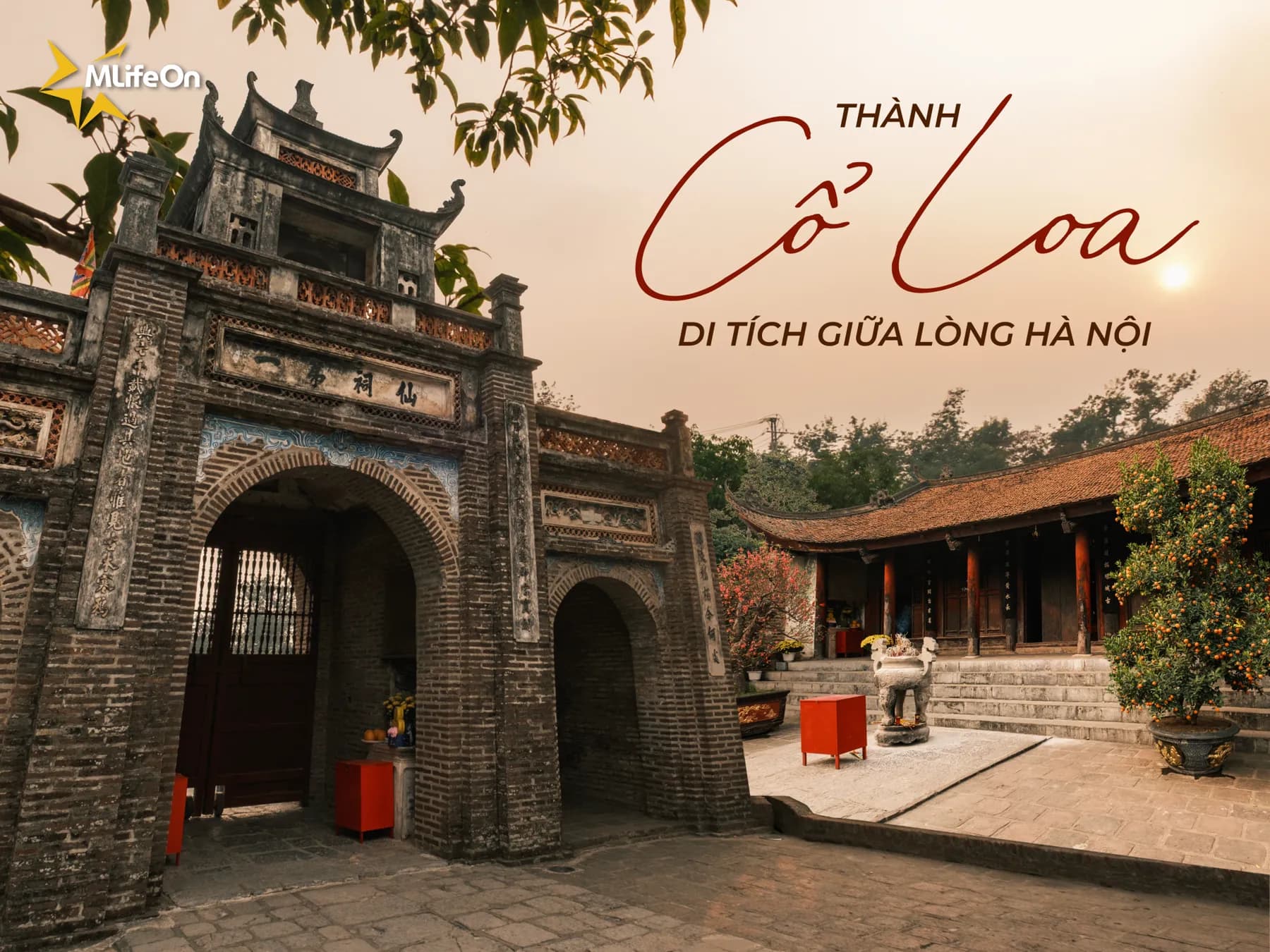
Explore the Co Loa Citadel - the ancient capital of Au Lac, a place preserving the unique historical, architectural, and archaeological values ​​of the Vietnamese people.

VIETNAMESE MARKETS - WHERE THE LIFE OF EACH REGION REVEALS ITSELF MOST CLEARLY

VIETNAMESE MARKETS - WHERE THE LIFE OF EACH REGION REVEALS ITSELF MOST CLEARLY

Vietnamese markets are not merely places of trade; they are the clearest reflections of local life, daily rhythms, and regional character - from river deltas and waterways to coastal shores.

VISITING A CHRISTIAN VILLAGE DURING CHRISTMAS

VISITING A CHRISTIAN VILLAGE DURING CHRISTMAS

Discover the dazzling beauty of Saigon's Catholic neighborhoods during Christmas, where light, music, and human warmth blend together, creating a unique cultural experience in the heart of the city.