Australia, a continent of breathtaking contrasts, holds within its vast landscapes stories etched in stone and time. From the vibrant coral gardens of the Great Barrier Reef to the ancient red heart of Uluru, its famous landmarks offer a profound connection to nature's artistry and deep cultural heritage. Yet, tucked away in the remote Kimberley region of Western Australia, lies a spectacle so unique it often leaves even the most seasoned travelers speechless: the Bungle Bungle Range, the jewel of Purnululu National Park.
For those of us at MLifeOn, constantly seeking 'More Discovery, More Experience,' the Bungle Bungles represent the pinnacle of authentic cultural and natural exploration. This isn't just a destination; it's an immersive journey into an ancient world, a testament to geological marvels and the enduring spirit of the land's Traditional Owners. Join me as we delve into the striped domes that make this one of the most compelling famous landmarks Western Australia has to offer, exploring its geology, the best ways to experience its grandeur, and the essential tips for a truly unforgettable adventure.
The Geology of Purnululu National Park: A Masterpiece in Sandstone
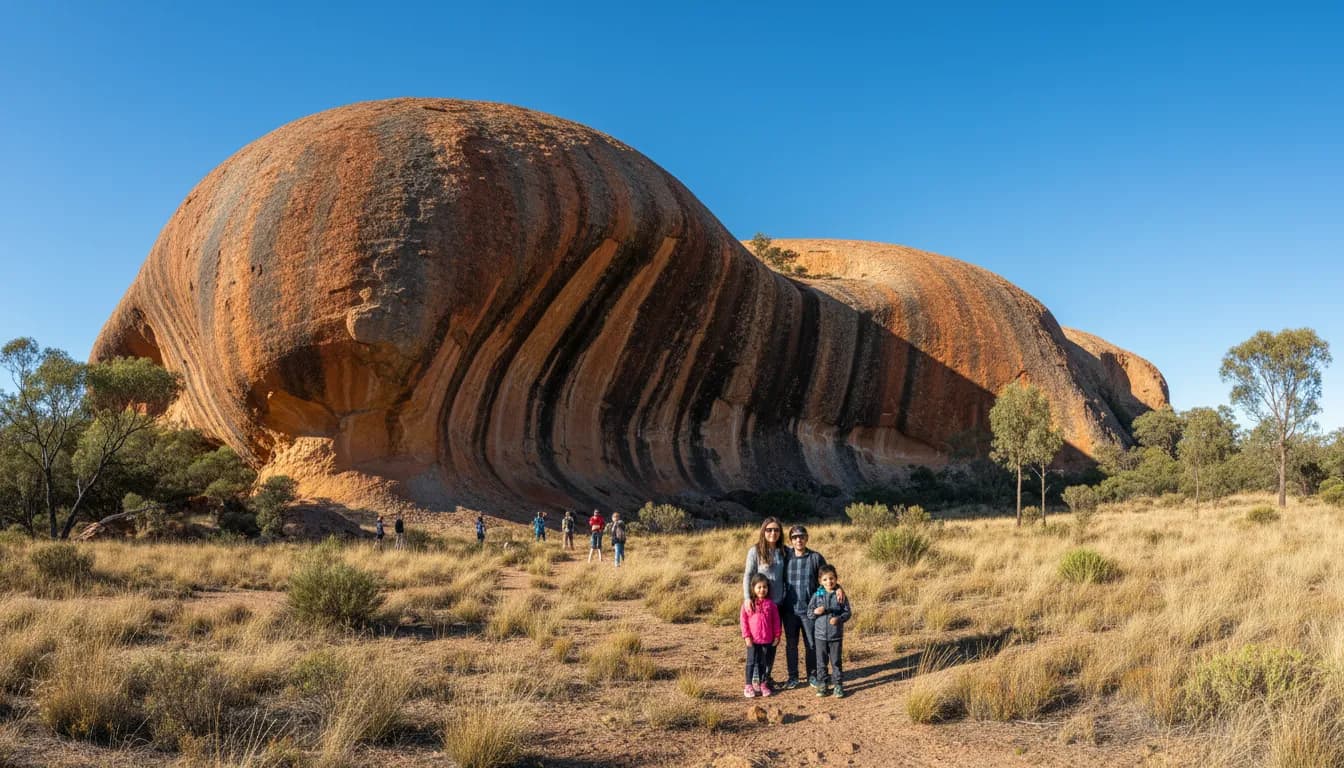
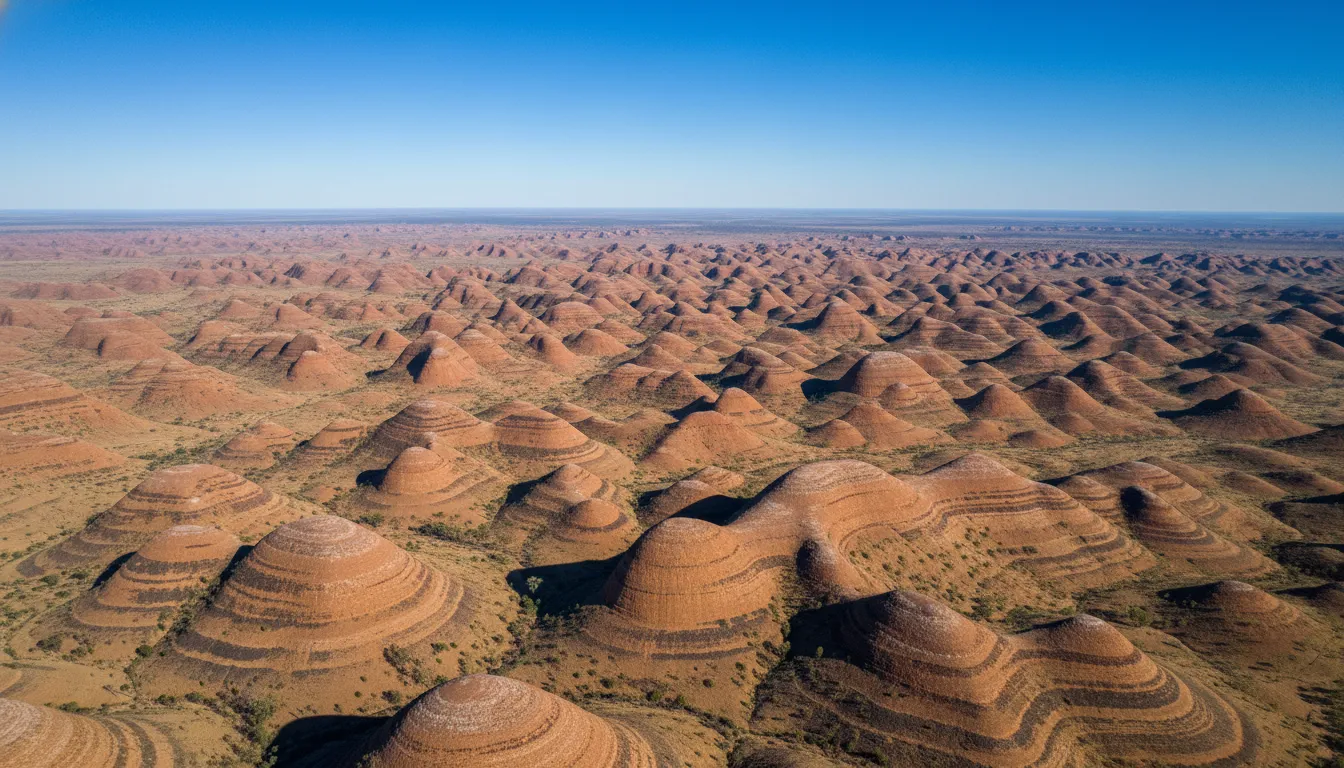
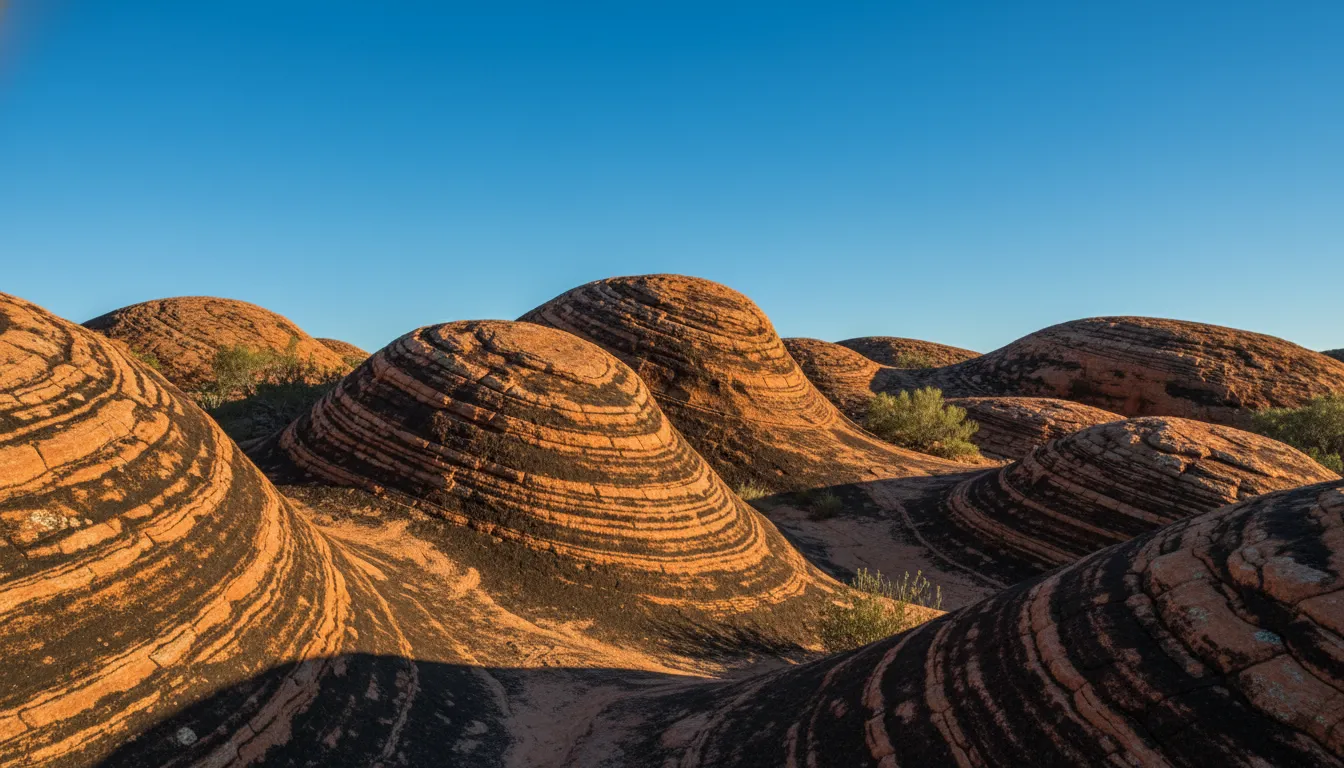
To truly appreciate the Bungle Bungles, one must first understand the incredible forces that shaped them over millions of years. These distinctive beehive-like domes, with their striking orange and black bands, are a result of complex geological processes spanning some 360 million years. They are primarily composed of Devonian-age sandstones and conglomerates, laid down during a period when this region was an ancient riverbed.
Over eons, these sediments were compacted into rock, uplifted, and then meticulously carved by the relentless forces of wind and water. The unique banding, which gives the Bungle Bungles their iconic appearance, is a tale in itself. The black bands are formed by cyanobacteria (a type of algae) thriving in the moisture that accumulates on the sandstone, while the orange bands are oxidized iron compounds, essentially rust, which dry out more quickly. This interplay of microbiology and mineralogy creates a living, breathing artwork that constantly changes with the light.
My first encounter with these formations was overwhelming. Standing amidst them, I felt an almost spiritual connection to the earth's ancient past, a humbling sense of perspective that few other places on Earth can evoke. It’s a powerful reminder of nature’s patience and artistic prowess, a true geological masterpiece sculpted over unimaginable timescales.
Best Ways to See the Beehive Domes: Air vs. Land
Experiencing the Bungle Bungles offers a choice between two profoundly different, yet equally spectacular, perspectives. Each offers a unique appreciation of this remarkable landscape, making the decision often a matter of time, budget, and desired level of immersion. Many discerning travelers, myself included, find that combining both offers the most comprehensive and awe-inspiring experience.
The Aerial Spectacle: A Bird's-Eye View of Grandeur
For sheer scale and a breathtaking overview, a scenic flight over the Bungle Bungles is unparalleled. Whether by helicopter or fixed-wing aircraft, seeing the entire range unfold beneath you reveals the true magnitude and intricate patterns of the domes. From above, the thousands of individual formations coalesce into a vast, undulating ocean of striped rock, an almost alien landscape.
I remember my own helicopter flight; the sensation of soaring above these ancient giants was electrifying. The pilot pointed out hidden gorges and waterholes, giving me a perspective that no ground-level journey could ever provide. It’s an ideal option for those with limited time or seeking an unforgettable photographic opportunity, offering an immediate and grand appreciation of Purnululu’s unique topography.
The Ground-Level Immersion: Walking Among Giants
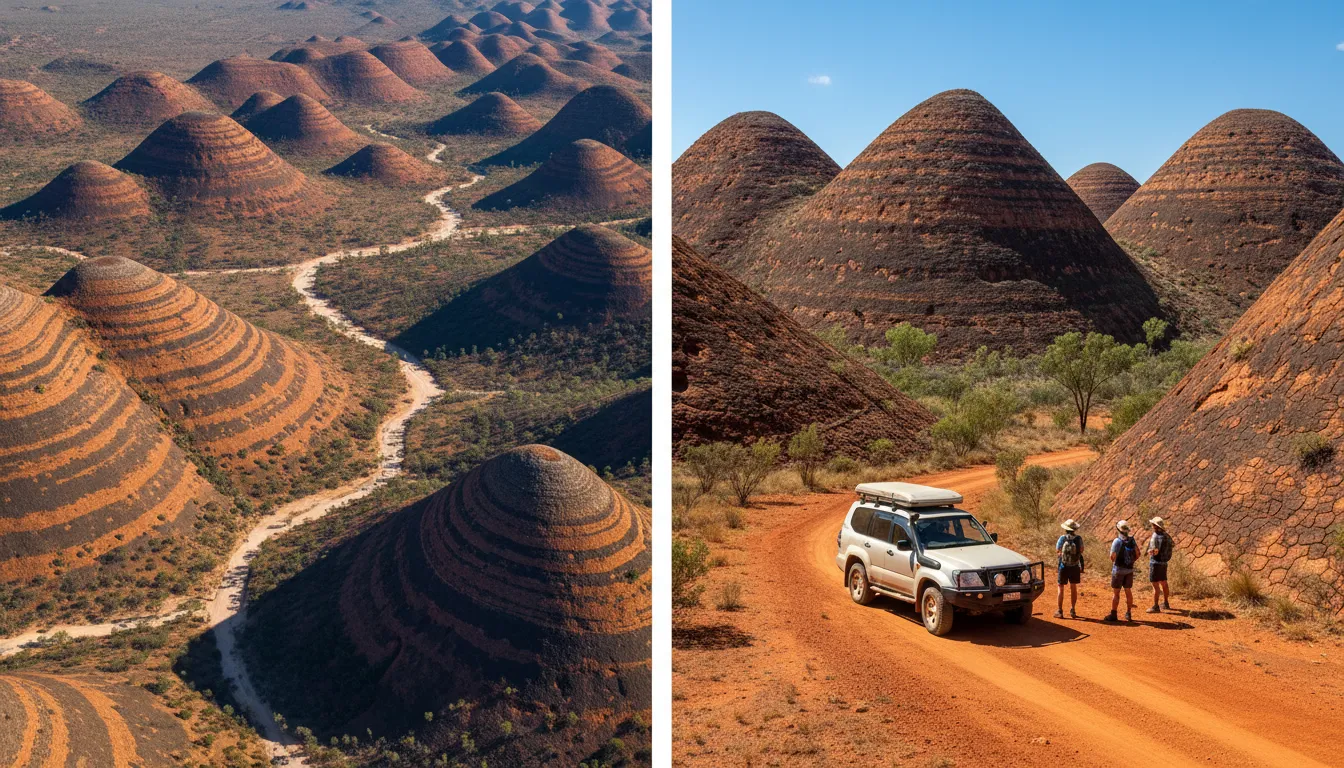
While the aerial view provides perspective, experiencing the Bungle Bungles on foot offers an intimate, sensory immersion. Accessing the park requires a high-clearance 4WD vehicle, and the journey itself is an adventure, traversing rugged tracks that emphasize the remoteness of this special place. Once inside, you can drive to various trailheads, stepping directly into the heart of the beehive domes.
Walking among the domes allows you to appreciate their immense scale up close, to touch the ancient sandstone, and to feel the cool air in the shaded gorges. The silence, broken only by the chirping of birds or the rustle of wind, is profound. This ground-level exploration fosters a deep connection to the land, offering a chance to truly absorb the unique atmosphere of Purnululu National Park.
Top Hiking Trails: Cathedral Gorge and Piccaninny Creek
Once you’re on the ground, Purnululu National Park reveals its true walking wonders, offering trails that range from accessible strolls to challenging multi-day expeditions. Two of the most iconic and rewarding experiences are the walks into Cathedral Gorge and the exploration of Piccaninny Creek, each offering a distinct encounter with the park's geological splendor.
Cathedral Gorge: Nature's Amphitheatre
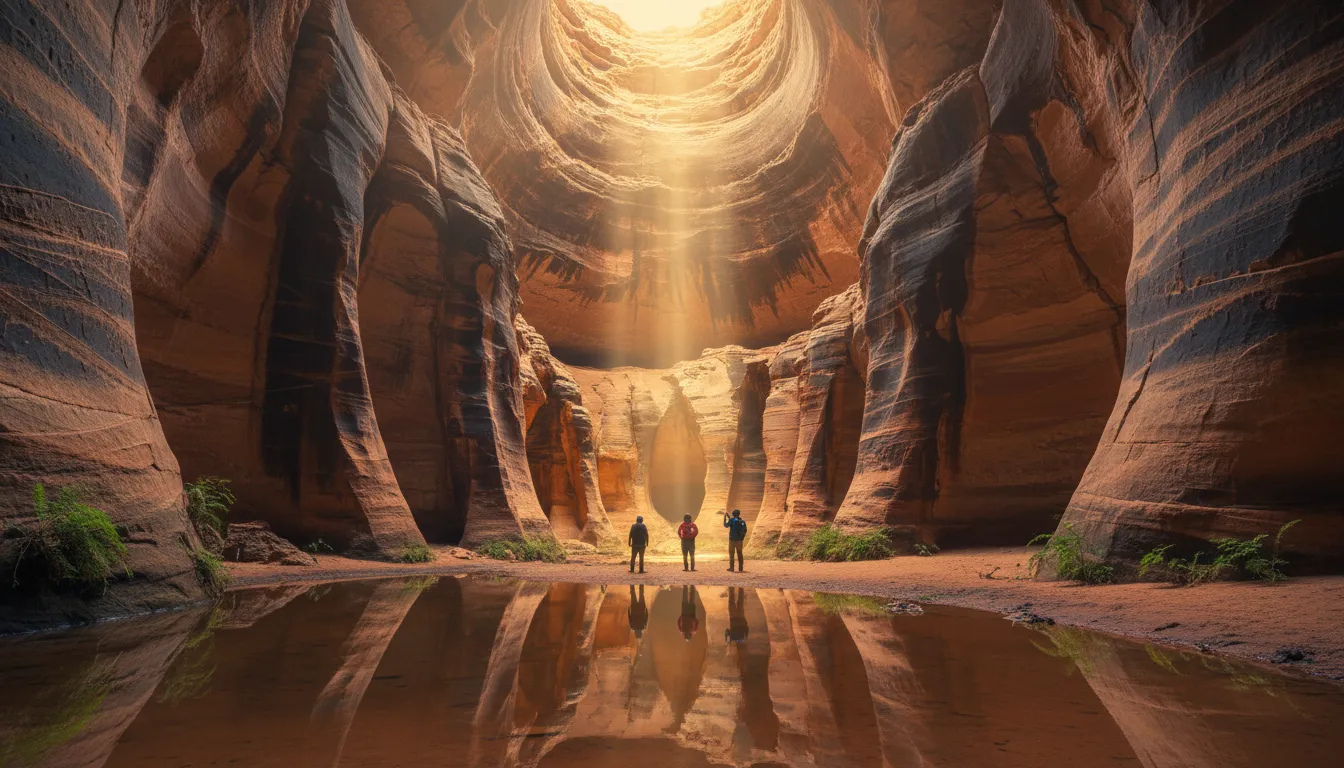
The walk into Cathedral Gorge is, for many, the highlight of their Bungle Bungles experience. A relatively easy 2-3 kilometre return walk from the Piccaninny carpark, it leads you through towering beehive domes before opening into a magnificent, cavernous amphitheater. The scale of the gorge is simply breathtaking; massive sandstone walls rise dramatically, curving inwards to form a natural dome.
Inside, a permanent pool of water reflects the light, creating a serene and almost sacred atmosphere. The acoustics are phenomenal, with every whisper echoing around the vast space. I remember sitting there, feeling incredibly small yet utterly connected, listening to the drip of water and the gentle breeze. It’s a place that invites quiet contemplation, a true marvel of natural architecture.
Piccaninny Creek: A Journey into the Heart of the Range
For the more adventurous and well-prepared, Piccaninny Creek offers a deeper dive into the park's wilderness. This creek system is the main drainage for the entire Bungle Bungle Range, and its various gorges and chasms provide opportunities for both day hikes and extended overnight treks. The longer Piccaninny Gorge walk is a serious undertaking, requiring self-sufficiency and excellent navigational skills, often taking multiple days to explore its intricate network of narrow passages and hidden pools.
Even a shorter exploration into the mouth of Piccaninny Creek offers a profound sense of wild beauty. You walk along the rocky creek bed, surrounded by the towering domes, discovering hidden crevices and seasonal waterholes. This area is a raw, untouched wilderness, demanding respect and preparedness. It’s here that you truly feel the untamed spirit of the Kimberley, a landscape that has remained largely unchanged for millennia and holds deep cultural significance for the Gija and Jaru Traditional Owners.
Essential Travel Tips for the Kimberley Region
Embarking on a journey to the Bungle Bungles and the broader Kimberley region requires careful planning and a healthy respect for its remote and rugged nature. This is not a destination for the unprepared; it's an adventure that demands foresight to ensure both safety and enjoyment. Having explored many of Australia’s wild corners, I can attest that the Kimberley presents its own unique set of challenges and rewards.
When to Go: The Dry Season is Key
The most crucial tip for visiting Purnululu National Park is to travel during the dry season, typically from May to October. During this period, the weather is more moderate, and crucially, the park roads are open and accessible. The wet season (November to April) brings heavy rains, making roads impassable and often leading to park closures. Always check current park conditions and road closures before you go.
Accommodation and Bookings: Plan Ahead
Accommodation within Purnululu National Park is limited, primarily consisting of two basic campgrounds (Walardi and Kurrajong) managed by the Department of Biodiversity, Conservation and Attractions (DBCA). There are also a couple of eco-friendly wilderness lodges offering more comfortable, yet still rustic, experiences. Bookings for both camping and lodges are absolutely essential, especially during peak season, as spaces fill up quickly.
Transport: Your 4WD is Your Lifeline
A high-clearance 4WD vehicle is non-negotiable for accessing Purnululu National Park. The 53-kilometre track from the Great Northern Highway to the park entrance is unsealed, corrugated, and crosses several creek beds. This journey alone can take up to three hours. Ensure your vehicle is well-maintained, and you are proficient in 4WD driving techniques. Consider joining a guided 4WD tour if you're not confident driving yourself.
Safety and Supplies: Be Self-Sufficient
The Kimberley is remote, and services are few and far between. Carry ample supplies of water (at least 5-10 litres per person per day), food, fuel, and spare parts for your vehicle. Sun protection (hat, sunscreen, long sleeves) is vital, as are insect repellent and a comprehensive first-aid kit. Mobile phone reception is extremely limited or non-existent in the park, so consider carrying a satellite phone or a personal locator beacon (PLB) for emergencies. Always inform someone of your travel plans and expected return.
Respect the Land and Culture: Leave No Trace
Purnululu National Park is a place of immense natural beauty and deep cultural significance to the Gija and Jaru people. Always stay on marked trails, take all your rubbish with you, and refrain from disturbing any natural features or cultural sites. Be mindful of wildlife and give them space. Adhering to the 'Leave No Trace' principles is paramount to preserving this pristine environment for future generations.
How it Compares to Other Australian Landmarks
Australia is blessed with an array of globally recognized natural wonders, each holding its own unique allure. When discussing famous landmarks Western Australia has to offer, the Bungle Bungles often enter conversations alongside icons like Uluru, the Great Barrier Reef, and even the Blue Mountains. While each is magnificent in its own right, the Bungle Bungles possess a distinct character that sets them apart.
Unlike Uluru, a monolithic sandstone inselberg that stands as a singular, imposing presence, the Bungle Bungles are a vast range of thousands of individual, conical karst formations. Both are ancient, sacred sites for Indigenous Australians, evoking powerful spiritual connections. However, visually, Uluru is about a singular, dominant form, while the Bungle Bungles are about a complex, undulating landscape of distinct, striped domes. The experience of walking around Uluru is profound, but walking amongst the Bungle Bungles offers a different kind of immersive intimacy.
Comparing it to the Great Barrier Reef is almost comparing apples and oranges; one is a vibrant marine ecosystem, the other an ancient terrestrial landscape. Both are UNESCO World Heritage sites, testaments to the incredible diversity of life and geological processes on Earth. But where the Reef offers underwater spectacle and fragile biodiversity, the Bungle Bungles offer geological grandeur and the resilience of an arid environment.
Even against other sandstone formations like the Blue Mountains in New South Wales, the Bungle Bungles stand apart. While the Blue Mountains feature dramatic cliffs, valleys, and iconic formations like the Three Sisters, their scale, age, and geological origins are different. The Bungle Bungles are far more remote, wild, and untouched, carved from much older Devonian sediments, creating their unique 'beehive' shape. The sheer remoteness and the distinctive orange and black banding are defining features not replicated elsewhere on the continent in such a dramatic fashion.
The Bungle Bungles' UNESCO World Heritage status wasn't granted lightly. It recognizes their outstanding universal value as one of the world's most exceptional examples of cone karst formations, alongside its profound cultural significance. It is a landmark that truly offers a unique narrative of Earth's history, a place where ancient geology, unique ecology, and deep cultural heritage converge in an unforgettable display. It's not just another landmark; it's a geological phenomenon that stands proudly and distinctly among Australia's greatest natural treasures.
Your Journey to Unforgettable Cultural Stories and Inspiring Connections
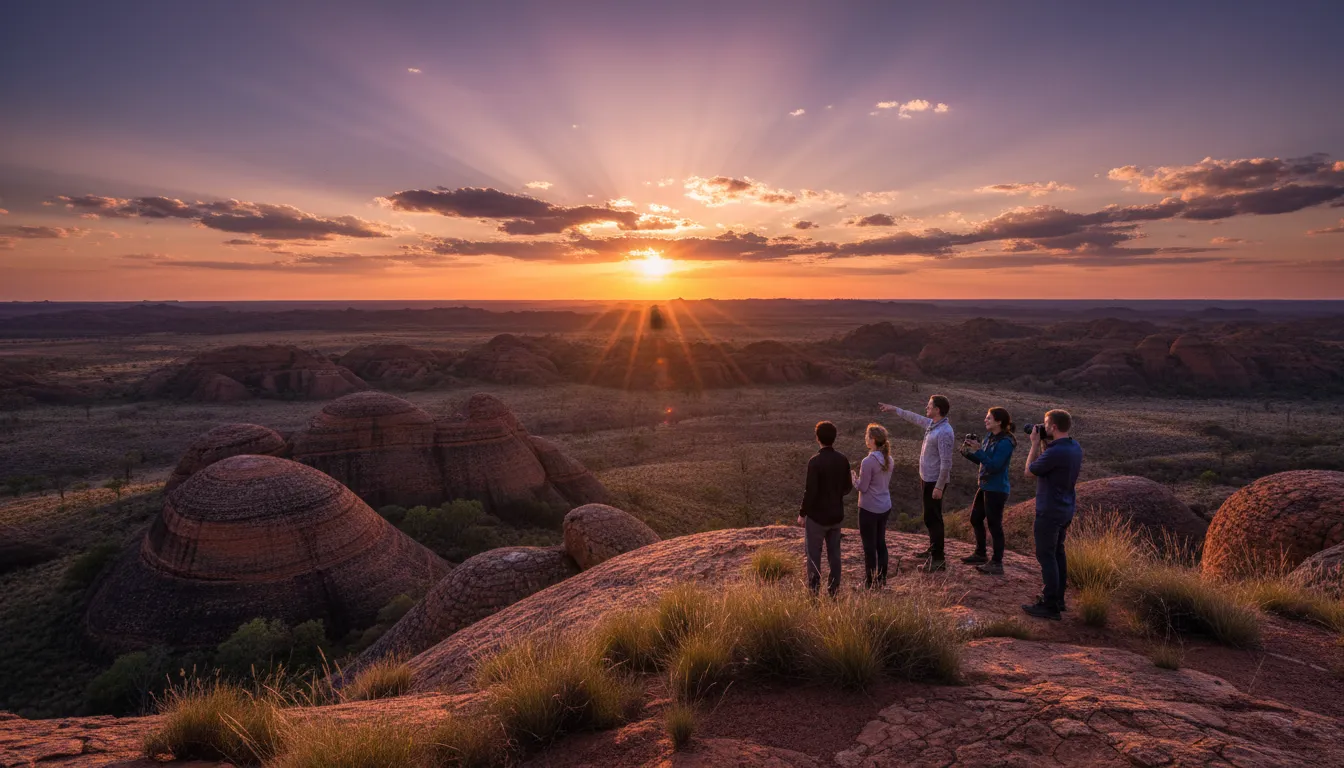
The Bungle Bungles of Purnululu National Park are more than just a famous landmark in Western Australia; they are a profound journey into the very essence of ancient Earth and enduring culture. From the mesmerizing geology that painted their stripes to the intimate whispers within Cathedral Gorge, every aspect of this region invites discovery and connection. It’s a place that humbles you with its scale, enriches you with its history, and inspires you with its untouched beauty.
For culturally curious readers and those seeking substantive travel narratives, the Bungle Bungles offer an experience that resonates deeply. It's a testament to the power of nature, the resilience of the land, and the timeless stories held within its ancient rocks. My own experiences here have left an indelible mark, reinforcing the importance of respectful travel and the profound beauty found in remote corners of our world.
As we at MLifeOn continue to champion 'More Discovery, More Experience,' we wholeheartedly recommend adding the Bungle Bungles to your travel repertoire. It's a place where every vista is a photograph, every echo is a story, and every step is a connection to something truly ancient and magnificent. Prepare yourself for an adventure that will not only show you one of Australia's most spectacular natural wonders but also deepen your appreciation for our planet's incredible diversity and the rich tapestry of human history woven into its landscapes.