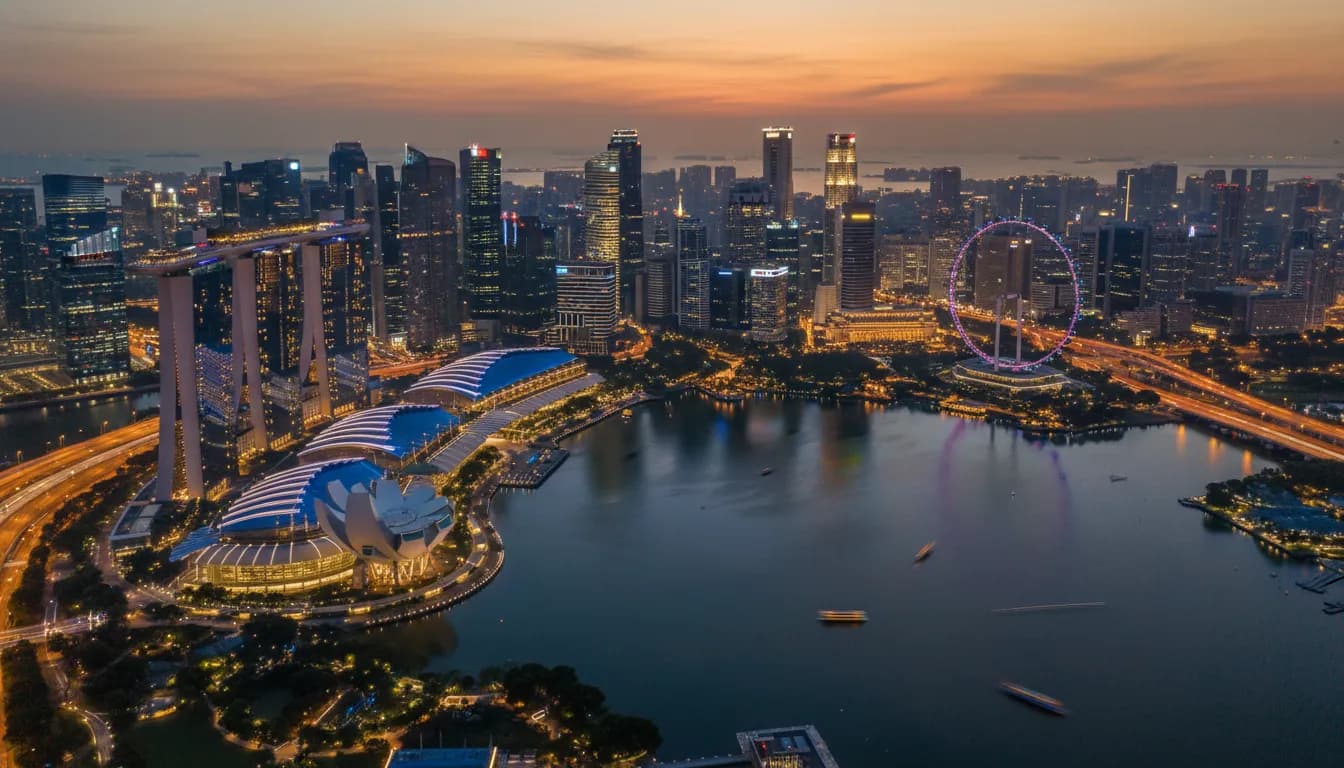
Singapore, a vibrant tapestry of cultures, offers a culinary journey unlike any other. Its food scene is a dazzling reflection of its multi-ethnic heritage, where Malay, Chinese, Peranakan, and Indian traditions intertwine. For a culturally curious explorer like myself, and indeed for our discerning MLIFEON readers, delving into this gastronomic mosaic is an essential part of understanding the Lion City's soul.
My extensive travels have taught me that food is the most profound gateway to a culture's heart. In Singapore, this truth resonates deeply, particularly within its thriving Indian community. This article serves as your personal tutorial, a guide to navigating the aromatic pathways of Indian cuisine in Singapore, helping you discover not just what to eat, but how to truly experience it.
We’ll explore the sensory explosion of Little India, learn the proper etiquette for enjoying iconic dishes like Roti Prata and Fish Head Curry, and distinguish between the rich nuances of North and South Indian flavours. Prepare to embark on an unforgettable journey, one bite at a time, into the heart of Singapore's famous Indian dishes and restaurants. This is your ultimate 'how to Singapore famous dishes and restaurants' guide, framed through an Indian food tutorial.
Exploring Little India: A Sensory Overload
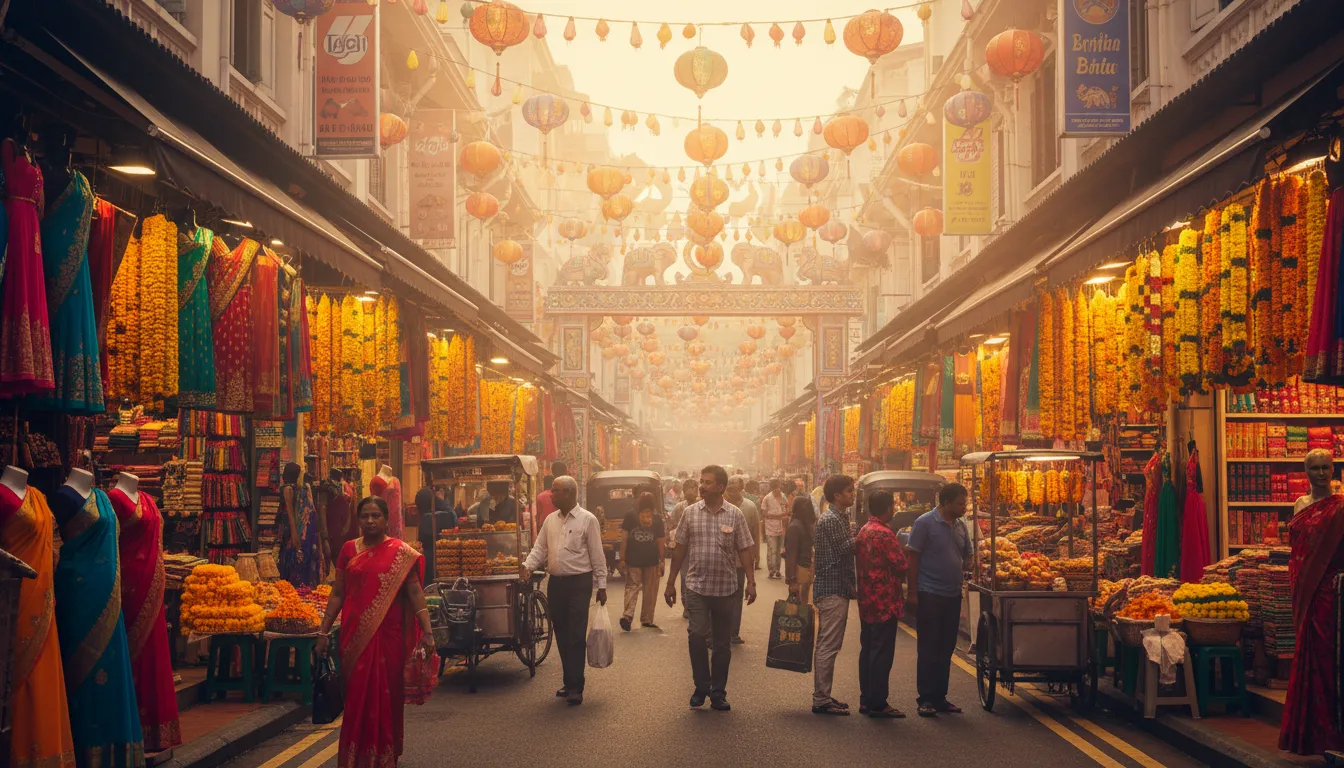
Stepping into Little India is like crossing a threshold into another world, a vibrant escape from Singapore’s modern cityscape. The moment you arrive, your senses are immediately captivated by a symphony of sights, sounds, and, most powerfully, smells. It's an immersive experience that ignites a profound sense of discovery.
The air is thick with the intoxicating aroma of jasmine garlands, burning incense, and a complex blend of spices – cumin, coriander, turmeric, and cardamom. This olfactory richness is a hallmark of the neighbourhood, drawing you deeper into its bustling streets. I often find myself taking deep breaths here, trying to commit every scent to memory.
Colour explodes everywhere you look. Sari shops display bolts of silk in every hue imaginable, from electric fuchsia to shimmering gold. Flower vendors meticulously string vibrant marigolds and delicate orchids, their stalls a riot of natural beauty. The vibrant murals adorning shophouse walls tell stories of ancient myths and modern life.
The soundtrack of Little India is equally compelling. Bollywood music drifts from electronics stores, mingling with the rhythmic clatter of metal on metal from jewellery workshops. The animated chatter of hawkers and shoppers creates a lively, continuous hum, a testament to the community's vibrant energy. It’s a place where every corner holds a new discovery.
For me, the essence of Little India lies in its authenticity. It’s not a mere tourist attraction but a living, breathing community that proudly maintains its heritage. Observing families gather for meals, or watching artisans at work, offers a genuine glimpse into a culture that thrives thousands of miles from its origin.
This district is also a treasure trove for food lovers, offering an incredible array of Indian culinary delights. From humble hawker stalls serving crispy dosas to elegant restaurants specializing in banana leaf meals, the choices are endless. It's the perfect starting point for our 'Singapore famous dishes and restaurants tutorial.'
Step-by-Step: How to Properly Eat Roti Prata and Fish Head Curry
To truly appreciate Indian cuisine in Singapore, understanding how to eat it is as important as knowing what to order. Many dishes are designed to be enjoyed interactively, engaging all your senses, particularly your hands. Let's dive into two iconic dishes: Roti Prata and Fish Head Curry.
Roti Prata: The Flaky Delight
Roti Prata is Singapore's answer to a crispy, fluffy, savoury pancake, a staple for breakfast, lunch, or even a late-night snack. It’s a dish that beautifully embodies the simplicity and satisfaction of Indian street food. Watching a master prata man expertly stretch and flip the dough is a mesmerising culinary ballet.
Step 1: Ordering Your Prata.
Start by choosing your prata type. A 'plain' prata is often the best introduction, allowing you to appreciate the bread's texture. For those seeking more, 'prata telur' (egg prata) or 'prata cheese' are popular, adding a delicious richness to the experience. Don't be afraid to ask for recommendations.
Step 2: The Accompaniments.
Prata is never eaten alone; it always comes with a selection of dipping sauces. Typically, you'll receive a small bowl of fish curry and another of dal (lentil stew). Sometimes, a fiery sambal or a simple sugar for sweet prata is also offered, catering to diverse palates.
Step 3: The Tear and Dip.
This is where the 'how to' truly begins. Using your right hand (traditionally, as the left is considered unclean in many Asian cultures), tear off a small piece of the prata. You want a piece that’s manageable and can scoop up the curry effectively. This tactile interaction enhances the flavour.
Step 4: The Perfect Scoop.
Dip your torn piece of prata into the curry, ensuring it soaks up a good amount of the rich sauce. The goal is to get a balanced bite – a bit of the crispy, flaky bread combined with the aromatic, spicy curry. Experiment with both the fish curry and the dal to find your preferred combination.
Step 5: Savour Every Bite.
Bring the curry-laden prata to your mouth and enjoy the explosion of flavours and textures. The crispiness of the prata gives way to its soft, chewy interior, perfectly complemented by the robust, spiced curry. It's a truly satisfying and comforting experience, a cornerstone of 'how to Singapore famous dishes and restaurants.'
Fish Head Curry: A Communal Feast
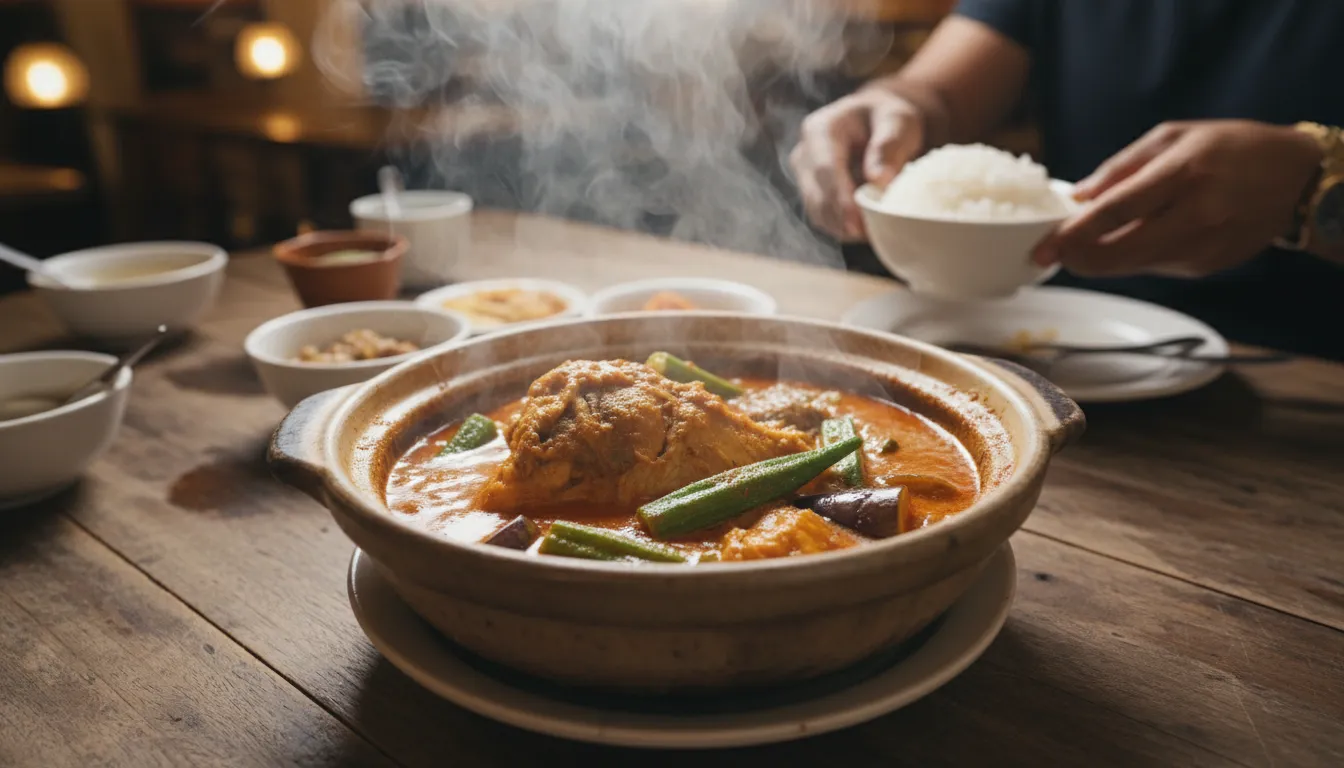
Fish Head Curry is a unique Singaporean invention, blending South Indian curry techniques with Chinese and Malay influences. It's a bold, flavourful dish, often served in a large clay pot, making it perfect for sharing. This dish showcases the brilliant fusion that defines Singapore's culinary identity.
Step 1: Gathering Your Crew.
Fish Head Curry is designed to be a communal meal. While you can order a smaller portion, it's best enjoyed with a group of friends or family. The shared experience enhances the enjoyment, fostering conversation and connection over a steaming pot.
Step 2: The Main Event – The Fish Head.
When it arrives, you’ll be greeted by a large, typically snapper, fish head simmering in a rich, tangy, and spicy curry. Don’t be intimidated by its appearance; the meat around the cheeks and eyes is considered the most succulent and flavourful. This is often the point where newcomers might hesitate, but I encourage you to be adventurous.
Step 3: Rice is Essential.
Fish Head Curry is traditionally served with plain white rice, which acts as a perfect canvas for the intense flavours of the curry. You’ll want generous scoops of rice to soak up every drop of the aromatic gravy. Some places might also offer a side of papadum or vegetables.
Step 4: Digging In (Again, with Hands!).
While spoons are usually provided, many locals and seasoned diners prefer to eat Fish Head Curry with their hands. Scoop a portion of rice onto your plate, then ladle a generous amount of curry and vegetables over it. Gently flake off pieces of fish meat, mixing them with the curry and rice.
Step 5: The Flavour Profile.
Expect a complex symphony of tastes: the tanginess of tamarind, the spice of chillies, the creaminess of coconut milk, and the sweetness of tomatoes and lady's fingers. The fish head itself imparts a unique depth to the curry, making it incredibly rich and satisfying. It’s a dish that demands your full attention.
Step 6: Don't Forget the Vegetables.
The curry often includes an assortment of vegetables like okra (lady's fingers) and brinjal (eggplant), which absorb the curry's flavours beautifully. Make sure to include them in your bites, as they add texture and nutritional balance to the rich dish. This is truly an iconic 'Singapore famous dishes and restaurants' experience.
North Indian vs. South Indian Flavors in Singapore
Singapore's Indian culinary landscape is wonderfully diverse, reflecting the vast regional differences within India itself. Understanding the distinction between North Indian and South Indian flavours is key to appreciating the breadth of choices available. It’s a fascinating exploration of how geography and history shape gastronomy.
North Indian Cuisine: Richness and Roasts
North Indian cuisine is often characterised by its richer, creamier gravies, liberal use of dairy products like ghee and paneer, and a strong emphasis on wheat-based breads. The climate in North India historically led to the cultivation of wheat, making dishes like naan and roti staples. My first experiences with North Indian food in Singapore always felt wonderfully indulgent.
Key Characteristics:
* Gravies: Tend to be thicker, often tomato or onion-based, with cream, yogurt, or cashews for richness. Think Butter Chicken, Paneer Butter Masala, or Rogan Josh. These dishes are hearty and comforting.
* Spices: While flavourful, they generally use a broader, milder range of spices compared to the fiery intensity of some South Indian dishes. Garam masala, cumin, coriander, and turmeric are prominent.
* Breads: Tandoor-baked breads like naan (plain, garlic, butter), roti, and paratha are central. They are perfect for scooping up the rich gravies.
* Tandoor Cooking: Many dishes are cooked in a tandoor (clay oven), imparting a smoky, charred flavour. Tandoori chicken and various kebabs are prime examples of this cooking method.
* Desserts: Sweeter, milk-based desserts like gulab jamun (deep-fried milk solids in syrup) and kulfi (Indian ice cream) are popular.
In Singapore, you'll find numerous restaurants specializing in North Indian fare, from upscale dining establishments to more casual eateries. They often cater to a broader palate, offering familiar dishes that resonate with many global diners. These are a must-try when exploring 'how to Singapore famous dishes and restaurants.'
South Indian Cuisine: Lightness and Spices
South Indian cuisine, by contrast, is known for its lighter, spicier, and often more aromatic profile, with rice being the dominant staple. The tropical climate of South India influences the use of ingredients like coconut, tamarind, and curry leaves. My personal preference often leans towards the vibrant, fresh flavours of the South.
Key Characteristics:
* Rice-Based: Rice is the foundation of almost every meal, whether as steamed rice, idli (steamed rice cakes), or dosa (fermented rice and lentil crepes).
* Coconut: Coconut milk and freshly grated coconut are widely used in curries, chutneys, and even desserts, adding a distinct creaminess and sweetness.
* Tamarind: Imparts a characteristic sourness to many curries and stews, balancing the spice.
* Curry Leaves: A ubiquitous aromatic, often tempered in oil with mustard seeds and chillies to start many dishes, giving them a fresh, herby fragrance.
* Spices: Utilizes a different spice palette, often featuring mustard seeds, fenugreek, and a more potent use of fresh green chillies, leading to spicier dishes.
* Vegetarian Focus: While meat is consumed, South Indian cuisine has a strong and incredibly diverse vegetarian tradition, with many delicious plant-based dishes.
* Presentation: Meals are often served on a banana leaf, particularly in traditional settings, adding to the authentic cultural experience. This is a common practice in many 'Singapore famous dishes and restaurants.'
In Singapore, South Indian cuisine is prominently featured in Little India's numerous eateries and hawker centres. Here, you can find incredibly authentic dosas, idlis, and a wide array of vegetable curries. It offers a wonderful contrast to its northern counterpart, providing a complete picture of Indian gastronomy.
For the adventurous eater, trying both North and South Indian dishes in Singapore offers a comprehensive culinary education. It highlights the incredible diversity within a single national cuisine and showcases Singapore's ability to host and celebrate these distinct traditions side-by-side.
Best Restaurants for Authentic Indian-Singaporean Fusion
Singapore’s culinary scene isn't just about preserving traditional Indian flavours; it's also a hotbed for innovation. The city-state excels at blending these rich traditions with local influences and modern twists, creating a truly unique Indian-Singaporean fusion experience. This is where 'Singapore famous dishes and restaurants' truly shine, offering something beyond the ordinary.
To find the 'best' restaurants, it's not always about Michelin stars, though Singapore has those too. Often, the most authentic and memorable experiences are found in places buzzing with locals, where generations of culinary knowledge are passed down. I've often stumbled upon my favourite spots by simply following my nose or observing long queues.
Hawker Centres: The Melting Pot of Flavours
No discussion of Singaporean food, Indian or otherwise, is complete without mentioning its iconic hawker centres. These open-air food complexes are democratic culinary institutions, offering incredible food at affordable prices. They are a fantastic starting point for exploring Indian-Singaporean fusion in its most accessible form.
- Tekka Centre (Little India): This is arguably the epicentre of Indian food in Singapore. Here, you'll find a dizzying array of stalls specializing in South Indian vegetarian meals, biryanis, roti prata, and even Indian Rojak (a spicy fruit and vegetable salad with an Indian twist). The vibrancy and sheer choice make it an essential stop.
- Maxwell Food Centre / Lau Pa Sat: While more famous for Hainanese Chicken Rice or Satay, many hawker centres across Singapore feature at least one or two excellent Indian stalls. These often offer a more localized version of Indian dishes, adapting spice levels or including ingredients popular with the broader Singaporean palate.
What makes hawker centre Indian food so special is its authenticity and the speed at which it's prepared. You're getting tried-and-true recipes, often refined over decades, served in a bustling, communal atmosphere. It's a true reflection of how Indian food has integrated into the daily fabric of Singaporean life.
Traditional Restaurants: Banana Leaf and Beyond
Beyond the hawker centres, there are numerous traditional Indian restaurants that have become institutions in their own right. These often offer a more sit-down, comprehensive dining experience, sometimes specializing in specific regional cuisines or unique dining formats.
- Banana Leaf Meals: For an authentic South Indian experience, seek out restaurants that serve meals on a banana leaf. This traditional way of dining not only enhances the flavour (the leaf imparts a subtle aroma) but also connects you to the cultural roots of the food. Expect a generous spread of rice, various vegetable curries, rasam, sambar, and sometimes meat options, all to be eaten with your hands.
- Specialty Biryani Houses: Biryani, a fragrant rice dish cooked with meat or vegetables and a blend of aromatic spices, is a beloved dish across Singapore. Look for restaurants that pride themselves on their biryani, often slow-cooked to perfection. Some even offer Hyderabadi or Lucknowi variations, showcasing regional nuances.
- Chettinad Cuisine: For those who enjoy bold and spicy flavours, seek out Chettinad restaurants. This cuisine from Tamil Nadu is renowned for its complex spice blends, fiery curries, and use of fresh ground masalas. It offers a distinct and memorable culinary adventure.
Modern Indian-Singaporean Fusion: Elevating the Experience
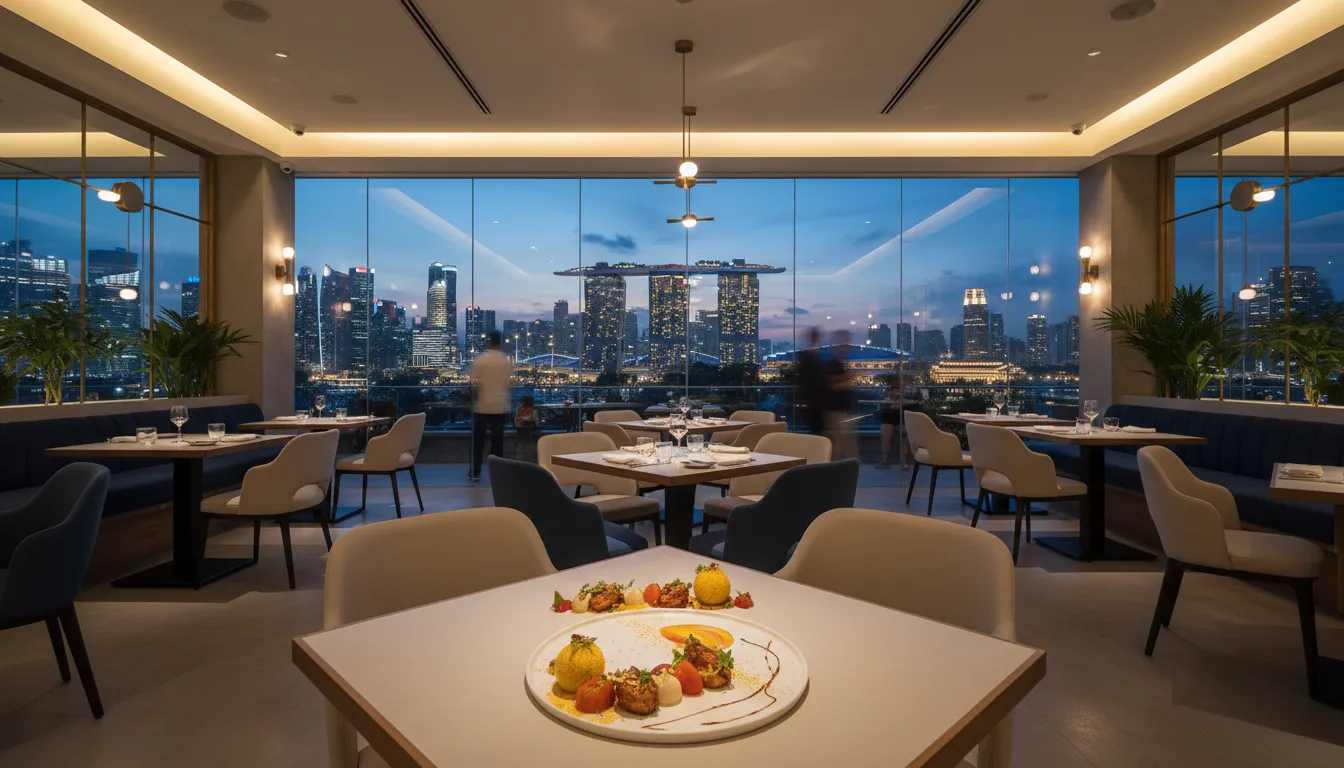
Singapore's dynamic culinary scene has also seen the rise of modern Indian restaurants that push boundaries, blending traditional techniques with contemporary presentations and global ingredients. These establishments often offer a refined dining experience that appeals to a sophisticated palate.
- The Spice Route Reimagined: Some restaurants draw inspiration from the historical spice trade routes, incorporating elements from Southeast Asian or even European cuisines into their Indian dishes. This could mean using local herbs like pandan or lemongrass in a curry, or presenting traditional street food in an elevated, artistic manner.
- Progressive Indian Dining: These restaurants often take classic Indian dishes and deconstruct them, or infuse them with molecular gastronomy techniques. Think of a deconstructed samosa, a curry foam, or innovative cocktails with Indian spice infusions. It's an exciting take on 'Singapore famous dishes and restaurants.'
- Ingredient Focus: Many modern establishments place a strong emphasis on high-quality, often locally sourced, ingredients. They might highlight the provenance of their spices or the freshness of their seafood, ensuring that every dish tells a story of both tradition and innovation.
When exploring these fusion spots, look for menus that describe the culinary journey, perhaps mentioning the chef’s inspirations or the unique blend of cultures in each dish. These places are not just about eating; they are about experiencing the evolution of a cuisine.
Ultimately, finding the 'best' Indian or Indian-Singaporean fusion experience is a personal journey. My advice is to be open-minded, talk to locals, and don't be afraid to step into a busy, unassuming eatery. Often, the most profound culinary discoveries happen in the most unexpected places. This entire exploration is a vital 'Singapore famous dishes and restaurants tutorial' for any food enthusiast.
Conclusion: Your Journey to Unforgettable Flavours
Singapore's Indian food scene is a testament to the city-state's incredible cultural diversity and its unwavering passion for gastronomy. From the sensory explosion of Little India to the nuanced differences between North and South Indian flavours, and the exciting realm of fusion cuisine, there is a world of discovery waiting for you. This 'how to Singapore famous dishes and restaurants' tutorial has aimed to equip you with the knowledge and confidence to embark on your own delicious adventure.
My travels have consistently reinforced the idea that food is more than sustenance; it is a narrative, a cultural bridge, and a source of profound connection. In Singapore, every bite of a flaky Roti Prata or a robust Fish Head Curry tells a story of migration, adaptation, and culinary brilliance. It’s a story that resonates deeply with MLIFEON’s mission of seeking authentic cultural stories and inspiring connections.
Whether you're a seasoned foodie or a curious newcomer, I encourage you to immerse yourself fully. Engage with the hawkers, try eating with your hands, and allow the vibrant spices to transport you. Let each meal be an act of discovery, an experience that broadens your palate and enriches your understanding of Singapore's rich tapestry.
Your journey to unforgettable cultural stories and inspiring connections begins with a single, flavourful bite. More discovery, more experience awaits in the incredible Indian-Singaporean culinary landscape. Go forth, explore, and savour every moment!