Western Australia, a land of vast horizons and ancient wonders, holds within its heart some of the most breathtaking landscapes on Earth. Among these, Karijini National Park stands out as a jewel, a testament to geological time and the enduring spirit of the land. My journeys across this magnificent continent have consistently drawn me to places that speak of deep history and profound natural beauty, and Karijini is undoubtedly one such destination that leaves an indelible mark on the soul.
For the culturally curious traveler seeking more than just a scenic view, Karijini offers an immersive journey into an ancient world. It’s a place where the vibrant red earth meets crystal-clear pools, carved over billions of years into spectacular gorges. This isn't merely a stop on a tourist itinerary; it's an invitation to connect with the very essence of Australia's wild, untamed spirit, reflecting MLIFEON's commitment to authentic cultural stories and inspiring connections.
The Ancient Gorges of the Pilbara
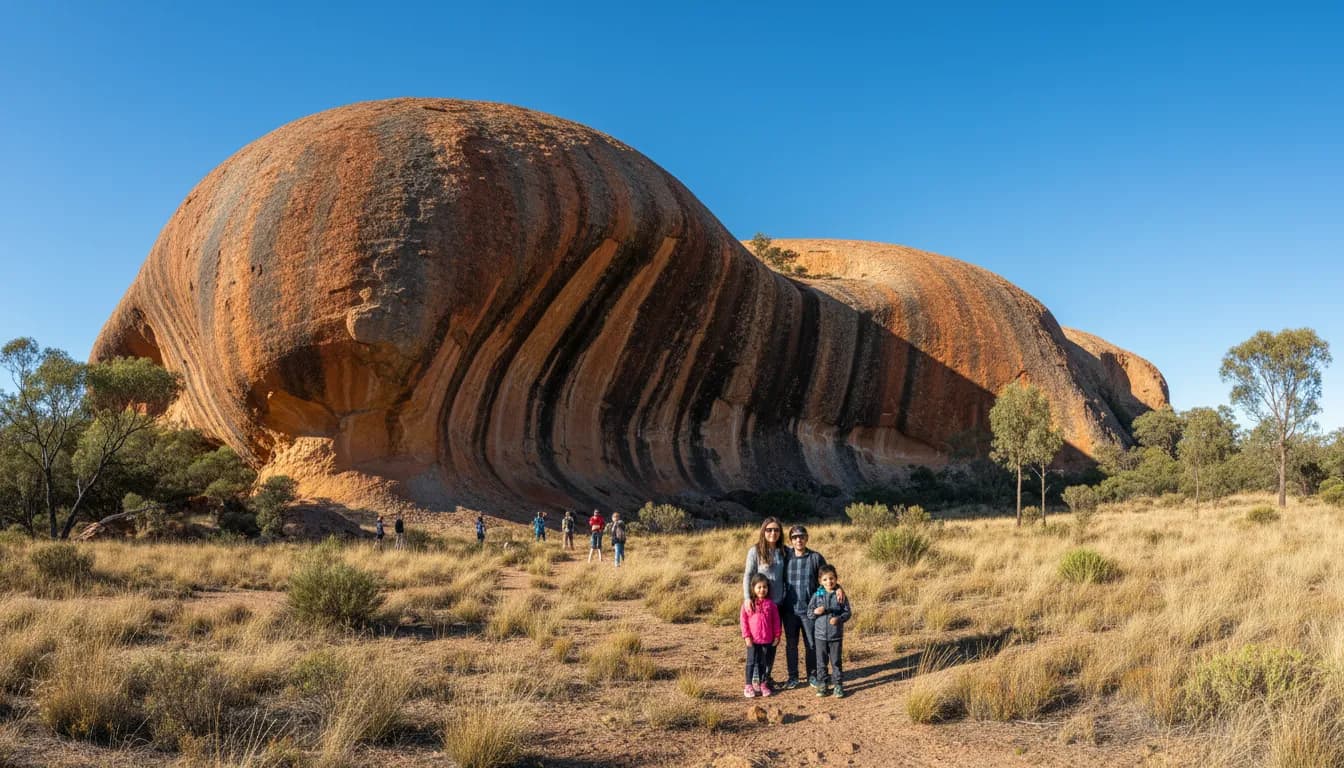
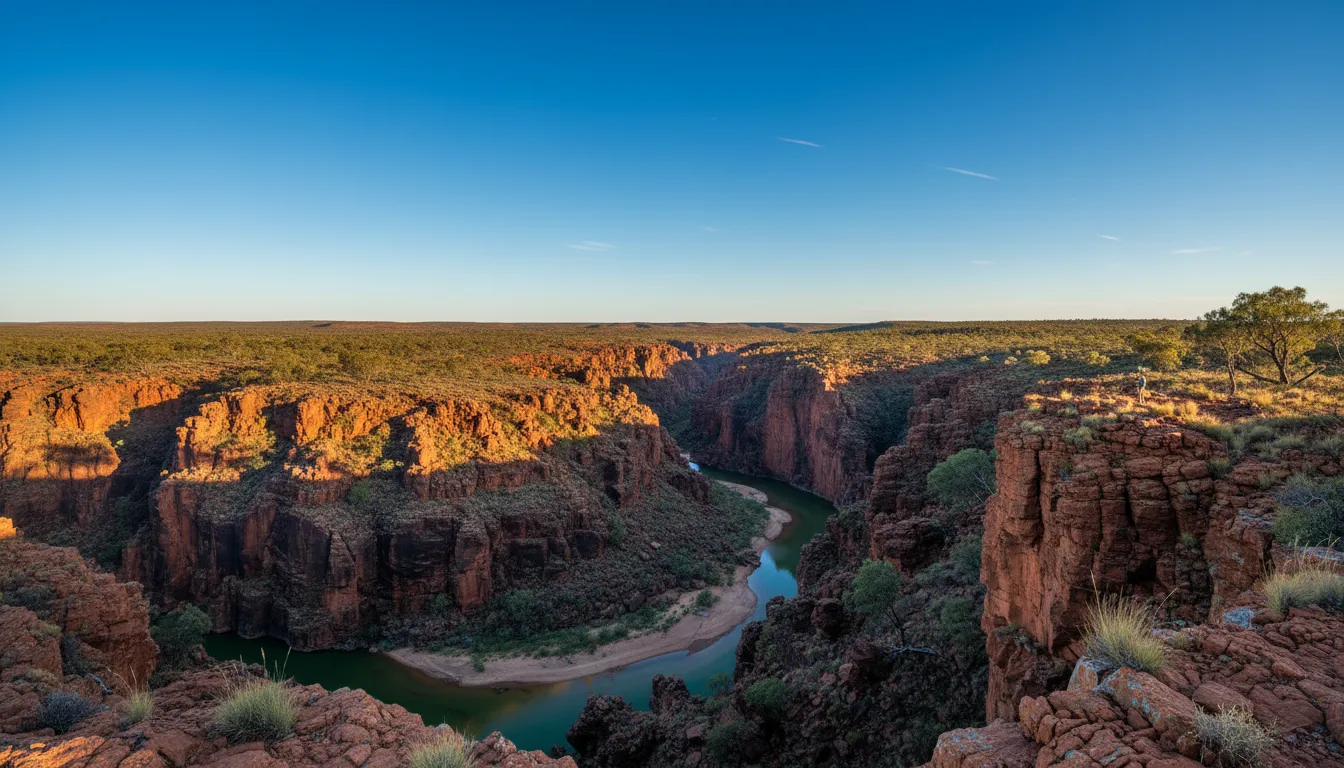
The moment you first glimpse Karijini National Park, the sheer scale and antiquity of the landscape are overwhelming. Located deep within the Pilbara region, this park is a dramatic canvas of layered rock, sculpted by wind and water into an intricate labyrinth of gorges, tunnels, and waterfalls. These formations, primarily composed of iron-rich banded iron formations, tell a geological story spanning over 2.5 billion years, whispering tales of Earth’s earliest oceans and atmospheric changes.
The rich, ochre-red hues of the rock faces are punctuated by streaks of black and silver, creating a visual symphony under the intense Australian sun. This incredible colour palette is especially vivid at sunrise and sunset, when the low light deepens the reds and oranges, casting dramatic shadows that accentuate every curve and crevice. It’s a photographer’s dream and a geologist’s paradise, showcasing nature’s artistry on an epic scale.
Beyond its geological marvels, Karijini is profoundly significant to the Banyjima, Kurrama, and Innawonga Aboriginal people, who are the Traditional Owners of this land. Their connection to these gorges, waterholes, and hills stretches back tens of thousands of years, weaving a rich tapestry of dreamtime stories, cultural practices, and deep spiritual reverence. For them, every rock, every tree, and every water source holds a sacred meaning, making a visit here a journey not just through landscape, but through living cultural heritage.
My initial encounter with Karijini was at Oxer Lookout, where four mighty gorges—Weano, Red, Hancock, and Joffre—converge. Standing on the precipice, the vastness of the chasm below, carved into the earth like a giant's fingerprint, instilled a profound sense of awe and humility. The silence, broken only by the distant calls of birds and the gentle whisper of the wind, felt ancient and sacred, a truly unforgettable introduction to one of the most famous landmarks in Western Australia.
Swimming in Fern Pool and Fortescue Falls
One of the most restorative experiences in Karijini is undoubtedly discovering its many freshwater pools, hidden like emerald jewels within the red rock gorges. Fern Pool, located within Dales Gorge and accessible via a relatively easy walk, is a particular highlight, offering a serene oasis amidst the rugged terrain. The journey down into Dales Gorge is an adventure in itself, with well-maintained paths and steps leading you into a cooler, shadier microclimate.
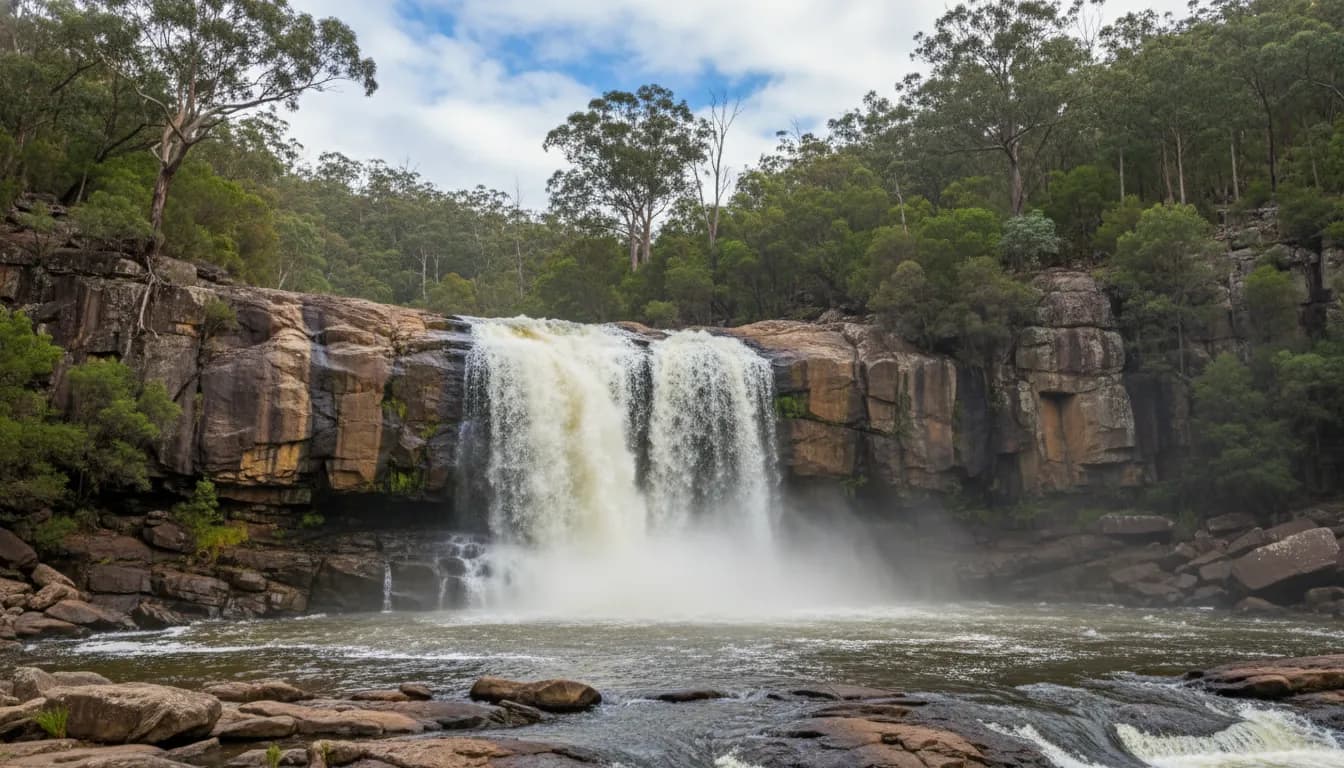
As you descend, the temperature noticeably drops, and the air becomes laden with the scent of damp earth and lush vegetation. Fern Pool itself is a spectacular sight: a tranquil, crystal-clear pool fed by a gentle waterfall that cascades over moss-covered rocks. The edges of the pool are fringed with vibrant green ferns and fig trees, creating a stunning contrast against the deep red walls of the gorge, a true testament to nature's resilience in an arid environment.
The water, refreshingly cool, is an absolute balm after exploring under the Pilbara sun. Swimming here feels like stepping into another world, a secluded paradise where time seems to slow down, allowing for deep relaxation and contemplation. It's a place where you can float on your back, gaze up at the towering gorge walls, and feel completely connected to the ancient landscape surrounding you.
A short distance from Fern Pool, also within Dales Gorge, lies Fortescue Falls, a magnificent terraced waterfall that plunges into another inviting pool. Unlike the gentle cascade of Fern Pool, Fortescue Falls presents a more dramatic spectacle, with water tumbling over multiple rock ledges before settling into a deep swimming hole. The descent to Fortescue Falls involves navigating a series of sturdy steps and platforms, rewarding the effort with truly spectacular views.
It’s crucial to remember that Fern Pool holds significant cultural importance for the local Indigenous women, being a sacred site. Visitors are respectfully asked to enter the pool quietly and behave with reverence, acknowledging the spiritual connection the Traditional Owners have to this place. My own experience there was tinged with this awareness, making the swim not just physically refreshing, but spiritually enriching, a moment of quiet respect and appreciation for a culture deeply intertwined with the land.
The 'Spider Walk' in Hancock Gorge
For those seeking an unforgettable adventure and a true test of spirit, the 'Spider Walk' in Hancock Gorge is an absolute must-do experience in Karijini. This renowned Class 5 hike is not for the faint of heart, but the rewards are immeasurable, leading you deep into the heart of one of Karijini’s most dramatic gorges. It’s an exhilarating journey that truly embodies the spirit of exploration and personal discovery that MLIFEON champions.
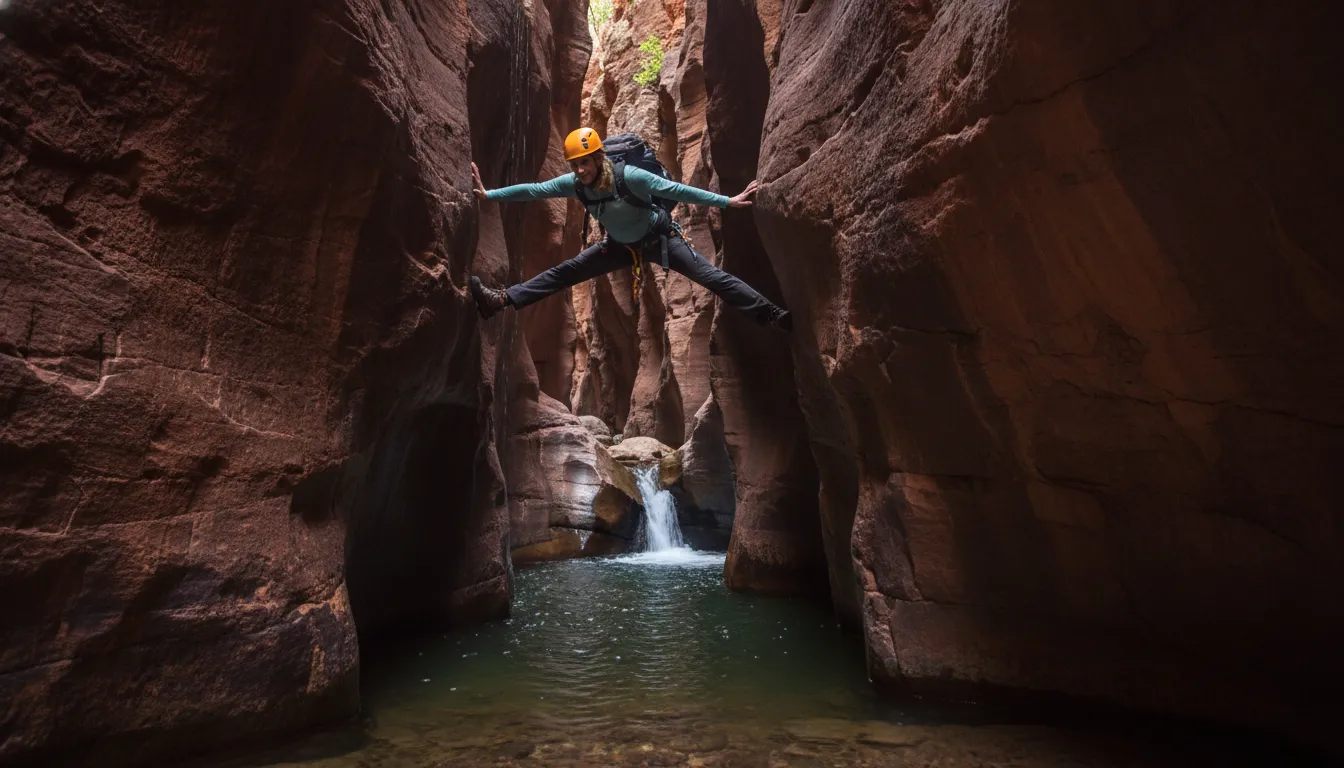
The trek begins with a descent into the gorge, navigating steep ladders and scrambling over rocks, immediately immersing you in the raw beauty of the canyon. As you venture deeper, the gorge narrows dramatically, forcing you to wade, swim, and even brace yourself against the slippery, polished rock walls. This is where the famous 'Spider Walk' truly begins, requiring you to spread your limbs like a spider, inching your way along the narrow chasm with one foot on each side of the rock.
The feeling of the cool, dark water swirling around your legs, and the sheer rock face pressing in on either side, creates an incredibly visceral experience. Sunlight struggles to penetrate the deepest sections, casting an ethereal glow on the ancient rock. It’s a challenging and thrilling maneuver, pushing you out of your comfort zone, but the sense of accomplishment with each successful step is immense.
Your ultimate destination is Kermit's Pool, a small, emerald-green plunge pool nestled at the very end of the 'Spider Walk'. Reaching this secluded oasis, surrounded by towering red cliffs, feels like discovering a hidden treasure. The water here is often very cold, a stark contrast to the outside heat, but incredibly invigorating after the strenuous journey. Taking a dip in Kermit’s Pool is the perfect reward, a moment of pure triumph and tranquility.
My own 'Spider Walk' adventure remains etched vividly in my memory. The adrenaline rush, the careful placement of each foot, the camaraderie with fellow adventurers, and finally, the breathtaking sight of Kermit's Pool – it was an experience that combined physical challenge with profound natural beauty. It’s a powerful reminder of the incredible landscapes that are famous landmarks in Western Australia and the unique experiences they offer, pushing boundaries and forging unforgettable connections with nature.
Best Glamping Spots in Karijini
While Karijini National Park is undeniably rugged and remote, experiencing its wonders doesn't necessarily mean roughing it entirely. For those who appreciate comfort after a day of adventurous exploration, the concept of glamping has transformed remote travel, offering an exquisite blend of wilderness immersion and luxurious amenities. This approach perfectly aligns with MLIFEON's focus on accommodations that elevate the travel experience through authentic hospitality, even in the heart of the outback.
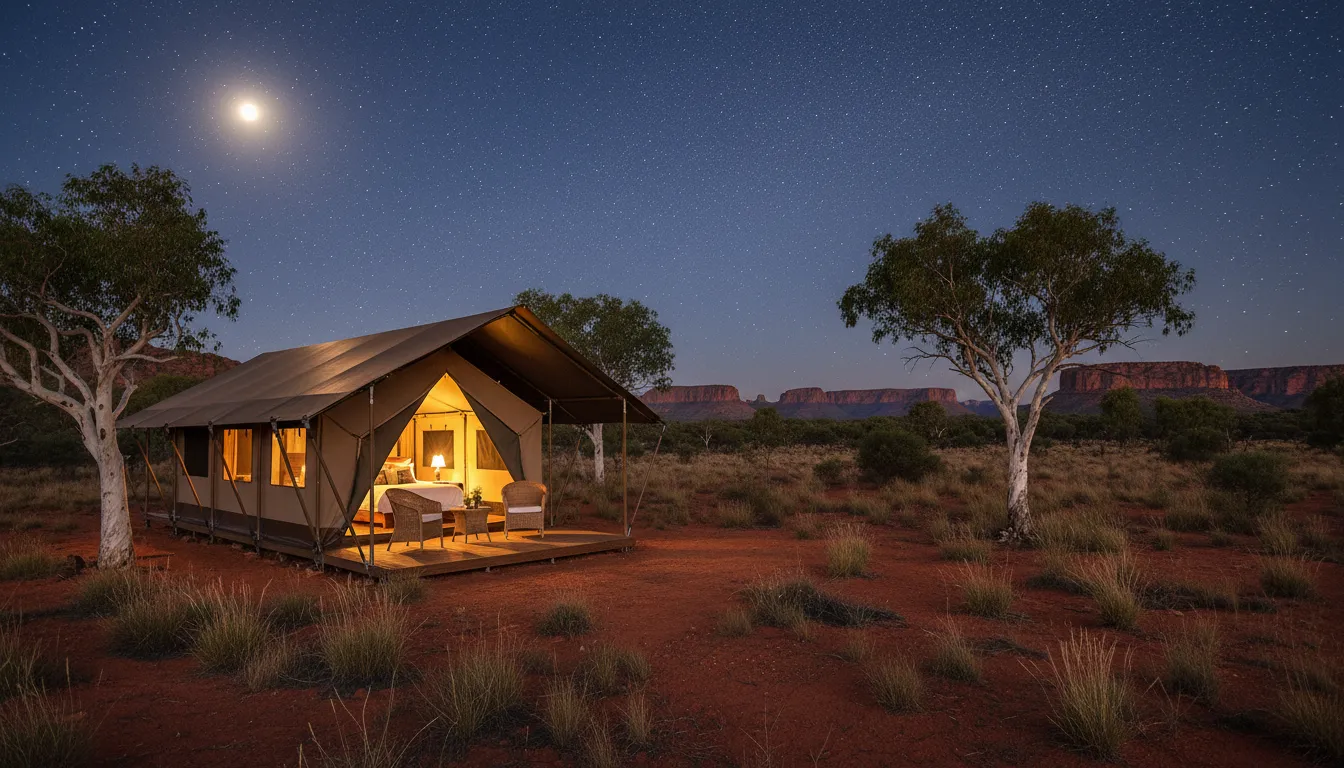
The Karijini Eco Retreat stands out as the premier glamping destination within the park, offering a unique opportunity to stay directly amidst the stunning landscape. Nestled thoughtfully into the environment, the retreat provides eco-friendly safari-style tents that are surprisingly spacious and well-appointed. Each tent features comfortable beds, private en-suites, and often a private deck, allowing guests to relax and soak in the tranquil surroundings without sacrificing modern conveniences.
Waking up to the sounds of the Australian bush, with the first rays of sun painting the red earth, is an unparalleled experience. The glamping tents are designed to blend seamlessly with the natural environment, promoting sustainable tourism practices that respect the delicate ecosystem of Karijini. It’s a way to feel truly connected to nature, while still enjoying a hot shower and a comfortable night's sleep.
The Karijini Eco Retreat also offers fantastic dining options, providing delicious meals that cater to weary adventurers. Their licensed restaurant often incorporates local ingredients, offering a taste of the region in a relaxed, open-air setting. Enjoying a well-prepared meal under a canopy of countless stars, far from city lights, is a culinary experience in itself, transforming simple food into a memorable feast for the senses.
Beyond the Eco Retreat, there are other, more basic camping options within the park, but for those seeking that extra layer of comfort and unique experience, glamping is the way to go. It allows you to fully appreciate the raw beauty of Karijini by day, then retreat to a sanctuary of comfort by night. This balance of adventure and relaxation truly enhances the discovery and experience of this incredible Western Australian landmark.
Safety Tips for Remote Desert Travel
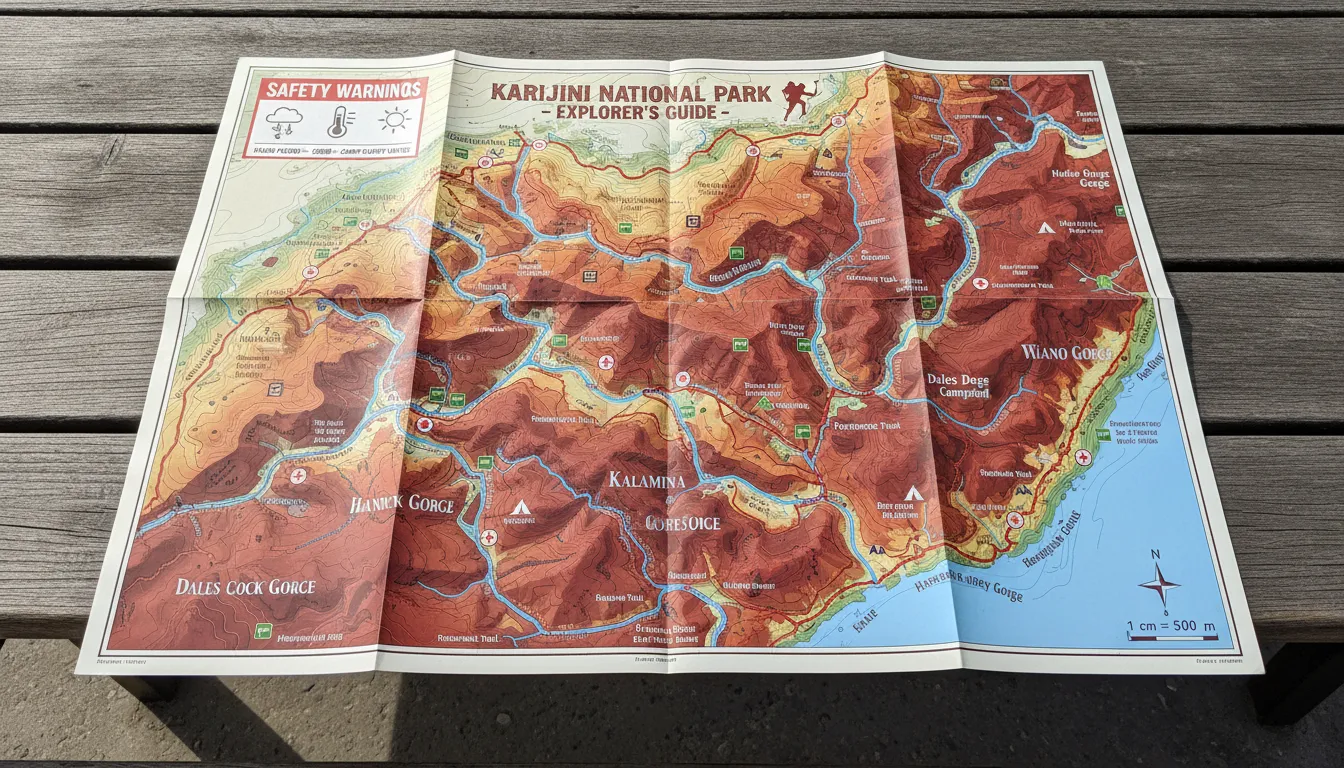
Embarking on a journey to Karijini National Park, a remote desert wilderness, requires careful preparation and a deep respect for the environment. While the rewards of visiting this famous landmark in Western Australia are immense, understanding and adhering to essential safety tips is paramount for a safe and enjoyable adventure. My own experiences in Australia's vast outback have taught me the importance of planning for every eventuality.
Firstly, water is your most critical resource. The Pilbara region experiences extreme heat, especially during the summer months (October to March), where temperatures can soar above 40°C. Carry at least 5-10 litres of water per person per day, even for short walks, and ensure you remain well-hydrated. Dehydration can set in quickly and severely in this arid climate.
Secondly, always inform someone of your travel plans. Whether it’s a park ranger, a friend, or family, provide your itinerary, including your expected return time. Mobile phone reception is extremely limited or non-existent in many parts of the park, so relying on electronic communication is not advisable. Consider carrying a satellite phone or a personal locator beacon (PLB) for emergencies.
When exploring the gorges, understand the grading of the walking trails and choose those appropriate for your fitness level and experience. Class 5 trails, like the 'Spider Walk' in Hancock Gorge, involve scrambling, wading, and exposure to heights, requiring good physical condition and agility. Never attempt a hike beyond your capabilities. Wear sturdy, closed-toe shoes with good grip, as rocks can be slippery.
Be aware of weather conditions, especially the risk of flash floods. Heavy rainfall, even far upstream, can cause water levels in the gorges to rise rapidly and unexpectedly. Check forecasts before heading out and avoid gorges during or after significant rain. Additionally, be mindful of wildlife, though most native animals are shy, it’s always wise to observe from a distance.
Finally, respect the environment and the cultural significance of the park. Stay on marked trails, take all rubbish with you, and do not disturb any geological or cultural sites. Leave no trace, allowing this ancient landscape to remain pristine for future generations. Travelling responsibly not only ensures your safety but also preserves the integrity of this incredible natural and cultural treasure for all who seek its profound beauty.
Conclusion: Karijini's Enduring Call
Karijini National Park is more than just a collection of famous landmarks in Western Australia; it is a profound journey into the heart of an ancient continent. From the dizzying heights of Oxer Lookout to the invigorating chill of Kermit's Pool, every corner of this magnificent park tells a story of geological time, natural resilience, and deep cultural heritage. It's a place that challenges you physically, captivates you aesthetically, and touches you spiritually.
For me, Karijini represents the quintessential Australian outback experience – rugged, breathtaking, and utterly unique. It’s where the vibrant red earth meets the clearest blue skies and the coolest, most inviting waters, creating a sensory tapestry unlike anywhere else in the world. The echoes of millions of years of formation and thousands of years of Indigenous connection resonate through its gorges, offering a truly immersive narrative for the culturally curious traveler.
Whether you're scrambling through the exhilarating 'Spider Walk' in Hancock Gorge, swimming in the sacred waters of Fern Pool, or simply watching the sunrise paint the landscape from a comfortable glamping tent, Karijini promises an adventure that transcends typical tourism. It offers a chance to disconnect from the everyday and reconnect with something primal and powerful. This ancient heart of the Pilbara patiently awaits those ready to embrace its wonders, inviting them to discover, experience, and truly connect.
Your journey to unforgettable cultural stories and inspiring connections truly begins here. More Discovery, More Experience.