As a seasoned traveler and storyteller, I’ve had the privilege of witnessing some of the most extraordinary landscapes our planet has to offer. From the bustling markets of Hanoi to the ancient ruins of Rome, each destination leaves an indelible mark. Yet, there are places where nature itself crafts monuments so profound, they transcend mere sightseeing and become a journey into the Earth’s very soul. Western Australia, a land of vast horizons and captivating contrasts, holds one such marvel: The Pinnacles Desert within Nambung National Park.
This isn't just another stop on a tourist itinerary; it’s an immersive experience that speaks volumes about geological time, the resilience of nature, and the sheer wonder of our world. For readers of MLIFEON, those culturally curious souls seeking substantive narratives and meaningful connections, The Pinnacles offer more than just a photo opportunity. They present an opportunity for deep personal discovery, inviting us to ponder the forces that shape our planet and the ancient stories whispered by the wind through these timeless spires. Join me as we venture into this iconic landscape, a truly famous landmark in Western Australia, where every step is a connection to something ancient and profoundly beautiful.
The Mystery of the Limestone Spires
Stepping into The Pinnacles Desert for the first time is an experience that borders on surreal. Imagine thousands of limestone pillars, some towering several meters high, others mere stumps, rising starkly from a sprawling expanse of yellow sand. It feels less like Earth and more like an alien landscape, a silent city of stone figures frozen in time under the vast Australian sky. This unique vista is what makes The Pinnacles one of the most famous landmarks in Western Australia.
The scientific explanation behind these enigmatic formations is as fascinating as their appearance. These limestone spires are the remnants of ancient marine shells, rich in calcium, that were broken down into sand over millennia. They were then blown inland to form vast dunes. Over time, rainwater, slightly acidic, leached through the sand, dissolving calcium carbonate and forming hard rock layers.
As vegetation grew and stabilized the dunes, a process of erosion began. The wind and rain gradually stripped away the softer, surrounding sand, leaving behind the harder, more resistant limestone pillars exposed to the elements. This geological dance, spanning hundreds of thousands of years, sculpted the landscape we see today, a testament to nature's patient artistry.
For me, standing amidst these ancient sentinels, I often feel a profound sense of humility. Each spire, with its intricate textures and varying shades, tells a silent story of marine life, shifting sands, and relentless geological processes. It's a living museum, constantly being shaped and refined by the very forces that created it, inviting contemplation on the ephemeral nature of human existence against the backdrop of geological time.
The Aboriginal Nyoongar people, the traditional custodians of this land, have their own deep connections to this region. While specific Dreaming stories directly linked to the Pinnacles themselves are not widely shared, the entire Nambung National Park area holds significant cultural importance. The land speaks of ancient journeys, spiritual connections, and a profound respect for country, reminding us that every natural wonder is also a cultural treasure.

Best Time for Photography: Sunset and Sunrise at the Pinnacles
While The Pinnacles Desert is captivating at any time of day, experiencing it during sunrise or sunset elevates the visit from memorable to truly magical, especially for photographers and those seeking profound moments. This is when the light transforms the landscape, bringing the limestone spires to life in a breathtaking display of color and shadow. My own experiences here have taught me that patience and timing are everything when capturing its essence.
During the golden hours, as the sun dips towards the Indian Ocean or rises majestically from the east, the light takes on a soft, warm quality. It bathes the desert in hues of orange, pink, and purple, making the already striking yellow sands glow with an otherworldly radiance. The limestone spires, which might seem stark under the midday sun, become imbued with texture and depth.
The most dramatic effect is undoubtedly the play of shadows. Long, elongated shadows stretch across the desert floor, creating intricate patterns and adding a three-dimensional quality to the landscape. Each spire seems to gain a unique personality as its shadow dances and shifts with the sun’s movement. This is when you can truly appreciate the individual character of each formation.
For photographers, this means bringing a wide-angle lens to capture the expansive vista and a telephoto lens to isolate individual spires against the vibrant sky. Tripods are highly recommended for low-light conditions, allowing for longer exposures that capture the subtle nuances of the changing light. Don't forget to protect your equipment from the fine sand, which can be omnipresent, especially on windy days.
Beyond the technical aspects, being present during these times is a deeply spiritual experience. The quiet calm, broken only by the gentle whisper of the wind, allows for a profound connection with nature. I remember one evening, watching the last sliver of sun disappear, leaving the spires silhouetted against a canvas of deep indigo. It was a moment of pure awe, a reminder of the Earth’s incredible artistry, far surpassing any photograph.
After sunset, if you linger a little longer, the Pinnacles Desert offers an incredible opportunity for stargazing. Far from city lights, the Milky Way sprawls across the dark sky, a dazzling spectacle above the silent, ancient spires. It’s an experience that truly connects you to the vastness of the universe, making the journey to this famous landmark in Western Australia even more rewarding.
Exploring Nambung National Park
Nambung National Park is far more than just The Pinnacles Desert; it's a diverse coastal reserve that encapsulates a significant slice of Western Australia's unique ecosystems. While the iconic limestone spires are undoubtedly the main draw, a truly immersive experience involves exploring beyond the well-trodden paths to discover the park's other hidden gems and natural beauty. This holistic approach aligns perfectly with MLIFEON’s ethos of seeking deeper connections and stories.
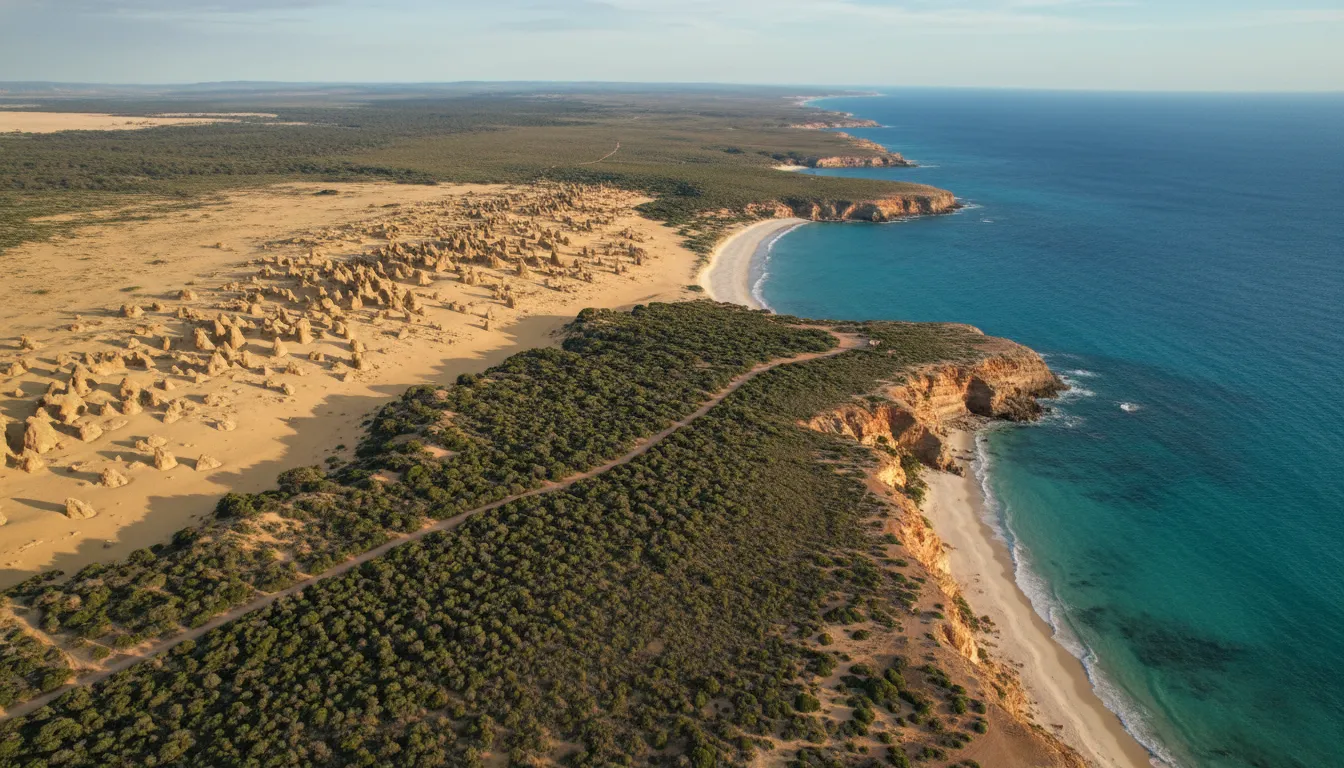
The park itself spans over 19,000 hectares, encompassing not just the desert formations but also stunning coastal areas, heathlands, and woodlands. Driving through the park, you’ll notice the dramatic shift in landscapes, from the barren, sandy expanse of the Pinnacles to vibrant coastal scrub teeming with life. This ecological diversity is a testament to Western Australia’s unique flora and fauna.
One of the key areas to visit within Nambung National Park is the Pinnacles Desert Discovery Centre. This modern and informative facility provides invaluable insights into the geology, flora, and fauna of the park, as well as the history of the region. It's an excellent starting point for understanding the delicate balance of this ecosystem before venturing out into the desert itself. The exhibits are well-curated, offering a deeper appreciation for what you are about to witness.
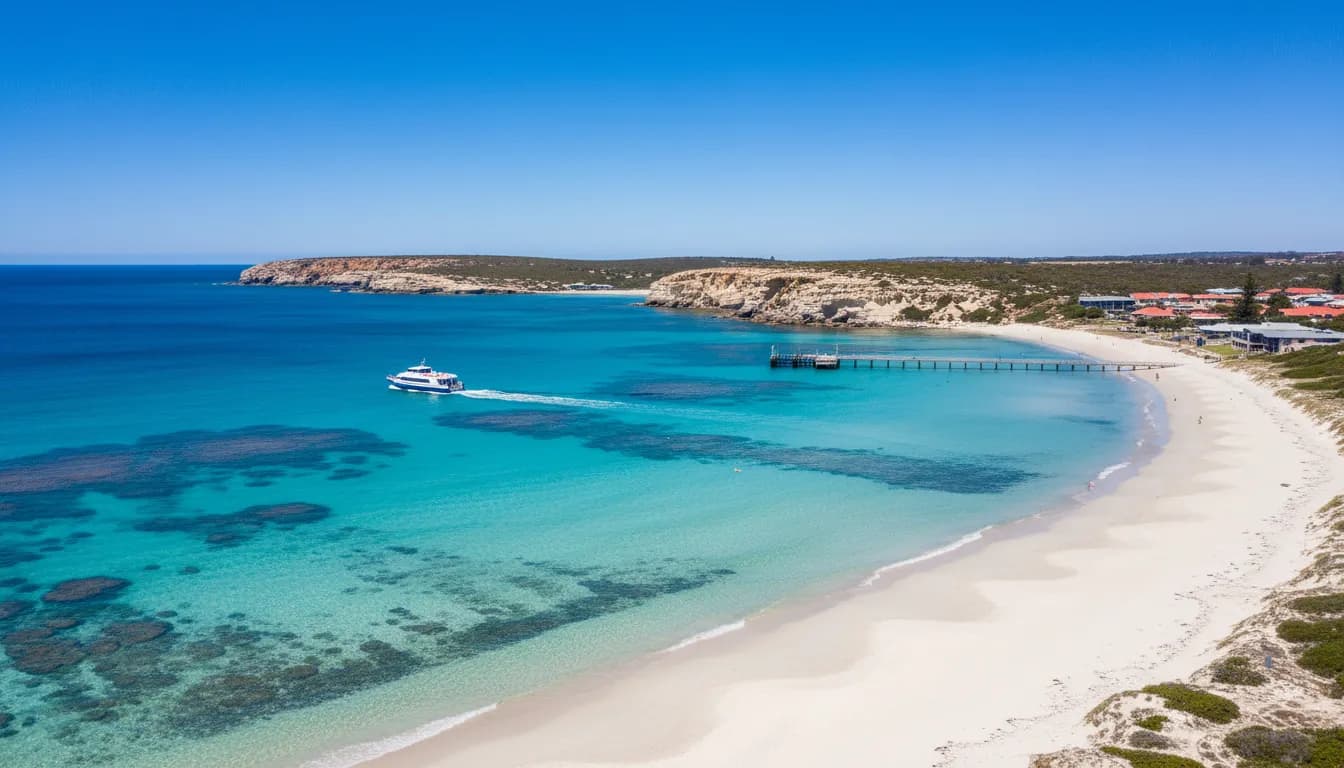
Beyond the Pinnacles, the park offers several walking trails that lead to viewpoints overlooking the Indian Ocean. The coastal sections, with their pristine white beaches and turquoise waters, provide a stark contrast to the desert landscape. These areas are perfect for a quiet stroll, a picnic, or simply soaking in the expansive ocean views. I’ve often found solace watching the waves crash against the shore after a morning spent among the spires.
Conservation is paramount in Nambung National Park. The park management works tirelessly to protect its fragile environment, from the ancient limestone formations to the unique plant species that have adapted to these harsh conditions. Visitors are encouraged to stay on designated paths and tracks, respecting the natural environment and minimizing their impact. This responsible tourism ensures that this famous landmark in Western Australia remains pristine for future generations.
Engaging with the park’s broader environment allows for a richer understanding of its significance. It’s not just about the spectacular spires but the entire ecological tapestry that supports them. This wider exploration truly embodies the spirit of discovery and connection that MLIFEON readers cherish, transforming a simple visit into a profound journey through nature's wonders.
Day Trip Guide from Perth to Cervantes
Embarking on a day trip from Perth to The Pinnacles Desert is a quintessential Western Australian adventure, offering a perfect blend of scenic drives, natural wonders, and local culinary delights. Having made this journey several times, both for work and personal exploration, I can attest to its accessibility and the sheer variety of experiences packed into a single day. It’s an ideal excursion for those looking to discover a famous landmark in Western Australia without straying too far from the capital.
The drive itself is a significant part of the experience. The journey north from Perth along the Indian Ocean Drive (Highway 60) is incredibly scenic, hugging the coastline for much of the way. The road offers stunning ocean views, particularly as you pass through coastal towns. The total driving time to Nambung National Park is approximately 2 to 2.5 hours, making it perfectly manageable for a day trip.
I always recommend starting early, ideally by 7 or 8 AM, to beat the heat, avoid crowds, and allow ample time for stops along the way. Your first potential stop could be Lancelin, a charming coastal town famous for its vast white sand dunes. Here, you can try sandboarding, an exhilarating experience gliding down the dunes, or simply enjoy the panoramic views of the coastline. It’s a great way to stretch your legs and inject some adrenaline into the morning.
Continuing north, you might consider a brief stop in Jurien Bay. This picturesque town is known for its protected marine park, offering opportunities for swimming, snorkeling, or even a boat tour to spot Australian sea lions. While a full marine park experience might be too much for a day trip focused on The Pinnacles, a quick stop at the jetty or a lookout point offers refreshing ocean air and beautiful vistas.
Upon reaching Cervantes, a small fishing town just a short drive from Nambung National Park, you'll find a welcoming atmosphere and a strong connection to the sea. Cervantes is particularly famous for its rock lobster industry, making it an absolute must-visit for seafood lovers. My personal recommendation is to enjoy a fresh lobster lunch at one of the local eateries, such as the Lobster Shack. There’s nothing quite like enjoying a freshly caught, perfectly prepared lobster with the ocean breeze on your face – a true taste of Western Australian coastal life. This culinary experience truly embodies MLIFEON’s focus on cuisine as the soul of a destination.
After exploring The Pinnacles Desert and Nambung National Park in the afternoon, you can choose to head straight back to Perth or enjoy a leisurely dinner in Cervantes. If you prefer to extend your stay and catch the sunset at The Pinnacles, Cervantes also offers a few accommodation options, ranging from motels to caravan parks, providing a comfortable base for an overnight stay. Remember to fuel up your vehicle, carry plenty of water, and check the park's opening hours before you go, ensuring a smooth and enjoyable journey to this famous landmark in Western Australia.
Wildlife to Spot in the Desert Sands
While The Pinnacles Desert might initially appear barren, a closer look reveals a vibrant ecosystem teeming with resilient wildlife, perfectly adapted to the unique environment of Nambung National Park. For the patient and observant traveler, spotting these creatures adds another layer of wonder to the visit, connecting you more deeply with the natural world of this famous landmark in Western Australia.
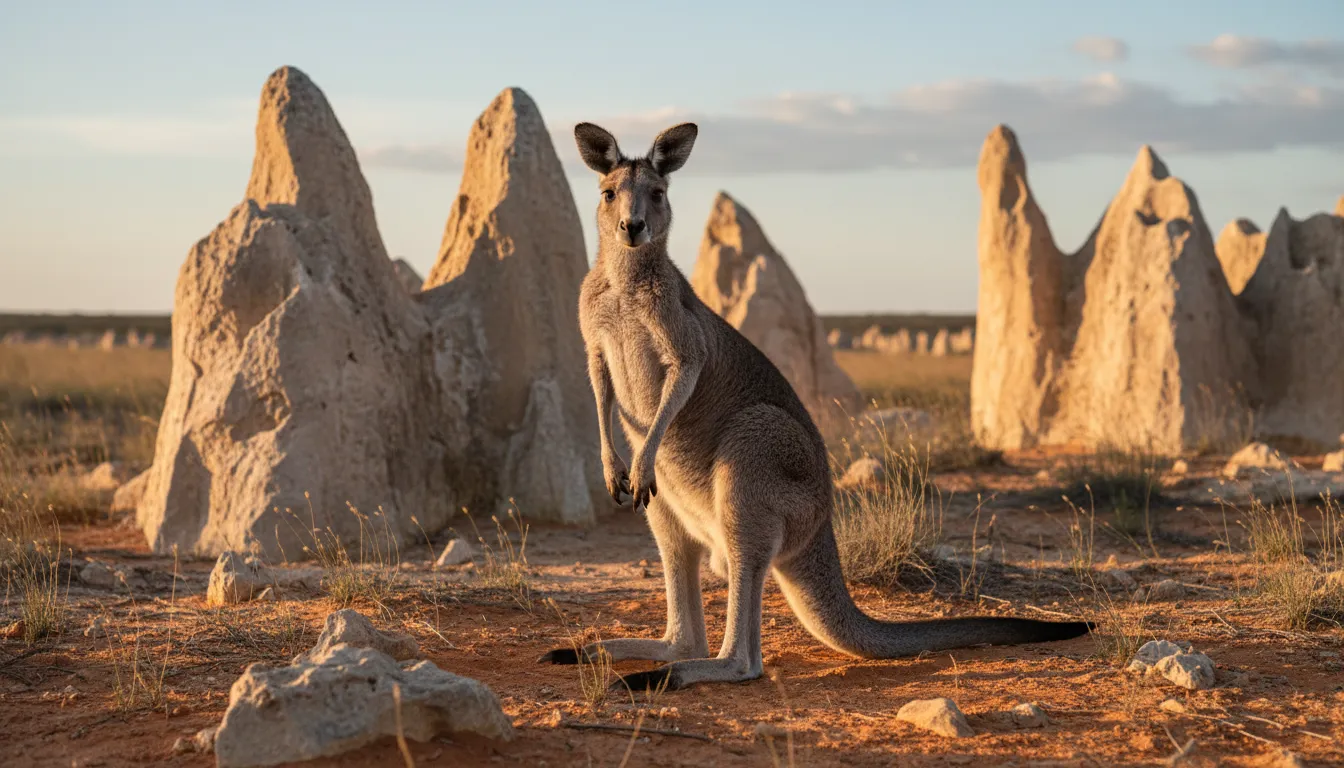
One of the most iconic Australian animals you’re likely to encounter, especially during the cooler parts of the day or early morning, is the Western Grey Kangaroo. These majestic marsupials often graze on the sparse vegetation around the fringes of the desert or even hop among the spires themselves. I’ve had many moments of quiet observation, watching a mob of kangaroos move gracefully through the ancient landscape, a truly quintessential Australian scene. Remember to keep a respectful distance and never feed wild animals.
Another fascinating resident of Nambung National Park is the Emu, Australia’s largest bird. These flightless giants can often be seen striding across the open plains, their long legs carrying them effortlessly over the sandy terrain. Their distinctive calls often echo across the vastness, adding to the wild, untamed feel of the desert. Spotting an emu against the backdrop of the Pinnacles is a truly memorable sight.
The desert floor and the surrounding scrub are also home to a variety of reptiles. Keep an eye out for different species of lizards, such as the sleepy lizard (shingleback) or various skinks, basking in the sun on rocks or darting through the undergrowth. While less common, the occasional snake might also be present, so always be mindful of where you step, especially when venturing off marked paths.
Birdwatchers will also find much to enjoy. Raptors like Wedge-tailed Eagles often soar high above, circling for prey, while smaller birds, including various honeyeaters and wrens, flit amongst the heathland vegetation. The coastal areas of the park also attract a range of seabirds, adding to the park’s biodiversity.
Observing wildlife in its natural habitat is a privilege and requires a respectful approach. Move quietly, use binoculars for a closer look, and avoid sudden movements that might startle the animals. This conscious engagement not only enhances your own experience but also ensures the well-being of the park’s inhabitants. The presence of these resilient creatures underscores the enduring vitality of Nambung National Park, making the journey to this famous landmark in Western Australia an even richer tapestry of natural discovery.
Conclusion
Our journey through The Pinnacles Desert and Nambung National Park has been more than just a tour of a famous landmark in Western Australia; it has been an invitation to connect with ancient geological processes, witness breathtaking natural artistry, and experience the resilient spirit of Australian wildlife. From the enigmatic limestone spires rising from the golden sands to the vibrant marine life just off the coast, this region offers a profound sense of discovery that resonates deeply with the culturally curious traveler.
For me, the enduring memory of The Pinnacles is not just the striking visuals, but the feeling of standing in a place where time seems to stretch endlessly, where every rock tells a story of millions of years. It’s a reminder of the Earth’s incredible power and beauty, and the delicate balance of life that thrives even in seemingly harsh environments. The fresh seafood of Cervantes, the exhilarating sand dunes of Lancelin, and the quiet majesty of the kangaroos all contribute to an unforgettable tapestry of experiences.
As MLIFEON seeks to inspire journeys of unforgettable cultural stories and inspiring connections, The Pinnacles Desert perfectly embodies this spirit. It’s a place that encourages introspection, wonder, and a deeper appreciation for the natural world. So, pack your sense of adventure, your camera, and your curiosity, and embark on your own expedition to this remarkable corner of Western Australia. More Discovery, More Experience awaits you in the ancient sands and vibrant coastlines of Nambung National Park.