EXPLORE CON DAO PRISON AND HANG DUONG CEMETERY
Explore Con Dao Prison and Hang Duong Cemetery, two special national monuments, emotionally moving spiritual and tourist destinations.
Some historical sites inspire admiration for their grandeur, while others evoke sorrow and loss. Con Dao is one such place.
Amid the vast blue ocean, where peace and romance seem to prevail, lie harsh historical relics: Con Dao Prison and Hang Duong Cemetery.
Con Dao Prison
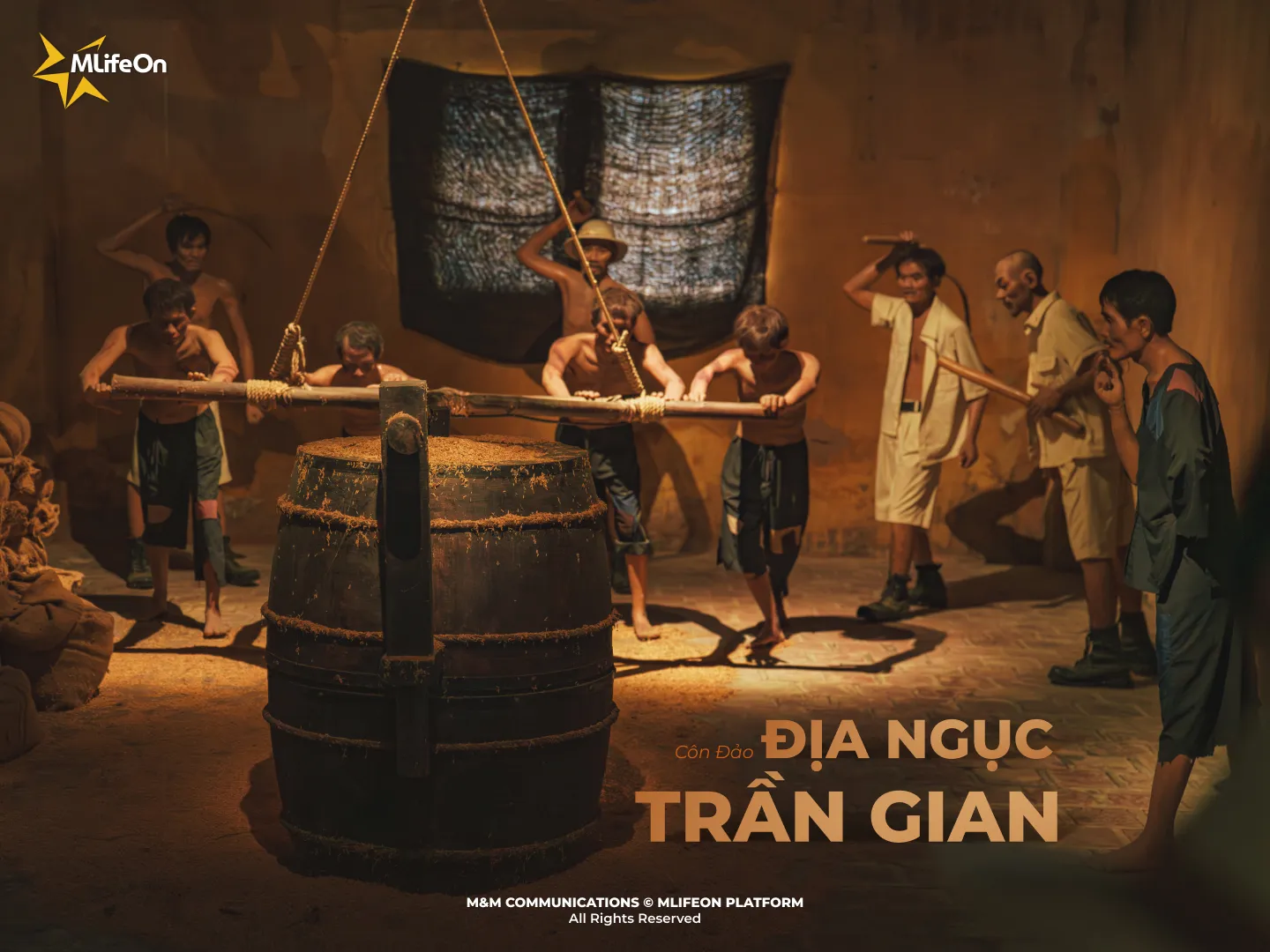
Con Dao Prison, located in the Con Dao Special Zone, Ho Chi Minh City (formerly Ba Ria - Vung Tau province), was built by the French colonialists in 1862 to imprison patriots. Later, it continued to be used by the US and the South Vietnamese regime. Throughout its 113 years of existence (1862-1975), it was known as "hell on earth," with a system of 127 cells, 44 solitary confinement cells, and 504 tiger cage-like isolation rooms.
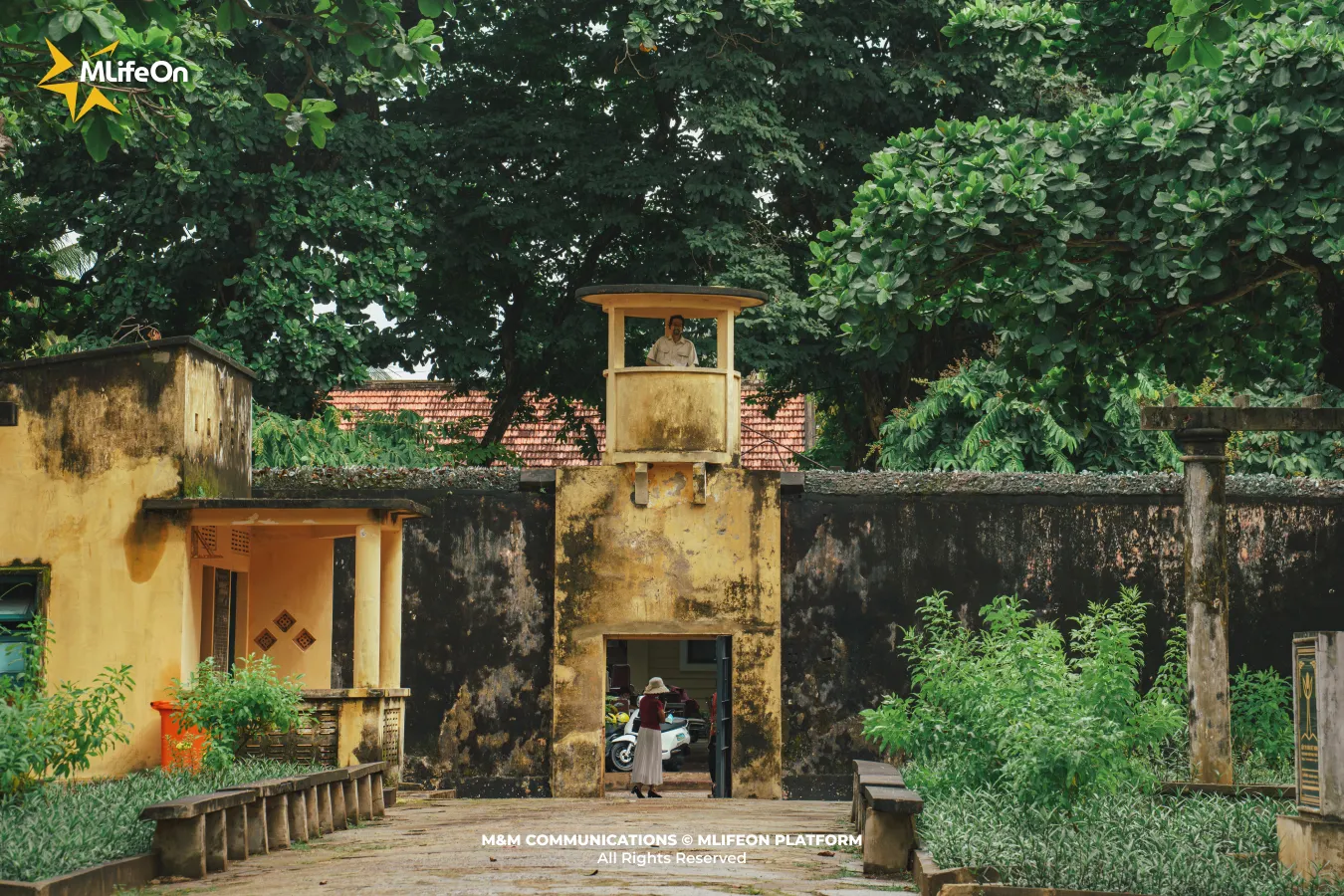
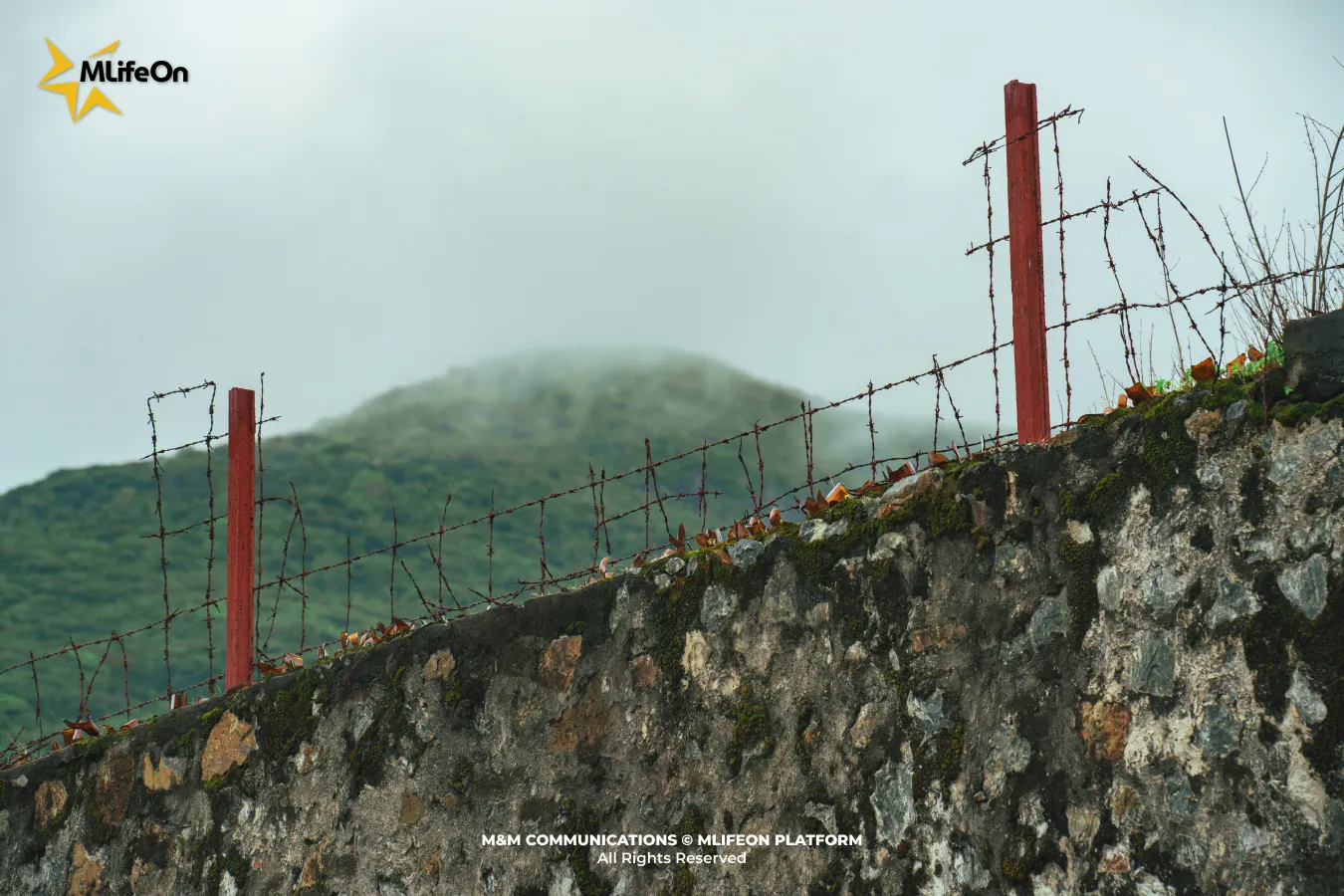
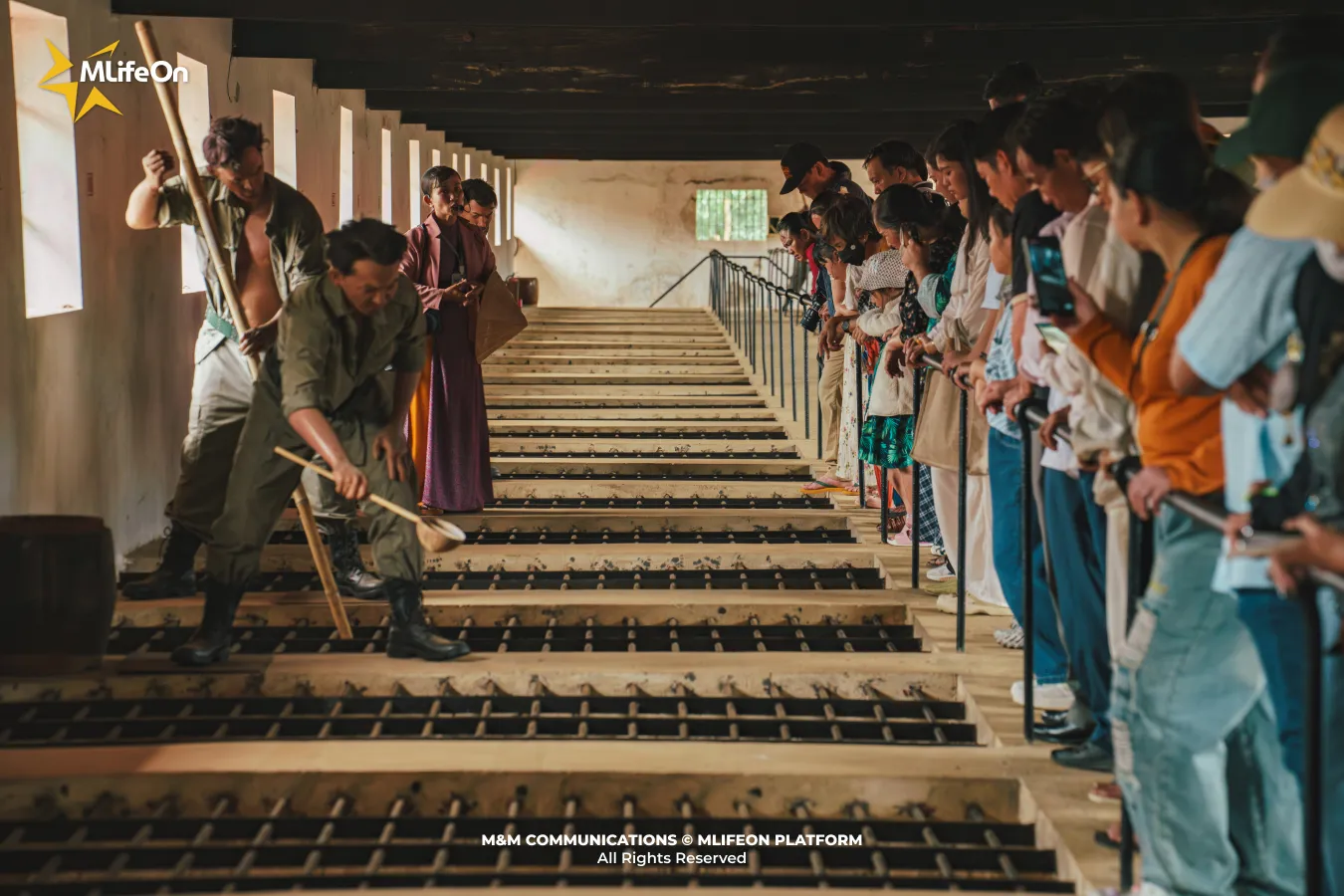
The "tiger cages" of Phu Tuong (built by the French in 1940) and Phu Binh (built by the Americans in 1971) were the harshest prisons. Prisoners were shackled, forced to lie on damp cement floors, and subjected to brutal torture. Yet within these walls of suffering emerged the "schools of revolution," where distinguished revolutionaries such as Nguyen Van Cu, Le Hong Phong, Le Duan, and Ton Duc Thang transformed hardship into strength, carrying forward the spirit of resistance.
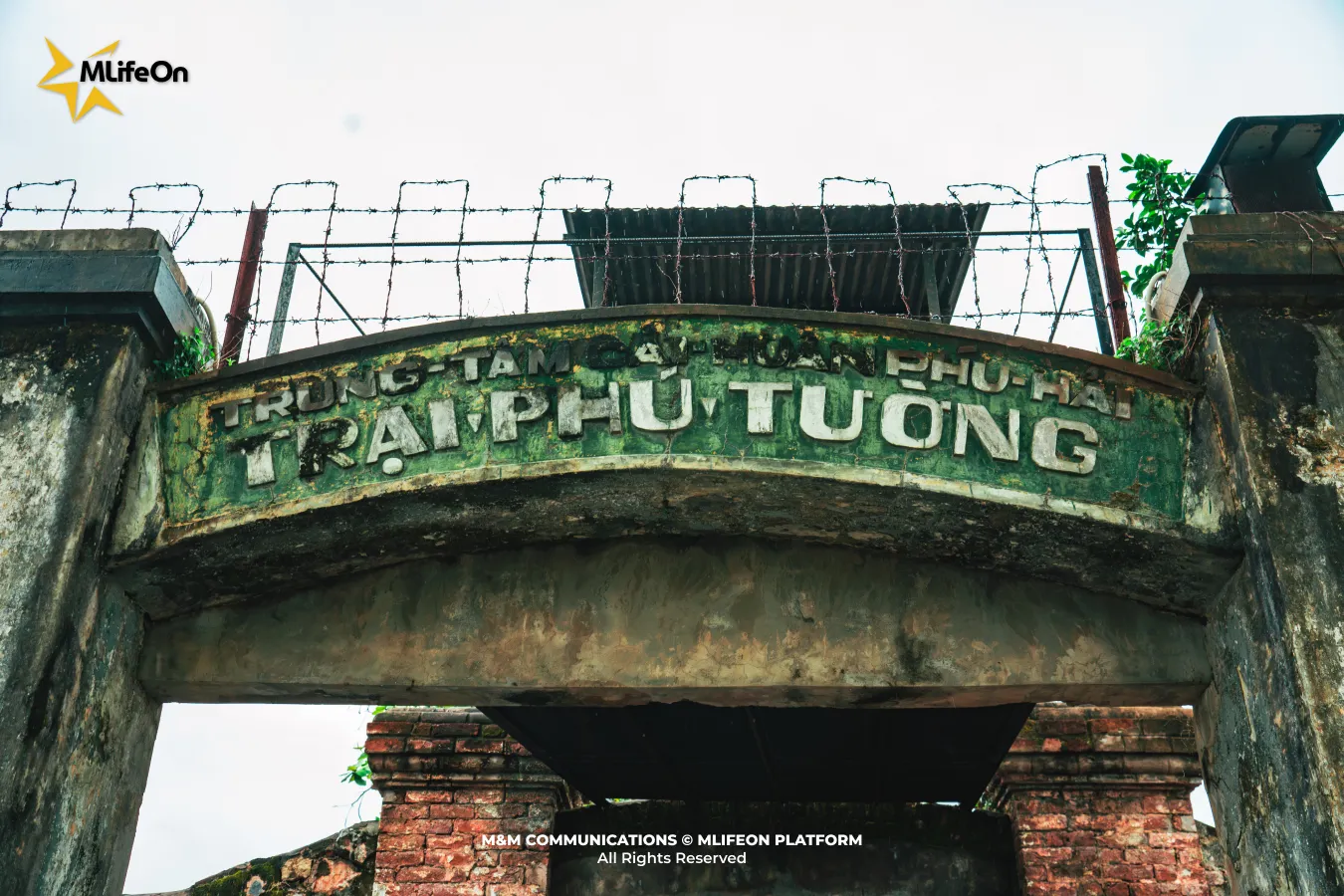
Phu Tuong Camp, home to the infamous "tiger cages"
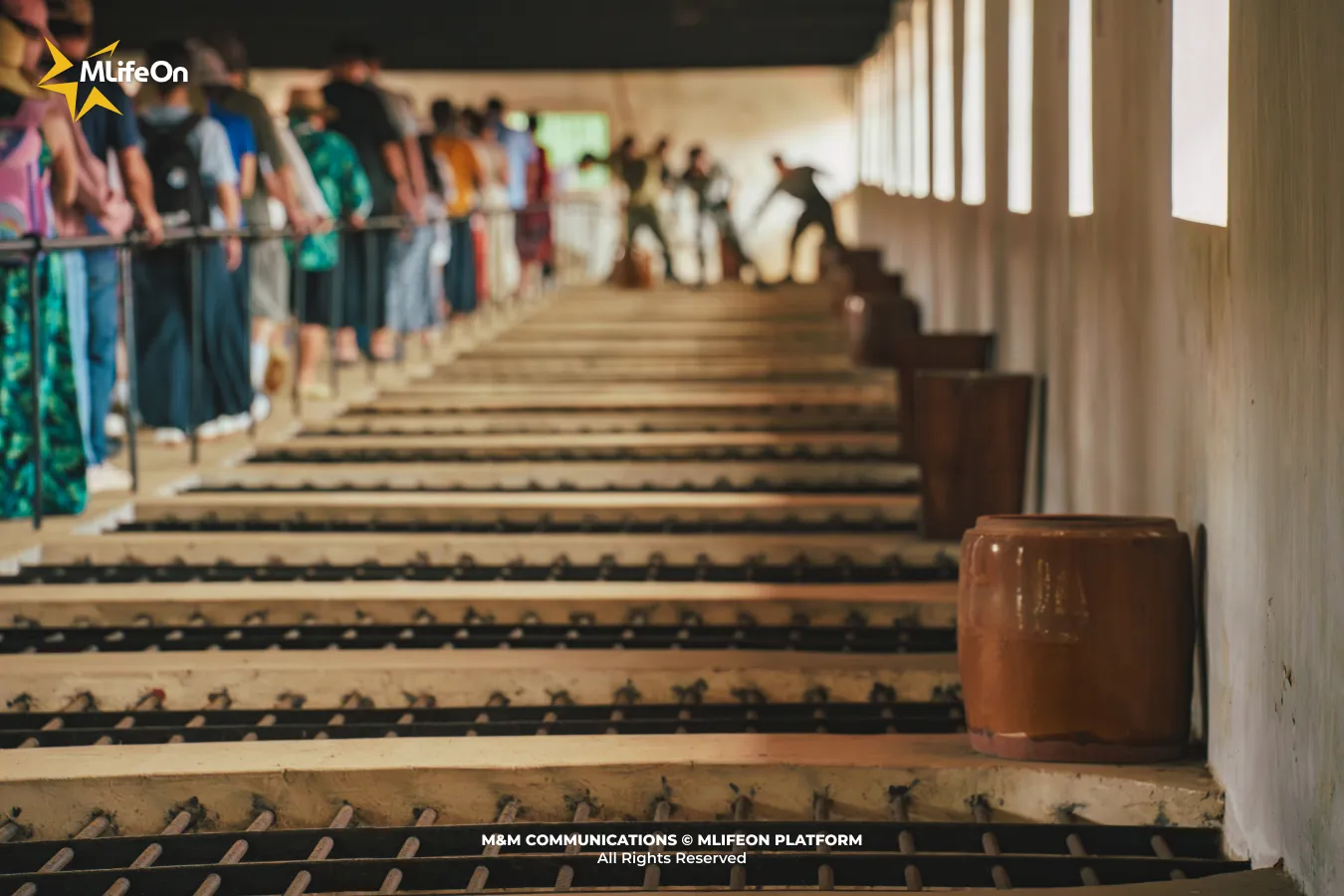
Tiger cages at Con Dao Prison
Hang Duong Cemetery
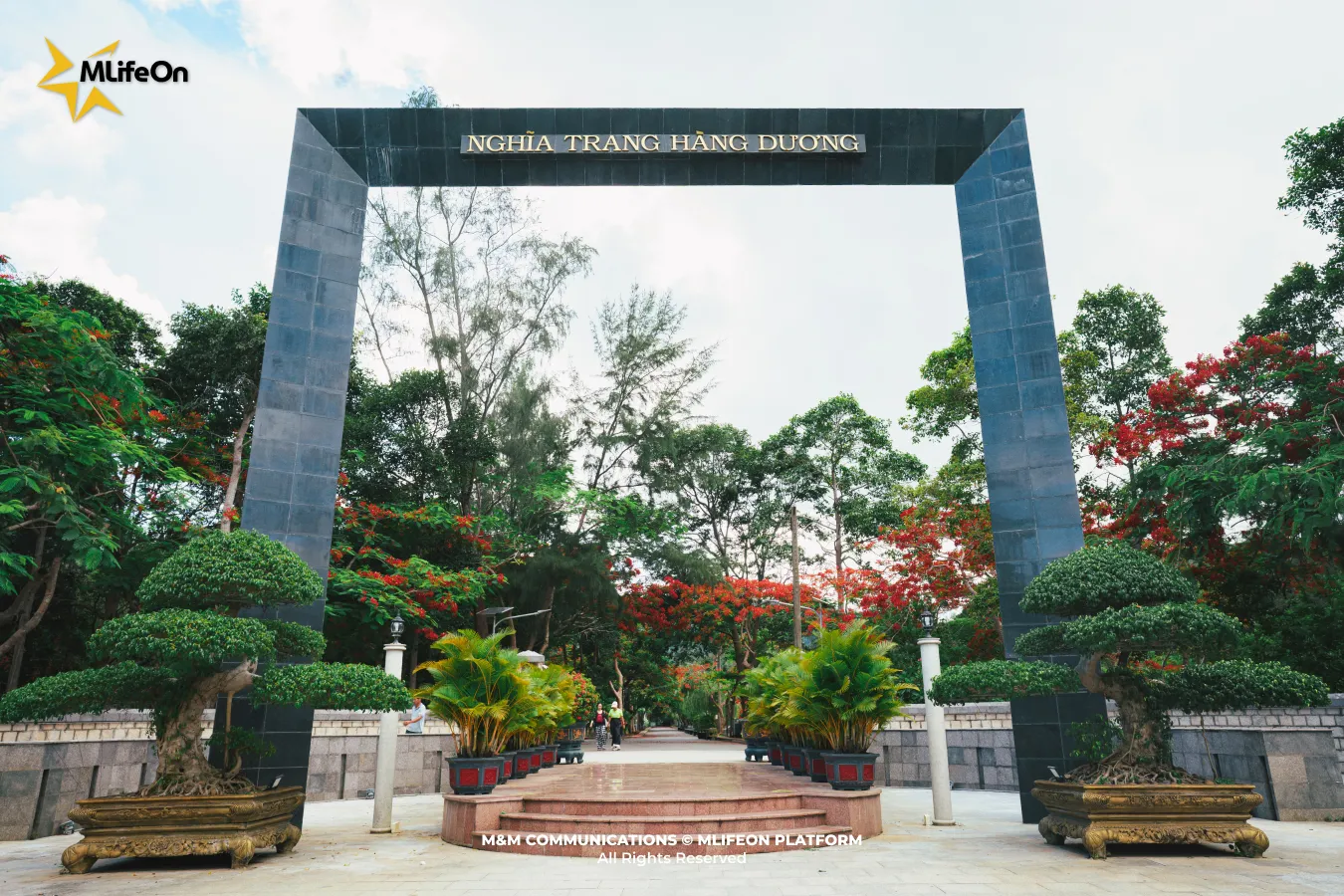
Located in the heart of the Con Dao Special Zone, Hang Duong Cemetery covers approximately 20 hectares. It is the the resting place of nearly 2,000 soldiers, of which only about 714 graves have names.
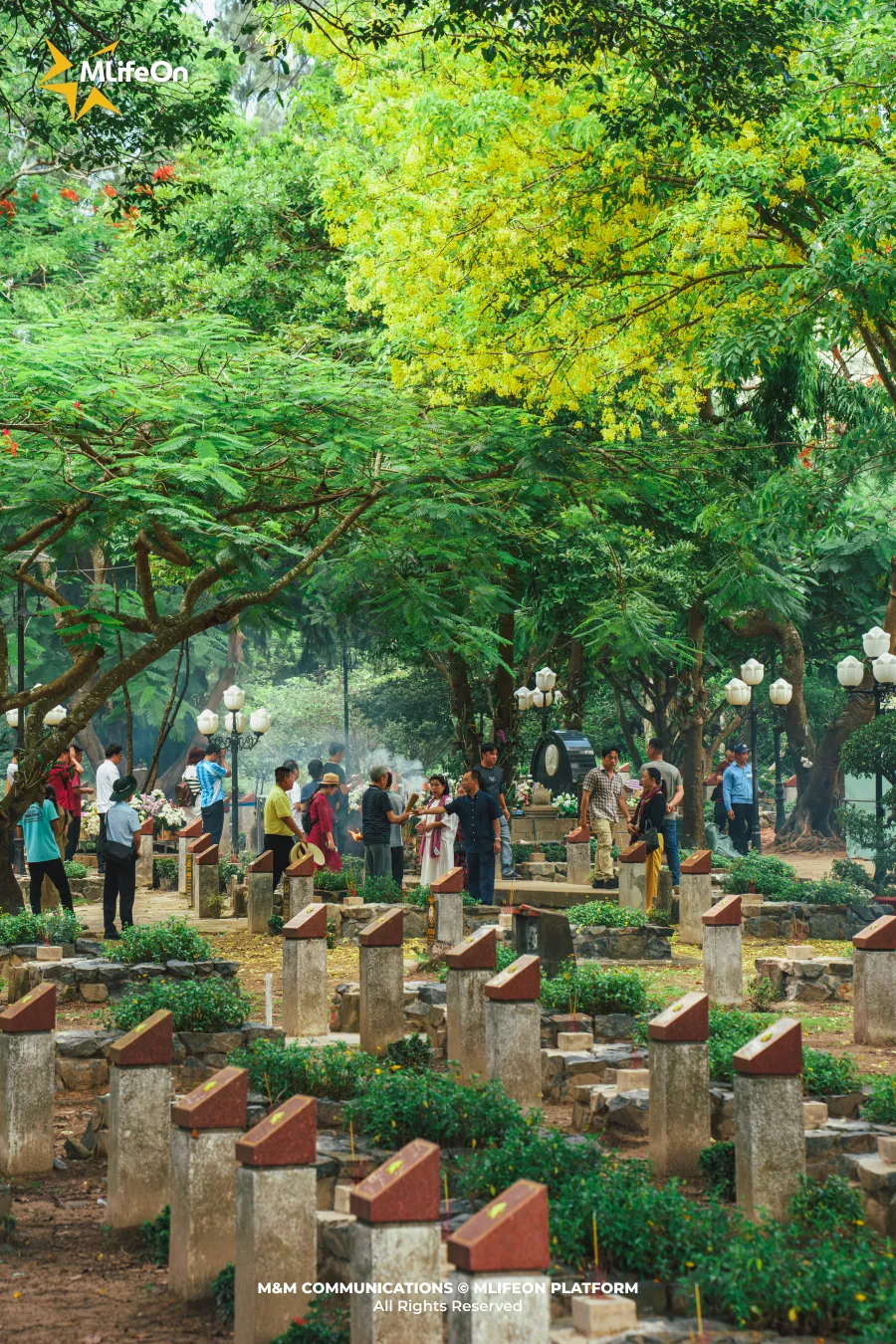
This is the resting place of many revolutionary fighters and patriots, notably Vo Thi Sau, Le Hong Phong, Nguyen An Ninh, and Cao Van Ngoc.
Before the Hang Duong Cemetery was established, deceased prisoners were buried at Chuong Bo (Skull Field) and then Hang Keo. After 1934, when the number of prisoners who died became too large, the French colonialists opened the Hang Duong Cemetery. In 1992, the cemetery was reorganized and divided into four sections (A, B, C, and D), each representing a part of the painful yet proud history of our revolutionary fighters.
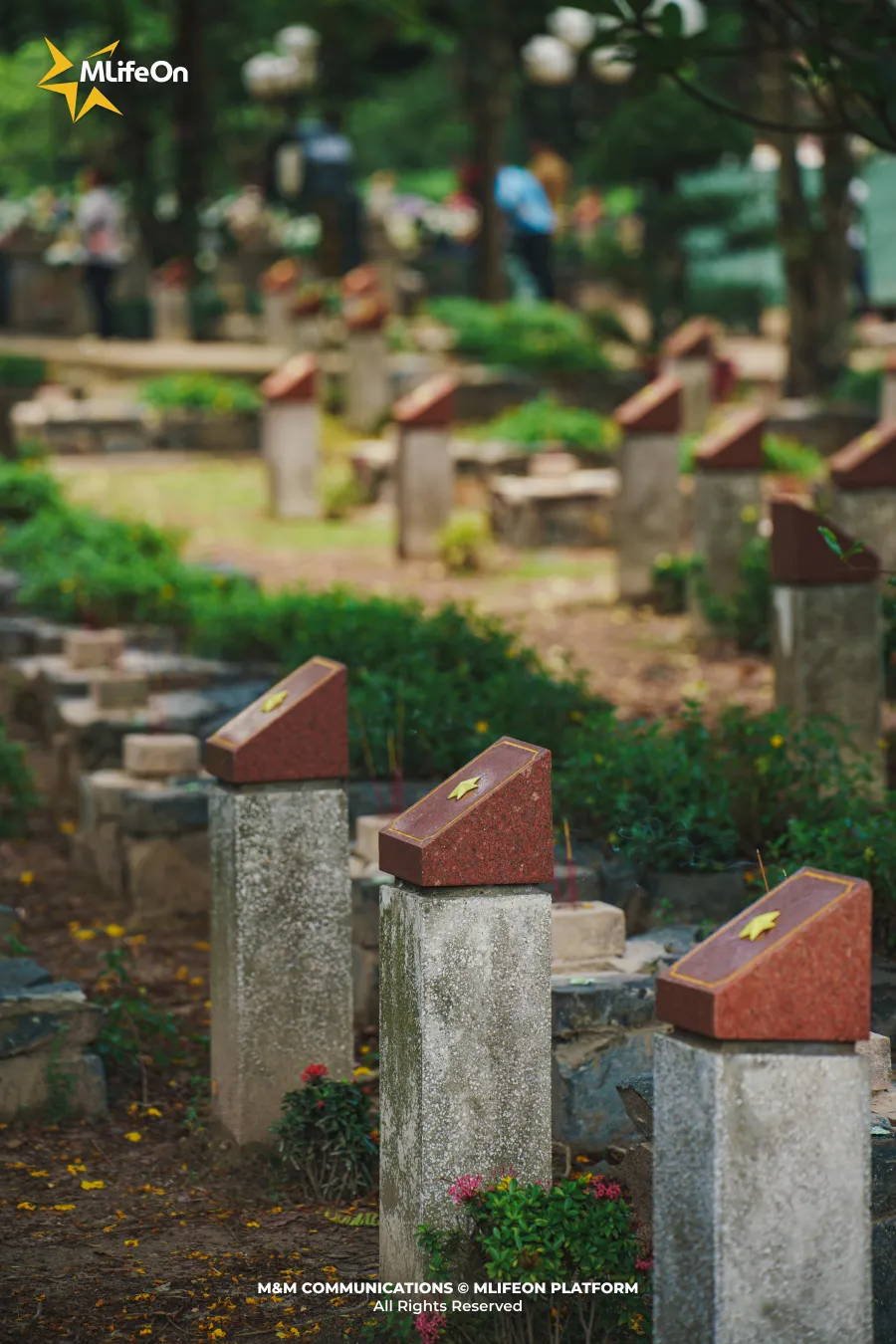
The scene today
Today, both Con Dao Prison and Hang Duong Cemetery have been recognized as Special National Monuments (in 2012), becoming destinations with both historical value and profound spiritual significance.
Stepping into the prison complex, visitors not only see the rows of prison cells and tiger cages preserved in their original state, but also hear stories of indomitable spirit, of how prisoners transformed their confinement into a battleground. This space makes one feel as if they are reliving the past, clearly sensing the resilience of those who were once imprisoned here.
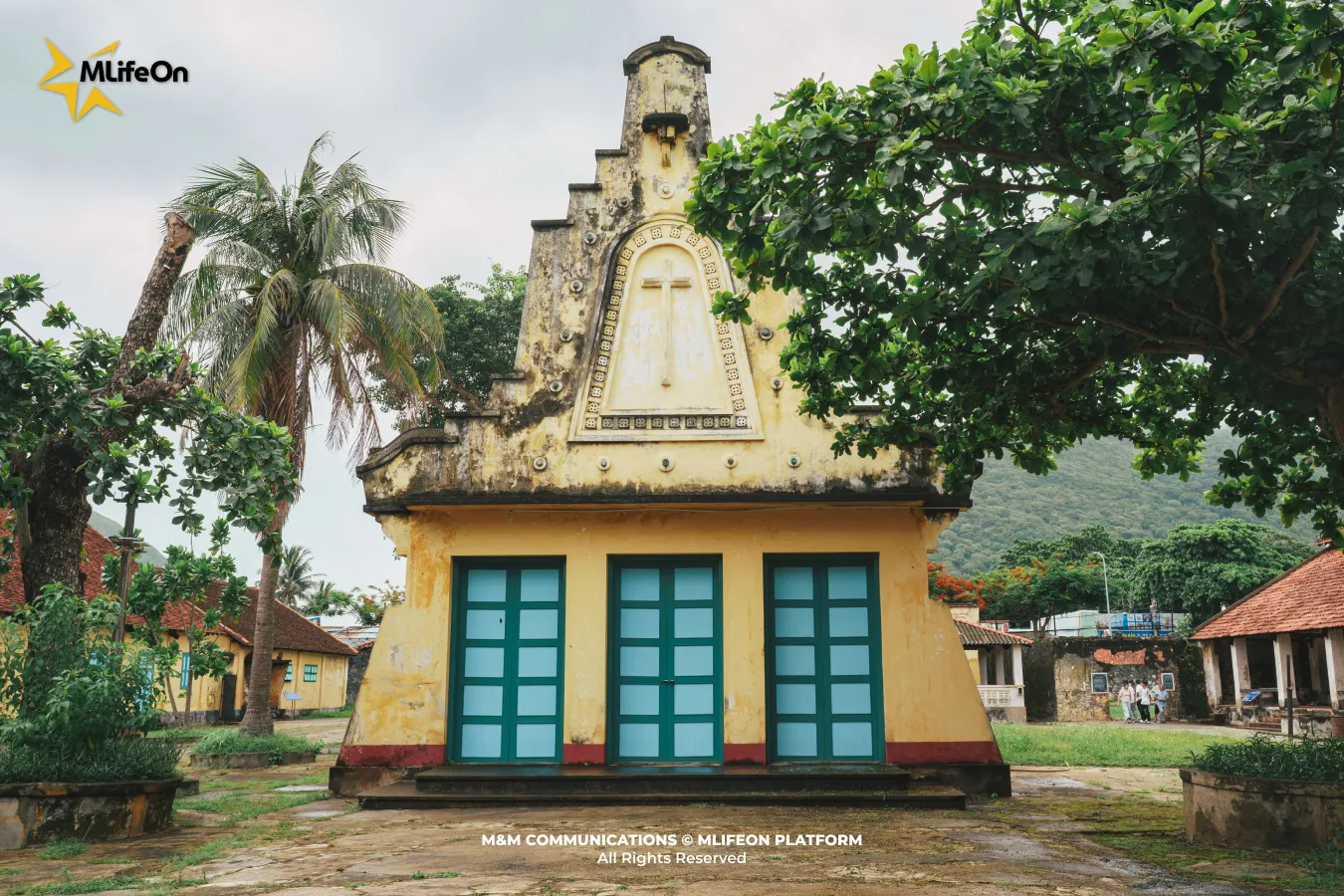
Chapel in Con Dao Prison
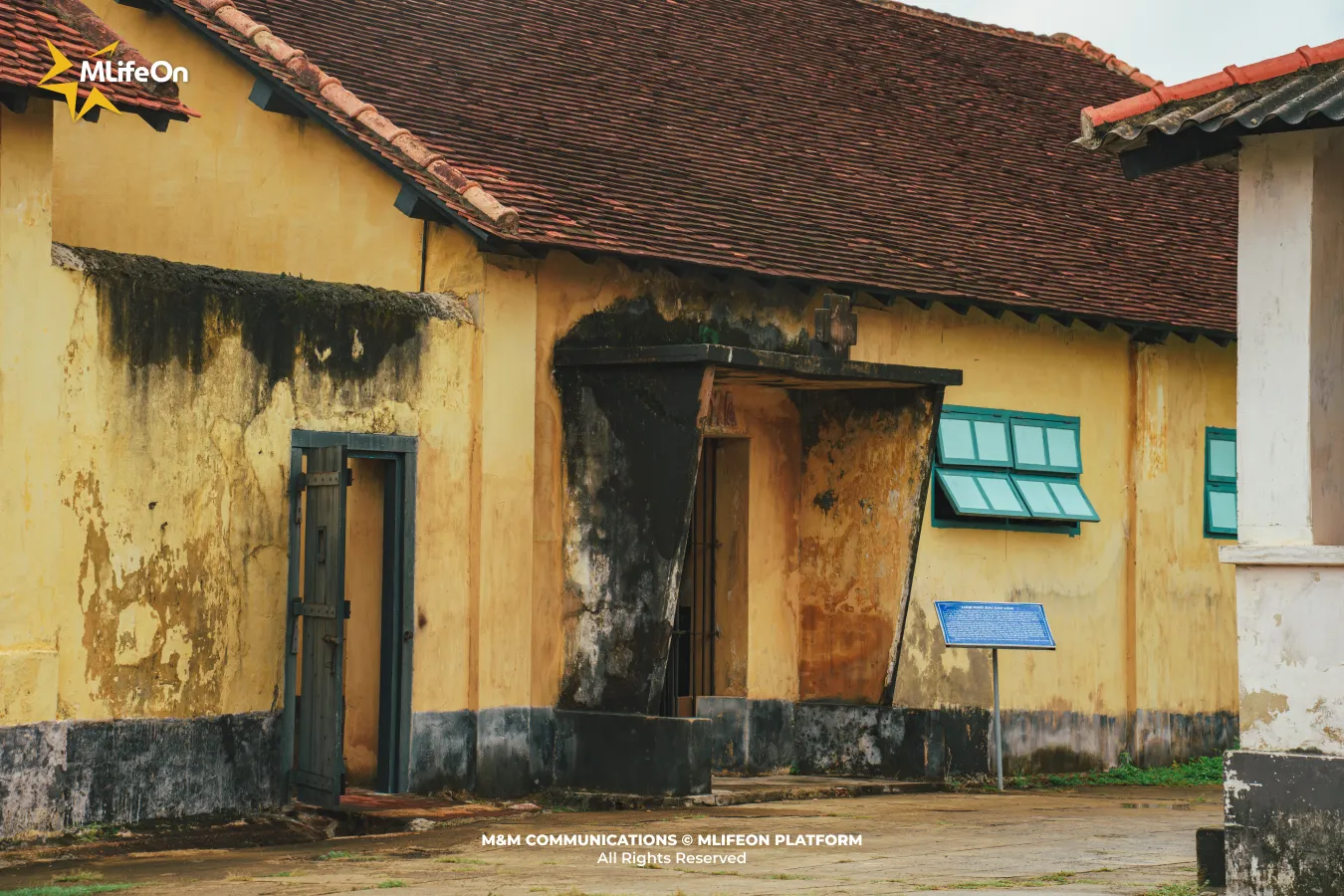
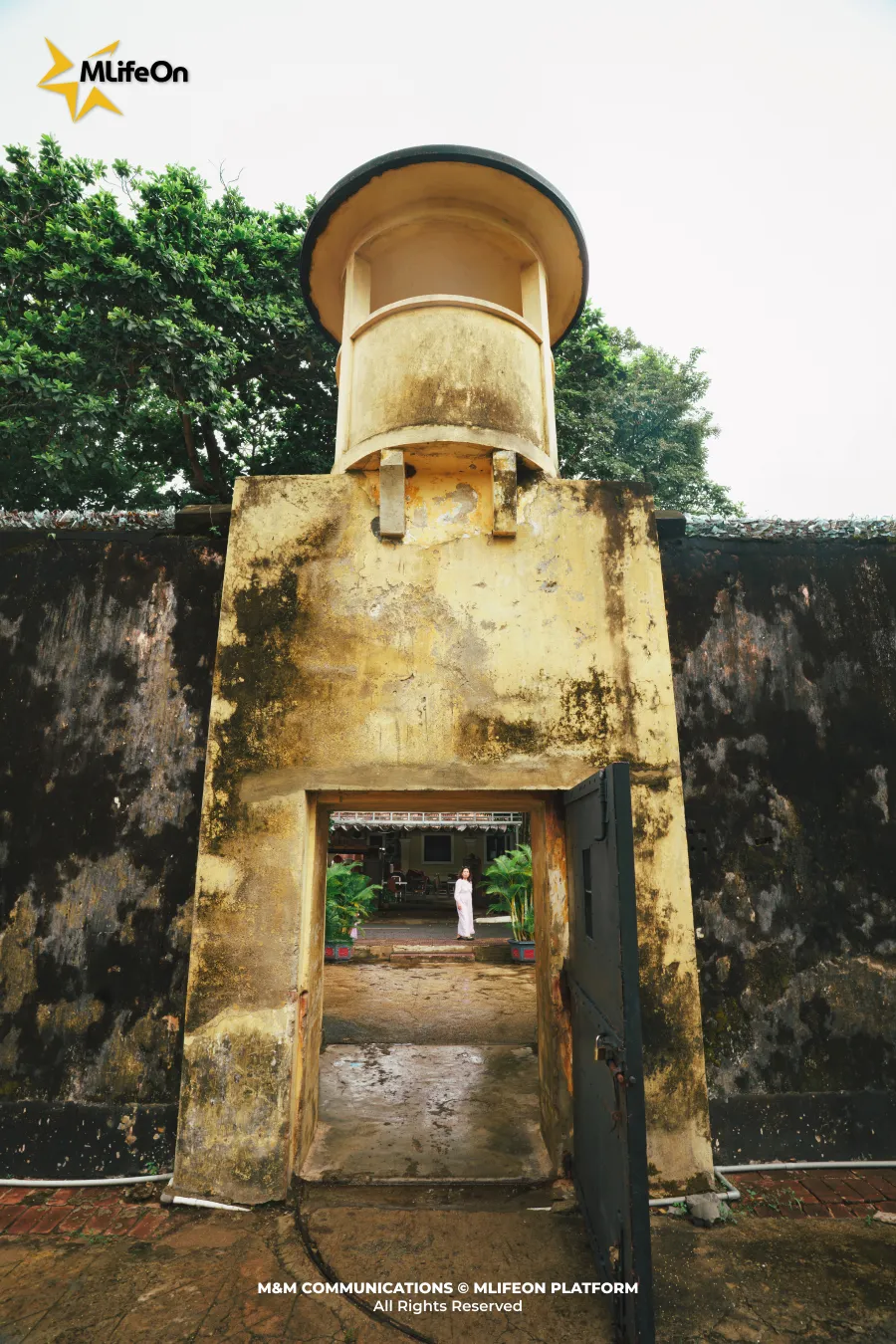
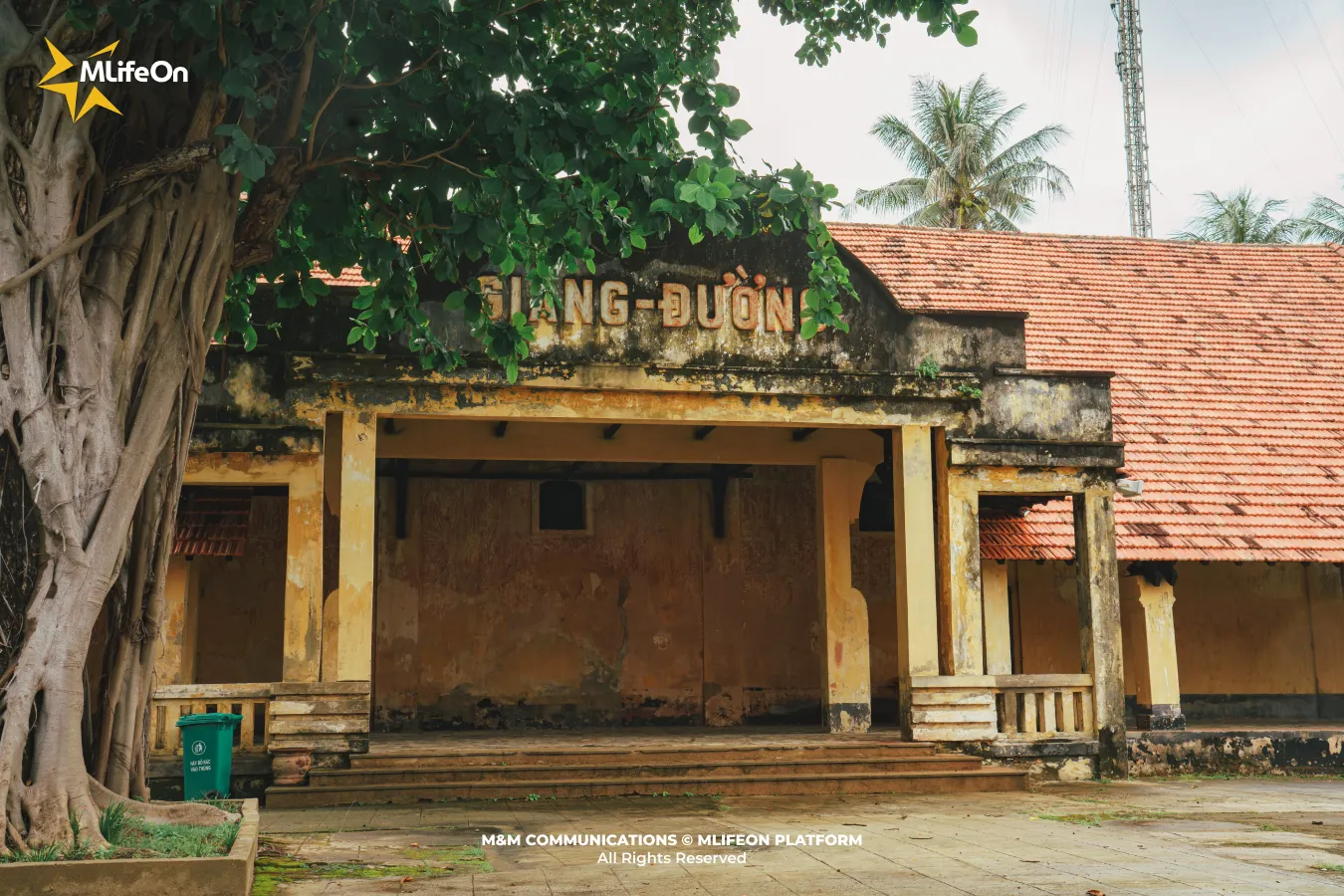
Leaving the prison and arriving at Hang Duong Cemetery, the scene takes on a different character. The cemetery is beautifully maintained, with artworks titled "Loyalty," "Hope," and "Indomitability." This is a sacred place, visited daily by people offering incense and paying their respects, especially at the grave of the heroine Vo Thi Sau, where the light of gratitude and remembrance never fades.
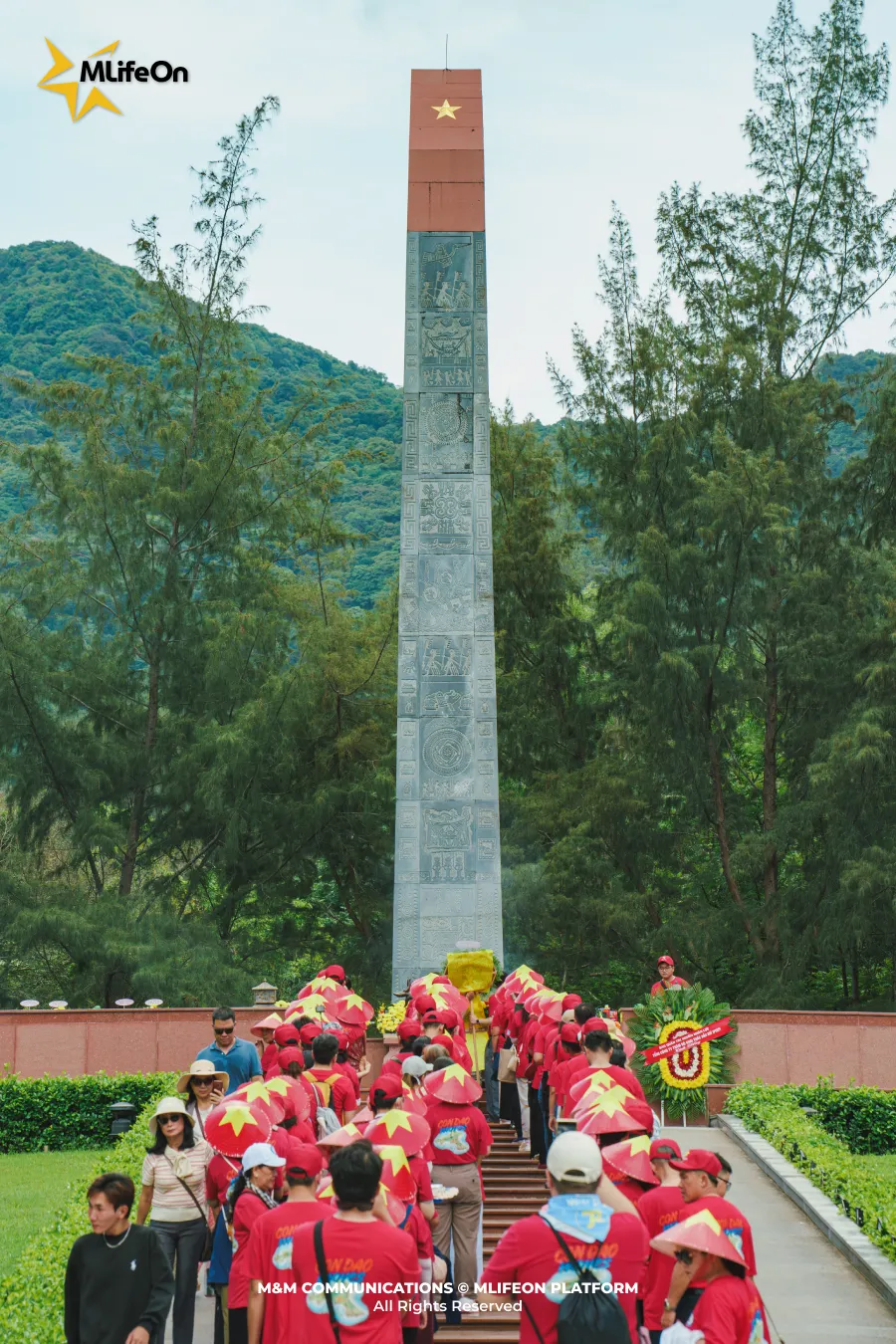
Memorial to the heroic martyrs at Hang Duong Martyrs' Cemetery.
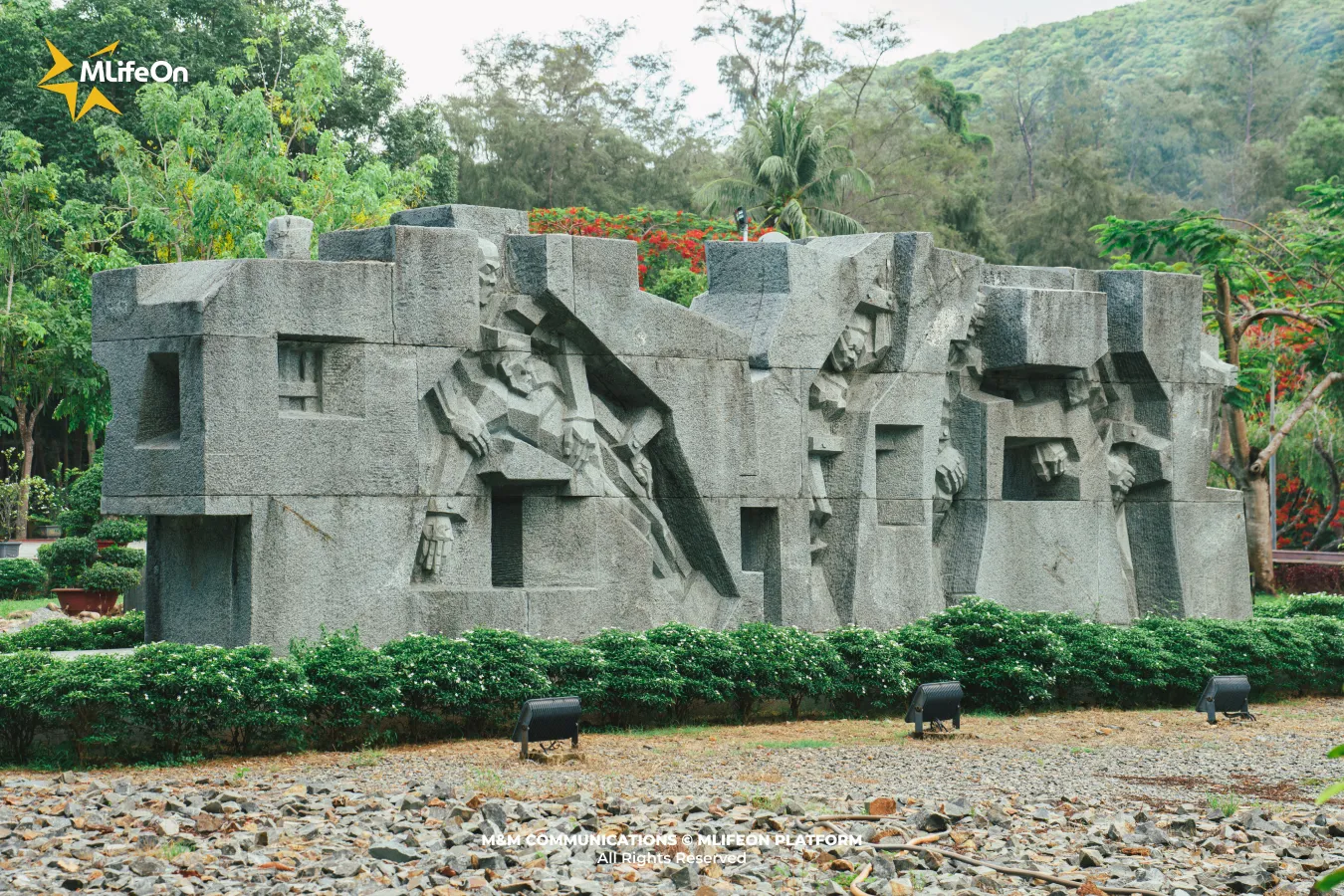
The Indomitable Relief
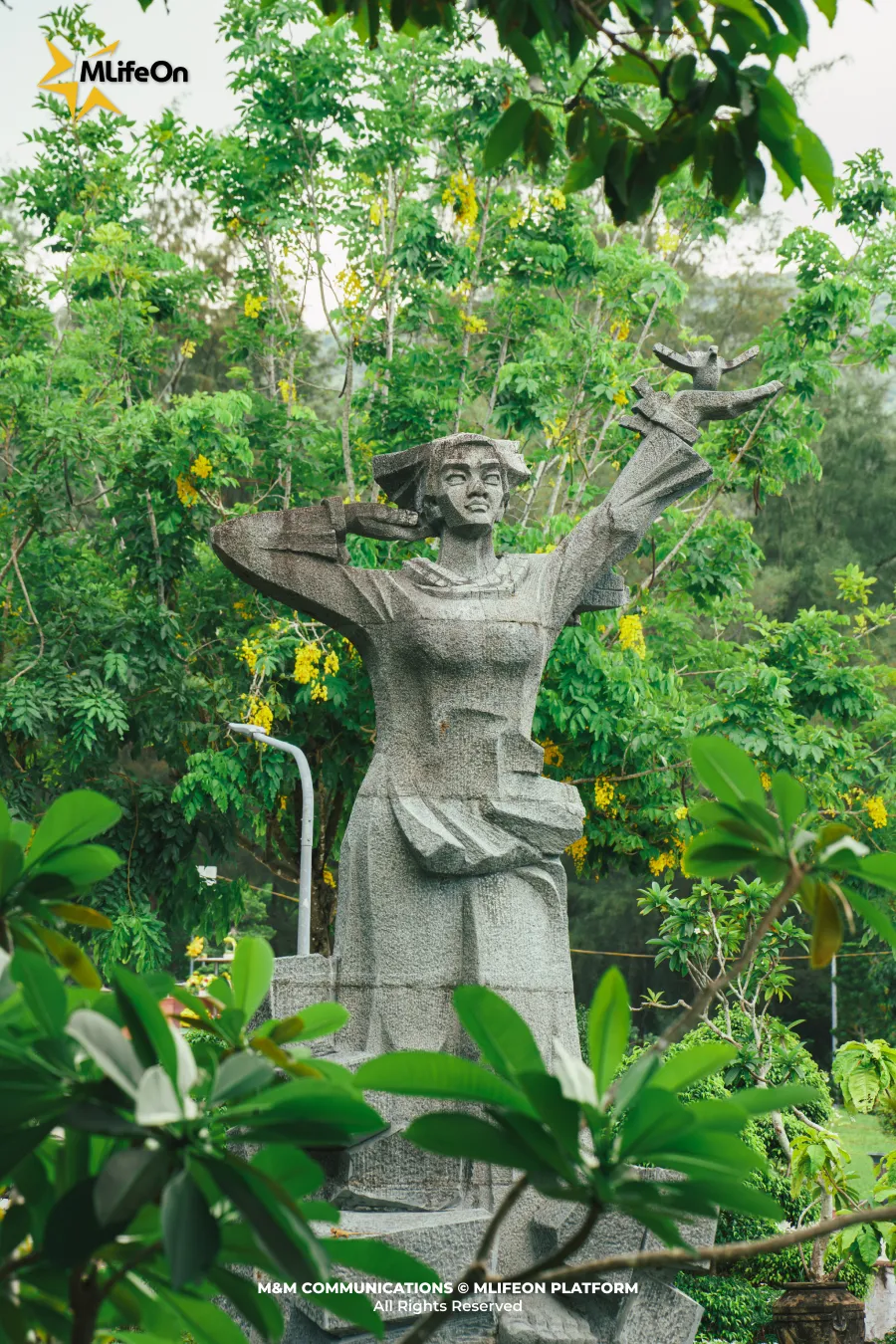
The Statue of Hope at Hang Duong Martyrs' Cemetery
The value of these two historical sites today lies not only in preserving history, but also in their role in educating the younger generation about revolutionary traditions. At the same time, they are also spiritual tourism destinations, where every Vietnamese person who sets foot there feels a deep sense of gratitude, thereby further appreciating the freedom and independence of the present.
Conclusion
Con Dao Prison and Hang Duong Cemetery are two special historical landmarks, where a painful past blends with a peaceful present. They are not just tourist destinations, but also a journey back to our roots, a reminder of the sacrifices of our ancestors and the value of freedom and independence.
If you have the chance, visit Con Dao Prison and Hang Duong Cemetery, where every wall, brick, and plant holds stories of heroic yet tragic history.
—-----
CREDIT:
- Photography: Kien Trang
- Content: Giang Huynh
- Design: Phuong Nguyen