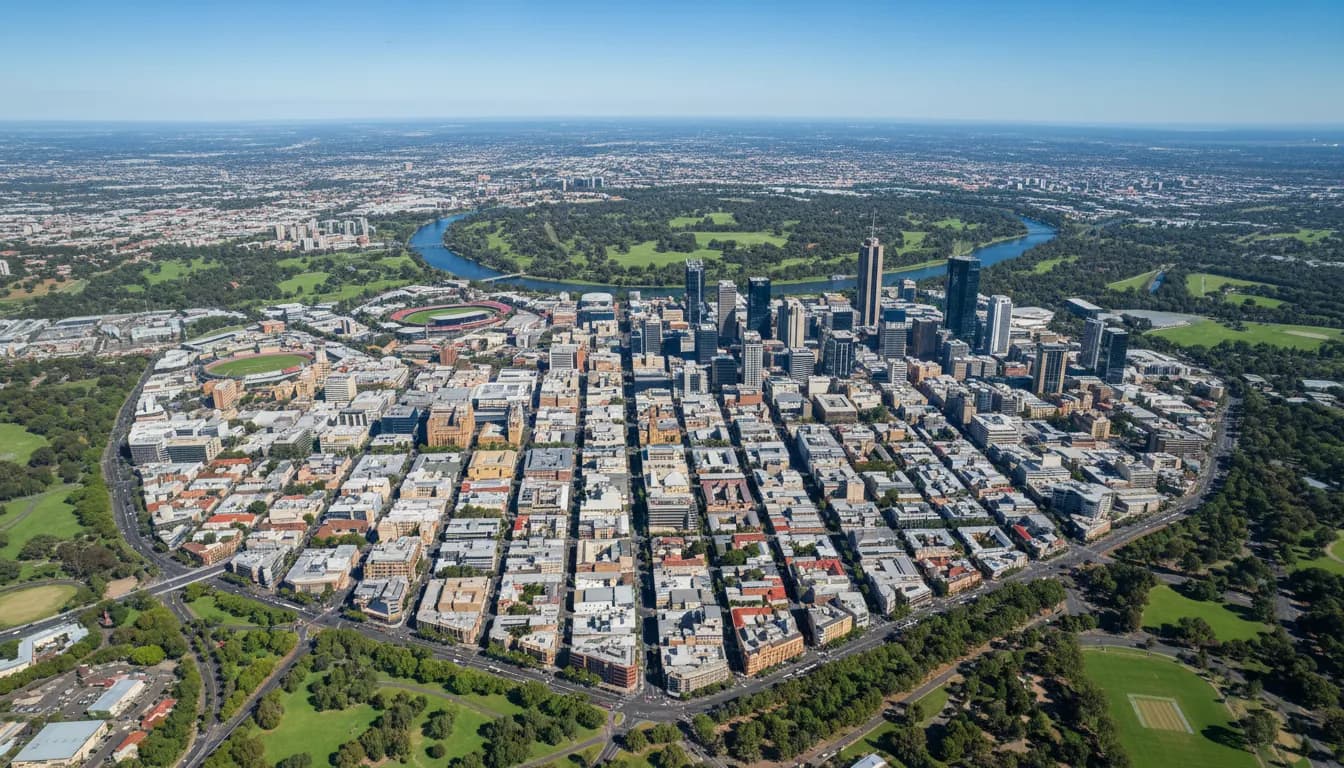
Vietnam, a land shaped by millennia of history, whispers tales of empires, resilience, and profound cultural evolution. For the intrepid traveler, particularly those with a Vietnamese-Australian heritage seeking to connect with their roots, understanding this rich tapestry often begins with its historic sites. Yet, the nation's long, often divided narrative means that a historical tour through the South offers a distinctly different experience compared to its Northern counterpart.
This article delves into the unique historical landscape of South Vietnam, exploring its pivotal sites and contrasting them with the equally compelling, yet fundamentally different, alternatives found in the North. We aim to guide you through these historical nuances, helping you discover which region best aligns with your journey for deeper understanding and personal connection. Prepare to embark on a journey that promises more discovery and more experience, unveiling the multifaceted soul of Vietnam.
Defining the Historical Differences: North vs. South
To truly appreciate Vietnam's historical sites, one must first grasp the deep-seated differences that have historically shaped its northern and southern regions. For centuries, the North, centered around the Red River Delta, served as the cradle of Vietnamese civilization. This was the heartland of ancient kingdoms, independent dynasties, and the enduring struggle against Chinese domination.
The South, conversely, developed later through a process known as 'Nam Tiến,' or the southward expansion of the Vietnamese people. This expansion saw the absorption of the Champa Kingdom and interactions with the Khmer Empire, creating a region with a distinct blend of cultural influences. Later, the French colonial era and the subsequent division into North and South Vietnam during the 20th century further cemented these unique historical trajectories, leaving behind dramatically different physical and cultural imprints.
Imperial Architecture (Hue/Hanoi) vs. Colonial/Modern (Saigon)
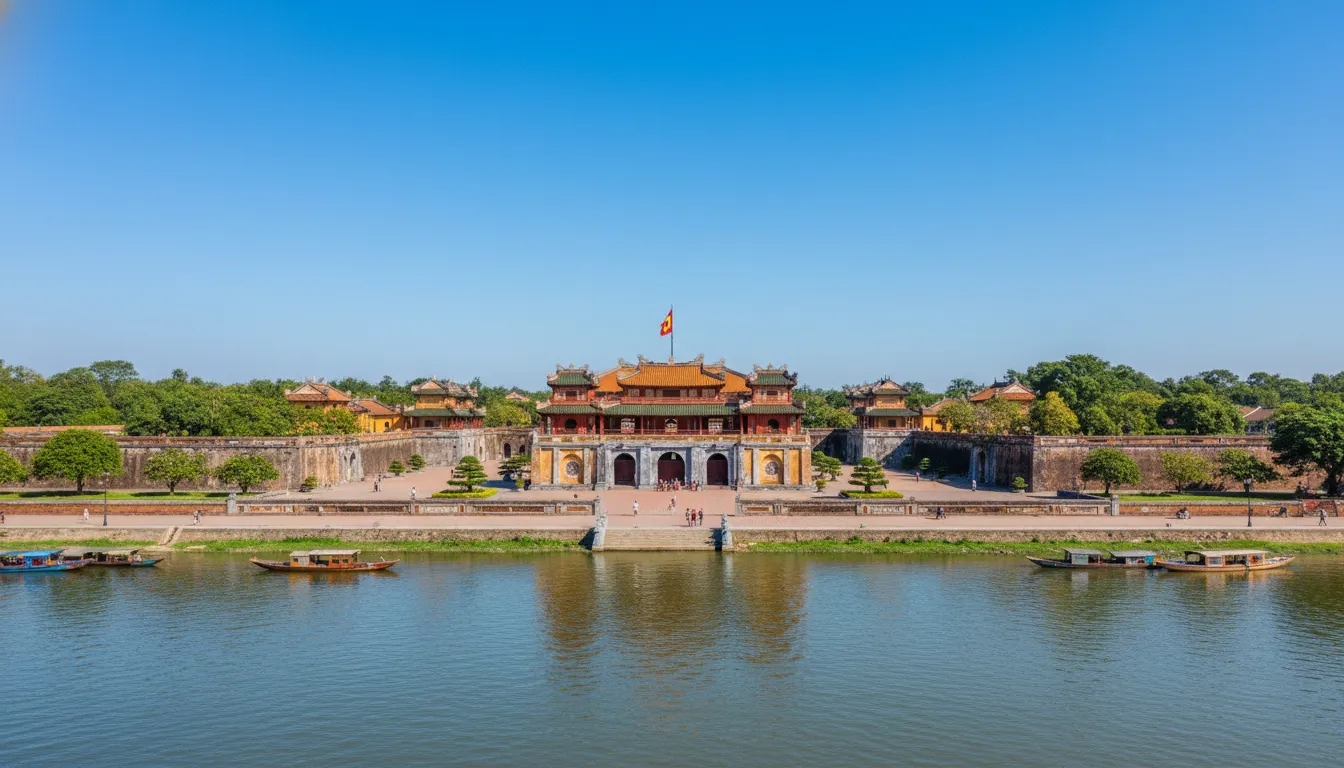
When it comes to grand imperial architecture, the North, particularly Hue and Hanoi, stands as an undeniable testament to Vietnam's dynastic past. Hue, the former imperial capital under the Nguyễn Dynasty, captivates with its sprawling Imperial City, a UNESCO World Heritage site. Here, within its formidable walls, you can explore the Forbidden Purple City, the royal residences, and the ancestral temples, each meticulously crafted to reflect the power and artistry of a bygone era. Walking through these ancient courtyards, I often feel a profound connection to the emperors and concubines who once graced these grounds, imagining the daily rituals and political intrigues that unfolded.
Further north, Hanoi boasts the Imperial Citadel of Thăng Long, another UNESCO site, which served as the political center for over a millennium. Its excavated ruins reveal layers of history, from Lý to Trần dynasties, alongside the iconic Temple of Literature, Vietnam's first national university. These sites speak of ancient power, enduring traditions, and a deep reverence for ancestral heritage, their design reflecting classical Đông Sơn and later Sino-Vietnamese architectural influences.
In stark contrast, South Vietnam, particularly Ho Chi Minh City (formerly Saigon), tells a different architectural story—one heavily influenced by French colonialism and rapid modernization. Iconic structures like the Notre Dame Cathedral and the Central Post Office stand as elegant reminders of French design, their European grandeur seamlessly integrated into the bustling tropical cityscape. My first sight of the Post Office, a magnificent blend of Gothic, Renaissance, and French colonial elements, designed by Gustave Eiffel's company, left me in awe of its intricate details and sheer scale.
The Reunification Palace, once the Independence Palace, embodies a pivotal moment in contemporary Vietnamese history, its 1960s modernist architecture contrasting sharply with the imperial sites of the North. It represents the seat of power for the Republic of Vietnam and the dramatic end of the American War. Saigon's architectural identity is a dynamic blend of colonial elegance, post-war functionality, and a burgeoning skyline of modern skyscrapers, reflecting its role as Vietnam's economic engine and a city of continuous transformation.
Religious Evolution: Northern Buddhism vs. Southern Syncretism
The religious landscape of Vietnam also reveals fascinating regional divergences, particularly when comparing the established traditions of the North with the syncretic expressions of the South. In Northern Vietnam, Buddhism has been deeply intertwined with the nation's identity and imperial power for centuries, a profound spiritual current shaping its culture. Temples like the Trấn Quốc Pagoda on Hanoi's West Lake, one of Vietnam's oldest pagodas, exemplify this long-standing tradition with their serene architecture and ancient practices.
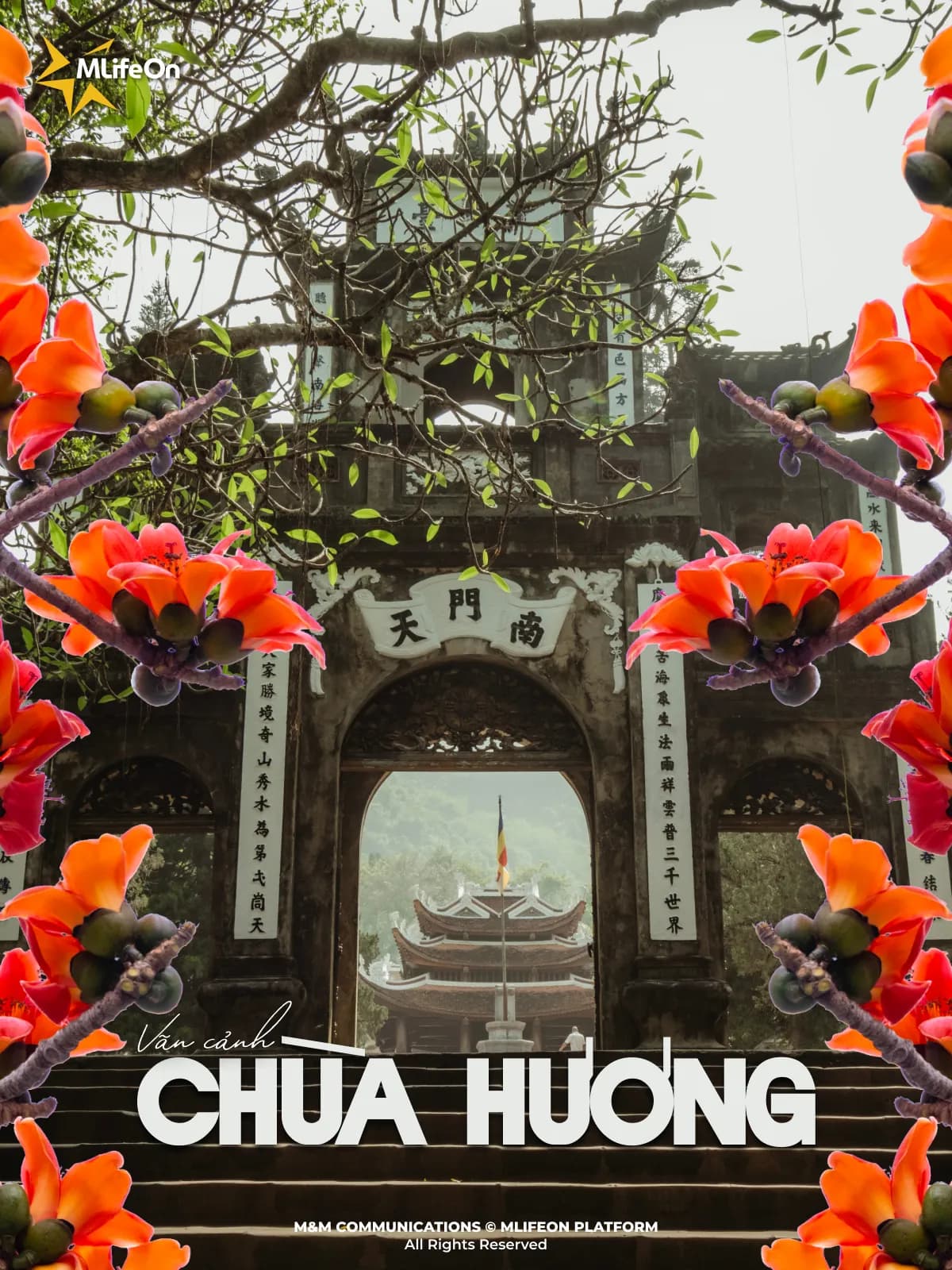
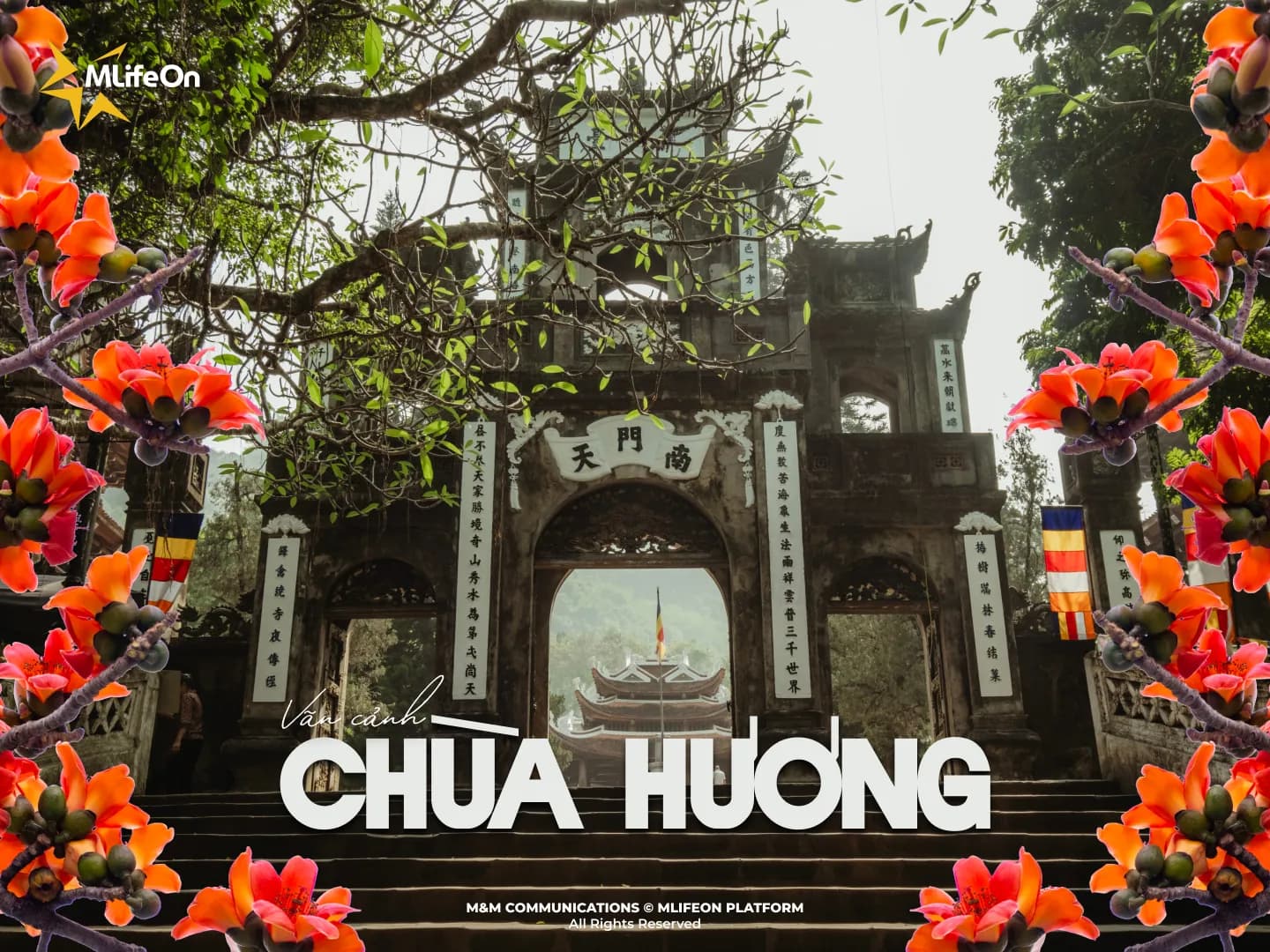
Visiting Trấn Quốc, I’ve often been struck by the peaceful ambiance, the rhythmic chanting of monks, and the deep sense of history emanating from its multi-tiered stupa. The Perfume Pagoda, a complex of Buddhist temples and shrines built into the Hương Tích mountains, is another prime example, drawing thousands of pilgrims annually. These sites reflect a historically more homogenous Buddhist development, where the faith has evolved alongside Vietnamese dynasties, often serving as a moral and spiritual backbone for the state.
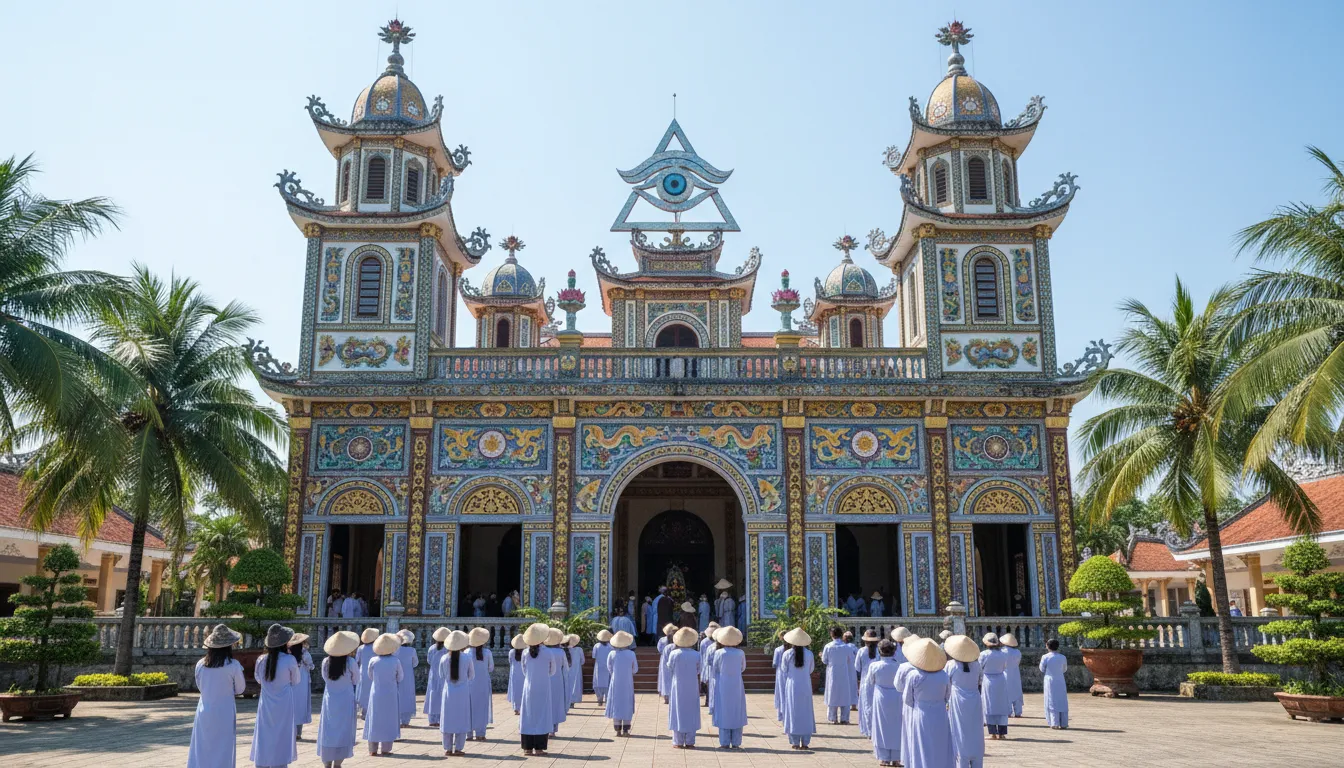
South Vietnam, on the other hand, presents a more diverse and often syncretic religious tapestry. While Buddhism remains strong, it coexists with a significant Catholic population, a legacy of French influence, and uniquely Vietnamese faiths like Cao Đài and Hòa Hảo. The Cao Đài Holy See in Tây Ninh is perhaps the most striking example of this syncretism, a vibrant and architecturally astounding temple that blends elements from Buddhism, Taoism, Confucianism, Christianity, and Islam into a singular, colourful expression.
Walking into the main temple at Tây Ninh, I was immediately struck by its unique design: a divine eye on the ceiling, dragon-wrapped pillars, and symbols from multiple world religions adorning its every surface. It is a powerful testament to the Vietnamese spirit of adaptability and synthesis, creating new pathways to meaning and connection. Southern temples like Chùa Vĩnh Tràng in Mỹ Tho also showcase a more ornate, sometimes eclectic style, often incorporating a fusion of Vietnamese, Khmer, and Chinese architectural elements. This religious diversity reflects the South's later development and its exposure to a broader range of influences, fostering a unique spiritual landscape.
War History: The Frontlines vs. The Strategic Command Centers
Perhaps nowhere are the historical differences between North and South Vietnam more acutely felt than in their respective narratives of war. The South, particularly during the American War (known in Vietnam as the Resistance War Against America), bore the brunt of the ground combat and was the primary theater of conflict. Its historic sites often tell stories of direct engagement, guerrilla warfare, and profound civilian impact.
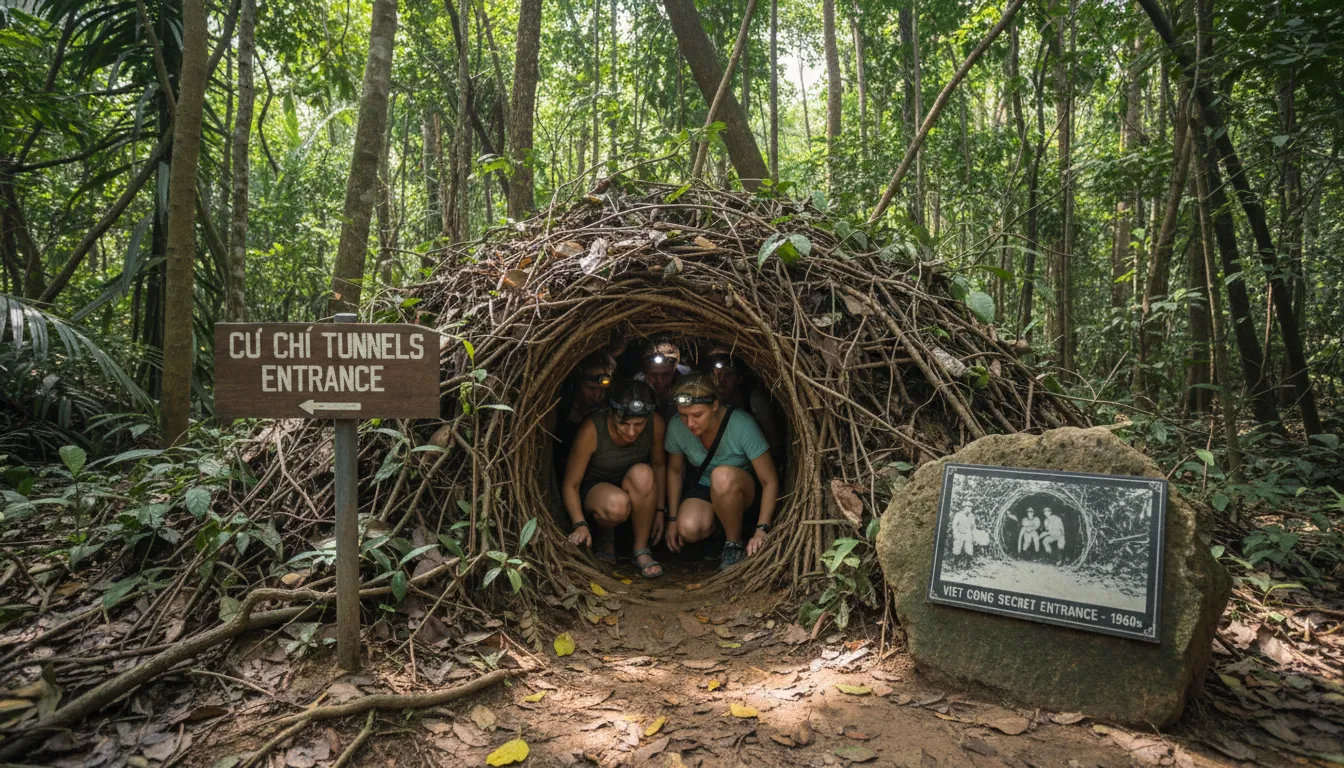
The Cu Chi Tunnels, a vast underground network near Ho Chi Minh City, offer a chilling and immersive insight into the ingenuity and resilience of the Viet Cong. Crawling through a widened section of these tunnels myself, I gained a visceral understanding of the harsh conditions and strategic brilliance that allowed guerrilla fighters to survive and operate beneath enemy lines. The War Remnants Museum in Saigon is another deeply moving and challenging experience, presenting a stark portrayal of the war's brutality through photographs, artifacts, and personal accounts, often from a Vietnamese perspective. It serves as a powerful reminder of the human cost of conflict, particularly for civilians.
For Vietnamese-Australians, the Long Tân Cross in Bà Rịa-Vũng Tàu province holds particular significance, marking the site of a major battle involving Australian forces. This site, though less grand than other historical landmarks, offers a poignant connection to the shared, yet often painful, history between the two nations. The Reunification Palace, where a North Vietnamese tank famously crashed through the gates on April 30, 1975, symbolizes the dramatic end of the war and the reunification of Vietnam, making it a site of immense historical weight.
While the South's sites speak of direct battlefields and the guerrilla struggle, the North's war history often focuses on earlier conflicts, strategic command, and air defense. The infamous Hỏa Lò Prison in Hanoi, sarcastically dubbed the 'Hanoi Hilton' by American POWs, first served as a French colonial prison for Vietnamese revolutionaries. Later, it housed American pilots, offering a multi-layered historical narrative about different struggles for independence and freedom. The B-52 Victory Museum in Hanoi proudly showcases the city's air defense capabilities during the American War, featuring remnants of downed American aircraft.
Further afield, though geographically distinct from the immediate North-South divide, Điện Biên Phủ in Vietnam's northwest is a monumental site for understanding the French Indochina War. It commemorates the decisive Vietnamese victory against French colonial forces in 1954, a pivotal moment that led to Vietnam's independence and ultimately, the division of the country. These Northern sites often represent the strategic and ideological heart of the Vietnamese resistance, showcasing their long fight against foreign domination.
Which Region Should You Choose for Your History Tour?
Deciding between North and South Vietnam for your primary history tour depends entirely on what era and narrative you wish to explore most deeply. Both regions offer incredibly rich, albeit distinct, historical experiences that are vital to understanding the full scope of Vietnam’s past.
Choose the North if your interest lies in Vietnam's ancient imperial past, its dynastic power structures, and the long-standing traditions of Vietnamese Buddhism. Hanoi and Hue provide an unparalleled journey through centuries of sophisticated governance, intricate court life, and spiritual development, showcasing the roots of Vietnamese identity. You will find grand citadels, serene pagodas, and the tangible legacies of emperors and scholars. The North also offers insights into the early struggles for independence against colonial powers, providing a foundational understanding of Vietnamese resilience.
Conversely, choose the South if you are drawn to the more recent, complex history of French colonialism, the profound impact of the American War, and a vibrant, diverse religious landscape. Ho Chi Minh City and its surrounding areas provide direct, often visceral, encounters with the realities of 20th-century conflict, the ingenious tactics of guerrilla warfare, and the dramatic shifts in political power. The South also offers a glimpse into a more multicultural and syncretic society, shaped by various foreign influences and the emergence of unique local faiths like Cao Đài.
For those with a particular interest in connecting with the Vietnamese-Australian experience, the South often holds more immediate relevance, given the historical context of migration following the American War. Sites like the War Remnants Museum and the Reunification Palace offer direct narratives that resonate deeply with many in the diaspora. Ultimately, however, a truly comprehensive understanding of Vietnam's past would ideally involve exploring both regions. Each tells a crucial part of the Vietnamese story, offering unique lenses through which to view its enduring spirit.
Conclusion
Vietnam's history is not a singular, monolithic narrative, but rather a rich tapestry woven from diverse threads across its northern and southern regions. From the ancient imperial grandeur of Hue and Hanoi to the colonial elegance and war-scarred landscapes of Saigon, each destination offers a unique lens through which to explore the nation's profound past.
South Vietnam's historic sites provide a compelling journey into French colonial influence, the complexities of the American War, and a vibrant, syncretic religious culture. These sites resonate with stories of resilience, adaptation, and the relentless pursuit of self-determination, offering a distinct contrast to the deep imperial and traditional Buddhist roots found in the North. Whether you choose to delve into the ancient dynasties or the more recent tumultuous chapters, both regions promise authentic cultural stories and inspiring connections.
As you plan your journey, consider what aspects of Vietnam's incredible history call to you most profoundly. By understanding these regional differences, you can tailor an exploration that goes beyond superficial tourism, leading you to unforgettable cultural stories and inspiring connections that truly embody MLIFEON's spirit of 'More Discovery, More Experience.' The echoes of two Vietnams await your discovery, each holding a vital piece of the nation's enduring soul.