Yunnan, China, has long been renowned for its numerous attractions, including majestic mountains, tranquil lakes, and ancient towns steeped in history. Among them, Dali Ancient Town, with its unique beauty, has become one of the must-see destinations for travelers visiting this beautiful land.
Dali Ancient Town is like a gem nestled in the heart of nature, where the past and present intertwine in every street corner and every moss-covered roof tile.
Where mountains and water meet
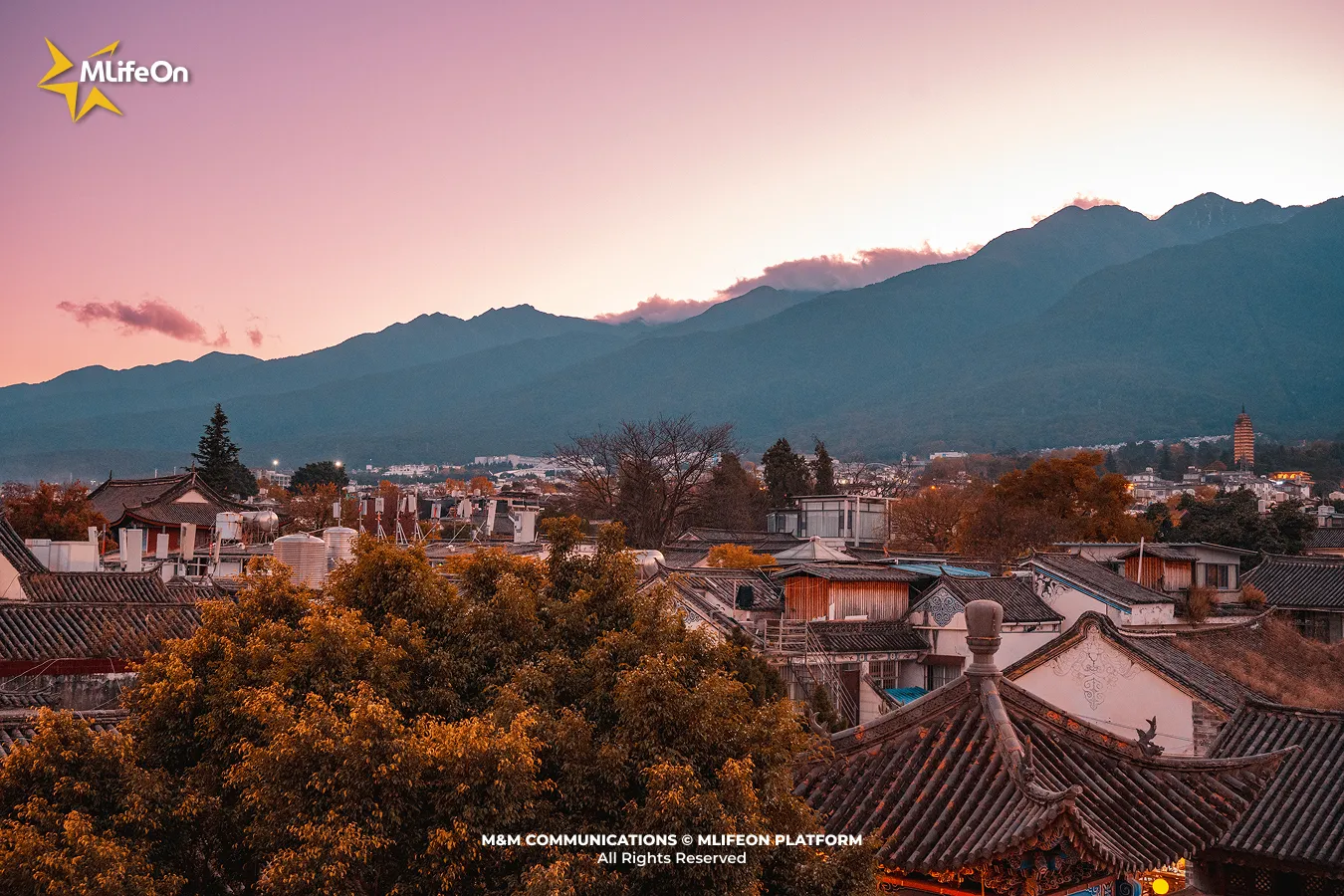
Dali Ancient Town in Yunnan, China
Dali Ancient Town is situated in a truly unique geographical location: at the foot of the majestic Cangshan Mountains, beside the picturesque Erhai Lake. It belongs to the Dali Bailu Autonomous Prefecture (an autonomous prefecture in Yunnan Province, China).
This unique combination of mountains and lake creates a rare and breathtaking landscape in Dali Ancient Town: on one side, towering mountains, perpetually shrouded in clouds, act as a protective screen for the city; on the other, the azure lake stretches out, reflecting the sunlight and ancient tiled roofs, giving the ancient town a majestic yet romantic and poetic appearance.
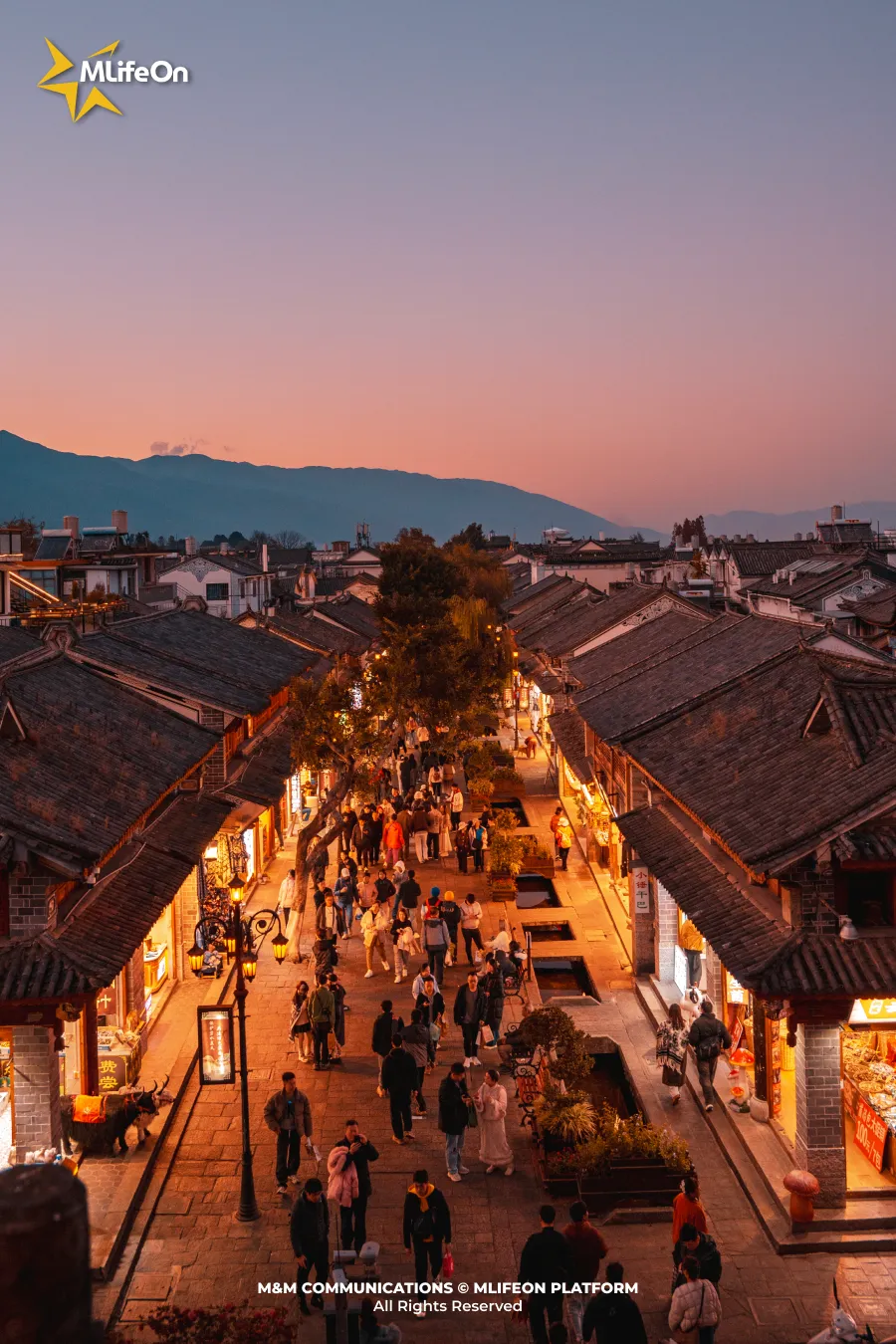
Dali Ancient Town at night.
Dali Ancient Town is not only an ancient destination but also a place blessed by nature with breathtaking, unique scenery.
If Mount Cangshan exudes majesty, then Erhai Lake offers gentleness and balance. Anyone who sets foot in Dali Ancient Town can clearly feel this harmonious blend.
The wind blowing from the lake carried cool, moist air, weaving through the cobblestone streets and making the moss-covered walls seem more vibrant.
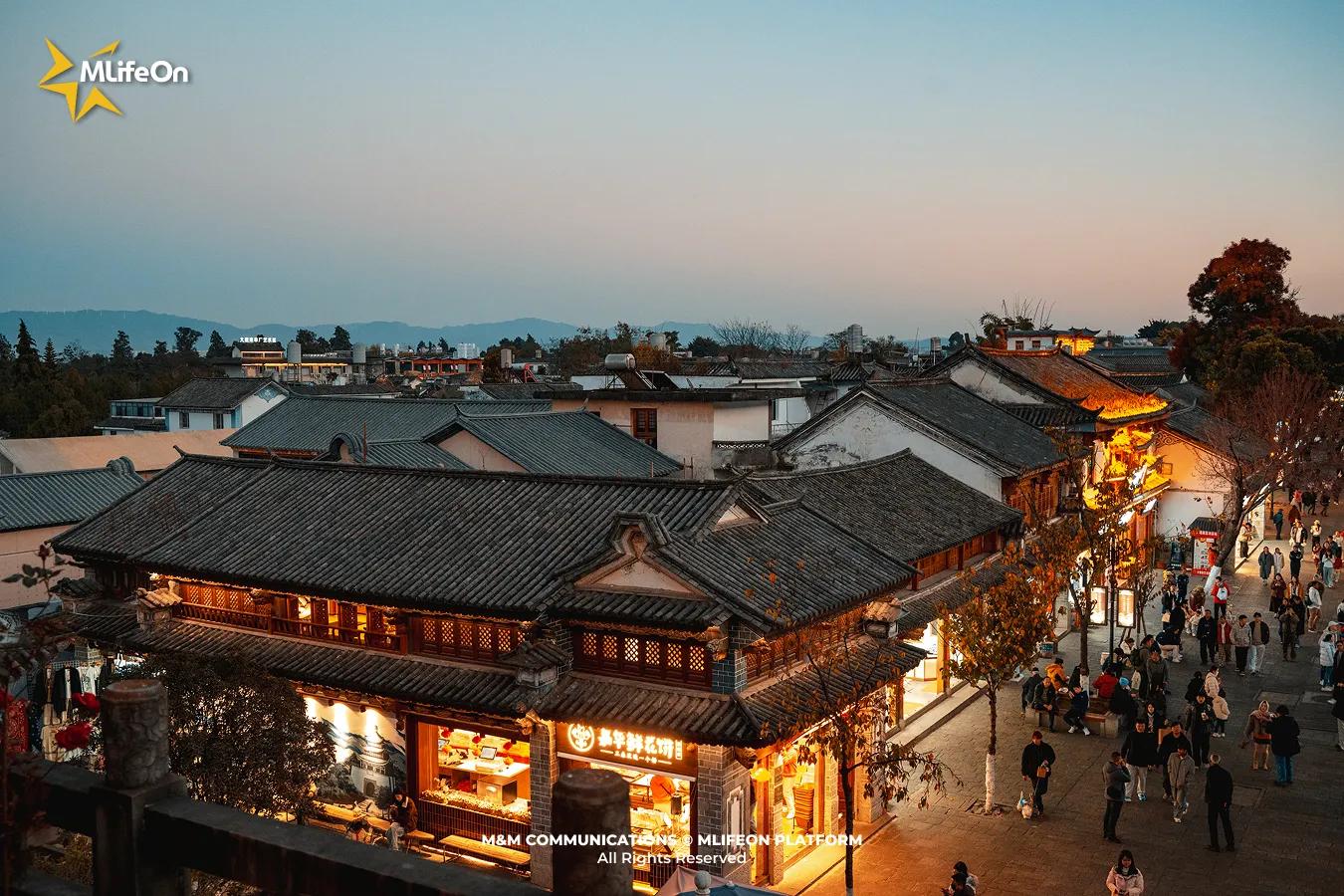
Upon my first arrival in Dali, I felt as if I were stepping into a giant ink painting. The mountains and lakes not only created the landscape but also shaped the rhythm of life here.
Journey through the ancient capital
Dali Ancient Town has a rich history closely associated with the succession of dynasties in Yunnan, China. It served as the capital of the Nanzhao Kingdom from the 8th to 9th centuries. Following this, it became the political and cultural center of the Dali Kingdom, spanning the 10th to 13th centuries. This continuity through historical eras has given Dali Ancient Town a remarkable cultural heritage, with many preserved signs of its golden past.
During the Ming Dynasty, the ancient town was built and fortified with a strong system of city walls. These walls not only served a defensive function but also symbolized the prosperity and power of a city that was once a major trading center.
Located on the Southern Silk Road, connecting China with Southeast Asian countries, Dali Ancient Town was once a must-see stop for many foreign merchants, scholars, and travel groups visiting China.
Walking along the ancient cobblestone streets of the Citadel, I felt as if I were stepping back in time. The sounds of horse hooves and merchants' cries seemed to still echo somewhere, blending with modern life but without losing their ancient charm.
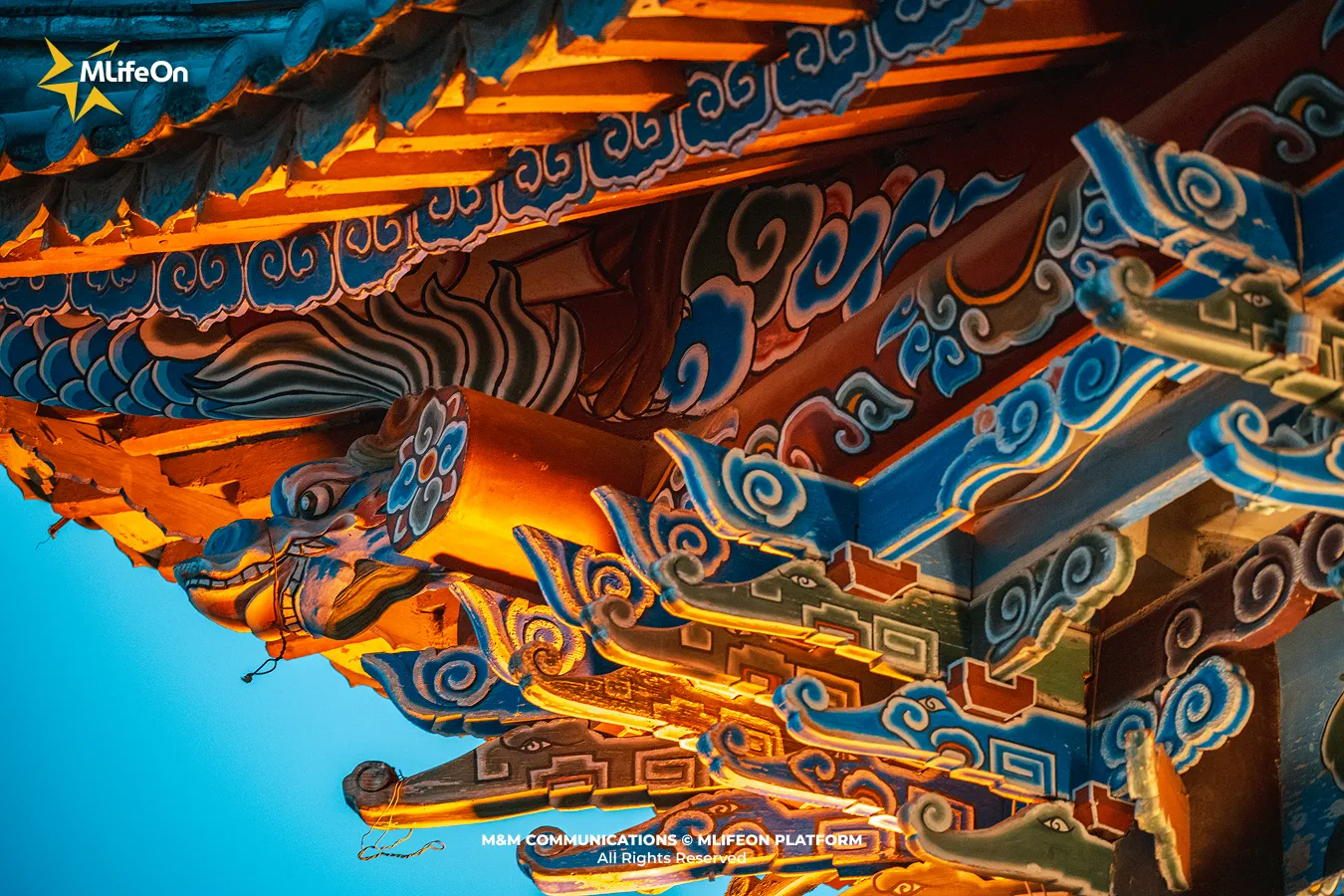
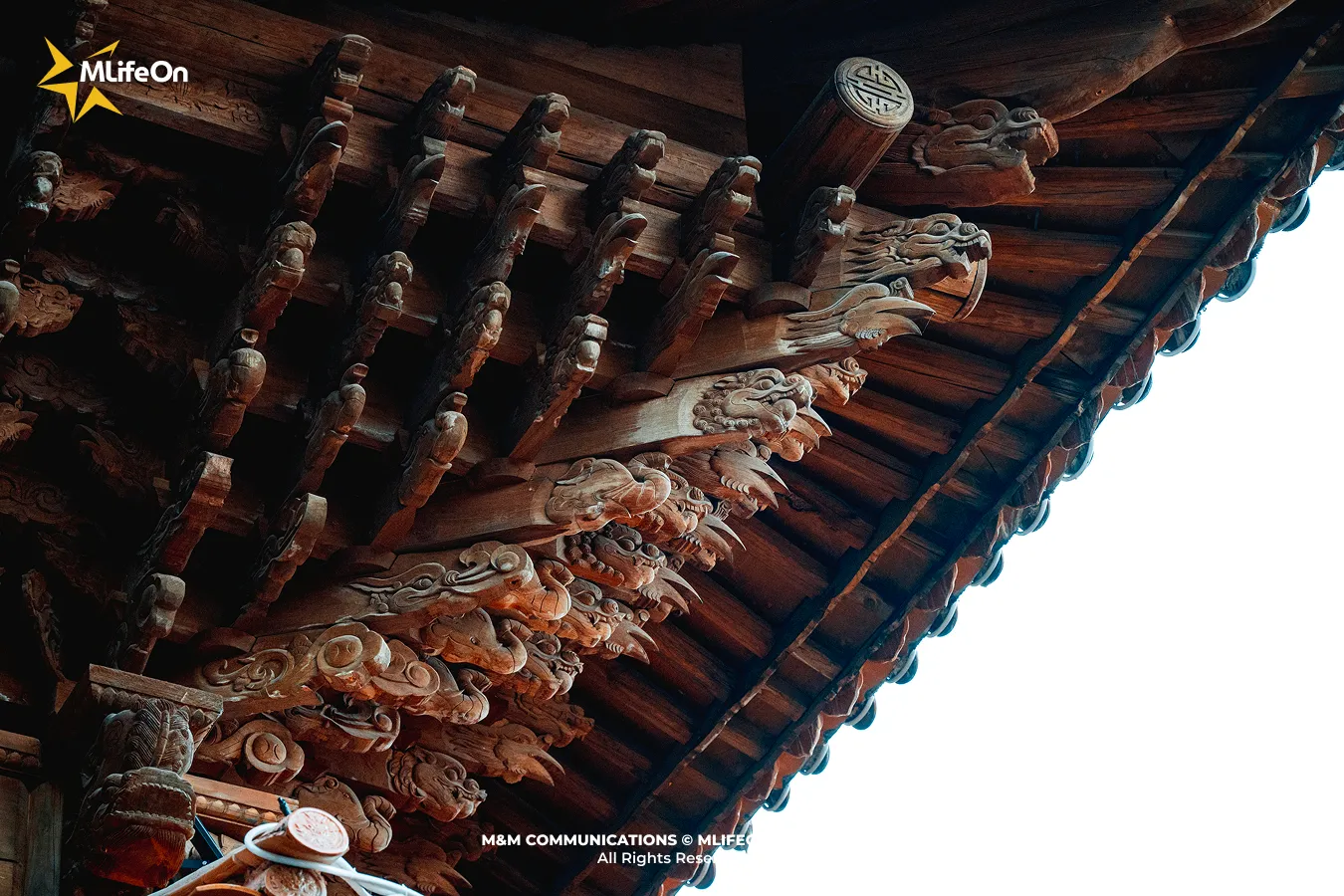
Here, every stone, every wall seems to be telling a story of the past, so that every traveler who comes here is not just sightseeing, but also reliving the memories of an ancient capital.
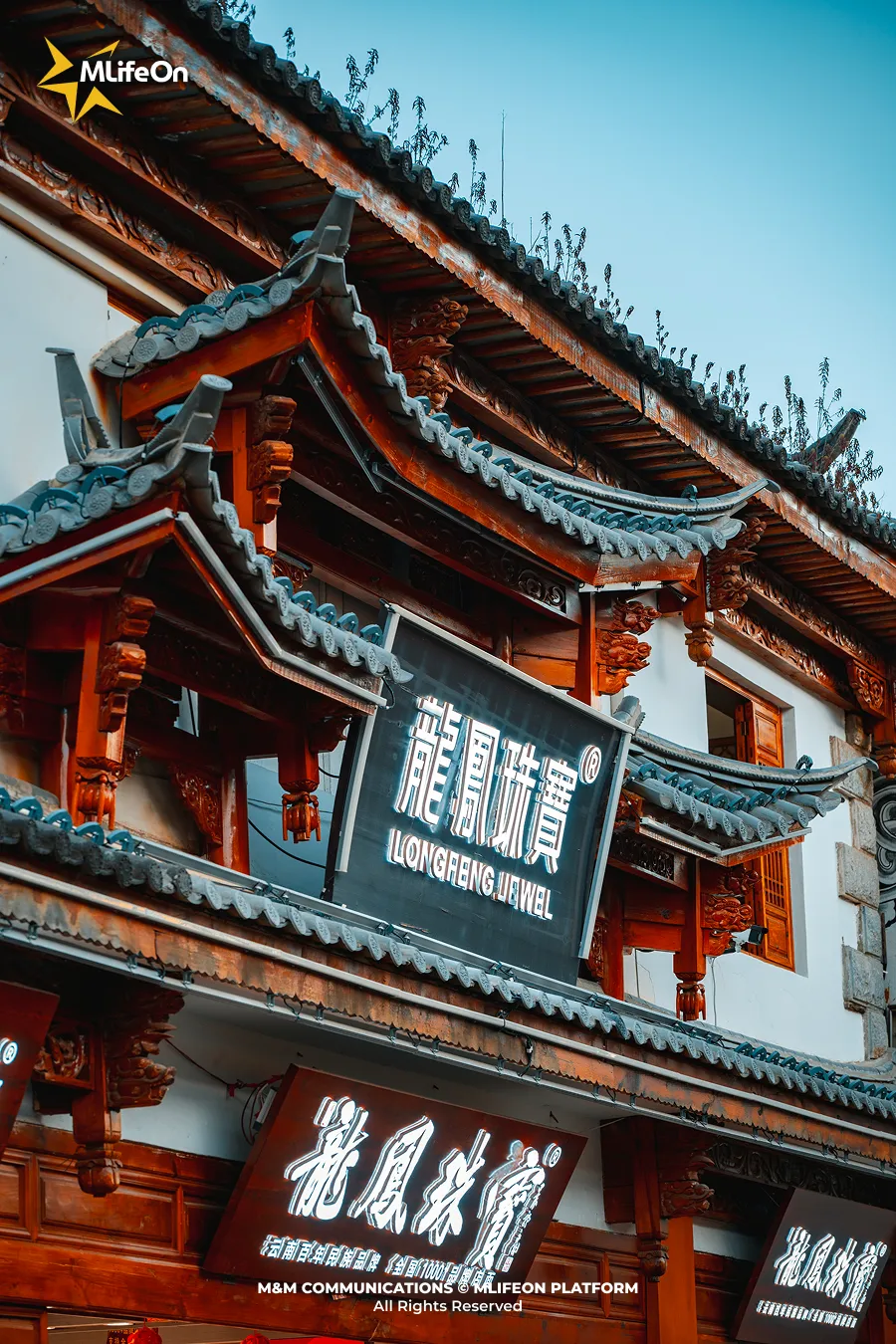
The ancient atmosphere amidst the old city
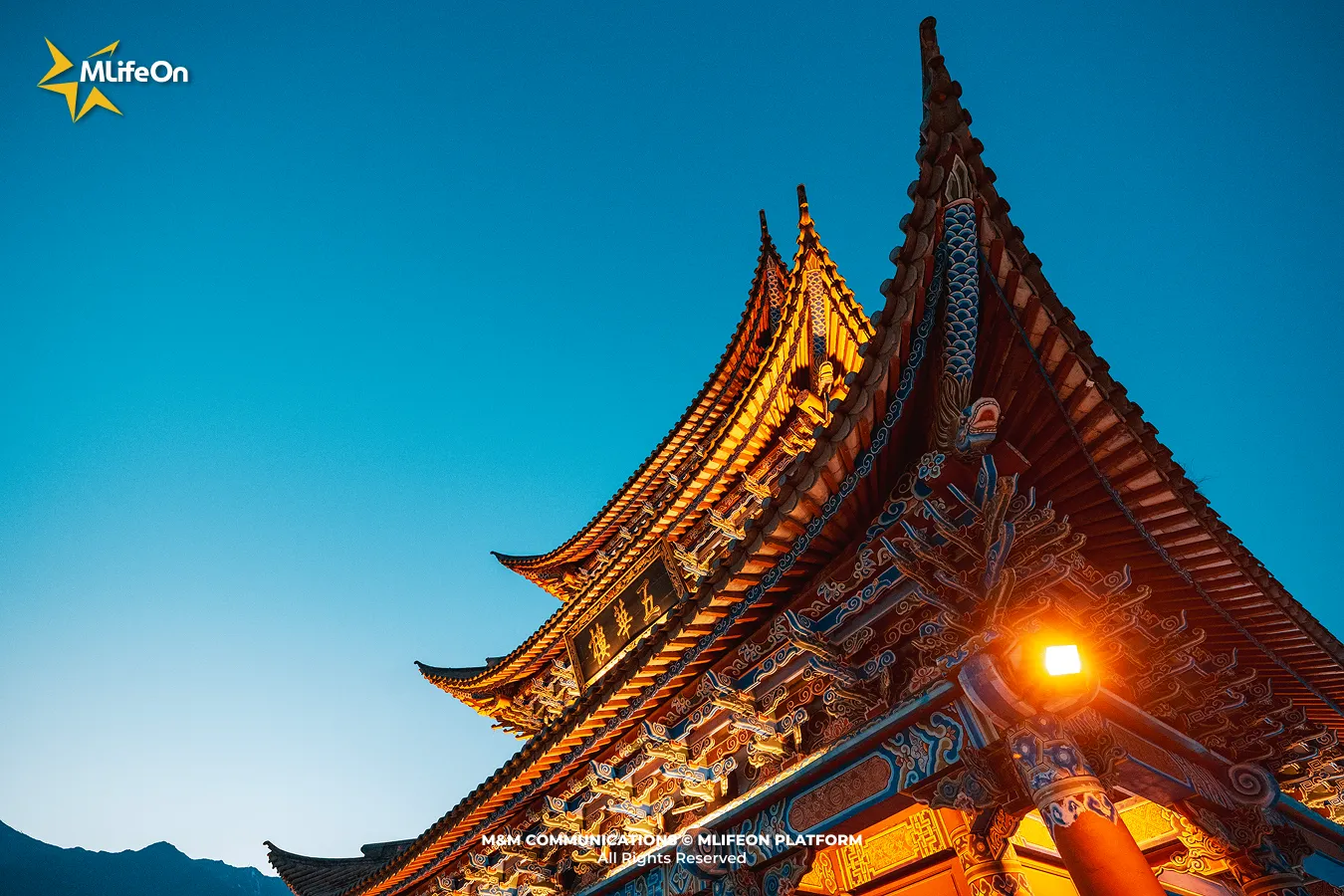
Dali Ancient Town possesses an architectural beauty that is both majestic and refined, clearly reflecting the harmonious blend of history and daily life. Most prominent are the four main city gates: East, West, South, and North. Each gate stands as a witness to time, intertwined with historical stories and the upheavals of ancient dynasties.
Standing before those city gates, I felt as if I were facing a gateway to the past, where every step was tinged with memories.
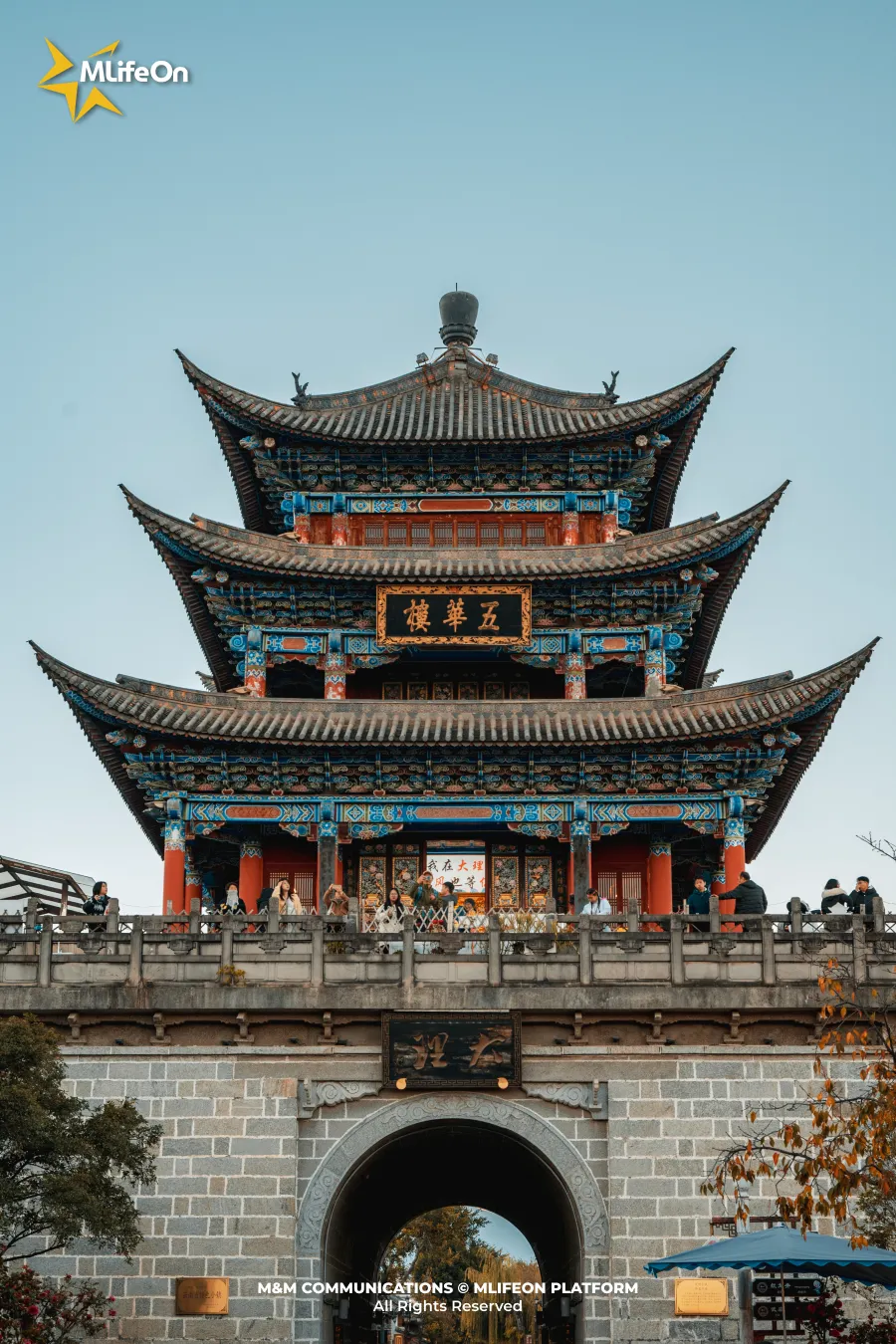
city gate of Dali Ancient Town
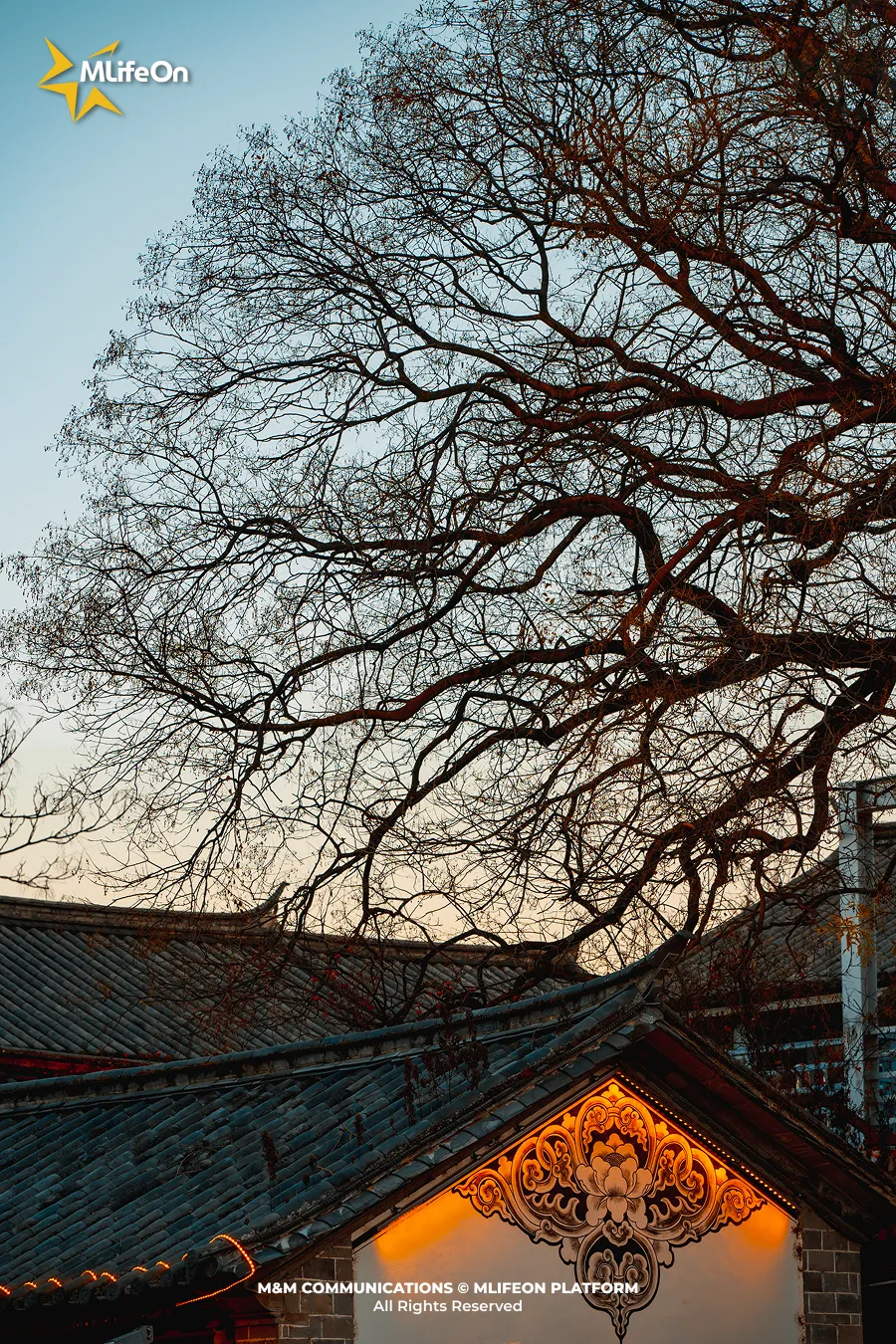
Inside the city walls, the architecture bears the distinct mark of the Bai ethnic group of Dali (an indigenous community that has contributed to Dali's unique identity). Prominent among them are ancient houses with soaring tiled roofs, pristine white walls, and exquisite decorative motifs. Every detail showcases the artisans' skillful craftsmanship, reflecting the simple yet profound lives of the local people.
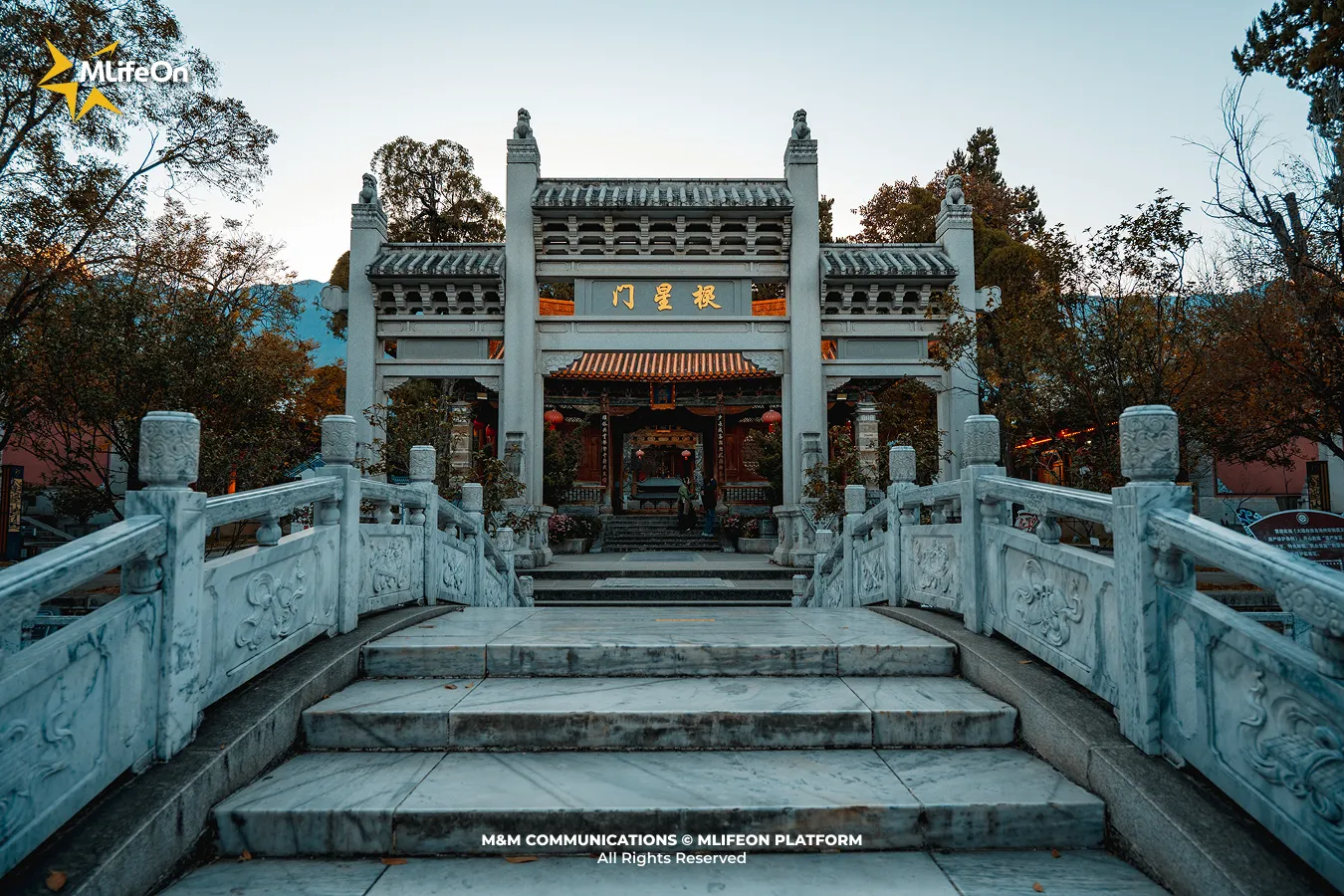
Every structure in Dali Ancient Town exudes exquisite craftsmanship and meticulous attention to detail.
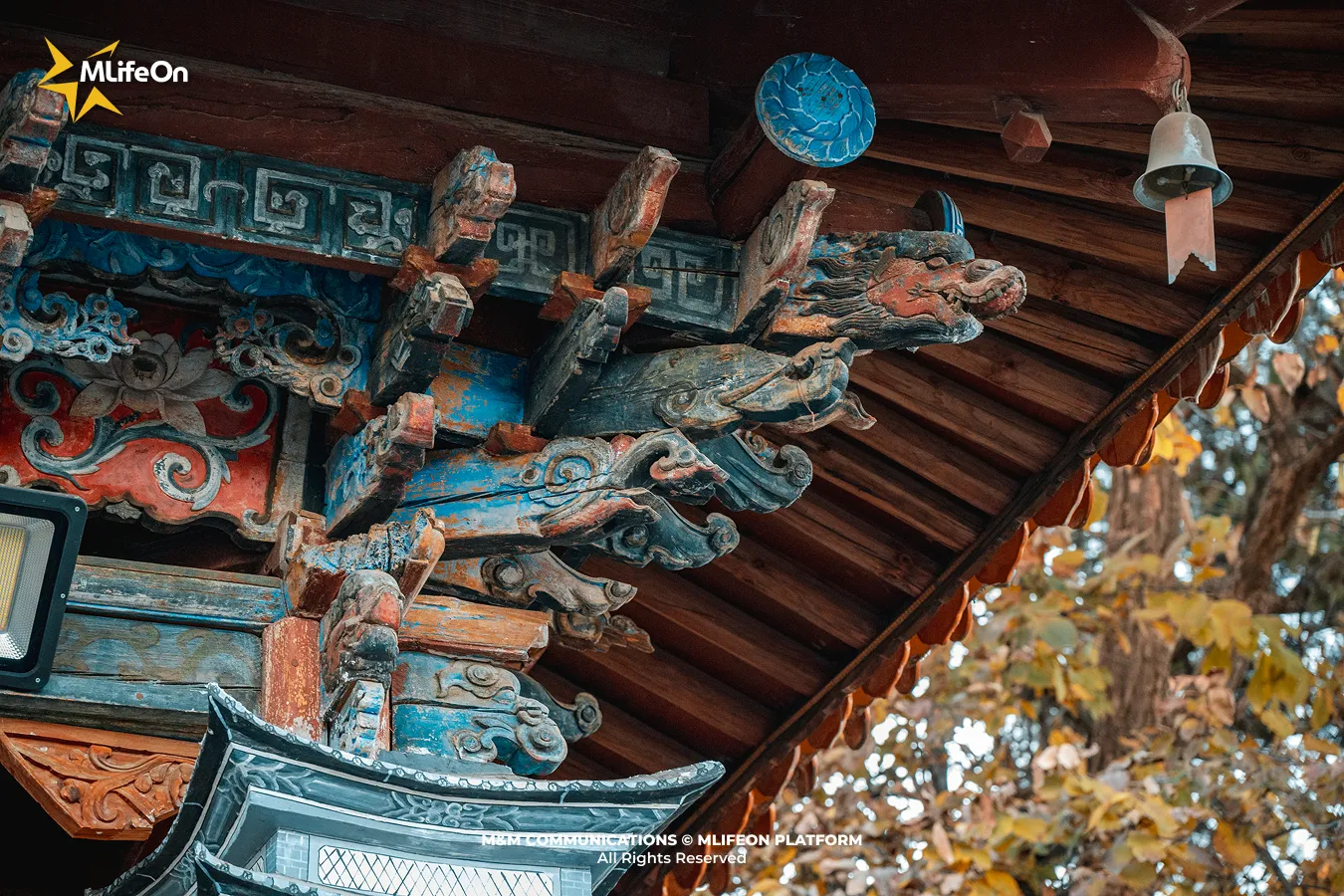
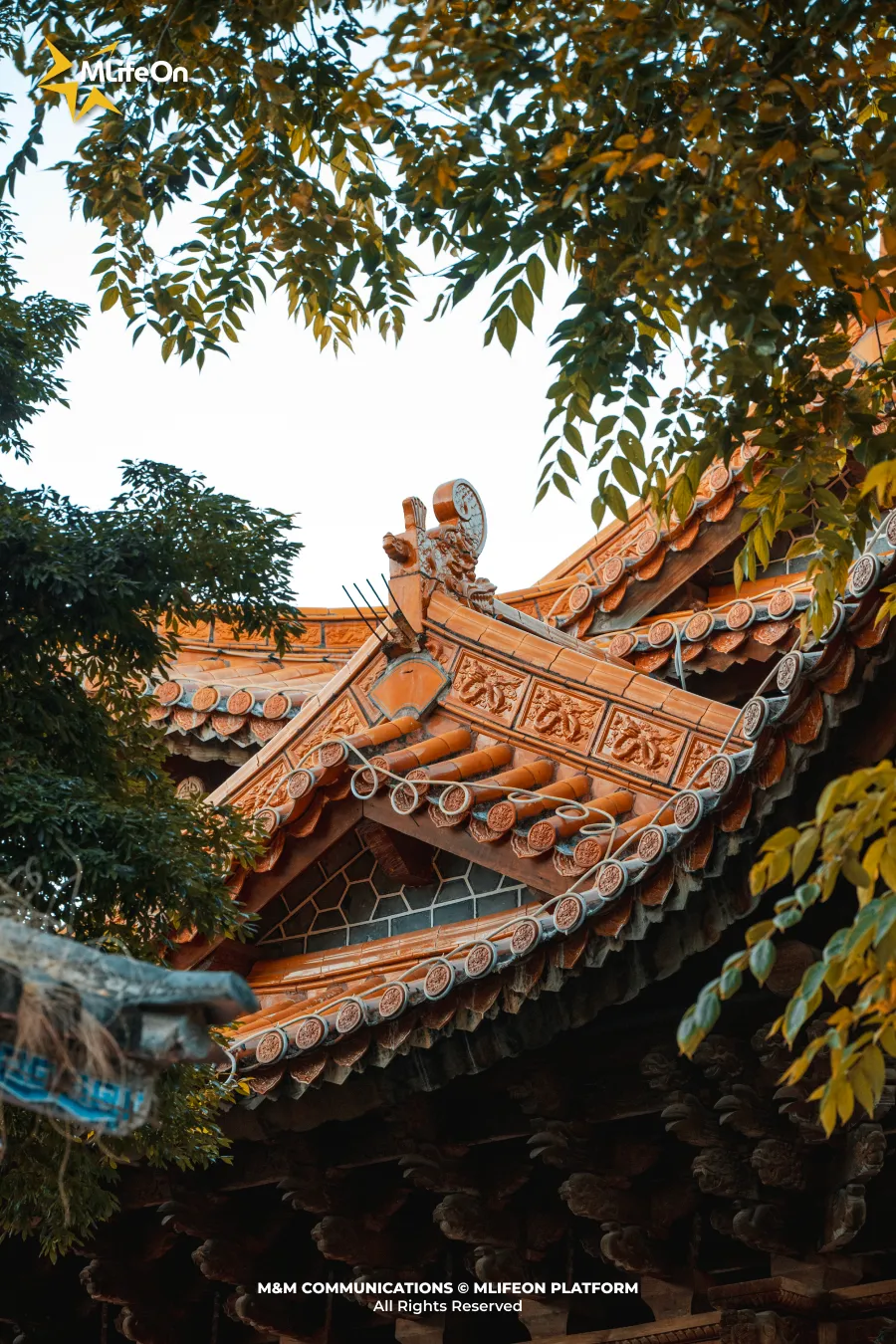
Each house is like a painting, both rustic and elegant, creating a harmonious, lively atmosphere in Dali Ancient Town.
And somewhere at a street corner, the sound of a pipa (Chinese lute) resonates, its melody, combined with the sound of footsteps, creating a symphony between the past and the present.
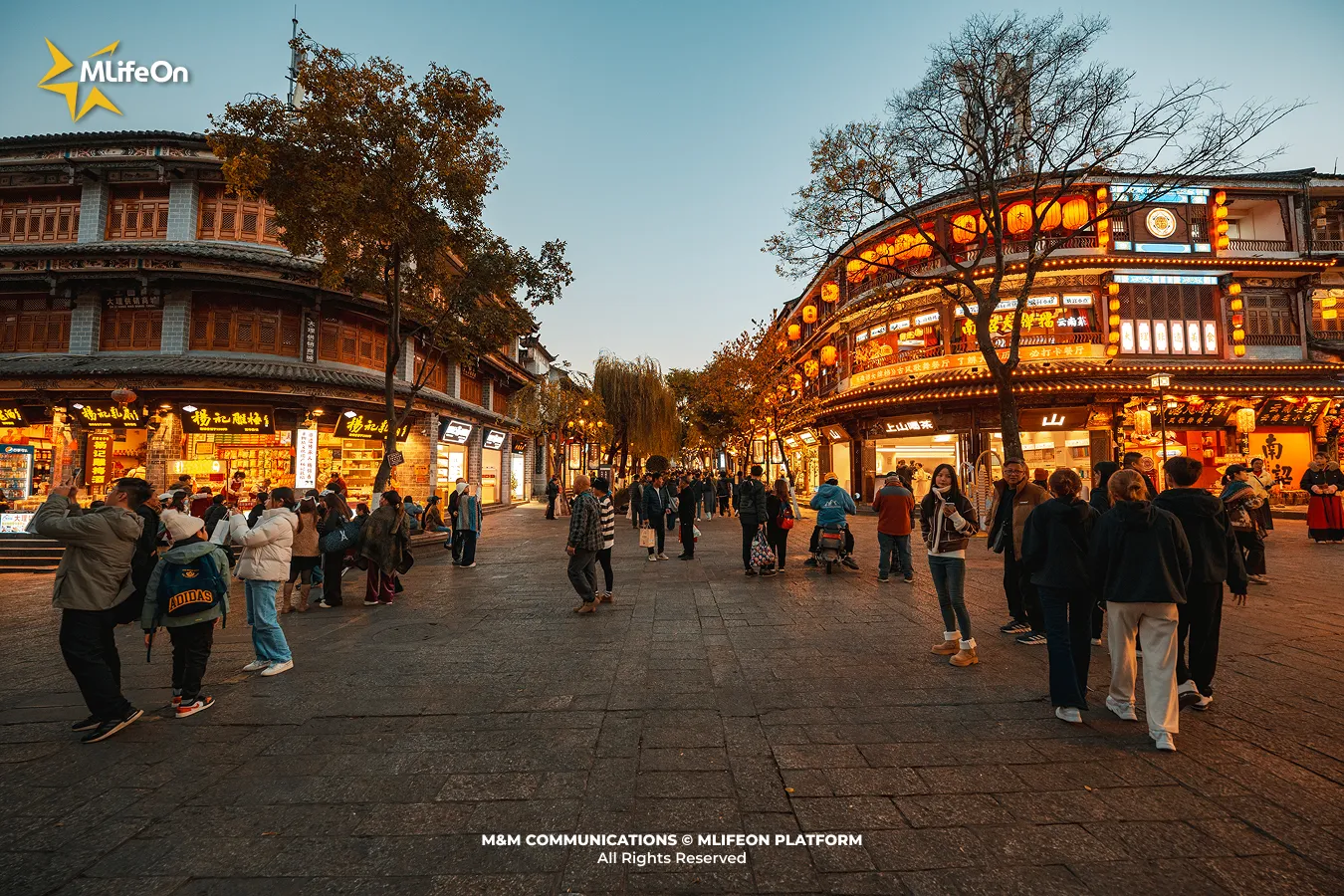
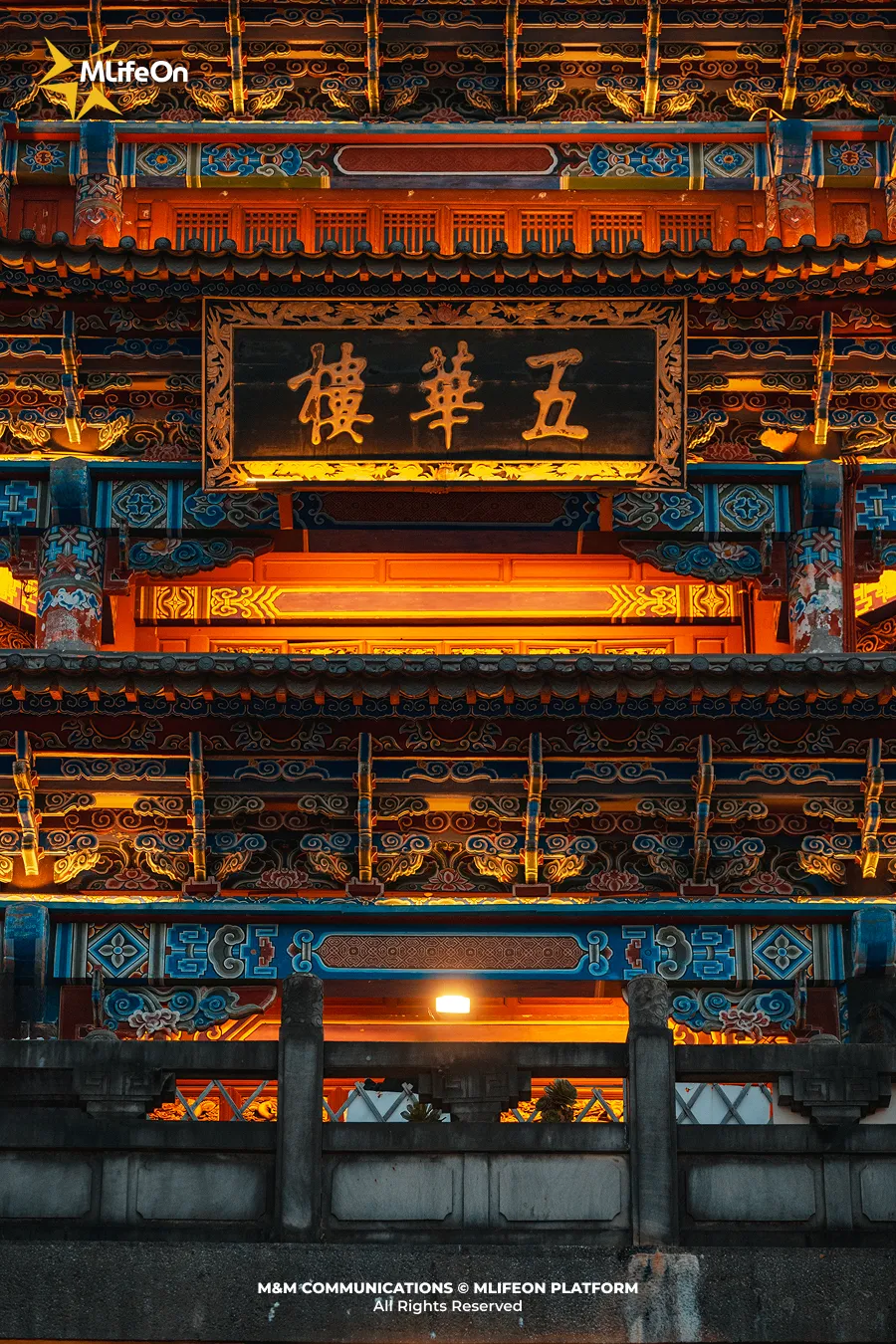
The architecture of the ancient city of Dali is not just a collection of stones and wood arranged into structures, but also embodies the very breath of life. It testifies to the harmonious blend of culture and nature, of people and history. Every detail, every street corner, holds a story, allowing anyone who sets foot here to feel the peace, the antiquity, and the timeless beauty that this place preserves.
Conclusion
Dali Ancient Town is the perfect blend of picturesque geography, glorious history, and ancient architecture. Not only is it a famous scenic spot in Yunnan, China, but it's also a destination where culture, people, and nature connect.
If you're looking for a change of scenery and a unique experience, why not visit Dali Ancient Town to admire its natural beauty, architecture, and experience the local way of life?
—-----
CREDIT:
- Photography: Luan Nguyen
- Content: Giang Huynh
- Design: Trung Huynh