The Mekong Delta, a verdant labyrinth of waterways and rice paddies, often conjures images of floating markets and serene village life. Yet, nestled near the Cambodian border, lies Chau Doc – a city that transcends these idyllic scenes to offer a profound journey into South Vietnam's rich, multicultural history and vibrant spiritual landscape. For the culturally curious traveler, especially those seeking substantive narratives beyond typical tourism, Chau Doc stands out as an indispensable destination.
My own explorations across Vietnam have consistently led me to places where history breathes and culture thrives. However, Chau Doc, with its unique blend of Vietnamese, Khmer, Cham, and Chinese influences, presents a particularly compelling mosaic. It's a place where ancient legends intertwine with daily devotion, making it a critical hub for understanding the historical evolution and spiritual heart of the South.
Chau Doc vs. Other Mekong Provinces: A Historical Lens
When we consider the historical tapestry of the Mekong Delta, provinces like Can Tho, My Tho, and Ben Tre often highlight aspects of riverine trade and agricultural development. These areas certainly boast their own historical significance, often linked to the Nguyen Dynasty's expansion southwards and French colonial influence. However, Chau Doc offers a distinct historical narrative, shaped primarily by its strategic border location and diverse demographics.
Chau Doc's proximity to Cambodia has historically made it a crossroads of cultures and conflicts. This geographical position fostered a unique blend of ethnicities, each contributing to the region's architectural styles, culinary traditions, and spiritual practices. Unlike some other delta provinces that primarily reflect Vietnamese settlement, Chau Doc's history is a testament to cultural syncretism, a beautiful layering of traditions over centuries.
The city served as a crucial military outpost and a gateway for trade, particularly during the era of the Nguyen Lords and later under French colonial rule. This strategic importance meant that Chau Doc often bore the brunt of border skirmishes and played a pivotal role in regional power dynamics. Such a past has imbued its historic sites with deeper layers of meaning, reflecting both resilience and cultural intermingling.
For instance, while Can Tho might boast the grandeur of its French colonial architecture and bustling markets, Chau Doc showcases a more organic, intertwined history of different peoples living side-by-side. From the vibrant mosques of the Cham community to the ancient temples honoring local deities, its historical landscape is undeniably more complex and multifaceted. This makes Chau Doc an unparalleled destination for those keen to delve into the intricate historical relationships that define South Vietnam.
Ba Chua Xu Temple: The Spiritual Anchor of the South
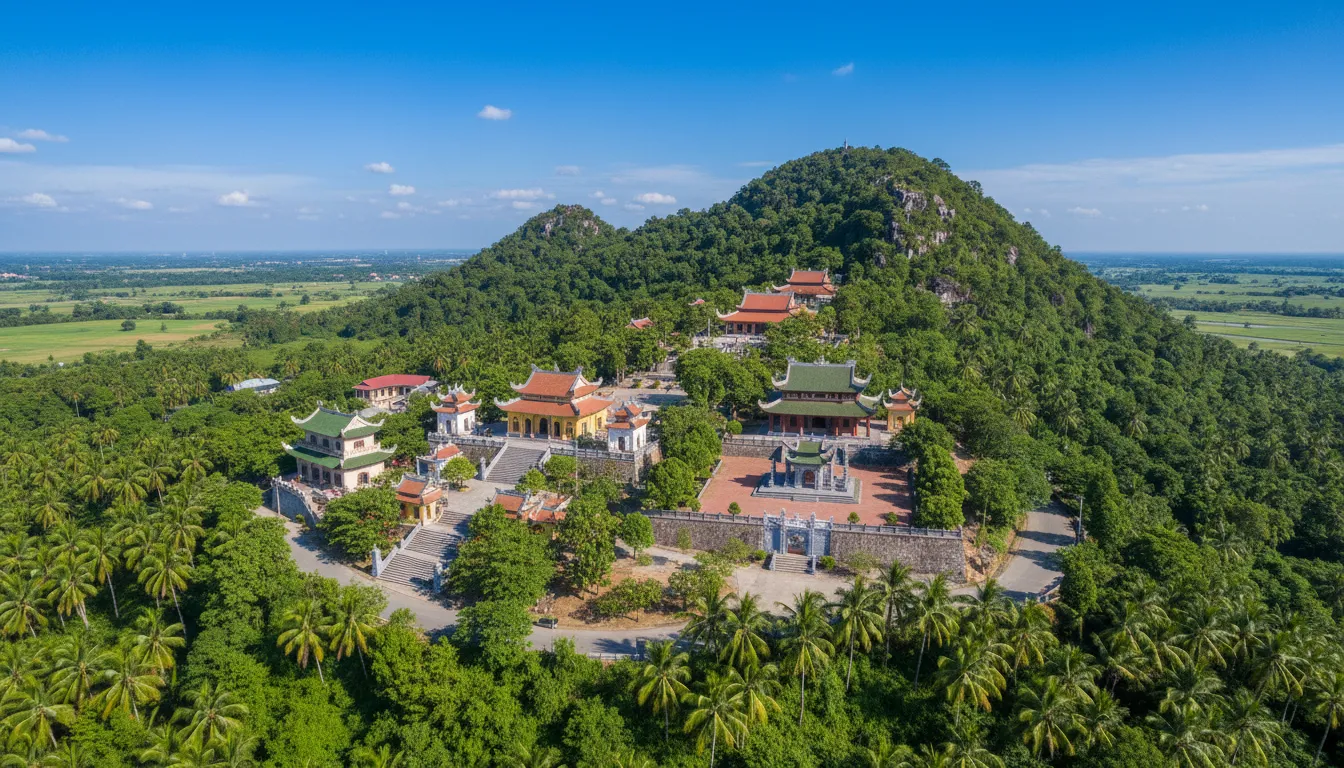
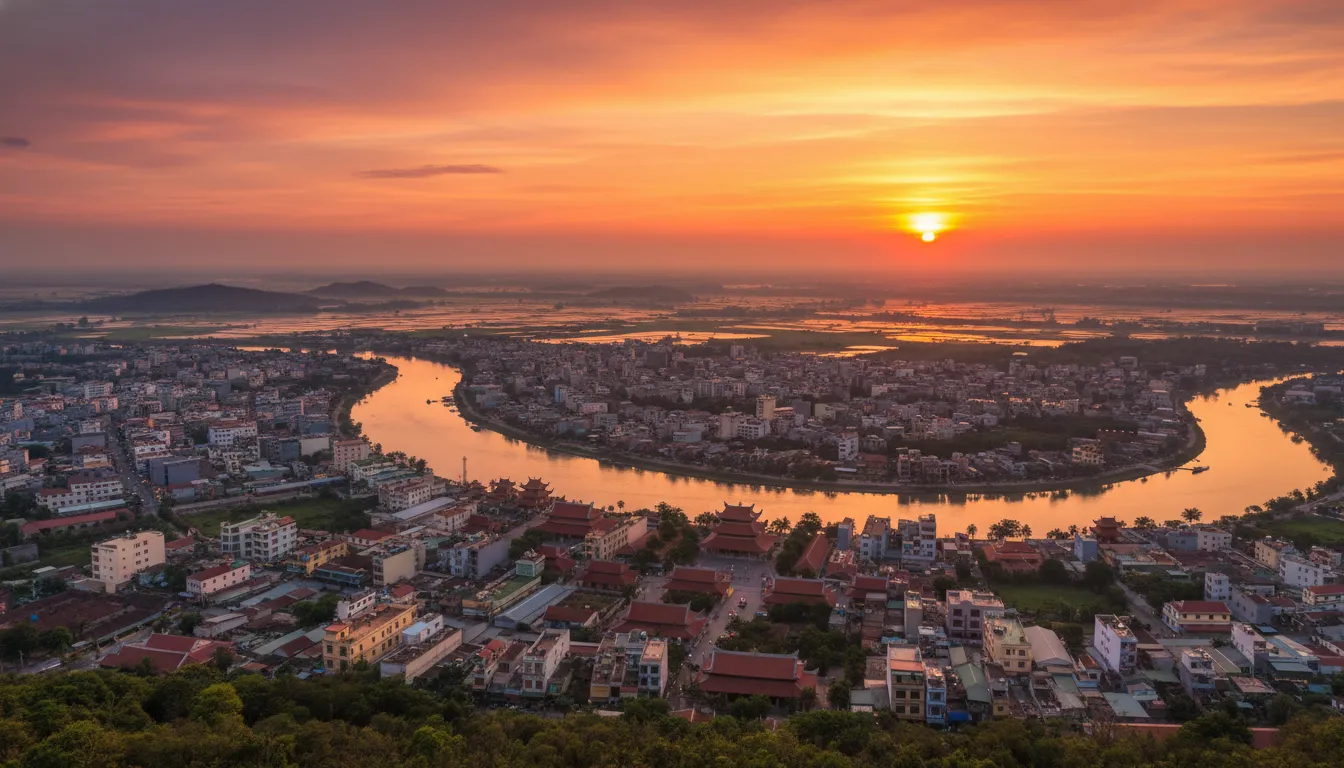
At the foot of Sam Mountain in Chau Doc lies Ba Chua Xu Temple, a site of immense spiritual significance that draws millions of pilgrims annually. This temple is not merely a historical building; it is a living, breathing testament to Vietnamese folk religion and the deep-seated veneration of Mother Goddesses. The legend of Ba Chua Xu, a deity believed to protect the region and bestow blessings, is central to the spiritual identity of Southern Vietnamese people.
The story goes that a statue of Ba Chua Xu was found on the peak of Sam Mountain by villagers in the early 19th century. When they tried to move it, only a young virgin girl could lift it, signifying the goddess's divine will to reside at the foot of the mountain. This narrative underscores the sacred connection between the deity, the land, and the community, fostering a profound sense of devotion.
The temple itself is a striking example of Vietnamese temple architecture, though it has undergone several renovations, including a significant one in the 1970s that gave it its current imposing, modern style. Despite these changes, the essence of the worship and the spiritual atmosphere remain deeply traditional. Pilgrims arrive throughout the year, especially during the Via Ba Chua Xu Festival in the fourth lunar month, seeking blessings for health, prosperity, and peace.
During the festival, the entire city of Chau Doc comes alive with vibrant rituals, traditional performances, and fervent prayers. Witnessing this spectacle firsthand is an unforgettable experience, revealing the deep cultural roots and communal bonds that define Vietnamese spiritual life. It is a powerful demonstration of faith, where personal devotion merges with collective celebration, creating an electric atmosphere of hope and tradition. The temple embodies the soul of the South, a place where ancient beliefs are continually renewed through generations of unwavering reverence.
Comparison: Tay An Pagoda vs. Thoai Ngoc Hau Tomb
Chau Doc’s historical richness is further exemplified by the proximity and contrasting significance of Tay An Pagoda and Thoai Ngoc Hau Tomb, both located near Ba Chua Xu Temple. These two sites, though distinct in their purpose and style, offer a fascinating glimpse into different facets of South Vietnamese heritage. One is a vibrant spiritual center, while the other commemorates a pivotal historical figure, together painting a comprehensive picture of the region's past.
Tay An Pagoda is a visually captivating Buddhist temple, renowned for its unique architectural fusion. Built in 1847 by Governor Nguyen Nhat An, the pagoda showcases a blend of Indian, Islamic, and traditional Vietnamese architectural elements. Its onion-domed stupas, reminiscent of Indian temples, stand alongside traditional curved pagoda roofs and intricate Vietnamese carvings. This syncretic design reflects the diverse cultural influences that permeated the region during its construction, making it a truly distinctive landmark.
The pagoda serves as an active place of worship, filled with intricate statues of Buddhas and Bodhisattvas, and the fragrant scent of incense. It is a testament to the enduring presence of Mahayana Buddhism in South Vietnam, but with a unique twist that acknowledges broader Asian architectural styles. For me, visiting Tay An felt like stepping into a spiritual melting pot, a physical manifestation of cultural exchange. The serene atmosphere, combined with the visual splendor, offers a contemplative experience that highlights the artistic and spiritual ingenuity of the past.
In stark contrast, just a short distance away lies the Thoai Ngoc Hau Tomb, a solemn granite monument dedicated to one of the Mekong Delta’s most significant historical figures. Thoai Ngoc Hau was a high-ranking mandarin during the Nguyen Dynasty, instrumental in the construction of the Vinh Te Canal and the Thoai Ha Canal in the early 19th century. These canals were vital for defense, trade, and irrigation, profoundly shaping the landscape and economy of the region.
The tomb complex comprises Thoai Ngoc Hau’s tomb, along with those of his two wives, surrounded by stone statues and a tranquil courtyard. It is a site of historical reverence, honoring a man whose strategic vision and engineering prowess were crucial to the development and security of the southern frontier. Visiting the tomb offers a moment to reflect on the immense human effort and leadership that transformed this delta into a fertile and prosperous land. It’s a quiet, dignified space that speaks volumes about the administrative and infrastructural challenges faced by early Vietnamese settlers in the South.
Comparing Tay An Pagoda and Thoai Ngoc Hau Tomb, we see two different lenses through which to view history. Tay An represents the spiritual and artistic evolution, embracing external influences while maintaining a Vietnamese core. Thoai Ngoc Hau’s tomb, on the other hand, embodies the political, military, and developmental history, celebrating the individuals who physically shaped the land. Together, they provide a powerful dual narrative of Chau Doc: a place of profound faith and strategic importance, shaped by both divine intervention and human endeavor.
The Cham Minority History in Chau Doc Villages
Chau Doc's unique historical landscape is further enriched by the enduring presence of the Cham minority, whose vibrant culture thrives in villages situated just across the Chau Doc River. This community offers a compelling narrative of resilience, cultural preservation, and peaceful coexistence that is integral to understanding the full scope of South Vietnam's heritage. Their history in the region dates back centuries, long before the arrival of the Vietnamese, making their villages living museums of an ancient civilization.
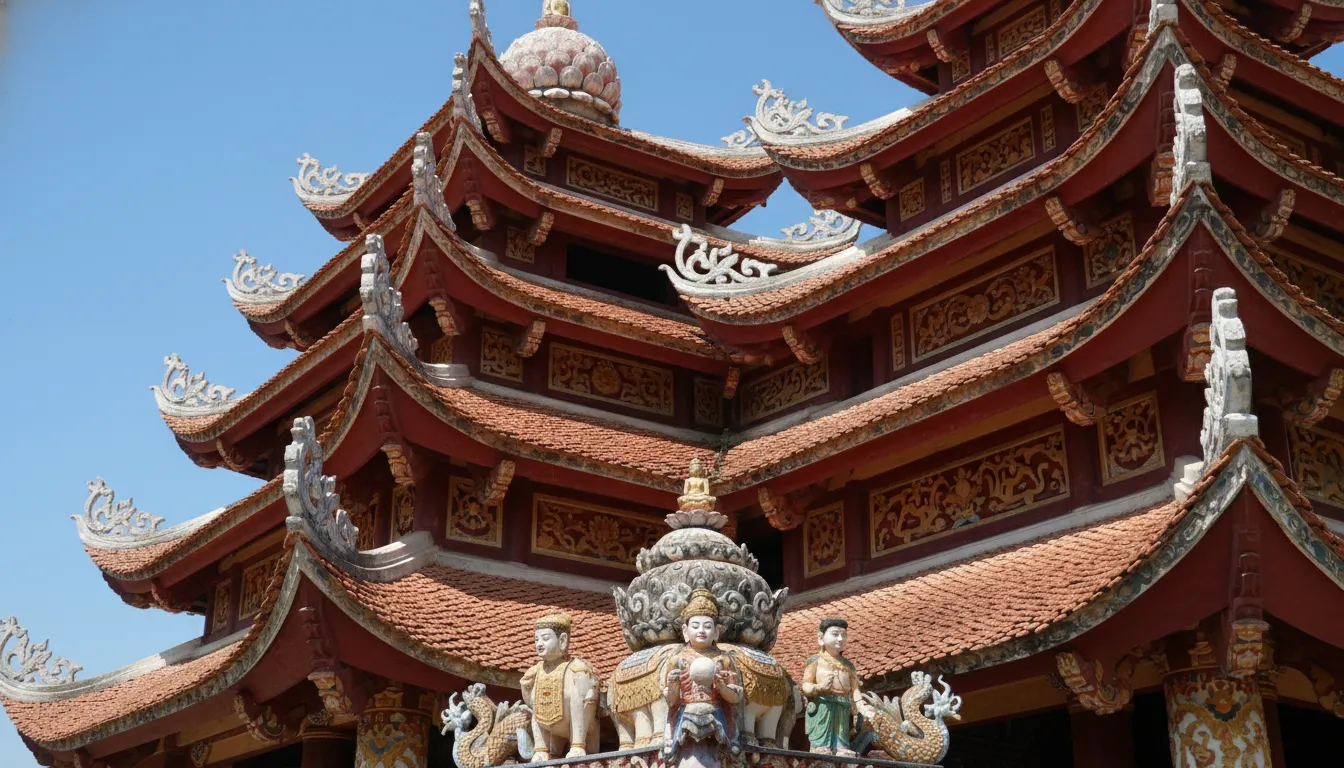
To reach these Cham villages, one typically crosses the river by ferry or small boat, an experience that immediately transports you to a different cultural realm. The architecture shifts from the predominantly Vietnamese styles of the city to distinctive stilt houses, often adorned with colorful fabrics and intricate patterns. The most prominent feature of these villages is their mosques, which stand as proud symbols of their Islamic faith, a stark contrast to the Buddhist pagodas and folk temples across the river.
I remember my first visit to a Cham village, the air filled with the scent of spices and the gentle hum of daily life. The women, often adorned in traditional headscarves, could be seen skillfully weaving intricate textiles on traditional looms, a craft passed down through generations. These textiles, vibrant and detailed, are not just merchandise; they are tangible expressions of Cham identity and artistry. Sampling their unique cuisine, often richer in spices and distinct from Vietnamese fare, further immerses one in their cultural tapestry.
The Cham people, descendants of the ancient Champa kingdom that once flourished along Vietnam's central coast, migrated southwards over centuries, preserving their language, customs, and religion (predominantly Sunni Islam). In Chau Doc, they have maintained their distinct cultural identity while seamlessly integrating into the broader Vietnamese society. This harmonious coexistence of different faiths and ethnic groups is a powerful testament to Chau Doc's unique ability to embrace diversity.
Their mosques, with their distinctive minarets and often pastel-colored facades, are not just places of worship but also community hubs. Observing the Cham community's daily life, their prayers, and their social interactions offers invaluable insight into a culture that has weathered centuries of change. It highlights how Chau Doc is not just a Vietnamese historical site but a microcosm of Southeast Asian cultural interactions, making it an essential stop for anyone interested in the region's diverse ethnic histories.
Why Chau Doc is Essential for Religious History Buffs
For anyone fascinated by the intricate tapestry of religious history, Chau Doc is not merely a destination; it is an essential pilgrimage. Its unique geographical and historical position has fostered a spiritual landscape unlike any other in South Vietnam, a vibrant confluence of various faiths and belief systems coexisting in remarkable harmony. My personal journeys have revealed few places that offer such a comprehensive and tangible lesson in religious syncretism.
At its core, Chau Doc is a bastion of Vietnamese folk religion, powerfully embodied by the worship of Ba Chua Xu. This indigenous belief system, deeply rooted in animism and the veneration of nature spirits and protective deities, provides a foundational layer to the region's spirituality. The annual festival dedicated to Ba Chua Xu is a living example of this enduring faith, demonstrating its profound hold on the collective consciousness of the South. It speaks to a primal connection between people, land, and the divine.
Beyond this, Chau Doc is a significant center for Mahayana Buddhism, as seen in the grandeur and unique architecture of Tay An Pagoda. This form of Buddhism, widely practiced in Vietnam, finds a distinctive expression here, influenced by centuries of cultural exchange. The presence of devout practitioners and the serene atmosphere of its pagodas offer a deep dive into the meditative and philosophical aspects of this faith. It’s a place where the pursuit of enlightenment is woven into the fabric of daily life.
Adding another layer to this religious mosaic is the subtle yet undeniable influence of Theravada Buddhism, primarily brought by the Khmer people from neighboring Cambodia. While less overtly visible than Vietnamese temples, the cultural echoes and a few specific pagodas reflect this influence, highlighting Chau Doc’s position as a cultural bridge. This cross-pollination of Buddhist traditions enriches the spiritual dialogue within the region, showcasing different paths to enlightenment.
Perhaps most distinctively, Chau Doc is home to a thriving Muslim Cham community, whose mosques and cultural practices introduce Islam into the religious panorama. Visiting their villages provides a rare opportunity to observe Islamic traditions within a predominantly non-Islamic country, demonstrating how different faiths can flourish side-by-side. This vibrant coexistence is a powerful lesson in interfaith dialogue and cultural respect.
Chau Doc, therefore, offers a unique opportunity to witness the dynamic interplay of multiple religious traditions within a single geographical locale. It's a place where legends, rituals, architectural styles, and daily practices from Vietnamese folk religion, Mahayana Buddhism, Theravada Buddhism, and Islam intersect and harmoniously coexist. For those seeking to understand the complexities of religious evolution, cultural adaptation, and spiritual diversity, Chau Doc is an unparalleled open-air museum. It provides a profound insight into how communities create meaning and connection, making it an essential destination for any serious religious history enthusiast.
Conclusion
Chau Doc is far more than just another stop on a Mekong Delta itinerary; it is a profound journey into the heart of South Vietnam's historical and spiritual identity. From the legendary devotion surrounding Ba Chua Xu Temple to the architectural marvel of Tay An Pagoda and the historical gravitas of Thoai Ngoc Hau Tomb, the city offers a rich tapestry of stories and experiences. Its unique position as a border town and a cultural crossroads has forged a truly distinctive character, setting it apart from other provinces in the region.
The enduring presence and vibrant culture of the Cham minority further underscore Chau Doc's exceptional historical depth and multicultural spirit. It is a place where different ethnic groups and religious traditions not only coexist but thrive, contributing to a rich, layered identity that speaks volumes about resilience and cultural exchange. For those who seek to understand the intricate historical relationships and the nuanced spiritual landscape of this part of the world, Chau Doc is an indispensable destination.
MLIFEON's dedication to authentic cultural stories and meaningful connections finds its perfect embodiment in Chau Doc. It is a place that invites deeper exploration, offering invaluable insights into heritage preservation, cultural evolution, and the diverse ways people create meaning. My own experiences there have continually reinforced the idea that true travel is about connecting with the soul of a place, and Chau Doc’s soul is undeniably vibrant and profound.
Embark on your own journey to Chau Doc, and you will discover not just historic sites, but living narratives that resonate with the spirit of discovery and experience. It is here that ancient legends meet modern devotion, where diverse cultures intertwine, and where every corner reveals another layer of South Vietnam’s remarkable past. Your journey to unforgettable cultural stories and inspiring connections truly begins in Chau Doc, promising 'More Discovery, More Experience.'