Cau Ngu Festival: Discovering the Beauty of Vietnam's Sea Faith
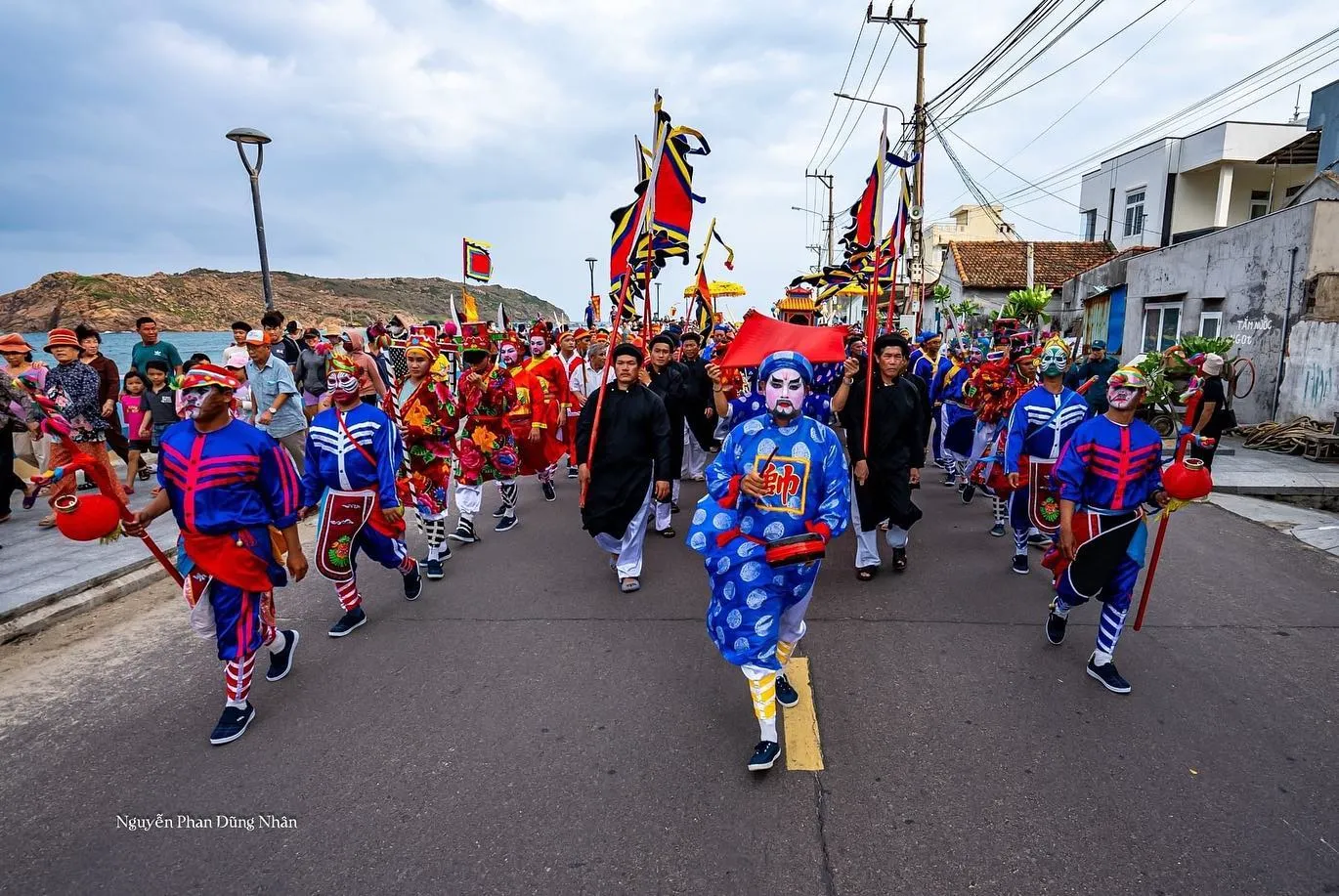
Along the coastal strip of Central and Southern Vietnam, where the lives of generations of people have been closely tied to the sea, there is a traditional festival deeply imbued with cultural identity and profound spiritual meaning - the Cau Ngu Festival. Not only is it an occasion for the fishing community to express their profound respect for the guardian deity of the sea - Cá Ông (Whale), but the Cau Ngu Festival is also a convergence of unique cultural values, community solidarity, and the aspiration for a peaceful and bountiful fishing season.
Recognized as a National Intangible Cultural Heritage in many localities, the Cau Ngu Festival today is not only the pride of fishermen but also an attractive destination, drawing tourists who want to learn about and experience the depth of Vietnamese culture. Let's join MLifeOn to explore the journey back to the sea, learn about the sacred origins, solemn rituals, and the bustling atmosphere of this unique festival.
Sacred Origins and the Legend of Cá Ông
The Cau Ngu Festival originates deeply from the belief in worshipping Cá Ông (or Ông Nam Hai, Ông Lớn, Ông Khơi...) of coastal residents. This belief was formed based on oral traditions and the practical experiences of fishermen through many generations.
According to the legend and belief of seafarers, Cá Ông is a sacred creature, the embodiment of a benevolent sea deity, often appearing to rescue unfortunate boats in distress on the open sea. The image of the large, gentle whale protecting and guiding boats to shore during strong winds and waves has been deeply ingrained in the minds of fishermen. They believe that Cá Ông is a messenger of the sea, sent by the deities to protect their precarious livelihoods.
Out of gratitude and reverence, when Cá Ông "lụy" (dies) and washes ashore, fishermen will hold a solemn funeral as if for their own relatives. The bones of Ông are preserved and worshipped at the Lăng Ông (Whale Temples) along the coast. And annually, the Cau Ngu Festival is held as a way to commemorate his merits, express profound respect, and pray for the protection and blessings of Cá Ông for the upcoming fishing trips.
The belief in worshipping Cá Ông is not just a simple spiritual cultural feature but also reflects the harmonious relationship and respect for nature, especially the sea, of the Vietnamese people. It is a testament to the deep bond between humans and the vast ocean.
Profound Meaning of the Cau Ngu Festival in the Lives of Fishermen
The Cau Ngu Festival carries many important layers of meaning, going beyond the scope of a usual religious ceremony:
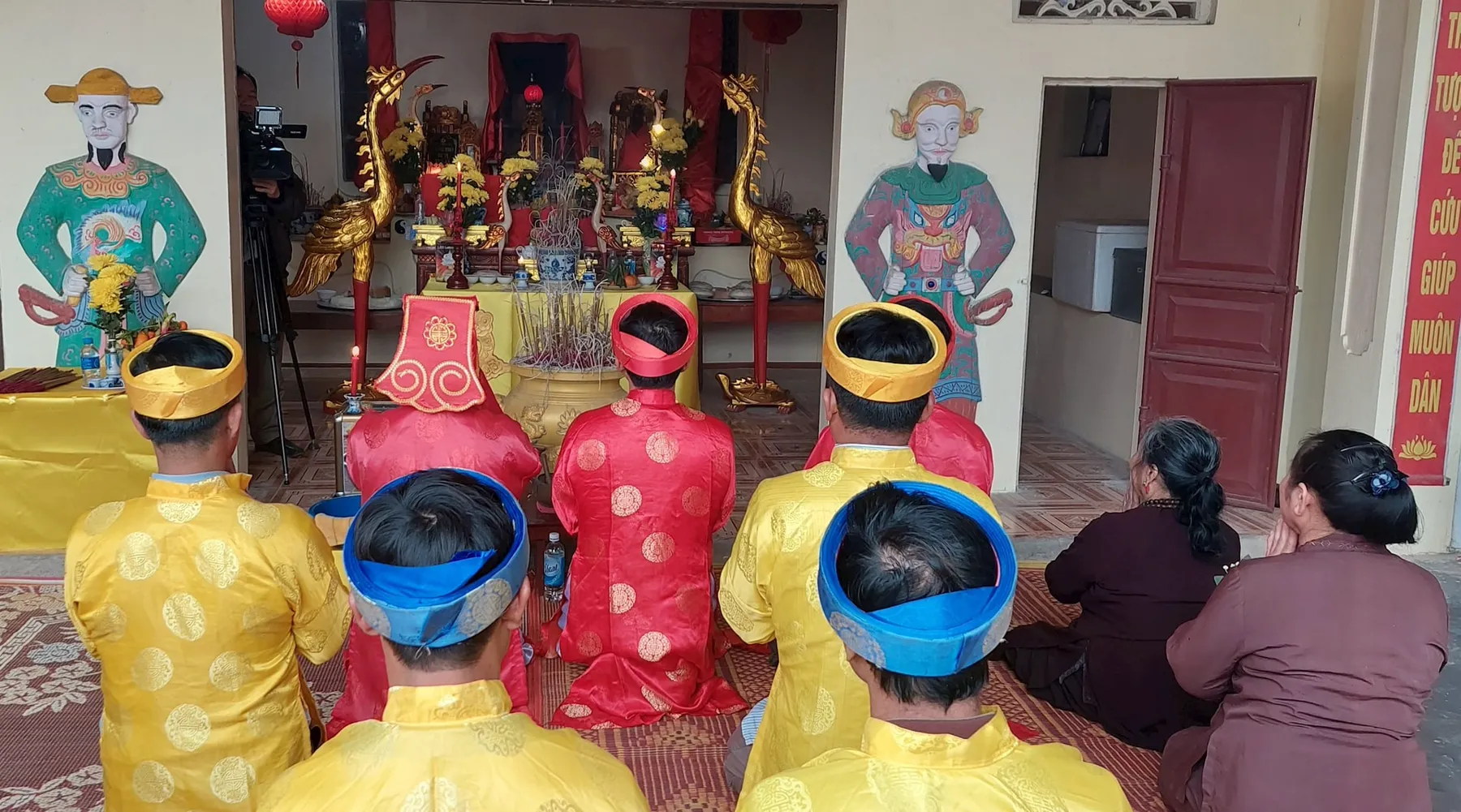
Spiritual meaning: This is the core and most important meaning. The festival is an occasion for fishermen to express deep gratitude to Cá Ông and the sea deities who have protected them and granted them resources from the sea. Through solemn rituals, they pray for a new year of favorable weather, calm seas, full catches, and safe and lucky fishing trips.
Community cohesion: The Cau Ngu Festival is a deeply communal activity. From preparing offerings, decorating temples and boats to participating in rituals and folk games, everyone in the fishing village contributes and shares in the joy. This is an opportunity to strengthen neighborly ties, consolidate solidarity, and mutual support in their difficult lives and livelihoods.
Preservation and promotion of cultural values: The festival is a vibrant space for the traditional cultural values of the fishing community to be reenacted and passed down. From ancient rituals, unique folk singing (Hò Bá Trạo) to folk games... all contribute to creating a distinct cultural identity of the coastal region, passed down from generation to generation.
Traditional education: Through the festival, the younger generation learns about the history and origins of the fishing village, about the belief in worshipping ancestors and deities, about gratitude towards the sea, and awareness of protecting the ecological environment.
Affirming sovereignty over islands and seas: The belief in worshipping Cá Ông and the Cau Ngu Festival, which has taken place along the coastal areas of Vietnam for generations, is also a living proof, a valuable source of information affirming the experience of interacting with the islands and seas and the sacred territorial sovereignty of the nation through generations.
Cau Ngu Festival - National Intangible Cultural Heritage
With its unique cultural and historical values, the Cau Ngu Festival has been recognized by the Ministry of Culture, Sports and Tourism as a National Intangible Cultural Heritage in many localities across the country. Some typical examples include:
- Da Nang: Cau Ngu Festival of Thanh Khe District (recognized in 2019).
- Binh Dinh: Cau Ngu Festival of Xuong Ly lagoon village, Quy Nhon City (recognized in late 2024, certificate reception ceremony in April 2025).
- Phu Yen: Cau Ngu Festival of Phu Yen province.
- Thanh Hoa: Cau Ngu Festival of Ngu Loc commune, Hau Loc district.
- Quang Nam: Cau Ngu Festival of Quang Nam province.
Being inscribed on the List of National Intangible Cultural Heritage is not only a recognition of the festival's value but also places responsibility on the community and local authorities to preserve, maintain, and promote this unique cultural beauty for future generations.
Exploring Unique and Solemn Rituals
The Cau Ngu Festival usually takes place over several days with a series of rituals performed solemnly, following the traditional order. Although there may be slight differences between localities, the festival generally includes the following main rituals:
Lễ Rước Sắc (Procession of the Royal Decree) and Lễ Nghinh Ông (Welcoming Ông): Bringing the Deities to the Festival
- Lễ Rước Sắc: Usually takes place on the morning of the first day. Reputable elders in the village will perform the Thỉnh Sắc ritual at the Nhà Tiền Hiền (temple dedicated to the village's founders) or the communal house, offering incense and praying, and inviting the royal decree and title bestowed by the King upon Cá Ông to the Lăng Ông. The procession of the Royal Decree is solemn with flags, palanquins, ceremonial music, and the participation of a large number of villagers.
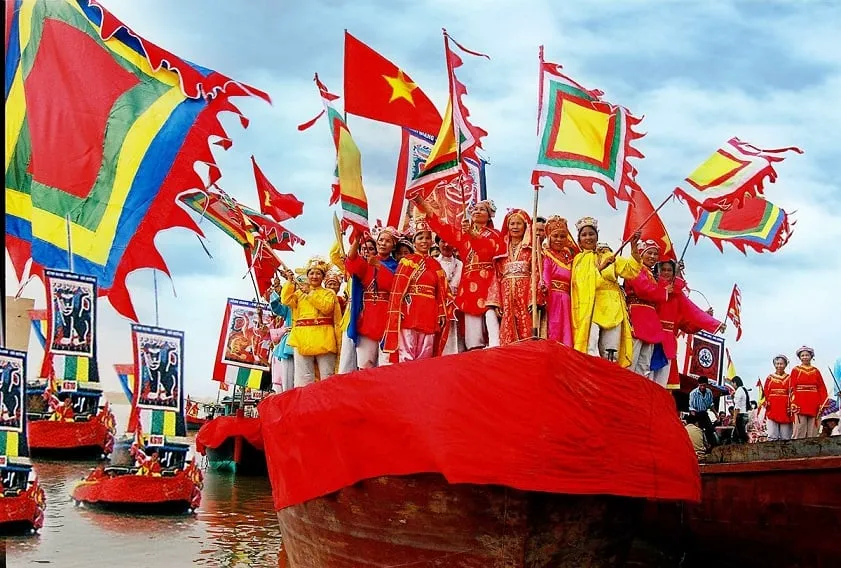
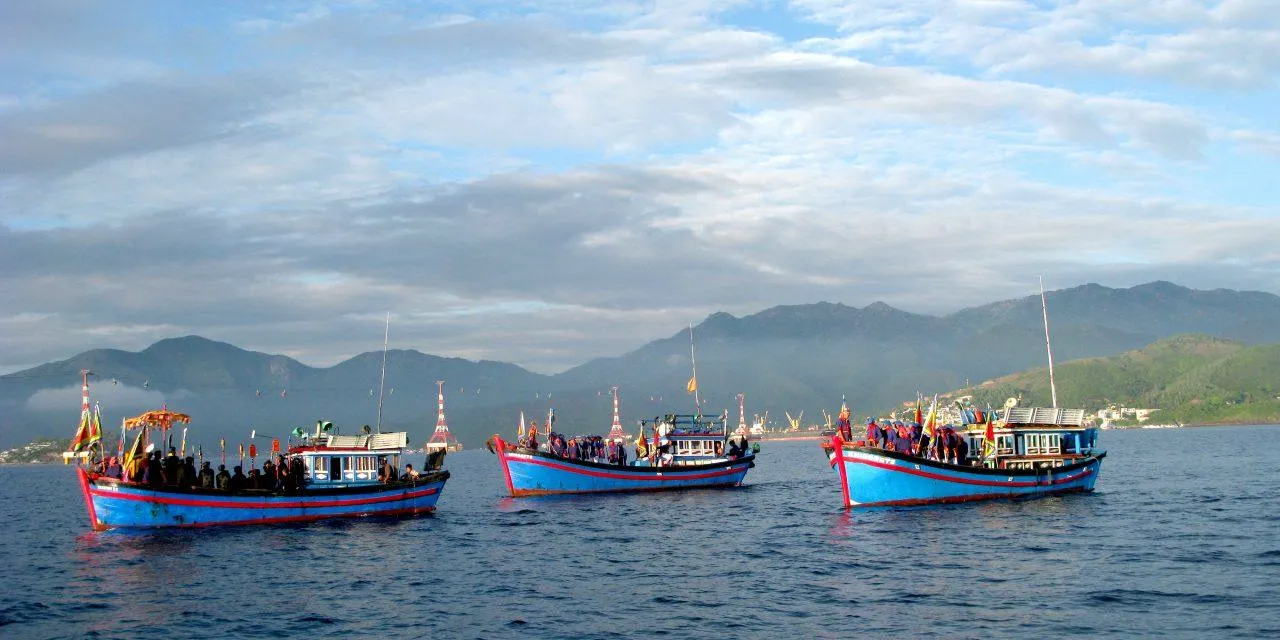
- Lễ Nghinh Ông (Welcoming Ông Sanh): An important ritual to welcome the soul of Ông Nam Hai from the sea back to the temple before the main ceremony. The ritual is usually held at high tide (early morning). A đoàn thuyền (flotilla of boats) beautifully decorated will set out to sea amidst the sound of drums and gongs. When the flotilla returns to the shore, the soul of Ông will be welcomed into the Lăng in a solemn and joyful atmosphere of the villagers.
Caption: The solemn Nghinh Ông ritual at sea.
Lễ Tế Chánh (Main Sacrifice) and Lễ Tỉnh Sanh (Living Sacrifice): Main Worship Rituals
- Lễ Tế Chánh (Main Ceremony): This is the most important ritual, taking place at the Lăng Ông. The Chánh tế (master of ceremonies) will read a prayer expressing gratitude for the merits of Cá Ông, praying for the deities to bless the villagers with a peaceful and bountiful new fishing season. The offerings are usually very rich, showing the profound respect of the fishermen.
- Lễ Tỉnh Sanh (Living Sacrifice): A unique ritual, often taking place concurrently with Lễ Nghinh Ông. This is a ritual to worship natural deities and the earth god. The special feature is that the sacrifice is usually a whole live pig (tam sanh). This ritual expresses the harmony between humans and nature. In some places, the Lễ Tỉnh Sanh also includes the beautiful and solemn Lục cúng hoa đăng (six offerings with flower lanterns) dance.
Hò Bá Trạo: The "Soul" of the Festival
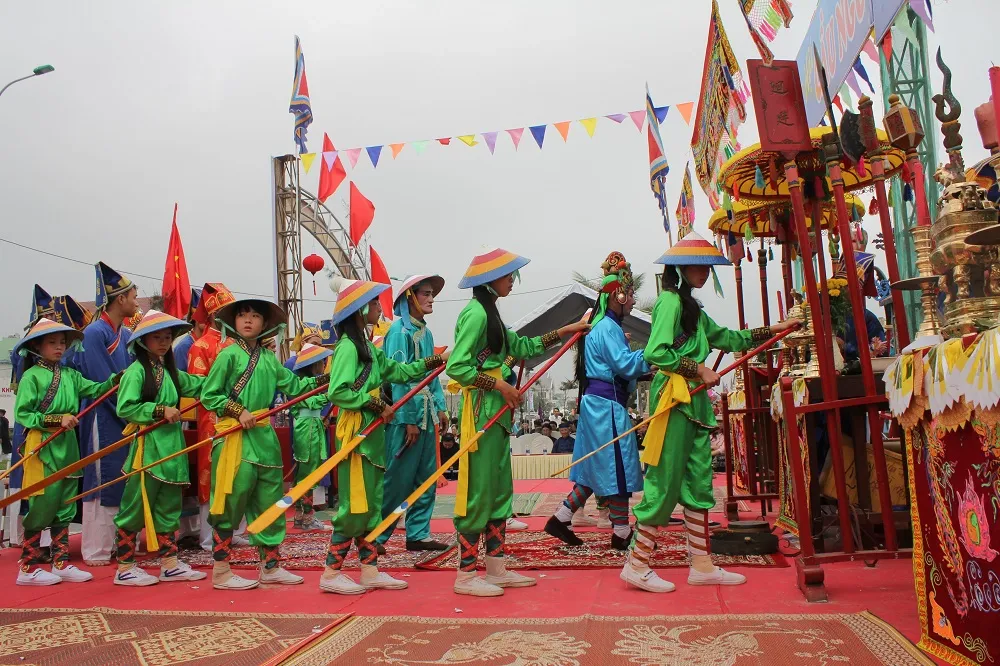
This is considered the most special and artistic part of the Cau Ngu Festival. Hò Bá Trạo is a comprehensive folk performance including singing, chanting, and dancing, reenacting the labor life of fishermen at sea: from preparing to set sail, facing waves and wind, to casting nets, pulling nets, and the joy of a bountiful catch.
The Hò Bá Trạo performance group usually consists of a Tổng Mũi (or Tổng Lái, Tổng Khậu) who is the leader, a Tổng Thương (or Tổng Khoang) who is in charge of logistics, and about 12-16 con trạo (oarsmen). The lyrics and melodies are sometimes heroic, sometimes melancholic, combined with dance movements simulating rowing, overcoming waves, pulling nets... creating a captivating performance that expresses the optimistic spirit, love for labor, and the attachment to the sea of the fishermen. The content of the songs also carries humanitarian meaning, praying for the souls of those who unfortunately perished at sea.
Other rituals:
In addition to the main rituals above, the Cau Ngu Festival may also include other rituals such as:
- Lễ Yết Cáo (Opening Ceremony): Announcing and asking for permission from the deities for the festival to begin.
- Lễ Tế Tiền Hiền, Hậu Hiền: Commemorating the merits of the ancestors who founded the village and built their livelihoods.
- Thứ Lễ and Tôn Vương: Supplementary rituals and honoring other deities.
- Lễ Tống Na (Tống Ôn, Tống Khách): The final ritual, meaning sending away the misfortunes and bad luck of the old year and welcoming a good new year. There is often a custom of releasing paper boats or banana rafts carrying offerings out to sea.
Space and Time of the Cau Ngu Festival
The Cau Ngu Festival is a characteristic cultural feature of the coastal provinces in Central Vietnam and some provinces in the South. Each locality may have its own characteristics in the way it is organized and the time it takes place:
- Thua Thien Hue: The most prominent is the Cau Ngu Festival of Thai Duong village (Thuan An ward, Hue City), held every three years on the 12th day of the 1st lunar month, considered the largest and oldest Cau Ngu festival in Hue.
- Da Nang: The Cau Ngu Festival of Thanh Khe District usually takes place from the 14th to 16th day of the 1st lunar month at Mieu Thuyen (Boat Temple) or Ha Khe beach park. The Cau Ngu Festivals in other fishing villages such as Nam O, Man Thai... are also very special.
- Quang Nam: Takes place in many coastal fishing villages such as Tam Thanh (Tam Ky), Duy Hai (Duy Xuyen)...
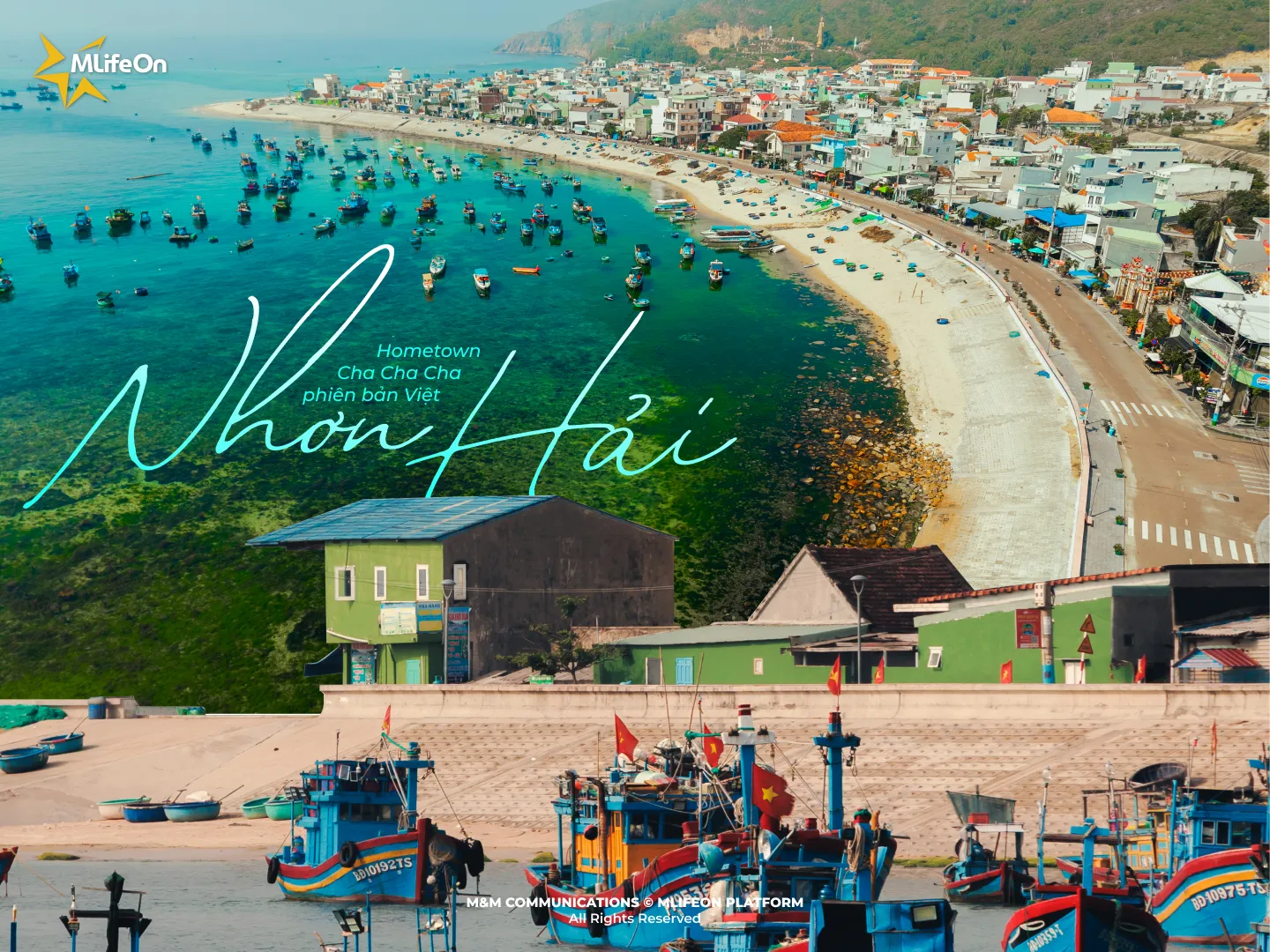
- Binh Dinh: The Cau Ngu Festival of Xuong Ly lagoon village (Nhon Ly, Quy Nhon) has just been recognized as a national heritage. Other fishing villages such as Nhon Hai, Ghenh Rang... also have this festival.
- Phu Yen: The Cau Ngu Festival is held in many coastal localities.
- Khanh Hoa: The Cau Ngu Festival is an indispensable part of the cultural life of fishermen in Nha Trang and surrounding areas, usually taking place in the spring.
- Binh Thuan: The Cau Ngu Festival is combined with the Dinh Thay Thim festival (La Gi) or takes place in fishing villages in Phan Thiet, Mui Ne.
- Thanh Hoa: The Cau Ngu Festival of Ngu Loc commune (Hau Loc) is usually held in the 2nd lunar month.
- Nghe An: The Cau Ngu Festival of Ngoc Bich commune (Dien Chau) also usually takes place in the spring.
The time for organizing the Cau Ngu Festival usually falls in the spring (from the 1st to the 3rd lunar month), after the Lunar New Year. This is the time when fishermen prepare for a new fishing season, and also when the sea weather is usually more favorable. However, the specific date may vary depending on the customs of each fishing village.
Vibrant Festival Part: Community Connection
Besides the solemn rituals, the festival part of the Cau Ngu Festival is also extremely lively and attractive, attracting a large number of locals and tourists:
- Folk games: Games that demonstrate the strength, skill, and teamwork of fishermen such as boat racing, basket boat shaking, tug-of-war, blindfolded duck catching, sack jumping, net weaving... create a joyful and exciting atmosphere.
- Art performances: Performances of classical opera (hát bội), lion and dragon dance, traditional music... enrich the spiritual and cultural life.
- Market fair: Stalls selling local specialties, fresh seafood, souvenirs...
- Exhibitions: Some festivals also combine displaying models and images about the lives of fishermen, and the sovereignty over the Hoang Sa - Truong Sa islands.
The festival part is not only entertaining but also a glue that connects the community, providing opportunities for exchange, learning, and strengthening solidarity among members of the fishing village.
Experiencing the Cau Ngu Festival Through the Lens of MLifeOn
Attending the Cau Ngu Festival, from the perspective of MLifeOn – aiming for deep experiences and cultural respect – is not just about watching an event. It is an opportunity to:
Witness living faith: Observe the profound respect of fishermen in each ritual, feel their strong belief in the protection of the sea and deities. It is an experience of authentic and deep spiritual life.
Immerse yourself in the community atmosphere: Feel the warmth, closeness, and solidarity of the fishing villagers as they prepare and participate in the festival together. This is an opportunity to better understand the strength of the community in preserving identity.
Listen to the stories of the sea: Through the Hò Bá Trạo songs, the rituals, you feel as if you are listening to the children of the sea themselves tell about their difficult but also proud and optimistic labor life, about the sacred connection between humans and the vast ocean.
Appreciate heritage values: Understand the importance of preserving traditional festivals like the Cau Ngu Festival – not just preserving rituals but also protecting a part of the nation's cultural soul, a way of life, a unique worldview.
Conclusion
The Cau Ngu Festival is not just a simple harvest festival. It is a vivid picture reflecting the religious, cultural, and social life of the coastal fishing community in Vietnam. With its solemn rituals, sacred legends about Cá Ông, unique Hò Bá Trạo singing, and warm community atmosphere, the festival is a precious heritage, a unique cultural highlight that needs to be cherished, preserved, and promoted.
If you have the opportunity to visit the coastal provinces of Central or Southern Vietnam in the spring, do not miss the chance to attend the Cau Ngu Festival to have authentic and deep experiences about one of the most unique sea cultural beauties of Vietnam.
Have you ever attended the Cau Ngu Festival anywhere? Share your feelings and experiences about this special festival in the comments section below!