The Australian Outback holds a mystique unlike any other landscape on Earth, a vast canvas of ochre earth, ancient rock formations, and skies that stretch into infinity. For the culturally curious traveler seeking profound connection and unparalleled natural beauty, South Australia’s Flinders Ranges offers an expedition into the very soul of this ancient continent. This is not merely a destination; it is an immersive journey into geological time and enduring Indigenous heritage, demanding a mindful approach to truly unlock its wonders.
At MLifeOn, we believe that true travel is about more than just seeing; it's about experiencing, understanding, and connecting with the essence of a place. Our exploration of the Flinders Ranges and its iconic Wilpena Pound (Ikara) is guided by this philosophy, emphasizing best practices that ensure both an unforgettable adventure for you and respectful stewardship of this sacred land. From preparing your vehicle for remote journeys to understanding the deep cultural significance of every rock and ripple, we invite you to discover this spectacular region with intention and reverence.
South Australia Famous Locations for Traveller Best Practices: Flinders Ranges — A Journey into Ancient Earth and Enduring Culture
My first encounter with the Flinders Ranges was a revelation, a moment where the scale of time and nature truly humbled me. Having explored bustling cities and serene coastlines across the globe, the raw, untamed beauty of this South Australian landscape felt like stepping onto a different planet, or perhaps, stepping back to the dawn of time itself. It’s a place that whispers stories of creation, of resilience, and of a continuous connection between land and people that spans millennia.
This region, stretching hundreds of kilometers north of Adelaide, is not just a collection of picturesque views; it is a living museum. Its rugged peaks, dramatic gorges, and expansive plains are the result of geological processes spanning hundreds of millions of years, offering scientists and travelers alike an incredible window into Earth's past. For those of us drawn to authentic cultural stories and deep experiential travel, the Flinders Ranges promises an adventure that resonates long after the dust has settled from your tires.
Respecting Ancient Landscapes in the Outback
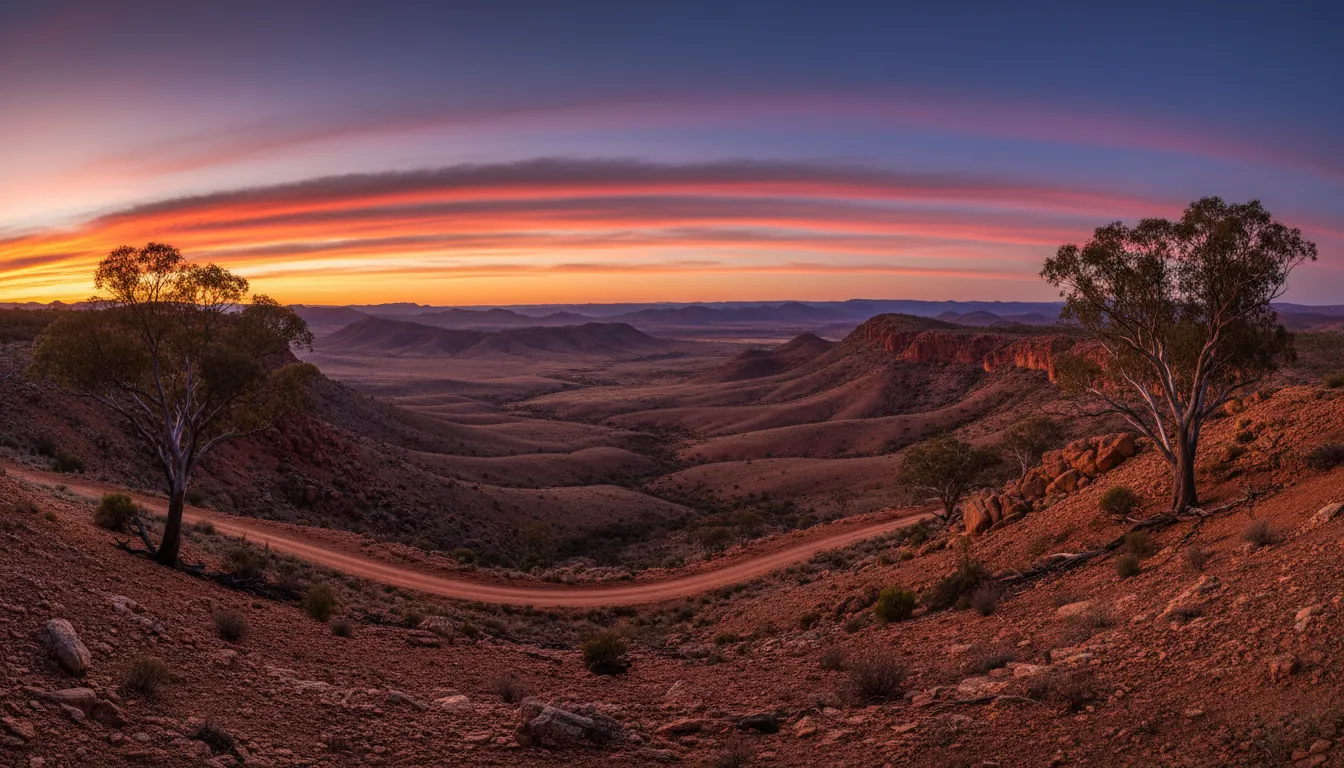
Venturing into the Flinders Ranges means entering one of the world's oldest landscapes, a place where the concept of 'ancient' feels palpable in the very air you breathe. The geological history here is staggering, with rocks dating back over 600 million years, telling a story of continental shifts, ancient oceans, and the slow, relentless power of erosion. This profound age imbues the land with an extraordinary sense of presence and spirituality.
My own travels have taught me that true respect for such places begins with understanding their history, both geological and cultural. It's about recognizing that every rock formation, every dry creek bed, and every hardy plant has witnessed epochs of change. This perspective transforms a simple drive or hike into a profound journey through time.
The silence of the Outback, broken only by the rustle of a breeze or the call of a bird, amplifies this sense of reverence. It encourages a slower pace, a deeper observation, and an awareness of your own small place within this vast, enduring ecosystem. This respect is not just for the environment, but also for the deep cultural significance the land holds for its Traditional Owners, the Adnyamathanha people, whose connection to this country spans tens of thousands of years.
Focal Point: Wilpena Pound (Ikara)
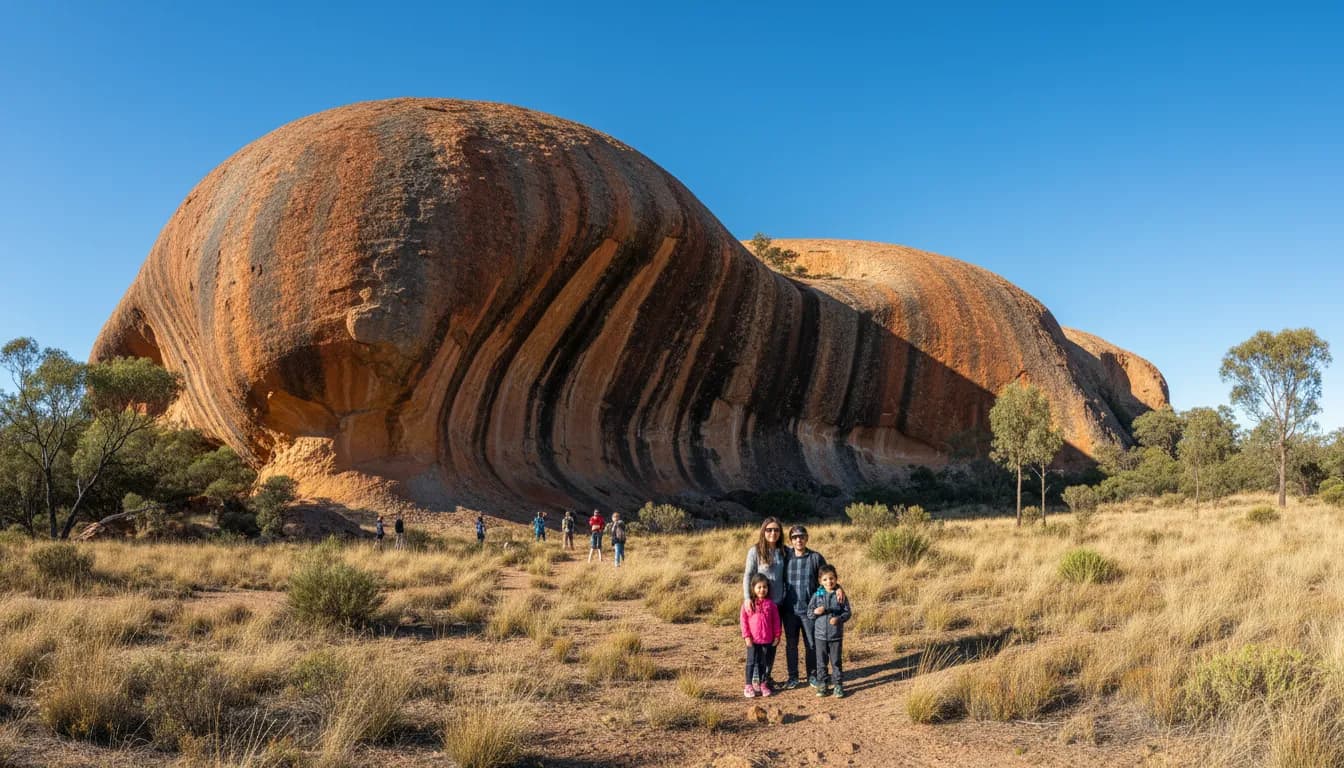
At the very heart of the Flinders Ranges lies Wilpena Pound, known to the Adnyamathanha people as Ikara, meaning 'meeting place.' This geological marvel is a vast, natural amphitheater, an enormous bowl-shaped formation that stretches approximately 17 kilometers long and 8 kilometers wide. Its majestic walls rise dramatically from the surrounding plains, creating an unmistakable landmark visible from great distances.
The formation of Wilpena Pound is a testament to immense geological forces, once thought to be a volcanic caldera, it is now understood to be an ancient syncline—a downfold in rock layers. Millions of years of erosion have peeled back the layers, leaving behind the resistant quartzite rim that forms its distinctive shape. Standing on its rim, gazing down into the expansive, vegetated floor, is an experience that truly redefines scale.
For me, the first time I saw Ikara from a distance, its walls shimmering in the heat haze, it felt like encountering a natural wonder of the world, a place of almost mythical proportions. It’s a place that demands exploration, inviting you to delve into its depths and climb its heights, all while respecting its profound natural and cultural heritage. Ikara-Flinders Ranges National Park encompasses this incredible feature, protecting its unique biodiversity and cultural sites.
Best Practices for Hiking the Pound Floor and Rim
Hiking in and around Wilpena Pound offers some of the most rewarding experiences in the Flinders Ranges, but it requires careful preparation and adherence to best practices for safety and environmental protection. The Outback environment can be harsh and unforgiving, and understanding its demands is crucial for an enjoyable and safe adventure.
Preparation is Paramount: Before even lacing up your boots, ensure you have sufficient water – at least 3-4 liters per person for a half-day hike, more for full-day excursions. The dry heat can be deceptive, leading to rapid dehydration. Essential gear also includes a wide-brimmed hat, sunglasses, high-SPF sunscreen, and sturdy, broken-in hiking boots. I always pack a small first-aid kit, a map, compass or GPS device, and plenty of high-energy snacks.
Safety First: Always inform someone of your hiking plans, including your intended route and estimated return time. Mobile phone reception is very limited within the Pound and surrounding areas, so do not rely on it for communication. Stick to marked trails, as venturing off-path can lead to getting lost or damaging fragile ecosystems. Be aware of the weather forecast; temperatures can soar, and flash floods can occur after heavy rains, even if the skies are clear overhead.
Navigating the Trails: Several trails cater to different fitness levels. For a relatively easy introduction to the Pound, the Wangara Lookout Walk offers stunning views of the Pound’s interior and a glimpse into its history, taking you to a cultural site at the base of the rim. For a more challenging trek, the Wilpena Pound Lookout Walk provides panoramic views of the entire Pound and the surrounding ranges from a higher vantage point.
The ultimate challenge is the ascent of St Mary Peak (Ngarri Mudlanha), the highest point in the Flinders Ranges. However, it's crucial to understand its cultural significance. The Adnyamathanha people request that visitors do not climb the final section to the summit, out of respect for its sacred status. There is a designated lookout below the summit that offers spectacular views while honoring this request. From personal experience, reaching this lookout point just before sunrise, watching the ancient landscape awaken with color, is an utterly profound and deeply moving experience that needs no further ascent.
Environmental Impact: The principle of 'Leave No Trace' is fundamental here. Carry out everything you carry in, including all rubbish. Stay on designated paths to prevent erosion and protect delicate flora and fauna. Do not disturb wildlife or remove any natural materials such as rocks or plants. This ancient landscape has endured for millennia; it is our responsibility to ensure its preservation for generations to come.
Cultural Sensitivity and Adnyamathanha Heritage
The Flinders Ranges, particularly Wilpena Pound (Ikara), is the ancestral land of the Adnyamathanha people, whose connection to this country spans over 60,000 years. Their culture, stories, and traditions are deeply intertwined with every aspect of this landscape. To truly experience the region, it is imperative to approach it with profound cultural sensitivity and respect for their enduring heritage.
Acknowledging Traditional Owners: Before you begin your journey, take a moment to acknowledge the Adnyamathanha people as the Traditional Owners of the Ikara-Flinders Ranges National Park. This simple act of recognition is a powerful demonstration of respect. Understanding that you are a guest on their land transforms your perspective and deepens your appreciation.
Respecting Sacred Sites: The Adnyamathanha people have numerous sacred sites throughout the region, some of which are restricted for cultural reasons. These sites hold immense spiritual significance and are integral to their ongoing cultural practices. Always adhere to signage regarding restricted areas and respect any requests from the Traditional Owners regarding access or behavior. My own travels have shown me that the most profound cultural insights often come not from intrusion, but from respectful observation and genuine curiosity.
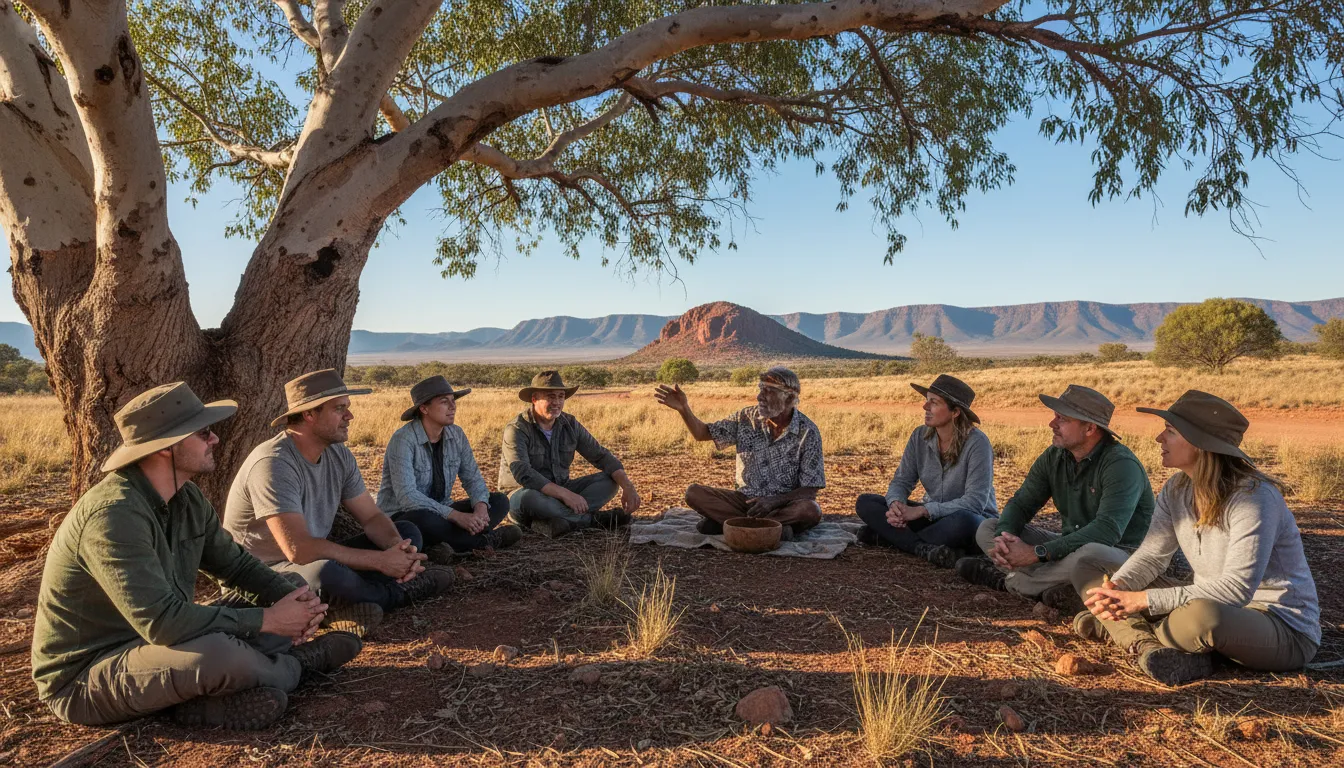
Learning Opportunities: The best way to engage respectfully with Adnyamathanha culture is to seek out opportunities to learn directly from them. The Wilpena Pound Resort offers excellent Aboriginal cultural tours led by Adnyamathanha guides. These tours provide invaluable insights into their Dreaming stories, bush tucker, traditional uses of plants, and the deep spiritual connection they share with the land. Participating in such a tour was a highlight of my visit, offering stories that brought the landscape to life in a way no guidebook ever could.
Listening to an Adnyamathanha elder share stories of their ancestors, explaining how the landscape itself holds their history, provides an unparalleled understanding of place. It moves beyond superficial tourism to a genuine cultural exchange, enriching your travel experience immensely. It underscores MLifeOn's commitment to 'More Discovery, More Experience' by fostering meaningful connections.
Vehicle Preparation for Remote South Australia
Venturing into remote areas of South Australia, particularly the Flinders Ranges, demands meticulous vehicle preparation. This isn't just about comfort; it's about safety and ensuring you can navigate the unique challenges of the Outback. A breakdown in a remote area can quickly turn a memorable adventure into a serious predicament.
Choosing the Right Vehicle: While many main roads within the Flinders Ranges are accessible by 2WD vehicles, a 4WD vehicle is highly recommended if you plan to explore beyond the sealed roads or venture onto unsealed tracks. Many of the most scenic gorges, hidden campsites, and cattle stations are only reachable via rugged tracks that require higher clearance and the capability of a 4WD. If you don't own one, consider renting a fully equipped 4WD from Adelaide.
Pre-Trip Maintenance Check: Before you leave, have your vehicle thoroughly serviced. Check tire pressure, including your spare(s), and ensure they are in good condition. Inspect all fluid levels (oil, coolant, brake fluid), belts, hoses, and lights. A well-maintained vehicle is your best defense against unexpected issues in remote areas.
Essential Spares and Tools: Always carry at least one, preferably two, spare tires, especially if you're on unsealed roads where punctures are common. A tire repair kit, a jack, a lug wrench, and a portable air compressor are indispensable. Beyond tires, carry basic tools like a multi-tool, duct tape, zip ties, and a jumper cable kit. Knowing how to perform basic repairs, like changing a tire, is a vital skill for Outback travel. I once experienced a flat tire on a particularly isolated section, and being self-sufficient was not just convenient, it was a necessity.
Fuel and Water Planning: Fuel stations are scarce in the Outback. Plan your route carefully, noting the locations of fuel stops, and always refuel whenever possible, even if your tank isn't completely empty. Carrying an extra jerry can of fuel is a wise precaution for longer stretches between towns. More critically, carry ample drinking water – beyond what you think you'll need. In an emergency, water is your most important resource. For every person in your vehicle, I recommend carrying at least an additional 10-20 litres of emergency water.
Communication Devices: Mobile phone coverage is extremely limited or non-existent in many parts of the Flinders Ranges. Do not rely on your phone for emergencies. A satellite phone or a personal locator beacon (PLB) is an essential safety item for remote travel. These devices can literally be lifesavers, allowing you to call for help even without mobile signal.
Driving Techniques for Unsealed Roads: Outback roads, often corrugated or gravel, require different driving techniques. Reduce your speed on unsealed surfaces to maintain control and reduce the risk of punctures. Be aware of dust clouds from oncoming vehicles, which can severely reduce visibility. Always give way to road trains (long multi-trailer trucks) and livestock that may be on the road. Drive defensively and be prepared for unexpected obstacles.
Sustainable Camping in the National Park
Camping in Ikara-Flinders Ranges National Park is an unparalleled experience, offering starry nights, profound silence, and direct immersion in nature. To preserve this pristine environment for future generations and ensure a positive experience for all, practicing sustainable camping is crucial.
Booking and Regulations: Always book your campsites in advance, especially during peak seasons (cooler months from April to October). National Parks South Australia manages the bookings, and designated campgrounds help concentrate visitor impact, protecting sensitive areas. Familiarize yourself with the specific rules and regulations for your chosen campground, which often include restrictions on fires, generators, and pet access.
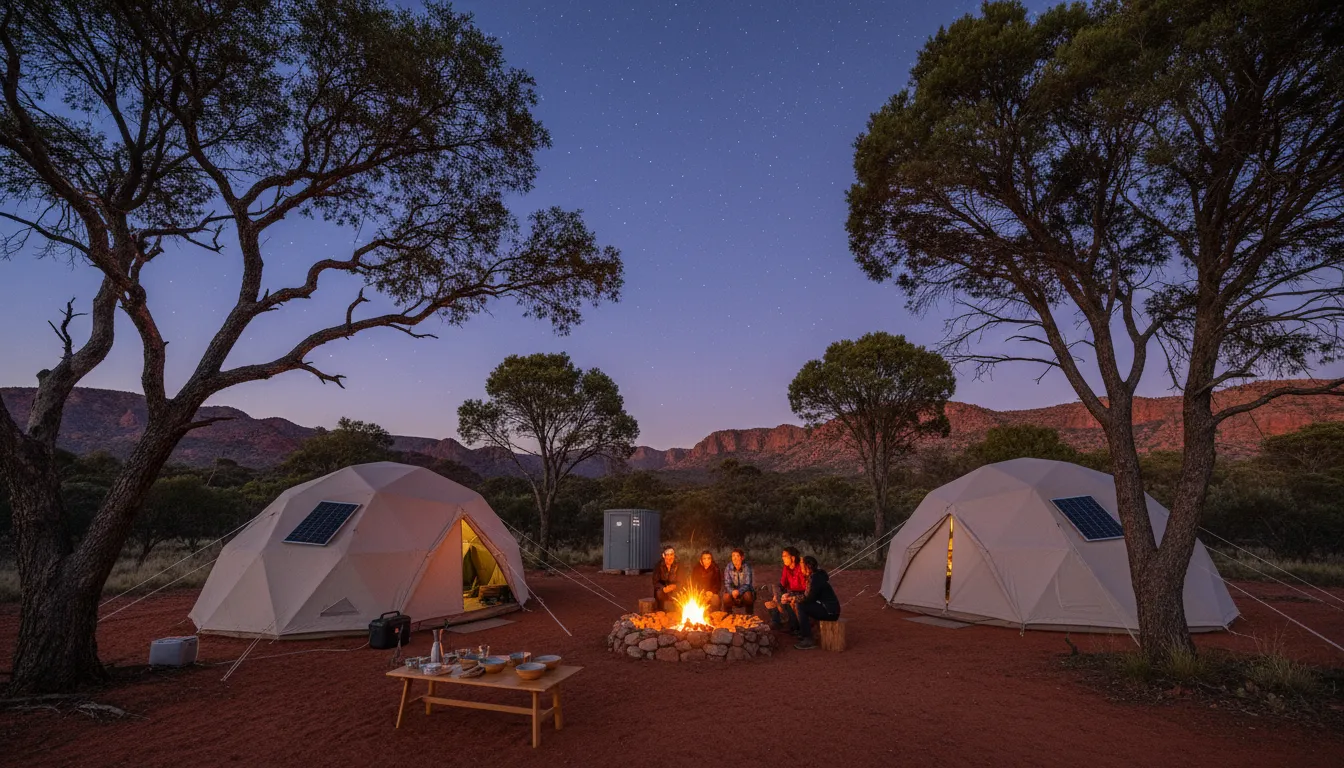
Campground Choices: The park offers a range of camping options, from well-appointed sites with facilities at Wilpena Pound Campground to more basic, secluded bush campsites. Wilpena Pound Campground provides amenities like hot showers, flushing toilets, and even a general store, making it a comfortable base. For those seeking a more rugged experience, bush campsites like those in Brachina Gorge or along the Moralana Scenic Drive offer minimal facilities but maximum serenity under the stars.
Waste Management: Pack It In, Pack It Out: This is perhaps the most fundamental principle of sustainable camping. Absolutely everything you bring into the park, including all food scraps, packaging, and even greywater, must be taken out with you. Leave your campsite cleaner than you found it. I always carry extra rubbish bags specifically for this purpose. There are no rubbish bins in many remote sections of the park, so be prepared to transport your waste until you reach appropriate disposal facilities.
Fire Restrictions and Safety: The Flinders Ranges are prone to bushfires, especially during the hotter months. Always check for current fire bans and restrictions before lighting any fires. If fires are permitted, only use designated fire pits and collect firewood from deadfall outside the national park. Never cut down live trees. Ensure your fire is completely extinguished with water before leaving it unattended or going to bed. Better yet, consider using a gas stove for cooking to minimize fire risk entirely.
Wildlife Interaction: The park is home to a diverse array of wildlife, including kangaroos, emus, reptiles, and numerous bird species. Observe animals from a distance and never, under any circumstances, feed them. Feeding wildlife can alter their natural behaviors, make them dependent on humans, and can be harmful to their health. Store all food securely in sealed containers to prevent attracting animals to your campsite. My most memorable wildlife encounter was watching a mob of kangaroos silhouetted against a full moon, a magical moment that reinforced the beauty of undisturbed nature.
Water Conservation: Water is a precious and scarce resource in the Outback. Use water sparingly for washing and cooking. Opt for biodegradable soaps if you must wash dishes or yourself, and dispose of greywater away from natural water sources. Every drop counts in this arid environment.
Minimizing Your Footprint: When moving around your campsite, stick to established paths and avoid trampling vegetation. Use existing fire rings and tent sites rather than creating new ones. By consciously minimizing your impact, you contribute to preserving the natural beauty and ecological integrity of Ikara-Flinders Ranges National Park for all who follow. This commitment to leaving no trace aligns perfectly with MLifeOn’s ethos of fostering deep, respectful connections with the places we visit.
Conclusion
The Flinders Ranges, with Wilpena Pound (Ikara) at its majestic core, represents a pinnacle of authentic Australian Outback experience. It is a destination that challenges, inspires, and ultimately, transforms. From the ancient geological grandeur that whispers tales of Earth's deep past to the profound cultural heritage of the Adnyamathanha people, every facet of this landscape invites a deeper understanding and a more intentional way of traveling.
By embracing best practices—meticulous preparation for remote travel, respectful engagement with Indigenous culture, and a steadfast commitment to sustainable camping—you unlock the true essence of this remarkable region. This isn't just about ticking off famous locations; it's about fostering a connection, about slowing down and truly listening to the stories the land has to tell.
At MLifeOn, we champion journeys that offer 'More Discovery, More Experience,' and the Flinders Ranges epitomizes this philosophy. It teaches us humility in the face of ancient landscapes, deepens our appreciation for enduring cultures, and reminds us of our responsibility to protect these irreplaceable treasures. As you journey into South Australia's ancient heart, may your adventure be filled with wonder, respect, and unforgettable connections that resonate for a lifetime.