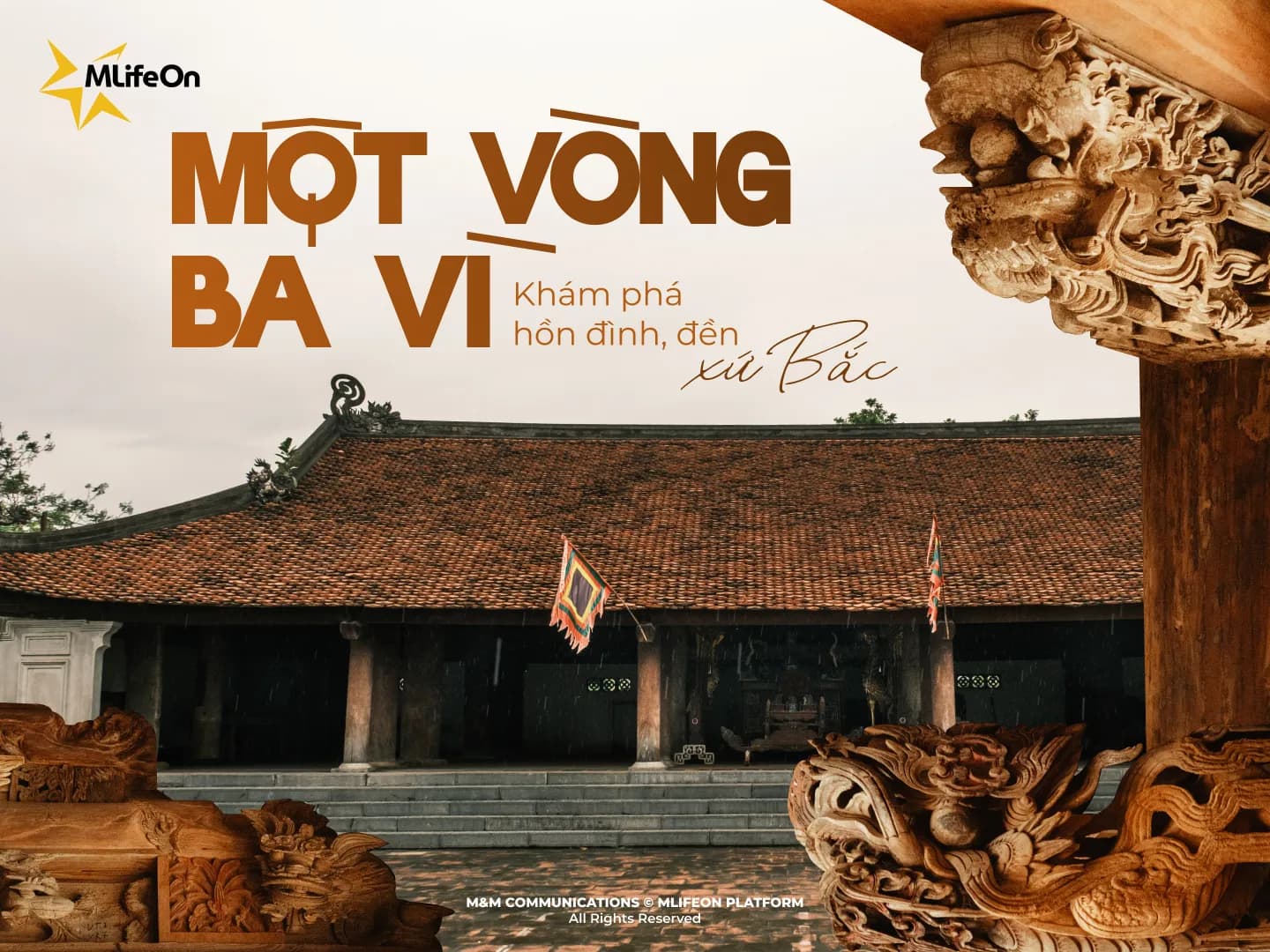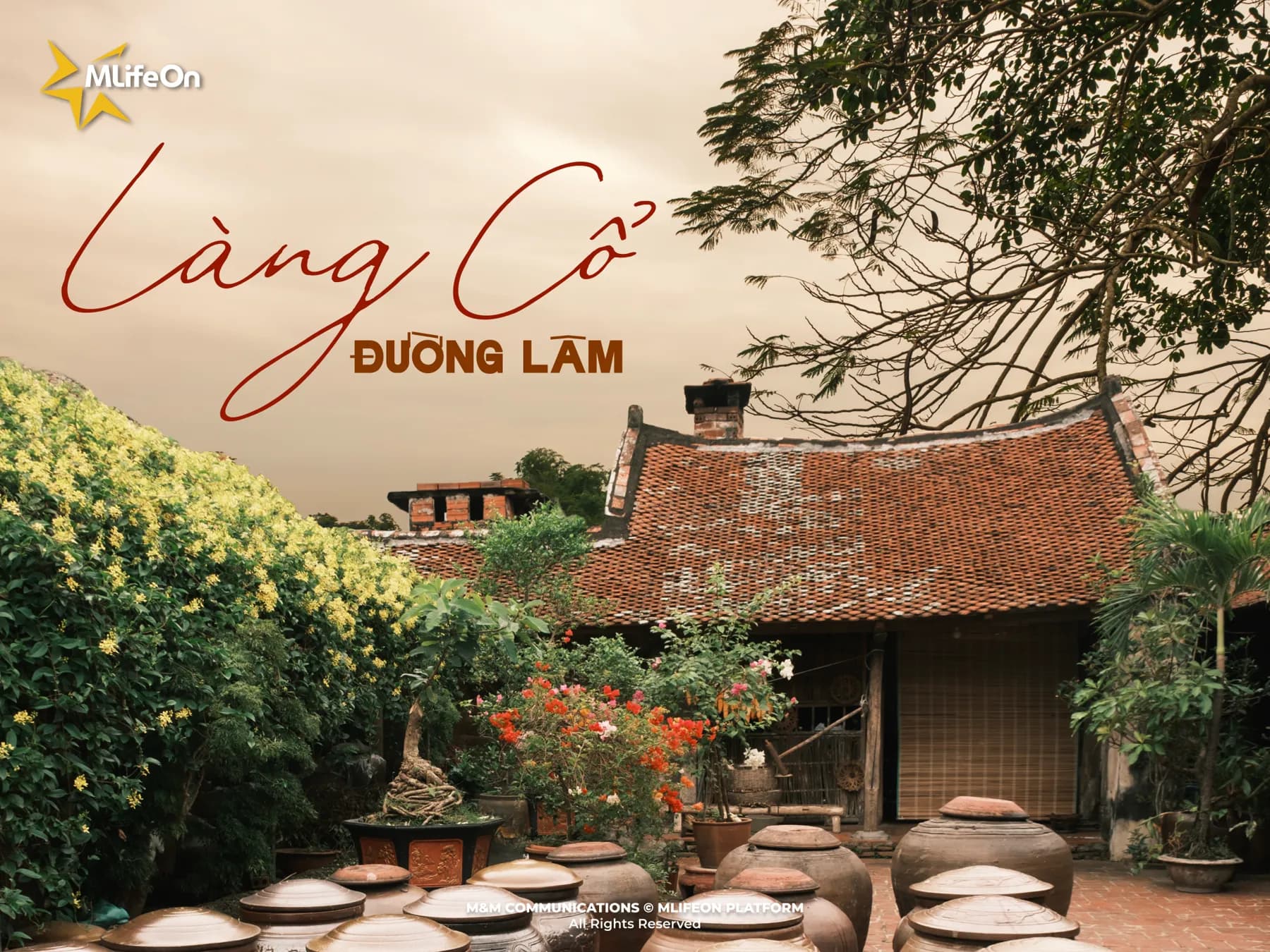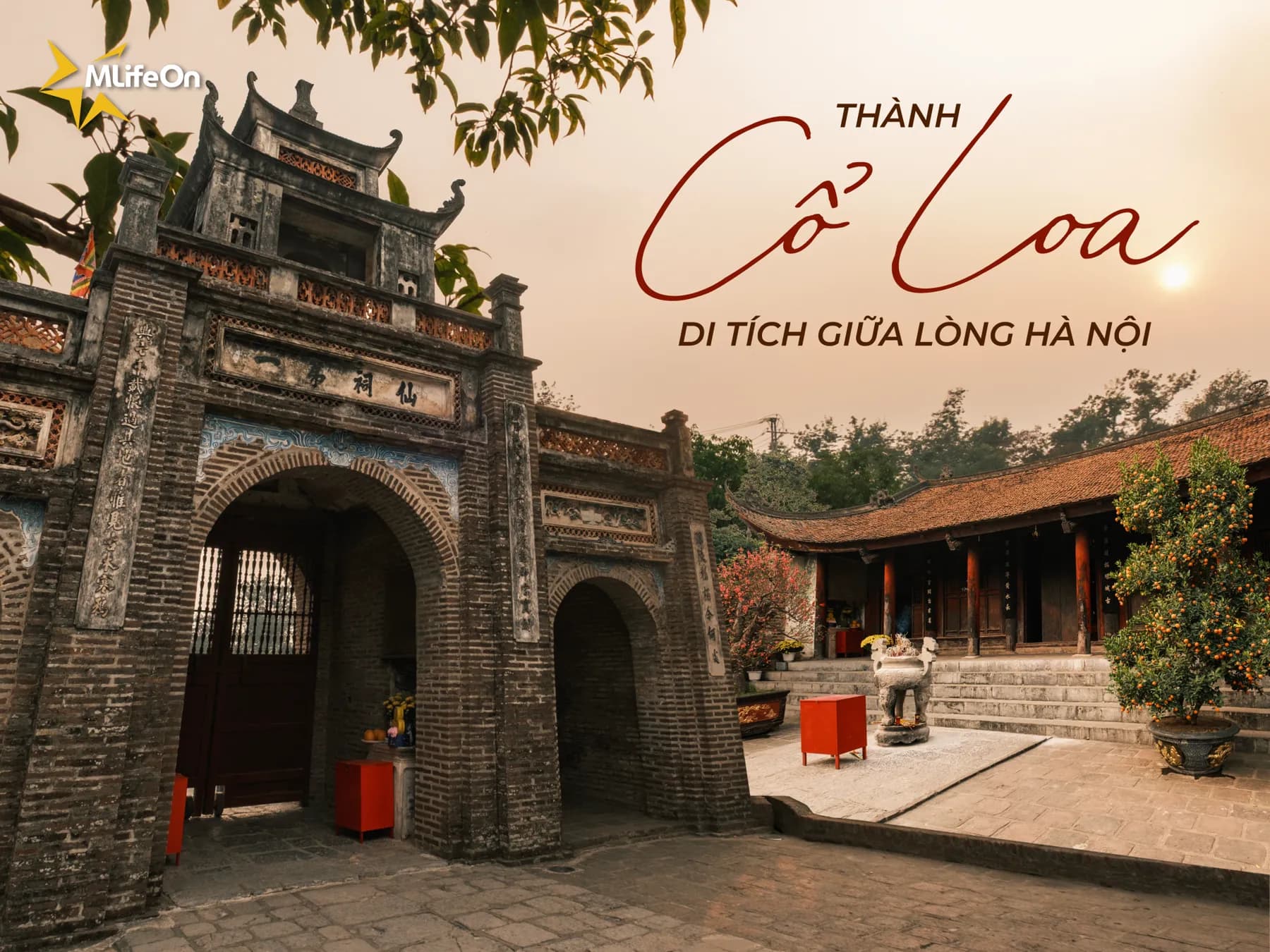
Since ancient times, the saying "As deserted as Ba Danh Pagoda" has evoked images of a quiet, secluded temple. But is this true, or is there another reason.
With that question in mind, I traveled to Ninh Binh, visiting Ba Danh Pagoda to explore this place that preserves the cultural, religious, and historical legacy of our ancestors, and to verify the truth of the saying that has been passed down through generations.
"As deserted as Ba Danh Pagoda"
The origin of emptiness
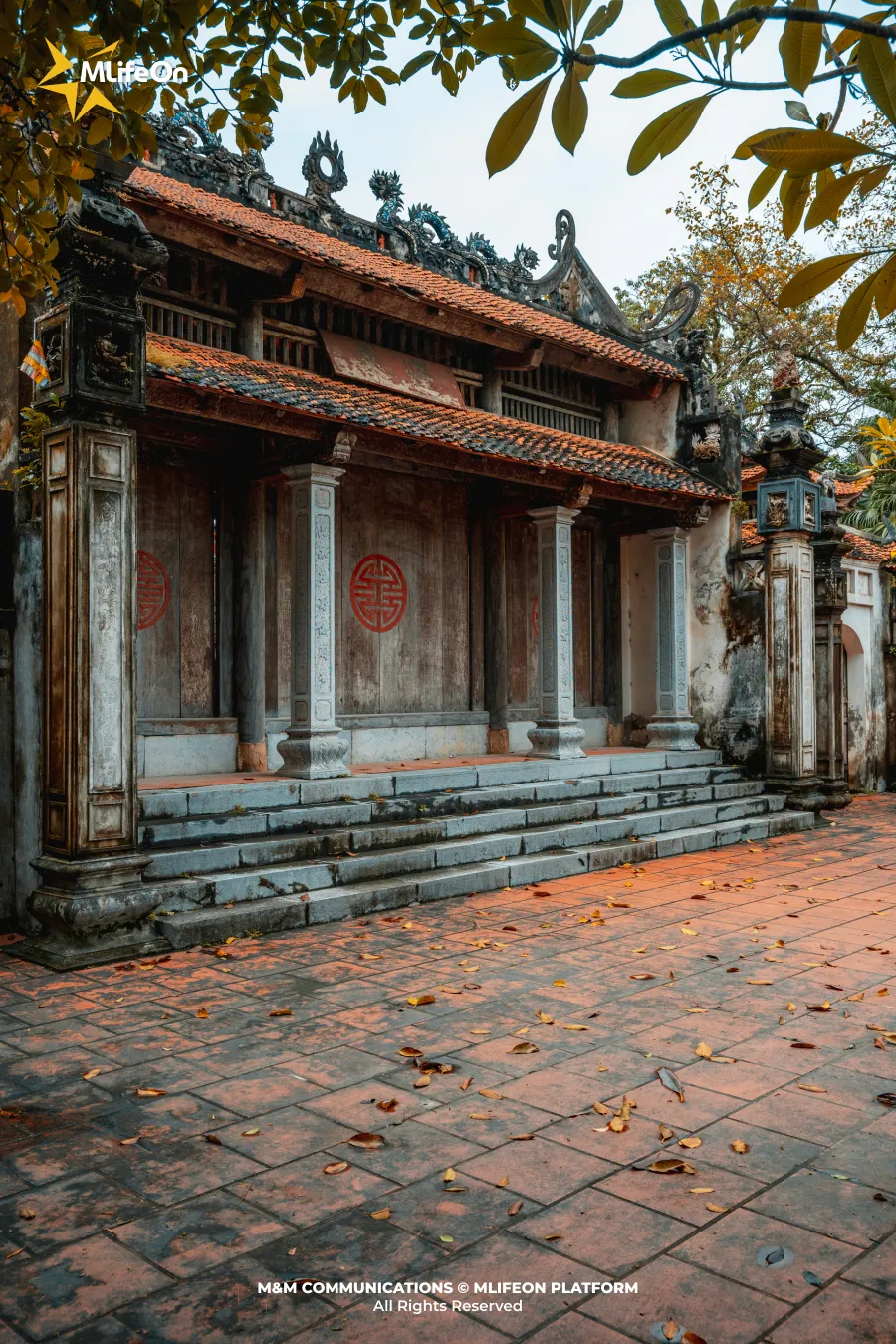
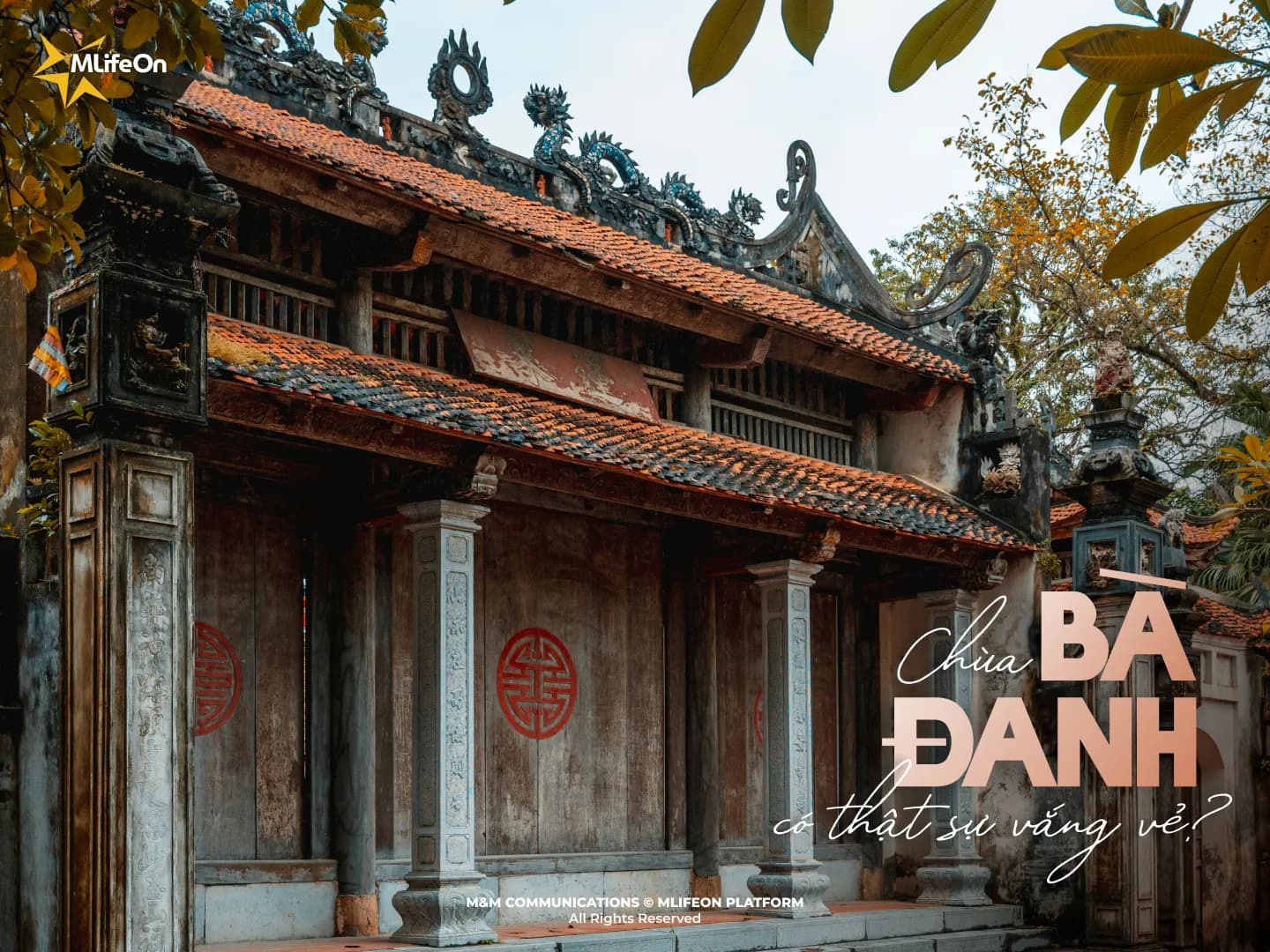
Ba Danh Pagoda, also known as Bao Son Tu, is situated beside the tranquil Day River in Kim Bang commune, Ninh Binh province (formerly part of Ha Nam province). The pagoda is surrounded by towering mountains and vast fields, creating a serene and mysterious atmosphere. The road to the pagoda used to be winding and isolated from residential areas, deterring visitors. This remoteness led to the familiar saying passed down through generations: "As deserted as Ba Danh Pagoda."
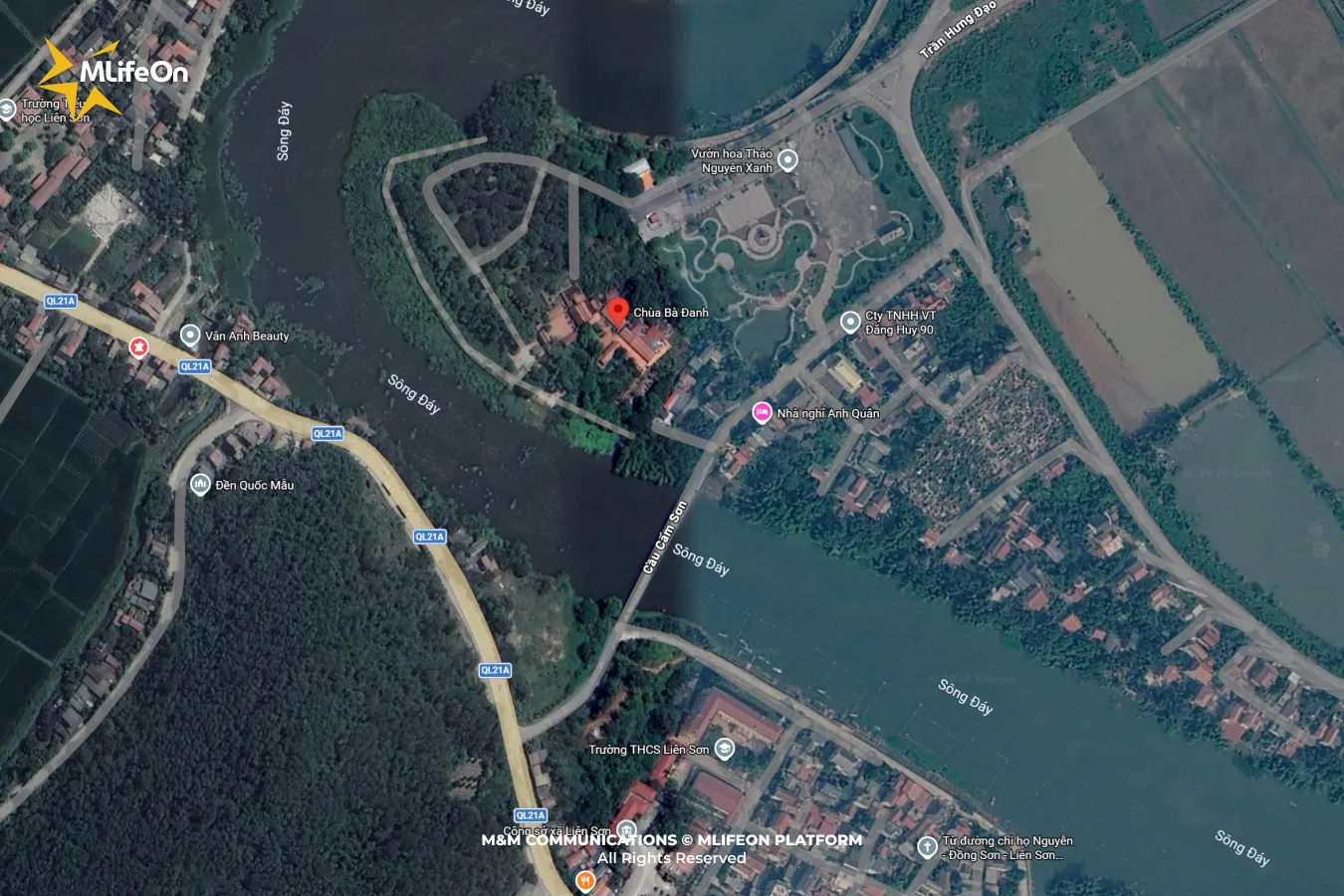
However, if you take the time to patiently explore, you'll find that beneath the solitude lies a unique beauty.
On my first visit to Ba Danh Pagoda, walking along the small path winding up the mountainside, I stopped many times just to feel the cool breeze, listen to the birds chirping in the trees… It seemed that every corner here exuded healing and peace, something rarely found elsewhere, especially in this era of increasing urbanization.
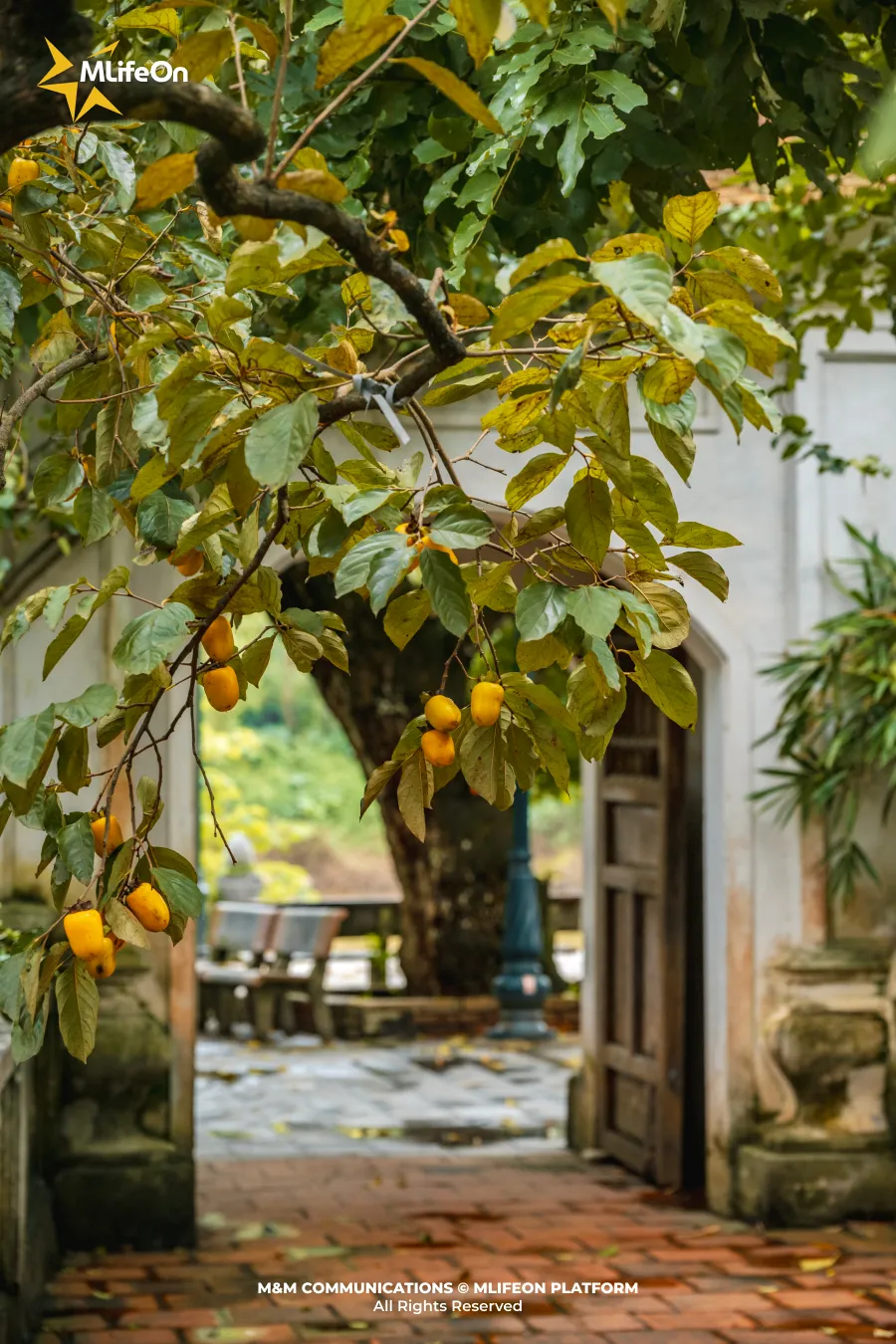
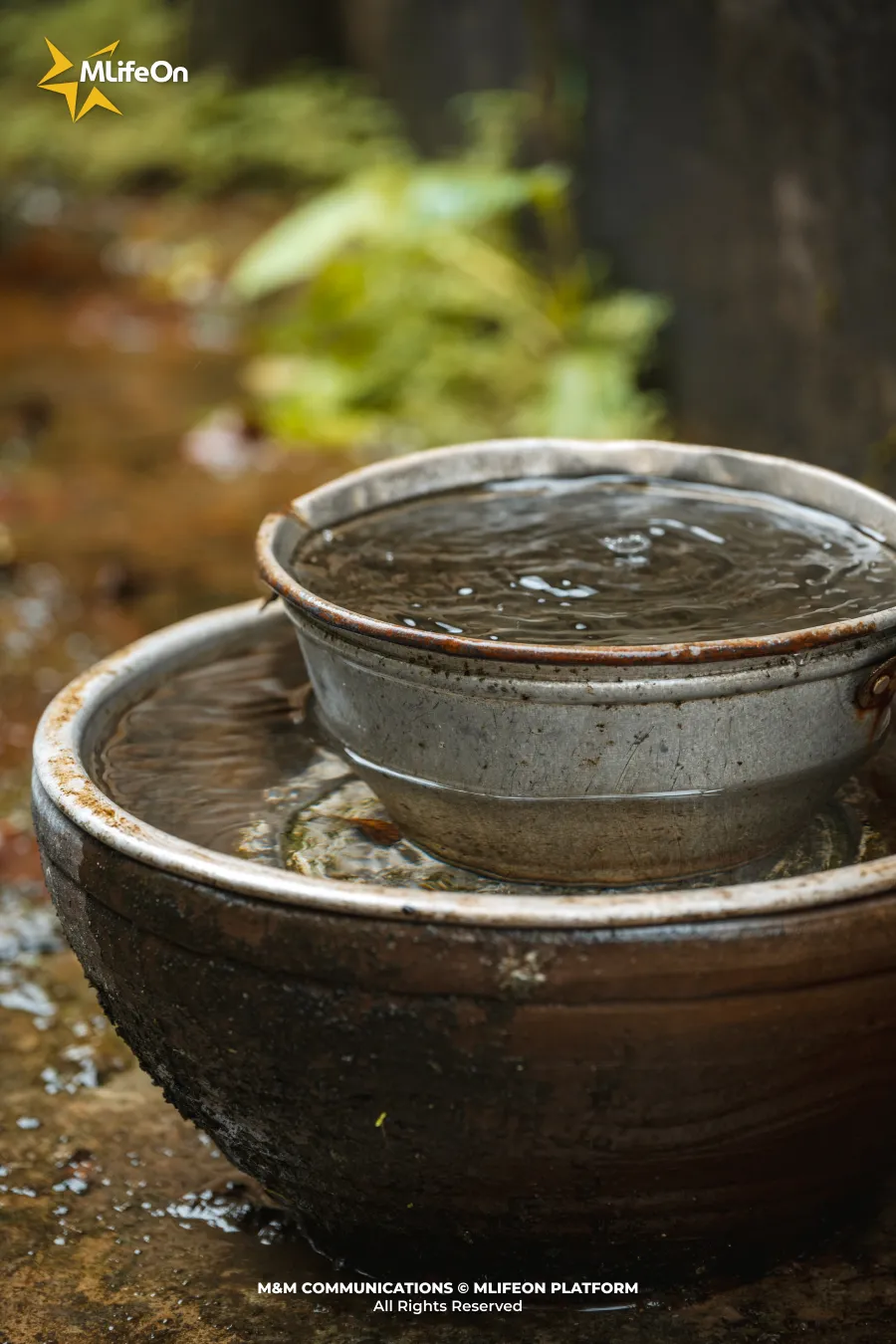
Each step seemed to take me away from the hustle and bustle of life, into a tranquil realm, where peace resided in every stone, every brick, and every moss-covered roof tile.
Perhaps it is this geographical isolation that has made Ba Danh Pagoda both secluded and sacred, a place where people can find peace amidst majestic nature.
Revisiting history
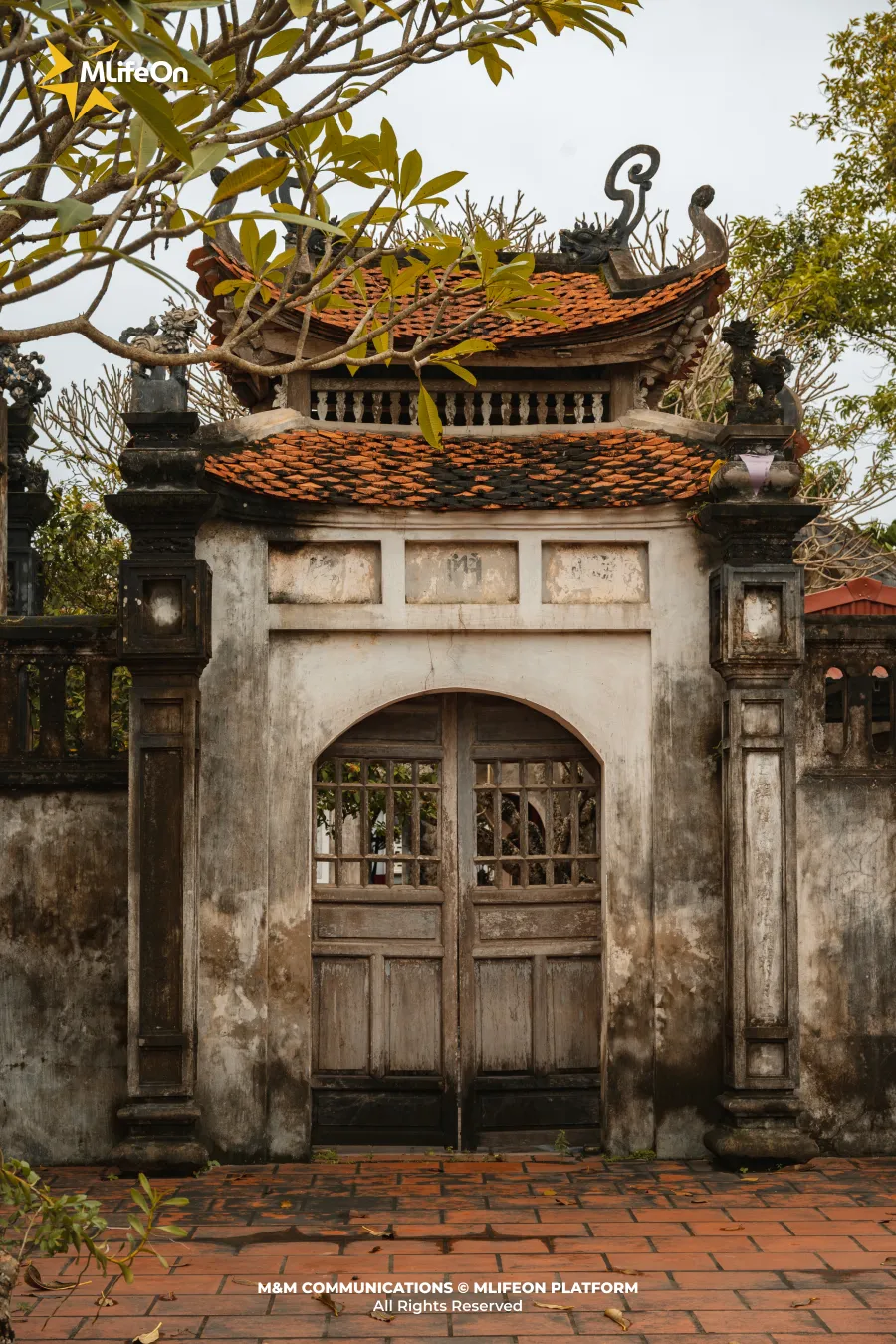
Built in the 17th century, Ba Danh Pagoda has over 300 years of history and development and is now a famous sacred place of worship in Ninh Binh province.
-
In its early days, the temple was small in scale. Initially, the locals called it the Lady of Danh Village Temple, later shortened to Lady Danh Temple. This simple name gradually became the official name of the temple, a distinctive feature and a part of the cultural memory of Ninh Binh (formerly Ha Nam province).
-
During the reign of King Le Thanh Tong, the temple was renovated and expanded, becoming more magnificent. From then on, it officially became an important spiritual center, a place where people came to entrust their faith and pray for peace and prosperity.
-
During the resistance against the French, Lady Danh Temple was not only a sacred place of worship but also a revolutionary base, a training ground and encampment for guerrillas and soldiers, contributing to the history of the nation's struggle for independence.
-
In 1994, Ba Danh Pagoda was recognized as a National Historical Monument by the Ministry of Culture and Information (now the Ministry of Culture, Sports and Tourism). This was a crucial milestone, affirming the pagoda's position within the Vietnamese cultural heritage system.
-
In 2007, the pagoda underwent upgrades and renovations, preserving its ancient and sacred beauty while also transforming it into an attractive spiritual tourism destination, drawing visitors from both within and outside the country.
Currently, this is a place of worship dedicated to the Four Palaces (including Pháp Vân, Pháp Vũ, Pháp Lôi, and Pháp Điện). In addition, the temple houses a system of statues of Amitabha Buddha, Avalokiteśvara Bodhisattva, Nam Tào, and Bắc Đẩu (familiar deities in Vietnamese folklore). The most special and attractive feature is the statue of Bà Chúa Đanh, a figure closely associated with local legends.
Despite the vicissitudes of history, Ba Danh Pagoda has retained its ancient appearance, becoming a witness to the enduring culture and beliefs of Ninh Binh province.
Walking through the temple grounds, I felt as if I were stepping into a living page of history. The majestic statues, the moss-covered stone steles, the ancient trees casting their shade-all seemed to conspire to tell the story of the unwavering faith of the Vietnamese people through generations.
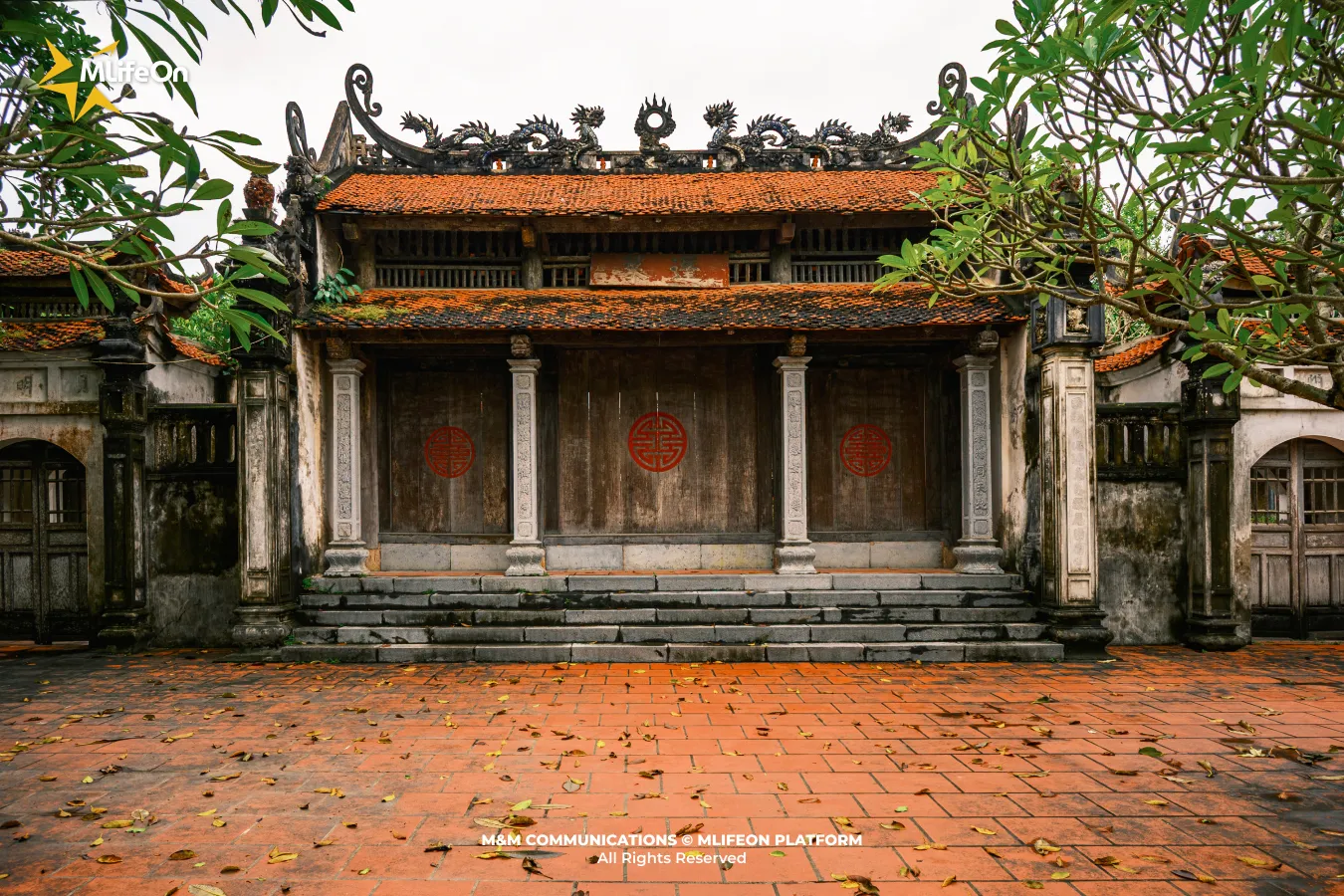
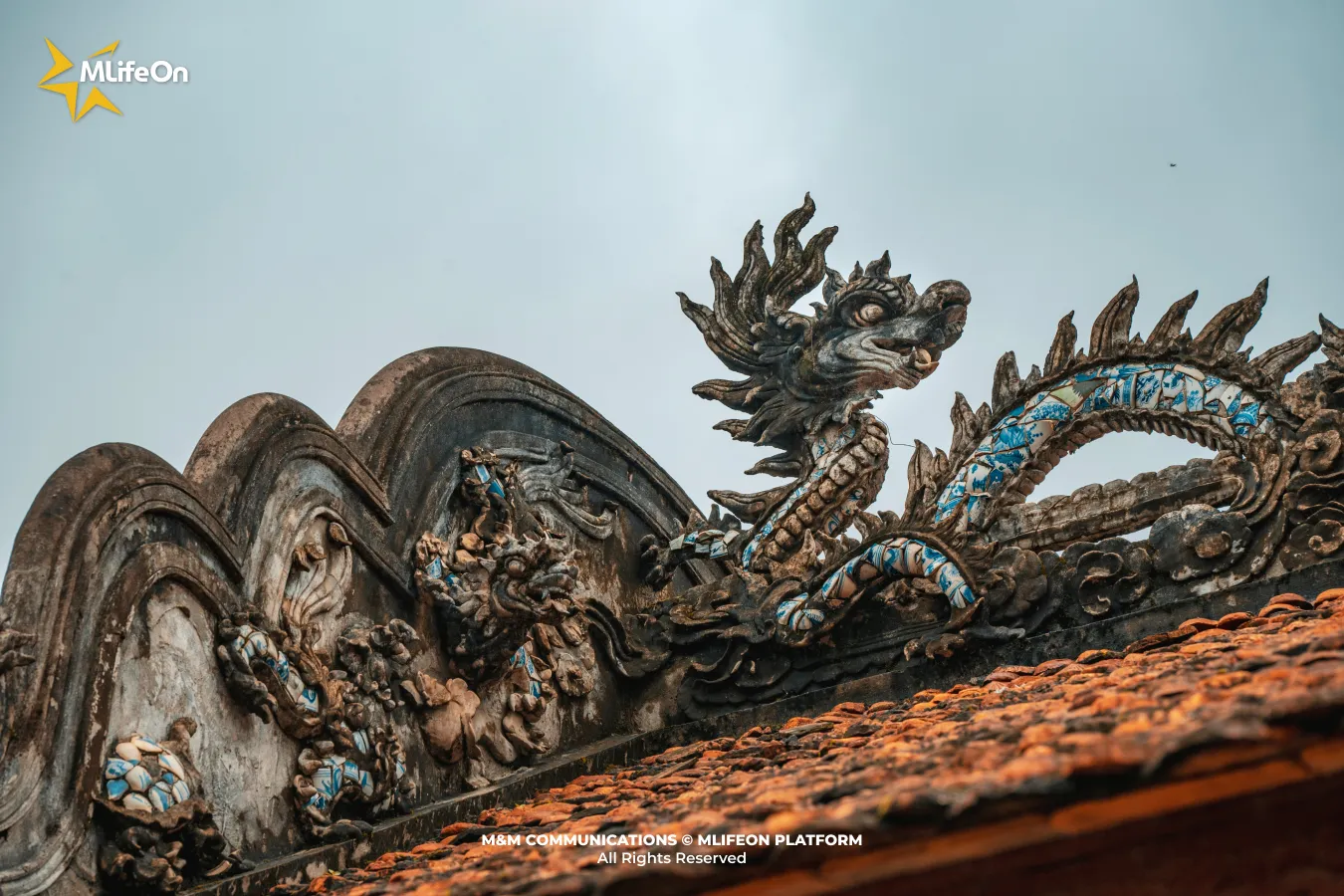
It can be said that the history of Ba Danh Pagoda is not only the history of an architectural structure, but also the history of the Vietnamese soul, where faith, peace, and reverence have been preserved through the centuries.
From deserted to an attractive destination
Today, Ba Danh Pagoda has shed its former image of being deserted and has become a prominent spiritual and tourist destination, attracting numerous domestic and international visitors.
What makes Ba Danh Pagoda so appealing is the harmonious blend of ancient architecture and picturesque natural scenery. The moss-covered tiled roofs and majestic statues, retaining their old-world charm, create a solemn and tranquil atmosphere. Furthermore, it is surrounded by the poetic Day River, towering mountains, and lush greenery. All of this contributes to a vibrant and picturesque landscape.
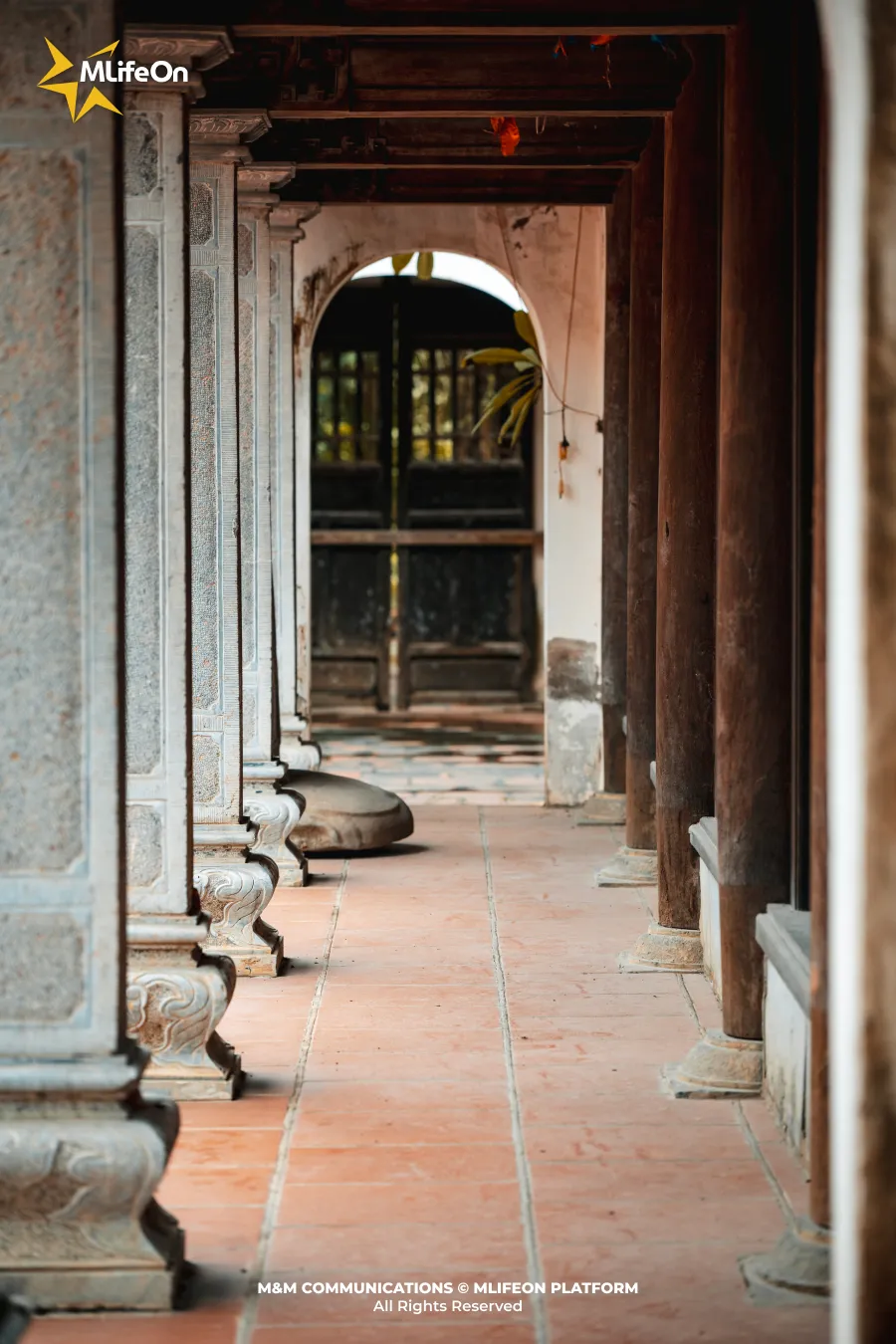
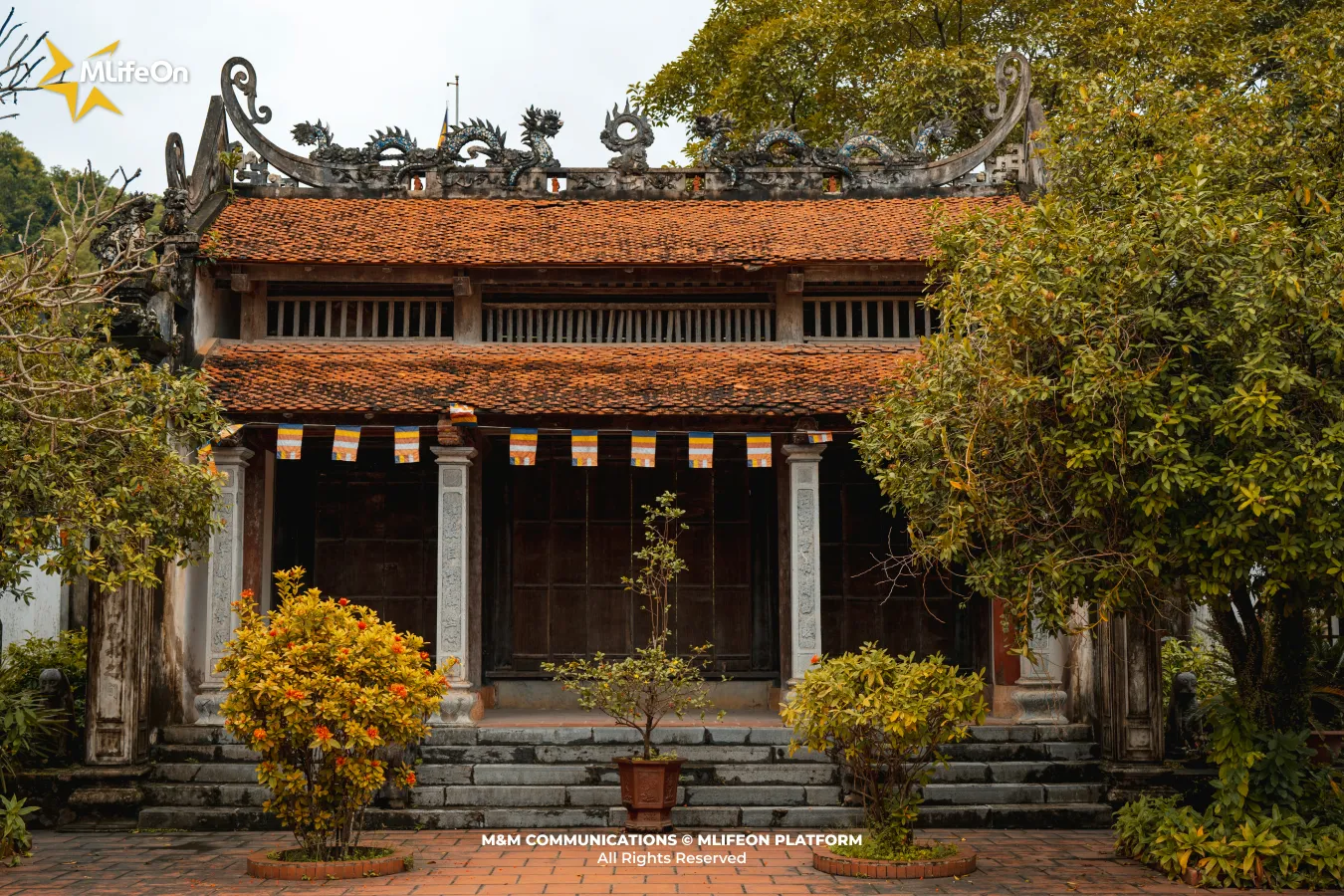
Beyond its architectural and scenic value, Ba Danh Pagoda offers visitors unique cultural experiences. The annual Ba Danh Pagoda festival, with its traditional rituals, the resounding sound of drums, and the throngs of people flocking to participate, creates an atmosphere that is both sacred and vibrant, fostering community cohesion and leaving visitors with unforgettable memories.
It's evident that today, visitors come to the pagoda not only to worship and pray for peace, but also to find a moment of tranquility, a connection with the past and with themselves. This harmony has transformed Ba Danh Pagoda into a symbol of rebirth, where past and present coexist, and where once deserted places have become a vibrant and captivating attraction.
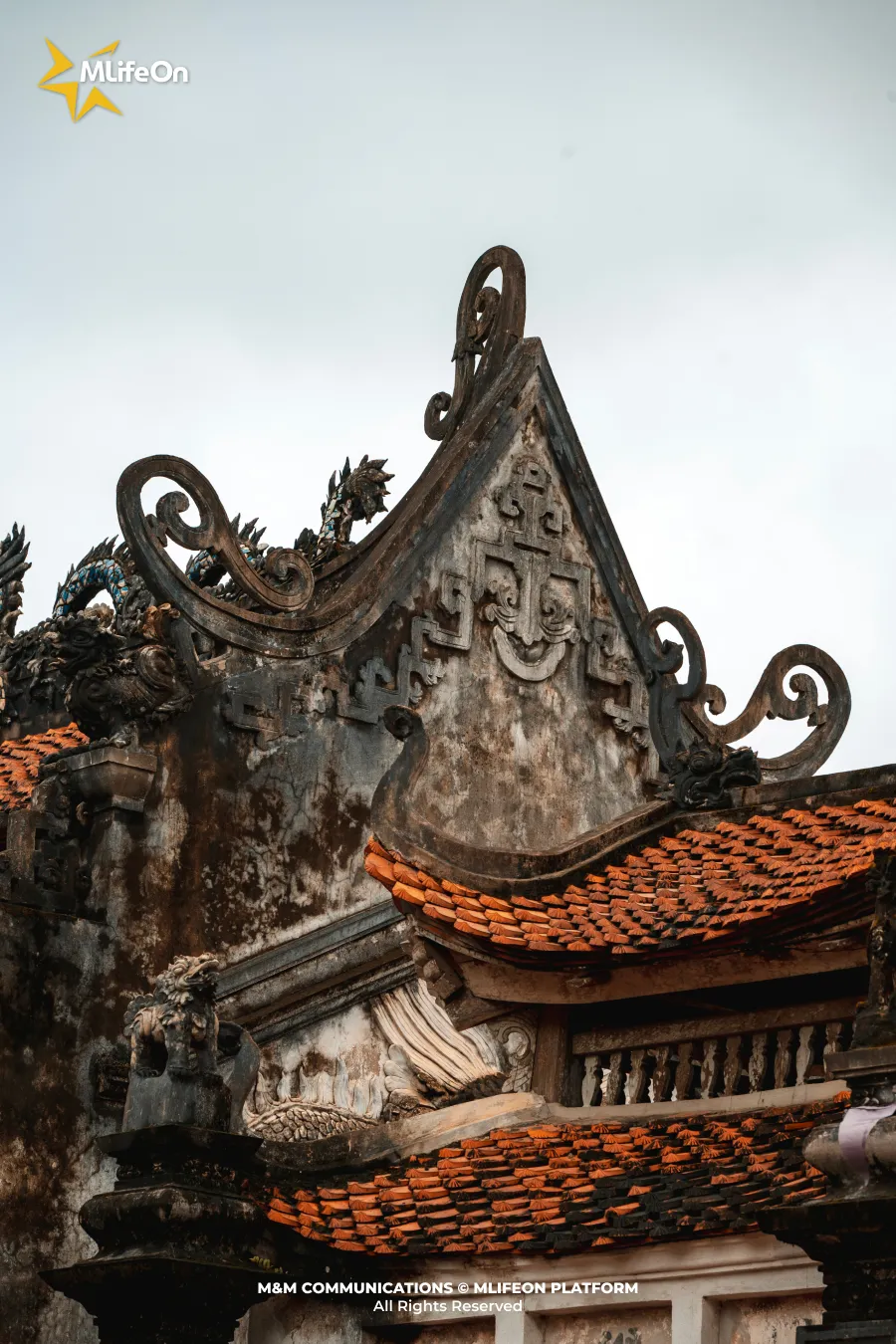
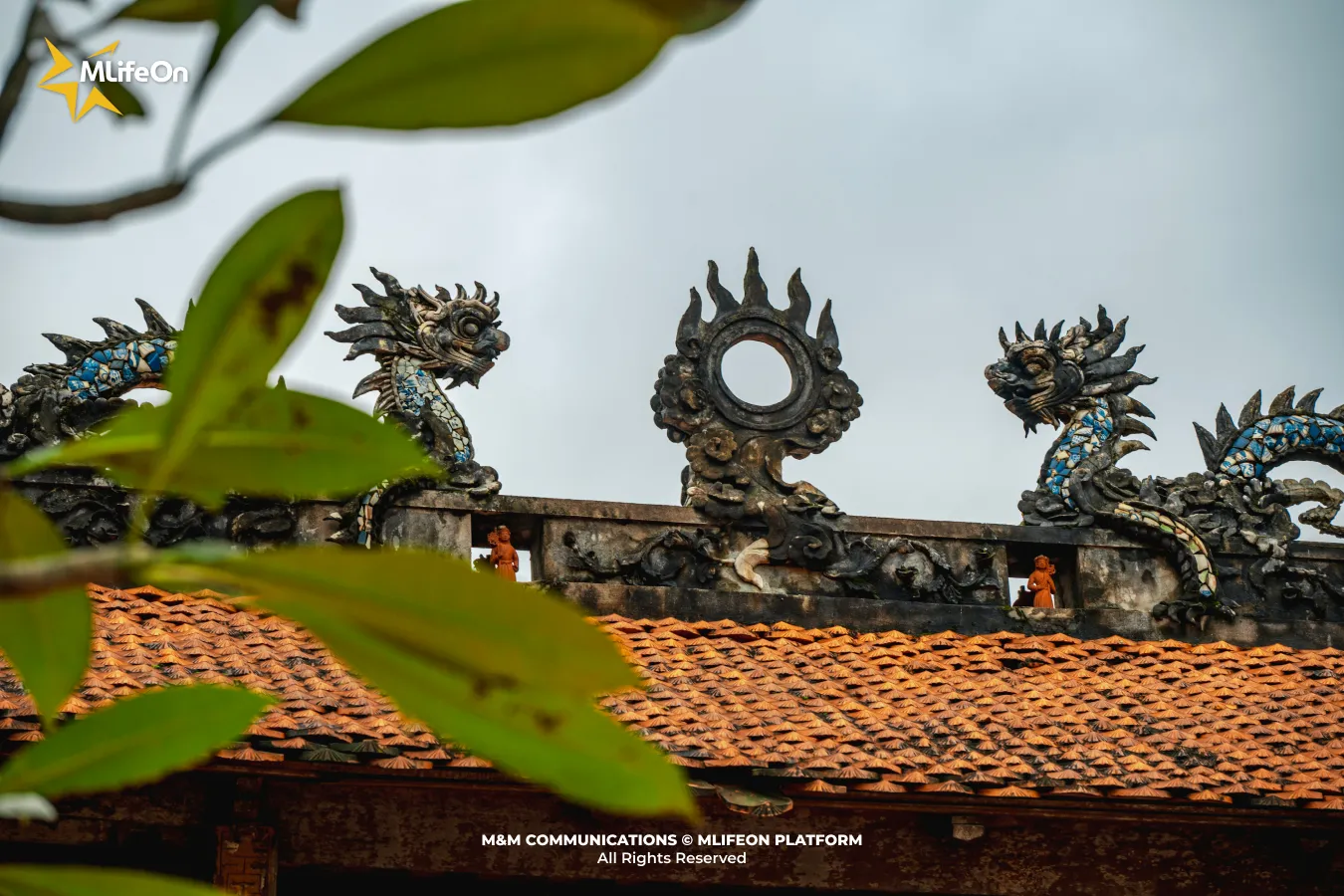
Today, Ba Danh Pagoda is a testament to change: from a temple associated with solitude, it has now become a vibrant destination.
Conclusion
Ba Danh Pagoda has a unique story: from a secluded temple to a destination that attracts visitors from all over. It is not only a sacred place, but also a testament to the harmonious blend of culture, history, and tourism.
Visiting Ba Danh Pagoda today, tourists can find both tranquility and feel the renewed vitality of a cultural heritage being revived in the heart of Ninh Binh.
—------
CREDIT:
- Photography: Luan Nguyen
- Content: Giang Huynh
- Design: Phuong Nguyen