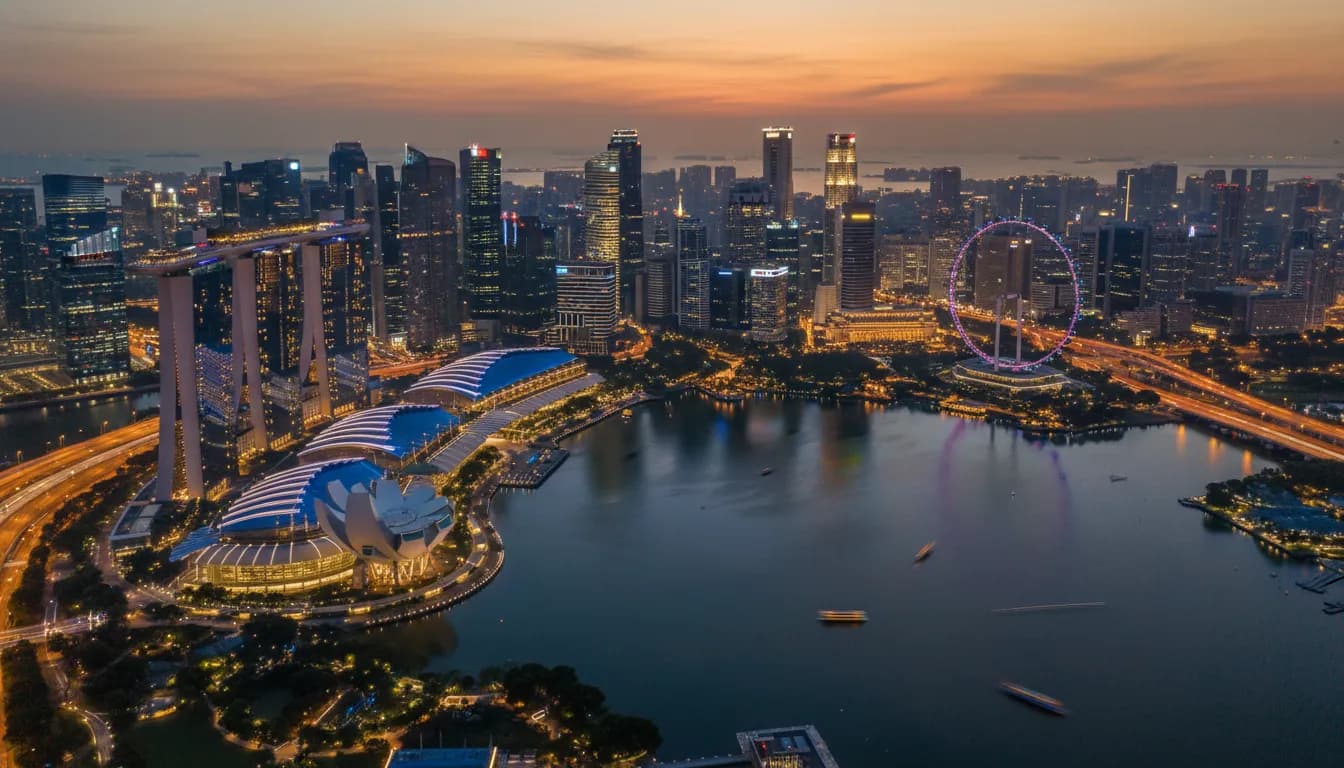
Singapore, a vibrant mosaic of cultures, has always captivated me with its ability to blend the old with the new, the traditional with the contemporary. Beyond its gleaming skyscrapers and bustling hawker centres lies a culinary heritage so rich and intricate, it tells stories of migration, fusion, and enduring identity. Among these, Peranakan cuisine stands out as a jewel, a testament to a unique cultural synthesis that birthed some of the most flavourful and soul-stirring dishes I have ever encountered.
My journey through Singapore often begins with a quest for authenticity, a dive into the heart of its cultural narratives. Peranakan food, often referred to as Nonya cuisine, is precisely that: a living narrative served on a plate. It’s more than just food; it’s an immersive experience into the Straits Chinese culture, a heritage born from the intermarriage of early Chinese immigrants and local Malay or Indonesian communities in the British Straits Settlements of Penang, Malacca, and Singapore. This article will guide you through the intricate world of Peranakan culture, highlighting its signature dishes, the best places to savor them, and the complex tapestry of spices that define this extraordinary culinary tradition. Prepare to embark on a journey that promises 'More Discovery, More Experience,' connecting you intimately with Singapore's profound cultural stories.
What is Peranakan (Nonya) Cuisine?
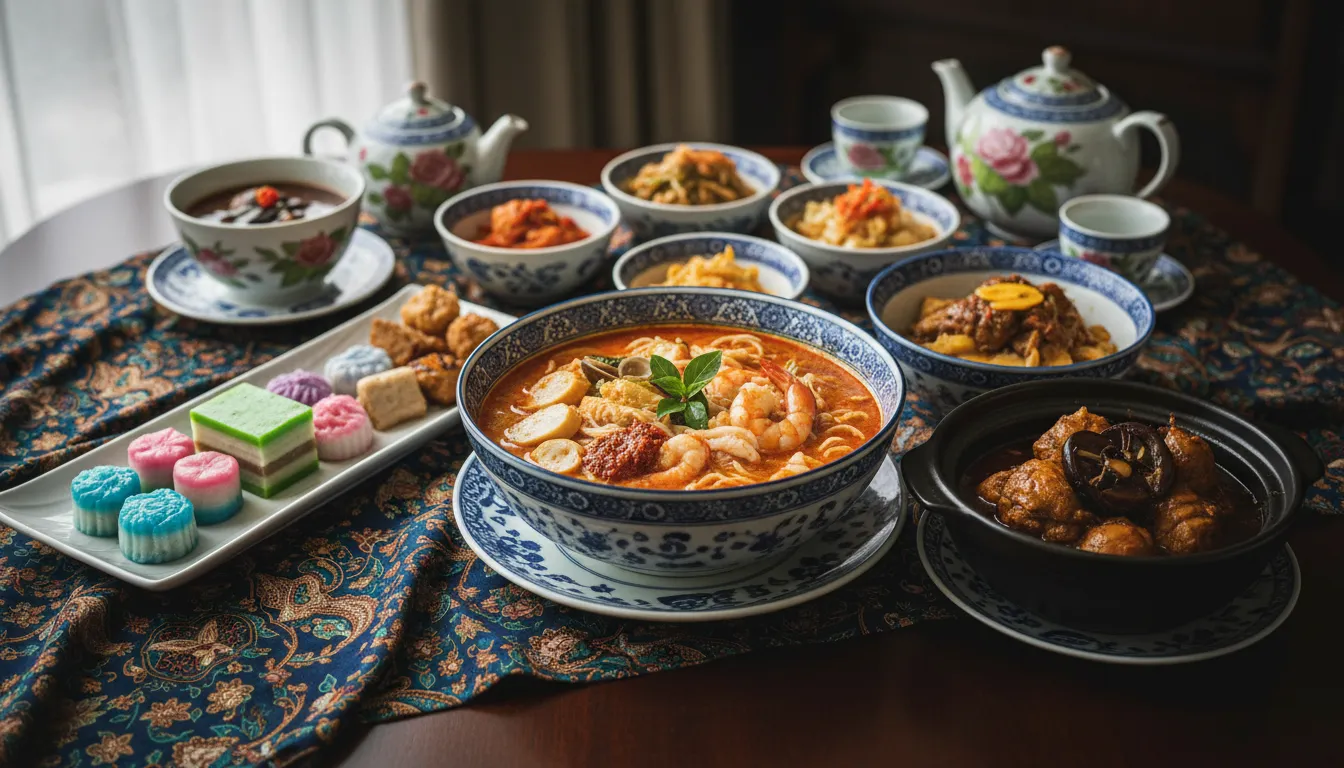
Peranakan cuisine is a culinary art form born from a beautiful cultural marriage. It represents the delicious outcome of centuries of interaction between Chinese immigrants and the indigenous Malay and Indonesian communities. The term 'Peranakan' itself means 'local born,' signifying a distinct identity forged on the Malay Peninsula.
This unique heritage is perhaps best embodied by the Nonya, the female Peranakans, who were traditionally the custodians of the kitchen. They meticulously crafted dishes that fused Chinese ingredients and cooking techniques with the aromatic spices and cooking methods of Malay and Indonesian kitchens. This blending created a cuisine that is distinctly different from both its parent cultures, yet carries echoes of each. I remember my first time witnessing a Nonya grandmother prepare a rempah; her hands moved with a practiced grace, each ingredient pounded with intention, a true master at work.
The essence of Peranakan cooking lies in its harmonious blend of flavours: sweet, sour, salty, spicy, and bitter. It’s a cuisine that demands patience and precision, often involving hours of preparation to create complex spice pastes and slow-cooked stews. Ingredients like coconut milk, belacan (fermented shrimp paste), tamarind, lemongrass, galangal, and kaffir lime leaves are staples, contributing to its signature aromatic profile. This dedication to craft transforms simple ingredients into culinary masterpieces, each dish a story passed down through generations.
Signature Examples: Laksa, Ayam Buah Keluak, and Kueh
To truly appreciate Peranakan cuisine, one must delve into its iconic dishes, each telling a distinct tale of flavour and tradition. From hearty noodle soups to exotic stews and delicate desserts, these dishes are the pillars of the Nonya kitchen. They represent the ingenuity and culinary prowess passed down through generations, often with secret family recipes guarding their unique nuances.
Katong Laksa: The Creamy, Spicy Comfort
My culinary explorations in Singapore are never complete without a bowl of Katong Laksa. This iconic dish is a quintessential Peranakan creation, distinct from its Penang Assam Laksa cousin, which is sour and fish-based. Katong Laksa, also known as Laksa Lemak, is celebrated for its incredibly rich, coconut milk-based gravy, infused with a fragrant spice paste.
The foundation of Katong Laksa is its vibrant rempah, a blend of dried chillies, shallots, galangal, turmeric, lemongrass, and belacan, all pounded into a fine paste. This rempah is sautéed until fragrant, then simmered with coconut milk to create a thick, aromatic broth. What sets Katong Laksa apart is the way it's served: usually with thick vermicelli noodles cut into shorter lengths, allowing diners to eat it with just a spoon. Topped with plump prawns, fish cake slices, cockles, and a garnish of laksa leaves (Vietnamese coriander), each spoonful is a symphony of creamy, spicy, and savoury notes. I recall a particularly rainy afternoon in Katong, seeking refuge in a small eatery; that piping hot bowl of laksa was more than just food, it was a warm embrace, a testament to simple comforts done exceptionally well.
Ayam Buah Keluak: The Exotic Black Nut Stew
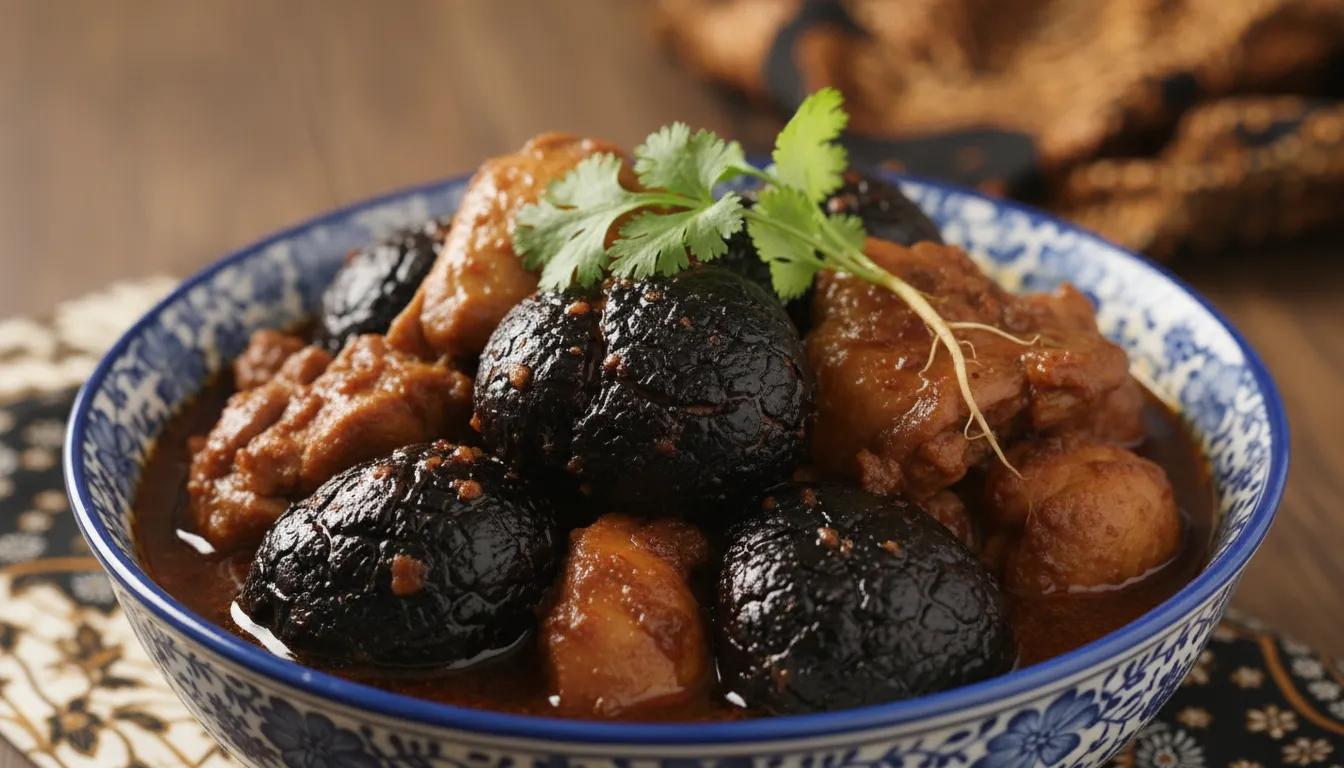
Ayam Buah Keluak is arguably the most intriguing and challenging dish in the Peranakan repertoire, often considered the 'ultimate test' of a Nonya cook's skill. This dish features chicken (ayam) braised in a rich, tangy tamarind gravy, prominently featuring the buah keluak nut. These distinctive, dark-shelled nuts are native to Southeast Asia and contain a pulp that is incredibly earthy, slightly bitter, and deeply umami.
The preparation of buah keluak is an elaborate ritual. Raw, the nuts are poisonous, requiring meticulous processing: cracking open the shells, extracting the pulp, soaking it in water for several days (changing the water daily to remove toxins), and then scrubbing the shells clean. The pulp is often mixed with minced pork or prawns and spices, then carefully stuffed back into the cleaned shells. This labour-intensive process is what makes the dish so revered. The chicken and stuffed nuts are then slow-cooked in a complex rempah, tamarind juice, and other spices, allowing the flavours to meld into a dark, mysterious, and profoundly satisfying stew. The first time I tasted Ayam Buah Keluak, I was struck by its unique, almost truffle-like earthiness; it’s a flavour unlike anything else, a true culinary adventure. It speaks volumes about the Nonya women's dedication to transforming potentially dangerous ingredients into sublime culinary treasures.
Nyonya Kueh: The Colourful Jewels of Peranakan Desserts
No Peranakan feast is complete without an array of vibrant Nyonya Kueh. These exquisite, bite-sized snacks are not just desserts; they are edible art, a reflection of the Peranakan love for aesthetics and intricate detail. Made primarily from glutinous rice flour, coconut milk, and gula melaka (palm sugar), they come in an astonishing variety of shapes, colours, and textures.
Nyonya Kueh are often naturally coloured using ingredients like pandan leaves for green, butterfly pea flowers for blue, and angkak (red yeast rice) for red. Each kueh offers a unique sensory experience. Kueh Lapis Sagu is a striking layered cake, chewy and subtly sweet, often with seven or nine distinct colourful layers. Ondeh-ondeh are delightful glutinous rice balls filled with molten gula melaka, coated in freshly grated coconut, bursting with sweetness upon first bite. Kueh Salat features a vibrant green pandan custard layer atop a steamed glutinous rice base, often dyed blue with butterfly pea flower juice. I vividly recall walking into a Nonya confectionery, the air thick with the scent of pandan and coconut, and seeing trays upon trays of these colourful, jewel-like treats. They represent hospitality, celebration, and the meticulous craftsmanship inherent in Peranakan culture, each small bite a burst of tradition and flavour.
Where to Find Authentic Peranakan Restaurants in Katong
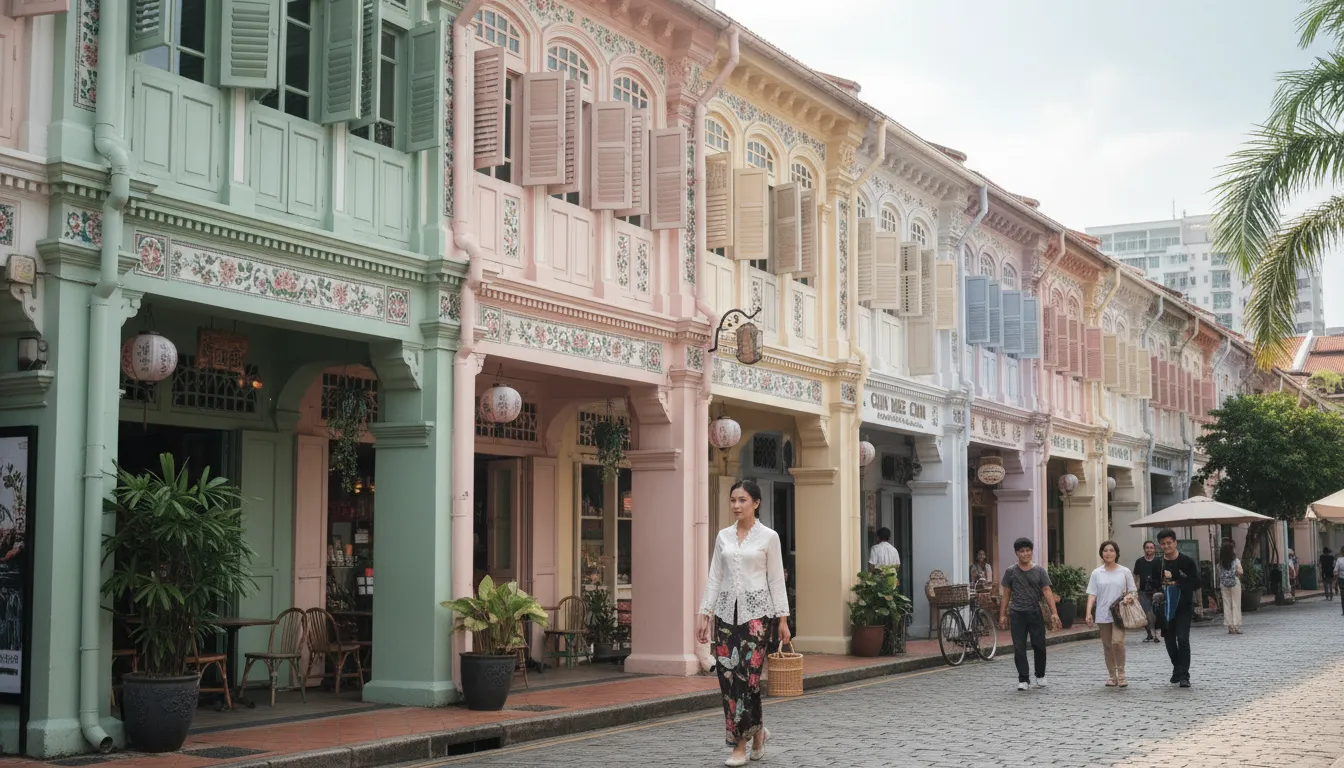
When it comes to experiencing authentic Peranakan culture and cuisine in Singapore, there is one precinct that stands head and shoulders above the rest: Katong. Nestled in the eastern part of the island, Katong and its adjacent Joo Chiat area are historically recognized as the heartland of Peranakan heritage. Walking through these streets is like stepping back in time, with their distinctive pre-war shophouses adorned with ornate facades, intricate ceramic tiles, and vibrant pastel hues.
This area was once home to many wealthy Peranakan families, and their legacy endures in the architecture, the vibrant community, and, most importantly, the food. The air in Katong often carries the faint, tantalizing scent of spices and coconut milk, beckoning you into its culinary enclaves. For someone like me, who cherishes cultural immersion, strolling through Katong is as much a part of the dining experience as the meal itself. You can admire the beautifully preserved Peranakan homes, visit boutique shops selling traditional crafts, and then settle down for an unforgettable meal.
While specific restaurant names can change over time, the spirit of Katong's Peranakan dining remains constant. You'll find a range of establishments, from long-standing family-run eateries that have been perfecting recipes for generations to more contemporary dining rooms that still honour traditional methods.
When seeking an authentic experience, look for establishments that emphasize home-style cooking and traditional decor. Often, the best indicators are the presence of local families dining there and a menu that features the signature dishes we've discussed, alongside lesser-known but equally delicious options like Babi Pongteh (braised pork with fermented bean paste) or Itek Tim (salted vegetable duck soup).
One might encounter a place like Chilli Padi Nonya Cafe, known for its unpretentious setting and robust flavours, offering a comforting taste of home-cooked Peranakan fare. Another could be True Blue Cuisine, celebrated for its more refined dining experience, often showcasing exquisite Peranakan porcelain and antique furniture. For those seeking the famous Katong Laksa, several establishments along East Coast Road or Joo Chiat Road claim to be the 'original' or 'best,' each with its devoted following. The key is to explore, to be open to different interpretations, and to savour the unique character each establishment brings to the table. These places aren't just restaurants; they are cultural institutions, preserving and sharing a vital part of Singapore's rich tapestry.
The Complex Spices of the Straits Chinese
The true soul of Peranakan cuisine lies in its rempah, the meticulously prepared spice paste that forms the aromatic foundation of almost every dish. This isn't merely about adding spices; it's an intricate art form, a dance of flavours that transforms raw ingredients into a symphony on the palate. The mastery of rempah-making is what truly distinguishes a skilled Nonya cook.
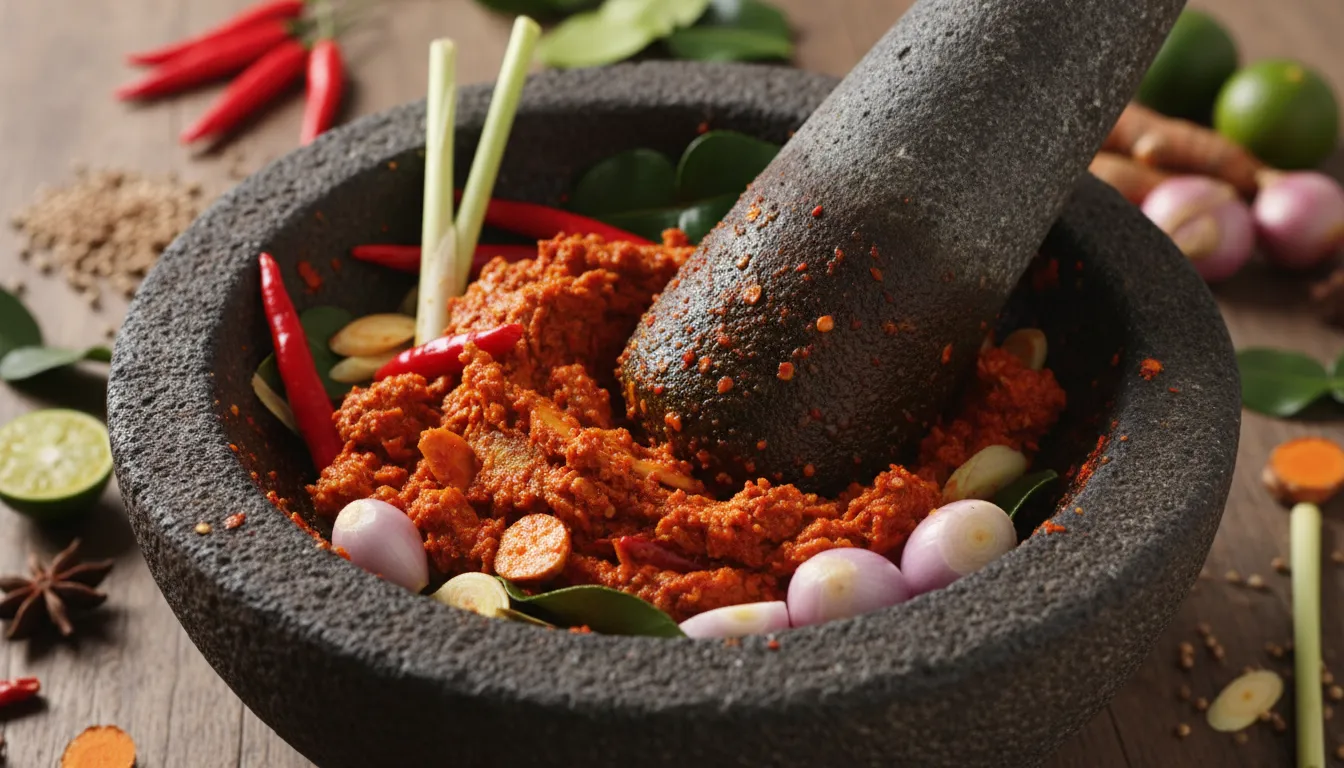
Unlike many Western cuisines that rely on dry, pre-ground spices, Peranakan cooking almost exclusively uses fresh ingredients, pounded by hand using a lesung batu (stone mortar and pestle). This manual process is not just a tradition; it’s a crucial technique. Pounding rather than blending releases the essential oils and juices of the spices more effectively, creating a paste with unparalleled depth, texture, and fragrance. I've spent hours in Peranakan kitchens, observing this laborious yet deeply satisfying process, the rhythmic thud of the pestle a hypnotic prelude to the culinary magic that follows. The aroma that fills the air as fresh shallots, garlic, and ginger are crushed is simply intoxicating, a promise of the rich flavours to come.
The typical ingredients for a Peranakan rempah are a vibrant palette of Southeast Asian aromatics. Common components include shallots, garlic, ginger, blue ginger (galangal), turmeric, lemongrass, candlenuts (to thicken and enrich), dried chillies (soaked and softened), and the indispensable belacan (fermented shrimp paste). Each ingredient plays a vital role, contributing to the overall balance and complexity. Lemongrass offers citrusy brightness, galangal a peppery earthiness, turmeric a warm hue and subtle bitterness, and belacan an incredible depth of umami.
The combination of these spices varies significantly from dish to dish, showcasing the incredible versatility of Peranakan cooking. A rempah for Laksa might be rich in dried chillies and turmeric, while one for Ayam Buah Keluak would feature more candlenuts and tamarind for its characteristic dark colour and tangy notes. The Nonya cook's skill lies in knowing the precise proportions and combinations, a knowledge often passed down orally and through practice across generations. It’s not just about what spices are used, but how they are used, and in what sequence and quantity. The cooking process often begins with patiently frying the rempah in oil until it 'breaks oil' – a sign that the flavours have fully developed and the paste is cooked through. This slow, deliberate process ensures that every layer of flavour is extracted and harmonized.
Beyond the rempah, other essential ingredients further define the Straits Chinese palate. Tamarind provides a crucial sour counterpoint, balancing the richness of coconut milk and the heat of chillies. Kaffir lime leaves add a bright, citrusy aroma, while pandan leaves infuse a delicate, sweet fragrance, especially in desserts. The interplay of these fresh ingredients, combined with slow cooking methods, results in a cuisine that is wonderfully intricate, intensely flavourful, and deeply satisfying. It's a culinary philosophy that celebrates the power of fresh ingredients and the artistry of the human hand, creating a truly unforgettable dining experience.
Conclusion
Exploring Peranakan cuisine is more than just sampling delicious food; it's an intimate journey into the heart of a vibrant, resilient culture. Each dish tells a story of migration, adaptation, and the beautiful fusion of diverse traditions. From the creamy comfort of Katong Laksa to the intriguing depths of Ayam Buah Keluak and the colourful artistry of Nyonya Kueh, every bite is a testament to the meticulous skill and profound love that defines Peranakan cooking.
For culturally curious readers, particularly those with a Vietnamese-Australian connection, the appreciation for rich, complex flavours and the preservation of heritage resonate deeply. The dedication to fresh ingredients, the labour-intensive preparation, and the emphasis on family recipes are universal threads that bind culinary traditions across cultures. In Katong, Singapore, you don't just eat; you embark on a discovery. You witness history in the ornate shophouses, feel the pulse of a living heritage, and taste the legacy of the Straits Chinese in every thoughtfully prepared meal.
This journey into Peranakan culture is an invitation to engage with Singapore on a deeper level, beyond its well-trodden tourist paths. It’s about connecting with the stories that shape its identity, understanding the nuances that make its cuisine so unique, and appreciating the passion that keeps these traditions alive. As we continue our journey with MLIFEON, seeking 'More Discovery, More Experience,' the rich tapestry of Peranakan food serves as a powerful reminder that some of the most profound cultural stories are often found on our plates, waiting to be savoured and shared.