Singapore, a vibrant island nation, is a true melting pot of cultures, and nowhere is this more evident than in its extraordinary culinary landscape. For the culturally curious traveler and the discerning food enthusiast, the city-state offers an unparalleled journey into the world of flavors, with its seafood scene standing as a glittering jewel in its gastronomic crown. As an expert in travel and cuisine, I've had the immense pleasure of diving deep into Singapore's food traditions, experiencing firsthand how each dish tells a story of heritage, innovation, and community.
At MLIFEON, we believe that food is the soul of every destination, a powerful medium through which we connect with diverse cultures and create unforgettable memories. This article invites you on a comprehensive exploration of Singapore’s most famous seafood dishes and the best places to savor them. We'll delve into the iconic crab battles, share insider tips for ordering by weight, guide you through top dining establishments from bustling hawker centers to upscale restaurants, and even touch upon seasonal delights. Prepare to embark on a culinary adventure that promises more discovery and more experience, transforming your understanding of this incredible city through its exquisite seafood.
The Battle of the Crabs: Chilli vs. Black Pepper
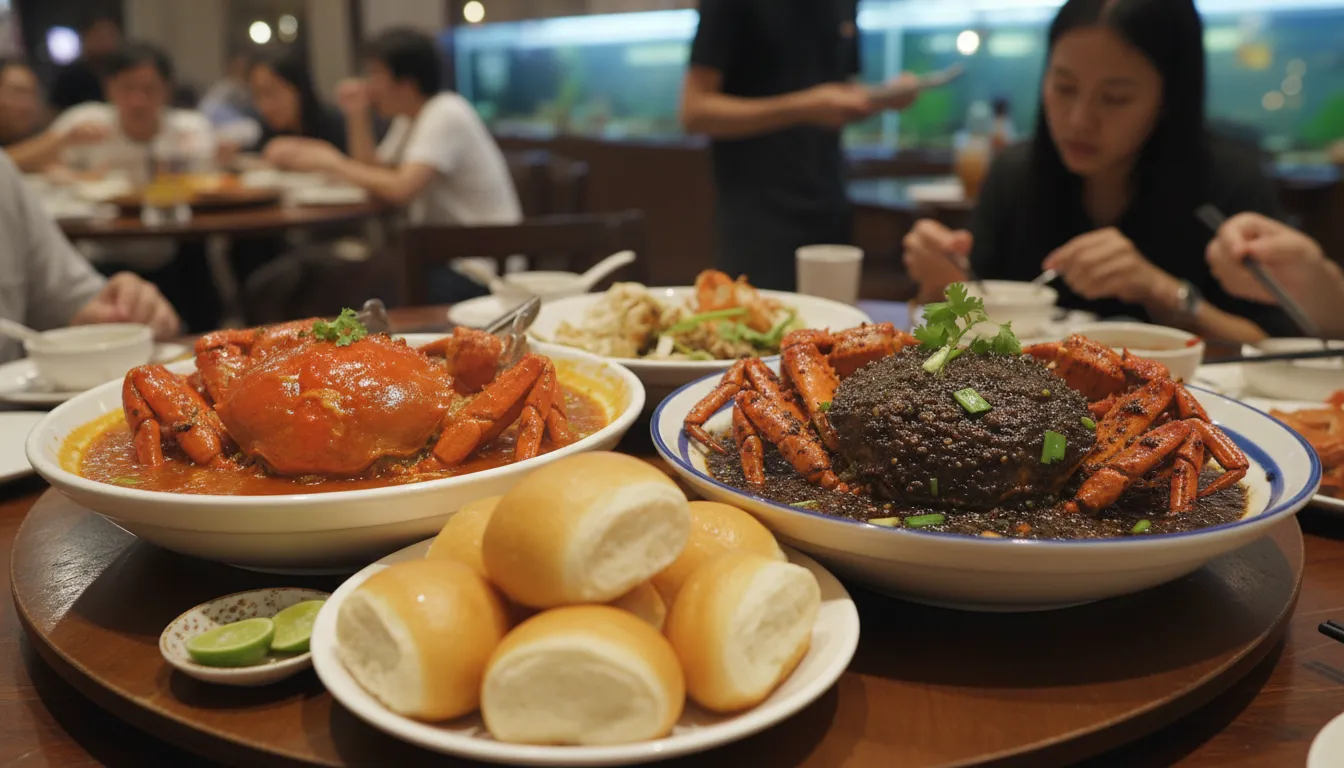
Any discussion of Singaporean seafood must begin with its magnificent crabs, particularly the two titans that dominate the culinary landscape: Chilli Crab and Black Pepper Crab. These dishes are not merely meals; they are cultural institutions, igniting passionate debates among locals and visitors alike about which reigns supreme. Having sampled countless versions across the island, I can attest that both offer distinct, unforgettable experiences, making the 'battle' a delightful one to participate in.
Chilli Crab, often hailed as Singapore's national dish, is a vibrant explosion of sweet, savory, and spicy flavors, typically featuring large mud crabs stir-fried in a rich, tomato-based sauce thickened with egg. The sauce is truly the star, a complex symphony of ginger, garlic, sambal, and a hint of vinegar, perfect for scooping up with fluffy fried mantou buns. My first encounter with Chilli Crab at a bustling East Coast Park restaurant was a revelation, a messy, joyful affair that perfectly encapsulated Singapore's energetic spirit.
In stark contrast, Black Pepper Crab offers a bolder, more intense flavor profile, eschewing the sweetness for a fiery, aromatic punch. Here, the crabs are wok-fried with a generous amount of crushed black peppercorns, butter, and sometimes a touch of soy sauce, creating a dry, peppery crust that clings to the succulent meat. This dish is for those who appreciate a robust heat and an earthy depth, a sophisticated counterpoint to its saucier sibling. I remember a particularly memorable Black Pepper Crab at a hidden gem in the heartlands, where the peppery aroma alone was enough to make my mouth water.
Deciding between Chilli and Black Pepper Crab is a delicious dilemma, and my advice is always to try both if you have the opportunity. Many restaurants offer both preparations, allowing you to conduct your own taste test and declare your personal victor. Whichever you choose, be prepared for a hands-on, finger-licking experience that truly embodies the communal joy of Singaporean dining. These dishes are more than just food; they are a gateway to understanding the vibrant, multicultural tapestry of the city.
Tips for Ordering Seafood by Weight (Don't Get Scammed!)
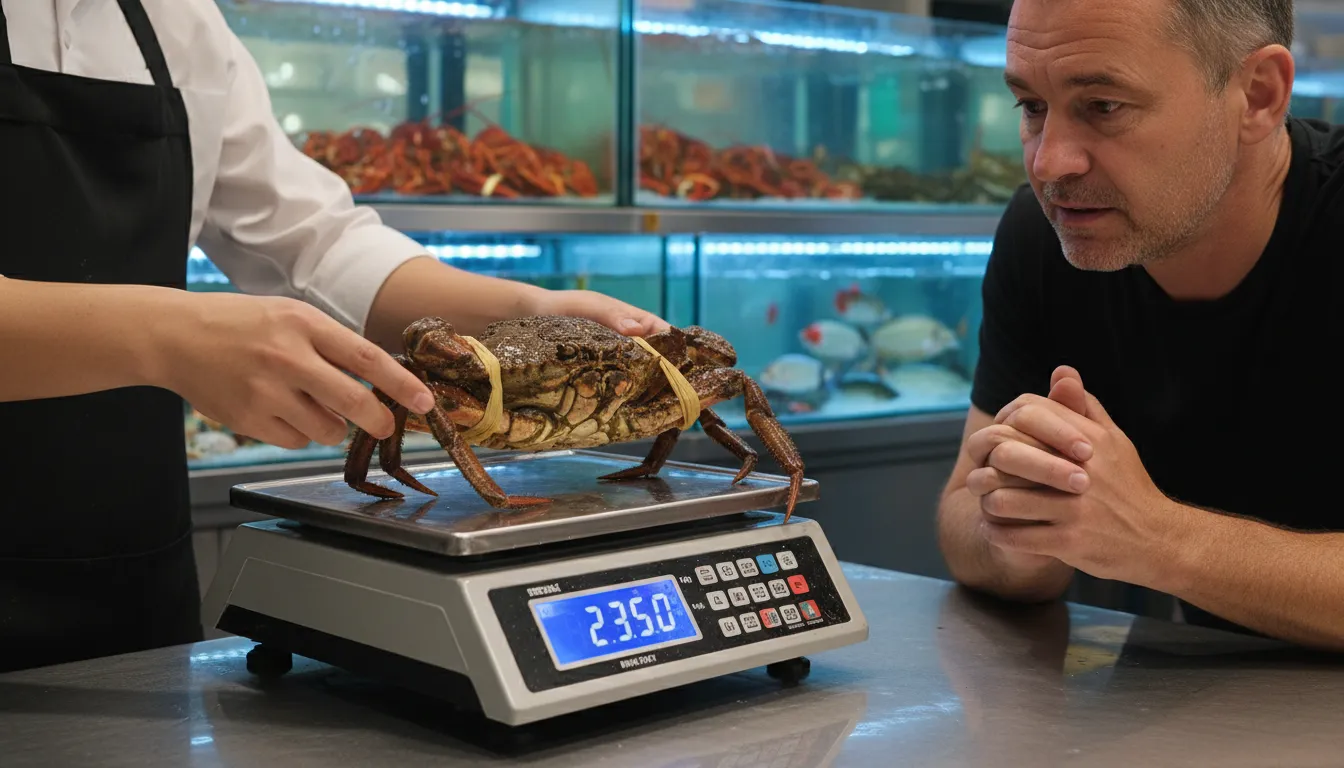
Navigating the bustling seafood markets and restaurants in Singapore, especially when ordering by weight, can be an exciting yet sometimes daunting experience for the uninitiated. Many establishments, particularly those specializing in live seafood, price their premium catch by the 100 grams or kilogram, a common practice that ensures freshness but also requires a savvy approach from the diner. My personal experiences, and those of friends, have taught me invaluable lessons in this regard, ensuring you get the freshest seafood at a fair price.
Firstly, and perhaps most crucially, always confirm the price per 100 grams or per kilogram before they weigh the seafood. Prices can fluctuate based on market conditions, rarity, and the type of seafood, so a clear understanding upfront prevents any unpleasant surprises when the bill arrives. Don't be shy to ask; it's a standard practice.
Secondly, insist on seeing the live seafood before it's prepared. This allows you to verify its freshness, size, and health, ensuring you're getting exactly what you're paying for. A good restaurant will be proud to show off their vibrant, active specimens. I once saw a tourist accept a less-than-lively crab; a quick request to see the next one ensured a much fresher meal.
Thirdly, ask for an approximate weight and the total estimated cost before agreeing to the preparation. This gives you a clear idea of what to expect and allows you to adjust your order if the size or price is beyond your comfort level. For instance, if you're a party of two, a 1kg crab might be sufficient, whereas a larger group might need a 1.5kg or 2kg option.
Fourthly, be aware of 'market price' or 'seasonal price' notations on menus. This indicates that the price is not fixed and can vary daily. While it usually signifies peak freshness, it also means you absolutely must inquire about the current price before ordering. This transparency is key to a smooth dining experience.
Finally, consider the number of people dining when ordering. It's easy to get carried away by the sheer variety of magnificent seafood on display. Over-ordering can lead to unnecessary expense and food waste, so plan your dishes thoughtfully, balancing different flavors and textures. By following these simple yet effective tips, you can confidently navigate Singapore's seafood scene, ensuring a delicious and fair culinary adventure every time.
Top Seafood Restaurants: From East Coast Park to Clarke Quay
Singapore's seafood restaurants are as diverse as the city itself, ranging from iconic open-air establishments along the coastline to sophisticated riverside dining experiences. Each location offers not just exceptional food but also a unique ambiance that enhances the overall culinary journey. My travels through Singapore have taken me to many of these revered institutions, each leaving an indelible mark on my palate and memory.
East Coast Park: The Quintessential Seaside Experience
For a classic Singaporean seafood experience, East Coast Park is an absolute must-visit. The gentle sea breeze, the distant sound of waves, and the convivial atmosphere make it perfect for family gatherings and leisurely meals.
- Jumbo Seafood (East Coast Seafood Centre): This is perhaps the most famous name in Singaporean seafood, an institution renowned for its Chilli Crab and Black Pepper Crab. The sheer scale of their operation, combined with consistently excellent food, makes it a reliable choice for first-timers and regulars alike. Dining here, I remember the lively chatter and the satisfying crack of crab shells, a truly communal feast.
- Long Beach Seafood (East Coast Seafood Centre): Another long-standing heavyweight, Long Beach is often credited with popularizing Black Pepper Crab. Their rendition is particularly aromatic and fiery, a must-try for pepper enthusiasts. They also offer a wide array of other seafood, served with efficiency and a view of the sea.
- No Signboard Seafood (Esplanade/Geylang, but historically started at Mattar Road and gained fame at East Coast): While they now have multiple city-center locations, No Signboard Seafood's heritage is deeply rooted in humble beginnings, and their unique White Pepper Crab is a standout. It offers a milder, yet equally flavorful, alternative to the black pepper version, highlighting the crab's natural sweetness.
Clarke Quay & Boat Quay: Riverside Vibrancy and Urban Charm
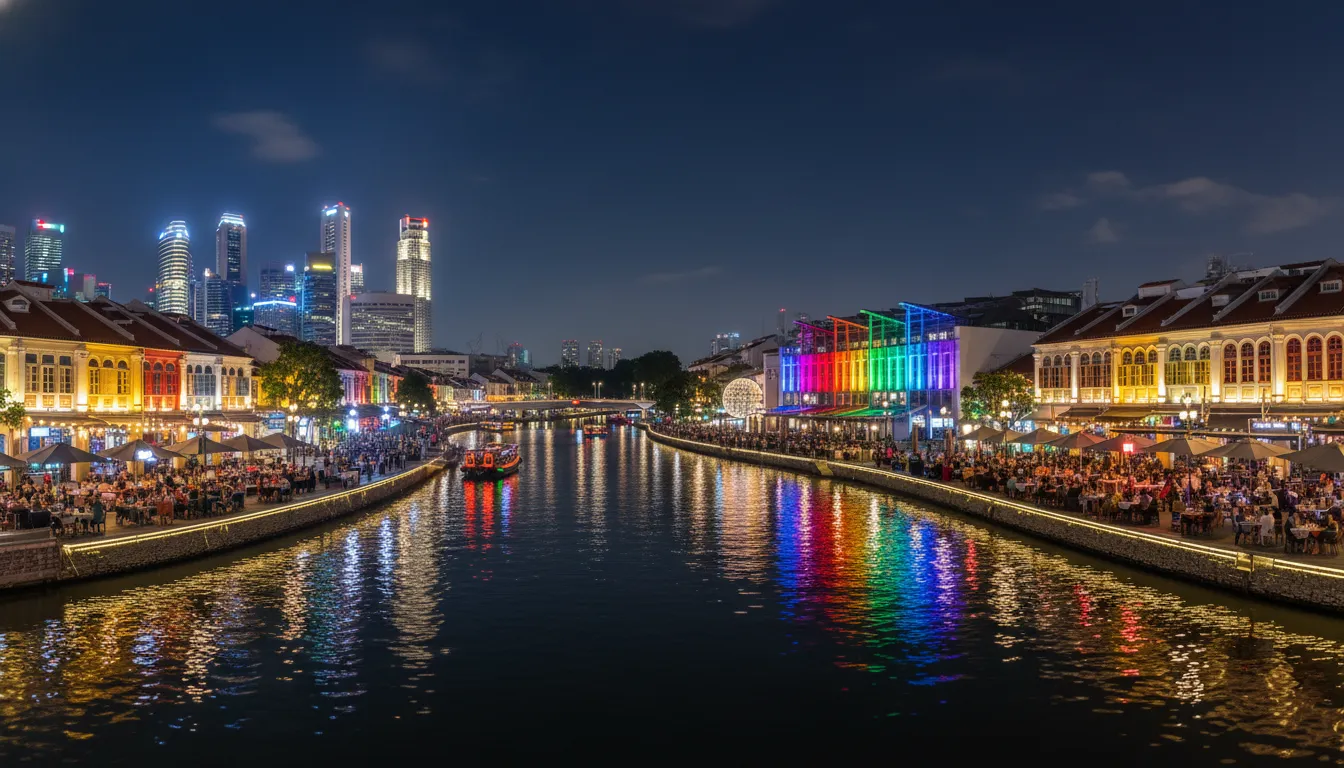
For those seeking a more central and bustling dining experience, the vibrant riverside precincts of Clarke Quay and Boat Quay offer an array of excellent seafood restaurants. The energy here is infectious, with dining often accompanied by spectacular views of the Singapore River.
- Jumbo Seafood (Riverside Point): Offering the same beloved menu as its East Coast counterpart, the Clarke Quay branch provides a different, more urbanized dining experience. Overlooking the Singapore River, it's perfect for a lively evening out, with the added bonus of being within walking distance to other nightlife options. I've often enjoyed their Chilli Crab here after a day of exploring the city.
- Red House Seafood (Clarke Quay & Grand Copthorne Waterfront): With a heritage stretching back to 1976, Red House Seafood is known for its classic Singaporean dishes and a distinct take on local flavors. Their Sri Lankan Crab preparations are particularly popular, as are their diverse range of live seafood options.
- Palm Beach Seafood (One Fullerton): Positioned with an iconic view of the Marina Bay Sands, Palm Beach offers a slightly more upscale dining experience without sacrificing authenticity. Their signature Chilli Crab and Alaskan King Crab dishes are exceptional, making for a memorable meal against a stunning backdrop.
Hidden Gems and Hawker Delights: Beyond the Tourist Trail
For those willing to venture slightly off the beaten path, or simply craving a more local, authentic experience, Singapore's heartlands and hawker centers hide some incredible seafood treasures.
- Newton Food Centre (Newton Circus): Famous partly due to its appearance in 'Crazy Rich Asians,' Newton Food Centre is a bustling hawker center with numerous stalls offering fresh seafood. While some stalls are more tourist-oriented, you can find excellent grilled stingray, oyster omelette, and various crab dishes here. It’s a vibrant, open-air experience that embodies casual Singaporean dining. My tip: look for stalls with long queues of locals.
- Mellben Seafood (Ang Mo Kio & other outlets): A true heartland institution, Mellben is celebrated for its Claypot Crab Bee Hoon Soup, a rich, milky broth infused with the sweetness of fresh crab and delicate rice vermicelli. This humble eatery often has long queues, a testament to its incredible food. It's a dish I always recommend for those seeking something beyond the typical crab preparations.
- Keng Eng Kee Seafood (Alexandra Village): This 'zi char' (cook and fry) style restaurant is a local favorite, known for its extensive menu that includes not just excellent seafood but also other Singaporean comfort food. Their Coffee Pork Ribs are legendary, but their Moonlight Hor Fun and various crab dishes are equally fantastic, offering a taste of authentic local dining.
Each of these establishments, whether grand or humble, contributes to the rich tapestry of Singapore's seafood scene. They offer not just a meal, but a window into the country's culinary soul, promising an unforgettable journey of taste and discovery.
Seasonal Seafood: What to Order and When
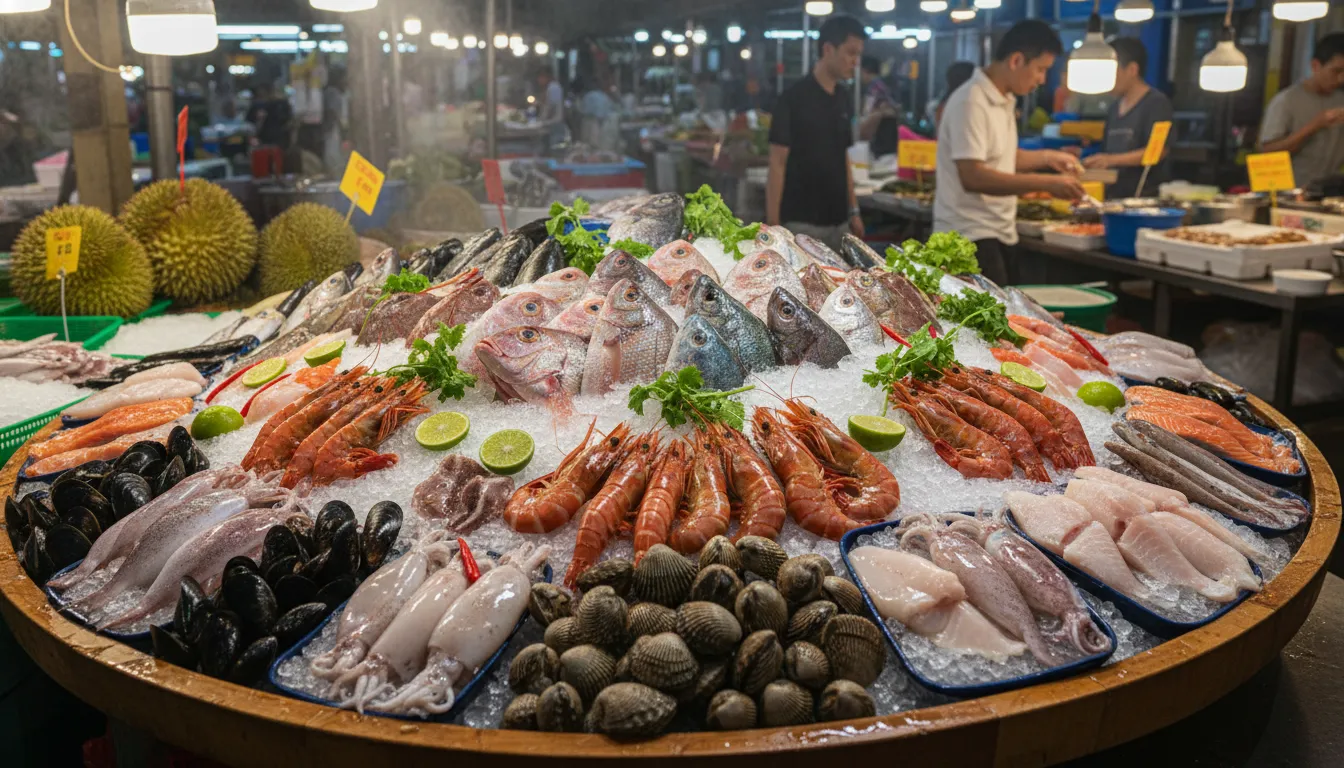
While many staple seafood items are available year-round in Singapore, understanding seasonality, or more accurately, the optimal sourcing and preparation of certain species, can significantly enhance your dining experience. Singapore's status as a global trading hub means it imports a vast array of seafood from around the world, ensuring a diverse offering regardless of the local season. However, appreciating the nuances of freshness and origin is key to truly savoring the best of what's available.
Crabs: The undisputed kings of Singaporean seafood, crabs are generally available throughout the year. The most common varieties are Sri Lankan mud crabs, prized for their meaty claws and often generous roe, and sometimes Alaskan King Crabs, known for their massive size and sweet, tender leg meat. While there isn't a strict 'crab season' in Singapore due to global sourcing, individual restaurant suppliers might occasionally have a particularly good batch from a specific region. Always ask the staff for their freshest recommendation for the day.
Prawns/Shrimp: Prawns are a consistent favorite and readily available in various forms. Tiger prawns are popular for their firm texture and sweet flavor, often prepared as Cereal Prawns (crispy, buttery, and sweet), Salted Egg Prawns (rich and savory), or simply stir-fried with garlic and chili. Smaller, delicate prawns are often used in noodle dishes or salads. Their availability is quite stable, making them a safe and delicious bet any time of year.
Fish: The selection of fresh fish is always impressive, with popular choices including Red Snapper, Grouper, and Barramundi. These are often prepared steamed Teochew-style (lightly seasoned with plums, tomatoes, and salted vegetables), grilled with spicy sambal sauce, or incorporated into a flavorful Curry Fish Head. While specific fish species might have peak seasons in their native waters, Singapore's extensive import network ensures a consistent supply of high-quality options. Always inquire about the 'fish of the day' for the absolute freshest catch.
Shellfish: Mussels, clams (La La), and scallops are frequently featured on Singaporean seafood menus. Clams, in particular, are a local favorite, often stir-fried with ginger and spring onions or a spicy sambal. Scallops might be steamed with garlic and vermicelli, while mussels can be found in various preparations. Like prawns, their availability tends to be stable due to diverse sourcing.
Lobster and Premium Seafood: For a truly indulgent experience, lobsters, geoduck, and other premium seafood are available. These are often prepared simply to highlight their natural sweetness, such as sashimi-style for geoduck, or steamed with garlic butter for lobster. While these are typically available year-round, their price will reflect their premium status.
The best tip for seasonal seafood in Singapore is to engage with your server. They are your most valuable resource for knowing what's freshest and most recommended on any given day. Don't hesitate to ask about daily specials or the best catch from their suppliers. This personal interaction not only guarantees the freshest meal but also enriches your understanding of Singapore's dynamic culinary ecosystem.
Beyond the Crab: Other Must-Try Seafood Delights
While Chilli and Black Pepper Crab often steal the spotlight, Singapore's seafood repertoire extends far beyond these iconic dishes, offering a myriad of flavors and textures that are equally deserving of attention. Exploring these other specialties is essential for a comprehensive understanding of the island's rich culinary tapestry. As a food writer, I've found immense joy in discovering these diverse seafood preparations, each telling a unique story of cultural fusion and local ingenuity.
One of my absolute favorites, and a dish that perfectly embodies Singaporean creativity, is Cereal Prawns. Large, succulent prawns are coated in a crispy, fragrant mixture of toasted oats, curry leaves, and chili padi, then deep-fried to golden perfection. The result is an addictive balance of sweet, savory, and subtly spicy, with a delightful crunch that gives way to tender, juicy prawn meat. It’s a dish that appeals to almost everyone, a true testament to its ingenious flavor profile.
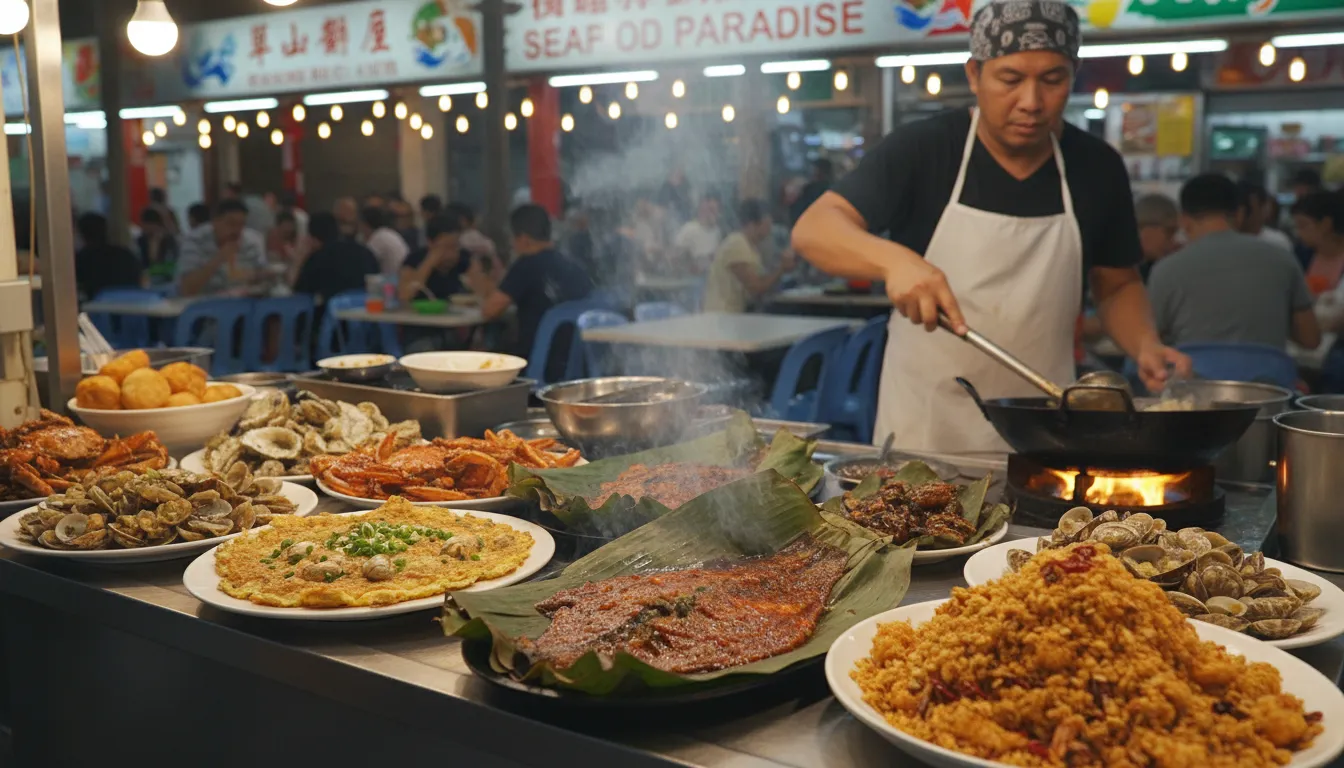
For those who appreciate a fiery kick, Sambal Stingray is an absolute must-try. Fresh stingray, often marinated in a vibrant, homemade sambal paste (a spicy chili sauce), is grilled over charcoal, typically wrapped in a banana leaf. The banana leaf imparts a subtle aroma while keeping the fish moist. The smoky, spicy, and slightly sweet flavors, combined with the flaky texture of the stingray, create an unforgettable culinary experience, often enjoyed with a squeeze of calamansi lime.
Another hawker center staple, the Oyster Omelette, or Orh Luak, is a textural masterpiece. This dish features plump, fresh oysters cooked with eggs, flour, and chives on a hot griddle, creating a crispy exterior and a gooey, savory interior. Served with a tangy chili sauce, it's a delightful mix of briny freshness, eggy comfort, and a satisfying chew. I've had countless versions of Orh Luak, from humble street stalls to more established eateries, and each time it’s a comforting, flavorful embrace.
The trend of Salted Egg Yolk in Singaporean cuisine has seen it applied to various seafood, most notably prawns, squid, and even crispy fish skin. The creamy, rich, and slightly grainy salted egg yolk sauce, often infused with curry leaves and chili, coats the fried seafood, creating an incredibly decadent and addictive flavor. It’s a modern classic that showcases how traditional ingredients can be reimagined for contemporary palates.
Finally, for a true taste of Singapore's multicultural heritage, Fish Head Curry is an experience not to be missed. A large fish head (often from a Red Snapper or Grouper) is simmered in a rich, tangy, and spicy curry gravy, brimming with vegetables like okra, brinjal, and tomatoes. This dish beautifully blends South Indian and Chinese culinary traditions, creating a deeply flavorful and aromatic stew that is perfect for sharing with a bowl of steamed rice. It’s a hearty, communal dish that truly reflects Singapore's diverse identity.
These dishes, alongside the famous crabs, paint a comprehensive picture of Singapore's vibrant and diverse seafood offerings. They invite diners to explore beyond the well-trodden path, promising new discoveries and deeper connections to the city's rich culinary narrative.
The MLIFEON Approach: Connecting Through Cuisine
At MLIFEON, we believe that travel and cultural exploration are deeply intertwined with the culinary experiences of a destination. Food is not merely sustenance; it is a universal language, a potent storyteller, and a powerful bridge that connects us to the heart and soul of a community. In Singapore, this philosophy truly comes alive through its incredible seafood scene, where every dish served is a narrative of heritage, innovation, and shared identity.
Dining in Singapore, especially at its seafood restaurants, is inherently a communal affair. The large portions, the shared plates, and the hands-on nature of eating dishes like Chilli Crab foster an environment of togetherness and lively conversation. I've shared countless meals around these tables, not just with family and friends, but often striking up conversations with neighboring diners, all united by the simple joy of good food. These moments, often messy and always memorable, are where true cultural exchange happens.
Exploring Singapore's seafood scene offers more than just a gastronomic adventure; it provides a deeper understanding of its multicultural identity. From the Chinese influences in stir-fried dishes, the Malay and Indian spices in sambal and curries, to the global sourcing of ingredients, each bite reflects the city-state's unique position at the crossroads of various cultures. It’s a testament to how different traditions can harmoniously blend to create something truly spectacular and uniquely Singaporean.
Through this culinary journey, we discover the values that MLIFEON cherishes: authenticity, connection, and experiential learning. The honest flavors, the vibrant markets, and the stories behind each dish invite us to look beyond the surface and truly immerse ourselves in the local way of life. It’s about savoring not just the taste, but the entire experience, allowing it to enrich our perspective and broaden our horizons.
Conclusion: A Seafood Paradise Awaits
Singapore stands as an undeniable seafood paradise, a destination where culinary excellence meets rich cultural heritage. From the fiery debates over Chilli versus Black Pepper Crab to the nuanced art of ordering by weight, and from the iconic institutions of East Coast Park to the bustling hawker centers, the city offers an unparalleled journey for any seafood lover. Beyond the famous crabs, a world of cereal prawns, sambal stingray, and fish head curry awaits, each dish a testament to Singapore's diverse culinary genius.
My own experiences as a travel and food writer have consistently reinforced that Singapore's seafood scene is more than just about eating; it's about engaging with a vibrant culture, understanding its people, and creating enduring memories around a shared table. It's about the joyous mess of cracking open a crab, the satisfying spice of a perfectly grilled stingray, and the comforting warmth of a claypot crab bee hoon. These are the moments that define a journey, transforming a mere visit into a profound connection.
So, whether you are a seasoned gourmand or a curious traveler, Singapore's legendary seafood scene promises to tantalize your taste buds and ignite your spirit of discovery. Arm yourself with these tips, an adventurous palate, and an open heart, and embark on your own unforgettable culinary odyssey. As we say at MLIFEON, it's 'Your journey to unforgettable cultural stories and inspiring connections. More Discovery, More Experience.' Let Singapore's seafood be your guide to that extraordinary journey.