THE BEAUTY OF KHMER THERAVADA PAGODAS
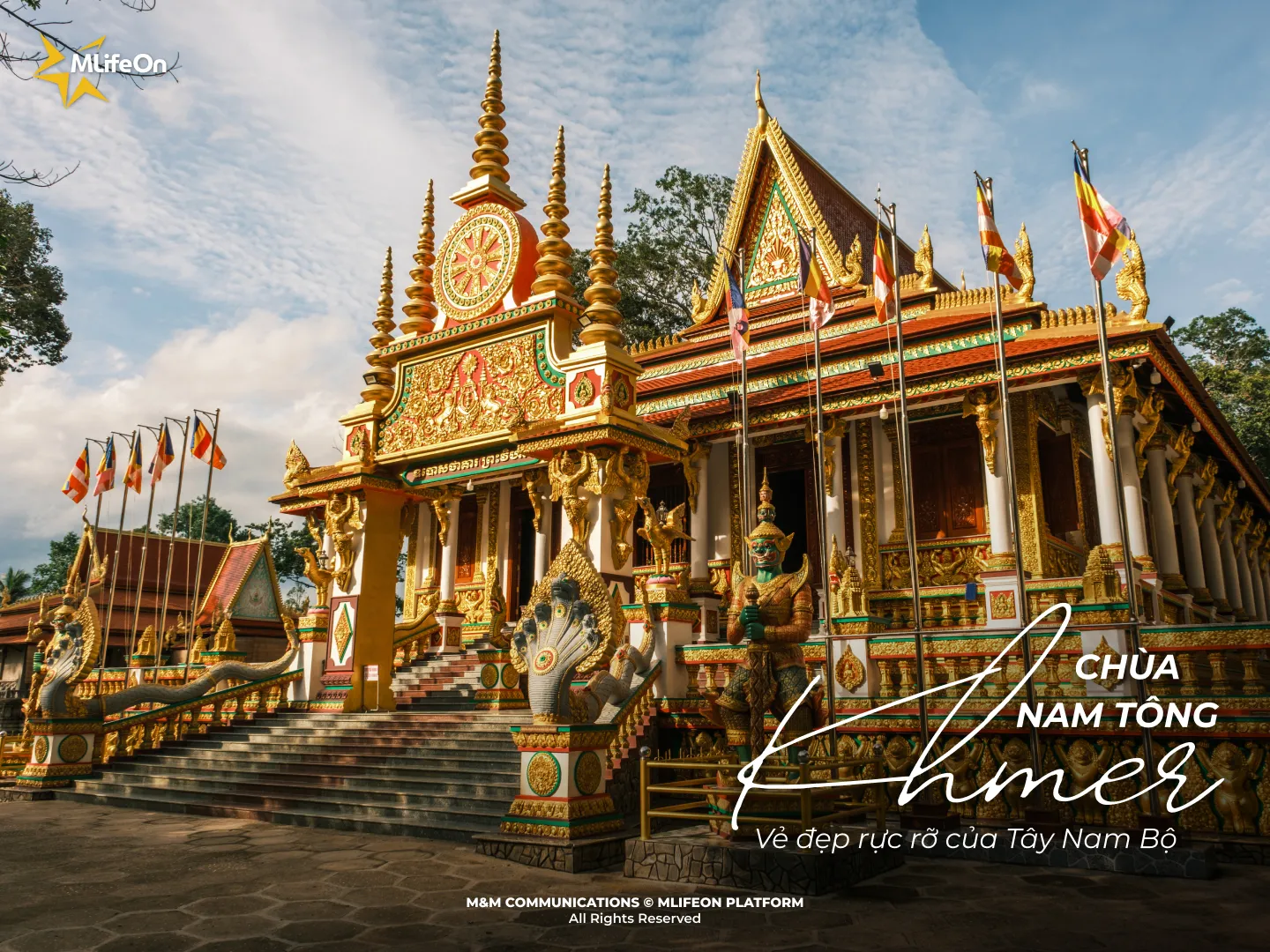
Throughout my journey exploring Vietnamese culture, I have always been captivated by religious structures, which not only reflect spiritual life but also preserve the memories and identity of the community.
And among them, the Khmer Theravada Buddhist pagodas stand out. With their captivating architecture and colors, these structures appear like shining gems, both majestic and radiant, a testament to the cultural and religious exchange that has existed for hundreds of years in the Southwestern region of Vietnam.
Theravada Buddhism in Vietnam
Theravada Buddhism, also known as Southern Buddhism, is a religion that is primarily found among the Khmer community in Southern Vietnam.
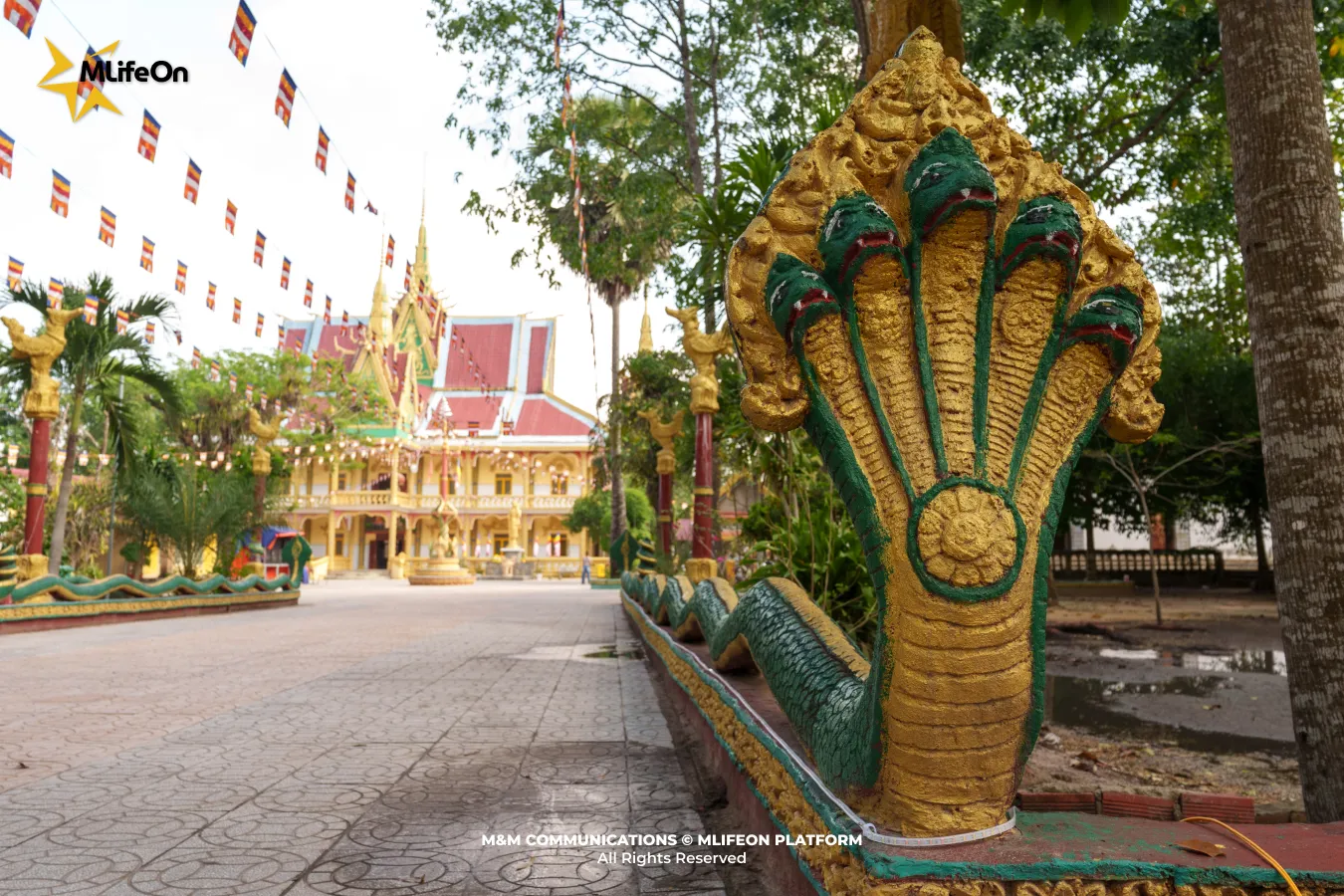
This is a unique land where many religions coexist: Buddhism, Catholicism, Cham Islam, and folk beliefs. Among them, Theravada Buddhism plays a central role in the spiritual life of the Khmer people.
What impressed me most was the close connection between Theravada pagodas and the community. Pagodas are not only places of worship, but also centers of culture and education, where Khmer children learn literacy and morality, and where people hold traditional festivals such as Chol Chnam Thmay (Khmer New Year) and Ok Om Bok (moon worship festival). Therefore, when entering a Khmer pagoda, one sees not only religion, but also community life reflected in every detail.
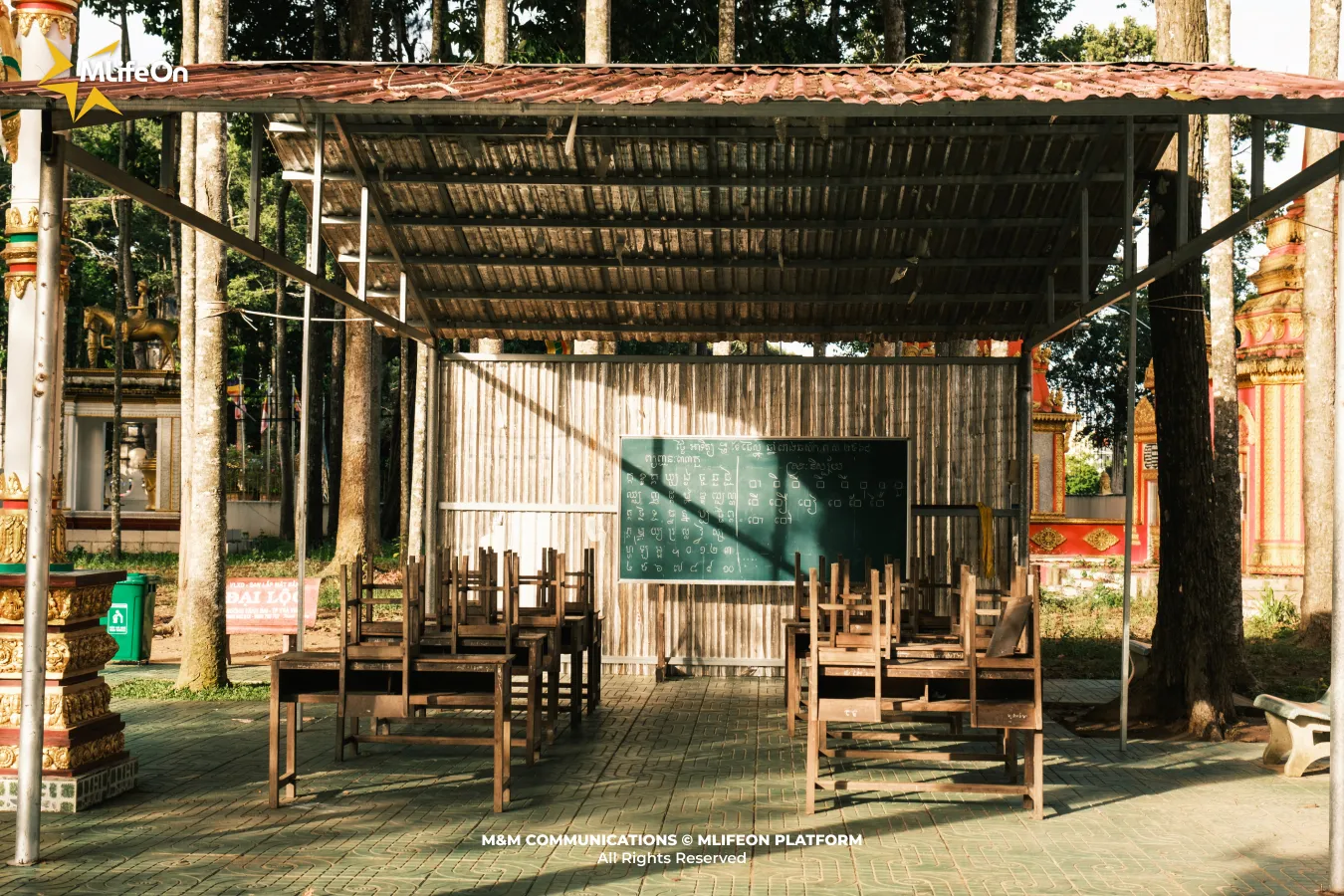
Common features of architecture
What makes Khmer Theravada Buddhist pagodas so uniquely beautiful is their magnificent and exquisite architecture. Each pagoda has:
-
The main hall has a multi-tiered tiled roof, with a pointed spire reaching high towards the sky.
-
A majestic statue of Buddha Shakyamuni is usually placed in the center.
-
The ornate decorations include images of Naga serpents, Garuda birds, and lotus flowers, symbols associated with Buddhism and Khmer culture.
-
The vibrant colors yellow, red, and blue create a magnificent and distinctive appearance, different from Northern Buddhist temples or other traditional Vietnamese pagodas.
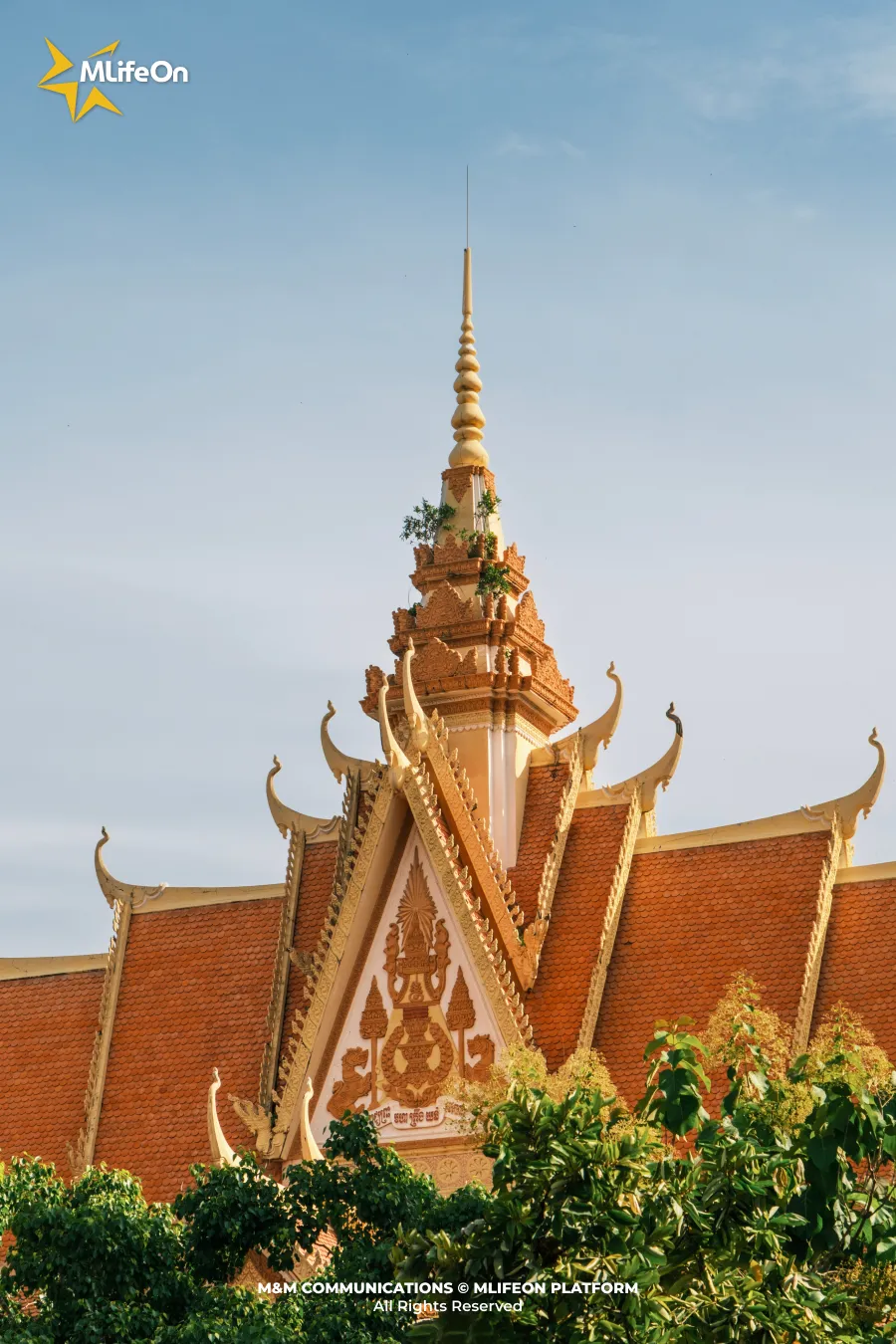
multi-tiered tiled roofs with tall, pointed spires.
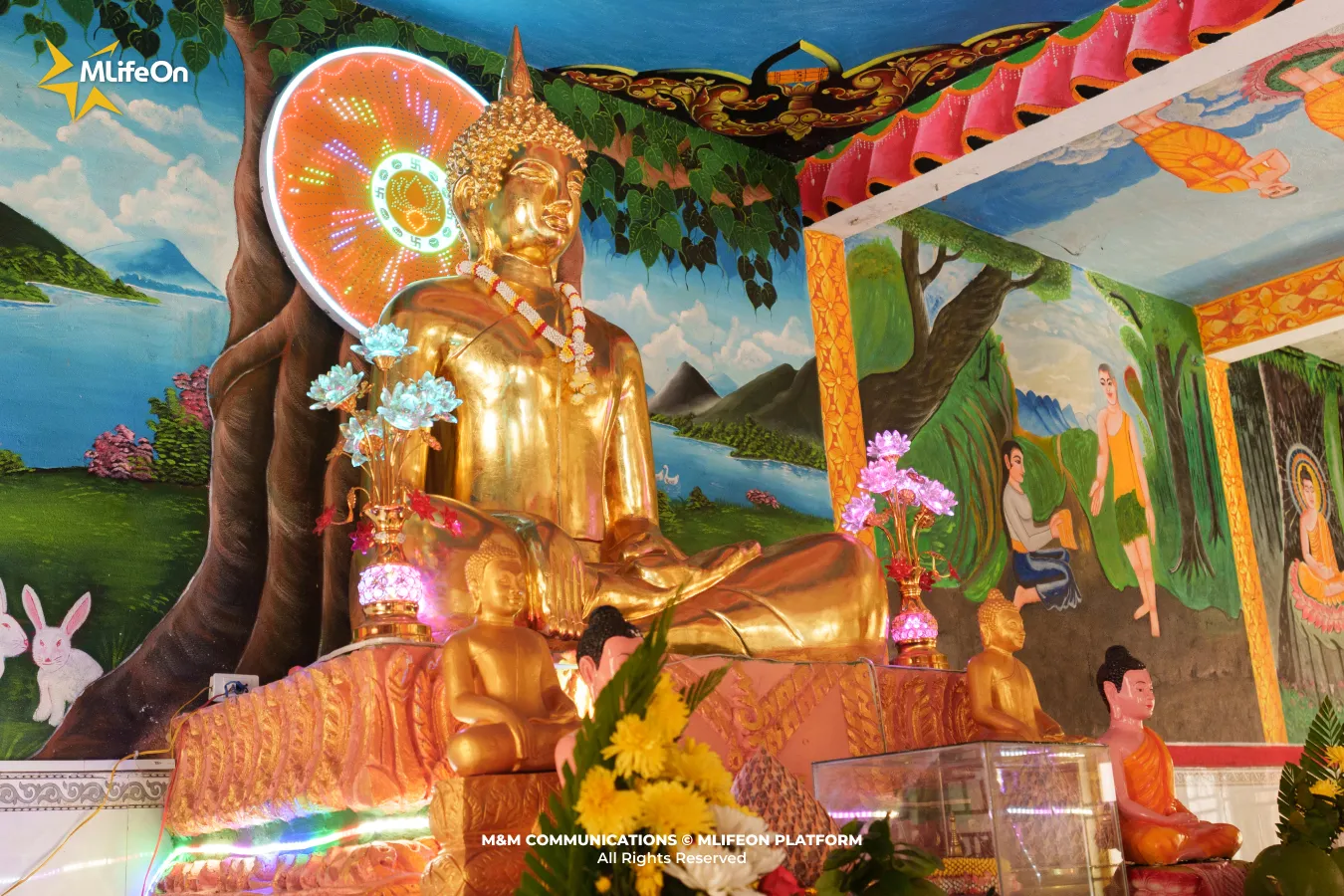
A majestic statue of Buddha Shakyamuni is placed in the center.
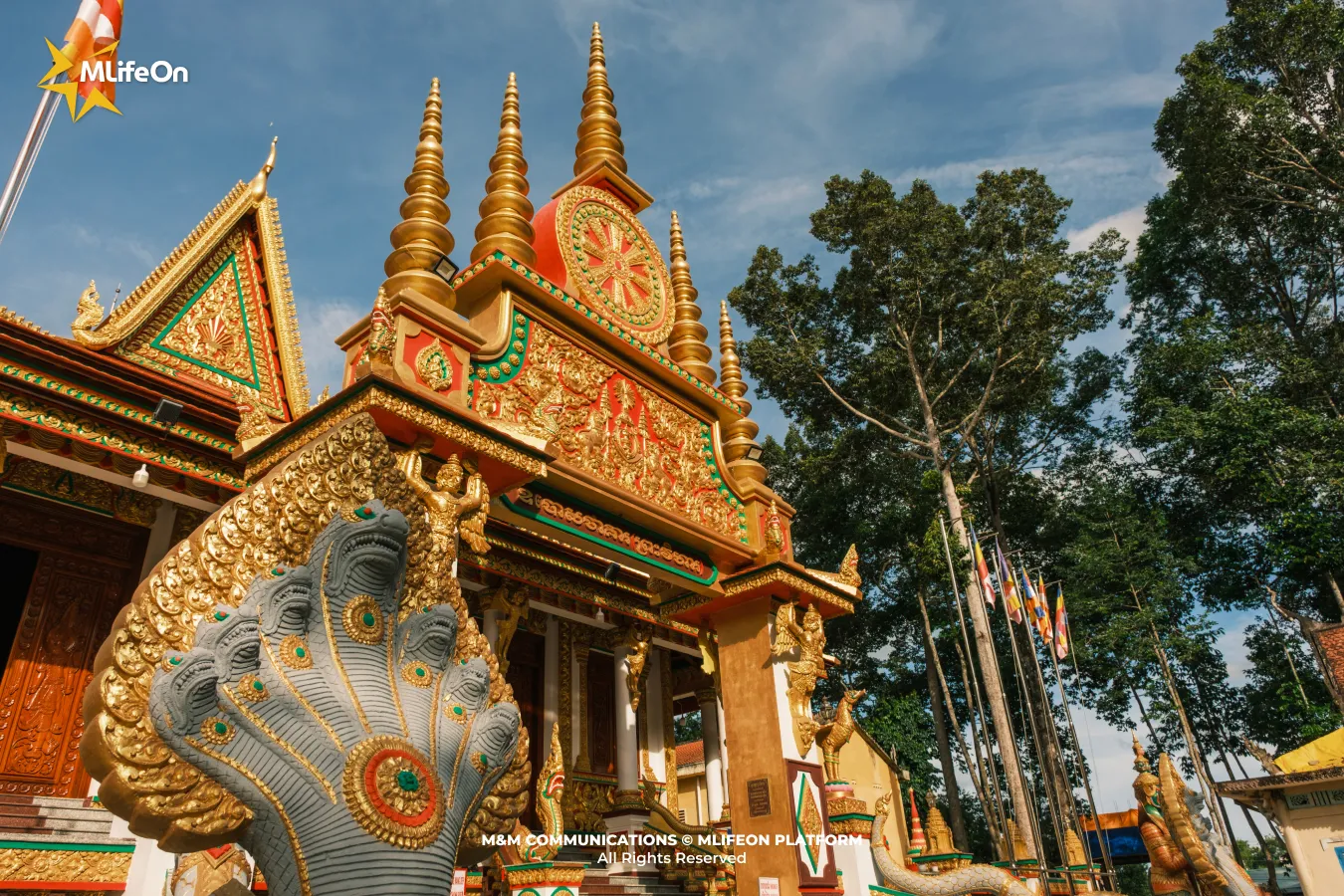
Intricate decorative patterns, associated with Buddhism and Khmer culture.
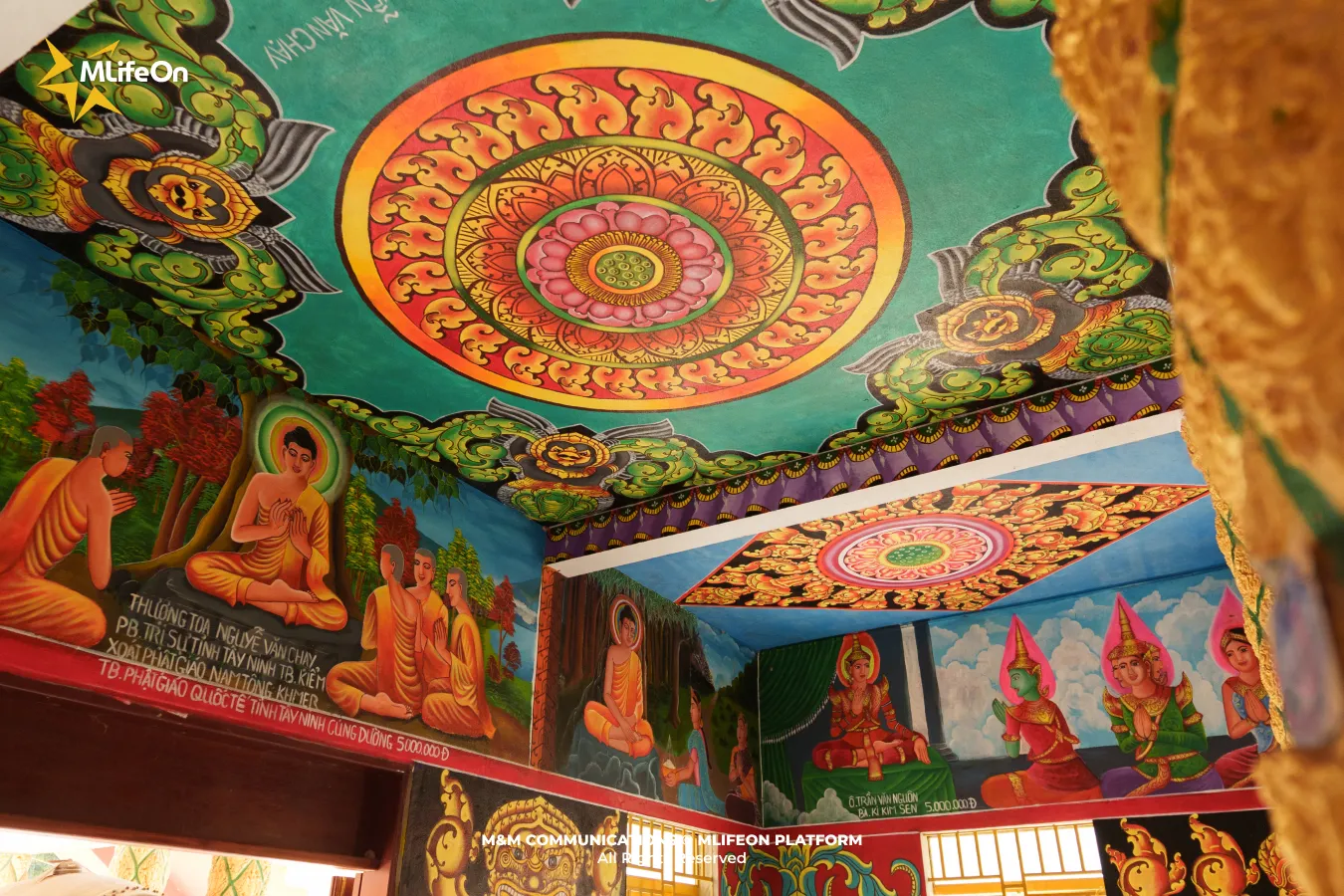
vibrant, striking colors
Interestingly, every architectural detail carries symbolic meaning. For example, the Naga serpent symbolizes protection, the lotus flower represents purity, and the multi-tiered roofs signify the connection between the earthly world and the Buddhist realm.
Standing before a Khmer pagoda, I clearly feel that the architecture here is not just for viewing, but also for telling stories: stories of faith, of goodness, and of cultural identity.
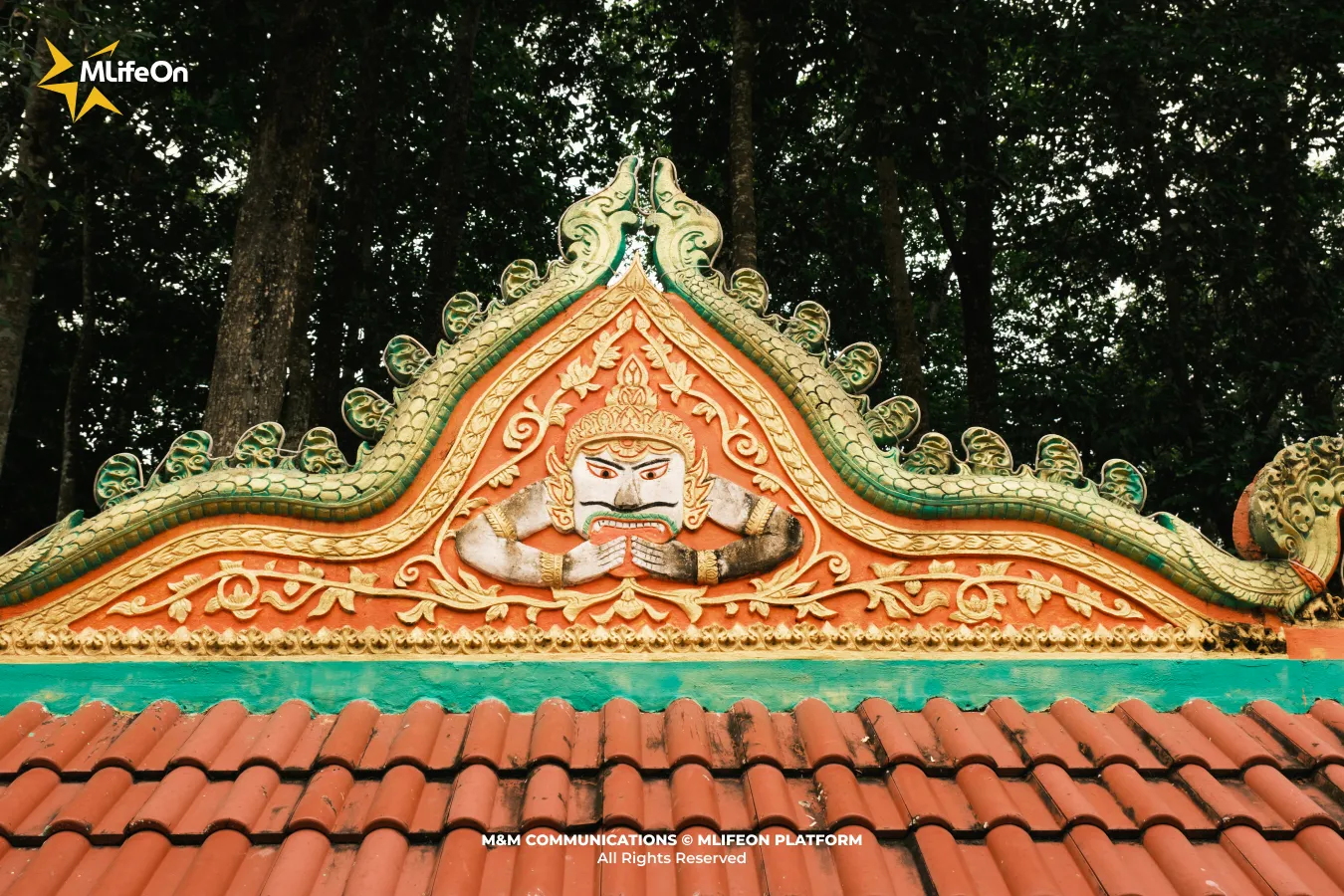
Representative pagodas
Chung Rut Pagoda
Chung Rut Pagoda is one of the typical Khmer pagodas in Tay Ninh. The structure possesses an ancient and majestic beauty, and is considered an important spiritual anchor for the Khmer community in the Southeast region of Vietnam.
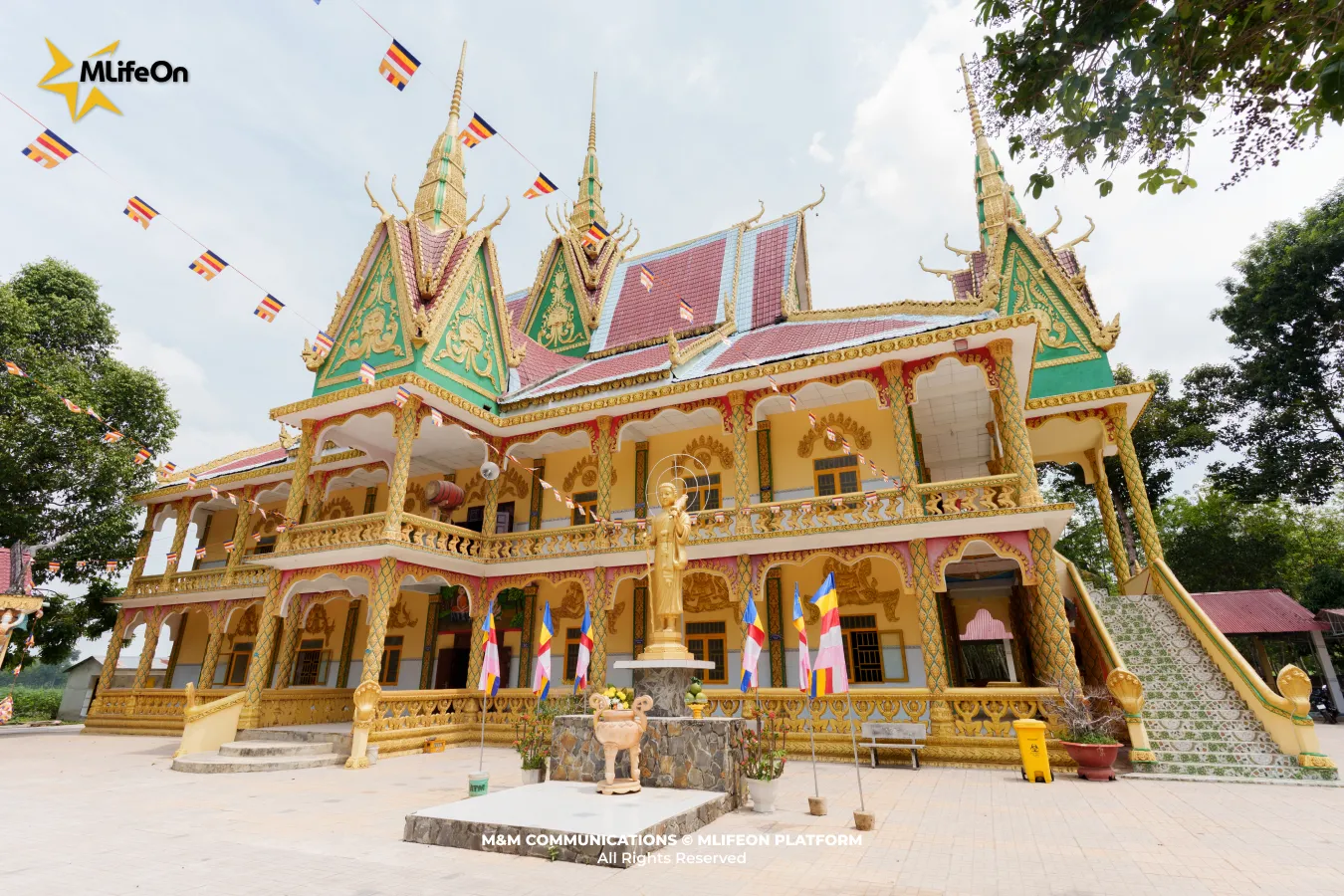
Chung Rut Pagoda, Tay Ninh Province
The highlight of the temple is its resplendent golden main hall, with its multi-tiered dome intricately carved with characteristic Khmer cultural motifs such as the Naga serpent, the Garuda bird, and lotus flowers. The pagoda's atmosphere is both solemn and vibrant, creating a breathtaking impression from the moment you arrive.
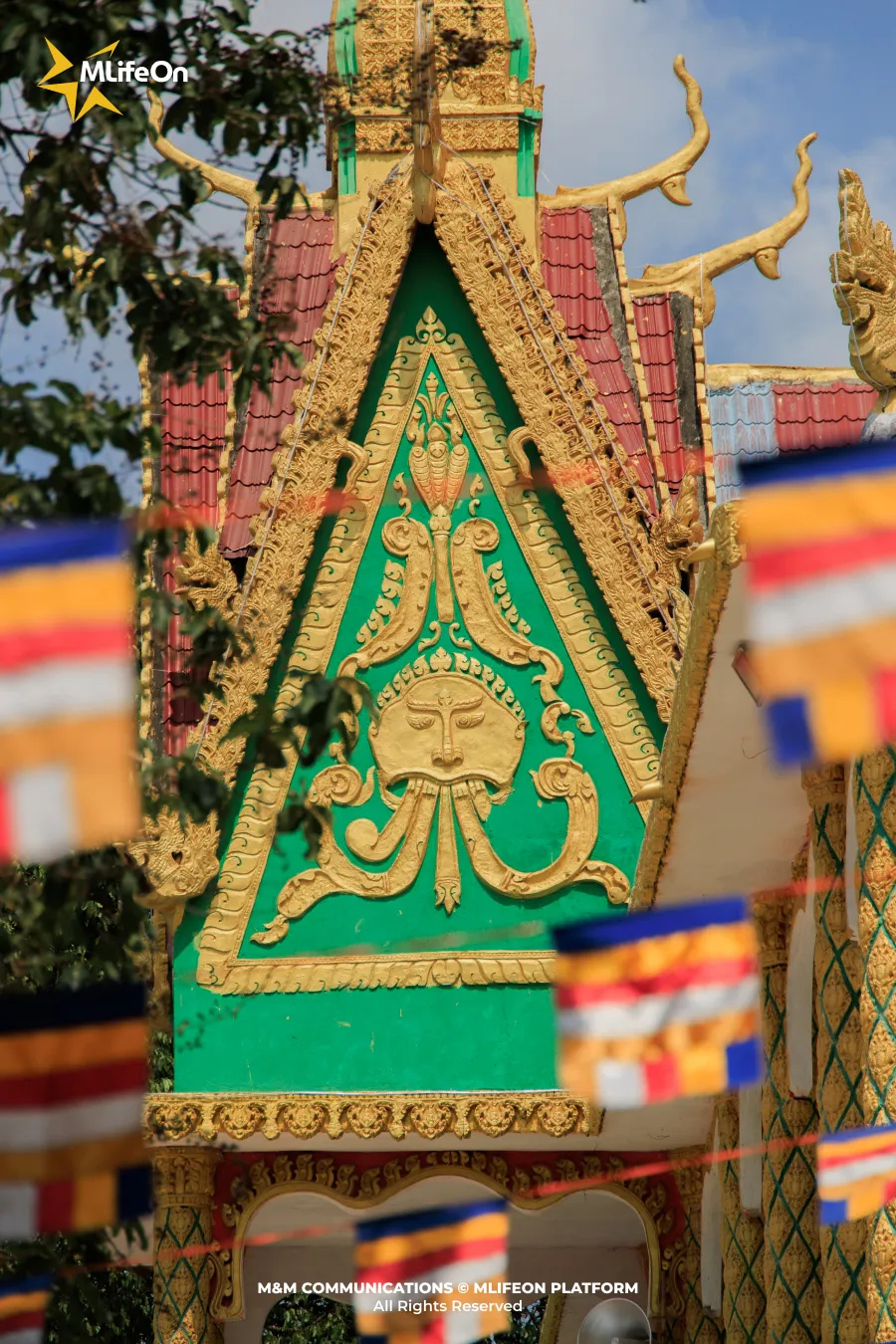
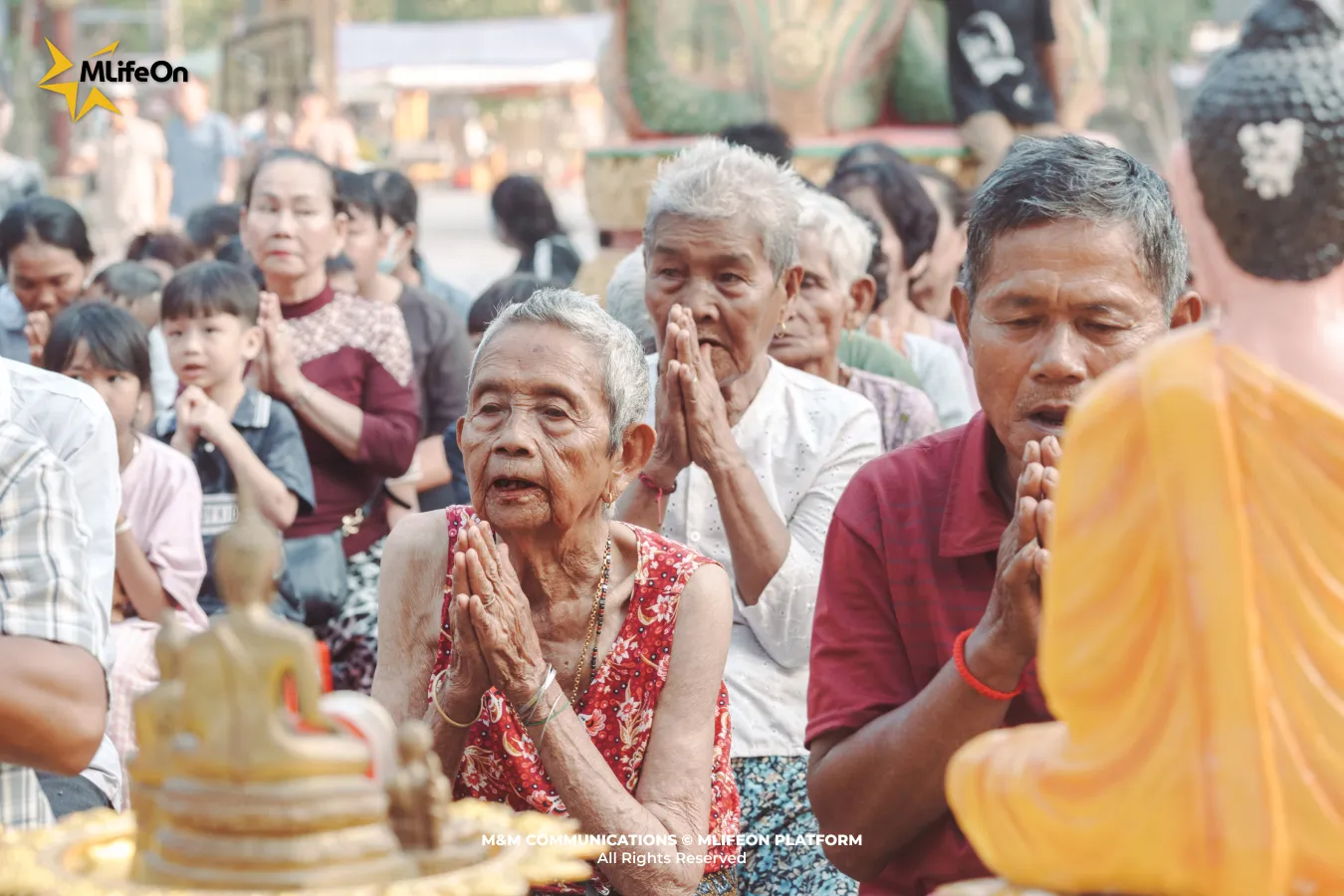
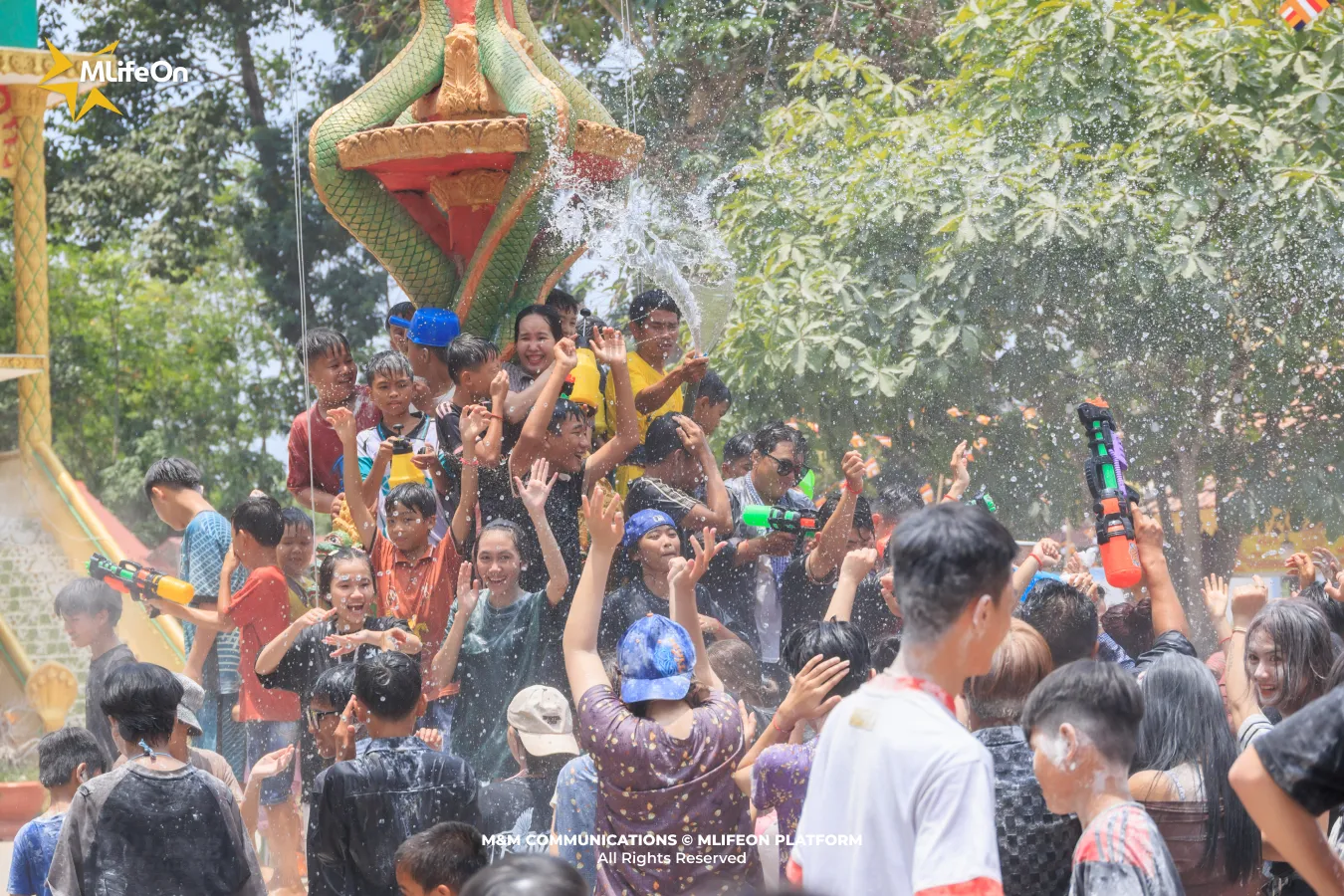
Every year, Chung Rut Pagoda is the venue for many major Khmer festivals, especially the Kathina robe offering ceremony, an important ritual in Theravada Buddhism. During these festivals, the pagoda becomes a center of community activity, where people gather to pray, celebrate, and preserve their cultural identity.
Ong Met Pagoda
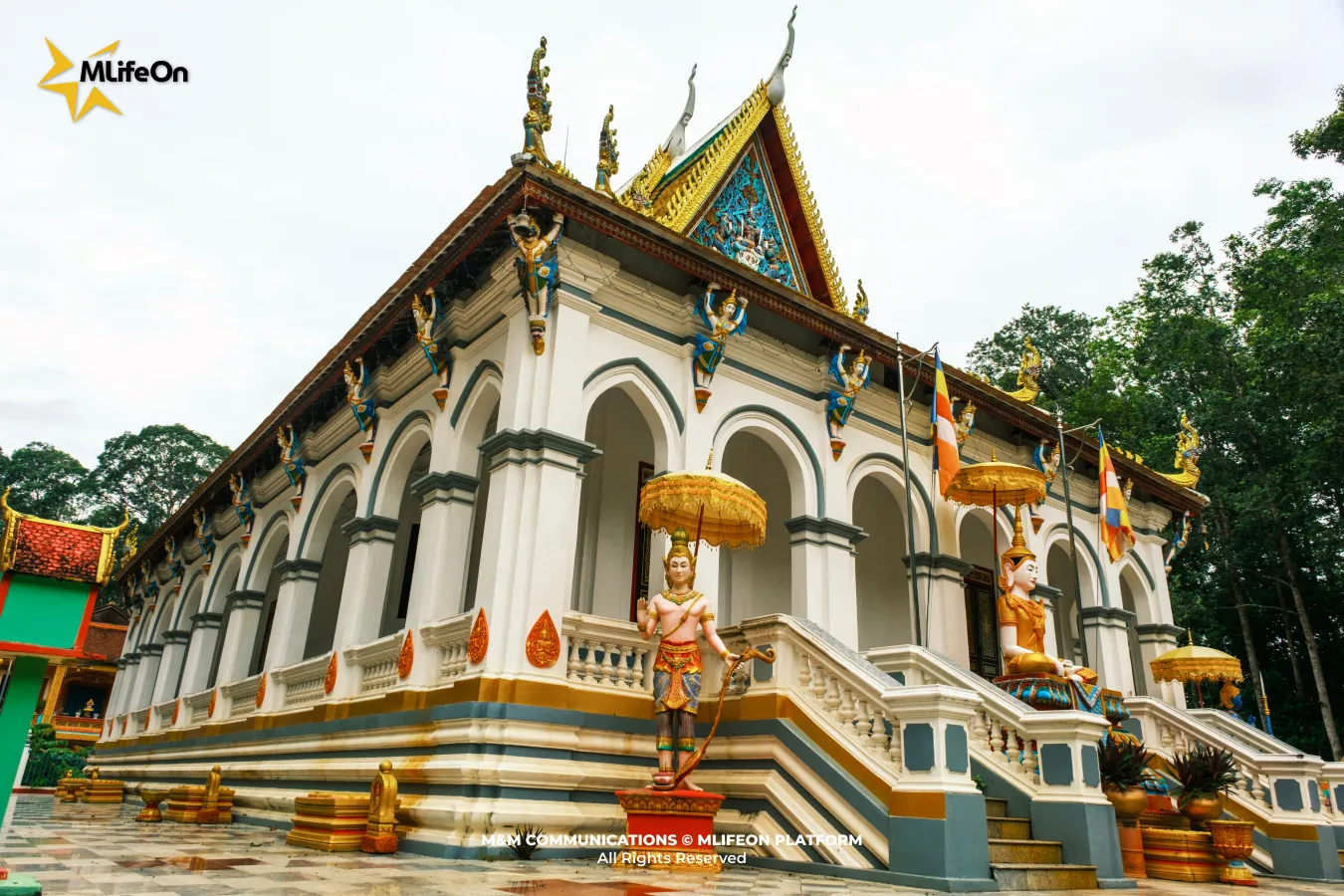
Ong Met Pagoda, Vinh Long Province
Ong Met Pagoda is one of the typical Khmer pagodas in Vinh Long (formerly part of Tra Vinh province), possessing an ancient beauty and a strong imprint of Theravada Khmer culture. The structure is not only a place of worship but also a center of community life, where Khmer people entrust their faith and organize many traditional festivals.
The highlight of the pagoda is the majestic Buddha statues placed in the main hall, along with the spacious and airy grounds. The pagoda's space is adorned with many statues of deities and mythical creatures from Khmer culture such as the Naga serpent, the Garuda bird, and lotus flower carvings, creating an atmosphere that is both sacred and mysterious.
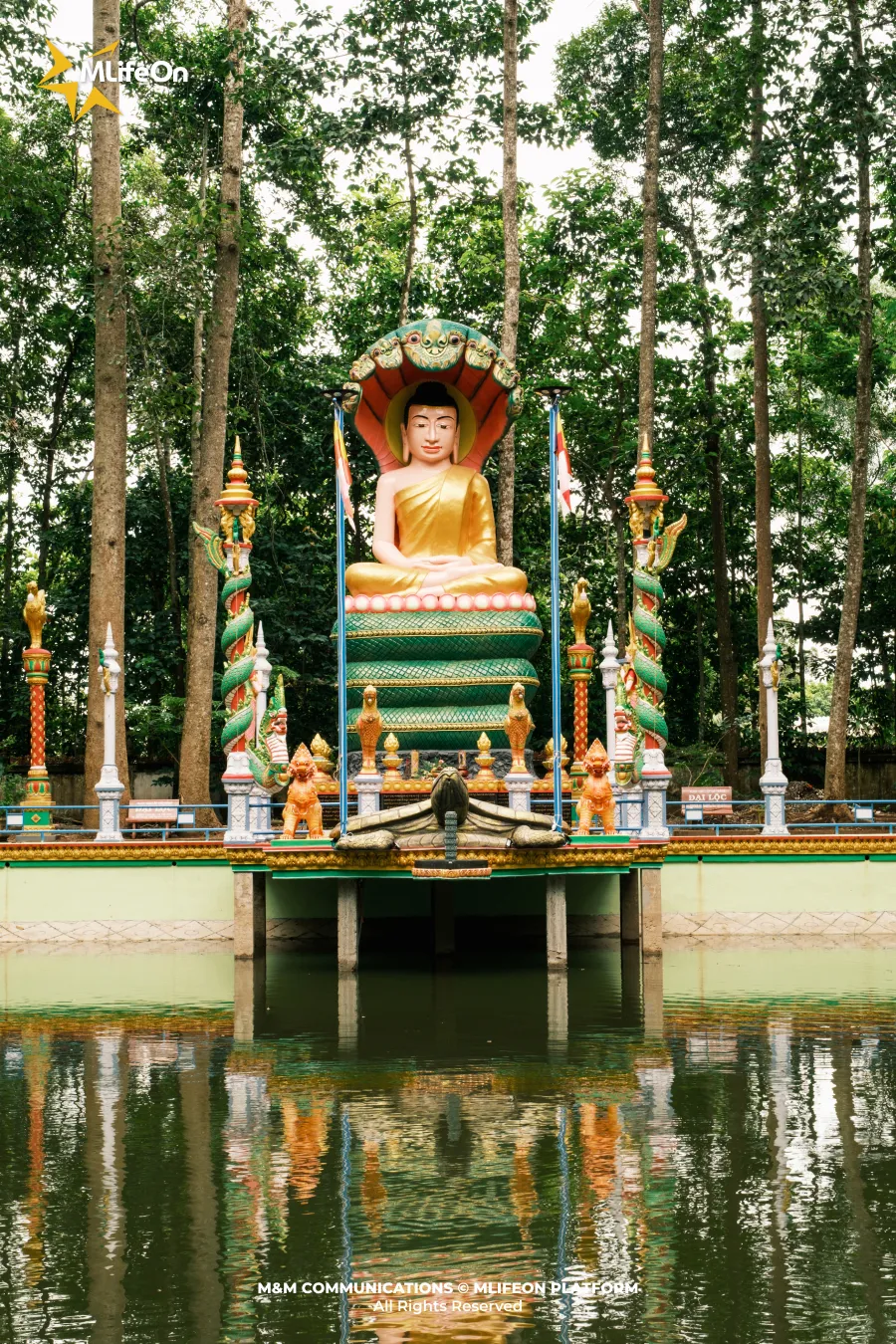
Buddha statue in the grounds of Ong Met Pagoda
Upon my first visit to Ong Met Pagoda, I felt as if I had stepped into another world: where every architectural detail and every statue tells a story about the history, beliefs, and identity of the Khmer people. This harmonious blend of architecture, art, and spiritual life has made the pagoda a vibrant cultural symbol of the Khmer community in Vinh Long.
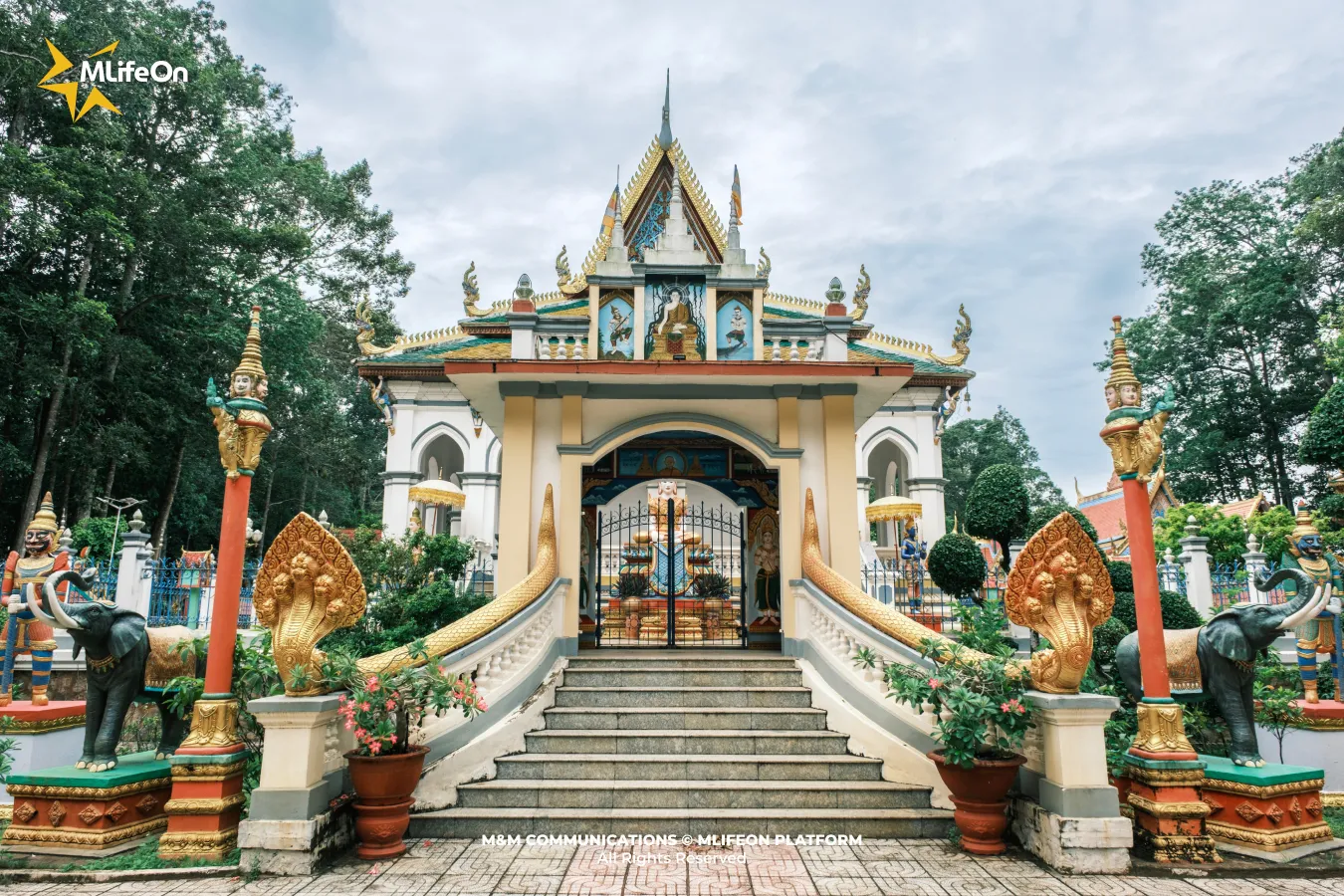
Samrong Ek Pagoda
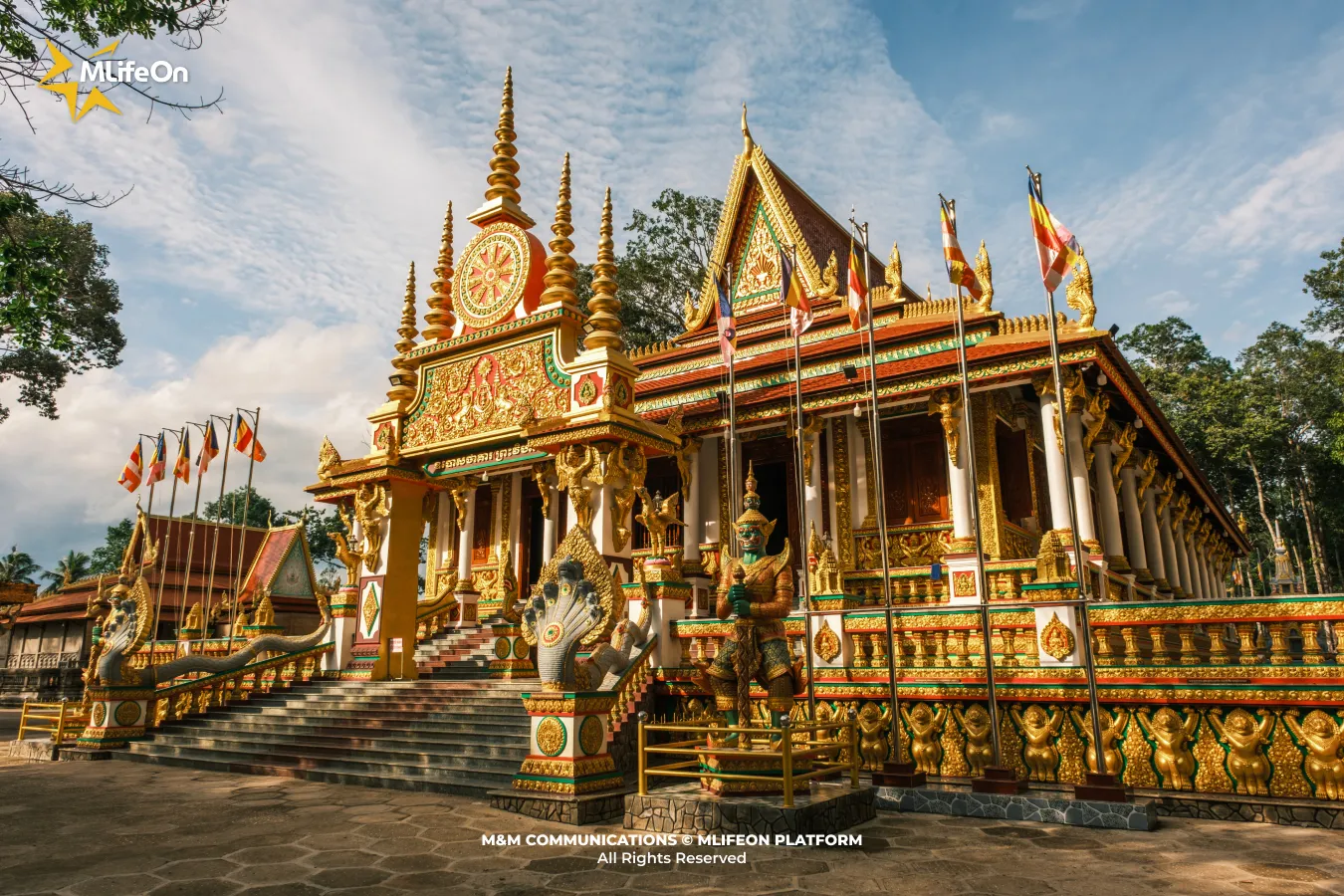
Samrong Ek Pagoda, Vinh Long Province
Samrong Ek Pagoda is one of the typical Khmer pagodas in the Southern region of Vietnam, currently located in Vinh Long province (formerly part of Tra Vinh province). Built in the 18th century, the structure bears the strong imprint of traditional Khmer architecture with its multi-tiered tiled roofs, soaring spires, and exquisite carvings.
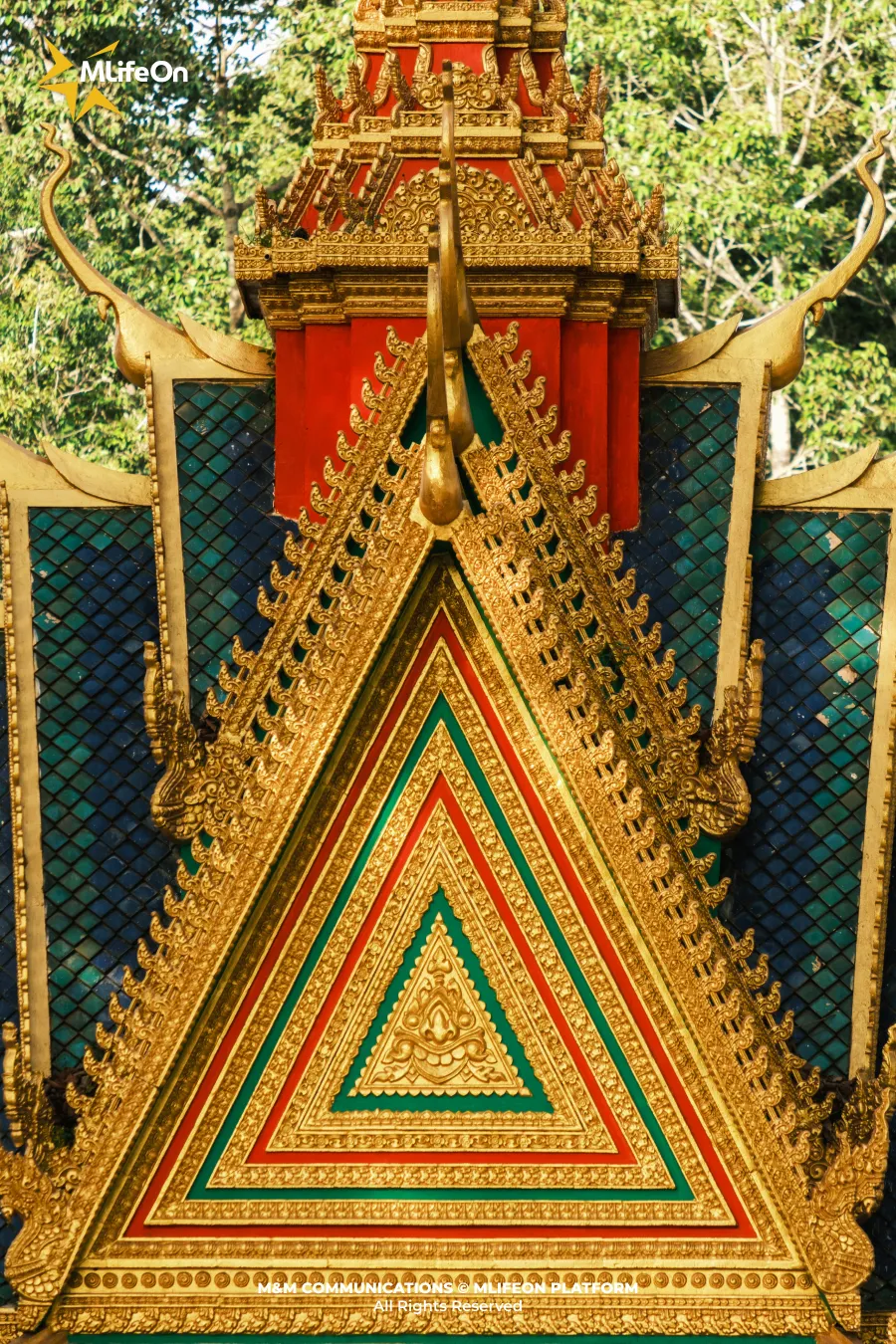
What makes Samrong Ek special is its existence amidst a rapidly transforming area driven by modern life. This very contrast creates its unique appeal: an ancient, majestic structure that still integrates seamlessly into the contemporary life of the Khmer community.
More than just a place of worship, Samrong Ek is also a testament to the enduring existence and development of Khmer culture.
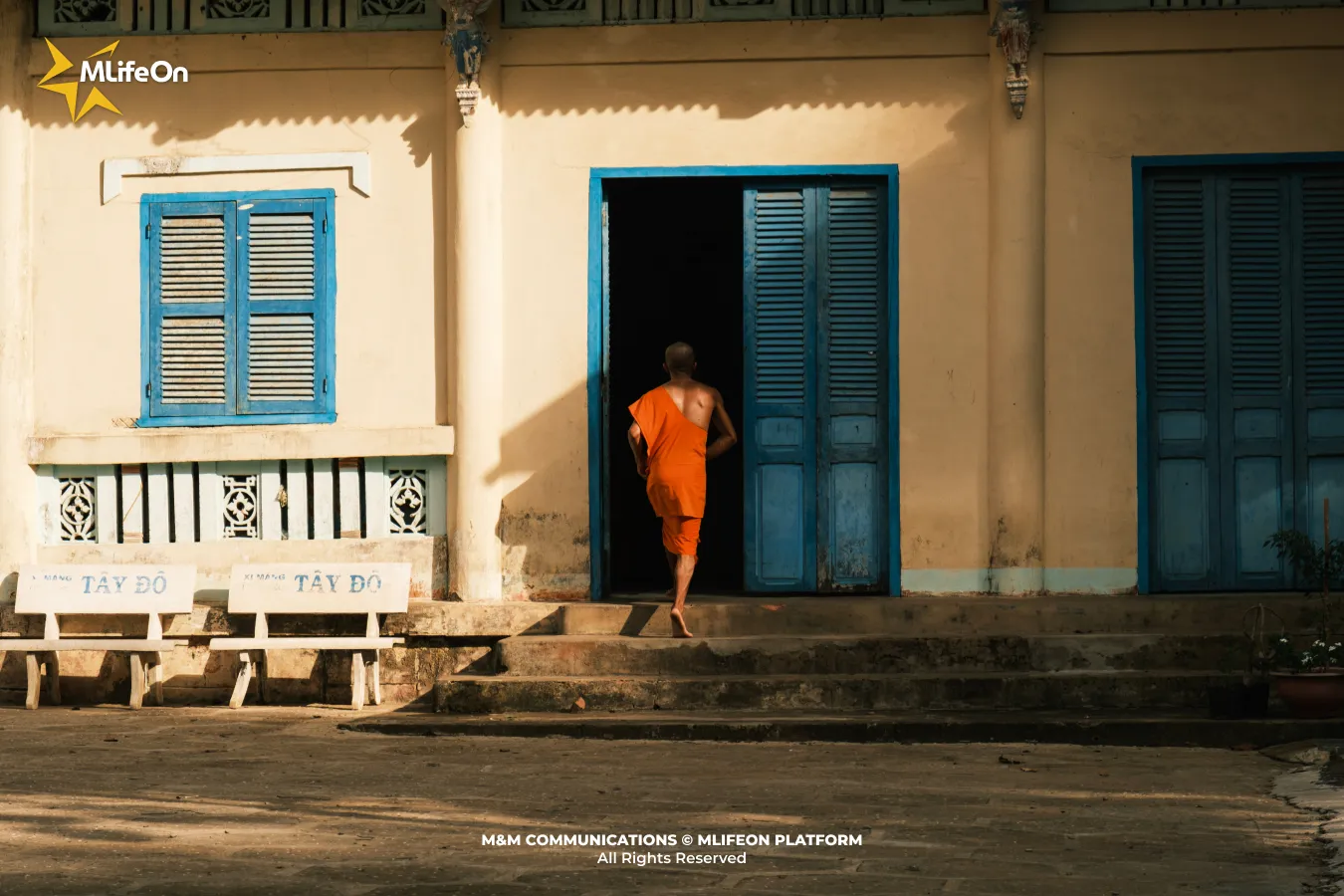
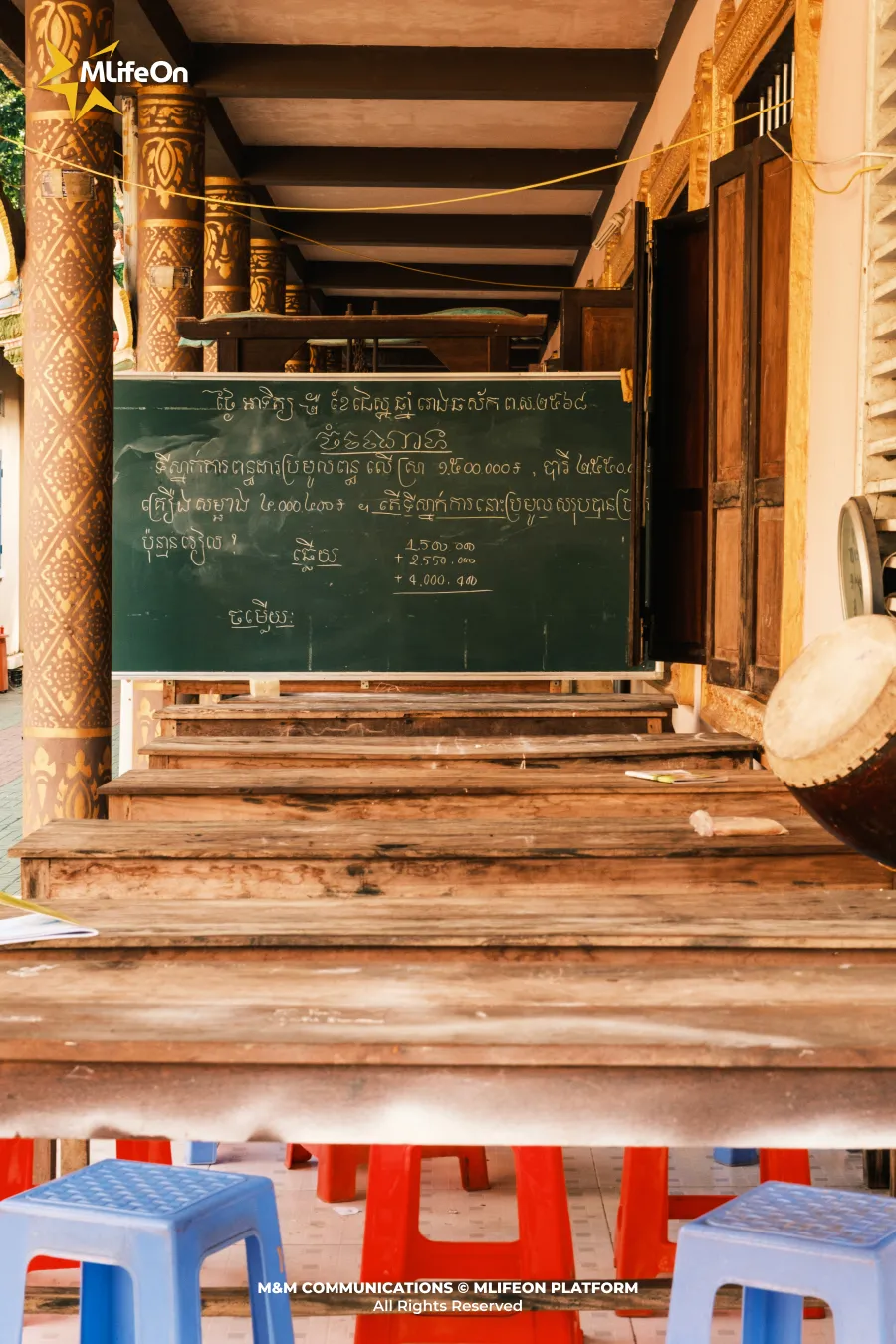
For me, Samrong Ek is like an affirmation that Khmer culture is not only closely associated with the Mekong Delta region, but also has the power to spread, integrate, and continue to thrive in modern life.
Conclusion
Khmer Theravada Buddhist pagodas are not just architectural structures, but also cultural memories of the Khmer community in Vietnam. More than just destinations, these pagodas are "tellers" of stories about faith, community bonds, and national identity preserved through generations.
For me, each visit to Khmer Theravada pagodas is a journey to find peace and an opportunity to learn more about the cultural diversity of Vietnam.
—-----
CREDIT:
- Photography: Luan Nguyen, Kien Trang
- Content: Giang Huynh
- Design: Phuong Nguyen