Visiting Xieng Thong Temple after the rain
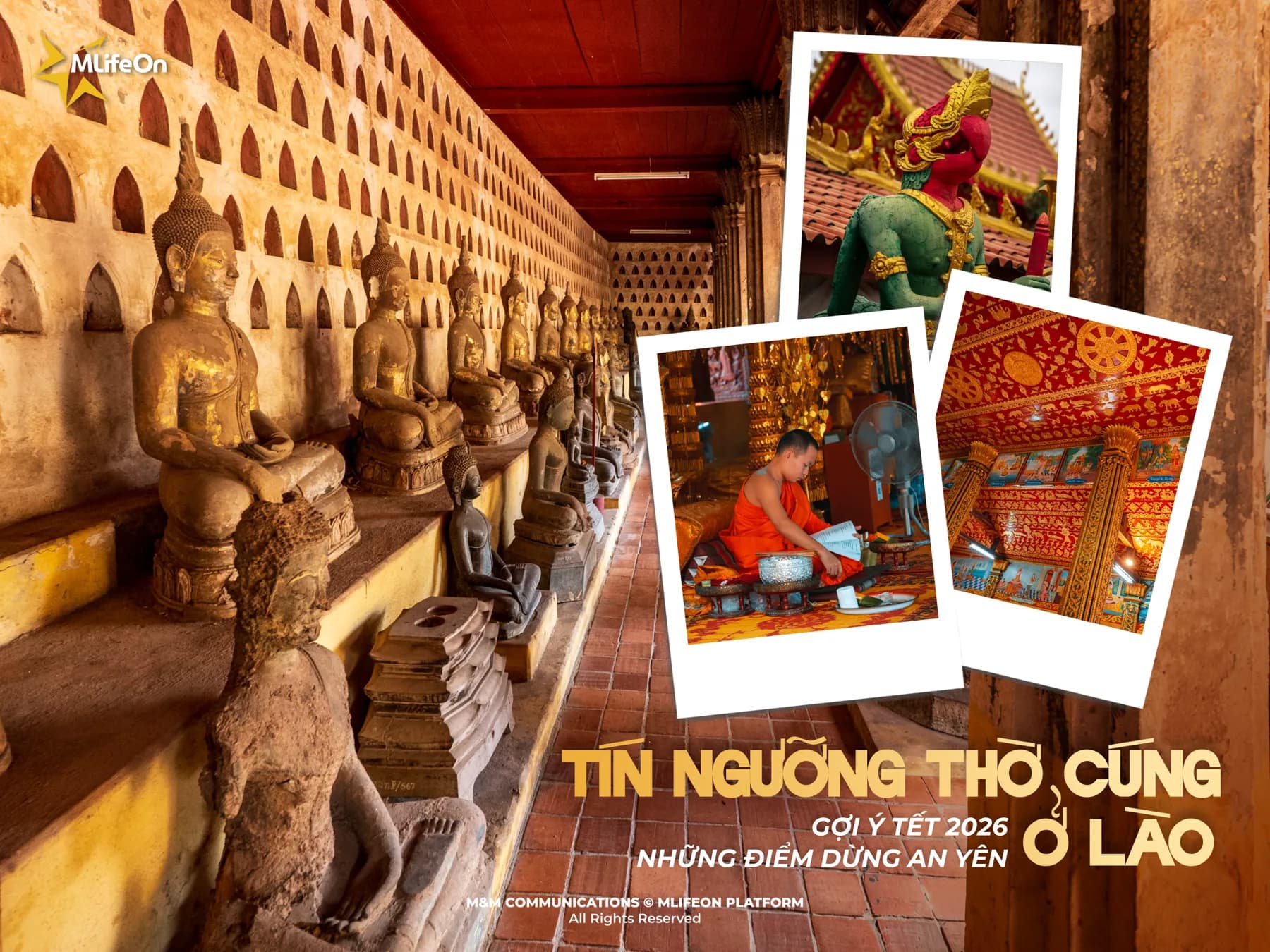
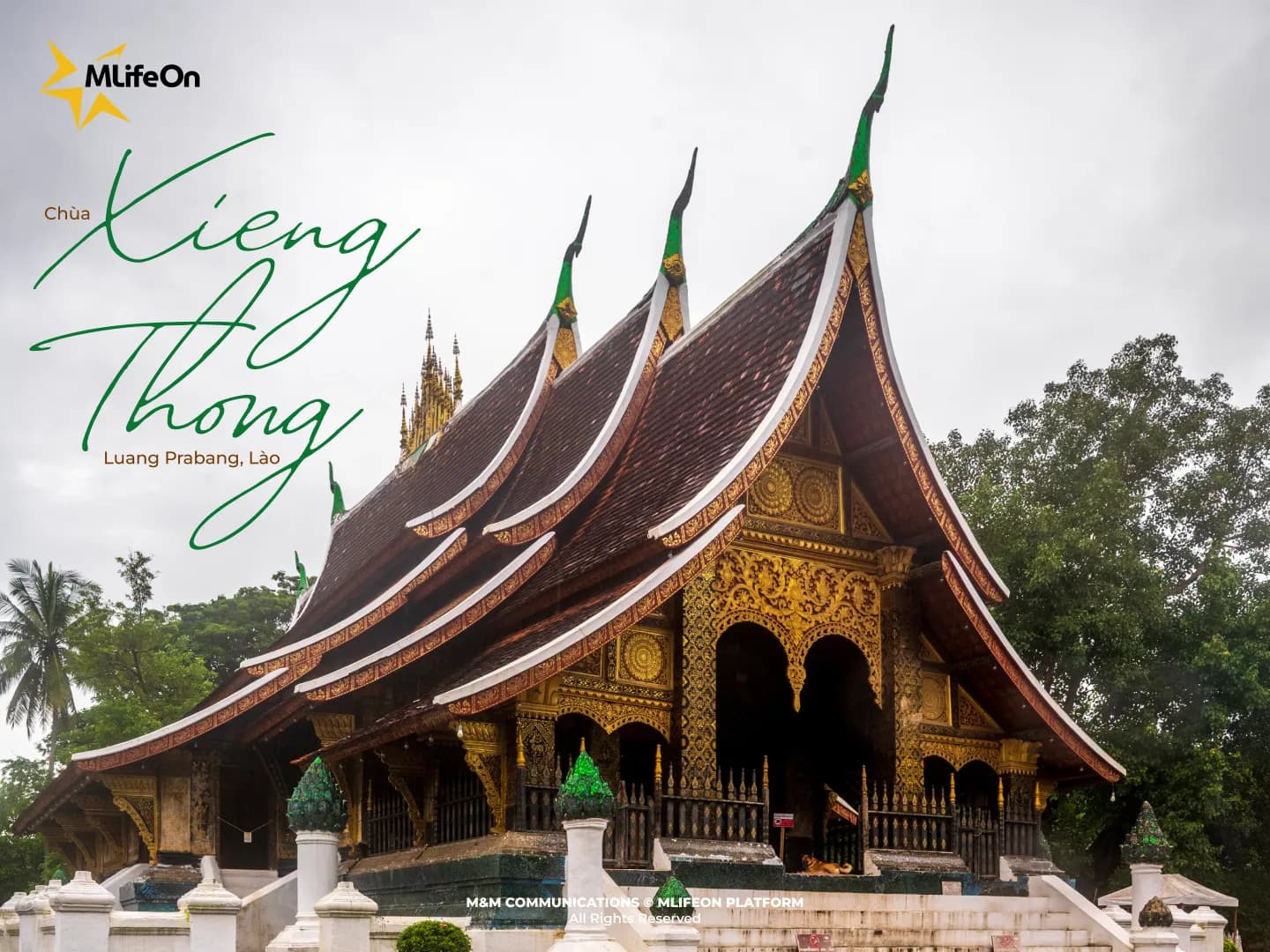
The rain has just stopped. The temple courtyard is still wet, and the sky carries a soft gray hue. There is no sunshine, only gentle light that makes everything appear clearer. The temple’s golden tones do not gleam brightly; instead, they settle into a deeper, quieter shade, revealing rooflines and curved edges often overlooked under strong sunlight.
At this hour, the temple is sparsely populated. There is no need to hurry to avoid crowds, no jostling to find a clear view. Walking slowly around the exterior, observing the low-sweeping roofs and the decorative details still glistening with rainwater, it becomes easy to understand why this place is considered a symbol of the former royal capital.
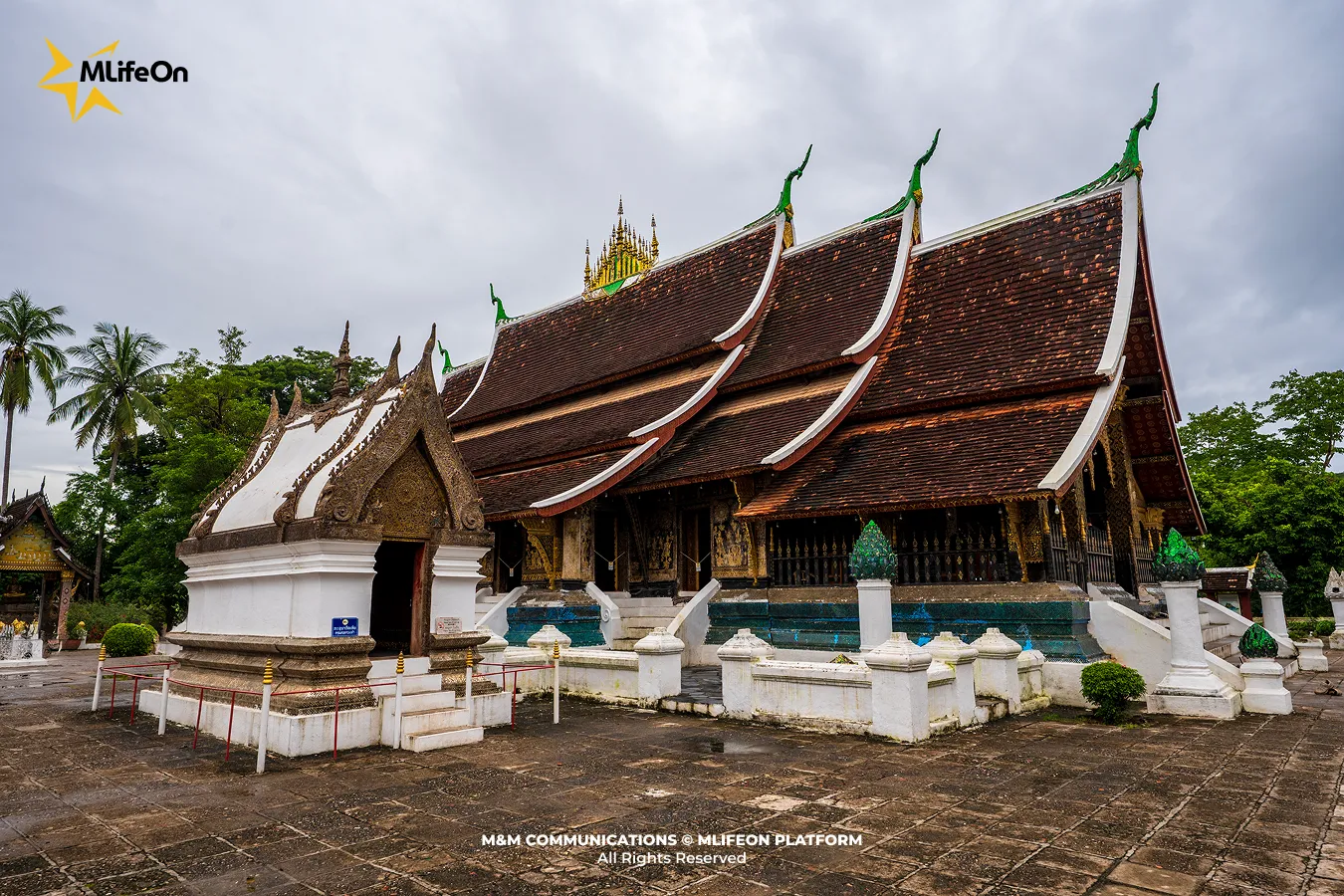
Visiting after the rain is not about seeing everything; it is about seeing carefully. The architecture is no longer obscured by glare or distracted by noise. Everything stands still, just long enough for visitors to truly feel the space.
Xieng Thong Temple and its special place in the former capital of Luang Prabang
Xieng Thong Temple is located near the confluence of the Nam Khan River and the Mekong, at the edge of Luang Prabang’s historic center. This position allows it to remain close to everyday life while preserving a necessary sense of separation. A short walk leads back to streets, cafés, and boats along the riverbanks, but crossing the temple gate, the atmosphere changes instantly.
Built around 1560 during the reign of King Setthathirat, at the height of the Lan Xang Kingdom, Xieng Thong carries a name meaning "Golden City". This name reflects not only symbolism but also the temple’s central role in Lao spiritual life. For centuries, Xieng Thong has been associated with royal ceremonies and communal rituals, serving as a spiritual anchor of the former capital.
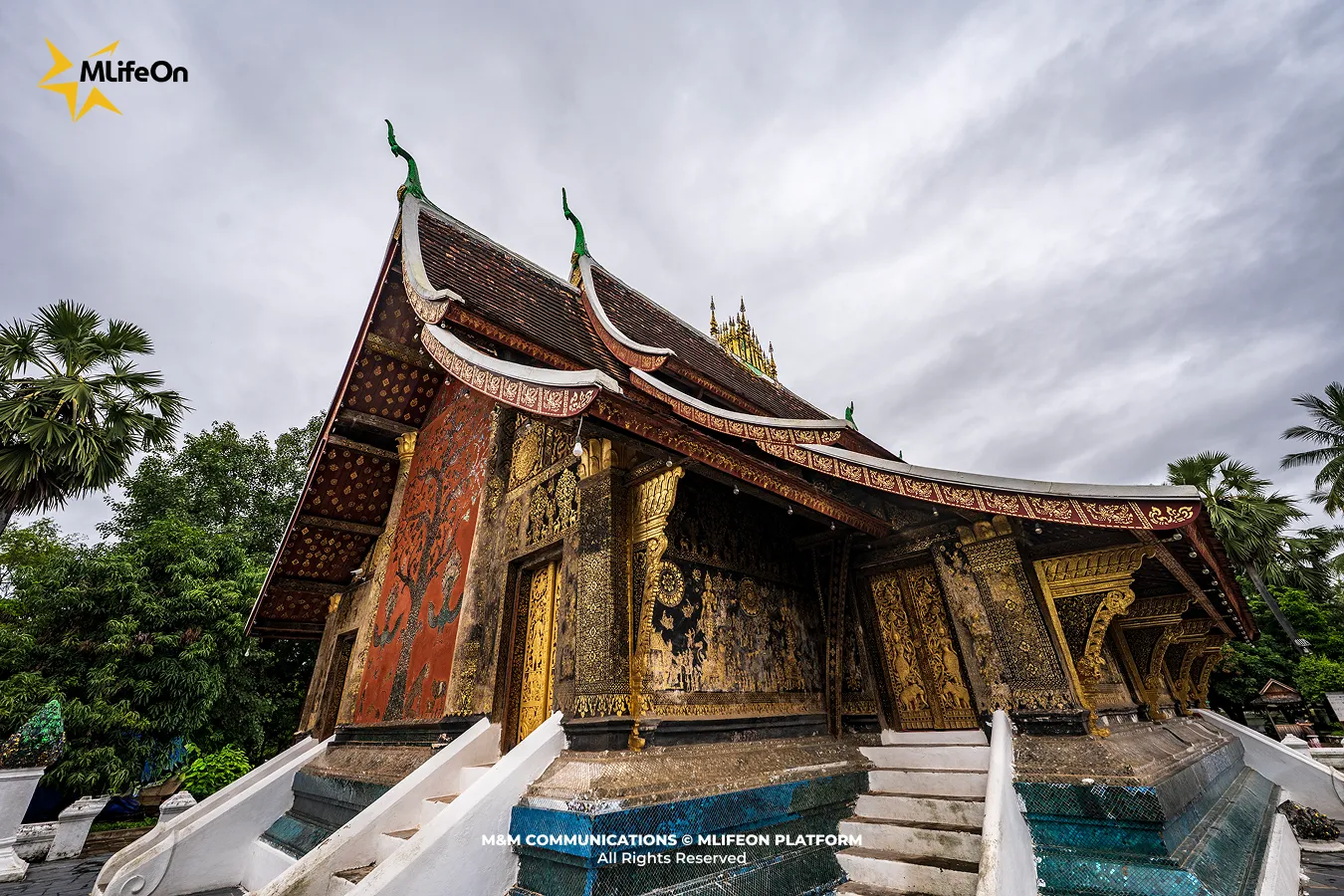
This long presence ties the temple inseparably to history. Here, the past is not confined to information panels; it exists in the temple’s relationship with the river, in the low rooflines that lean toward the earth, and in the fact that the temple continues to serve its original purpose.
The architecture of Xieng Thong Temple and the quiet beauty of Luang Prabang
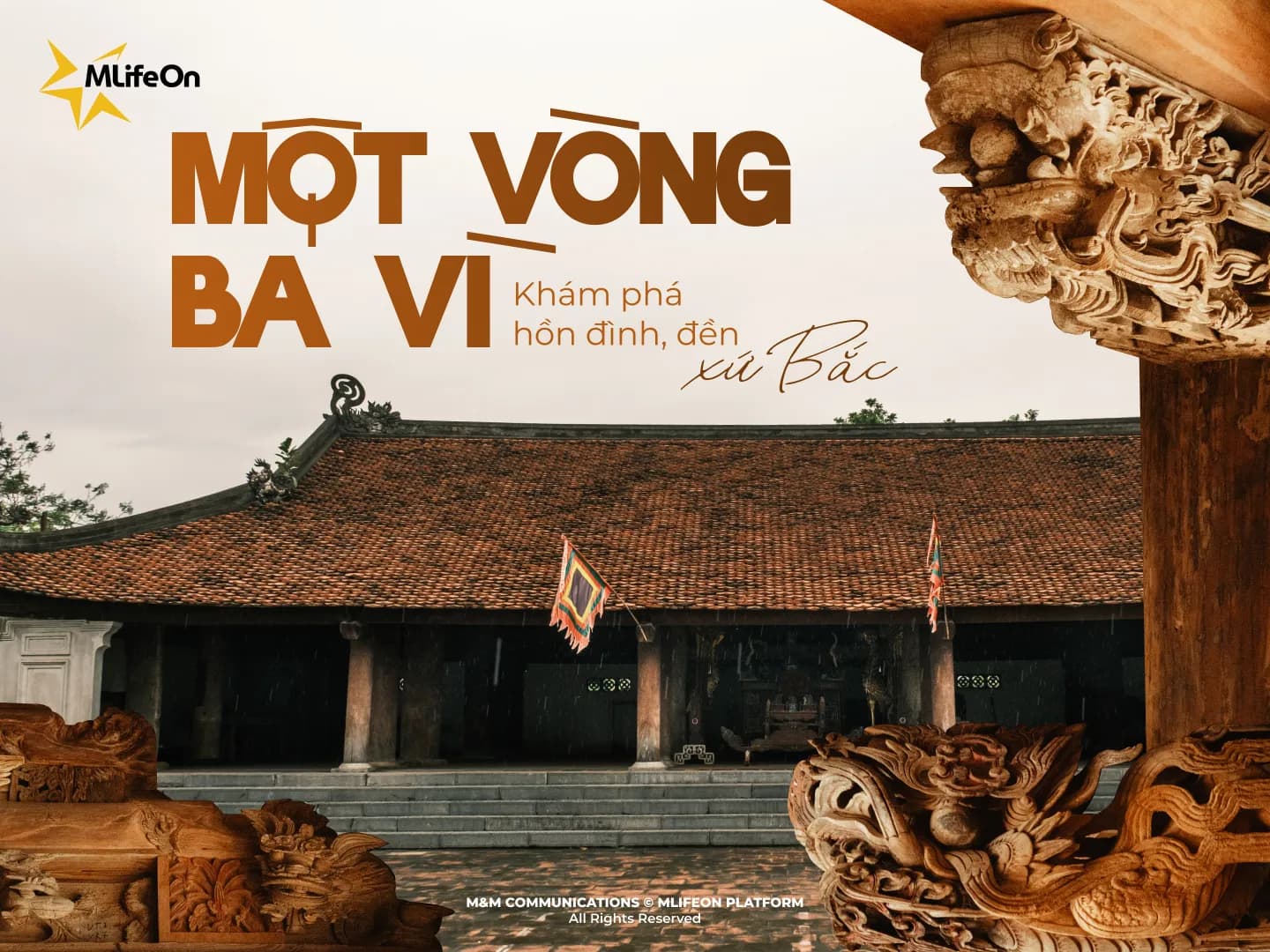
From the outside, Xieng Thong displays the defining features of Luang Prabang temple architecture: multi-tiered roofs that are low, elongated, and gently cascading toward the ground. The main hall stands on a raised platform with steps leading up, yet it never feels imposing or ostentatious. Every element is restrained, designed to harmonize with its surroundings.
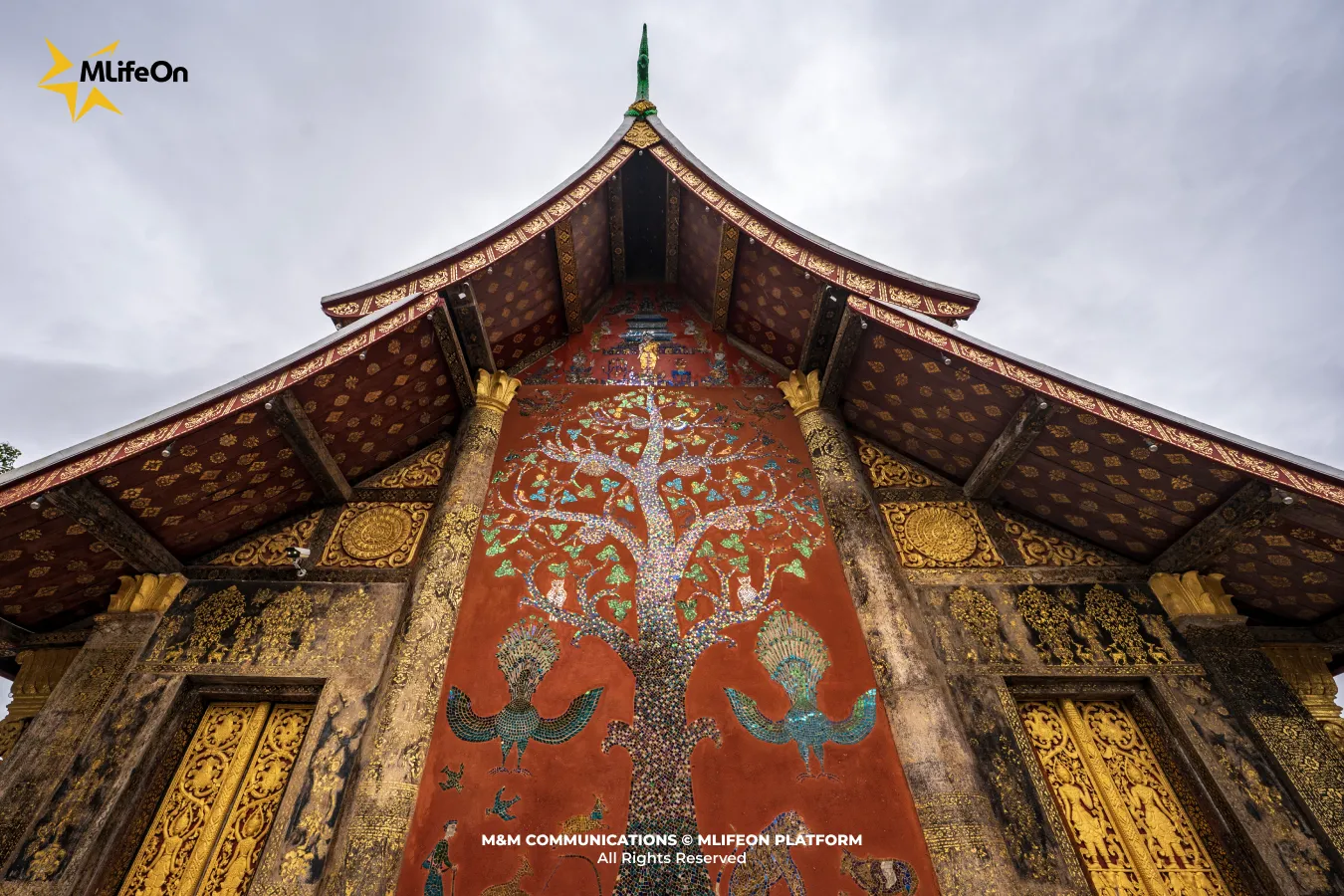
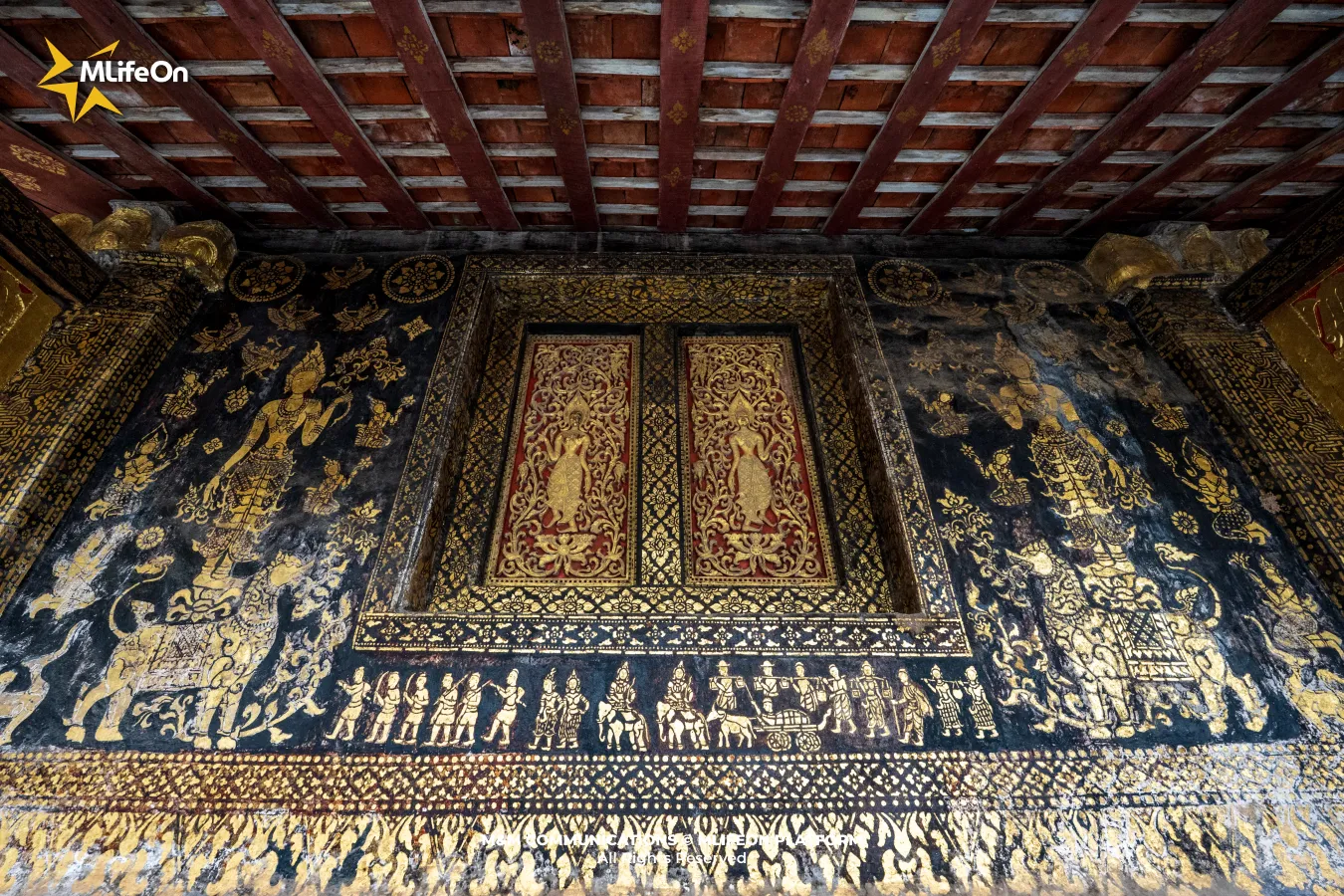
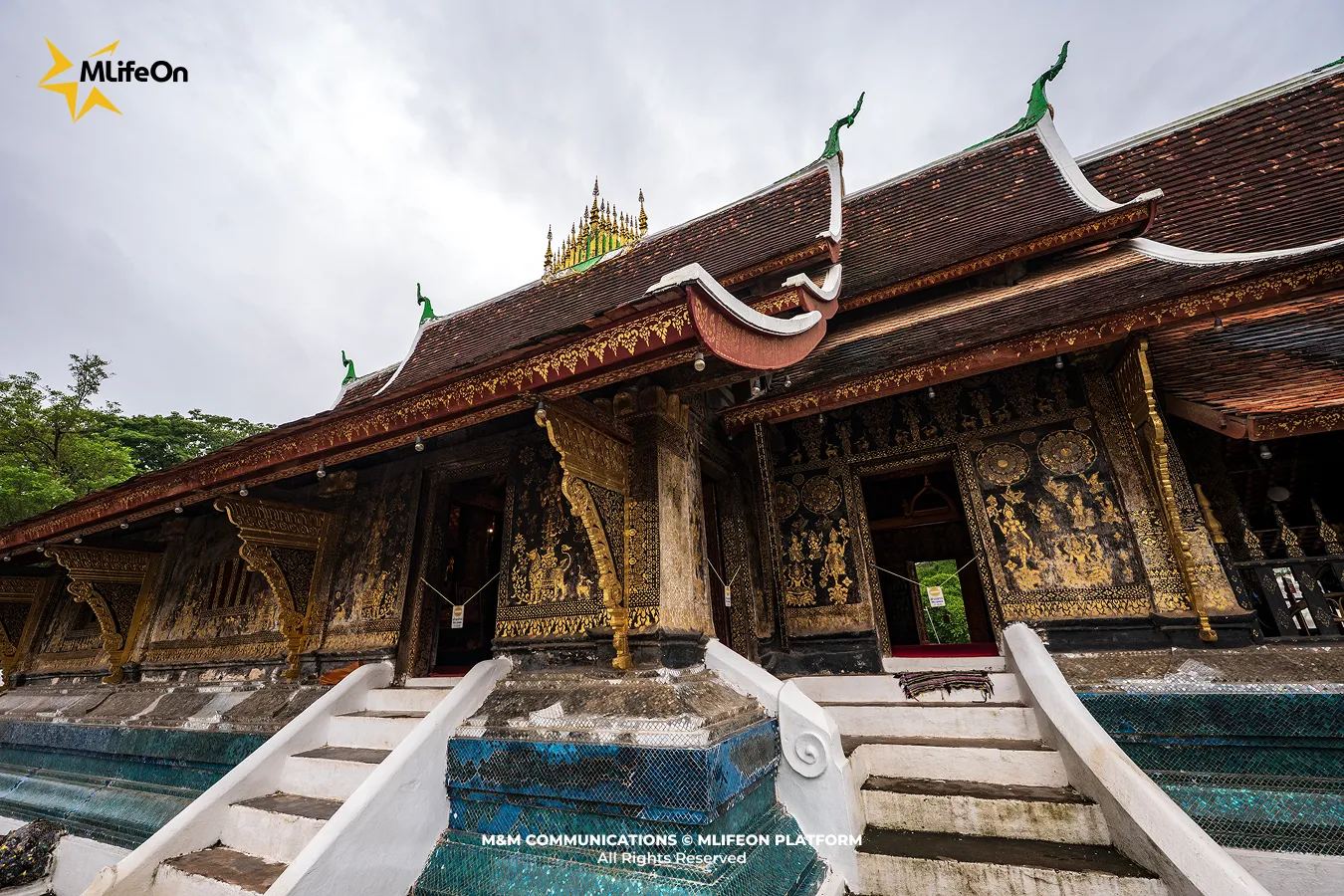
After the rain, these architectural qualities become more pronounced. Water deepens the carved details, making patterns and gilded surfaces more visible. Without strong sunlight, the eye naturally follows each layered roof and the soft curves running along the structure. Exterior decorative panels depicting Lao daily life and Buddhist narratives appear freshly revealed, without the need for display or emphasis.
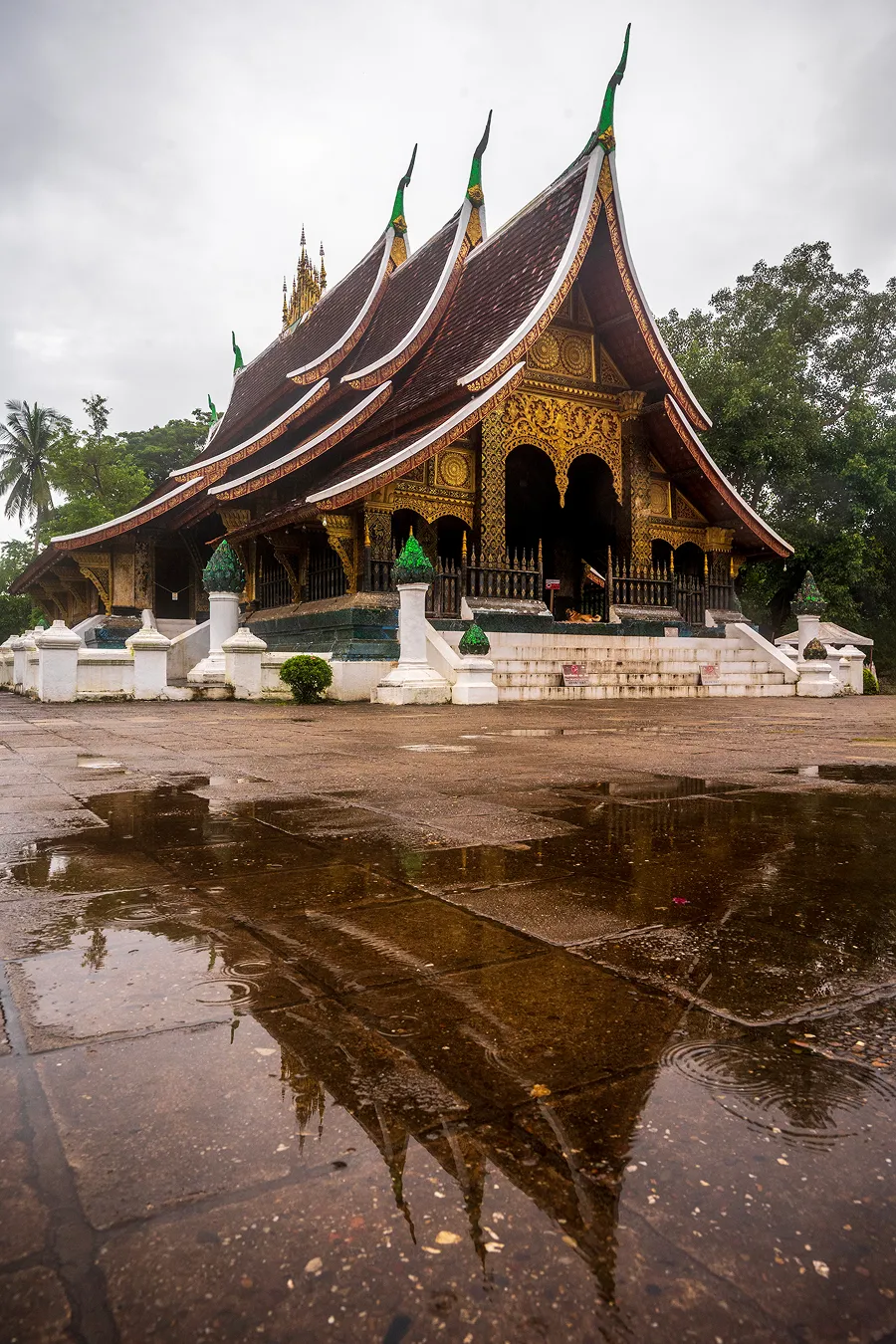
One striking aspect is the consistency throughout the complex. Despite the presence of buildings of varying sizes, all adhere to the same architectural language. No single structure demands attention.
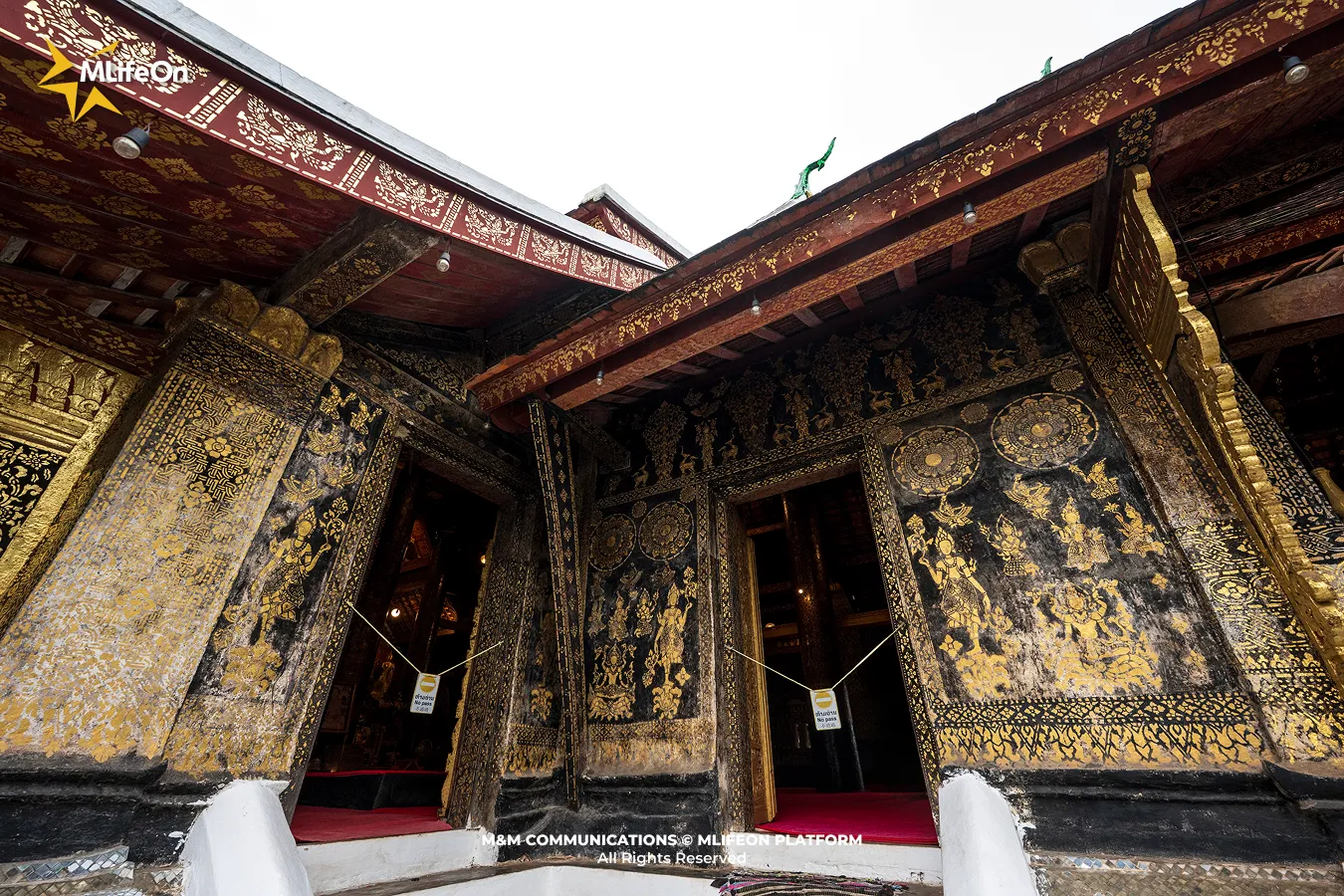
This uniformity creates a sense of continuity and resilience, one reason Xieng Thong has retained its form almost intact for hundreds of years.
Xieng Thong Temple in the living memory of Lao Buddhism
For the Lao people, Xieng Thong is not merely an ancient monument to admire. It is a place connected to rituals, family memories, and significant moments throughout the year. People do not come to seek novelty, but to return to a familiar spiritual space.
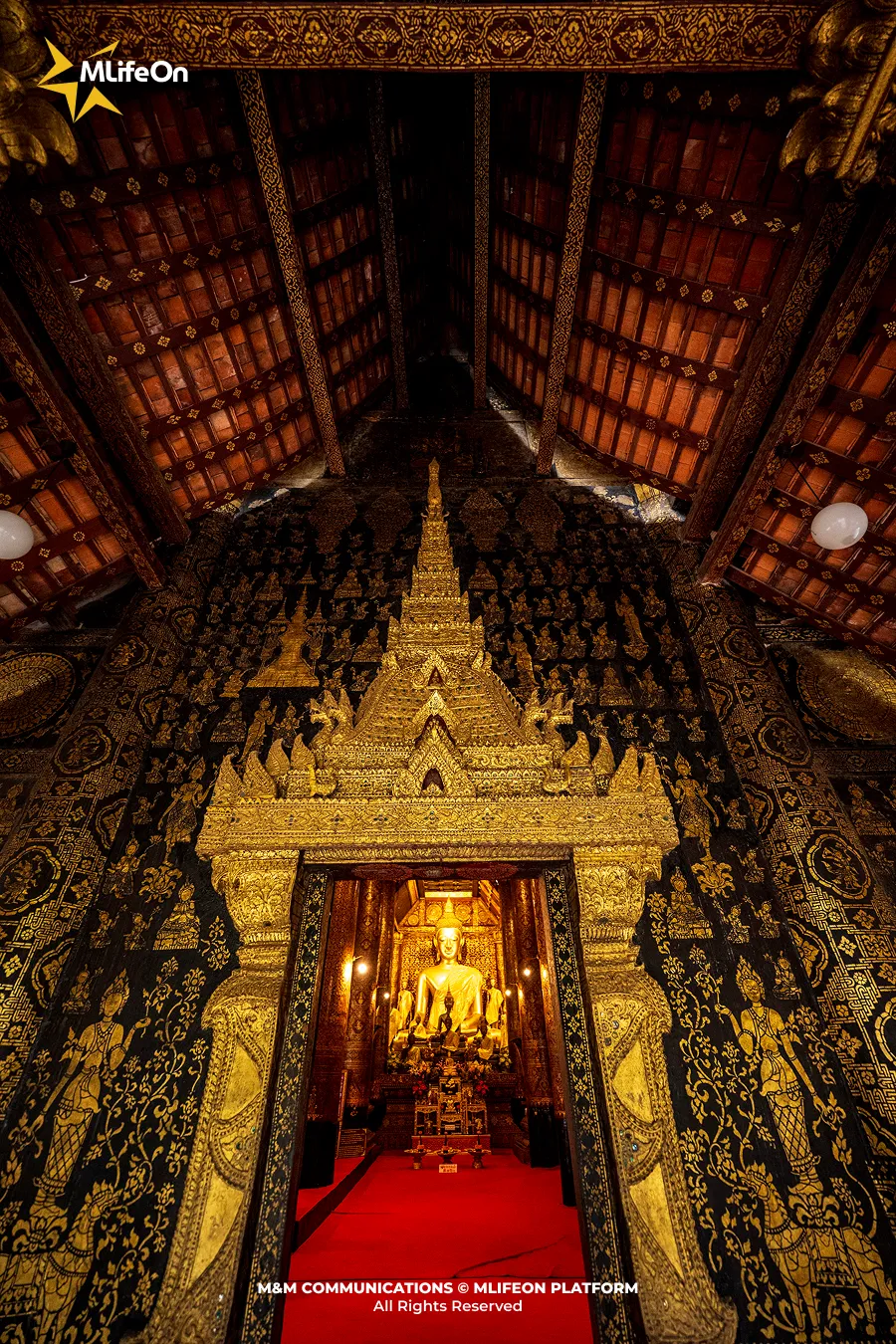
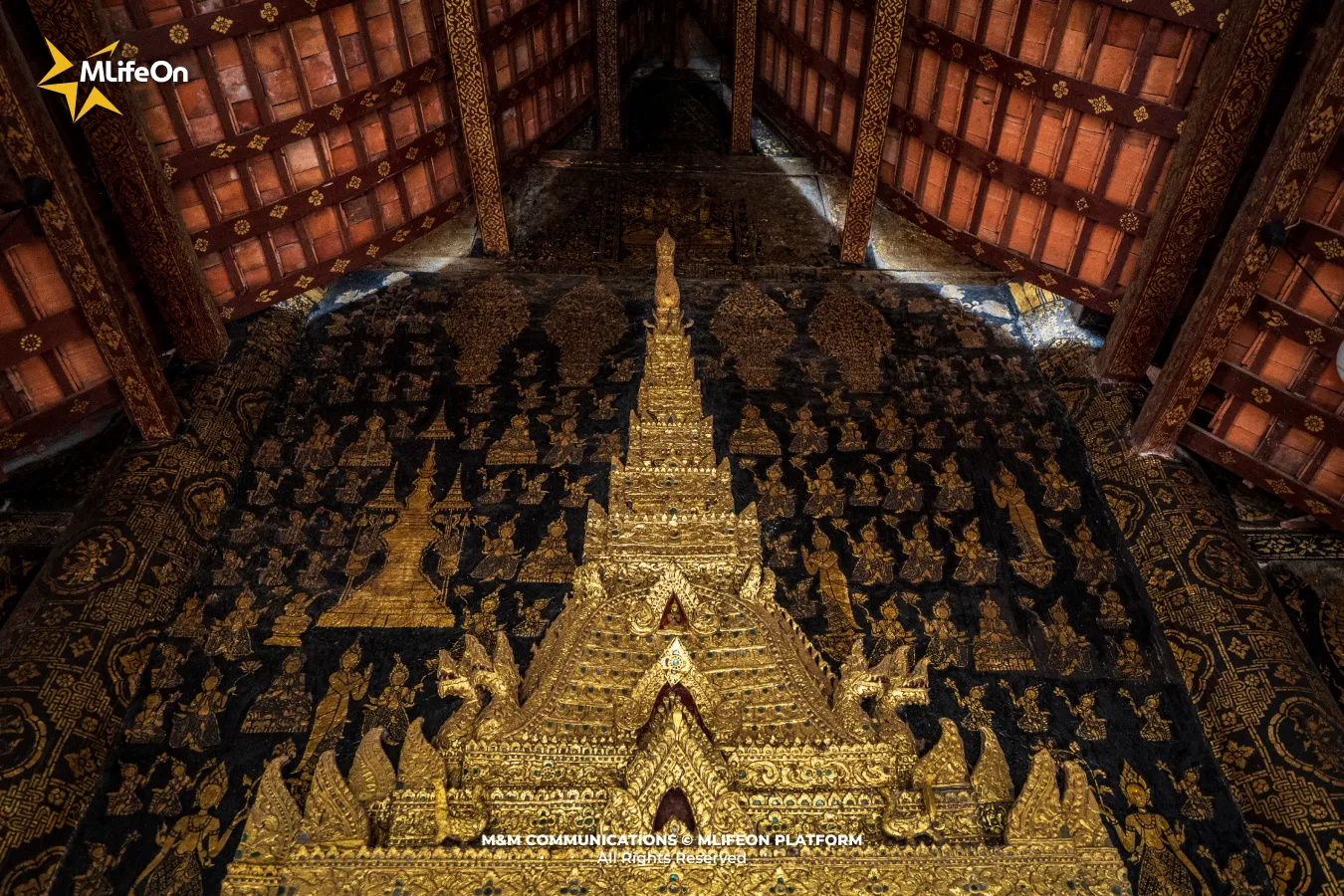
Despite numerous restorations, the temple has preserved its original spirit. Repairs are made to protect, not to modernize. This approach has turned Xieng Thong into a "living memory" of Lao Buddhism where history, belief, and community life coexist seamlessly.
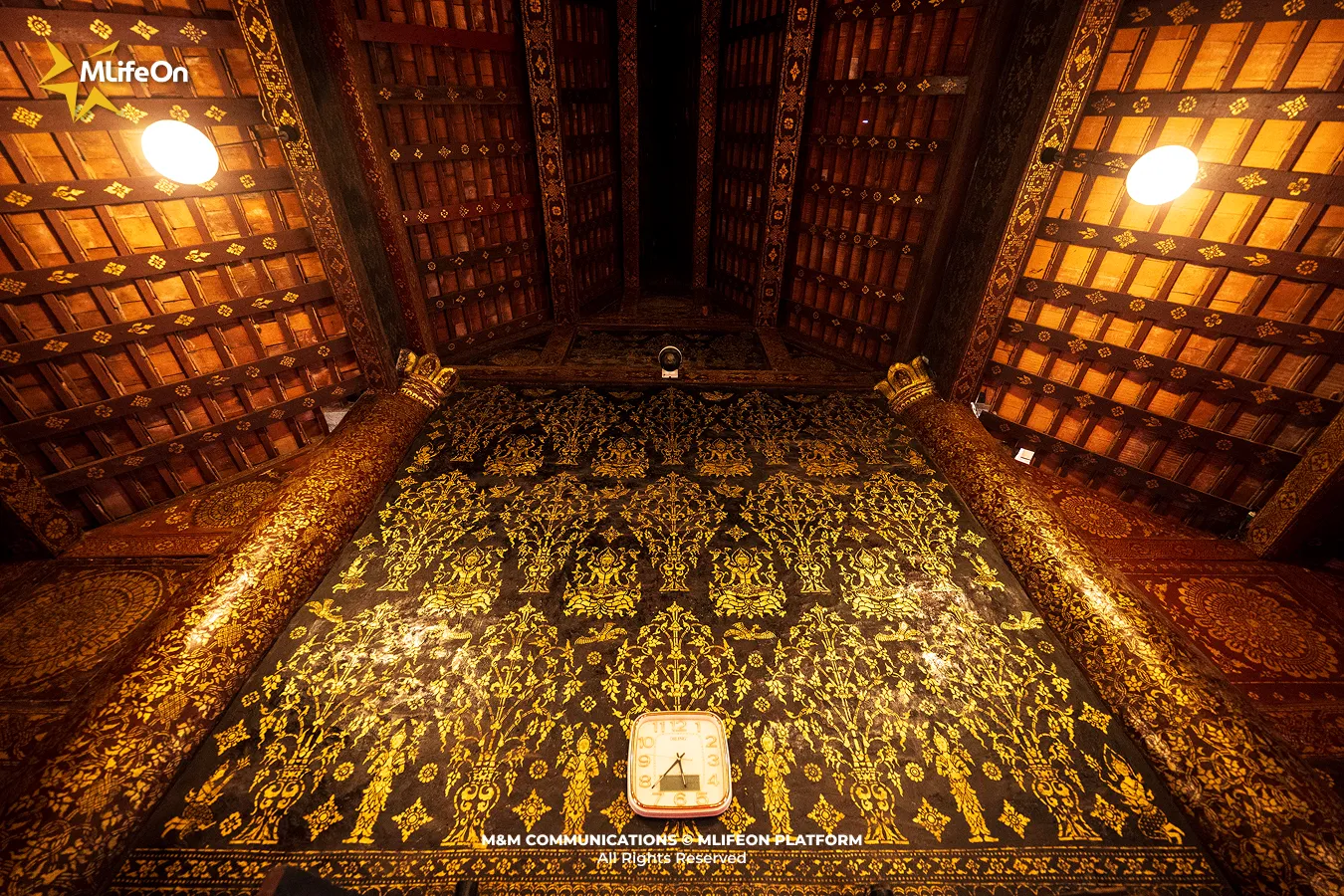
Visitors who take the time to observe how local worshippers walk, light incense, or press their palms together will quickly sense that the temple remains quietly woven into everyday life, steady and enduring.
Conclusion
Leaving Xieng Thong Temple, the road outside begins to dry as Luang Prabang’s streets slowly fill with people again. Yet the feeling inside the temple lingers. It is the feeling of a place that does not require a long stay, only the right moment to leave a lasting impression.
—---------
CREDIT:
- Photography: Luan Nguyen
- Content: Hoài Hà
- Design: Phuong Nguyen