VIETNAMESE MARKETS - WHERE THE LIFE OF EACH REGION REVEALS ITSELF MOST CLEARLY

Hoài Hà
VIETNAMESE MARKETS - WHERE THE LIFE OF EACH REGION REVEALS ITSELF MOST CLEARLY
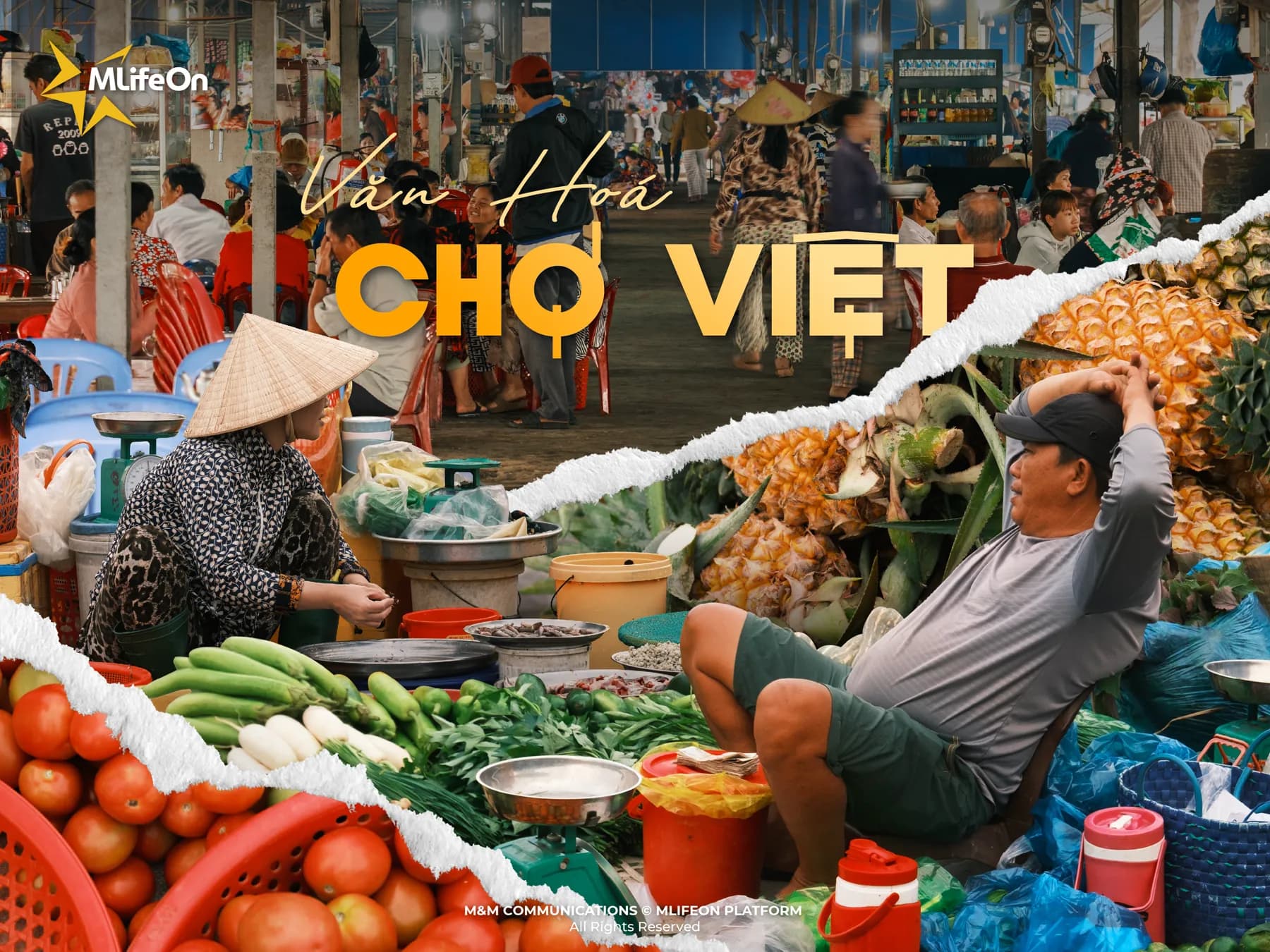
Vietnamese markets are not merely places of trade; they are the clearest reflections of local life, daily rhythms, and regional character - from river deltas and waterways to coastal shores.

Some markets gather on land, others drift with the water, some follow harvest seasons, while others exist only for a few short hours when fishing boats return to shore. Each market is a slice of life, and together they form the most complete portrait of Vietnamese living culture.
Frame 498.jpg

Vietnamese markets don’t need opening hours

Vietnamese markets rarely operate according to fixed schedules. They don’t rely on "open" or "closed" signs. A market opens when there are people ready to sell and others ready to buy.

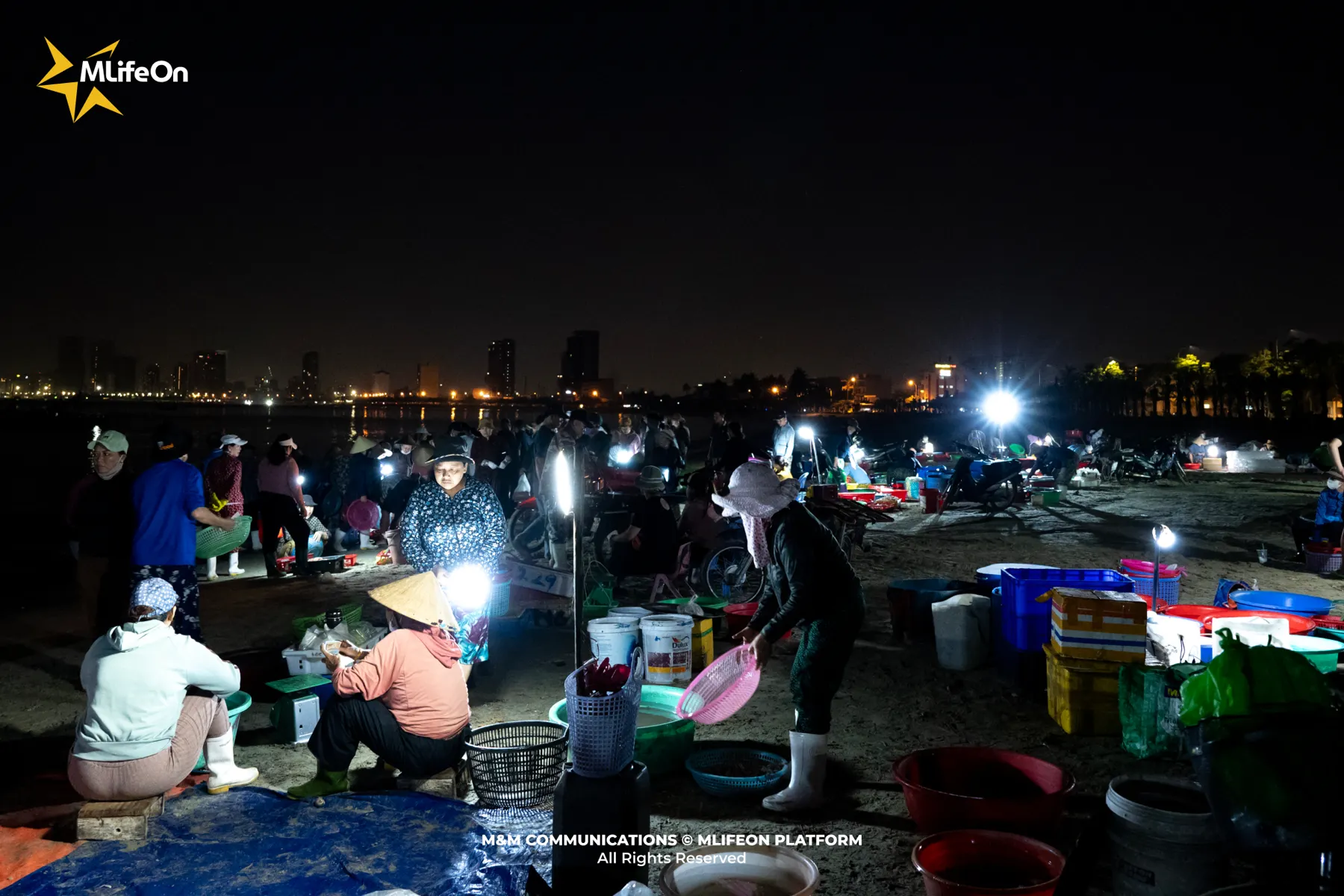
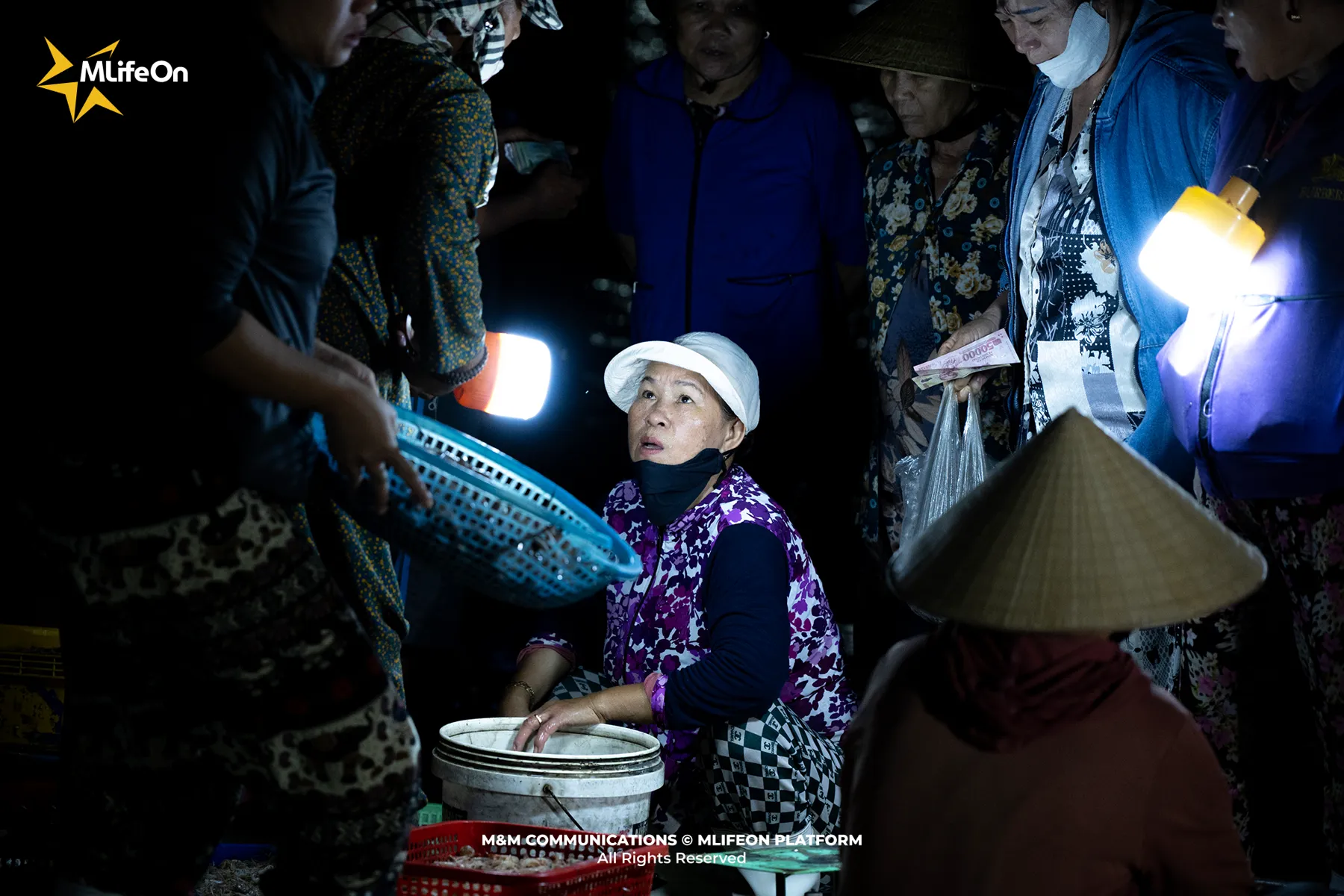
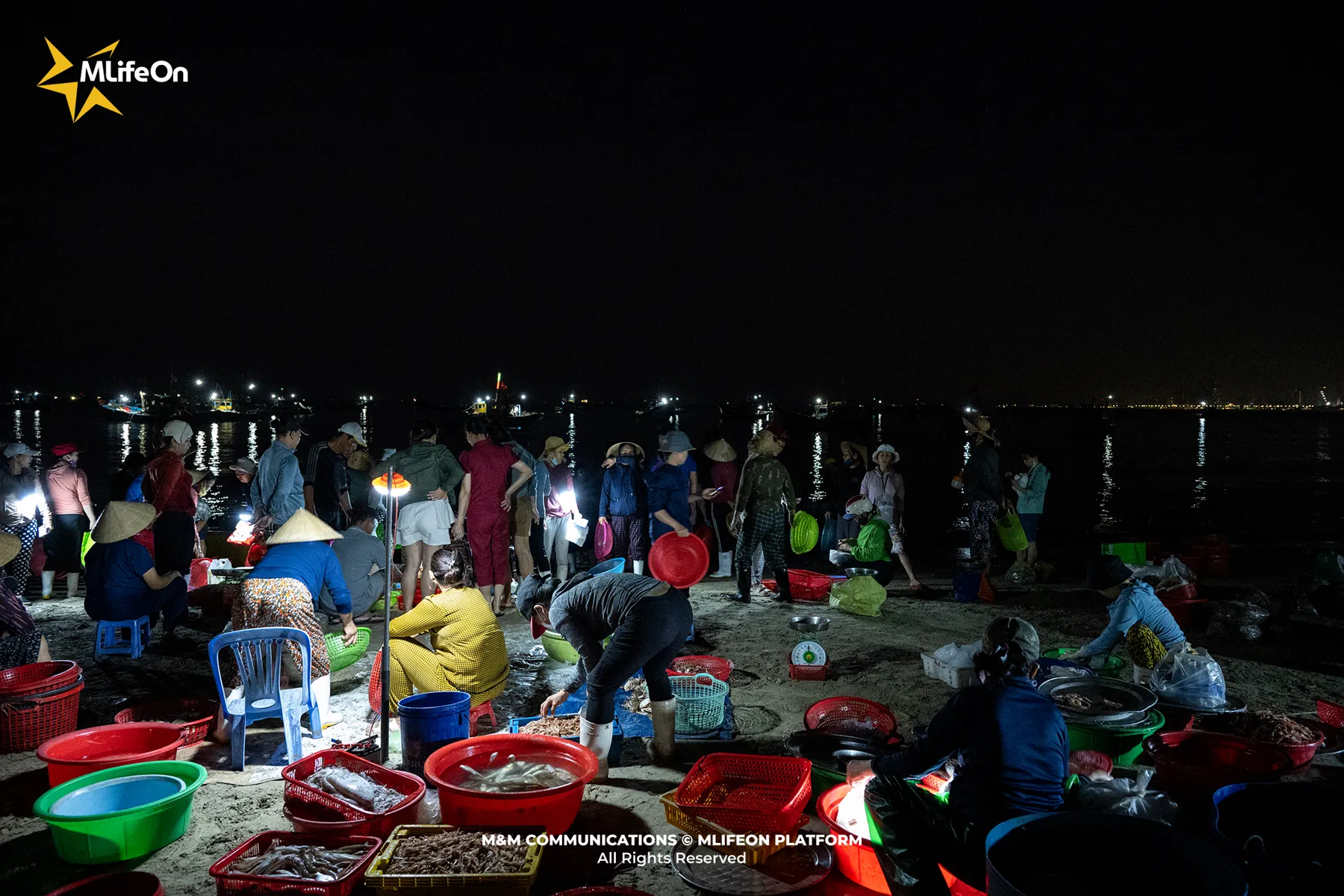
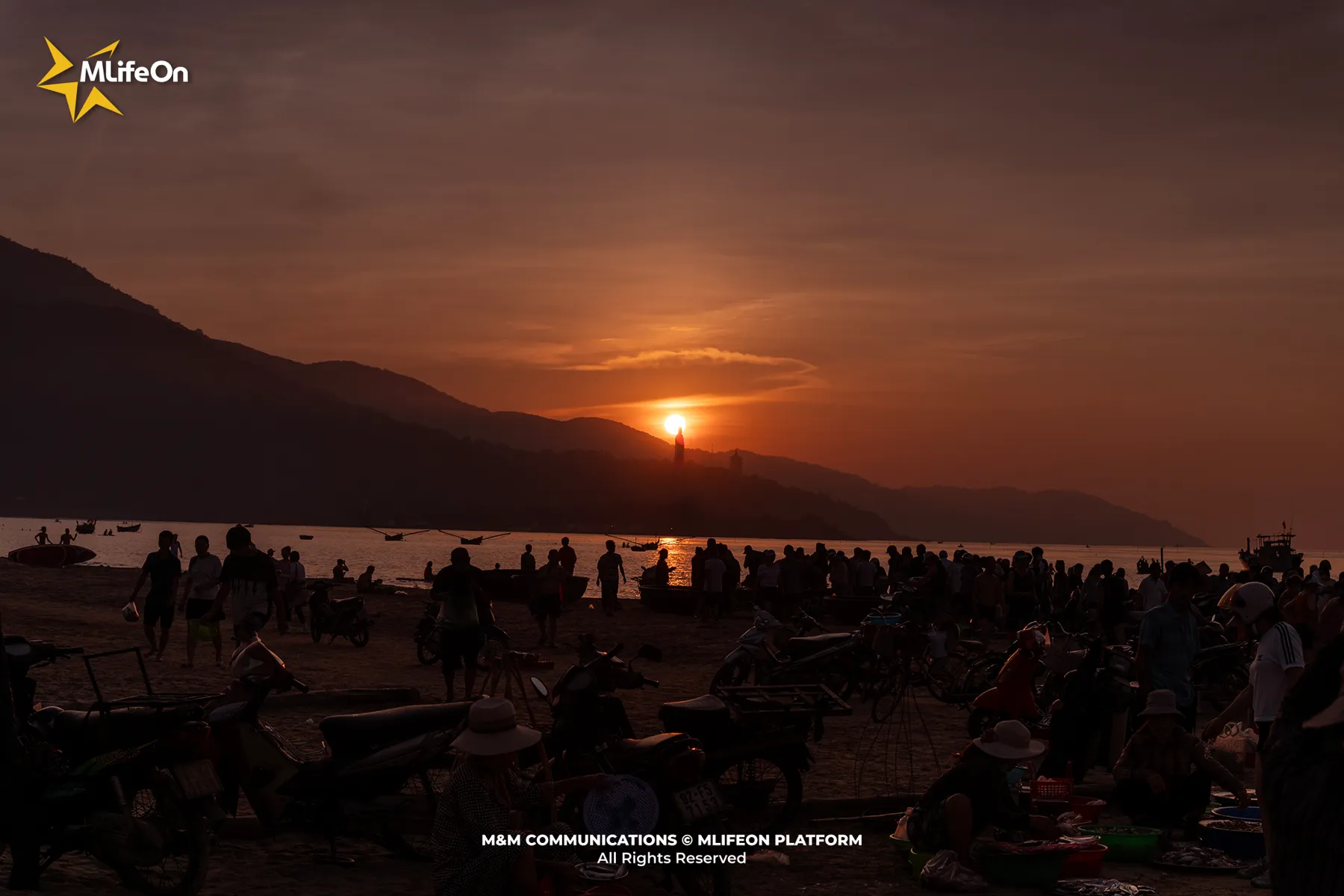
In coastal areas, such as Son Tra fish market, while the morning is still wrapped in mist, fishing boats return to shore and the market forms instantly on the sand. Fish still glisten with seawater as buyers and sellers stand close together, transactions happening swiftly before the sun rises too high. When the fish are gone, the market dissolves - no announcement needed.
Frame 499.jpg

Son Tra fish market comes alive before the sun even rises

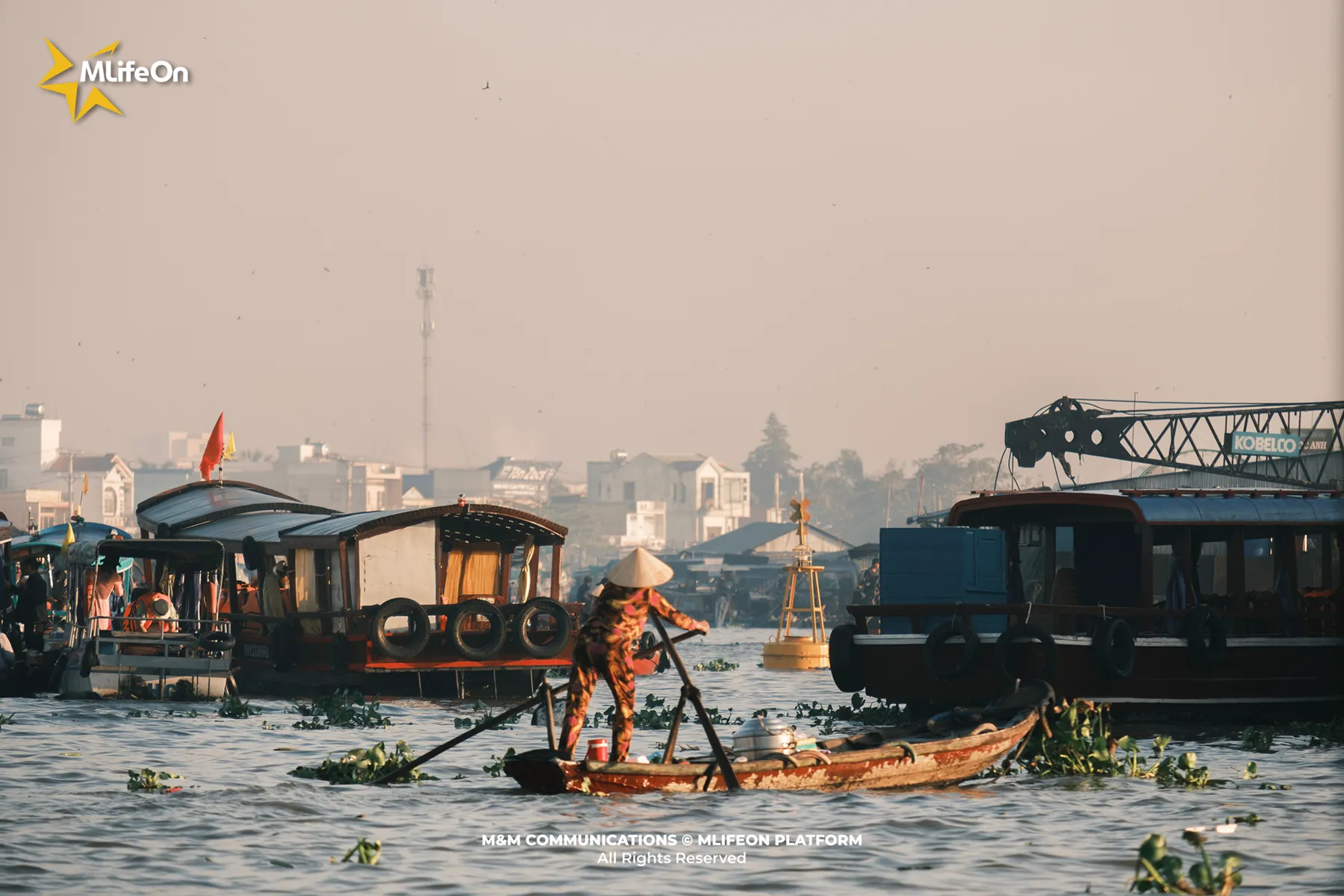
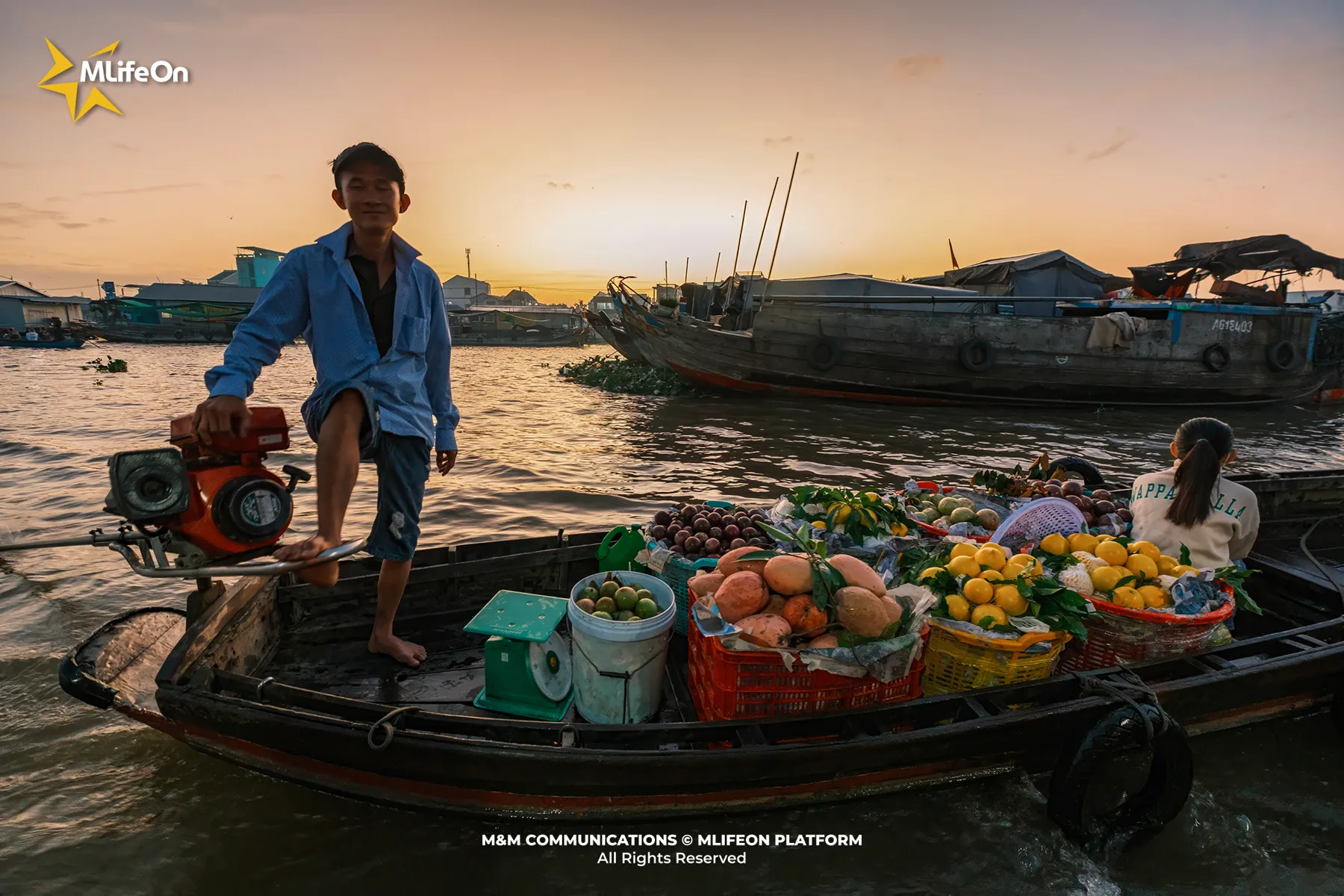
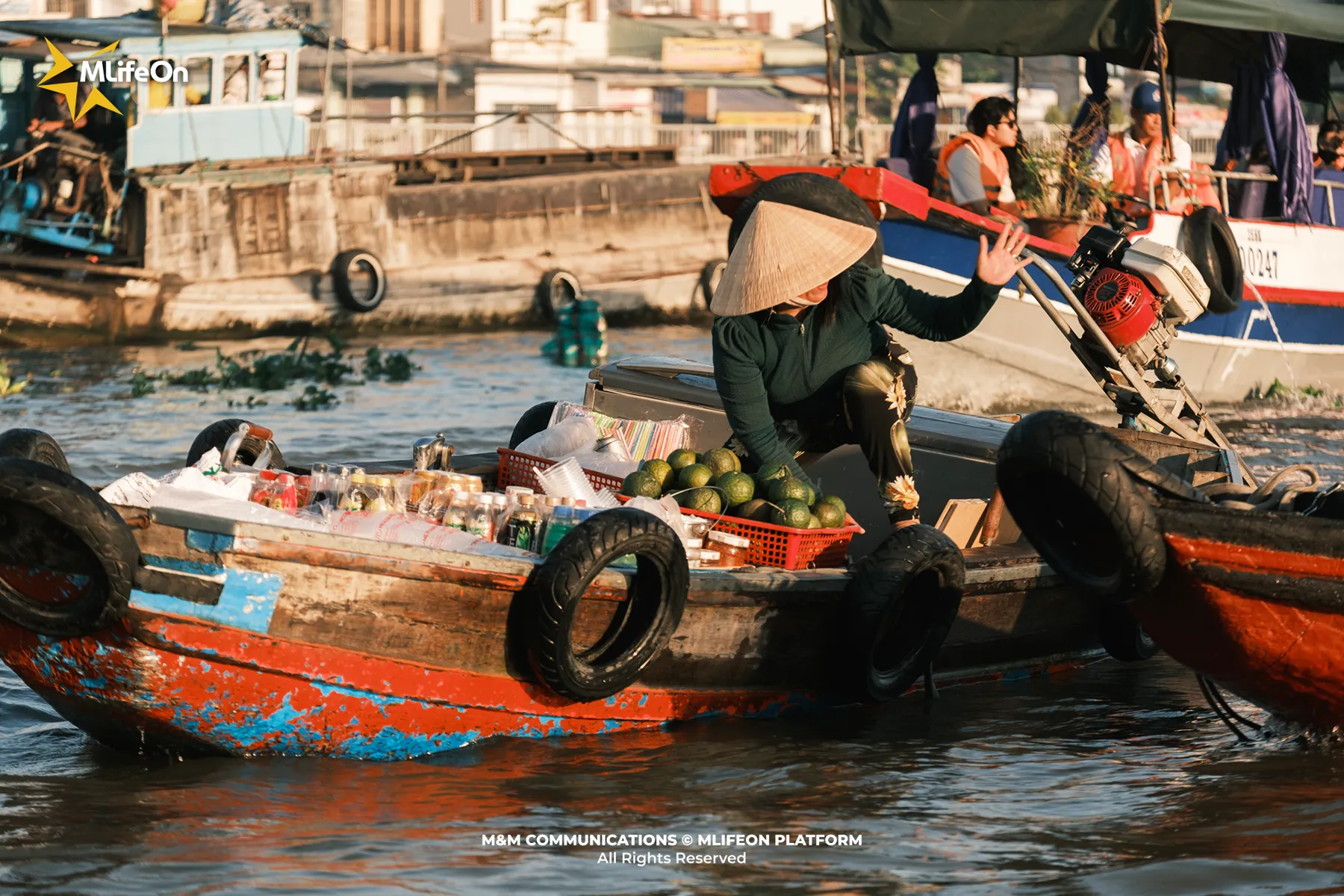
In the waterways of the Mekong Delta, floating markets like Cai Rang also begin at dawn. Before sunrise, boats cluster tightly on the river, goods hoisted high on wooden poles. The market moves with the ebbing tide and fades as the river changes its rhythm.
Frame 500.jpg

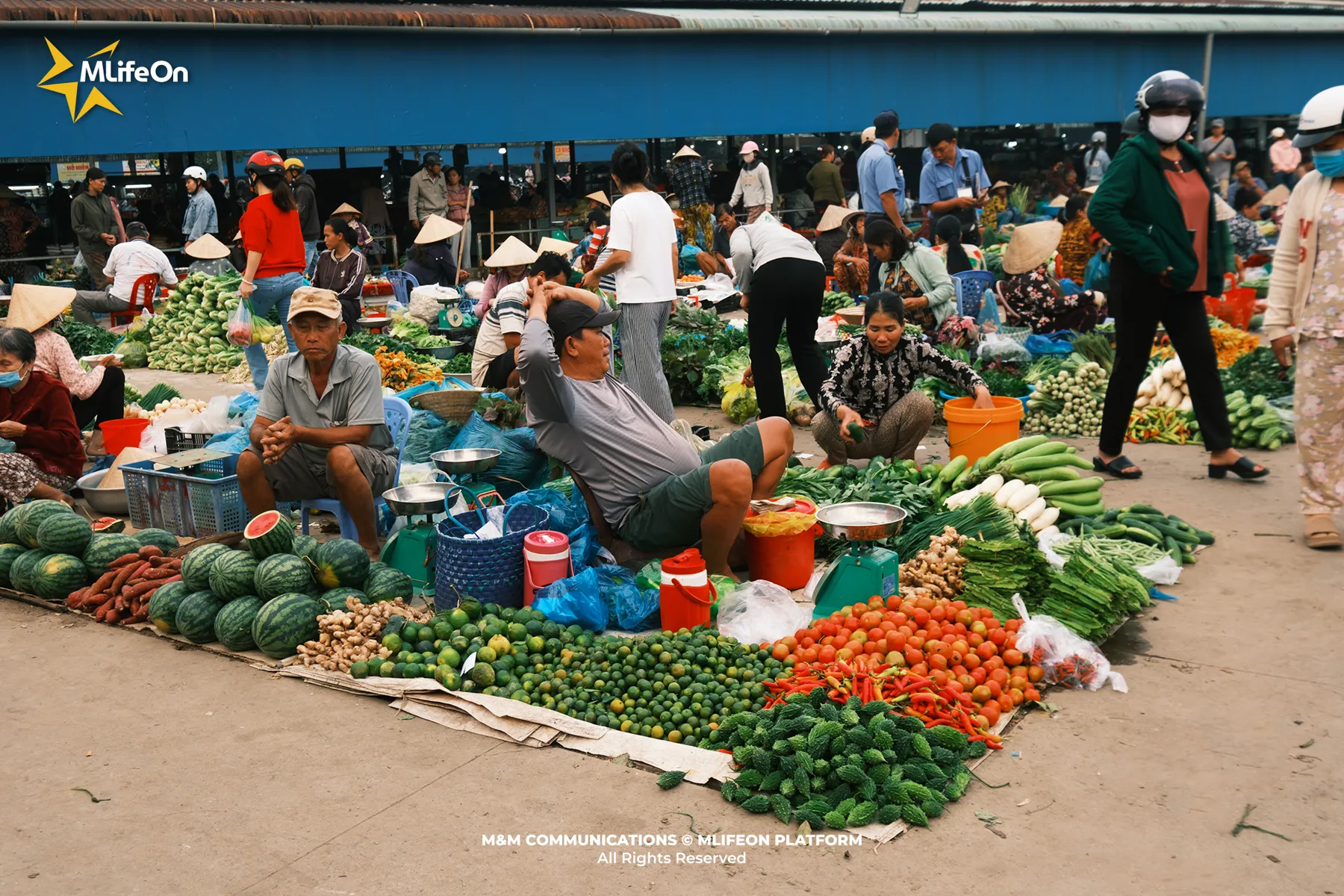
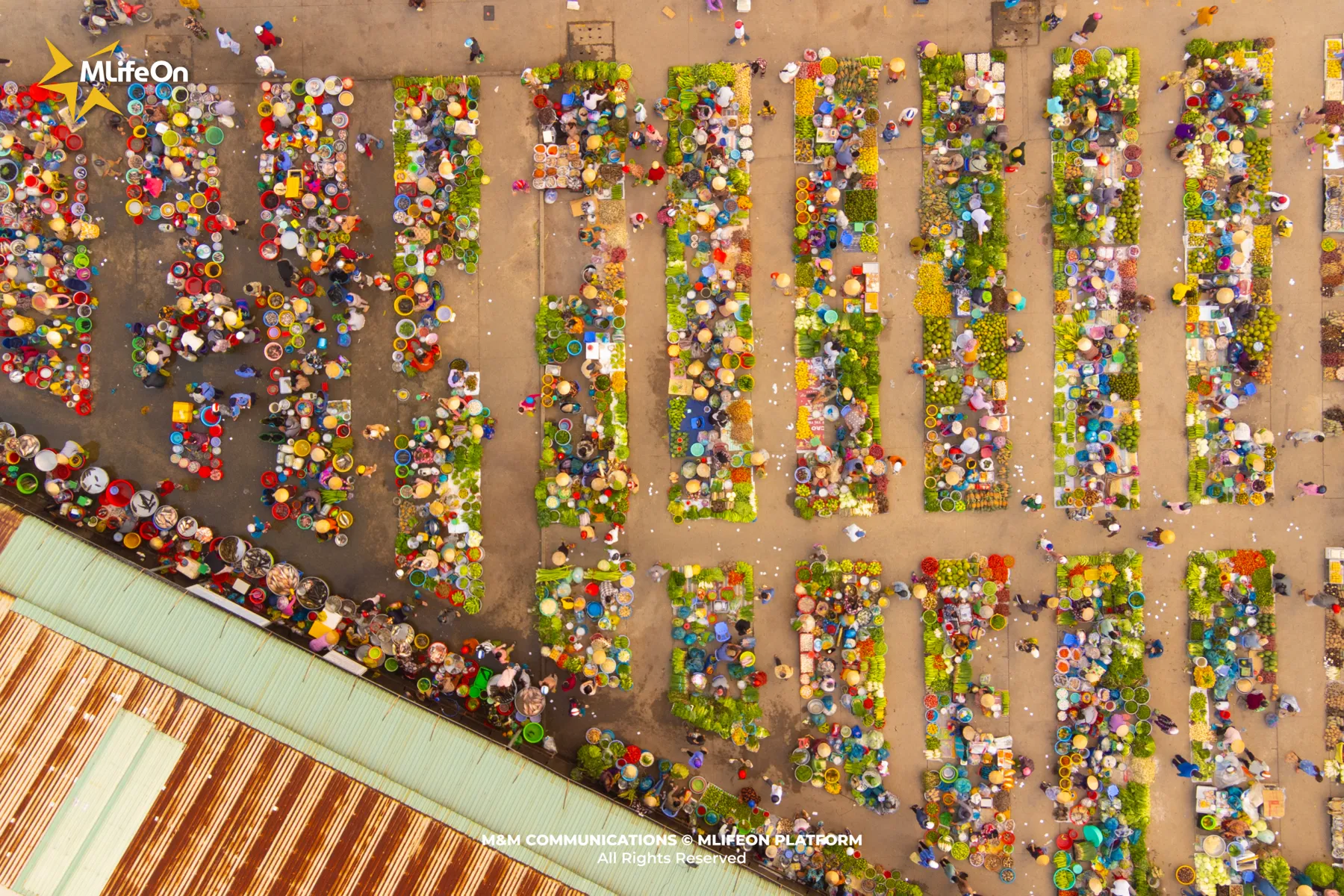
In traditional land markets such as Vi Thanh, vendors arrive before daybreak. Vegetables are freshly picked from backyard gardens, fish caught from nearby ponds, meat butchered just hours earlier. 

Markets open not because the clock says so, but because people are ready to begin a day of making a living.
Frame 501.jpg

Vietnamese markets are built on "Fair buying, Fair selling"

"Fair buying, fair selling" is more than a familiar phrase - it is the unspoken principle that keeps Vietnamese markets running.

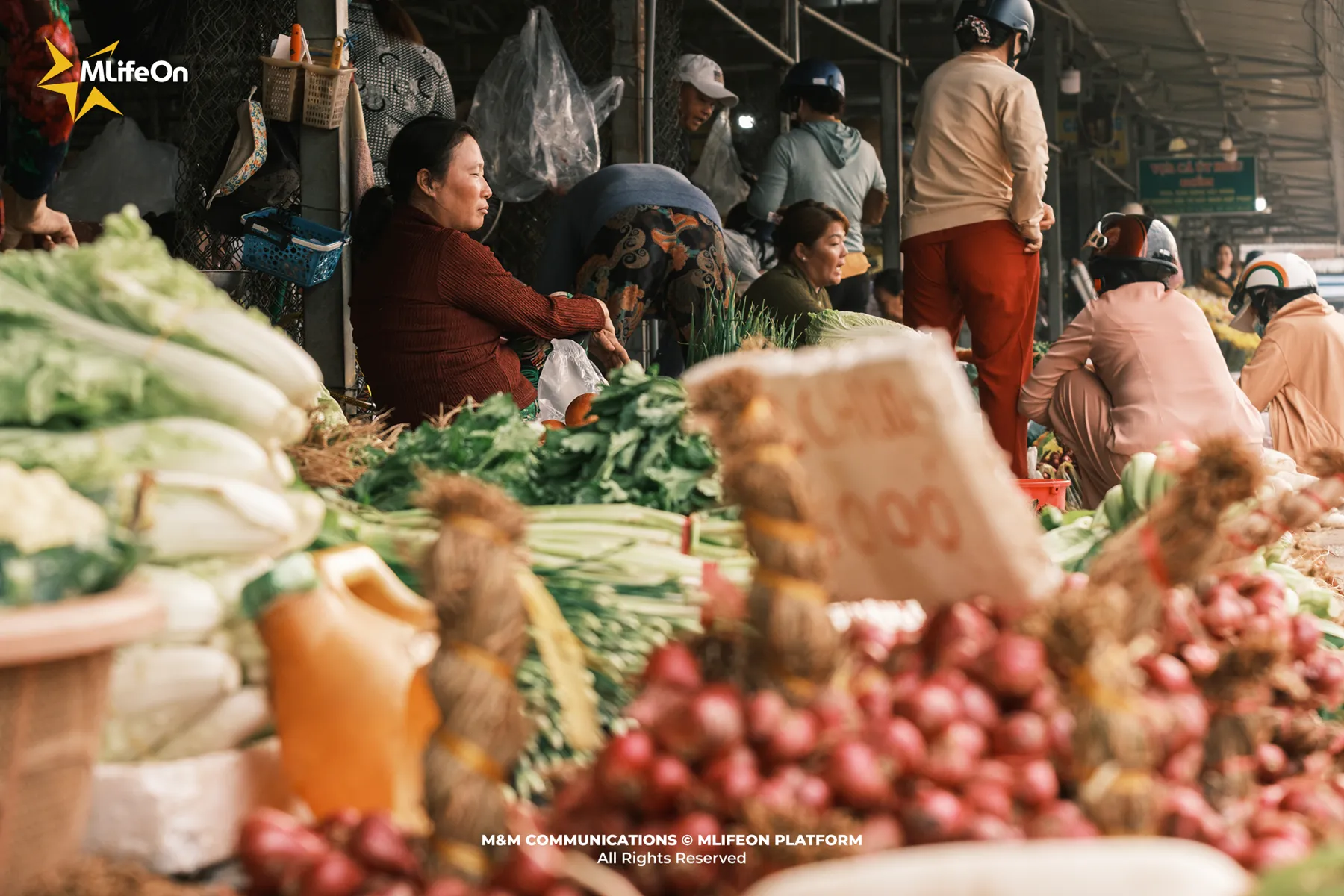
At the market, buyers may bargain and sellers may adjust prices, but most transactions are built on trust. Long-standing relationships are common: today’s purchase on credit, tomorrow’s repayment; lacking small change today, settling it next time. Markets operate more on human connection than on receipts.
Frame 502.jpg

Whether it’s a fast-paced fish market by the sea, a floating market on the river, or a slow-moving flower market, flexibility is the common thread. Sellers understand the buyer’s situation; buyers recognize the hardship behind the seller’s work. Prices may vary slightly, but coldness and hostility are rare.

Vietnamese markets, therefore, are not just places where goods are exchanged - they are spaces where trust is traded.
Frame 503.jpg

Look at the market to understand regional lifestyles

Every market carries the rhythm of the land it belongs to.

Markets in the Mekong Delta are often unhurried and unpressured. Vendors are willing to linger in conversation, asking about harvests or family matters. Many goods come directly from the gardens behind their homes.

River markets reflect the adaptability of water-based communities. The river becomes the storefront, boats serve as stalls, and life, trade, and movement flow together with the current.
Frame 504.jpg

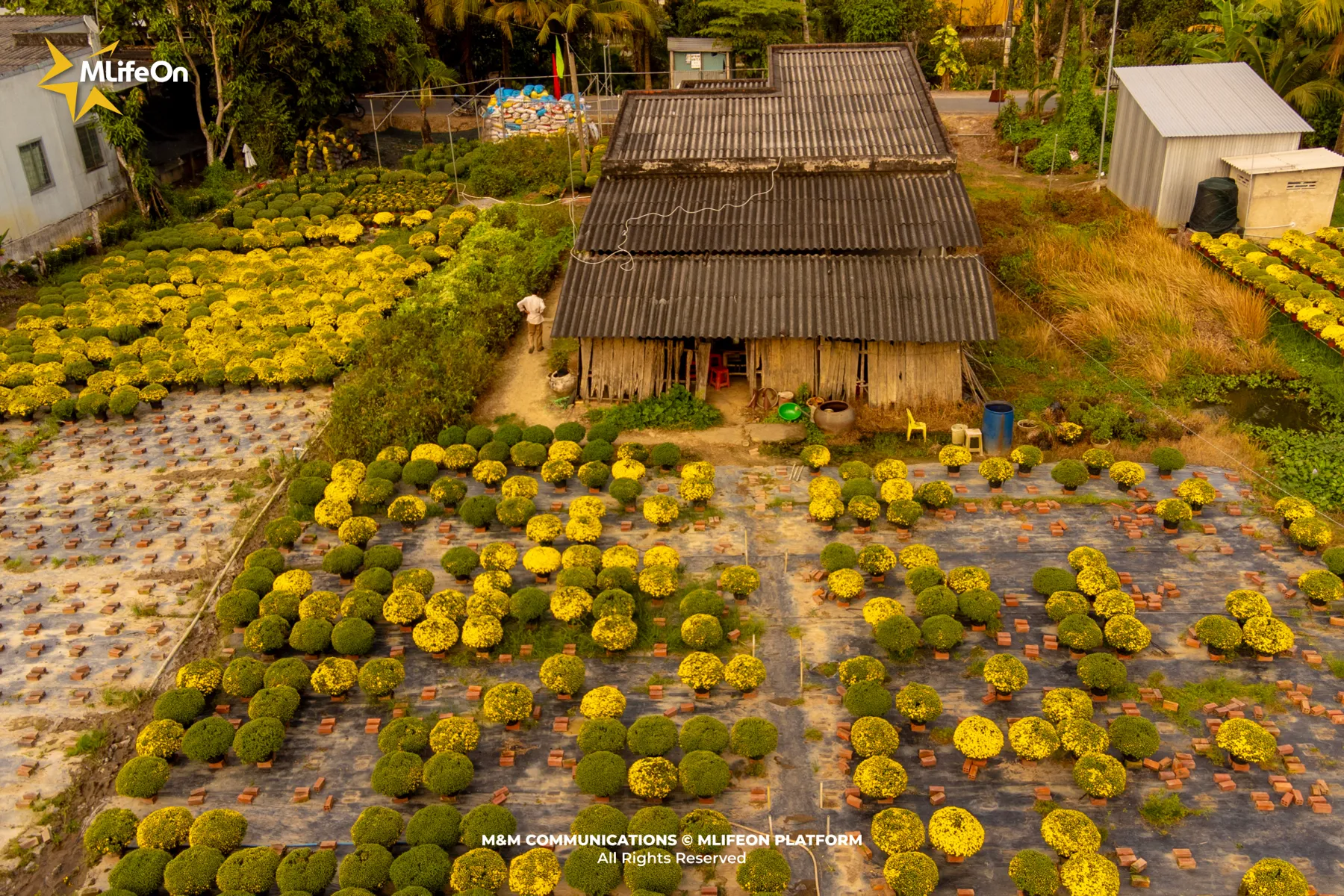
Flower markets, such as those in Cho Lach (Ben Tre), tell a different story. They follow seasons, planting cycles, and the natural growth of plants. Trade here comes with exchanges of experience and technique - not merely payment and receipt.
Frame 507.jpg

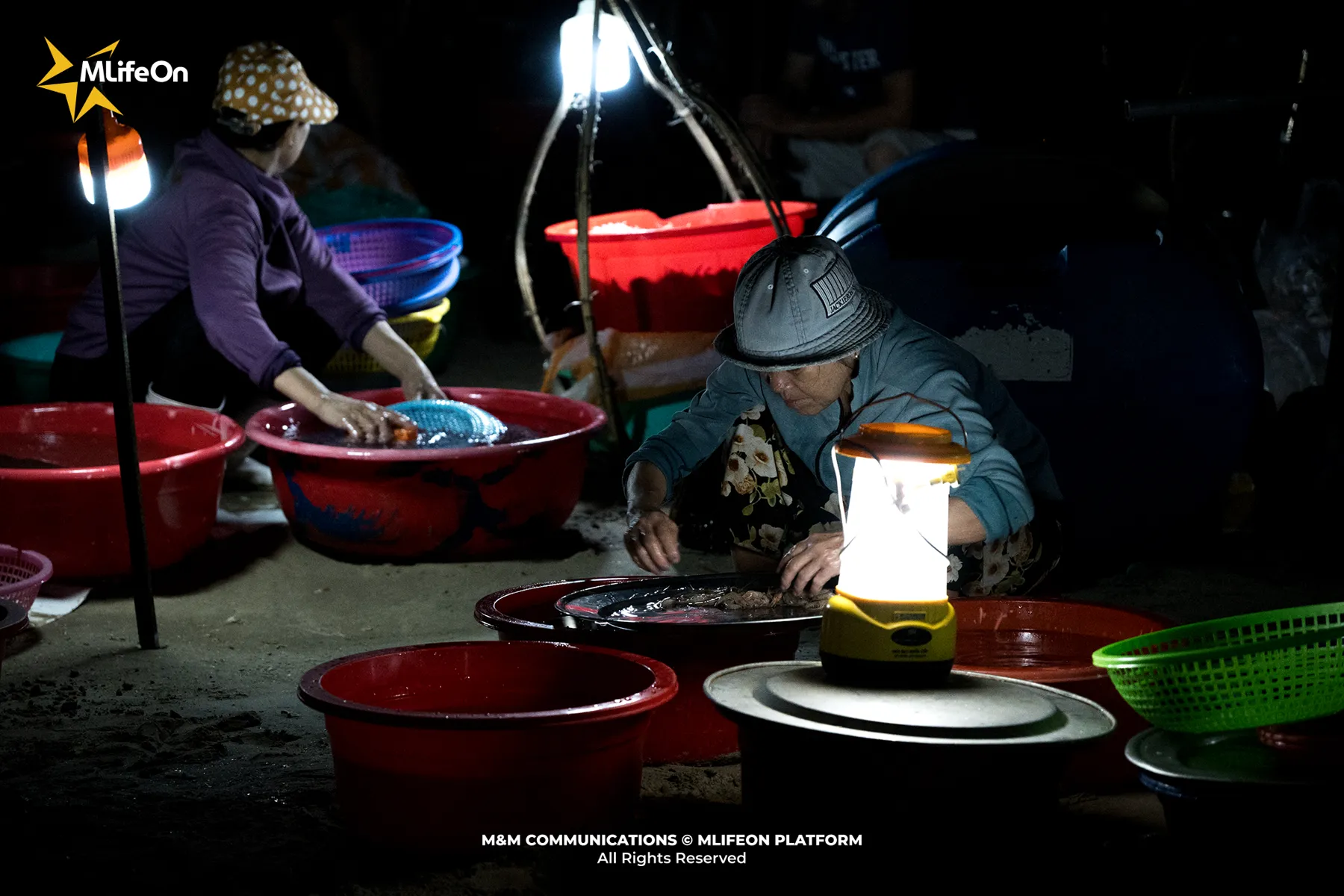
Coastal fish markets, by contrast, are brisk and practical. Time dictates everything. Transactions move fast because fish cannot wait, and neither does the sea.

Simply by observing how a market gathers, one can understand whether a region lives quickly or slowly, how deeply it depends on nature, and what it values most in daily life.
Frame 505.jpg

Markets are where people learn to live together

Vietnamese markets are not perfect. They can be noisy, crowded, even competitive. But it is precisely there that people learn how to coexist.

At the market, people learn how to speak, how to read expressions and tones of voice. They learn to step aside, to wait their turn, and even to bargain without causing offense.
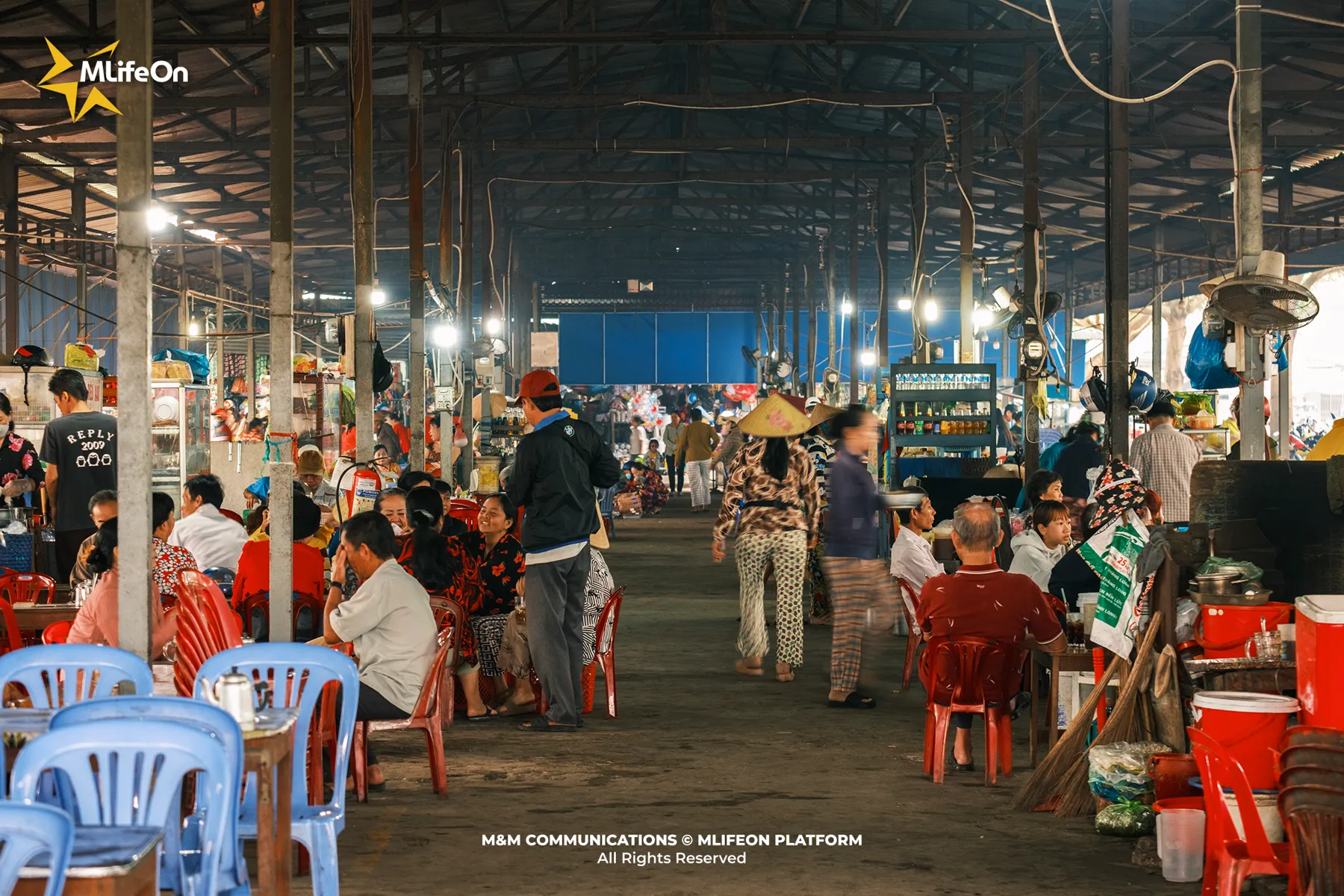
Frame 508.jpg

For many, the market is their first "social classroom". Children follow their mothers to the market, listening to adult conversations and observing how people treat one another. Elderly people go to the market not only to shop, but to meet others and maintain a sense of belonging.

Markets are what keep human connections from breaking in an increasingly closed-off modern life.
Frame 506.jpg

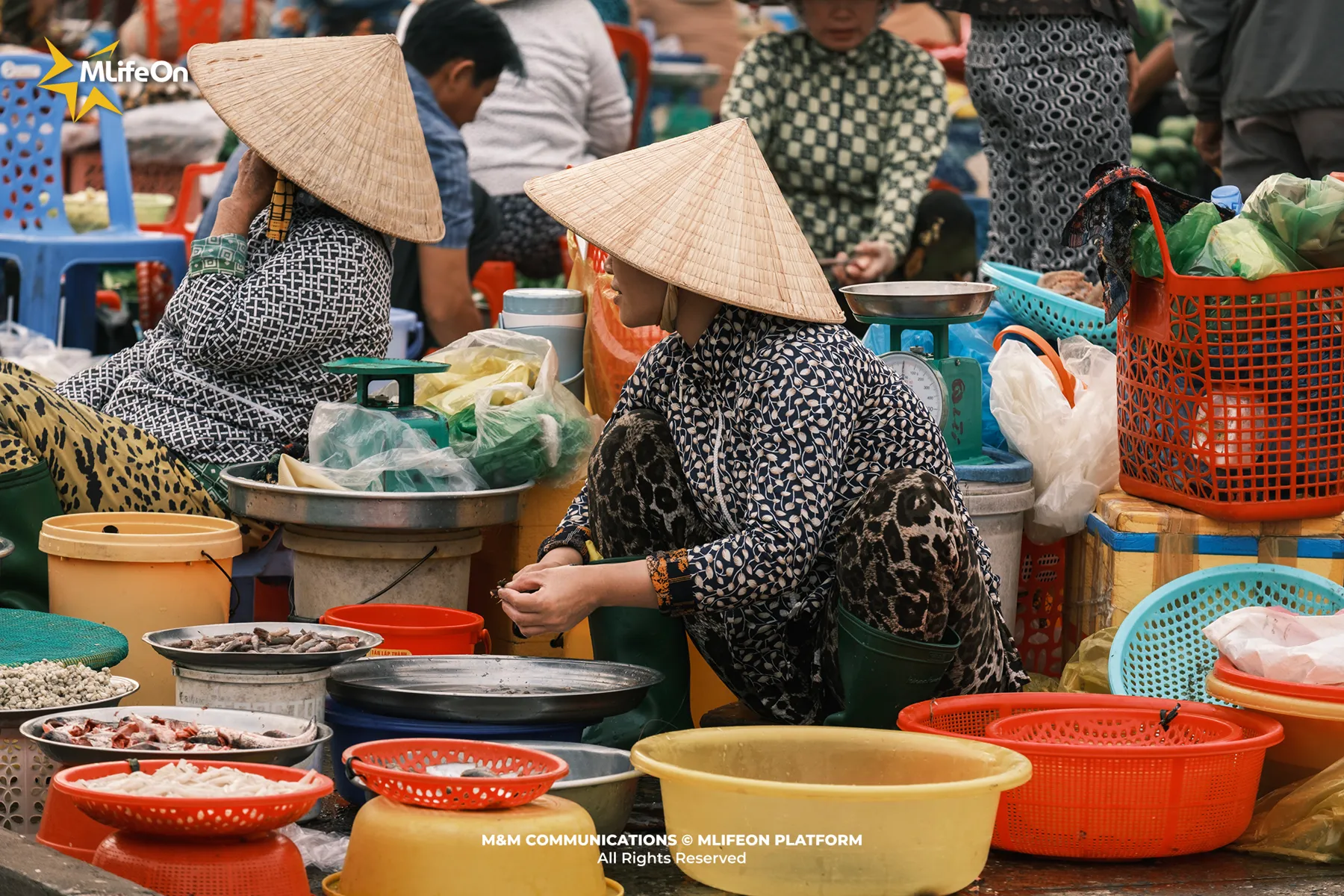
Traditional markets - Where the very essence of Vietnamese life remains

With the rise of supermarkets and convenience stores, many assume that traditional markets will eventually disappear. Reality suggests otherwise. Markets may shrink, relocate, or operate more quickly - but they persist.

Supermarkets are clean and efficient, yet they lack the human interaction that markets naturally foster.
Frame 510.jpg

Frame 511.jpg

Frame 509.jpg

Markets adapt over time, much like the Vietnamese people themselves - always finding ways to live within new circumstances while preserving what matters most at the core.

Conclusion

Vietnamese market culture is not defined by appearances, but by how people live together through each market gathering. From coastlines to rivers, from backyard gardens to land-based markets, Vietnamese markets reflect the truest rhythm of regional life.

Just step into a market and you’ll understand.

—---------

CREDIT: 

- Photography: Luan Nguyen

- Content: Hoai Ha

- Design: Trung Huynh 

About the Authors

All Articles

VIETNAMESE MARKETS - WHERE THE LIFE OF EACH REGION REVEALS ITSELF MOST CLEARLY

VIETNAMESE MARKETS - WHERE THE LIFE OF EACH REGION REVEALS ITSELF MOST CLEARLY

Vietnamese markets are not merely places of trade; they are the clearest reflections of local life, daily rhythms, and regional character - from river deltas and waterways to coastal shores.

VISITING A CHRISTIAN VILLAGE DURING CHRISTMAS

VISITING A CHRISTIAN VILLAGE DURING CHRISTMAS

Discover the dazzling beauty of Saigon's Catholic neighborhoods during Christmas, where light, music, and human warmth blend together, creating a unique cultural experience in the heart of the city.

SILK PAINTING EXHIBITION - “THE UNFINISHED JOURNEY” BY ARTIST NGUYEN THI TAM

SILK PAINTING EXHIBITION - “THE UNFINISHED JOURNEY” BY ARTIST NGUYEN THI TAM

The exhibition “The Unfinished Journey” presents 50 never-before-seen silk paintings by artist Nguyen Thi Tam, capturing over three decades of her creative journey.

THANH HA POTTERY VILLAGE - 500 YEARS OF PRESERVING THE SOUL OF POTTERY

THANH HA POTTERY VILLAGE - 500 YEARS OF PRESERVING THE SOUL OF POTTERY

Join MLifeOn in exploring Thanh Ha Pottery Village - a traditional craft village over 500 years old located on the Thu Bon River in Hoi An.

THE GENUINE PEOPLE OF THE WESTERN REGION - THE BEAUTY OF THE RIVER LANDSCAPE

THE GENUINE PEOPLE OF THE WESTERN REGION - THE BEAUTY OF THE RIVER LANDSCAPE

Are people of the Mekong Delta genuine and honest? Is this notion true or false? Let's explore the character of people from the Mekong Delta through trips to Vinh Long, Can Tho, and An Giang with MLifeOn.

THE PRISTINE BEAUTY OF VINH HY FISHING VILLAGE AND ITS TOURISM POTENTIAL

THE PRISTINE BEAUTY OF VINH HY FISHING VILLAGE AND ITS TOURISM POTENTIAL

Experience daily life in Vinh Hy fishing village and explore the development potential of this coastal community.

KA TUM CAKE - A STORY FROM THE HANDS OF ARTISANS

KA TUM CAKE - A STORY FROM THE HANDS OF ARTISANS

Join MlifeOn to An Giang to discover Ka Tum - a traditional cake of the Khmer people in the South, through the story of the artisan.

THE KEEPER OF CHILDHOOD MEMORIES THROUGH TRADITIONAL FOLK TOYS

THE KEEPER OF CHILDHOOD MEMORIES THROUGH TRADITIONAL FOLK TOYS

Meet the artisan who has spent many years making folk toys from bamboo and paper for children, preserving a part of childhood memories and Vietnamese culture with skillful hands.

TO HE - WHEN COLORS ARE MOLDED INTO FOLK SHAPES

TO HE - WHEN COLORS ARE MOLDED INTO FOLK SHAPES

Discover To He - a colorful Vietnamese folk toy. Join MLifeOn to find out about its origin, beauty, past and present roles, as well as reflect on the cultural values ​​that To He preserves.

NET WEAVING - KEEPING THE SOUL OF THE SEA THROUGH EACH WEAVING

NET WEAVING - KEEPING THE SOUL OF THE SEA THROUGH EACH WEAVING

Visit the central coast, discover net weaving - a traditional craft closely associated with the lives of coastal fishermen.

DISCOVER ANCIENT FRENCH MANSION IN SAIGON

DISCOVER ANCIENT FRENCH MANSION IN SAIGON

Join MLifeOn to explore the French Consulate General's Residence in Ho Chi Minh City - an Indochina architectural work over 150 years old, a historical witness and a cultural symbol in the heart of Saigon.

TEMPLE OF LITERATURE - IMPERIAL ACADEMY: A JOURNEY BACK TO THE ROOTS OF VIETNAMESE SCHOLARSHIP IN THE HEART OF HANOI

TEMPLE OF LITERATURE - IMPERIAL ACADEMY: A JOURNEY BACK TO THE ROOTS OF VIETNAMESE SCHOLARSHIP IN THE HEART OF HANOI

Discover the Temple of Literature - Imperial Academy through an experiential lens: its timeless architecture, scholarly atmosphere, and the contemporary rhythms woven into Hanoi’s thousand-year heritage.

NGUYEN DYNASTY MAUSOLEUMS - IMPRESSIONS OF KINGS IN THE HEART OF THE ANCIENT CAPITAL

NGUYEN DYNASTY MAUSOLEUMS - IMPRESSIONS OF KINGS IN THE HEART OF THE ANCIENT CAPITAL

Join MLifeOn in the journey to discover the Nguyen Dynasty through the unique mausoleum in Hue.

SEVEN MOUNTAINS BULL RACING FESTIVAL - WHEN CULTURE IS ON THE RACE TRACK

SEVEN MOUNTAINS BULL RACING FESTIVAL - WHEN CULTURE IS ON THE RACE TRACK

Seven Mountains Bull Racing festival is a unique cultural and sporting event of the Khmer people in the An Giang region, bearing the imprint of beliefs, community and local identity. Let's explore this special festival with MLifeOn.

BAU TRUC CHAM CERAMICS - FROM ANCIENT CRAFT TO PRESENT

BAU TRUC CHAM CERAMICS - FROM ANCIENT CRAFT TO PRESENT

Bau Truc Cham Pottery is one of the oldest crafts in Southeast Asia, bearing the mark of Cham culture. Let's explore with MLifeOn the origin, manufacturing process, artistic characteristics and conservation significance of this unique craft.

JOURNEY TO PATUXAI MONUMENT - THE SYMBOL OF VICTORY AND PEACE IN LAOS

JOURNEY TO PATUXAI MONUMENT - THE SYMBOL OF VICTORY AND PEACE IN LAOS

Located in Vientiane, the Patuxai Monument stands as a national symbol of Laos, blending traditional architecture with modern influences. It tells a story of victory, peace, and the enduring pride of the Laotian people.

BECOME AN AUTHOR WITH MLIFEON

BECOME AN AUTHOR WITH MLIFEON

Share your stories and perspectives with MLifeOn through the “Become an Author” feature, a space to write, connect, and spread positive living inspiration.

HUE IMPERIAL CITY - ARCHITECTURAL IMPRESSION IN THE HEART OF THE ANCIENT CAPITAL

HUE IMPERIAL CITY - ARCHITECTURAL IMPRESSION IN THE HEART OF THE ANCIENT CAPITAL

Hue Imperial City is the center of power of the Nguyen Dynasty, famous for its unique royal architecture, bearing the mark of Vietnamese culture. The article explores the history of formation, typical works, architectural characteristics, cultural significance and development direction of this heritage.