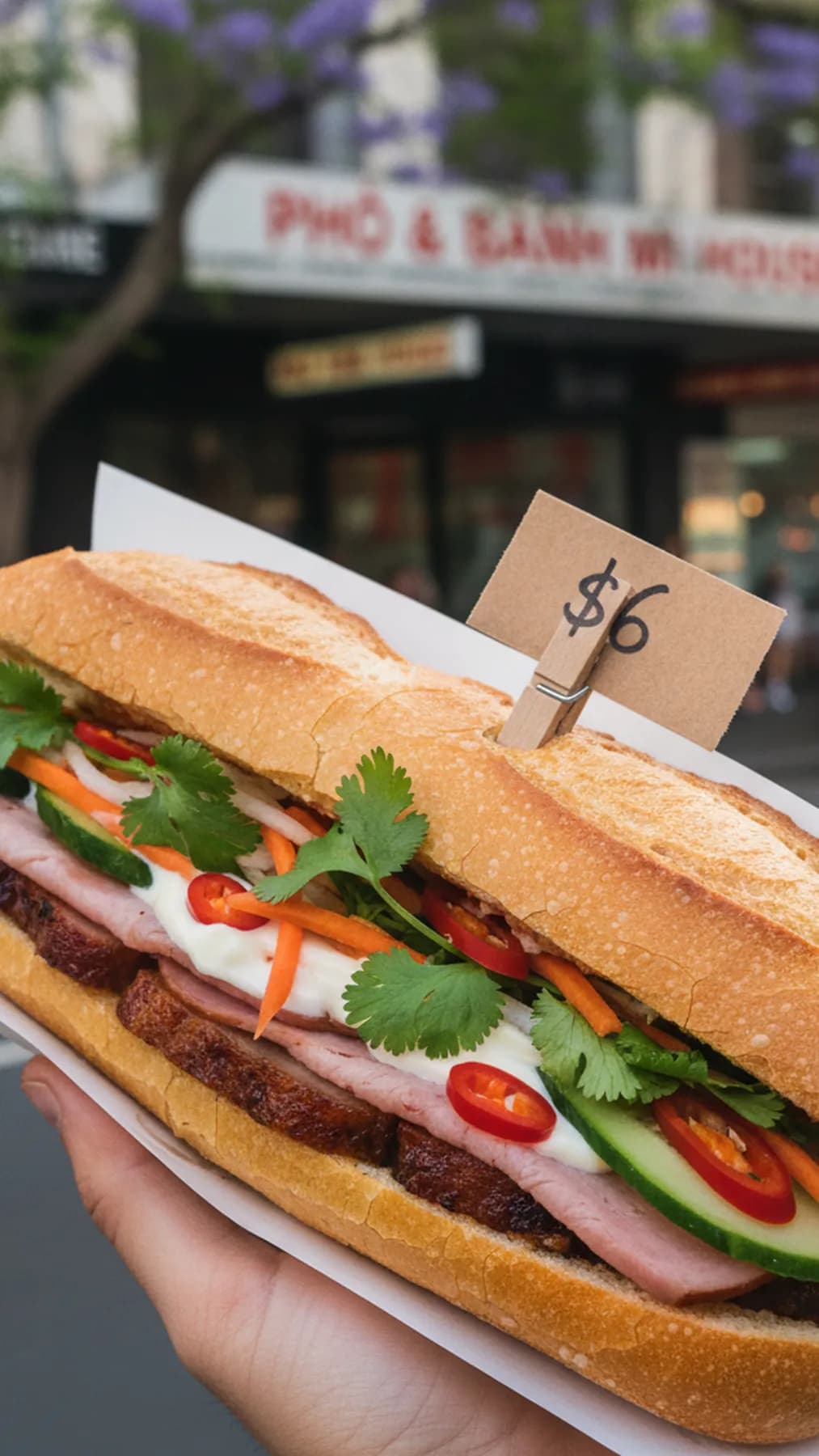
Melbourne's truly authentic Vietnamese restaurants distinguish themselves from tourist-oriented establishments through genuine cultural representation, traditional preparation methods, and unwavering commitment to culinary heritage that prioritizes authenticity over convenience and mass appeal. These exceptional venues often operate with minimal English signage, traditional Vietnamese service approaches, and menu offerings that reflect genuine Vietnamese dining customs rather than adapted versions designed for unfamiliar palates. Understanding authentic Vietnamese restaurants requires recognition of subtle indicators including ingredient quality, preparation methods, clientele composition, and cultural practices that reveal genuine commitment to Vietnamese culinary traditions rather than superficial ethnic theming designed to attract casual diners seeking exotic experiences.
The distinction between authentic Vietnamese restaurants and tourist facades reflects broader patterns in immigrant cuisine adaptation where commercial pressures often encourage modifications that compromise cultural integrity in favor of broader market appeal and operational convenience. Authentic establishments resist these pressures through dedication to traditional methods, community connections, and cultural preservation that maintains Vietnamese culinary identity even when facing economic challenges or customer misunderstanding. The most genuinely authentic Vietnamese restaurants in Melbourne demonstrate how cultural preservation and commercial success can coexist when supported by informed customer bases, community loyalty, and unwavering commitment to culinary excellence that honors Vietnamese heritage while serving diverse Melbourne communities.
Recognizing Authentic Vietnamese Dining Environments
Truly authentic Vietnamese restaurants create dining environments that reflect genuine Vietnamese hospitality traditions and cultural practices rather than theatrical representations designed for tourist consumption, often featuring simple decor, family-operated service, and atmospheric elements that prioritize function and community over visual spectacle. These authentic environments frequently include Vietnamese-language conversations among staff and customers, traditional music playing softly in background, and informal service approaches that emphasize care over scripted hospitality protocols. The assessment of restaurant authenticity begins with environmental observation that reveals cultural priorities and operational approaches that distinguish genuine Vietnamese establishments from adapted versions targeting mainstream markets.
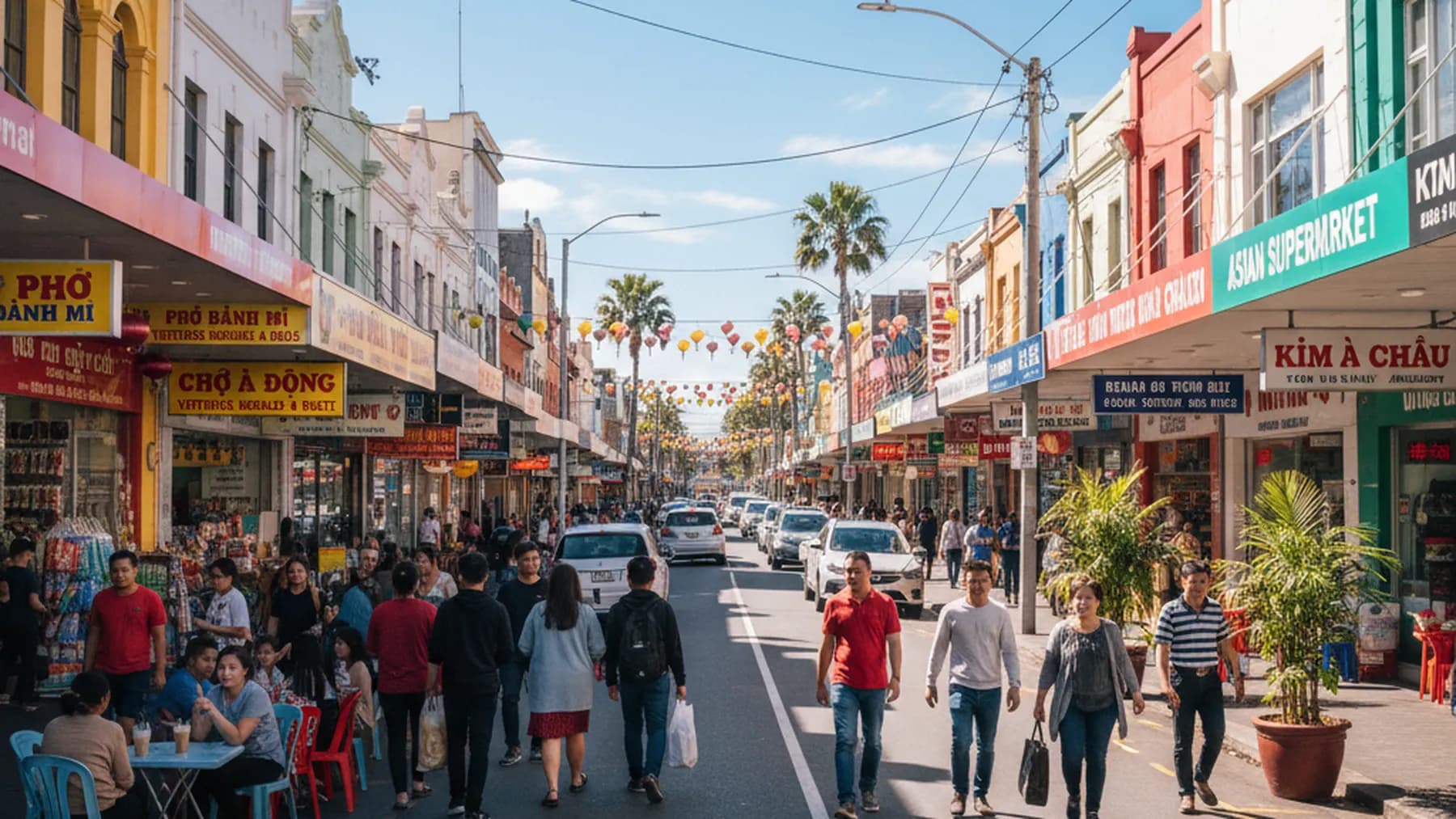
Language usage within authentic Vietnamese restaurants provides immediate authenticity indicators, with genuinely traditional establishments often conducting primary operations in Vietnamese while providing English accommodation rather than English-first service approaches that prioritize tourist convenience over cultural preservation. Staff interactions frequently include Vietnamese conversations, cultural references, and service approaches that reflect Vietnamese hospitality customs including respect for elders, communal dining considerations, and traditional courtesy practices. The comfort level of Vietnamese customers within restaurants often indicates authenticity levels, as genuine establishments attract regular Vietnamese patronage that supports cultural preservation through community engagement and authentic demand.
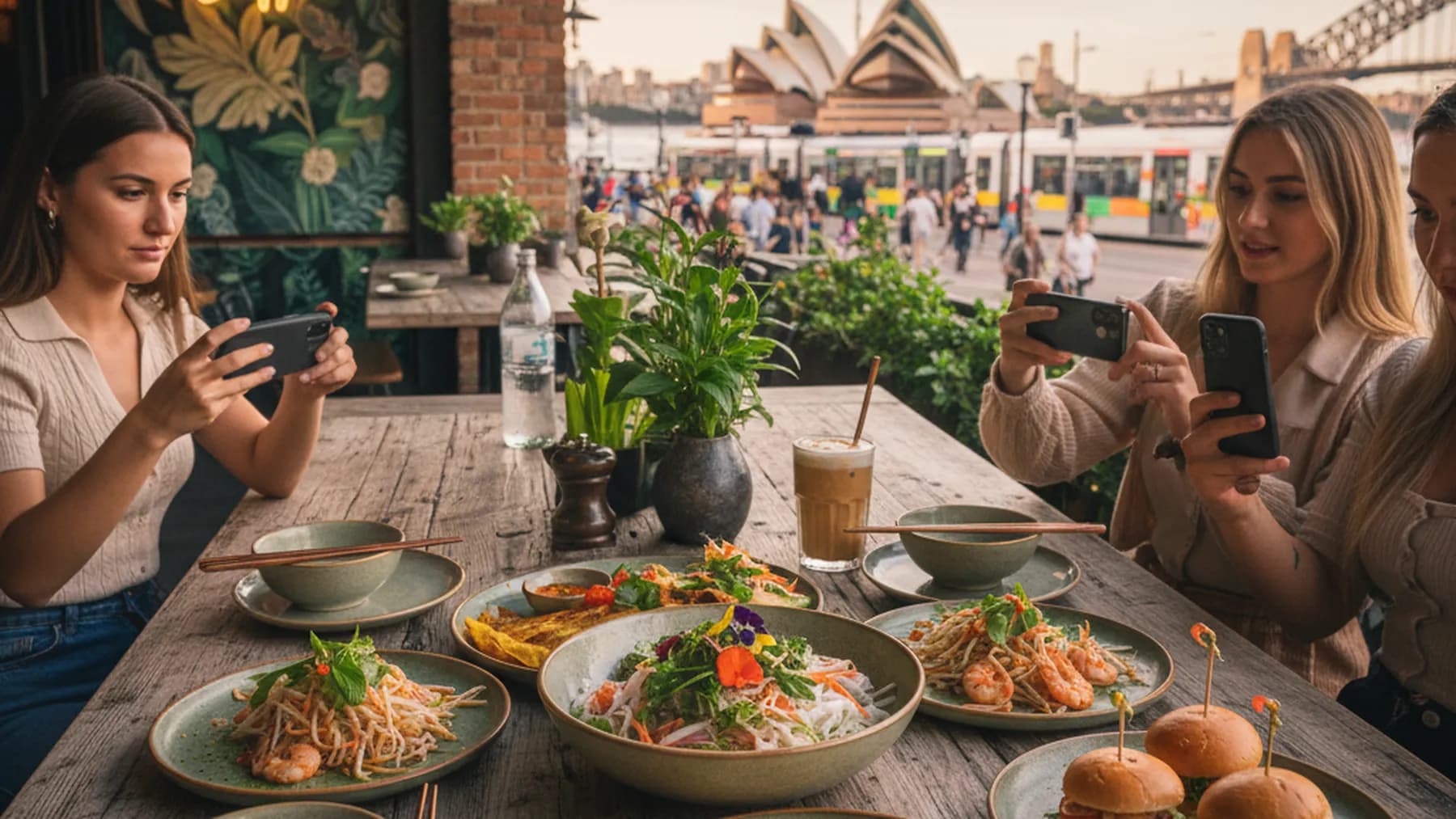
Interior design and cultural representation in authentic Vietnamese restaurants typically emphasize functionality and cultural meaning over decorative impact, often featuring family photographs, Vietnamese cultural symbols, and practical arrangements that support traditional dining methods rather than creating photogenic environments for social media sharing. These design choices frequently reflect economic priorities that favor ingredient quality and cultural authenticity over atmospheric investment, creating environments that feel genuine rather than constructed for tourist appeal. The balance between cultural representation and commercial viability requires understanding customer expectations while maintaining authentic character that preserves Vietnamese cultural identity within Melbourne's diverse dining landscape.
Menu Authenticity and Traditional Offerings
Authentic Vietnamese restaurant menus showcase traditional dishes prepared using conventional methods and ingredients that reflect genuine Vietnamese culinary practices rather than adapted versions modified for unfamiliar palates or operational convenience. These traditional menus often include regional specialties, family recipes, and preparation methods that require significant time investment and technical expertise developed through cultural transmission rather than commercial culinary training. The evaluation of menu authenticity requires understanding Vietnamese culinary traditions, regional variations, and traditional preparation methods that distinguish genuine offerings from superficial adaptations designed to appeal to customers unfamiliar with authentic Vietnamese cuisine.
Traditional dish preparation in authentic Vietnamese restaurants emphasizes conventional cooking methods including proper broth development, traditional herb usage, and authentic ingredient combinations that create flavors and textures impossible to achieve through shortcuts or commercial alternatives commonly used in tourist-oriented establishments. These preparation methods often require extensive cooking times, specialized techniques, and ingredient sourcing that maintains traditional flavor profiles even when using Australian ingredients or accommodating local availability constraints. The commitment to traditional preparation often increases operational costs and complexity but creates dining experiences that satisfy Vietnamese community members seeking authentic flavors while educating curious diners about genuine Vietnamese culinary practices.
Regional specialties and lesser-known dishes in authentic Vietnamese restaurants provide opportunities for cultural education while demonstrating restaurant knowledge and commitment to comprehensive Vietnamese cuisine representation beyond common dishes familiar to mainstream Australian diners. These specialized offerings frequently include regional variations, seasonal preparations, and traditional recipes that showcase Vietnamese culinary diversity while requiring staff knowledge and customer education that extends restaurant function beyond simple food service to encompass cultural sharing. The inclusion of authentic regional dishes often indicates restaurant commitment to cultural preservation and community service that prioritizes Vietnamese heritage over commercial simplification.
Ingredient Quality and Sourcing Practices
Authentic Vietnamese restaurants prioritize ingredient quality and sourcing practices that emphasize freshness, cultural appropriateness, and traditional flavor profiles over cost efficiency and operational convenience that might compromise dish authenticity or cultural integrity. These sourcing practices often involve relationships with specialty suppliers, frequent market visits, and ingredient selection based on cultural standards rather than commercial availability or pricing considerations that might influence restaurants prioritizing profit over authenticity. The commitment to proper ingredient sourcing distinguishes authentic establishments from operations using convenient substitutions that reduce costs while compromising traditional flavors and cultural accuracy.
Fresh herb procurement and traditional ingredient sourcing represent crucial elements of authentic Vietnamese cooking that require daily attention, cultural knowledge, and supplier relationships that ensure optimal quality and cultural appropriateness throughout service periods. These sourcing practices frequently involve Vietnamese community connections, specialty importers, and local sources that maintain traditional standards while accommodating Australian market conditions and regulatory requirements. The quality and variety of fresh herbs, specialty ingredients, and traditional components often provide immediate indicators of restaurant commitment to authenticity and cultural preservation that extends beyond menu marketing to encompass genuine operational priorities.
Traditional condiment preparation and sauce making demonstrate authentic Vietnamese restaurant commitment to cultural preservation through time-intensive processes that create flavors impossible to achieve using commercial alternatives or simplified preparation methods commonly employed by establishments prioritizing efficiency over authenticity. These preparation activities often include house-made fish sauce variations, traditional fermented components, and specialty condiments that require cultural knowledge and time investment but create authentic flavor profiles that distinguish genuine Vietnamese restaurants from adapted versions using convenient commercial substitutions. The presence of traditional condiment preparation often indicates restaurant dedication to cultural preservation and customer service that extends beyond profit maximization to encompass heritage maintenance.
Service Approaches and Cultural Practices
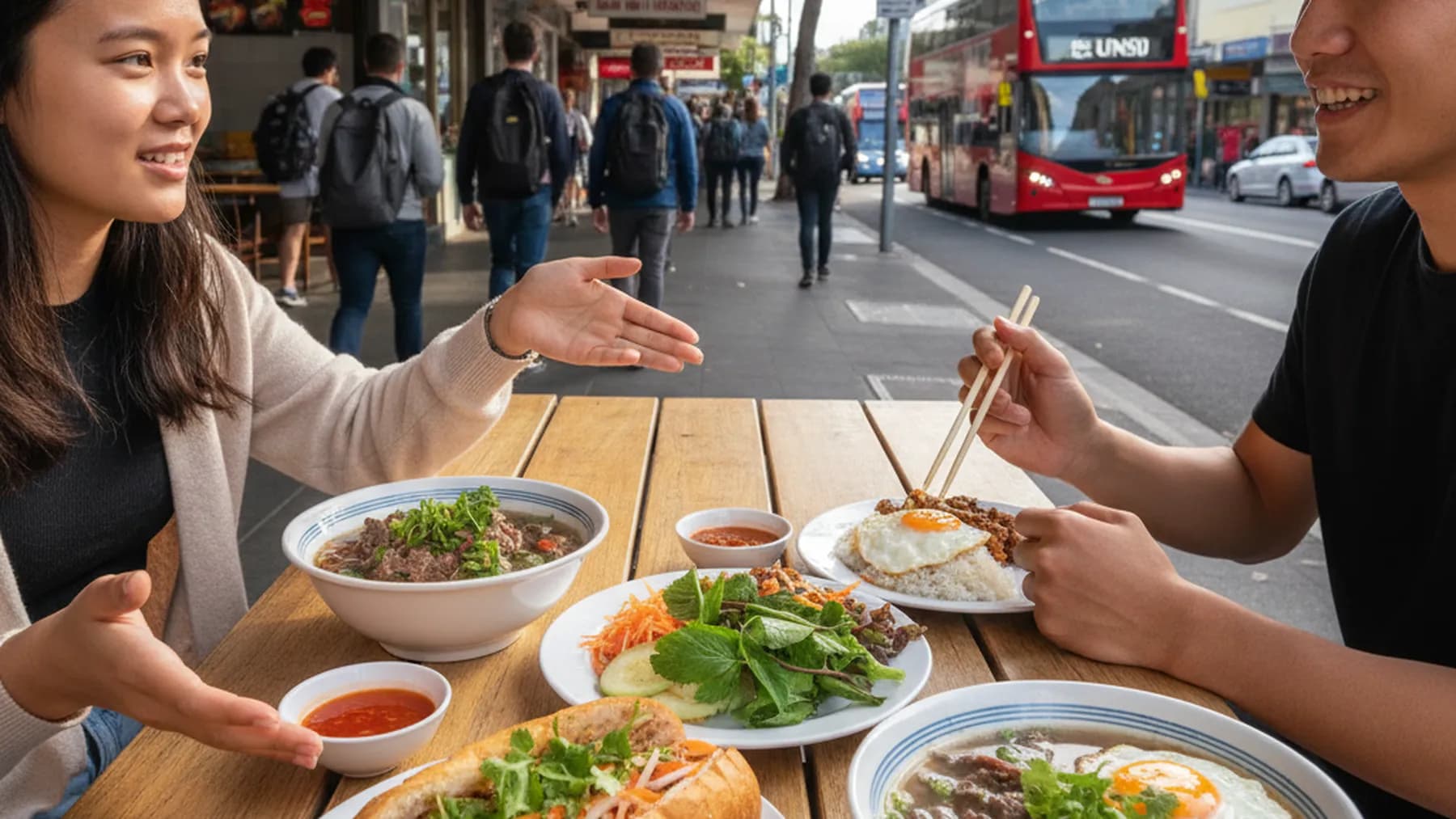
Authentic Vietnamese restaurants employ service approaches that reflect traditional Vietnamese hospitality customs and cultural practices rather than standardized restaurant service protocols designed for mainstream Australian dining expectations, often emphasizing family-style service, communal dining facilitation, and cultural education that enhances customer understanding of Vietnamese dining traditions. These service approaches frequently include guidance on traditional eating methods, recommendations based on Vietnamese meal composition principles, and patience with customer questions that demonstrates genuine interest in cultural sharing rather than simple order processing. The quality of cultural education provided through service interactions often distinguishes authentic establishments from operations treating Vietnamese cuisine as exotic entertainment rather than cultural heritage worthy of respect and understanding.
Staff cultural knowledge and Vietnamese language capabilities enable authentic restaurants to serve diverse customer bases including Vietnamese community members seeking genuine experiences and Australian customers requiring cultural guidance through unfamiliar dining options and traditional eating methods. These capabilities often involve staff members with genuine Vietnamese cultural background, family connections to Vietnamese culinary traditions, and personal investment in cultural preservation that extends beyond employment obligations to encompass community responsibility and heritage maintenance. The depth of staff cultural knowledge frequently correlates with restaurant authenticity levels and commitment to cultural preservation rather than commercial exploitation of ethnic cuisine novelty.
Traditional dining customs and communal eating facilitation in authentic Vietnamese restaurants reflect genuine Vietnamese social practices including shared dish service, traditional table arrangements, and eating protocols that enhance social interaction while honoring cultural traditions that define Vietnamese dining experiences. These customs often involve guidance on proper sharing methods, traditional accompaniment usage, and social protocols that create authentic cultural experiences while building customer appreciation for Vietnamese dining traditions. The successful implementation of traditional dining customs requires staff training and customer education that demonstrates restaurant commitment to cultural preservation and community service that extends beyond simple food delivery to encompass comprehensive cultural experience provision.
Community Connection and Cultural Role
Truly authentic Vietnamese restaurants serve as community centers that maintain cultural connections, support Vietnamese community needs, and provide spaces for cultural preservation and social interaction that extend restaurant function beyond commercial food service to encompass community support and heritage maintenance. These community functions frequently include hosting cultural events, facilitating business networking, and providing gathering spaces that serve multiple social functions within Vietnamese communities while creating authentic atmospheres that enhance dining experiences for all customers. The depth of community connection often indicates restaurant authenticity and commitment to cultural preservation that prioritizes community service alongside commercial success.
Family operation and generational involvement in authentic Vietnamese restaurants create cultural continuity and knowledge preservation that maintains traditional standards while adapting to Melbourne market conditions and customer needs without compromising cultural integrity or authentic character. These family operations often include multiple generations working together, traditional knowledge transmission, and operational approaches that prioritize cultural preservation over pure commercial optimization while ensuring sustainable business practices that enable long-term cultural service. The presence of family involvement frequently indicates restaurant commitment to authentic cultural representation and community responsibility that extends beyond profit maximization to encompass heritage preservation.
Cultural event hosting and community gathering facilitation demonstrate authentic Vietnamese restaurant commitment to cultural preservation through programming that showcases Vietnamese traditions, builds community connections, and educates broader Melbourne communities about Vietnamese culture through food-centered experiences. These events often include traditional celebrations, cultural presentations, and community meetings that utilize restaurants as cultural centers while creating revenue opportunities that support restaurant sustainability and community service. The successful hosting of cultural events requires community relationships and cultural knowledge that enables authentic representation while building bridges between Vietnamese and broader Australian communities through meaningful cultural exchange.
Language and Communication Authenticity
Authentic Vietnamese restaurants maintain Vietnamese language usage as primary operational language while providing English accommodation that reflects genuine cultural priorities and community service rather than English-first approaches designed primarily for tourist convenience and mainstream market appeal. This language prioritization often creates environments where Vietnamese conversations occur naturally among staff and customers while English interactions receive respectful attention that demonstrates cultural inclusion rather than cultural subordination to commercial considerations. The balance between Vietnamese cultural preservation and English accessibility requires ongoing negotiation that authentic restaurants navigate through community-focused approaches that maintain cultural integrity while serving diverse customer bases.
Menu presentation and cultural explanation in authentic Vietnamese restaurants often include Vietnamese language elements, cultural context provision, and traditional dish descriptions that educate customers about cultural significance while maintaining authentic naming conventions and cultural references that preserve Vietnamese culinary identity. These presentation approaches frequently require staff capable of cultural translation and customer education that extends beyond simple order taking to encompass cultural sharing and traditional knowledge transmission. The quality of cultural explanation provided through menu interaction often distinguishes authentic establishments from operations treating Vietnamese cuisine as exotic novelty rather than cultural heritage worthy of understanding and respect.
Customer education and cultural guidance provided by authentic Vietnamese restaurants demonstrate commitment to cultural preservation through patience with questions, traditional method explanation, and cultural context sharing that builds customer appreciation for Vietnamese culinary traditions while maintaining authentic operational approaches. This educational component often involves staff time investment and cultural knowledge sharing that exceeds simple commercial transaction requirements but creates lasting customer relationships and cultural understanding that supports long-term restaurant success and community service. The willingness to provide cultural education frequently indicates restaurant priorities that value cultural preservation alongside commercial viability.
Traditional Cooking Methods and Kitchen Practices
Authentic Vietnamese restaurants maintain traditional cooking methods and kitchen practices that preserve cultural techniques and flavor profiles through conventional preparation approaches that prioritize authenticity over efficiency or convenience commonly emphasized in tourist-oriented establishments. These traditional methods often require specialized equipment, extended preparation times, and technical expertise developed through cultural transmission rather than formal culinary training, creating operational complexity that increases costs while ensuring authentic flavor achievement. The commitment to traditional cooking methods distinguishes genuine Vietnamese restaurants from operations using shortcuts and adaptations that compromise cultural integrity for operational convenience.
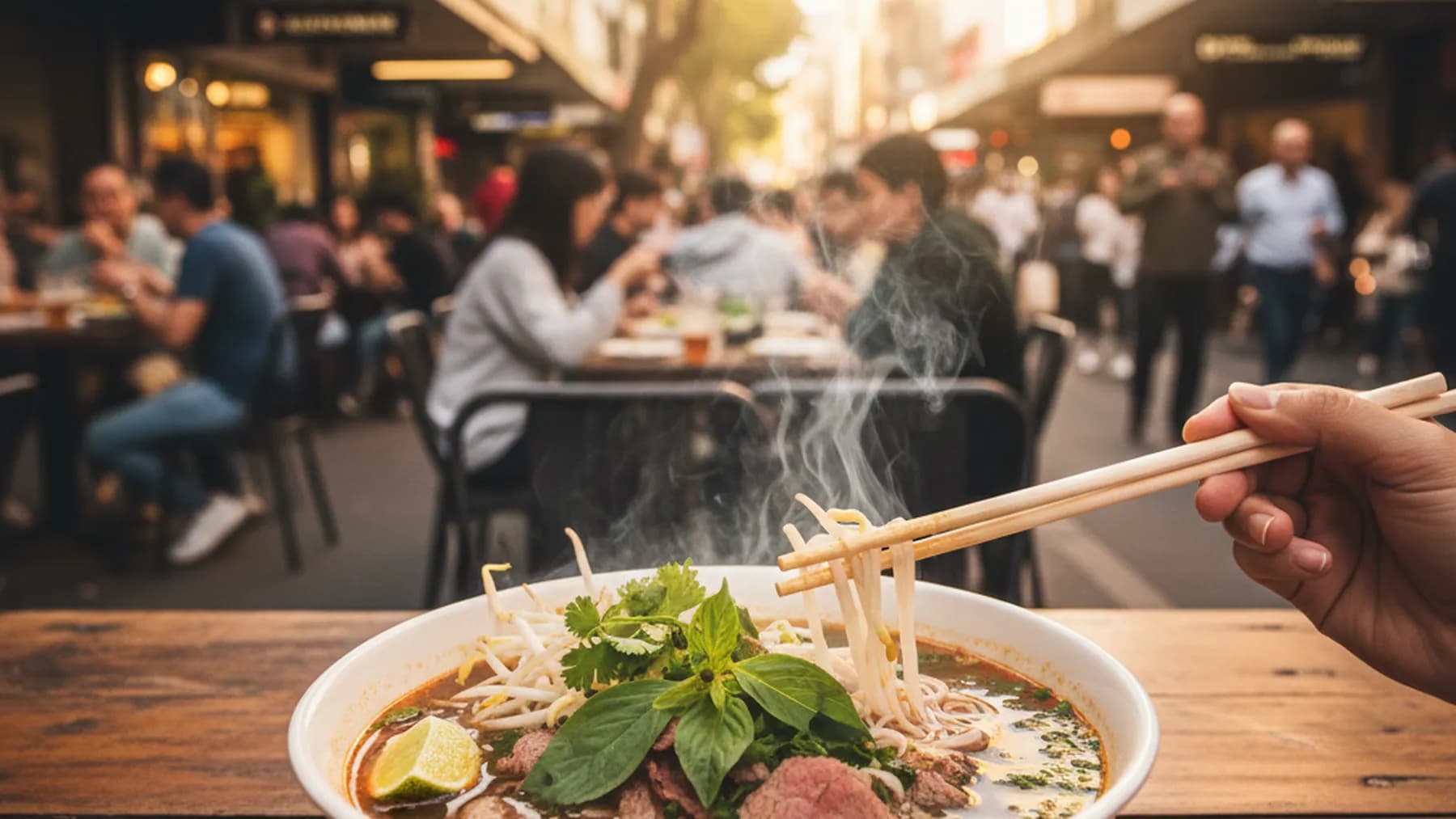
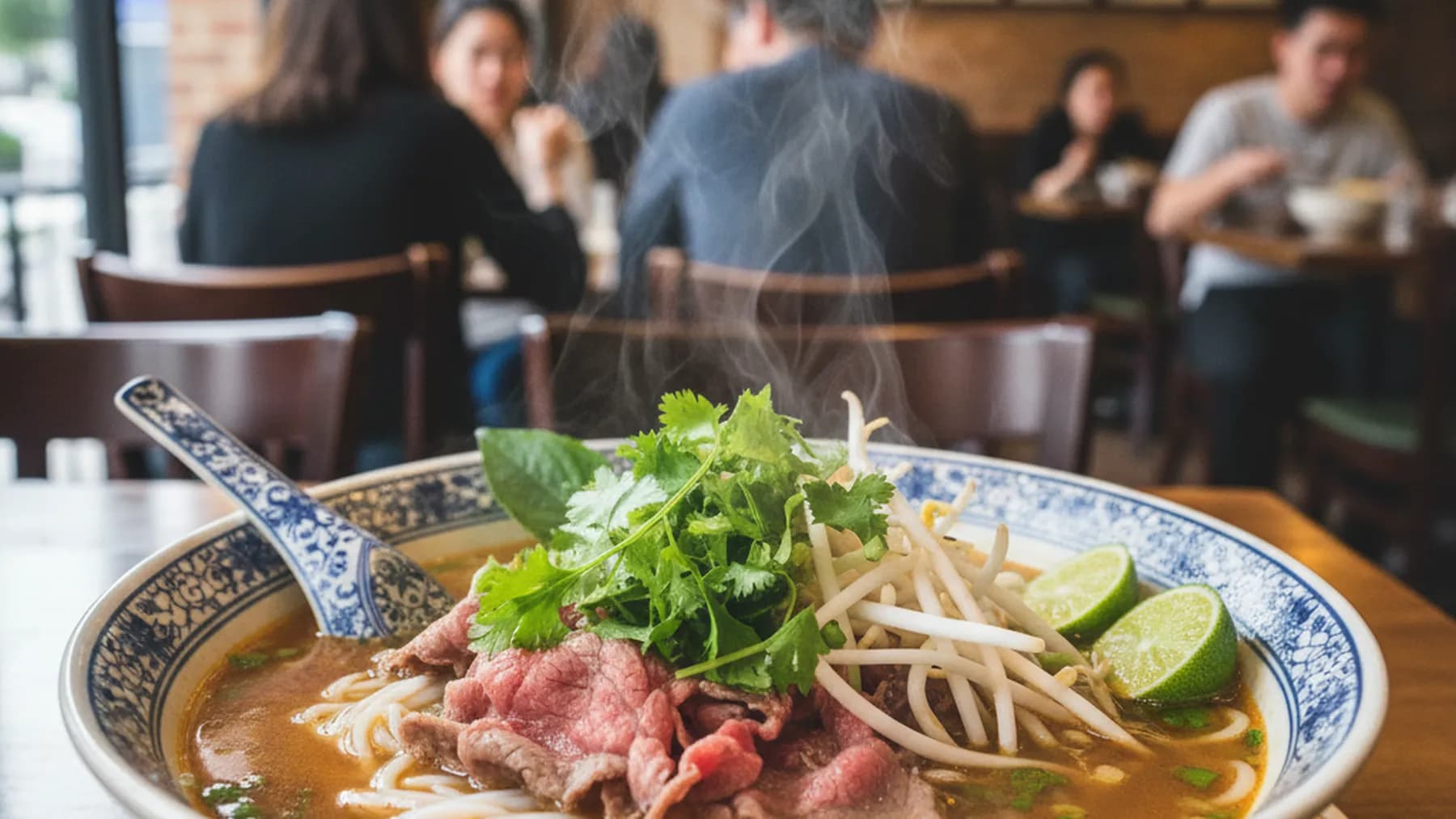
Broth preparation and traditional soup base development represent fundamental elements of authentic Vietnamese cooking that require significant time investment, cultural knowledge, and technique mastery that cannot be replicated through commercial alternatives or simplified methods commonly used by establishments prioritizing efficiency over authenticity. These preparation processes often involve overnight cooking, careful ingredient timing, and traditional seasoning approaches that create complex flavor profiles characteristic of genuine Vietnamese soups and require operational planning that accommodates extended preparation requirements. The quality of broth preparation frequently serves as immediate authenticity indicator that reveals restaurant commitment to traditional methods and cultural preservation.
Traditional fermentation and preservation techniques employed by authentic Vietnamese restaurants demonstrate cultural knowledge and commitment to authentic flavor development through time-intensive processes that create ingredients and condiments unavailable through commercial sources or simplified preparation methods. These traditional techniques often include house-made fermented vegetables, traditional sauce preparation, and specialty ingredient development that requires cultural knowledge and patience but creates authentic flavors that distinguish genuine Vietnamese restaurants from adapted versions using convenient commercial substitutions. The presence of traditional fermentation activities often indicates restaurant dedication to cultural preservation and authentic flavor achievement that prioritizes cultural integrity over operational convenience.
Economic Models and Community Support
Authentic Vietnamese restaurants often operate under economic models that prioritize cultural preservation and community service alongside commercial viability, frequently accepting lower profit margins and increased operational complexity in exchange for cultural authenticity and community support that maintains Vietnamese culinary traditions within Melbourne's diverse dining landscape. These economic approaches often involve community investment, family financial commitment, and operational decisions that favor authenticity over profit maximization while ensuring sustainable business practices that enable long-term cultural service. The balance between cultural preservation and commercial success requires ongoing negotiation that authentic restaurants manage through community support and customer education that builds appreciation for authentic Vietnamese cuisine.
Community support and customer loyalty enable authentic Vietnamese restaurants to maintain traditional standards while achieving financial sustainability through dedicated customer bases that appreciate authenticity and support cultural preservation through regular patronage and community advocacy. This support often includes Vietnamese community loyalty, educated non-Vietnamese customers, and cultural enthusiasts who value authentic experiences while understanding cost implications and operational constraints associated with traditional preparation methods. The development of supportive customer communities requires time investment and cultural education but creates stable business foundations that support long-term cultural preservation and restaurant sustainability.
Cultural preservation funding and community investment occasionally support authentic Vietnamese restaurants through cultural organizations, community groups, and government programs that recognize cultural value and community service provided by authentic establishments beyond simple commercial food service. These support mechanisms often include cultural grants, community development funding, and business assistance programs that acknowledge restaurant roles in cultural preservation and community service while supporting operational sustainability that enables continued cultural contribution. The availability of cultural preservation support reflects community recognition of authentic restaurant value that extends beyond commercial transactions to encompass cultural heritage maintenance and community service provision.
Conclusion: Preserving Culinary Authenticity in Modern Melbourne
Melbourne's truly authentic Vietnamese restaurants demonstrate that cultural preservation and commercial success can coexist when supported by community commitment, customer education, and unwavering dedication to cultural integrity that honors Vietnamese culinary heritage while serving diverse Australian communities seeking genuine cultural experiences. These exceptional establishments prove that authenticity creates competitive advantages through unique experiences that cannot be replicated by superficial adaptations or tourist-oriented modifications that sacrifice cultural integrity for mainstream appeal. The continued success of authentic Vietnamese restaurants requires ongoing support from communities that value cultural preservation and culinary authenticity over convenience and familiar adaptations.
Future sustainability of authentic Vietnamese dining in Melbourne depends on continued community support, cultural transmission to new generations, and customer education that builds appreciation for genuine Vietnamese culinary traditions while maintaining economic viability in competitive restaurant markets that often favor convenience over authenticity. Whether seeking exceptional Vietnamese culinary experiences or exploring comprehensive Vietnamese dining opportunities, Melbourne's authentic Vietnamese restaurants provide cultural immersion that transforms dining into education while preserving essential cultural traditions for future generations to discover, appreciate, and continue.