Not everyone remembers the first time they ate Hu tieu, but most people from southern Vietnam carry the memory of their mother serving a steaming bowl of it on a quiet morning. Nothing too fancy — just a few slices of meat, some fresh chives, a bit of fried shallots, and those ivory-white noodles. Yet that simple bowl has become a cherished piece of childhood for so many.
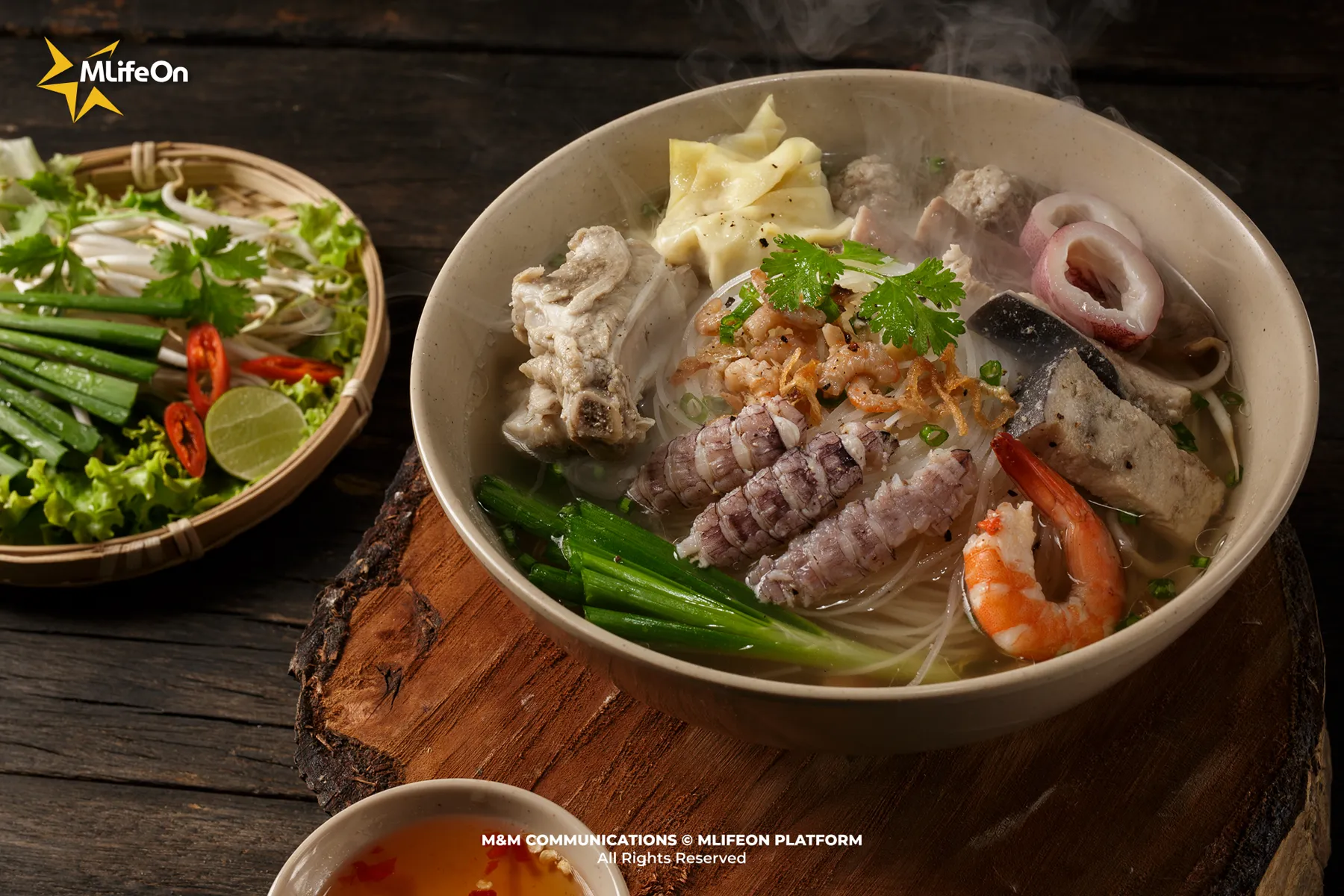
Each bowl of Hu tieu carries a story of its own from the cook.
Hu tieu or Hu tiu?
Mention Hu tieu, people immediately think of southern Vietnam. But few know that this dish has quite an interesting history. It’s believed to have originated from Chinese immigrants - specifically the Teochew people who brought it with them when they settled in Southern Vietnam centuries ago. What’s fascinating is how quickly the dish transformed to suit Vietnamese tastes, especially in the Mekong Delta and Saigon. From that point on, Hu tieu became unmistakably Vietnamese, unmistakably Southern and unmistakably beloved.
People in the Mekong Delta often say Hu tiu - a softer and rounder pronunciation. Saigonese say Hu tieu - sharper, with a slight Cantonese influence. The names differ, but the soul of the dish remains the same: flexible, open-hearted and full of southern charm.
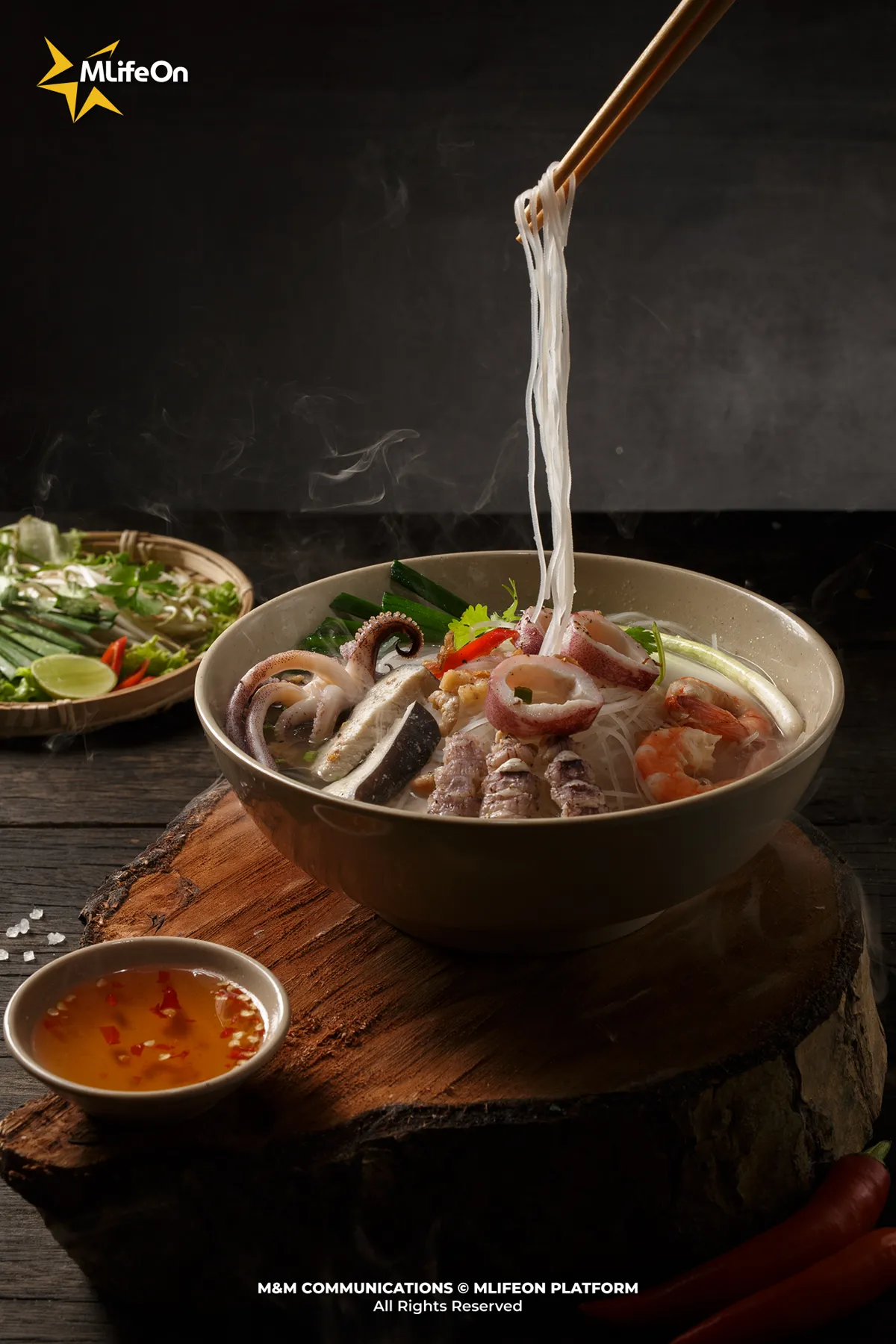
Every bowl of Hu tieu tells the story of its maker
Hu tieu is peculiar in the best way - you will never find two identical bowls. Each vendor has their own way of seasoning, arranging toppings, and ladling the broth. It’s as if they infuse a bit of their personality into every bowl they serve.
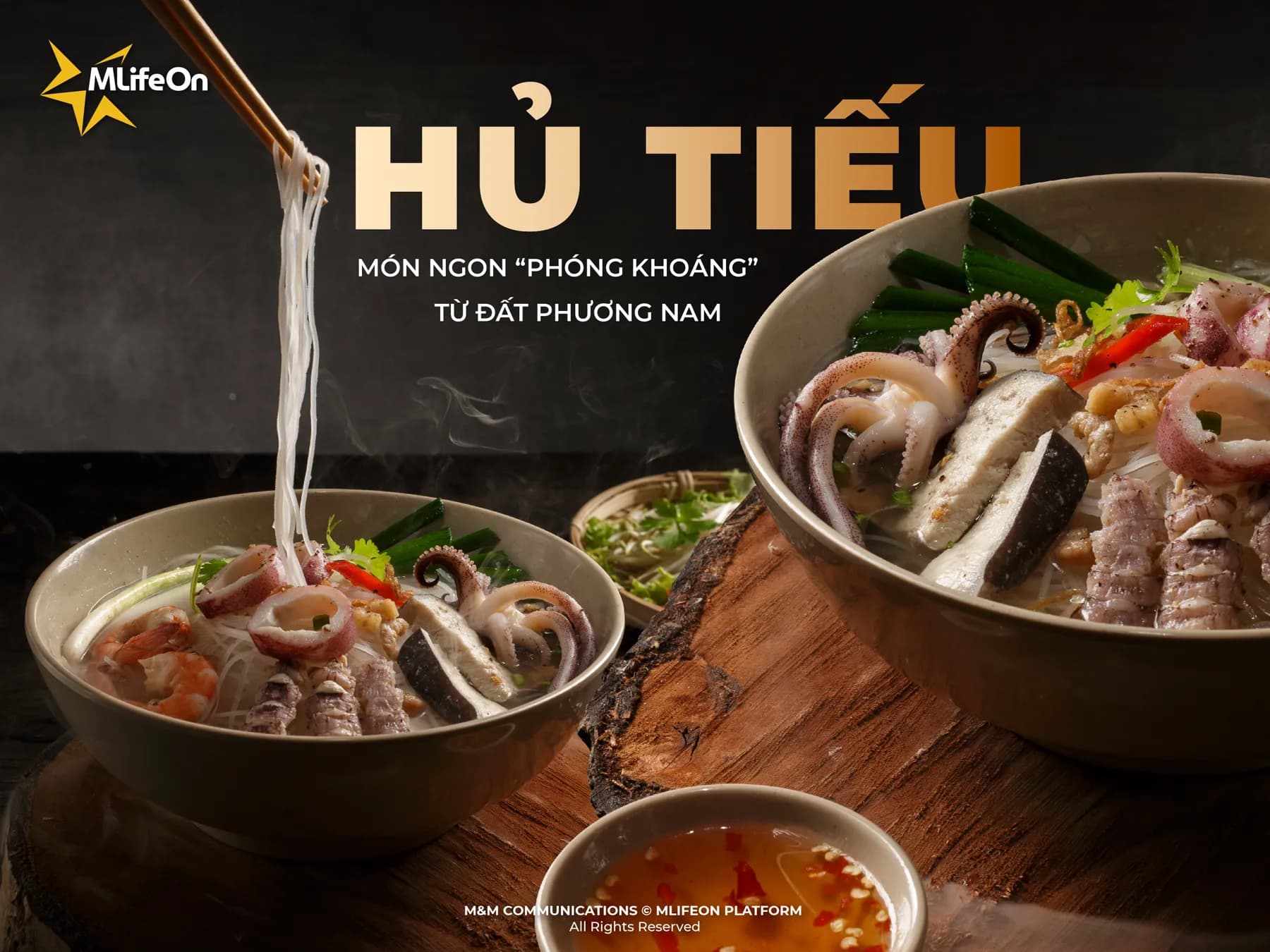
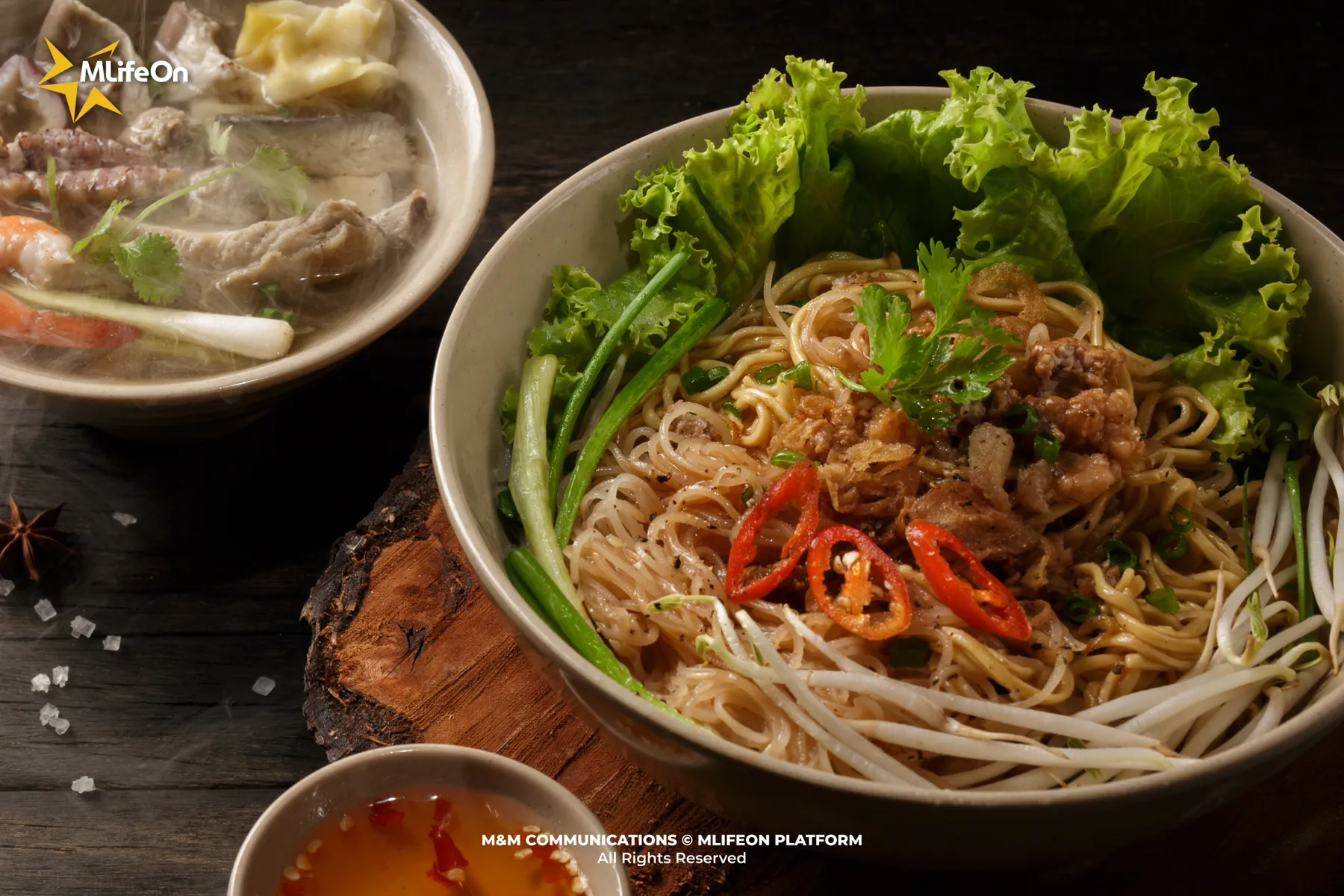
The soup version is crystal clear yet flavorful - deceptively light in appearance but full of depth when tasted. The dry version glistens with a reddish-brown sauce, mixed with crispy pork fat, fried shallots, and a touch of satay that makes your stomach growl at the first glance. And then there’s Hu tieu Nam Vang - a dish influenced by multiple culinary traditions, packed with minced pork, liver, quail eggs, shrimp, fish, squid - like a miniature feast in a single bowl.
Southerners enjoy Hu tieu in their own special way: a splash of garlic vinegar for brightness, some hoisin sauce for richness, chili paste for heat. And of course, any version can be upgraded with extra bones or extra crispy pork fat.
I’ve always believed that there is no such thing as the “correct” bowl of Hu tieu - only the bowl that stays in your memory.
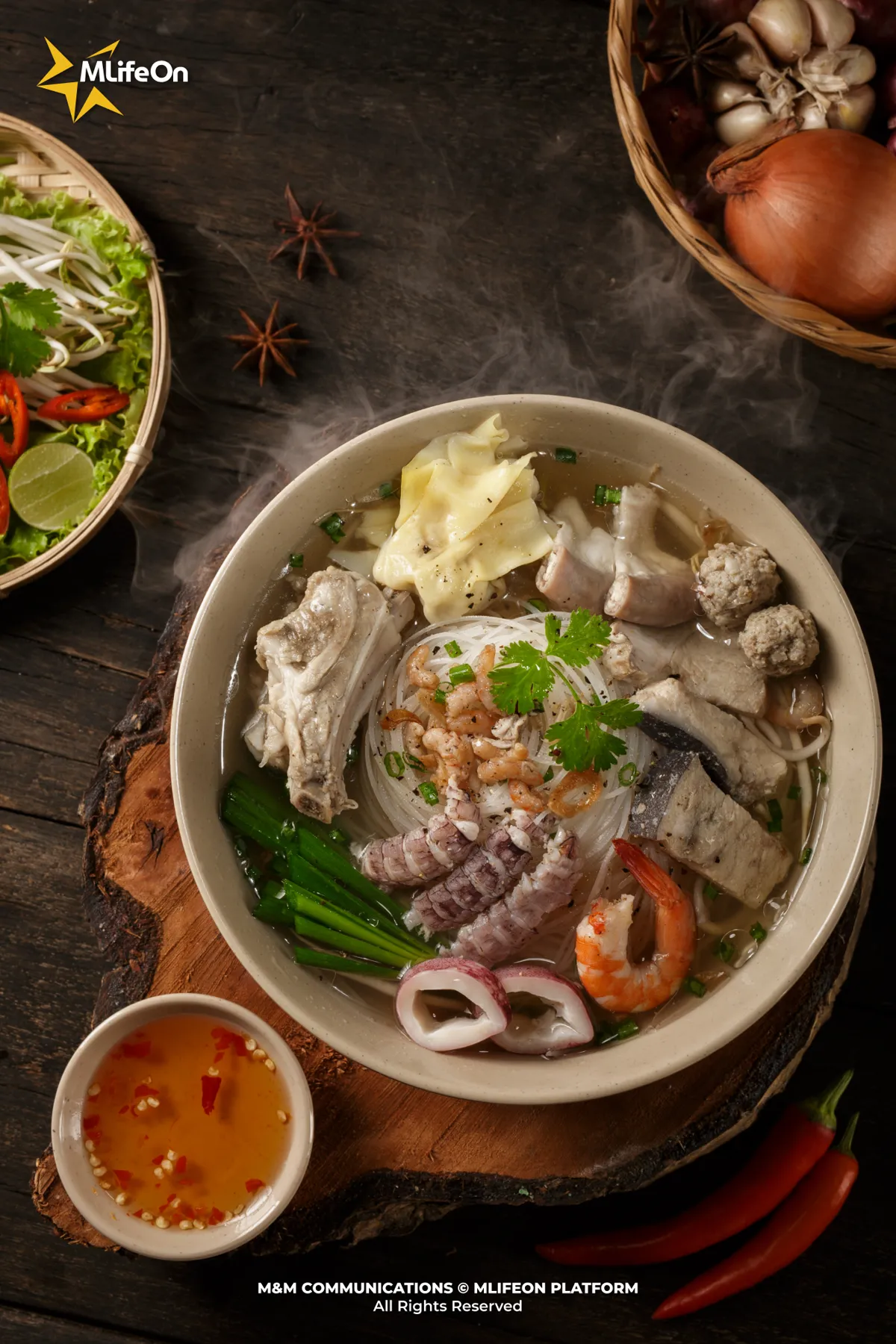
Why is Hu tieu unforgettable to Southerners?
It’s no coincidence that Hu tieu has become a “national dish” of the South. It suits everyone - every age, every background.
Workers love it because it’s affordable and filling. Office employees love it because it’s quick but nutritious. Students love it because it’s easy to eat and easy to find.
And on a deeper level, the real reason is this: Hu tieu reflects the free-spirited nature of Southern people.
No fuss about presentation.
No rigid rules.
Add whatever you like.
Cook it however you want.
This freedom has given birth to hundreds of variations, yet people stay loyal because they always find a version that fits their taste - a “go-to spot” they’ll visit no matter how far, how sunny, or how rainy it is, just to enjoy that one bowl that feels right.
Some shops are tiny, hidden in narrow alleys, with dim lights and wobbly plastic tables - but their toppings are always abundant.
Some are family-run for three generations, still serving clear broth without a pinch of MSG.
Some open only from 10 p.m. until sunrise, a haven for those coming home late.
Everyone has their own place - like a small refuge they return to amid the rush of everyday life.
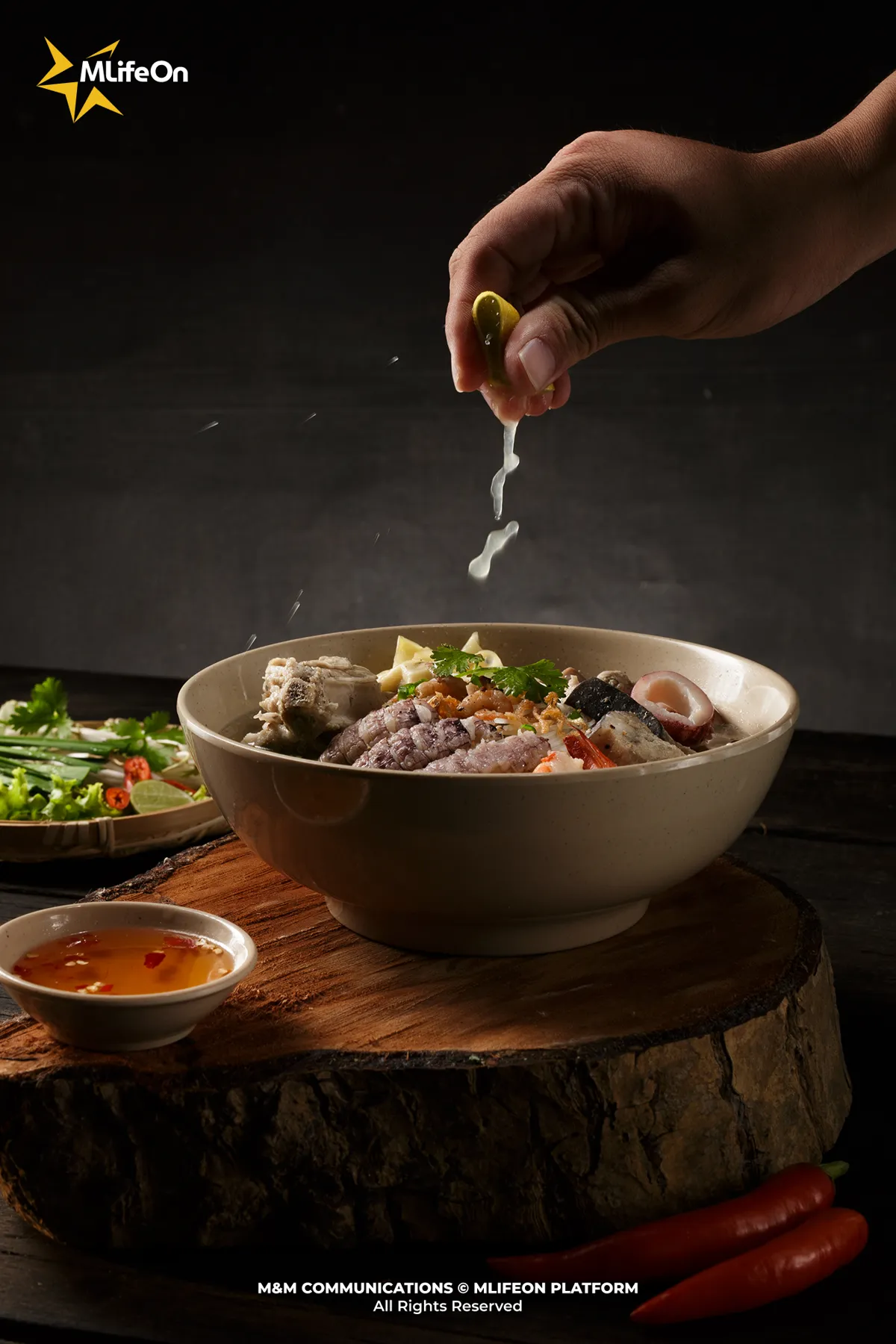
Hu tieu – a dish as “free-spirited” as the Southern land itself
Among Vietnam’s iconic noodle dishes, Hu tieu holds a special place. Pho from the North is refined and elegant. Bun bo Hue is bold and intense. Mi Quang is lively and cheerful, with crunchy peanuts and rice crackers mirroring the warmth of central people.
But Hu tieu carries a different spirit: a spirit that adapts to life and people. The broth may be pork bone - based or seafood-enhanced. The toppings may include shrimp, quail eggs, liver, heart, fish, squid - anything works, as long as it’s flavorful.
A bowl of Hu tieu can be a quick breakfast, a late-night meal, or a cherished childhood memory.
Conclusion
Some people say, “Hu tieu is the most free-spirited dish of Southern Vietnam.” And it couldn’t be more true. Because within this one humble dish lies the Southern way of living: no pressure, no rigidity, no judgment — as long as it suits your taste and feels right in your heart, that’s enough.
Perhaps that’s why no matter how far people travel, the moment they smell a pot of broth simmering with garlic and scallions, they instantly know:
They’re standing on Southern soil - where flavor, affection, and sincerity always linger.
—-----
CREDIT:
- Photography: Kien Trang
- Content: Hoai Ha
- Design: Trung Huynh