The Evolution of Vietnamese Cuisine in Melbourne: Where Tradition Meets Innovation
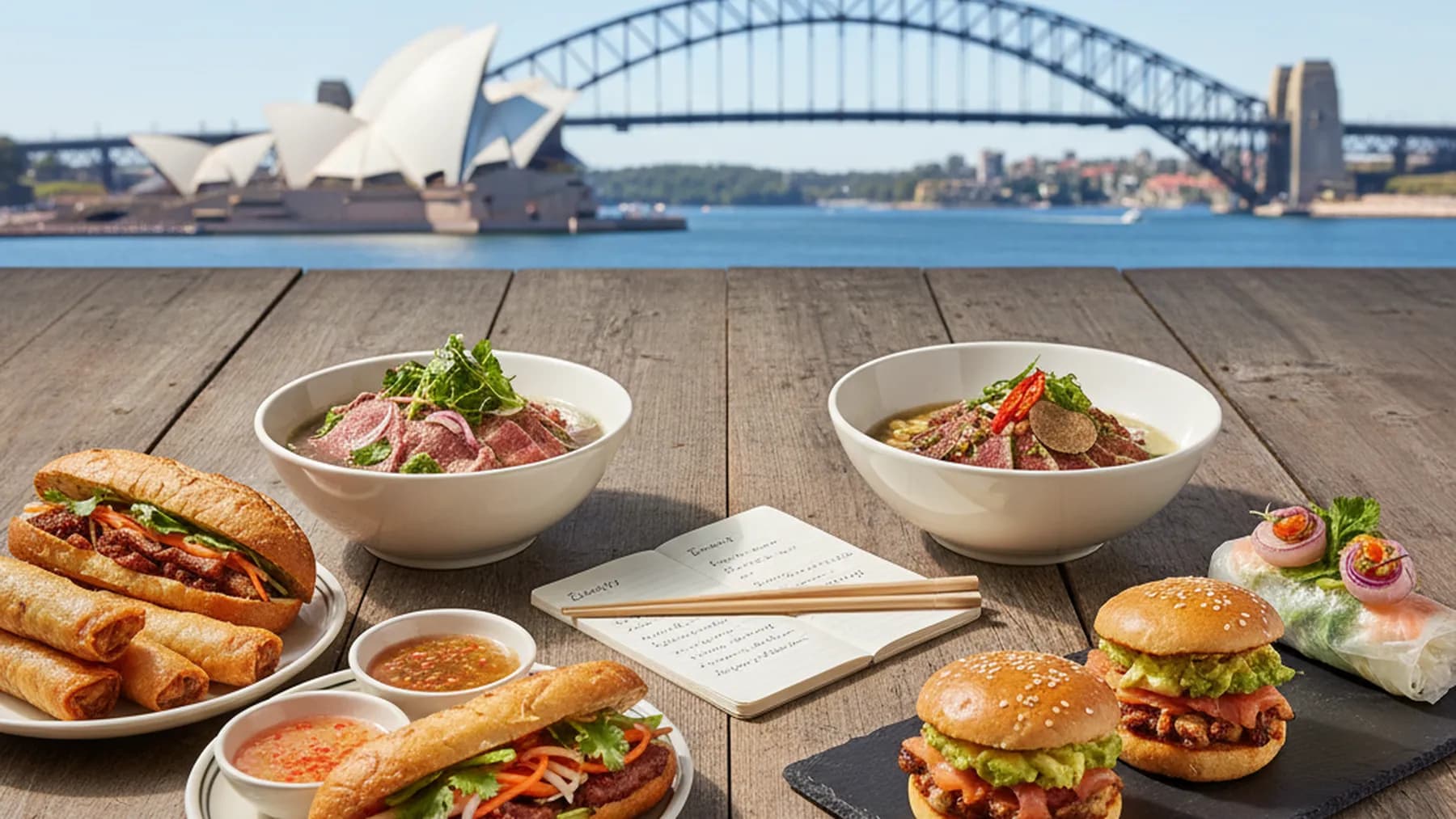
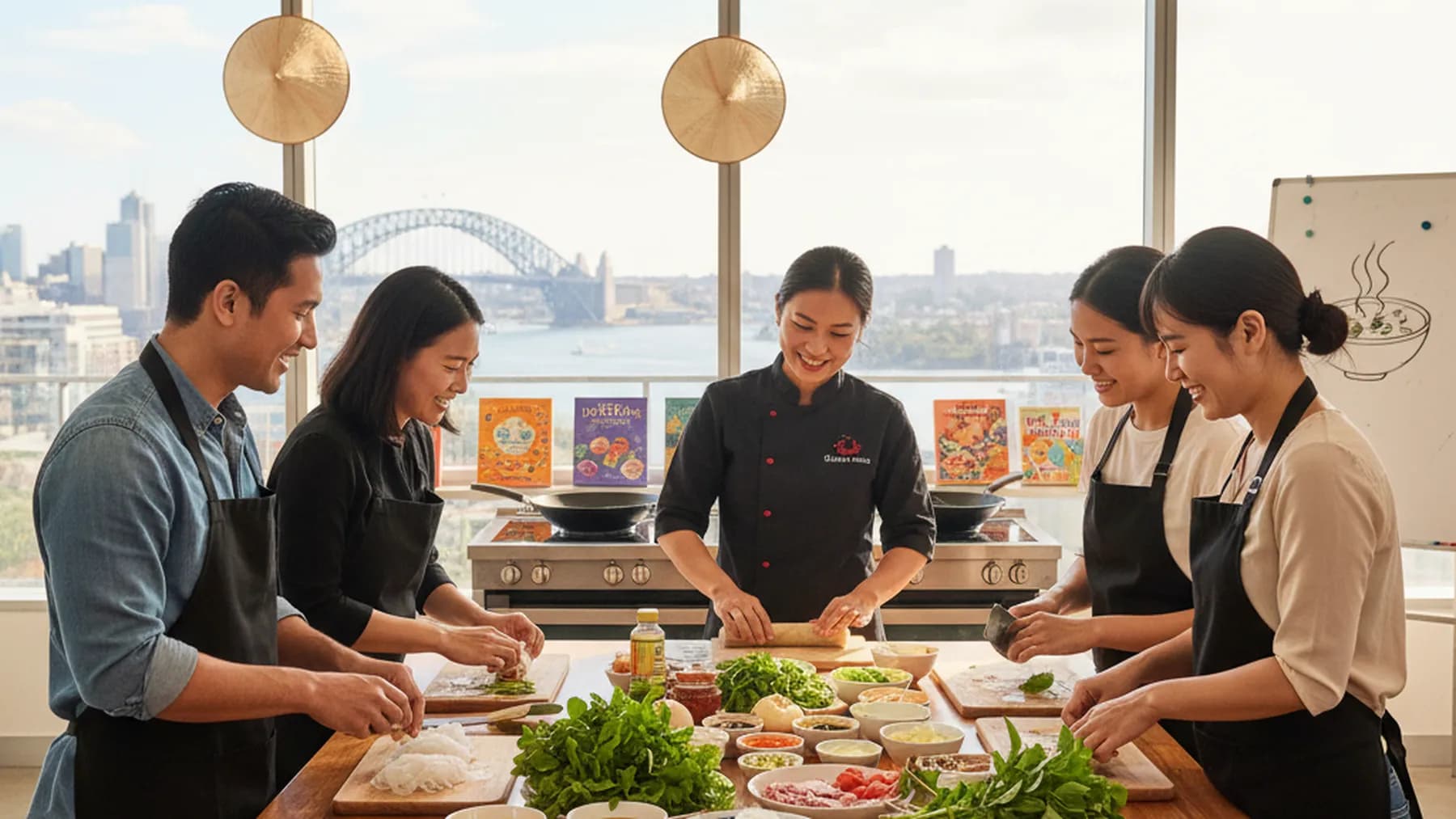
Melbourne's contemporary Vietnamese restaurant scene represents a fascinating evolution of traditional Vietnamese cuisine, where skilled chefs honour ancestral recipes while embracing modern cooking techniques and Australian ingredients. These establishments go beyond the typical pho and banh mi offerings, creating sophisticated dining experiences that showcase the depth and complexity of Vietnamese culinary traditions in fresh, exciting ways.
This new generation of Vietnamese restaurants reflects the journey of Vietnamese-Australian families who have spent decades perfecting traditional dishes and are now ready to experiment and innovate. The result is a dining landscape that respects cultural heritage while pushing boundaries, creating uniquely Melbourne interpretations of Vietnamese cuisine that couldn't exist anywhere else in the world.
From elegant CBD establishments serving refined Vietnamese tasting menus to suburban gems where second-generation chefs blend their grandmother's recipes with contemporary presentation, Melbourne's modern Vietnamese scene offers sophisticated diners an opportunity to explore Vietnamese cuisine beyond the familiar favourites.
The Pioneers: Establishing Contemporary Vietnamese in Melbourne
Hanoi Hannah in the CBD deserves recognition as one of Melbourne's pioneers in elevating Vietnamese street food to restaurant-quality dining. Since opening, they've demonstrated that traditional Vietnamese flavours can be presented with the same sophistication as French or Italian cuisine, without losing their essential character or authenticity.
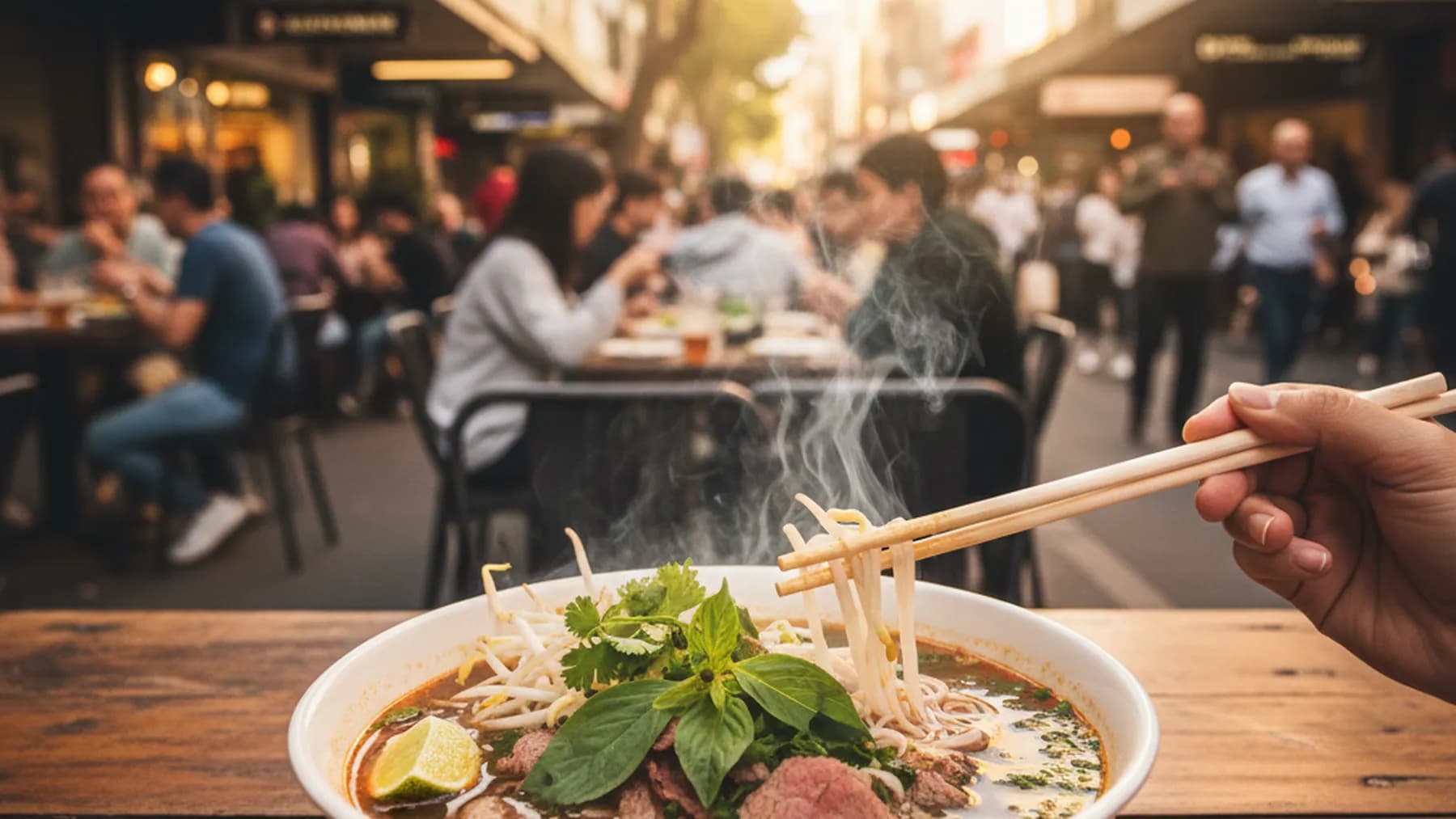
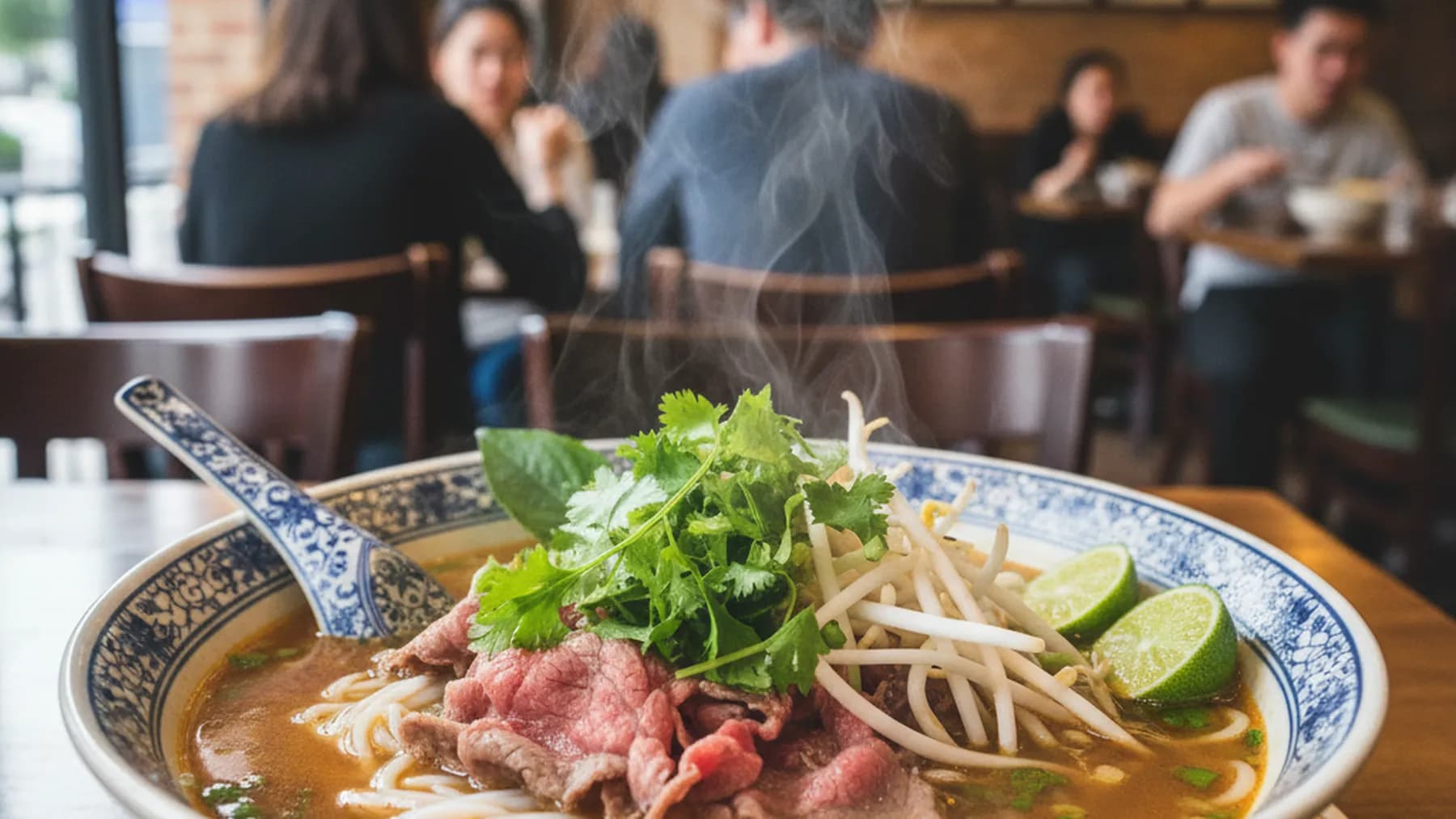
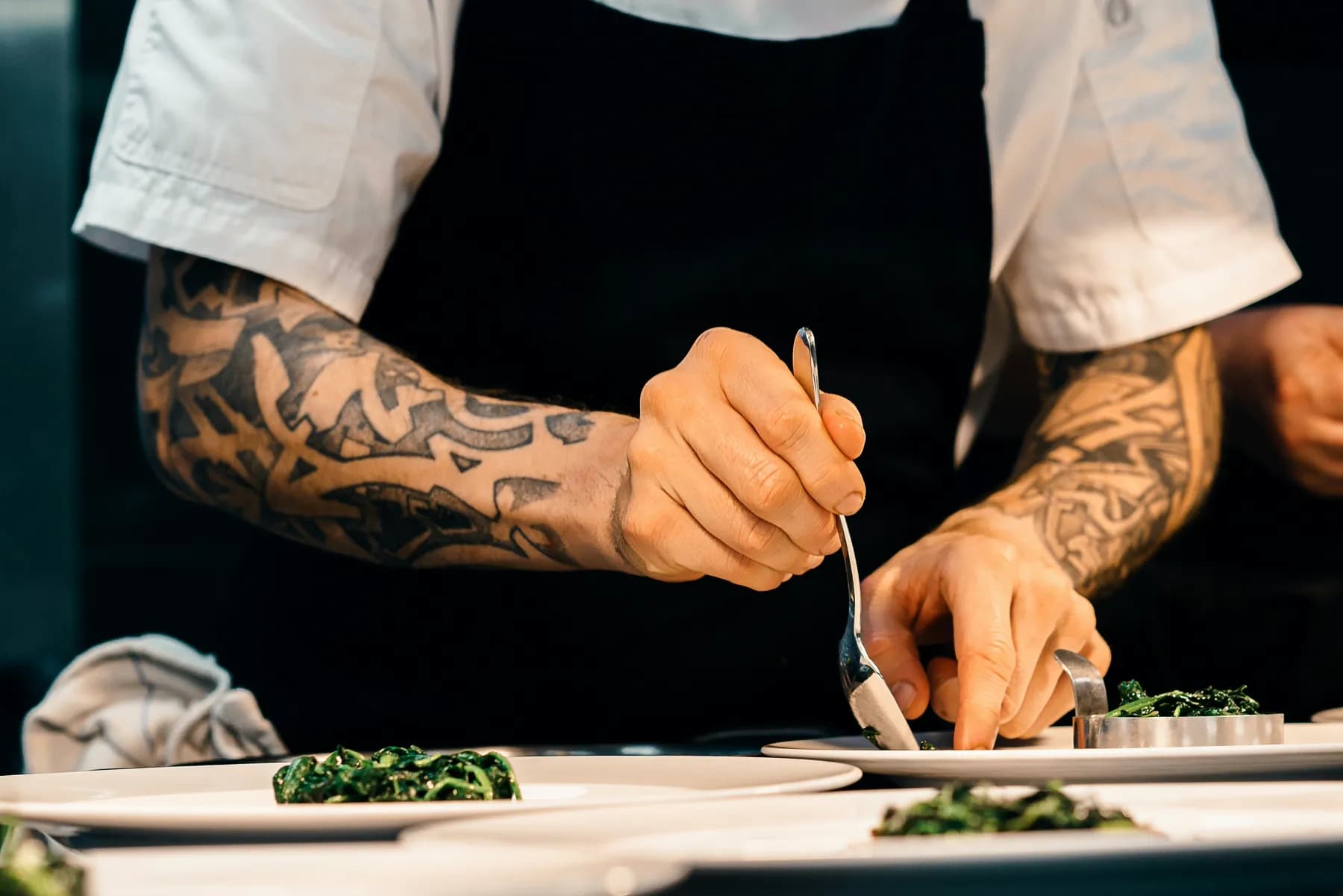
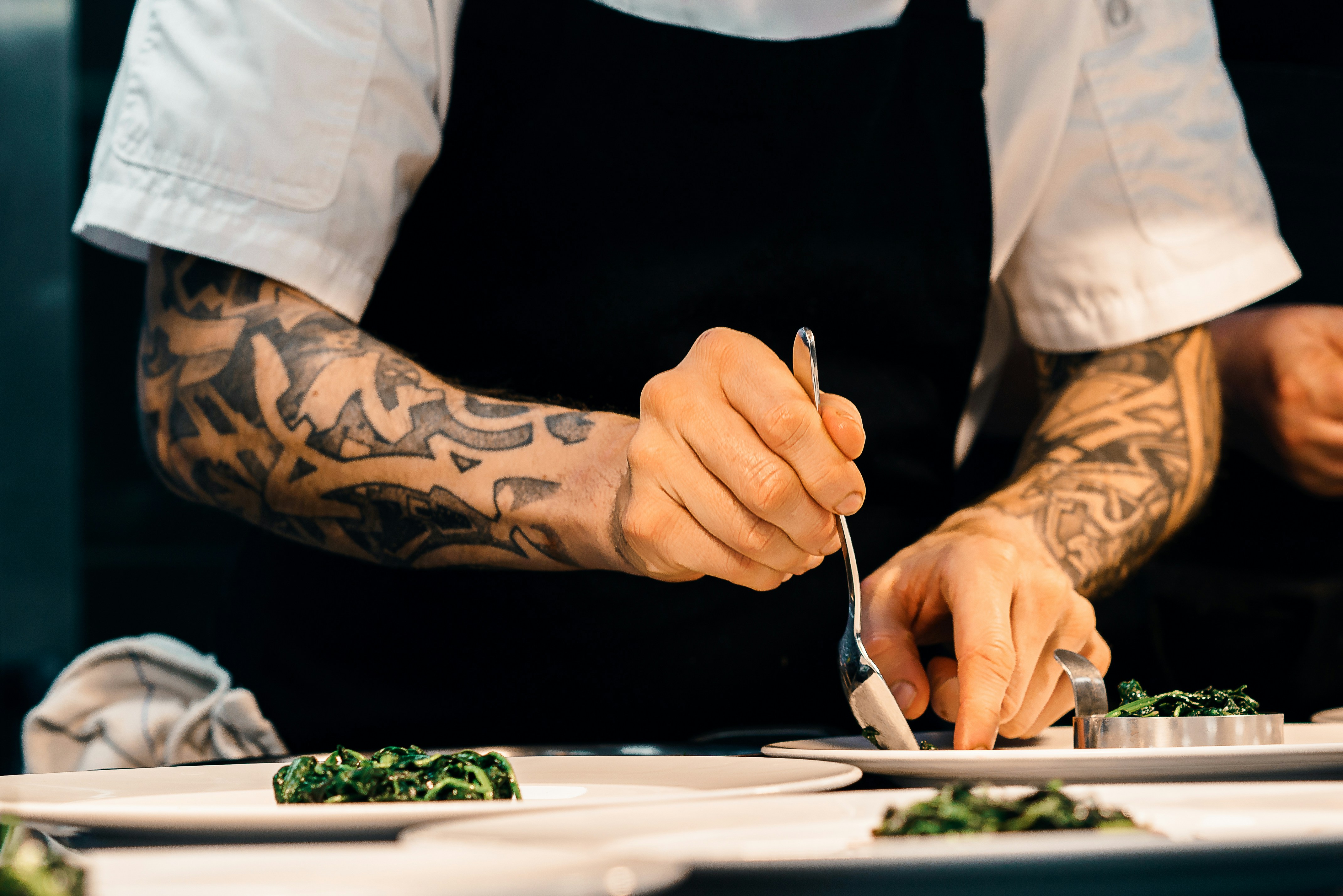
Their signature dish, the slow-cooked beef cheek pho, exemplifies this approach perfectly. While maintaining the fundamental elements of traditional pho - the aromatic broth, fresh herbs, and rice noodles - they elevate the protein component with tender, wine-braised beef cheek that melts in your mouth. The presentation is elegant yet approachable, served in beautiful ceramic bowls that enhance rather than overwhelm the dining experience.
What sets Hanoi Hannah apart is their commitment to house-made ingredients. They prepare their pho broth using traditional methods but with premium Australian beef bones, creating a depth of flavour that rivals the best traditional pho shops while offering the consistency and presentation that modern diners expect. Their spring rolls are made fresh throughout the day, using locally sourced vegetables and herbs that provide optimal freshness and flavour.
The restaurant's wine list reflects their sophisticated approach, featuring both Vietnamese-inspired cocktails and carefully selected wines that complement the complex flavour profiles of Vietnamese cuisine. Their lychee martini incorporates traditional Vietnamese flavours in a contemporary cocktail format, while their wine selection includes both Australian and French options that pair beautifully with Vietnamese spices and herbs.
Suburb Sophistication: Elevating Neighbourhood Vietnamese Dining
Rice Paper Rolls in St Kilda represents the perfect balance between neighbourhood accessibility and contemporary Vietnamese dining. This family-run establishment has evolved from a simple rice paper roll shop into a sophisticated restaurant that maintains its community roots while offering increasingly refined Vietnamese cuisine.
Their menu showcases traditional Vietnamese dishes prepared with modern techniques and premium ingredients. The lemongrass beef is sourced from grass-fed Victorian cattle and marinated using a family recipe that's been refined over three generations. The result is incredibly tender, flavourful beef that's grilled to perfection and served with fresh Vietnamese herbs and house-made pickles that provide textural contrast and bright acidity.
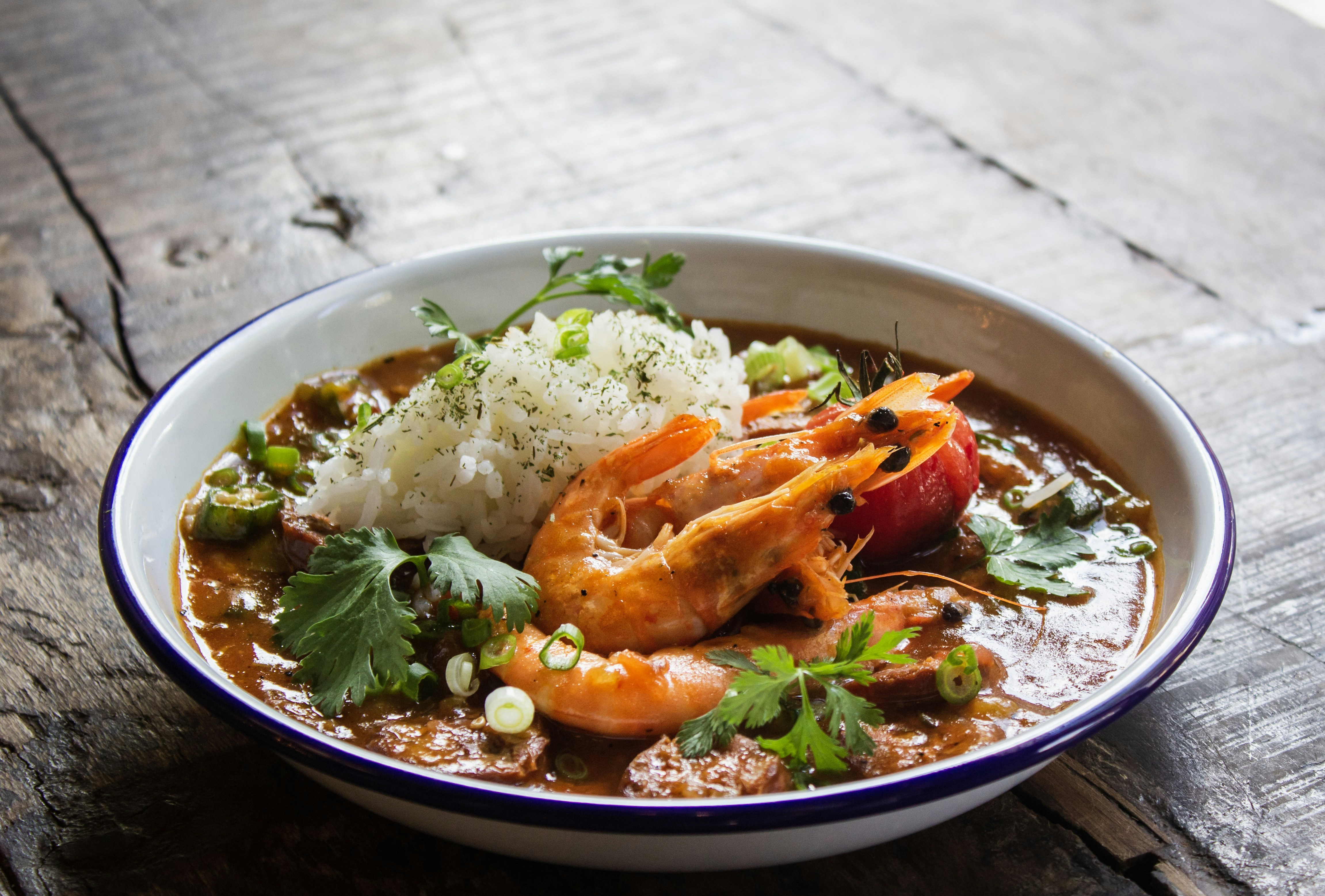
What makes Rice Paper Rolls special is their commitment to vegetarian and vegan options that don't compromise on flavour or sophistication. Their tofu curry uses locally made organic tofu that's marinated in traditional Vietnamese spices, then slow-cooked in coconut milk with vegetables sourced from nearby markets. The dish maintains the complex layering of sweet, salty, sour, and spicy flavours that characterizes excellent Vietnamese cuisine while meeting the dietary requirements of modern Melbourne diners.
The restaurant's interior reflects this balanced approach, combining traditional Vietnamese elements like ceramic serving dishes and bamboo accents with contemporary Australian design features. The result is a space that feels both familiar and fresh, comfortable enough for regular neighbourhood dining yet sophisticated enough for special occasions.
CBD Excellence: Fine Dining Vietnamese Experiences
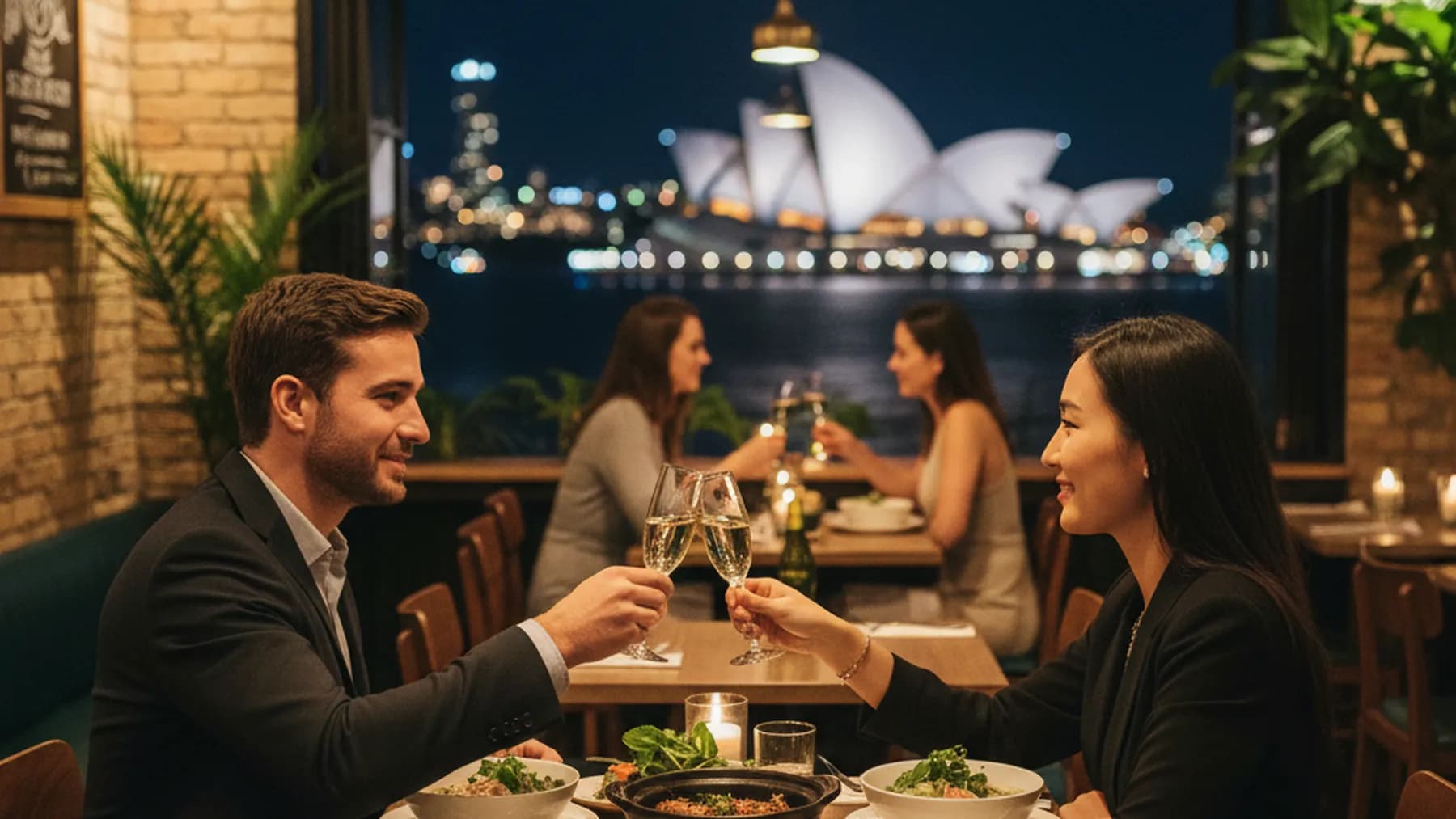
Mama's Buoi in the Emporium represents the pinnacle of contemporary Vietnamese fine dining in Melbourne's CBD. This upscale establishment takes traditional Vietnamese home cooking and elevates it to restaurant standards that rival Melbourne's best fine dining establishments, regardless of cuisine.
Their tasting menu approach allows diners to experience the full spectrum of Vietnamese flavours in a structured, educational format. The progression begins with lighter dishes like their signature green papaya salad, prepared with sustainably sourced green papaya and house-made fish sauce that's aged for optimal depth of flavour. The salad incorporates premium ingredients like organic cherry tomatoes and free-range chicken, while maintaining the traditional balance of sweet, sour, salty, and spicy that makes Vietnamese salads so refreshing.
The menu's progression through proteins showcases Vietnamese cooking techniques applied to premium Australian ingredients. Their duck confit pho represents an inspired fusion approach, where traditional French duck confit technique meets Vietnamese pho broth preparation. The result is incredibly rich, satisfying soup that respects both culinary traditions while creating something entirely new and delicious.
Service at Mama's Buoi reflects fine dining standards, with knowledgeable staff who can explain the cultural significance and preparation methods of each dish. This educational approach helps diners appreciate the complexity and sophistication of Vietnamese cuisine while enjoying a memorable dining experience that challenges preconceptions about Asian food in general.
Fusion Innovation: Vietnamese Meets Australian Cuisine
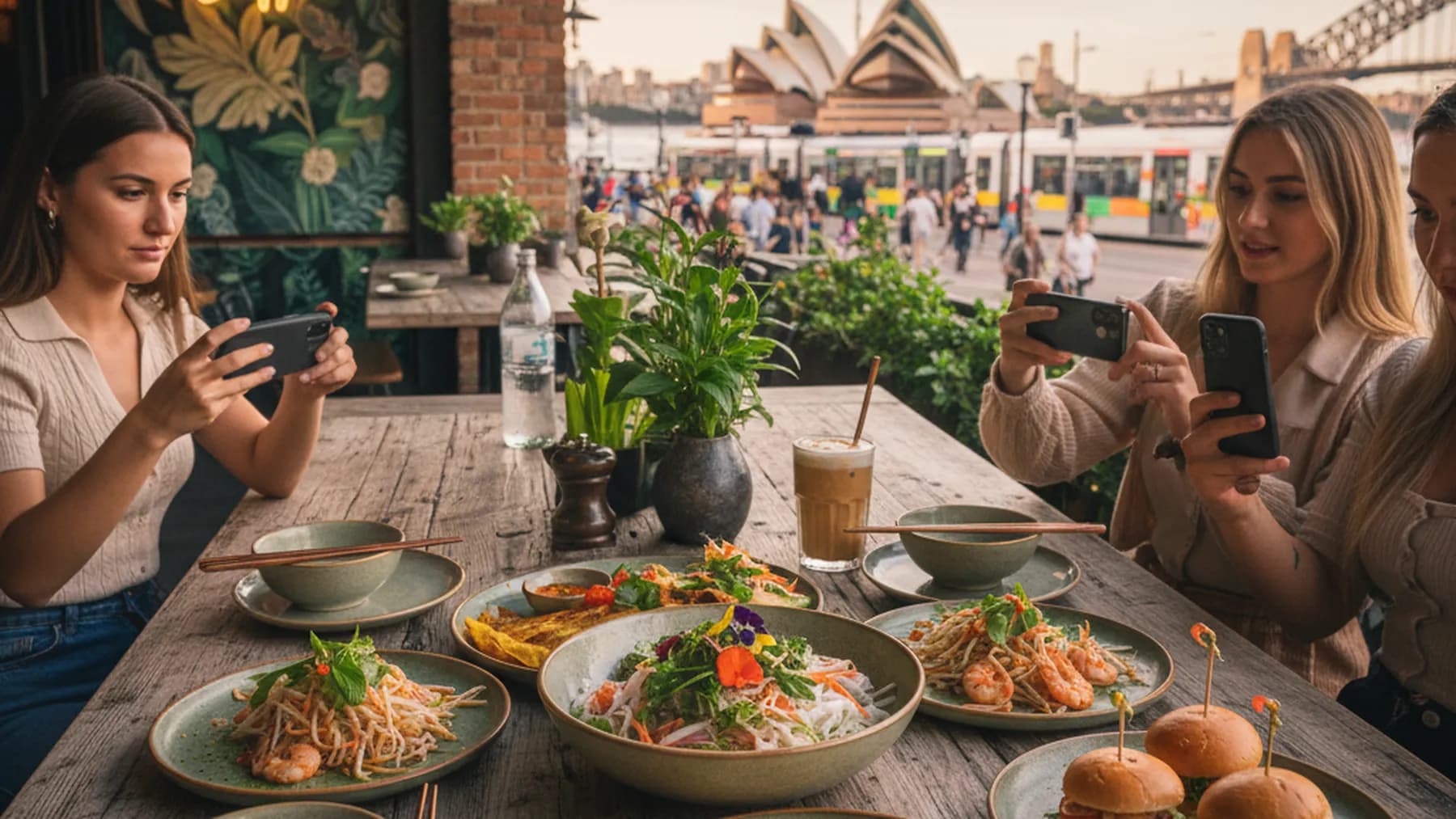
Red Spice Road locations throughout Melbourne have pioneered the integration of Vietnamese flavours with modern Australian dining expectations. Their approach focuses on sharing plates that encourage social dining while showcasing Vietnamese ingredients and techniques in accessible formats.
Their Vietnamese-style barramundi represents this fusion approach at its best. Using locally caught sustainable barramundi, they prepare the fish using traditional Vietnamese steaming techniques with ginger, soy, and fresh herbs. The presentation is contemporary and elegant, while the flavours remain authentically Vietnamese. The dish appeals to diners who might be intimidated by more traditional Vietnamese presentations while providing an authentic taste experience.

Their sharing plate format allows groups to explore multiple Vietnamese flavour profiles in a single meal. The salt and pepper squid incorporates Vietnamese-style seasoning with premium locally sourced squid, while their Vietnamese chicken salad uses free-range Australian chicken prepared with traditional Vietnamese herbs and dressing. This approach makes Vietnamese cuisine more accessible to groups with varying levels of familiarity with Asian flavours.
The cocktail program at Red Spice Road demonstrates how Vietnamese ingredients can enhance contemporary Australian drinking culture. Their Vietnamese mint mojito incorporates fresh Vietnamese mint that provides a more complex, aromatic profile than traditional mint, while their tamarind whiskey sour introduces diners to traditional Vietnamese souring agents in a familiar cocktail format.
Next-Generation Innovation: Second-Generation Vietnamese-Australian Chefs
Anchovy in Richmond showcases the creativity of second-generation Vietnamese-Australian chefs who combine deep cultural knowledge with contemporary culinary training. The restaurant's approach respects traditional Vietnamese cooking while incorporating techniques and presentations learned in modern Australian kitchens.
Chef Peter Nguyen's background includes training in both traditional Vietnamese home cooking from his grandmother and contemporary Australian restaurant techniques from Melbourne's finest establishments. This dual education allows him to create dishes that are both culturally authentic and contemporarily relevant, appealing to both Vietnamese-Australian families seeking familiar flavours and Australian diners seeking new experiences.
Their signature dish, the beef pho reimagined as a pasta, demonstrates this innovative approach. Using fresh rice noodles prepared according to traditional Vietnamese methods, they create a dish that incorporates pho flavours in a format that appeals to contemporary diners. The broth is reduced and intensified to coat the noodles, while traditional pho garnishes provide the familiar herbs and textures that Vietnamese diners expect.
The restaurant's commitment to sustainability reflects contemporary Australian values while honouring Vietnamese traditions of using whole animals and minimizing waste. Their menu changes seasonally based on available ingredients, ensuring optimal freshness while supporting local Australian producers who meet their quality standards.
Vegetarian Vietnamese: Plant-Based Innovation
Bodhi Restaurant Bar in Hyde Park represents the sophisticated evolution of Vietnamese Buddhist vegetarian cuisine. Their menu demonstrates that Vietnamese vegetarian cooking can be just as complex and satisfying as meat-based preparations, while appealing to Melbourne's growing plant-based dining community.
Traditional Vietnamese Buddhist cuisine developed sophisticated techniques for creating satisfying meals using only plant-based ingredients. Bodhi builds on these traditions while incorporating modern vegetarian proteins and contemporary presentation techniques. Their mock fish curry uses locally made wheat gluten prepared to mimic the texture of fish, while traditional Vietnamese curry spices create authentic flavour profiles.

What sets Bodhi apart is their wine program, which pairs biodynamic and organic wines with Vietnamese vegetarian cuisine in ways that enhance both the food and wine. Their sommelier understands how Vietnamese herbs and spices interact with different wine varietals, creating pairing suggestions that reveal new flavour dimensions in both the food and beverage components.
The restaurant's interior design reflects this sophisticated approach to vegetarian Vietnamese cuisine. Clean lines and natural materials create a peaceful atmosphere that complements the philosophy behind Buddhist vegetarian cooking, while contemporary lighting and design elements ensure that the space feels modern and vibrant rather than overly traditional or austere.
Cocktail Culture: Vietnamese-Inspired Mixology
Melbourne's contemporary Vietnamese restaurants have embraced cocktail culture in ways that showcase Vietnamese ingredients and flavours in liquid form. These establishments demonstrate how traditional Vietnamese herbs, spices, and flavours can create sophisticated drinking experiences that complement Vietnamese cuisine perfectly.
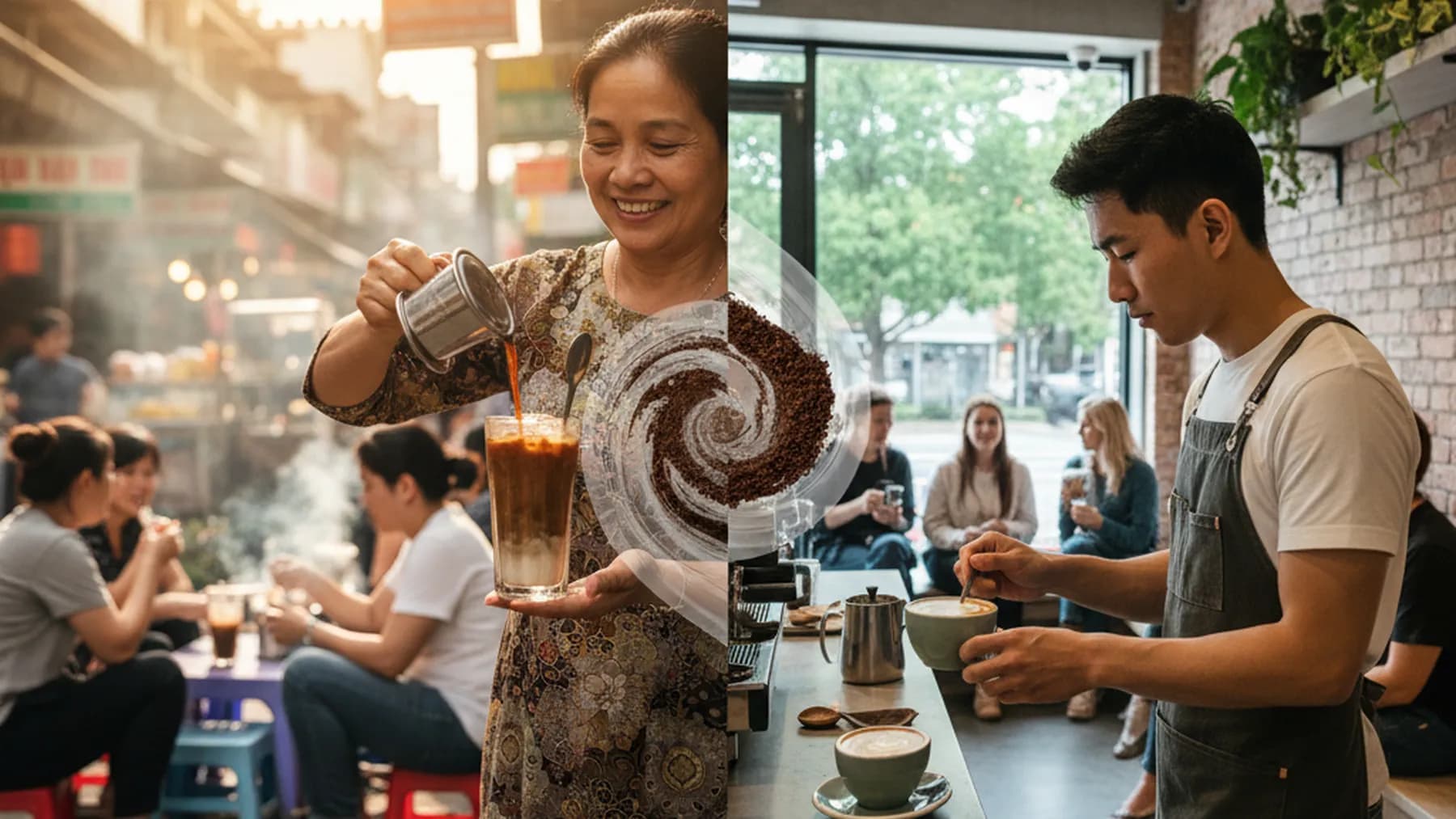
Chin Chin may not be exclusively Vietnamese, but their Vietnamese-inspired cocktails showcase how traditional ingredients can enhance contemporary mixology. Their Vietnamese coffee cocktail combines traditional ca phe sua da flavours with premium spirits, creating a sophisticated dessert drink that appeals to both coffee lovers and cocktail enthusiasts.
Traditional Vietnamese ingredients like lemongrass, Vietnamese mint, and tamarind provide mixologists with unique flavour profiles that differentiate Vietnamese-inspired cocktails from other Asian cocktail trends. These ingredients offer complexity and depth that work beautifully with both traditional spirits and contemporary craft distillations.
The presentation of Vietnamese-inspired cocktails often incorporates traditional Vietnamese serving styles and glassware, creating visual interest that enhances the overall drinking experience. Some establishments serve cocktails in traditional Vietnamese coffee glasses or incorporate bamboo straws and fresh herb garnishes that provide both aromatic and visual appeal.
Seasonal Menus: Contemporary Vietnamese Adaptations
Melbourne's climate and seasonal produce availability have influenced how contemporary Vietnamese restaurants adapt traditional recipes throughout the year. These establishments demonstrate remarkable creativity in maintaining authentic Vietnamese flavour profiles while incorporating seasonal Australian ingredients that provide optimal freshness and flavour.
During Melbourne's summer months, contemporary Vietnamese restaurants emphasize lighter dishes that showcase fresh herbs and vegetables. Cold noodle salads become more prominent on menus, while grilled seafood preparations that incorporate Vietnamese marinades and seasonings provide satisfying yet refreshing options for warm weather dining.
Winter menus typically feature heartier preparations that incorporate traditional Vietnamese warming spices like star anise, cinnamon, and ginger. Contemporary Vietnamese restaurants often offer seasonal pho variations that include premium cuts of Australian beef or locally sourced duck, creating comfort food that satisfies Melbourne's cooler weather requirements while maintaining authentic Vietnamese character.
Wine Pairing: Vietnamese Cuisine and Australian Wines
The sophisticated contemporary Vietnamese restaurants in Melbourne have developed wine programs that demonstrate how Australian wines can complement Vietnamese flavours in surprising and delightful ways. These pairings require understanding both the complex flavour profiles of Vietnamese cuisine and the characteristics of Australian wine varietals.
Riesling from Australian cool-climate regions pairs exceptionally well with Vietnamese dishes that incorporate significant acidity from tamarind, lime, or vinegar. The wine's natural acidity complements rather than competes with the food's acidic elements, while its subtle sweetness helps balance spicy heat from chilies and black pepper.
Australian Pinot Noir, particularly from cooler regions like Tasmania or the Yarra Valley, provides excellent pairing options for Vietnamese dishes featuring duck or pork. The wine's lighter body doesn't overwhelm delicate Vietnamese herbs, while its earthy characteristics complement the umami depth found in fish sauce and fermented Vietnamese seasonings.
Gewürztraminer and other aromatic white varietals work beautifully with Vietnamese dishes that feature lemongrass, Vietnamese mint, and other aromatic herbs. The wine's aromatic complexity mirrors the herb complexity in Vietnamese cuisine, creating harmonious pairings that enhance both components.
Private Dining: Contemporary Vietnamese for Special Occasions
Several contemporary Vietnamese restaurants in Melbourne offer private dining experiences that showcase Vietnamese cuisine's suitability for special celebrations and business entertainment. These experiences demonstrate that Vietnamese cuisine can provide the sophistication and elegance required for important occasions.
Golden Fields offers private dining rooms that can accommodate both intimate celebrations and larger corporate events. Their set menus for private dining feature carefully curated selections that introduce guests to various Vietnamese flavour profiles while ensuring that all dietary restrictions can be accommodated without compromising the overall menu concept.
The service style for private Vietnamese dining typically incorporates family-style sharing that reflects traditional Vietnamese dining culture while meeting contemporary expectations for attentive, professional service. This approach encourages social interaction while allowing guests to explore multiple dishes and flavour combinations throughout the meal.
Private dining menus often include dishes that require advance preparation or coordination, such as whole roasted duck prepared with Vietnamese five-spice, or elaborate seafood preparations that showcase premium Australian ingredients prepared with traditional Vietnamese techniques. These special dishes demonstrate the sophistication possible when Vietnamese cuisine is given the time and resources for optimal preparation.
Catering and Events: Vietnamese Cuisine for Melbourne Gatherings
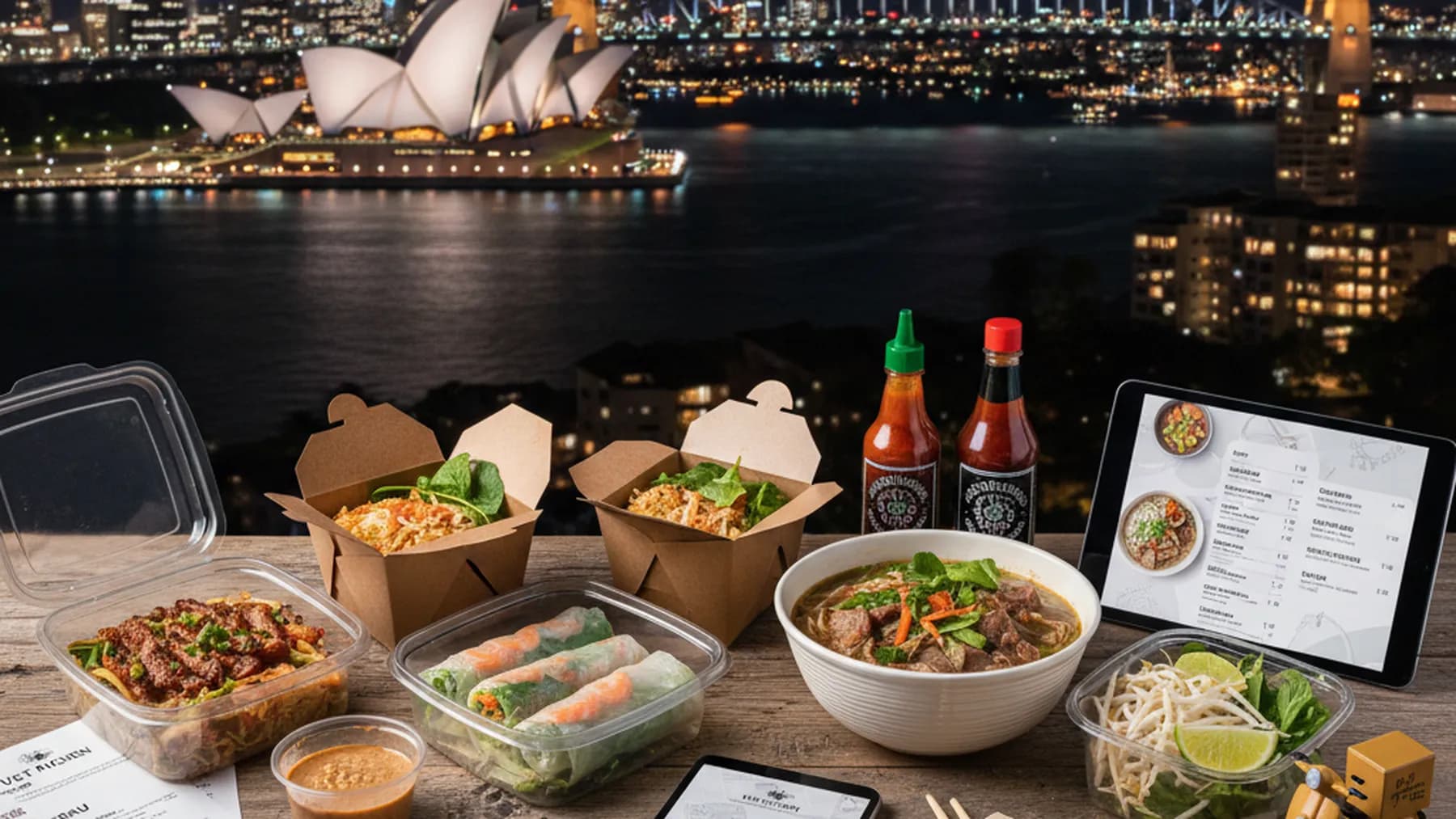
Contemporary Vietnamese restaurants have developed catering services that bring sophisticated Vietnamese dining to offices, private homes, and special events throughout Melbourne. These services demonstrate Vietnamese cuisine's versatility and its ability to satisfy large groups with varying dietary preferences and spice tolerances.
Catering menus typically emphasize dishes that travel well and can be served at optimal temperature and texture after transport. Vietnamese rice paper rolls, for example, maintain their quality and visual appeal while providing interactive dining experiences that work well for corporate events or casual gatherings.

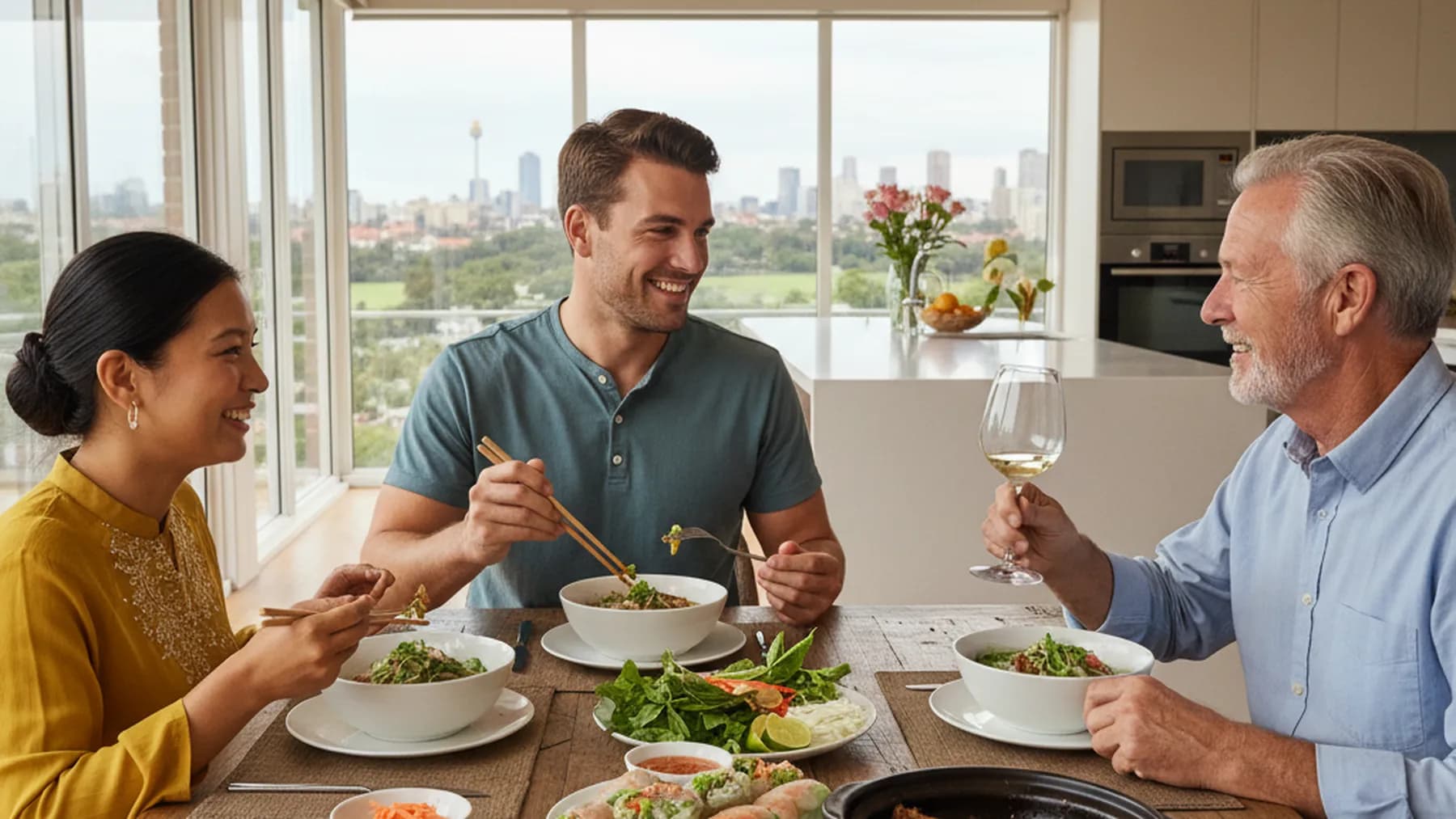
The communal nature of Vietnamese dining translates well to catering situations, where sharing large platters encourages social interaction while allowing guests to customize their plates according to personal preferences. Traditional Vietnamese herbs and condiments served alongside main dishes allow individuals to adjust spice levels and flavour intensities to their liking.
Contemporary Vietnamese catering services often provide educational components that explain dish ingredients and traditional eating methods. This approach helps non-Vietnamese guests feel comfortable with unfamiliar foods while appreciating the cultural context and culinary sophistication behind each dish.
The Future: Sustainable Vietnamese Dining
Melbourne's contemporary Vietnamese restaurants are increasingly incorporating sustainability practices that align with both traditional Vietnamese values of minimizing waste and contemporary Australian environmental consciousness. These practices demonstrate how cultural food traditions can adapt to modern environmental challenges while maintaining authenticity and quality.
Several restaurants now source ingredients from local organic farms that specialize in Asian vegetables and herbs, ensuring freshness while supporting sustainable agriculture practices. These partnerships often result in unique seasonal dishes that combine traditional Vietnamese techniques with vegetables that are specifically grown for optimal flavour and environmental sustainability.
Waste reduction practices in contemporary Vietnamese restaurants often draw inspiration from traditional Vietnamese cooking, which historically used whole animals and every part of vegetables. Modern interpretations of these practices include house-made stocks from vegetable trimmings, creative uses for less popular fish and meat cuts, and composting programs that return organic waste to local farms.
The integration of sustainable seafood practices has become increasingly important for Vietnamese restaurants that serve significant amounts of fish and shellfish. Many establishments now feature detailed information about their seafood sourcing, highlighting local suppliers who practice sustainable fishing methods and support healthy marine ecosystems.
Cultural Bridge: Vietnamese Restaurants as Community Spaces
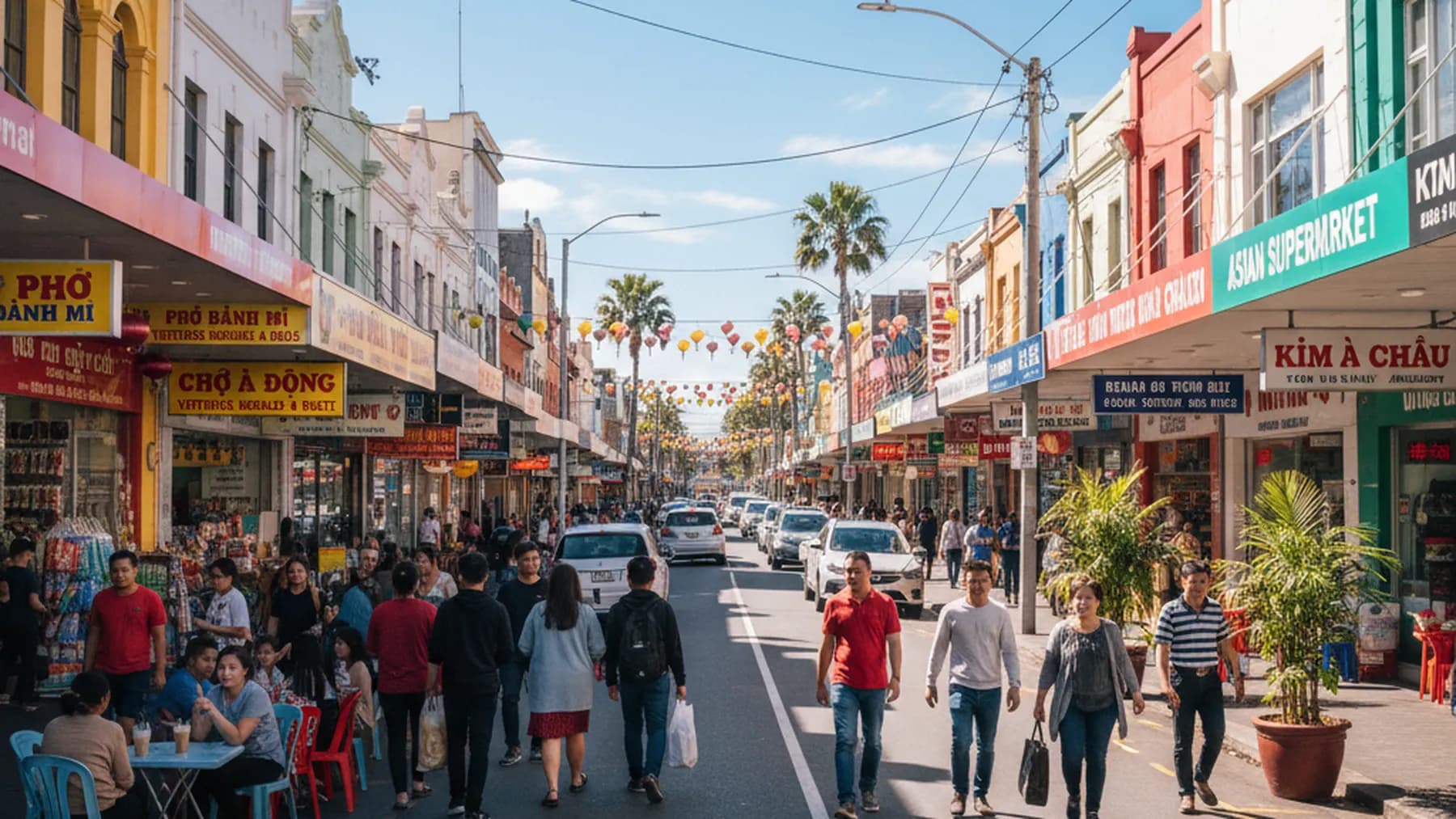
Melbourne's contemporary Vietnamese restaurants serve as important cultural bridges that connect Vietnamese-Australian communities with broader Melbourne society while preserving and celebrating Vietnamese culinary traditions. These establishments provide spaces where cultural exchange occurs naturally through shared dining experiences.
Many contemporary Vietnamese restaurants host cultural events that showcase Vietnamese traditions beyond food, including music performances, art exhibitions, and cultural celebrations that educate non-Vietnamese customers while providing Vietnamese-Australians with familiar cultural experiences. These events strengthen community connections while building appreciation for Vietnamese culture throughout Melbourne.
The employment practices at many contemporary Vietnamese restaurants reflect their role as community institutions. These establishments often provide career development opportunities for young Vietnamese-Australians who want to maintain cultural connections while building professional skills in hospitality and food service.
Staff training at sophisticated Vietnamese restaurants typically includes cultural education that allows employees to explain dish origins, traditional preparation methods, and cultural significance to curious customers. This educational approach enhances the dining experience while promoting cultural understanding and appreciation.
Conclusion: The Continuing Evolution of Vietnamese Cuisine in Melbourne
Melbourne's contemporary Vietnamese restaurant scene represents one of the most successful examples of cultural cuisine evolution outside its country of origin. These establishments have achieved the delicate balance of maintaining authentic flavours and cultural significance while adapting to local ingredients, dining preferences, and service expectations.
The success of contemporary Vietnamese dining in Melbourne has paved the way for other Asian cuisines to achieve similar sophisticated recognition while demonstrating that traditional ethnic foods can compete directly with European culinary traditions for sophistication and dining excellence.
As Melbourne's Vietnamese restaurant scene continues evolving, the focus remains on quality ingredients, skilled preparation, and authentic flavours while embracing innovation and creativity. This approach ensures that Vietnamese cuisine will continue growing in sophistication and recognition while maintaining the cultural connections and traditional foundations that make it so special and meaningful.
The future of contemporary Vietnamese dining in Melbourne looks bright, with new establishments continuing to open while established restaurants refine their approaches and expand their influences. This ongoing evolution benefits both Vietnamese-Australian communities and Melbourne's broader dining scene, creating opportunities for cultural exchange, culinary innovation, and continued excellence in one of the world's great food cities.