Melbourne's Vietnamese pho scene represents the ultimate expression of Vietnamese culinary culture, where complex broths requiring 12-24 hours of careful preparation combine with fresh noodles, quality meats, and aromatic herbs to create dining experiences that transcend simple nourishment to encompass cultural identity, community connection, and soul-satisfying comfort that defines Vietnamese cuisine's global appeal. The quest for Melbourne's best pho reveals not just exceptional restaurants but cultural ambassadors that preserve traditional preparation methods while adapting to Australian ingredients and dining preferences, creating authentic experiences that satisfy both Vietnamese community members seeking familiar flavors and curious diners discovering this iconic dish for the first time. Understanding exceptional pho requires appreciation for how technique, tradition, and cultural knowledge combine to create broths that represent generations of culinary wisdom and community heritage preserved through dedicated restaurant operations committed to authentic Vietnamese food culture.
The evolution of pho culture in Melbourne reflects waves of Vietnamese migration that brought diverse regional styles and family recipes, creating opportunities for authentic representation of northern, central, and southern Vietnamese pho traditions within a single metropolitan area that showcases Vietnam's regional culinary diversity through specialized restaurant offerings. These establishments often begin as family operations where pho recipes represent closely guarded secrets passed down through generations, requiring understanding of traditional preparation methods, ingredient selection, and serving protocols that distinguish authentic pho from superficial adaptations designed for convenience rather than cultural preservation. The most exceptional pho restaurants in Melbourne demonstrate how traditional Vietnamese cooking methods and cultural dedication create competitive advantages while serving educational functions that introduce broader Australian communities to authentic Vietnamese culture through food experiences that build understanding and appreciation for Vietnamese heritage and contribution to Melbourne's multicultural dining landscape.
Understanding Traditional Pho Preparation and Regional Styles
Authentic pho preparation requires mastering complex broth development processes that begin with careful bone selection, traditional roasting methods, and extended cooking periods that extract maximum flavor and nutritional value while creating the characteristic clarity and depth that defines exceptional pho broths across regional Vietnamese traditions. These preparation methods often involve overnight simmering, precise temperature control, and ingredient timing that cannot be rushed or simplified without compromising the essential character that distinguishes genuine Vietnamese pho from commercial soup preparations using shortcuts and artificial flavor enhancers. The commitment to traditional preparation methods requires significant investment in time, technique, and cultural knowledge that authentic pho restaurants maintain despite operational complexity and increased costs associated with traditional cooking approaches.
Regional pho variations showcase Vietnam's diverse culinary geography through distinct preparation styles, ingredient selections, and serving traditions that reflect northern, central, and southern Vietnamese regional preferences and cultural influences that create unique pho experiences within Melbourne's Vietnamese restaurant landscape. Northern pho traditions emphasize simpler broths, fewer herbs, and subtle flavor profiles that reflect cooler climates and Chinese culinary influences, while southern styles feature sweeter broths, abundant fresh herbs, and interactive dining experiences that demonstrate regional diversity within Vietnamese pho culture. The authentic representation of regional pho styles requires restaurant knowledge of traditional differences and commitment to cultural accuracy that educates customers about Vietnamese regional diversity while preserving authentic culinary traditions through proper technique execution and cultural education.
Bone selection and broth foundation development represent crucial elements of authentic pho preparation where traditional methods emphasize beef bones, particularly marrow and knuckle bones, combined with aromatic spices including star anise, cinnamon, and cloves that create the characteristic pho flavor profile through careful roasting and extended simmering processes. These foundation techniques require understanding traditional Vietnamese cooking methods, spice preparation, and timing coordination that enables complex flavor development while maintaining broth clarity and nutritional density that defines quality pho experiences. The mastery of broth preparation often indicates overall restaurant competence and cultural knowledge that extends beyond simple cooking to encompass deep understanding of Vietnamese culinary traditions and cultural preservation through authentic food preparation.
Noodle Quality and Preparation Excellence
Exceptional pho requires proper noodle selection, preparation, and serving techniques that ensure optimal texture, flavor absorption, and eating experience through understanding traditional Vietnamese noodle varieties, cooking methods, and serving protocols that maintain noodle quality throughout the dining experience. Traditional pho noodles, known as banh pho, require specific preparation timing, water temperature control, and serving coordination that preserves texture while enabling proper broth integration and herb combination that defines authentic pho eating experiences. The mastery of noodle preparation demonstrates restaurant attention to detail and cultural knowledge that distinguishes serious pho operations from establishments treating noodles as simple commodity ingredients rather than essential components requiring traditional handling and cultural understanding.
Fresh noodle sourcing and daily preparation practices enable exceptional pho restaurants to maintain optimal noodle quality and texture through relationships with specialty noodle suppliers or on-site preparation that ensures freshness and cultural authenticity while accommodating daily service requirements and customer expectations for consistent quality. These sourcing practices often involve Vietnamese community connections, specialty suppliers, and quality standards that prioritize traditional noodle characteristics over convenience and cost considerations that might compromise authentic pho experiences. The commitment to proper noodle sourcing requires operational planning and cultural knowledge that demonstrates restaurant dedication to authentic Vietnamese food culture and customer satisfaction through traditional preparation methods.
Noodle cooking and serving timing coordination ensures optimal texture and temperature delivery through kitchen organization and service protocols that maintain noodle quality while accommodating customer preferences and traditional serving methods that enhance pho eating experiences through proper presentation and temperature management. Traditional pho service involves precise timing between noodle cooking, broth heating, and assembly coordination that delivers optimal eating experiences while demonstrating cultural knowledge and operational competence that distinguishes authentic pho restaurants from operations lacking traditional understanding and technical expertise. The successful management of noodle preparation and service requires staff training and kitchen organization that maintains traditional standards while ensuring efficient service delivery and customer satisfaction.
Meat Selection and Traditional Cuts
Authentic pho restaurants emphasize traditional meat selections and cuts that reflect Vietnamese culinary preferences and cultural practices including rare beef (tai), well-done brisket (chin), beef balls (bo vien), and other traditional preparations that provide diverse textures and flavors while maintaining cultural authenticity and customer education about Vietnamese pho traditions. These meat selections often require understanding traditional Vietnamese butchery, preparation methods, and serving protocols that ensure quality and cultural accuracy while educating customers about authentic pho components and eating methods. The commitment to traditional meat selections demonstrates restaurant cultural knowledge and customer service that extends beyond simple food provision to encompass cultural education and authentic Vietnamese dining experiences.
Meat preparation and quality standards in exceptional pho restaurants prioritize freshness, traditional cuts, and proper handling that ensures safety and flavor quality while maintaining cultural authenticity and visual presentation that reflects Vietnamese culinary standards and customer expectations for authentic pho experiences. These quality standards often involve daily meat preparation, specialized cutting techniques, and storage methods that preserve flavor and texture while ensuring safety and consistency throughout service periods. The maintenance of meat quality standards requires operational planning and staff training that demonstrates restaurant commitment to excellence and cultural preservation through traditional preparation methods and customer service approaches.
Specialty preparations including beef balls, tendon, and tripe showcase authentic pho variety and cultural depth through traditional preparations that require technical expertise and cultural knowledge while providing adventurous diners with opportunities to explore authentic Vietnamese cuisine beyond familiar Western meat preferences. These specialty preparations often involve traditional techniques, cultural understanding, and customer education that introduce broader Melbourne communities to authentic Vietnamese food culture while demonstrating restaurant expertise and commitment to comprehensive cultural representation. The successful inclusion of specialty preparations requires staff knowledge and customer service approaches that support cultural exploration while maintaining quality standards and authentic preparation methods.
Fresh Herb Integration and Accompaniment Excellence
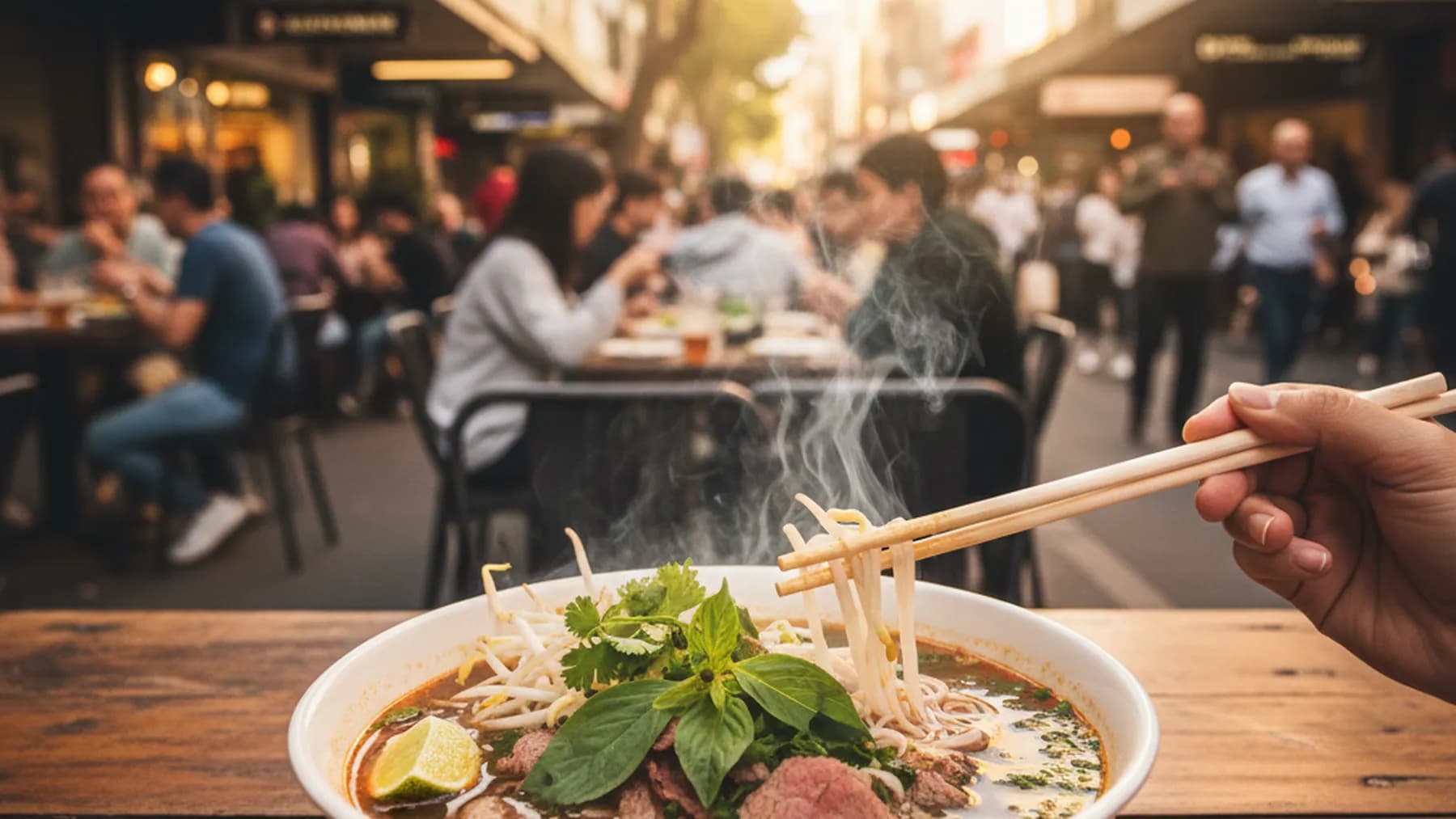
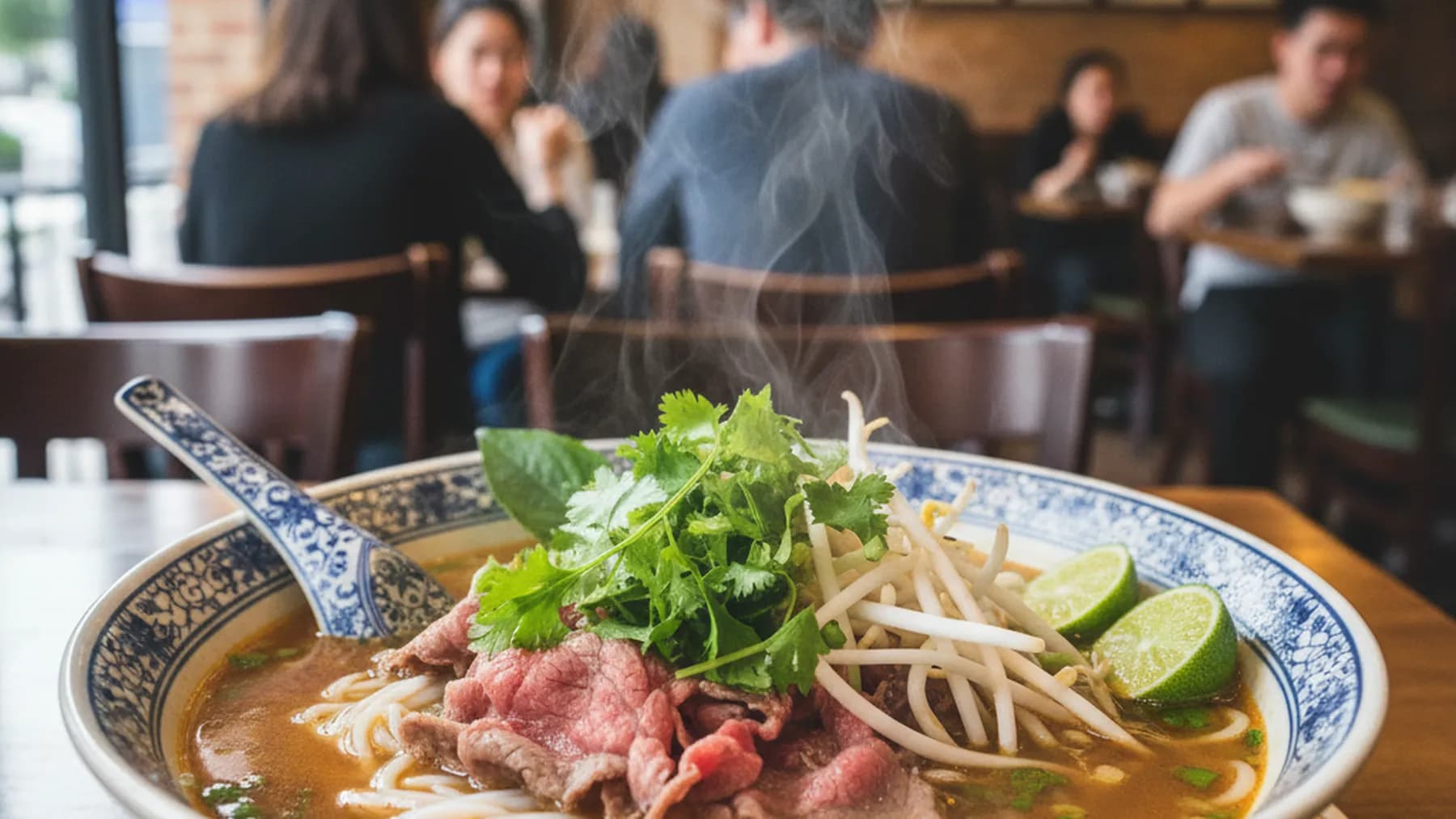
Exceptional pho experiences require comprehensive fresh herb selections and proper presentation that enable customer customization and cultural education through traditional accompaniments including Thai basil, cilantro, bean sprouts, lime, and chili that create interactive dining experiences reflecting authentic Vietnamese pho service traditions. These accompaniment selections often require daily sourcing, proper storage, and presentation methods that maintain freshness and visual appeal while providing customer education about traditional pho eating methods and flavor enhancement techniques. The quality and variety of fresh accompaniments often indicates restaurant commitment to authenticity and customer service that extends beyond basic food provision to encompass cultural education and authentic Vietnamese dining experiences.
Herb sourcing and quality management ensure optimal freshness and variety through supplier relationships and storage practices that maintain traditional accompaniment standards while accommodating daily service requirements and customer expectations for quality and cultural authenticity in pho presentation and eating experiences. These sourcing practices frequently involve Vietnamese community suppliers, specialty markets, and quality standards that prioritize traditional herb varieties and freshness over convenience and cost considerations that might compromise authentic pho experiences. The commitment to proper herb sourcing demonstrates restaurant dedication to cultural preservation and customer satisfaction through traditional food preparation and service approaches.
Traditional eating guidance and herb education provided by knowledgeable staff enhance customer experiences while building cultural understanding and appreciation for Vietnamese food traditions through patient explanation of traditional eating methods, herb usage, and flavor combination techniques that optimize pho enjoyment while demonstrating cultural knowledge and hospitality. This educational component often involves staff cultural background, training investment, and customer service approaches that prioritize cultural sharing over simple order processing while building customer appreciation for Vietnamese culinary traditions and restaurant expertise. The provision of cultural education requires time investment and staff knowledge that demonstrates restaurant commitment to cultural preservation and community service through authentic Vietnamese food experiences.
Broth Development and Flavor Complexity
Exceptional pho broths demonstrate mastery of traditional Vietnamese cooking techniques through complex flavor development that balances meat essence, aromatic spices, and subtle seasonings to create deeply satisfying broths that provide nutritional density and emotional comfort while maintaining the characteristic clarity and depth that defines authentic Vietnamese pho across regional variations. The development of exceptional broth requires understanding traditional Vietnamese spice combinations, cooking timing, and technique mastery that cannot be accelerated or simplified without compromising the essential character that distinguishes authentic pho from commercial soup preparations. The commitment to traditional broth development often requires 12-24 hour preparation cycles and significant labor investment that demonstrates restaurant dedication to cultural preservation and customer satisfaction through authentic Vietnamese cooking methods.
Spice selection and preparation methods showcase traditional Vietnamese aromatic combinations including star anise, cinnamon, cloves, fennel, and cardamom that create the characteristic pho spice profile through careful roasting, timing, and combination techniques that require cultural knowledge and technical expertise developed through traditional cooking education and experience. These spice preparations often involve traditional roasting methods, grinding techniques, and combination timing that maximize flavor extraction while maintaining balance and avoiding overpowering delicate broth flavors through understanding traditional Vietnamese cooking principles and spice usage. The mastery of spice preparation demonstrates cultural knowledge and technical competence that distinguishes authentic pho restaurants from operations using commercial spice blends or simplified preparation methods that compromise traditional flavor profiles.
Flavor balancing and seasoning techniques require understanding traditional Vietnamese taste preferences and cooking methods that achieve optimal flavor harmony through careful salt management, sweetness balancing, and umami development that creates satisfying broths without overwhelming individual flavor components or masking the essential beef essence that defines quality pho broths. These balancing techniques often involve traditional seasoning methods, taste testing protocols, and adjustment procedures that ensure consistent quality while accommodating slight variations in ingredient characteristics and cooking conditions that affect final flavor development. The successful achievement of flavor balance requires experience, cultural knowledge, and technical expertise that demonstrates restaurant competence and commitment to authentic Vietnamese culinary excellence through traditional preparation methods and quality standards.
Service Traditions and Cultural Presentation
Authentic pho service reflects traditional Vietnamese hospitality and dining customs through proper bowl selection, presentation methods, and serving protocols that enhance customer experiences while demonstrating cultural knowledge and respect for Vietnamese food traditions that define authentic pho dining experiences beyond simple food delivery. Traditional pho service often involves specific bowl types, assembly methods, and presentation approaches that maintain optimal eating temperatures while providing visual appeal and cultural education that builds customer appreciation for Vietnamese culinary traditions and restaurant expertise. The mastery of proper service techniques requires staff training and cultural knowledge that demonstrates restaurant commitment to authentic Vietnamese hospitality and customer satisfaction through traditional food service approaches.
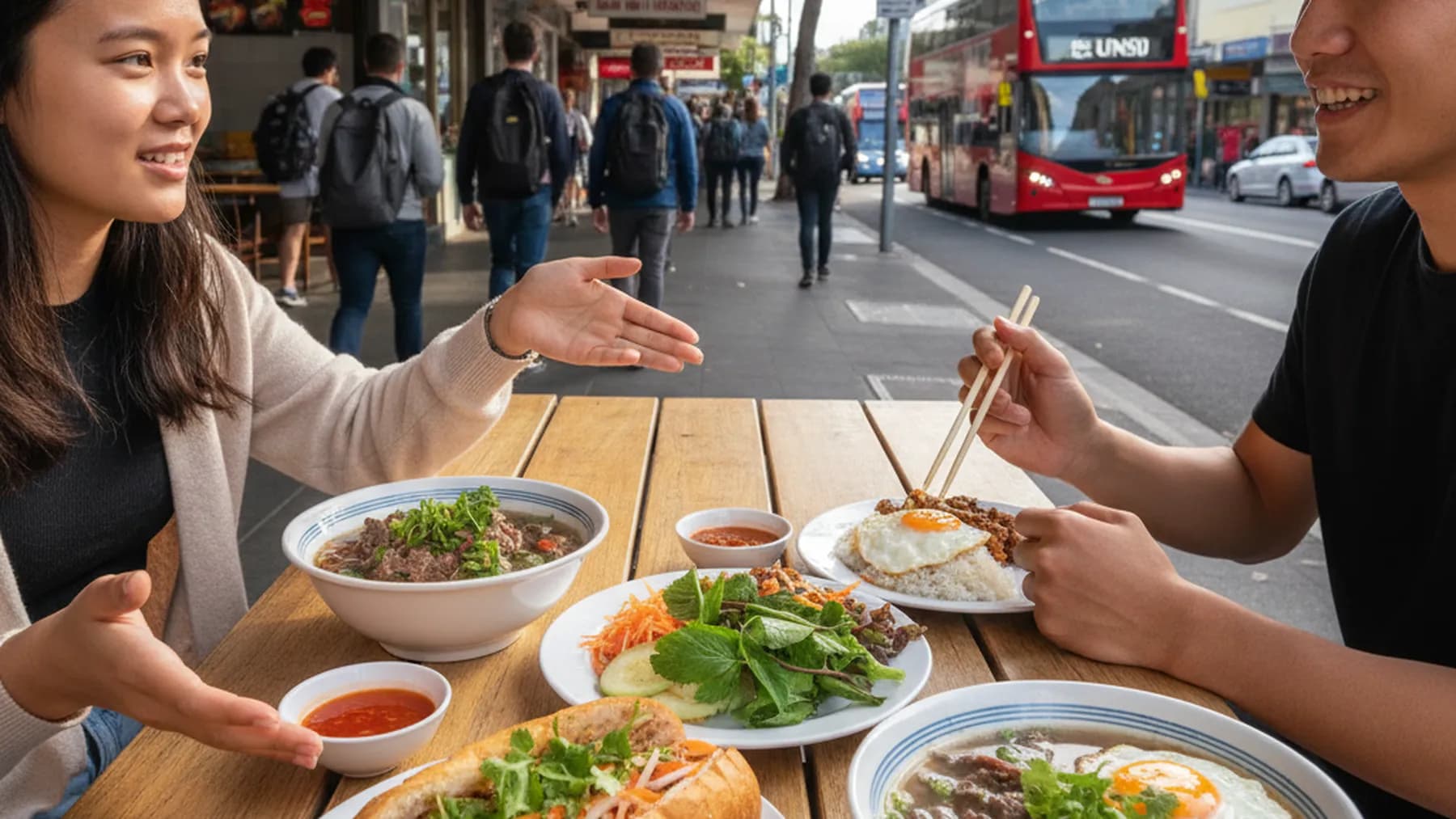
Table setting and accompaniment presentation create authentic Vietnamese dining environments through proper condiment placement, utensil selection, and cultural guidance that enable customers to experience traditional pho eating methods while building understanding and appreciation for Vietnamese food culture and hospitality traditions. These presentation approaches often include traditional table settings, condiment arrangements, and eating instruction that reflect Vietnamese dining customs while accommodating diverse customer backgrounds and cultural familiarity levels with Vietnamese food traditions. The successful implementation of traditional presentation requires staff cultural knowledge and customer service approaches that balance authenticity with accessibility while maintaining traditional standards and cultural education objectives.
Cultural education and eating guidance provided through traditional service approaches enhance customer experiences while building cultural understanding and appreciation for Vietnamese food traditions through patient explanation of traditional eating methods, customization options, and cultural context that enriches pho dining experiences beyond simple food consumption. This educational component often involves staff cultural background, training investment, and service approaches that prioritize cultural sharing and customer education while maintaining efficient service delivery and operational requirements. The provision of cultural education through service demonstrates restaurant commitment to cultural preservation and community service that extends restaurant influence beyond commercial transactions to encompass cultural sharing and community education through authentic Vietnamese food experiences.
Restaurant Atmosphere and Cultural Authenticity
Exceptional pho restaurants create authentic Vietnamese dining environments that enhance food experiences through atmospheric elements, cultural representation, and community presence that reflect genuine Vietnamese restaurant culture rather than superficial ethnic theming designed for tourist appeal or commercial convenience. These authentic environments often include Vietnamese language usage, cultural music, traditional decor elements, and community atmosphere that create immersive experiences while demonstrating cultural pride and community connection that enhances pho dining through authentic cultural context. The development of authentic atmosphere requires cultural understanding and community engagement that creates environments where Vietnamese community members feel welcome while providing educational opportunities for customers exploring Vietnamese culture through food experiences.
Community integration and cultural representation within pho restaurants often include Vietnamese community gathering functions, cultural event hosting, and social interaction facilitation that demonstrate restaurant roles as cultural centers while building authentic atmospheres that enhance dining experiences through genuine community connection and cultural preservation activities. These community functions frequently involve informal meeting spaces, cultural celebration support, and business networking facilitation that create authentic environments while demonstrating restaurant commitment to community service and cultural preservation beyond simple commercial food provision. The successful development of community integration requires ongoing cultural engagement and business practices that balance commercial viability with community service and cultural preservation responsibilities.
Language and communication authenticity within pho restaurants often includes Vietnamese language usage among staff and customers, cultural conversation facilitation, and bilingual service approaches that create authentic environments while demonstrating cultural pride and community connection that enhances dining experiences through genuine cultural representation. These communication approaches frequently reflect natural Vietnamese community interaction while providing English accommodation that ensures inclusive service delivery and cultural accessibility for diverse customer demographics. The balance between cultural authenticity and inclusive accessibility requires ongoing negotiation that maintains cultural integrity while ensuring broad community service and cultural education opportunities through authentic Vietnamese food experiences.
Innovation Within Tradition and Modern Adaptations
Progressive pho restaurants demonstrate how traditional Vietnamese cooking methods can accommodate modern ingredients and dietary preferences while maintaining cultural authenticity and essential flavor profiles that define exceptional pho experiences across diverse customer demographics and evolving food culture trends. These adaptations often include vegetarian options, gluten-free preparations, and ingredient modifications that preserve traditional cooking methods while accommodating contemporary dietary requirements and customer preferences without compromising cultural integrity or essential pho characteristics. The successful implementation of modern adaptations requires cultural knowledge and technical expertise that enables authentic Vietnamese cooking within contemporary dietary frameworks while maintaining traditional flavor profiles and cultural education objectives.
Ingredient sourcing innovation enables pho restaurants to maintain traditional flavors while utilizing local Australian ingredients and sustainable sourcing practices that demonstrate environmental responsibility while preserving Vietnamese culinary traditions through creative adaptation and cultural knowledge that enables authentic flavor achievement within local ingredient availability and ethical sourcing considerations. These sourcing innovations often include local herb cultivation, sustainable meat sourcing, and community supplier relationships that support traditional preparation methods while addressing contemporary concerns about environmental impact and community responsibility. The development of innovative sourcing requires cultural knowledge and business relationships that balance traditional requirements with contemporary ethical considerations while maintaining authentic Vietnamese food culture and customer satisfaction.
Presentation and service innovation allows traditional pho restaurants to enhance customer experiences through modern service approaches and presentation methods that maintain cultural authenticity while improving accessibility and educational value for diverse customer demographics exploring Vietnamese food culture through contemporary dining expectations. These innovations often include educational materials, service efficiency improvements, and presentation enhancements that support traditional pho experiences while accommodating contemporary customer expectations and operational requirements. The successful integration of service innovations requires balancing traditional cultural preservation with contemporary customer service standards while maintaining authentic Vietnamese hospitality and cultural education through progressive service approaches that honor tradition while embracing positive change.
Conclusion: Preserving Soul Food Heritage Through Excellence
Melbourne's exceptional pho restaurants demonstrate that cultural preservation and culinary excellence create symbiotic relationships where traditional Vietnamese cooking methods and authentic cultural representation generate competitive advantages while serving essential community functions that maintain Vietnamese heritage and educate broader Australian communities about authentic Vietnamese culture through transformative food experiences. These remarkable establishments prove that cultural authenticity and commercial success represent complementary rather than competing objectives when supported by technical expertise, cultural knowledge, and genuine commitment to Vietnamese culinary traditions that honor ancestral wisdom while serving contemporary communities seeking authentic cultural connection through food experiences that transcend simple nourishment to encompass cultural education and community building.
Future sustainability of exceptional pho culture in Melbourne requires continued support for restaurants that prioritize cultural preservation and traditional preparation methods over convenience and cost reduction, while recognizing that these establishments provide irreplaceable cultural infrastructure that maintains Vietnamese heritage and enables cultural transmission across generations and communities through authentic food experiences that build understanding and appreciation for Vietnamese contributions to Melbourne's multicultural character. Whether seeking comprehensive Vietnamese cultural experiences or exploring diverse Vietnamese culinary offerings, Melbourne's exceptional pho restaurants offer profound connections to Vietnamese soul food traditions that define cultural identity while creating bridges between communities through shared appreciation for authentic Vietnamese culinary excellence and cultural heritage preservation.