BACH CONG TU HOUSE: THE ESSENCE OF A GOLDEN ERA
Discover Bach Cong Tu House - a historic mansion blending Western architectural elegance with the soul of the riverine countryside. Explore the personal story of Bach Cong Tu, admire the intricate design details, and experience the historical ambiance of a golden era in southern Vietnam.
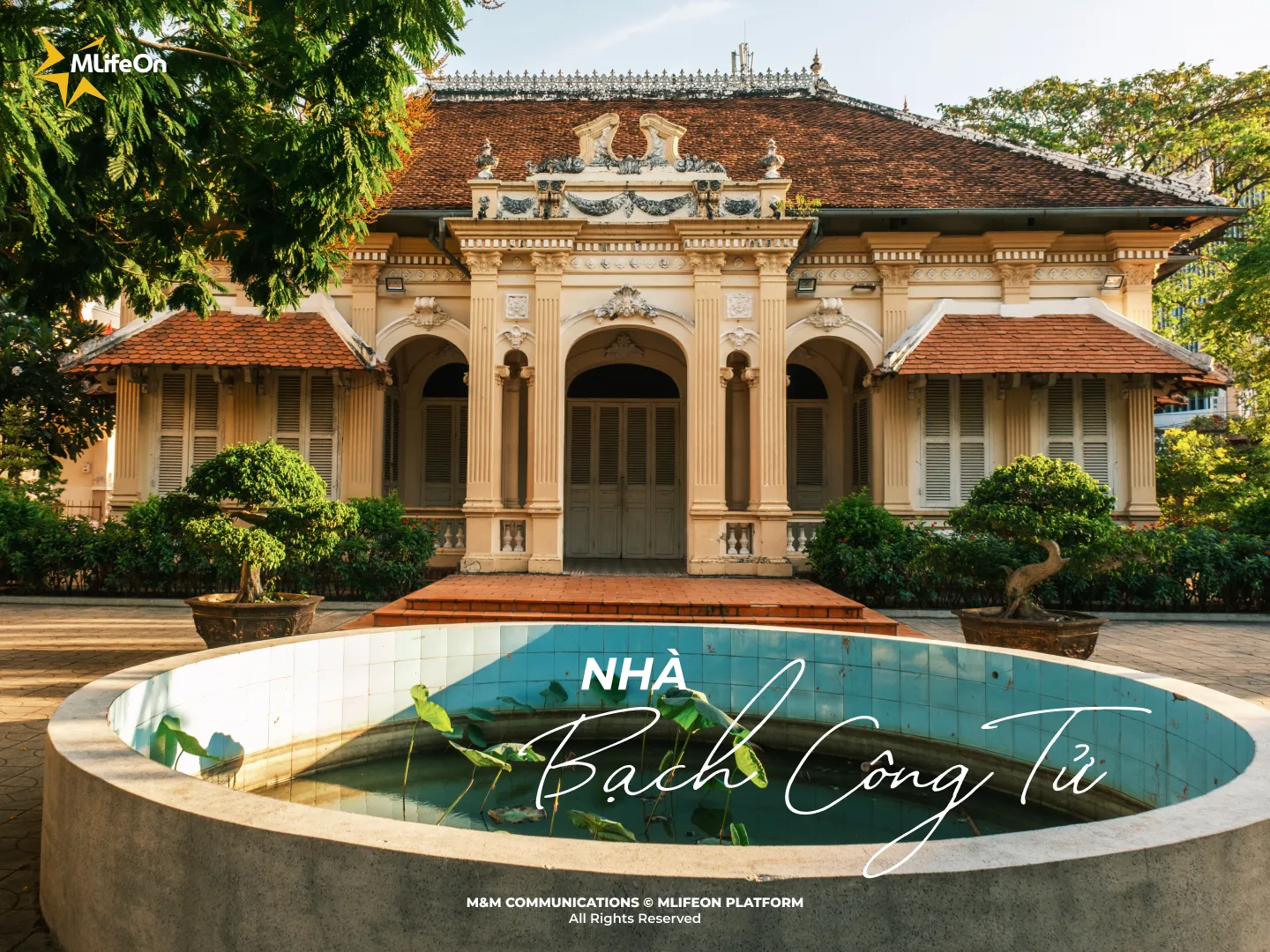
In the heart of My Tho, a white house stands quietly amid a canopy of trees. Its softly curved façade, reminiscent of a swan’s neck, catches the afternoon sunlight on intricately carved friezes, compelling visitors to slow down and examine every detail. Locals call this place Bach Cong Tu House, a mansion that not only preserves tales of notorious indulgence but also reflects the lifestyle, artistry, and refined elegance characteristic of the old Mekong Delta.
Join MLifeOn for a stroll and listen to the story of a golden era still lingering in every corner of this remarkable house.
Western Architecture Amid the Riverlands
Built around 1925 - 1926 on a plot of over 4,000 m² with a floor area of 322 m², Bach Cong Tu House reflects European architectural influences blended with the distinct character of the Mekong Delta. Its Baroque-style pediments rise high and curve softly like a swan’s neck, while columns show inspiration from classical Corinthian and Ionic orders. Friezes and bas-reliefs encircle the house, creating a composition that is at once grand and refined. Sunlight streaming through the louvered windows highlights the intricately carved ceilings, accentuating every detail.
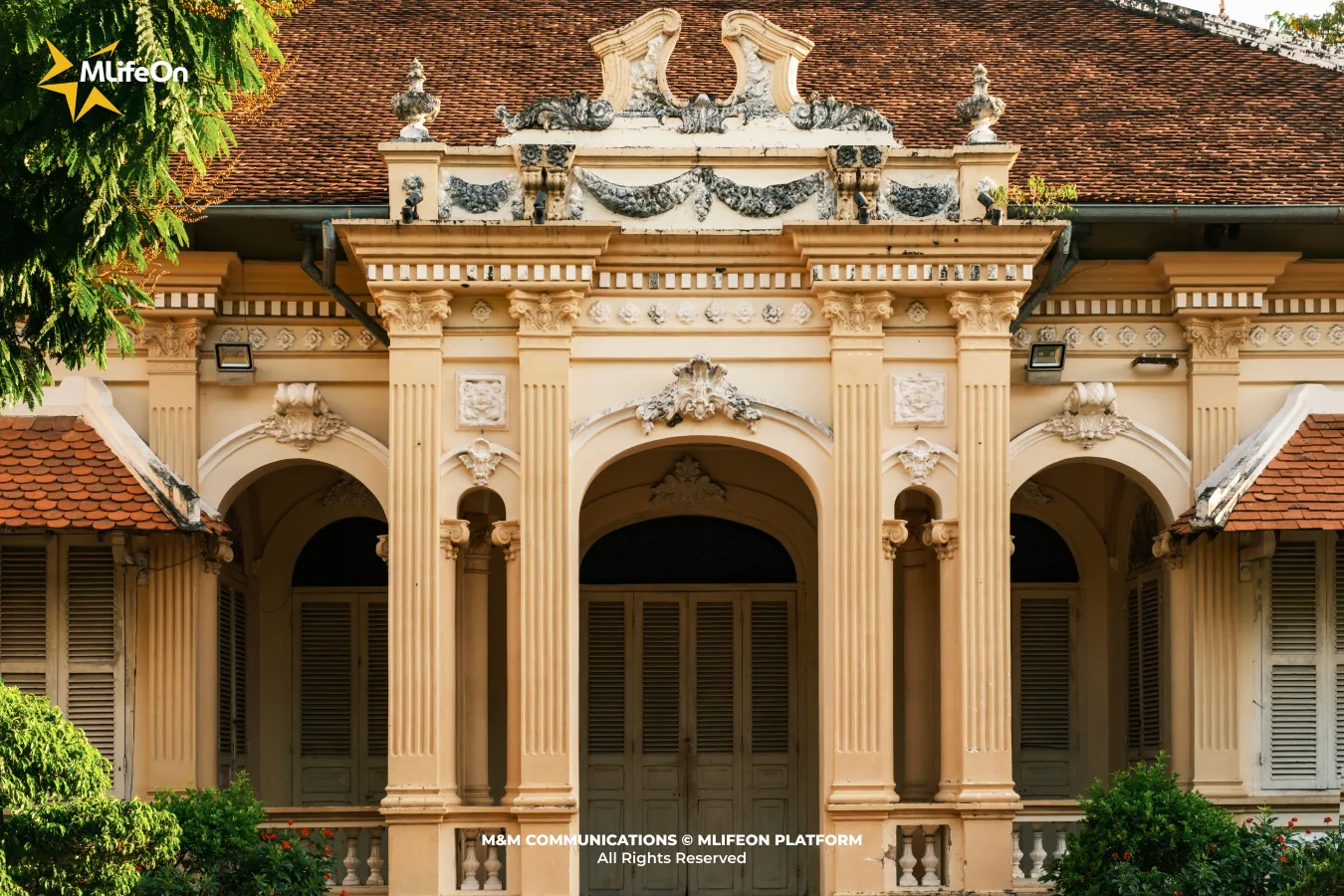
The Ionic columns and elaborate bas-reliefs have withstood the tides of history, telling the story of a “Black-and-White Prince” who once commanded fame and notoriety.
The interconnected room layout, with long corridors wrapping around, creates a space that feels both open and airy yet warmly intimate. Although influenced by Western architecture, the soul of the countryside still lingers through the paintings, with walls adorned with birds, flowers, and riverine landscapes, evoking a sense of familiar memories woven into every corner.
Every detail tells a story of careful craftsmanship and a desire to express both prosperity and a refined appreciation for life.
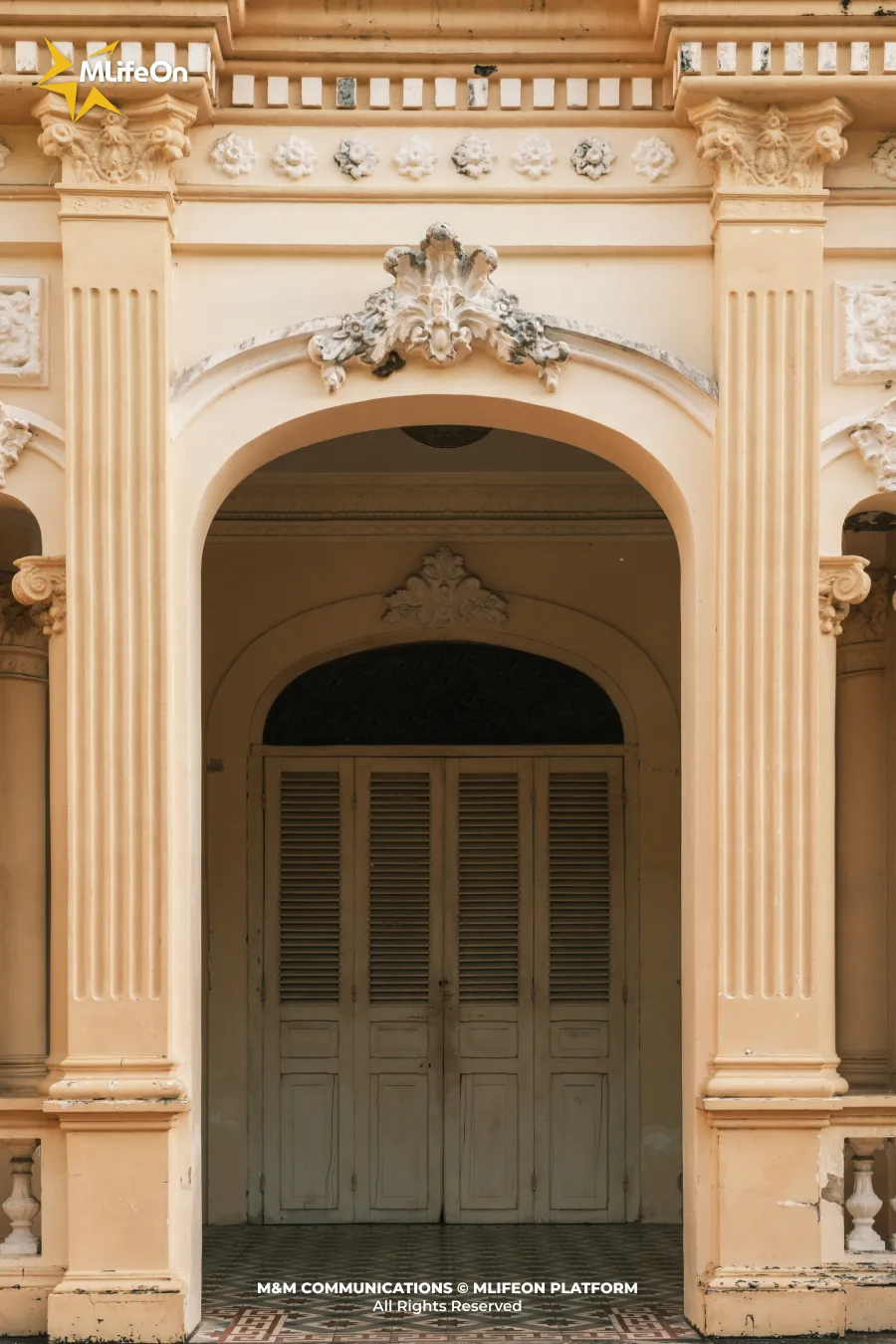
Tales of Indulgence and a Love for the Arts
Bach Cong Tu, born Lê Công Phước in 1895, gained fame throughout the six provinces of southern Vietnam. He was known for extravagant acts such as burning banknotes to cook sweet soup, spending lavishly on the Huynh Ky cải lương troupe, and even using a 20-dong note as a torch to help Hac Cong Tu search for dropped money.
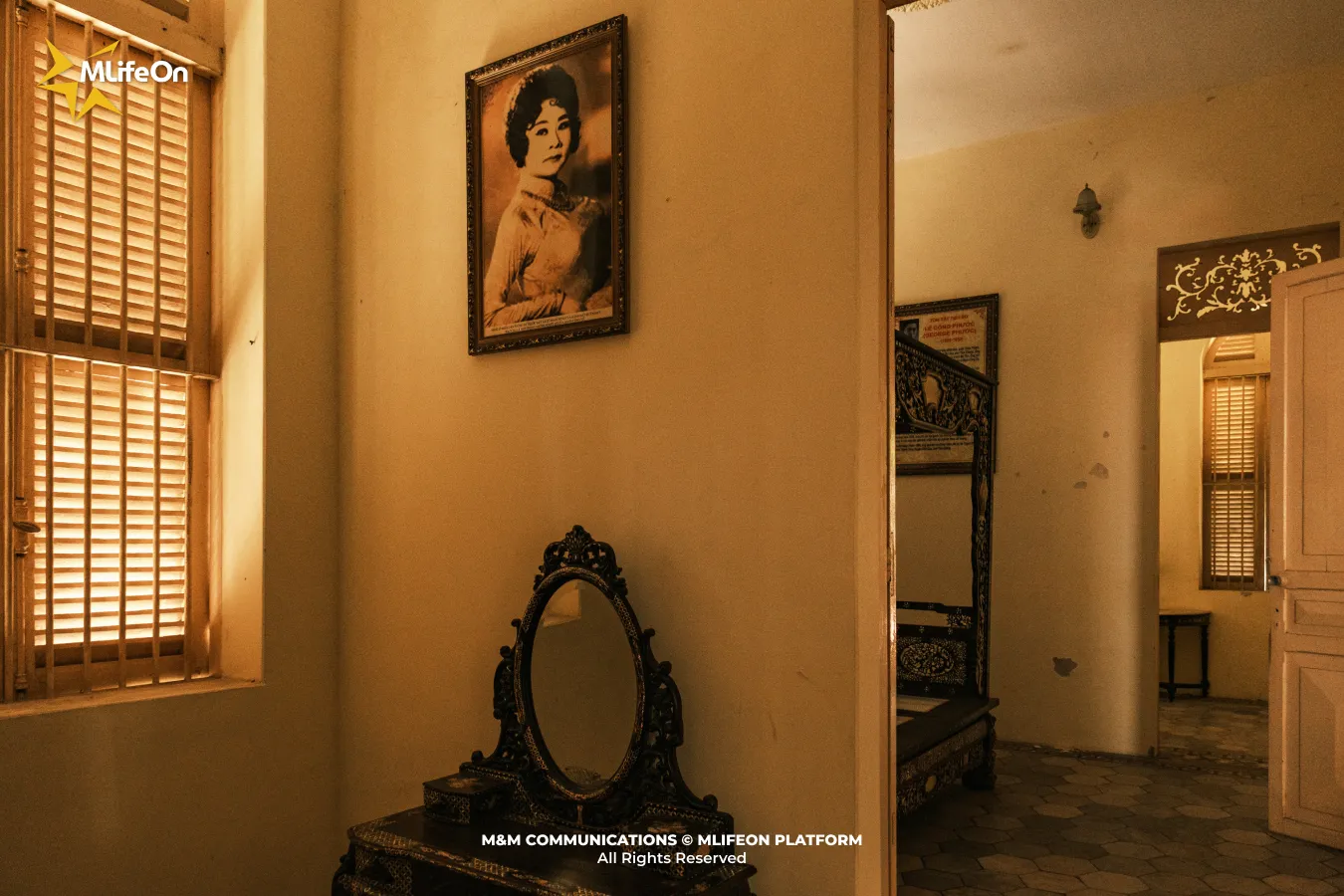
Amid the quiet space of the mansion, a portrait of the late artist Phung Ha serves as a reminder of a deep and enduring bond.
Bach Cong Tu established the Huynh Ky theatrical troupe, entrusting his wife, the actress Phung Ha, as manager, and gathering many renowned performers. The troupe traveled everywhere on four fully equipped motorboats, firing celebratory rockets upon departure, flying flags, and hiring bodyguards for protection. The lively and ostentatious atmosphere reflected not only spectacle but also Bach Cong Tu’s love for the arts, his enjoyment of life, and his unique expression of identity rooted in the spirit of the Mekong Delta.
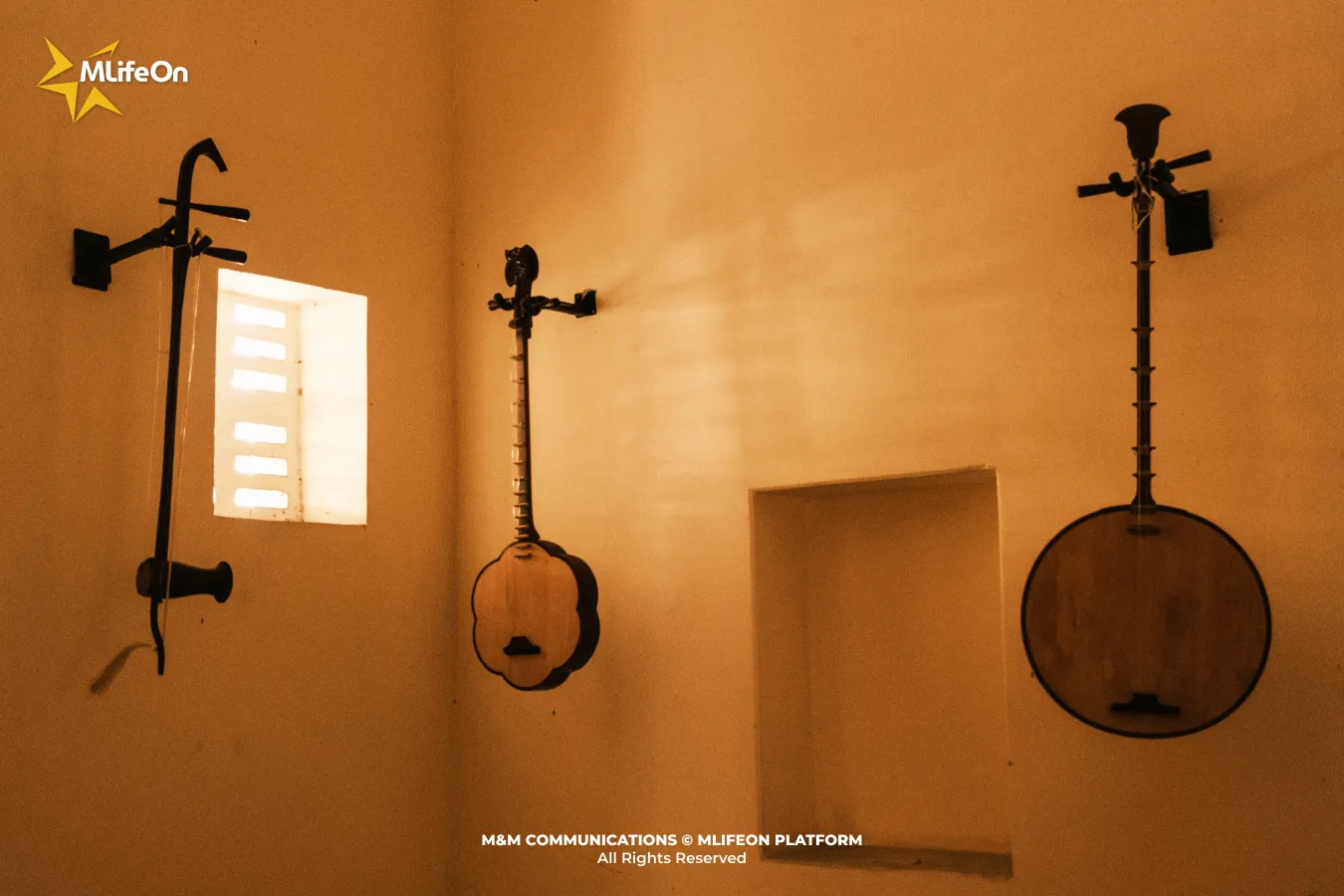
The đàn kìm, đàn sến, and đàn cò sit quietly on the walls, evoking the golden era of the theatrical troupe and the fiery passion for cải lương music that defined the mansion’s owner.
Architectural Beauty Preserved
The gentle afternoon sunlight filters through the louvered windows, casting a warm glow on the yellow walls of the mansion. Pediments, softly curved façades, and surrounding bas-reliefs are accentuated in the light, each intricate carving telling the story of the skilled hands that once crafted them.
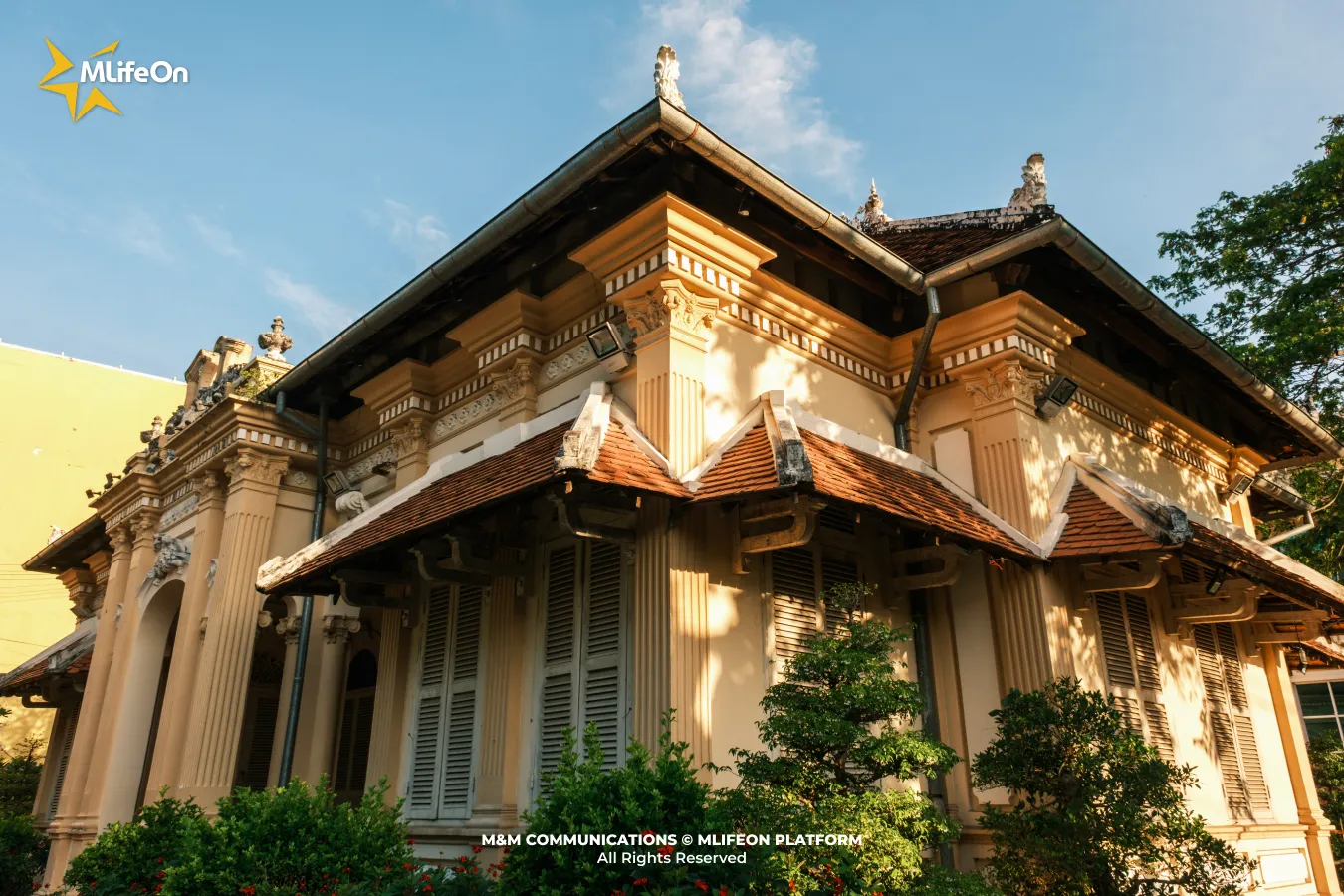
The delicate blend of Western architecture and the soul of the riverine countryside is clearly reflected. Yellow walls, red-tiled roofs, and shimmering sunlight dancing across carved ceilings and columns create a space rich in emotion.
All of this allows visitors to feel a sense of elegance and lightness, while still being touched by lingering traces of history and the beauty of a once-glorious era.
Memory and Endurance
After 1975, the mansion served as the headquarters of the My Tho Ward People’s Committee and the City Department of Culture and Information. Most of the original interior was lost, but period furniture, chandeliers, and long benches have been restored. In 2016, Bach Cong Tu House was officially recognized as a provincial-level historical and cultural site.
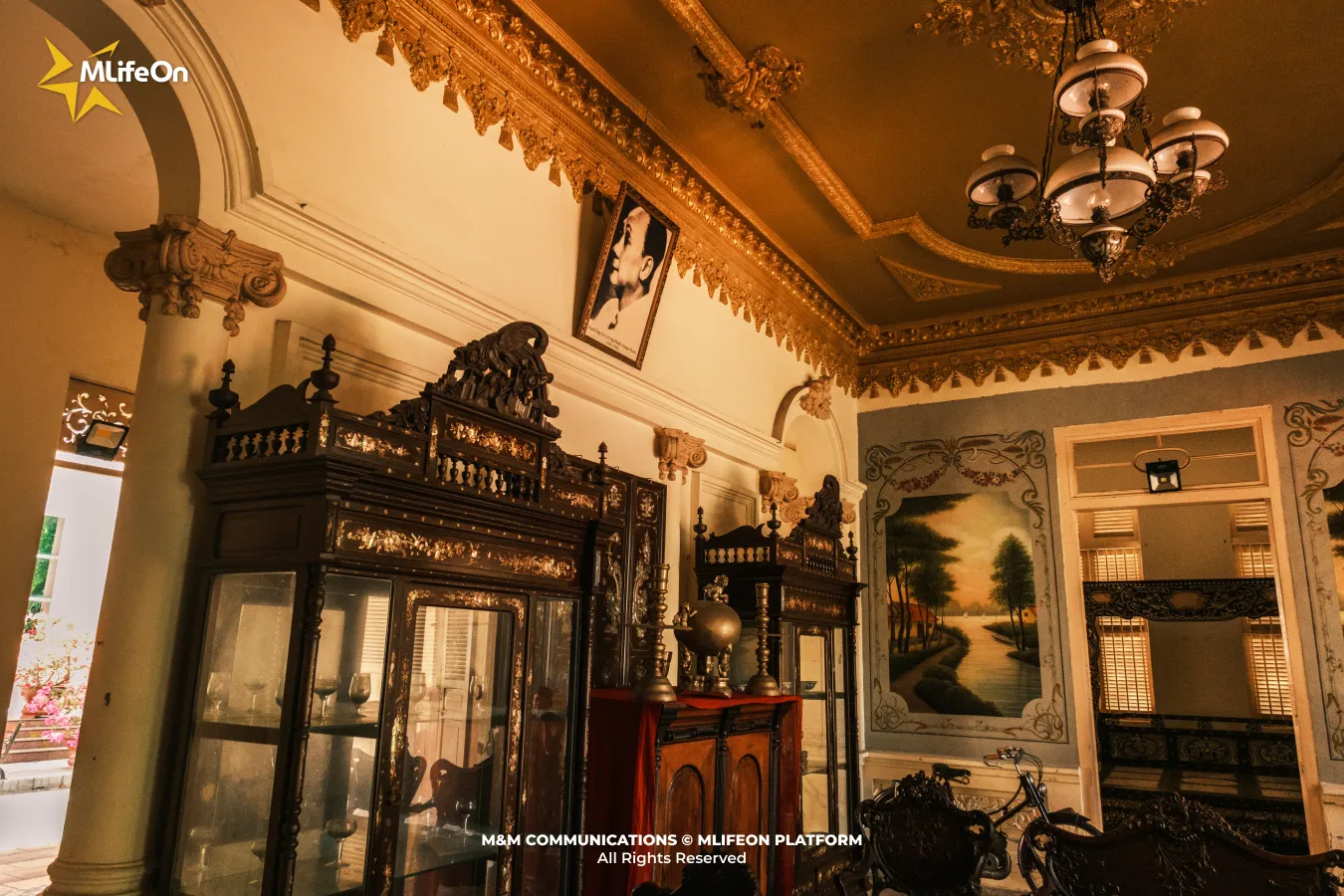
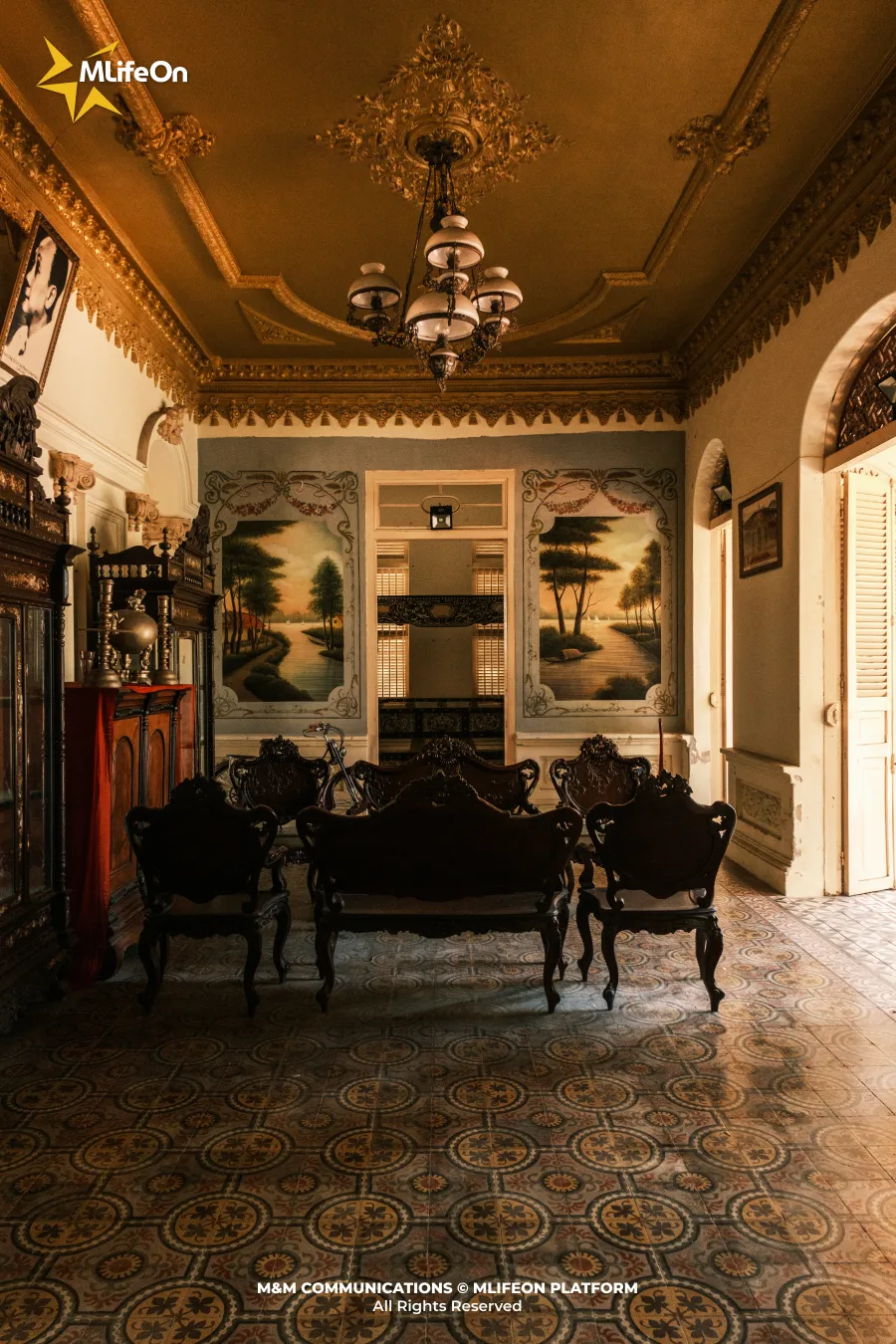
With every step and every sunbeam filtering through the louvered windows, visitors are reminded of the tales, artistic stories, and distinctive lifestyle of the Mekong Delta. The mansion is more than architecture; it is a place that tells the story of its people, their skilled hands, and the wealth and elegance of southern Vietnam in a bygone era.
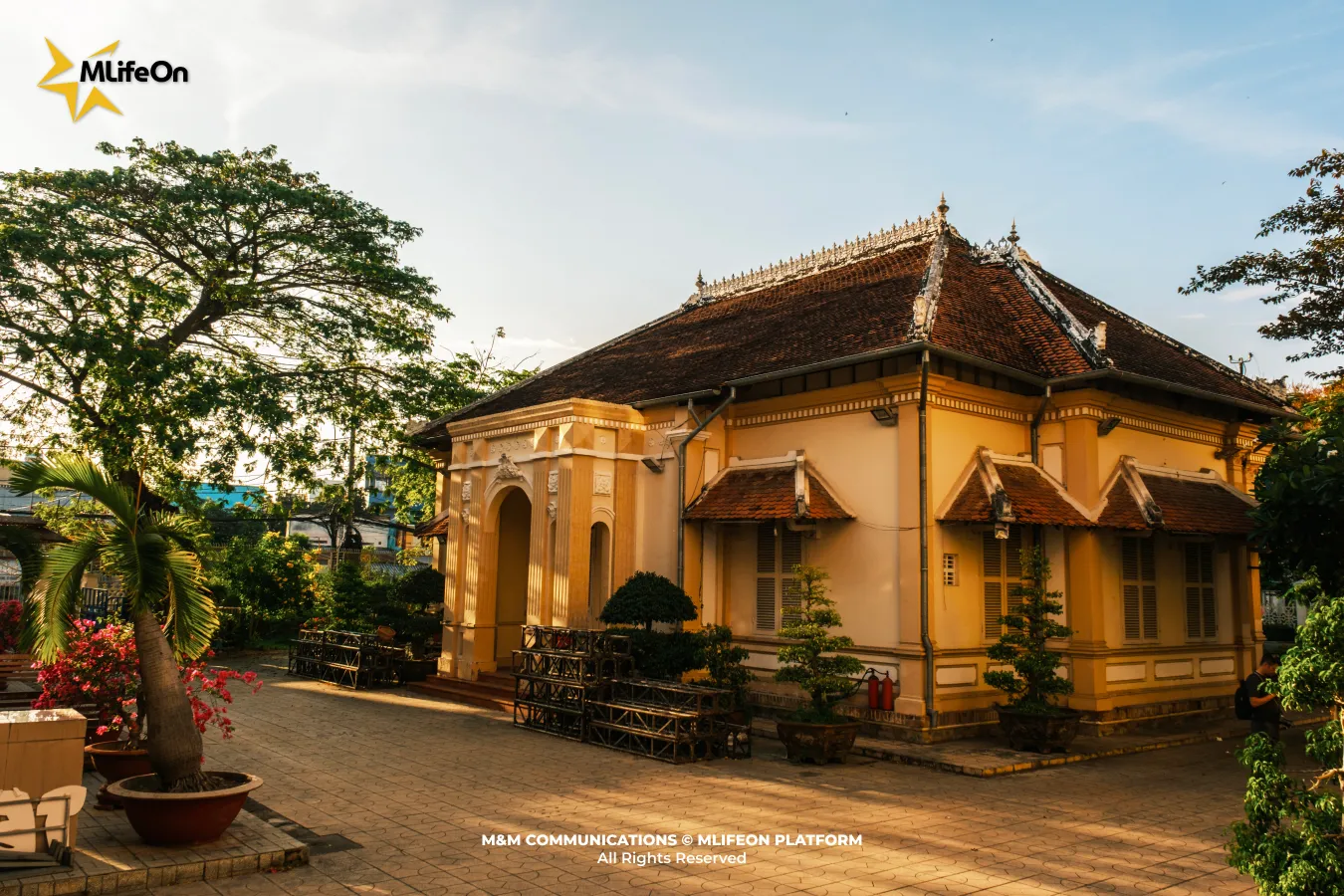
Standing amid the shaded garden, gazing at the white walls and red-tiled roofs, visitors encounter a memory that has never faded - a place where time slows to tell the story of Bach Cong Tu, a golden era of My Tho and the six southern provinces.
---------------
CREDIT:
- Photography: Luan Nguyen
- Content: Nhu Quyen
- Design: Phuong Nguyen