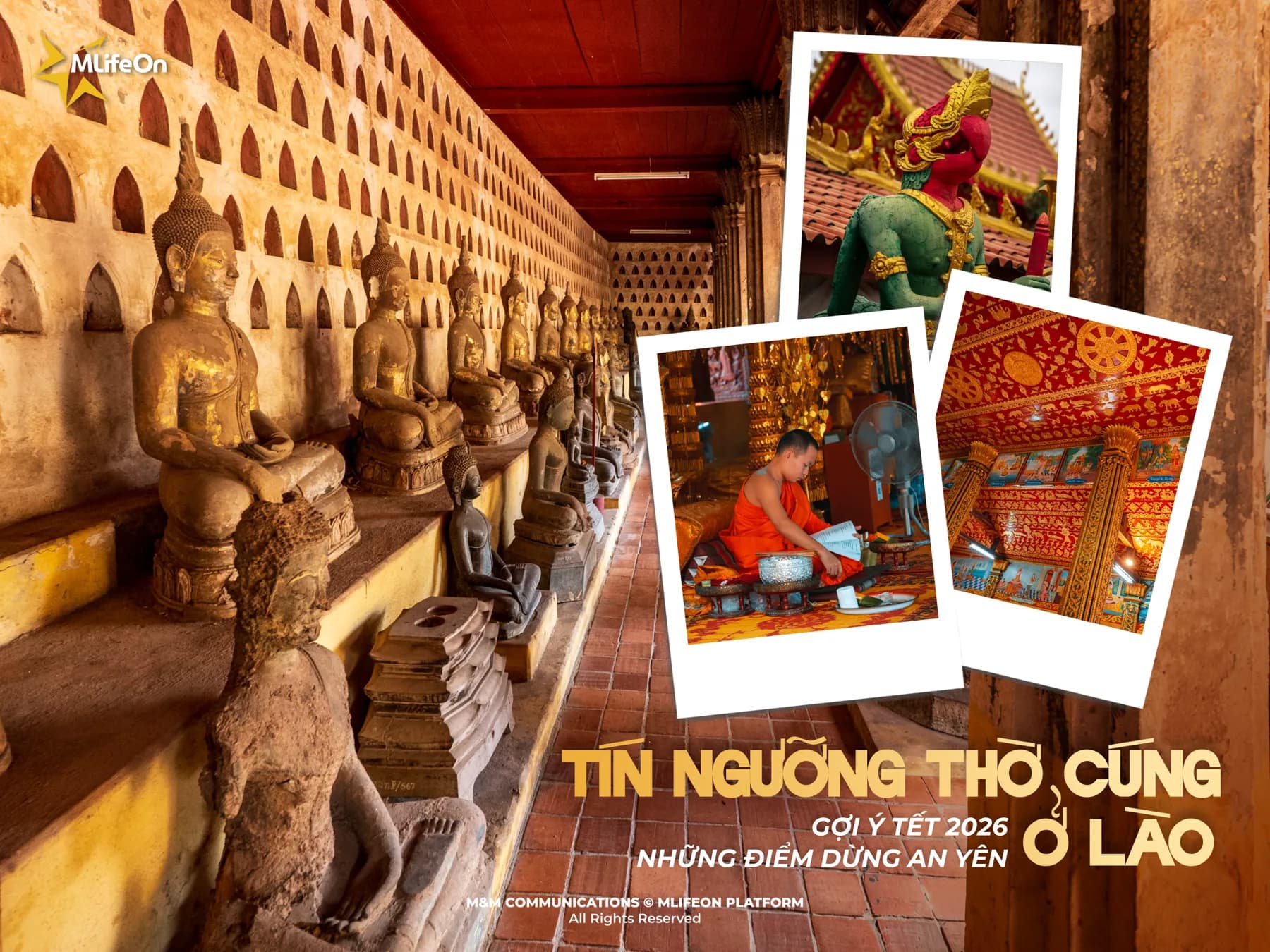
When belief becomes part of everyday life
In Laos, spiritual belief is not confined to major festivals or ceremonial occasions. It exists quietly and consistently in daily life. In the morning, people may stop by a temple to offer flowers or light incense before starting their day. In the late afternoon, temple courtyards naturally become gathering places where locals rest, talk, and reconnect.
Theravada Buddhism forms the spiritual foundation of Lao society. Temples are not only places of worship but also community centers. Children grow up within temple grounds, elders seek peace there, and visitors can easily sense how closely daily life is tied to religious practice.
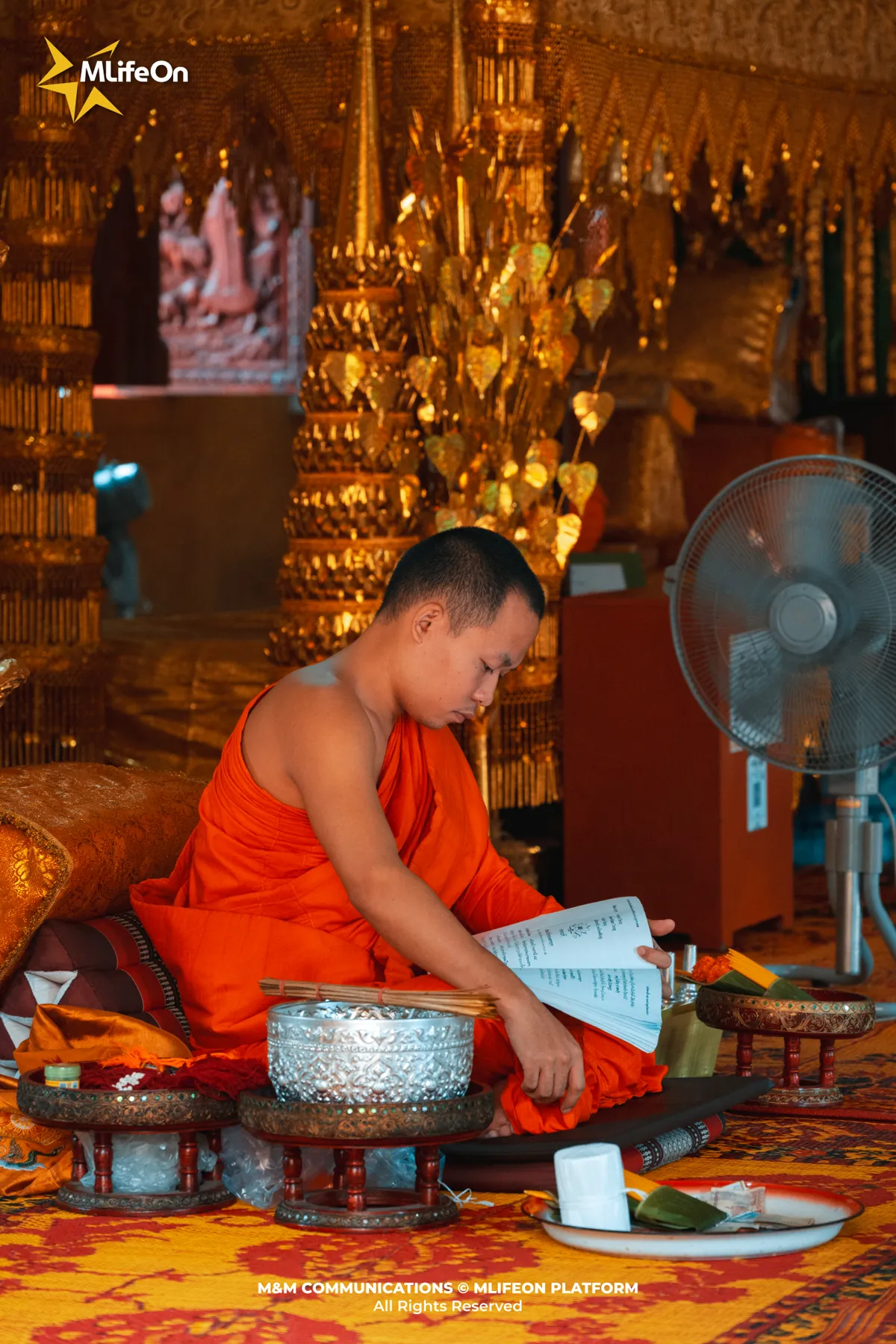
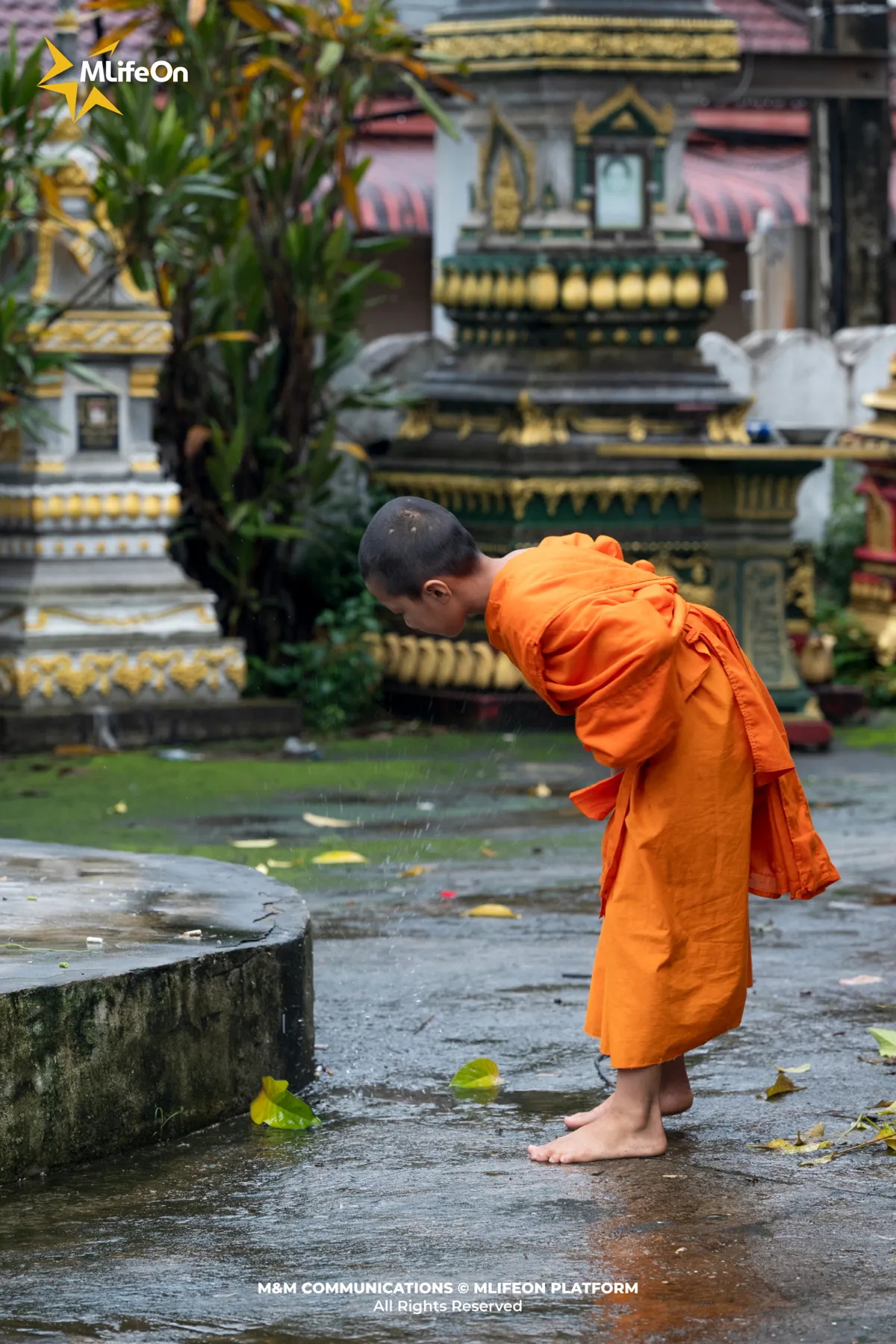
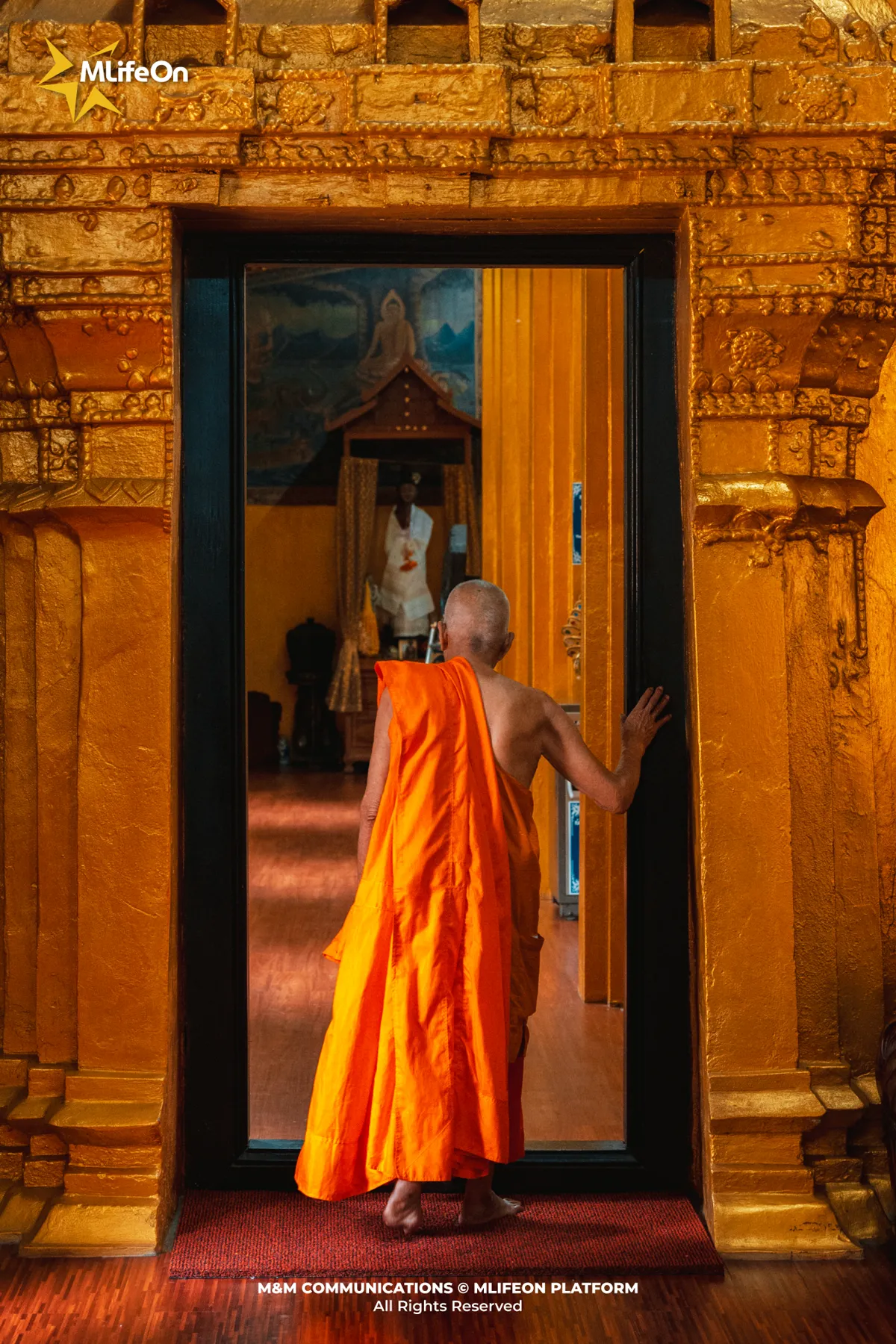
That is why visiting temples in Laos never feels rigid or overly ceremonial. It feels natural like a habit deeply embedded in the rhythm of life.
A gentle and refreshing way to welcome the new year in Laos
While Tet in many destinations is associated with crowded festivals and packed itineraries, celebrating the new year in Laos offers a different experience. It is an ideal choice for travelers who wish to begin the year at a slower, quieter pace.
The early days of the year in Laos are calm rather than bustling. Visitors can wander through temples, stroll along streets, and observe local life without being swept into large crowds.
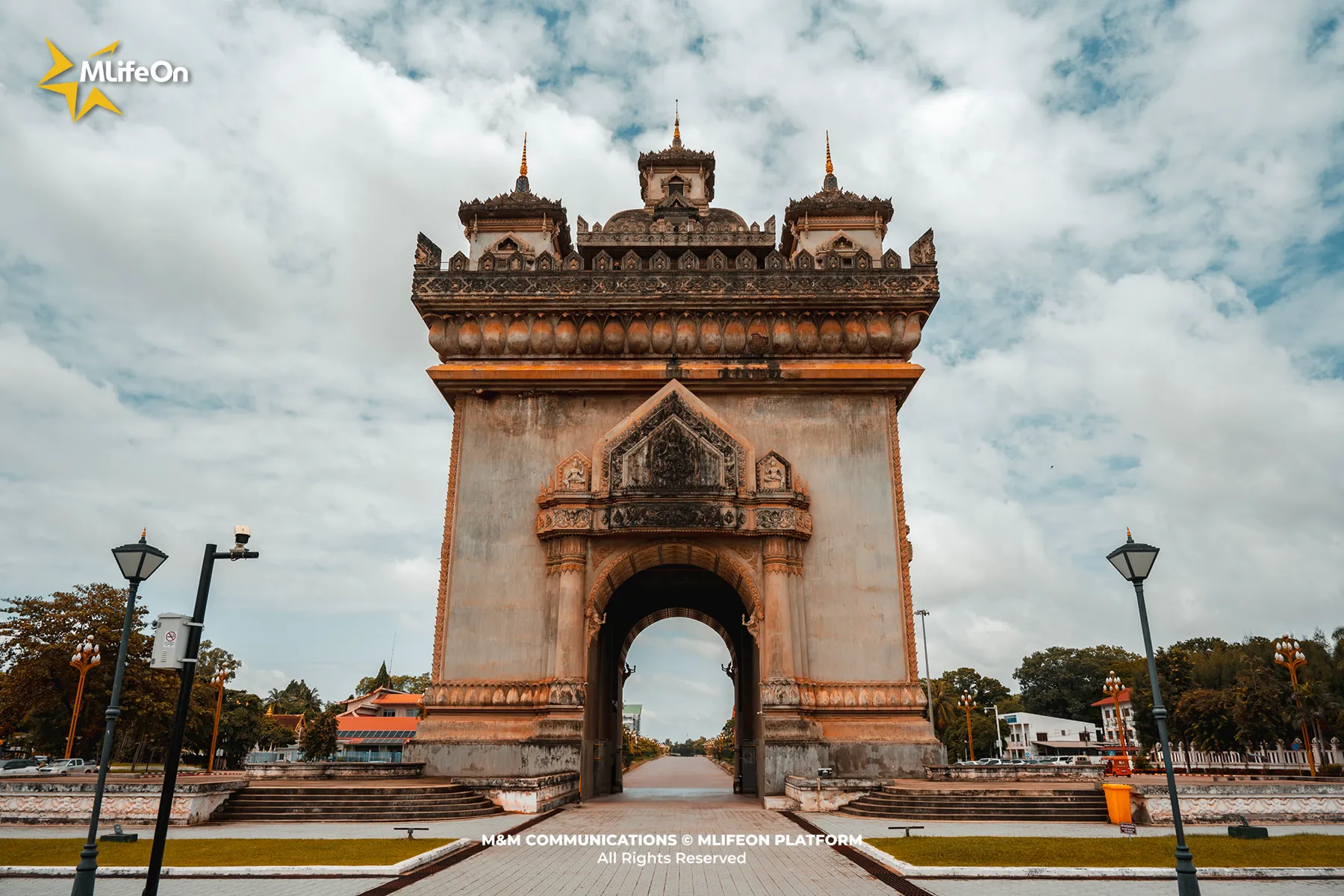
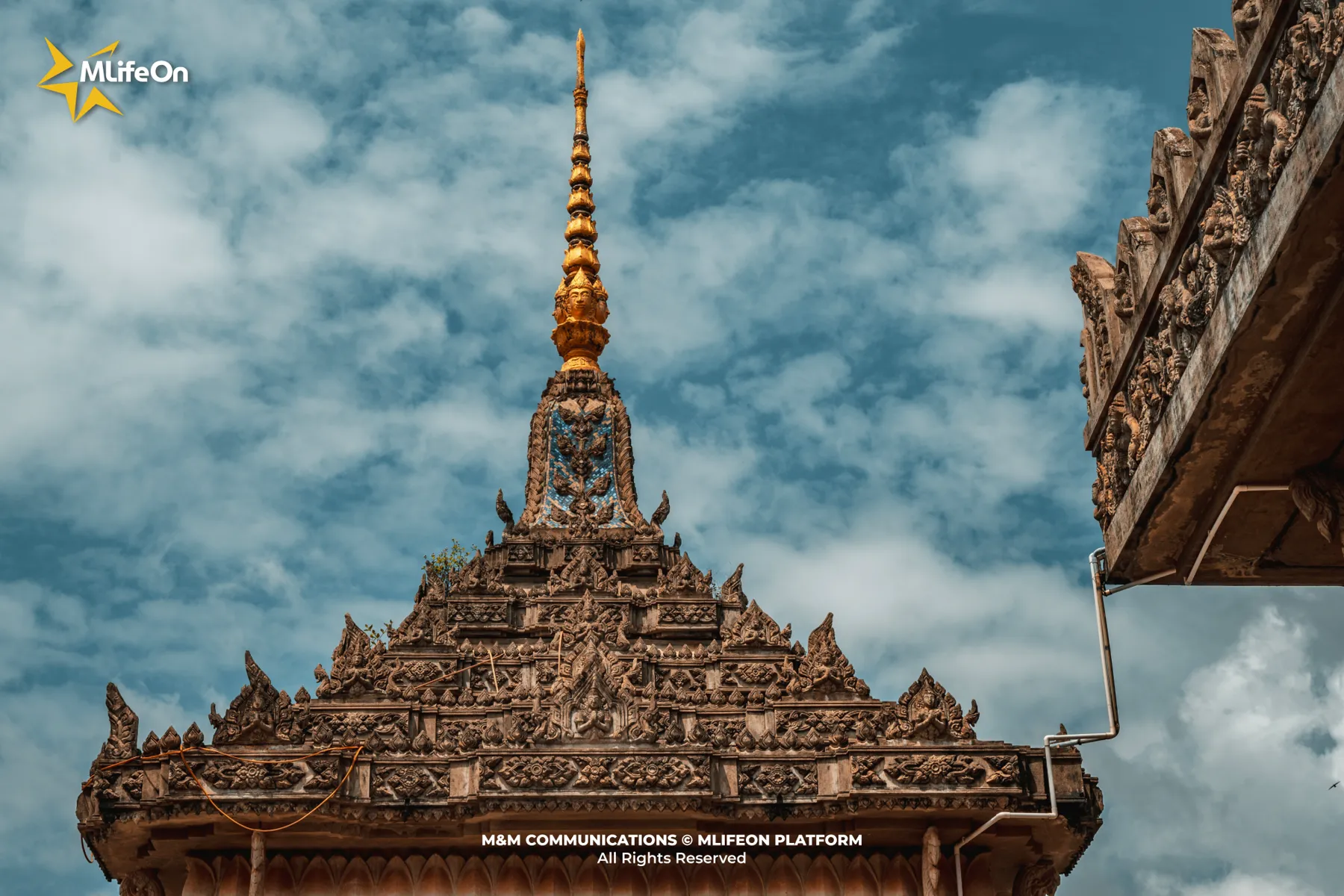
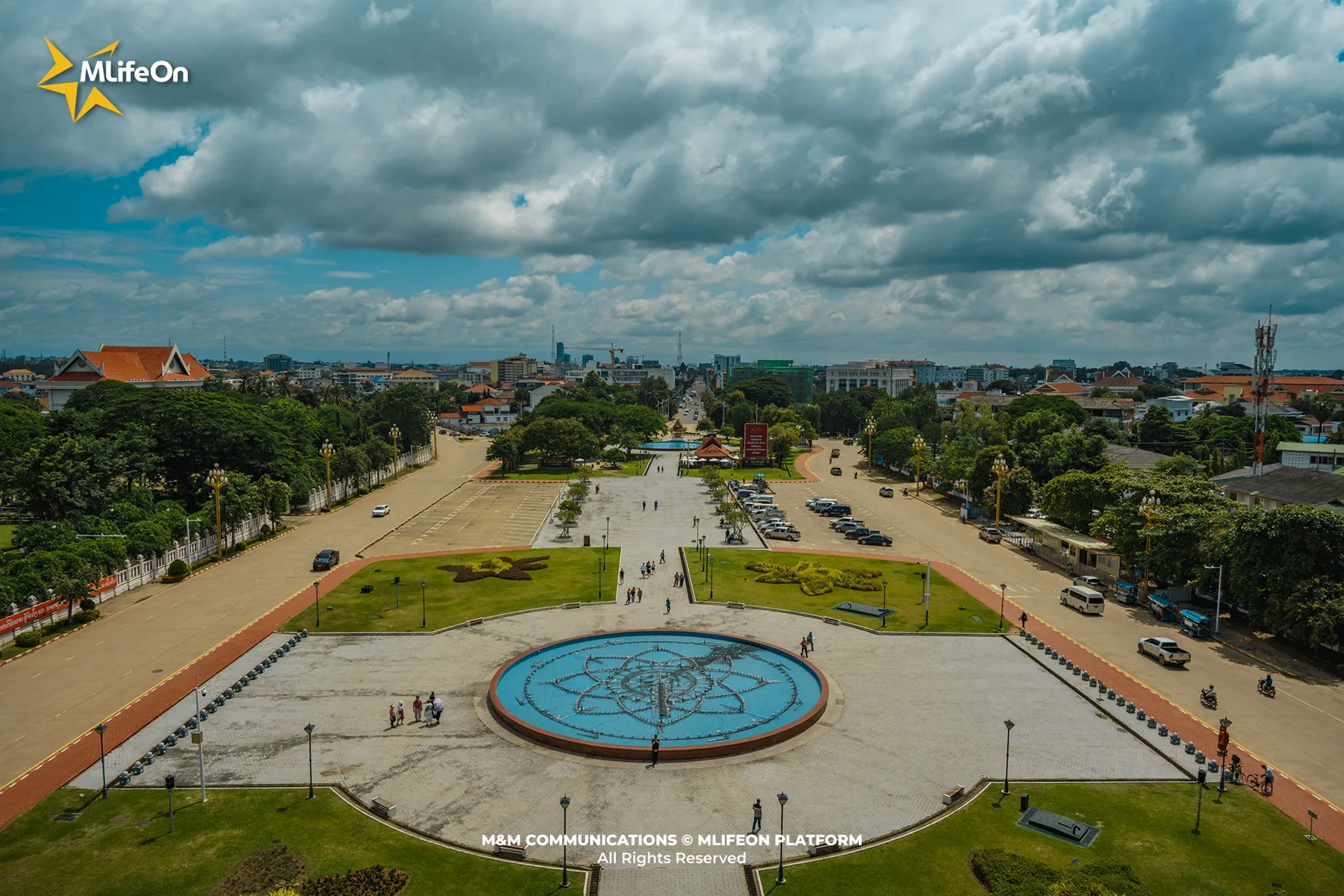
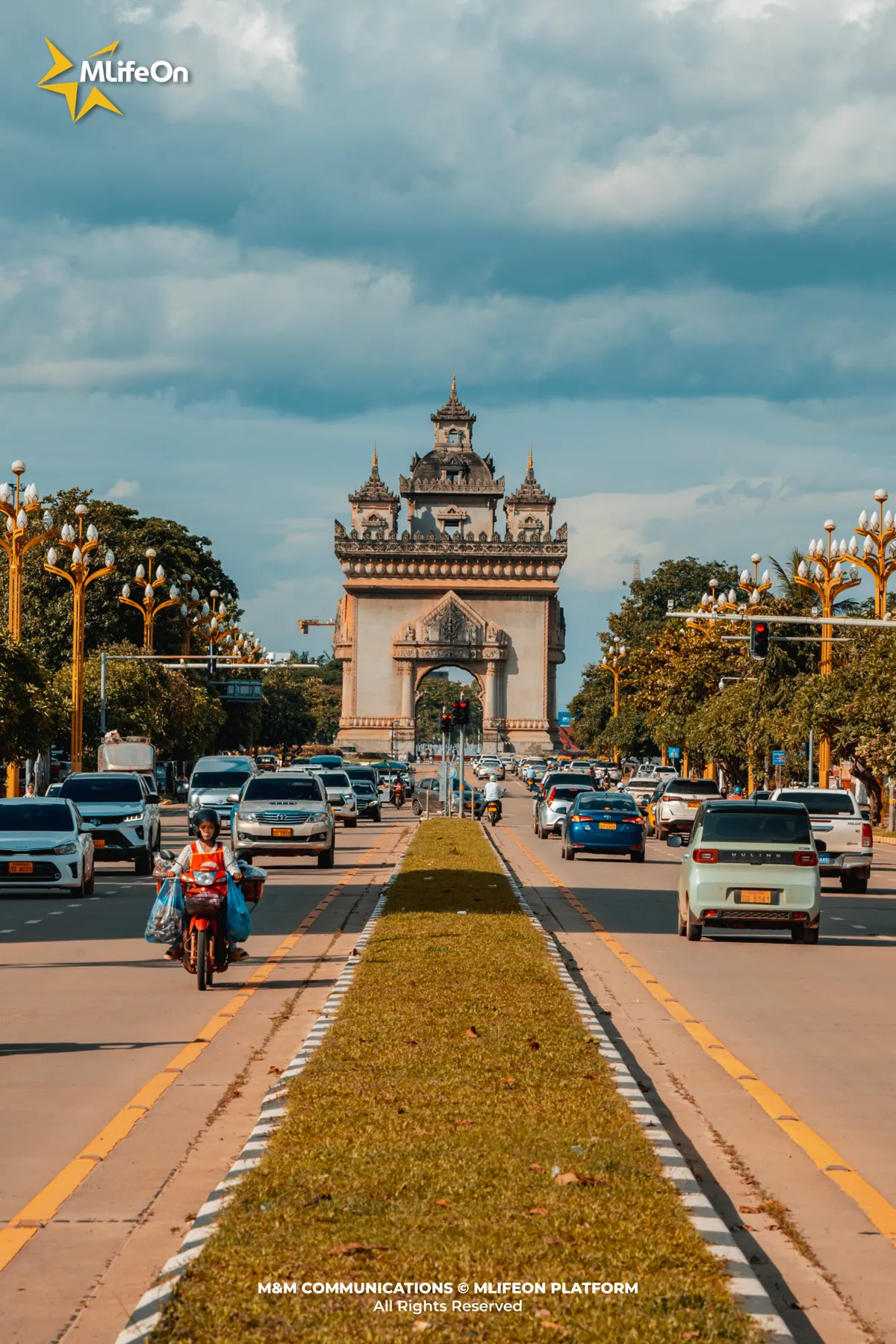
This sense of tranquility transforms a Tet trip into genuine rest, rather than a race from one attraction to another.
Luang Prabang – Where belief lives within the memory of the former capital
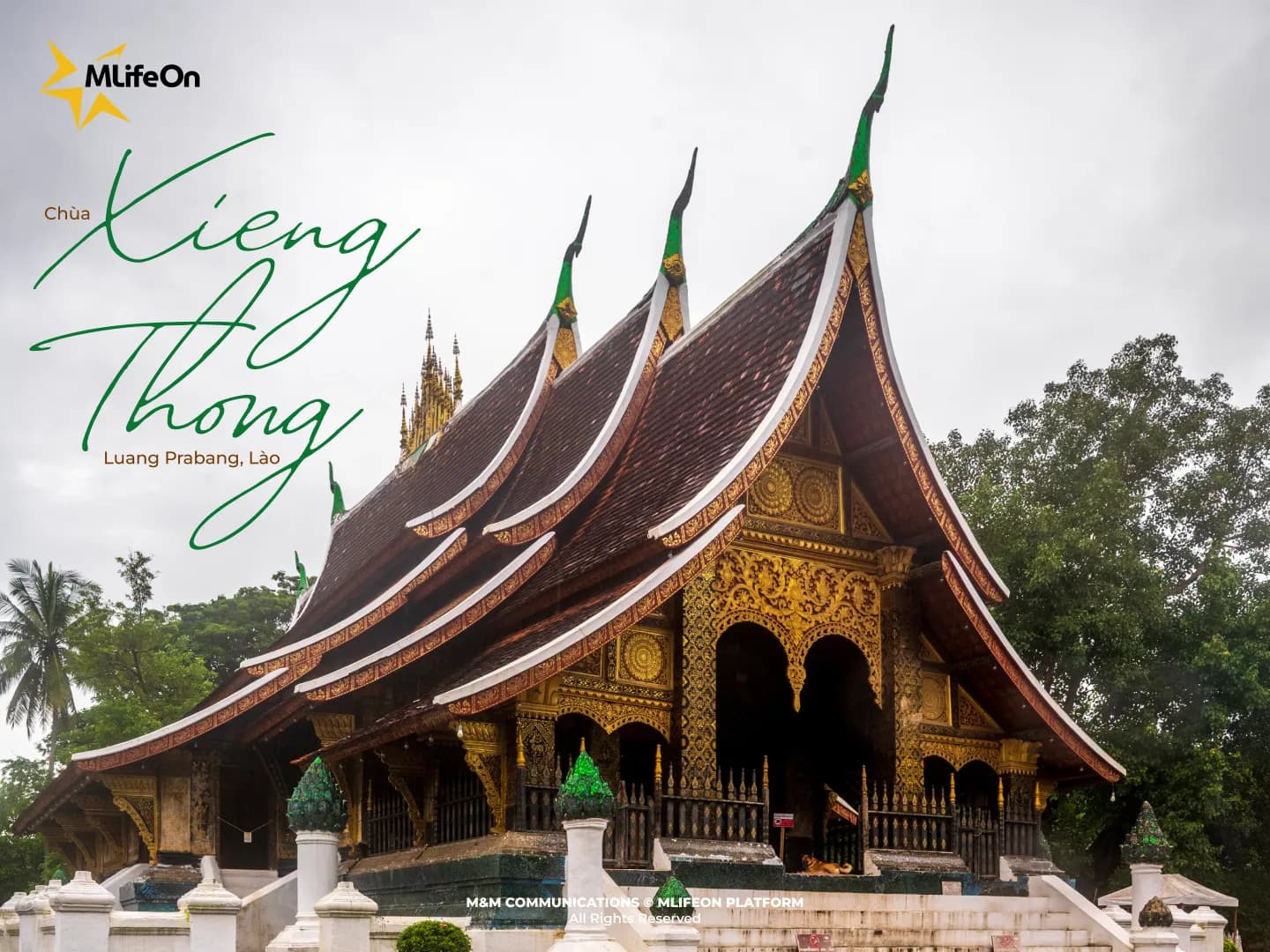
Luang Prabang is an essential destination when exploring spiritual life in Laos. This former royal capital is home to hundreds of temples, among them Xieng Thong Temple and Wat Manorom.
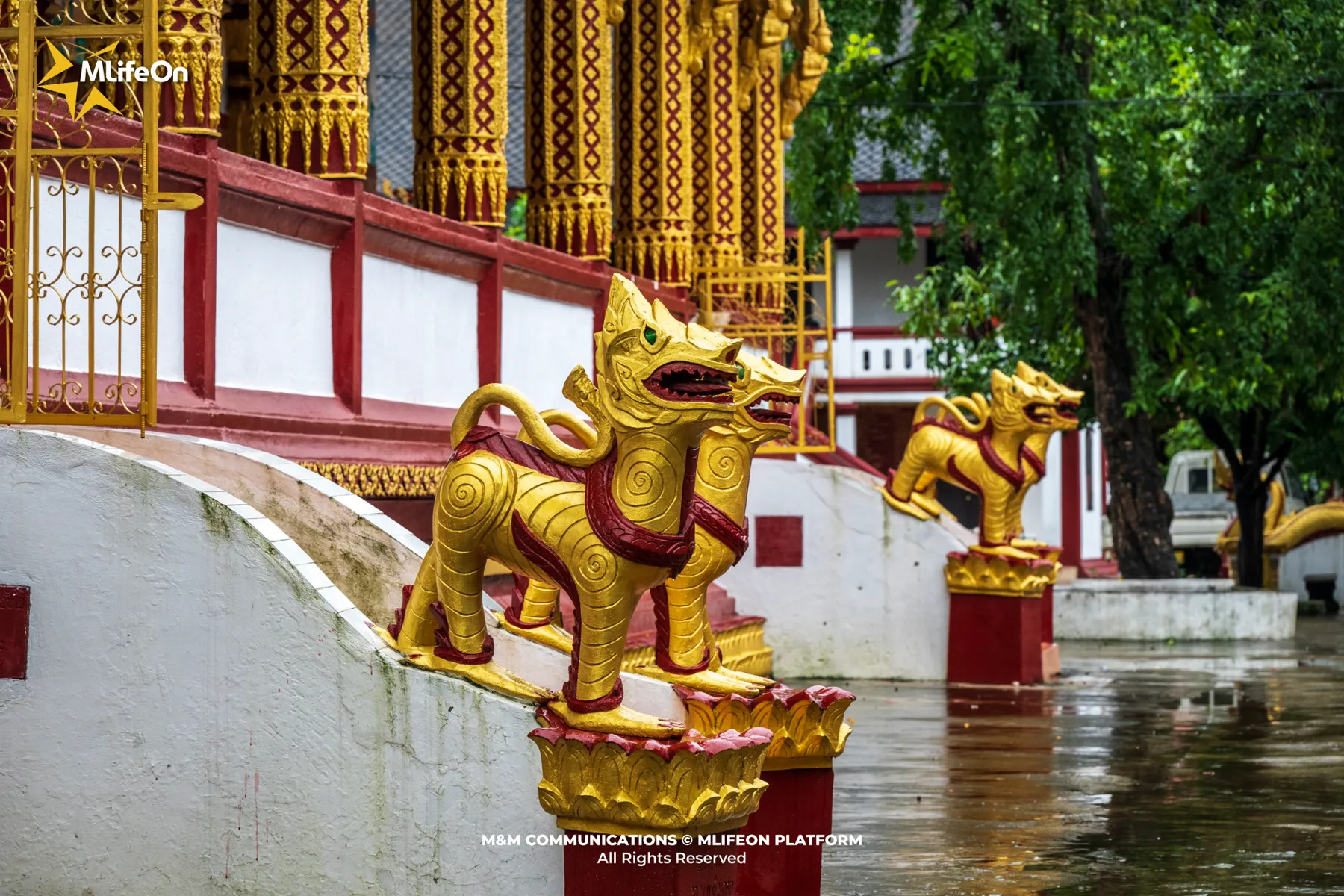
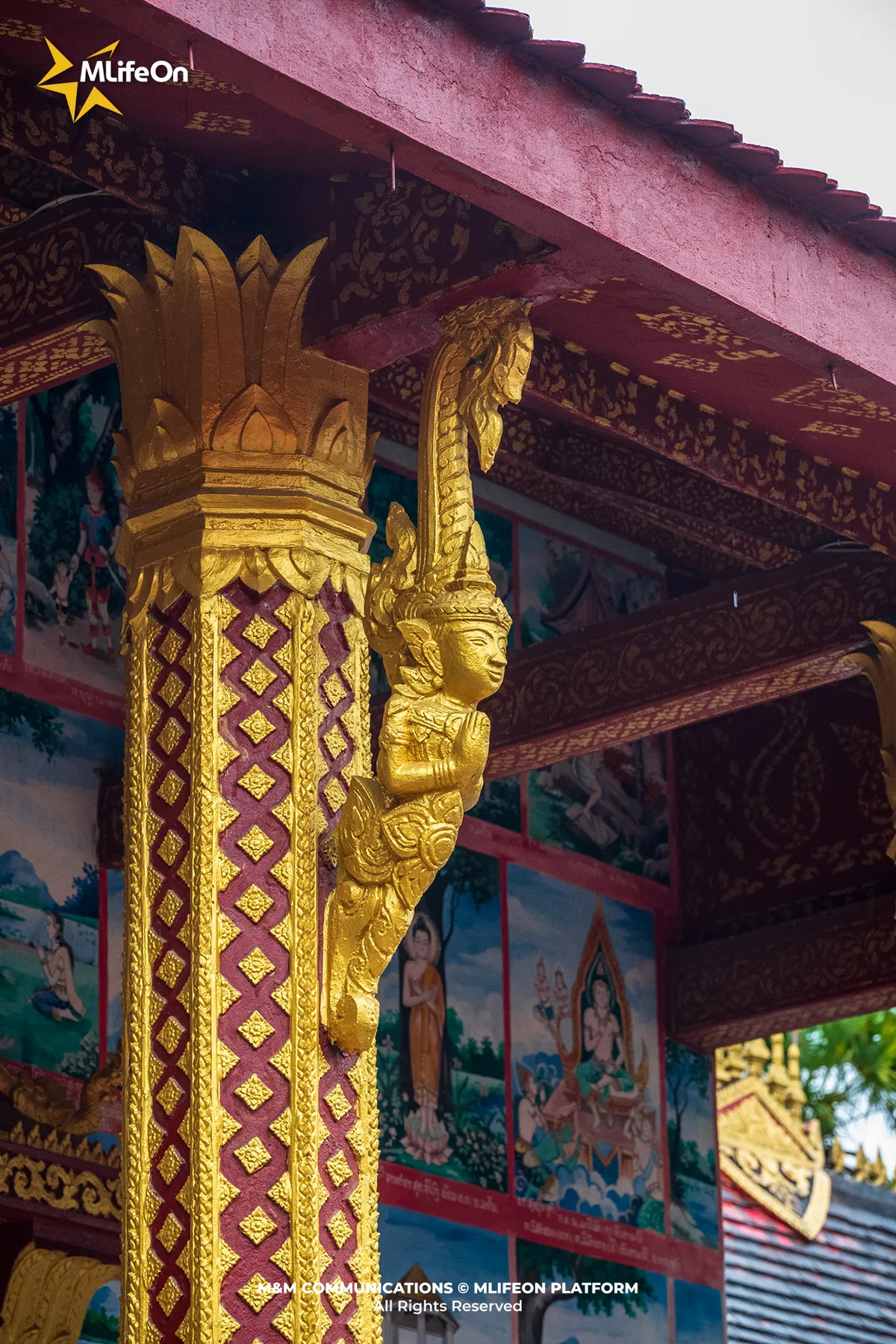
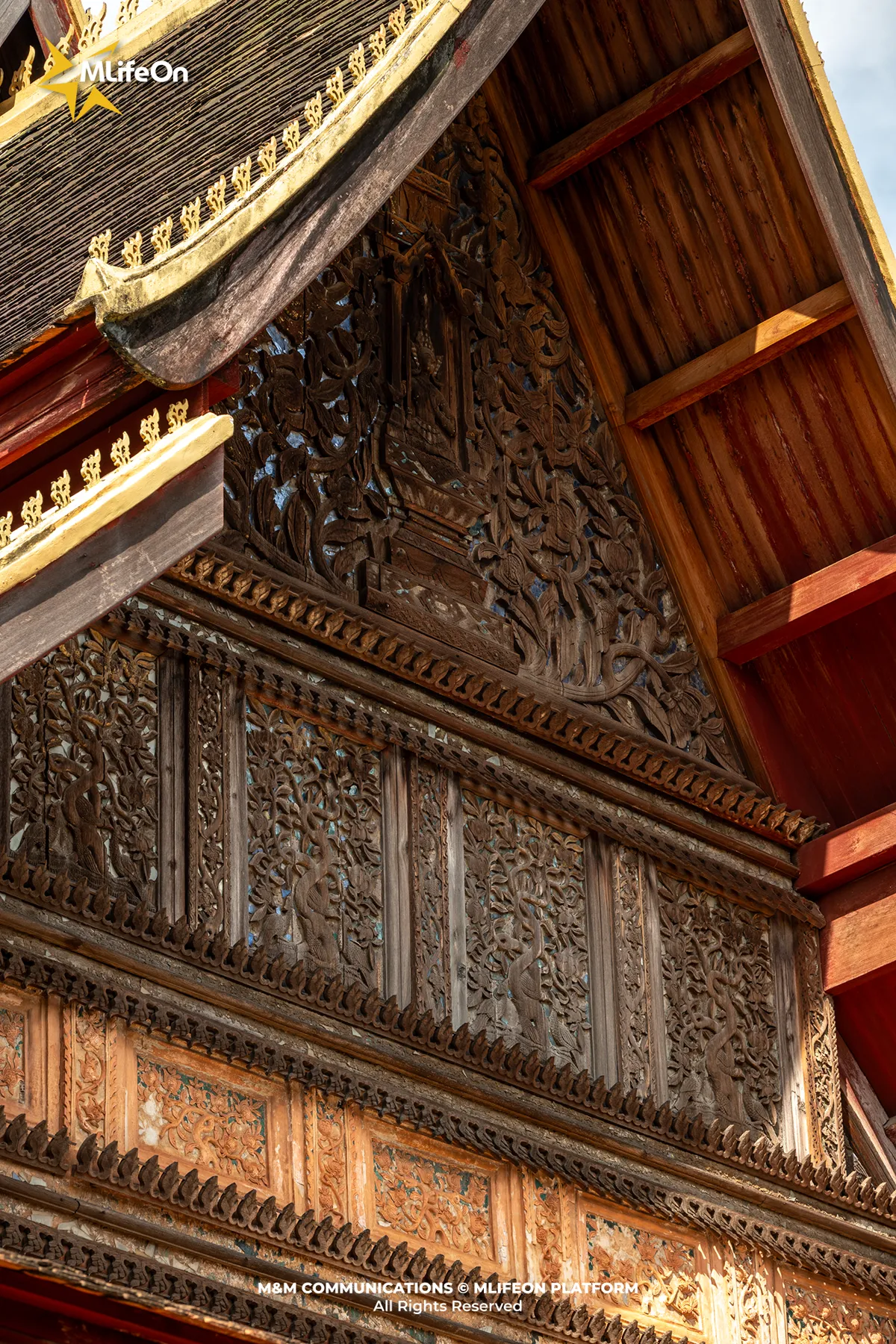
Built in 1559 - 1560, Xieng Thong Temple is regarded as both a religious and architectural symbol of Luang Prabang. Its sweeping, layered roofs and intricate decorative details reflect a deep connection between belief, history, and art. The serene atmosphere makes it especially suitable for visits in the early morning or late afternoon, when the light softens and crowds thin out.
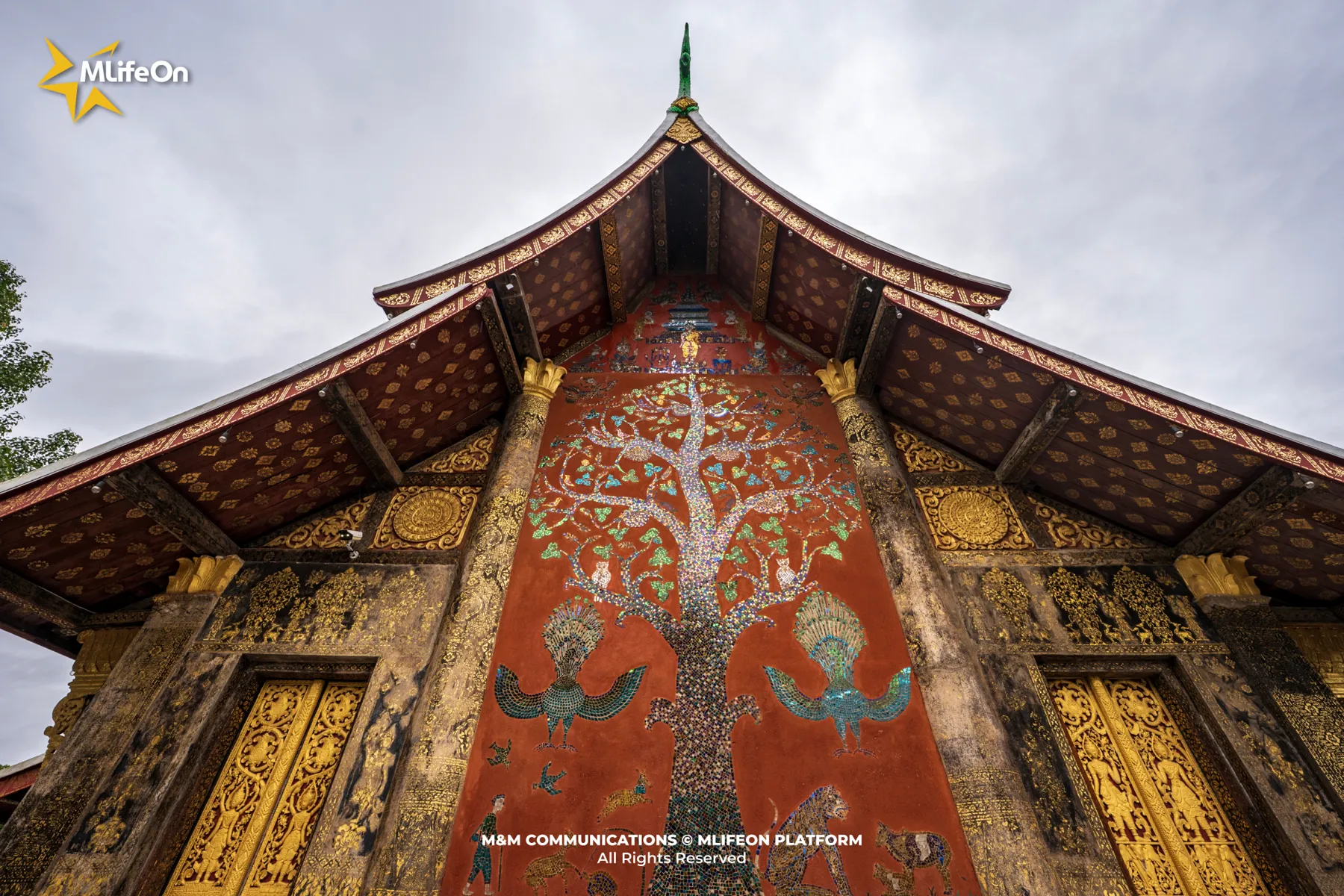
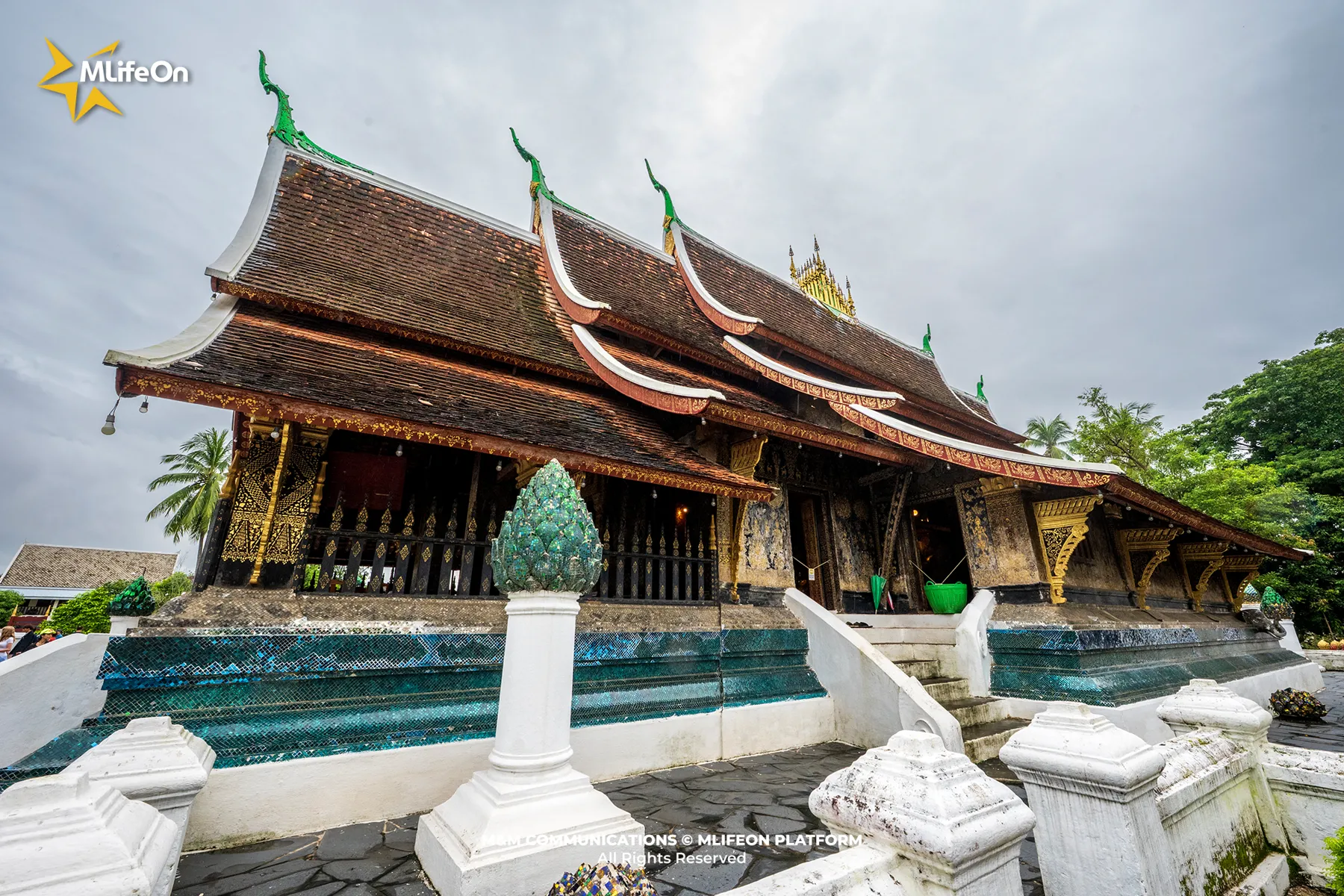
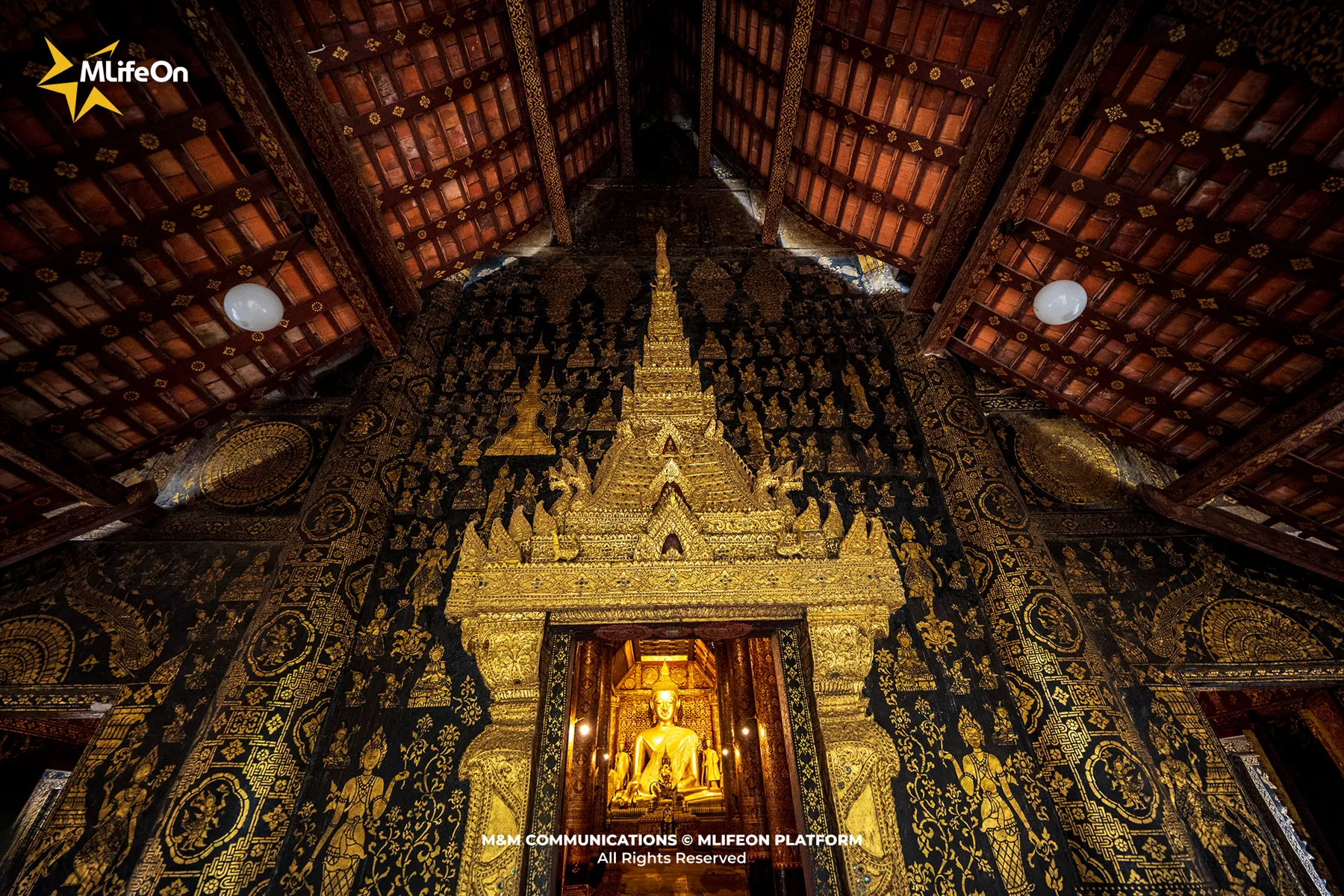
Wat Manorom, by contrast, reflects a temple closely tied to monastic life and the local community. It is known for its large ancient bronze Buddha statue. Less prominent on tourist routes, its simplicity makes it an ideal place for those who wish to observe religious life in a more intimate, everyday setting.
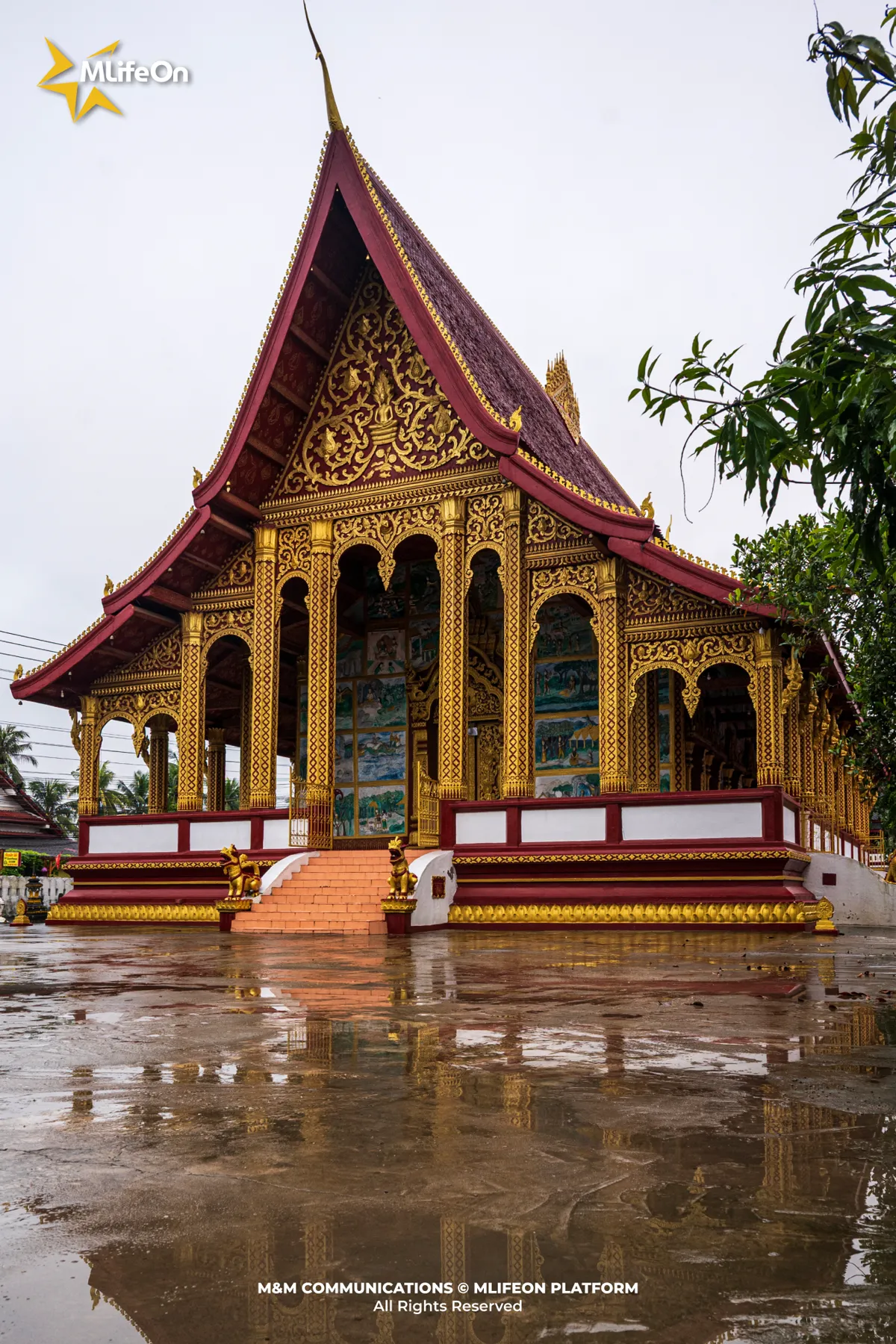
Vientiane and its iconic sacred landmarks
If Luang Prabang embodies the quiet depth of a former capital, Vientiane, the capital of Laos, offers spiritual sites that carry national symbolism.
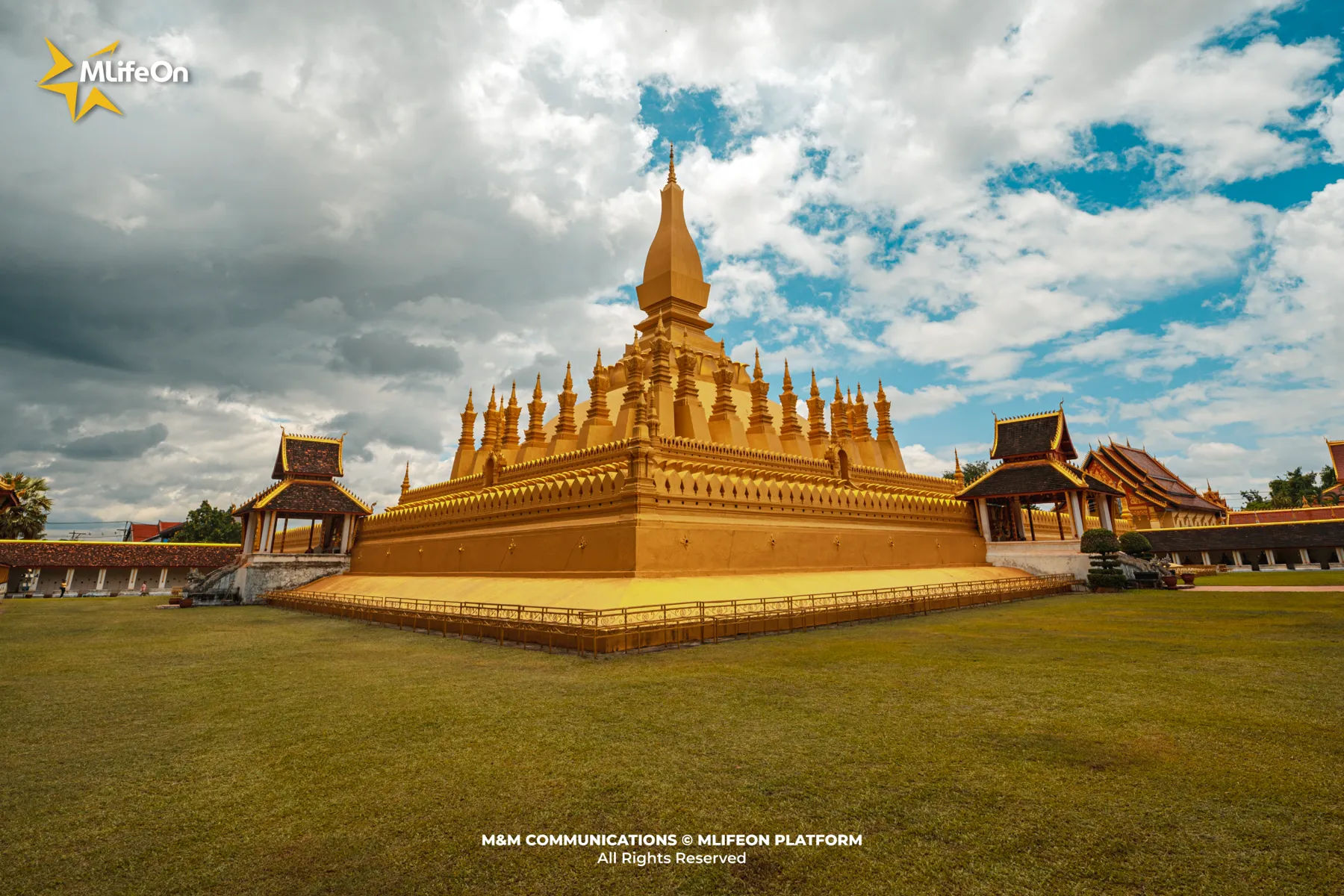
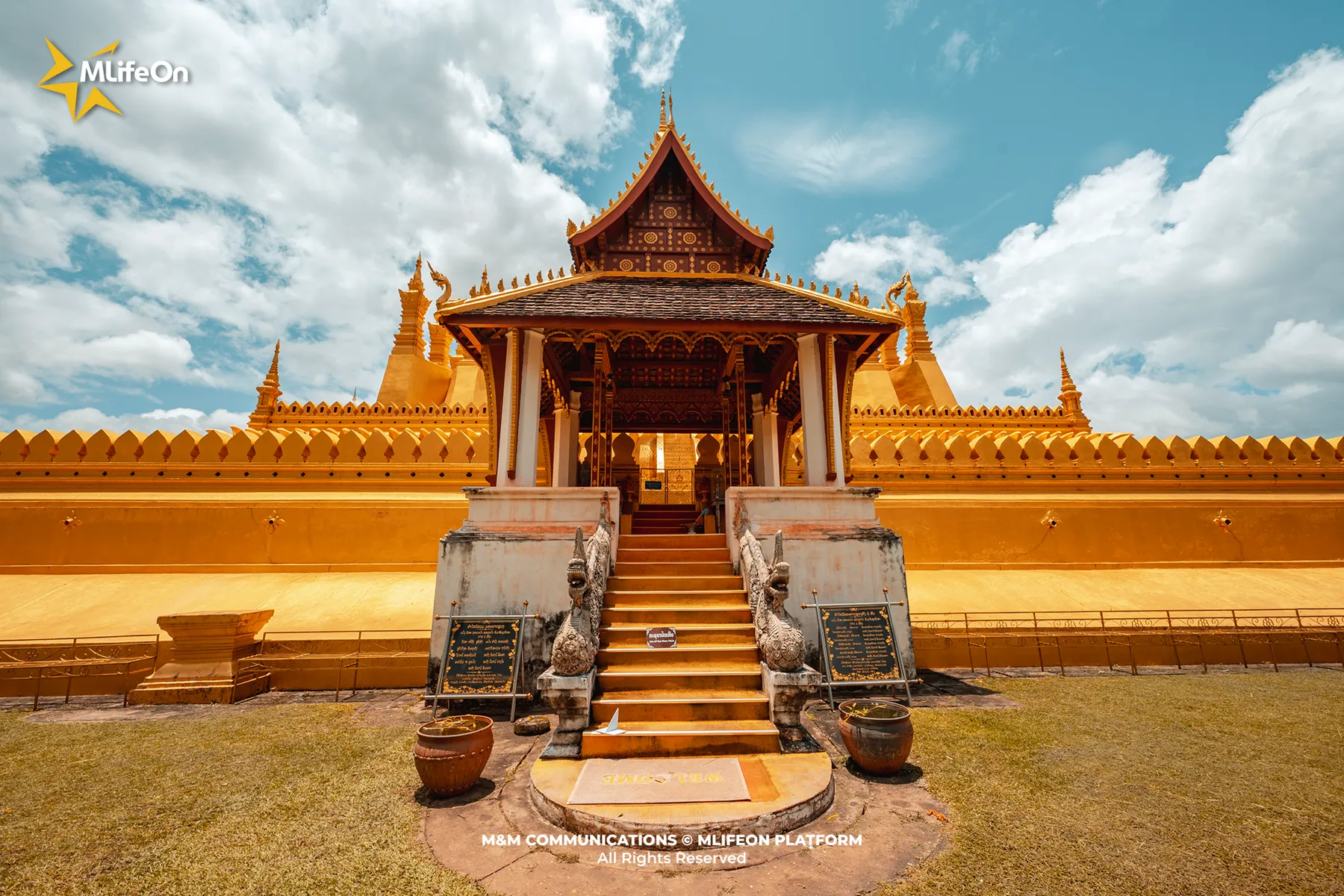
Pha That Luang, built in 1566, is the most important sacred monument in Laos. The golden stupa rises prominently within a vast open space and is where locals and visitors alike come to pray for peace and good fortune, especially at the start of the new year.
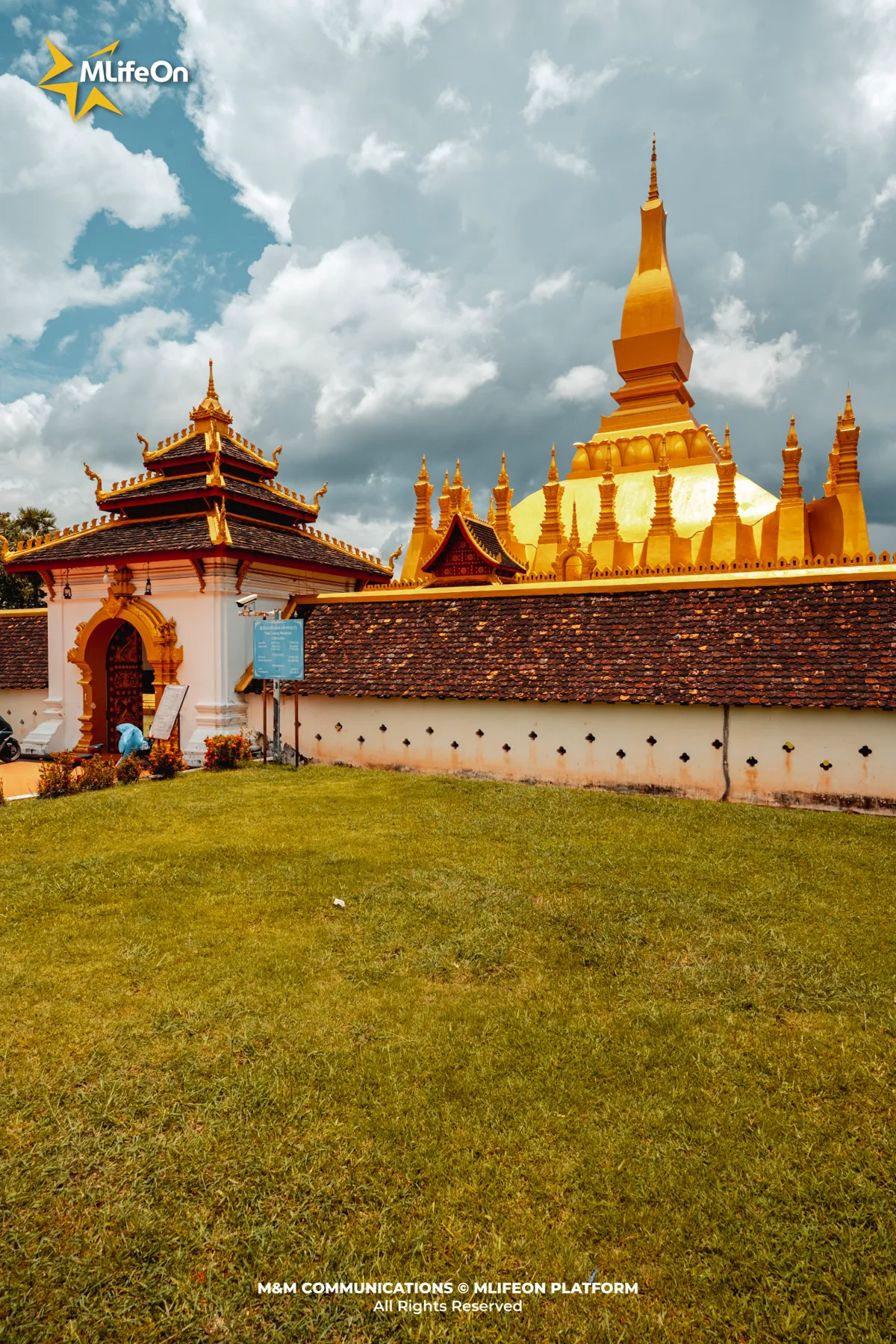
Wat Si Muang is closely linked to folk belief, in which many locals believe the city’s guardian spirit resides. During the early days of the year, people visit to pray for protection, prosperity and good luck.
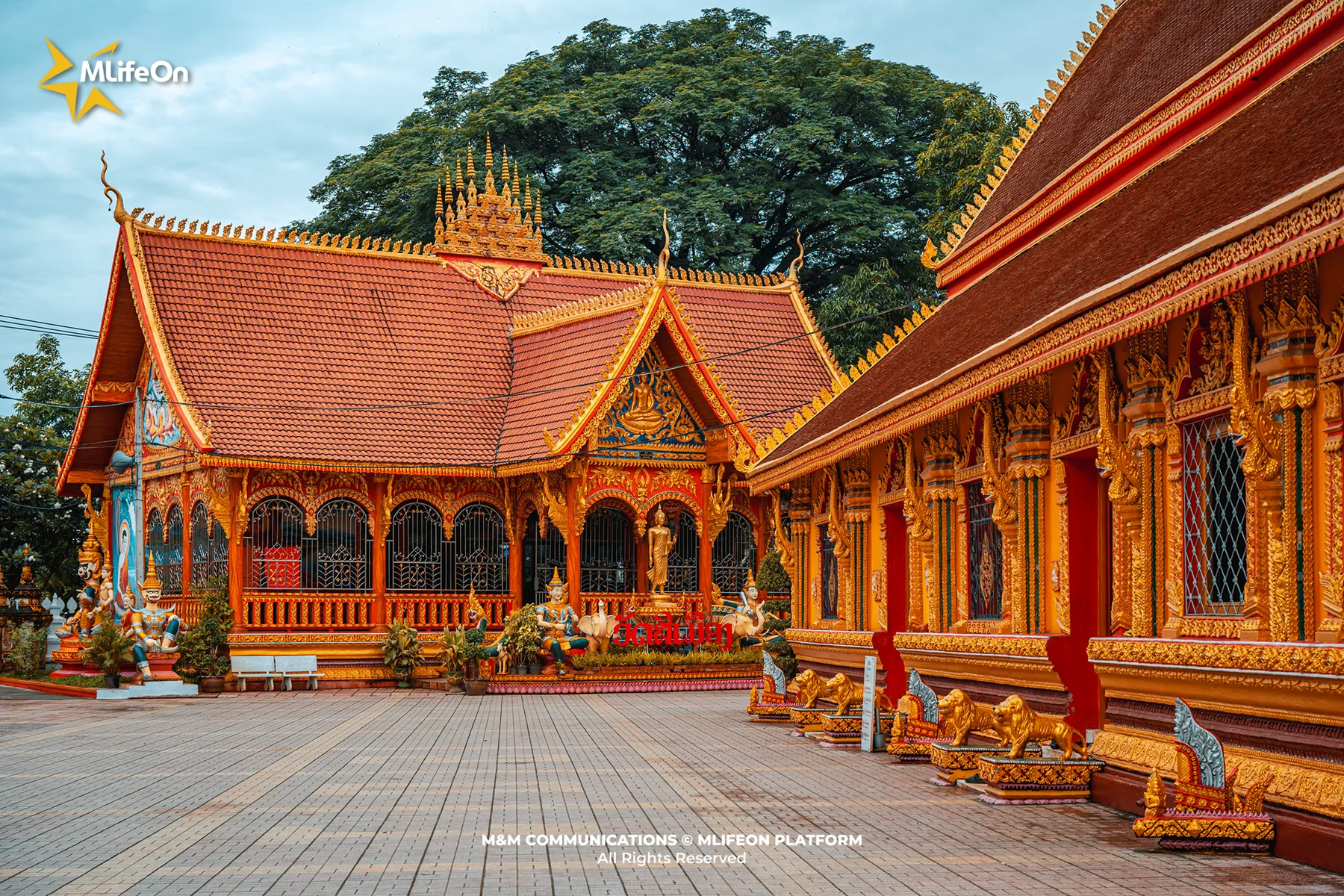
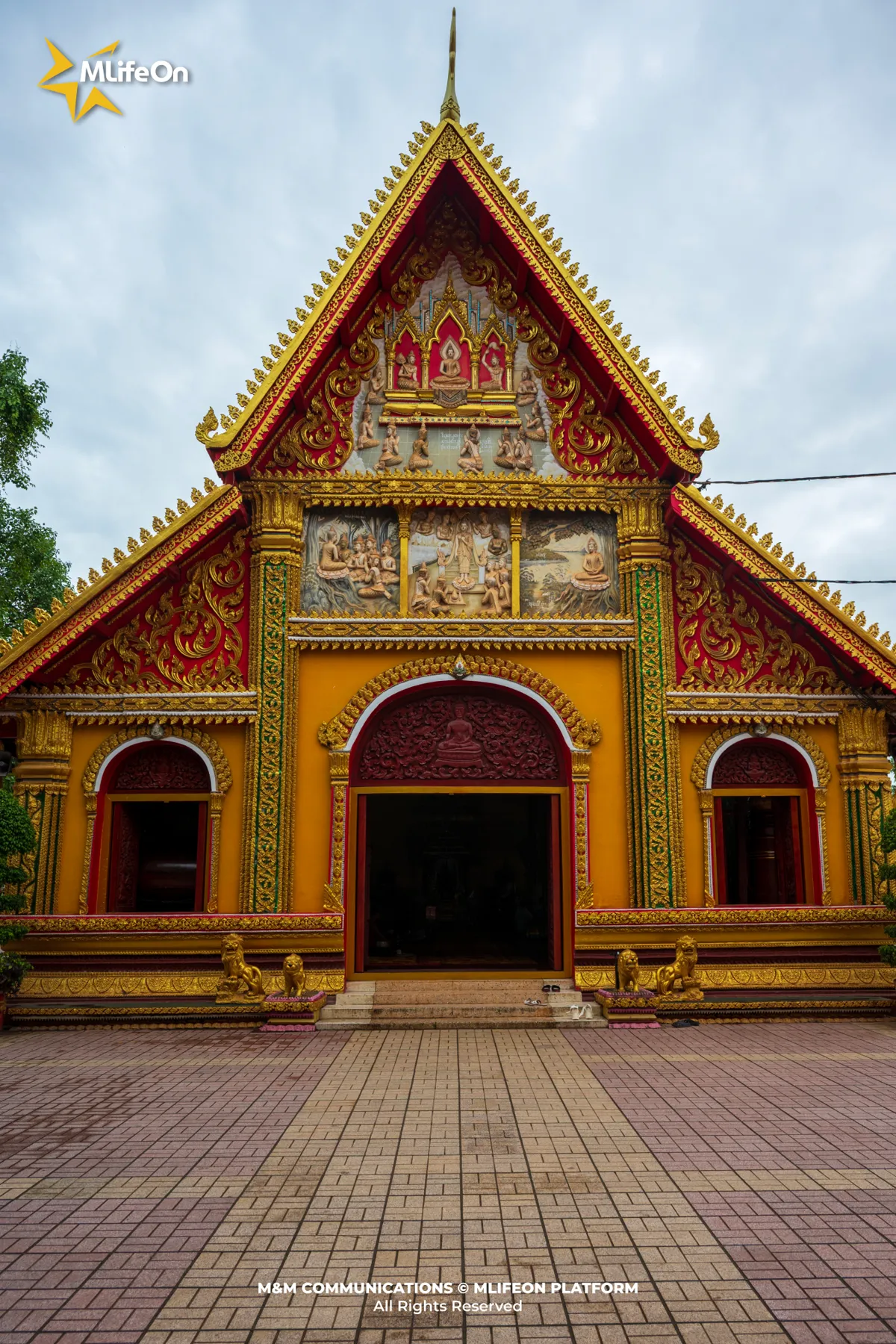
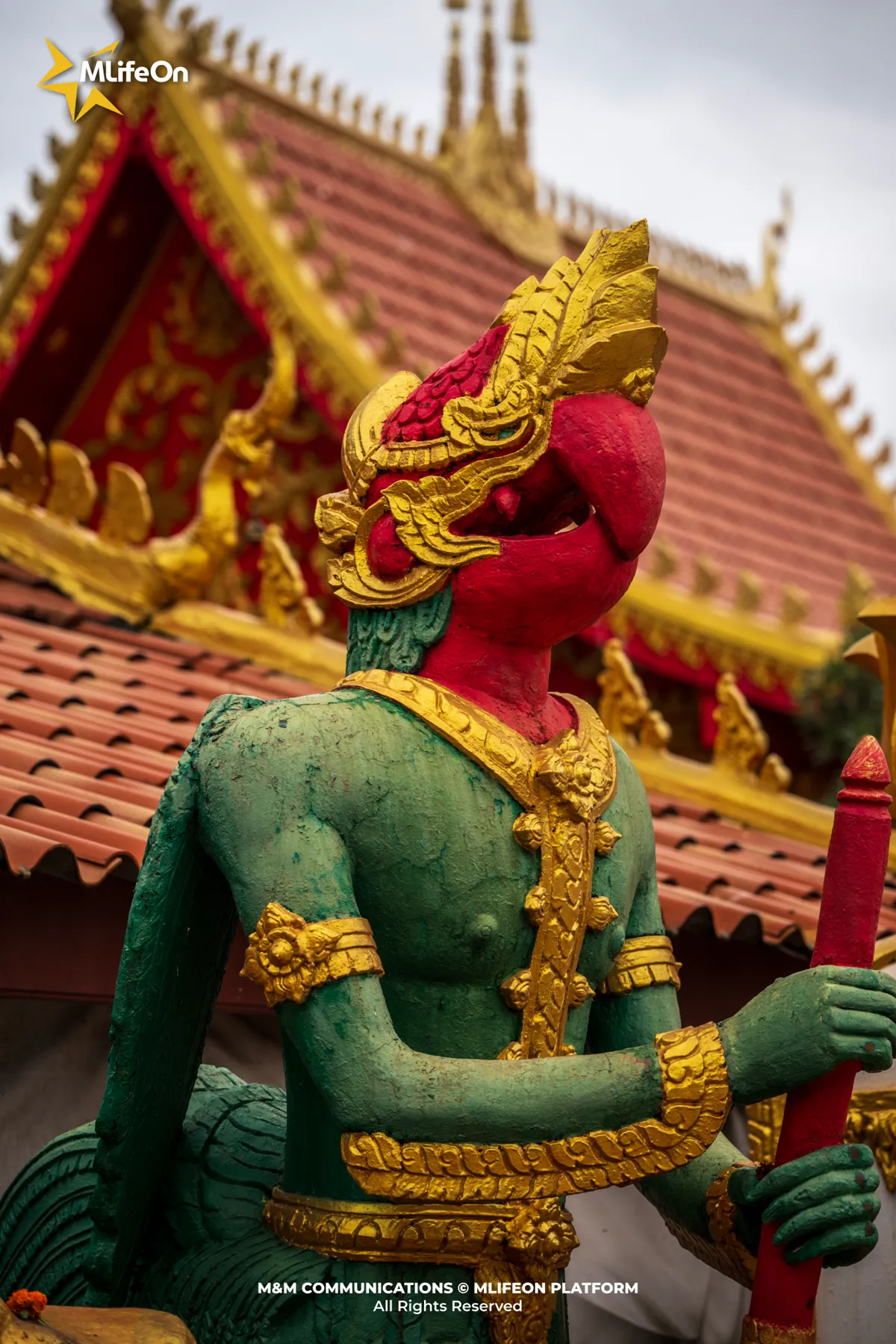
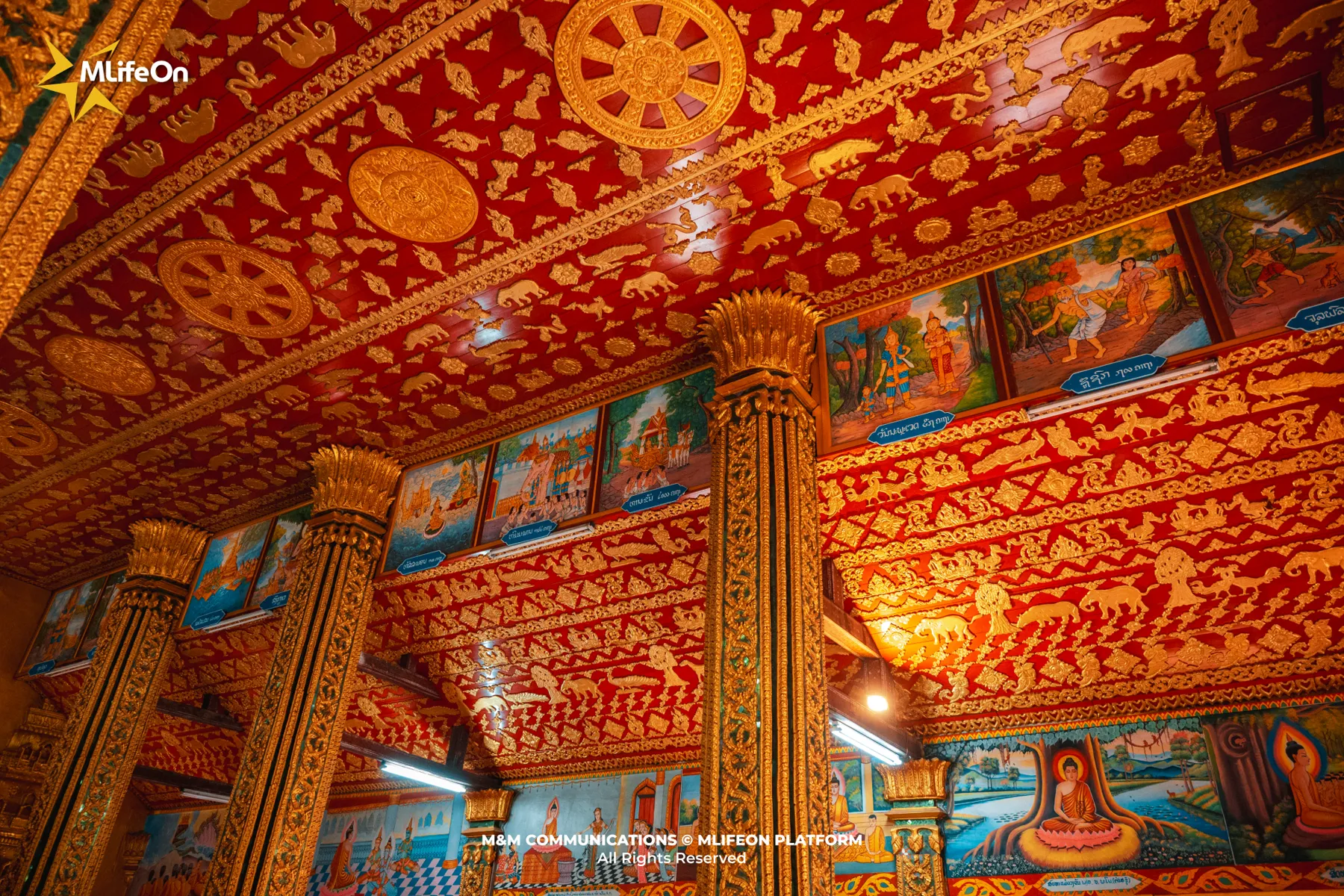
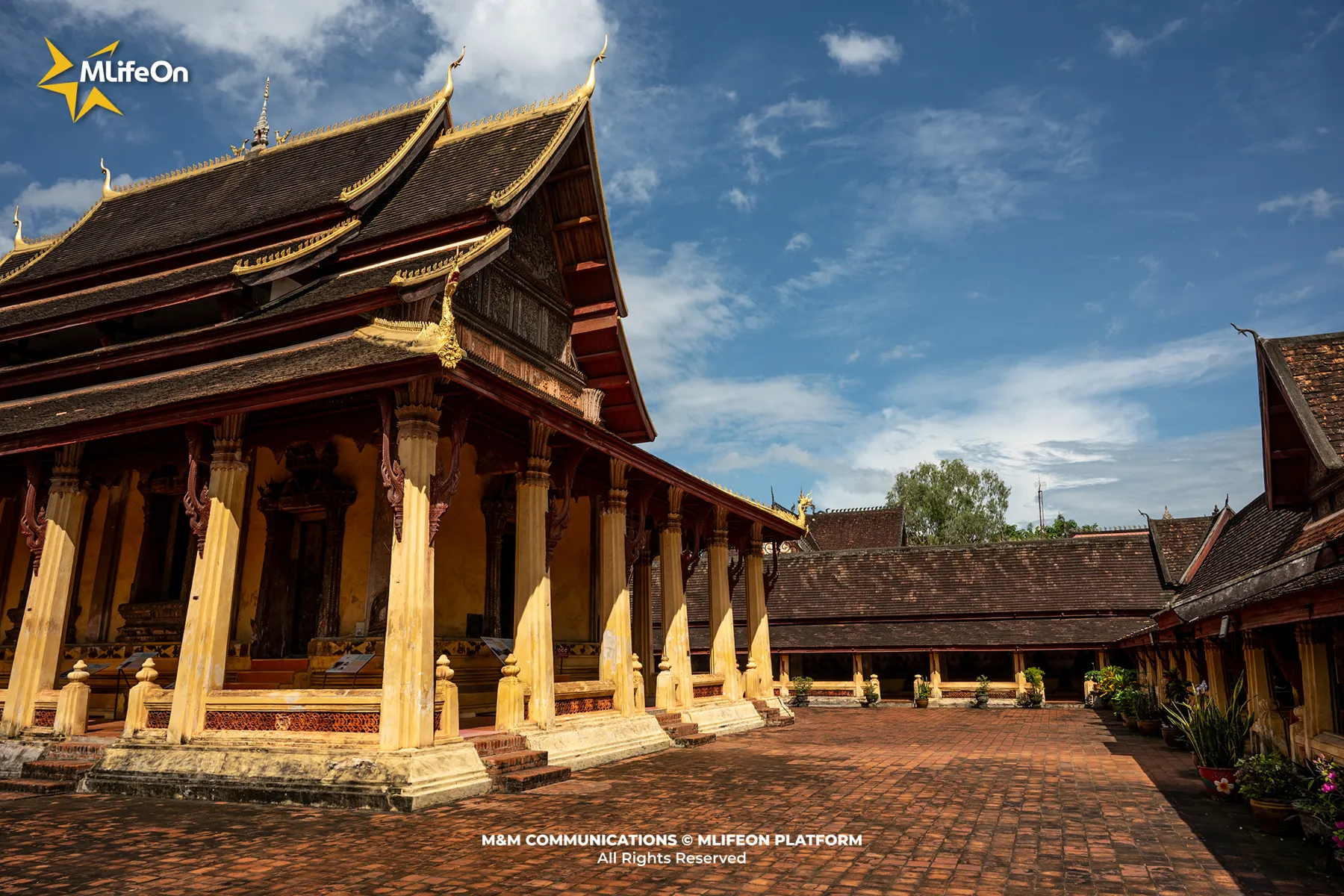
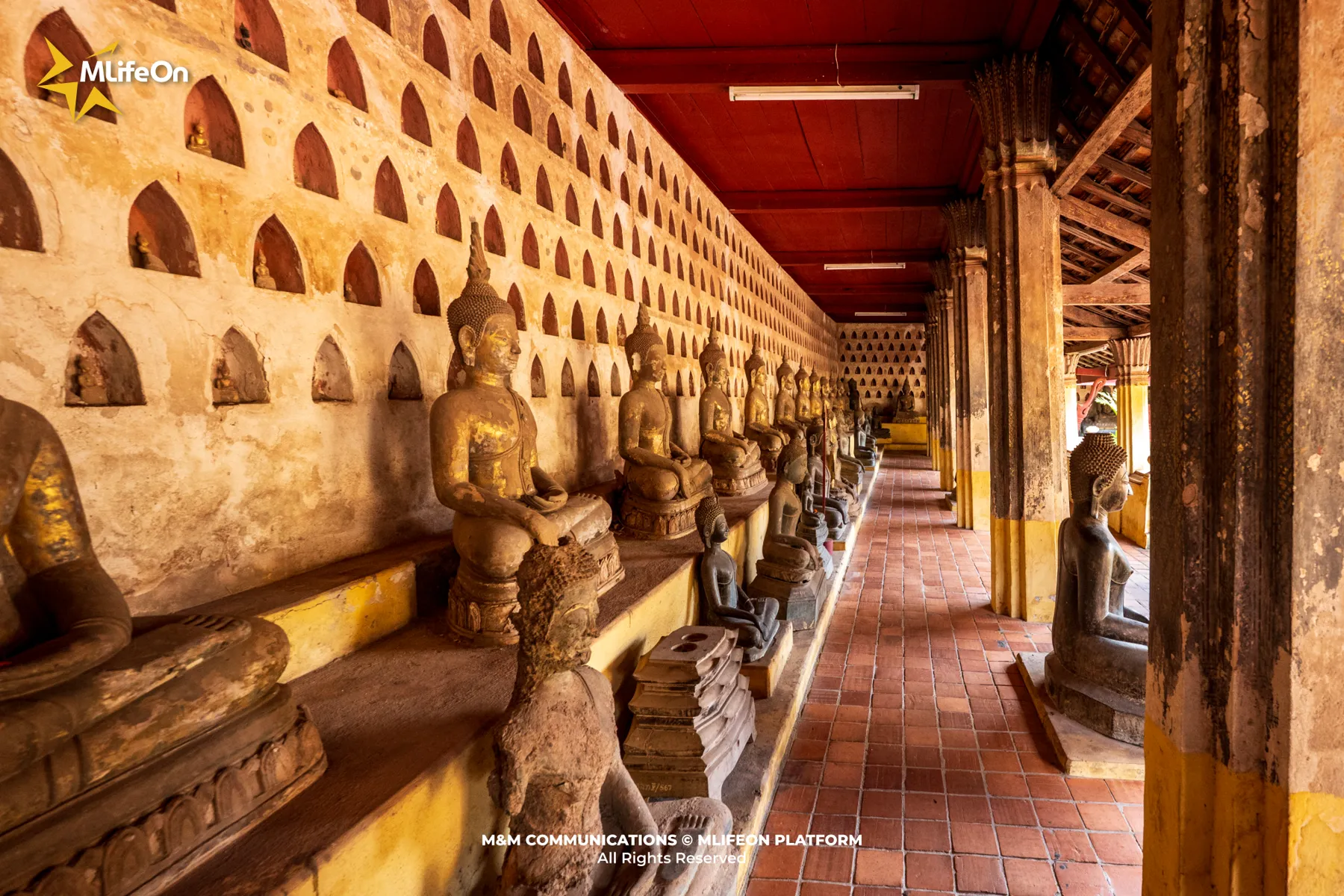
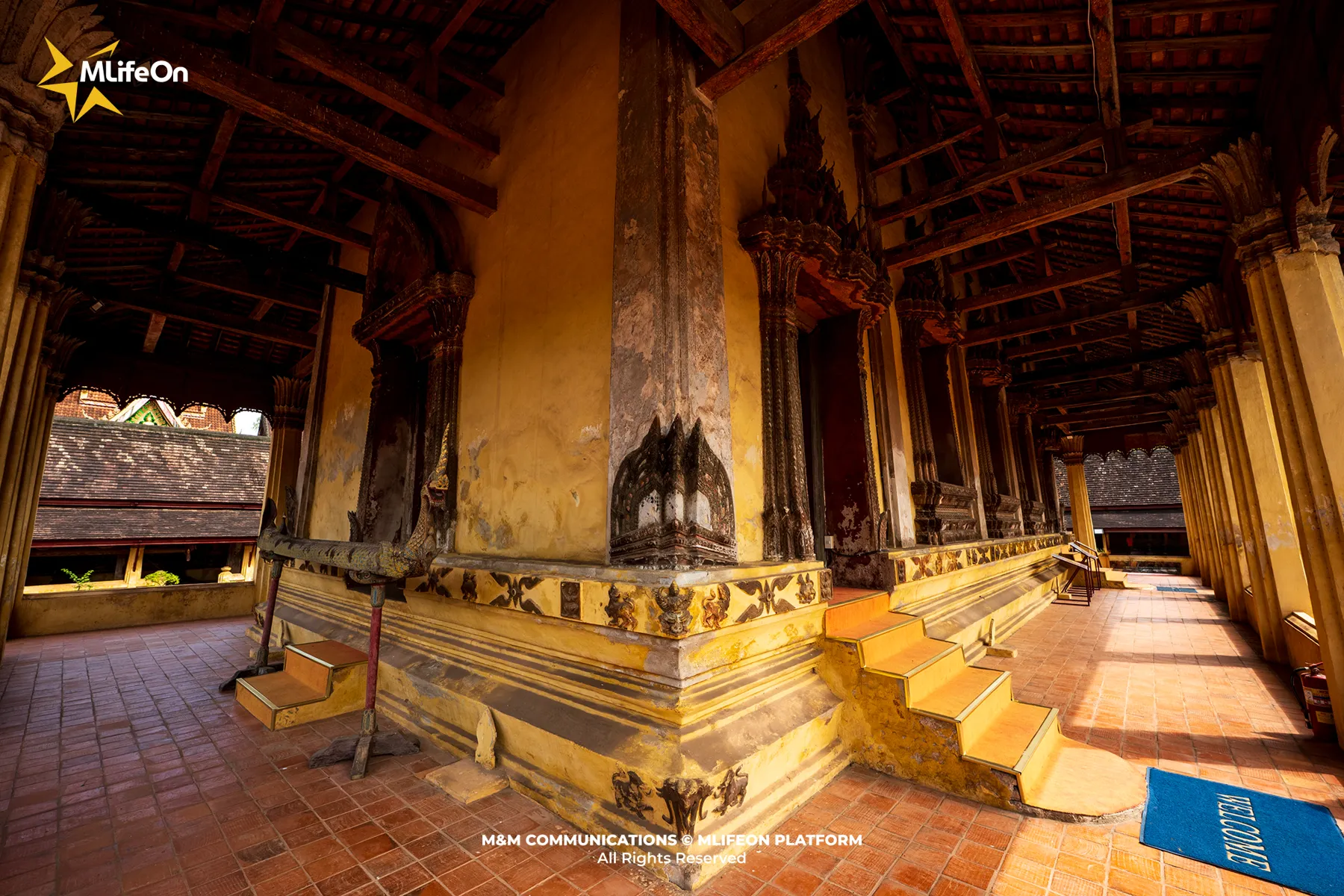
Wat Si Saket, with its thousands of miniature Buddha statues lining the cloisters, offers a deeply contemplative atmosphere. It is a place meant for slow walking and quiet observation, rather than hurried sightseeing.
A gentle spiritual itinerary for Tet 2026
A Tet journey in Laos does not need to include too many destinations. Combining Luang Prabang and Vientiane allows travelers to experience two distinct expressions of Lao spirituality.
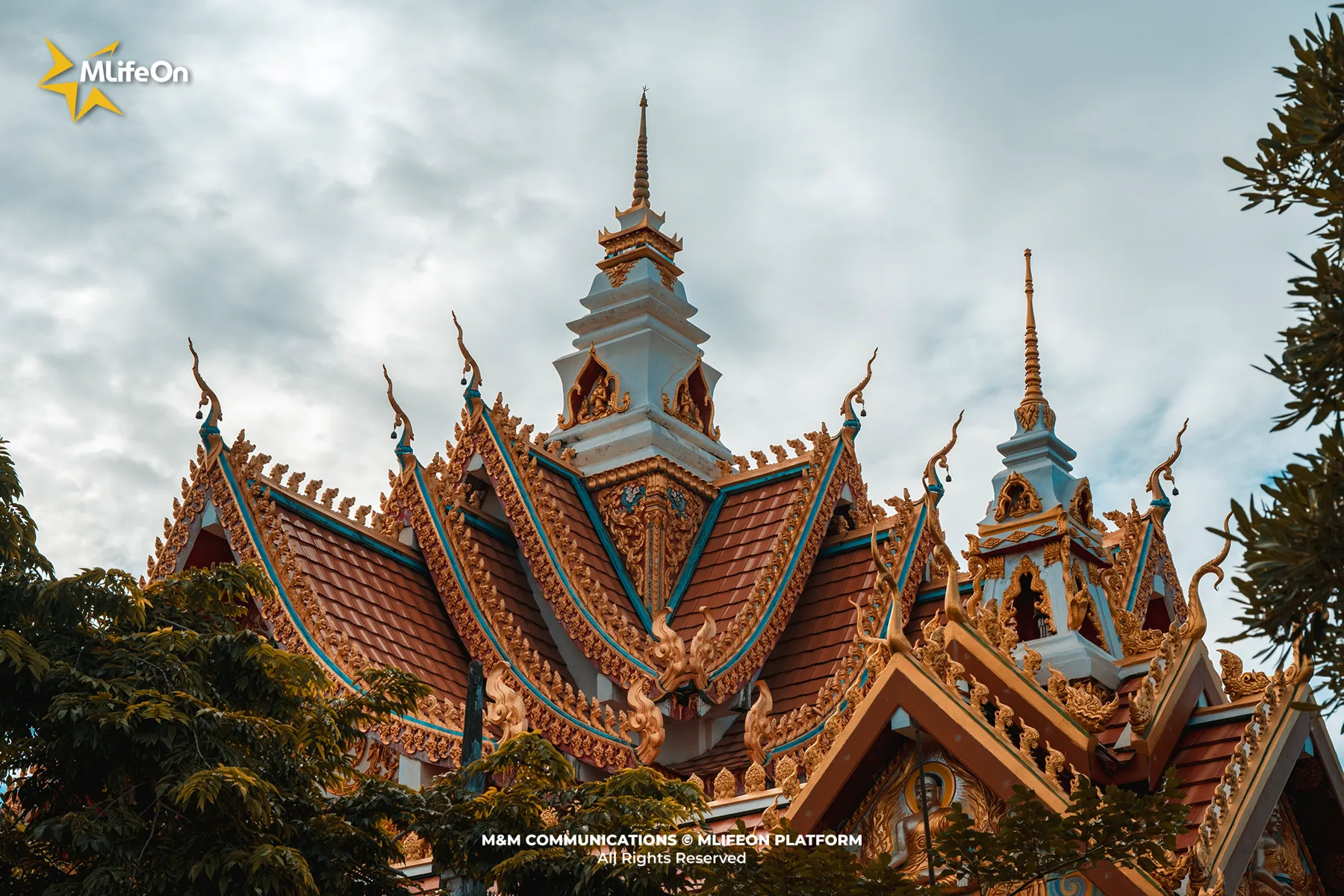
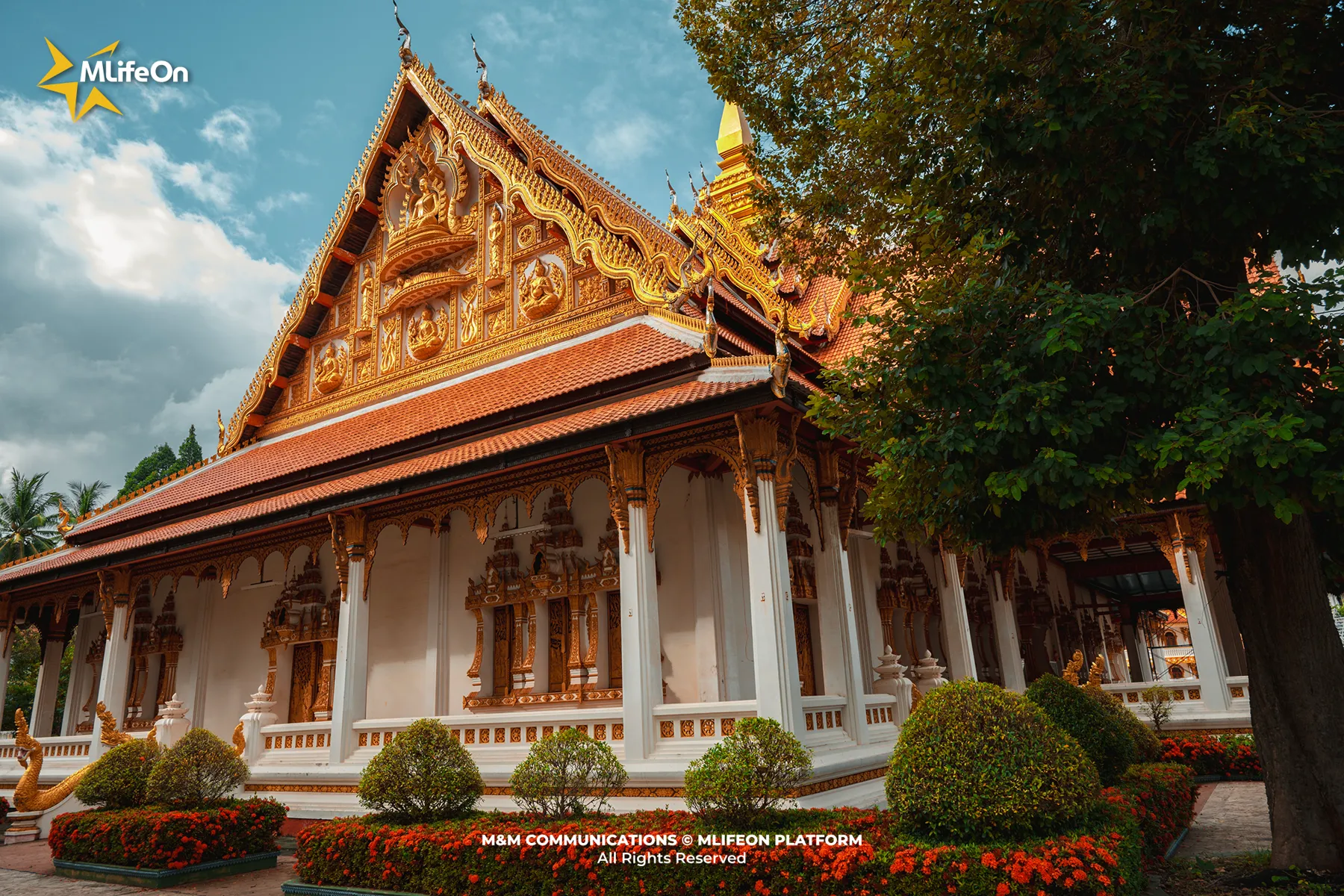
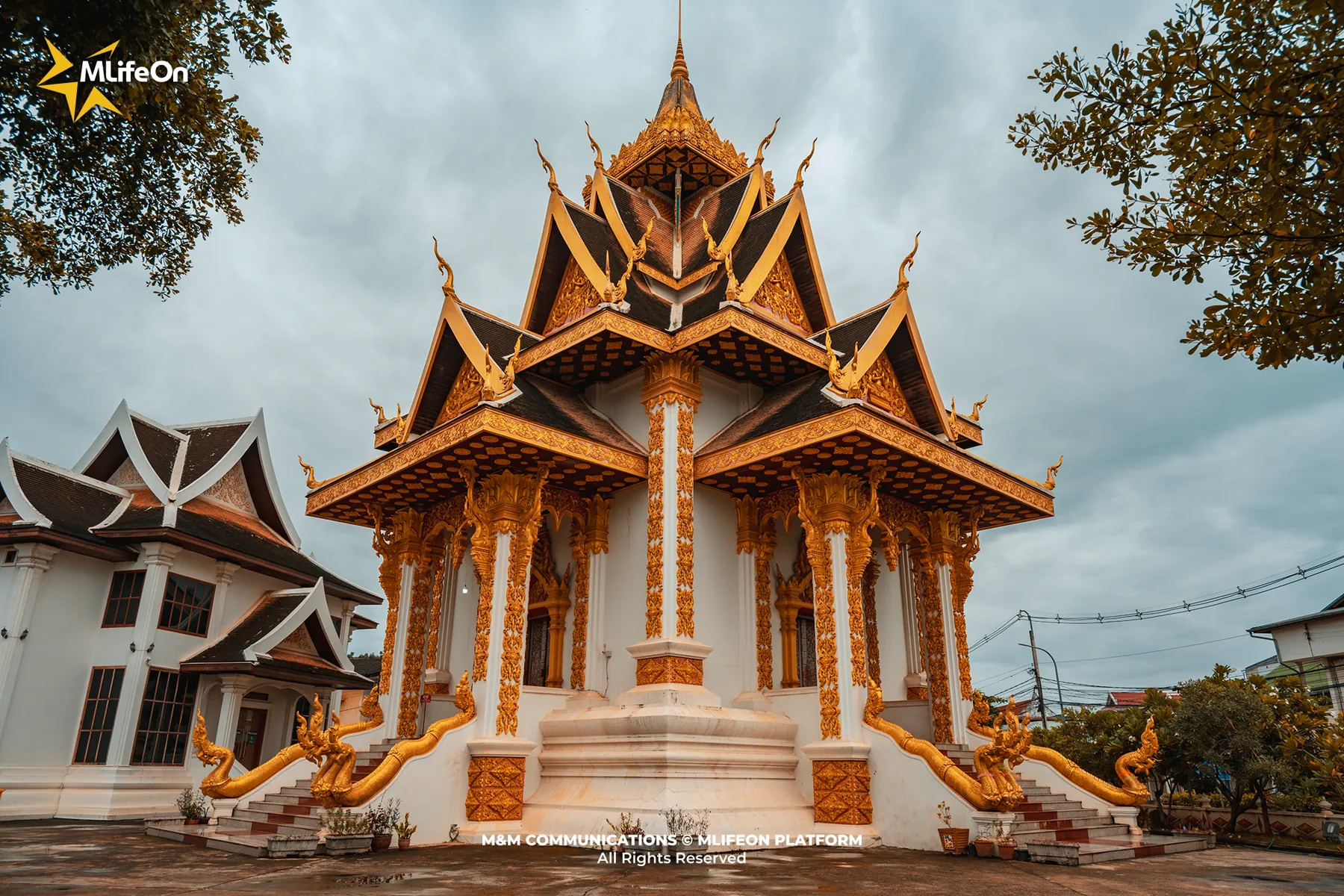
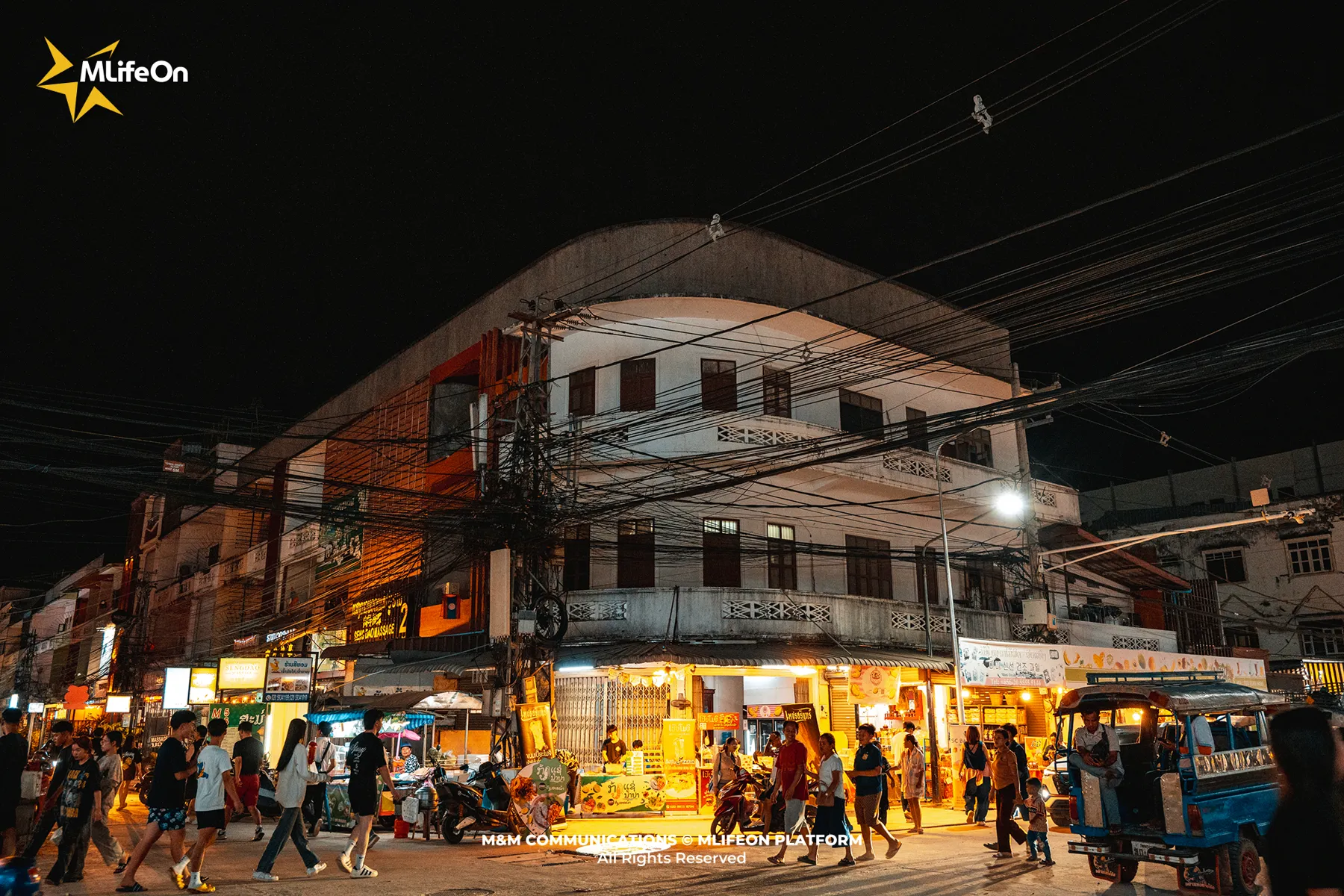
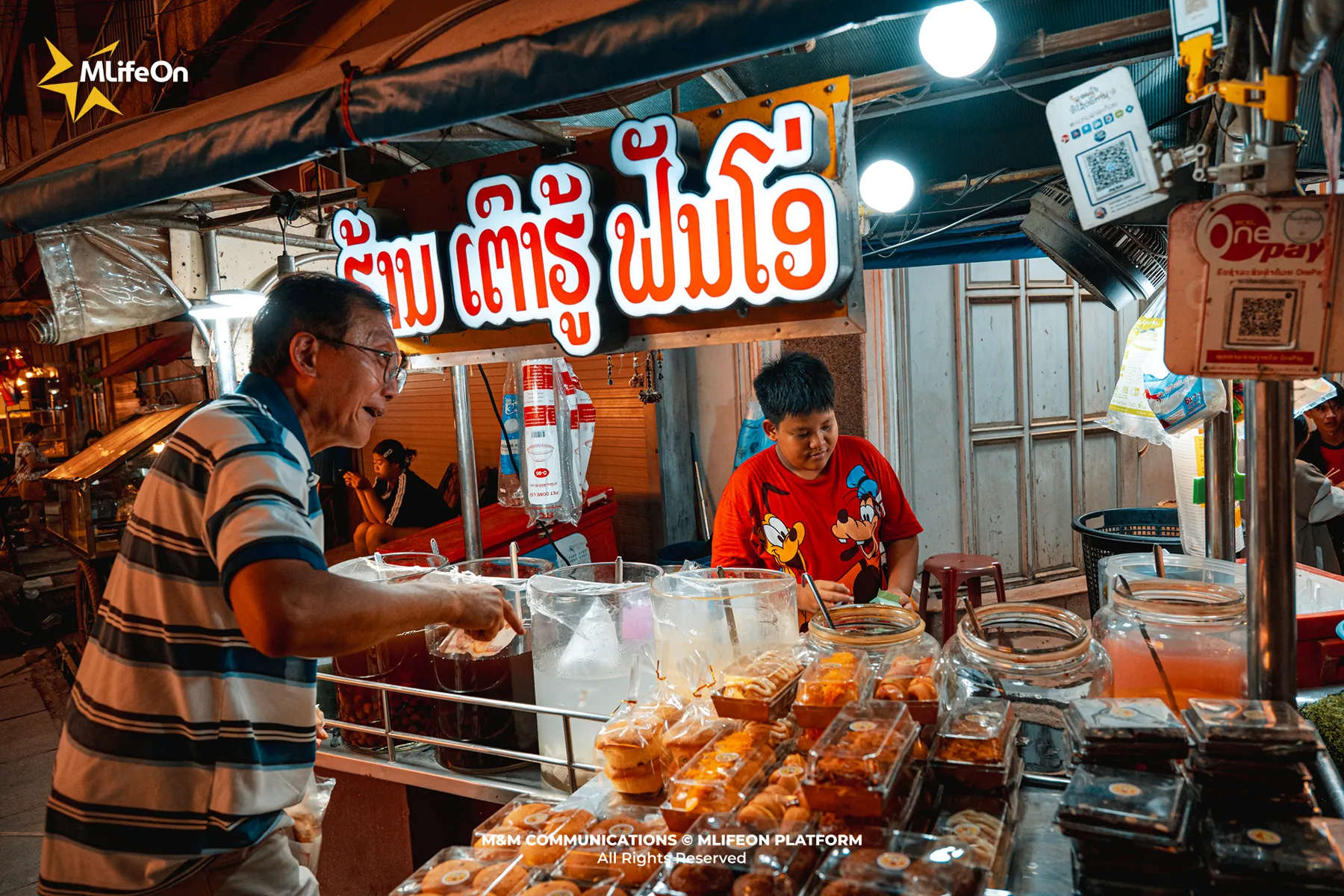
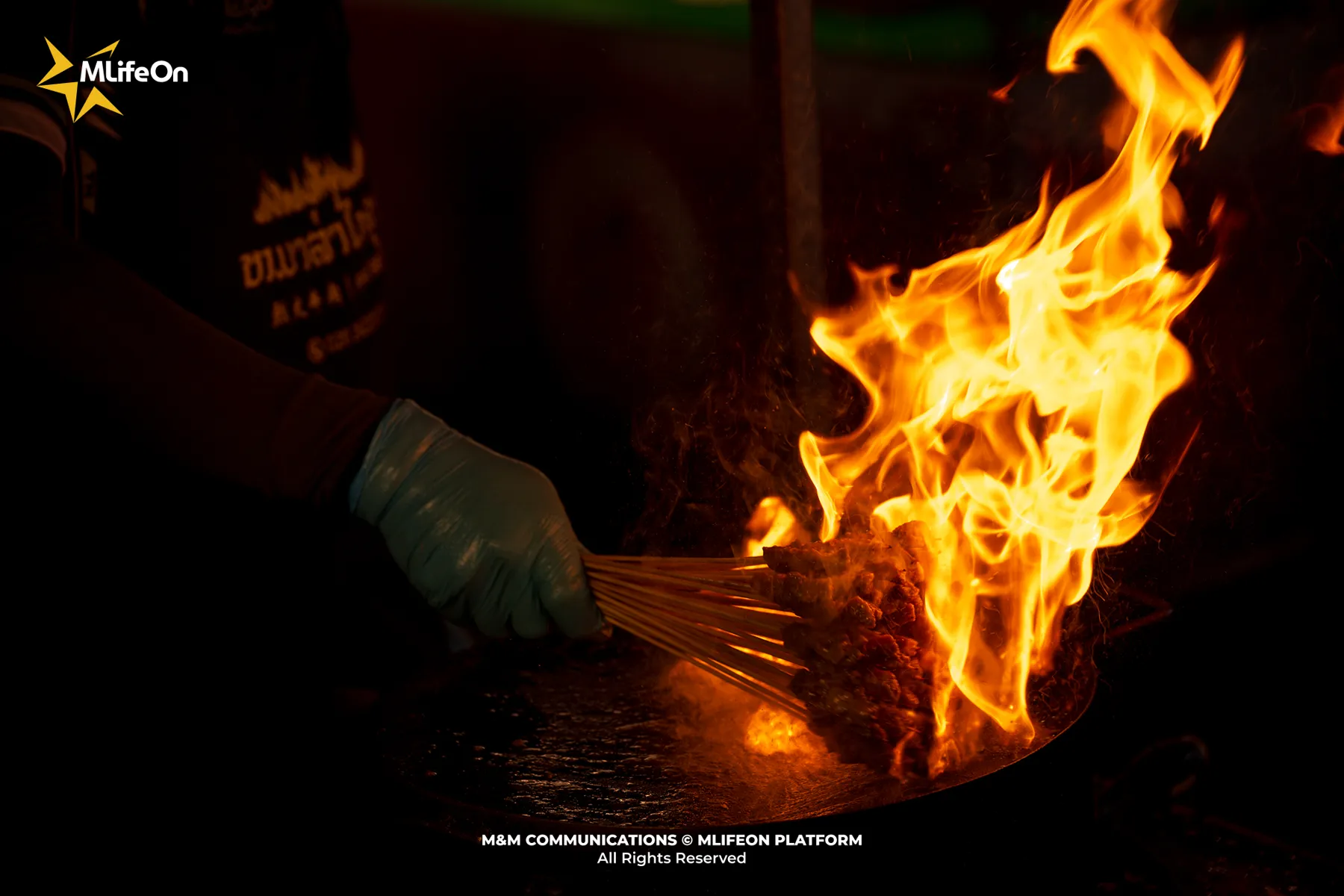
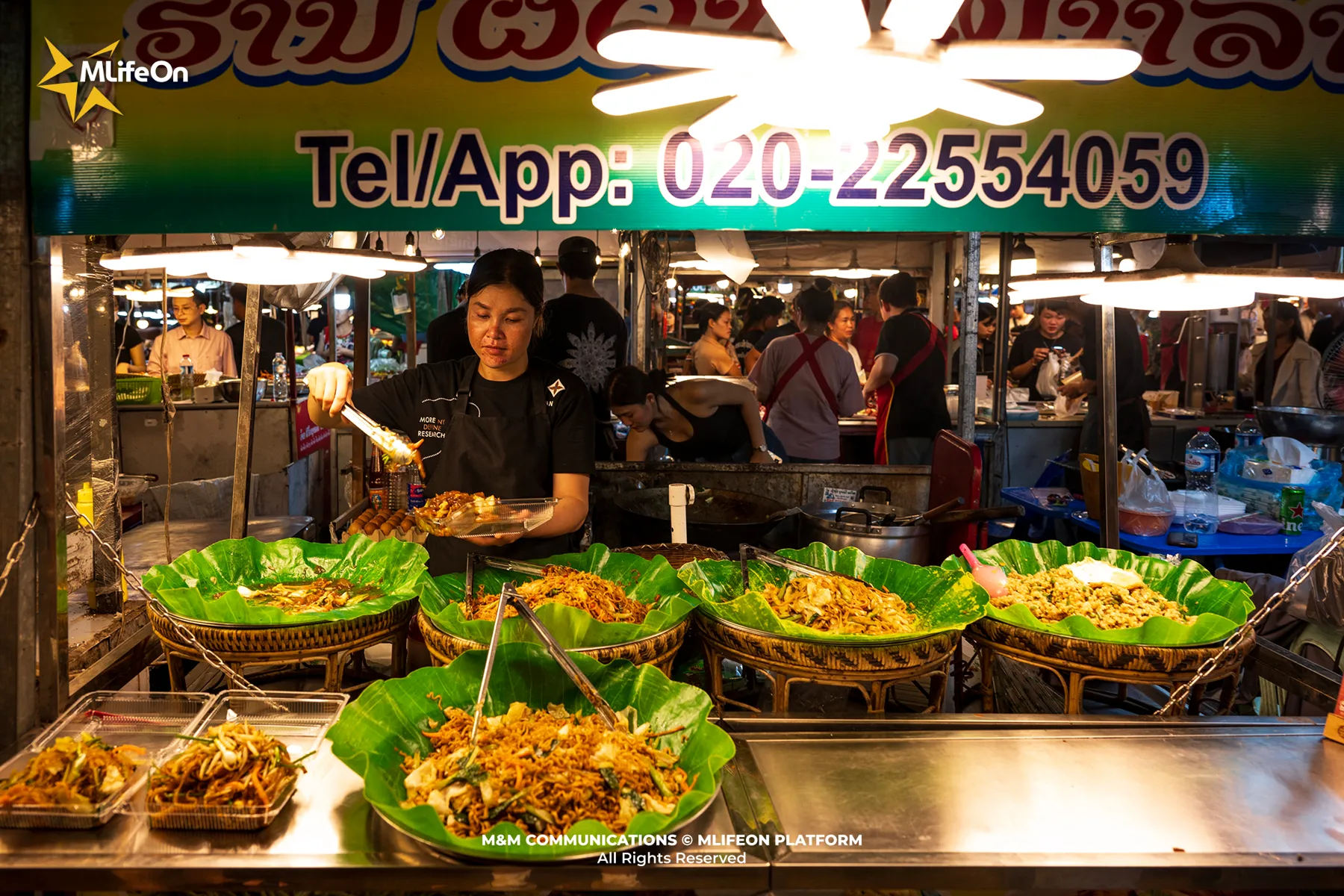
Days can be spent visiting temples and exploring at an unhurried pace. In the evenings, travelers can wander night markets, sample local street food, and observe everyday life. This balance between spiritual reflection, rest, and cultural experience creates a Tet journey that feels grounded and restorative.
Conclusion
Ancestral worship and spiritual belief in Laos are understated and deeply integrated into daily life. Rather than standing apart from ordinary routines, they exist naturally within everyday spaces and practices. Traveling to Laos during Tet 2026 is not just a holiday, it is an opportunity to reconnect with a slower, deeper, and more peaceful rhythm for the beginning of a new year.
—---------
CREDIT:
- Photography: Luan Nguyen
- Content: Hoài Hà
- Design: Phuong Nguyen