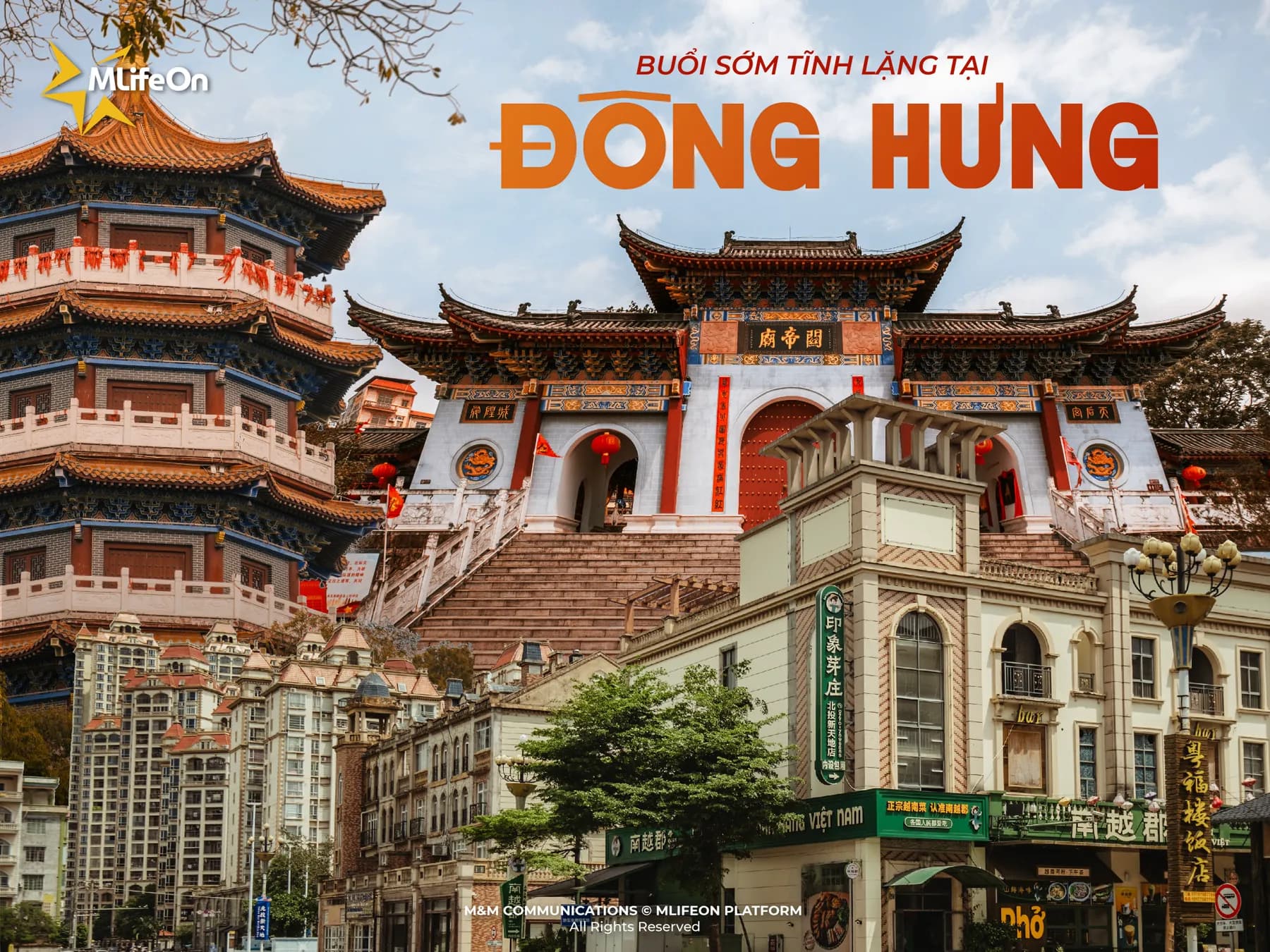
A morning in Dongxing
Dongxing is an important border city of Guangxi, China, located directly across from Móng Cái (Vietnam), separated only by the Beilun River. When people think of Dongxing, they often picture a lively hub of cross-border trade, where Vietnamese and Chinese travelers pass through daily.
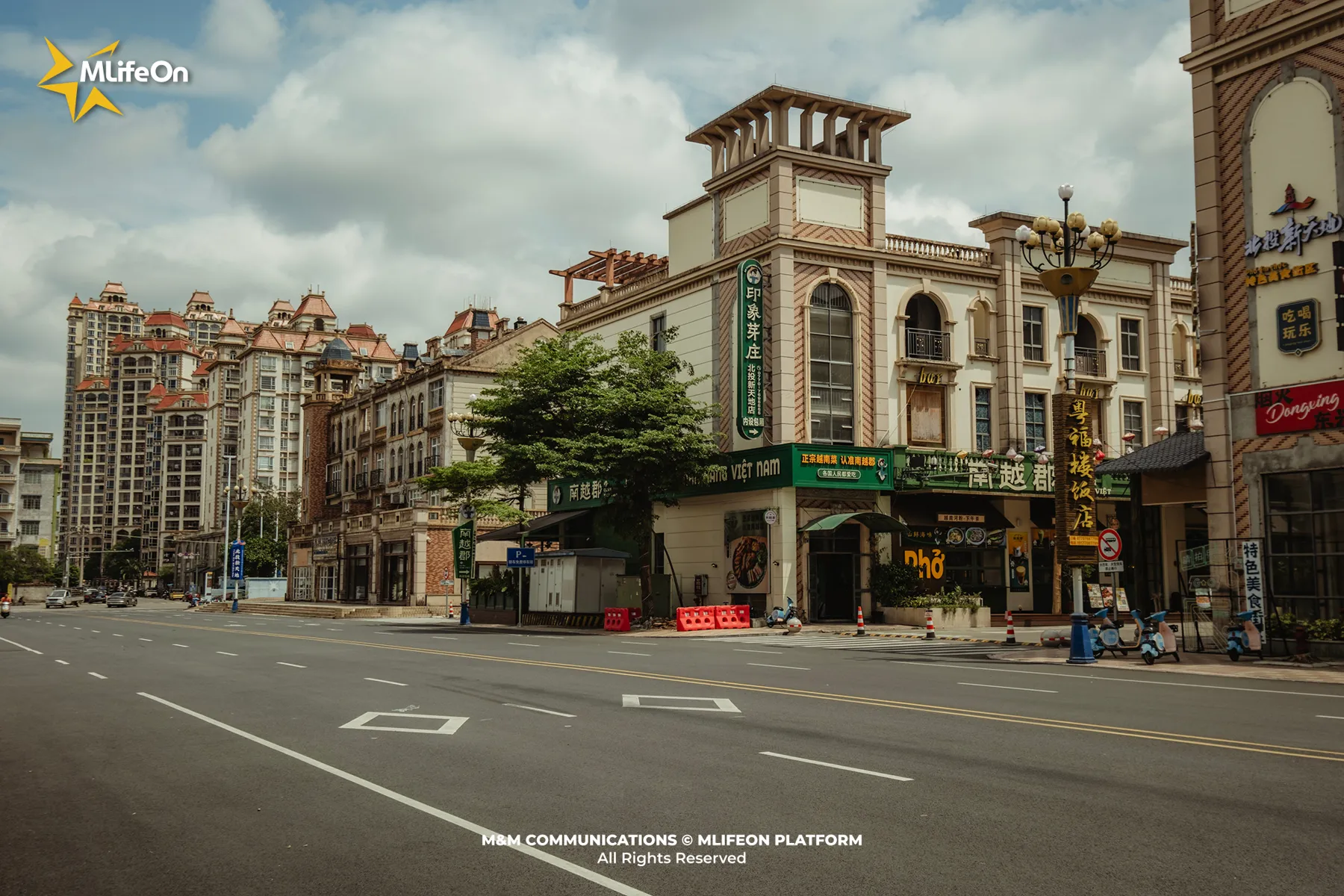
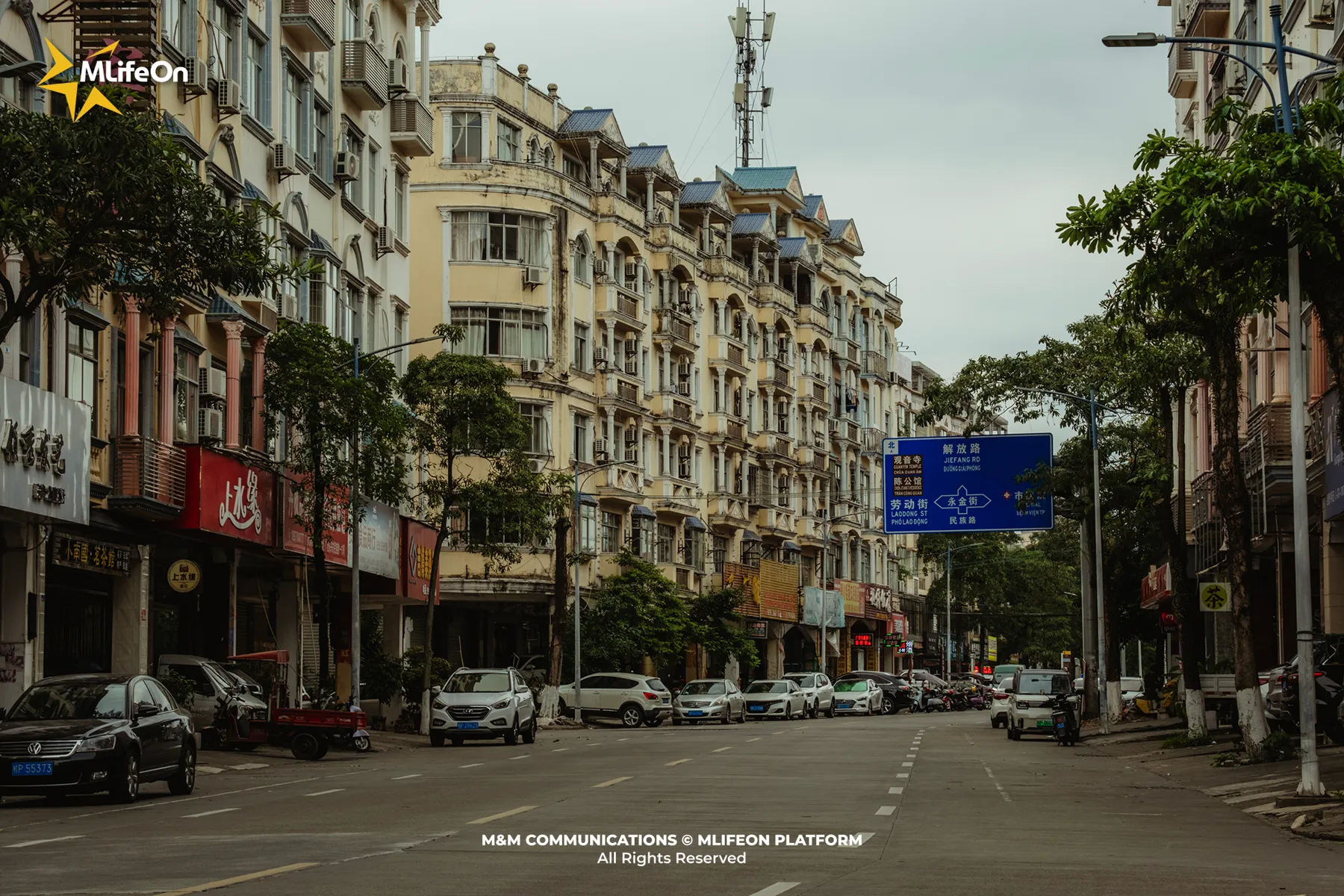
Yet at dawn, the city becomes something entirely different. No motorbikes. No crowds. No merchants rushing about as one might imagine. Only a vast emptiness that makes each footstep sound louder than usual.
The silence isn’t cold - it feels like a pause, a moment of inhaling, as if the city is gathering its energy before another busy day begins.
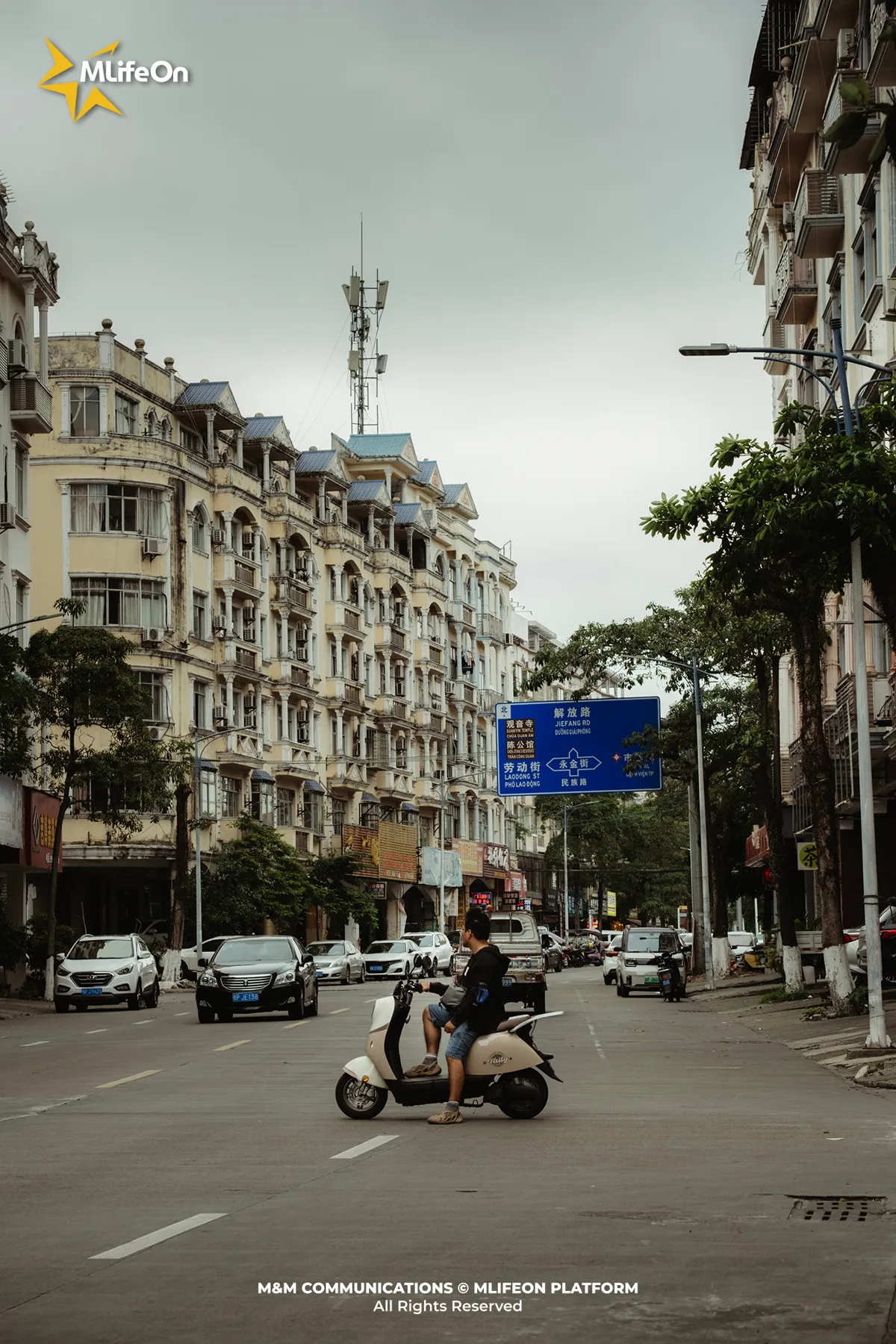
A border city just one step away - Yet a world apart
What’s fascinating is this: just one crossing over the Beilun Bridge and everything changes.
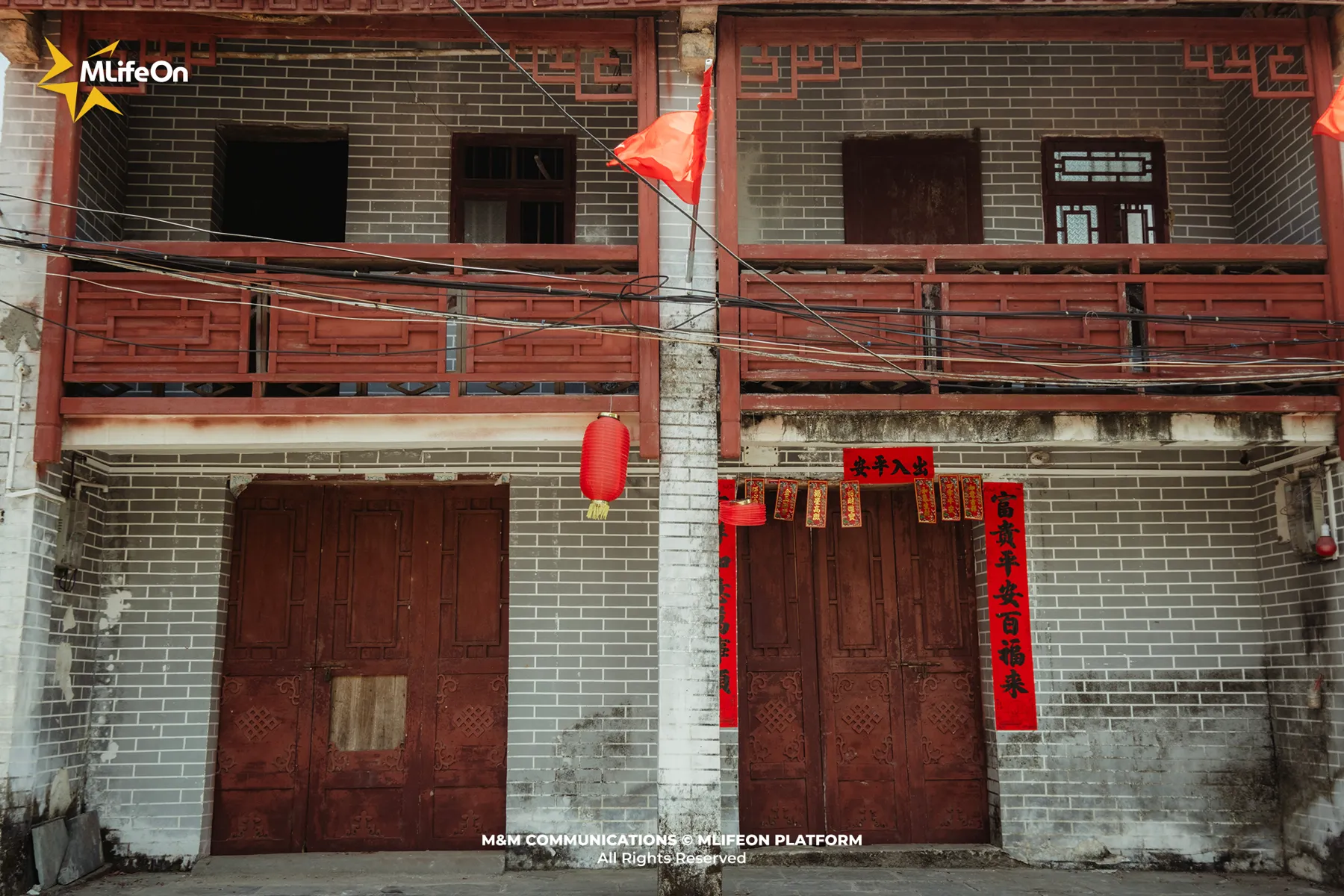
On the Mong Cai side, mornings can already be lively - shops opening, motorbikes humming, people calling out to one another. But the moment you step into Dongxing, the atmosphere shifts. The architecture becomes more geometric, the avenues broader and neatly lined, the trees arranged with deliberate order. Every now and then, rows of old buildings with distinctly Chinese colors appear.
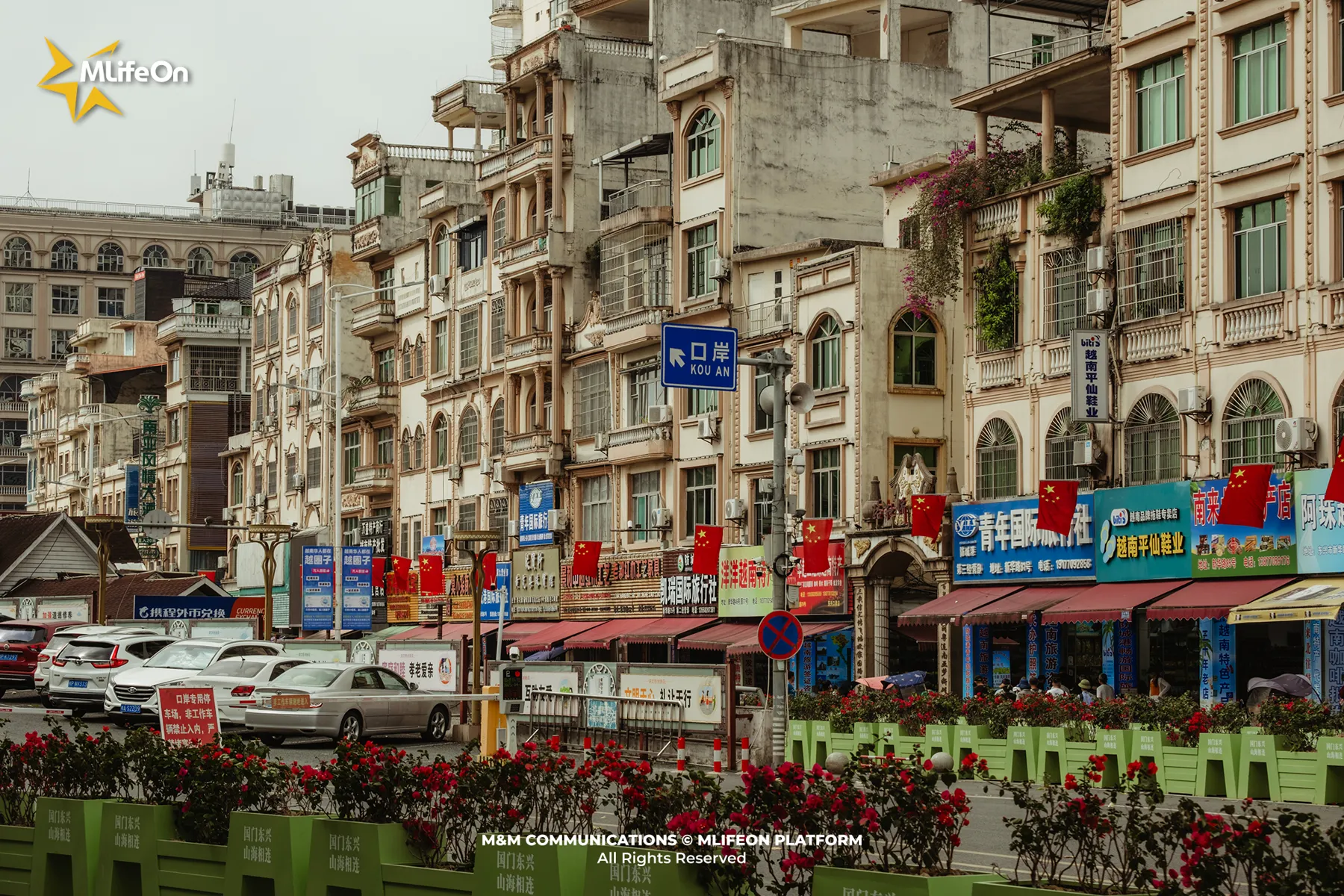
It feels like standing between two worlds separated only by a river. At times familiar, at times distant - like being close enough to touch, yet as far away as a thousand kilometers.
Dongxing carries that duality: familiar yet foreign, drawing travelers to pause and look more closely.
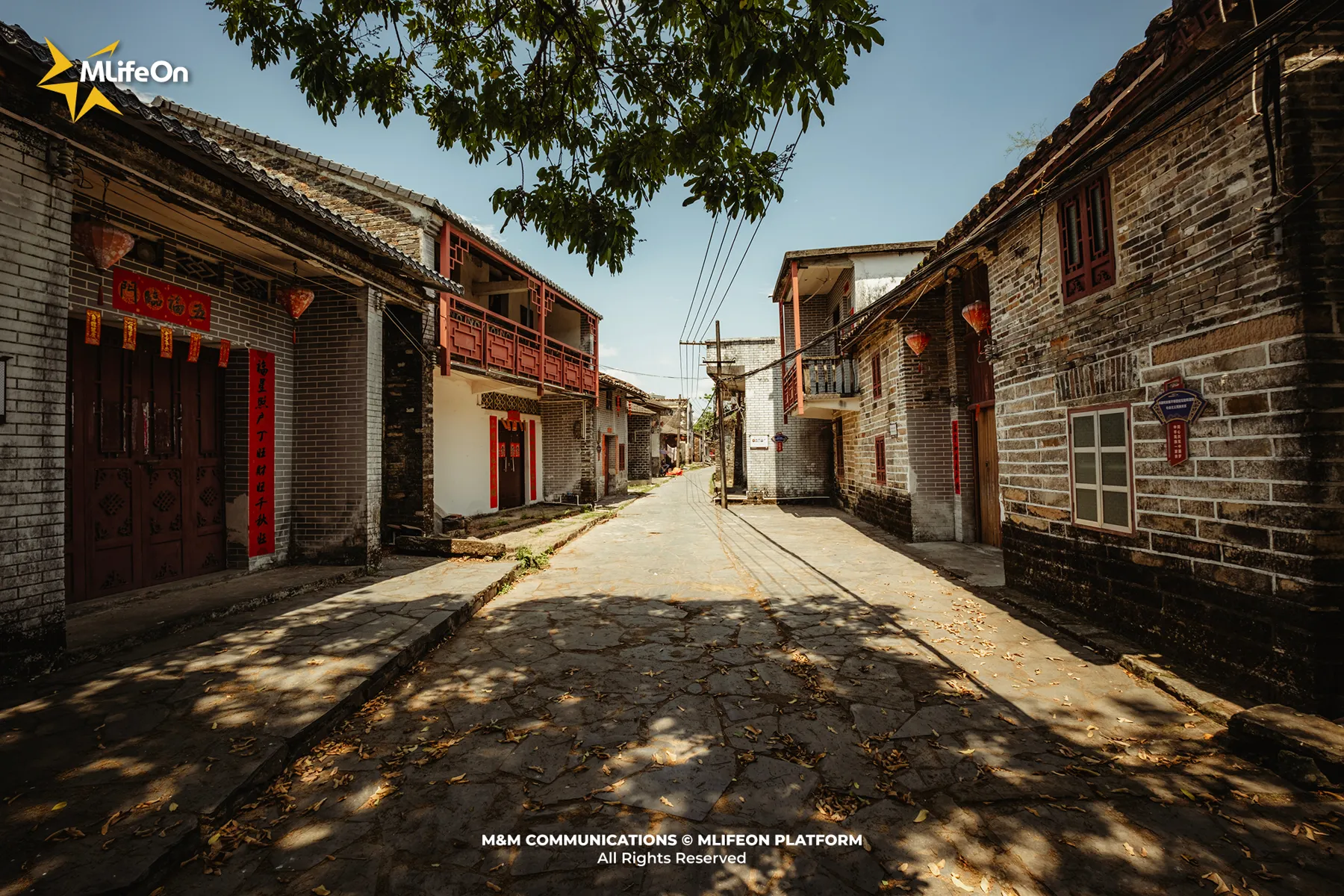
The Wenchang tower - A historical accent in a modern city
A visit to Dongxing wouldn’t be complete without seeing the Wenchang Tower (also known as Wanchang Tower), one of the city’s iconic architectural landmarks. Located in the China - Vietnam Friendship park near the Beilun river, it is a favorite check-in spot for visitors.
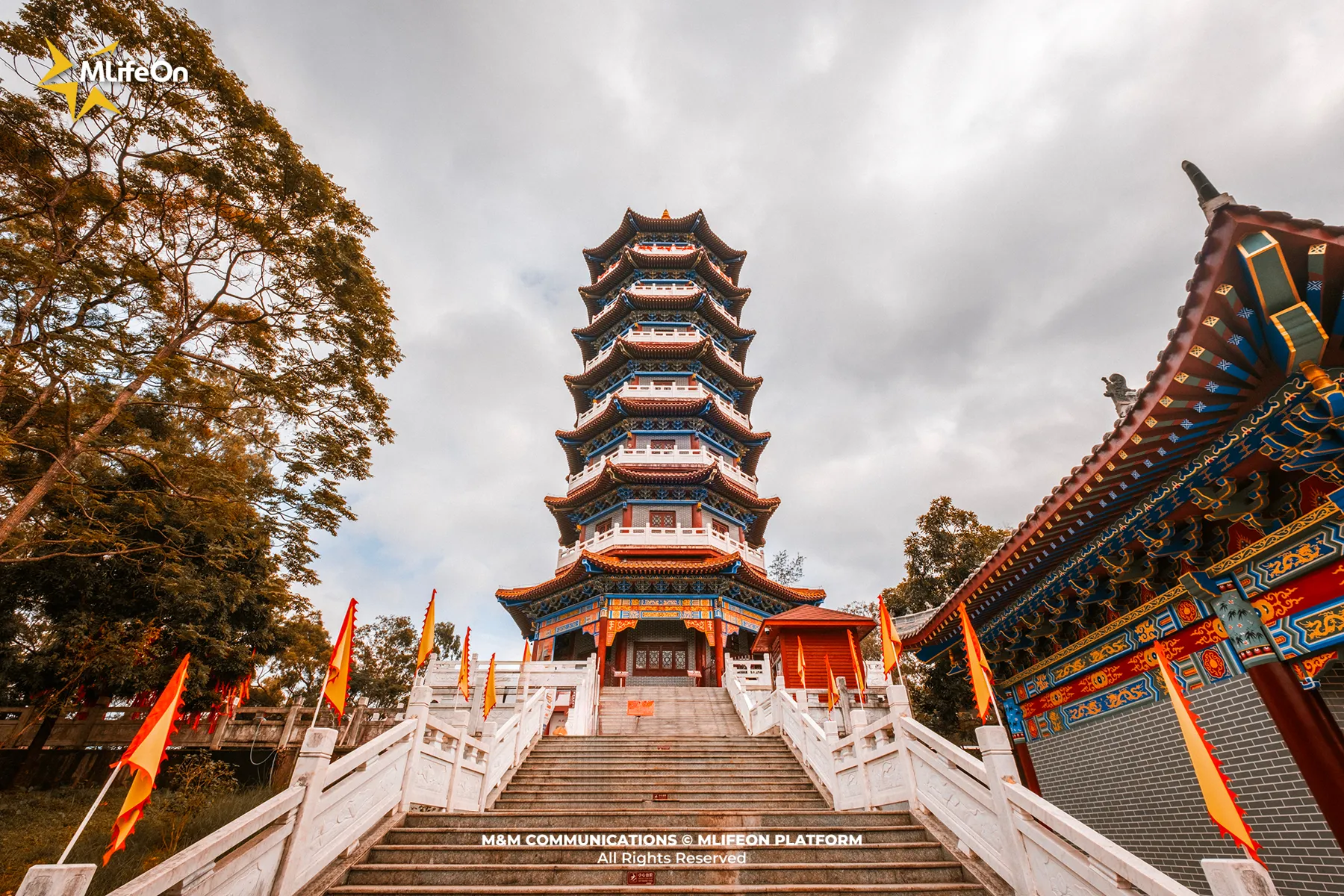
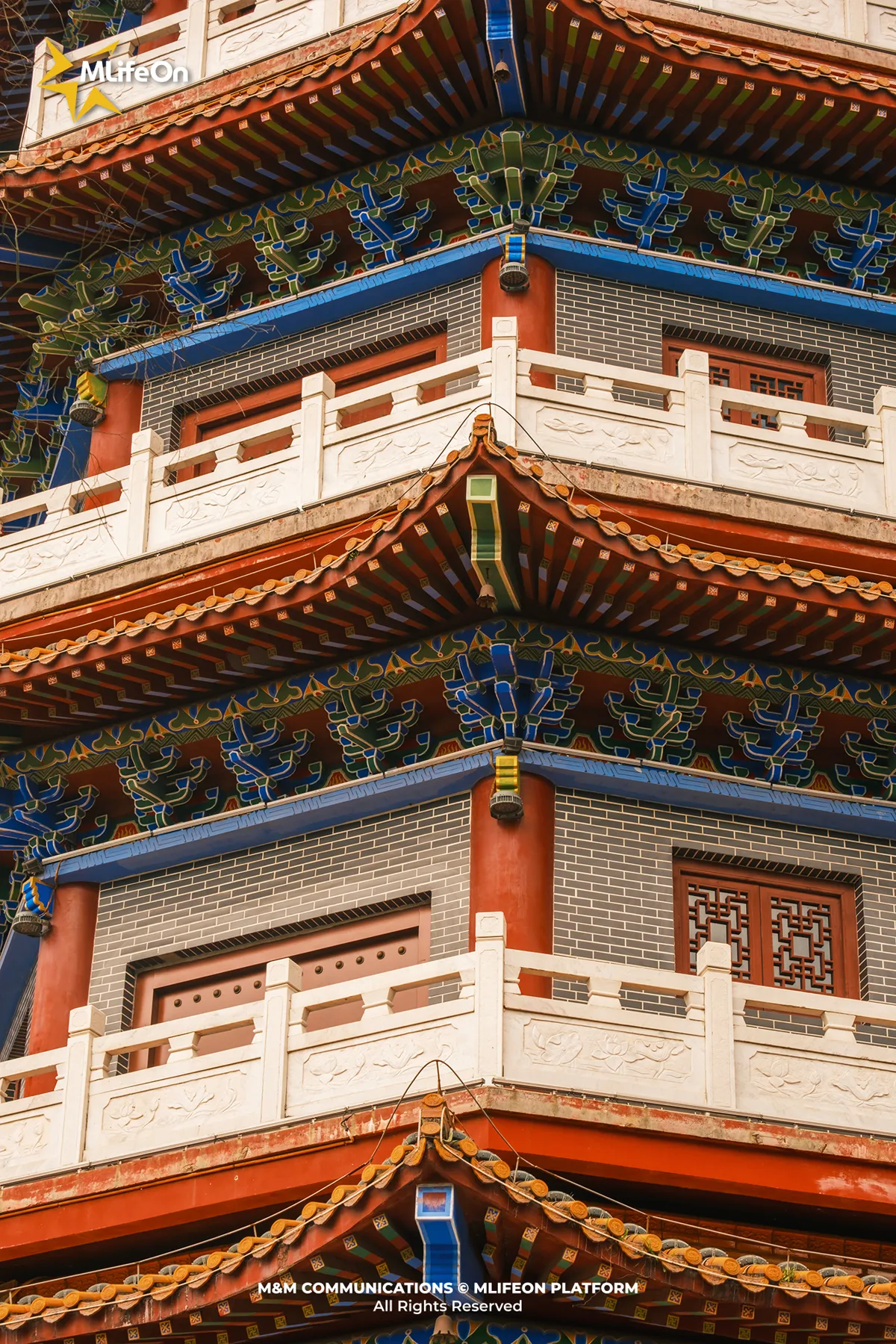
The tower, with its seven octagonal tiers and layered eaves resembling folds of time, stands quietly against the pale morning sky. Though modest in scale, the sight evokes the feeling of entering a different Dongxing - one with deeper history and softer echoes.
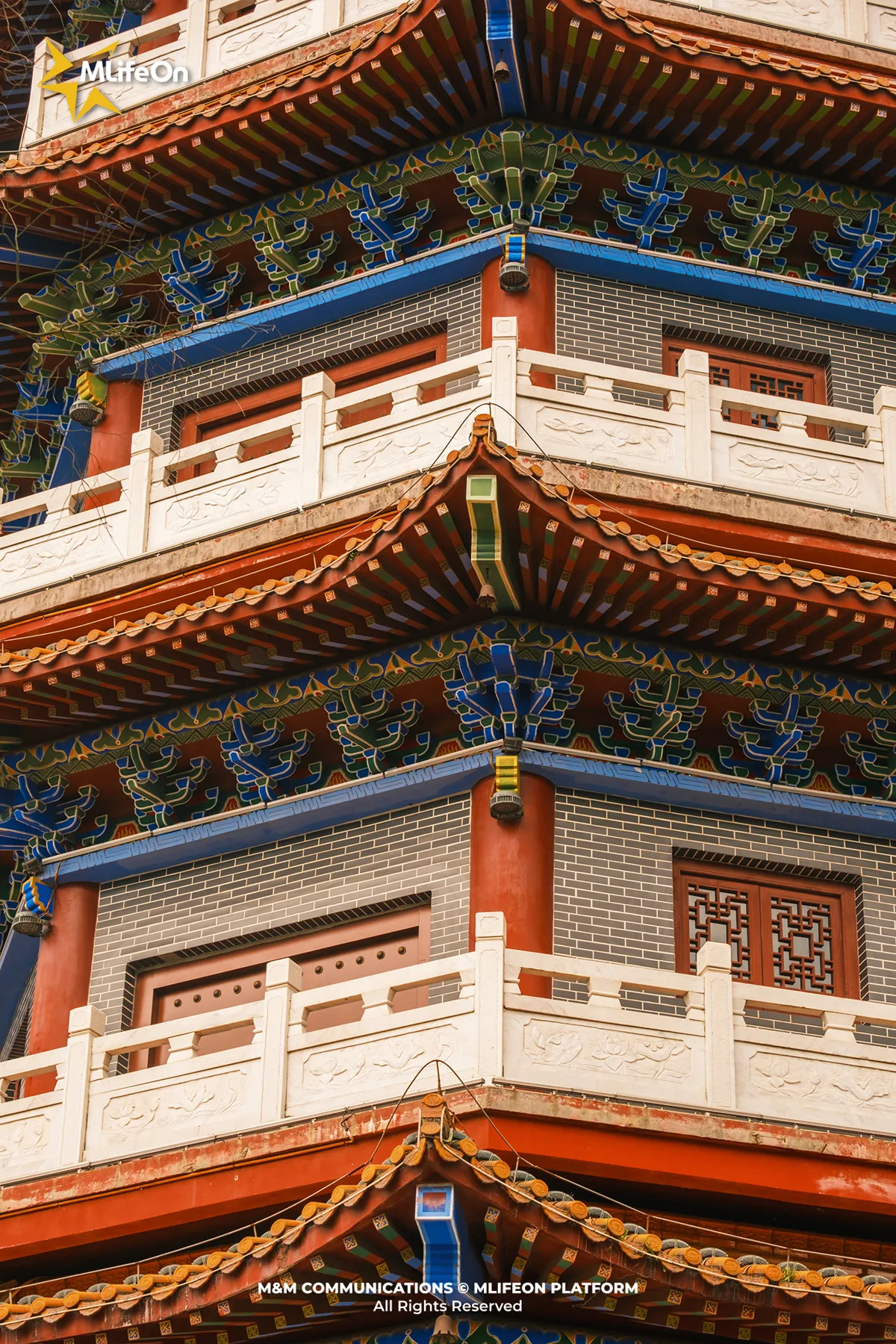
In Chinese culture, the Wenchang Tower symbolizes wisdom, learning, and prosperity. Perhaps that is why, when seen in the stillness of dawn, it feels as though the tower is telling another story - one about time, heritage, and values that withstand the rush of modern life.
At that moment, the city ceases to be a bustling trade center. Dongxing becomes a place with depth, memory, and a quiet solemnity that invites reflection.
The Guan Di Temple - Nearly 200 years of heritage
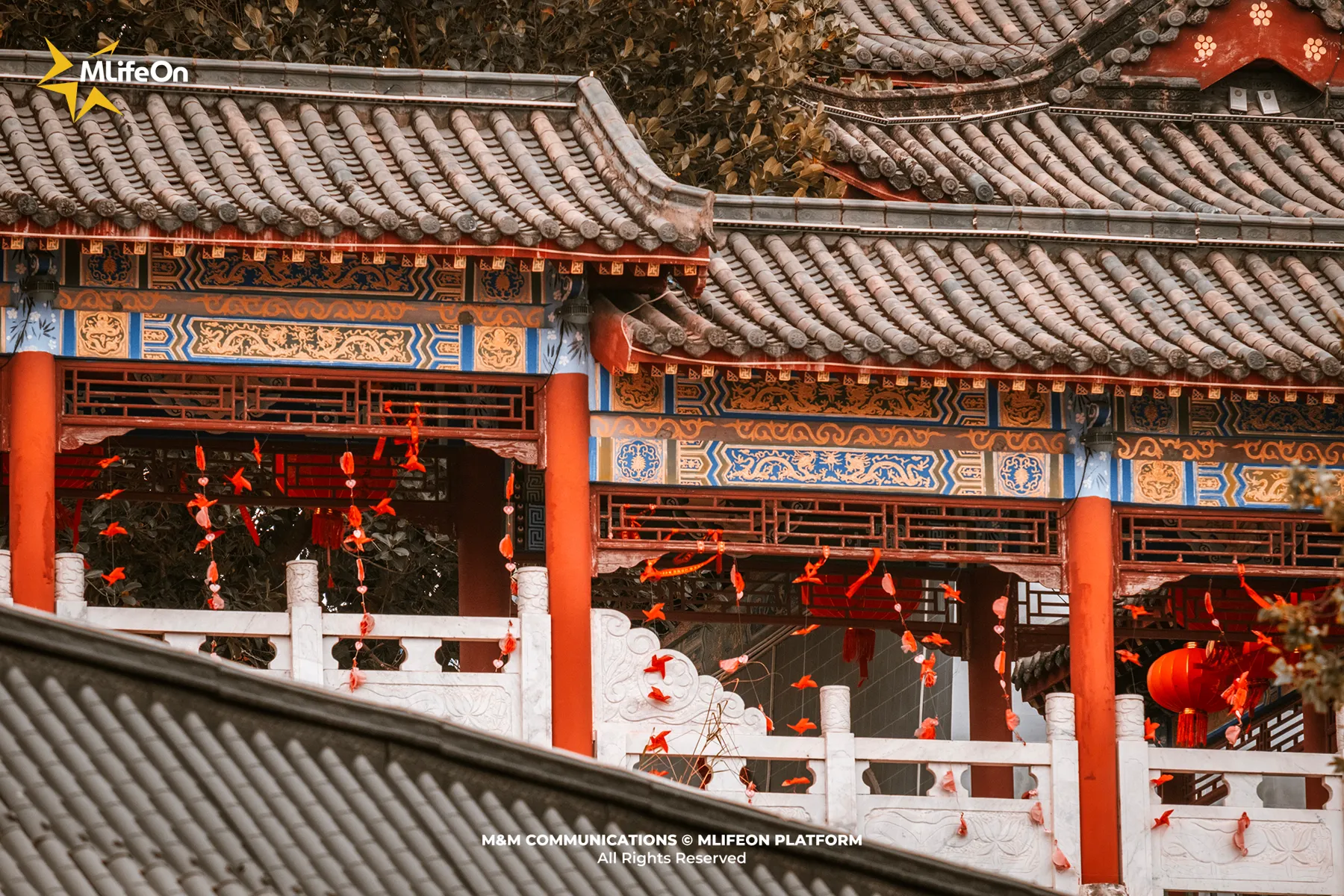
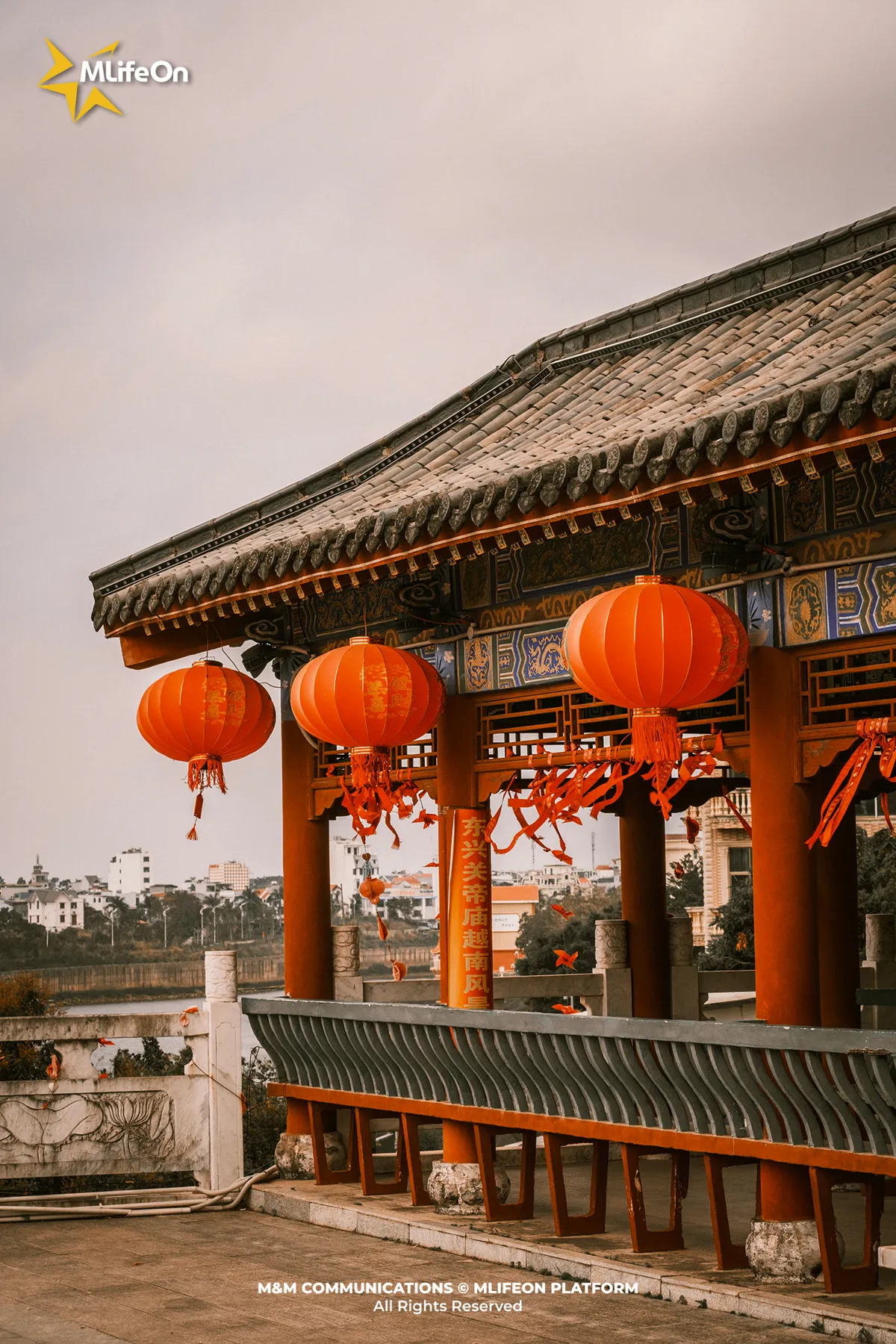
A short walk from the Wenchang Tower brings you to the Guan Di Temple, its red and gold colors standing out as symbols of faith, righteousness, and loyalty. The temple is dedicated to Guan Yu, a renowned general in Chinese history, and has stood for nearly two centuries.
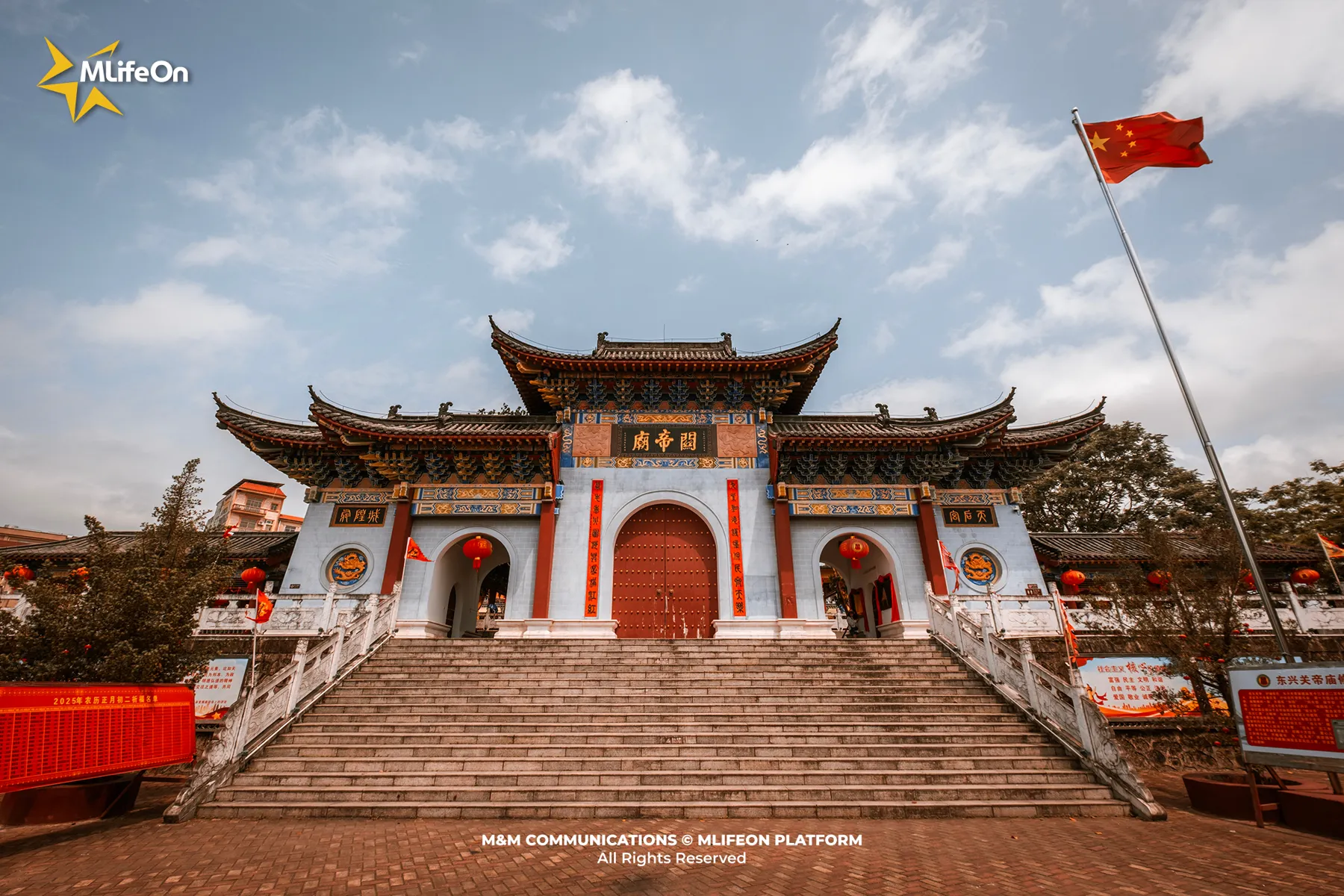
Though not large, the moment you stand before its gate, a sense of reverence quietly settles in.
Inside, the scent of incense hangs lightly, slowing time down. The sharp winds outside seem to fade; so do the worries of the journey. In the statues and carved patterns, one can see part of the Chinese cultural soul - respect for loyalty, integrity, and honor.
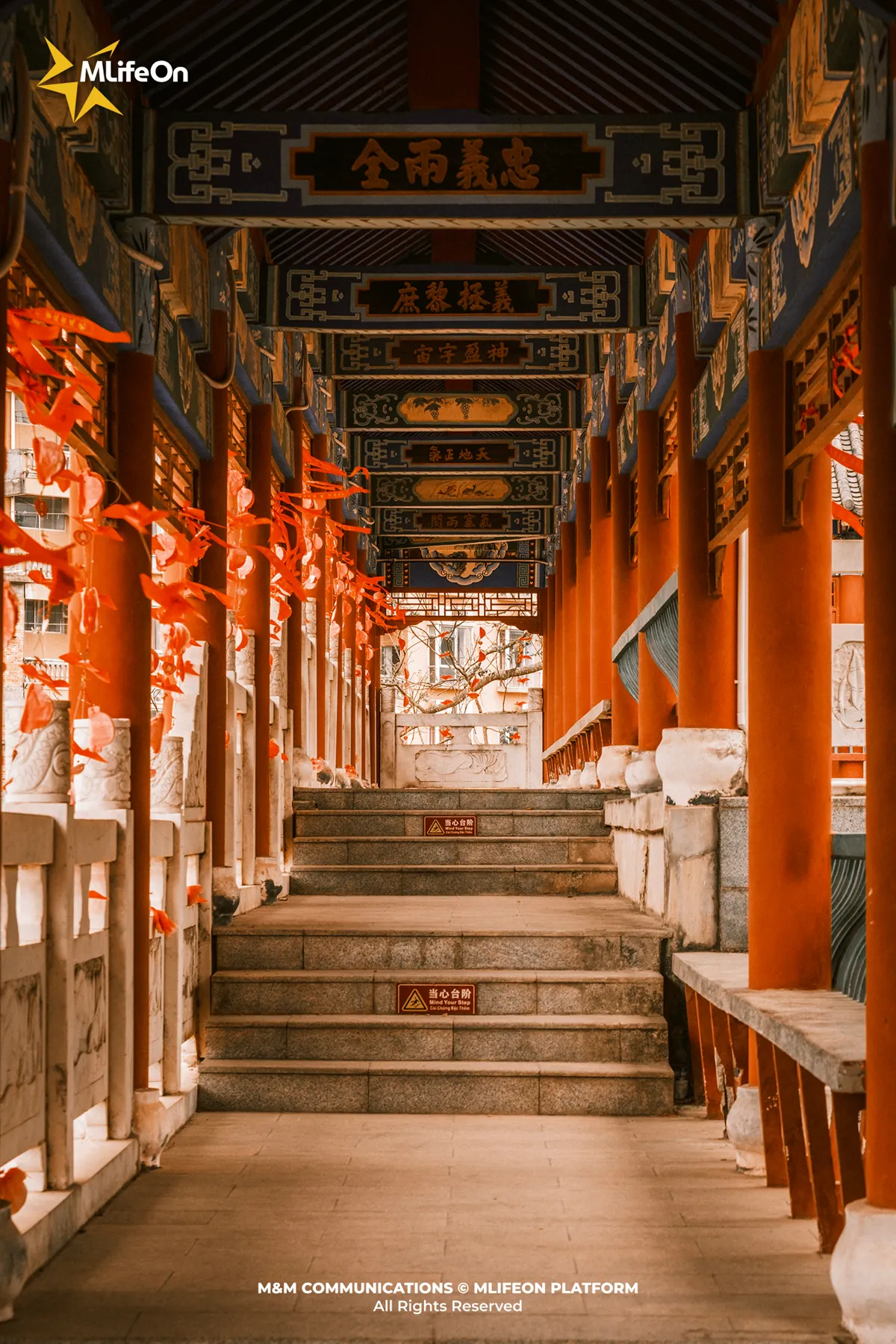
In a border city constantly shaped by trade and movement, the Guan Di Temple feels like an anchor of enduring belief.
A Different Dongxing - quiet, reflective and deep
Seeing Dongxing at noon or night reveals an entirely different rhythm: lights glowing, crowds moving, commerce booming. But dawn unveils another Dongxing - slower, quieter, and full of contemplation.
This stillness reminds us of something often overlooked in border cities: behind rapid development, behind the constant flow of goods and people, there remain moments when individuals need to pause, breathe, and reconnect with values that last longer than daily noise.
Conclusion
Not everyone has the chance to see Dongxing in such rare and beautiful moments. The city may be lively during the day and radiant at night, but morning gives it a quiet, indescribable charm.
It is the stillness that lets us hear the heartbeat of a border city - where cultures, beliefs, and lives intertwine endlessly.
—---------
CREDIT:
- Photography: Luan Nguyen
- Content: Hoài Hà
- Design: Trung Huynh