Moving slowly through Ba Vi, where communal houses and temples appear in silence
When visiting Ba Vi, it is easy to overlook its ancient communal houses and temples. They are not located along major roads, have no prominent signboards, and rarely see crowds. Only when you slow down and turn into narrow village lanes do these structures quietly reveal themselves. They are reserved, contemplative, almost indifferent to attention.
These communal houses and temples are often nestled within the village landscape beneath banyan trees, beside ponds, near rice fields, or hidden behind bamboo groves. The surrounding stillness is so complete that one can hear the wind brushing across old roof tiles or footsteps echoing softly on aged brick floors.
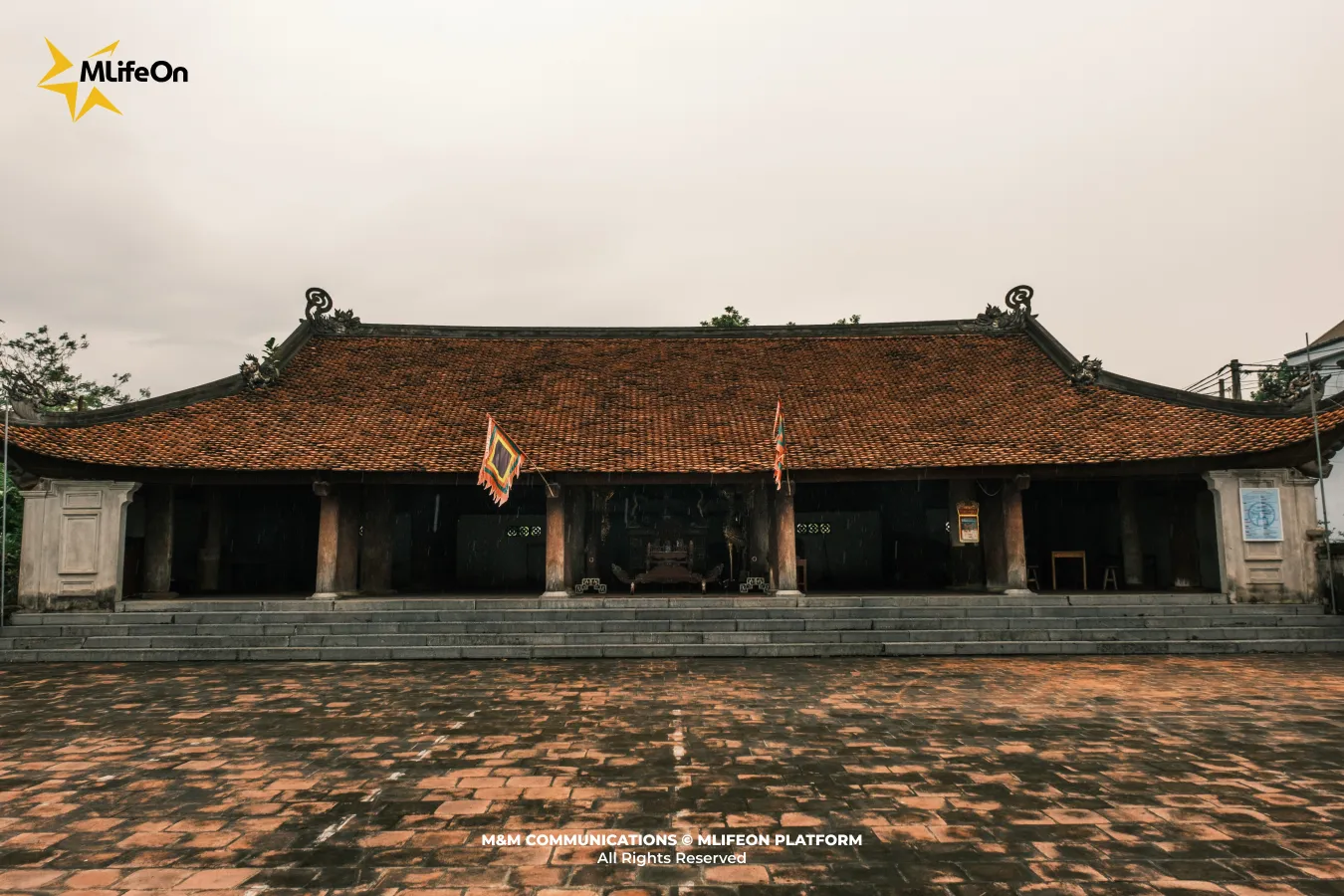
This quietness gives Ba Vi’s communal houses a presence that feels less like tourist attractions and more like living parts of everyday life.
Thuy Phieu communal house and nearly 500-Year-Old woodcarvings
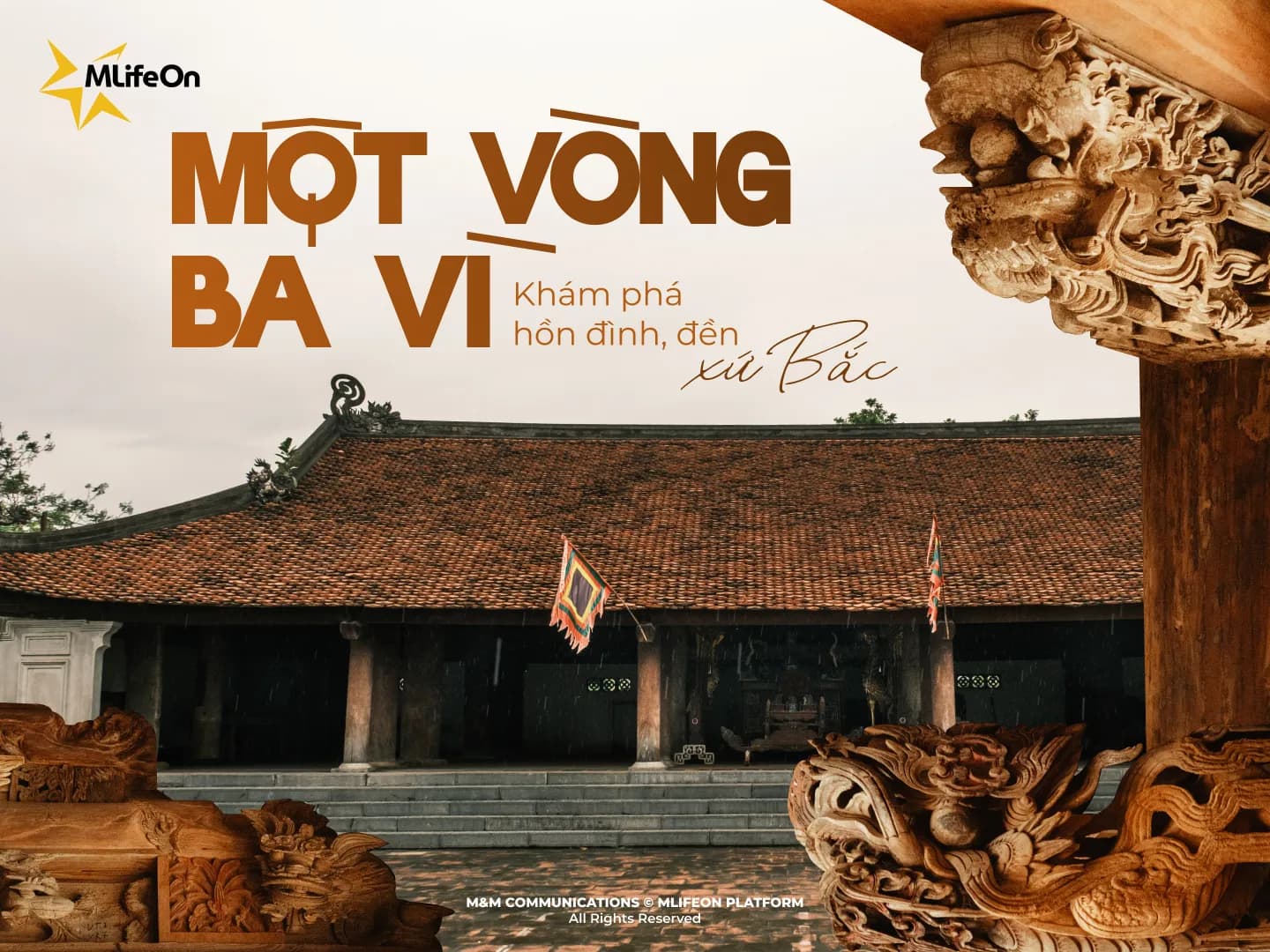
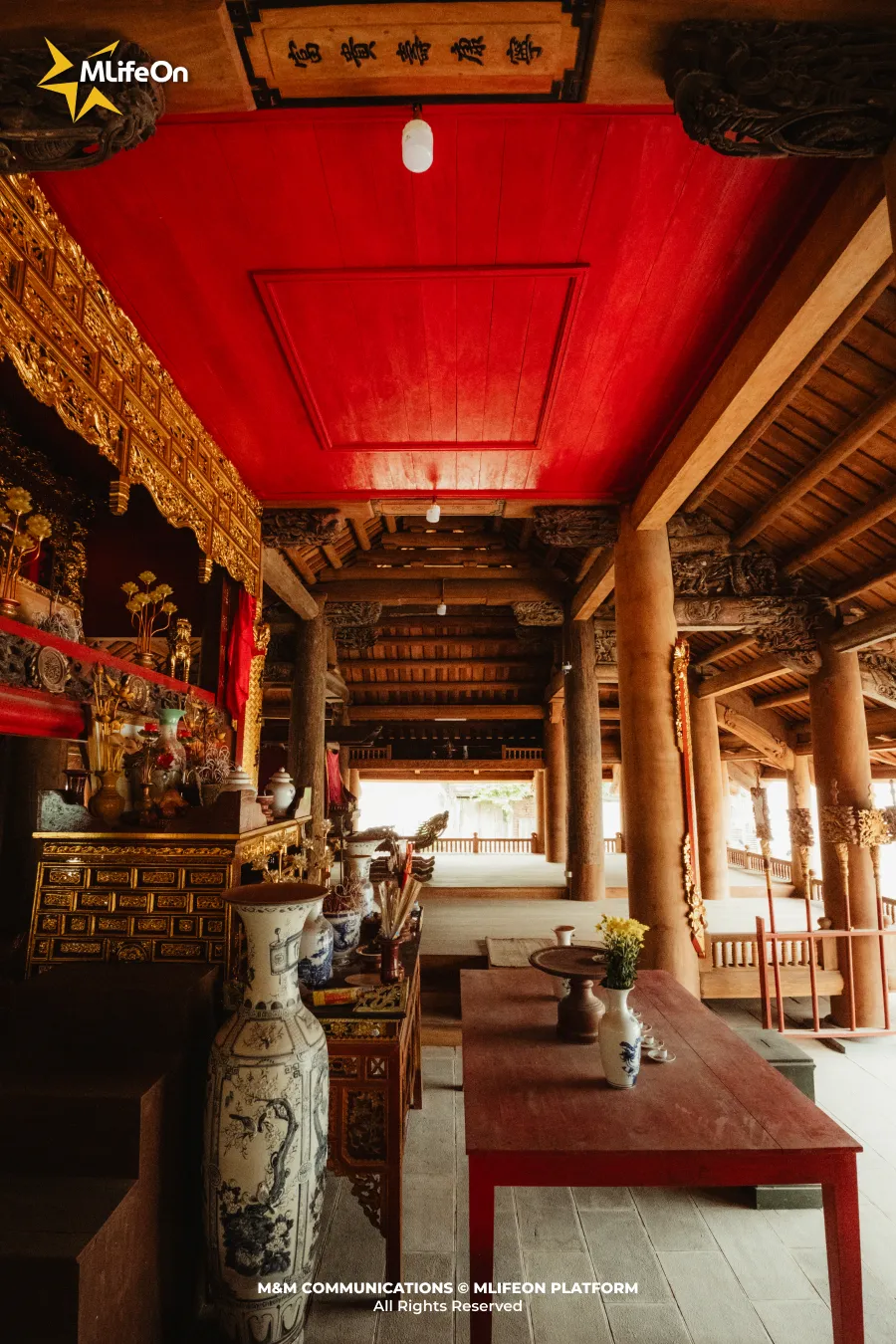
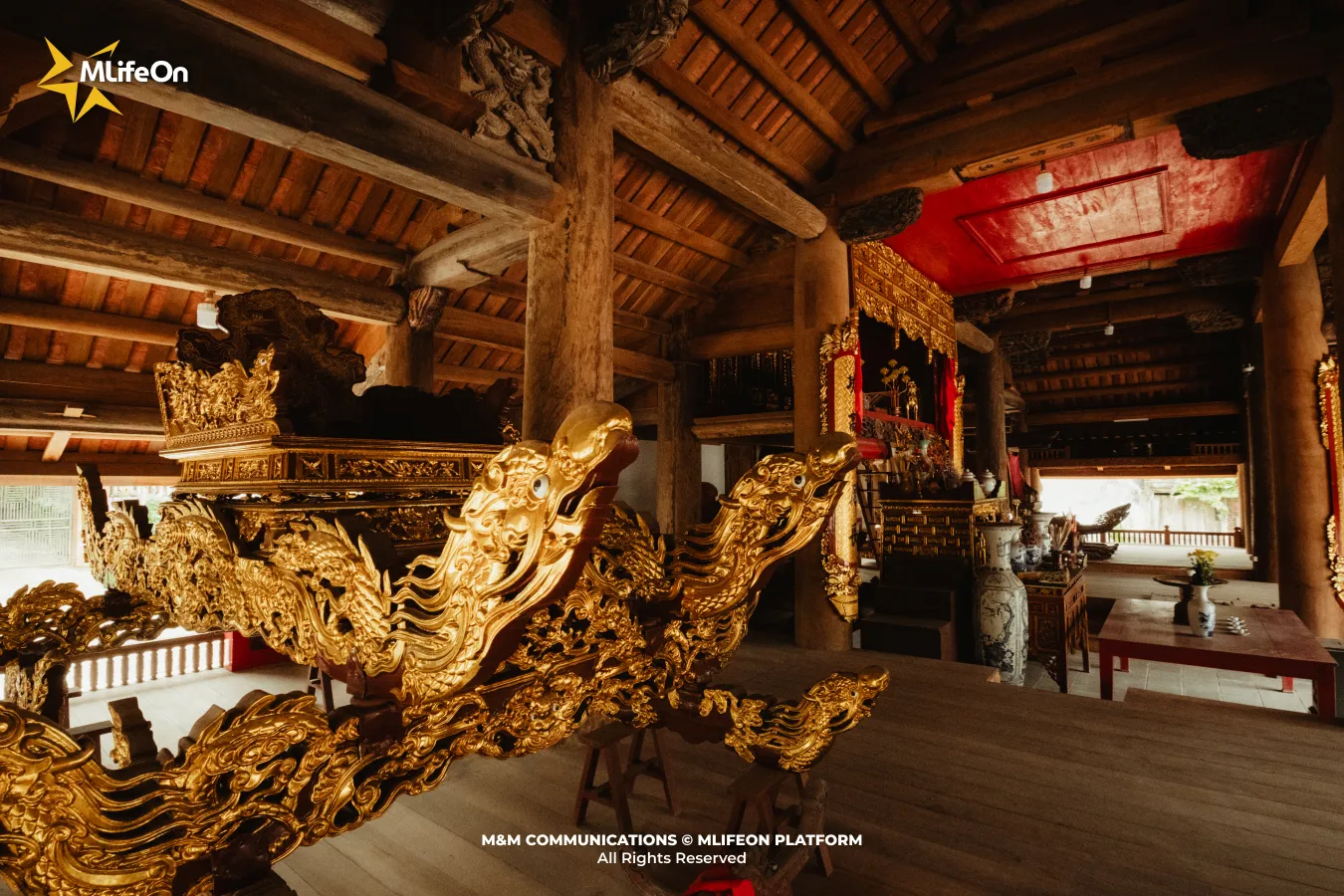
Thuy Phieu communal house is among the oldest in Vietnam, dating back to the early 16th century, nearly 500 years ago. Recognized as a national heritage site, it is dedicated to the village guardian deity and Tan Vien Mountain Saint. Key features include its red pine wood framework, massive columns, and distinctive folk-style carvings.
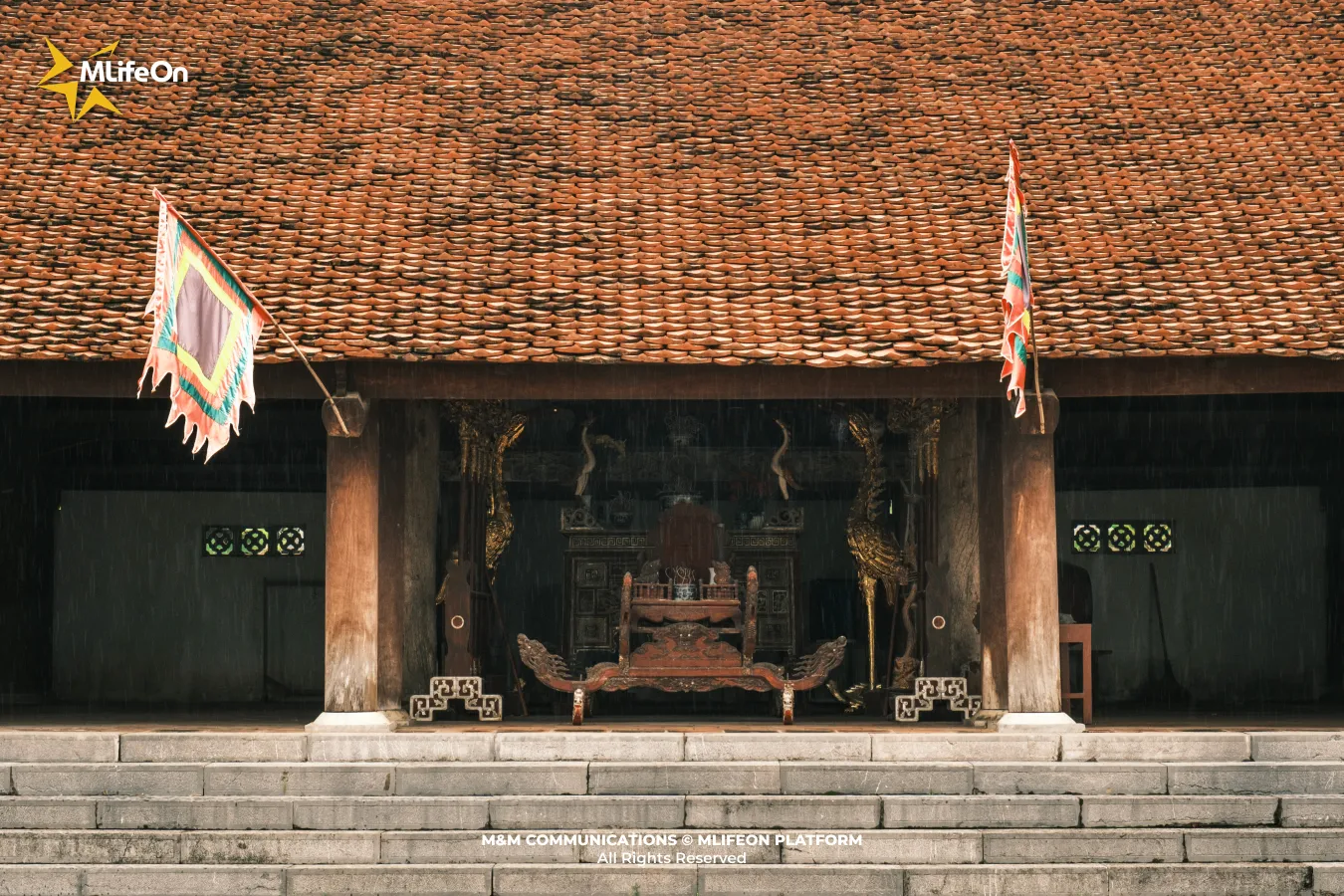
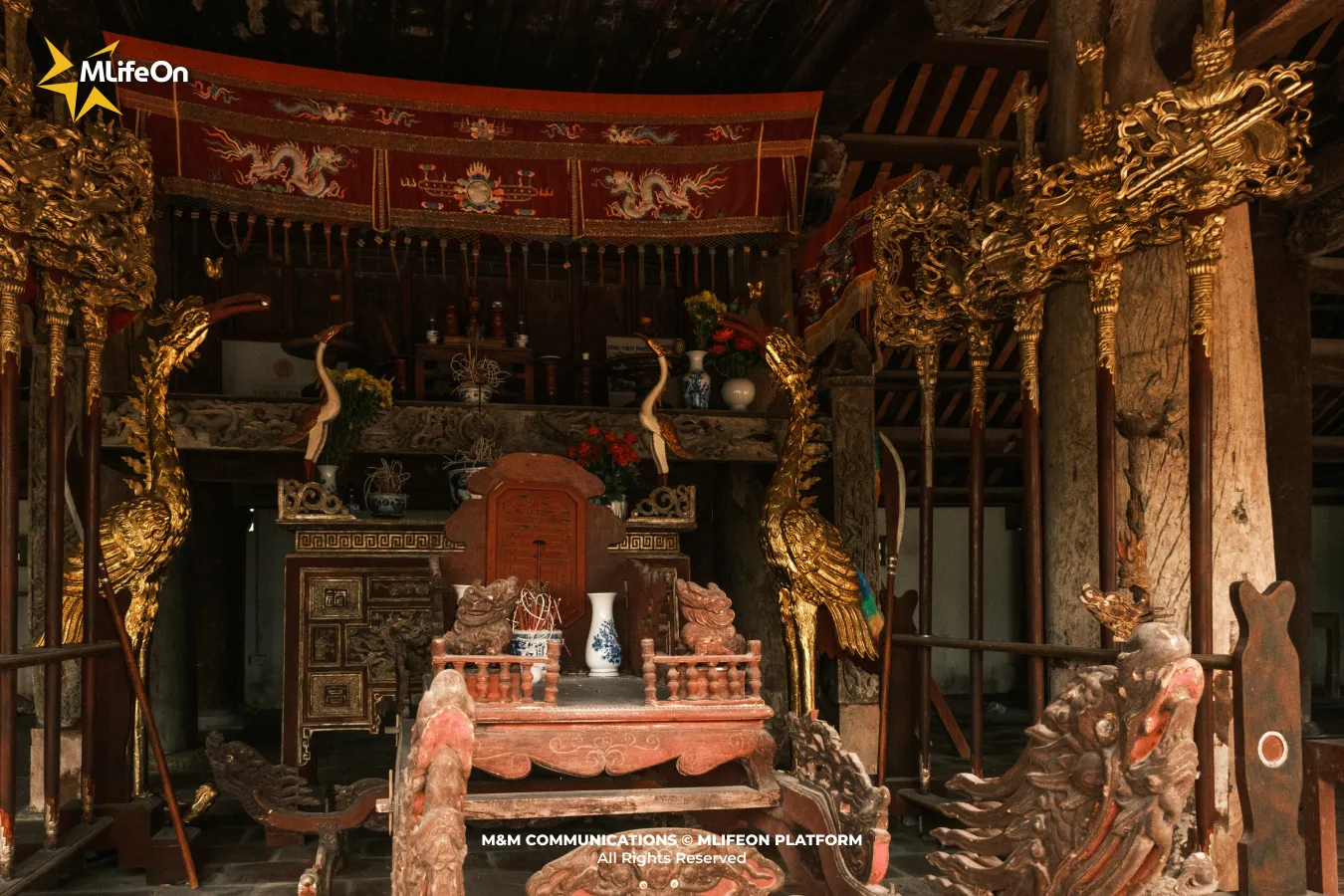
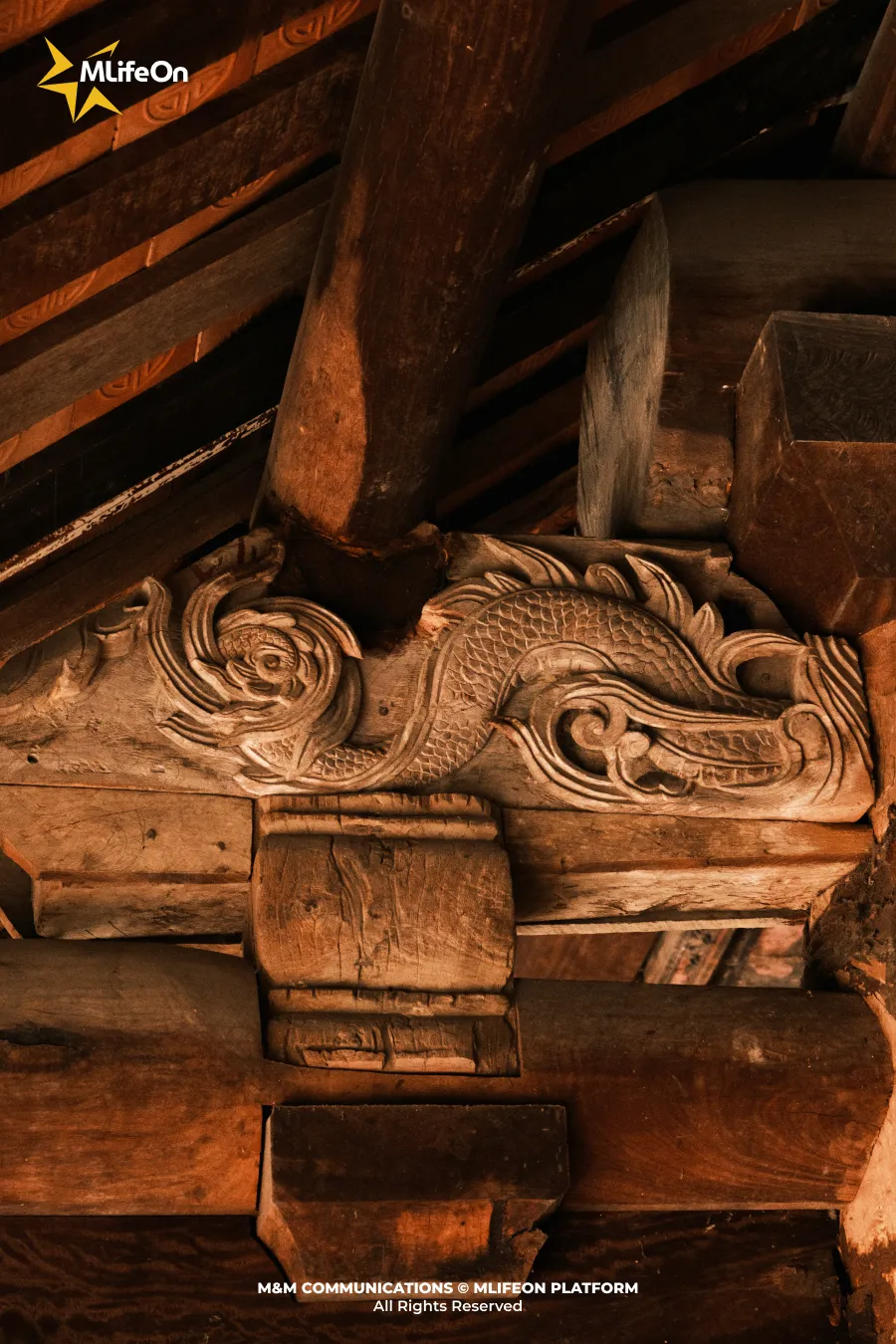
Sweeping roof corners curve upward, adorned with intricate depictions of dragons, qilins, turtles, and phoenixes. Bracket sets and carved beams reflect the refined aesthetics of the Mac dynasty, with soft, fluid forms and remarkable craftsmanship. Inside, a raised altar platform from the Later Le period features carvings of animals such as mice, lizards, and pigs motifs drawn from everyday rural life.
These details are more than decoration. They express the worldview, beliefs, and aesthetic sensibilities of earlier generations. The dragons and phoenixes are not aggressive or imposing; instead, they are gentle and rhythmic. The carvings are not excessive, yet they give the space depth and narrative.
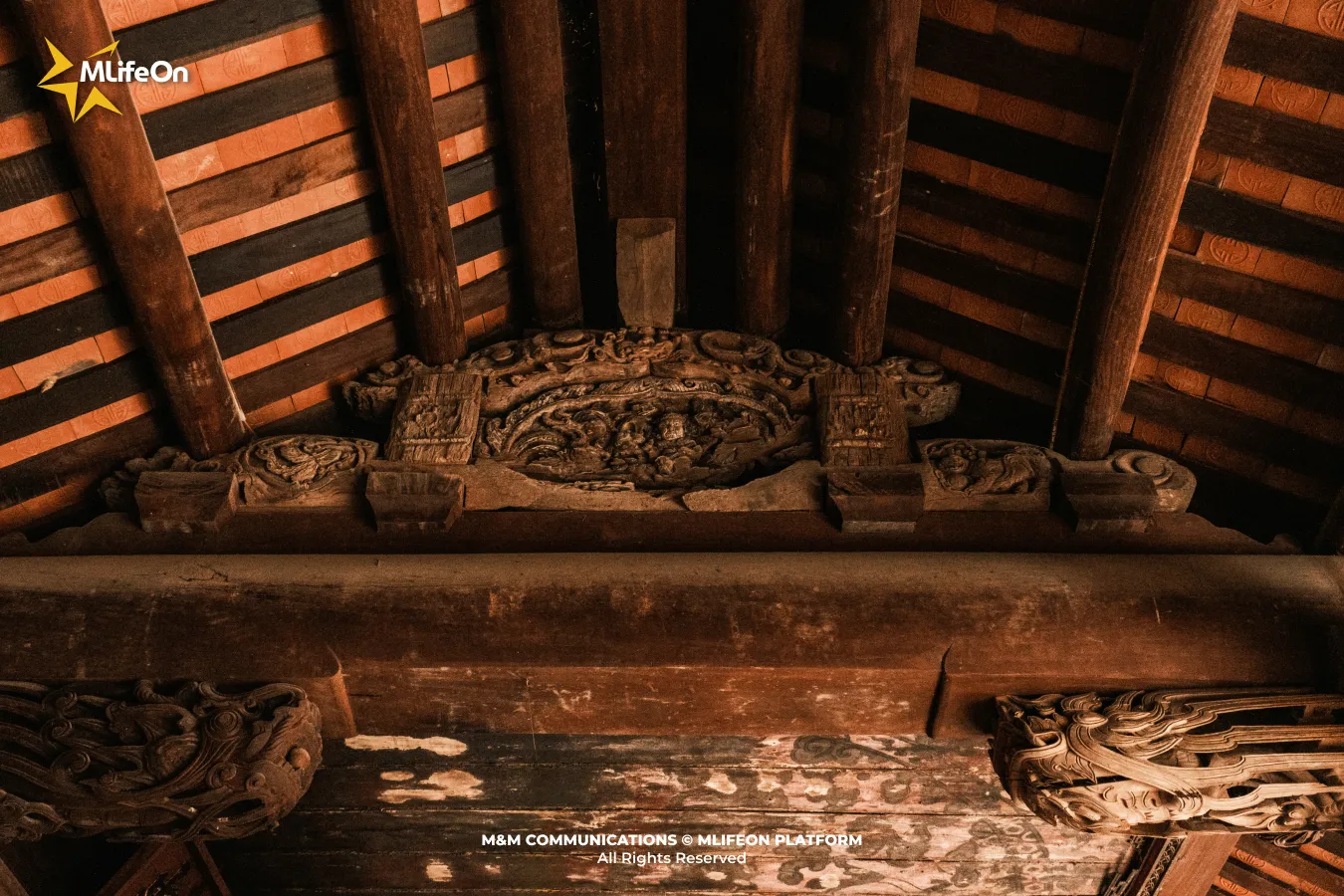
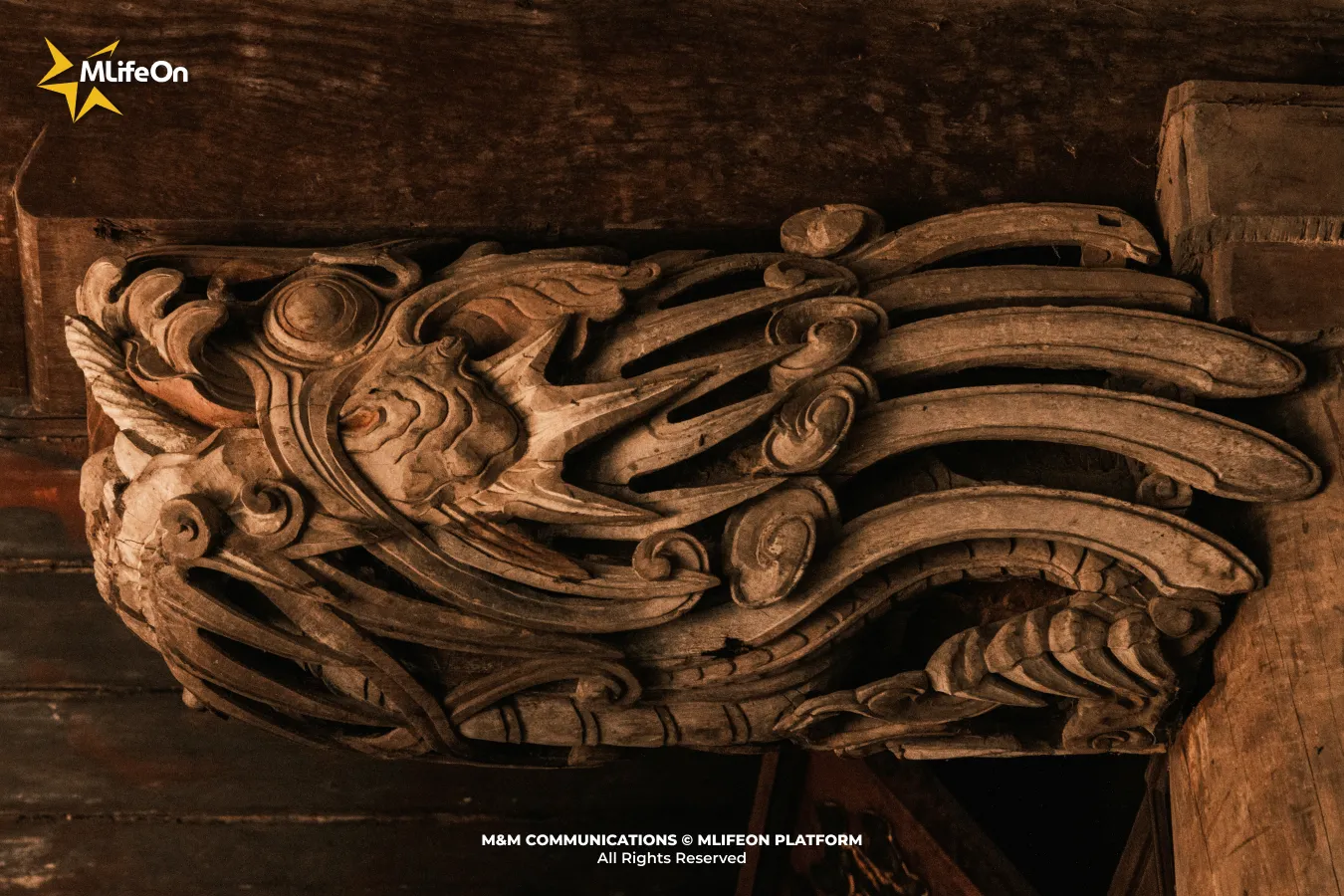
Standing alone inside the hall, one feels as though the carvings slowly recount stories of the past without words, through form and material alone.
Dong Vien communal house and the original form of northern village architecture
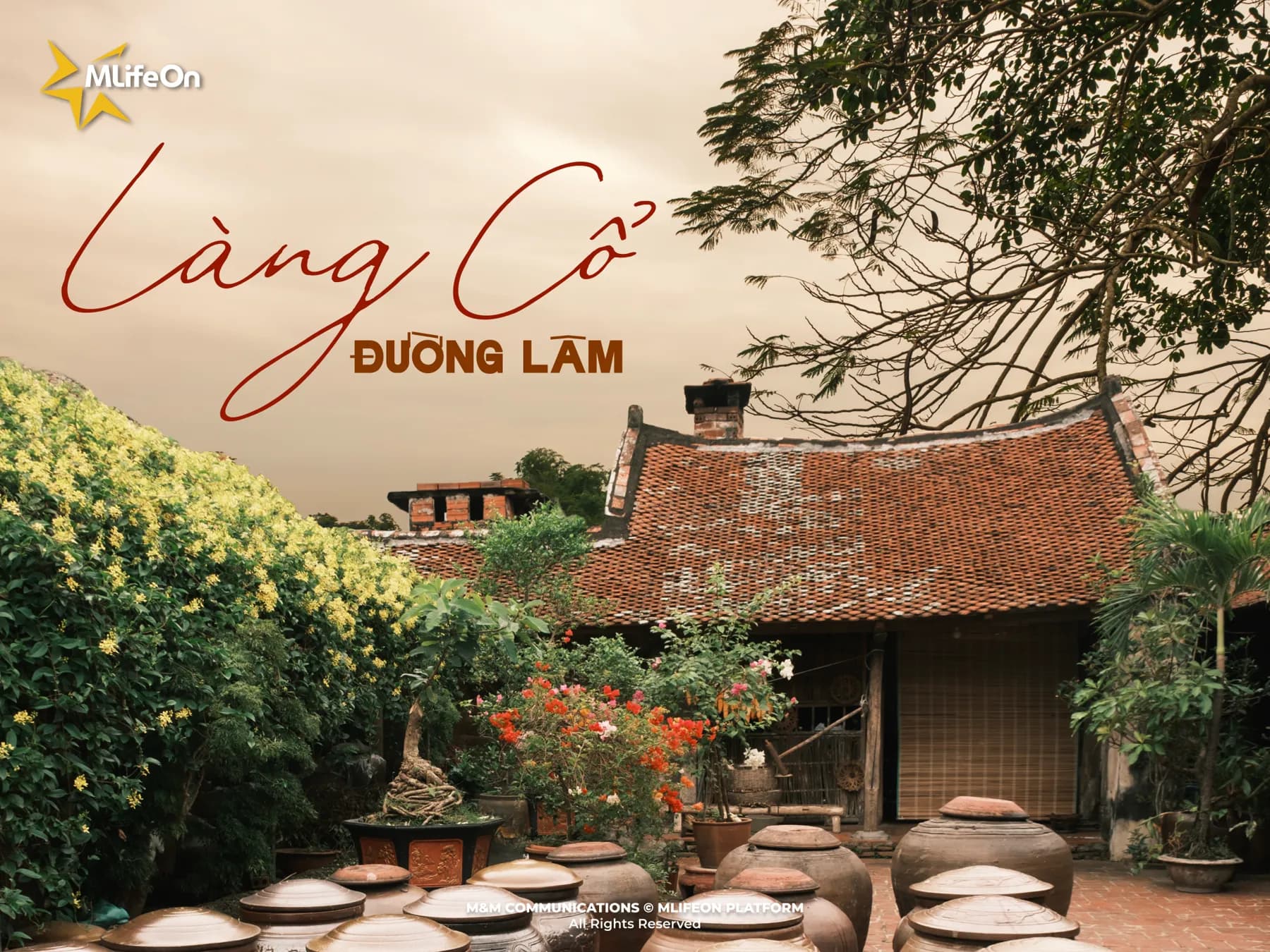
Dong Vien communal house embodies the quintessential characteristics of Northern Vietnamese village architecture: low roofs, balanced proportions, and a compact, restrained structure. Its simplicity creates an immediate sense of familiarity.
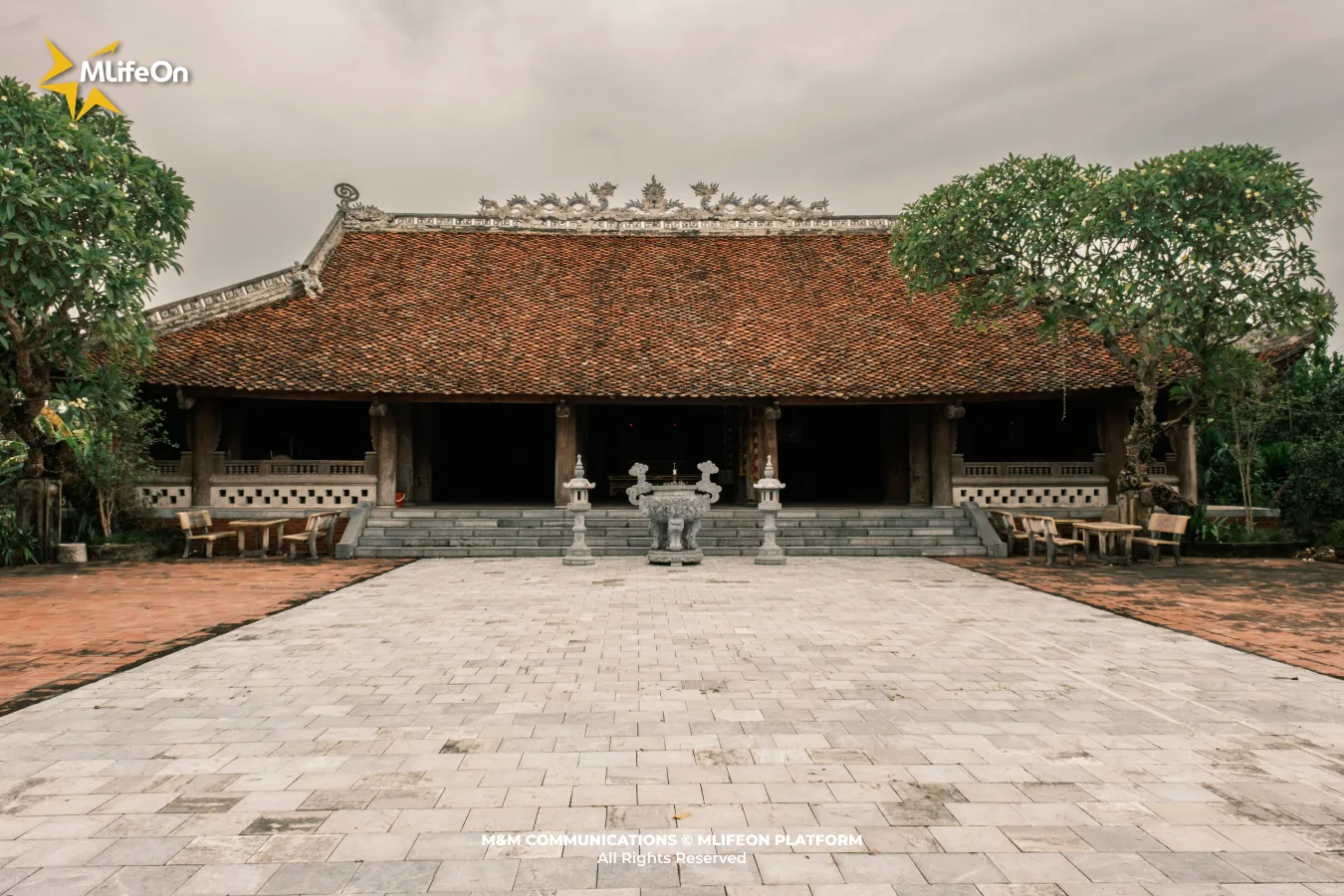
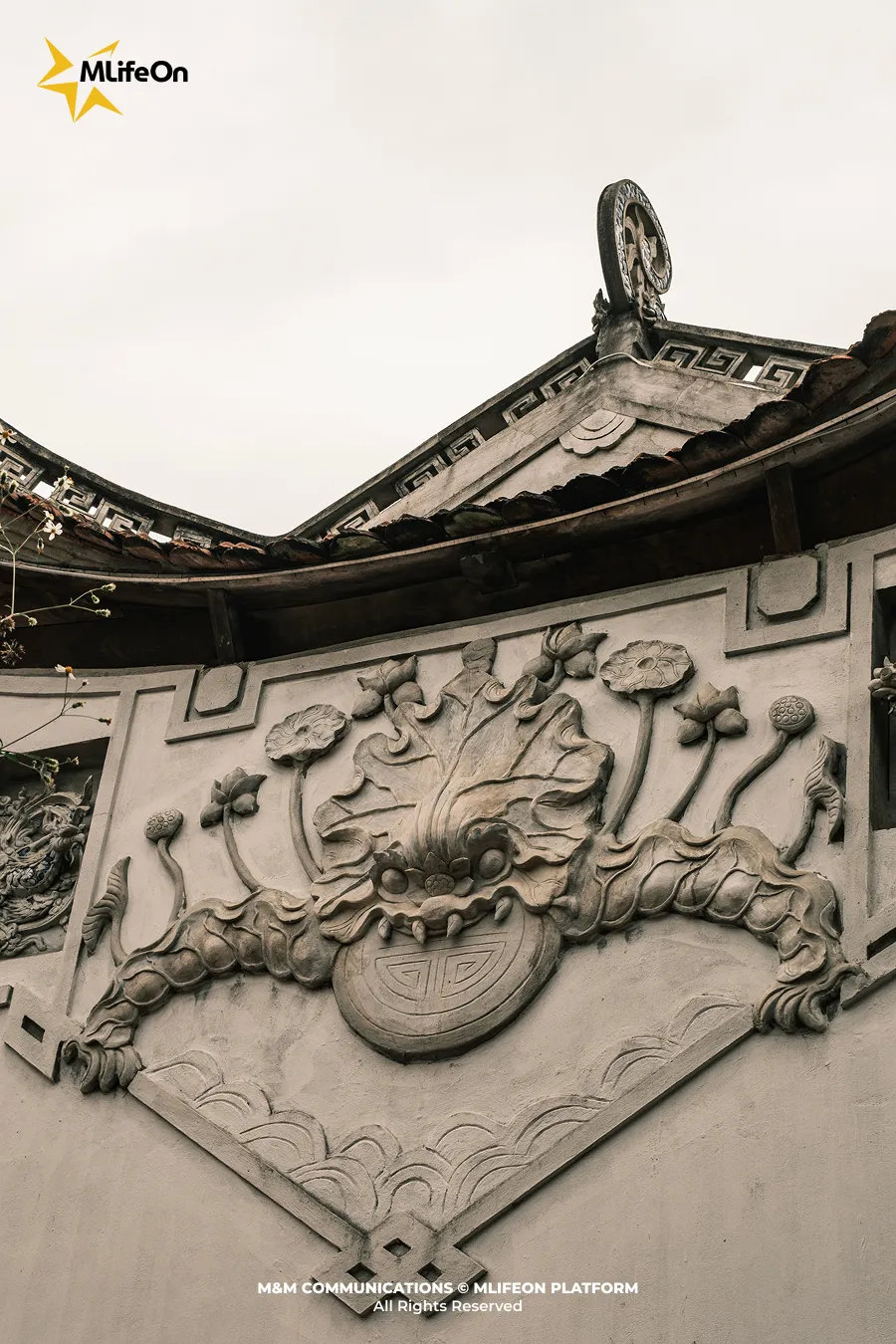
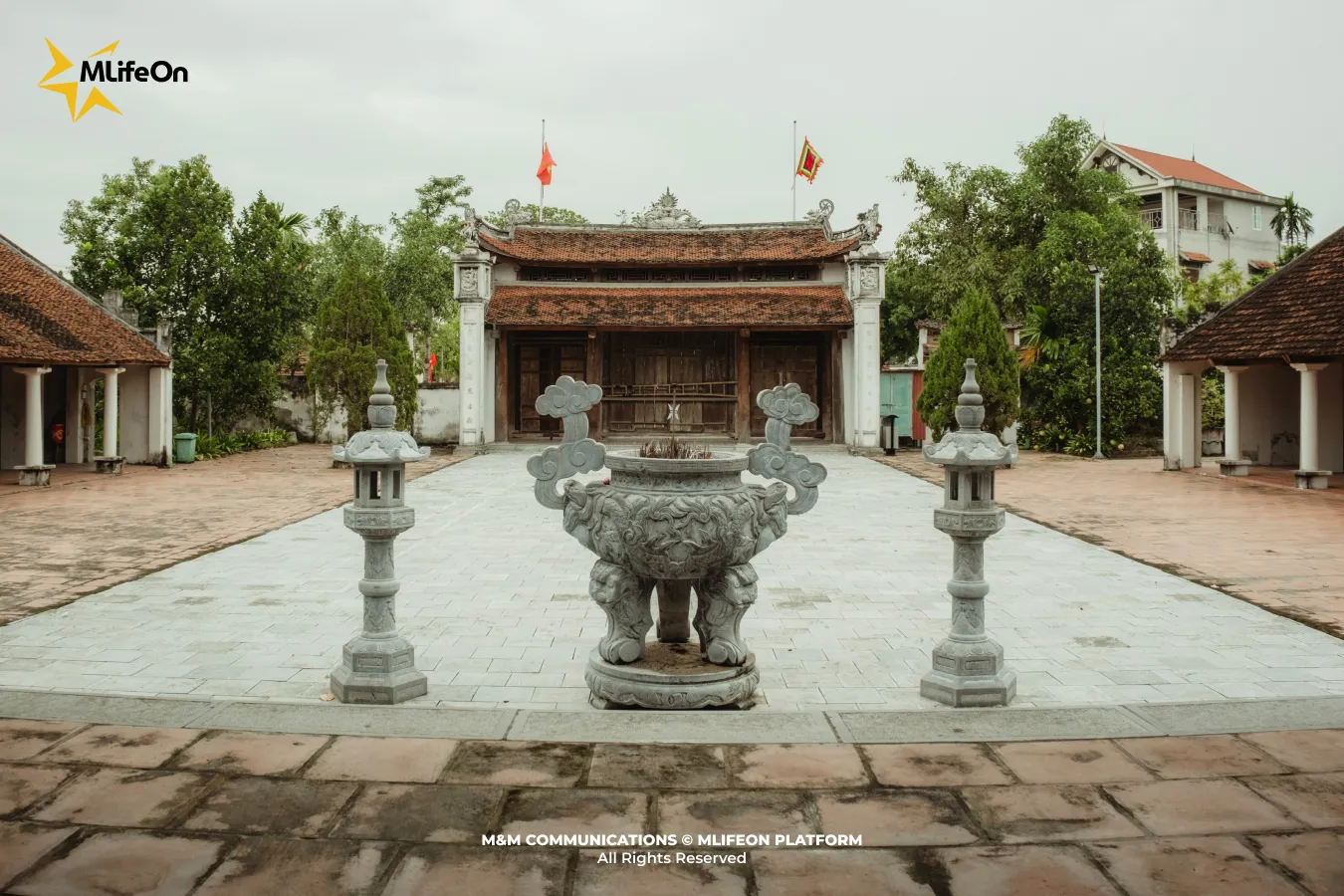
Weathered roof tiles layered neatly, darkened walls shaped by time, and brick floors worn smooth by countless footsteps all suggest that this place once served as the heart of communal life.
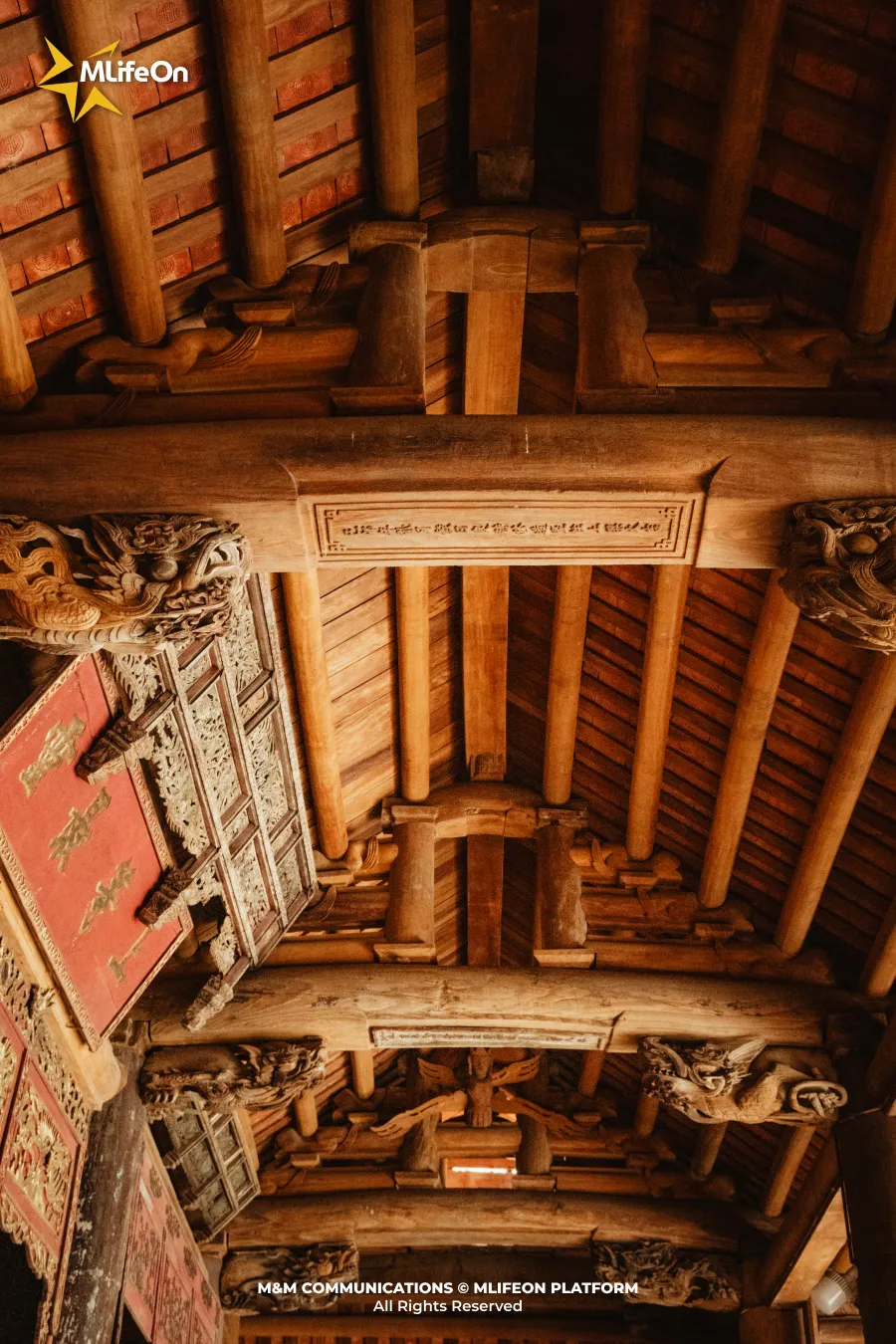
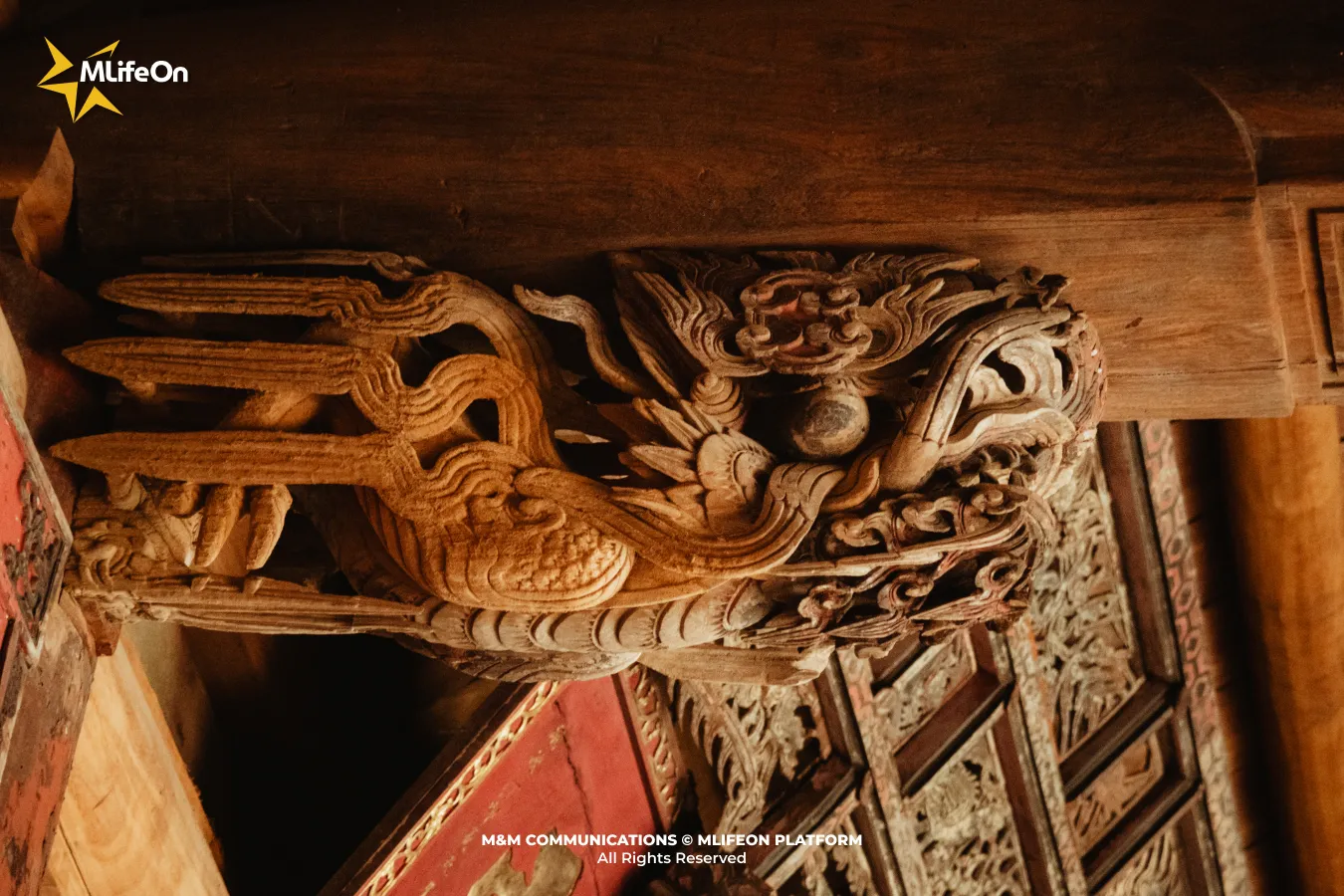
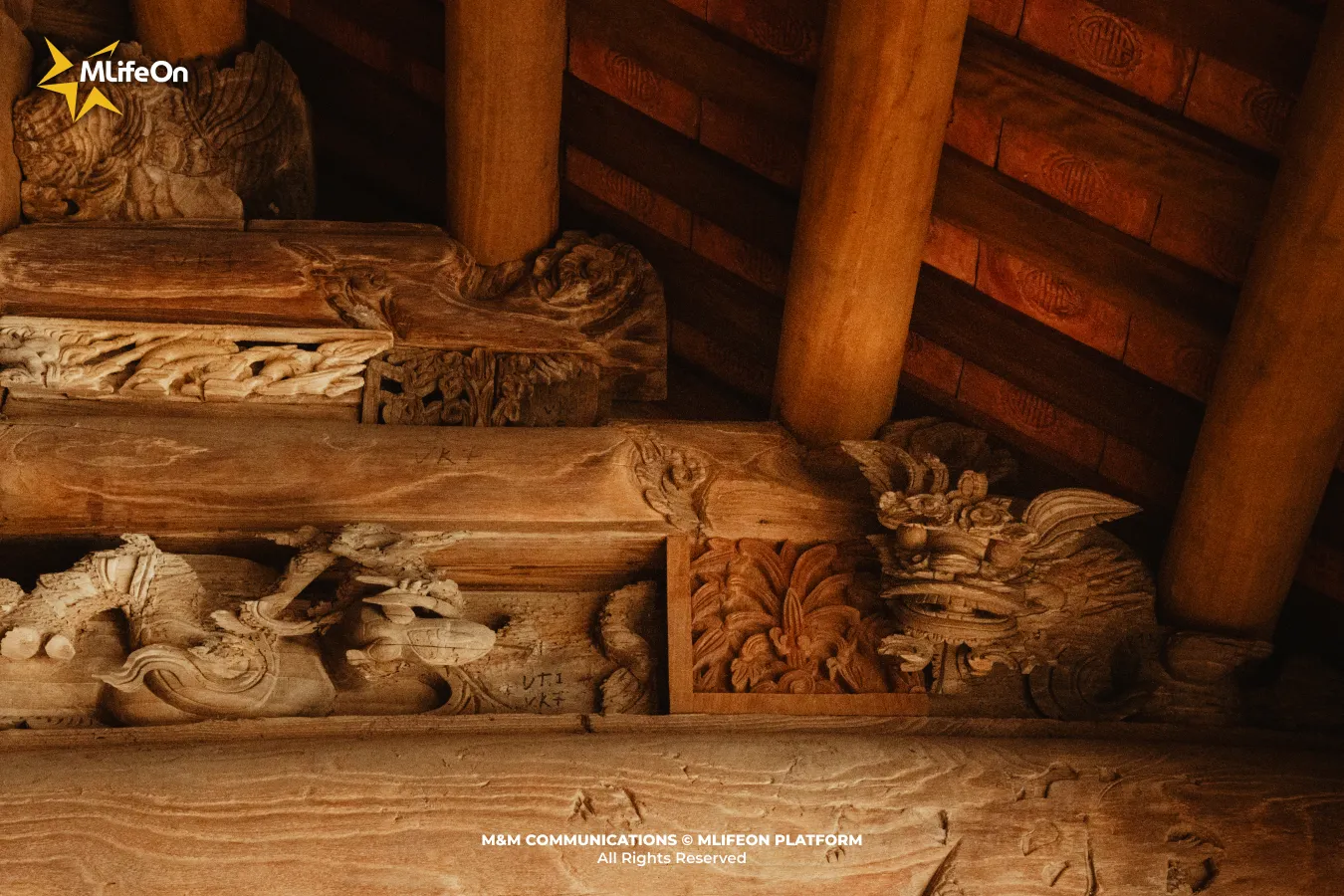
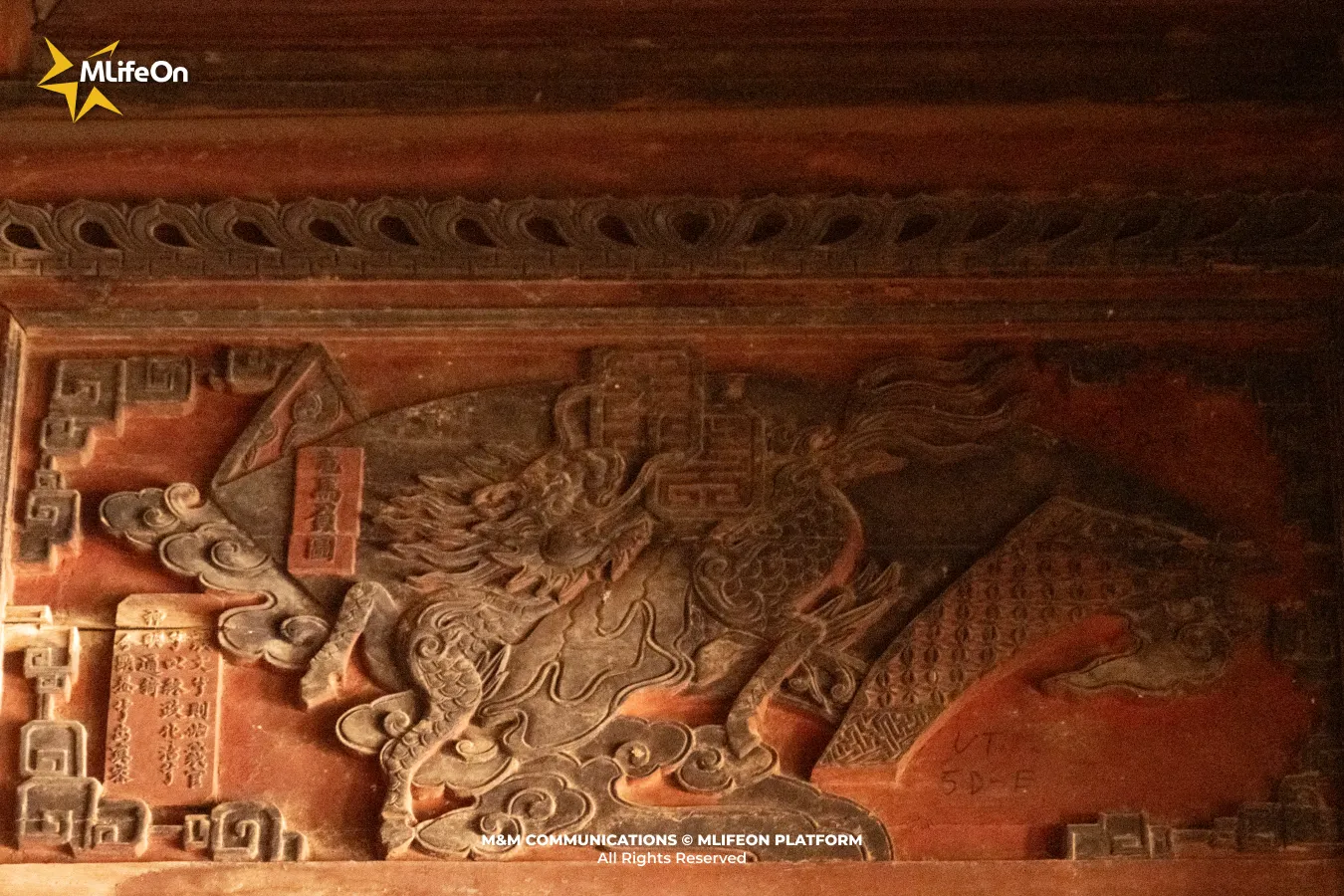
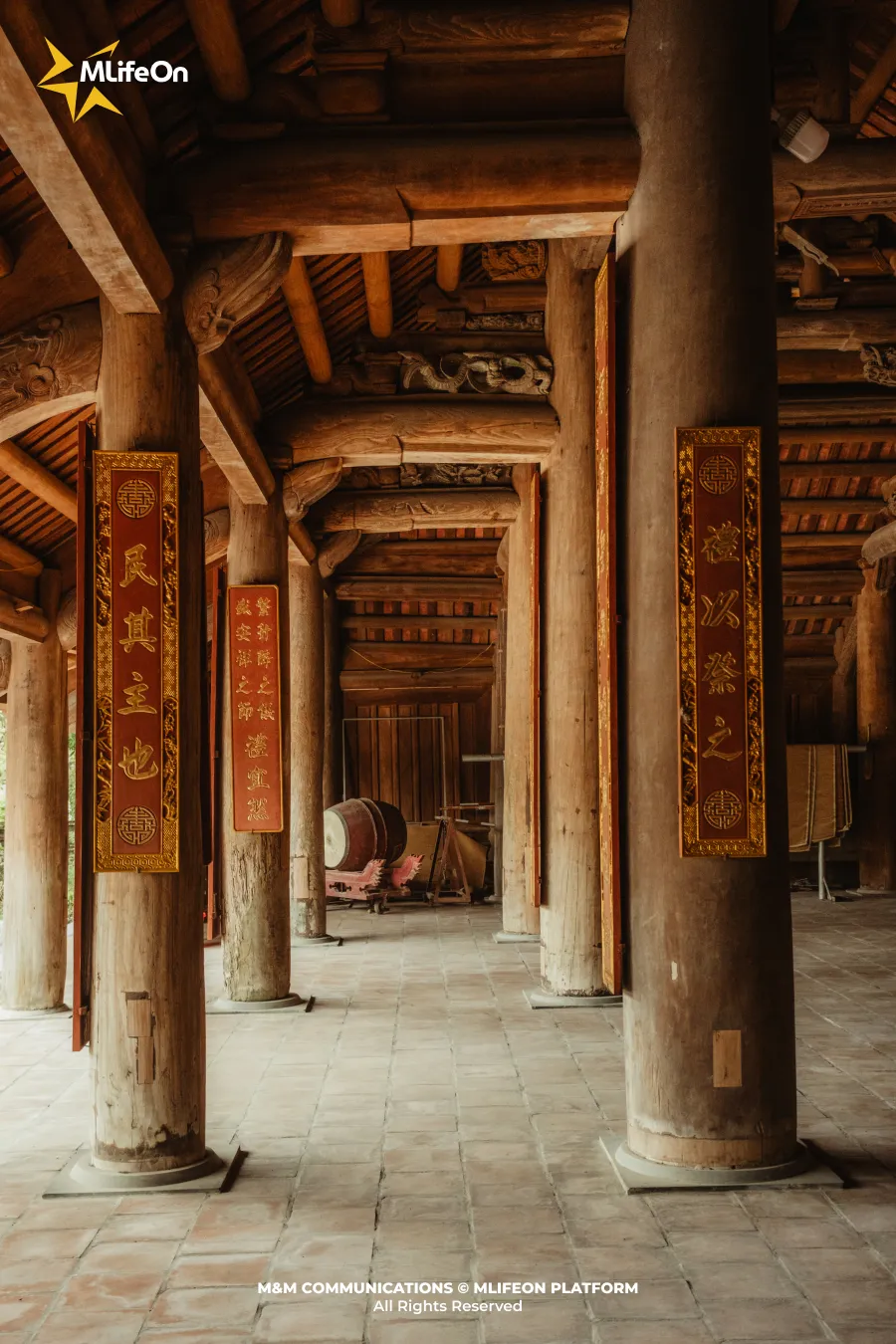
Dong Vien does not impose a heavy sense of sanctity; instead, it feels approachable like a space that has quietly witnessed generations grow up, gather and move on.
Cam Da communal house – Over 300 years of architectural heritage
With a history spanning more than 300 years, Cam Da communal house stands as a representative example of Northern communal house architecture. It retains its traditional layout and an imposing wooden framework.
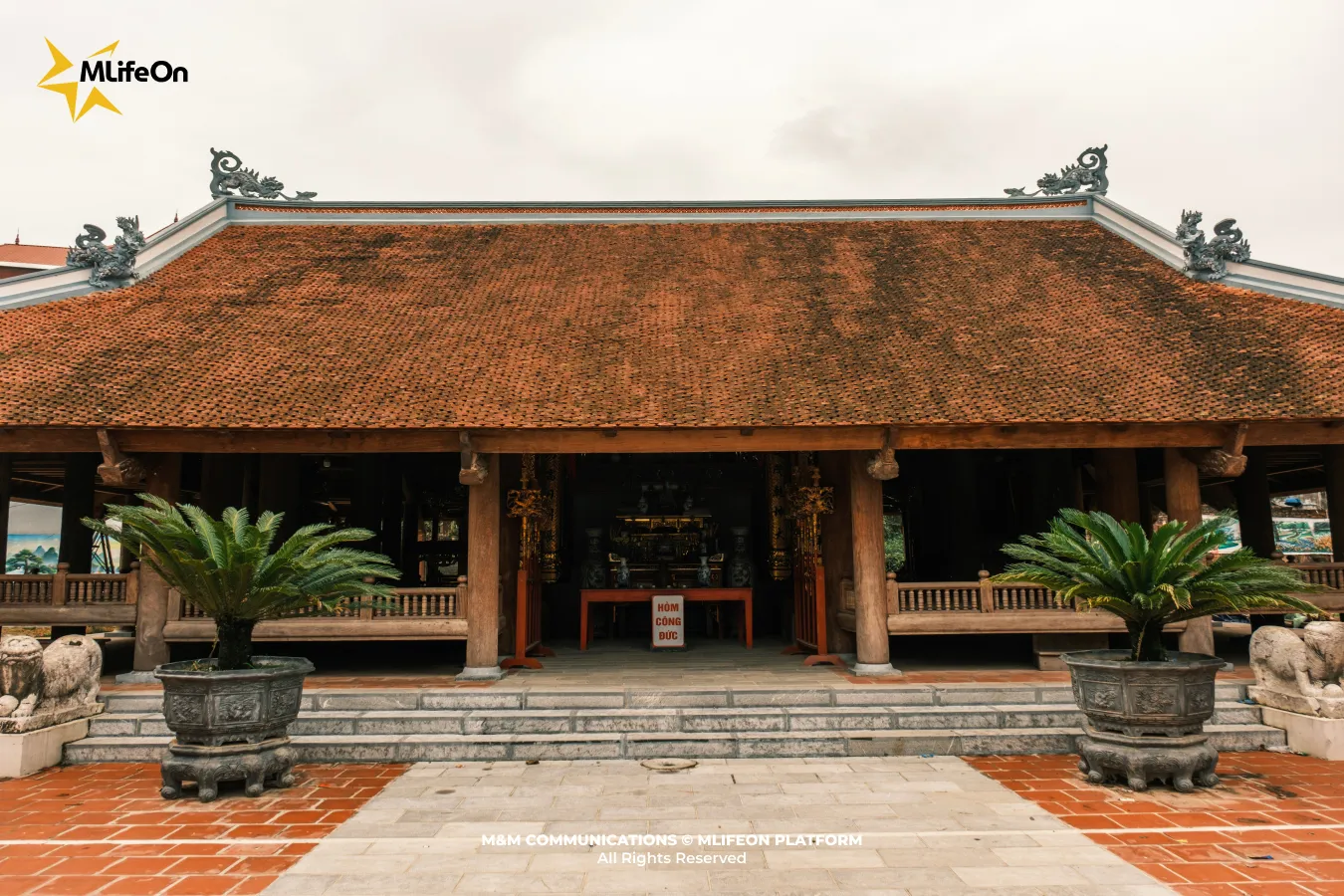
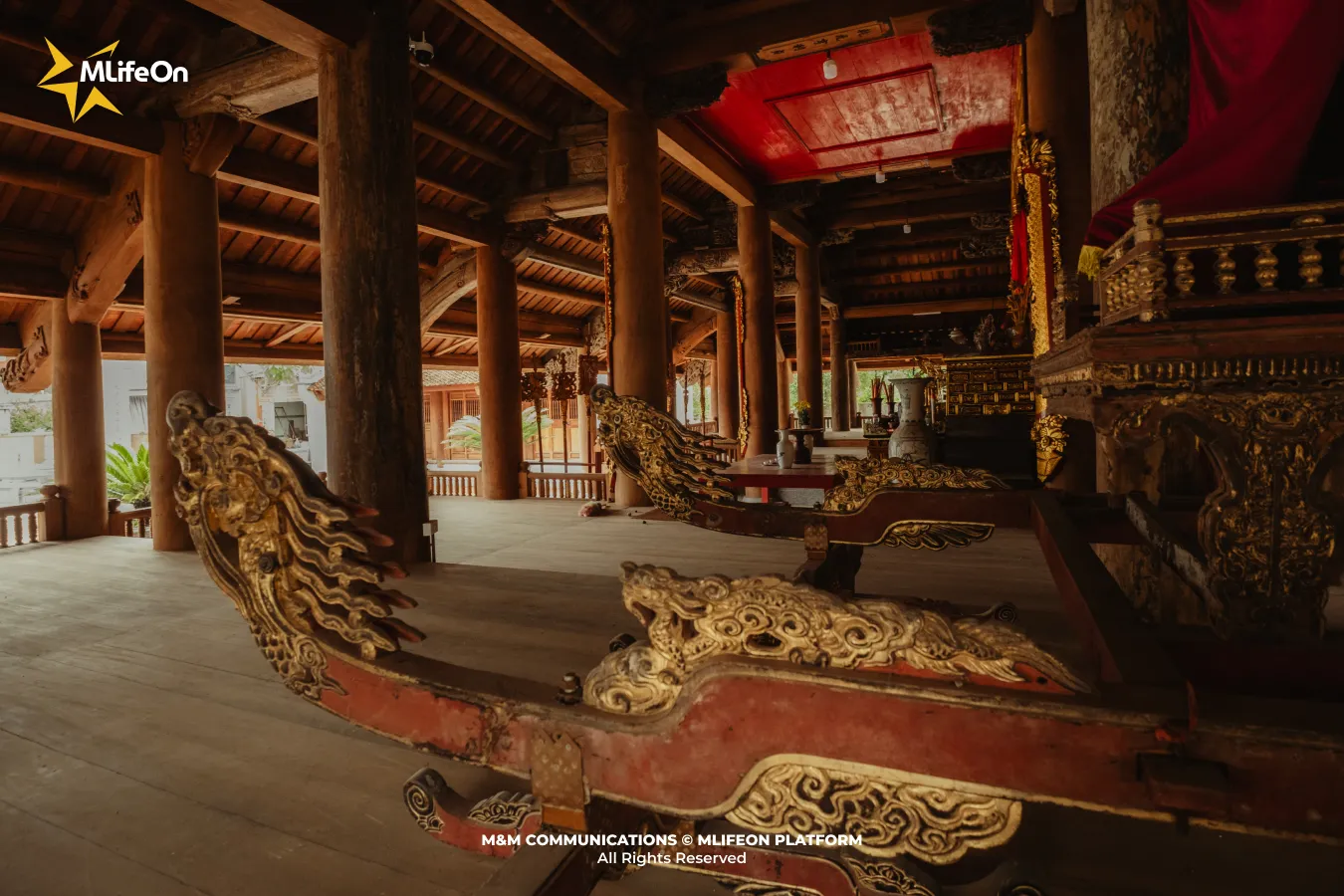
Large columns, layered beam structures, and cantilevered brackets demonstrate the advanced craftsmanship of ancient carpenters. Carvings on beams and rafters serve both decorative and symbolic purposes, carefully designed to ensure structural strength while maintaining harmony in the overall composition.
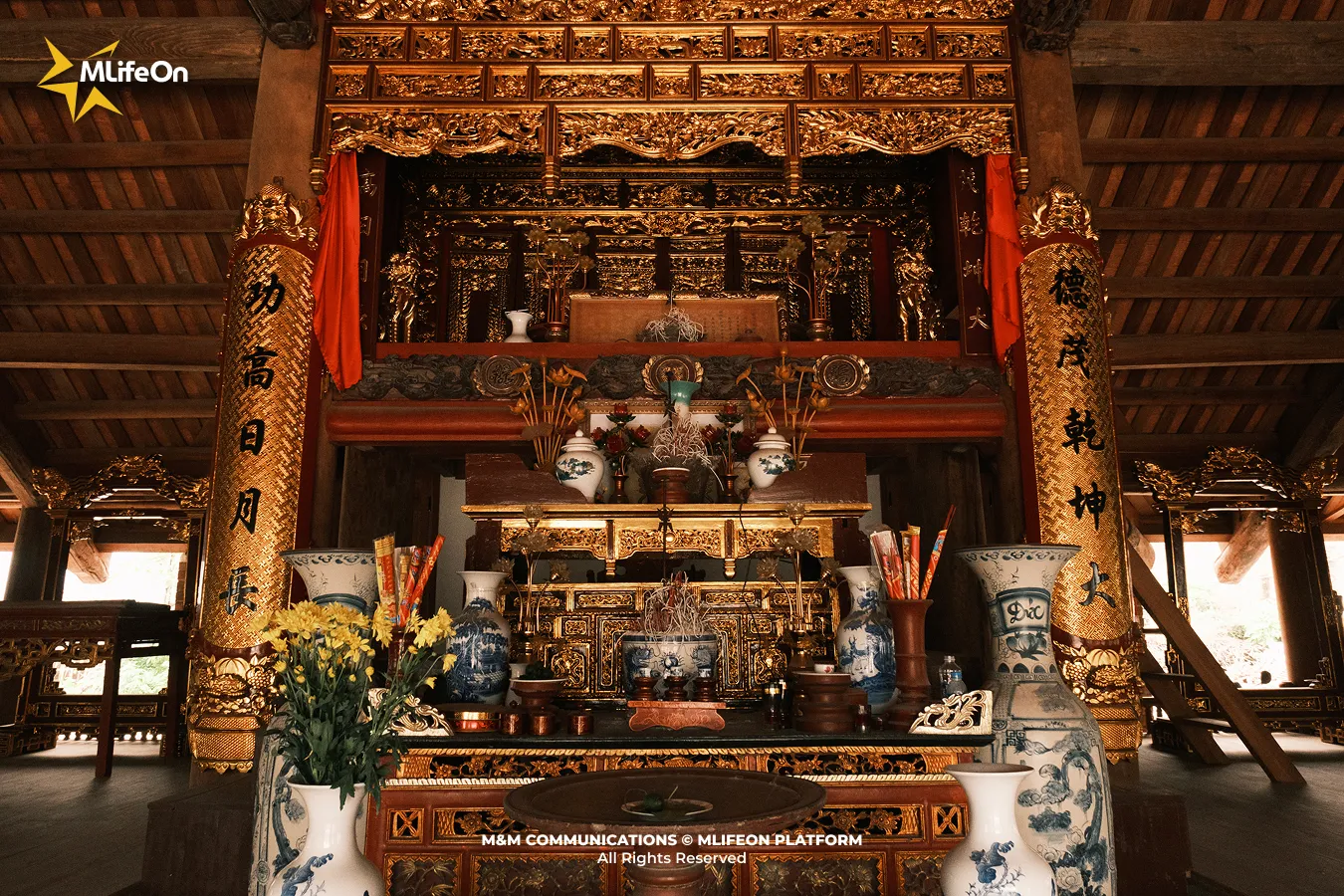
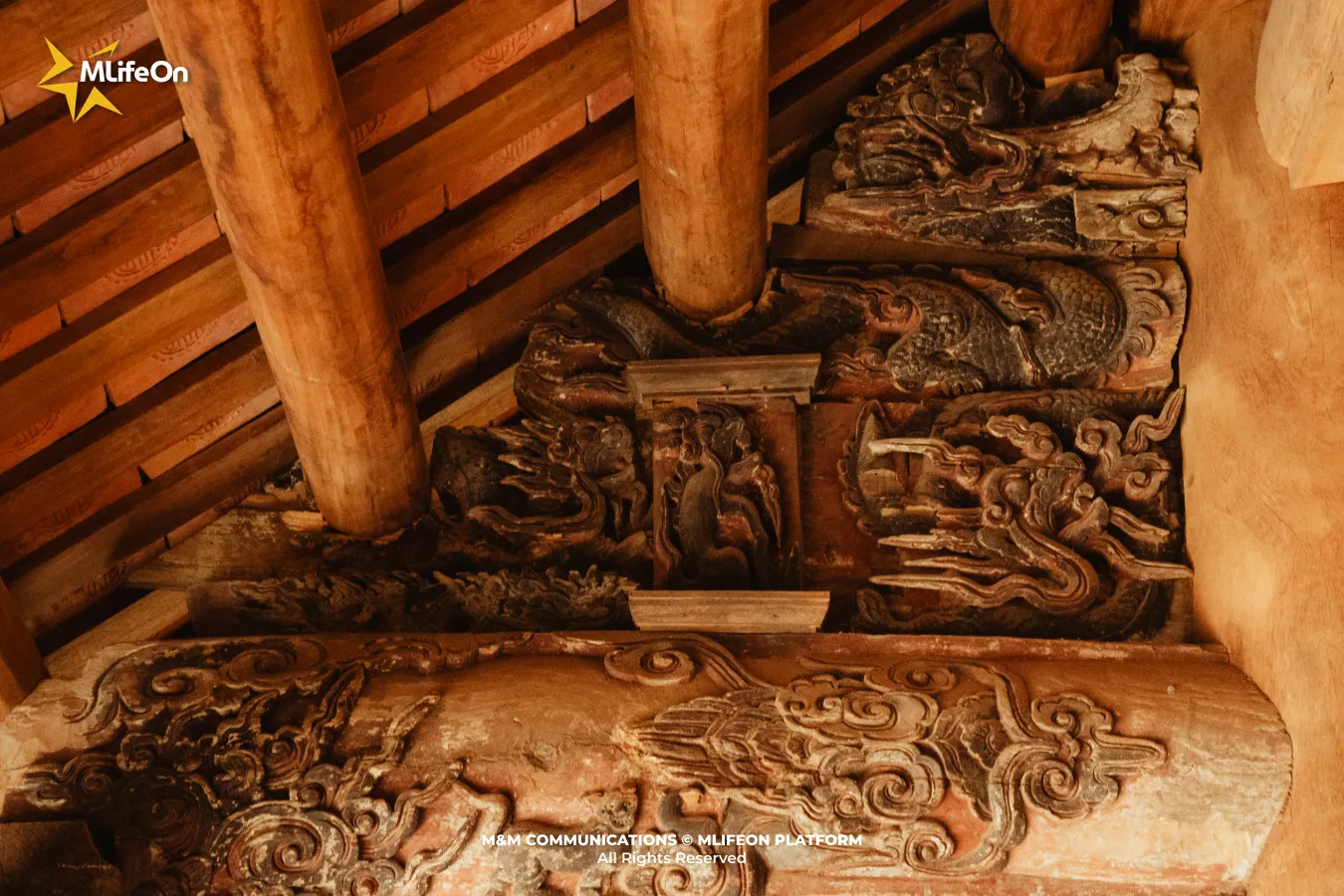
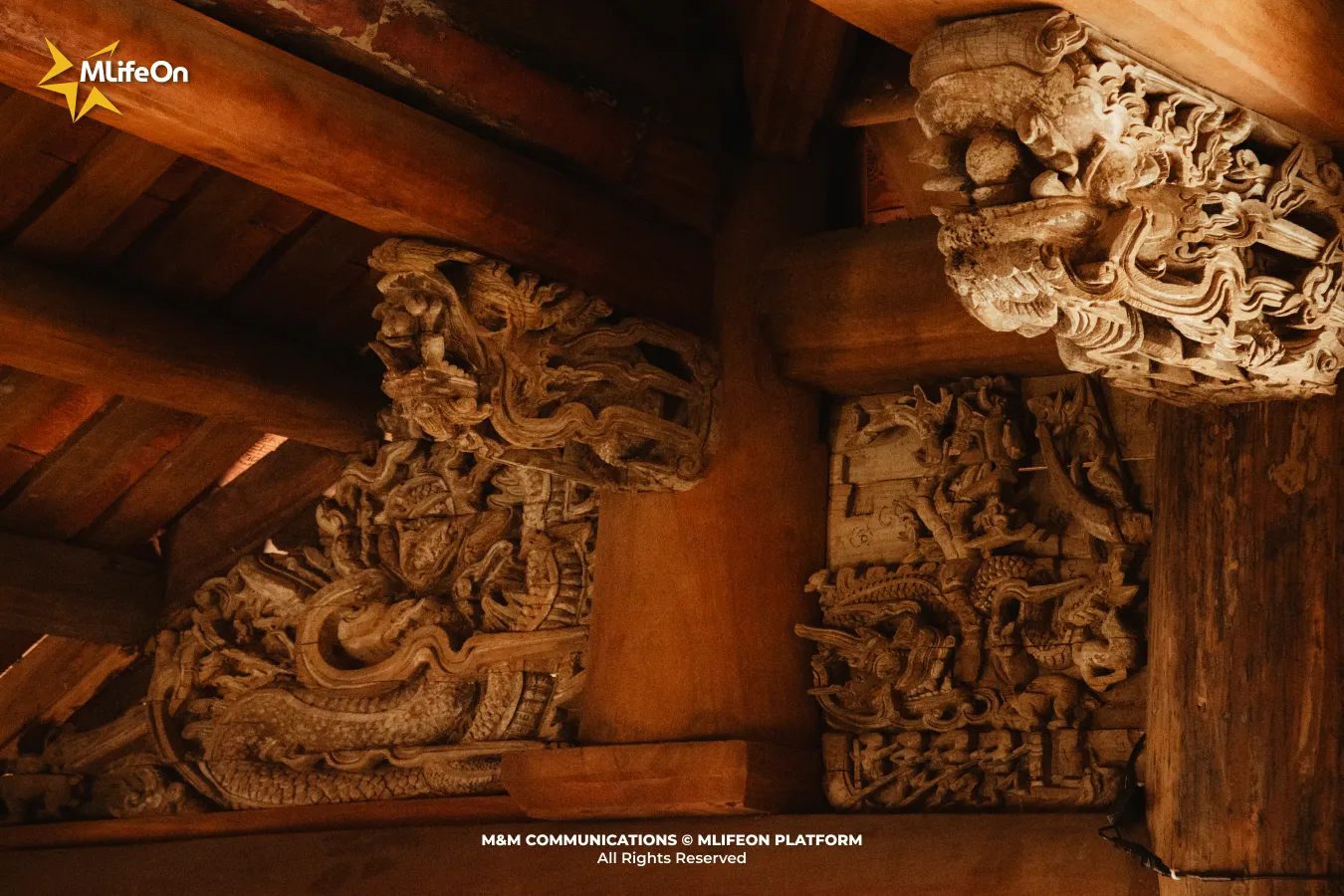
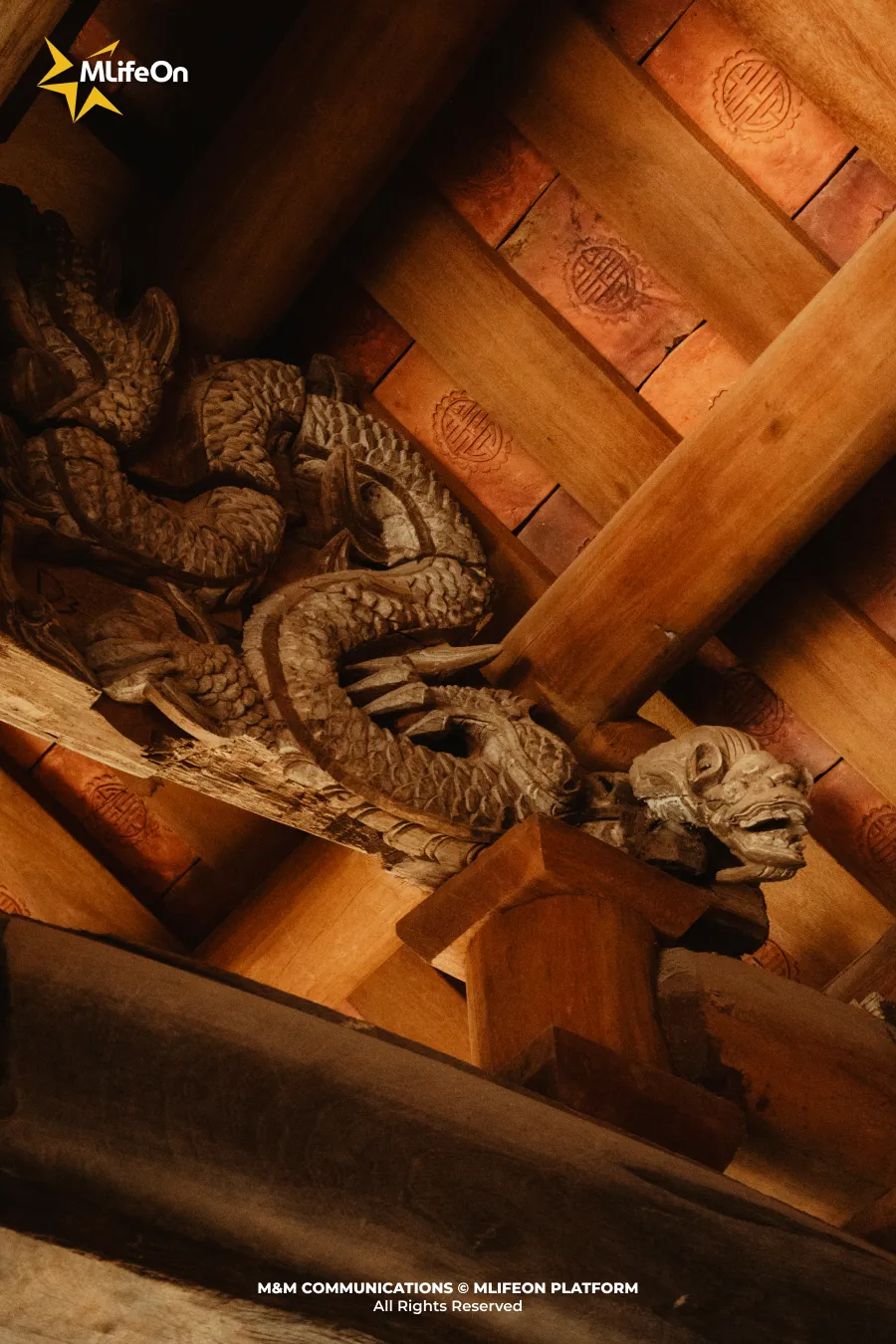
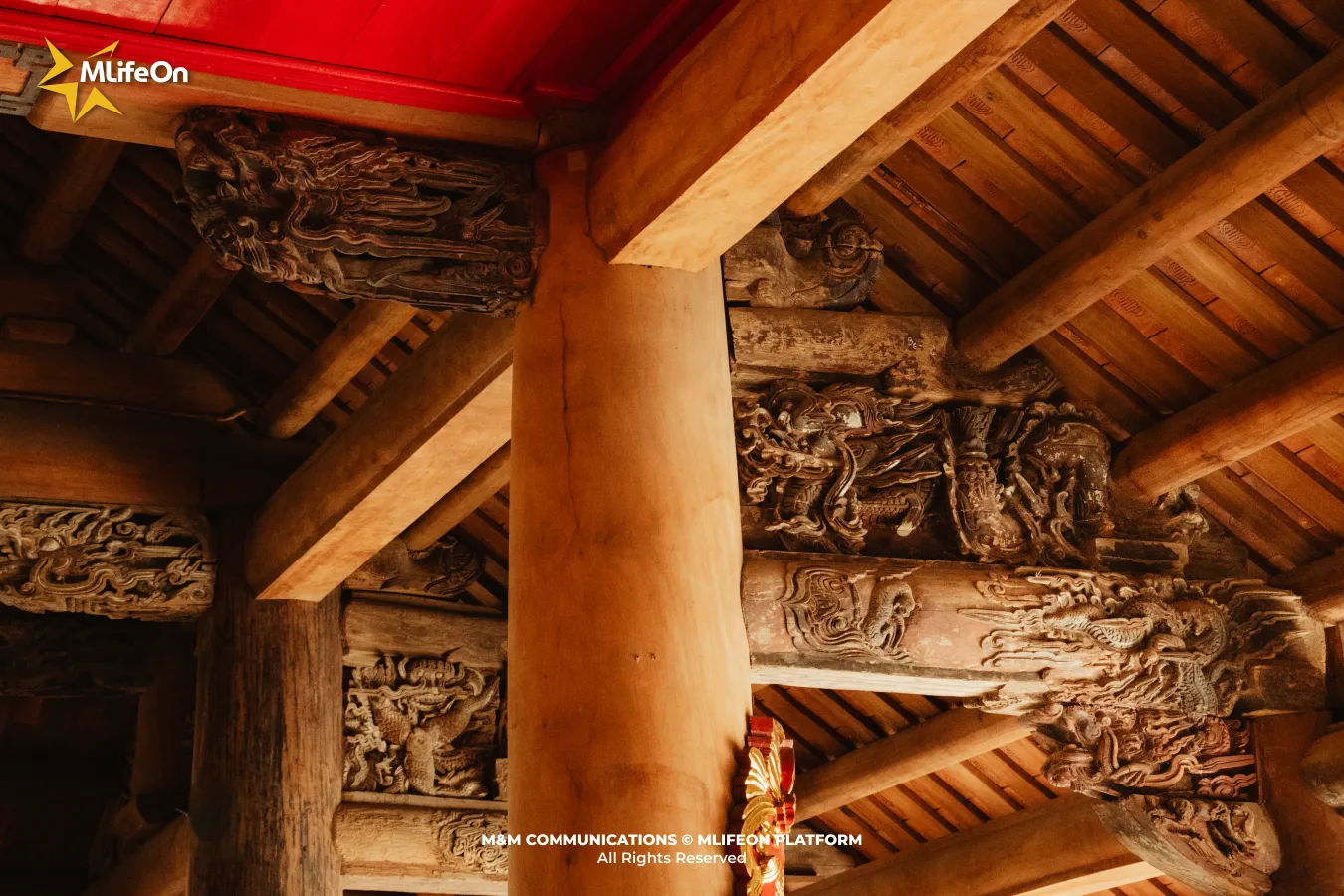
The interior is spacious and airy, with light filtering through roof gaps to create a warm, subdued atmosphere. Here, visitors do not simply observe an architectural monument; they sense the endurance of a cultural value that has persisted for centuries.
Communal houses and temples as an inseparable part of Ba Vi
After completing a circuit through Ba Vi and visiting its communal houses and temples, one realization becomes clear: these structures do not stand alone. They are deeply interwoven with the village, the paths, and the rhythm of daily life.
They do not require crowds or festivals to make their presence known. Even in quiet moments, they remain living repositories of memory. They exist not to be admired from a distance, but to accompany the village through time.
Ba Vi, therefore, is not only a land of forests and mountains. It holds layers of cultural sediment, preserved quietly. Within those layers, communal houses and temples remain the enduring spirit inviting visitors to pause, observe, and better understand the North as it once was.
Conclusion
Leaving Ba Vi, the communal houses and temples gradually disappear behind trees and aged roofs. There is no sense of having completed a conventional sightseeing trip only the feeling of having visited slowly enough to see, and closely enough to feel.
Here, communal houses and temples do not exist as isolated relics. They remain part of lived experience where memory, belief, and village life intertwine across generations. And perhaps it is precisely this quiet persistence that allows Ba Vi to preserve its spirit of the past: unassuming, unhurried, simply enduring and that is enough.
—---------
CREDIT:
- Photography: Luan Nguyen
- Content: Hoài Hà
- Design: Phuong