FORÊTS D'HÉVÉAS PENDANT LA SAISON DE CHANGEMENT DES FEUILLES
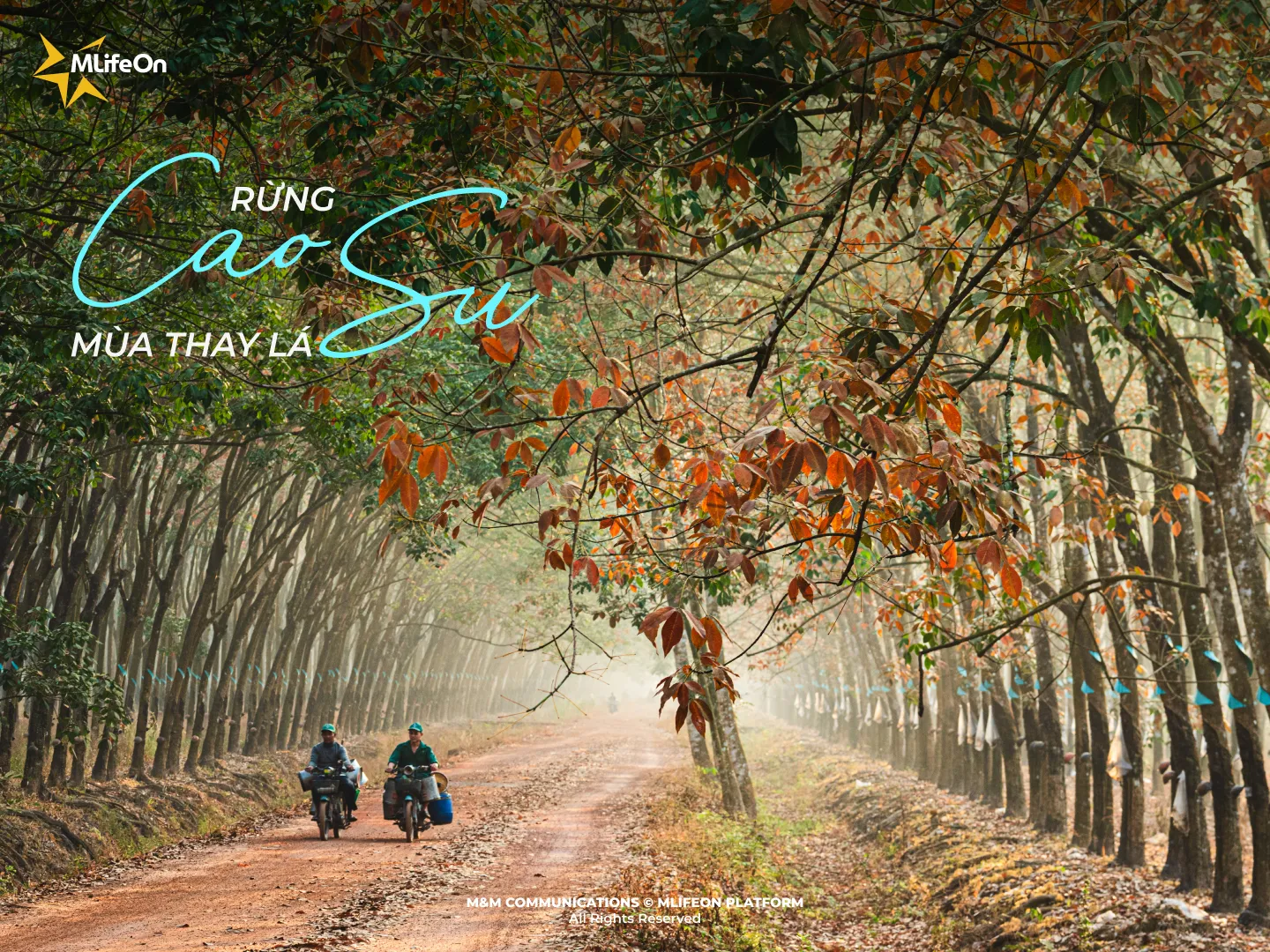
Découvrez la beauté de la forêt d'hévéas pendant la saison de changement des feuilles, où les paysages et les habitants sont d'une beauté à couper le souffle.
L'hiver est souvent associé aux vents froids, aux paysages silencieux et à la nature au repos. Pourtant, sous cette immobilité, les hommes comme les arbres se transforment discrètement, chacun à sa manière. Si vous vous retrouvez un jour dans une forêt d'hévéas à la fin de l'année, vous comprendrez ce que nous voulons dire. À l'arrivée de l'hiver, toute la forêt change d'un coup : son feuillage vert et dense cède la place à des teintes jaune doré et ambre chaleureux, pour former un paysage à la fois rêveur et profondément nostalgique.
La beauté des paysages
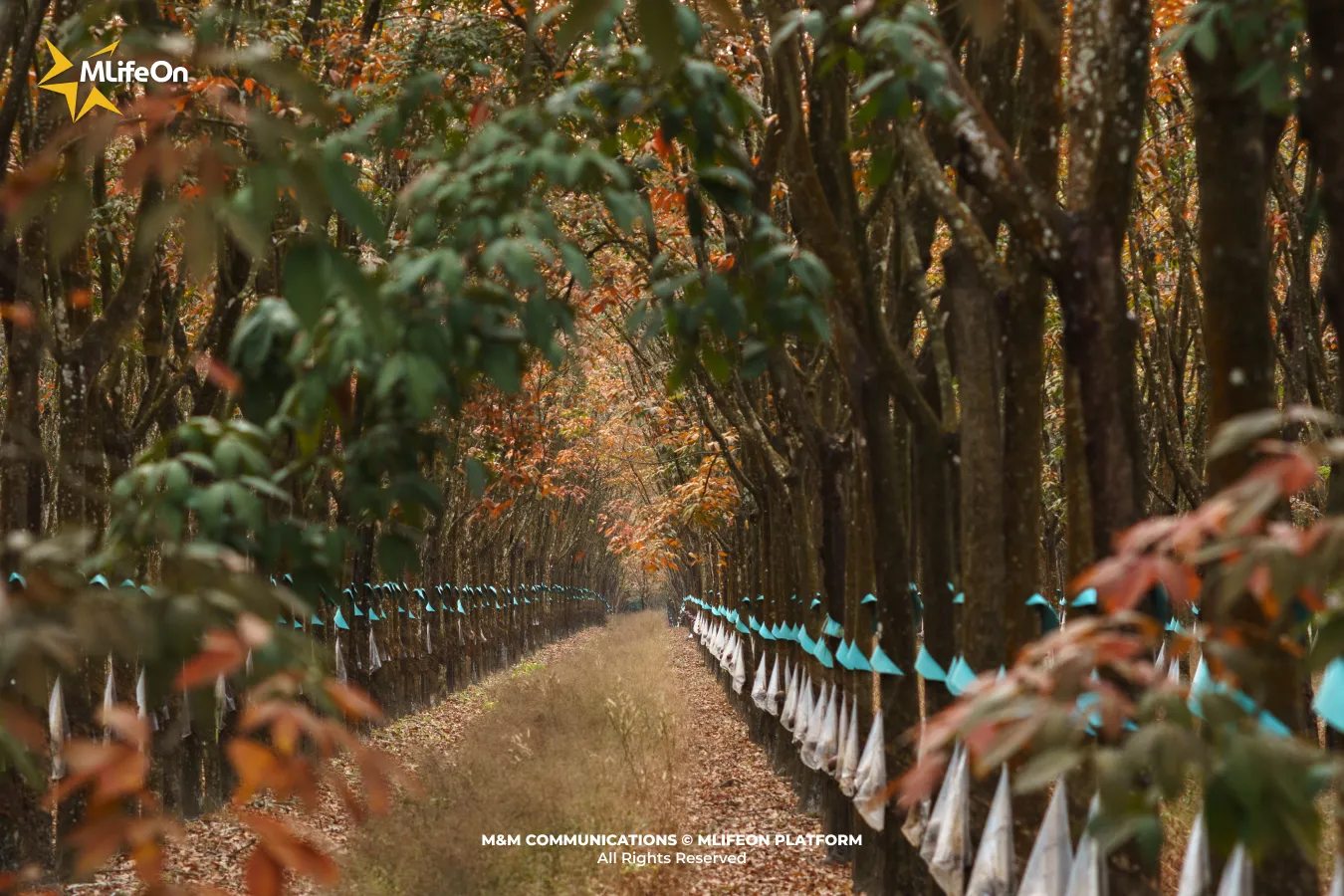
Chaque année, à la fin de l'hiver et au début du printemps, les forêts d'hévéas commencent à perdre leurs feuilles. Le feuillage vert, autrefois luxuriant, jaunit puis rougit, avant de tomber et de recouvrir le sol comme un tapis moelleux. La lumière du soleil filtre entre les branches et crée une scène à la fois romantique et sereine.
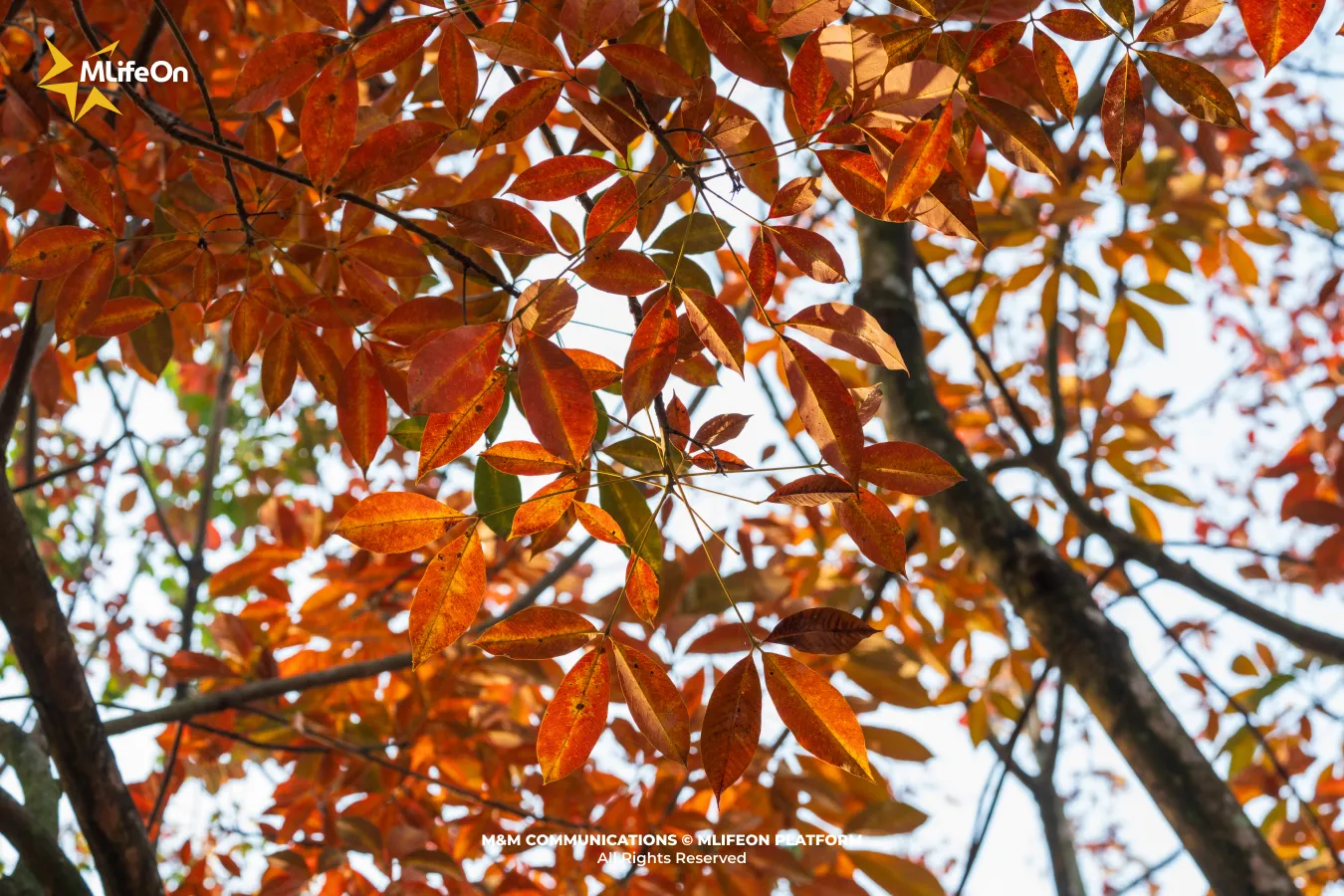
En marchant dans la forêt d'hévéas pendant la saison du changement des feuilles, on a l'impression d'avoir pénétré dans un monde de souvenirs. Le bruissement des feuilles sèches sous les pas, l'odeur terreuse du sol et les couleurs vives du feuillage composent une atmosphère poétique, qui rappelle les scènes d'automne occidentales tout en possédant une beauté vietnamienne unique.
La beauté de l'humain
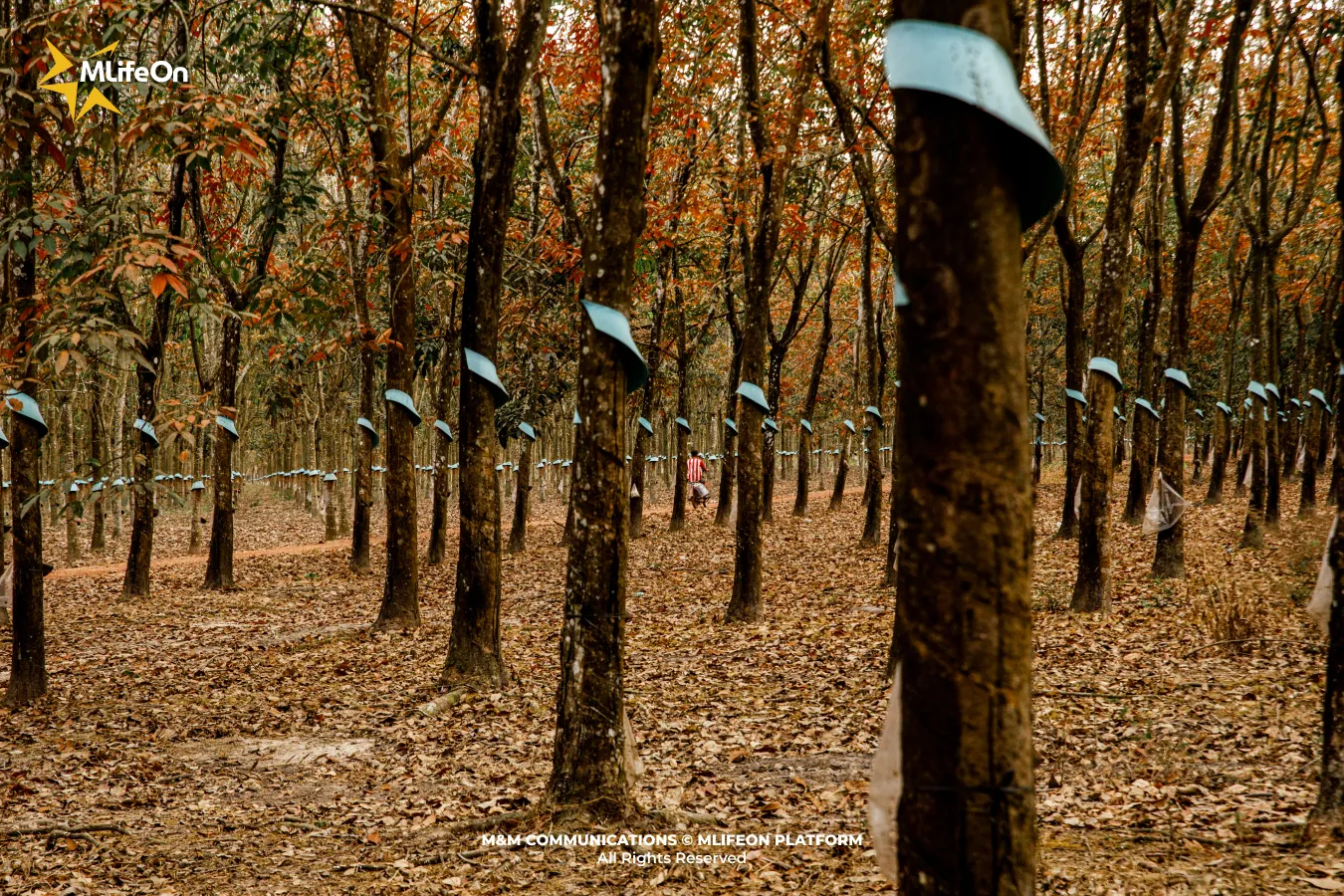
Si les feuilles changeantes des hévéas évoquent une atmosphère romantique, les habitants apportent une touche vivante à ce tableau. Au cœur de la forêt d'hévéas dorée, les ouvriers poursuivent avec diligence leur travail de saignée du latex. On les voit, vêtus de chemises à manches longues, tenant leurs couteaux de saignée, avancer en rythme entre les rangées droites des arbres : un rythme de travail régulier, simple et pourtant vivant.
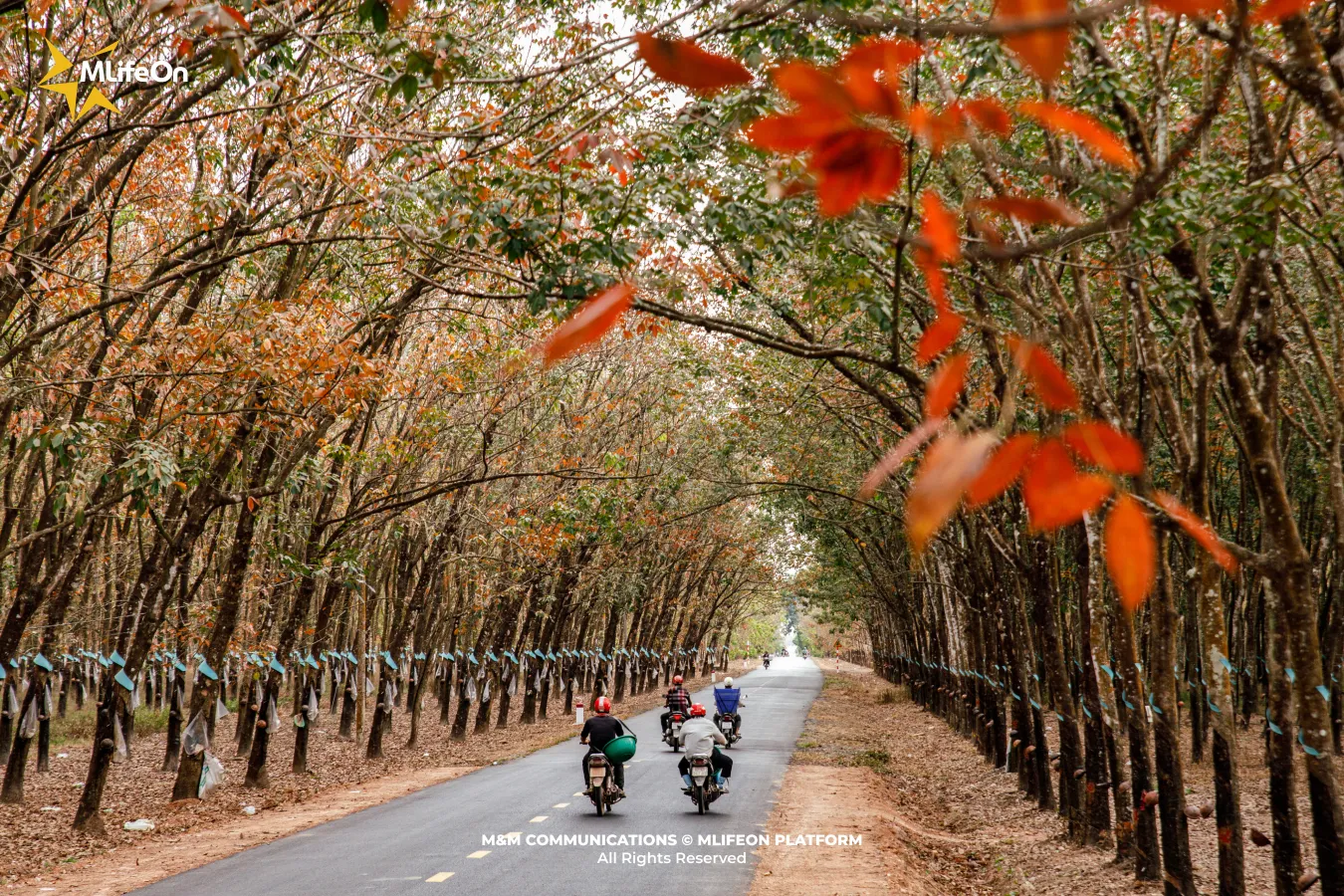
La forêt d'hévéas perd ses feuilles, mais c'est toujours la saison de travail pour ceux qui vivent de la saignée du caoutchouc
Au milieu de cette mer rouge éclatante de feuilles d'hévéas, les silhouettes des ouvriers se détachent comme de délicats coups de pinceau, à la fois simples et sacrés. Ils ne sont pas seulement les témoins du changement des feuilles, mais aussi les gardiens de la forêt d'hévéas, veillant à préserver sa valeur, afin que, grâce au latex d'un blanc pur, la vie de cette région devienne plus prospère.
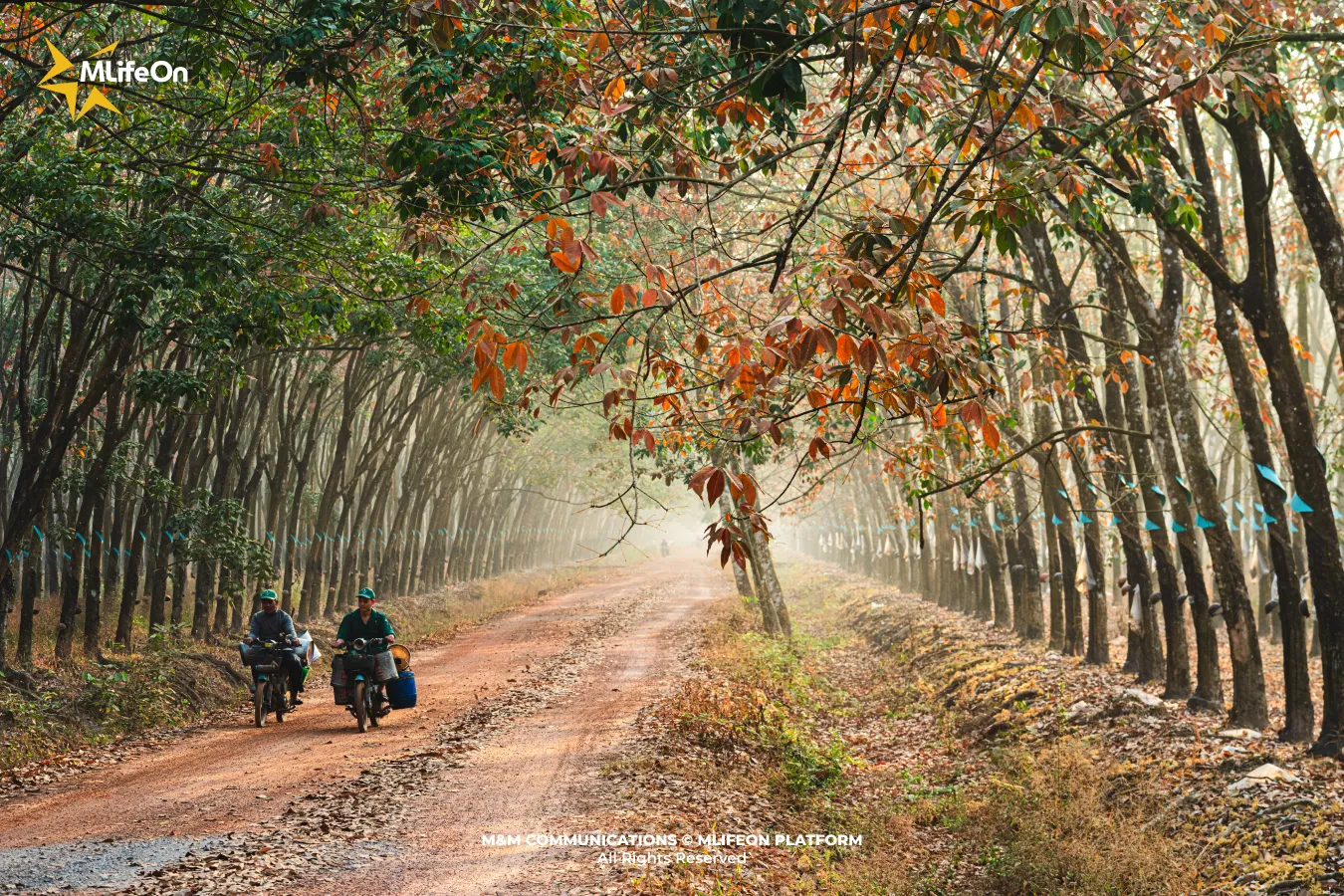
Plus qu'un simple spectacle
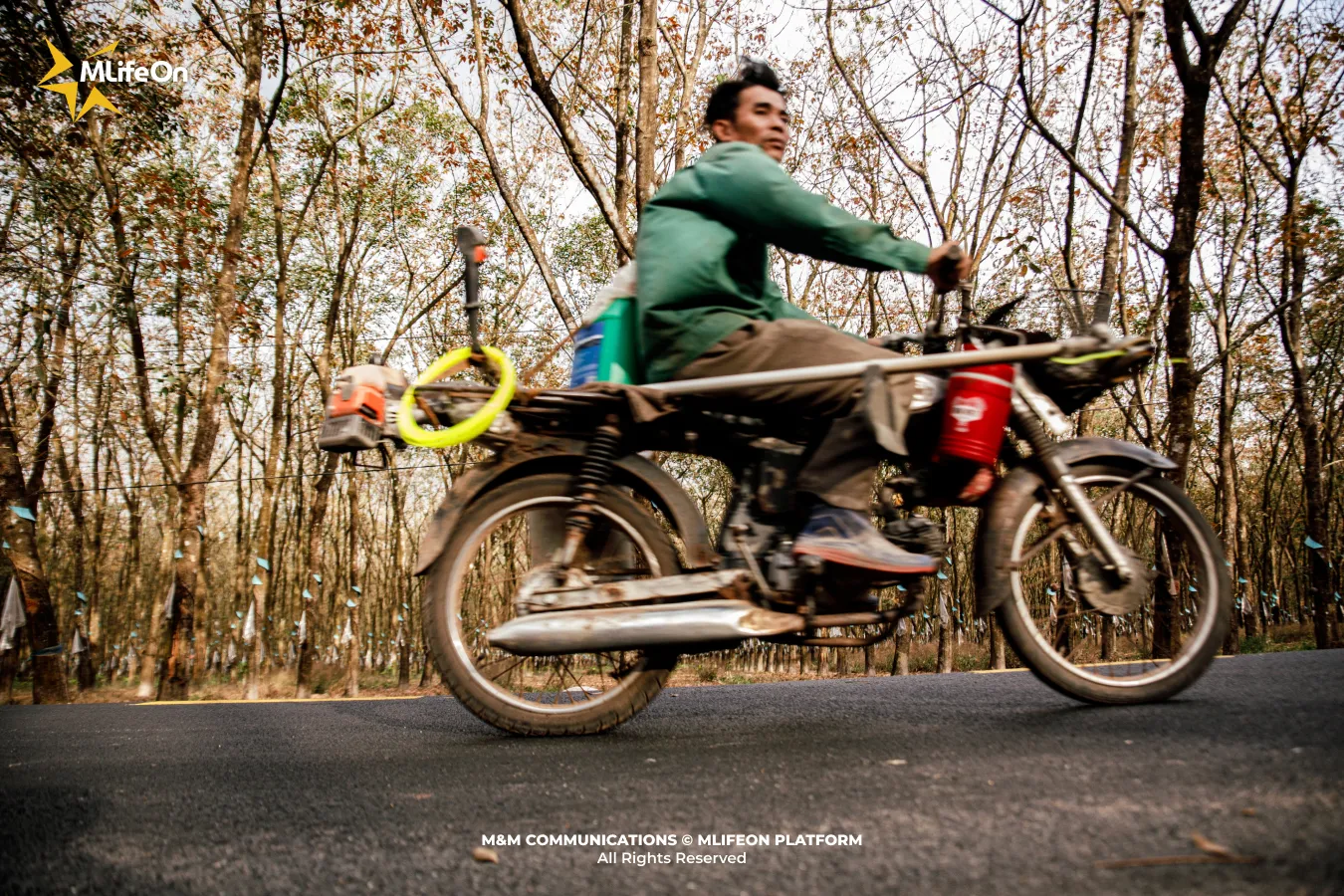
La forêt d'hévéas pendant la saison du changement des feuilles est bien plus qu'un spectacle visuel. Lorsque les feuilles vertes jaunissent puis virent au cramoisi, parant la cime des arbres ou tombant au sol, la scène devient une source de valeur esthétique particulière pour ceux qui savent apprécier la beauté. Les artistes y trouvent leur inspiration, les photographes capturent des images rares, et les voyageurs repartent avec une expérience spirituelle inoubliable.
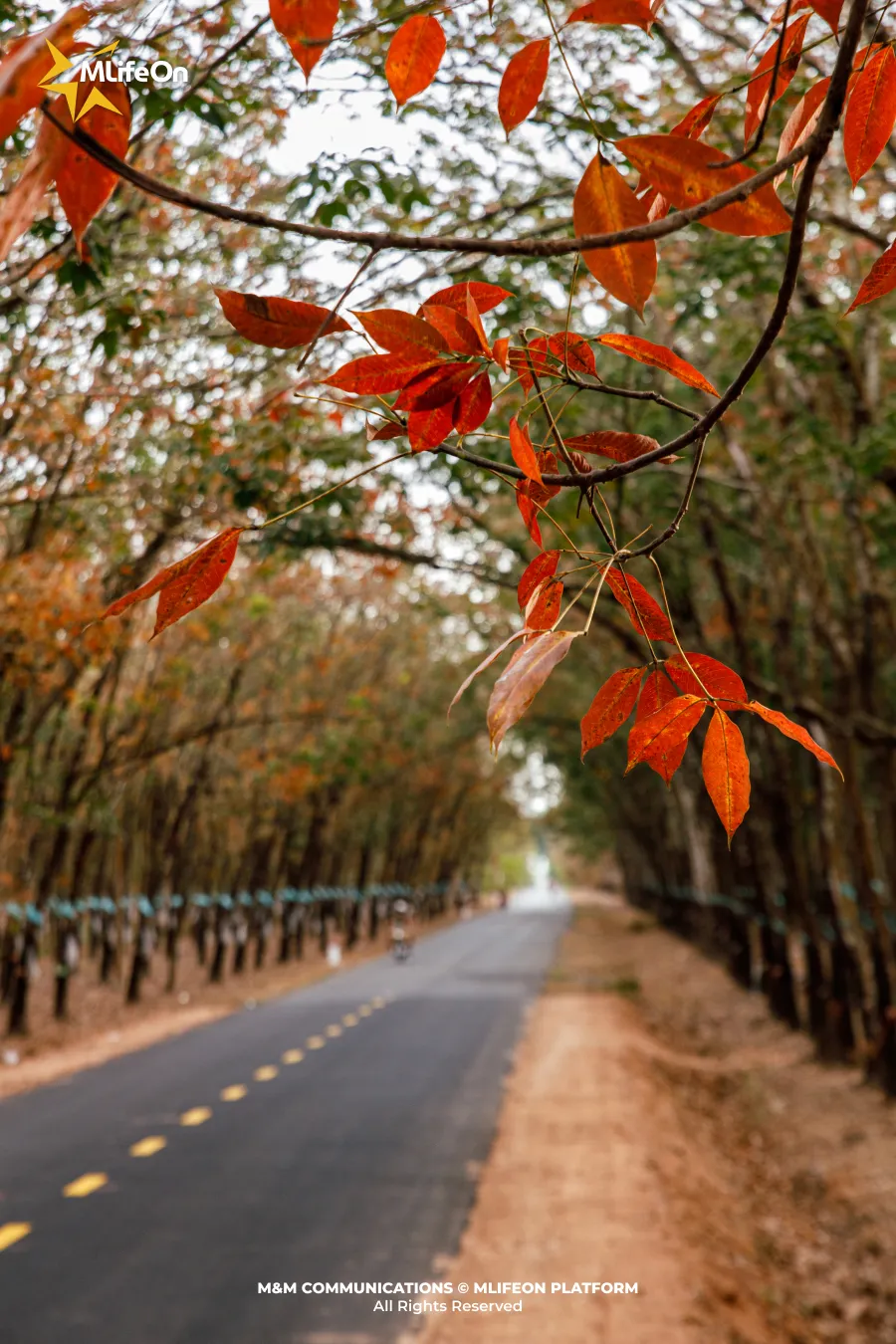
La beauté des forêts d'hévéas pendant la saison du changement des feuilles recèle de nombreux aspects précieux.
Mais cette beauté ne se contente pas de charmer les yeux. Elle a aussi une valeur économique : même pendant la saison de la chute des feuilles, les ouvriers continuent de saigner les arbres avec application, chaque goutte d'un blanc immaculé qui coule du tronc étant le fruit d'un labeur long et éprouvant.
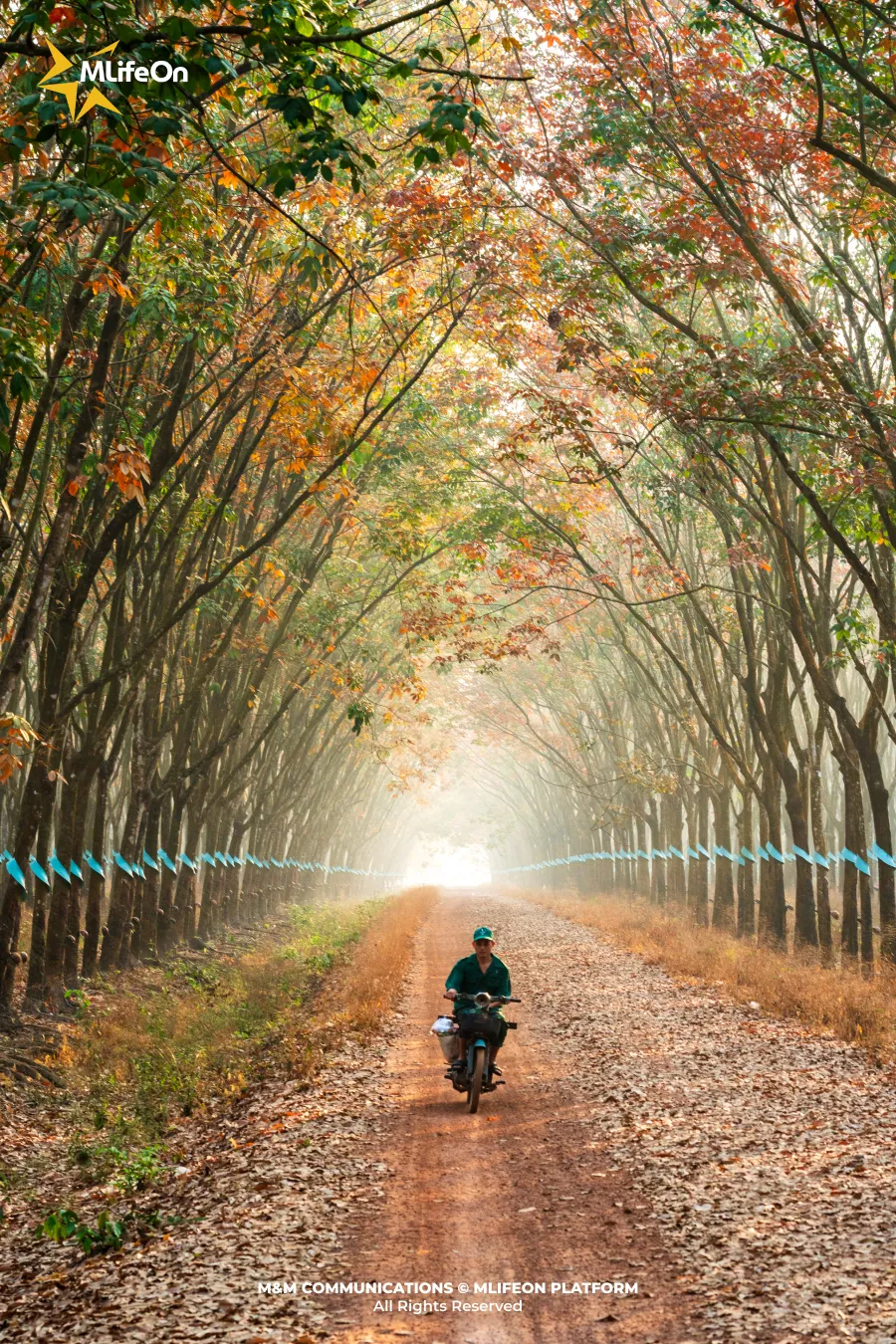
Les couleurs vives des feuilles qui tombent, associées au rythme régulier du travail, composent un tableau à la fois poétique et réaliste, où la nature et l'humanité œuvrent ensemble à la création de valeur.
En particulier, la forêt d'hévéas pendant la saison du changement des feuilles est le seul moment de l'année où nous pouvons être témoins de cette scène singulière. Et cela nous rappelle que : "Toute beauté est éphémère, et la transformation de la nature ressemble au cycle de vie de l'être humain : toujours en mutation, toujours en devenir."
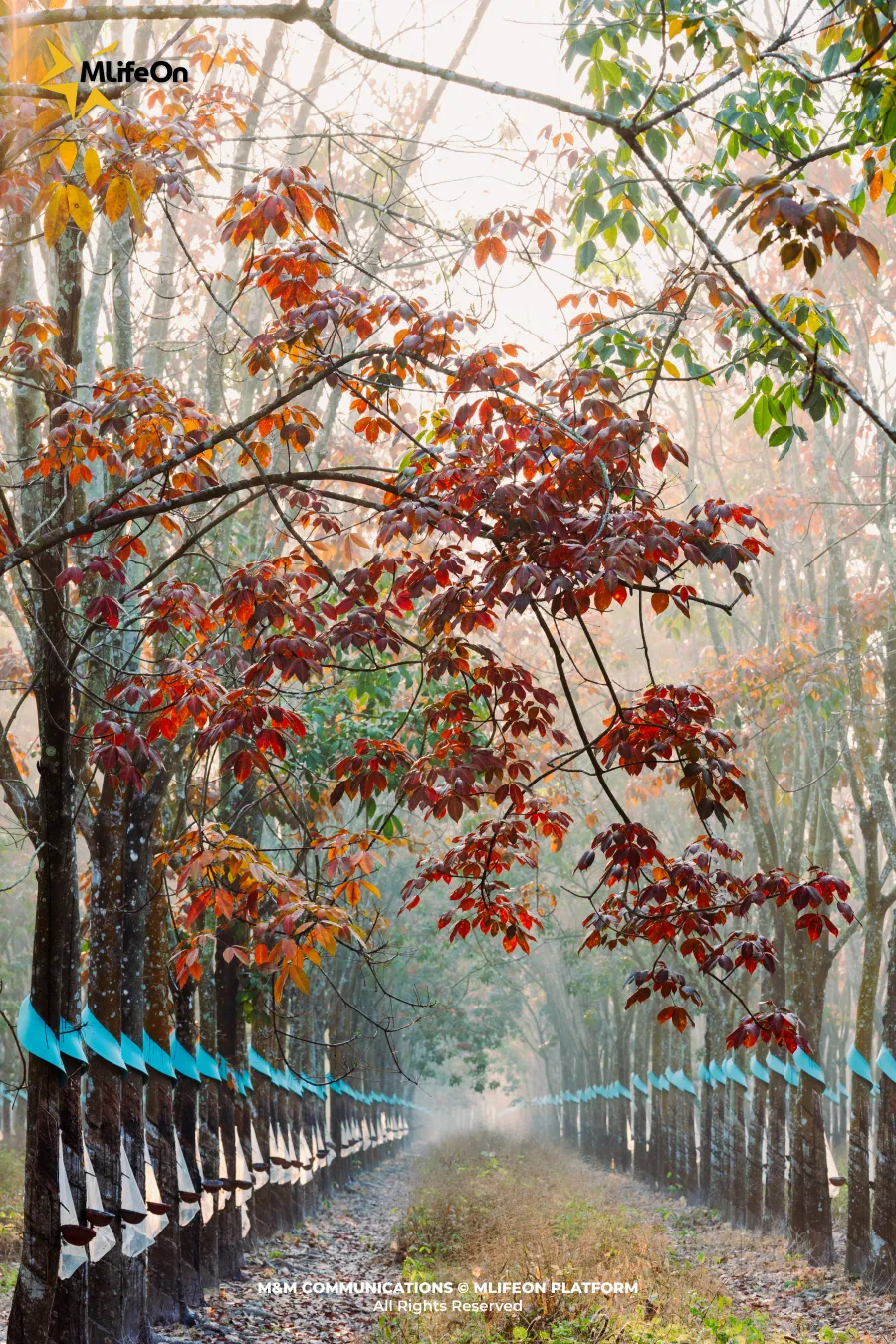
Conclusion
La forêt d'hévéas pendant la saison de la chute des feuilles est un moment particulier, où la nature et les hommes se rejoignent pour créer la beauté. Les feuilles dorées tombent et recouvrent le sol ; la lumière du soleil filtre entre les rangées droites des arbres ; et les silhouettes des ouvriers, qui saignent diligemment les hévéas, se fondent dans un tableau à la fois poétique et authentique. C'est non seulement la beauté de la nature, mais aussi celle du travail, du lien entre les hommes et la terre.
—------
CRÉDITS :
- Photographie : Kien Trang
- Contenu : Giang Huynh
- Design : Phuong Nguyen