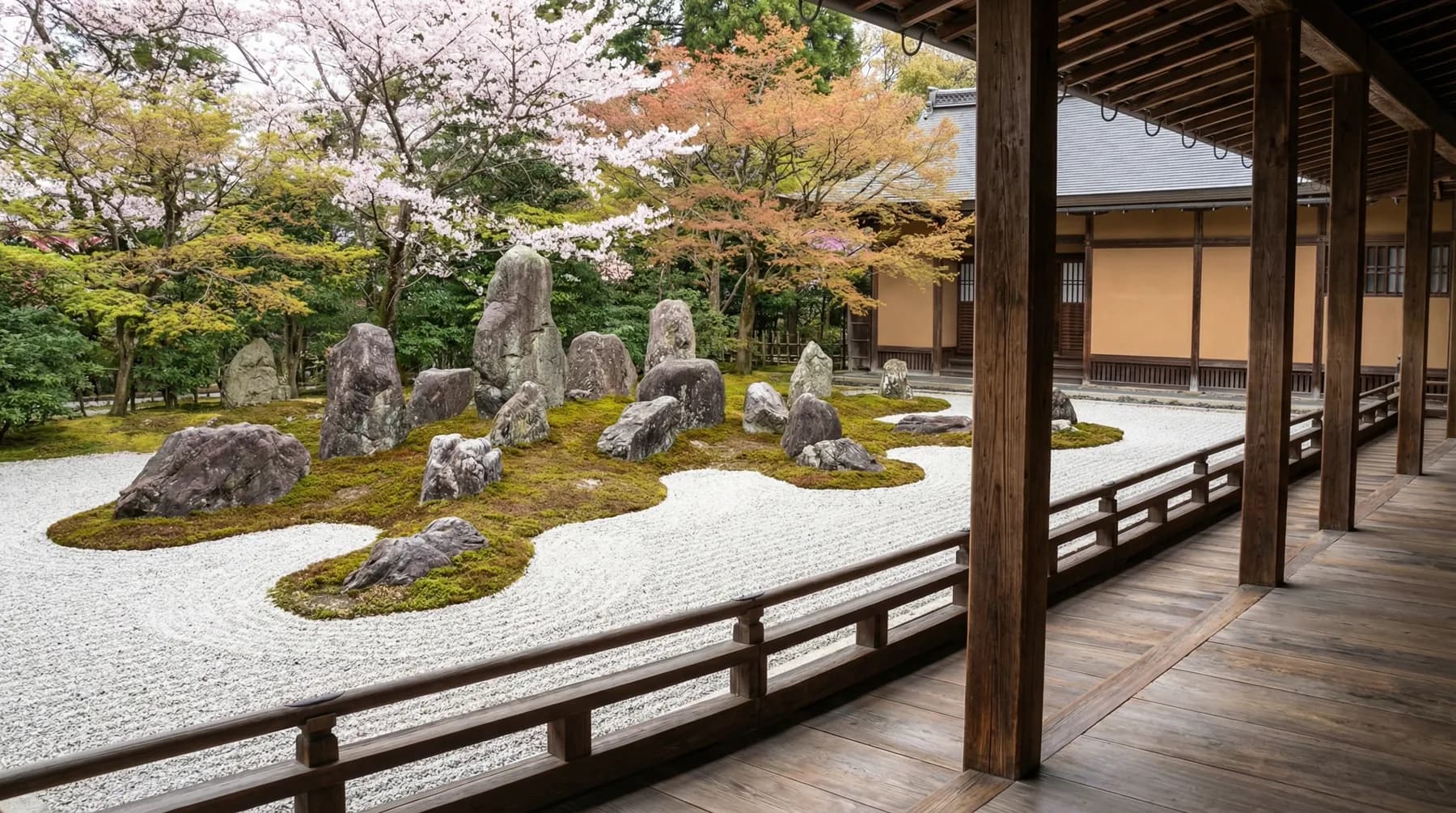
From the moment my bullet train gracefully glided into Kyoto, I felt a distinct shift, a gentle slowing of time. Having explored many of the world's bustling metropolises, I found myself drawn to places where history breathes, where tradition is not merely preserved but lived. Kyoto and Nara, Japan's revered ancient capitals, offer precisely this—a profound journey into the very soul of Japanese culture, history, and spirituality.
This is not just a trip; it is an immersion, a dance with the echoes of emperors and monks, artisans and poets. For culturally curious travelers, particularly those of us who appreciate the rich tapestry of heritage, these cities are indispensable. They reveal how meaning and connection are woven into daily life, offering more than just sights, but truly unforgettable cultural stories and inspiring connections.
Kyoto's Enduring Elegance: A Tapestry of Tradition
Kyoto served as Japan's imperial capital for over a thousand years, and its legacy is palpable in every serene garden, ancient temple, and wooden machiya house. It's a city that effortlessly blends the sacred with the refined, inviting quiet contemplation at every turn. My first encounter with its quiet dignity felt like stepping into a living scroll painting.
Zen Gardens and Spiritual Serenity
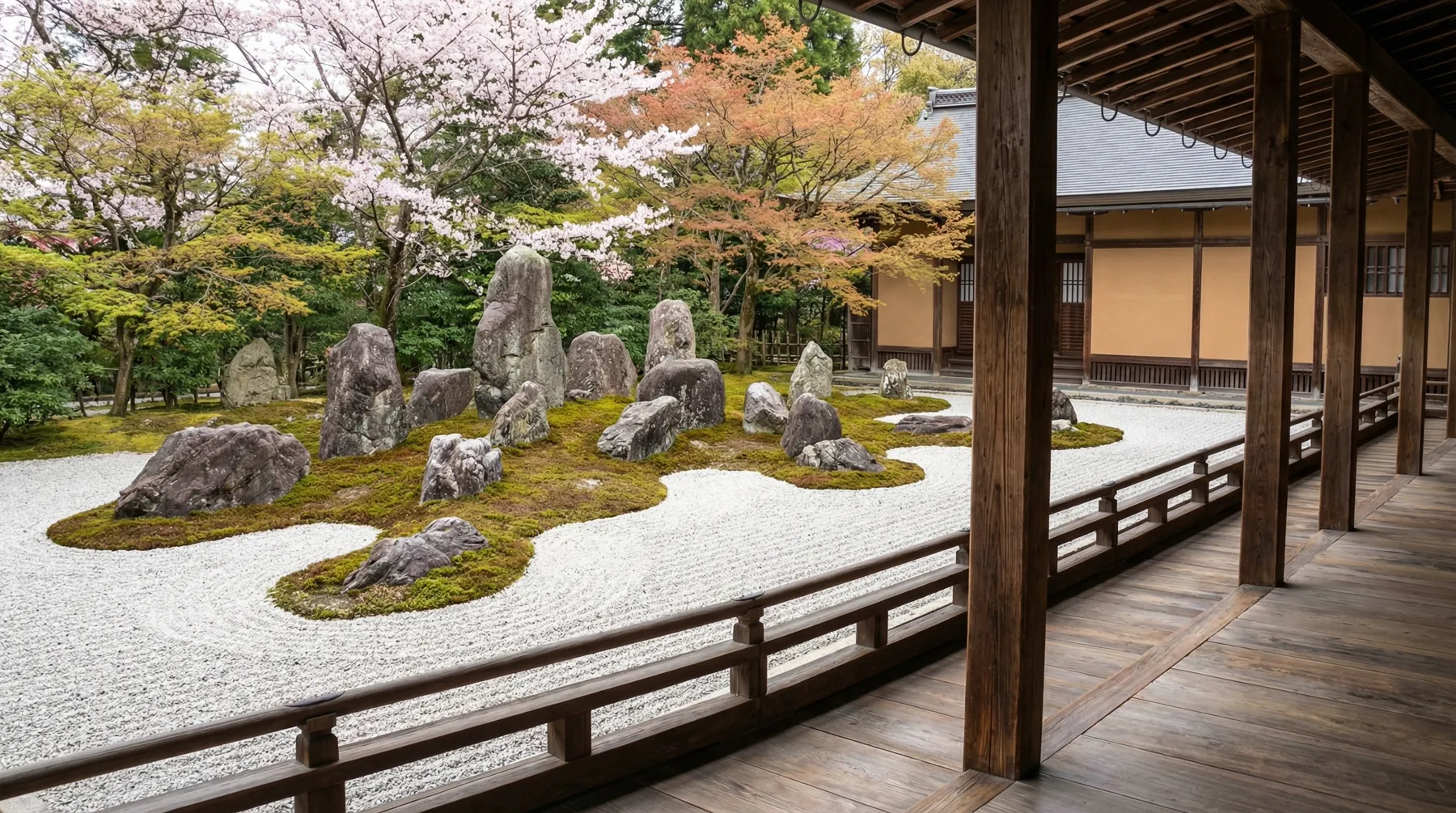
One of Kyoto's most profound gifts is its Zen gardens, designed not just for beauty but for meditation and enlightenment. The dry landscape garden of Ryoan-ji, with its fifteen strategically placed rocks on a bed of raked white gravel, is a powerful testament to this philosophy. Standing on the veranda, the simplicity of the scene allows the mind to quiet, encouraging an internal journey as captivating as any external vista.
My personal reflection there was one of profound peace, a rare stillness in our fast-paced world. The Golden Pavilion, Kinkaku-ji, offers a different kind of splendor, its shimmering gold leaf reflecting majestically on the pond below. It speaks to a pursuit of beauty that transcends the material, an architectural marvel that feels both ethereal and deeply rooted in history.
Geisha, Gion, and the Art of Hospitality (Omotenashi)
A twilight stroll through Gion, Kyoto's famous geisha district, is like walking into a bygone era. The narrow, lantern-lit streets, the rustle of silk kimonos, and the elusive glimpse of a geiko (Kyoto term for geisha) or maiko (apprentice) hurrying to an engagement, create an atmosphere of timeless grace. It's a world built on art, discipline, and the profound Japanese concept of omotenashi—wholehearted hospitality.
I had the privilege of experiencing a traditional tea ceremony, not just as an observer, but as a participant. The meticulous movements, the quiet reverence for each utensil, the precise way the matcha was whisked and served—each detail spoke volumes about mindfulness and aesthetic appreciation. It was a beautiful lesson in slowing down and savoring the present moment, a truly enriching cultural exchange. The city's culinary scene, too, is an art form, from the exquisite multi-course kaiseki ryori to the vibrant energy of Nishiki Market. Exploring Nishiki, often called 'Kyoto's Kitchen,' I was overwhelmed by the sensory delights: the aroma of pickles, fresh seafood, and wagashi (traditional sweets), all meticulously presented.
Arashiyama's Bamboo Grove and Nature's Embrace
Just outside the city center, Arashiyama offers a breathtaking escape into nature. Walking through its towering bamboo grove is an almost otherworldly experience. The sunlight filters through the dense stalks, creating an ethereal glow, while the gentle creak and rustle of the bamboo provide a natural symphony. It’s a moment of profound connection with nature, a reminder of the quiet power of the earth.
Nearby, the scenic Togetsukyo Bridge spans the Katsura River, offering panoramic views of the surrounding mountains. I remember pausing there, inhaling the crisp air, and feeling completely enveloped by the serene beauty. It’s a perfect example of how Kyoto integrates natural landscapes into its cultural fabric, creating spaces for both awe and tranquility.
Nara: Cradle of Japanese Civilization and Gentle Giants
A short train ride from Kyoto lies Nara, a city that predates Kyoto as Japan's first permanent capital, established in 710 AD. Nara feels even more ancient, its history palpable in its magnificent temples and the sacred deer that roam freely through its park. My visit felt like stepping back to the very origins of Japanese imperial and Buddhist culture.
Todai-ji and the Daibutsu (Great Buddha)
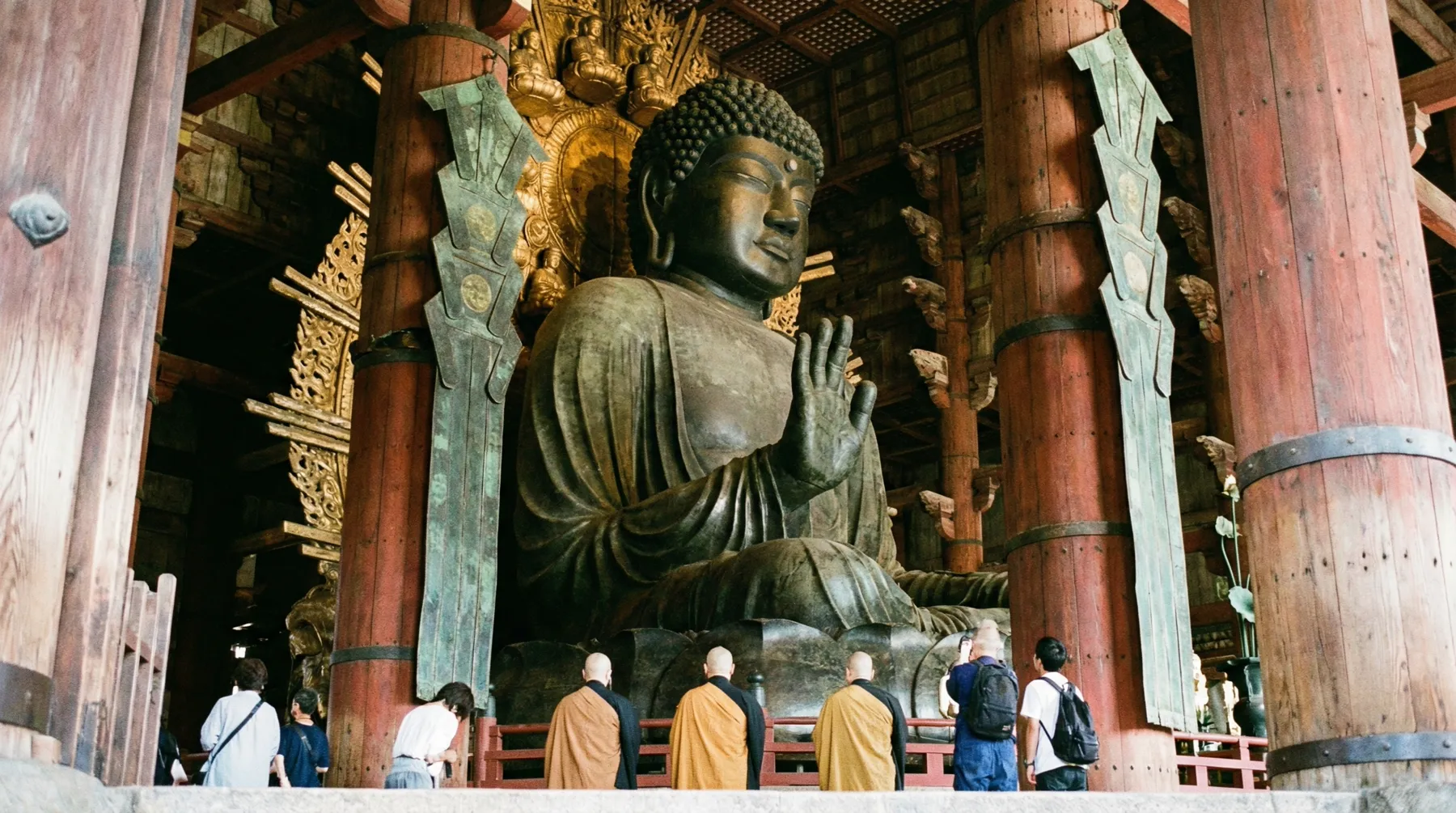
The sheer scale of Todai-ji Temple is breathtaking. Housing the Daibutsu, a colossal bronze statue of Buddha Vairocana, it stands as one of the world's largest wooden structures. Entering the vast hall, the immense presence of the Great Buddha is humbling, a powerful symbol of early Japanese Buddhism's influence. It’s a testament to the fervent faith and incredible craftsmanship of the 8th century.
I remember standing before it, feeling incredibly small, yet part of something much larger than myself. The intricate details of the statue, despite its age, convey a sense of serenity and wisdom that transcends time. It’s a place that fosters deep introspection, a truly moving spiritual encounter.
Nara Park and the Sacred Deer
Perhaps Nara's most iconic inhabitants are its thousands of wild sika deer, considered messengers of the gods in Shinto tradition. Roaming freely throughout Nara Park and around the temple grounds, they are remarkably tame and accustomed to human interaction. For a small fee, you can buy 'deer crackers' and experience the unique joy of feeding them.
My personal experience with the deer was enchanting; a gentle nudge, a polite bow from a deer asking for a cracker, it was unlike any wildlife encounter I'd had. This respect for nature and the belief in the sacredness of these animals underscores a deep cultural connection to the natural world. It's a playful yet profound interaction that highlights Japan's unique spiritual landscape.
Kasuga Taisha Shrine: Shintoism's Ancient Heart
Hidden within a sacred forest, Kasuga Taisha Shrine is an exquisite example of Shinto architecture, famous for its thousands of bronze and stone lanterns. The path leading to the shrine is lined with moss-covered stone lanterns, creating an ethereal, mystical atmosphere, especially as dusk approaches. It felt like walking into a realm where ancient spirits reside.
The vibrant vermilion of the shrine buildings contrasts beautifully with the lush greenery, reflecting a harmonious blend of nature and human artistry. This shrine, dedicated to the ancestral deities of the Fujiwara clan, offers a glimpse into Japan's indigenous Shinto beliefs and rituals, often practiced in conjunction with Buddhist traditions, showcasing the beautiful syncretism that defines much of Japanese spirituality.
Beyond the Postcard: Living the Japanese Way
Exploring Kyoto and Nara offers more than just historical sites; it provides a window into the Japanese way of life. It’s about understanding the subtle nuances that make this culture so captivating, from its hospitality to its daily rituals. These deeper experiences are what truly connect us to a place.
The Ryokan Experience
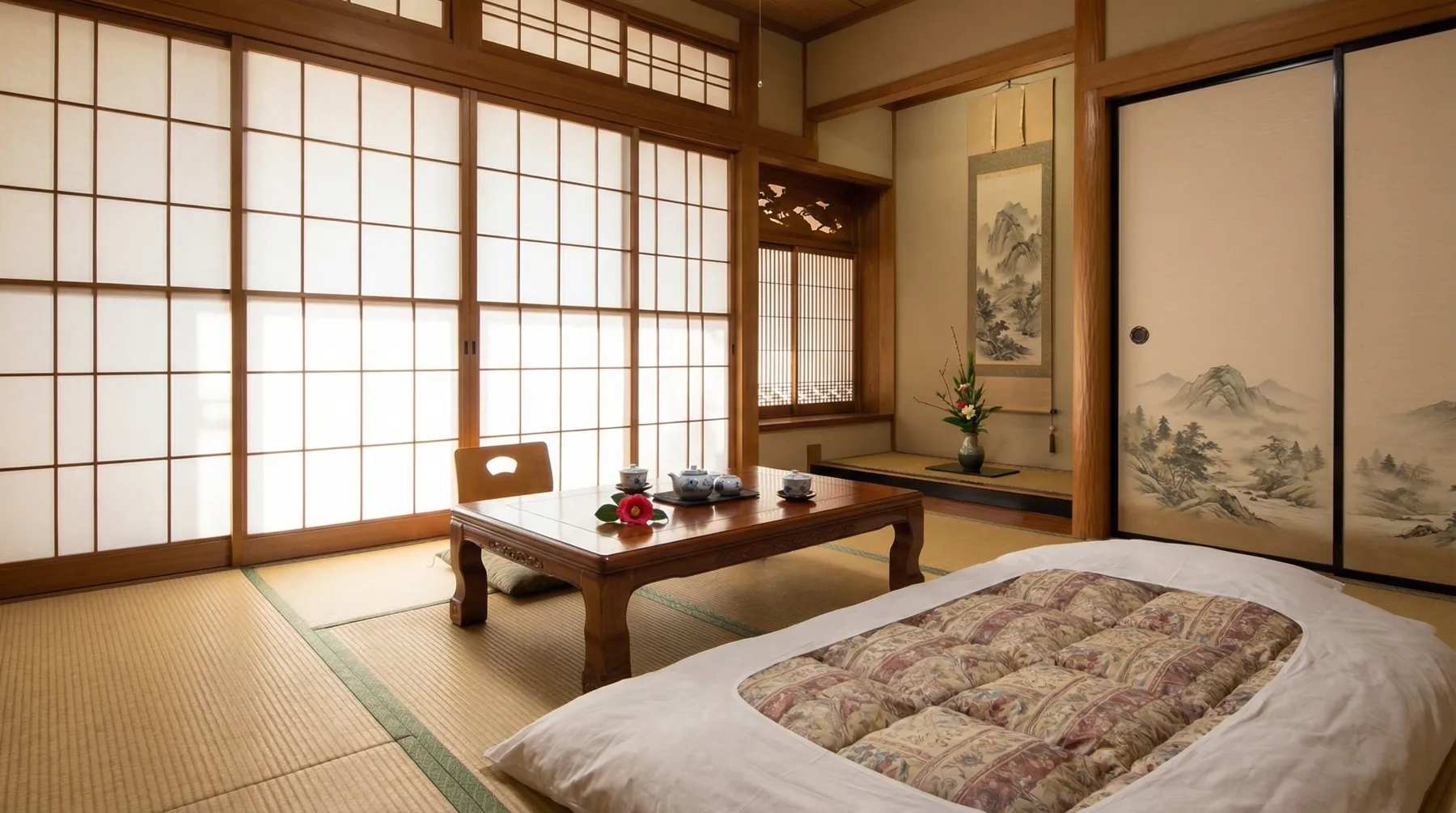
One of the most enriching experiences I recommend is staying in a traditional ryokan. Imagine sleeping on a futon laid out on tatami mats, enjoying a multi-course kaiseki dinner served in your room, and unwinding in a communal onsen (hot spring bath). It’s an embrace of authentic Japanese hospitality and a profound immersion into local customs.
My stay at a ryokan was a lesson in quiet comfort and meticulous service. Every detail, from the perfectly arranged slippers to the delicate presentation of each dish, spoke of a deep respect for the guest. It’s an experience that goes beyond mere accommodation, fostering a genuine connection to the cultural fabric.
Festivals and Everyday Rituals
While my visit didn't coincide with a major festival like Kyoto's Gion Matsuri or Nara's Omizutori, the spirit of celebration and ritual is ever-present. From the quiet reverence at a local temple to the meticulous packaging of a gift, everyday life in Japan often feels like a series of small, beautiful rituals. The emphasis on cleanliness, politeness, and efficiency shapes the daily rhythm.
These observations, often subtle, reveal a society deeply rooted in respect—respect for others, for nature, and for tradition. It's this quiet dignity in everyday living that truly lingers long after you've left.
Conclusion: A Journey of Discovery and Connection
My journey through Kyoto and Nara was more than just sightseeing; it was a profound exploration of history, spirituality, and art. These ancient capitals, with their serene gardens, majestic temples, and living traditions, offer a unique opportunity for deep cultural immersion. They invite you to slow down, to observe, and to connect with a timeless culture that values beauty, respect, and mindfulness.
For those seeking substantive travel narratives and meaningful connections to global communities, Kyoto and Nara are essential destinations. They are places where every corner holds a story, every meal is an art form, and every interaction is infused with grace. This journey truly embodies the spirit of MLIFEON: 'Your journey to unforgettable cultural stories and inspiring connections. More Discovery, More Experience.' It is an invitation to not just visit, but to truly feel the whispers of ancient Japan.