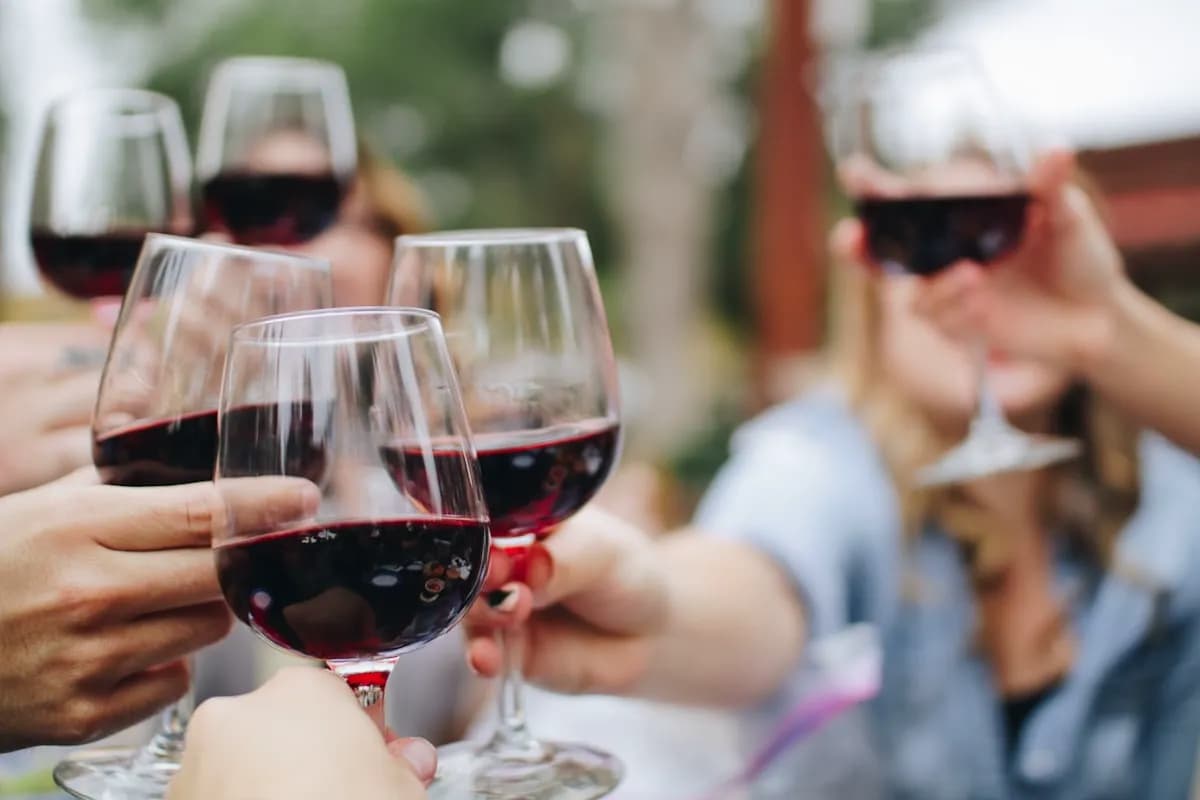
Melbourne CBD's wine bar culture represents the sophisticated intersection of Australian viticultural excellence and international wine appreciation, where venues curate selections that showcase both local terroir and global wine traditions while creating educational experiences that deepen customer understanding and appreciation of wine as both cultural artifact and sensory pleasure. These establishments serve as bridges between casual wine consumption and serious oenological exploration, offering environments where novices can discover preferences alongside connoisseurs seeking rare expressions and expert guidance. Understanding Melbourne's wine bar landscape requires appreciation for how these venues balance accessibility with expertise, creating spaces that welcome curiosity while respecting the complexity and tradition inherent in wine culture.
The evolution of Melbourne's wine bar scene from simple wine service to comprehensive wine education reflects broader cultural shifts toward appreciation of craft, quality, and provenance that influence contemporary hospitality and customer expectations for authentic experiences. These venues must navigate the tension between wine accessibility and sophistication while building inventories that demonstrate depth and breadth without overwhelming customers or creating pretentious environments that discourage exploration and learning. The most successful wine bars achieve perfect balance between education and entertainment, creating atmospheres that enhance wine appreciation while fostering social connection and memorable experiences that extend beyond simple consumption.
Curation Philosophy and Selection Excellence
Premier wine bars distinguish themselves through curation philosophies that reflect both expertise and accessibility, developing selections that tell coherent stories about regions, producers, and styles while accommodating diverse customer knowledge levels and preferences without compromising quality or educational value. These curation approaches often emphasize discovery over familiarity, introducing customers to lesser-known producers, emerging regions, and unusual varietals that expand palates while demonstrating the depth and diversity of global wine production. The development of coherent wine programs requires extensive knowledge, ongoing education, and relationships with distributors and producers that enable access to exceptional wines while maintaining pricing accessibility and profit margins that support business sustainability.
Seasonal selection rotation enables wine bars to maintain customer interest while showcasing how wine preferences and availability change throughout the year, creating opportunities for education about vintage variation, seasonal appropriateness, and the relationship between wine and weather patterns that affect both production and consumption preferences. Seasonal programming often includes special tastings, producer events, and themed selections that create reasons for repeat visits while demonstrating ongoing commitment to wine education and discovery. The successful management of seasonal rotation requires planning and supplier relationships that ensure consistent availability while enabling flexibility and responsiveness to market conditions and customer interests.
Price point diversity within wine selections enables venues to serve various customer segments and occasions while maintaining quality standards across all pricing levels that demonstrate value and expertise regardless of customer spending capacity. This pricing strategy often includes accessible entry-level selections alongside premium and rare offerings that create opportunities for customers to explore and graduate to higher-quality wines while ensuring venues remain viable for regular patronage rather than special occasion only. The balance between accessibility and exclusivity determines long-term customer relationship development and revenue optimization across diverse customer segments and visit occasions.
Education and Wine Knowledge Sharing
Wine education programs including tastings, masterclasses, and producer dinners create additional revenue streams while positioning venues as authorities within local wine culture and building customer relationships that extend beyond simple commercial transactions. These educational offerings often feature guided comparisons, technical discussions, and storytelling that connects wines to their origins while developing customer palates and appreciation for quality and craftsmanship. The investment in educational programming requires staff expertise and event planning capabilities but creates competitive advantages while building community connections and customer loyalty that support long-term business development.
Staff training and wine knowledge development ensure consistent customer education and service quality while enabling authentic conversations about wine that build customer confidence and trust in venue expertise and recommendations. Comprehensive training programs often include formal wine education, tasting practice, and ongoing education that keeps staff current with wine trends and new releases while developing presentation skills and customer interaction techniques. The investment in staff development creates operational advantages while ensuring customer experiences that justify premium positioning and build reputation within wine communities that value knowledgeable service and authentic expertise.
Tasting note documentation and customer preference tracking enable personalized service and recommendations while building databases that support customer relationship management and inventory planning based on demonstrated preferences and consumption patterns. These systems often include detailed wine descriptions, customer feedback, and preference profiles that enable targeted recommendations and marketing while improving inventory turnover and customer satisfaction. The strategic use of customer data enhances experiences while supporting business optimization and relationship building that creates competitive advantages through personalized service and demonstrated understanding of customer preferences.
Atmospheric Design and Wine Storage
Wine bar design must balance atmospheric appeal with functional requirements including proper storage conditions, service efficiency, and customer comfort while creating environments that enhance wine appreciation through appropriate lighting, temperature control, and acoustic management that supports conversation and relaxation. These design considerations often include wine storage displays, tasting areas, and cellar features that create visual interest while demonstrating wine program depth and storage expertise. The integration of functional and aesthetic elements requires understanding of wine storage requirements alongside hospitality design principles that create welcoming environments supporting extended wine exploration and social interaction.
Wine storage and cellar systems require significant investment in climate control, inventory management, and security systems that protect valuable wine collections while enabling efficient service and customer confidence in wine quality and proper handling. Professional storage systems often include temperature and humidity control, vibration management, and inventory tracking that ensures optimal wine condition while supporting operational efficiency and loss prevention. The visible integration of professional storage systems demonstrates commitment to wine quality while creating customer confidence and educational opportunities that enhance venue credibility and customer experience.
Glassware selection and presentation standards reflect venue commitment to wine service excellence while enhancing customer appreciation through proper wine presentation that maximizes sensory experience and demonstrates respect for wine quality and customer investment. Professional glassware programs often include varietal-specific glasses, proper cleaning procedures, and presentation techniques that enhance wine characteristics while creating memorable service experiences. The investment in quality glassware and service standards creates competitive advantages while demonstrating professionalism that justifies premium pricing and builds customer confidence in venue expertise and commitment to excellence.
Food Pairing and Culinary Integration
Food pairing programs enable wine bars to create complete dining experiences while demonstrating wine and food relationships that enhance appreciation of both elements through thoughtful combinations that highlight complementary flavors and textures. These pairing approaches often include classic combinations alongside innovative pairings that challenge conventional wisdom while maintaining harmony and balance that enhances rather than competes between wine and food elements. The development of successful pairing programs requires culinary knowledge alongside wine expertise while addressing operational complexity and cost management that maintains profitability while delivering exceptional customer experiences.
Cheese and charcuterie programs provide natural wine companions while requiring expertise in selection, storage, and presentation that demonstrates understanding of traditional wine country hospitality and creates authentic experiences that connect customers to wine culture origins. These programs often include imported and local selections with detailed descriptions and pairing suggestions that create educational opportunities while satisfying customer preferences for substantial accompaniments to wine consumption. The successful implementation of cheese and charcuterie programs requires supplier relationships and staff training that ensures quality while managing perishability and food safety requirements.
Small plate menus designed specifically for wine pairing create opportunities for multiple course experiences while enabling customers to explore various wine and food combinations throughout extended visits that increase spending while enhancing satisfaction and education. These menu approaches often feature shareable portions, diverse flavor profiles, and preparation techniques that complement wine characteristics while maintaining operational efficiency and cost control. The balance between culinary ambition and operational reality determines success in creating food programs that enhance rather than complicate wine focus while providing complete hospitality experiences.
Natural Wine Movement and Alternative Styles
Natural wine programs represent growing customer interest in organic, biodynamic, and minimal intervention winemaking that appeals to environmentally conscious consumers while introducing unusual flavors and production methods that challenge conventional wine expectations and create opportunities for education and discovery. These alternative wine approaches often feature distinctive characteristics including cloudiness, funk, and unusual flavor profiles that require customer education and staff expertise to present appropriately while maintaining quality standards and customer satisfaction. The integration of natural wines requires understanding of production methods alongside customer psychology and service techniques that enable successful introduction of challenging wines to mainstream wine bar customers.
Orange wine and unconventional varietals expand customer palates while demonstrating wine bar expertise and commitment to wine exploration that distinguishes venues from basic wine service while creating conversation starters and memorable experiences that generate customer loyalty and word-of-mouth marketing. These unusual wines often require extensive customer education and careful introduction techniques that build curiosity while managing expectations and ensuring positive experiences that encourage further exploration rather than creating negative associations with adventurous wine selection.
Producer relationships and direct import programs enable wine bars to offer exclusive selections while building stories and authenticity that connect customers to wine origins and winemaker philosophy through personal connections and unique access to limited production wines. These relationships often include producer visits, special events, and exclusive allocations that create marketing opportunities while demonstrating venue credibility and commitment to authentic wine culture. The development of producer relationships requires investment and ongoing communication but creates competitive advantages and customer experiences unavailable through conventional distribution channels.
Service Excellence and Wine Presentation
Professional wine service protocols including proper opening procedures, decanting techniques, and serving temperatures demonstrate venue expertise while enhancing customer wine experiences through attention to detail that maximizes wine quality and presentation. These service standards often include sommelier-level techniques adapted for wine bar environments while maintaining efficiency and accessibility that serves customers without creating intimidating or overly formal service experiences. The balance between professionalism and approachability determines customer comfort and satisfaction while building confidence in venue expertise and recommendations.
Flight programs and comparison tastings enable customers to explore wine categories systematically while learning about regional differences, vintage variations, and production techniques through guided comparisons that develop palate awareness and wine knowledge. These tasting formats often include educational materials, guided instruction, and structured progression that creates comprehensive learning experiences while generating revenue through premium pricing and extended customer engagement. The successful implementation of flight programs requires staff expertise and operational systems that ensure consistency while managing complexity and timing requirements for optimal customer experiences.
By-the-glass programs balance selection breadth with quality maintenance while enabling customer access to premium wines through smaller pours that make expensive wines accessible while maintaining profitability through strategic pricing and portion control. These programs often include preservation systems, rotation schedules, and quality monitoring that ensures customer satisfaction while managing waste and maintaining freshness of opened wines. The optimization of by-the-glass offerings requires understanding customer preferences alongside technical wine preservation requirements that maintain quality while enabling access to diverse selections through smaller format consumption.
Technology Integration and Wine Management
Wine preservation systems including nitrogen gas, vacuum systems, and temperature control enable wine bars to offer extensive by-the-glass selections while maintaining wine quality and minimizing waste through technological solutions that preserve opened wines for extended periods. These preservation technologies often require significant investment but enable operational flexibility and customer access to premium wines while maintaining quality standards and profitability through waste reduction and extended wine availability. The selection and implementation of preservation technology requires understanding of wine chemistry alongside operational requirements and cost-benefit analysis that determines optimal solutions for specific venue needs and customer expectations.
Inventory management systems designed for wine programs enable tracking of complex product information including vintage, producer, appellation, and storage requirements while supporting pricing strategies and customer service through detailed product databases and real-time availability information. These systems often include features for wine program management, customer preference tracking, and financial analysis that support business optimization while enabling staff access to comprehensive wine information for customer education and service. The investment in specialized wine management technology creates operational advantages while ensuring consistency and accuracy in customer service and business management.
Digital wine lists and interactive features enable customer education while providing detailed wine information, reviews, and pairing suggestions that enhance customer decision-making while reducing staff time requirements for basic wine information delivery. These digital solutions often include search capabilities, filtering options, and educational content that empowers customer exploration while supporting staff efficiency and customer satisfaction. The balance between technology enhancement and human interaction determines customer experience quality while enabling operational efficiency and comprehensive wine program presentation.
Community Building and Wine Culture
Wine club programs and membership benefits create customer loyalty while providing stable revenue streams and community building opportunities that connect wine enthusiasts through shared interests and exclusive access to special wines and events. These programs often include priority access, special pricing, and exclusive events that create value while building relationships and generating predictable revenue through membership fees and increased customer engagement. The development of successful wine club programs requires understanding customer motivations and creating value propositions that justify membership while building community connections that extend beyond commercial transactions.
Event programming including wine dinners, producer visits, and themed tastings creates community engagement while generating additional revenue and building venue reputation within local wine culture through educational and social experiences that demonstrate venue expertise and commitment to wine education. These events often feature special menus, guest speakers, and exclusive wines that create memorable experiences while showcasing venue capabilities and building customer relationships through shared wine exploration and learning. The successful execution of wine events requires planning and coordination capabilities alongside wine expertise and customer relationship management skills.
Industry relationships and wine community integration position venues as important players within broader wine culture while creating access to special wines, events, and promotional opportunities that benefit customers while building venue credibility and market position. These relationships often include distributor partnerships, industry organization participation, and wine professional networking that creates business opportunities while demonstrating commitment to wine industry and culture beyond simple retail operations. The cultivation of industry relationships requires ongoing engagement and contribution to wine community while building reputation and access that benefits customer experiences and business development.
Economic Sustainability and Business Models
Wine bar economics require careful balance between wine costs, markup strategies, and customer pricing expectations while maintaining quality standards and selection breadth that justifies premium positioning without creating accessibility barriers that limit customer base and repeat visitation. These economic considerations often involve strategic vendor relationships, inventory management, and pricing psychology that enables sustainable profitability while serving diverse customer segments and occasions. The optimization of wine bar economics requires understanding customer behavior alongside wine market dynamics and operational costs that influence pricing strategies and business viability.
Retail integration and wine sales enable additional revenue streams while providing customers with access to wines they discover through venue tastings and dining experiences, creating opportunities for continued engagement and revenue beyond on-premise consumption. Retail operations often require additional licensing, inventory management, and customer service capabilities while creating marketing opportunities and customer convenience that builds loyalty and generates incremental revenue. The successful integration of retail sales requires understanding regulatory requirements alongside customer preferences and operational capabilities that enable effective dual-purpose operations.
Cost management strategies address wine spoilage, theft prevention, and inventory turnover while maintaining quality standards and selection breadth that supports customer expectations and competitive positioning within local wine bar market. These management approaches often include preservation technology, security systems, and inventory rotation procedures that minimize losses while ensuring customer satisfaction and operational efficiency. The implementation of effective cost management requires systems thinking and ongoing monitoring that balances expense control with quality maintenance and customer experience optimization.
Conclusion: Cultivating Wine Appreciation
Melbourne CBD's wine bar scene continues evolving through dedication to education, quality, and customer experience that transforms wine consumption from simple pleasure to cultural appreciation while building communities around shared interest in wine discovery and enjoyment. These venues demonstrate that wine bars can serve multiple functions including education, entertainment, and cultural preservation while maintaining commercial viability through expertise, curation, and authentic commitment to wine culture that resonates with customers seeking genuine experiences and knowledge development.
Future success in wine bar operations requires continued investment in expertise, selection quality, and customer education while adapting to changing wine preferences and market conditions that influence customer behavior and venue positioning within competitive hospitality landscapes. Whether seeking comprehensive drinking experiences or sophisticated beverage destinations, Melbourne's wine bars provide opportunities for vinous exploration and cultural connection that enrich understanding while creating memorable experiences that celebrate wine as both pleasure and art form worth appreciating and sharing.