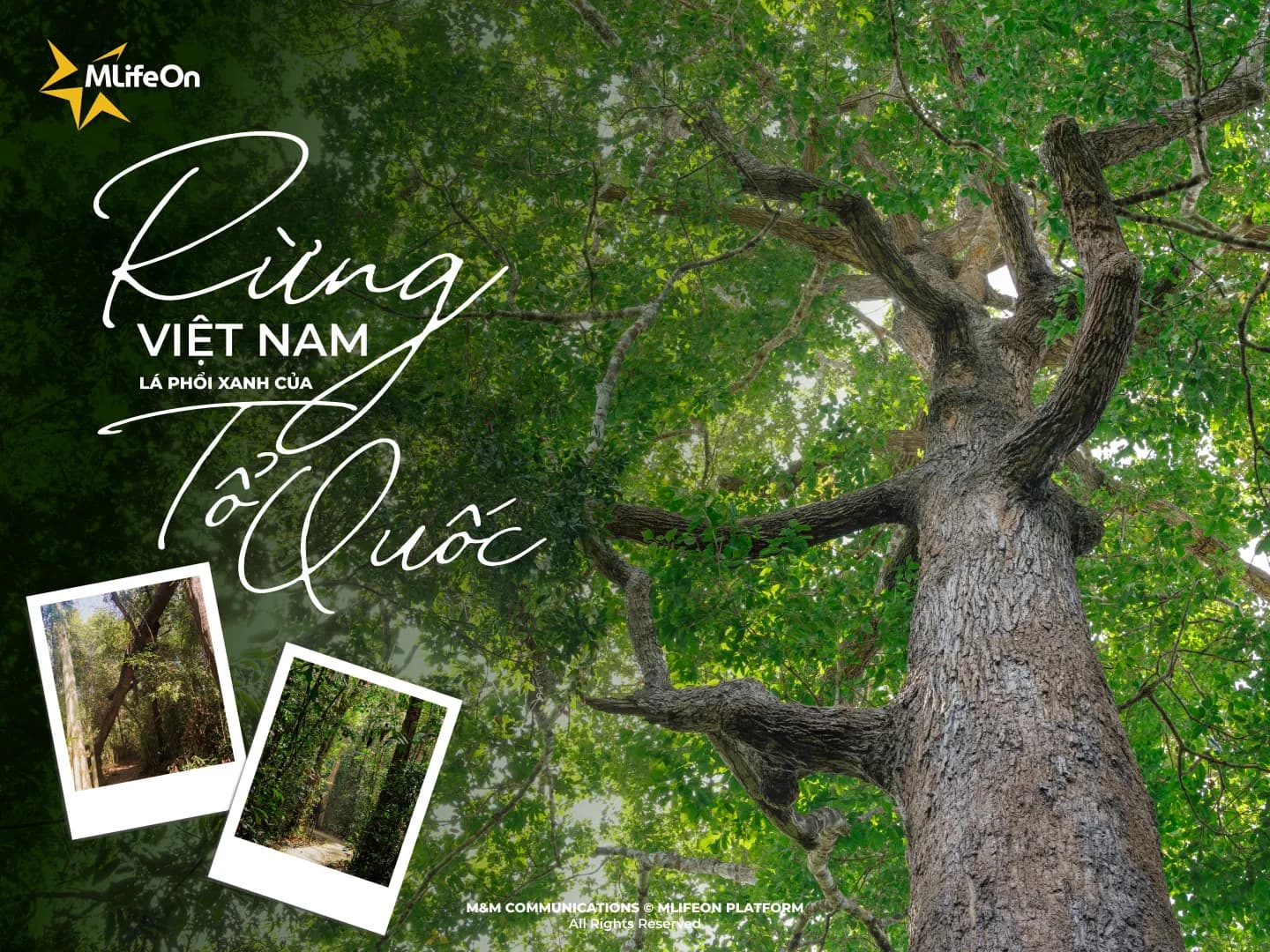
Since the nation's founding, forests have been a green cloak protecting the Vietnamese people, nurturing vitality, and forging their resilient spirit. In other words, forests in Vietnam have more than just ecological significance.
Forests hold the nation’s memory through years of resistance, sustain generations of life, and remind us of our duty to protect nature for the future. In the forest, we see not only trees, but the country’s history, culture, and tomorrow.
Forests in Vietnam
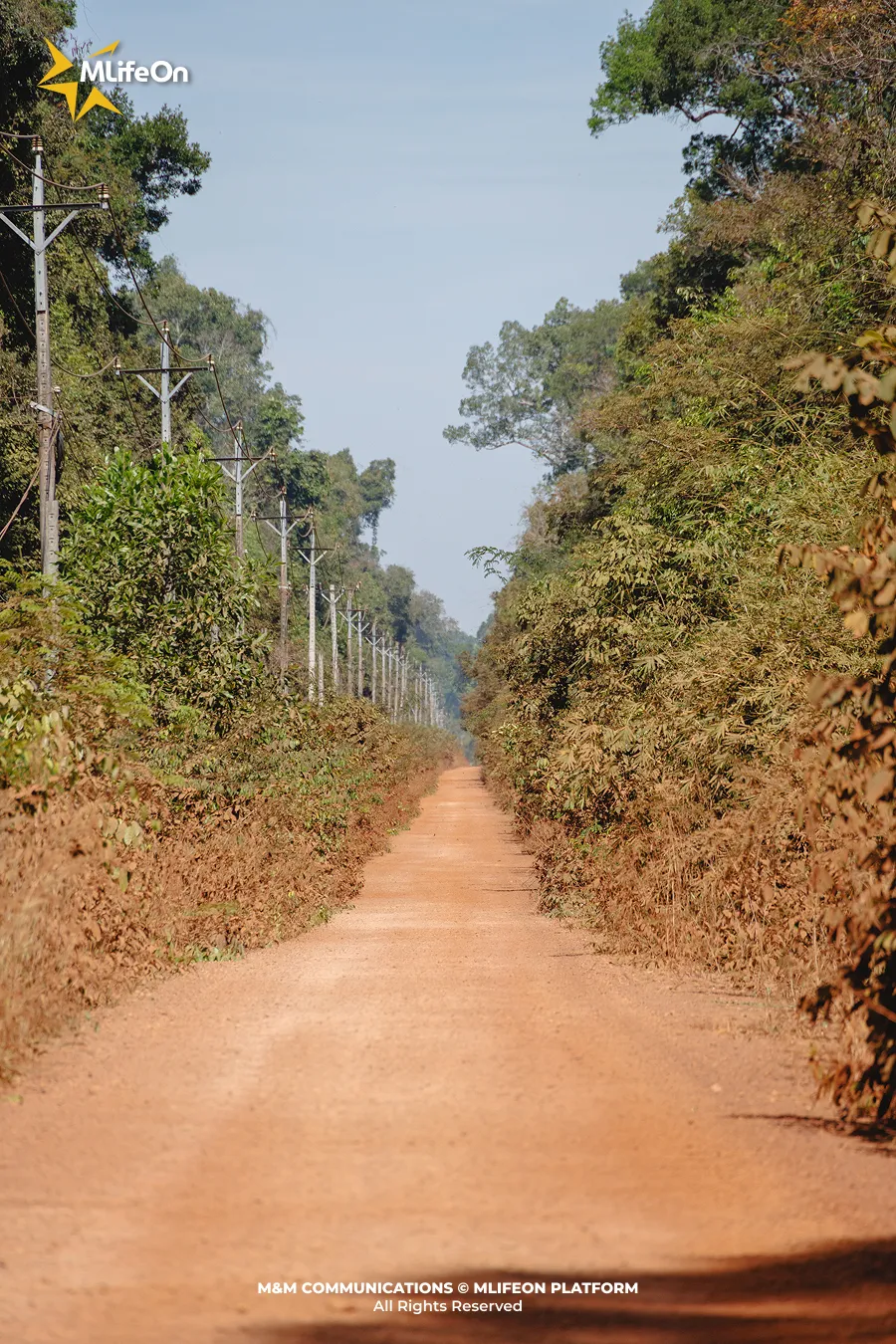
Vietnam is one of the countries with the richest forest ecosystems in Southeast Asia.
Vietnam's forests are diverse, classified according to function and management objectives. Each type of forest plays a unique role, but all blend together to form the country's green lungs.
Special-use forest
Special-use forests are areas for biodiversity conservation, preserving rare genetic resources and protecting endemic plant and animal species. They also serve as spaces for scientific research, the preservation of historical and cultural relics, and the development of ecotourism and recreation.
National parks such as Cuc Phuong (Ninh Binh), Phong Nha-Ke Bang (Quang Tri), Cat Tien (Dong Nai), and Lo Go-Xa Mat (Tay Ninh) are prime examples of the exceptional value of special-use forests.
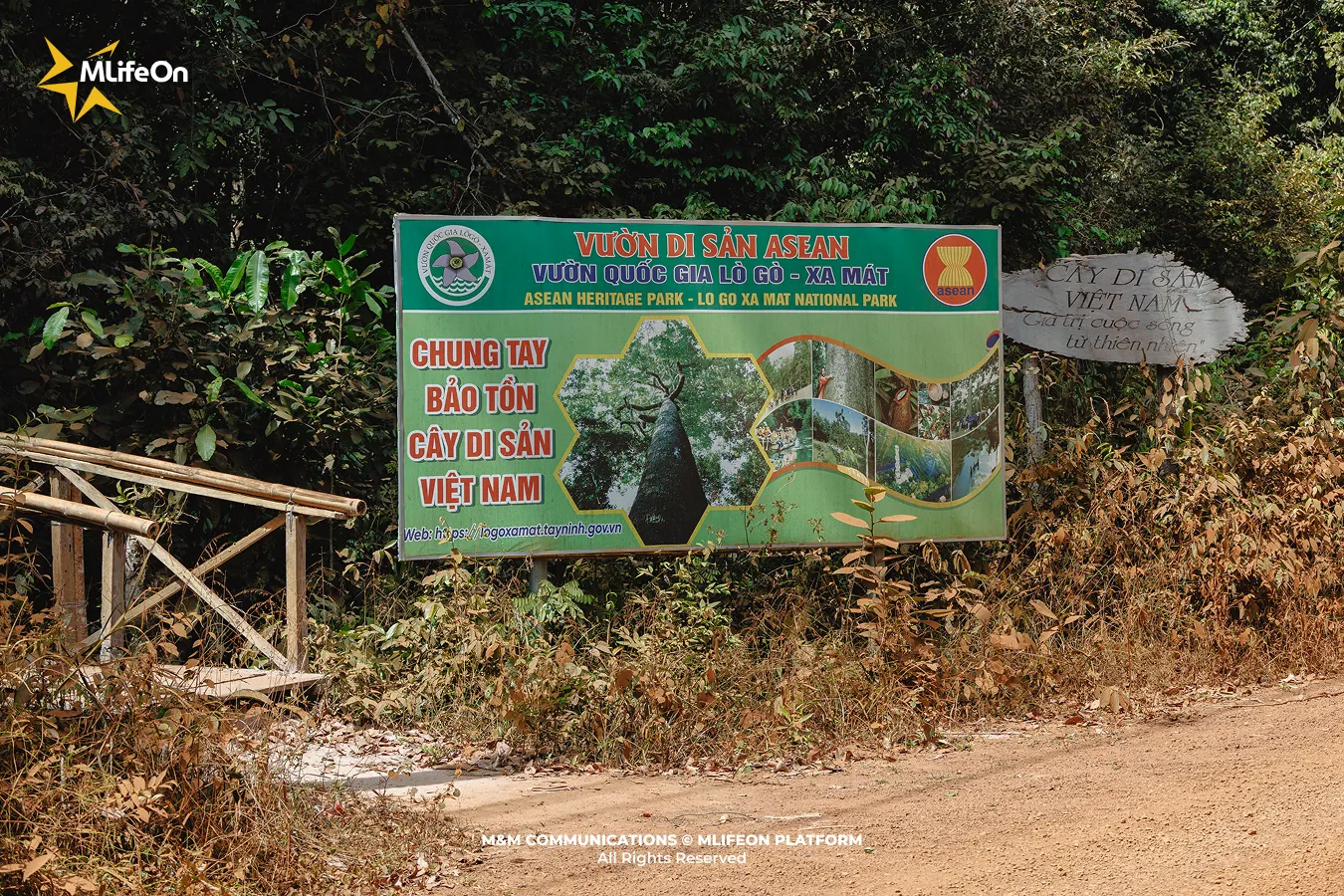
Lo Go - Xa Mat National Park in Tay Ninh
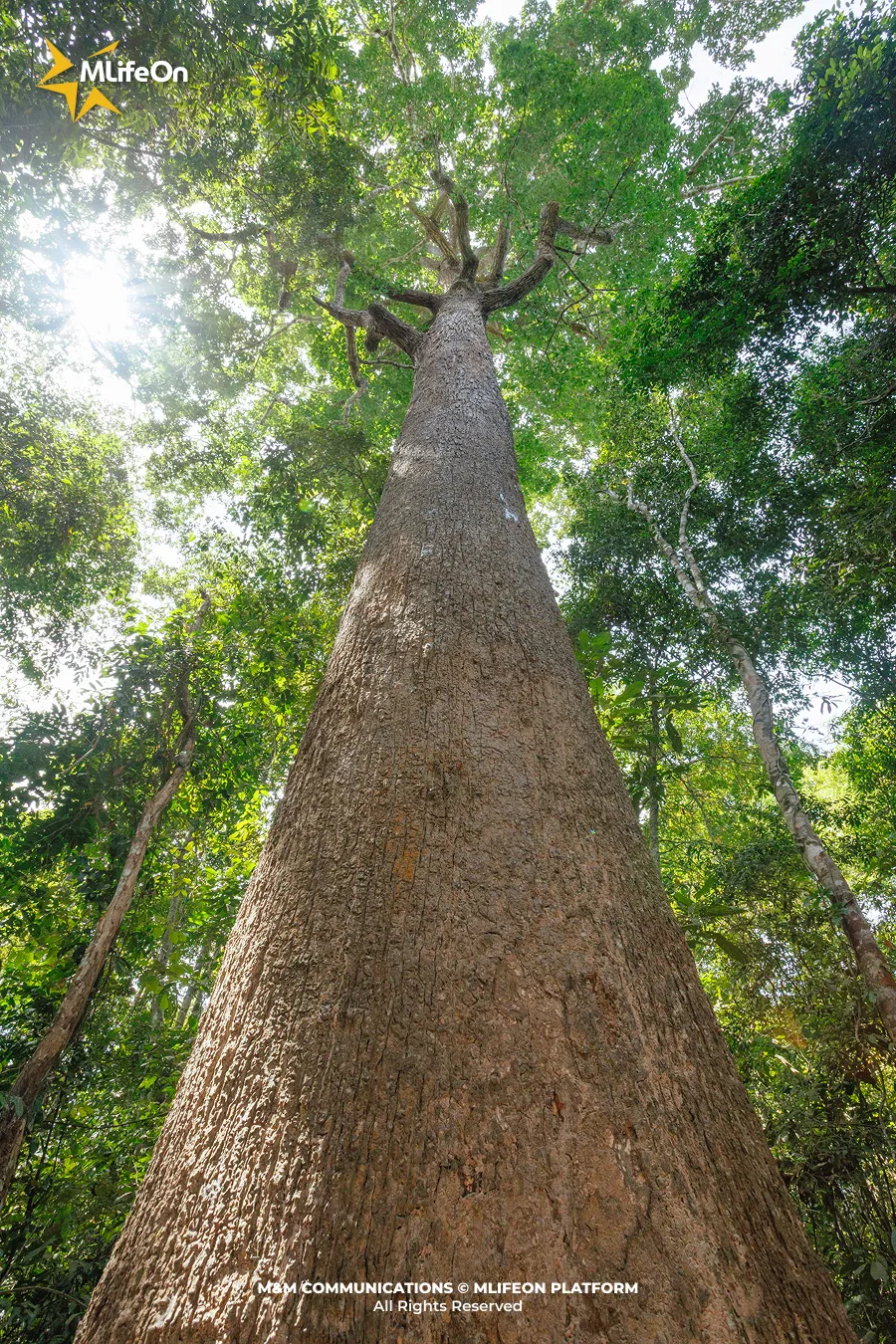
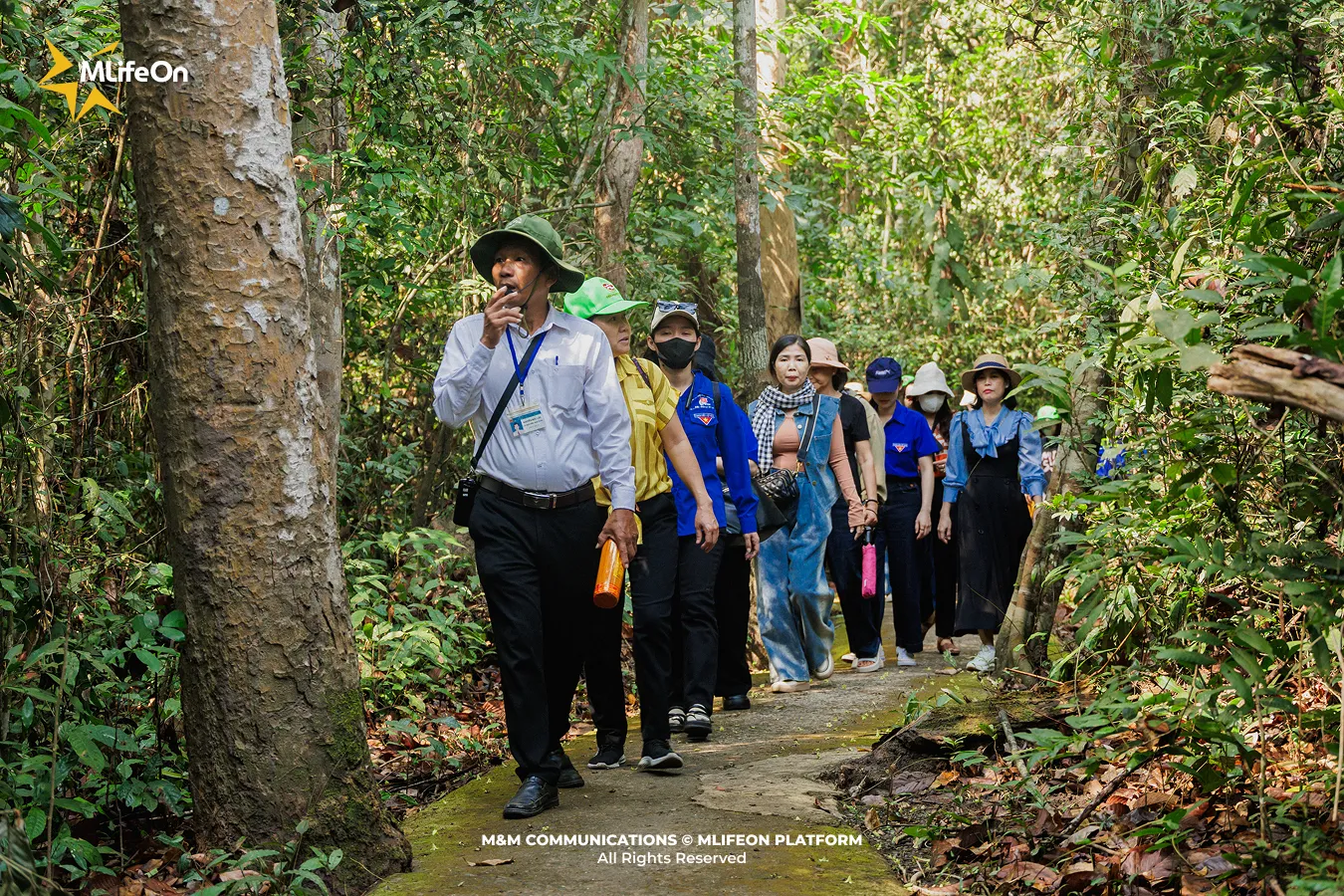
Heritage trees are preserved in Lo Go - Xa Mat National Park.

It is a place where nature and culture blend together, offering people experiences that are both educational and relaxing.
Protective forest
Protective forests protect water sources and land, prevent erosion, and regulate the climate. These include headwater forests, coastal mangrove forests, and sand-blocking forests in Central Vietnam. They act as a "shield" against natural disasters: preventing floods, blocking storms, preserving soil, protecting sea dikes and low-lying areas.
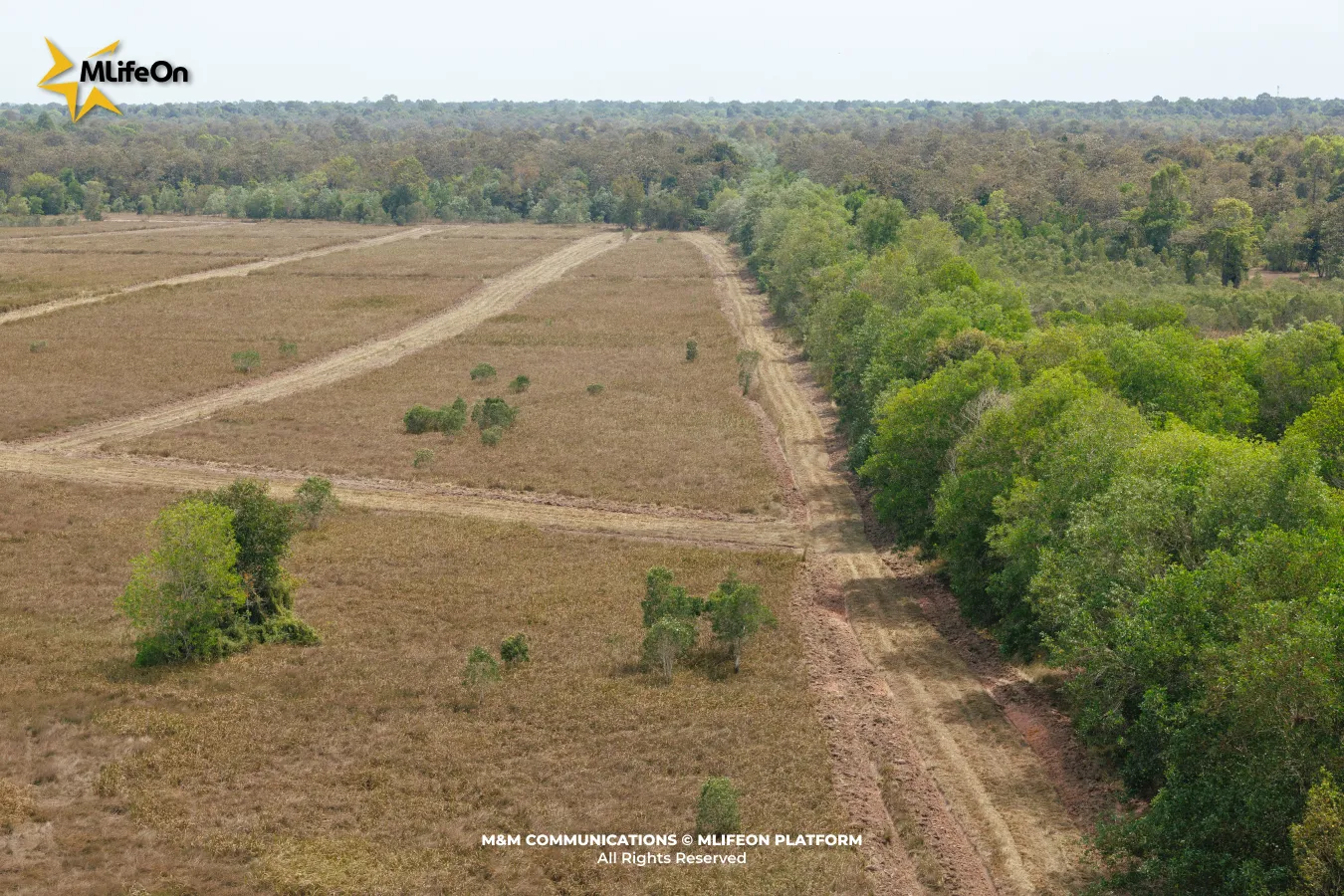
Protective forest near the border area of Tay Ninh
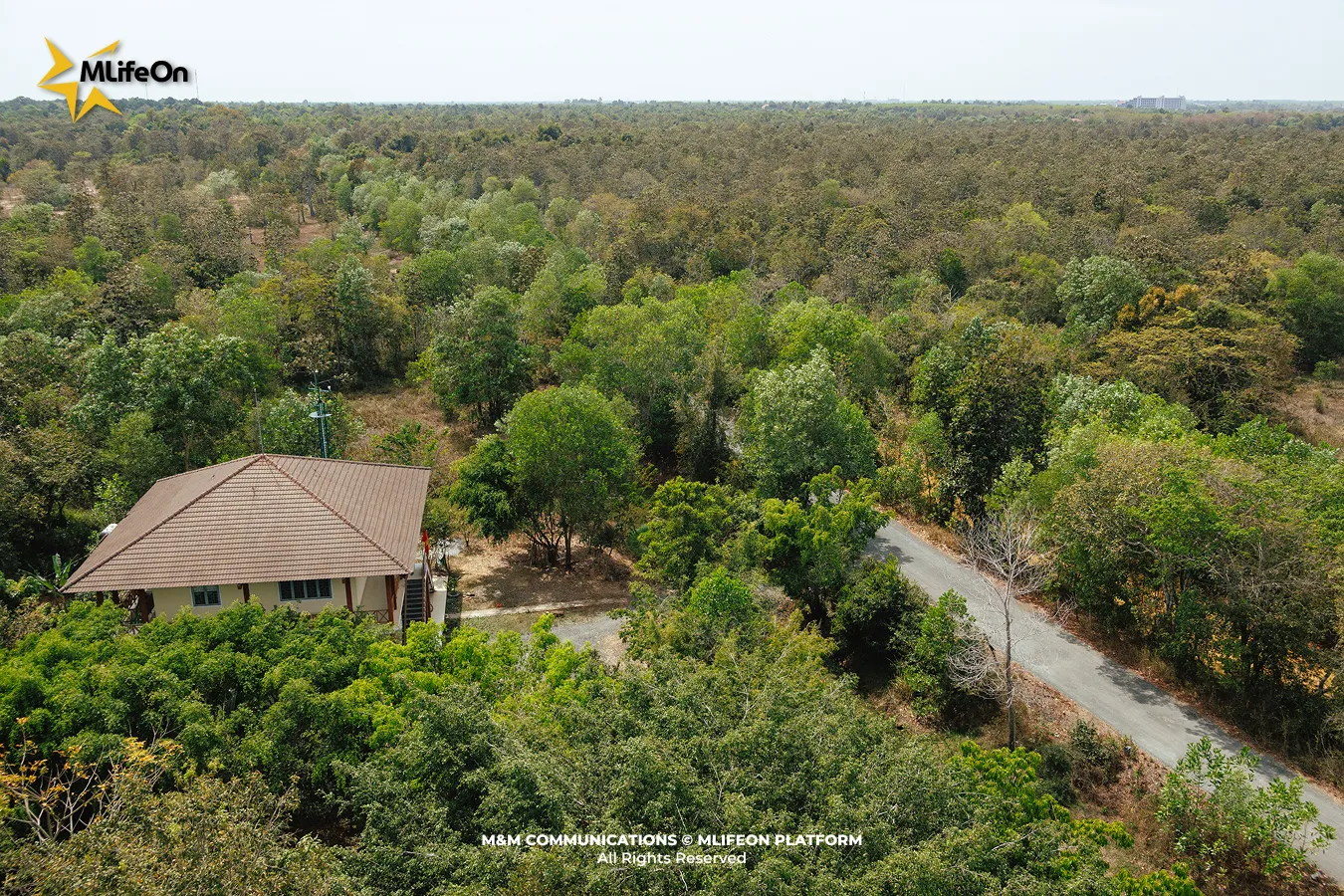
Besides protecting the environment, protective forests also have significance for national defense, maintaining ecological security and ensuring stability for community life.
Production forests
Production forests provide forest products such as timber, firewood, bamboo, and rattan, while also integrating with agriculture and ecotourism. Common types of production forests include acacia and eucalyptus forests, which both provide raw materials for the wood processing industry and generate income for local people.
These forests are closely linked to livelihoods, providing employment and stable living conditions for millions of mountainous households, while also contributing to green and sustainable economic development.
The current state of Vietnam's forests
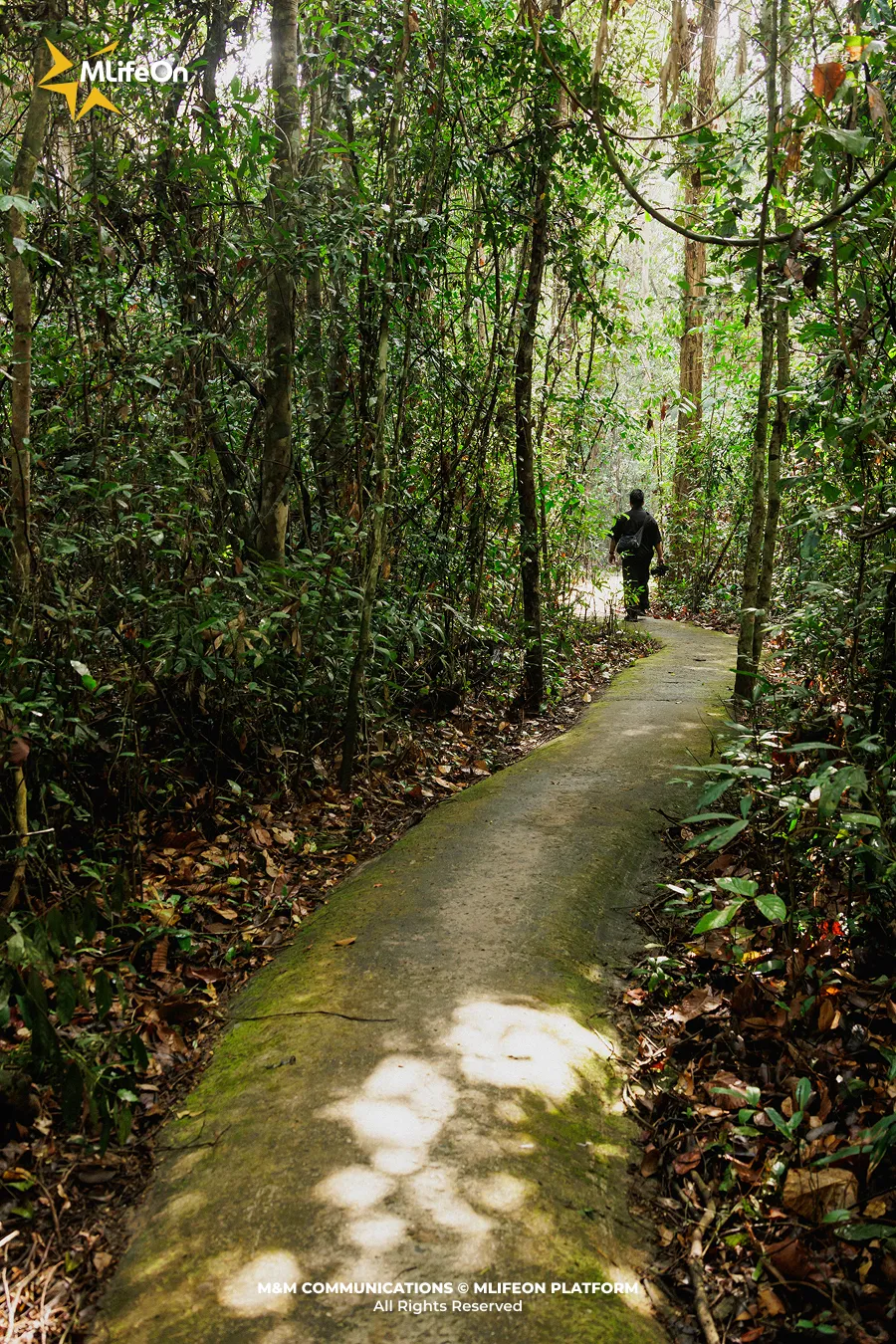
Vietnam is blessed with vast primeval forests, diverse flora and fauna, and abundant water resources. However, its forests have been overexploited due to war and rapid urbanization, causing a severe decline in forest area. By the late 1980s, forest cover had dropped to about 27%, an alarming figure showing the immense loss of the nation's "green lungs."
Between 1943 and 1995, forest cover decreased from 43% to 27.2%. From 2001 to 2017, this rate remained alarmingly low, at only 13% nationwide.
However, since the early 2000s, Vietnam's forests have shown new bright spots and significant progress in recovery. Between 2001 and 2012 alone, the area of barren hills covered by forest increased by 564,000 hectares, equivalent to 0.7% of the global total. By 2016, forest area accounted for 47.6% of the total national land area, including approximately 10 million hectares of natural forest, representing 70% of the total forest area.
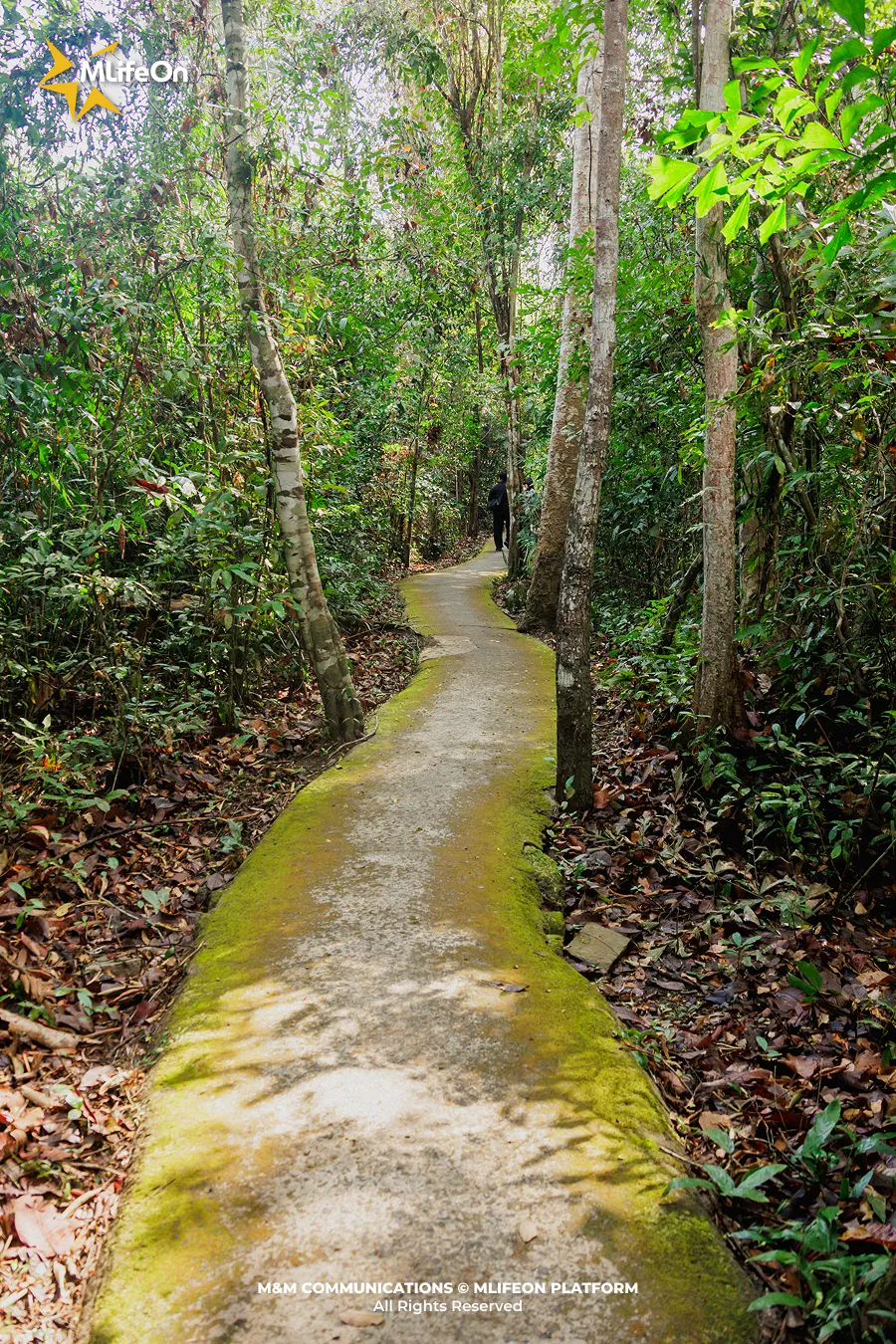
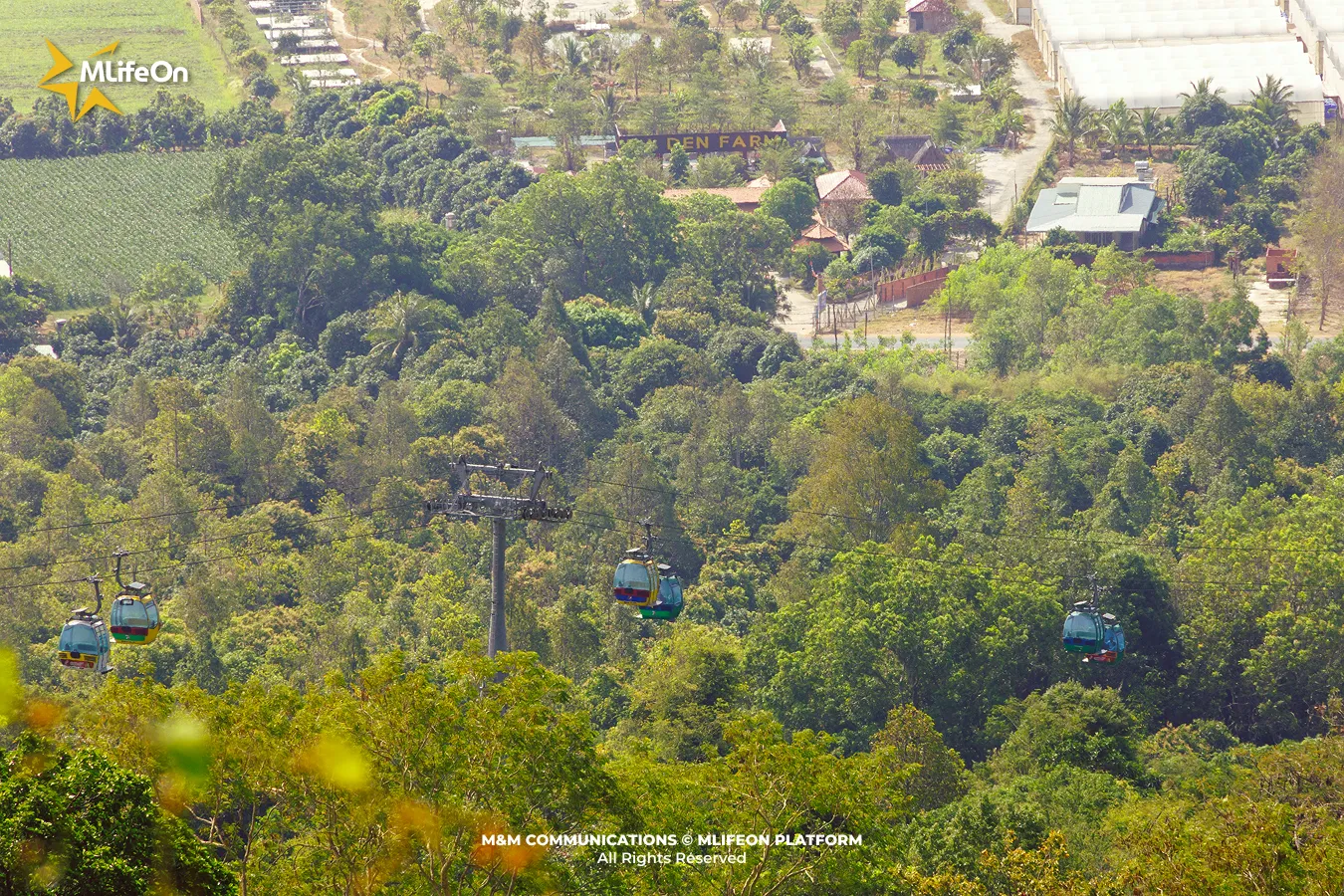
And currently, thanks to reforestation programs and the "Planting One Billion Trees in the 2021-2025 Period" project, Vietnam's forest area has increased again to over 14.8 million hectares, with a forest cover rate exceeding 42%. Notably, after 5 years of implementing the project, the country has planted over 1.4 billion trees, surpassing the target by 143.9%.
Clearly, this is a great achievement, demonstrating the collective effort of the entire society to revive the green landscape of the nation.
However, the picture of Vietnam's forests still has many somber aspects. The majority of the current forest area consists of planted and restored forests, while primary forests, which preserve rich biodiversity, continue to shrink.
Vietnam's forests today are still green, but not truly sustainable; they are still vast, but need more care to preserve rare genetic resources and ecological balance.
Conclusion
Looking back at Vietnam's forests journey, we can clearly see the ups and downs: from vast primeval forests to periods of severe decline, and then to revival thanks to the efforts of the entire nation. The forests are still green today, but no one can be sure that many years from now, those forest canopies will still be there.
So preserving forests is not just about preserving land and water, but also about preserving the soul of the nation and the aspiration for sustainable development.
—-----
CREDIT:
- Photography: Kien Trang
- Content: Giang Huynh
- Design: Phuong Nguyen