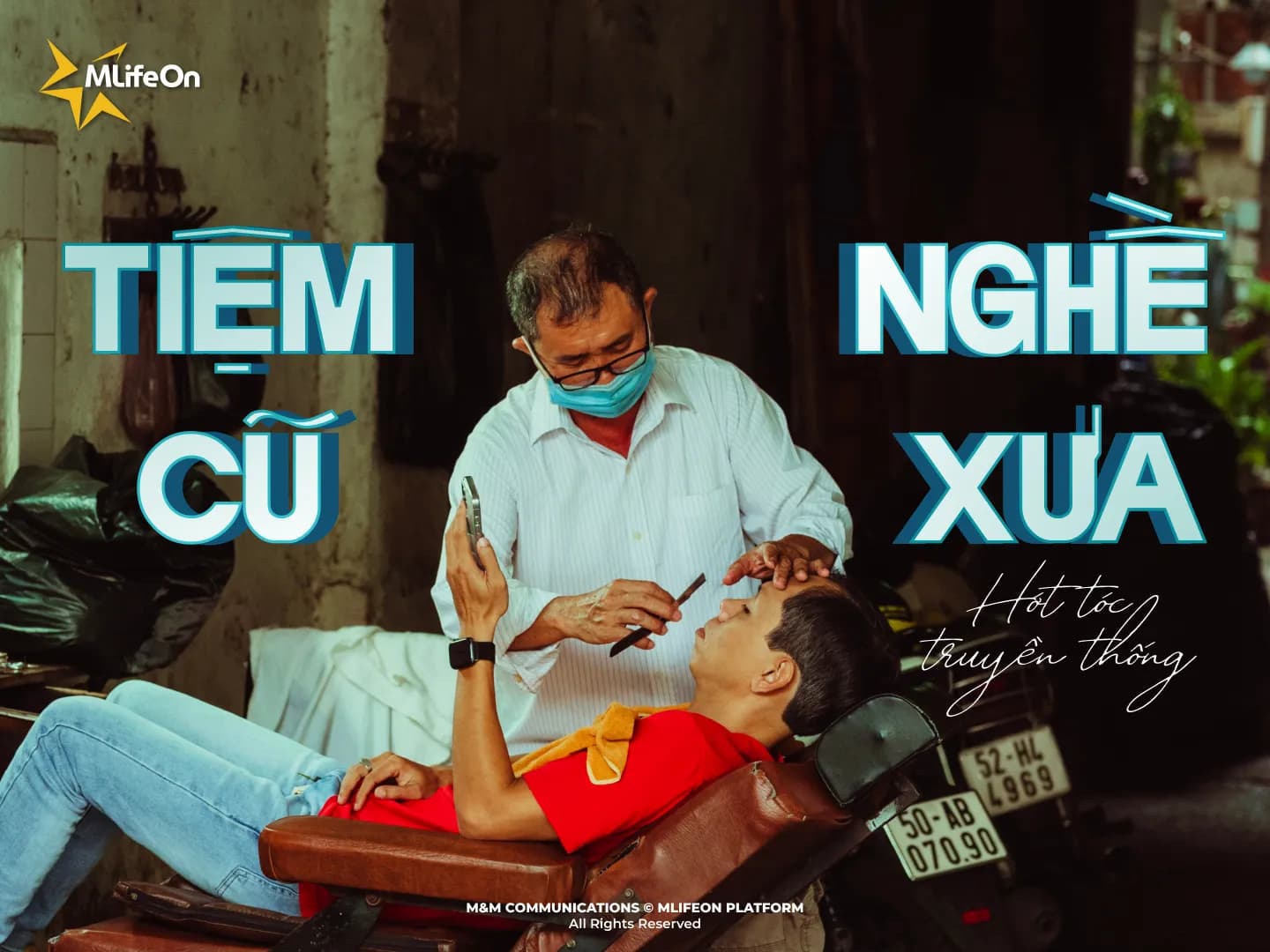
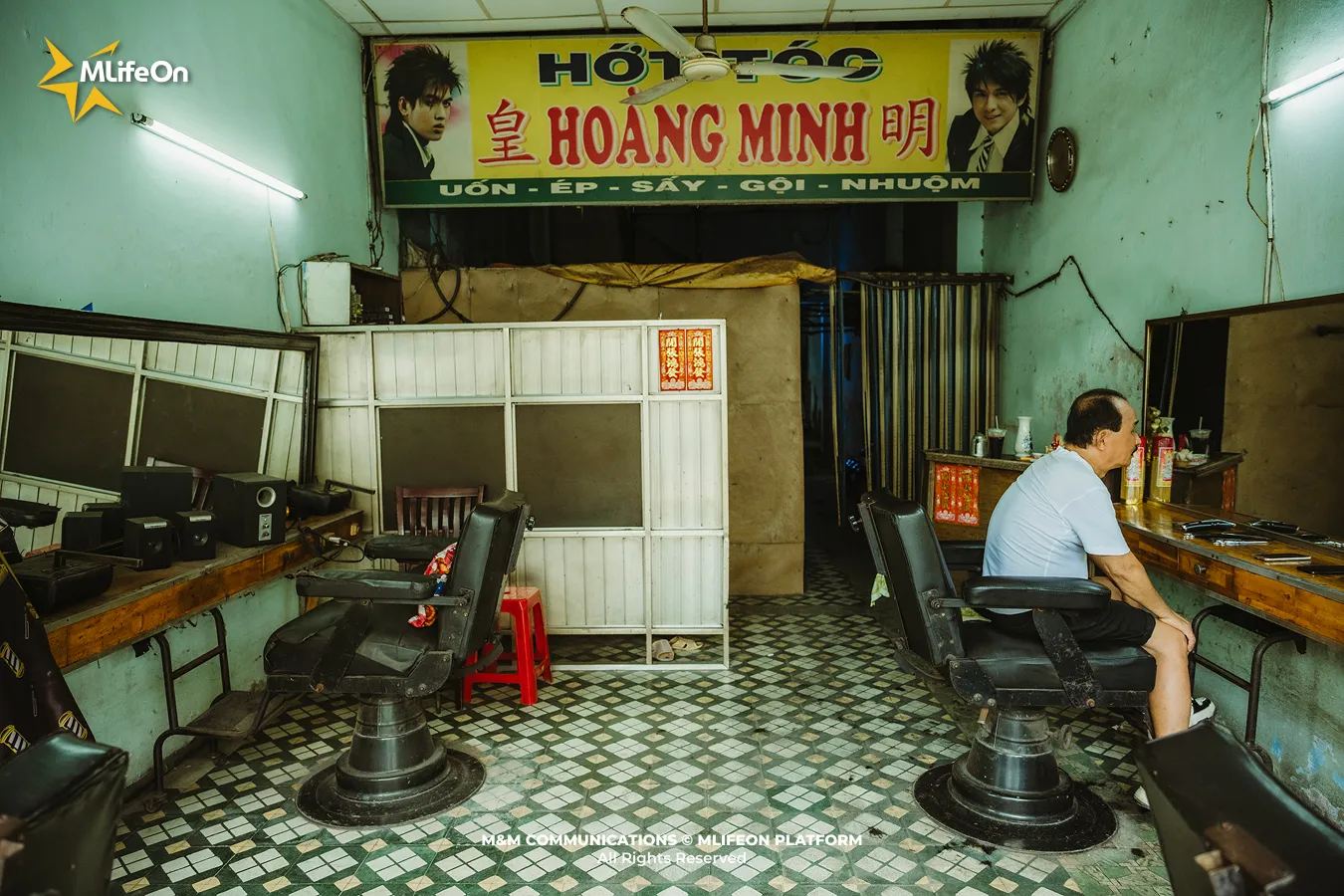
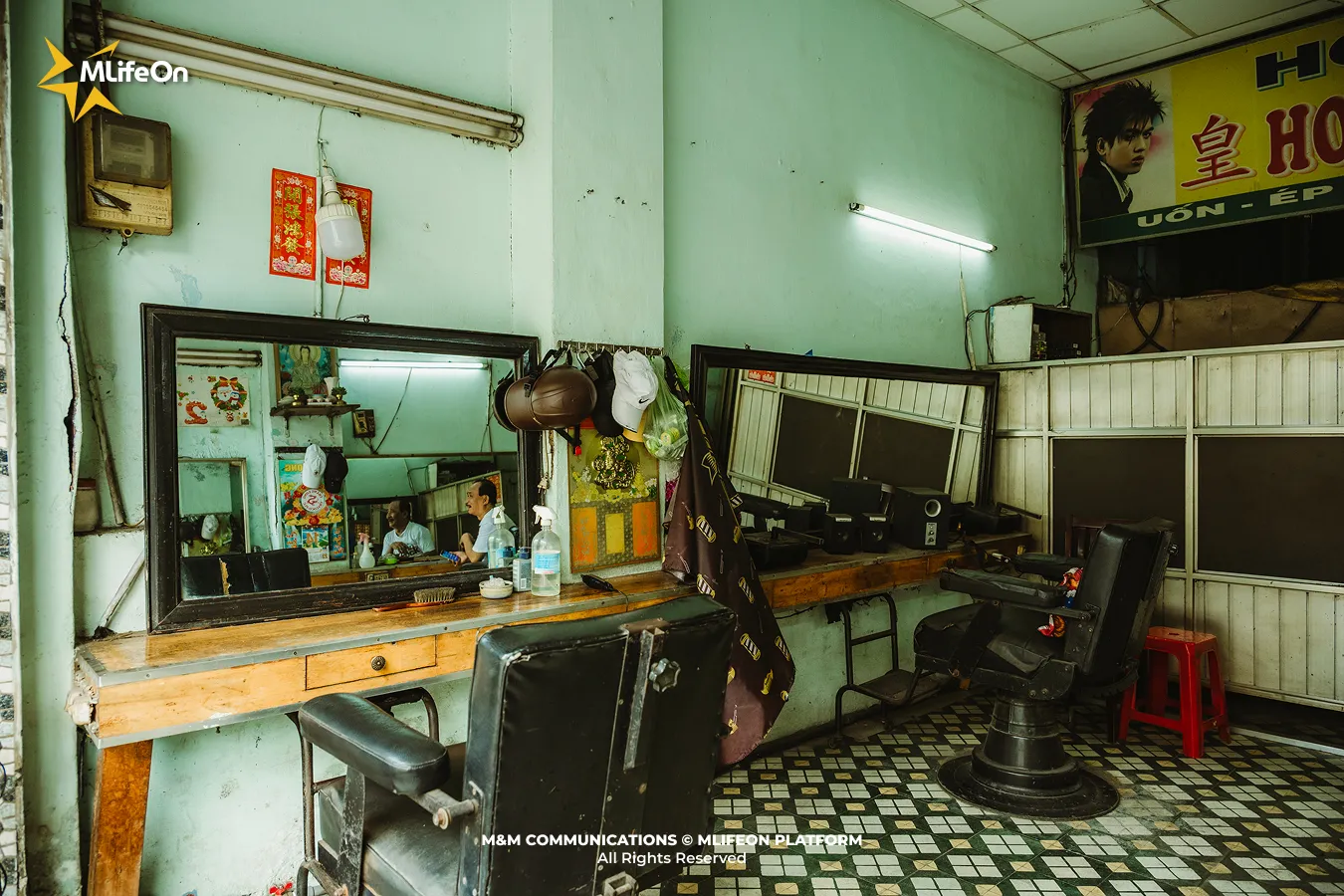
Amidst bustling streets, we sometimes stumble upon a small traditional hairdresser shop with a hand-painted sign, old-fashioned barber chairs, faded mirrors, and the familiar clicking sound of scissors. It's not just a place to get a haircut; it's also a part of the memories of many generations.
Rediscovering the traditional hairdressing
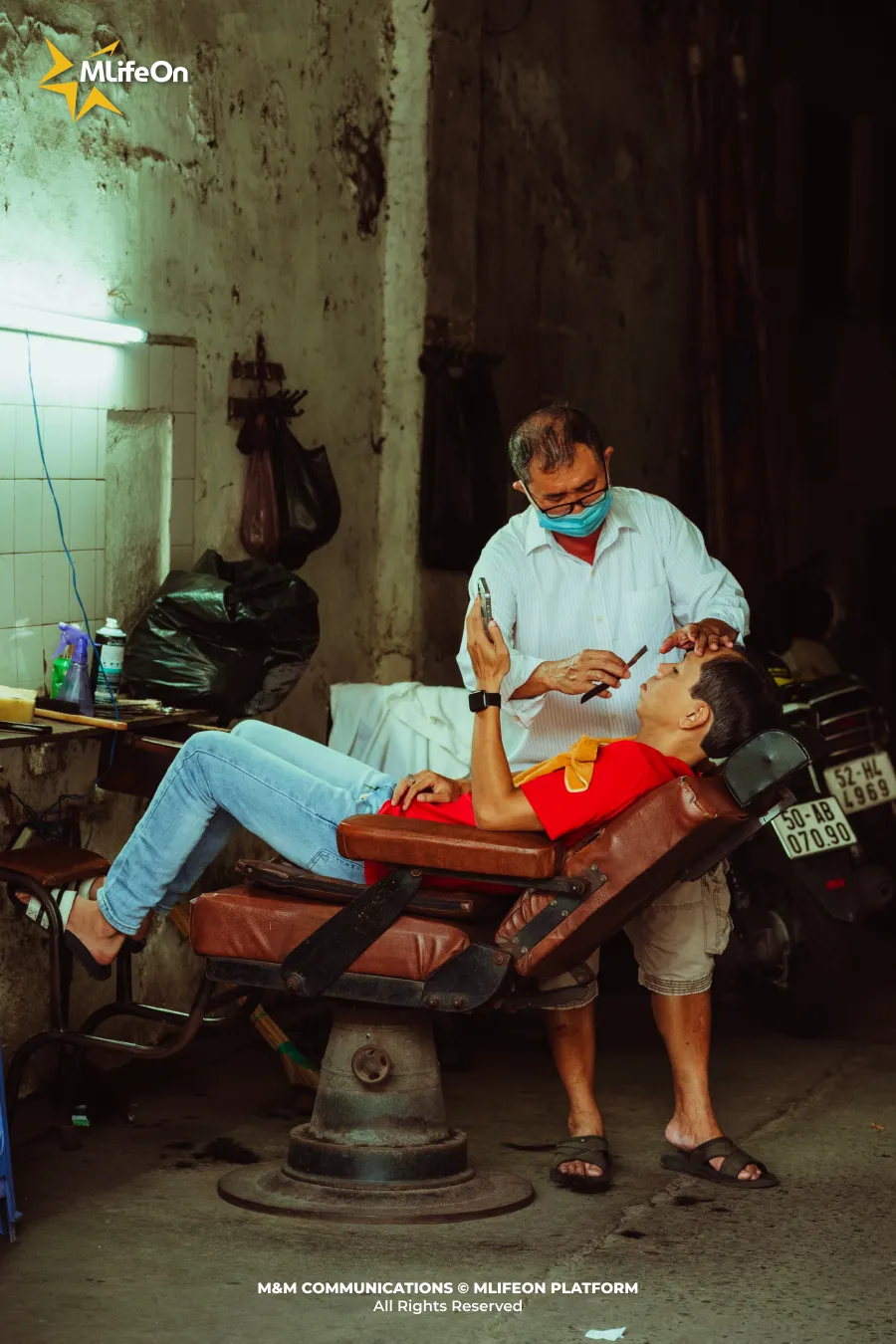
Hairdressing in Vietnam has a long history, closely intertwined with urban life since its early days. In the past, the most familiar image of this profession was that of a hairdresser on the sidewalks: a simple wooden chair, a small mirror temporarily hung on a tree trunk or wall, and a few basic tools like scissors, a comb, and a razor. With just these tools, the barber could practice their trade, providing customers with neat hairstyles and a friendly, comfortable experience.
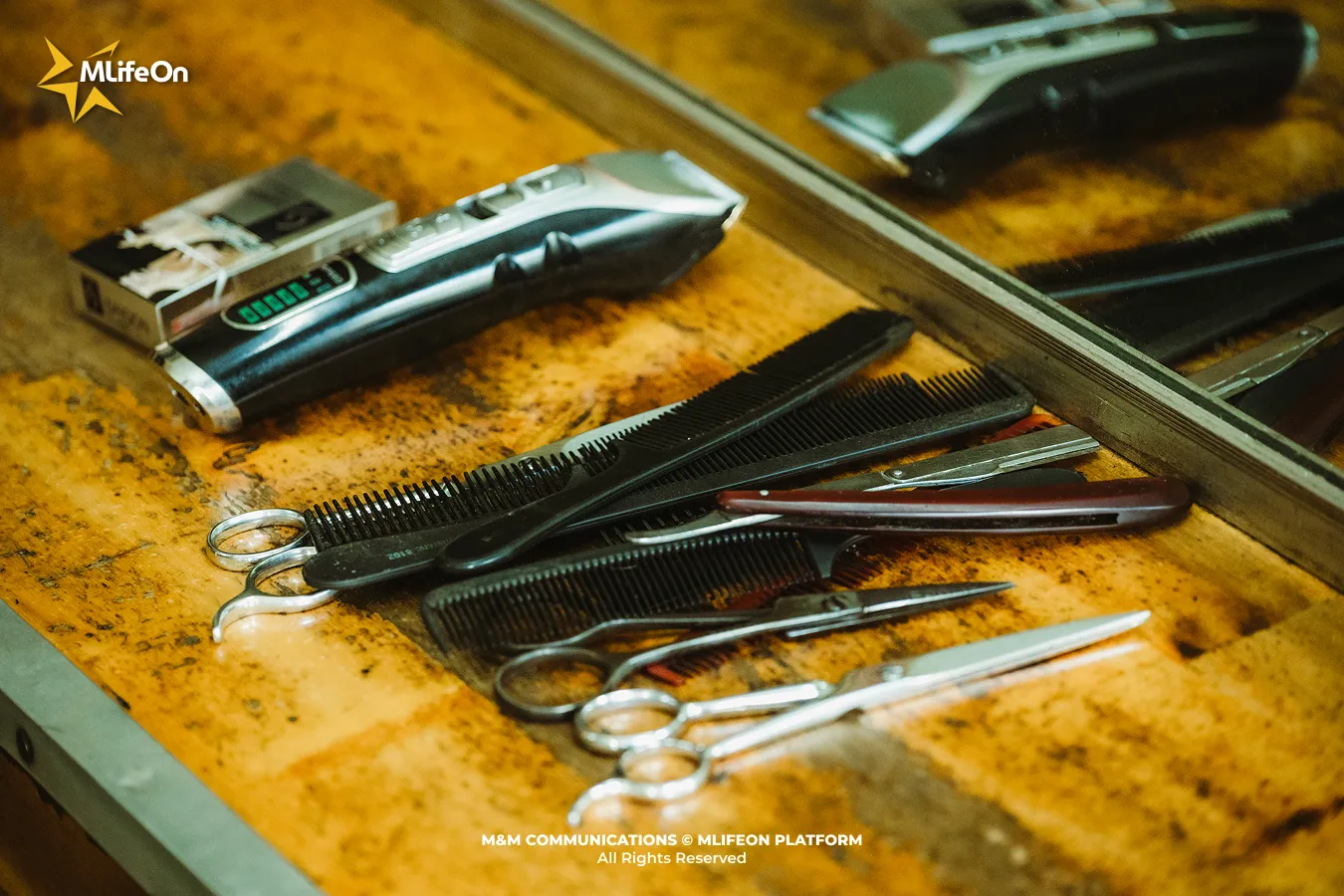
Simple tools, yet sufficient for a traditional hairdresser to practice their trade
In my memory, the image of a traditional hairdresser is one of nimble hands, focused eyes, and meticulous care in every snip of the scissors, yet their faces and voices always radiated a cheerful and witty spirit.
Every time you visited, you would hear a wealth of interesting stories. From distant tales to recent events, they knew and had heard them all, cherishing them and retelling them. Stories that were once unfamiliar suddenly became close and familiar through the barbers' narratives.
Over time, small traditional hairdresser’s shops began to appear, becoming an indispensable part of urban life. These shops were not only places for grooming, but also spaces for socializing and conversation. They were places where people went to get haircuts, to share everyday stories, and to hear simple advice from the barber, who was seen as a friend and a witness to the many changes in the neighborhood.
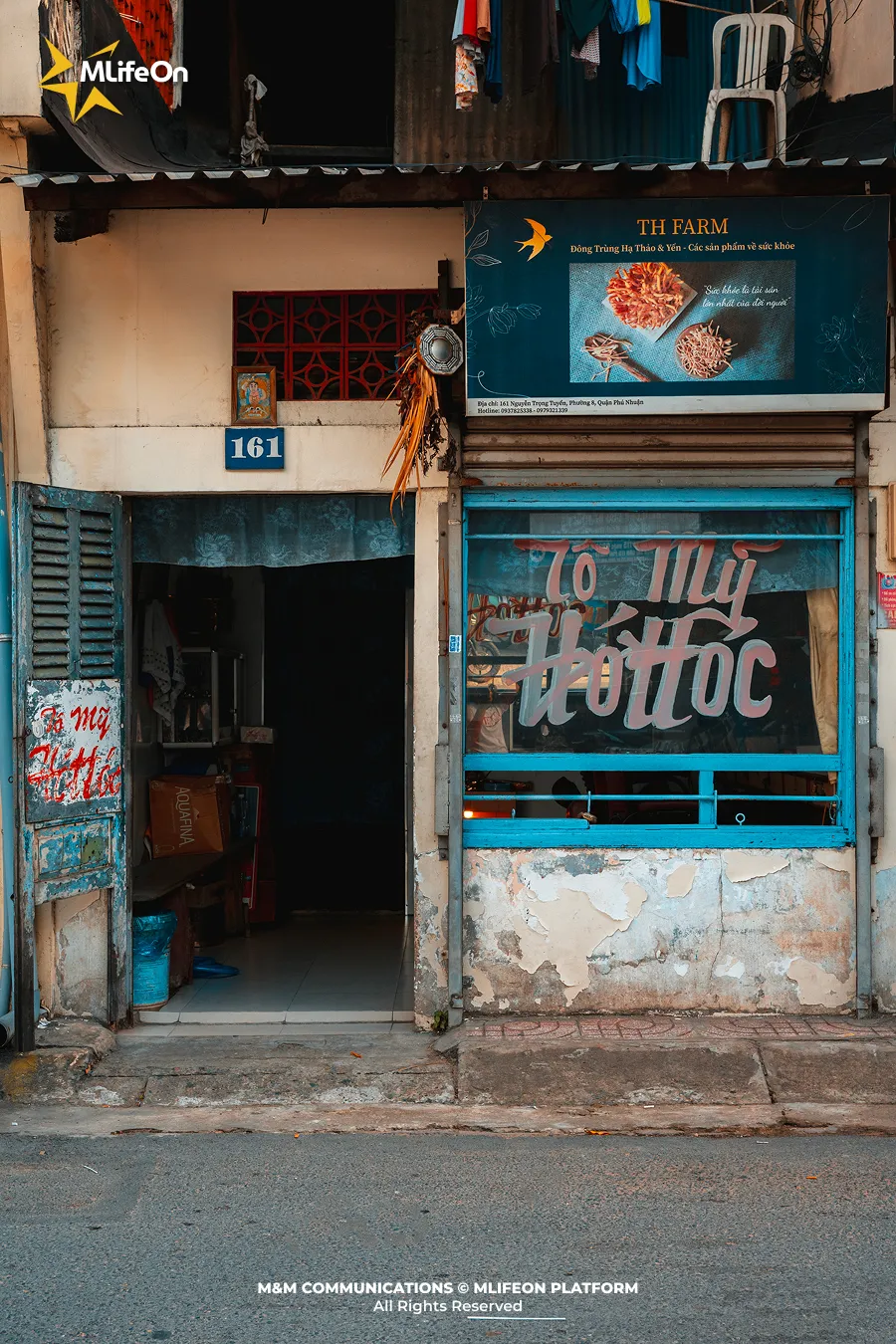
Old, hand-painted signs are a telltale sign of a traditional hairdresser’s shop
Every time I step into a traditional hairdresser’s shop, I feel like I'm stepping through a door to the past. That small space is filled with familiar sounds and smells: the clinking of scissors, the lingering scent of old-fashioned shampoo, the soft yellow light emanating from the hanging lamp. All of it blends together into a simple yet warm atmosphere, allowing one to calm their mind and live at a slower pace.
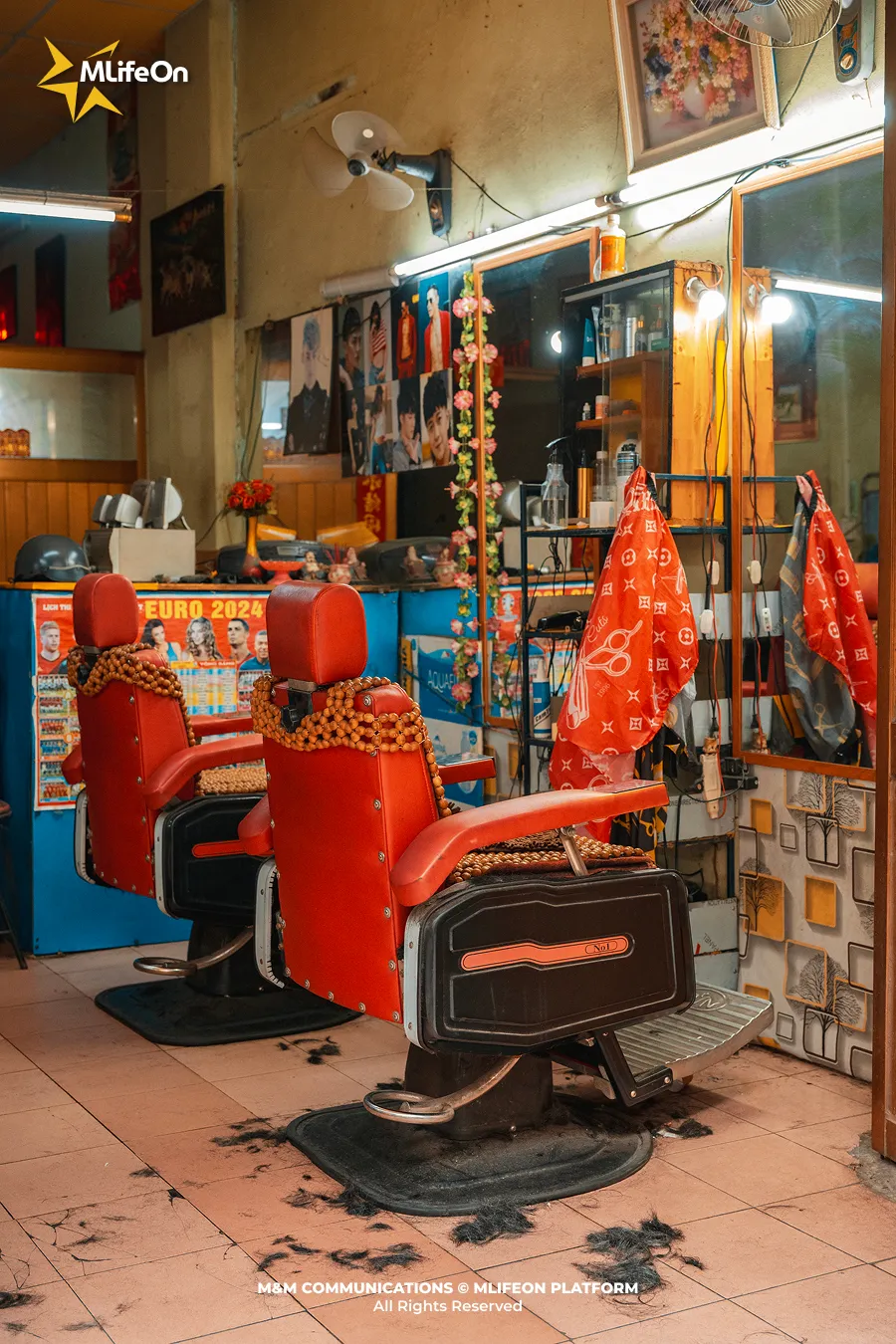
The tranquil atmosphere of a traditional hairdresser shop in Saigon
The traditional hairdresser’s shop is not just a means of livelihood, but also an integral part of urban culture. There, customers and barbers interact not only through services, but also through everyday conversations and simple sharing. This closeness creates a beautiful human connection, a subtle bond between people.
The clicking sound of scissors often mingled with laughter and conversation, creating a unique sound, a slow rhythm amidst the hustle and bustle of the city streets.
These hairdressings are like a corner of memory, preserving the simplicity and slow pace of life of a bygone era, so that whenever we recall them, we still feel warmth and familiarity.
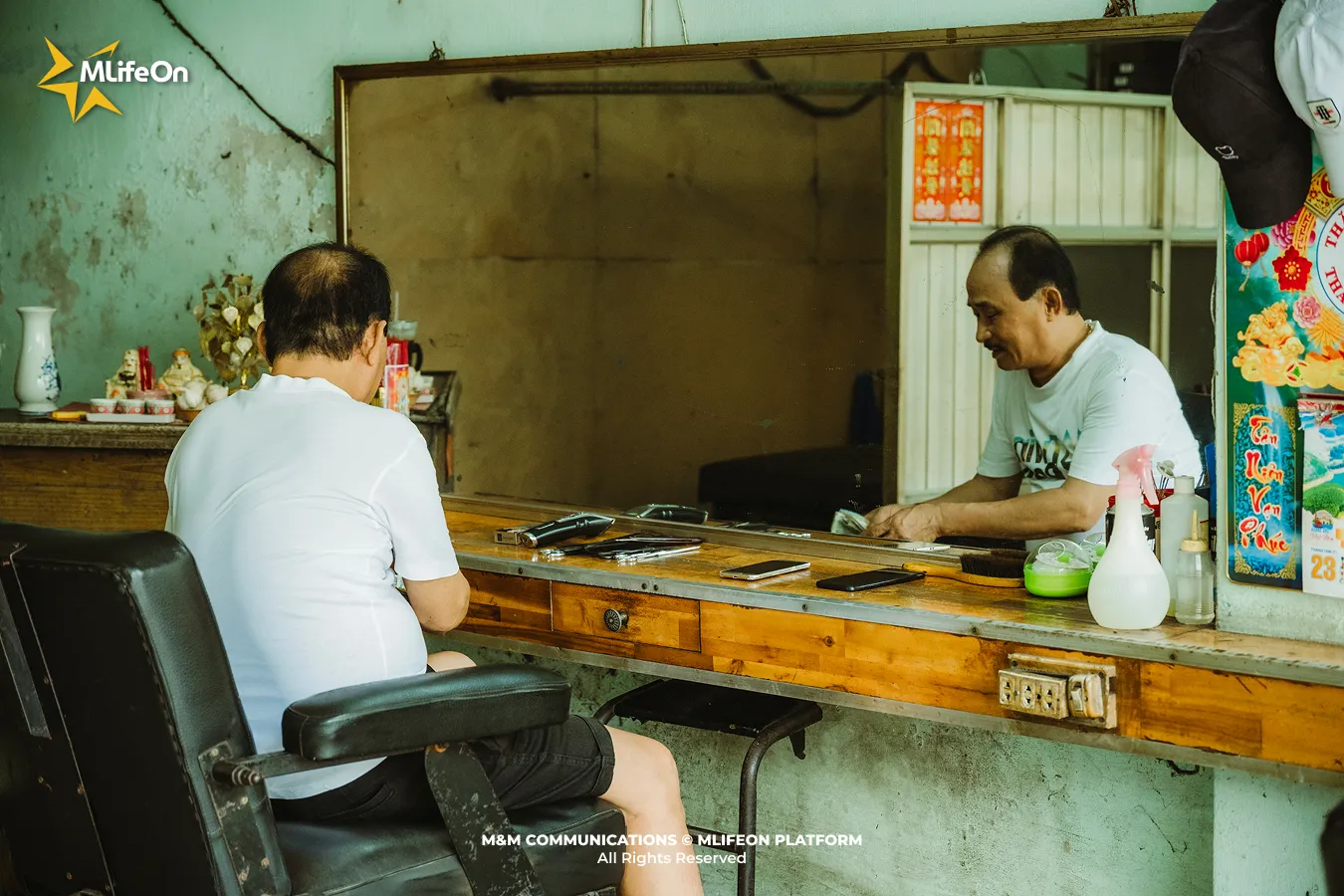
Traditional crafts, current events
Today, the traditional hairdresser’s shops are facing many changes. While modern salons are springing up everywhere, equipped with advanced machinery, new techniques, and trendy styles, old-fashioned hairdressers with unattractive hand-painted signs, few promotions, and limited advertising are gradually fading into obscurity.
Instead of visiting traditional hairdresser shops, most young people choose to get their hair done at upscale salons. Meanwhile, loyal customers, those who have been with the business for many years, are dwindling over time, making it increasingly difficult for the job and traditional hairdressers to survive.
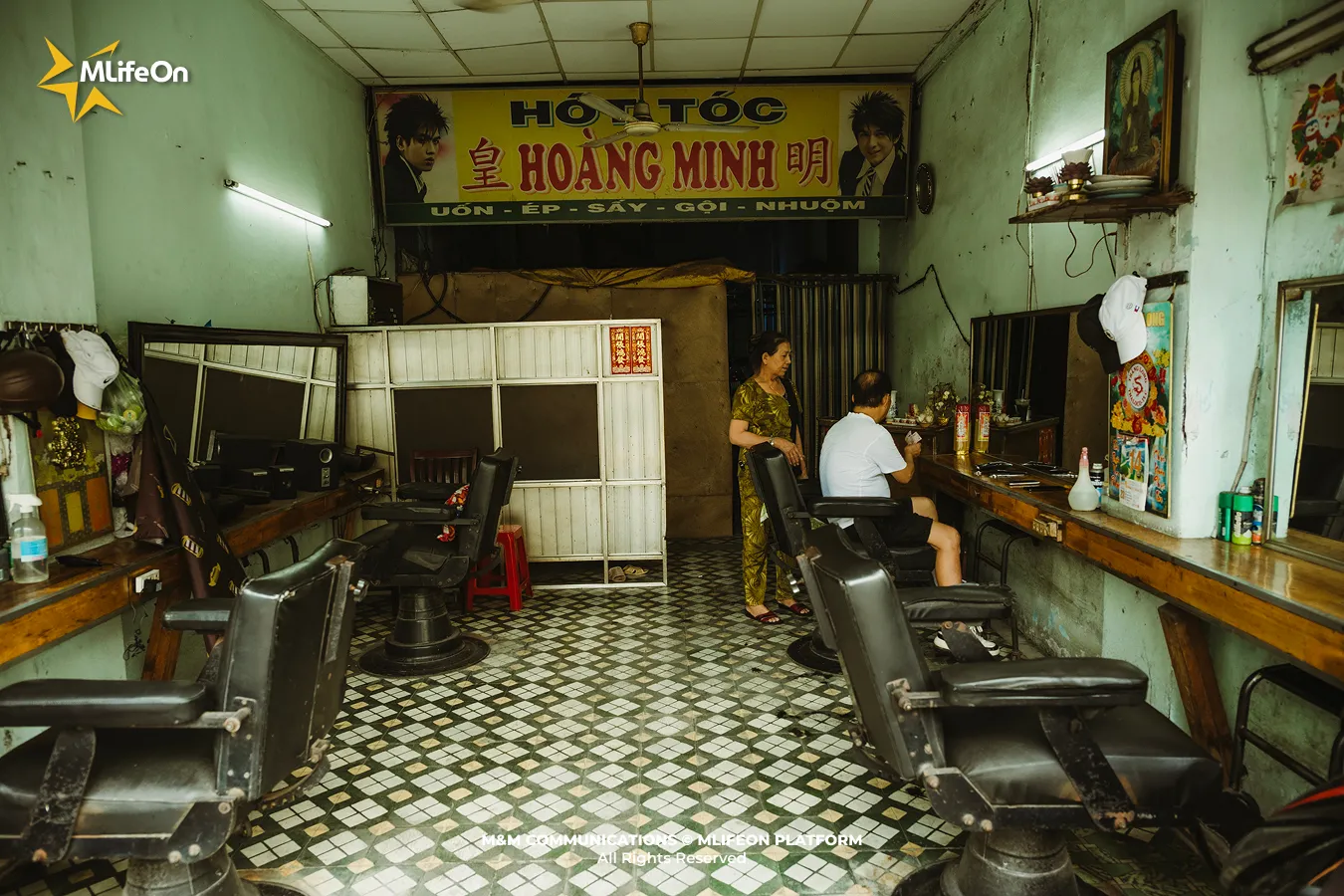
Traditional hairdresser shops are seeing fewer and fewer customers
The biggest challenge lies not only in fierce competition, but also in changes in societal habits and needs. Today, people seek beauty services not just for haircuts, but also for convenience, novelty, and fashion trends. Meanwhile, traditional hairdresser shops, which rely on skilled hands and close customer relationships, lack the responsiveness to current, trendy hairstyles, leaving them vulnerable to being left behind and increasingly overshadowed in today's market.
This very change causes the spiritual values of traditional hairdressing, its closeness, sharing, and simplicity to be gradually forgotten. In other words: "when societal habits change, spiritual values also face the risk of fading away."
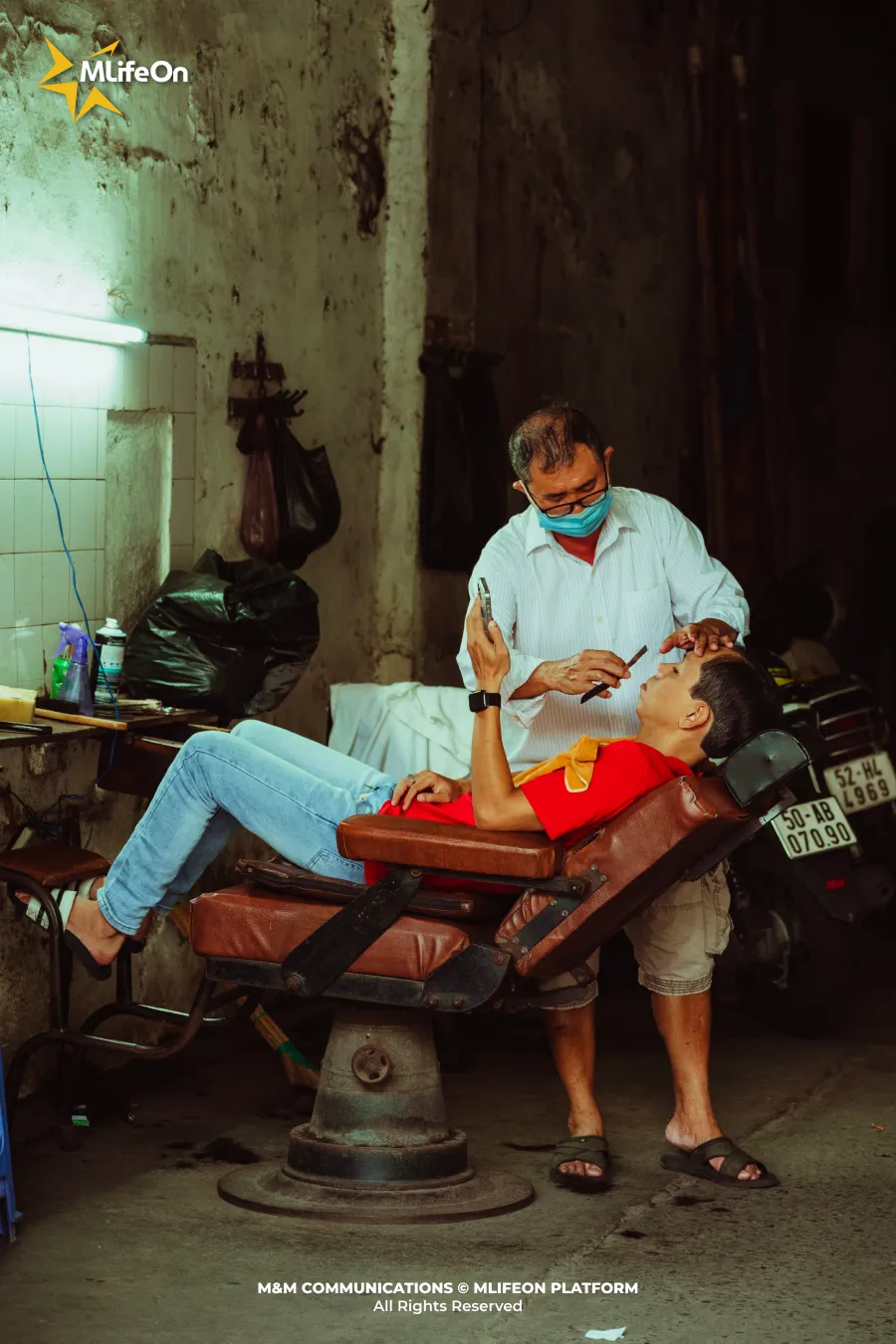
Old hairdressers were not just places for grooming but also places where people found connection, where everyday stories were told amidst the clicking of scissors.
This situation raises a big question: can traditional hairdressers survive and adapt in the modern world? The answer is probably not easy, as it requires patience, respect, and preservation efforts from the barbers themselves, as well as the community as a whole.
Otherwise, the old hairdressers will only remain in memory, as a nostalgic fragment of bygone urban life.
Conclusion
As traditional hairdresser shops gradually disappear, we lose not only a profession, but also a part of our collective memory. The old-fashioned hand-painted signs, the faded mirrors, the heartwarming stories… all are pieces of urban life, the identity of a bygone era.
Seeing the decline of traditional hairdresser shops, I can't help but feel regret. It's not just regret for a beautiful tradition about to disappear, but also regret for what the times have caused people to gradually forget.
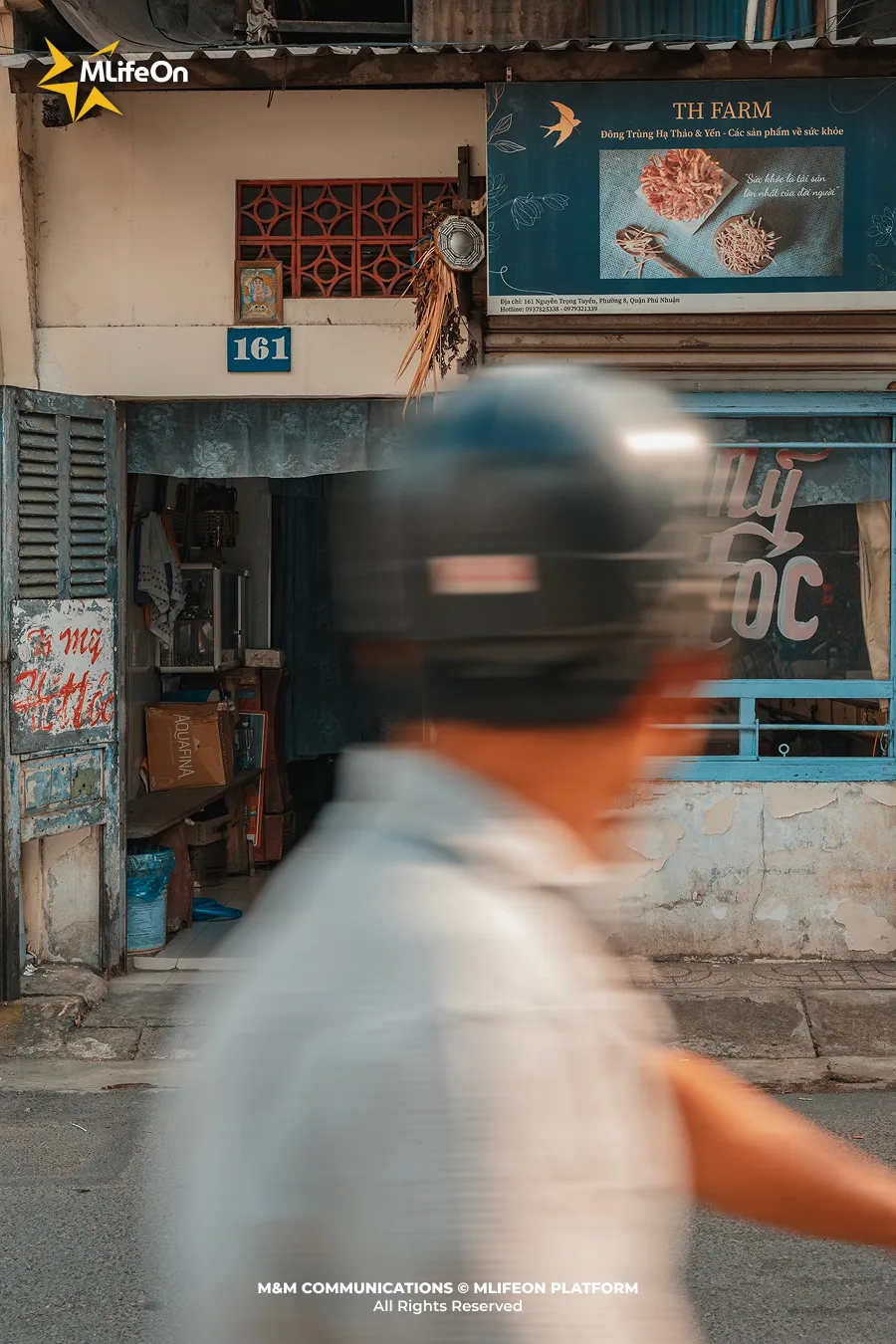
After traditional hairdresser shops, which other professions and shops will fade away? Standing afar, gazing at the faded hand-painted sign, I keep wondering…
—------
CREDIT:
- Photography: Luan Nguyen
- Content: Giang Huynh
- Design: Phuong Nguyen