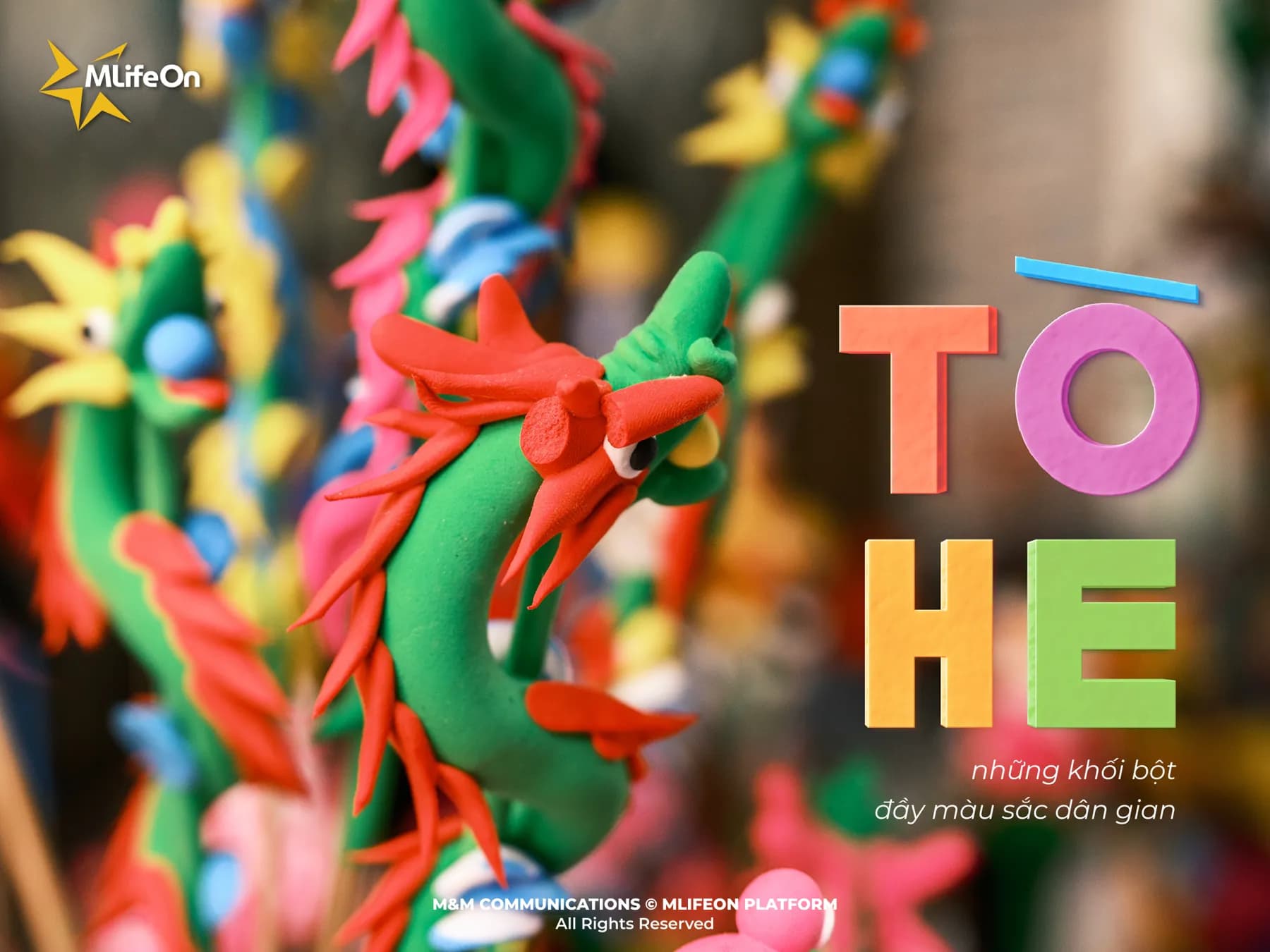
TO HE - WHEN COLORS ARE MOLDED INTO FOLK SHAPES

Giang Huynh
TO HE - WHEN COLORS ARE MOLDED INTO FOLK SHAPES
Discover To He - a colorful Vietnamese folk toy. Join MLifeOn to find out about its origin, beauty, past and present roles, as well as reflect on the cultural values ​​that To He preserves.

In the midst of modern life with countless new and beautiful toys, To He - a simple yet vibrant Vietnamese folk art form still exists. Although it is no longer frequently seen, these toys still endure over time.

Let's follow MLifeOn to find To He, a folk art that is breathed life into every color and funny shape.

Return to the origin
Frame 67.jpg

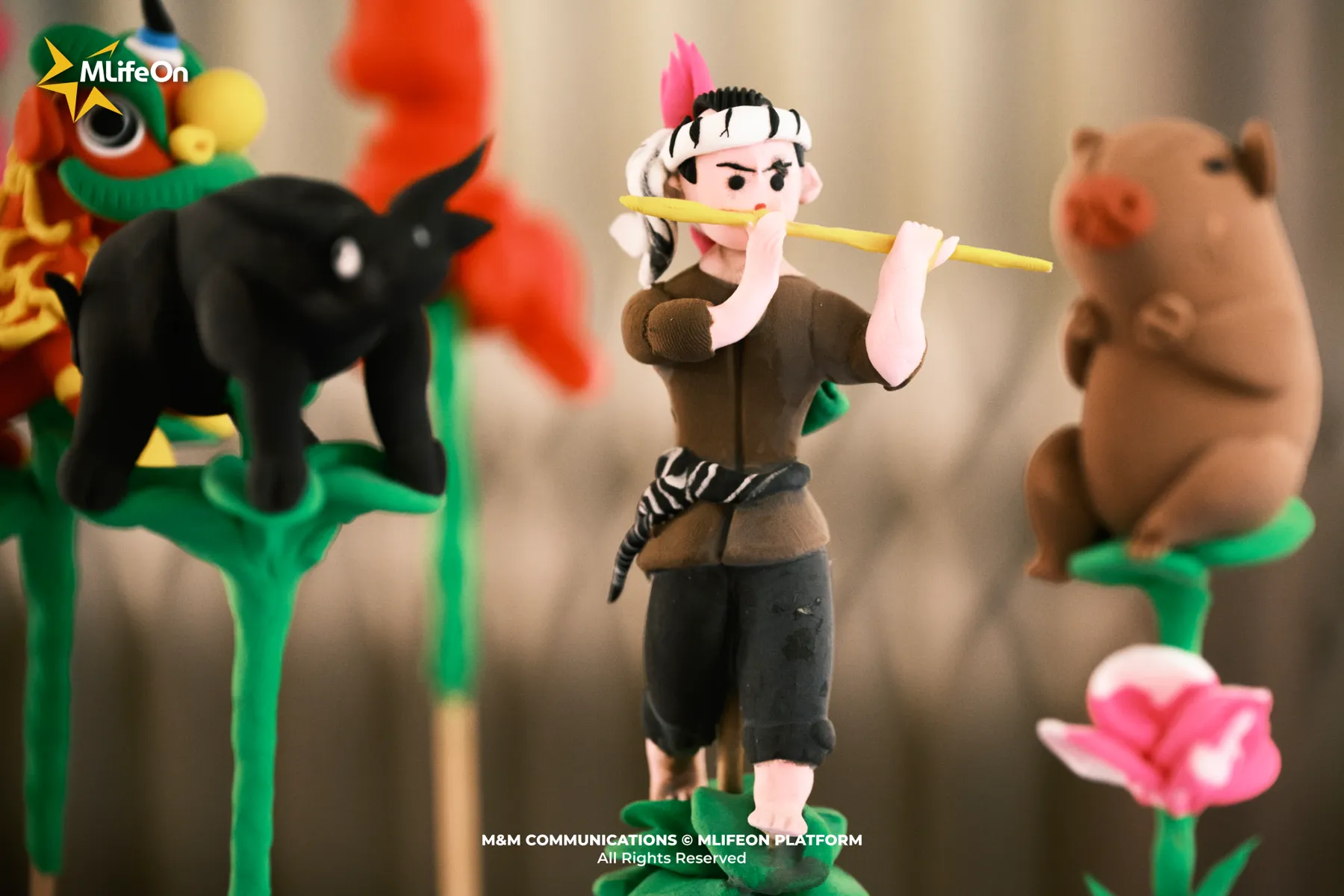
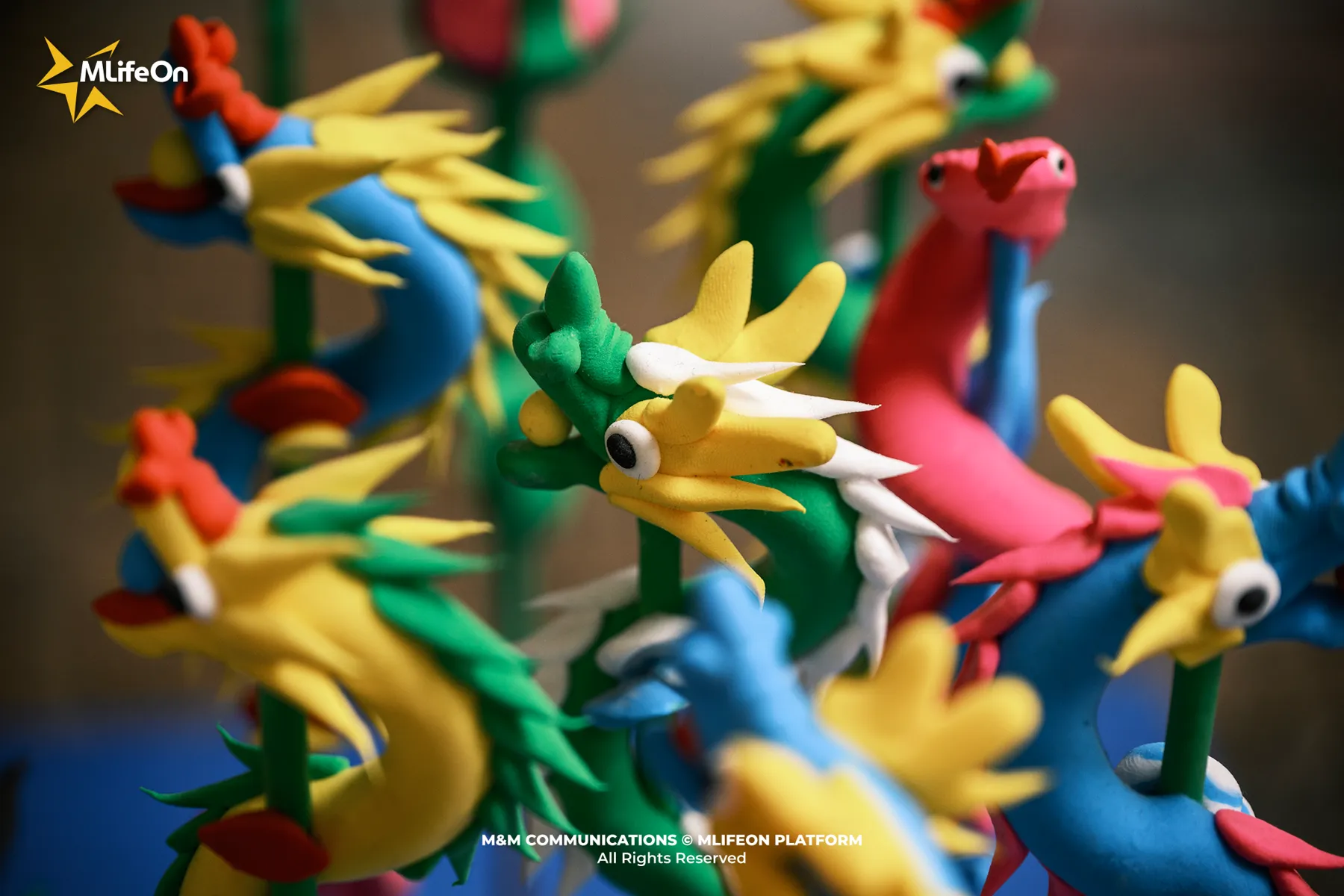
Before being called To He, this type of toy was called a powdered animal. In the past, there were two types of powdered animals: the Ta animal originated from Dong Xuan, Dong Lac, often imitating familiar domestic animals such as buffalo, horse, goat, dog, chicken, pig - commonly called "the six animals". In addition, there were familiar shapes such as crabs, goldfish, shoes, fruit trays...

In addition, there were the Khach animal (or Pho Khach animal) imported from China, often appearing in Ma May, Hang Buom areas - where Chinese people lived in Hanoi. Compared to the powdered animal, this type of toy had a more sophisticated shape, with sophisticated techniques for making the core and creating scales, often imitating mythical characters such as unicorns, kylin, lions...
Frame 71.jpg

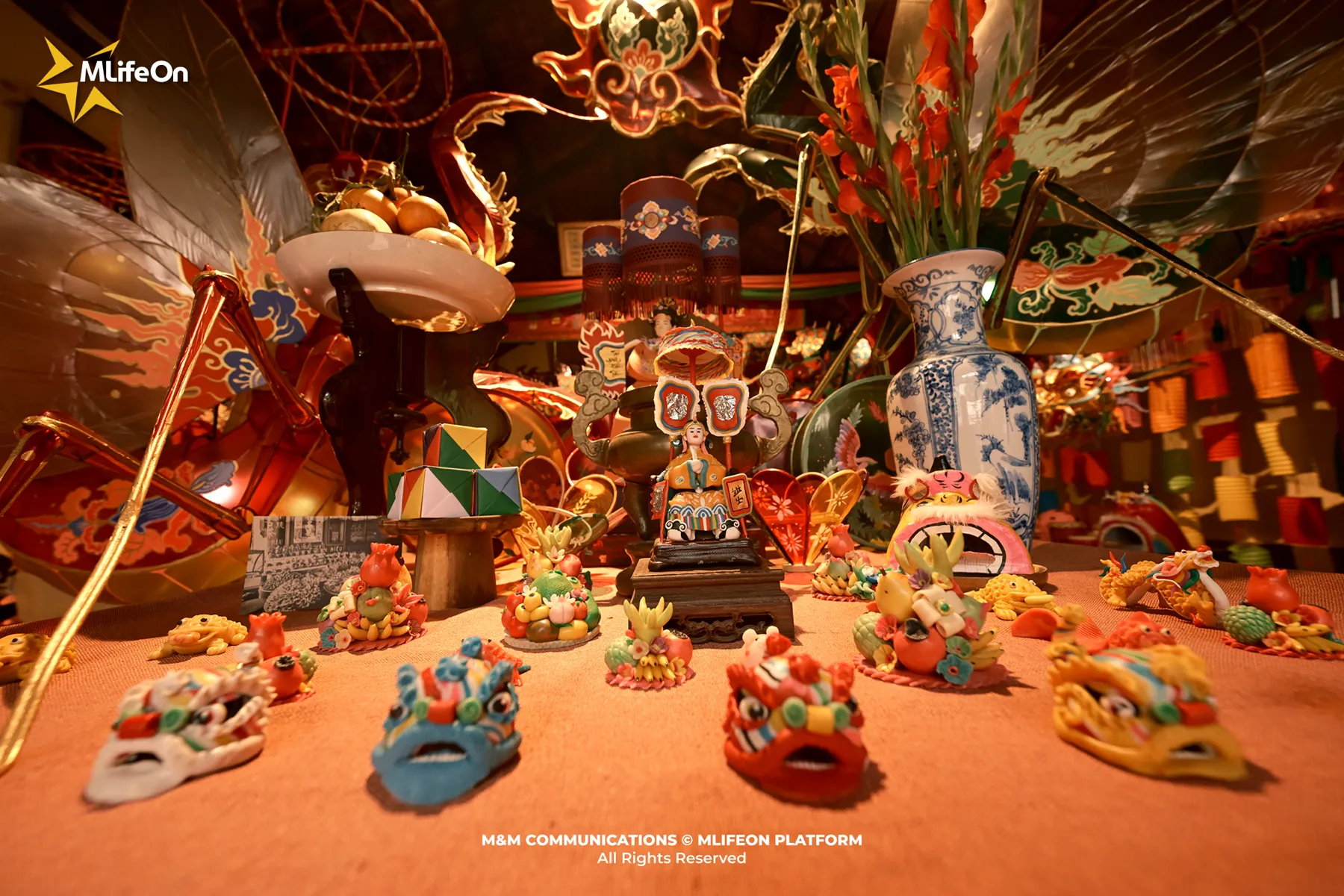
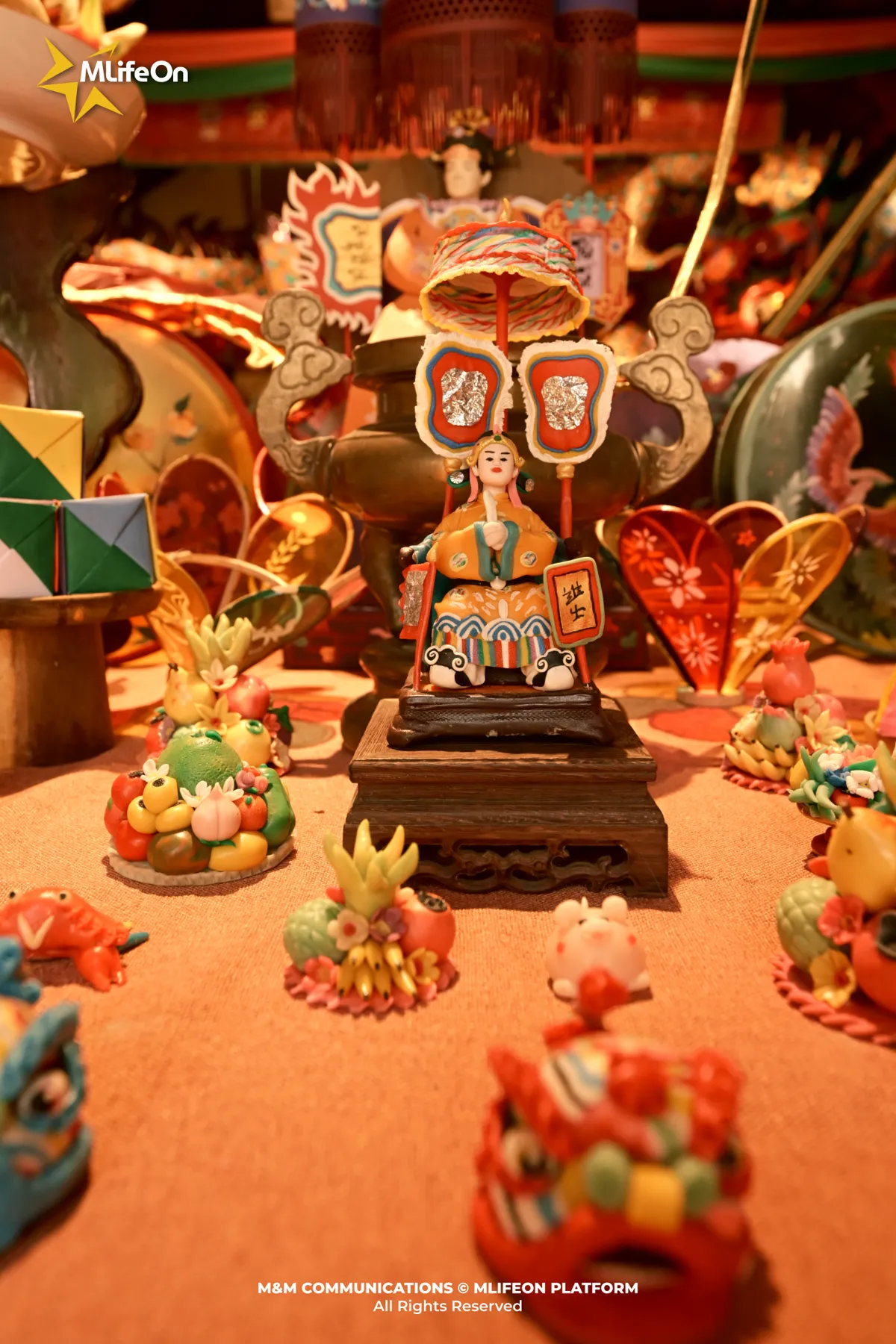
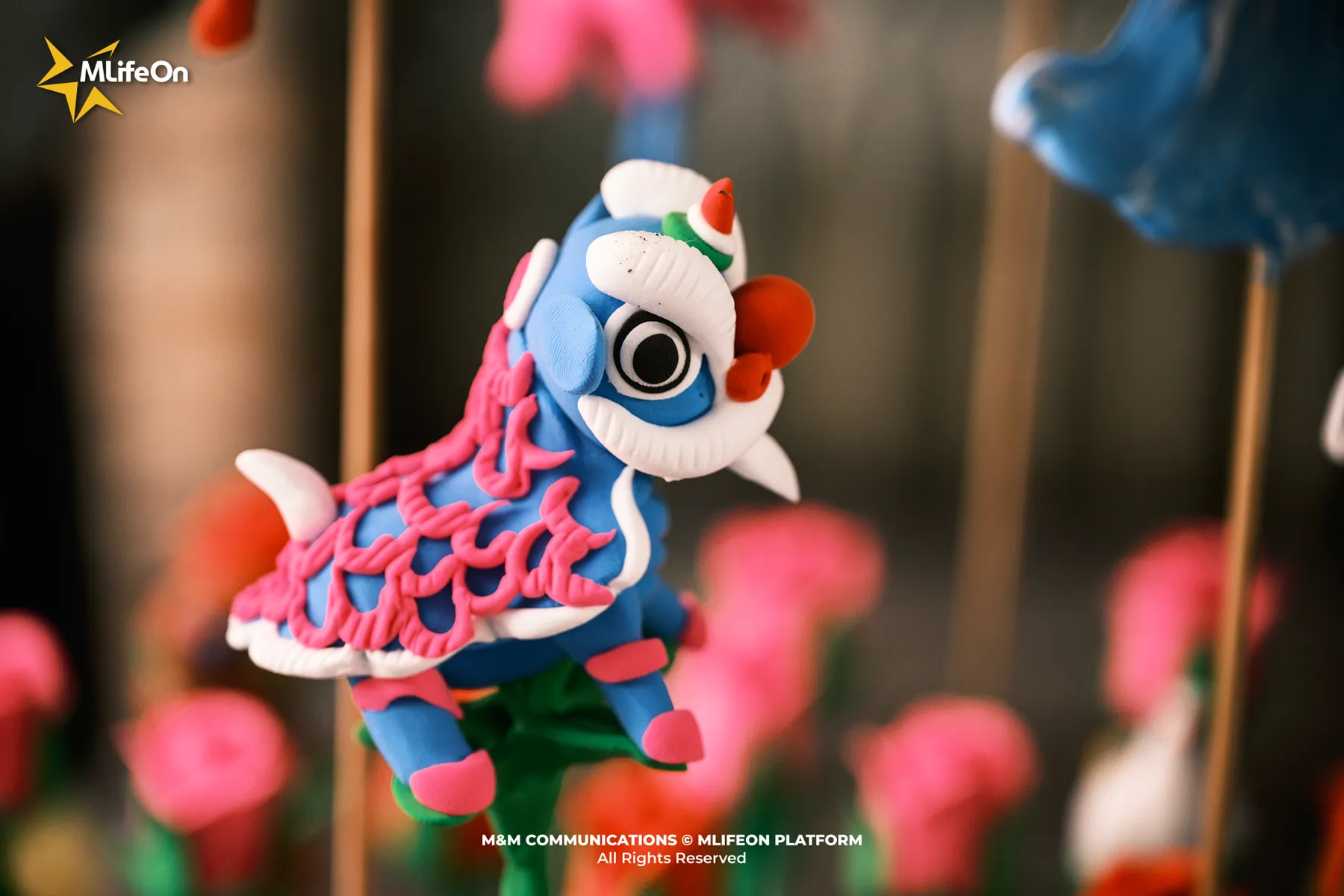
To He figurines in the shape of a tray of five fruits and a lion's head were displayed at Son Tra communal house, Ho Chi Minh City on the occasion of the recent Mid-Autumn Festival 2025.

The similarity between these two types of figurines is that they are both made from starch mixed with glutinous rice flour, then covered with a layer of glossy oil to preserve them for a long time. By the early 1990s, Dong Xuan and Pho Khach figurines were almost lost, leaving only Phu Xuyen figurines - the predecessor of today's To He - which are still popular.

People in Xuan La village, Phu Xuyen commune, Hanoi said that: In times of poverty, children only had a few simple toys made from rice flour mixed with glutinous rice flour, which could be eaten, commonly called "chim co cake". Some regions at that time also called them "con banh", in addition to the shape of animals, people also molded them into trays of offerings to offer to the temple. Much later, the product was attached to a trumpet, when blown it made a "tò te" sound, then it was mispronounced as "tò he" - which is also the name of this toy as it is today.

It can be seen that To He is not only a toy, but also a long story about its origin, history, beauty and role in Vietnamese life - from the past until today.
Frame 68.jpg

Folk toys that everyone loves

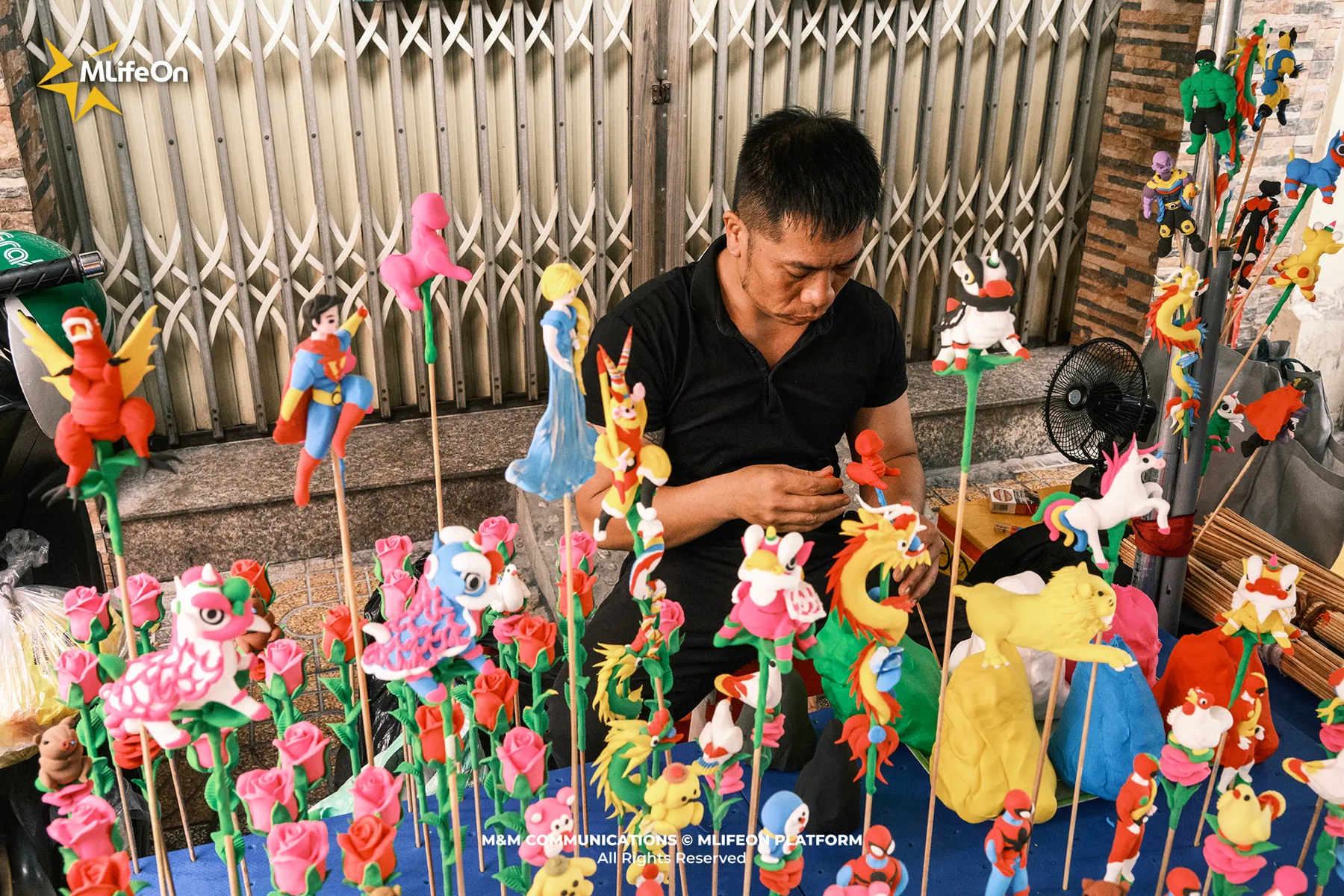
To He is attractive because of its fun, eye-catching colors and the ability to be molded on the spot in just a few minutes. That is the beauty of folk creativity: from skillful hands, the lifeless dough becomes a chicken, a fish, or a fairy tale character.

I once witnessed an artisan molding To He right on the side of the road. With just a few movements, the soft dough transformed into all kinds of shapes - from a buffalo, a chicken, to a flower, a girl, ... Each molded shape made the children cheer with delight. Looking at the joy of the children when their parents bought them their favorite To He, I felt that this was not just a game, but also the simple happiness of childhood - whether it was the previous generation or the next generation, as long as they were children, they would love this special folk toy.
Frame 72.jpg

Tiny, colorful To He figurines, molded from fragrant sticky rice flour, are not only a children’s game but also a memory for many generations of Vietnamese people. Each block of dough, each color contains love, creativity and the soul of folk culture.
Frame 75.jpg

From dough to shape

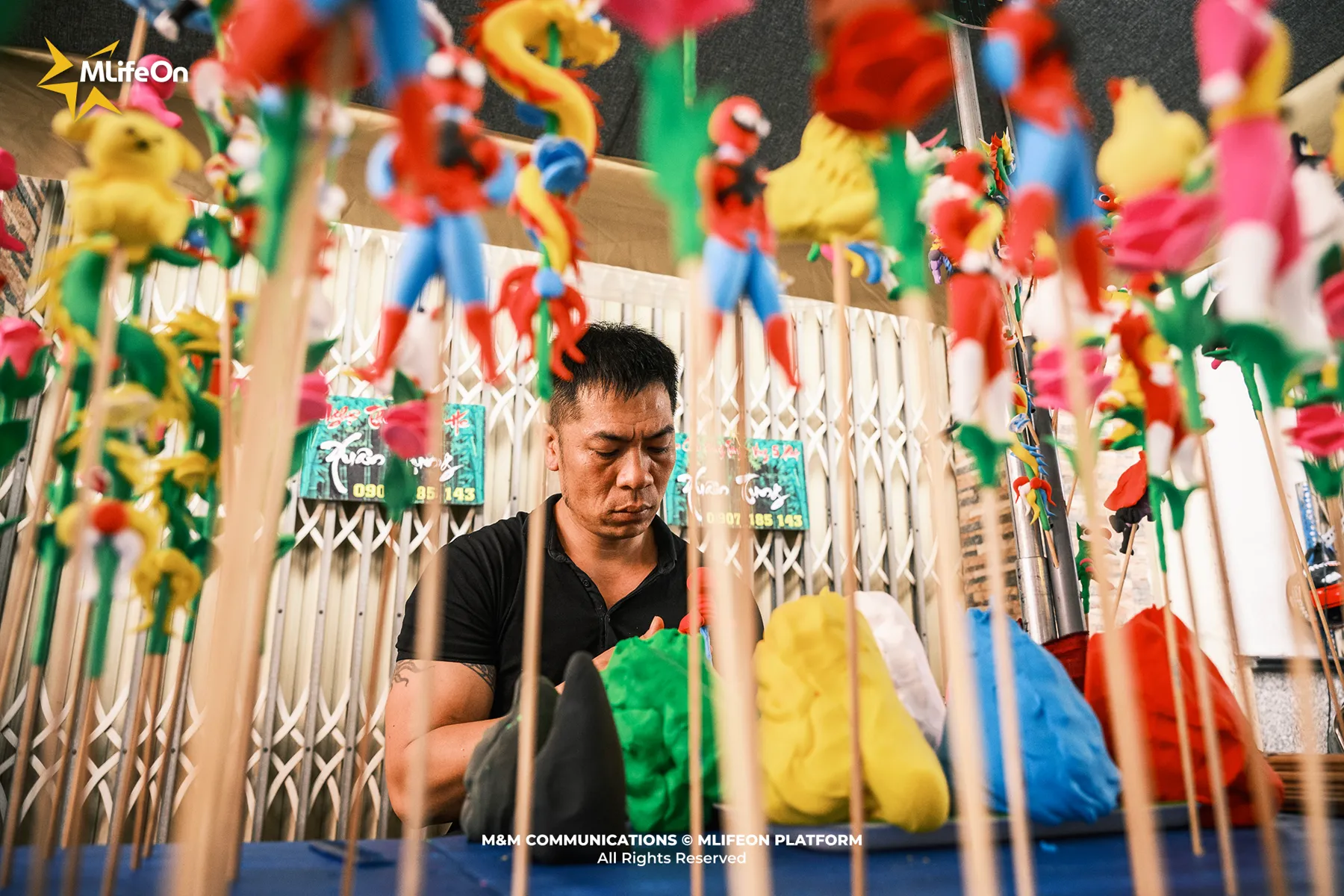
The craft of making To He figurines in Phu Xuyen has a long history. The secret lies in the way of kneading and mixing the dough to make it soft, fragrant, and not moldy. Glutinous rice flour is the main ingredient, mixed in a ratio of 7 parts glutinous rice to 3 parts non-glutinous rice. After being ground finely, the dough is steamed, kneaded, and then divided into 7 parts for coloring.

Traditional colors are taken from nature: green from cajuput leaves, red from gac fruit, yellow from turmeric, pink from lotus flowers, purple from Malabar spinach, black from stuffed perilla leaves, and white is kept intact. These colors are not only beautiful but also have a fragrant aroma of the countryside.

However, over time, the elaborate process of coloring To He has changed somewhat. Many places use coloring agents to streamline and reduce production time.

The tools for making To He figurines are also extremely simple: just flour, coloring agents, a small-toothed comb, a knife, a piece of beeswax, and a few bamboo sticks. With that luggage, the artisan was able to travel everywhere, creating funny shapes to make a living.
Frame 69.jpg

To He then and now

In the past, To He was a popular folk toy, associated with the childhood of Vietnamese children. It was both a game, an edible gift, and an offering in festivals.

Today, To He has become a cultural and artistic product. To He products appear in festivals, cultural events, and are even included in experiential tourism. Modern children have many toy options, but To He still retains its appeal because of its uniqueness and traditional values.

The craft of making To He was once thought to be fading away when modern toys flooded the market. But in recent years, To He has made a strong comeback. Artisans, along with the younger generation, have included To He in cultural programs, exhibitions, and even experiential classes.

This revival is not only the effort of the artisans, but also the concern of society for folk cultural heritage.
Frame 73.jpg

Conclusion

To he - from simple dough figurines to colorful folk toys, is a testament to the creativity and love of Vietnamese culture. It is not only associated with childhood, but also a living heritage, reminding us of the value of tradition in modern life.

Keeping To He is not just keeping a toy, but keeping a part of the Vietnamese soul, so that future generations can still listen to folk stories through each colorful block of dough.

—----

CREDIT: 

- Photography: Luan Nguyen 

- Content: Giang Huynh 

- Design: Phuong Nguyen 

About the Authors

All Articles

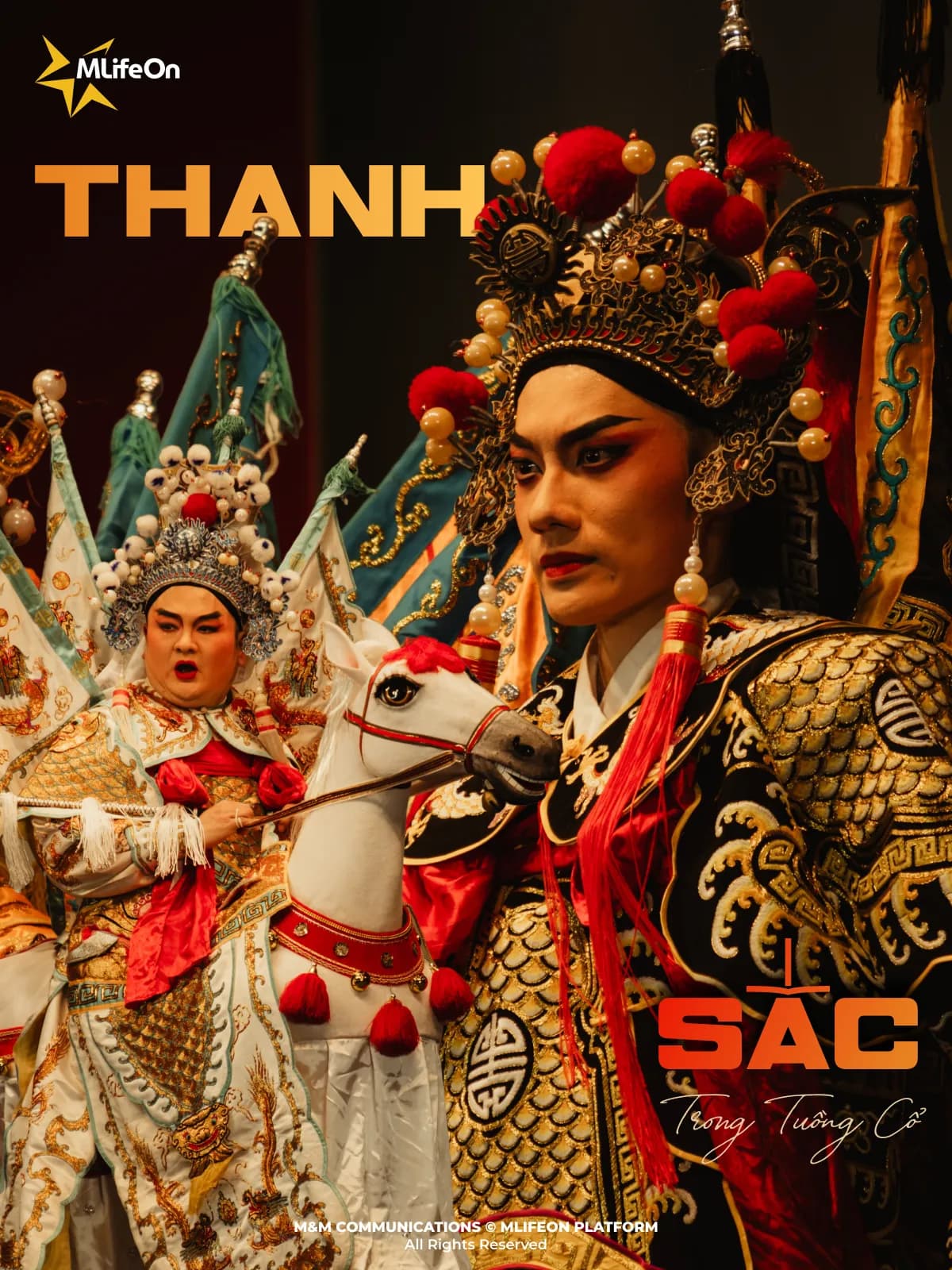
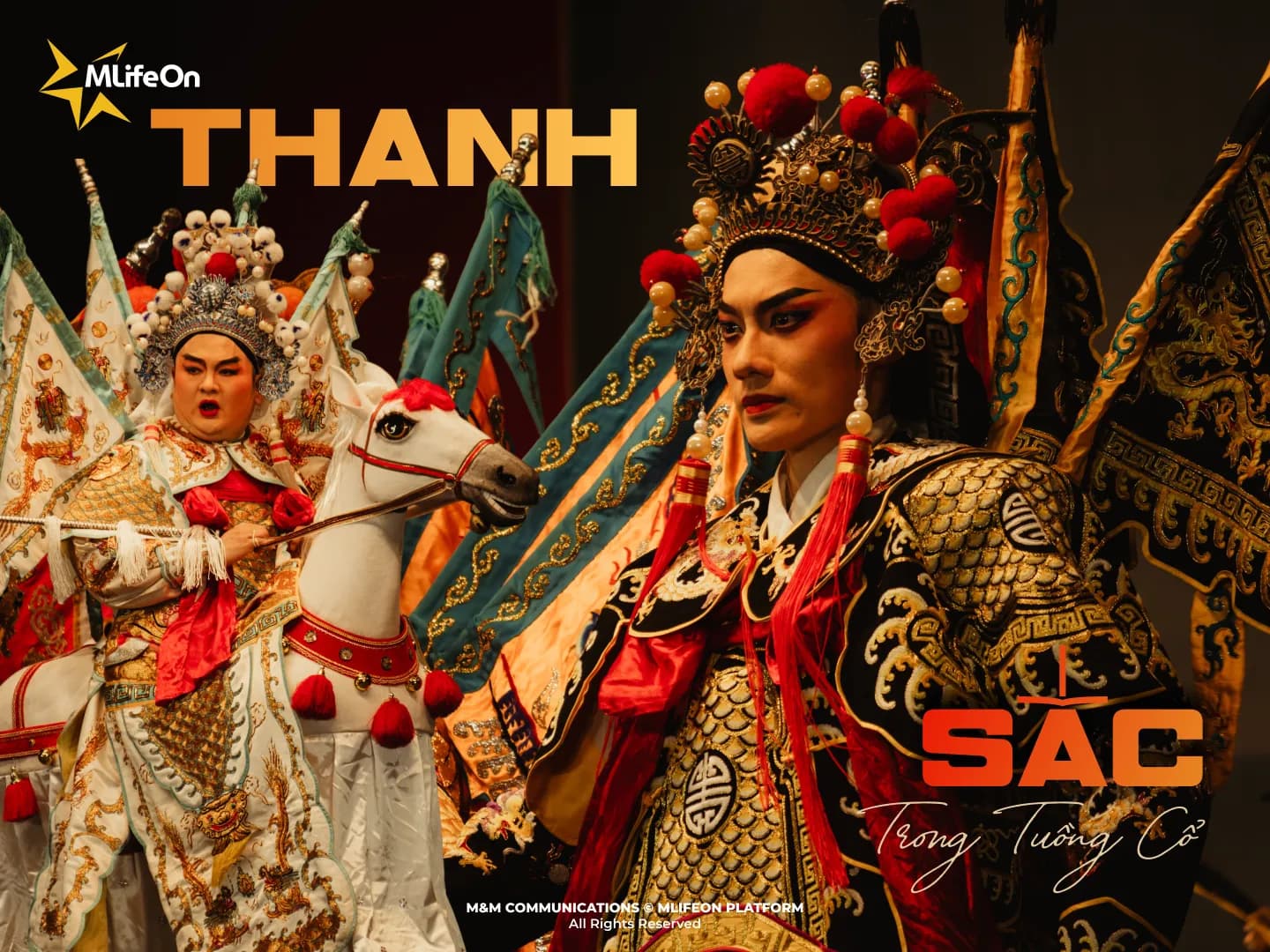
SOUND AND COLOR IN TEOCHEW TRADITIONAL OPERA

SOUND AND COLOR IN TEOCHEW TRADITIONAL OPERA

Discover Teochew Traditional Opera, a unique and enduring art form of the Chinese community, where sound, color, ritual, and memory intertwine on stage.

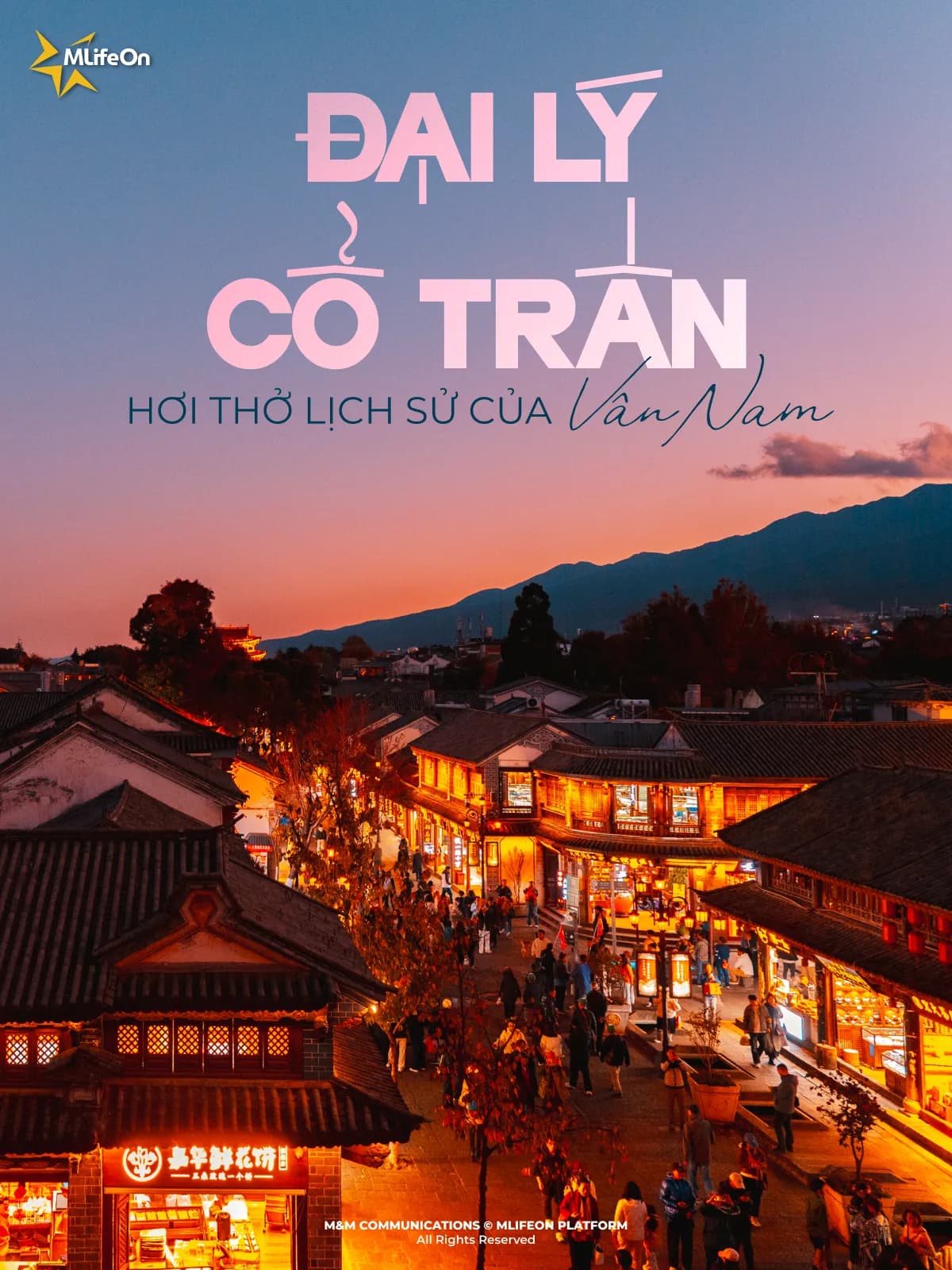
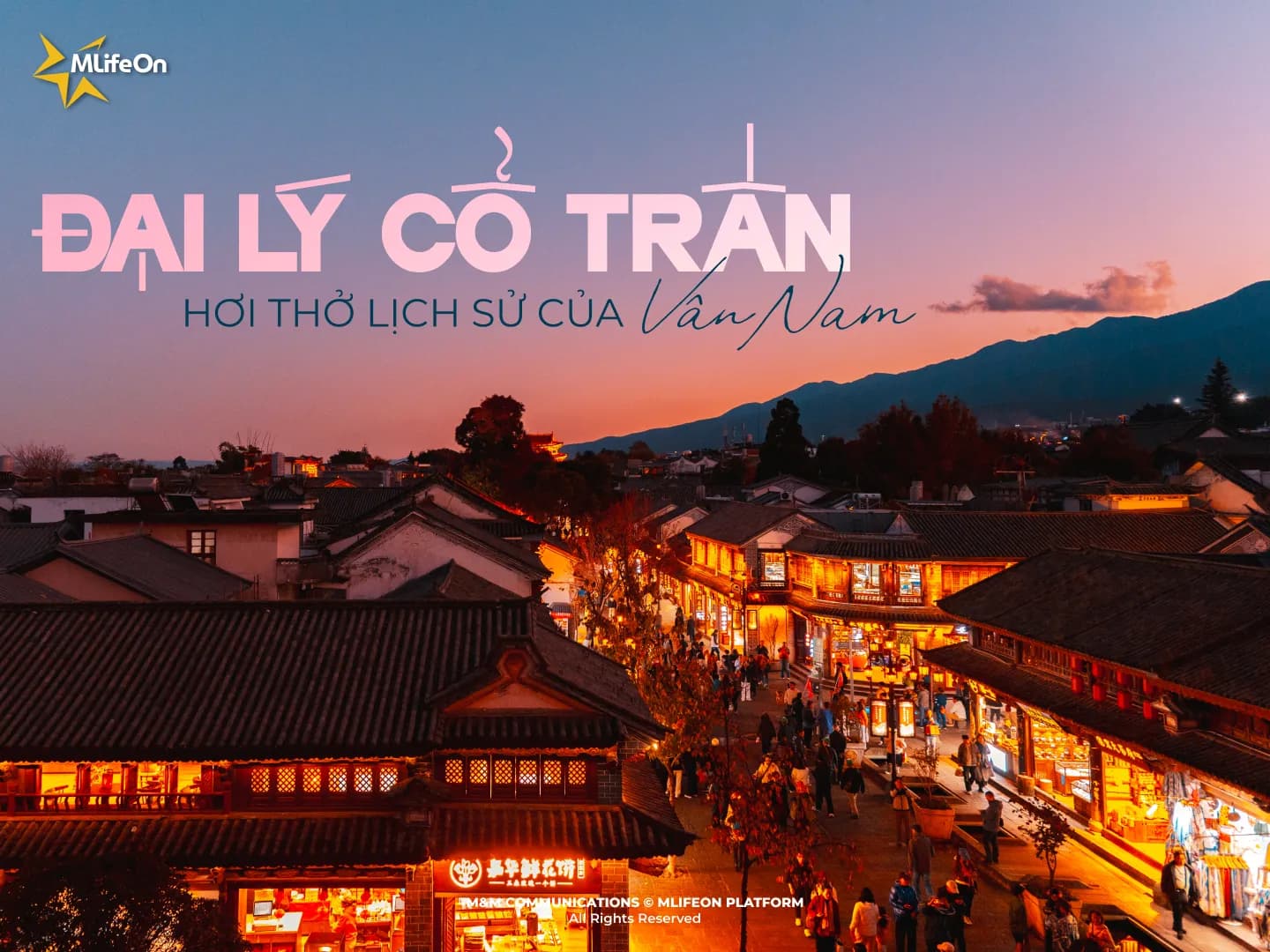
DALI ANCIENT TOWN - A HISTORICAL MARK OF YUNNAN PROVINCE

DALI ANCIENT TOWN - A HISTORICAL MARK OF YUNNAN PROVINCE

Explore Dali Ancient Town, a famous destination in Yunnan, China. A place where nature, architecture, and people blend harmoniously.

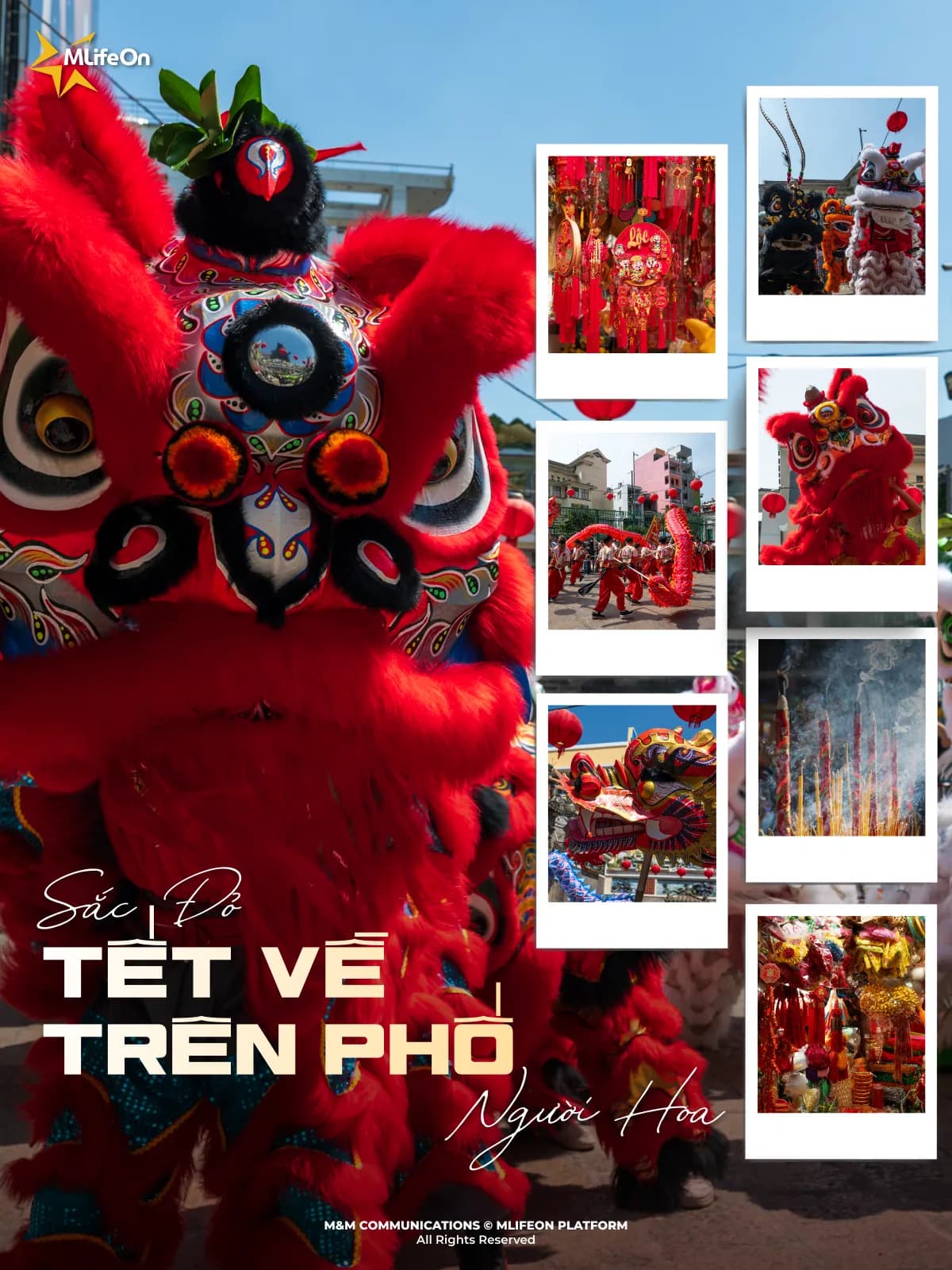
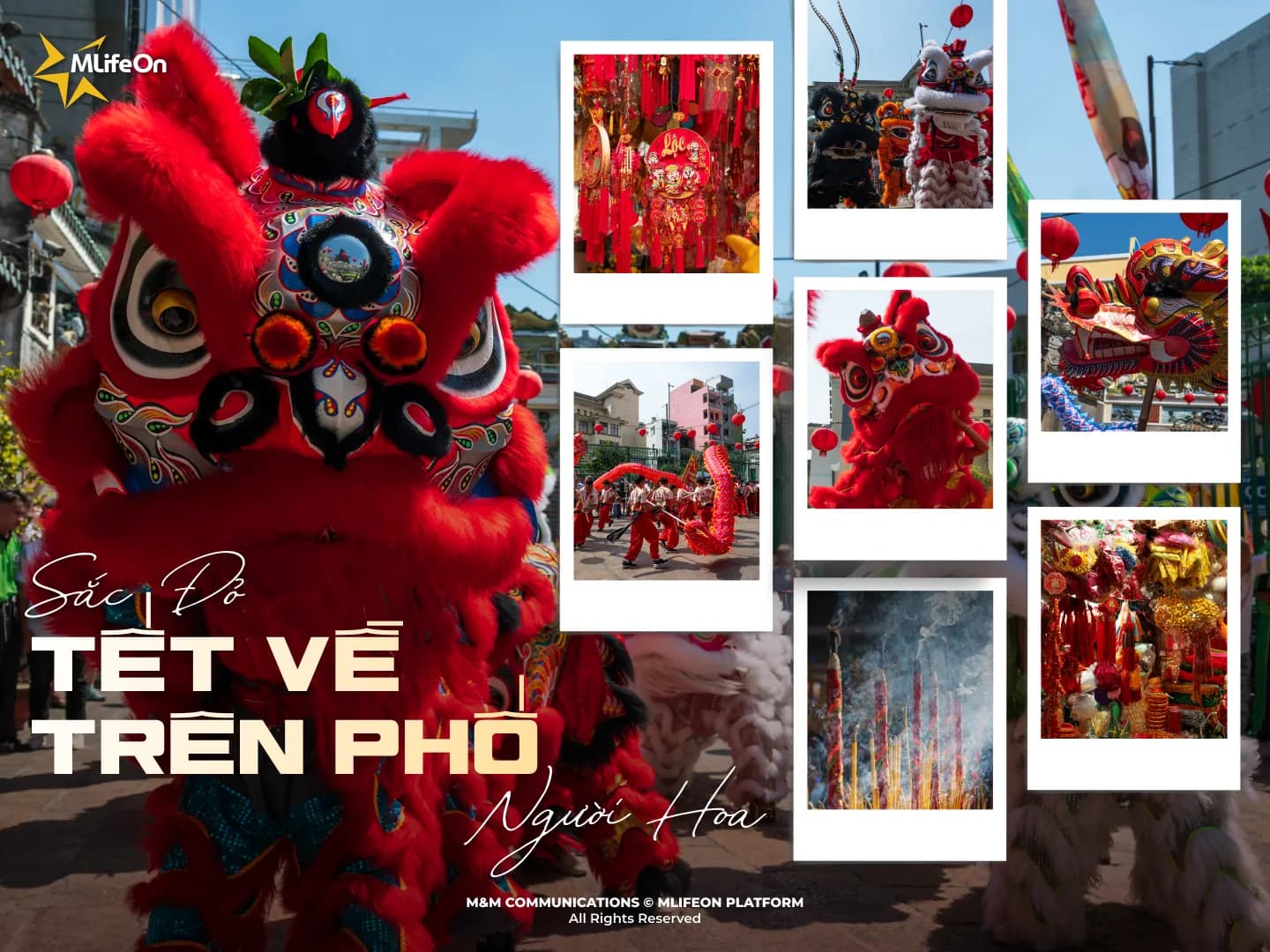
THE VIBRANT RED OF TET ON SAIGON’S CHINESE STREETS

THE VIBRANT RED OF TET ON SAIGON’S CHINESE STREETS

In the days leading up to Tet, Saigon’s Chinese neighborhoods gradually dress themselves in familiar shades of red. From decoration shops and everyday preparations to the quiet presence of Ong Bon Pagoda, the spirit of Tet reveals itself through simple, intimate details of daily life.

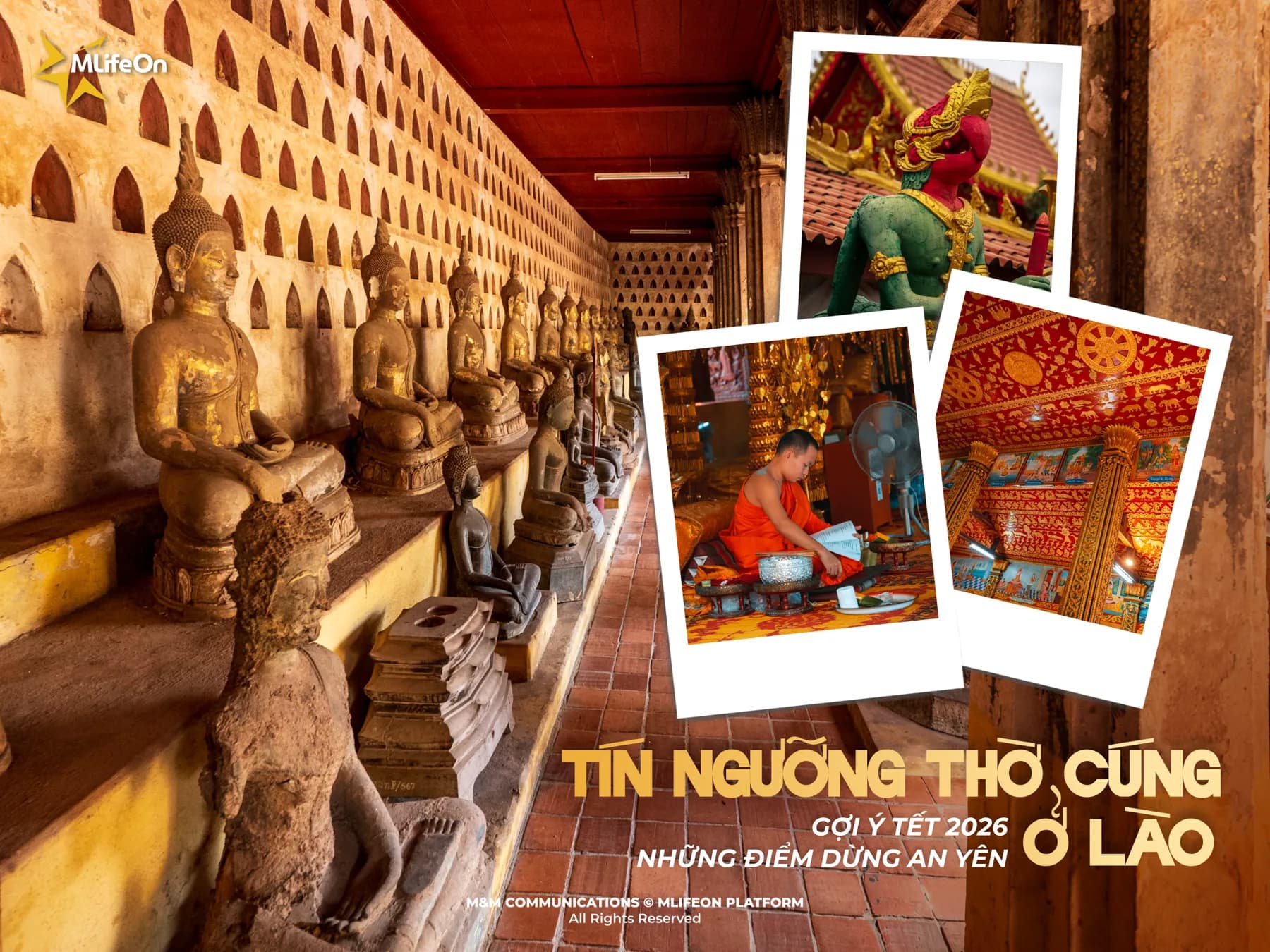
ANCESTRAL WORSHIP IN LAOS – PEACEFUL STOPS FOR A SERENE TET 2026

ANCESTRAL WORSHIP IN LAOS – PEACEFUL STOPS FOR A SERENE TET 2026

In Laos, Buddhist beliefs are not separate from everyday life but woven are into daily routines and social customs. Temples, sacred sites, and places of worship are not merely tourist attractions; they are spaces where people seek calm and balance. For those looking for a gentle, reflective journey during Tet 2026, Laos offers a slow-paced, tranquil, and refreshingly different way to welcome the new year.

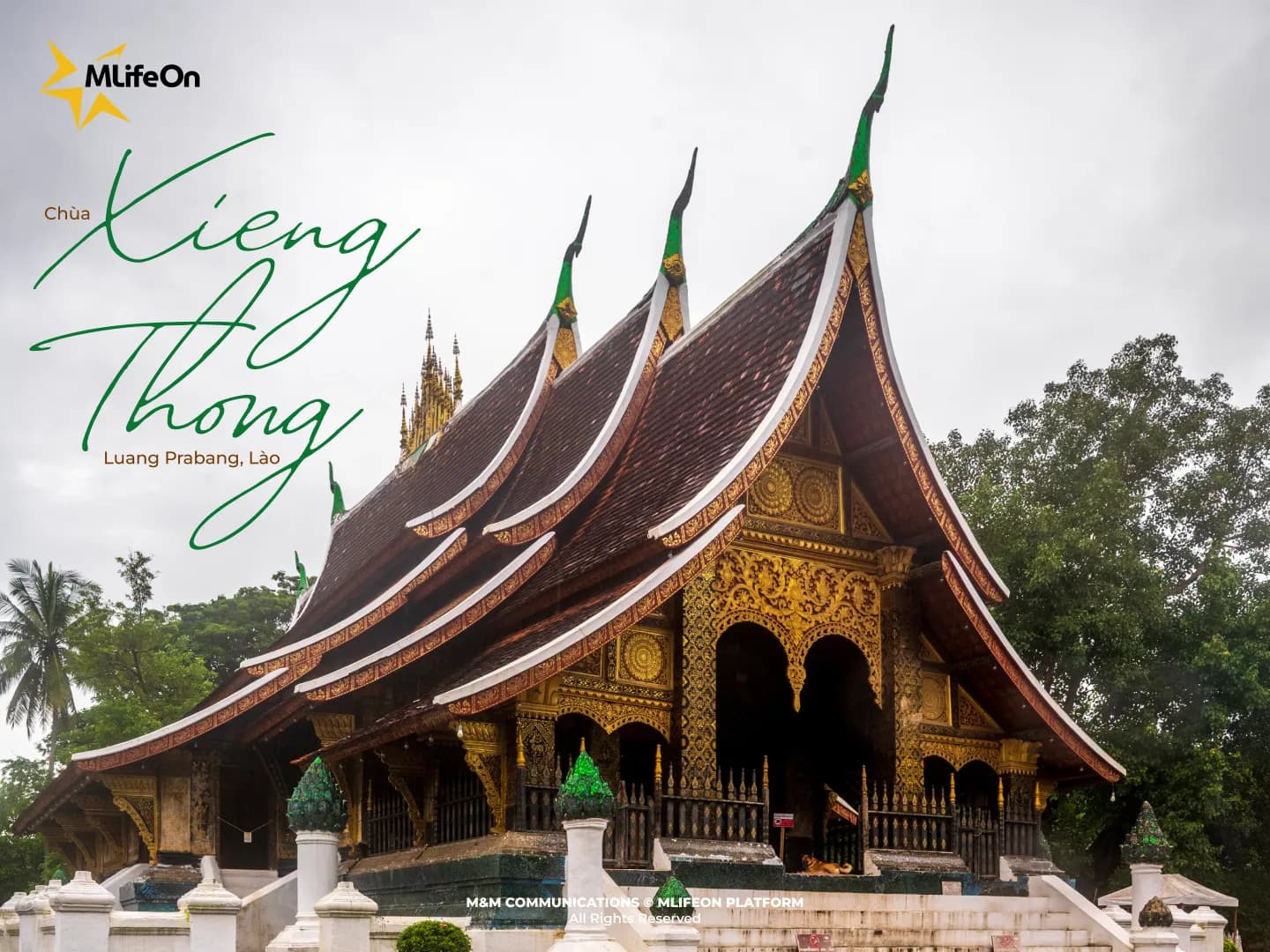
VISITING XIENG THONG TEMPLE - A SACRED ANCIENT TEMPLE IN LUANG PRABANG, LAOS

VISITING XIENG THONG TEMPLE - A SACRED ANCIENT TEMPLE IN LUANG PRABANG, LAOS

After an afternoon rain, Xieng Thong Temple appears calmer and more defined than usual. Without harsh sunlight or large crowds, this ancient temple of Luang Prabang reveals its architecture, setting, and spiritual value carefully preserved for centuries. A slower perspective that helps explain why Xieng Thong is not merely a tourist attraction, but a living memory of Lao Buddhism.

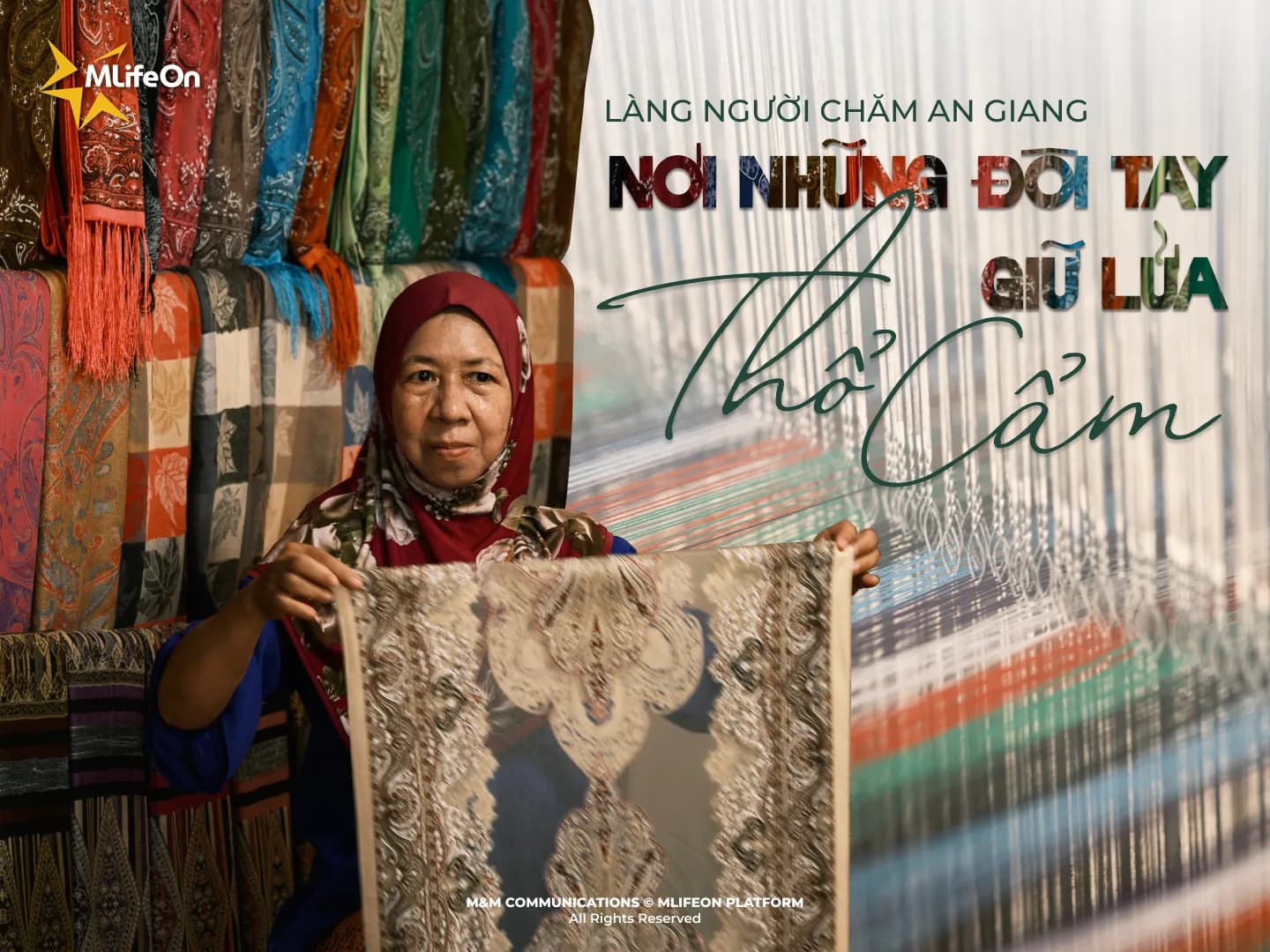
CHAM VILLAGES IN AN GIANG - WHERE SKILLED HANDS KEEP THE FLAME OF BROCADE WEAVING ALIVE

CHAM VILLAGES IN AN GIANG - WHERE SKILLED HANDS KEEP THE FLAME OF BROCADE WEAVING ALIVE

In An Giang, where the cool waters of the Hau River meet the Chau Doc River, Cham villages have existed quietly for generations. Unassuming and unshowy, life here flows slowly, much like the river in front of each home. Within this gentle rhythm, one tradition has been steadfastly preserved over time: the art of brocade weaving, passed down through the hands of Cham women.

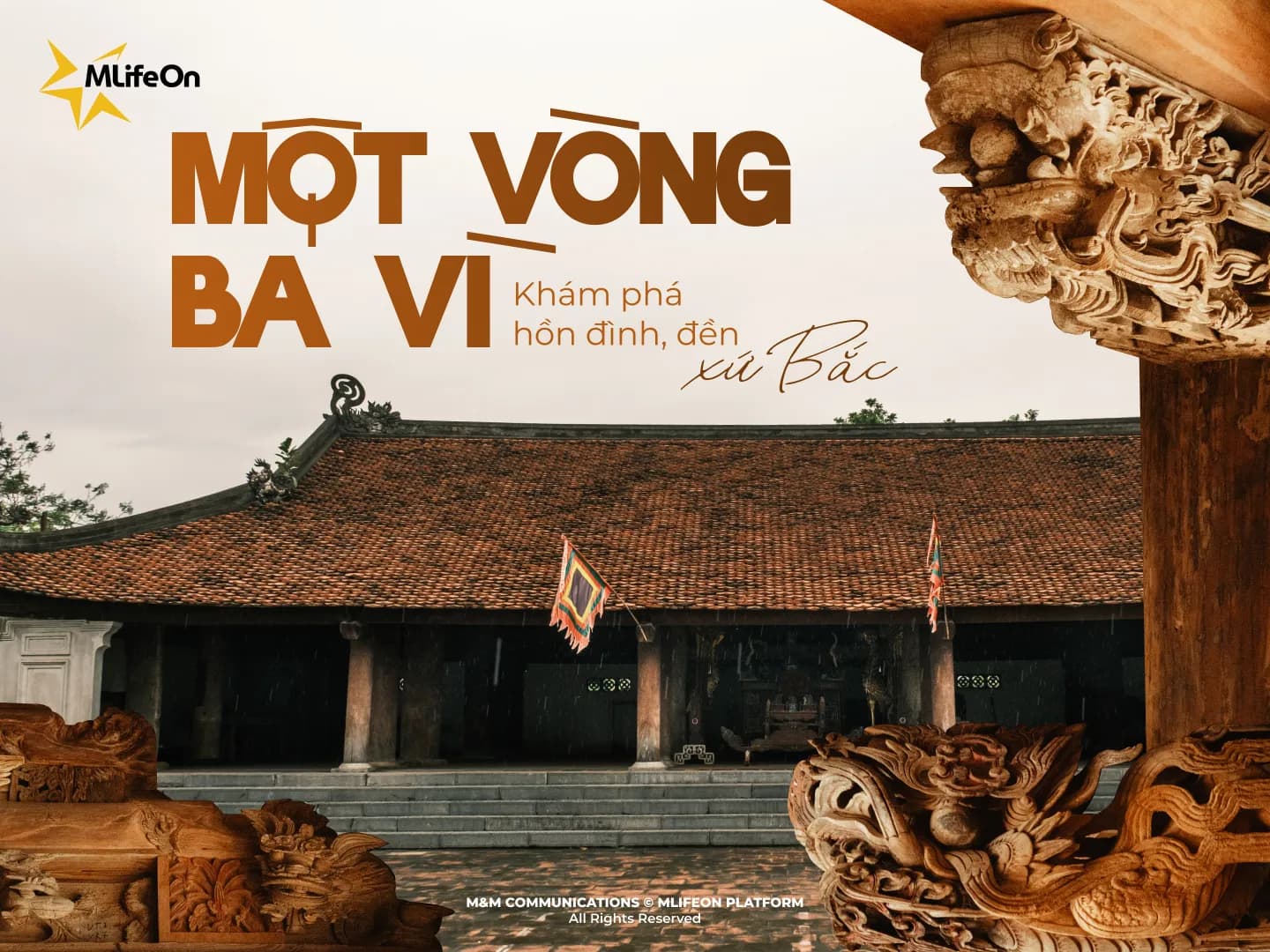
A JOURNEY THROUGH BA VI - DISCOVERING THE SPIRIT OF NORTHERN COMMUNAL HOUSES AND TEMPLES

A JOURNEY THROUGH BA VI - DISCOVERING THE SPIRIT OF NORTHERN COMMUNAL HOUSES AND TEMPLES

Ba Vi is more than mountains and winding roads. Scattered across this land are ancient communal houses and temples that have endured for centuries. Moss-covered roofs and carved wooden pillars emerge as fragments of Northern Vietnam’s cultural memory in tranquil settings.

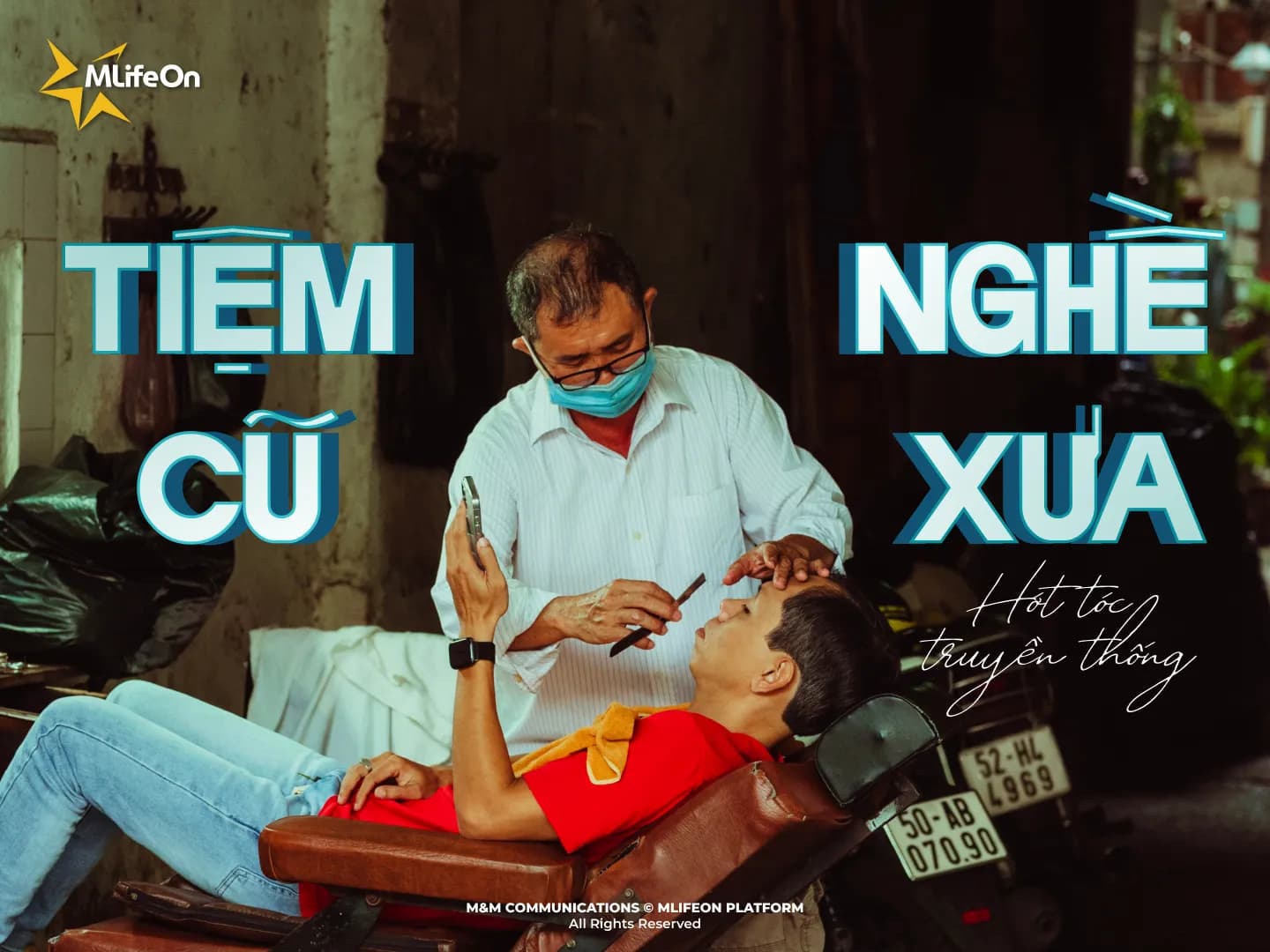
TRADITIONAL HAIRDRESSING - OLD SHOP, OLD PROFESSION

TRADITIONAL HAIRDRESSING - OLD SHOP, OLD PROFESSION

Explore the traditional Vietnamese hairdressing profession to discover its history, current state, and the cultural values ​​that are gradually fading amidst today's modern life.

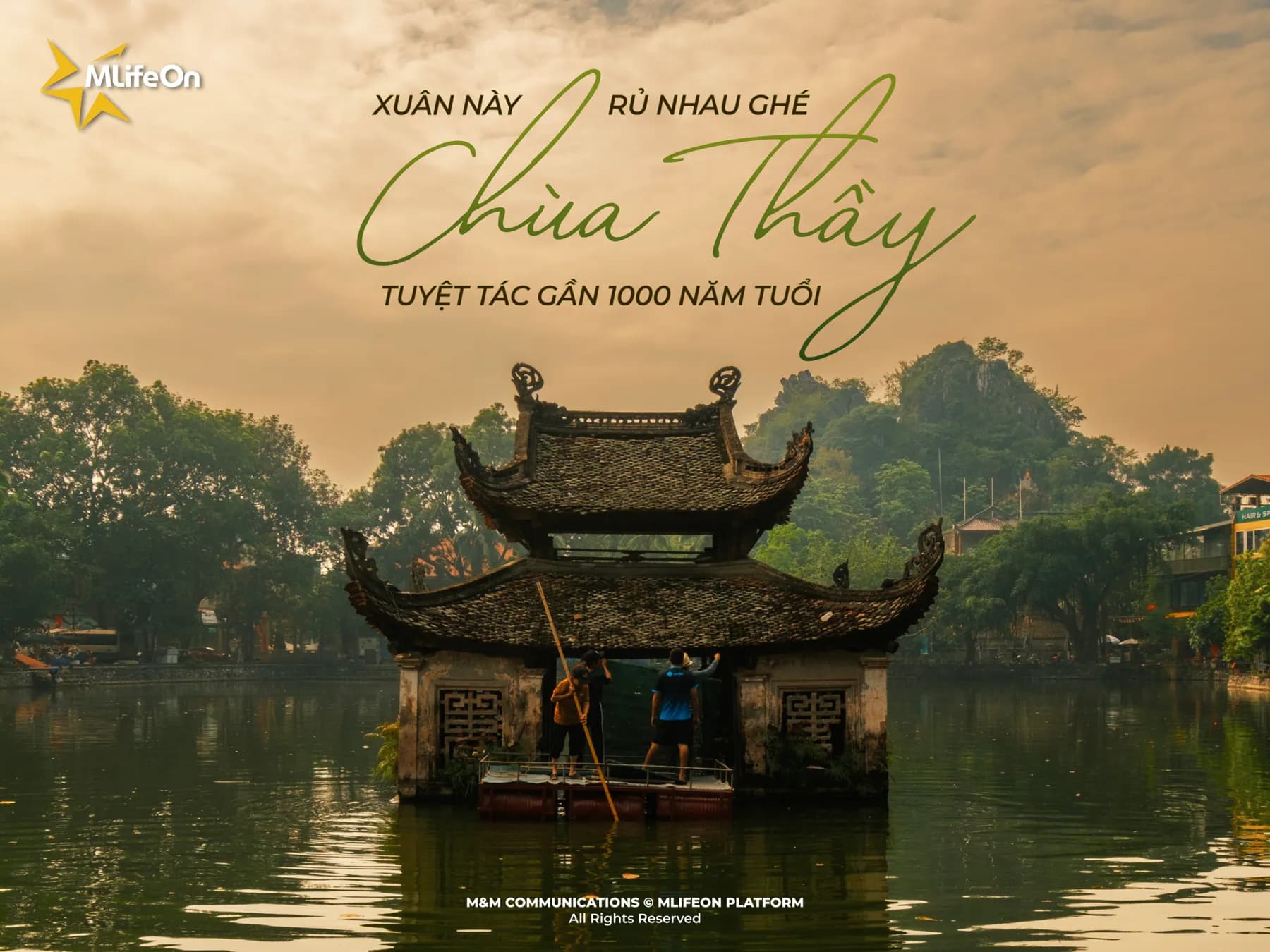
THIS SPRING, LET’S VISIT THAY PAGODA – A NEARLY 1,000-YEAR-OLD MASTERPIECE

THIS SPRING, LET’S VISIT THAY PAGODA – A NEARLY 1,000-YEAR-OLD MASTERPIECE

Not located in the heart of the bustling city, nor close to noisy urban centers, Thay Pagoda chooses a quiet setting at the foot of Sai Son Mountain. It is close enough for a day trip, yet far enough to gently pull visitors away from the hurried rhythm of city life.

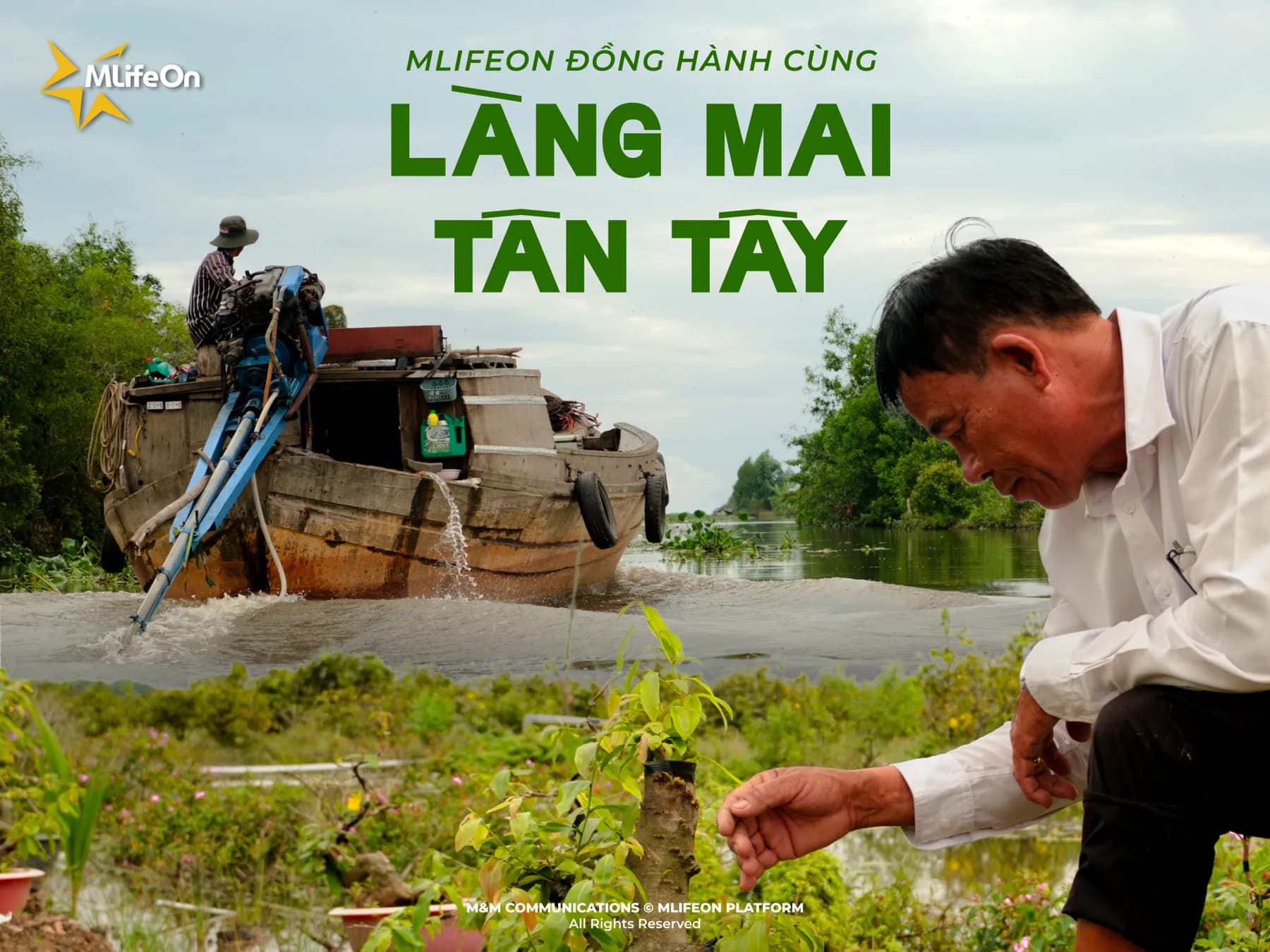
MLIFEON PARTNERS WITH TAN TAY PLUM VILLAGE

MLIFEON PARTNERS WITH TAN TAY PLUM VILLAGE

By partnering with Tan Tay Plum Blossom Village in community projects, MLifeOn has had the opportunity to directly experience the beauty of the scenery, culture, and people of this place. Follow MLifeOn to explore.

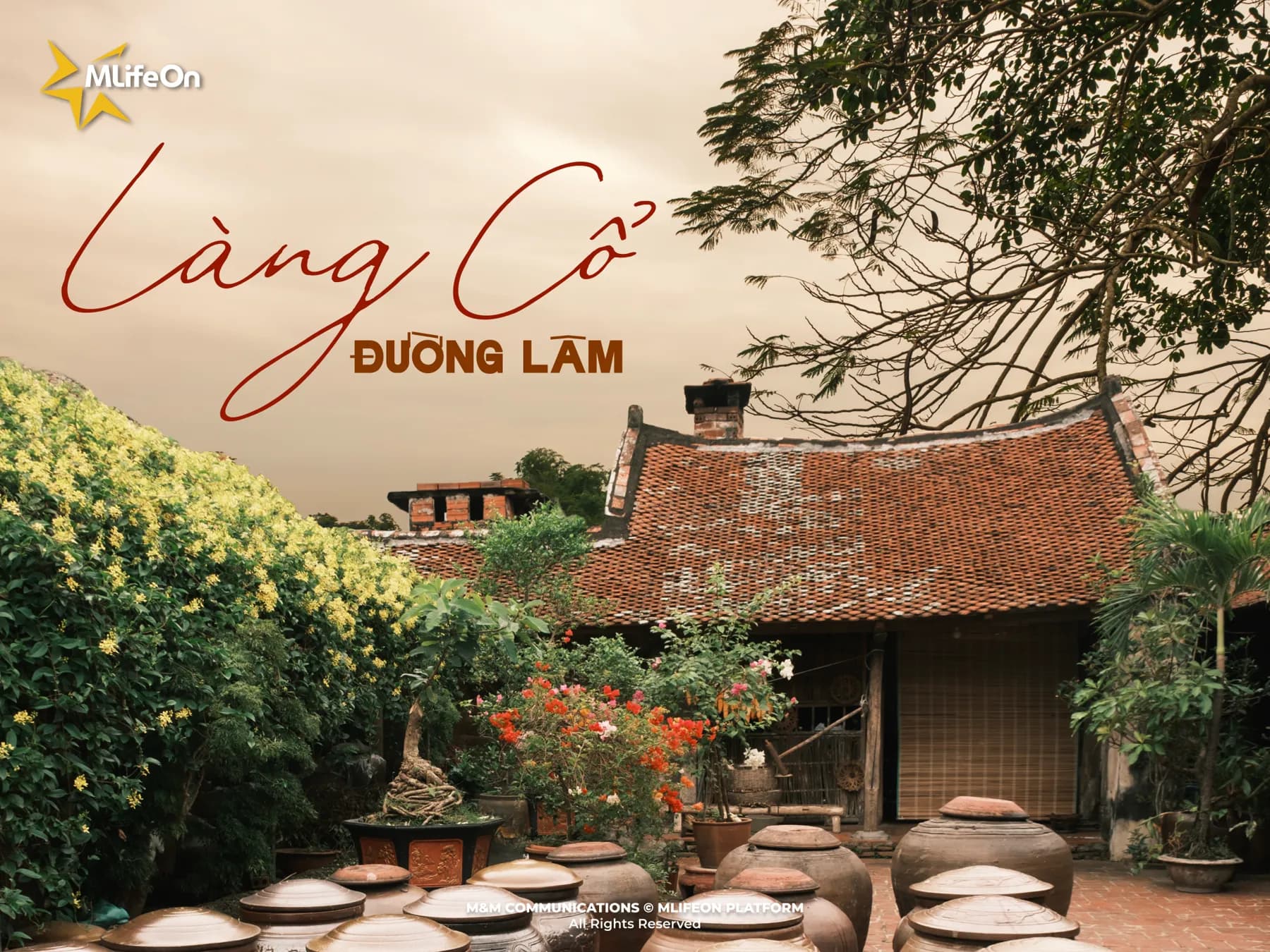
DUONG LAM ANCIENT VILLAGE - A CULTURAL HERITAGE OF DOAI REGION, HANOI

DUONG LAM ANCIENT VILLAGE - A CULTURAL HERITAGE OF DOAI REGION, HANOI

Experience the rhythm of life and the atmosphere of a Northern Vietnamese village at Duong Lam Ancient Village, a distinctive cultural destination in Hanoi.

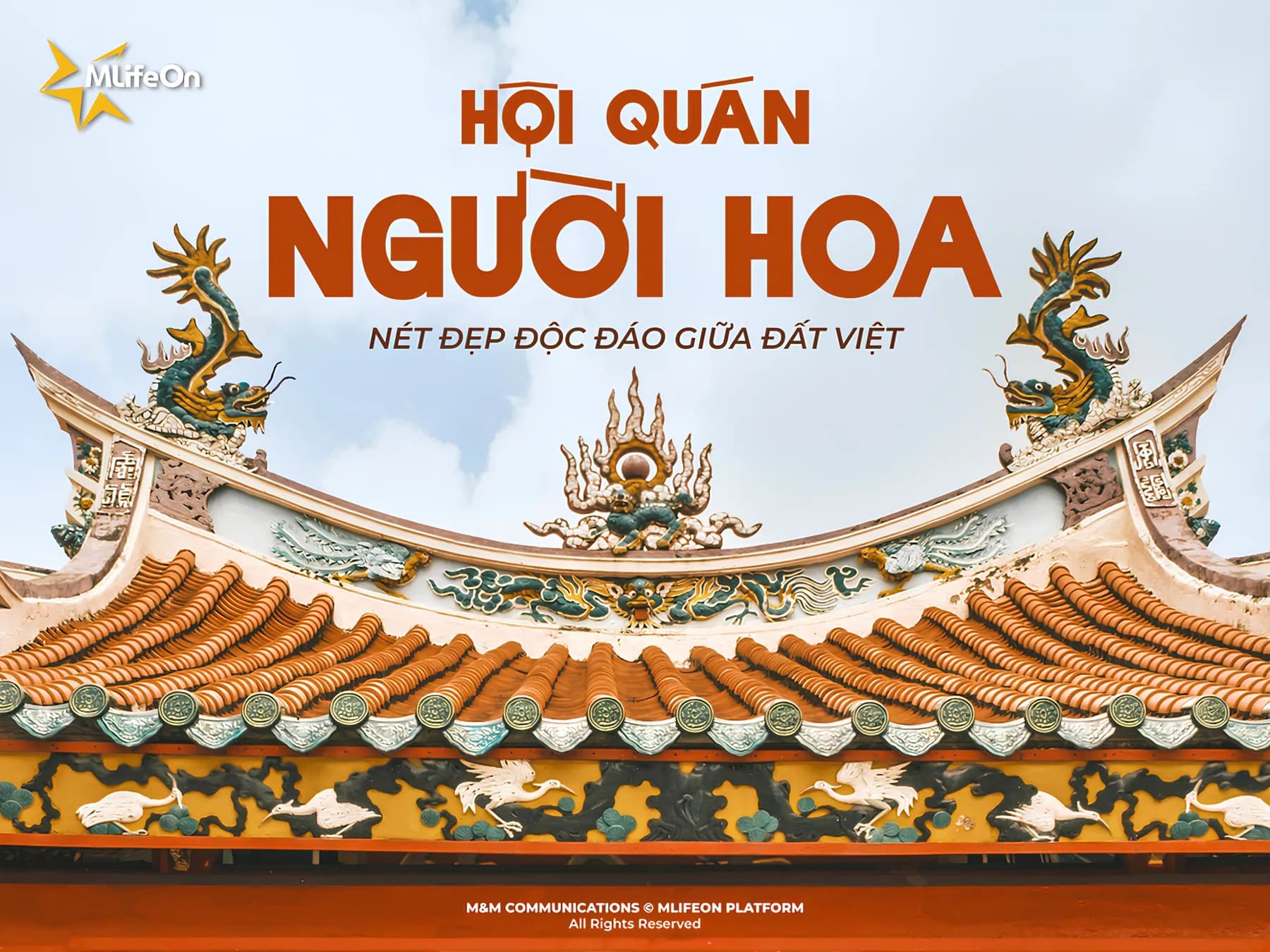
CHINESE ASSOCIATION HALLS - A UNIQUE TOUCH IN THE HEART OF VIETNAM

CHINESE ASSOCIATION HALLS - A UNIQUE TOUCH IN THE HEART OF VIETNAM

Join us on a journey to explore Chinese Assembly Halls in Vietnam, and learn about the function and architectural beauty of these structures.

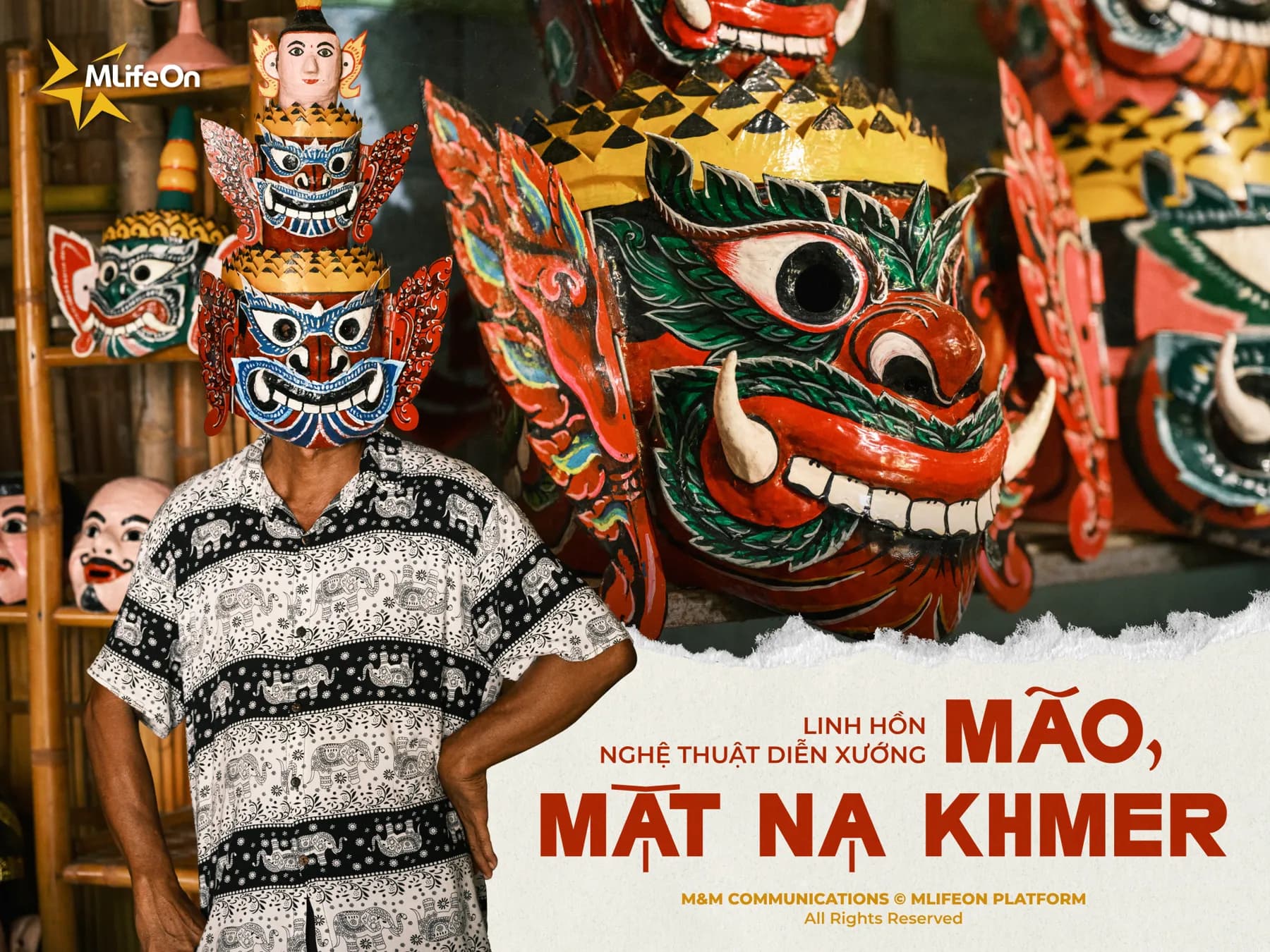
KHMER CEREMONIAL HATS AND MASKS - THE SOUL OF SOUTHERN VIETNAMESE THEATRE

KHMER CEREMONIAL HATS AND MASKS - THE SOUL OF SOUTHERN VIETNAMESE THEATRE

Explore Khmer ceremonial hats and masks, sacred and mystical elements associated with the performing arts and spiritual life of the Southern Khmer people.

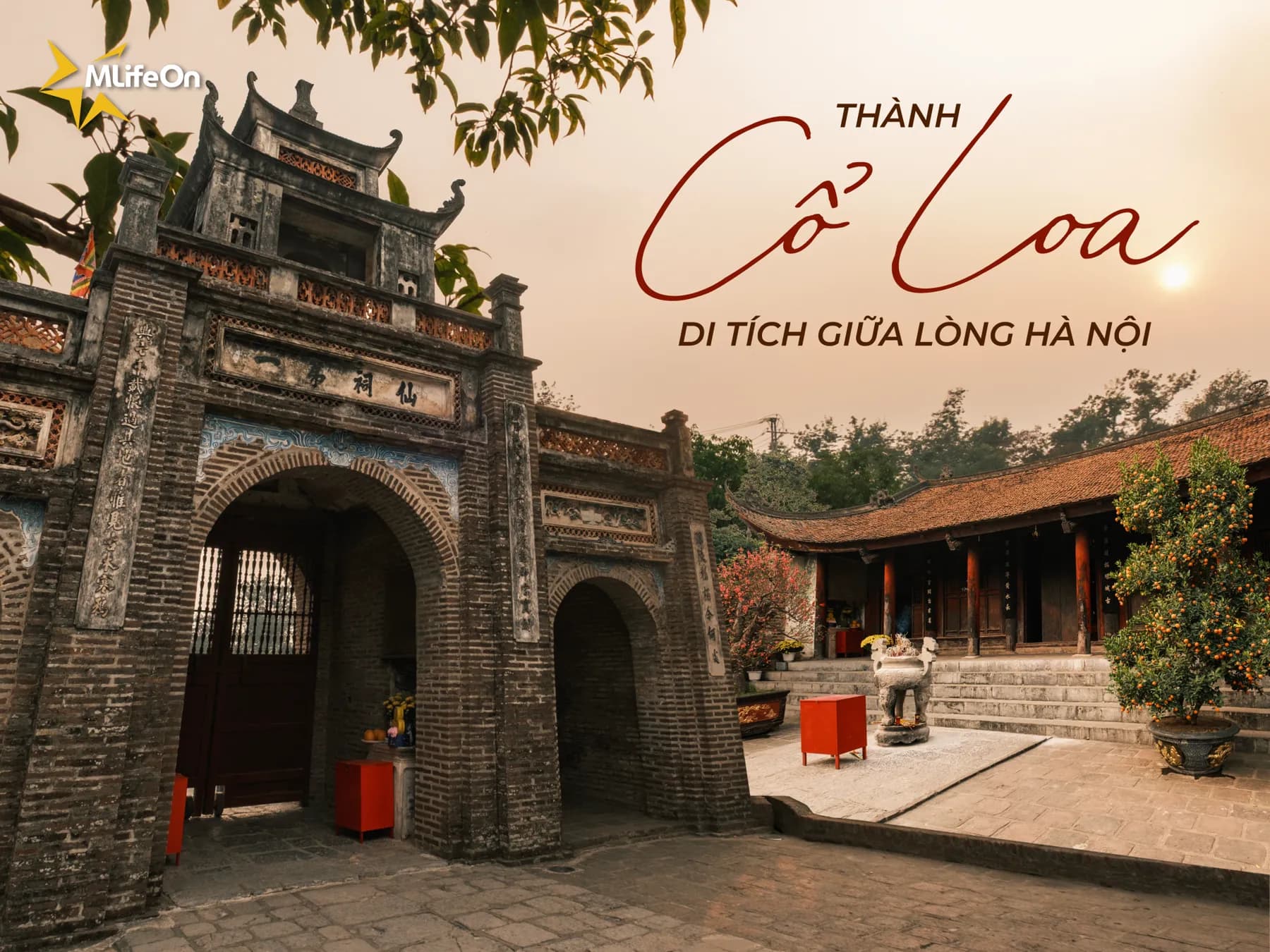
CO LOA ANCIENT CITADEL - A NATIONAL HISTORICAL SITE IN THE HEART OF HANOI

CO LOA ANCIENT CITADEL - A NATIONAL HISTORICAL SITE IN THE HEART OF HANOI

Explore the Co Loa Citadel - the ancient capital of Au Lac, a place preserving the unique historical, architectural, and archaeological values ​​of the Vietnamese people.

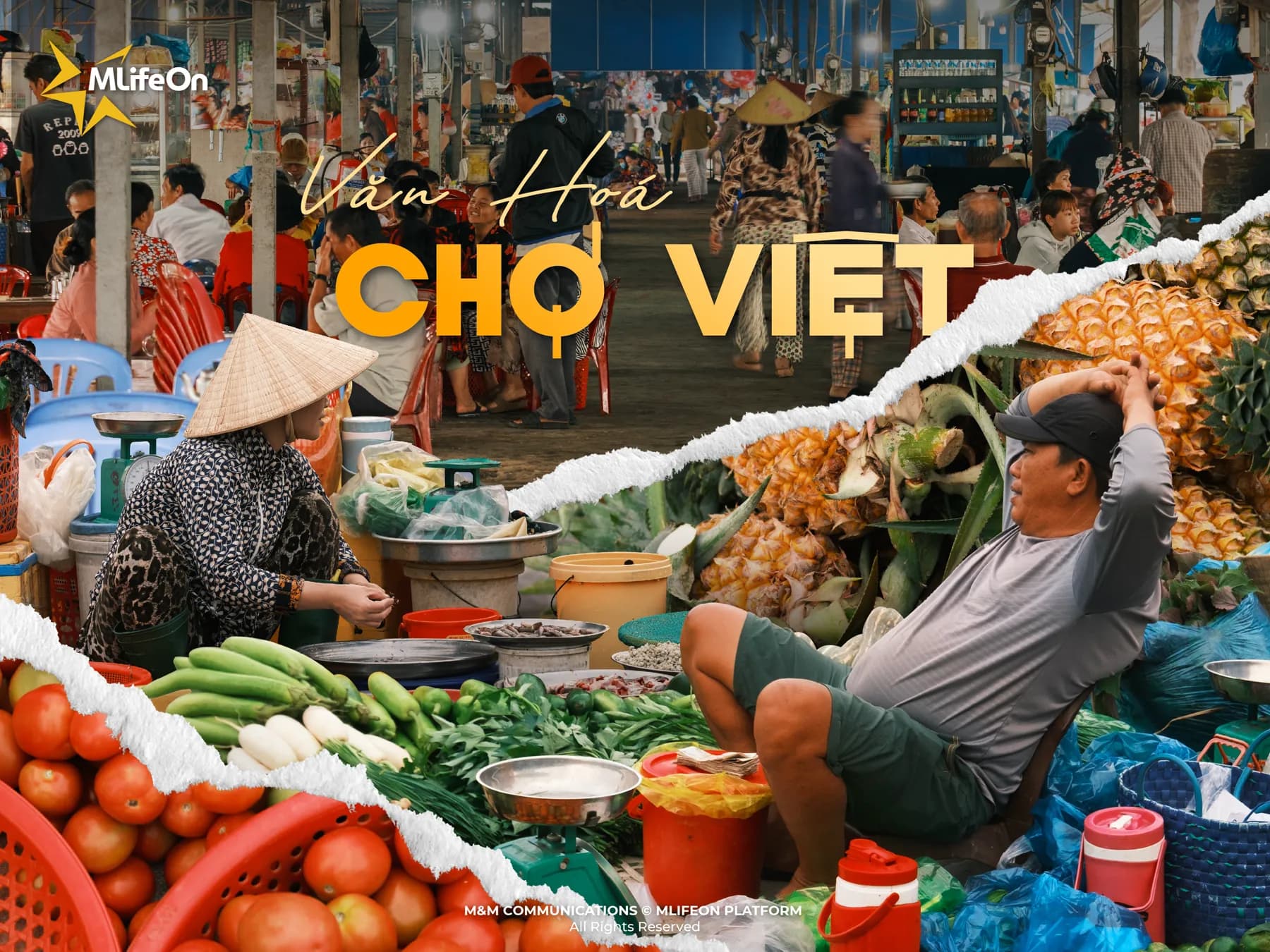
VIETNAMESE MARKETS - WHERE THE LIFE OF EACH REGION REVEALS ITSELF MOST CLEARLY

VIETNAMESE MARKETS - WHERE THE LIFE OF EACH REGION REVEALS ITSELF MOST CLEARLY

Vietnamese markets are not merely places of trade; they are the clearest reflections of local life, daily rhythms, and regional character - from river deltas and waterways to coastal shores.

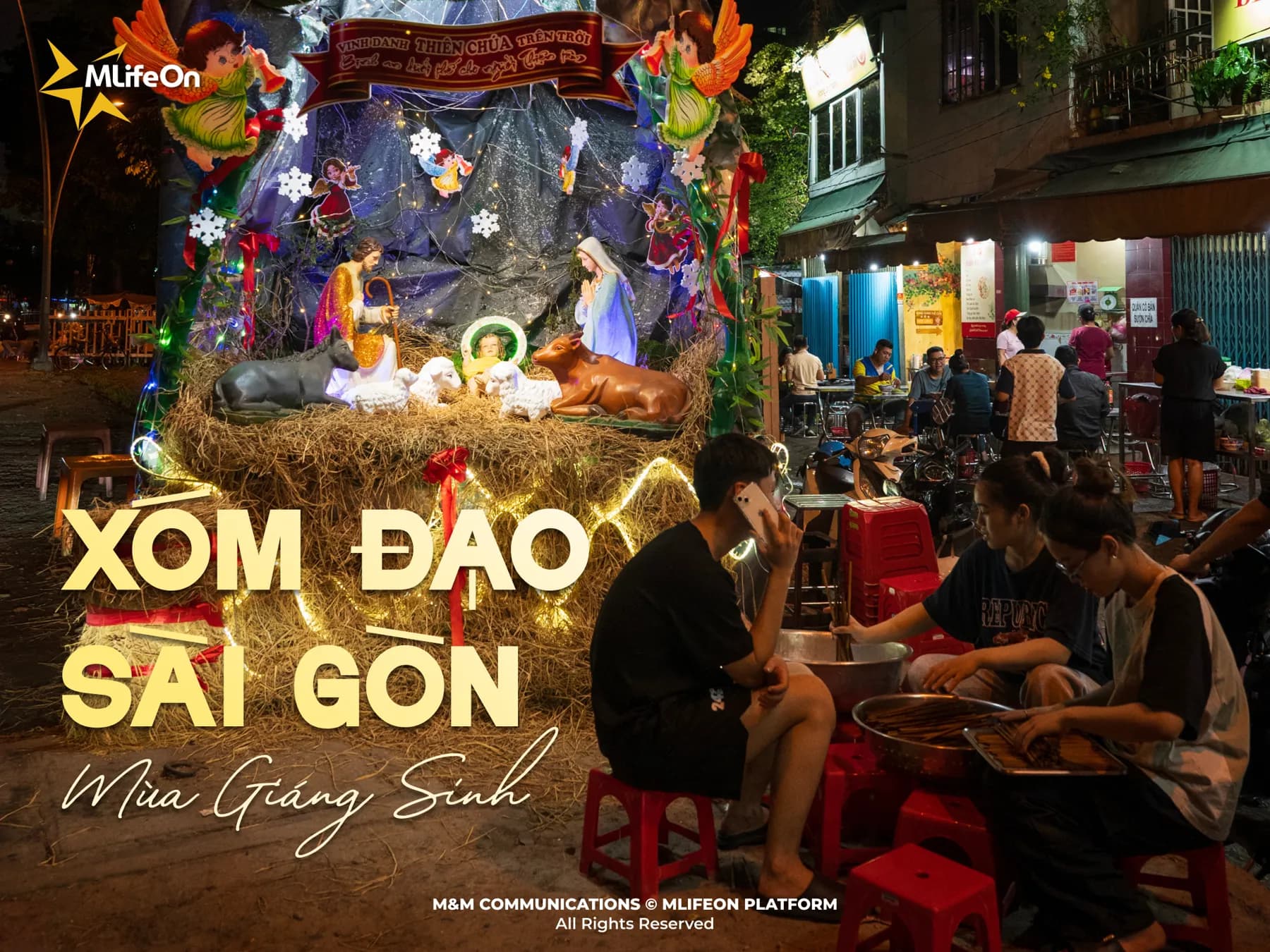
VISITING A CHRISTIAN VILLAGE DURING CHRISTMAS

VISITING A CHRISTIAN VILLAGE DURING CHRISTMAS

Discover the dazzling beauty of Saigon's Catholic neighborhoods during Christmas, where light, music, and human warmth blend together, creating a unique cultural experience in the heart of the city.

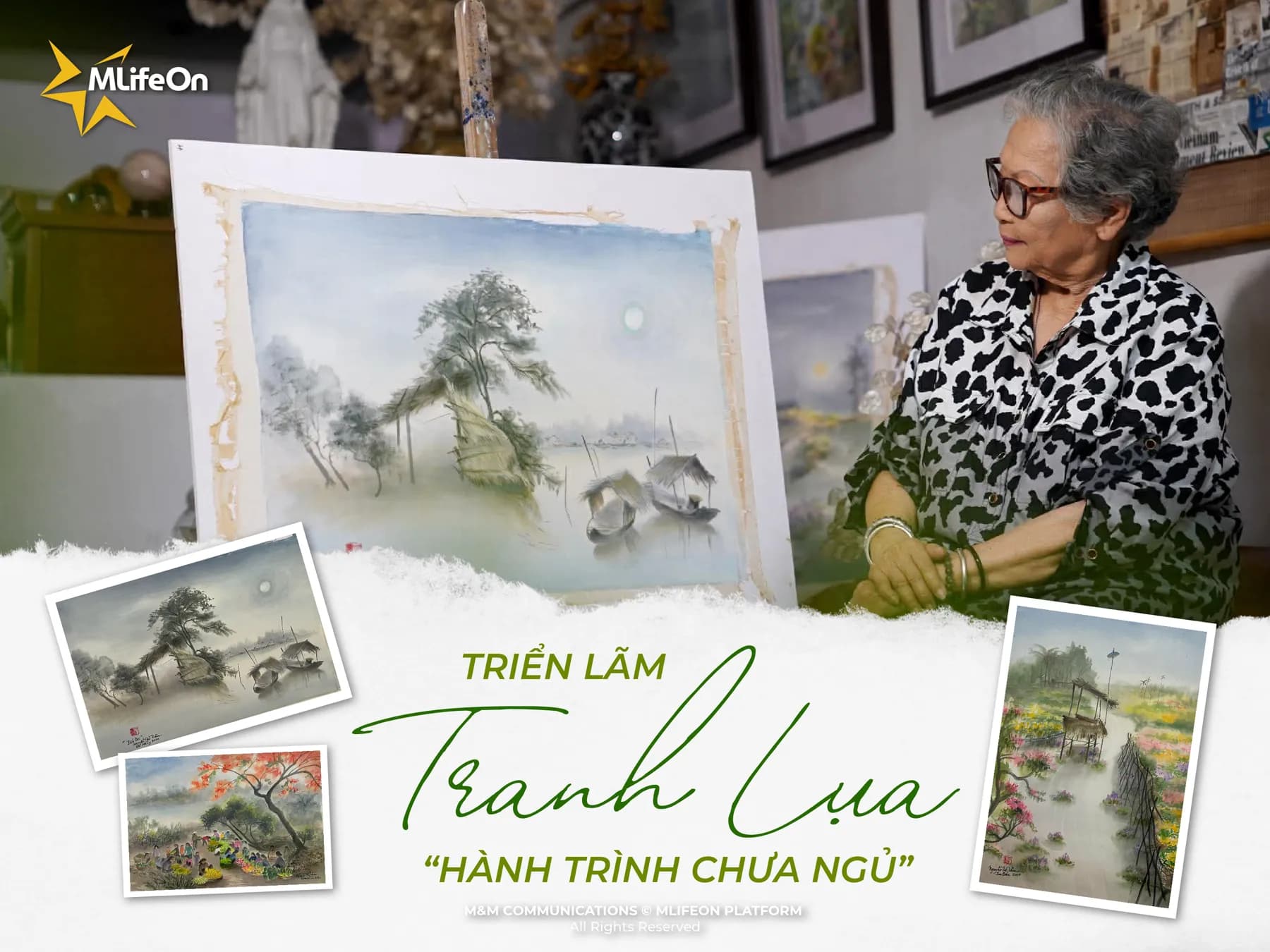
SILK PAINTING EXHIBITION - “THE UNFINISHED JOURNEY” BY ARTIST NGUYEN THI TAM

SILK PAINTING EXHIBITION - “THE UNFINISHED JOURNEY” BY ARTIST NGUYEN THI TAM

The exhibition “The Unfinished Journey” presents 50 never-before-seen silk paintings by artist Nguyen Thi Tam, capturing over three decades of her creative journey.

THANH HA POTTERY VILLAGE - 500 YEARS OF PRESERVING THE SOUL OF POTTERY

THANH HA POTTERY VILLAGE - 500 YEARS OF PRESERVING THE SOUL OF POTTERY

Join MLifeOn in exploring Thanh Ha Pottery Village - a traditional craft village over 500 years old located on the Thu Bon River in Hoi An.