Saigon, Vietnam's most dynamic city, is renowned for its modern skyscrapers and numerous religious buildings, which possess profound historical and cultural significance. These structures contribute to the city's vibrant landscape, adding a touch of antiquity and unique moments of tranquility.
St. Joseph Seminary in Saigon exemplifies this. Unpretentious and quiet, the building plays a crucial role in Catholic life in this bustling metropolis.
Where faith is present
St. Joseph Seminary in Saigon is located at 6 Ton Duc Thang Street, Saigon Ward, District 1, Ho Chi Minh City, a location considered the "heart" of the city.
Thanks to this prime location, St. Joseph Seminary enjoys extremely convenient connections to other parishes in the area. At the same time, it is also a hub for training and exchange activities of the Catholic Church.
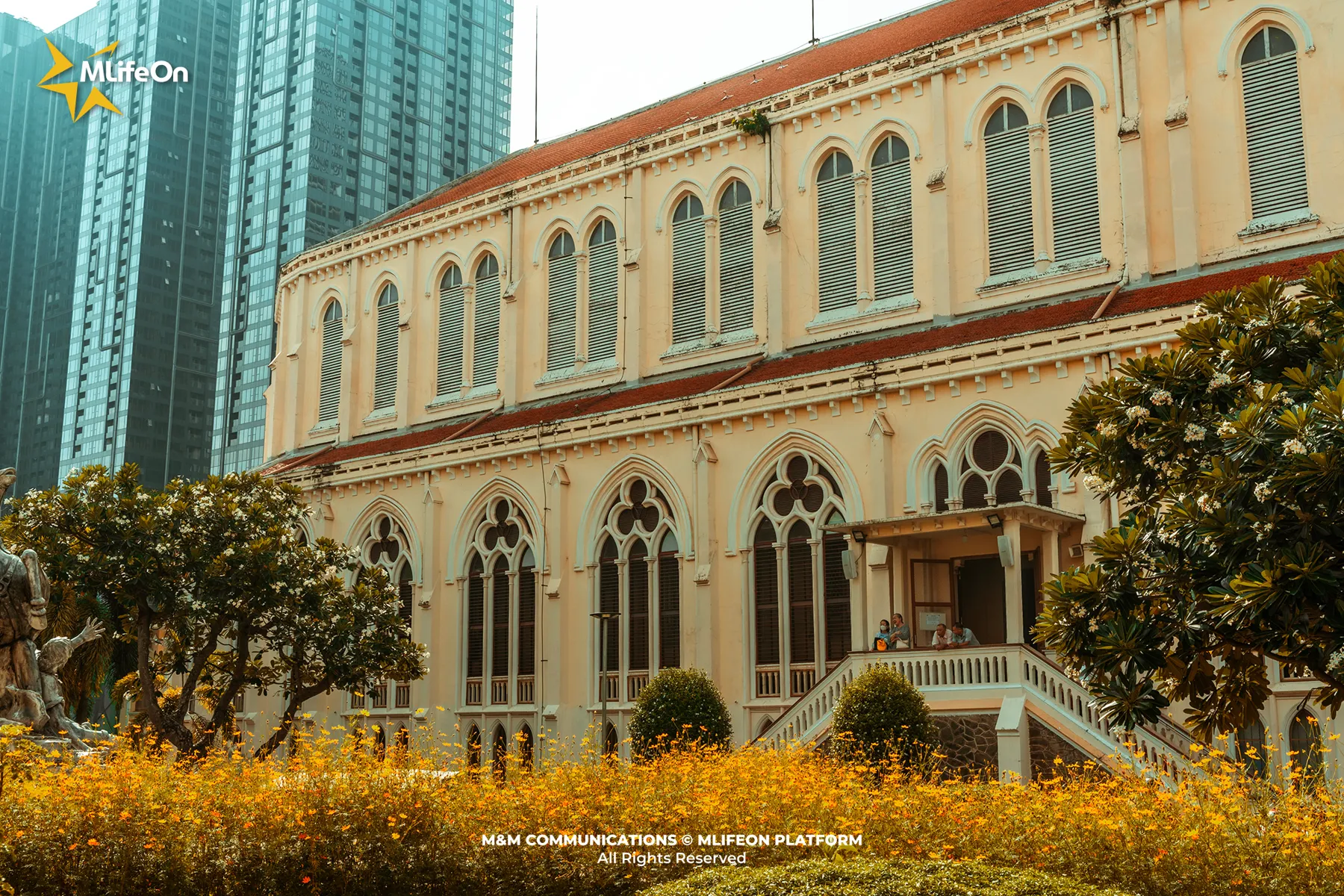
St. Joseph's Seminary has created a spiritual space where people can find peace, contemplation, and religious faith amidst the hustle and bustle of the modern city.
Revisiting history
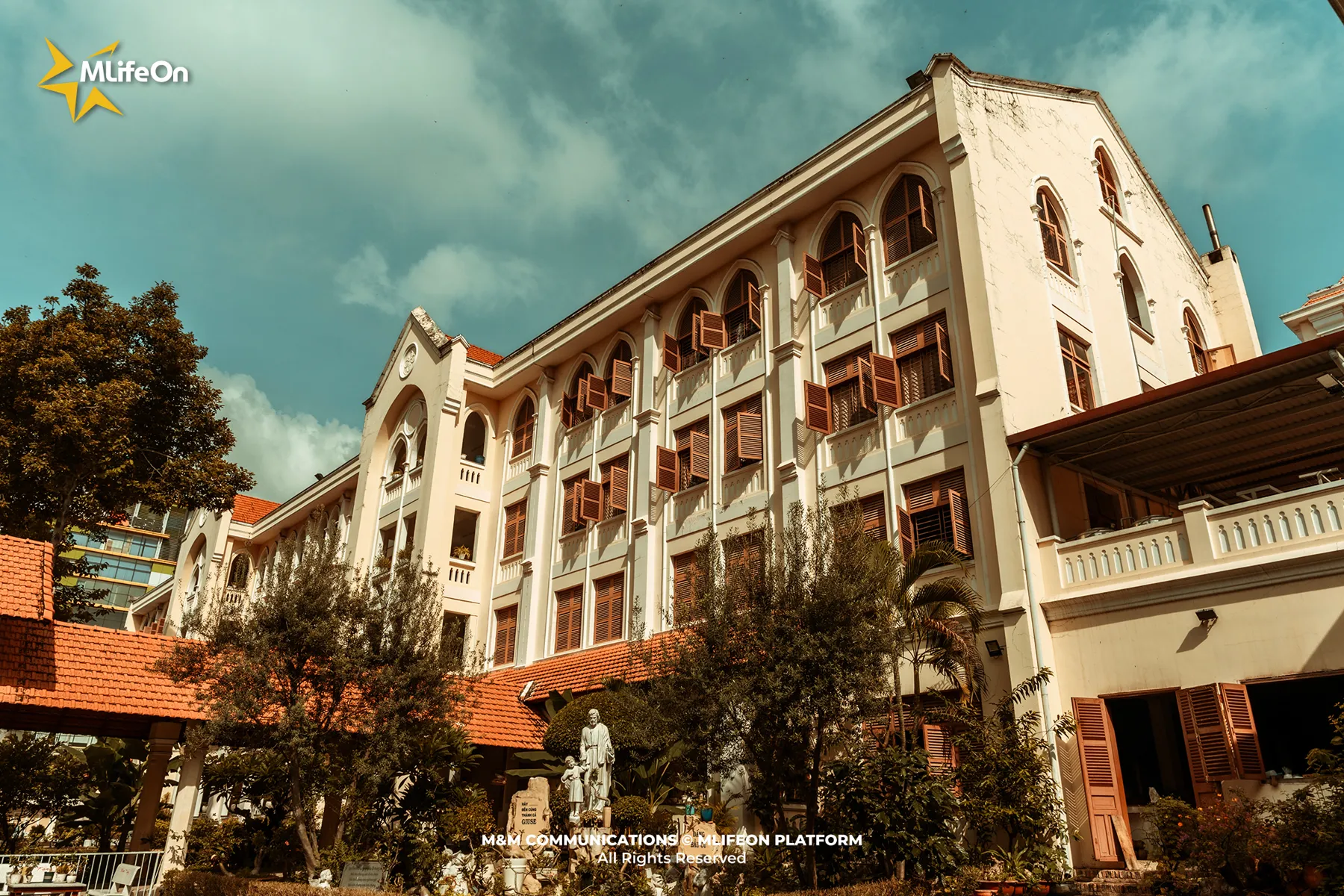
St. Joseph's Seminary in Saigon has a rich history closely linked to the development of the Catholic Church in Vietnam.
-
1863: To meet the need for training Vietnamese clergy, Father Wilbaux and the Paris Foreign Missions Society established the St. Joseph Major Seminary in Saigon. Initially, it served as both a minor seminary and a major seminary, becoming a center for theological and philosophical education for seminarians (those being trained to become priests).
-
1961: After nearly a century under the management of the Paris Foreign Missions Society, the seminary was officially handed over to Vietnamese clergy. This was a major turning point, marking the maturity of the Catholic Church in Vietnam.
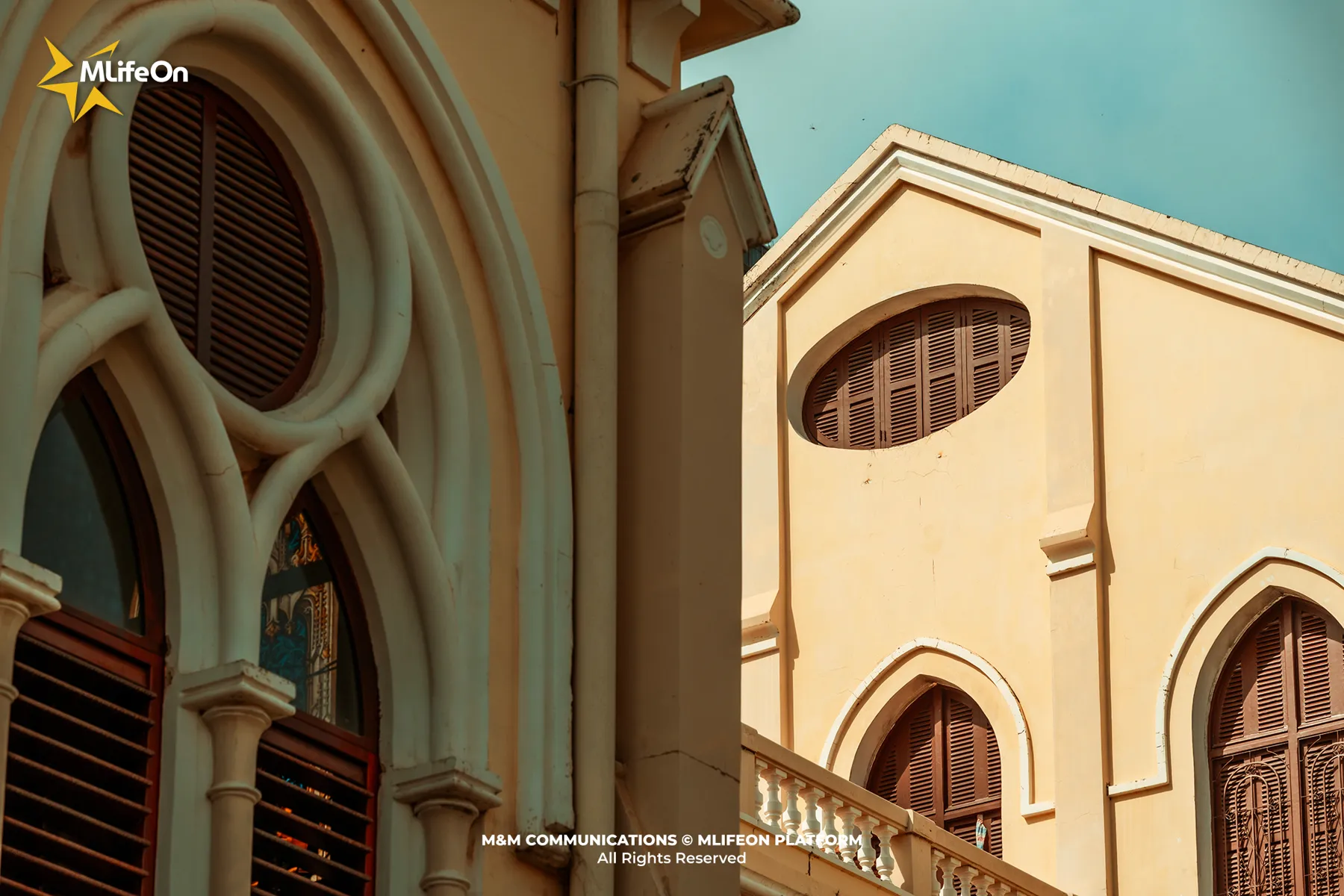
For over 160 years, St. Joseph's Seminary has witnessed many historical changes in the country, from the colonial period and wars to the period of reform. Regardless of the circumstances, it has remained steadfast in its mission of training priests, becoming one of the oldest and most important institutions of the Catholic Church in Vietnam.
Today, St. Joseph's Seminary is not only a religious site but also a symbol of faith, a testament to the journey of the Catholic Church in Vietnam in nurturing knowledge, spirit, and culture.
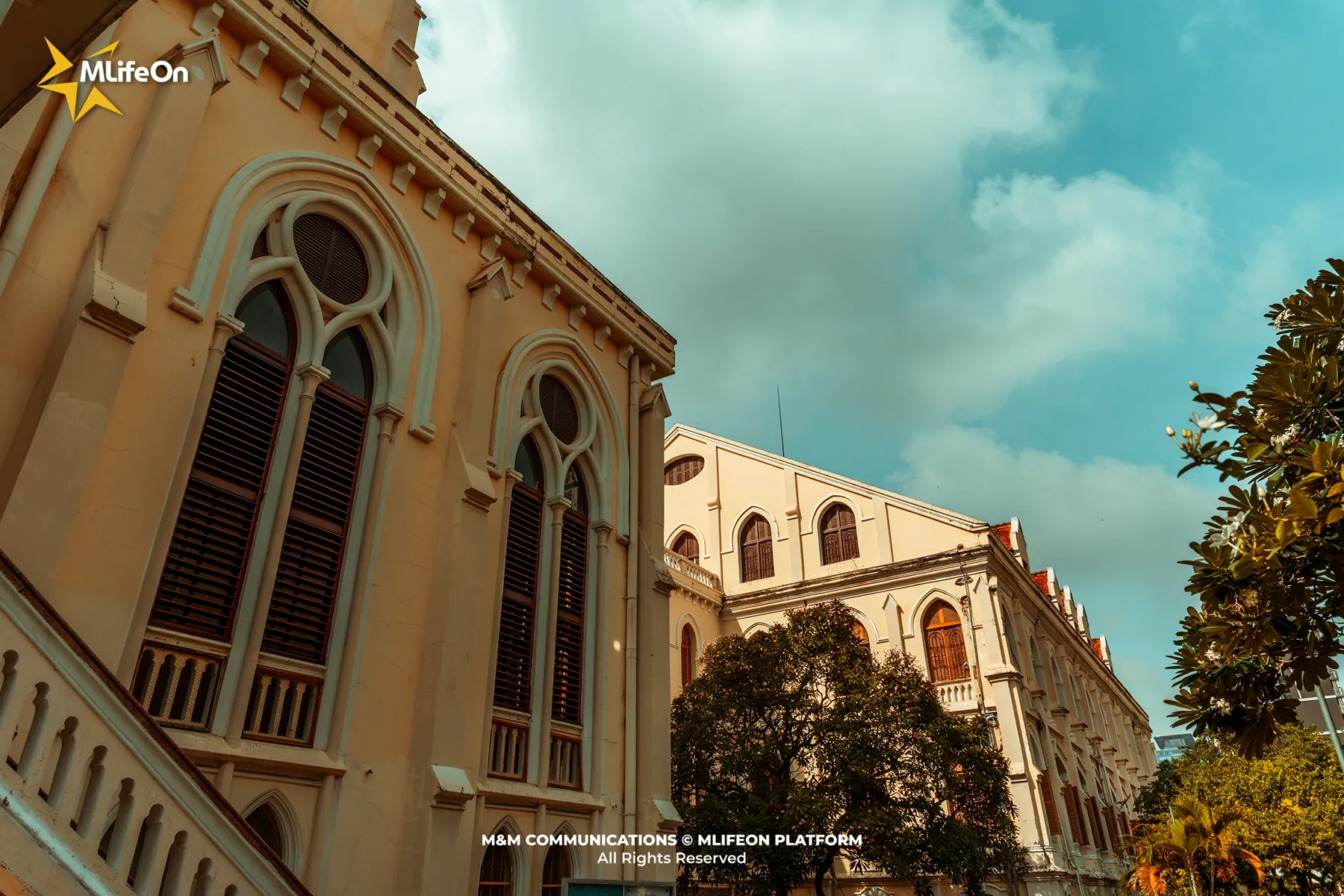
Outstanding architectural features
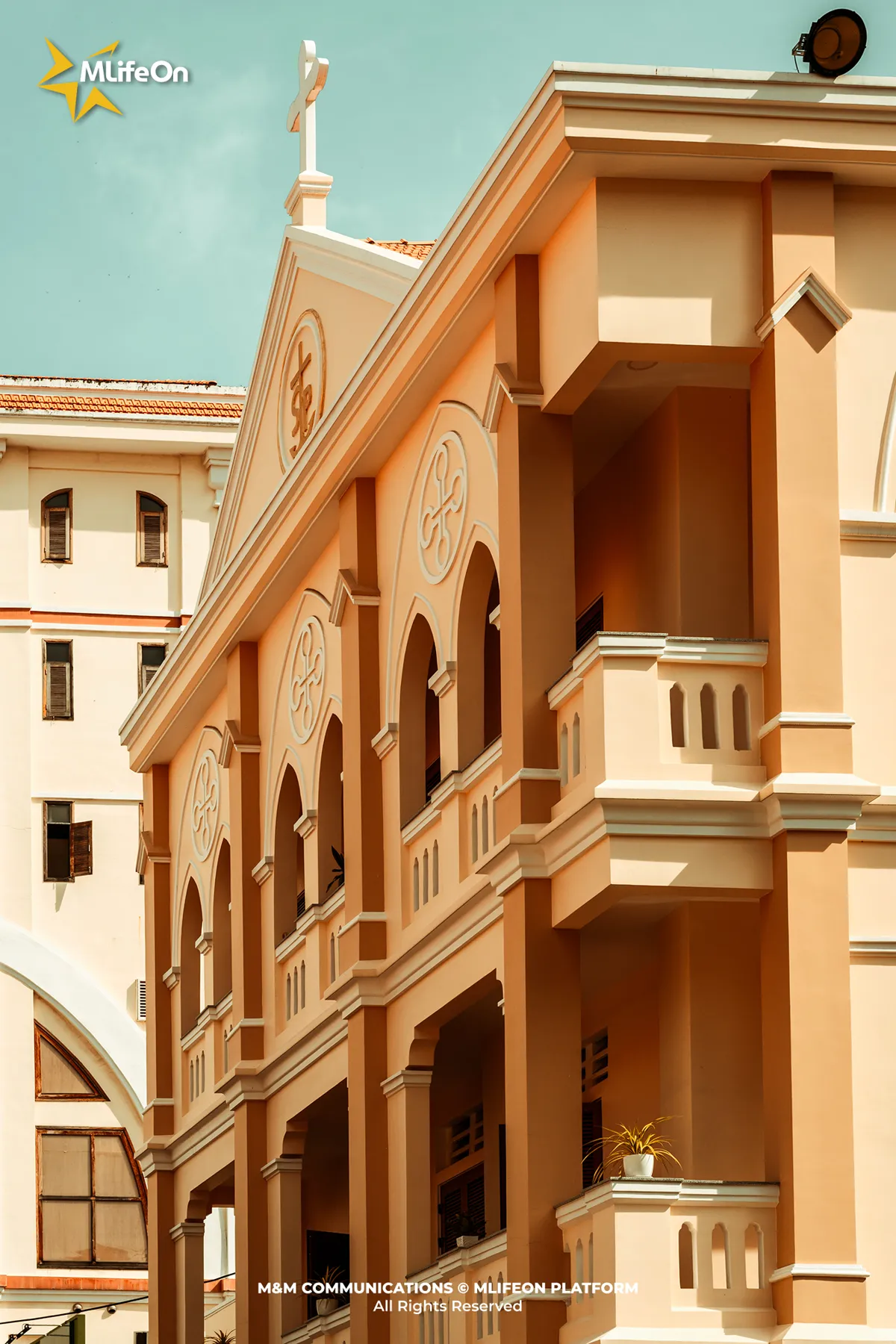
The architecture of St. Joseph's Seminary in Saigon bears the strong imprint of classical French style, clearly reflecting the intermingling of Western culture and Vietnamese religious life in the 19th century.
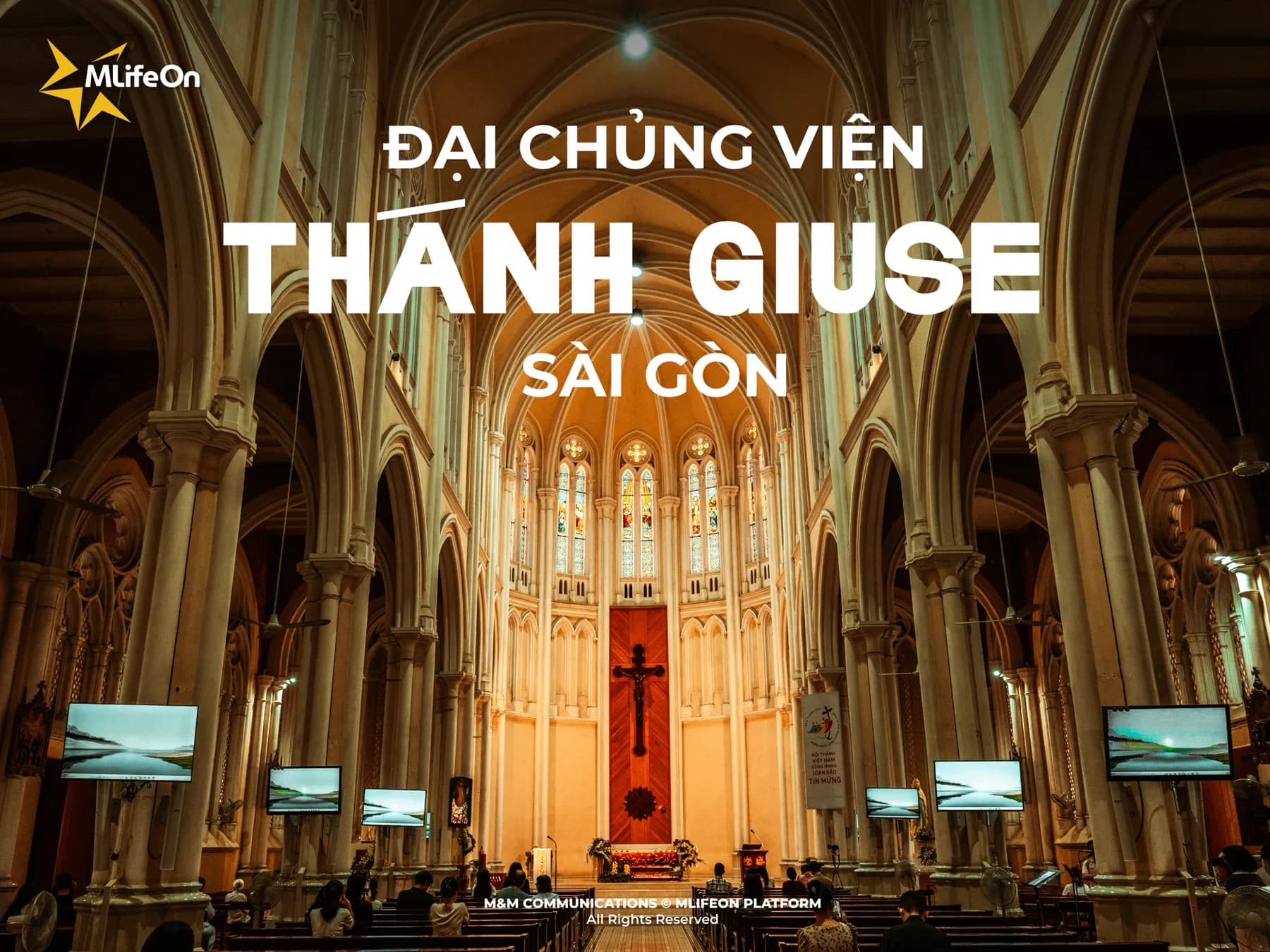
The entrance gate and chapel are designed majestically, blending Gothic and Romanesque styles. High arches, red tiled roofs, and exquisite decorative details create a feeling of both antiquity and sacredness.
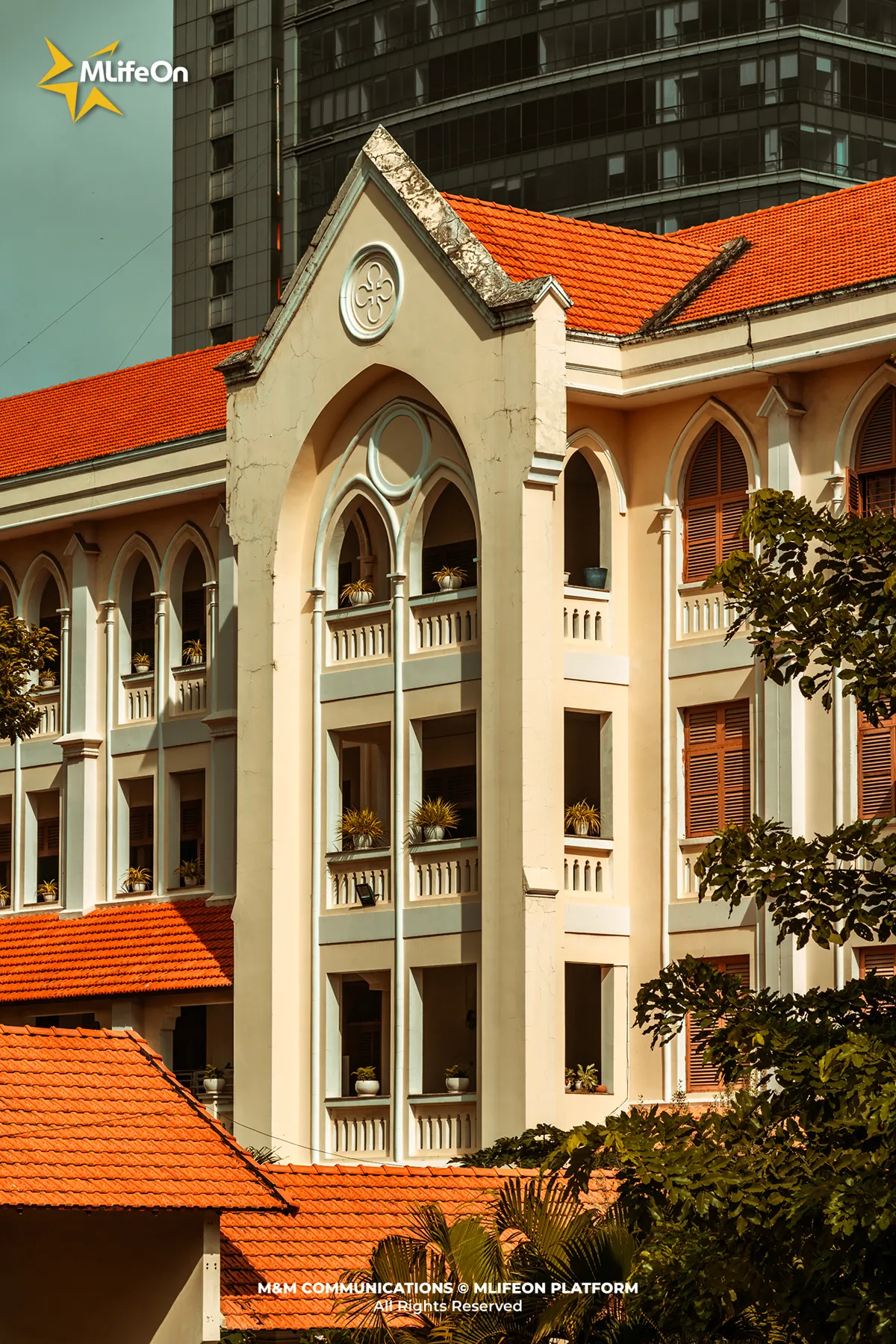
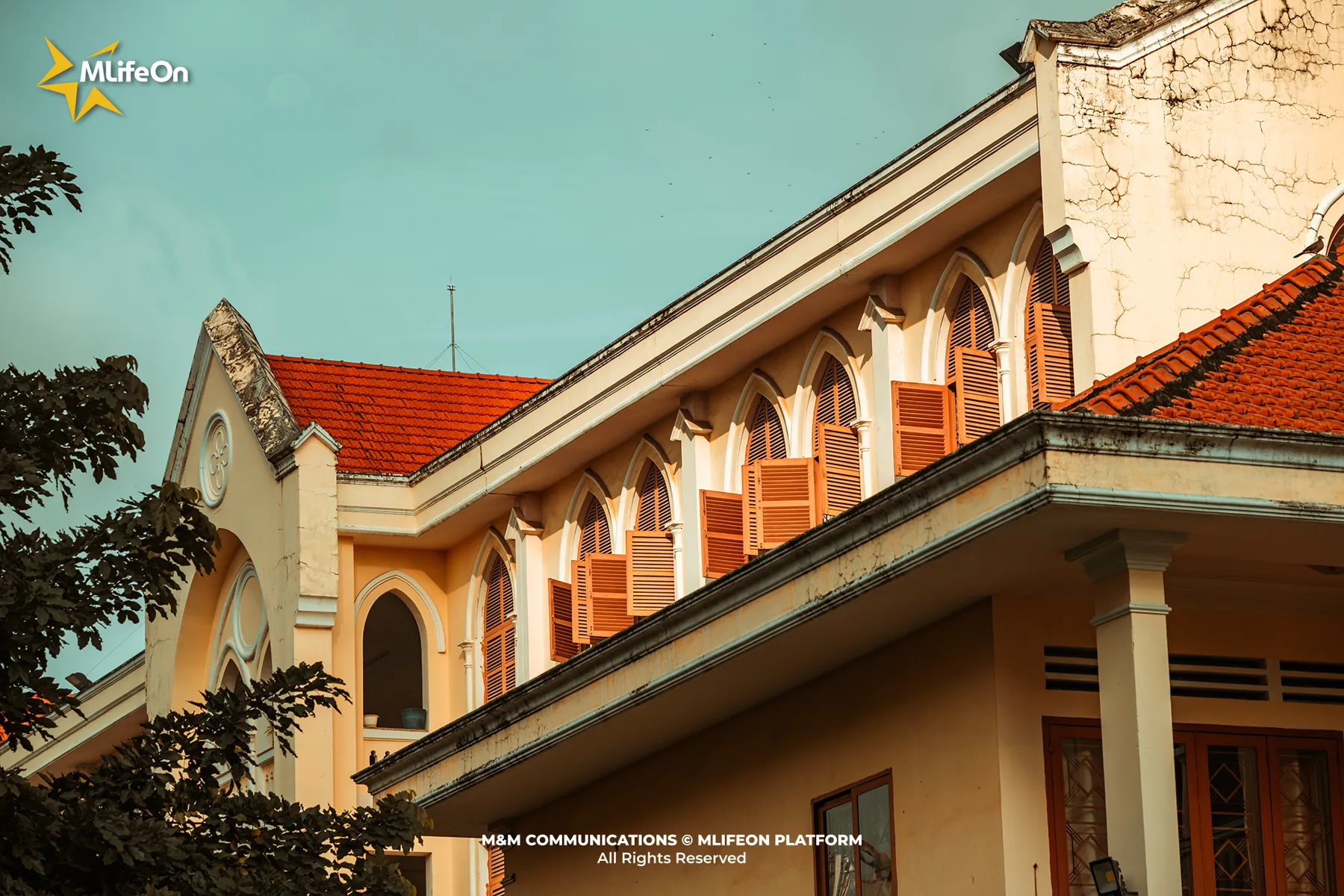
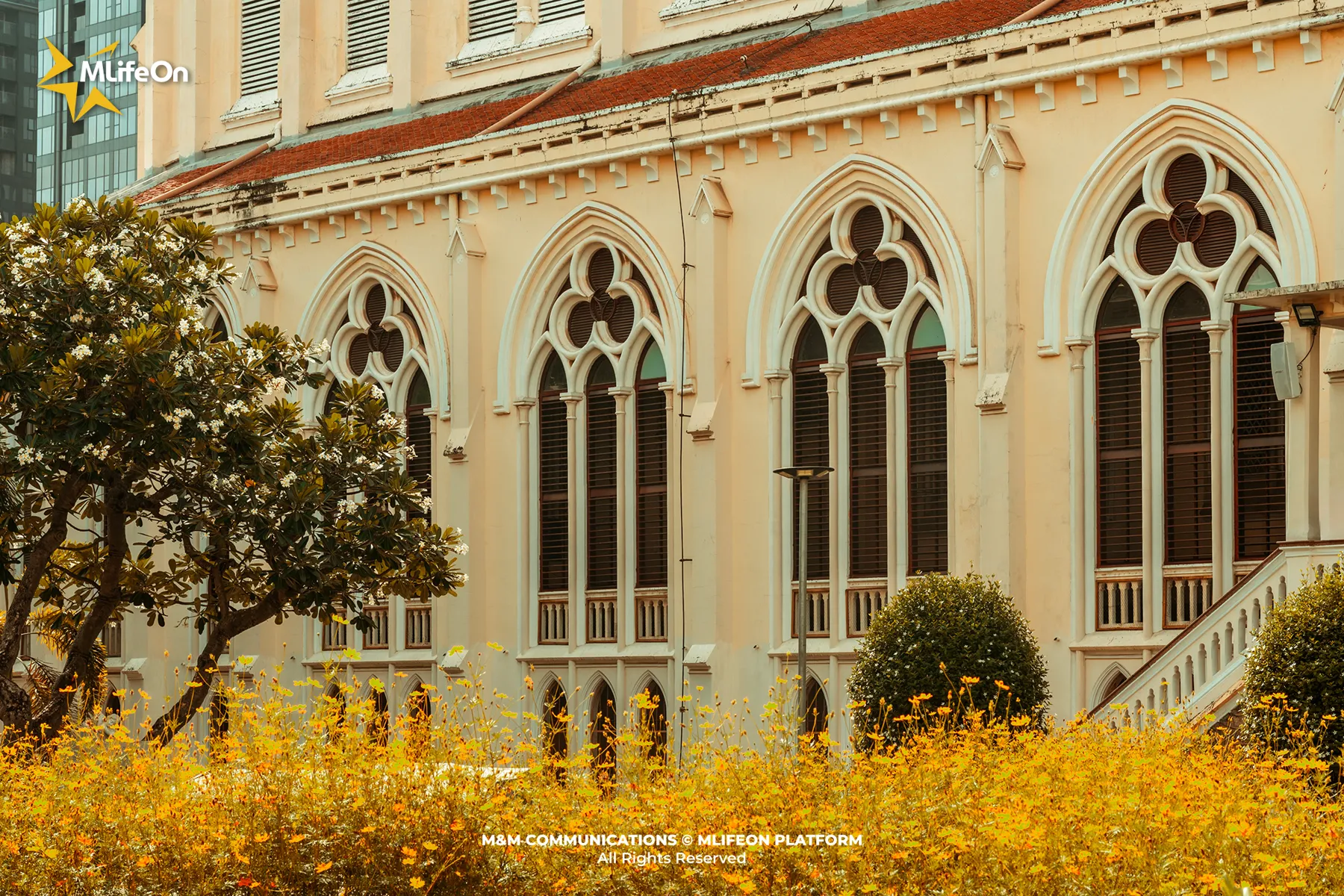
Upon stepping through the gate, one feels as if they are leaving the hustle and bustle of the city behind and entering a tranquil space where faith is clearly present.
The chapel is the heart of the entire complex. It is where important ceremonies are held, and it is also a work of architectural art of high value. Inside, the chapel is exquisitely designed with statues of saints and stained-glass windows, creating a magical light when the sun shines through.
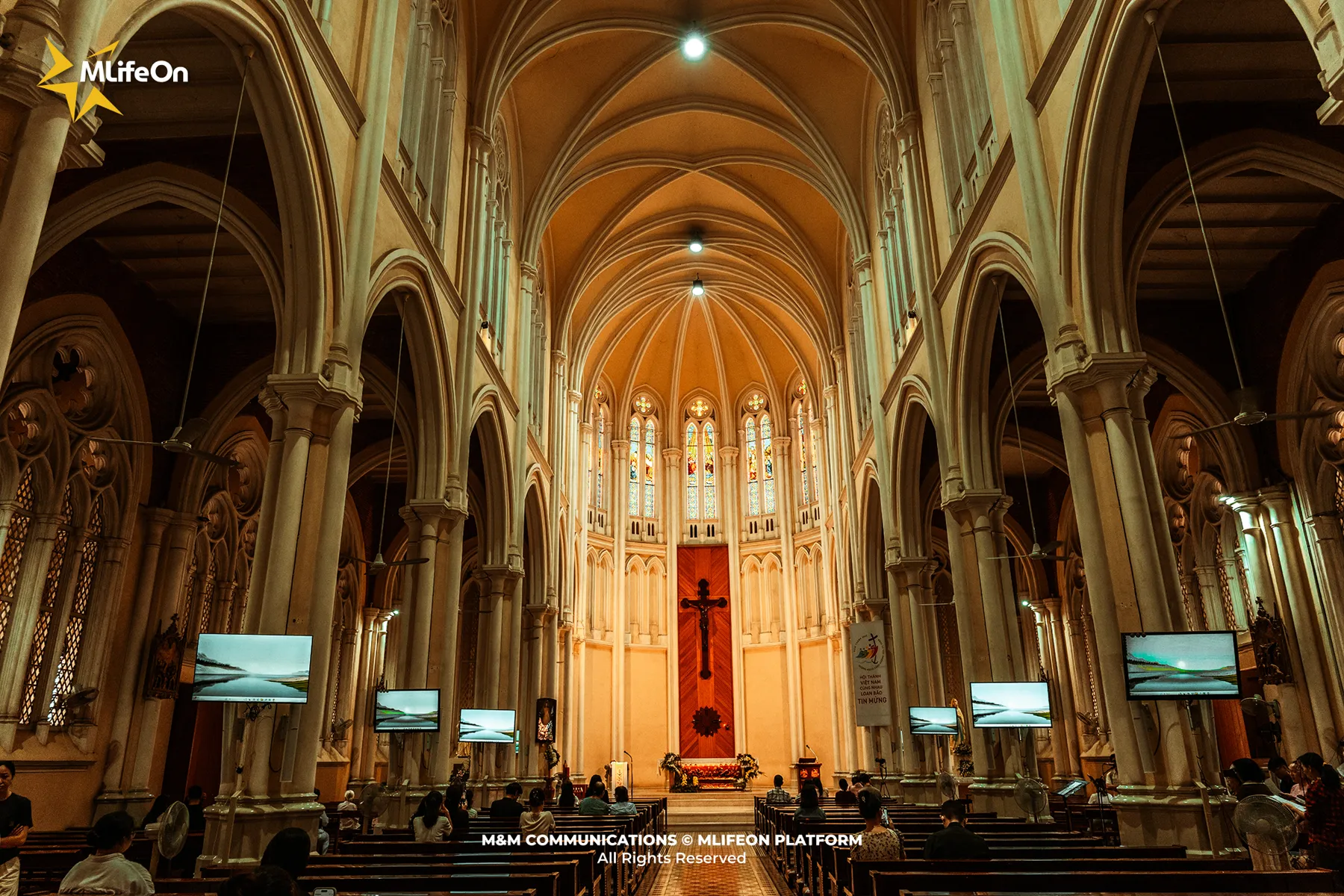
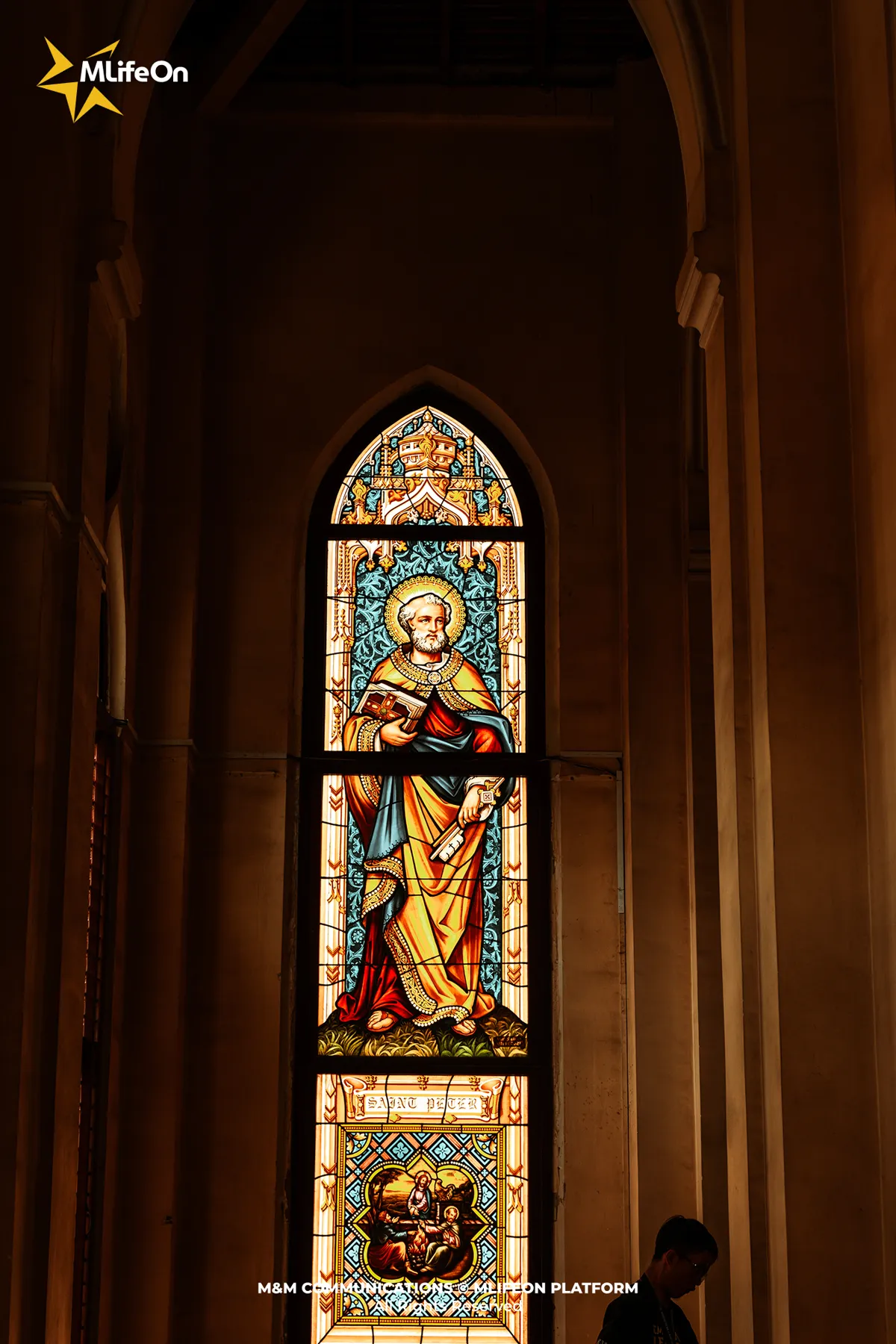
Overall, the architecture of St. Joseph's Seminary is not merely a building, but also a symbol of the Catholic faith. It possesses both artistic value and serves as a testament to the more than 160-year history of the Church in Vietnam.
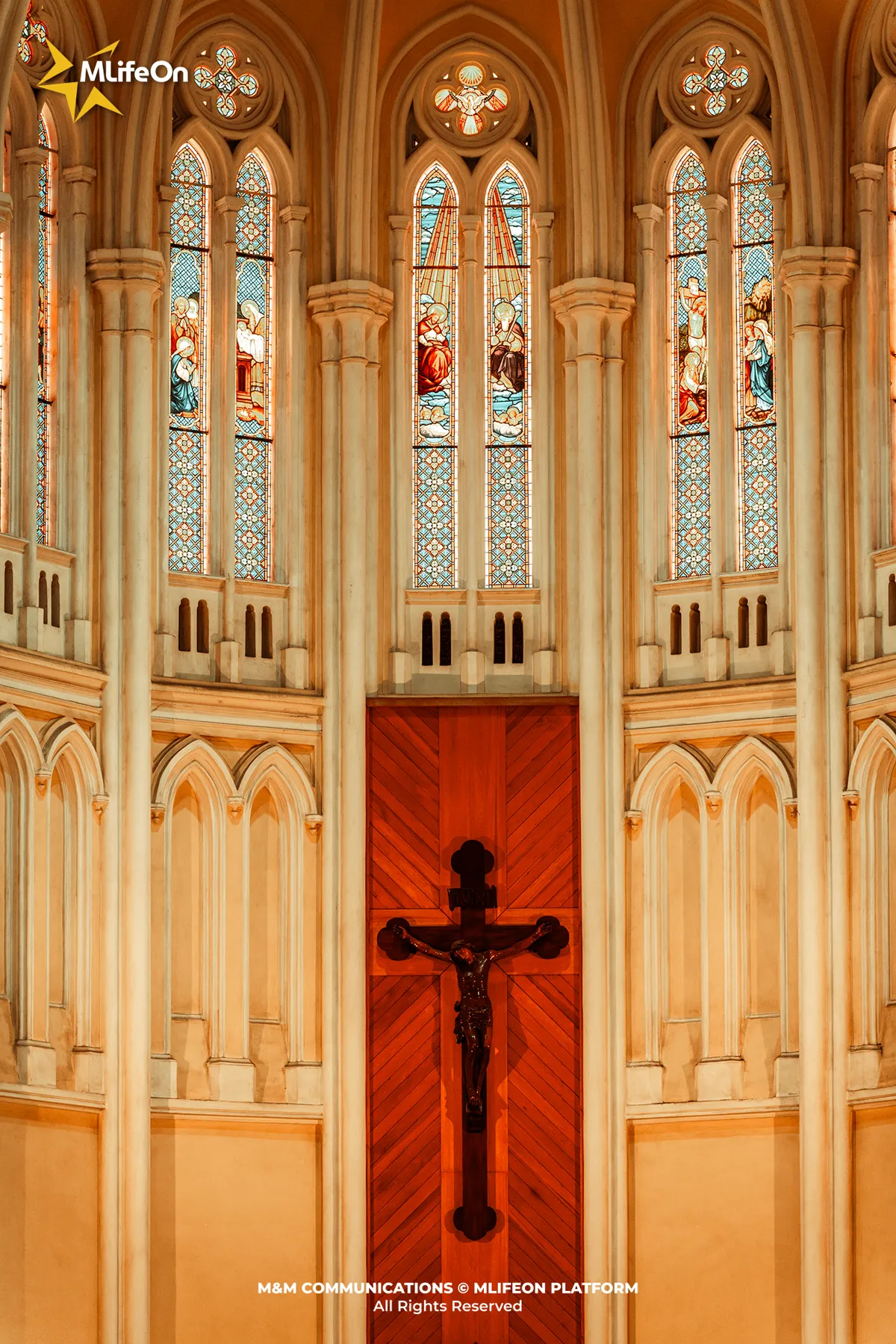
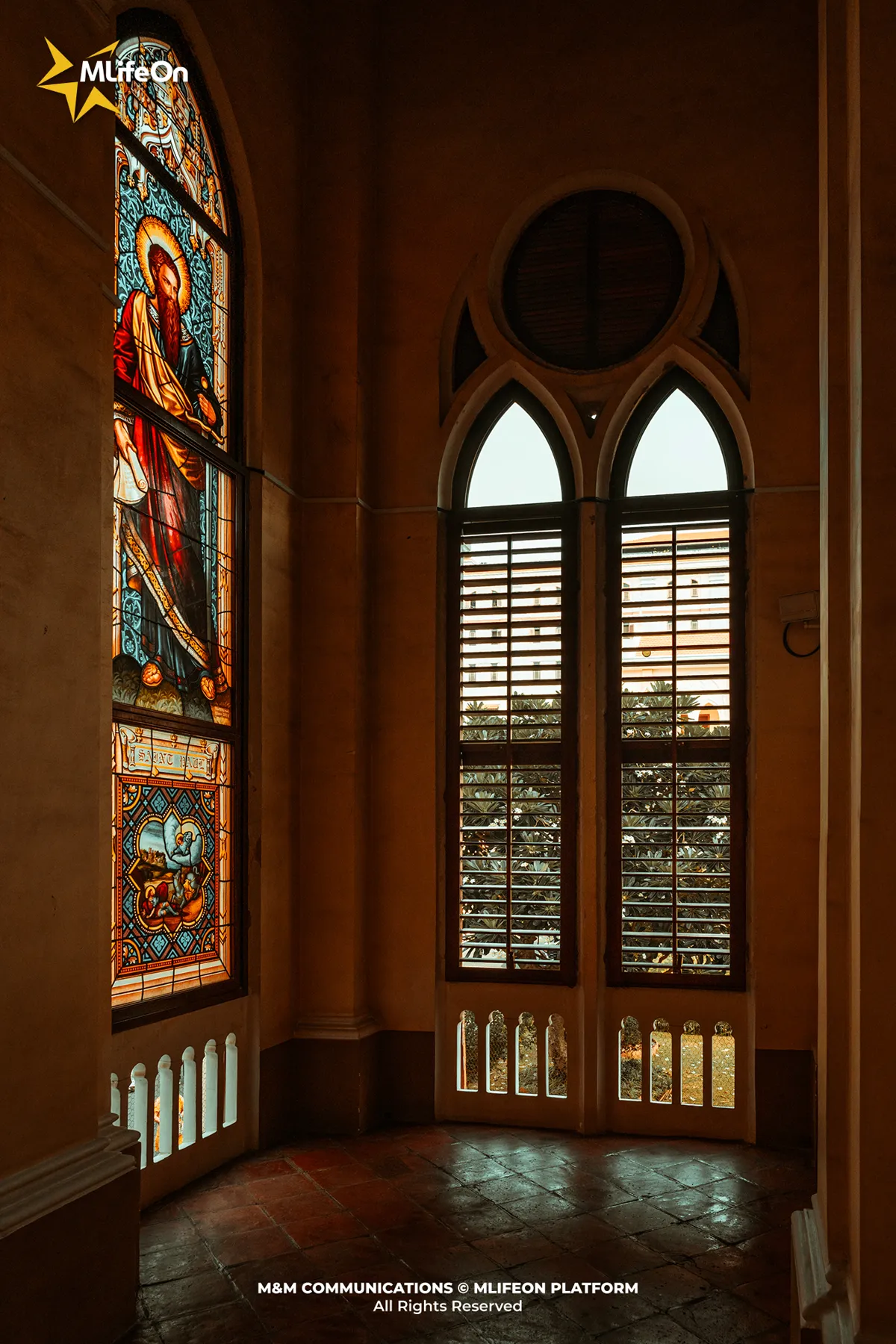
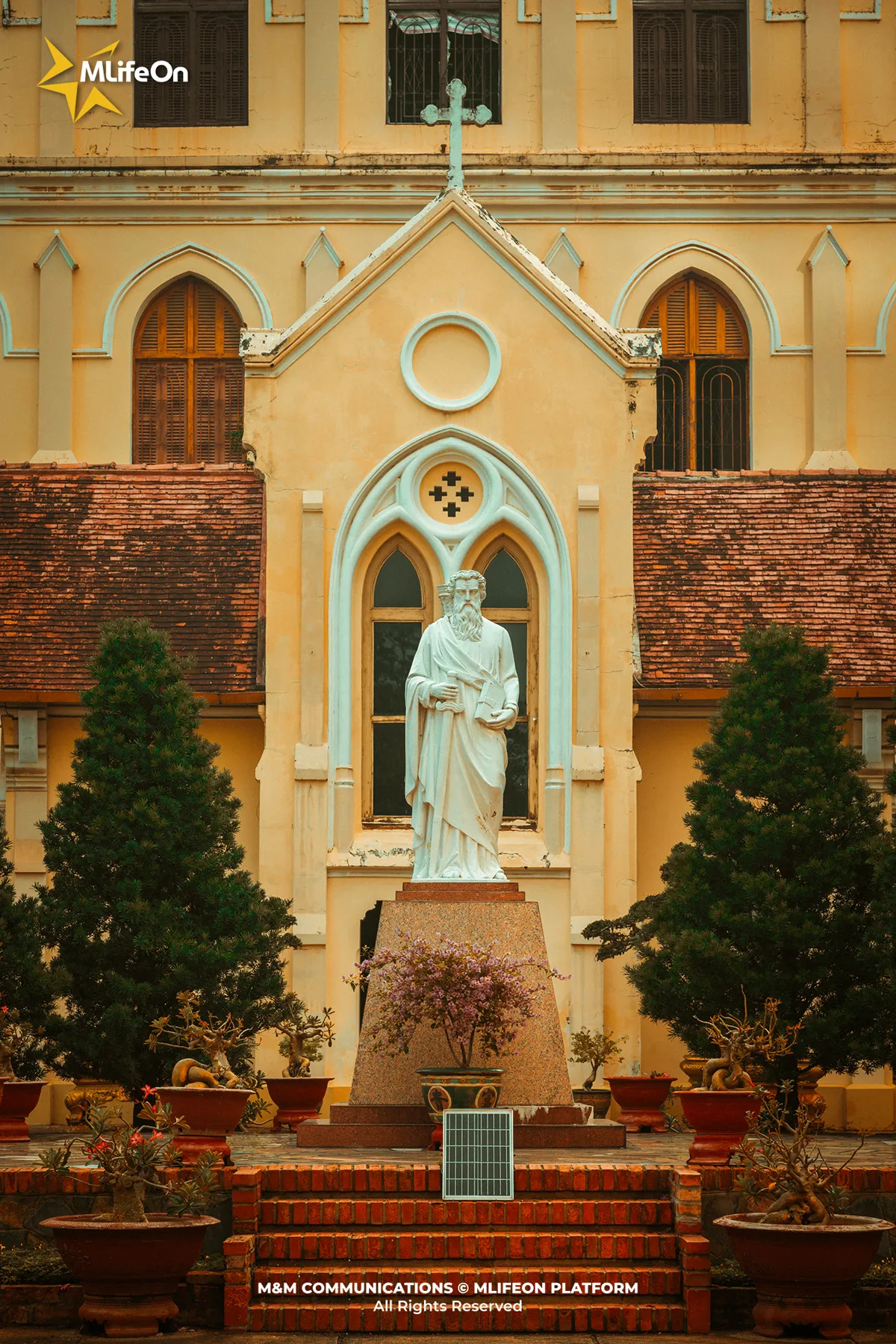
It is this blend of antiquity and sacredness that has made the seminary a unique cultural and religious landmark in the heart of Saigon.
Conclusion
St. Joseph's Seminary in Saigon is not only a historic architectural landmark in the heart of the city, but also the heart of Vietnamese Catholic life. With over 160 years of history and development, it has become a fascinating architectural and cultural highlight.
If you are looking for a moment of tranquility and timeless beauty amidst Saigon's skyscrapers, why not visit St. Joseph's Seminary to experience the harmonious blend of history, architecture, and religious faith?
—-----
CREDIT:
- Photography: Luan Nguyen
- Content: Giang Huynh
- Design: Trung Huynh