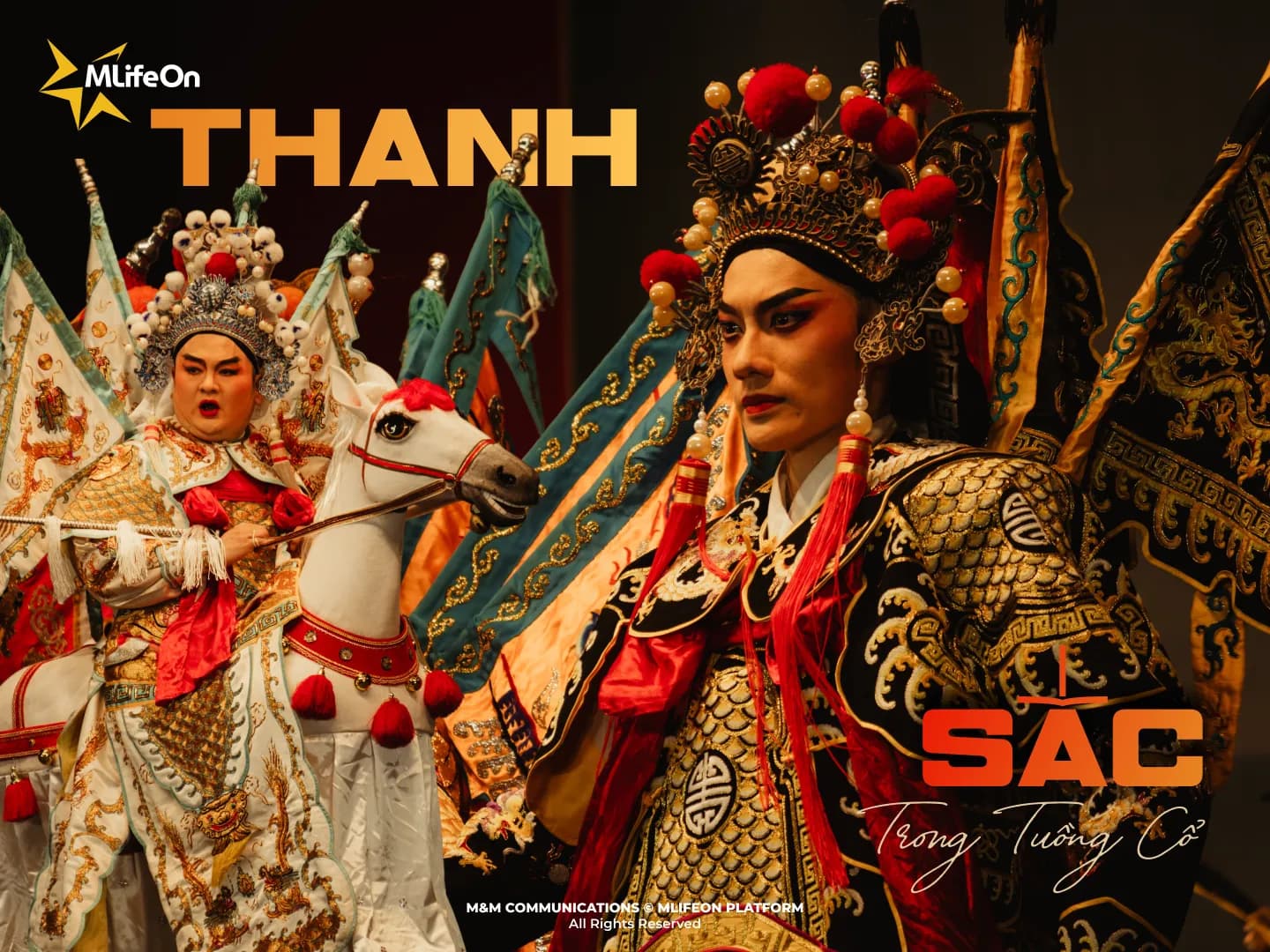
SOUND AND COLOR IN TEOCHEW TRADITIONAL OPERA

Giang Huynh
SOUND AND COLOR IN TEOCHEW TRADITIONAL OPERA
Discover Teochew Traditional Opera, a unique and enduring art form of the Chinese community, where sound, color, ritual, and memory intertwine on stage.

Within the cultural life of Chinese communities in Vietnam, there are art forms that exist not merely for entertainment but as vessels of memory and identity. Teochew Traditional Opera is one such form.

Passed down through generations and closely intertwined with religious beliefs and festive rituals, each performance carries the breath of the past while remaining vibrantly alive in the present.

An Introduction to Teochew Traditional Opera
Frame 1010.png

Teochew Traditional Opera, also known as Teochew Opera, is a classical theatrical art form originating among the Teochew people of southern China. With a history spanning more than 400 years, it has traditionally been performed at temples and Teochew assembly halls during essential festivals and ceremonial occasions.

In 2006, Teochew Opera was officially recognized by the State Council of China as a National Intangible Cultural Heritage.

Teochew migrants brought this art form to Vietnam. It has taken root in places like Chinatown (Ho Chi Minh City) and other areas with a strong Chinese presence. Studies often note that Teochew Opera, alongside Cantonese Opera, is essential to the community’s spiritual and cultural life. It serves as an enduring source of collective memory.
Frame 1014.png

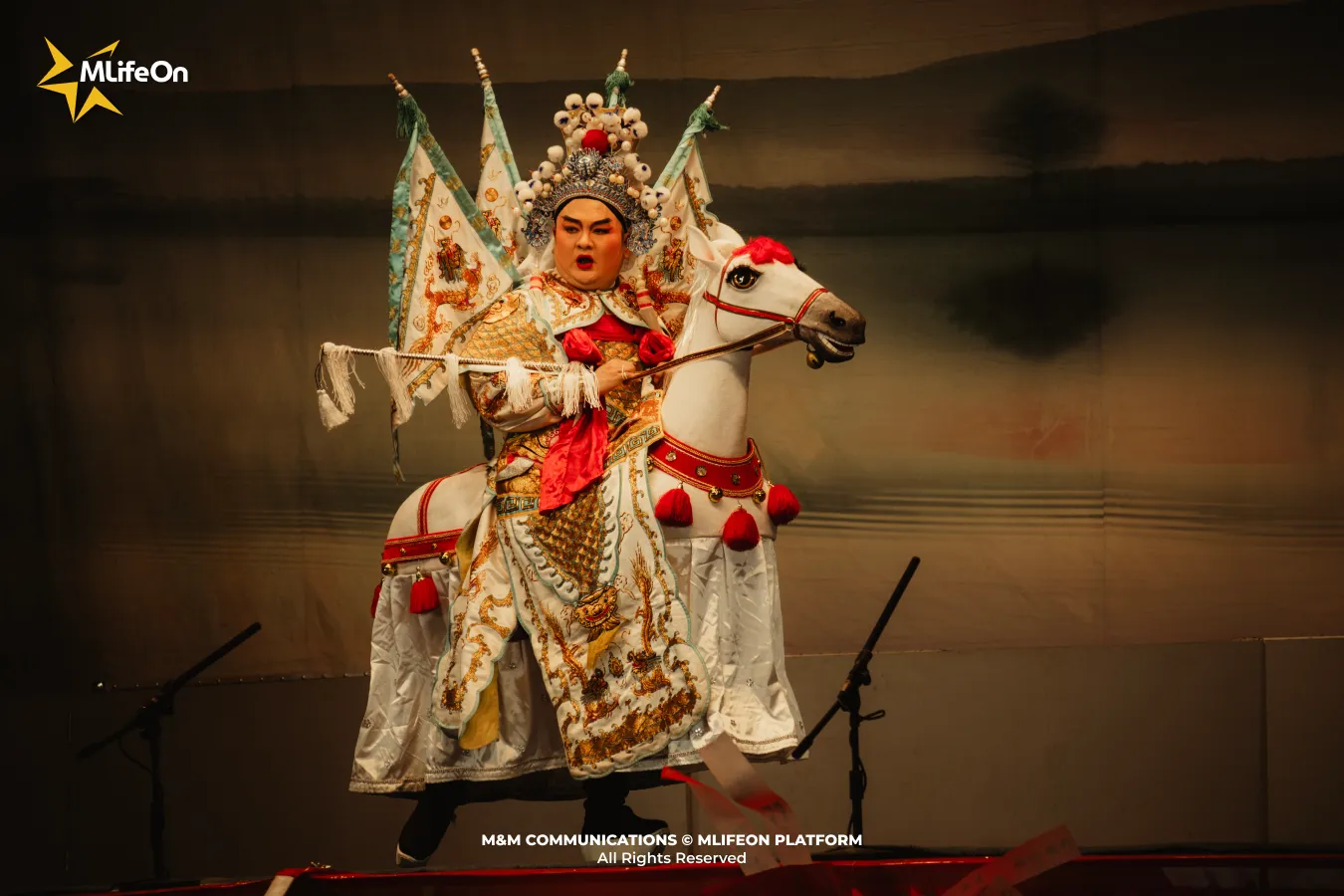
One of the most distinctive aspects of Teochew Traditional Opera lies in its deep connection to ritual and belief. Performances are often staged as part of religious festivals or ceremonial offerings, expressing reverence toward ancestors and historical figures.
Frame 1011.png

According to Vietnam Fine Arts & Culture Magazine, maintaining Teochew Opera performances during festivals such as the Lantern Festival (Yuan Xiao) is a meaningful way for the Teochew community to preserve and reaffirm its cultural identity.

A Stage of Sound and Color

Teochew Traditional Opera is more than a theatrical performance. It is a layered artistic experience where music, vocal performance, makeup, movement, and spirituality converge. This richness allows audiences, even those unfamiliar with the Teochew language, to connect with the performance through emotion, imagery, and rhythm.

Music and Vocal Performance
Frame 1015.png

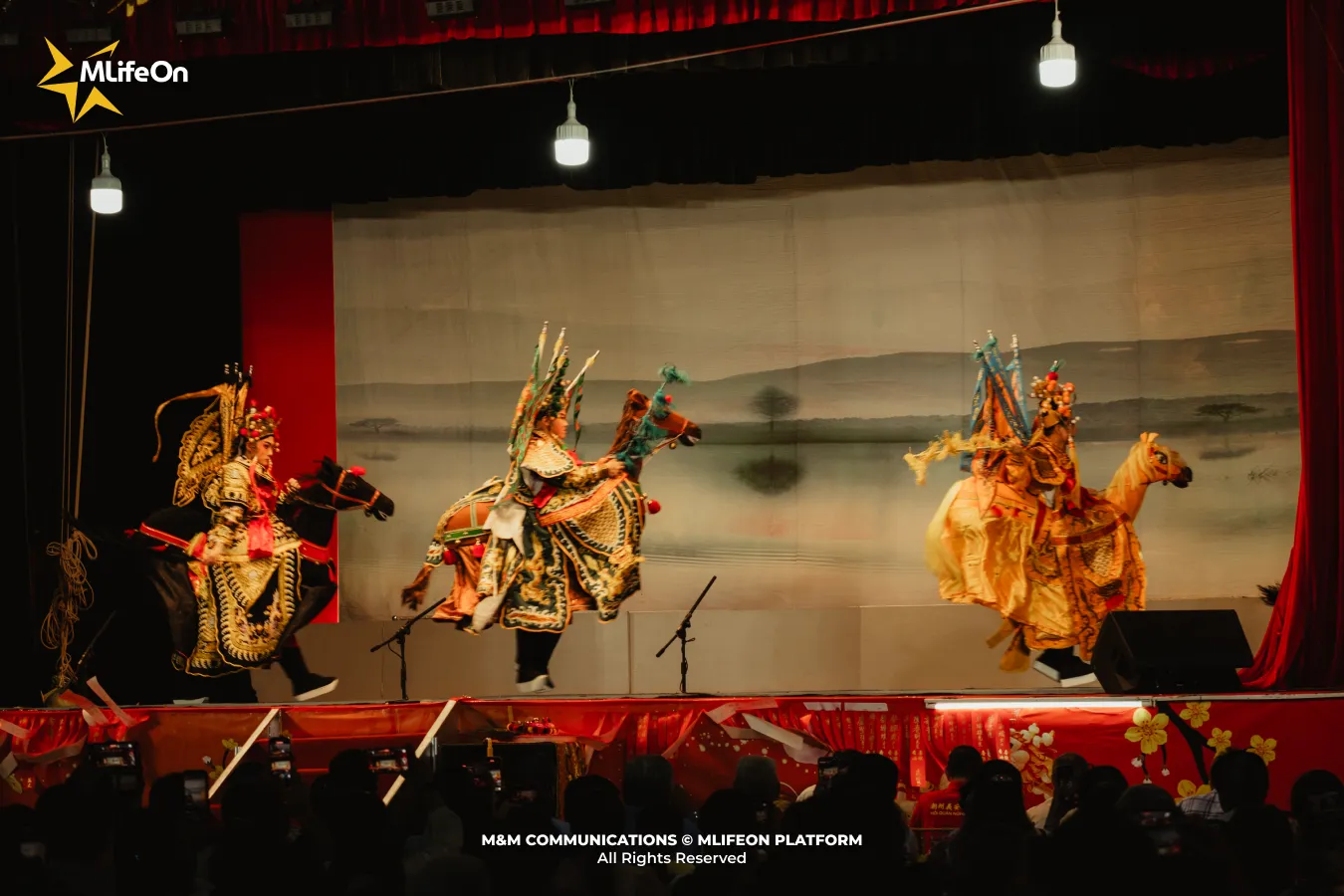
Teochew Opera employs distinctive melodic patterns characteristic of the Teochew people. The tempo is often measured and solemn, imbued with a sense of grandeur and emotional depth. Traditional instruments such as drums, gongs, fiddles, and flutes create a soundscape that feels both ceremonial and immersive.

Research by the Vietnam National Institute of Culture and Arts Studies highlights that music in Teochew Opera does more than accompany the narrative. It guides the emotional flow, enabling audiences to grasp the characters’ inner states even without understanding the lyrics.

Costume and Facial Makeup
Frame 1012.png

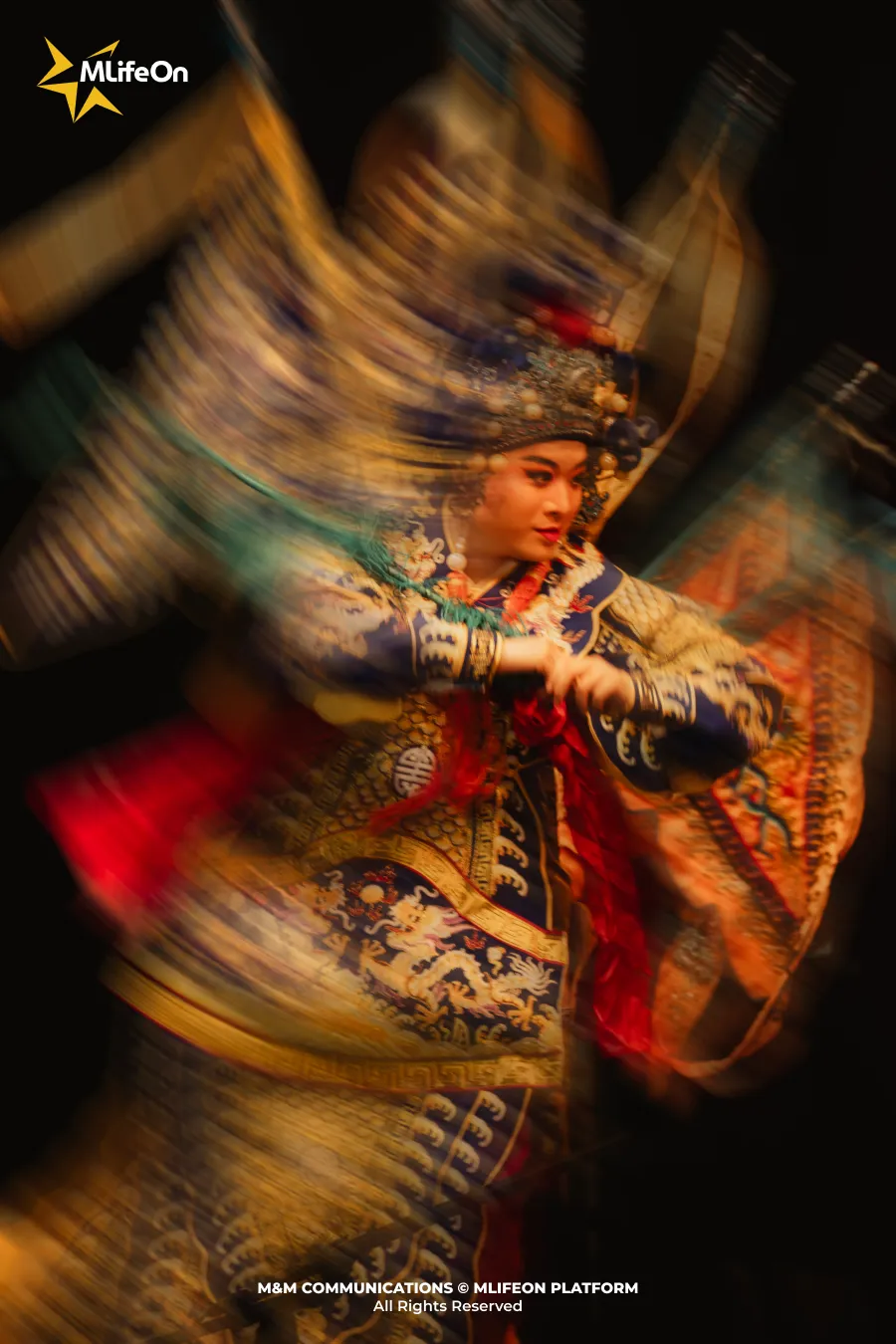
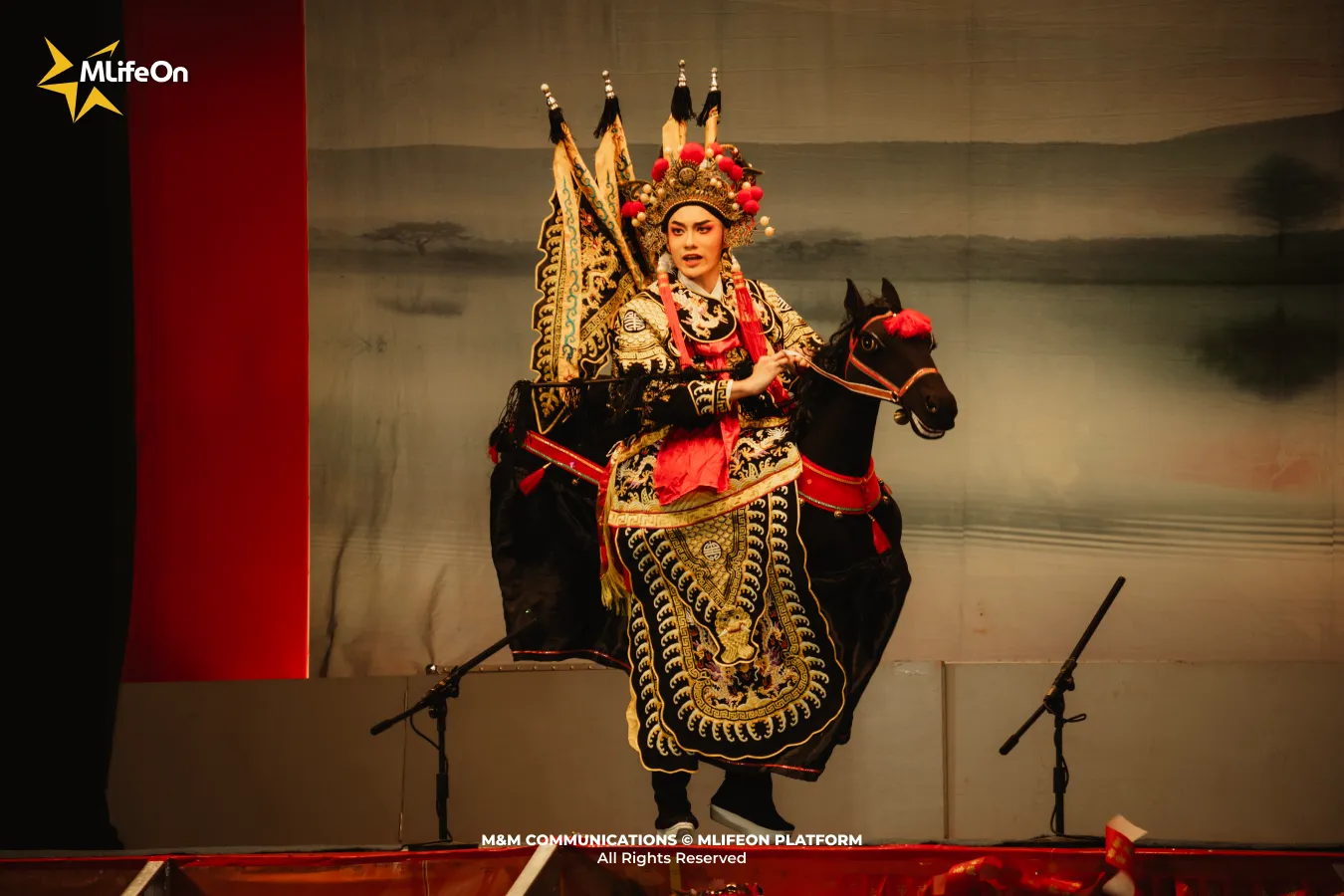
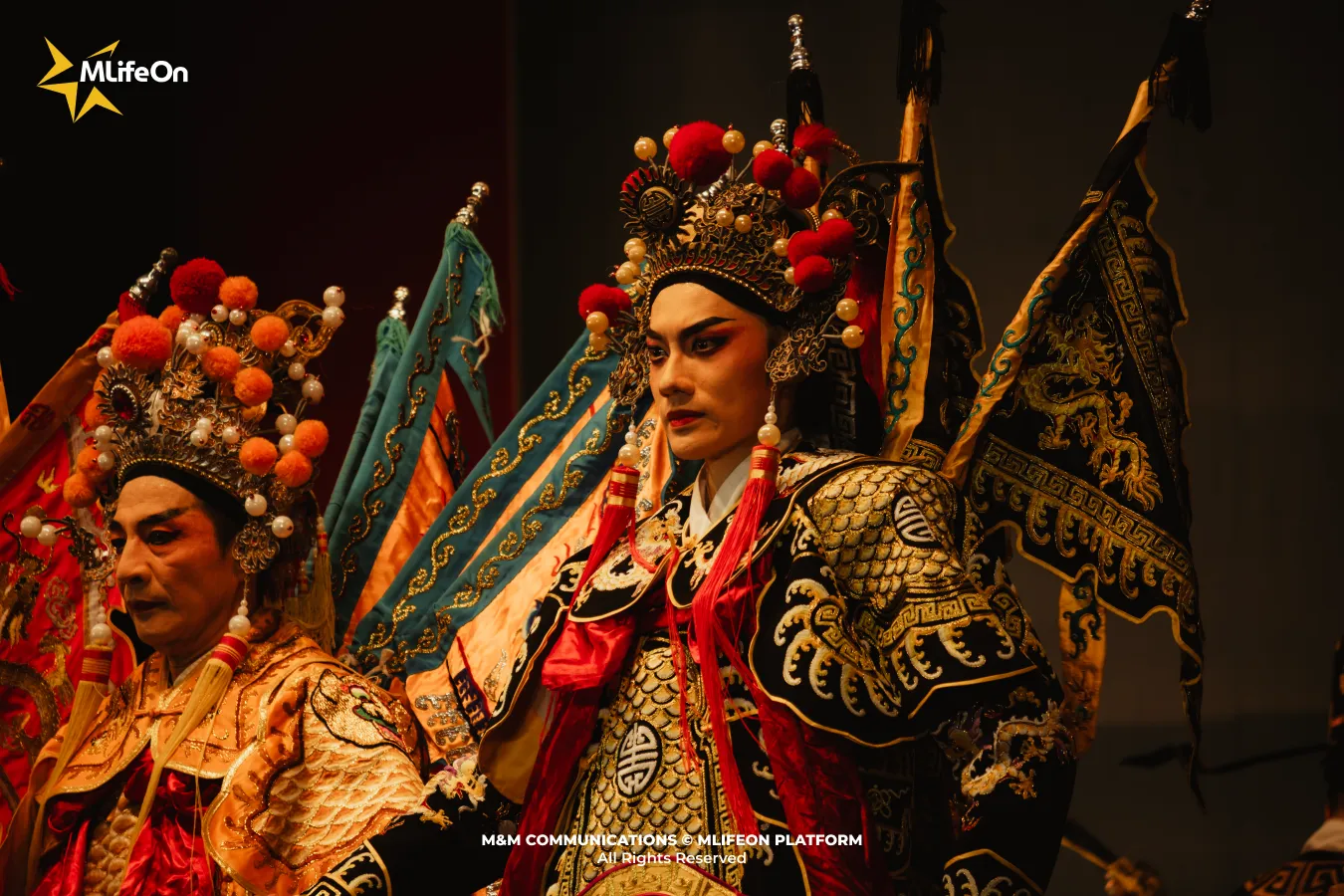
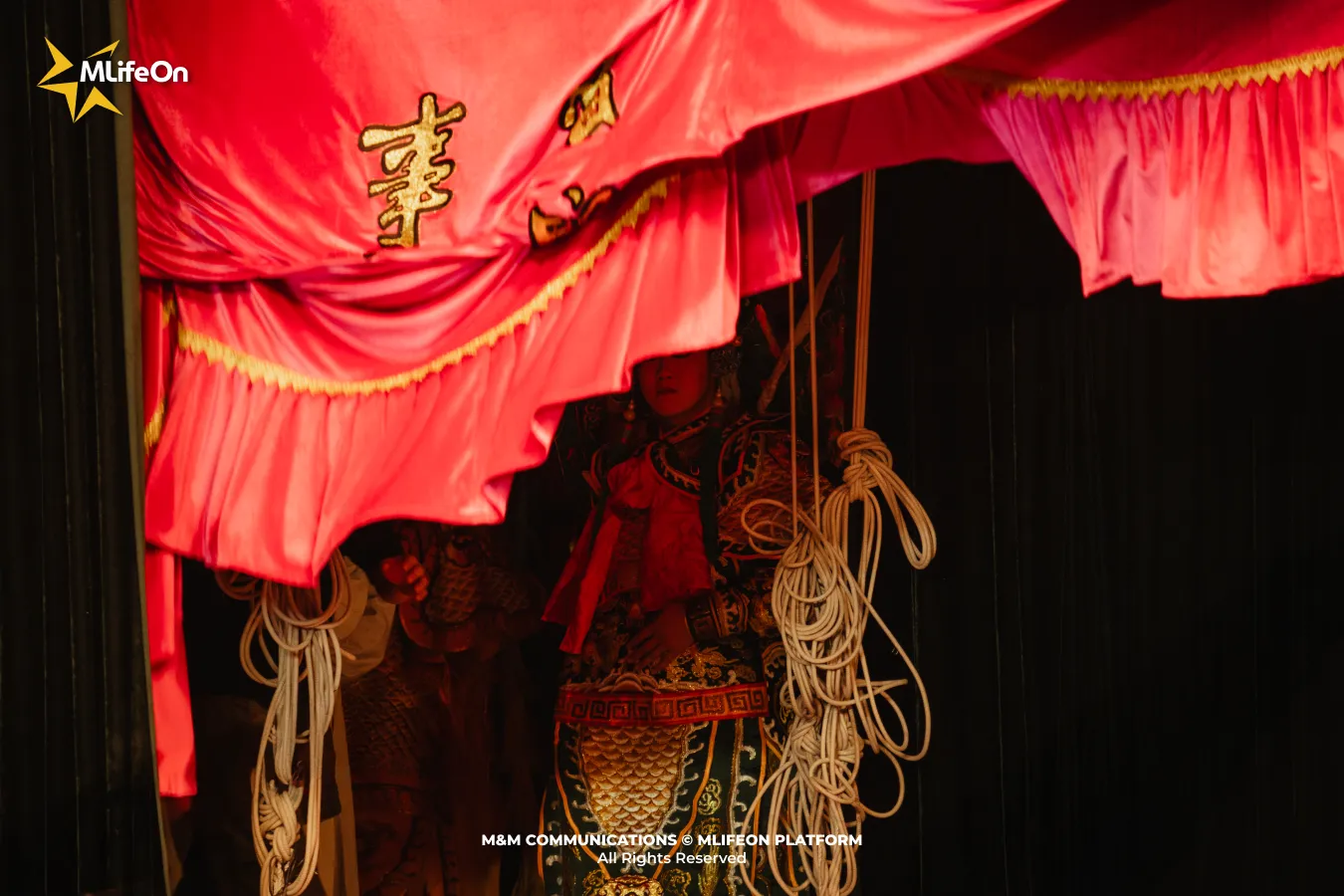
Perhaps the most visually striking element of Teochew Traditional Opera is its elaborate costumes and makeup. Characters appear in richly colored attire, each hue and ornament symbolizing social status, personality, or moral alignment.

Facial makeup defined by bold lines and contrasting colors acts as a visual language. It allows audiences to instantly recognize heroes, villains, loyal officials, or traitors. Renowned scholar Trần Văn Khê once described Teochew Opera makeup as a “visual language” that replaces spoken words, enabling cross-cultural understanding through imagery alone.

Movement and Gesture
Frame 1016.png

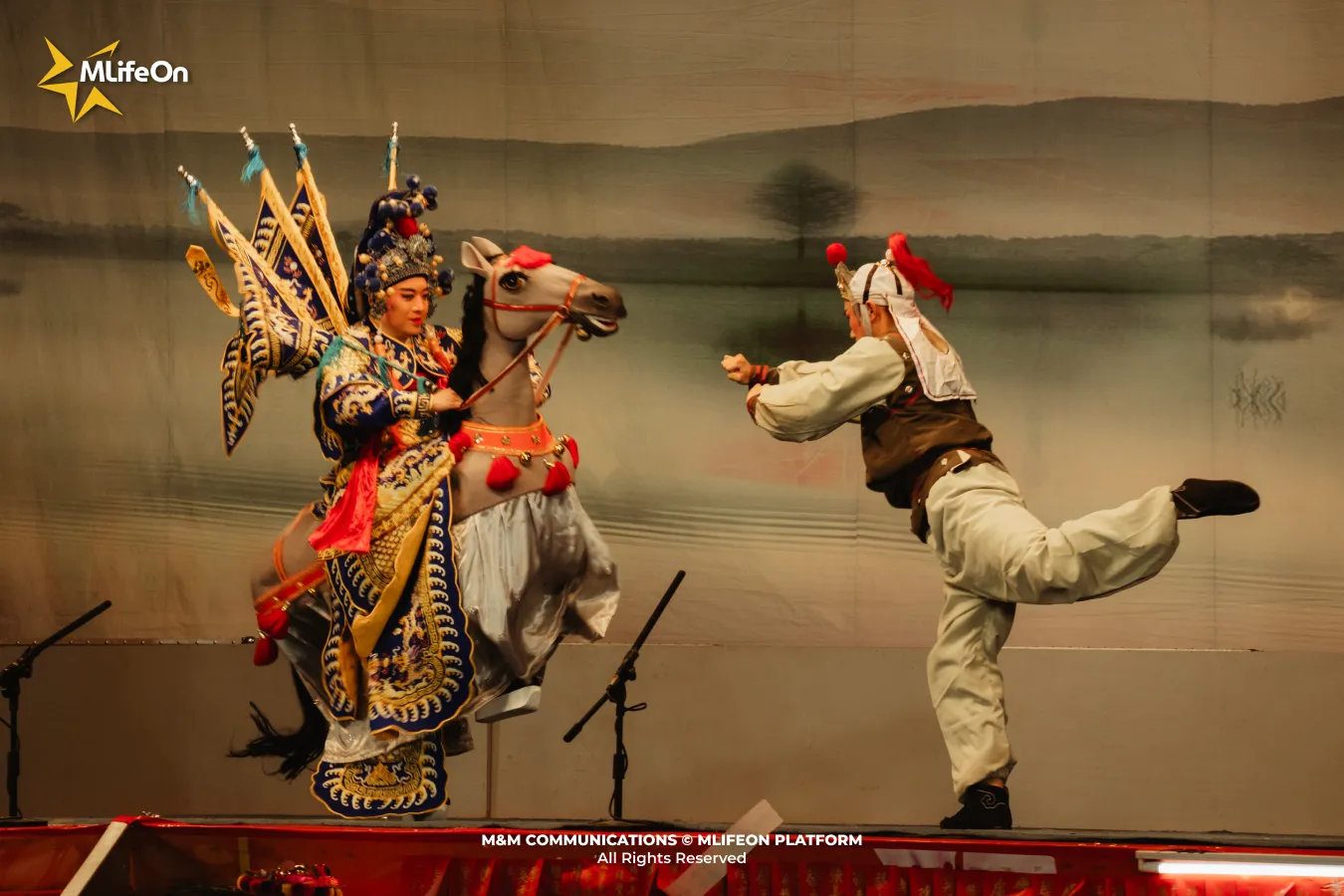
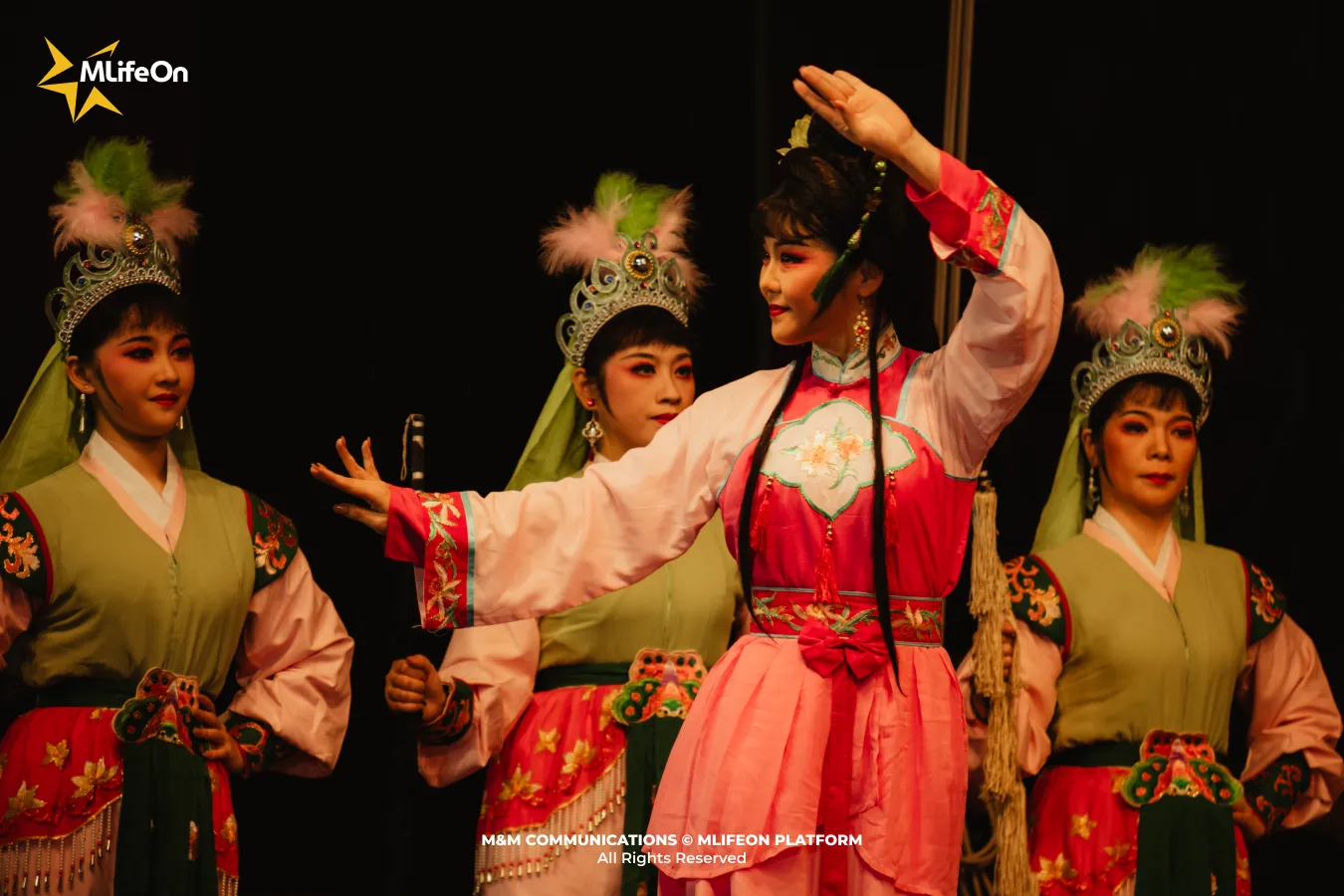
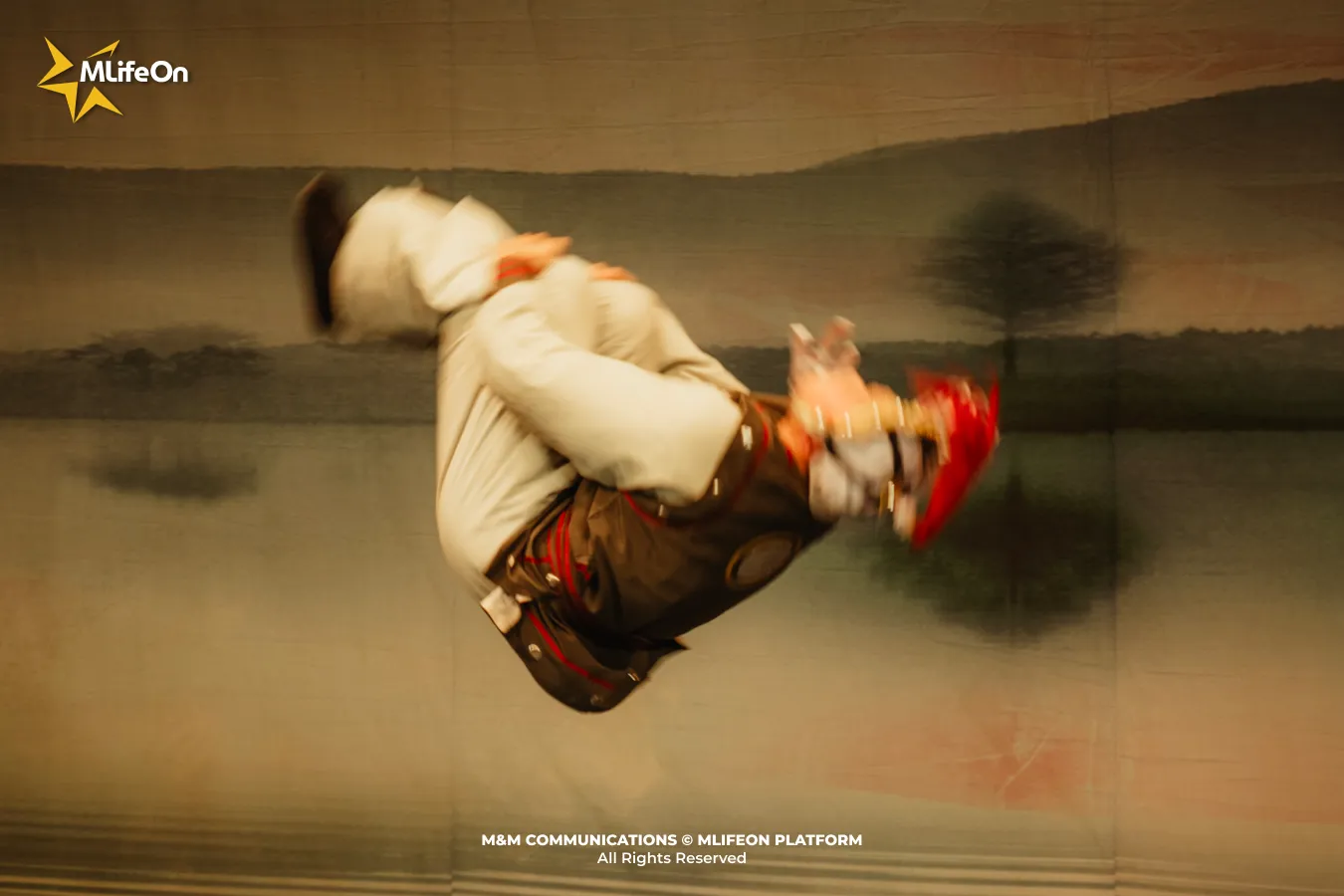
Movement in Teochew Opera is highly symbolic rather than realistic. A single turn, a deliberate step, or a raised hand can evoke an entire battle or a tense confrontation. This stylized approach heightens artistic expression, directing attention toward emotion and meaning rather than literal action.
Frame 1019.png

Seen as a whole, Teochew Traditional Opera exists on multiple levels: as theatrical art, as ritual practice, and as cultural memory. This convergence has allowed it to endure within the Chinese community in Vietnam, becoming an inseparable part of their spiritual and cultural life.

A Personal Encounter

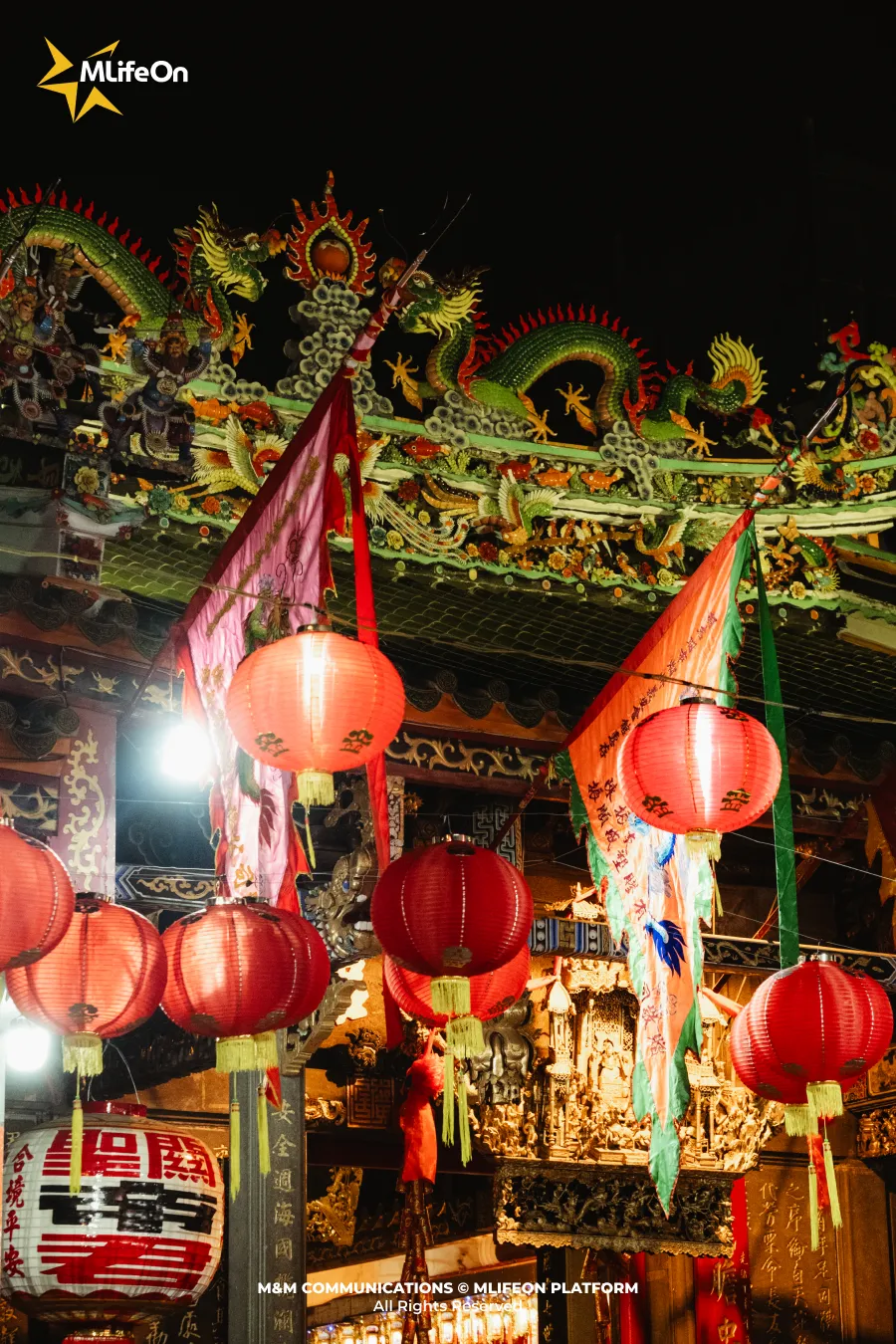
During the Lantern Festival of 2025, I had the opportunity to attend a Teochew Opera performance at Nghia An Assembly Hall in District 5. Although I did not understand the Teochew language spoken on stage, I was immediately drawn in from the moment the opening drumbeats echoed through the hall.

The performers emerged in magnificent costumes, their meticulously painted faces each telling its own story. 

I could not follow the dialogue, yet the dignified posture, sharp gazes, and symbolic gestures conveyed the emotional weight of every scene.
Frame 1013.png

Frame 1021.png

Frame 1023.png

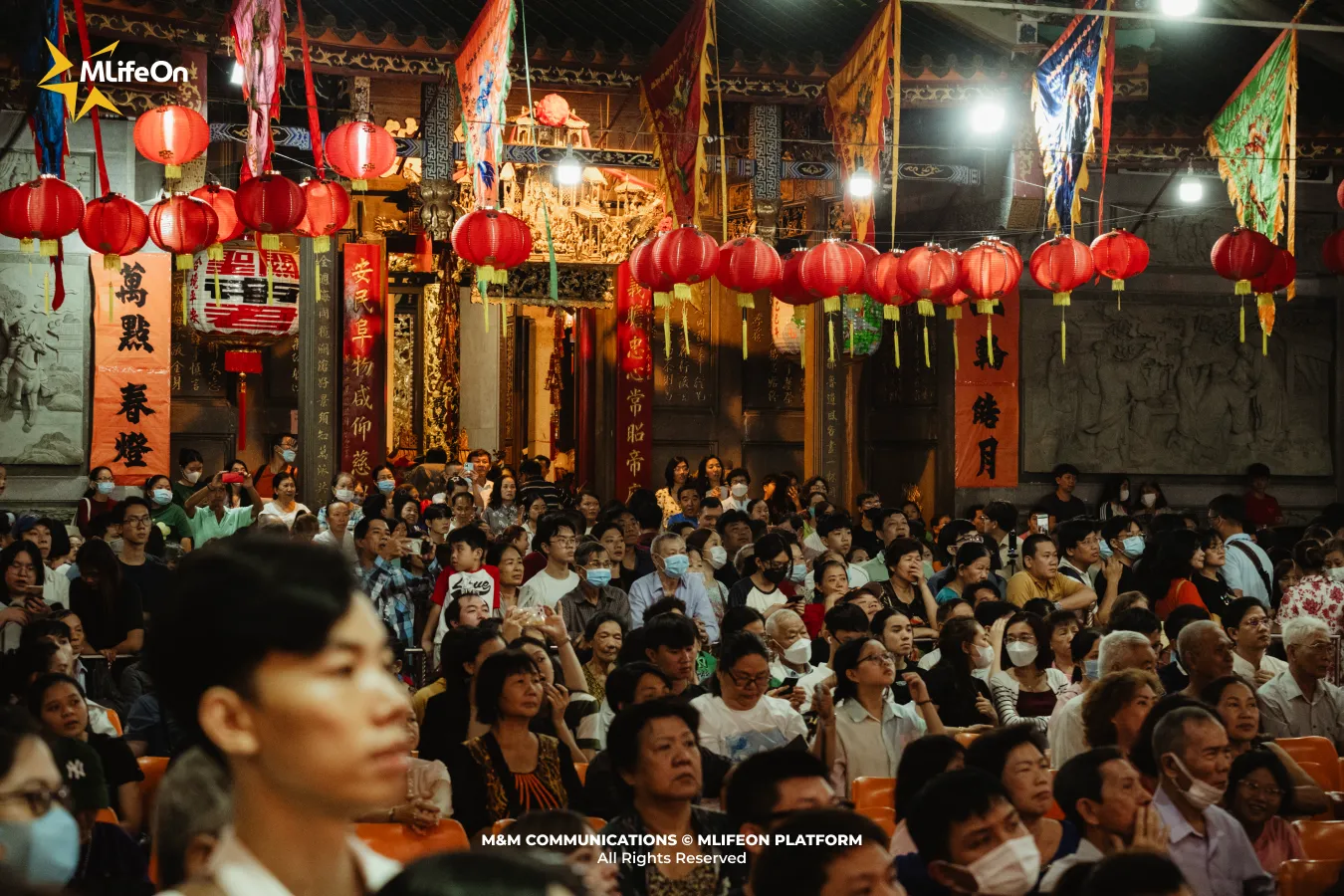
Most of the audience consisted of Teochew community members, watching attentively, sometimes nodding, sometimes smiling softly at moments of humor they clearly recognized. Around them were visitors like myself, driven by curiosity and a desire to explore an unfamiliar yet captivating art form.
Frame 1020.png

I realized then that the language barrier had opened a different kind of experience. Freed from words, I found myself fully immersed in sound, color, and rhythm.

The drums, traditional instruments, and resonant singing in the Teochew dialect created a living artistic space, one that invited not just observation, but complete sensory engagement.
Frame 1022.png

The experience left me with a feeling both unfamiliar and deeply resonant: unfamiliar in form and language, yet intimate through the sincerity, belief, and cultural devotion embedded in every performance.

Conclusion 

Teochew Traditional Opera is not merely a performing art. It is a bridge between past and present, between the Chinese community and those who seek to understand its cultural depth. My experience at Nghia An Assembly Hall affirmed that even without understanding the words, one can still feel the vitality, solemnity, and beauty of this traditional art form.

To preserve Teochew Traditional Opera is to preserve a cultural memory, ensuring that future generations may continue to live within its colors, sounds, and enduring echoes.

—----

CREDIT: 

- Photography: Luan Nguyen

- Content: Giang Huynh 

- Design: Phuong Nguyen 

About the Authors

All Articles

SOUND AND COLOR IN TEOCHEW TRADITIONAL OPERA

SOUND AND COLOR IN TEOCHEW TRADITIONAL OPERA

Discover Teochew Traditional Opera, a unique and enduring art form of the Chinese community, where sound, color, ritual, and memory intertwine on stage.

DALI ANCIENT TOWN - A HISTORICAL MARK OF YUNNAN PROVINCE

DALI ANCIENT TOWN - A HISTORICAL MARK OF YUNNAN PROVINCE

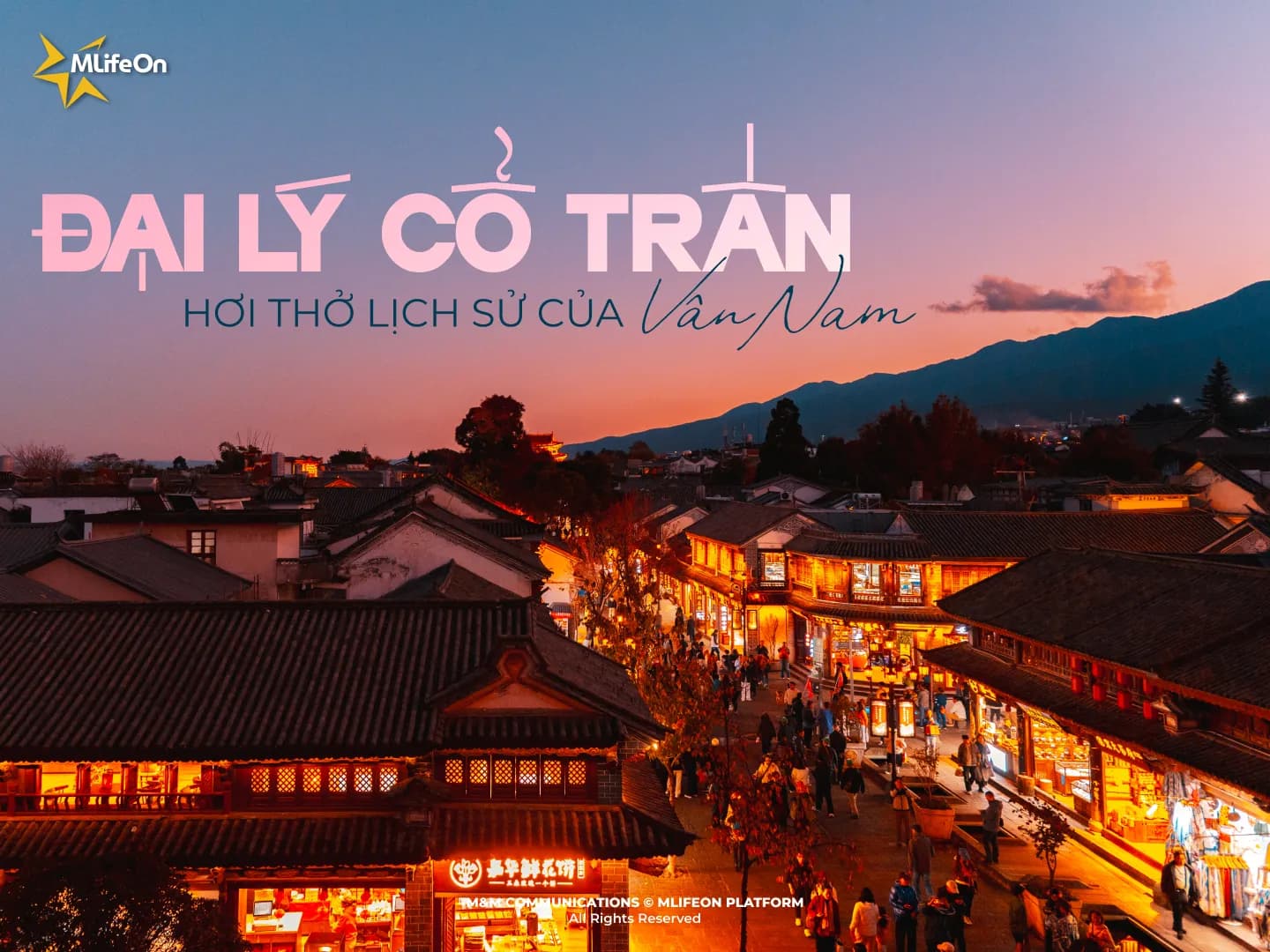
Explore Dali Ancient Town, a famous destination in Yunnan, China. A place where nature, architecture, and people blend harmoniously.

THE VIBRANT RED OF TET ON SAIGON’S CHINESE STREETS

THE VIBRANT RED OF TET ON SAIGON’S CHINESE STREETS

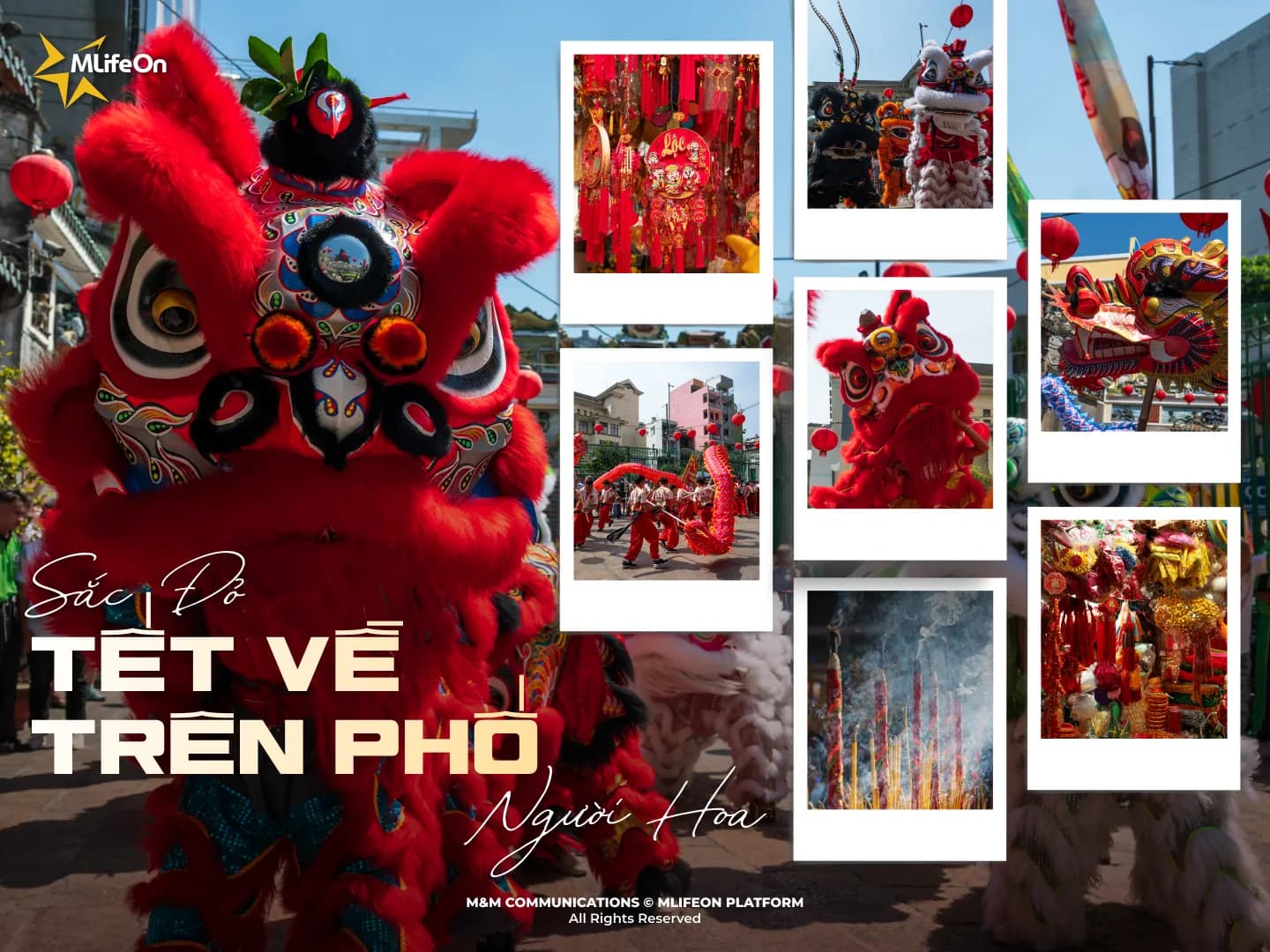
In the days leading up to Tet, Saigon’s Chinese neighborhoods gradually dress themselves in familiar shades of red. From decoration shops and everyday preparations to the quiet presence of Ong Bon Pagoda, the spirit of Tet reveals itself through simple, intimate details of daily life.

ANCESTRAL WORSHIP IN LAOS – PEACEFUL STOPS FOR A SERENE TET 2026

ANCESTRAL WORSHIP IN LAOS – PEACEFUL STOPS FOR A SERENE TET 2026

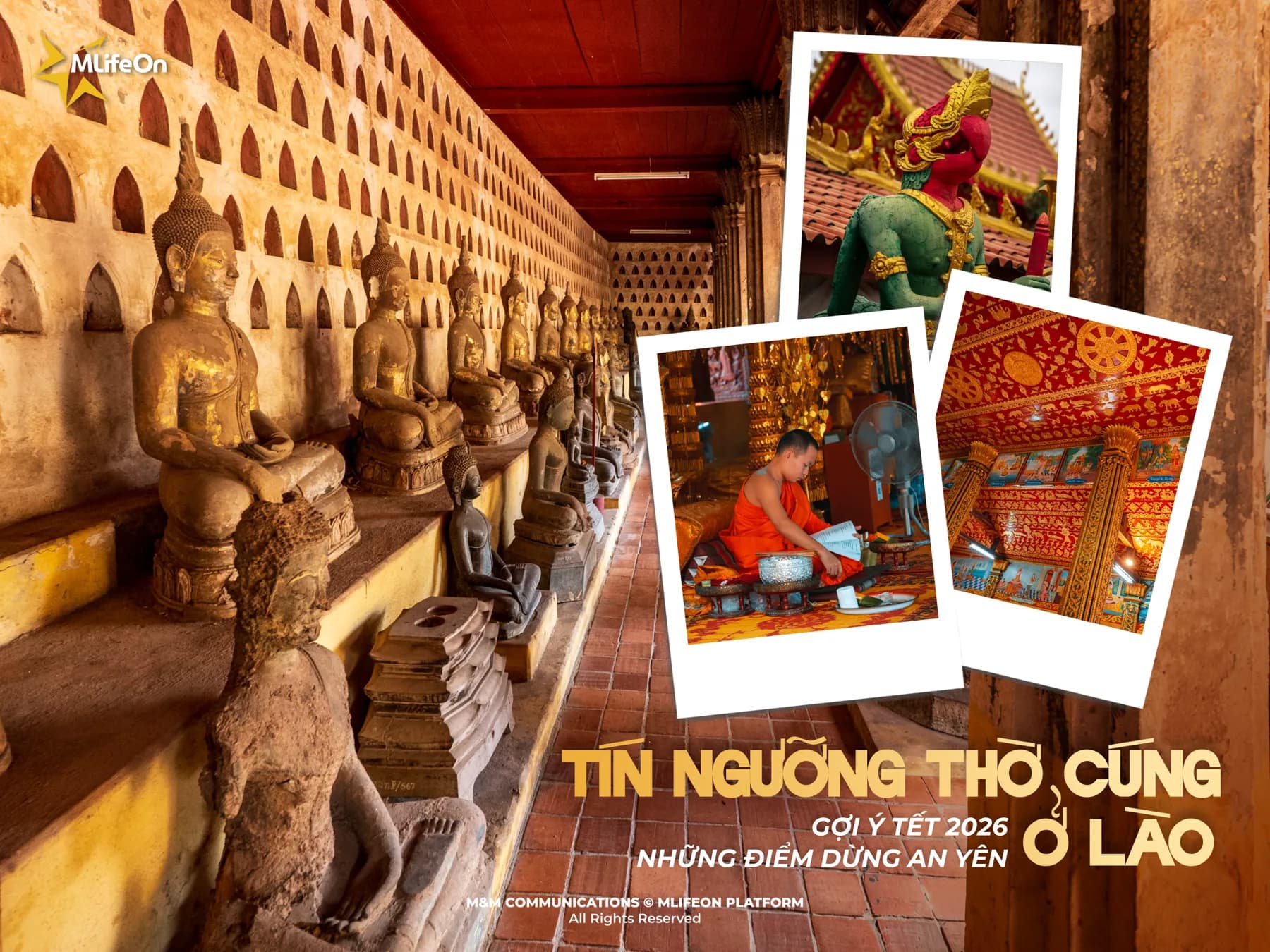
In Laos, Buddhist beliefs are not separate from everyday life but woven are into daily routines and social customs. Temples, sacred sites, and places of worship are not merely tourist attractions; they are spaces where people seek calm and balance. For those looking for a gentle, reflective journey during Tet 2026, Laos offers a slow-paced, tranquil, and refreshingly different way to welcome the new year.

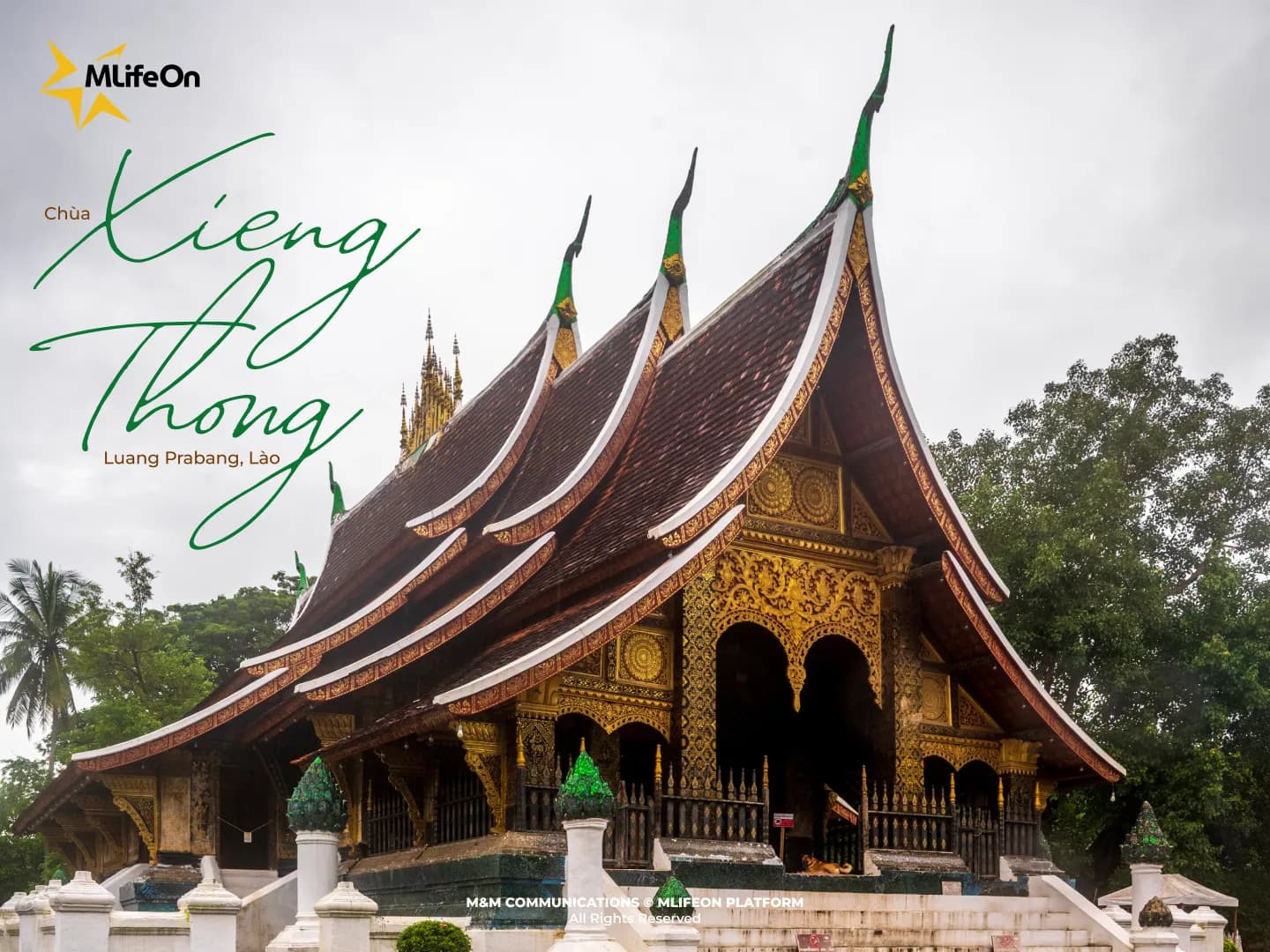
VISITING XIENG THONG TEMPLE - A SACRED ANCIENT TEMPLE IN LUANG PRABANG, LAOS

VISITING XIENG THONG TEMPLE - A SACRED ANCIENT TEMPLE IN LUANG PRABANG, LAOS

After an afternoon rain, Xieng Thong Temple appears calmer and more defined than usual. Without harsh sunlight or large crowds, this ancient temple of Luang Prabang reveals its architecture, setting, and spiritual value carefully preserved for centuries. A slower perspective that helps explain why Xieng Thong is not merely a tourist attraction, but a living memory of Lao Buddhism.

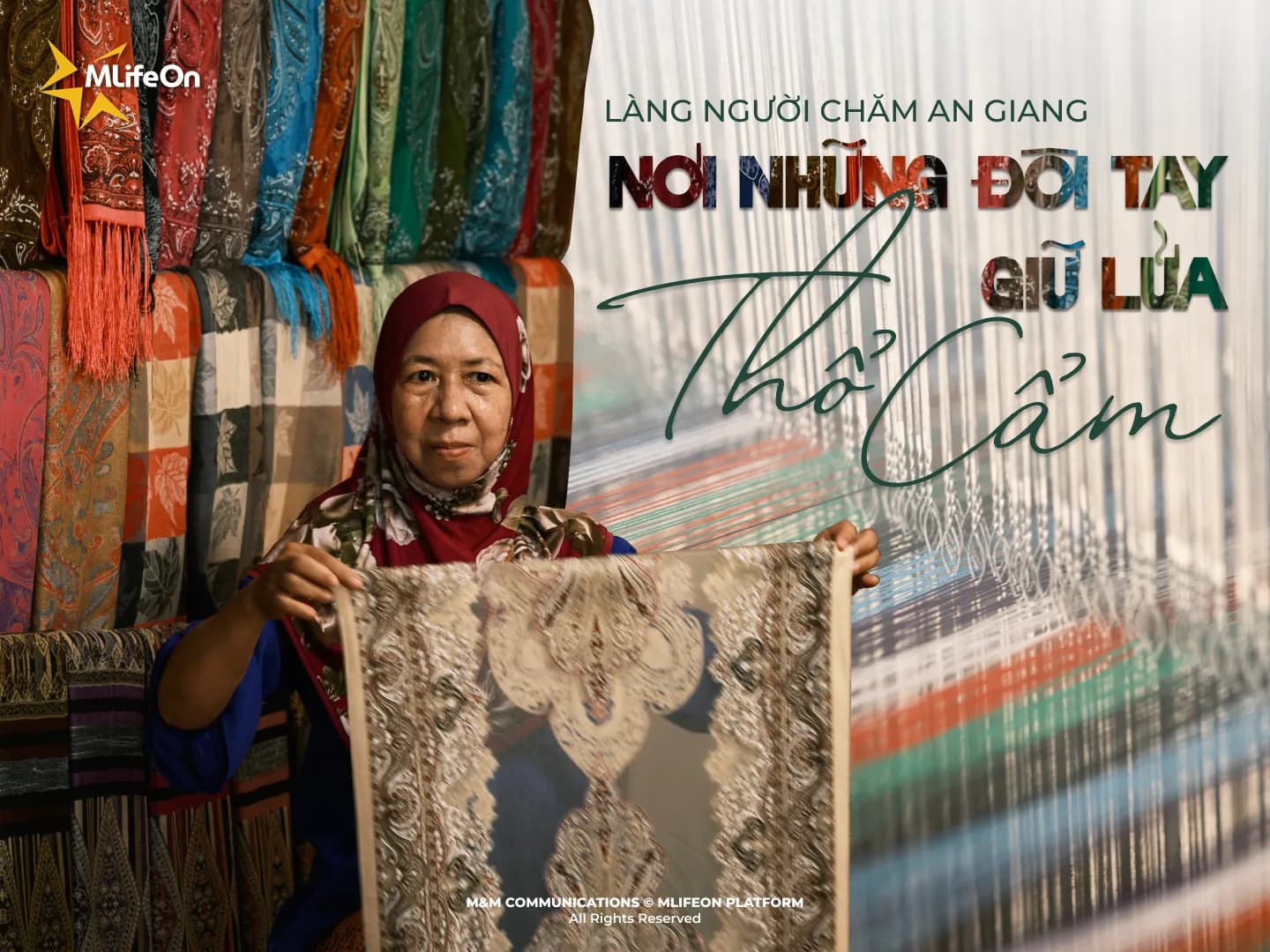
CHAM VILLAGES IN AN GIANG - WHERE SKILLED HANDS KEEP THE FLAME OF BROCADE WEAVING ALIVE

CHAM VILLAGES IN AN GIANG - WHERE SKILLED HANDS KEEP THE FLAME OF BROCADE WEAVING ALIVE

In An Giang, where the cool waters of the Hau River meet the Chau Doc River, Cham villages have existed quietly for generations. Unassuming and unshowy, life here flows slowly, much like the river in front of each home. Within this gentle rhythm, one tradition has been steadfastly preserved over time: the art of brocade weaving, passed down through the hands of Cham women.

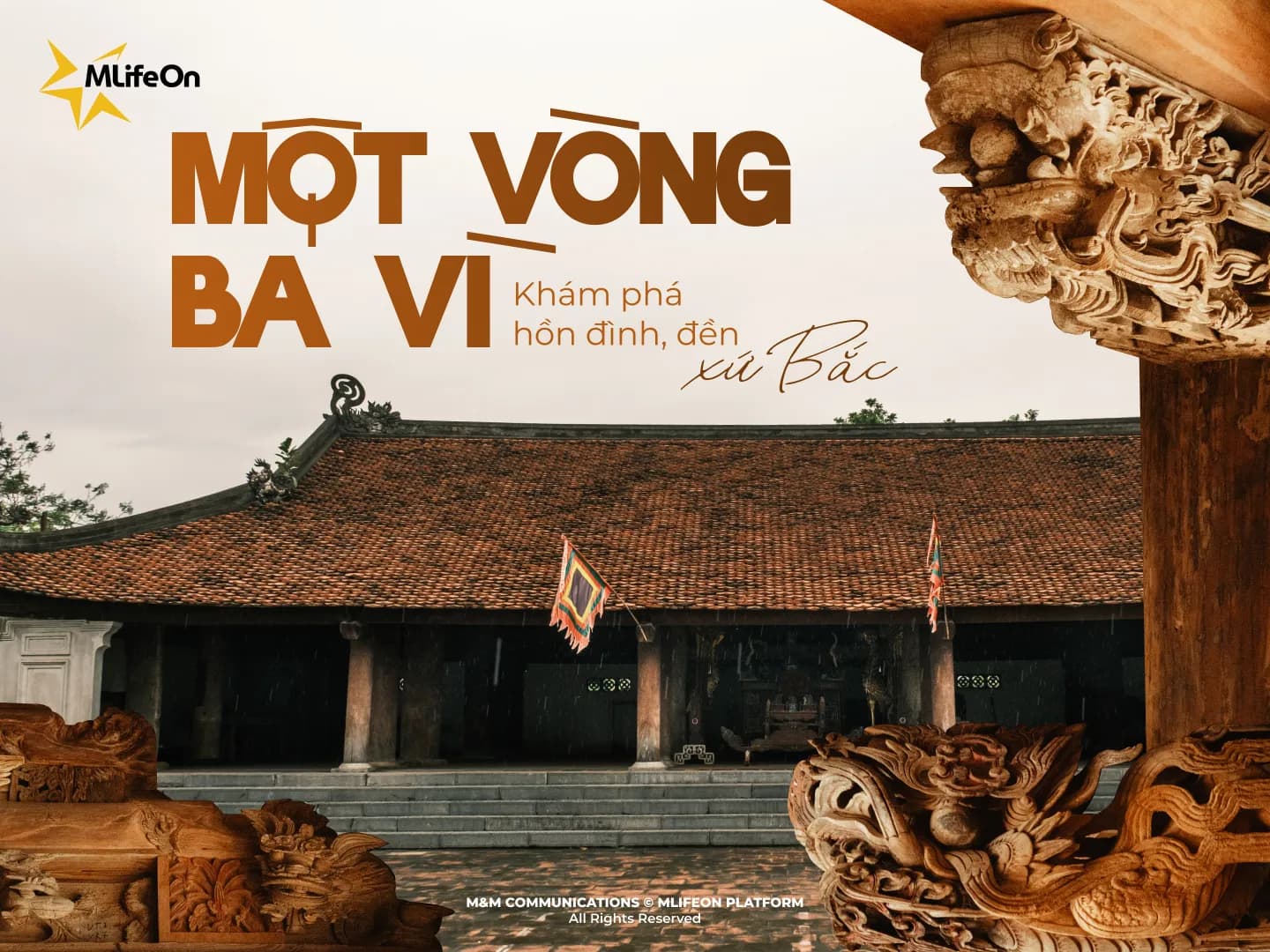
A JOURNEY THROUGH BA VI - DISCOVERING THE SPIRIT OF NORTHERN COMMUNAL HOUSES AND TEMPLES

A JOURNEY THROUGH BA VI - DISCOVERING THE SPIRIT OF NORTHERN COMMUNAL HOUSES AND TEMPLES

Ba Vi is more than mountains and winding roads. Scattered across this land are ancient communal houses and temples that have endured for centuries. Moss-covered roofs and carved wooden pillars emerge as fragments of Northern Vietnam’s cultural memory in tranquil settings.

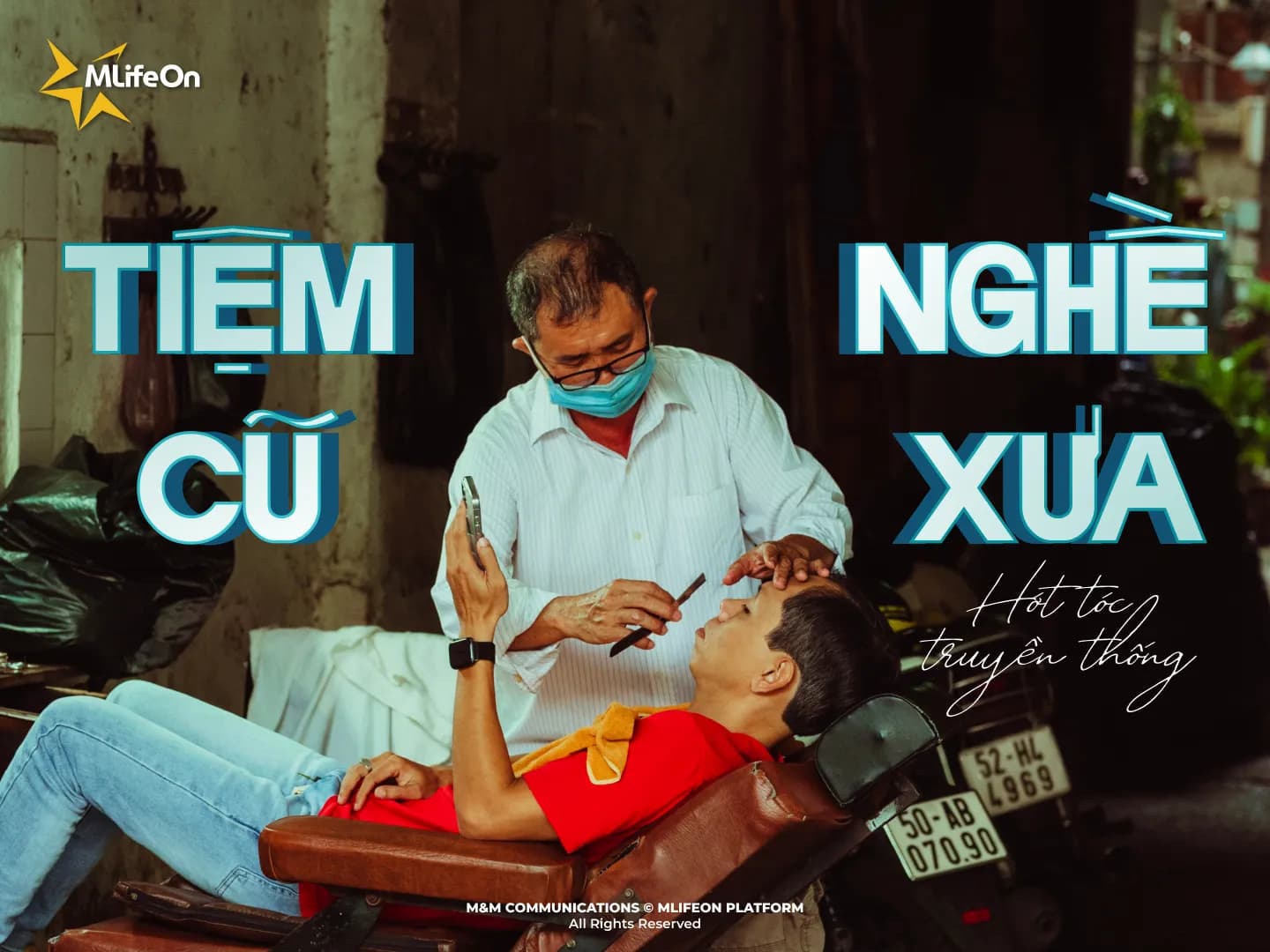
TRADITIONAL HAIRDRESSING - OLD SHOP, OLD PROFESSION

TRADITIONAL HAIRDRESSING - OLD SHOP, OLD PROFESSION

Explore the traditional Vietnamese hairdressing profession to discover its history, current state, and the cultural values ​​that are gradually fading amidst today's modern life.

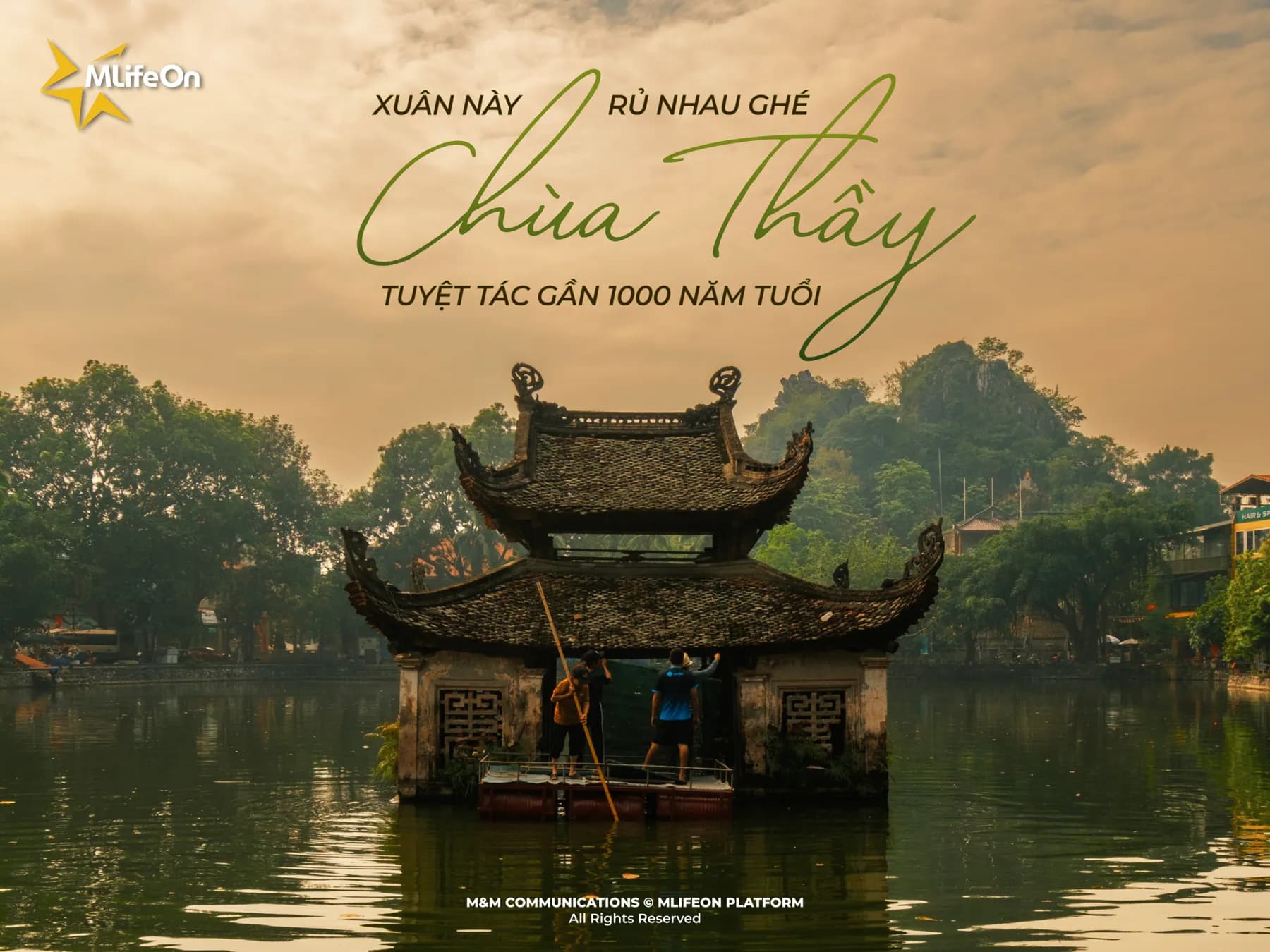
THIS SPRING, LET’S VISIT THAY PAGODA – A NEARLY 1,000-YEAR-OLD MASTERPIECE

THIS SPRING, LET’S VISIT THAY PAGODA – A NEARLY 1,000-YEAR-OLD MASTERPIECE

Not located in the heart of the bustling city, nor close to noisy urban centers, Thay Pagoda chooses a quiet setting at the foot of Sai Son Mountain. It is close enough for a day trip, yet far enough to gently pull visitors away from the hurried rhythm of city life.

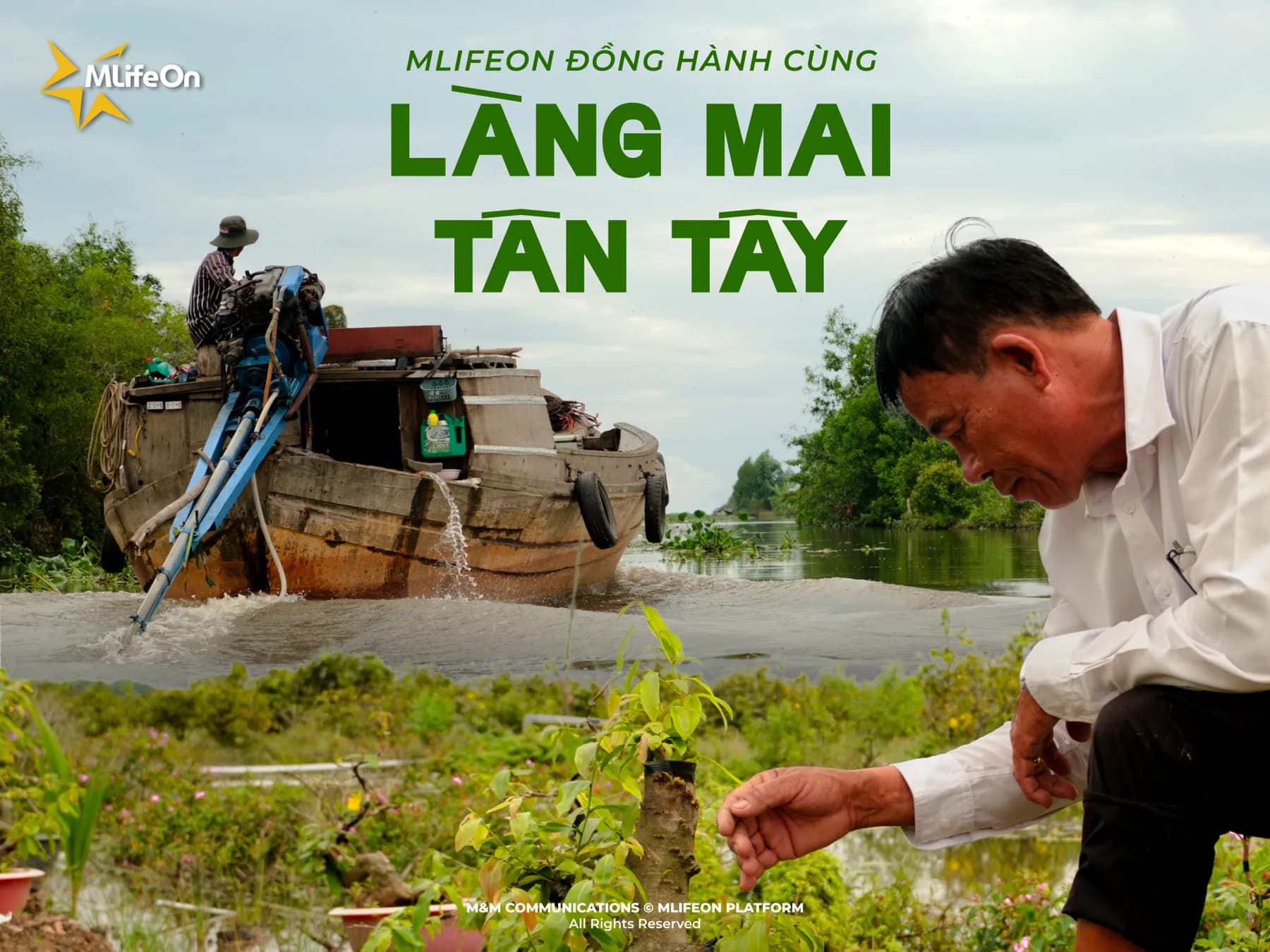
MLIFEON PARTNERS WITH TAN TAY PLUM VILLAGE

MLIFEON PARTNERS WITH TAN TAY PLUM VILLAGE

By partnering with Tan Tay Plum Blossom Village in community projects, MLifeOn has had the opportunity to directly experience the beauty of the scenery, culture, and people of this place. Follow MLifeOn to explore.

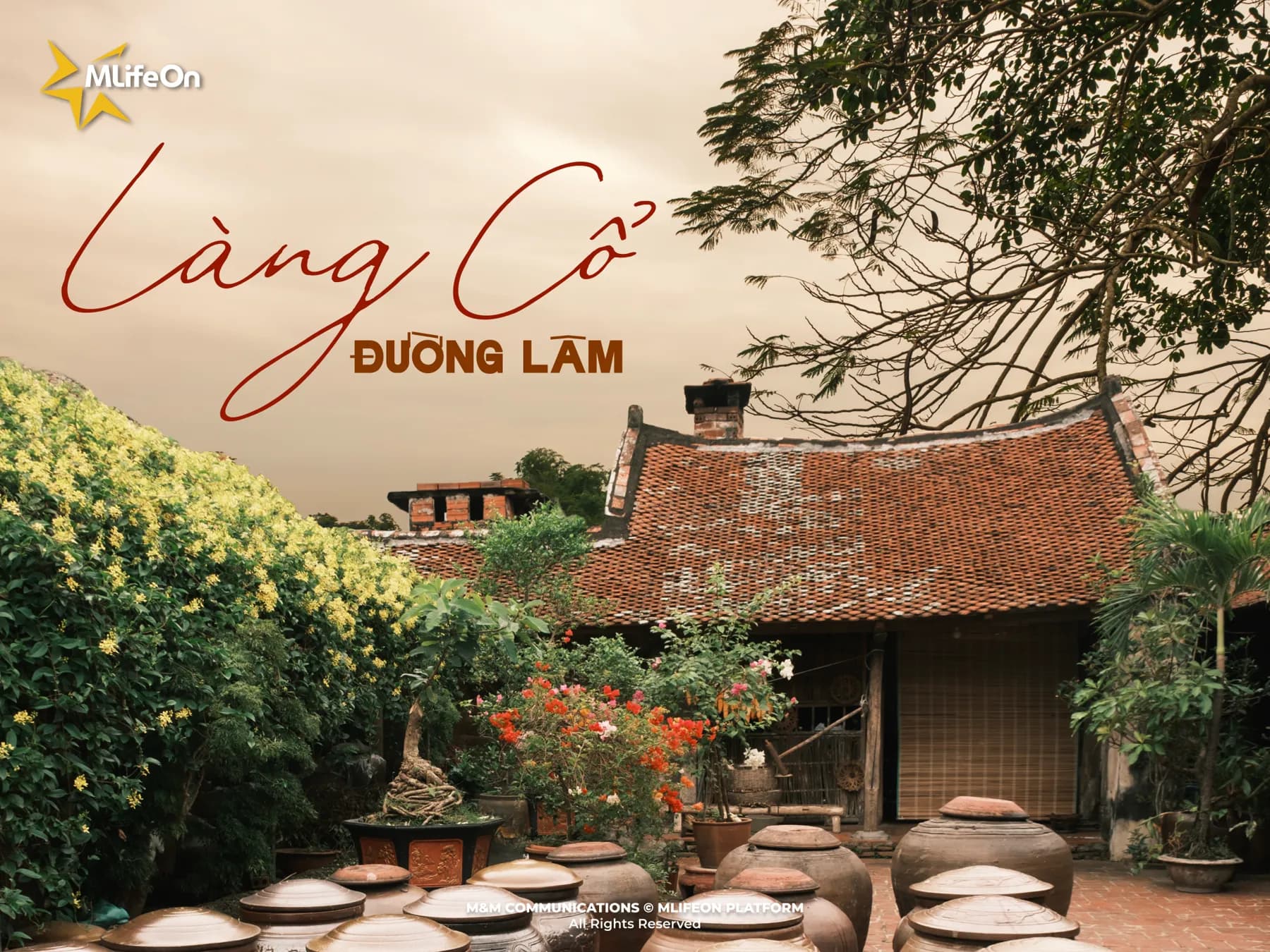
DUONG LAM ANCIENT VILLAGE - A CULTURAL HERITAGE OF DOAI REGION, HANOI

DUONG LAM ANCIENT VILLAGE - A CULTURAL HERITAGE OF DOAI REGION, HANOI

Experience the rhythm of life and the atmosphere of a Northern Vietnamese village at Duong Lam Ancient Village, a distinctive cultural destination in Hanoi.

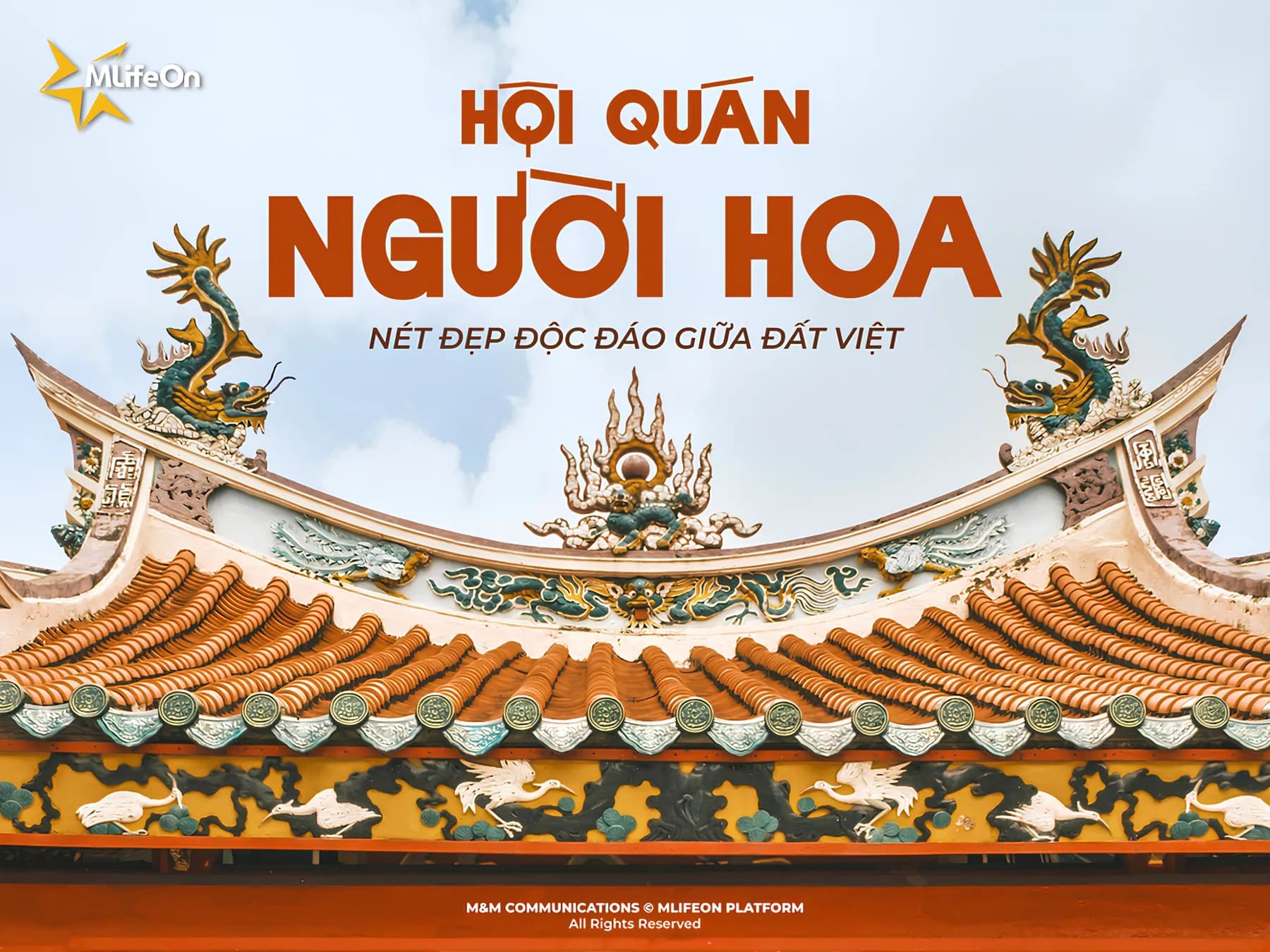
CHINESE ASSOCIATION HALLS - A UNIQUE TOUCH IN THE HEART OF VIETNAM

CHINESE ASSOCIATION HALLS - A UNIQUE TOUCH IN THE HEART OF VIETNAM

Join us on a journey to explore Chinese Assembly Halls in Vietnam, and learn about the function and architectural beauty of these structures.

KHMER CEREMONIAL HATS AND MASKS - THE SOUL OF SOUTHERN VIETNAMESE THEATRE

KHMER CEREMONIAL HATS AND MASKS - THE SOUL OF SOUTHERN VIETNAMESE THEATRE

Explore Khmer ceremonial hats and masks, sacred and mystical elements associated with the performing arts and spiritual life of the Southern Khmer people.

CO LOA ANCIENT CITADEL - A NATIONAL HISTORICAL SITE IN THE HEART OF HANOI

CO LOA ANCIENT CITADEL - A NATIONAL HISTORICAL SITE IN THE HEART OF HANOI

Explore the Co Loa Citadel - the ancient capital of Au Lac, a place preserving the unique historical, architectural, and archaeological values ​​of the Vietnamese people.

VIETNAMESE MARKETS - WHERE THE LIFE OF EACH REGION REVEALS ITSELF MOST CLEARLY

VIETNAMESE MARKETS - WHERE THE LIFE OF EACH REGION REVEALS ITSELF MOST CLEARLY

Vietnamese markets are not merely places of trade; they are the clearest reflections of local life, daily rhythms, and regional character - from river deltas and waterways to coastal shores.

VISITING A CHRISTIAN VILLAGE DURING CHRISTMAS

VISITING A CHRISTIAN VILLAGE DURING CHRISTMAS

Discover the dazzling beauty of Saigon's Catholic neighborhoods during Christmas, where light, music, and human warmth blend together, creating a unique cultural experience in the heart of the city.

SILK PAINTING EXHIBITION - “THE UNFINISHED JOURNEY” BY ARTIST NGUYEN THI TAM

SILK PAINTING EXHIBITION - “THE UNFINISHED JOURNEY” BY ARTIST NGUYEN THI TAM

The exhibition “The Unfinished Journey” presents 50 never-before-seen silk paintings by artist Nguyen Thi Tam, capturing over three decades of her creative journey.

THANH HA POTTERY VILLAGE - 500 YEARS OF PRESERVING THE SOUL OF POTTERY

THANH HA POTTERY VILLAGE - 500 YEARS OF PRESERVING THE SOUL OF POTTERY

Join MLifeOn in exploring Thanh Ha Pottery Village - a traditional craft village over 500 years old located on the Thu Bon River in Hoi An.