Melbourne's Vietnamese culinary landscape showcases hidden gems that preserve traditional cooking methods and authentic flavors passed down through generations, creating dining experiences that transport patrons from Melbourne's bustling streets to the vibrant food cultures of Vietnam's diverse regions. These exceptional establishments represent more than mere restaurants; they serve as cultural ambassadors that maintain culinary traditions while adapting to Australian ingredients and dining preferences without compromising the essential character that defines Vietnamese cuisine. Understanding Melbourne's Vietnamese culinary gems requires recognition of how family recipes, regional specialties, and traditional preparation methods create authentic experiences that distinguish genuine Vietnamese restaurants from superficial interpretations lacking cultural depth and culinary integrity.
The development of Melbourne's Vietnamese restaurant scene reflects waves of migration that brought diverse regional cuisines from across Vietnam, creating opportunities for authentic representation of northern, central, and southern Vietnamese culinary traditions within a single city. These establishments often begin as family operations where recipes and techniques represent generations of culinary knowledge rather than commercial adaptations designed for mainstream appeal. The most exceptional Vietnamese restaurants in Melbourne demonstrate how cultural preservation and culinary excellence combine to create dining experiences that satisfy both nostalgic community members seeking authentic flavors and curious diners exploring genuine Vietnamese culture through food.
Regional Cuisine Representation and Authenticity
Melbourne's Vietnamese restaurants showcase distinct regional cuisines that reflect Vietnam's diverse geography and cultural influences, from the herb-heavy dishes of the north to the sweet and spicy flavors of the south, creating educational opportunities for diners to explore authentic Vietnamese culinary diversity beyond common misconceptions about uniformity in Vietnamese cuisine. These regional specialties often require specific ingredients, preparation methods, and presentation styles that distinguish authentic establishments from generic Asian fusion restaurants that blend traditions without understanding cultural significance. The preservation of regional authenticity requires restaurant owners who possess deep cultural knowledge and commitment to maintaining traditional standards even when simplified versions might achieve broader commercial appeal.
Northern Vietnamese cuisine representation in Melbourne emphasizes subtle flavors, fresh herbs, and lighter preparations that reflect the cooler climate and Chinese influences found in Vietnam's northern regions, creating dining experiences that differ significantly from the bolder flavors commonly associated with Vietnamese food in Australia. These northern specialties often include dishes like bun cha, cha ca, and distinctive noodle preparations that require specific techniques and ingredients not commonly found in southern-style Vietnamese restaurants. The authentic representation of northern cuisine requires restaurants to source specialty ingredients while educating diners about regional differences that might surprise customers expecting familiar southern Vietnamese flavors.
Southern Vietnamese cuisine in Melbourne showcases the sweeter, spicier flavors and abundant fresh ingredients that characterize Ho Chi Minh City and Mekong Delta cooking traditions, often featuring coconut milk, palm sugar, and fresh vegetables that create the vibrant, complex flavors many Australians associate with Vietnamese cuisine. These southern preparations frequently emphasize sharing plates, fresh accompaniments, and interactive dining experiences that reflect the communal eating traditions of southern Vietnam. The successful representation of southern cuisine requires understanding traditional flavor balancing and preparation methods that create authentic experiences rather than simplified versions adapted for local preferences without cultural understanding.
Traditional Cooking Methods and Kitchen Practices
Authentic Vietnamese restaurants in Melbourne preserve traditional cooking methods including wok techniques, noodle preparation, broth development, and sauce making that require significant time investment and technical expertise often learned through family apprenticeships rather than formal culinary training. These traditional methods often conflict with modern restaurant efficiency expectations but create flavor profiles and textures impossible to achieve through shortcuts or commercial alternatives. The commitment to traditional cooking practices distinguishes serious Vietnamese restaurants from operations prioritizing speed and convenience over authenticity and cultural preservation.
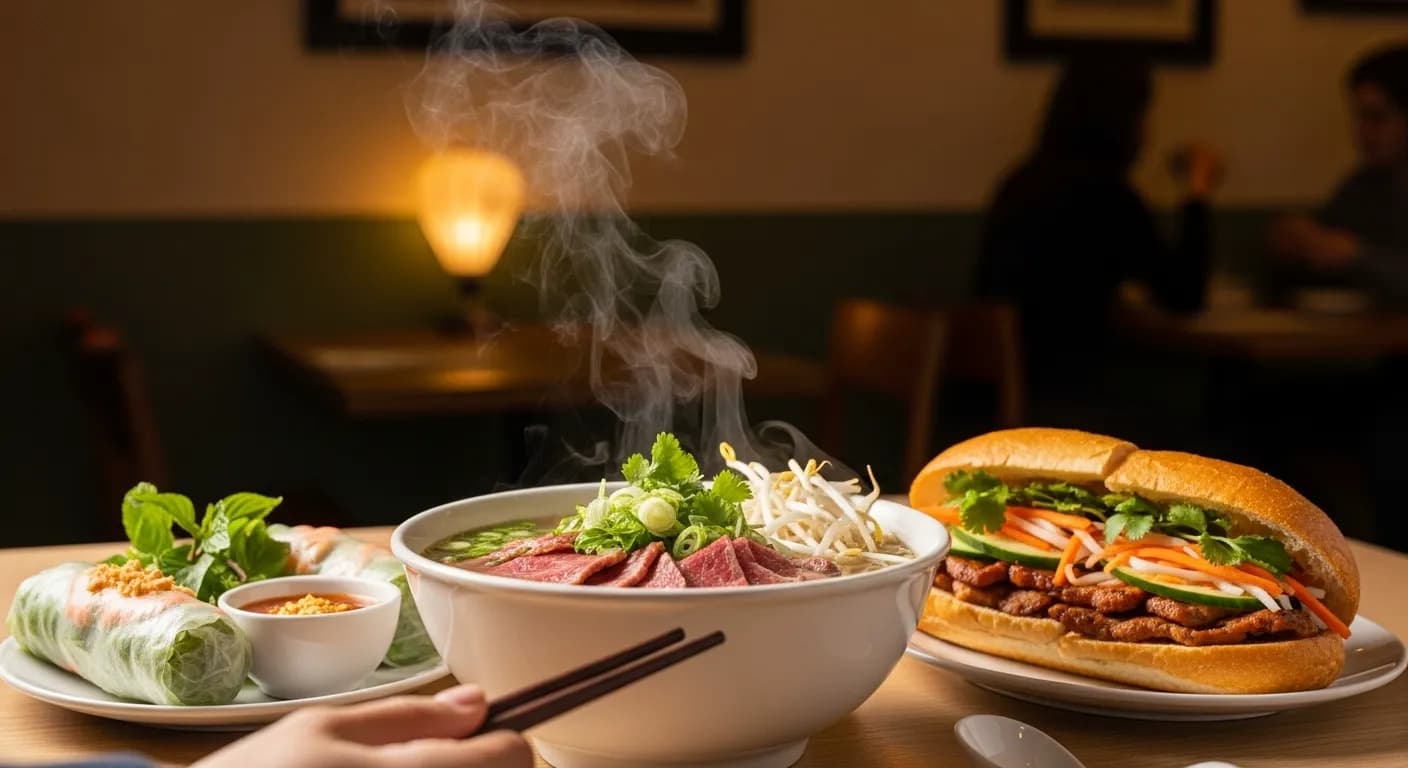
Broth preparation represents perhaps the most crucial element distinguishing authentic Vietnamese restaurants, with traditional pho and other soup bases requiring 12-24 hour cooking processes, careful bone selection, and precise spice combinations that create the complex, nuanced flavors that define exceptional Vietnamese soups. These extended cooking processes require planning, dedication, and significant labor investment that many restaurants avoid in favor of commercial bases or shortened cooking methods that fail to achieve authentic depth and character. The evaluation of Vietnamese restaurant quality often begins with broth assessment, as traditional preparation methods create immediately recognizable differences in flavor, aroma, and overall dining satisfaction.
Noodle preparation and handling techniques distinguish authentic Vietnamese restaurants through proper cooking methods, texture achievement, and serving procedures that maintain optimal noodle quality throughout the dining experience. Traditional Vietnamese noodle preparation requires understanding different noodle types, appropriate cooking times, and serving methods that preserve texture while enabling proper sauce absorption and flavor integration. The mastery of noodle preparation often indicates overall restaurant competence and commitment to authentic food preparation that extends beyond simple ingredient selection to encompass proper technique execution.
Ingredient Sourcing and Quality Standards
Melbourne's authentic Vietnamese restaurants prioritize ingredient sourcing that emphasizes freshness, authenticity, and cultural appropriateness, often requiring relationships with specialty suppliers and frequent market visits that ensure optimal ingredient quality while maintaining traditional flavor profiles. These sourcing practices frequently involve higher costs and greater logistical complexity compared to standard restaurant supply chains but enable authentic flavor achievement that distinguishes exceptional establishments from operations using convenient substitutions. The commitment to proper ingredient sourcing reflects restaurant dedication to authenticity and customer satisfaction that extends beyond simple profit maximization to encompass cultural preservation and culinary excellence.
Fresh herb procurement and handling represents a crucial element of authentic Vietnamese cooking, with traditional dishes requiring specific herb varieties, optimal freshness levels, and proper storage methods that preserve flavor and aromatic qualities essential for authentic Vietnamese dining experiences. These herb requirements often involve daily sourcing, careful selection, and proper preparation that maintains quality throughout service periods while ensuring traditional garnish and accompaniment standards. The quality and variety of fresh herbs often indicates restaurant commitment to authenticity and attention to detail that distinguishes serious operations from establishments cutting corners on essential Vietnamese cuisine elements.
Specialty ingredient importation and local sourcing strategies enable Melbourne's Vietnamese restaurants to achieve authentic flavors while managing cost constraints through creative adaptation that maintains cultural integrity while accommodating local availability and pricing considerations. These sourcing strategies often involve combination approaches that prioritize essential authentic ingredients while finding acceptable local alternatives for less critical components without compromising overall dish authenticity. The successful balance between authentic ingredients and practical constraints requires deep culinary knowledge and strong supplier relationships that enable consistent quality achievement within viable business parameters.
Family Recipes and Generational Knowledge
Melbourne's most authentic Vietnamese restaurants often operate as extensions of family kitchens where recipes represent generations of culinary knowledge passed through direct teaching rather than written documentation, creating unique dining experiences that cannot be replicated without cultural context and family history. These family operations frequently modify recipes based on ingredient availability and customer preferences while maintaining essential character through understanding fundamental flavor principles and traditional preparation methods. The preservation of family recipes requires commitment to cultural transmission that extends beyond commercial success to encompass heritage preservation and community service through authentic food representation.
Generational technique transmission in Vietnamese restaurants creates consistency and authenticity through direct mentorship that teaches not only specific recipes but also underlying principles of Vietnamese cooking including flavor balancing, texture achievement, and presentation methods that define quality Vietnamese cuisine. This knowledge transfer often occurs through observation, practice, and gradual responsibility increase that builds comprehensive understanding rather than simple recipe following. The presence of multiple generations working within restaurants often indicates authentic operations where cultural knowledge guides business decisions and menu development rather than pure commercial considerations.
Recipe adaptation for Australian ingredients and preferences requires careful balance between maintaining authenticity and achieving commercial viability through modifications that preserve essential character while accommodating local tastes and ingredient availability. These adaptations often involve subtle adjustments to spice levels, portion sizes, and accompaniment selections that maintain traditional eating experiences while ensuring customer satisfaction and business sustainability. The successful navigation of adaptation challenges requires deep understanding of both Vietnamese culinary principles and Australian dining preferences that enables authentic modification rather than cultural dilution through inappropriate changes.
Dining Experience and Cultural Immersion
Authentic Vietnamese restaurants in Melbourne create cultural immersion experiences through atmosphere, service approaches, and dining protocols that reflect Vietnamese hospitality traditions while educating customers about proper eating methods and cultural context that enhances food appreciation and understanding. These cultural elements often include communal serving styles, traditional table settings, and interactive dining components that distinguish Vietnamese restaurants from generic Asian establishments lacking cultural specificity and educational value. The creation of authentic dining experiences requires understanding Vietnamese social customs and hospitality traditions that inform service approaches and restaurant atmosphere beyond simple food preparation.
Language and communication approaches in authentic Vietnamese restaurants often include staff who speak Vietnamese, menu explanations that provide cultural context, and willingness to guide inexperienced diners through traditional eating methods and dish selection that maximizes enjoyment while respecting cultural practices. These educational components frequently involve patience with questions, recommendations based on traditional meal composition, and explanations of proper eating techniques that enhance satisfaction while building cultural understanding. The provision of cultural education through dining experiences creates value beyond simple food consumption while building customer appreciation for Vietnamese culture and culinary traditions.
Community gathering spaces within Vietnamese restaurants often serve multiple functions including family dining, business meetings, and social events that reflect the central role restaurants play in Vietnamese community life while creating authentic atmospheres that enhance dining experiences for all customers. These community functions frequently involve extended dining sessions, multiple course meals, and social interactions that demonstrate traditional Vietnamese hospitality and eating customs. The successful creation of community spaces requires understanding Vietnamese social dynamics and providing environments that accommodate various social functions while maintaining quality service and authentic atmosphere.
Menu Development and Seasonal Offerings
Authentic Vietnamese restaurants develop menus that balance traditional offerings with seasonal specialties and regional dishes that provide educational opportunities while maintaining core menu items that ensure customer satisfaction and business stability. These menu development strategies often involve careful consideration of ingredient availability, preparation complexity, and customer familiarity that enables authentic representation without overwhelming inexperienced diners or creating operational challenges. The successful menu development requires understanding both Vietnamese culinary traditions and Australian market dynamics that inform offering selection and presentation methods.
Seasonal menu adaptation in Vietnamese restaurants often emphasizes traditional Vietnamese seasonal eating patterns and ingredient availability that may differ from Australian seasonal cycles, creating opportunities to educate customers about Vietnamese agricultural traditions and cultural practices related to seasonal food consumption. These seasonal adaptations frequently involve special ingredients, limited-time offerings, and traditional preparation methods that showcase culinary diversity while maintaining restaurant financial viability through planned ingredient procurement and staff training. The implementation of seasonal offerings requires planning and customer education that builds anticipation while ensuring successful execution of complex or unfamiliar dishes.
Special occasion menus and traditional celebration foods provide Vietnamese restaurants with opportunities to showcase authentic cultural practices while generating additional revenue through educational dining experiences that introduce customers to Vietnamese holiday traditions and ceremonial foods. These special offerings often require advance preparation, customer education, and modified service approaches that accommodate traditional eating customs and presentation methods. The successful implementation of special occasion menus requires cultural knowledge and operational flexibility that enables authentic representation of Vietnamese cultural practices through food service.
Staff Training and Cultural Knowledge
Vietnamese restaurants prioritizing authenticity invest in staff training that encompasses cultural knowledge, traditional service methods, and food preparation techniques that enable consistent delivery of authentic experiences while maintaining service quality standards expected by Australian diners. This training often involves cultural education beyond simple menu knowledge to include understanding Vietnamese dining customs, traditional eating methods, and cultural context that enhances customer interactions and dining satisfaction. The investment in comprehensive staff training creates competitive advantages while ensuring cultural preservation through proper representation and customer education.
Language skills and cultural communication in Vietnamese restaurants enable staff to serve diverse customer bases including Vietnamese community members seeking authentic experiences and Australian customers requiring education and guidance through unfamiliar dining options. These communication skills often involve translation capabilities, cultural explanation abilities, and patience with customer questions that facilitate positive interactions while building cultural understanding. The development of effective communication approaches requires ongoing training and cultural sensitivity that ensures respectful service delivery for all customer segments while maintaining authentic restaurant atmosphere and operations.
Traditional service protocols in authentic Vietnamese restaurants reflect Vietnamese hospitality customs including greeting procedures, serving methods, and customer interaction approaches that create authentic experiences while meeting Australian service expectations. These service protocols often involve specific procedures for tea service, food presentation, and customer assistance that demonstrate cultural understanding while ensuring customer satisfaction and comfort. The implementation of traditional service methods requires staff training and management commitment that balances authenticity with practical service requirements in Australian dining environments.
Community Connections and Cultural Events
Melbourne's authentic Vietnamese restaurants often serve as community centers that host cultural events, celebration dinners, and educational programs that strengthen cultural connections while introducing broader Melbourne communities to Vietnamese traditions and customs through food-centered experiences. These community functions frequently involve traditional music, cultural presentations, and special menu offerings that create comprehensive cultural experiences beyond simple dining. The successful hosting of cultural events requires community relationships and cultural knowledge that enables authentic representation while building bridges between Vietnamese and broader Australian communities.
Business relationships within Vietnamese communities often influence restaurant operations through supplier networks, staff recruitment, and customer referral systems that create integrated community support structures while maintaining authentic standards through community oversight and cultural expectations. These community connections frequently provide quality control through cultural authenticity expectations and business support through customer loyalty and word-of-mouth marketing within Vietnamese communities. The cultivation of community relationships requires cultural sensitivity and business practices that prioritize community service alongside commercial success.
Educational partnerships with schools, cultural organizations, and community groups enable Vietnamese restaurants to share cultural knowledge while building customer bases through authentic cultural exchange that benefits both restaurant businesses and broader community understanding of Vietnamese culture and cuisine. These educational initiatives often involve cooking demonstrations, cultural presentations, and collaborative dining experiences that showcase Vietnamese traditions while building lasting relationships with educational institutions and community organizations. The development of educational partnerships requires commitment to cultural sharing and community service that extends restaurant influence beyond commercial transactions to encompass cultural preservation and education.
Business Sustainability and Growth Strategies
Authentic Vietnamese restaurants balance cultural preservation with business viability through strategies that maintain authenticity while achieving financial sustainability in competitive Melbourne restaurant markets that often favor familiar foods and convenient service over cultural education and traditional preparation methods. These sustainability strategies frequently involve careful cost management, efficient operations, and customer education that builds appreciation for authentic Vietnamese cuisine while ensuring adequate profit margins for business continuation. The achievement of sustainable authenticity requires business acumen combined with cultural knowledge that enables long-term success without compromising cultural integrity.
Customer education and loyalty building enable Vietnamese restaurants to develop stable customer bases that appreciate authenticity while supporting higher pricing necessary for traditional ingredient sourcing and preparation methods that distinguish authentic establishments from cheaper alternatives using shortcuts and substitutions. This customer development often involves patience with education, consistent quality delivery, and community engagement that builds trust and appreciation for Vietnamese culinary traditions. The successful building of educated customer bases requires commitment to cultural sharing and quality maintenance that creates lasting relationships and business stability.
Expansion and franchise considerations for successful Vietnamese restaurants involve careful evaluation of authenticity maintenance versus growth opportunities that may require operational compromises or cultural adaptations that could diminish authentic character while achieving broader market penetration. These growth decisions often involve tensions between family control and business expansion that require careful planning and value prioritization to ensure cultural preservation throughout business development. The successful navigation of growth opportunities requires clear cultural priorities and business strategies that maintain authenticity while enabling sustainable expansion within appropriate market segments.
Conclusion: Preserving Culinary Heritage Through Excellence
Melbourne's Vietnamese culinary gems demonstrate that authenticity and commercial success can coexist when supported by cultural knowledge, community connection, and unwavering commitment to culinary excellence that honors Vietnamese traditions while serving diverse Australian communities seeking genuine cultural experiences through food. These exceptional restaurants prove that cultural preservation through authentic cuisine creates competitive advantages while contributing to Melbourne's multicultural dining landscape through genuine representation rather than superficial ethnic theming. The continued success of authentic Vietnamese restaurants requires ongoing support from communities that value cultural preservation and culinary authenticity over convenience and familiarity.
Future sustainability of Melbourne's Vietnamese culinary excellence depends on continued community support, cultural transmission to new generations, and customer education that builds appreciation for authentic Vietnamese cuisine while maintaining business viability in competitive restaurant markets. Whether seeking comprehensive Vietnamese dining experiences or exploring specific regional specialties, Melbourne's Vietnamese culinary gems provide opportunities for authentic cultural immersion that transforms dining into education while preserving essential cultural traditions for future generations to discover and appreciate.