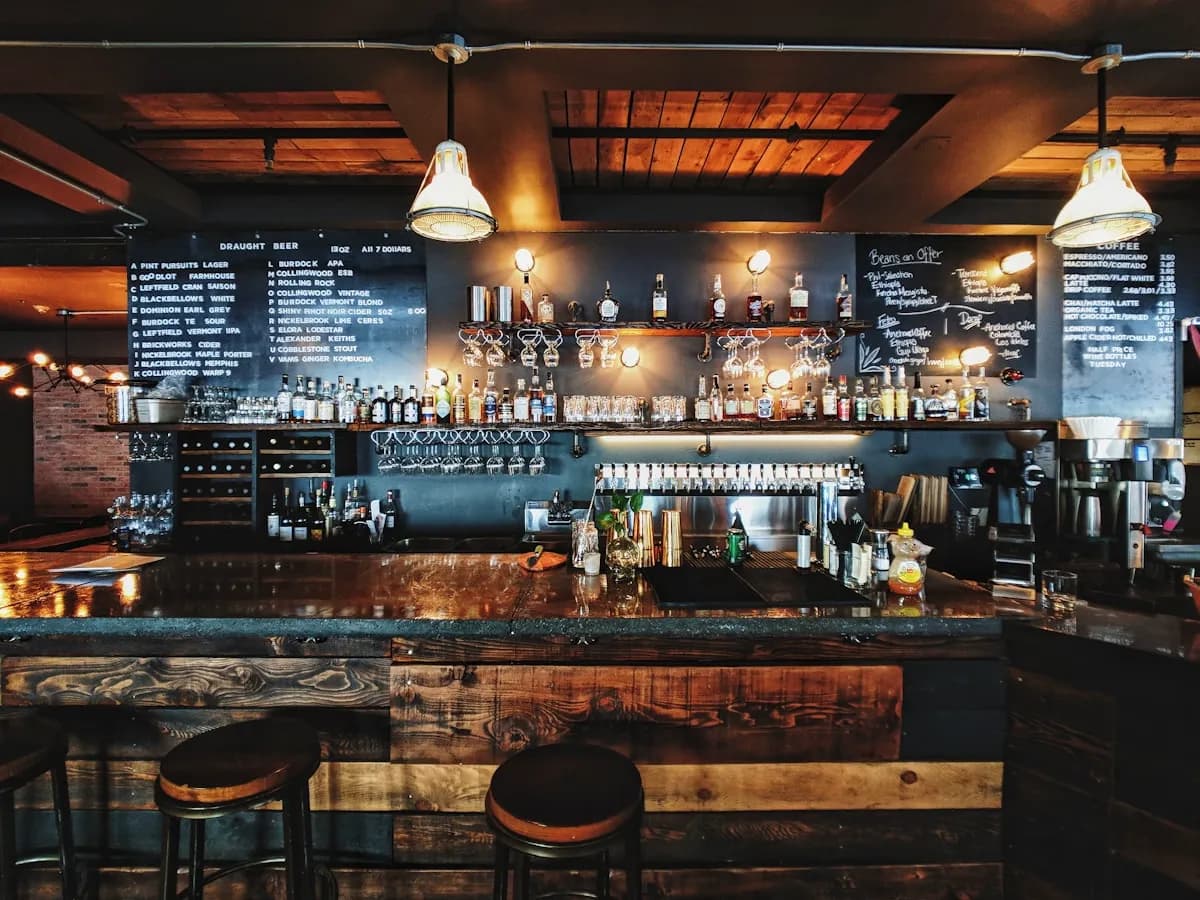
Melbourne CBD's bar scene represents one of the world's most sophisticated and diverse drinking cultures, where historic pubs coexist with cutting-edge cocktail laboratories, rooftop terraces offer panoramic city views, and hidden speakeasies await discovery behind unmarked doors. This vibrant nightlife ecosystem reflects Melbourne's evolution from colonial outpost to cosmopolitan metropolis, where international influences blend seamlessly with distinctly Australian hospitality to create drinking experiences that satisfy every preference and occasion. Understanding Melbourne's bar culture requires appreciation for both its historical foundations and contemporary innovations that continue pushing boundaries in beverage creation and hospitality excellence.
The density and diversity of Melbourne CBD's bar offerings create an embarrassment of riches for locals and visitors alike, with each laneway, arcade, and side street potentially harboring the next great discovery. These establishments range from multi-million dollar venues featuring celebrity bartenders and molecular mixology to intimate neighborhood bars where regulars know each other by name and bartenders remember your usual order. The city's bar scene thrives on this diversity, creating opportunities for every budget, taste preference, and social occasion while maintaining overall quality standards that reflect Melbourne's sophisticated drinking culture.
The Evolution of Melbourne's Bar Culture
Melbourne's contemporary bar scene emerged from restrictive licensing laws that dominated much of the 20th century, when six o'clock closing times created the infamous 'six o'clock swill' culture that prioritized rapid consumption over sophisticated enjoyment. The gradual liberalization of liquor laws from the 1960s onwards enabled the development of more refined drinking establishments, with wine bars, cocktail lounges, and European-style cafes introducing new concepts of social drinking that emphasized quality over quantity. This transformation accelerated dramatically in the 1990s and 2000s as Melbourne embraced its multicultural identity and global influences began reshaping local drinking preferences.
The small bar license revolution of 2008 fundamentally transformed Melbourne's drinking landscape by enabling venues with capacity under 120 patrons to obtain licenses more easily and affordably than traditional pub licenses. This legislative change unleashed entrepreneurial creativity throughout the CBD, with abandoned warehouses, forgotten basements, and narrow shopfronts transformed into intimate drinking spaces that prioritized atmosphere, quality, and innovation over volume sales. The proliferation of small bars created competition that elevated standards across all venue types while encouraging experimentation with concepts, themes, and beverage programs.
Contemporary Melbourne bar culture reflects global trends while maintaining distinctive local characteristics, including emphasis on quality local ingredients, support for Australian spirits and wines, and integration with the city's renowned food culture. The rise of craft cocktails, natural wines, and artisanal spirits demonstrates Melbourne drinkers' sophisticated palates and willingness to pay premium prices for exceptional experiences. This evolution continues as new generations of bartenders and hospitality professionals push boundaries while respecting traditions that make Melbourne's bar scene uniquely compelling.
Geographic Distribution and Neighborhood Character
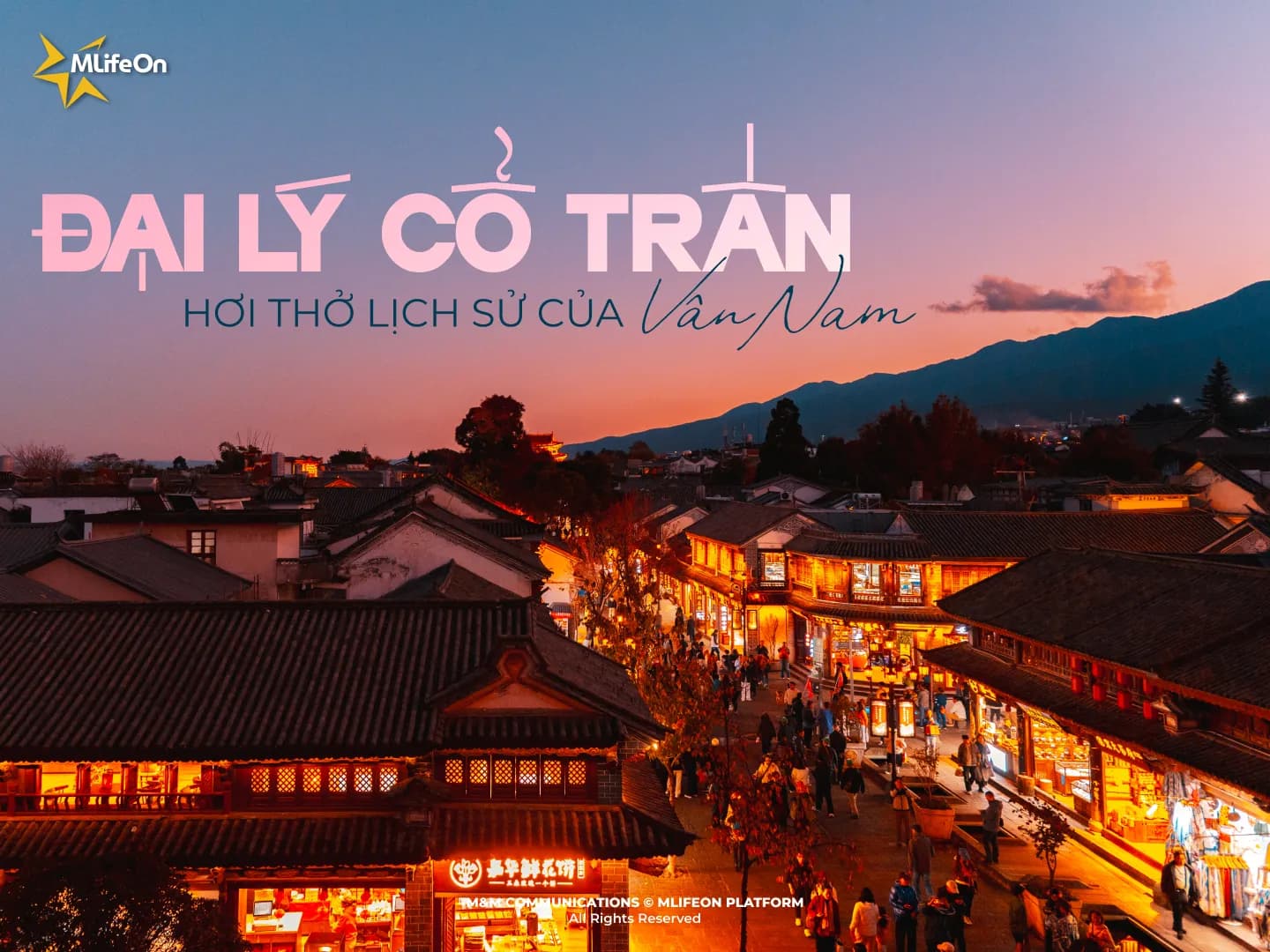
Melbourne CBD's bar geography creates distinct drinking districts, each with characteristic atmospheres and clientele that reflect surrounding businesses, residential patterns, and historical development. The Collins Street end features upscale hotel bars and corporate drinking establishments catering to business professionals, while the Bourke Street mall area attracts younger crowds with accessible pricing and energetic atmospheres. Little Collins Street harbors many of the city's most sophisticated cocktail bars, hidden in basements and accessed through unmarked doors that create exclusive experiences for those in the know.
Laneways including Hosier Lane, AC/DC Lane, and Hardware Lane function as bar corridors where multiple venues create critical mass that attracts foot traffic and enables bar-hopping experiences. These concentrated areas benefit from pedestrian-friendly environments where narrow streets create intimate scales and building facades provide character that modern developments cannot replicate. The laneway bar phenomenon represents Melbourne's unique contribution to global drinking culture, transforming service alleys into vibrant social spaces that define the city's nightlife character.
Flinders Lane and surrounding streets contain many of Melbourne's most innovative bars, where creative professionals from nearby design studios and advertising agencies support experimental concepts and cutting-edge beverage programs. The Parliament end of the CBD features more traditional pubs and sports bars serving government workers and East Melbourne residents, while the Docklands area continues developing its bar scene to serve waterfront apartments and office towers. Each precinct's distinct character creates opportunities for targeted concepts that serve specific demographics while contributing to the overall diversity that makes Melbourne's bar scene exceptional.
Cocktail Culture and Mixology Excellence
Melbourne's cocktail renaissance began in earnest during the early 2000s when pioneering bartenders introduced serious cocktail programs emphasizing fresh ingredients, proper technique, and creative presentations that elevated mixed drinks from afterthoughts to artistic expressions. This movement gained momentum as bartenders traveled internationally, bringing back techniques and inspiration that merged with local ingredients and sensibilities to create distinctively Melbourne cocktail styles. The emphasis on seasonality, sustainability, and storytelling distinguishes Melbourne cocktails from global trends while maintaining technical excellence that rivals any major city.
Contemporary Melbourne cocktail bars operate as laboratories where bartenders experiment with fermentation, clarification, carbonation, and other advanced techniques that push beverage boundaries while maintaining drinkability and balance. House-made ingredients including syrups, bitters, and tinctures enable unique flavor profiles while supporting local producers and reducing waste through comprehensive ingredient utilization. The integration of culinary techniques borrowed from Melbourne's renowned restaurant scene creates cocktails that function as liquid cuisine, with complexity and sophistication that justifies premium pricing and attracts international recognition.
Education and community building within Melbourne's bartending profession creates continuous improvement and innovation as knowledge sharing replaces competitive secrecy. Industry events, guest bartender programs, and collaborative projects foster creativity while maintaining standards that benefit the entire bar ecosystem. This collegial atmosphere attracts international talent while developing local bartenders who increasingly gain recognition on the global stage, creating virtuous cycles that continually elevate Melbourne's cocktail culture.
Wine Bar Revolution and Natural Wine Movement
Melbourne's wine bar culture evolved from European influences adapted to showcase Australia's exceptional wine regions while introducing international selections that satisfy cosmopolitan tastes. Traditional wine bars focusing on established regions and classic styles remain popular, but the natural wine movement has created new energy and attracted younger demographics seeking organic, biodynamic, and minimal intervention wines that express terroir and winemaker philosophy. This diversification reflects Melbourne's openness to new ideas while maintaining respect for quality regardless of production methods.
The integration of food service distinguishes many Melbourne wine bars from pure drinking establishments, with carefully curated small plates, cheese selections, and charcuterie that enhance wine appreciation while creating complete dining experiences. This food focus reflects Melbourne's holistic approach to hospitality where artificial boundaries between eating and drinking dissolve in favor of comprehensive experiences. The emphasis on education through knowledgeable staff, tasting events, and producer visits creates opportunities for discovery that transform casual drinkers into passionate enthusiasts.
Natural wine bars represent Melbourne's embrace of alternative approaches that challenge conventional wisdom while maintaining quality standards. These venues often feature funky, unconventional wines that might confuse traditional palates but reward adventurous drinkers with unique experiences and flavors impossible to achieve through conventional winemaking. The aesthetic of natural wine bars tends toward minimal design, casual service, and community atmosphere that contrasts with formal wine bar traditions while creating inclusive environments that democratize wine appreciation.
Pub Culture and Sports Bar Evolution
Traditional pubs remain cornerstone institutions in Melbourne's bar landscape, evolving from basic beer dispensaries to sophisticated venues offering craft beer selections, quality food, and refined atmospheres while maintaining the community focus that defines great pubs. Contemporary Melbourne pubs balance heritage preservation with modern expectations, renovating historic spaces to improve comfort and amenity while respecting architectural character and social traditions. The integration of craft beer culture revitalized many pubs, transforming tap selections from industrial lagers to rotating showcases of local and international craft breweries.
Sports bars evolved beyond testosterone-fueled environments to become inclusive venues where diverse crowds gather to watch everything from AFL and cricket to international soccer and American sports. Modern sports bars feature multiple screens with individual audio zones, quality food menus that extend beyond basic pub grub, and drinks programs that satisfy sophisticated tastes while maintaining the energetic atmosphere essential for game viewing. The rise of women's sports and diverse sporting interests creates opportunities for specialized venues that cater to specific fan bases while maintaining broad appeal.
Gaming venues represent a controversial but significant component of Melbourne's pub culture, with poker machines generating substantial revenue while creating social concerns about problem gambling. The best contemporary pubs minimize gaming presence in favor of live music, trivia nights, and other entertainment that creates community without exploitation. This evolution reflects changing social attitudes and younger demographics who prefer experiential entertainment over passive gambling, forcing pubs to innovate or risk irrelevance.
Hidden Bars and Speakeasy Culture
Melbourne's hidden bar phenomenon emerged from practical responses to expensive street-front rents and restrictive signage regulations, but evolved into deliberate strategies that create exclusivity and discovery experiences prized by sophisticated drinkers. These venues range from unmarked doors in laneways to bars concealed behind functioning businesses, accessible through secret entrances that might involve pressing hidden buttons, speaking passwords, or navigating through restaurant kitchens. The theatre of discovery adds value to the drinking experience while creating word-of-mouth marketing more powerful than any advertising campaign.
The speakeasy aesthetic extends beyond entrance mysteries to encompass interior design referencing Prohibition-era America, though Melbourne's interpretations often incorporate local historical elements and contemporary twists that prevent slavish imitation. Dim lighting, vintage glassware, period music, and bartenders in period-appropriate attire create immersive experiences that transport patrons from contemporary Melbourne to imagined past eras. The attention to detail required for successful speakeasy concepts demands significant investment and operational commitment that only works when supported by exceptional beverage programs.
Digital age challenges to hidden bar concepts require continuous innovation as social media and review sites eliminate true secrecy while creating pressure for Instagram-worthy moments that might compromise authentic atmosphere. Successful hidden bars navigate these tensions by creating experiences worth sharing while maintaining enough mystery to reward actual visits over virtual consumption. The evolution toward 'findable hidden' bars acknowledges modern realities while preserving the discovery elements that make these venues special.
Rooftop Bars and Outdoor Drinking Spaces
Melbourne's rooftop bar boom transformed previously unused building tops into premium drinking destinations that capitalize on city views and outdoor atmosphere to create experiences impossible at ground level. These elevated venues range from casual beer gardens atop historic pubs to sophisticated cocktail terraces featuring infinity pools and cabana service. The technical challenges of rooftop operations including weather management, service logistics, and safety requirements create barriers to entry that limit competition while enabling premium pricing for successful concepts.
Seasonal adaptation remains crucial for Melbourne rooftop bars given the city's notorious weather variability, with successful venues investing in retractable roofs, heating systems, and wind barriers that extend operating seasons beyond perfect summer evenings. The best rooftop bars create year-round appeal through design elements that embrace rather than fight Melbourne's climate, incorporating covered areas, fire features, and intimate spaces that remain comfortable regardless of conditions. This weather resilience proves essential for financial viability given the high fixed costs associated with rooftop development and operation.
Competition among rooftop venues drives continuous innovation in design, programming, and beverage offerings as operators seek differentiation in an increasingly crowded market. Themed concepts, celebrity chef partnerships, and exclusive events create reasons to choose specific rooftops beyond mere elevation. The integration of dining options, live entertainment, and unique design elements transforms basic drinking terraces into comprehensive hospitality experiences that justify premium pricing while attracting diverse demographics seeking special occasion destinations.
Craft Beer and Brewery Bars
Melbourne's craft beer revolution transformed beer from industrial commodity to artisanal product worthy of the same attention given to wine and cocktails, with brewery bars and craft beer venues proliferating throughout the CBD. These establishments range from brewpubs producing beer on-site to specialized bars featuring extensive tap lists that rotate frequently to showcase seasonal releases and limited editions. The emphasis on provenance, ingredients, and brewing techniques creates educational opportunities that transform casual beer drinkers into knowledgeable enthusiasts.
The integration of food programs specifically designed to complement beer distinguishes Melbourne's better craft beer venues from basic bars that happen to serve craft products. Understanding of flavor interactions between hops, malts, and food ingredients enables sophisticated pairings that elevate both beer and cuisine. The movement beyond basic pub food toward creative menus that might include beer-infused dishes, artisanal pizzas, or specialized cheese selections reflects Melbourne's holistic approach to hospitality excellence.
Local brewery support creates community connections that differentiate craft beer bars from venues serving only international products, with tap takeovers, meet-the-brewer events, and collaborative brews fostering relationships between producers and consumers. This direct connection adds authenticity and storytelling elements that resonate with customers seeking meaningful experiences beyond mere consumption. The rise of independent breweries throughout Victoria provides constant variety while supporting local employment and economic development.
Technology and Modern Bar Operations
Digital technology transforms modern bar operations through systems that streamline ordering, payment, and inventory management while enhancing customer experiences without sacrificing human hospitality. Apps enabling pre-ordering, table booking, and payment reduce wait times during peak periods while providing data that helps operators optimize staffing and stock levels. The challenge lies in implementing technology that improves efficiency without creating barriers for customers who prefer traditional service or lack technological comfort.
Social media integration became essential for bar marketing and customer engagement, with Instagram-worthy cocktail presentations and interior design driving discovery and sharing that provides more authentic marketing than paid advertising. Successful bars create shareable moments through innovative presentations, unique glassware, and photogenic environments while maintaining focus on flavor and experience quality that encourages return visits beyond initial social media excitement. The balance between visual appeal and substance separates lasting success from temporary trending.
Cashless payment adoption accelerated through COVID-19 creates operational efficiencies while raising concerns about exclusion of cash-preferring customers and loss of traditional tipping culture. Progressive bars implement hybrid systems that accommodate all payment preferences while educating staff and customers about digital tipping options that maintain income opportunities for hospitality workers. The evolution toward seamless payment experiences continues as technology improves and customer comfort with digital transactions increases.
Sustainability and Environmental Consciousness
Environmental sustainability emerged as a crucial consideration for Melbourne bars as customers increasingly factor ecological impact into drinking decisions. Leading venues implement comprehensive sustainability programs encompassing waste reduction, energy efficiency, and ethical sourcing that demonstrate environmental responsibility while often improving profitability through reduced operating costs. The elimination of single-use plastics, implementation of composting programs, and focus on local sourcing represents baseline expectations rather than marketing differentiators.
Cocktail programs increasingly emphasize zero-waste approaches that utilize entire ingredients through techniques including fermentation, dehydration, and creative repurposing that transforms potential waste into flavor components. The challenge of maintaining efficiency while implementing labor-intensive sustainability practices requires operational innovation and staff buy-in that only succeeds with genuine commitment rather than superficial greenwashing. Success stories demonstrate that environmental responsibility and commercial viability can coexist when approached holistically.
Water conservation, energy efficiency, and carbon footprint reduction represent ongoing challenges for bars operating in older buildings with inefficient systems and limited modification options. Progressive operators invest in upgrades that reduce environmental impact while improving customer comfort through better temperature control and air quality. The long-term cost savings often justify initial investments while positioning venues favorably with environmentally conscious customers who increasingly influence market dynamics.
Conclusion: The Future of Melbourne's Bar Scene
Melbourne CBD's bar scene continues evolving through cycles of innovation, consolidation, and reinvention that reflect broader social trends while maintaining distinctive local character. The post-pandemic period accelerated existing trends toward outdoor spaces, sustainable practices, and technology integration while reinforcing the fundamental human need for social connection that bars uniquely satisfy. Future success requires balancing innovation with tradition, exclusivity with accessibility, and commercial viability with social responsibility.
Competition from home drinking enhanced by improved retail alcohol selection and cocktail delivery services forces bars to provide experiences impossible to replicate domestically. Whether seeking craft cocktail excellence or rooftop experiences, Melbourne's diverse bar scene offers something for every taste and occasion while continuously pushing boundaries that maintain its position among the world's great drinking cities.