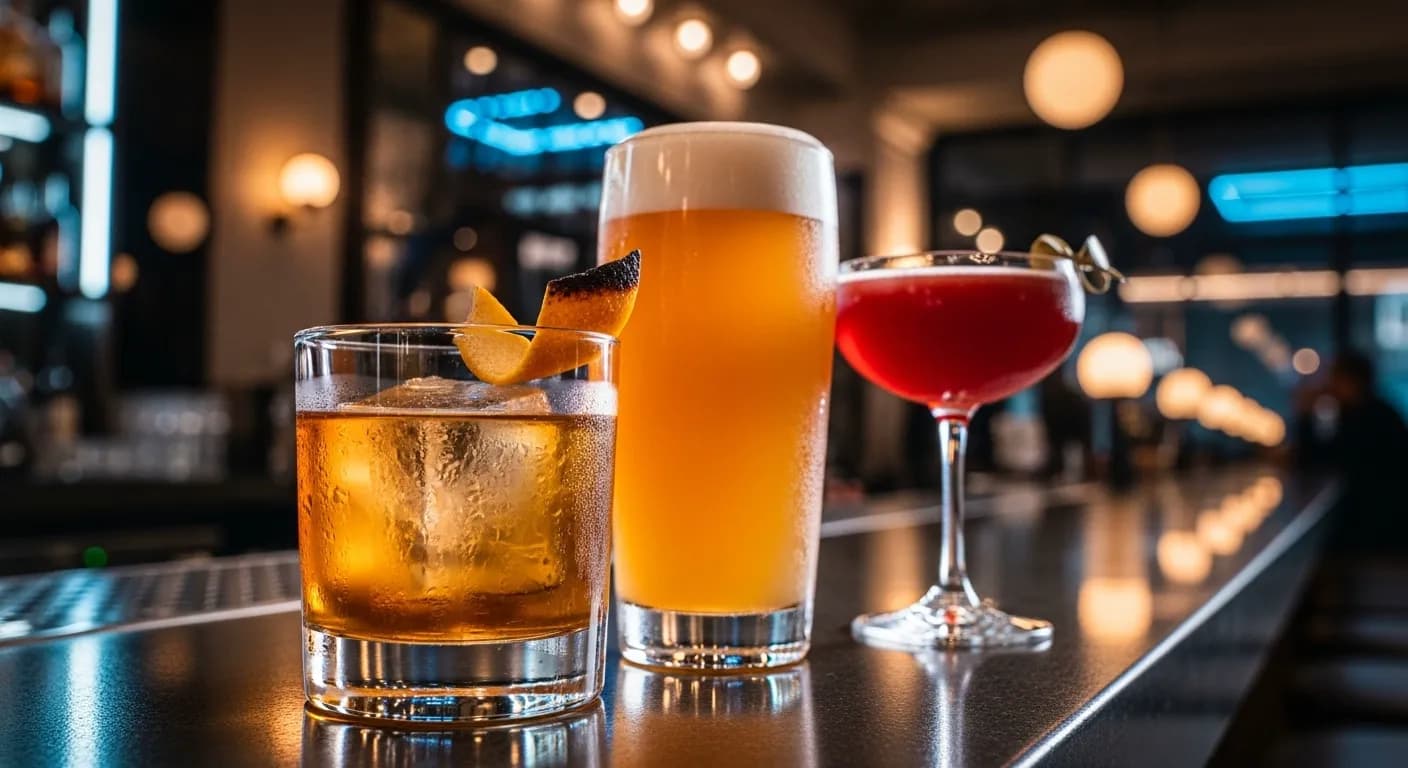
Melbourne CBD's 2024 bar openings represent the cutting edge of hospitality innovation where emerging concepts challenge established norms while respecting the fundamental principles that define great drinking experiences, creating venues that attract attention through originality while delivering substance that sustains long-term success. These newest establishments must distinguish themselves in Melbourne's saturated bar market through unique concepts, exceptional execution, and genuine value propositions that resonate with increasingly sophisticated customers seeking authentic experiences beyond superficial novelty. Understanding the newest bars requires appreciation for how successful venues balance innovation with proven hospitality principles while creating distinct identities that contribute to rather than merely imitate Melbourne's established bar culture.
The emergence of new bars in 2024 reflects broader trends including sustainability consciousness, technology integration, cultural diversity, and evolving customer expectations that influence venue concepts, design approaches, and operational philosophies throughout Melbourne's dynamic hospitality landscape. These new venues often incorporate lessons learned from pandemic impacts, changing social behaviors, and economic pressures while embracing opportunities created by evolving neighborhoods, changing demographics, and emerging market segments that previous generations of bars may not have served effectively. The most successful new bars demonstrate that innovation and tradition can coexist when supported by authentic vision, operational excellence, and genuine commitment to customer experience that transcends temporary trends.
Innovative Concepts and Creative Direction
2024's newest bars showcase conceptual creativity that ranges from hyperlocal Australian themes to global fusion concepts while maintaining focus on quality execution and customer experience that prevents novelty from overshadowing fundamental hospitality excellence. These innovative approaches often combine unexpected elements including industrial design with botanical themes, traditional techniques with modern technology, or cultural fusion concepts that reflect Melbourne's multicultural character while creating unique positioning within competitive markets. The success of innovative concepts depends on authentic execution that feels genuine rather than forced while creating memorable experiences that encourage repeat visitation and word-of-mouth marketing.
Sustainability integration has become foundational rather than supplementary for many new venues that implement comprehensive environmental programs including zero-waste cocktail preparation, renewable energy systems, and local sourcing initiatives that demonstrate authentic commitment to environmental responsibility rather than superficial greenwashing. These sustainability approaches often create operational challenges and higher costs but resonate with environmentally conscious customers while creating differentiation and potential cost savings through waste reduction and efficiency improvements. The successful integration of sustainability requires genuine commitment and operational expertise that enables environmental benefits without compromising customer experience or business viability.
Cultural authenticity emerges as crucial differentiator for new bars that celebrate specific cultural traditions, neighborhood histories, or culinary heritage through respectful interpretation that educates and honors rather than appropriates or stereotypes cultural elements. These culturally-focused venues often require extensive research, community consultation, and ongoing relationship building that ensures authentic representation while creating educational value and community connections. The balance between cultural celebration and commercial viability determines success in creating venues that serve as cultural ambassadors while maintaining profitable operations and customer appeal.
Design Innovation and Spatial Creativity
Architectural creativity in 2024 openings demonstrates how new venues transform challenging spaces including former retail locations, industrial buildings, and unusual layouts into compelling hospitality environments that maximize limited square footage while creating distinctive atmospheres through innovative design solutions. These design approaches often incorporate flexible layouts, vertical space utilization, and multi-functional areas that enable venues to adapt programming throughout the day while maintaining operational efficiency and customer comfort. The creative use of space demonstrates how design innovation can overcome locational challenges while creating unique environments that distinguish new venues from established competitors.
Technology integration in new venues extends beyond basic point-of-sale systems to include interactive elements, automated systems, and digital experiences that enhance rather than replace human hospitality while demonstrating contemporary relevance and operational efficiency. These technological implementations often include custom ordering systems, interactive menu displays, and automated preparation equipment that improves consistency while creating entertainment value and operational advantages. The successful integration of technology requires balancing innovation with authenticity to ensure digital elements enhance rather than dominate authentic hospitality experiences.
Biophilic design elements including living walls, natural materials, and outdoor integration create environments that provide urban respite while demonstrating environmental consciousness and creating Instagram-worthy settings that generate organic marketing through customer sharing. These natural design elements often require ongoing maintenance and specialized systems but create distinctive atmospheres while supporting wellness trends and environmental values that resonate with contemporary customers seeking authentic experiences within urban environments. The integration of natural elements requires understanding maintenance requirements alongside aesthetic goals to ensure long-term viability and continued visual impact.
Beverage Program Innovation and Trends
Low-alcohol and non-alcoholic beverage programs represent significant growth areas for new venues that serve health-conscious customers, designated drivers, and changing consumption patterns while maintaining flavor complexity and presentation standards that justify premium pricing and create inclusive experiences for all customers regardless of alcohol consumption preferences. These alternative beverage programs often feature sophisticated ingredients, complex preparation techniques, and creative presentations that rival traditional cocktails while addressing growing market demand for mindful drinking options. The development of successful non-alcoholic programs requires creativity and technical skill to create beverages that satisfy without relying on alcohol for flavor foundation or customer satisfaction.
Hyper-local ingredient sourcing creates unique flavor profiles while supporting regional producers and creating storytelling opportunities that connect customers to place and season through beverages that showcase specific locations, seasons, and producer relationships. These local sourcing initiatives often include urban-foraged ingredients, seasonal fruit partnerships, and regional spirit collaborations that create menu uniqueness while supporting local economic development and environmental sustainability. The implementation of local sourcing requires relationship building and menu flexibility but creates authenticity and differentiation that resonates with customers seeking genuine local experiences.
Fermentation and preservation techniques including house-made vinegars, fermented syrups, and preserved ingredients create complex flavors while demonstrating technical expertise and commitment to craft that justifies premium pricing while reducing waste through ingredient utilization and extending seasonal availability. These traditional preservation methods require technical knowledge and time investment but create unique menu elements while demonstrating sustainability commitment and culinary sophistication that appeals to food-conscious customers seeking authentic craft experiences.
Service Philosophy and Customer Experience
Casualization of fine service represents trend toward approachable excellence where new venues provide sophisticated experiences without formality or pretension that might intimidate customers seeking quality without stuffiness or procedural complexity. This service approach often combines technical competence with relaxed interaction styles that make expert knowledge accessible while maintaining professional standards and attention to detail that ensures quality experiences. The balance between accessibility and expertise determines customer comfort and satisfaction while enabling venues to serve diverse customer segments without compromising service quality or brand positioning.
Personalization capabilities enabled by technology and staff training create customized experiences that acknowledge individual preferences while maintaining operational efficiency and ensuring all customers receive attention appropriate to their needs and interests. These personalization approaches often include preference tracking, customized recommendations, and flexible service options that adapt to customer comfort levels and experience goals. The successful implementation of personalization requires systems development and staff training that enables customization without creating operational complexity or service inconsistency that might compromise overall customer experience quality.
Community engagement initiatives including local artist partnerships, neighborhood event hosting, and cultural programming create authentic connections while building customer loyalty and generating positive community impact that supports long-term business sustainability and regulatory approval. These community programs often require time investment and relationship building but create goodwill and customer loyalty while demonstrating genuine commitment to community development beyond simple commercial operation. The integration of community engagement with profitable operation requires balancing commercial needs with authentic community contribution and relationship building.
Technology and Modern Operations
Contactless service options developed during pandemic periods continue evolving as customer convenience features rather than safety requirements while enabling operational efficiency and customer choice in service interaction levels and timing preferences. These service technologies often include QR code ordering, mobile payment systems, and self-service options that reduce wait times while enabling customers to control their service experience pace and interaction intensity. The optimization of contactless service requires balancing convenience with human connection to ensure technology enhances rather than replaces authentic hospitality experiences that define great bars.
Data analytics and customer insight systems enable new venues to optimize operations while understanding customer behavior patterns and preferences that inform menu development, staffing decisions, and marketing strategies based on actual customer data rather than assumptions or industry generalities. These analytics capabilities often include sales analysis, customer flow tracking, and preference monitoring that support continuous improvement while protecting customer privacy and building trust through transparent data usage. The strategic use of customer data enhances experiences while supporting business optimization and relationship building through demonstrated understanding of customer needs and preferences.
Social media integration strategies for new venues often emphasize authentic content creation and community building rather than traditional advertising while generating organic marketing through customer experiences and venue storytelling that builds brand recognition and customer engagement. These digital strategies require consistent content creation and community management but create sustainable marketing advantages while building authentic relationships with customers who value genuine experiences over manufactured marketing messages. The success of social media integration depends on authentic content that reflects genuine venue character and customer experiences rather than superficial marketing tactics.
Economic Models and Business Innovation
Flexible business models enable new venues to adapt revenue streams and programming according to market conditions while maintaining core concept integrity and customer experience quality that defines brand identity and customer expectations. These adaptive approaches often include multiple revenue streams, seasonal programming adjustments, and operational flexibility that enables sustainable operations despite market variability and external pressures. The development of flexible business models requires strategic planning and operational capabilities that enable adaptation without compromising core values or customer experience standards that define successful hospitality operations.
Partnership strategies including shared spaces, collaborative programming, and resource sharing create operational efficiencies while building community connections and expanding customer base through cross-promotional opportunities and resource optimization. These partnerships often include chef collaborations, event space sharing, and supplier partnerships that reduce costs while creating unique experiences and expanding market reach through relationship leverage. The successful development of partnerships requires relationship building and collaborative planning that benefits all parties while enhancing customer experiences and operational sustainability.
Investment in technology and infrastructure often requires significant upfront costs but creates long-term competitive advantages through operational efficiency, customer experience enhancement, and marketing capability development that supports growth and market positioning within competitive hospitality landscapes. These investment decisions require careful analysis of return potential alongside customer benefit assessment to ensure technology spending enhances rather than complicates operations while creating genuine value for customers and business sustainability. The strategic deployment of technology investment enables competitive advantages while supporting operational excellence and customer satisfaction that defines successful hospitality ventures.
Market Positioning and Competitive Strategy
Niche market focus enables new venues to serve underserved customer segments while building expertise and reputation within specific market areas rather than attempting broad appeal that might result in mediocre execution across multiple customer types and occasion categories. These focused approaches often target specific demographics, occasion types, or interest categories while developing deep expertise and authentic connection with target customers. The success of niche positioning requires understanding target market needs while developing operational capabilities and marketing strategies that effectively serve chosen customer segments without limiting growth potential or market expansion opportunities.
Differentiation strategies emphasize unique value propositions that distinguish new venues from established competitors while addressing genuine customer needs rather than creating artificial distinctions that lack substance or customer benefit. These differentiation approaches often combine multiple elements including concept, service, product, and experience factors that create comprehensive competitive advantages rather than relying on single differentiating factors that competitors might easily replicate. The development of sustainable differentiation requires ongoing innovation and excellence that maintains competitive advantages while building customer loyalty and market position.
Price positioning strategies for new venues must balance value perception with profitability requirements while considering competitive pressures and customer expectations that influence willingness to pay premium prices for new or unproven concepts. These pricing approaches often require testing and adjustment based on customer response and competitive analysis while maintaining consistency with brand positioning and value proposition delivery. The optimization of pricing strategy enables sustainable profitability while ensuring customer accessibility and value perception that supports long-term customer relationship development and business growth.
Challenges and Success Factors
Initial market acceptance challenges require new venues to build customer awareness and trust while demonstrating quality and value that justifies customer investment of time and money in unproven concepts and unfamiliar venues. These acceptance challenges often include location discovery, concept explanation, and quality demonstration that requires strategic marketing and exceptional execution to overcome customer hesitation and build initial customer base. The successful navigation of market acceptance requires patience and consistency while maintaining quality standards and building reputation through positive customer experiences and word-of-mouth recommendations.
Operational learning curves affect new venues as teams develop efficiency and consistency while adapting concepts and procedures based on real-world operation experience and customer feedback that reveals gaps between planning and execution reality. These learning processes often require operational adjustments, staff training updates, and system refinements that improve performance while maintaining customer experience quality during development periods. The management of learning curves requires honest assessment and continuous improvement while maintaining customer confidence and satisfaction during operational development and refinement phases.
Long-term sustainability requires new venues to evolve beyond initial novelty appeal while building operational stability, customer loyalty, and market position that enables continued success despite changing conditions and increasing competition from newer venues seeking similar market attention. These sustainability factors often include operational excellence, customer relationship development, and ongoing innovation that maintains relevance while building foundation for long-term growth and market position. The achievement of long-term sustainability requires balancing innovation with operational excellence while building authentic customer relationships and market position that transcends temporary trends and competitive pressures.
Future Outlook and Industry Impact
Trend influence on established venues demonstrates how successful new concepts often influence broader industry evolution while creating pressure for existing venues to adapt and innovate in response to changing customer expectations and competitive dynamics created by successful new entrants. These industry influences often include service innovations, concept adaptations, and operational improvements that benefit entire hospitality ecosystem while creating continuous pressure for improvement and evolution. The positive impact of successful new venues extends beyond individual business success to contribute to overall industry advancement and customer experience enhancement throughout Melbourne's bar scene.
Market saturation concerns require new venues to create genuine value and differentiation rather than relying on novelty alone while contributing to rather than merely competing within Melbourne's dense bar ecosystem that benefits from collaboration and mutual support rather than destructive competition. These ecosystem considerations often include supporting supplier relationships, contributing to neighborhood development, and creating positive community impact that benefits broader hospitality industry and local economic development. The successful integration of new venues into existing market requires genuine contribution and community building rather than simple market share capture that might damage industry sustainability and community relationships.
Innovation pipeline continues evolving as successful new venues inspire further innovation while creating opportunities for emerging hospitality professionals and entrepreneurs seeking to contribute to Melbourne's hospitality reputation and customer experience advancement through creative concepts and operational excellence. This ongoing innovation benefits customers through increased choice and improved experiences while contributing to Melbourne's reputation as global hospitality destination and center of innovation within food and beverage industry. The encouragement of continued innovation requires supportive industry culture and customer appreciation for quality and creativity that rewards genuine innovation while maintaining standards that define Melbourne's hospitality excellence.
Conclusion: The Evolution Continues
Melbourne CBD's newest bars in 2024 demonstrate that innovation and tradition can coexist successfully when supported by authentic vision, operational excellence, and genuine commitment to customer experience that transcends superficial trends while contributing meaningful advancement to hospitality culture and customer satisfaction. These venues prove that success requires more than novelty, demanding authentic execution and sustained quality that builds customer loyalty while contributing positively to Melbourne's reputation as global hospitality destination. The most successful new venues understand that lasting impact requires building genuine value and community connection rather than pursuing temporary attention through unsustainable novelty or superficial differentiation.
Future success for Melbourne's newest bars depends on their ability to evolve beyond initial novelty while building operational sustainability and customer relationships that enable long-term contribution to the city's hospitality culture and economic development. Whether seeking established excellence or innovative experiences, Melbourne's newest bars provide opportunities for discovery and connection that demonstrate the city's continued evolution and commitment to hospitality innovation that serves customers while advancing industry standards and community development through authentic excellence and creative vision.