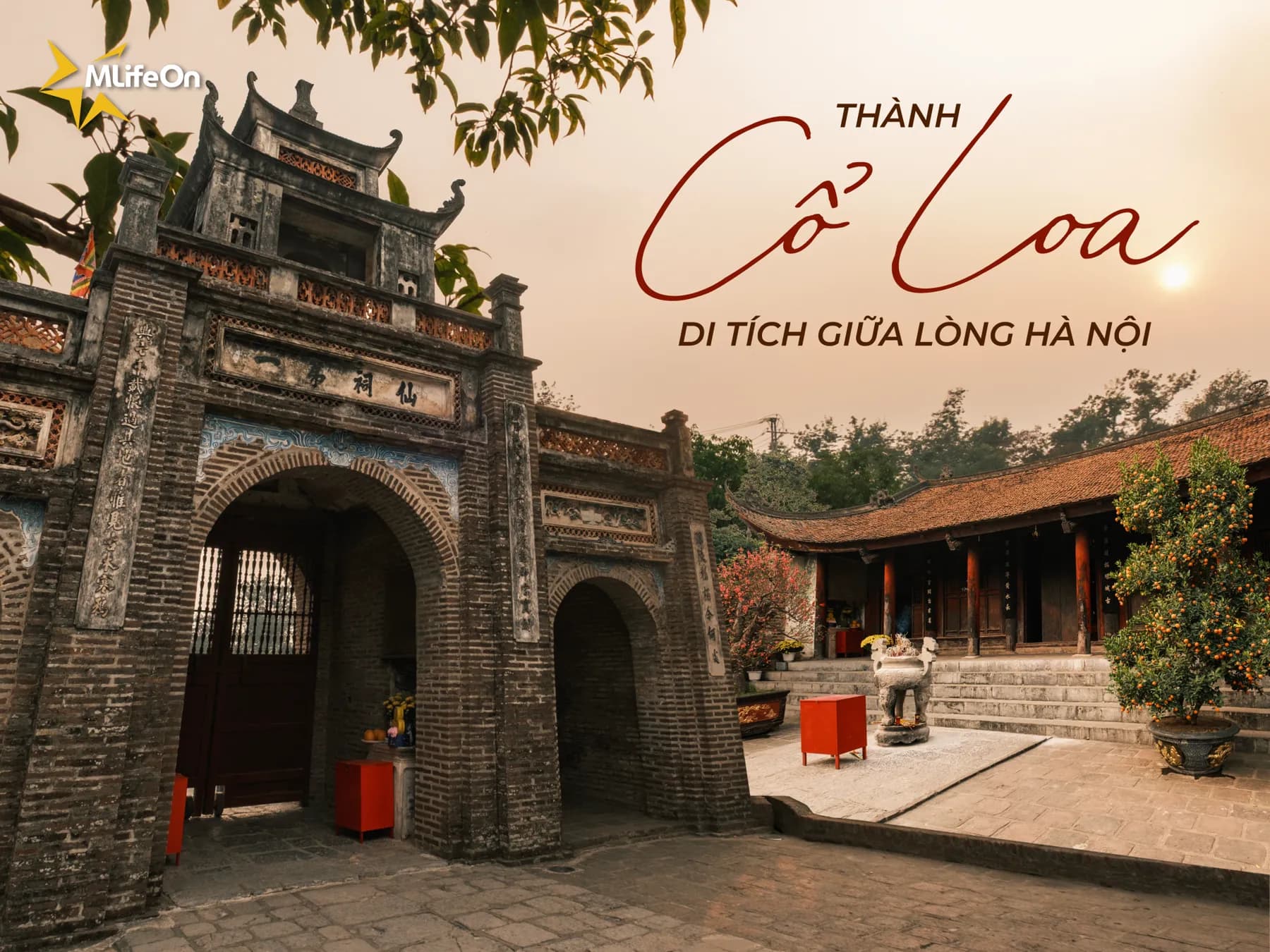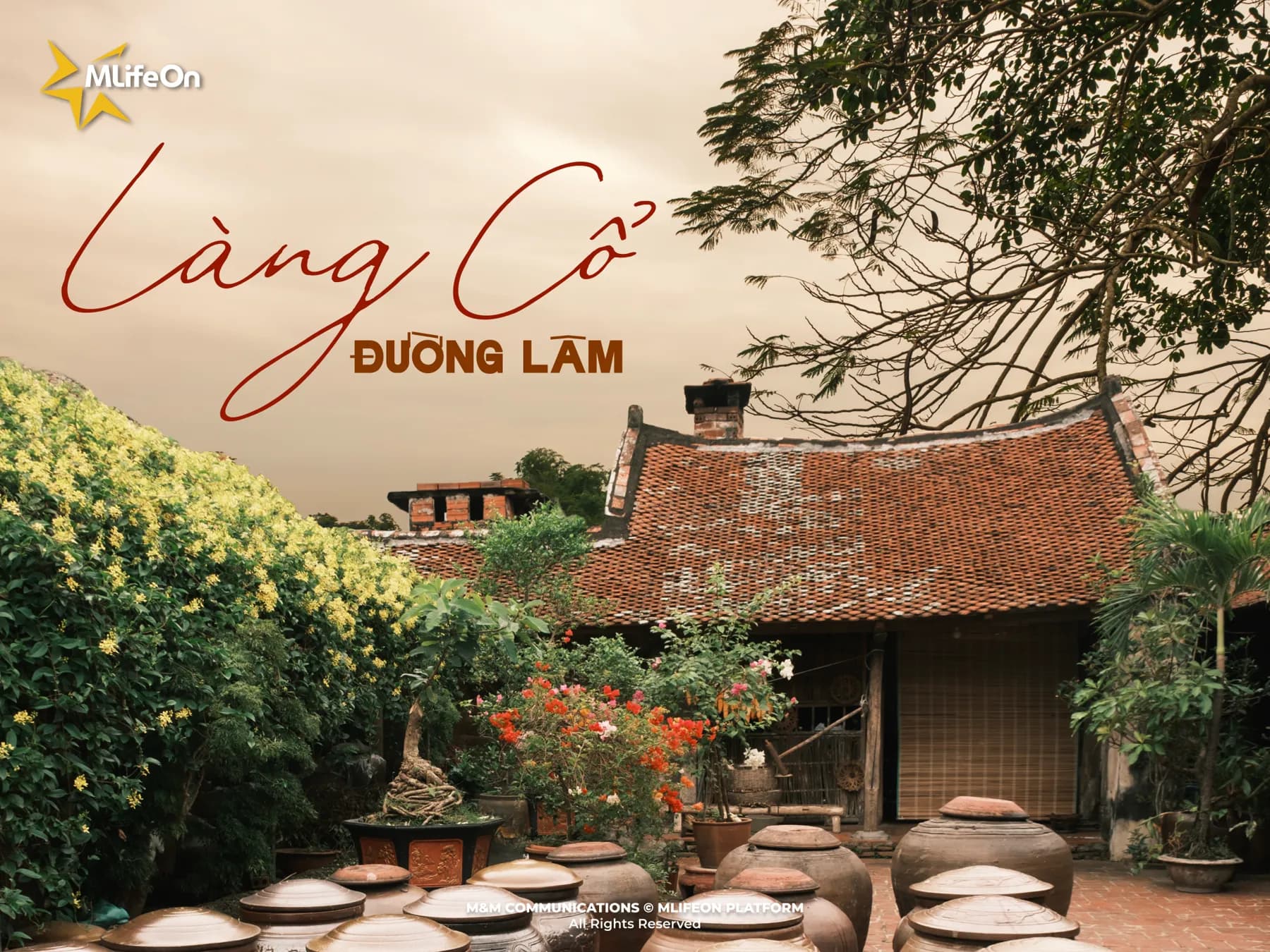
Amid Hanoi’s rapid urbanization, Duong Lam Ancient Village has preserved the quiet charm of a traditional Northern Vietnamese village. More than a place of old houses and narrow lanes, the village reflects long-standing architecture, customs, and everyday community life. Duong Lam stands as a clear example of how cultural heritage can be preserved through community-based cultural tourism, creating lasting value as the city continues to expand.
The ancient village of Doai cultural heritage
Duong Lam Ancient Village, located in Son Tay Ward, is the hometown of Ngo Quyen and Phung Hung, and is often referred to as the land of “two kings.” It is one of the few ancient villages in northern Vietnam that has preserved much of its traditional structure. The village space is defined by a system of village gates, lanes, communal houses, pagodas, water wells, and residential clusters, shaped by long-standing ways of life.
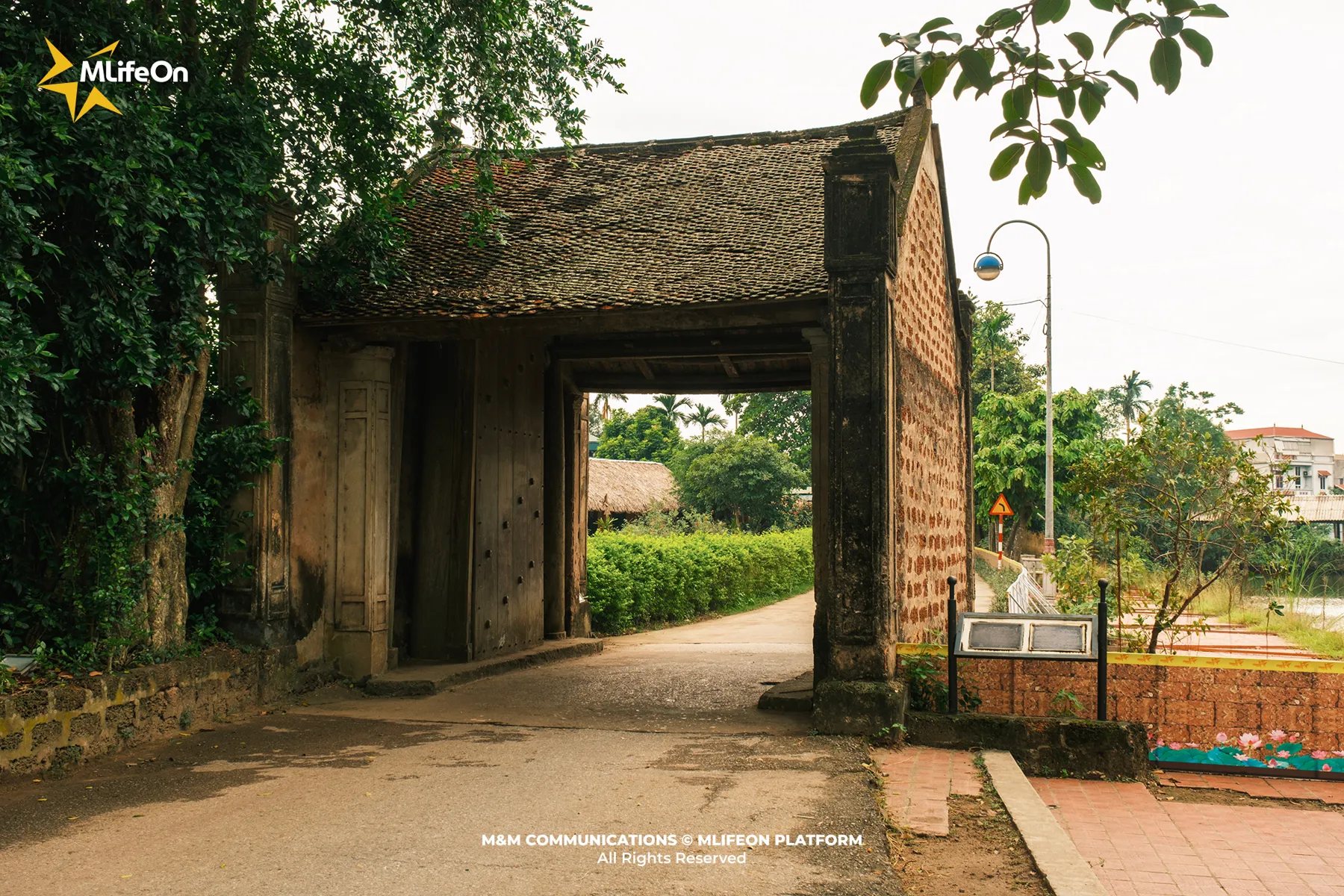
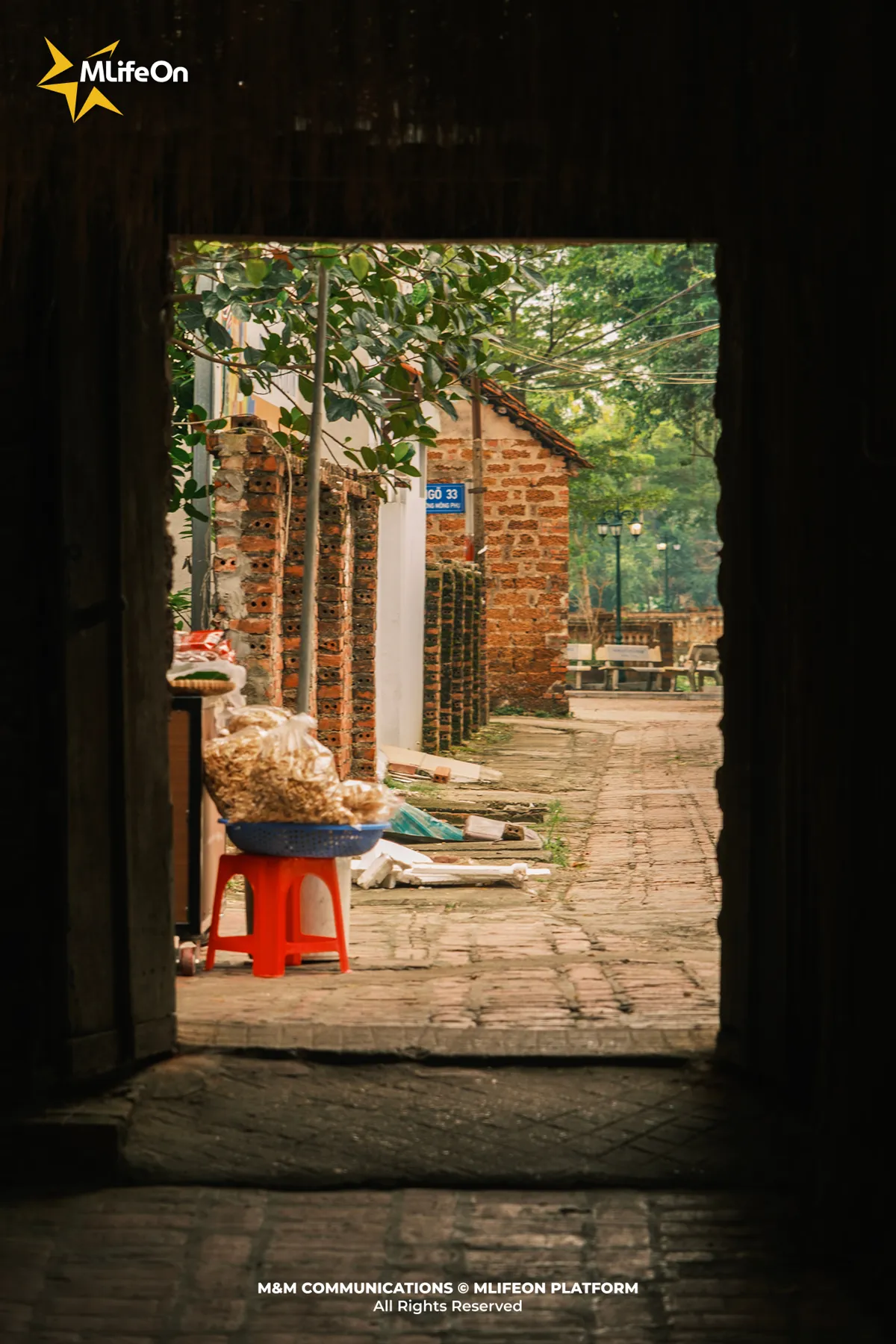
Mong Phu village gate, beside a 300-year-old banyan tree.
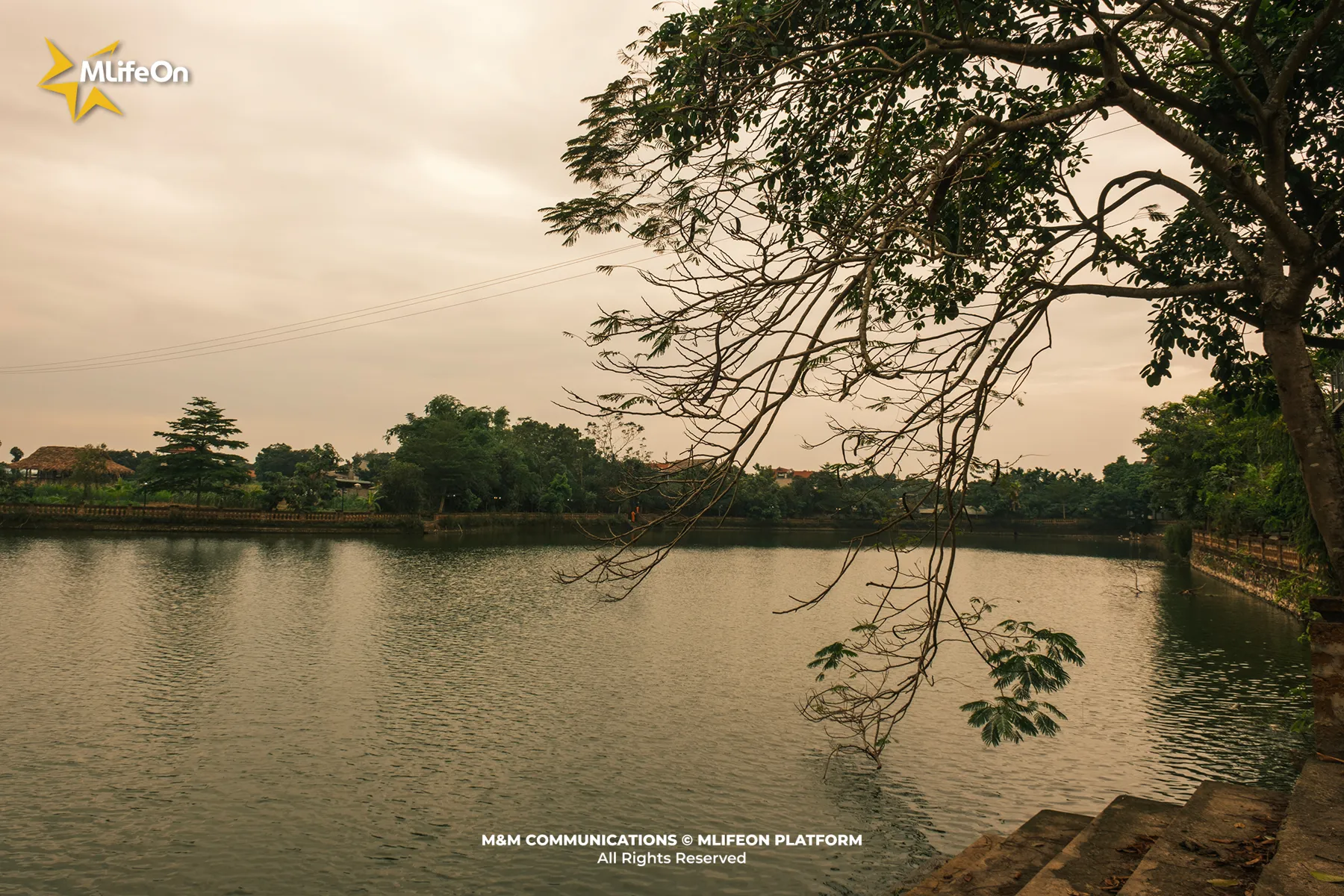
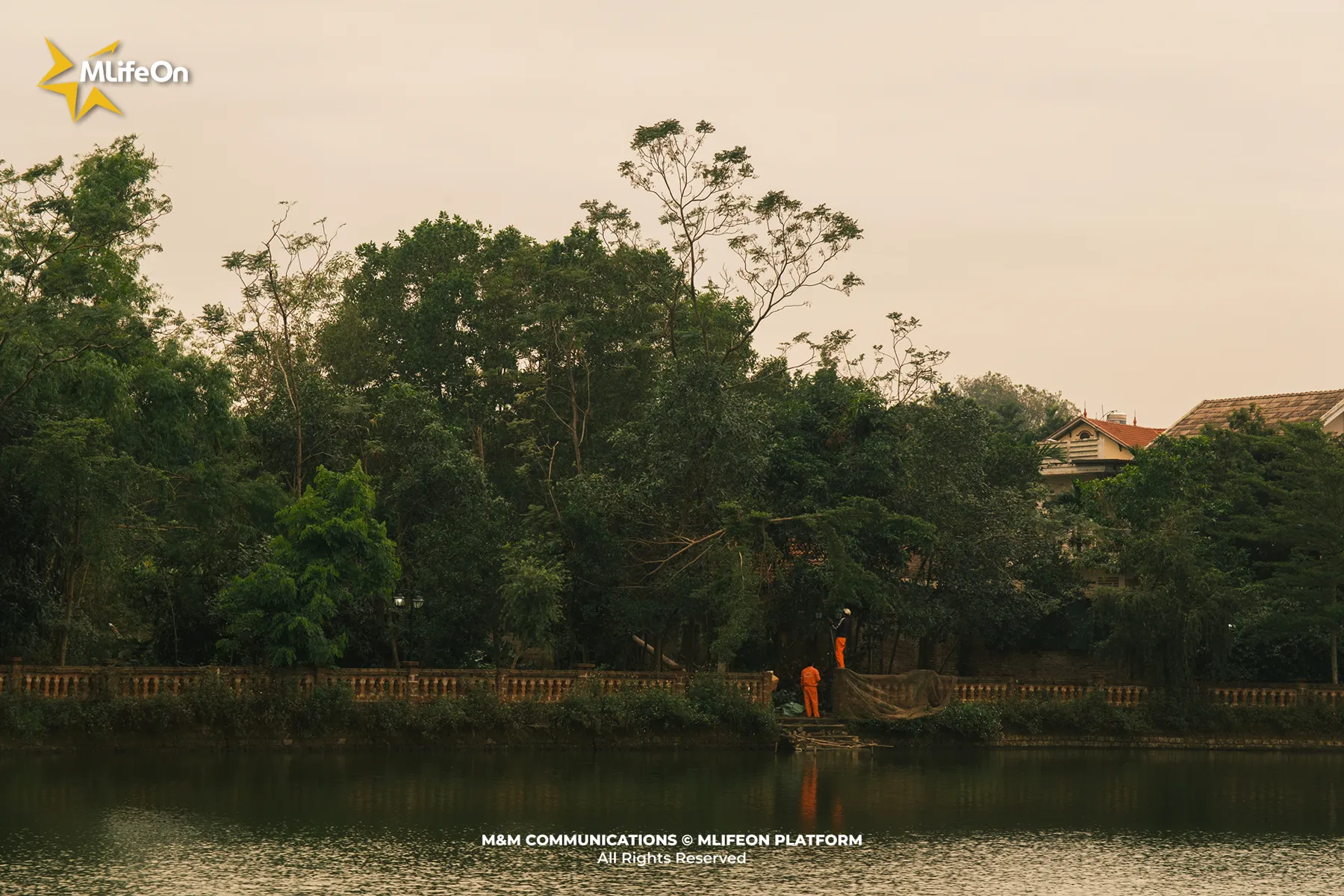
The village pond at the entrance of Duong Lam Ancient Village.
"Visiting Duong Lam Ancient Village
The rice civilization whispers its charm
In life, where there's a will, there's a way
The ancestral lineage continues to this day
Even though times change
The shimmering stream flows day and night, so dear to the people
Two Kings, the people offer incense
The banyan tree, the honey fields, the temples year-round"
(Bui Minh Tri)
Laterite architecture and the quiet rhythm of traditional homes
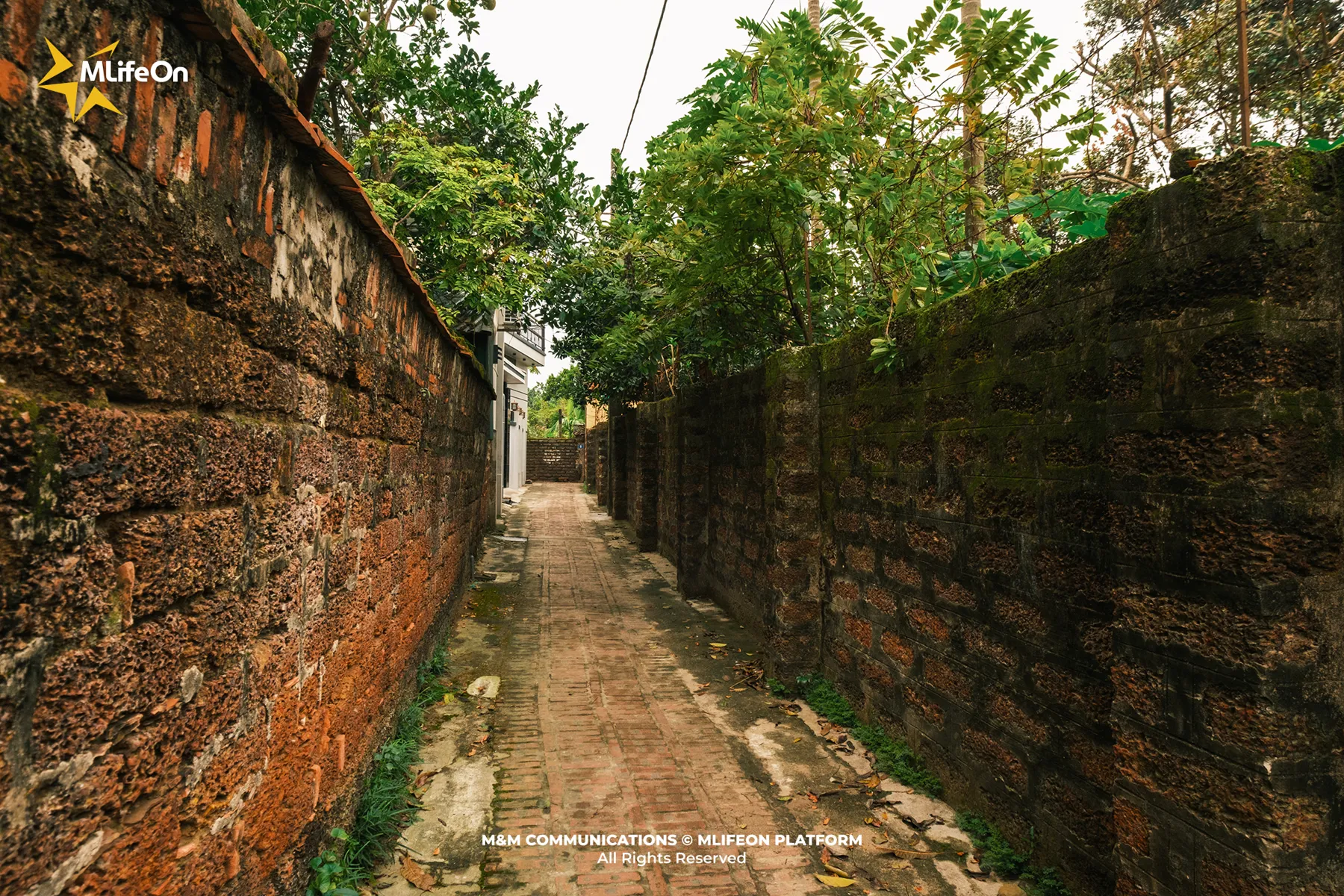
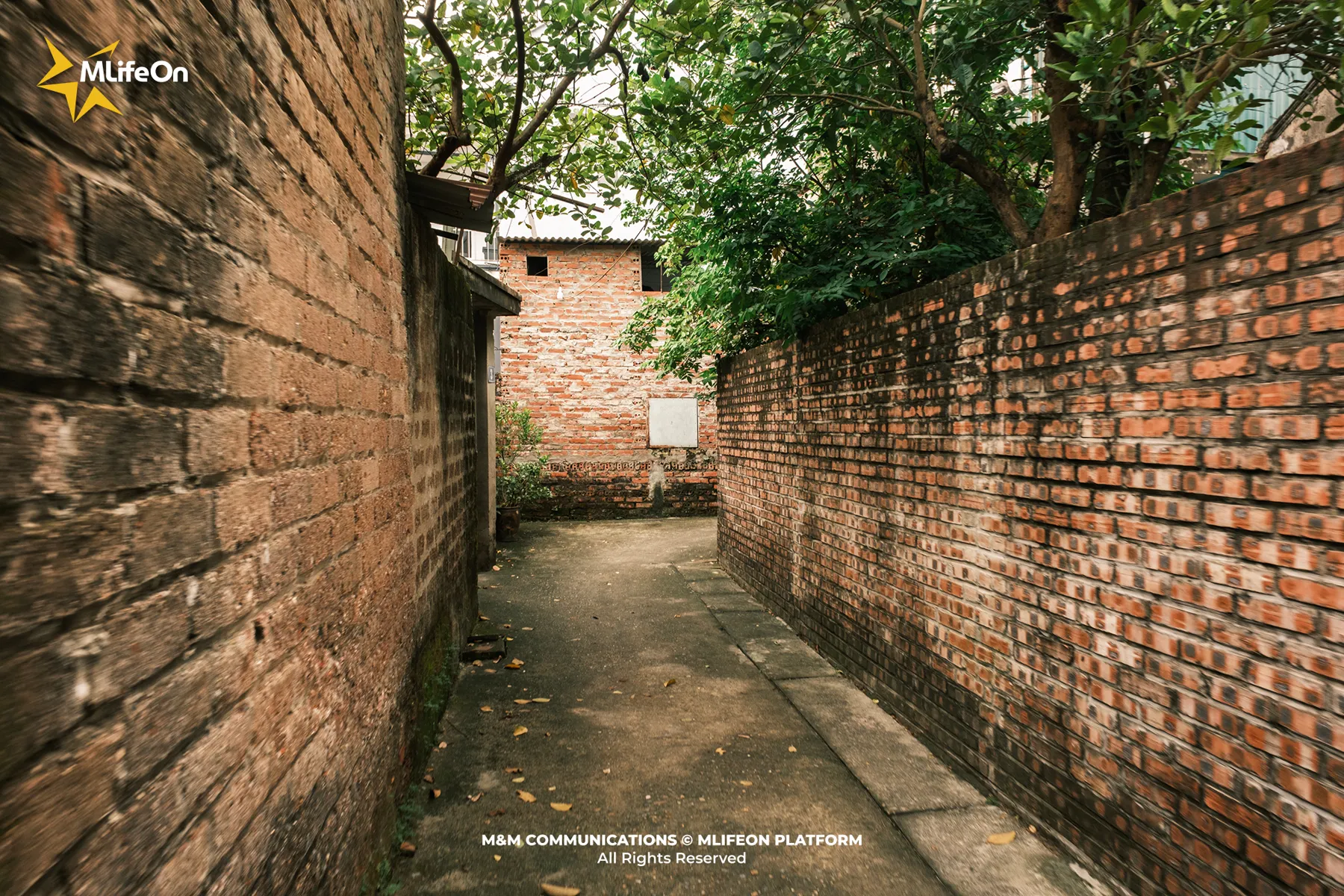
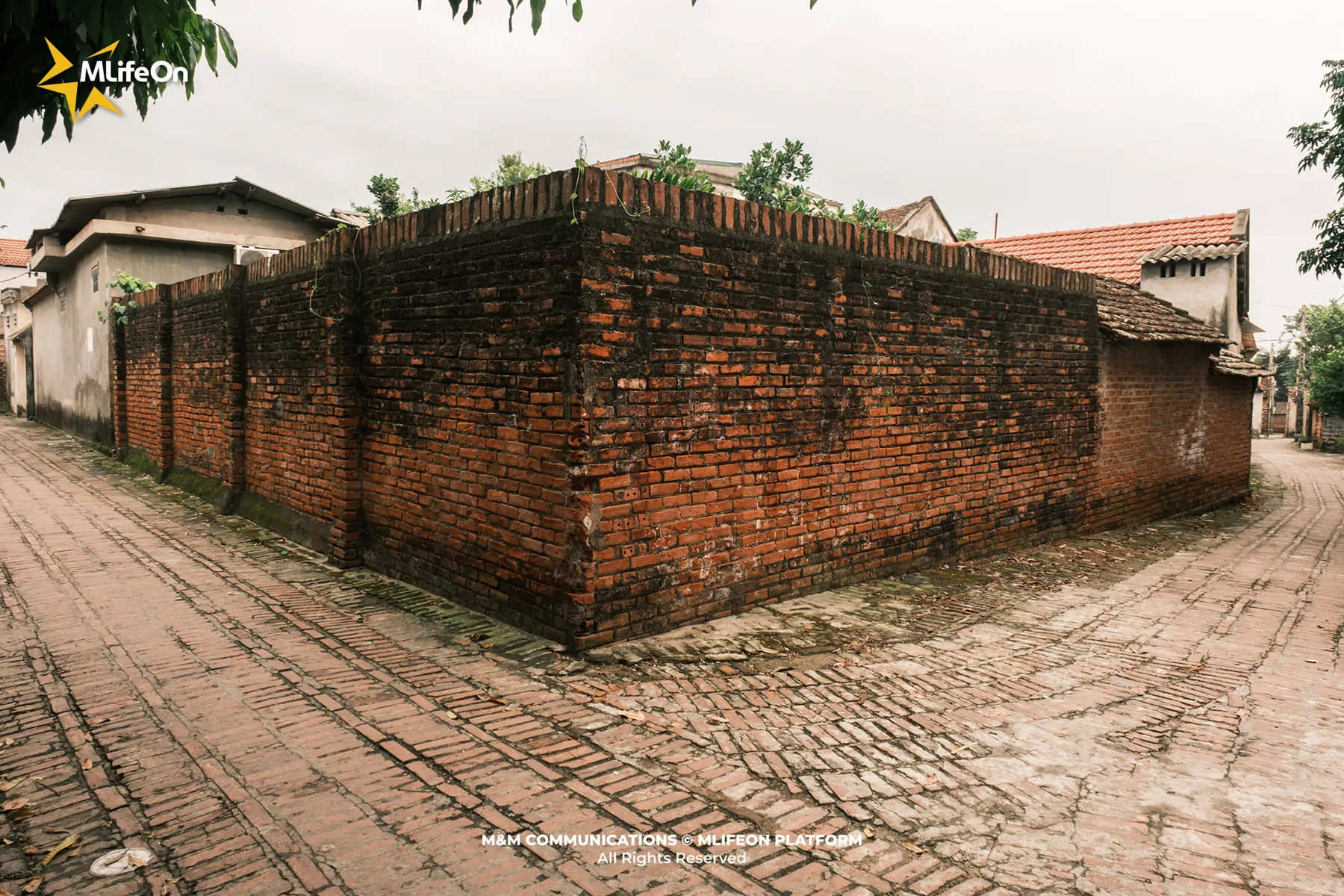
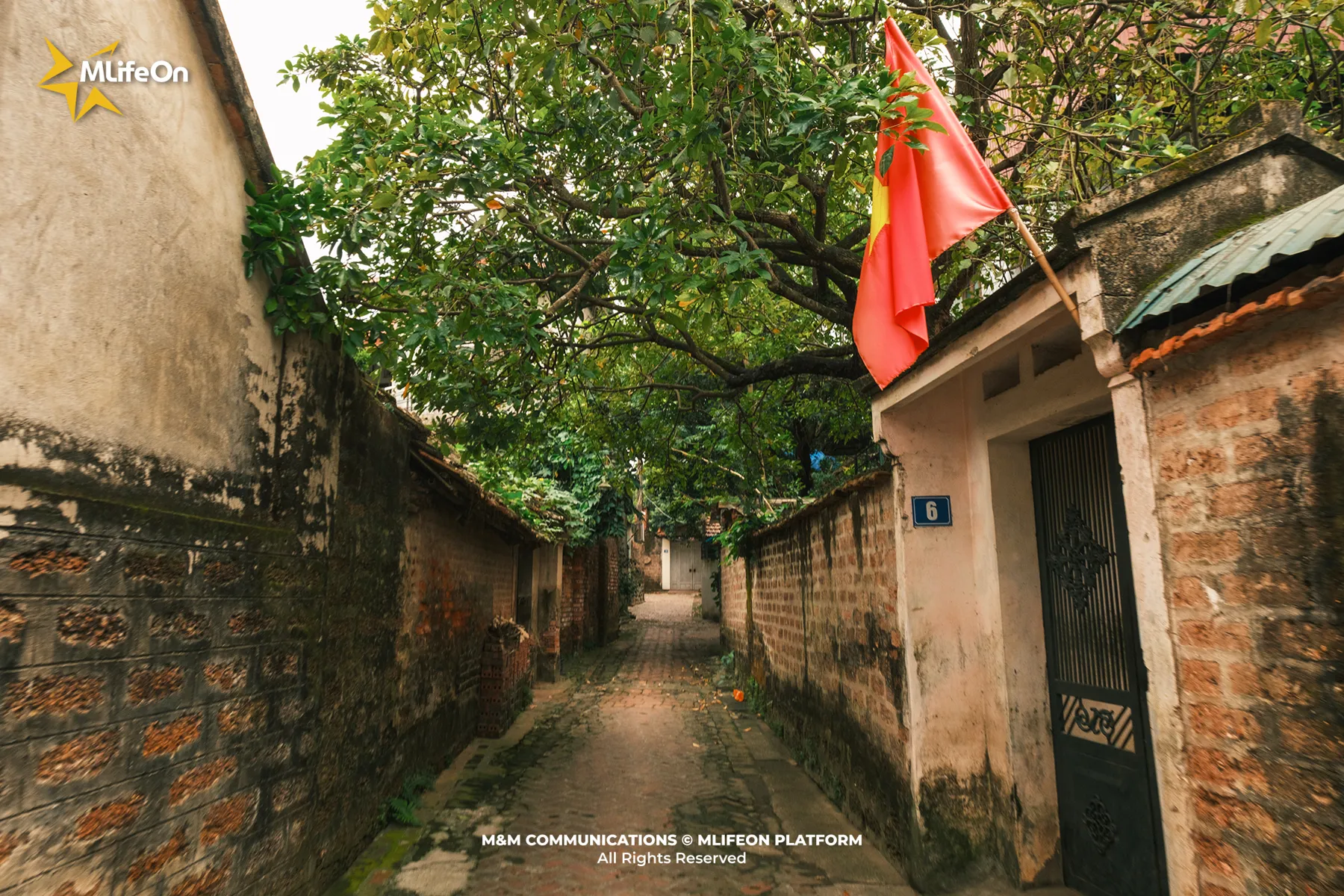
One of the most distinctive architectural features of Duong Lam Ancient Village lies in its system of old houses built from laterite, a material closely associated with the Doai region. The dark brown laterite walls, roughened by time, give the village a subdued and enduring character. This feature also makes Duong Lam easily recognizable among many other rural villages in the Red River Delta.
Traditional houses typically follow a three-compartment, two-wing layout, with low tiled roofs and wide verandas, well-suited to the local climate and daily life. The interior space is arranged flexibly, serving everyday activities while reserving areas for ritual and ceremonial practices. Through this architectural form, the houses clearly reflect a way of life that values family bonds and community ties.
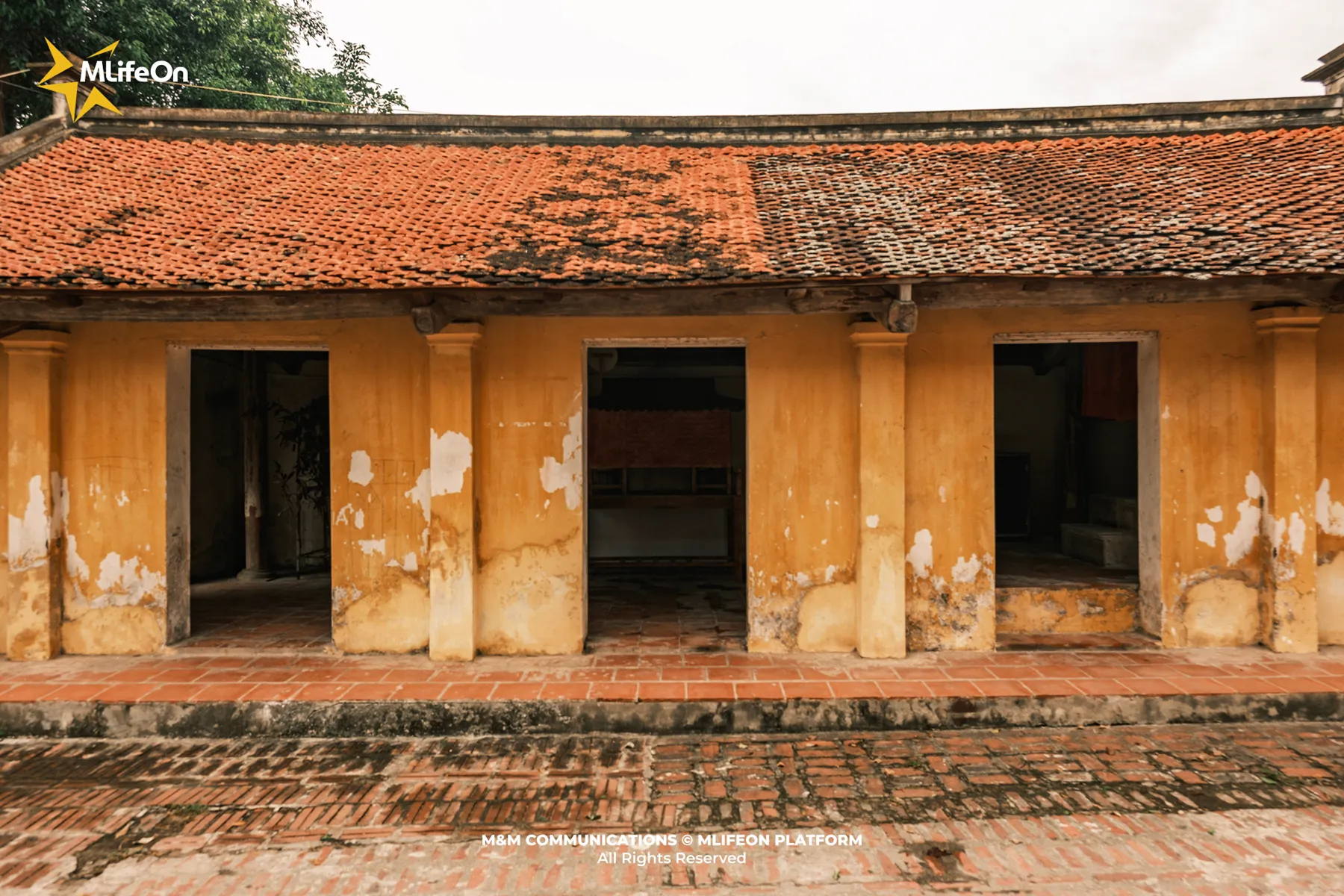
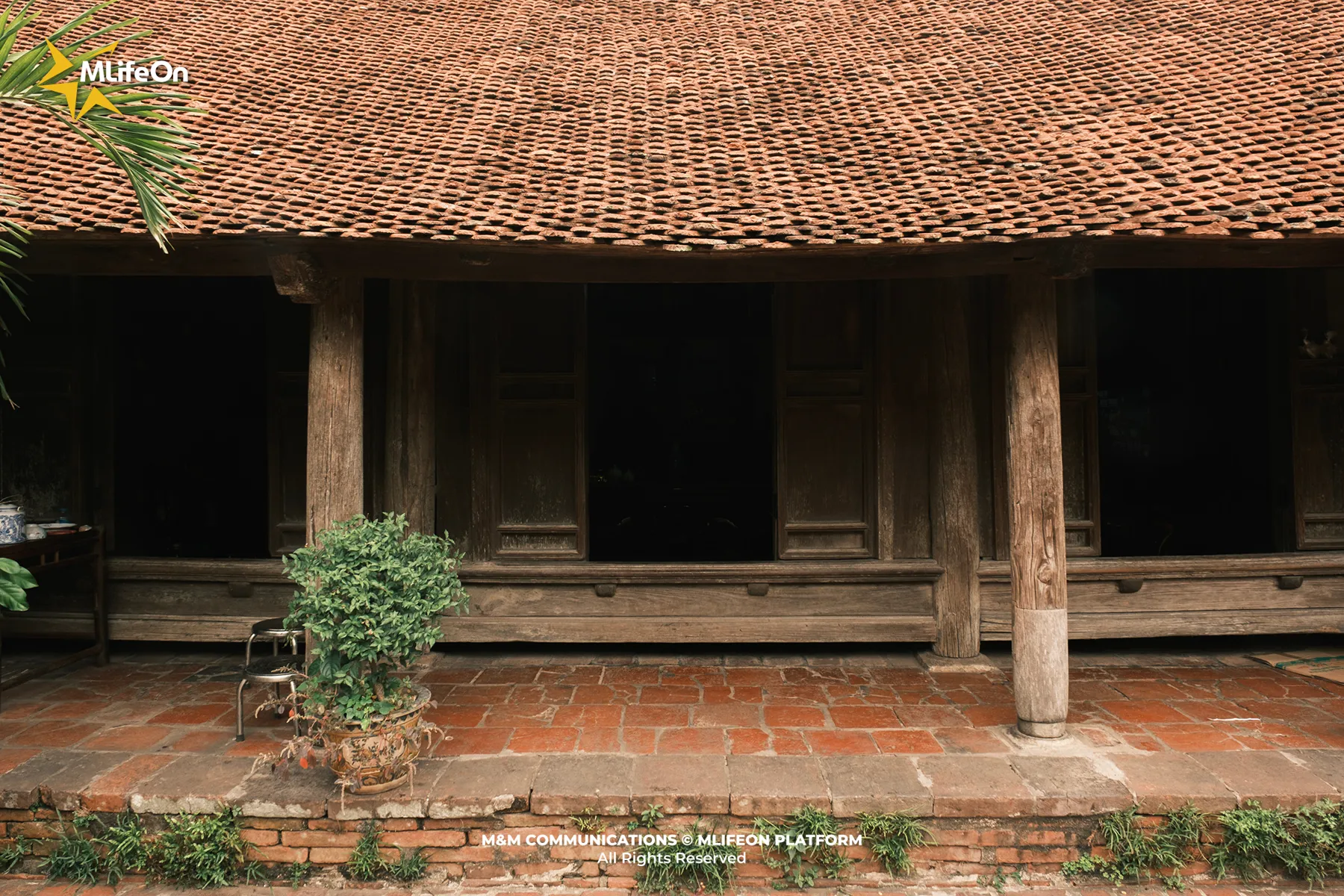
Mrs. Dien’s ancient house, well known for its 200-year history.
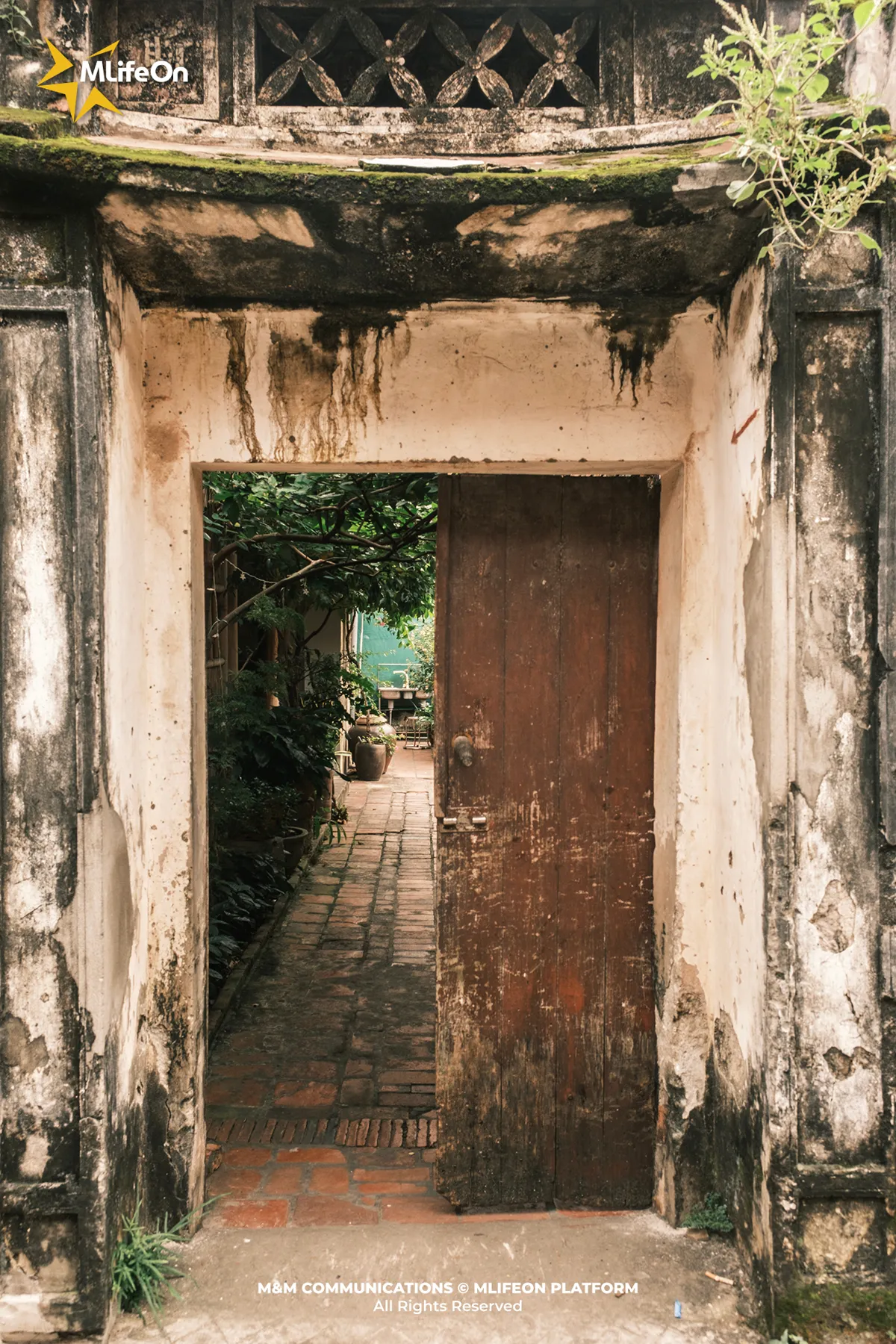
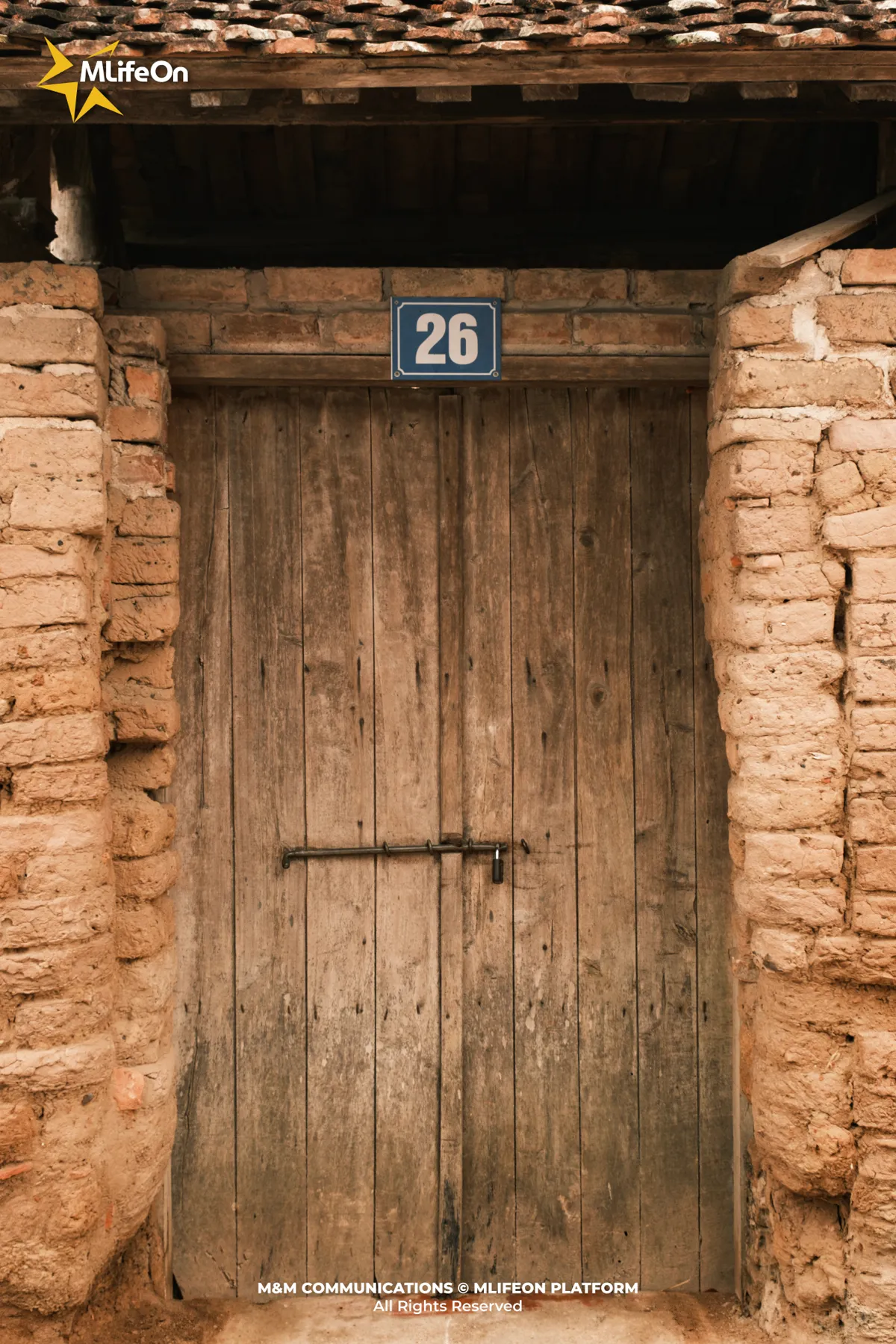
Brick-paved alleys, leafy trellises in front of the houses, and large water jars neatly placed by the verandas come together to form a harmonious village setting. Walking through the village, visitors can easily sense a quiet, unhurried atmosphere, as if time here moves at a different pace, separate from the urban rhythm outside.
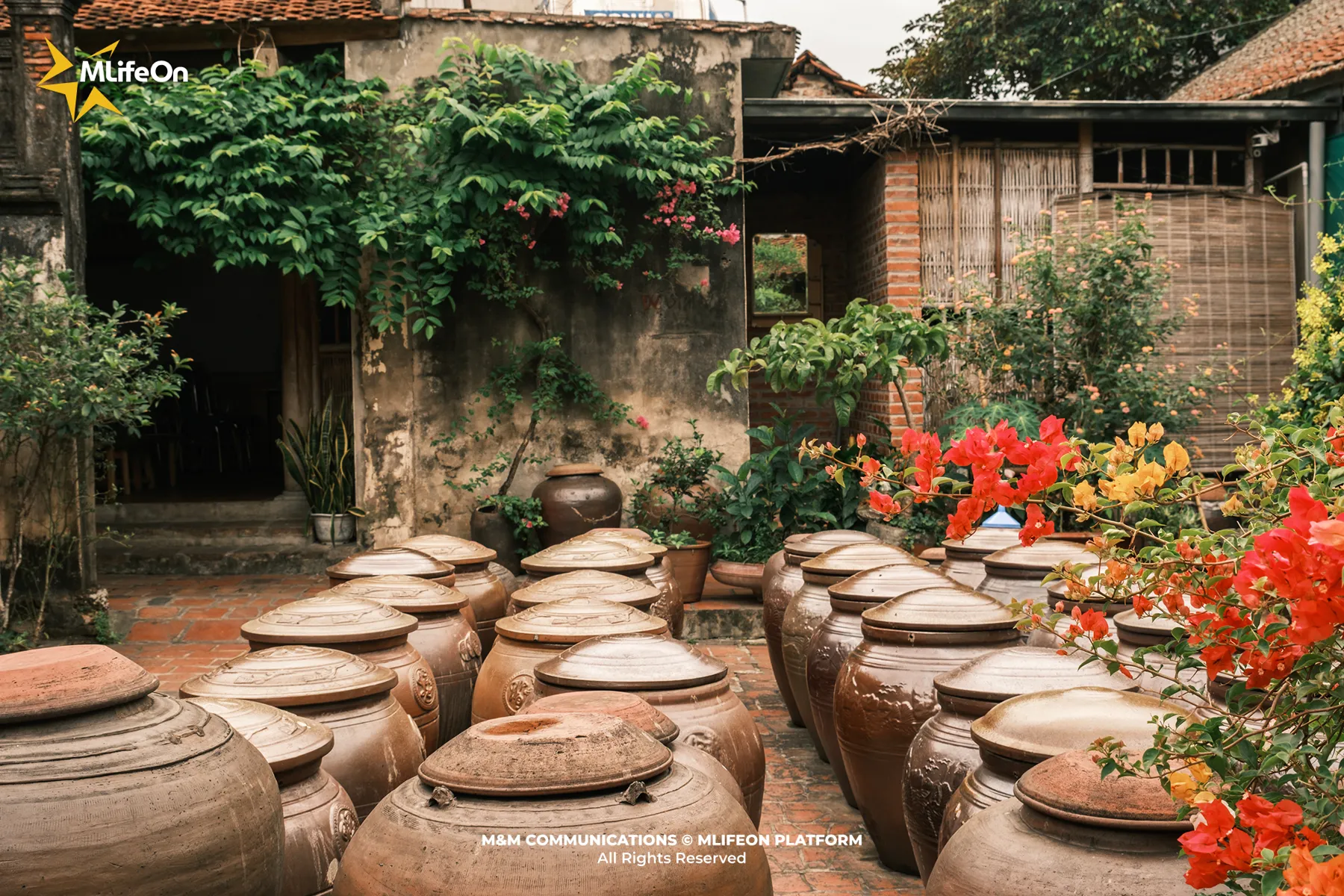
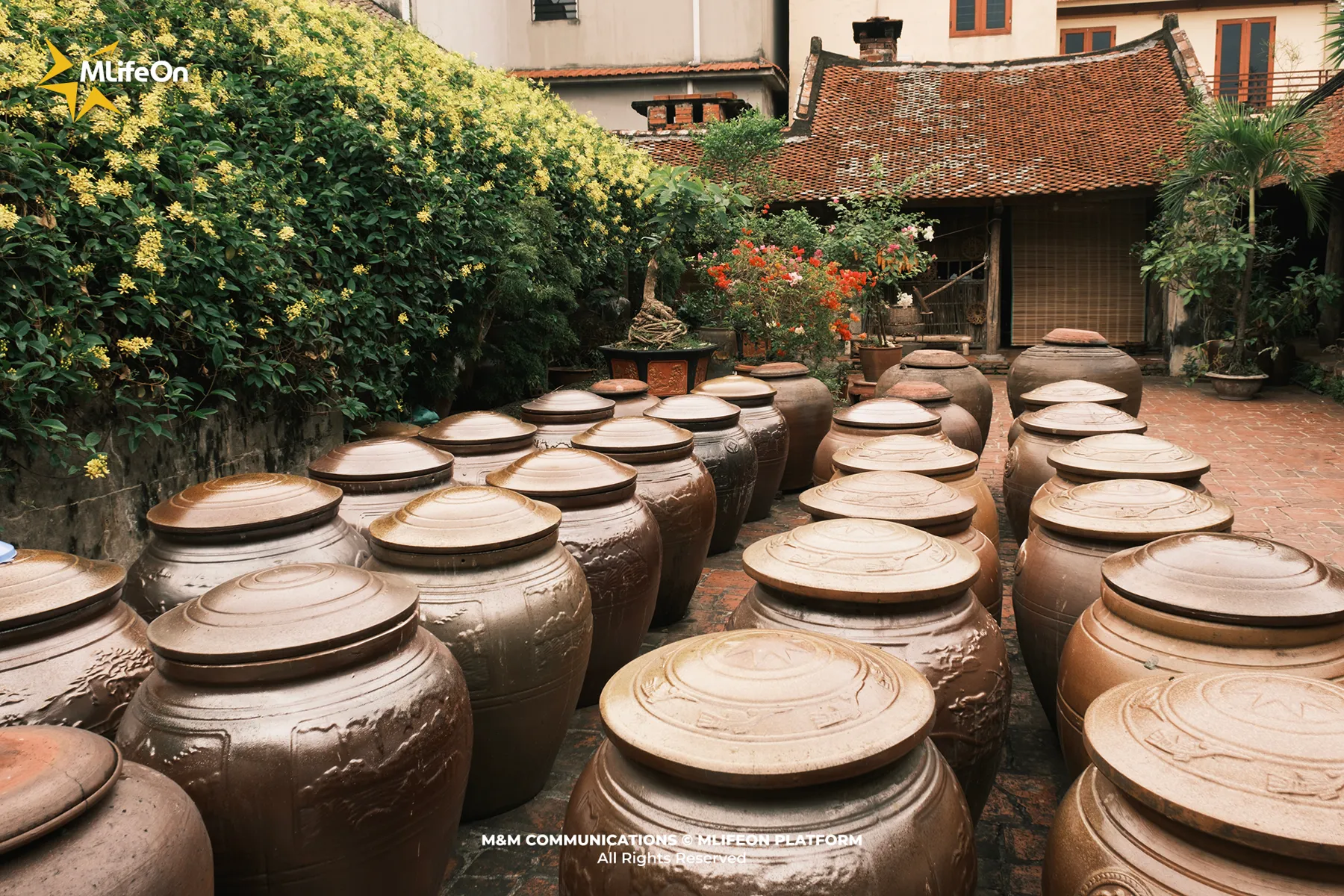
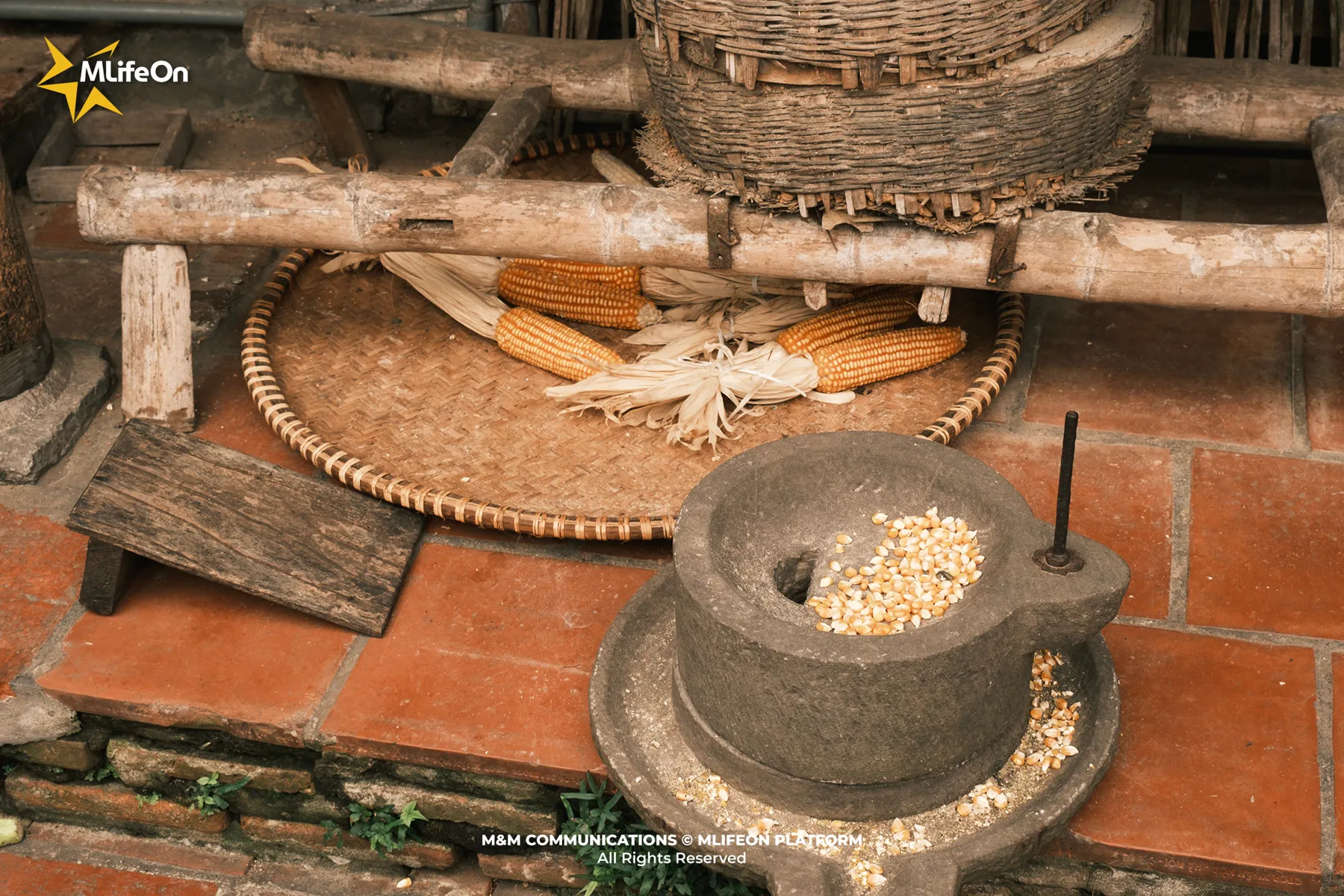
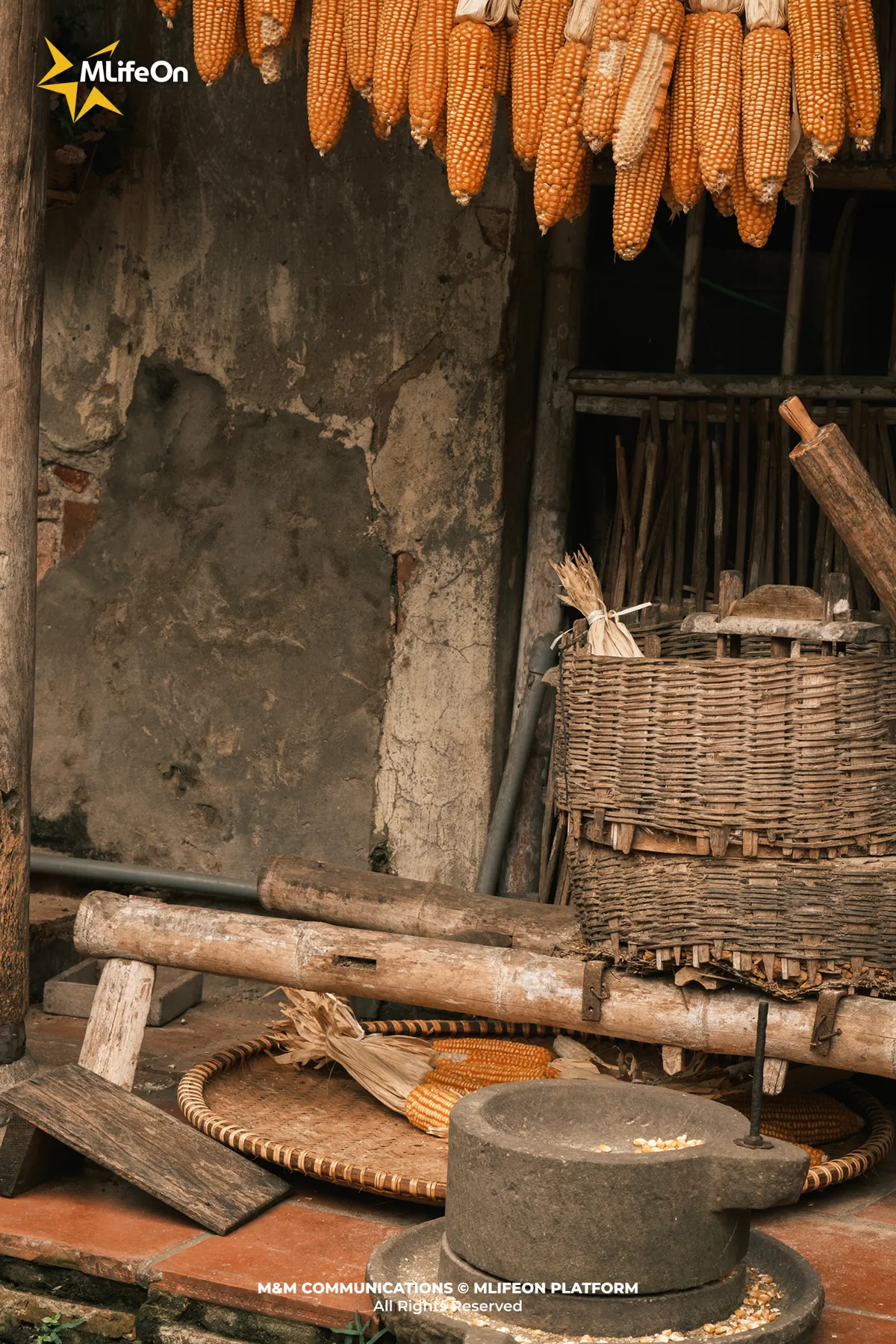
Mr. The’s ancient house, built entirely with traditional wooden joints, without the use of iron nails.
Communal houses, pagodas, and cultural landmarks
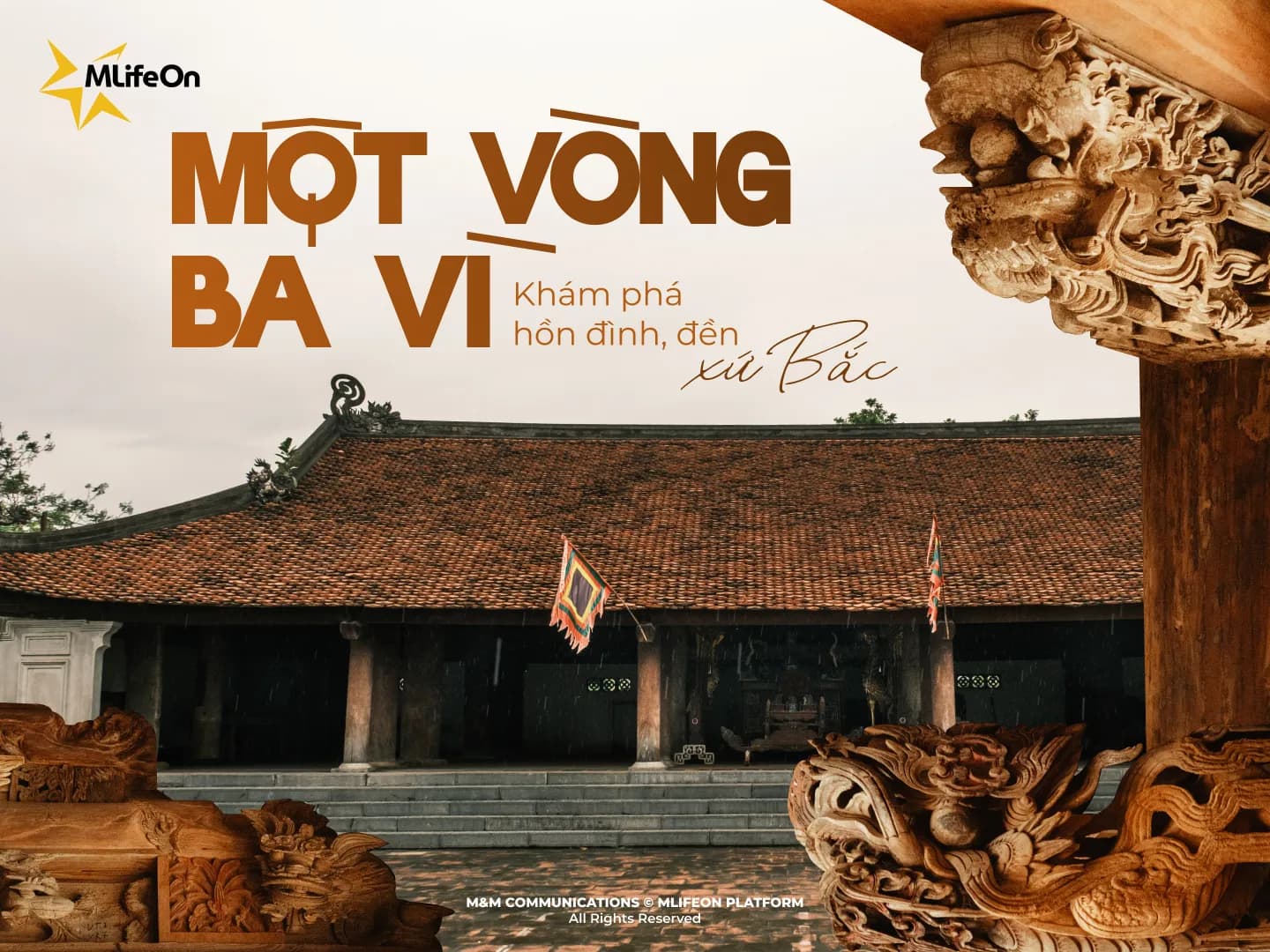
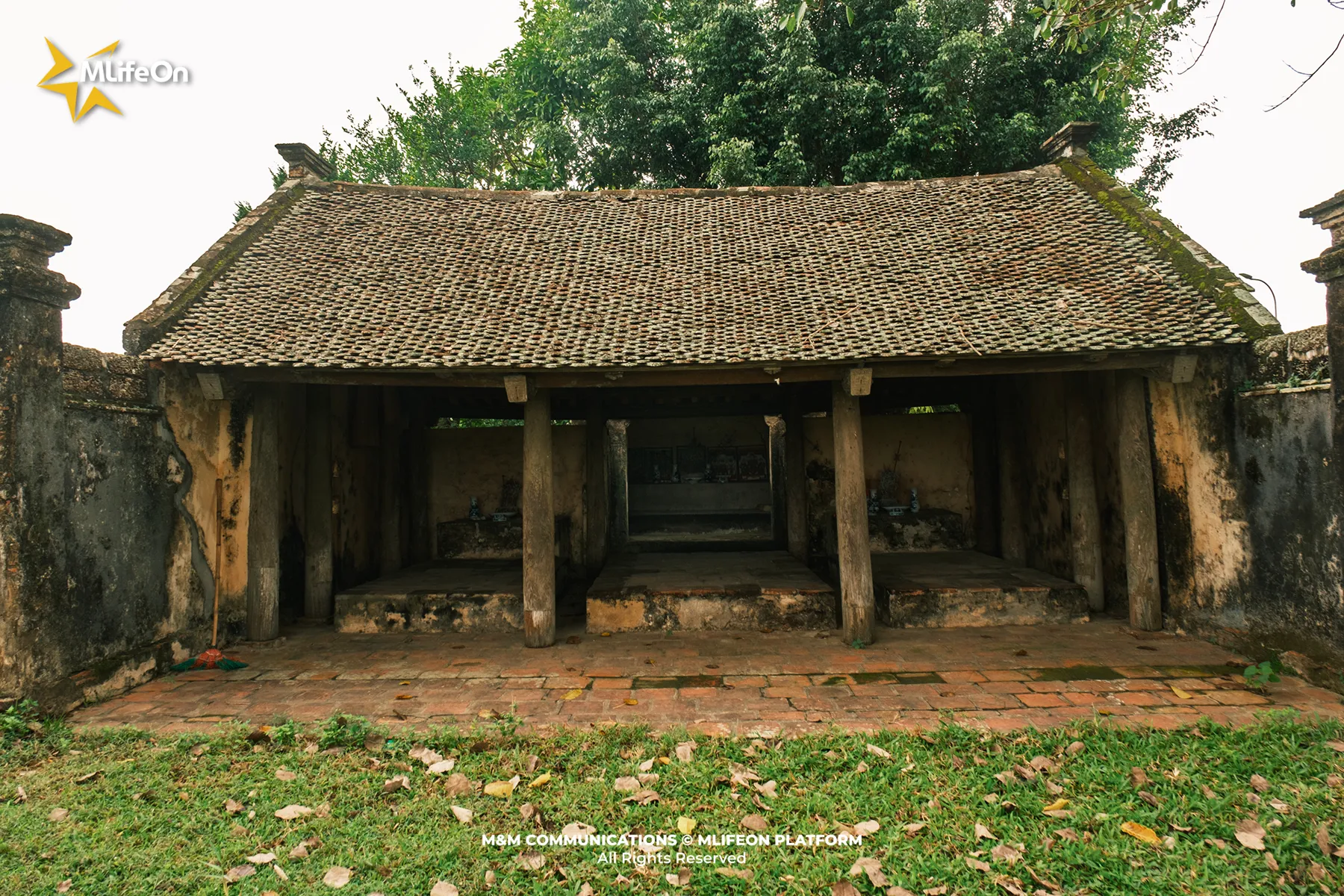
The spiritual life of Duong Lam’s residents is closely connected to a network of communal houses, pagodas, temples, and shrines spread throughout the village. Mong Phu Communal House plays a central role as the venue for village meetings, festivals, and important community rituals. It is not only a representative architectural structure, but also a space that clearly embodies the strong sense of cohesion within the traditional village community.
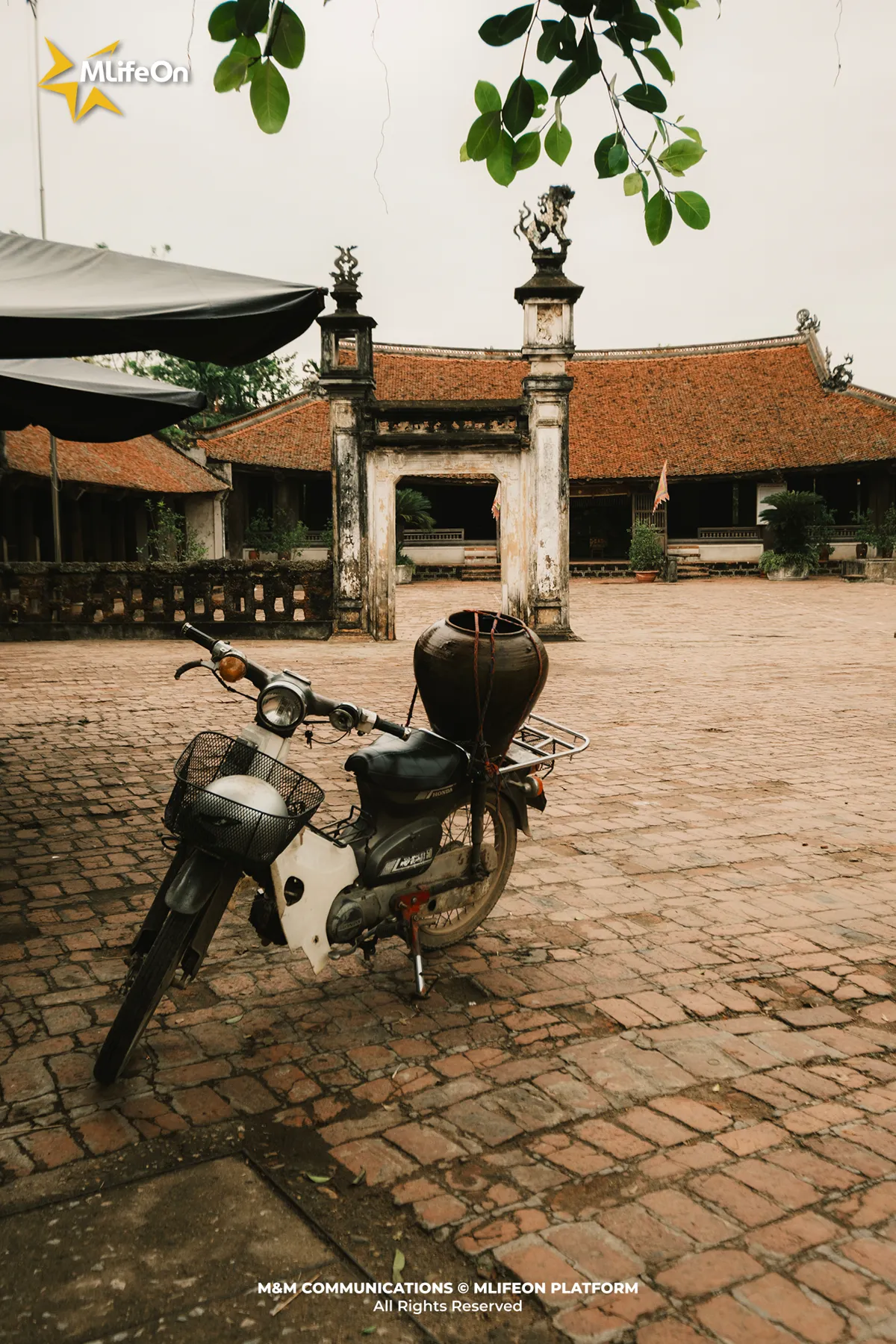
A corner of Mong Phu Communal House
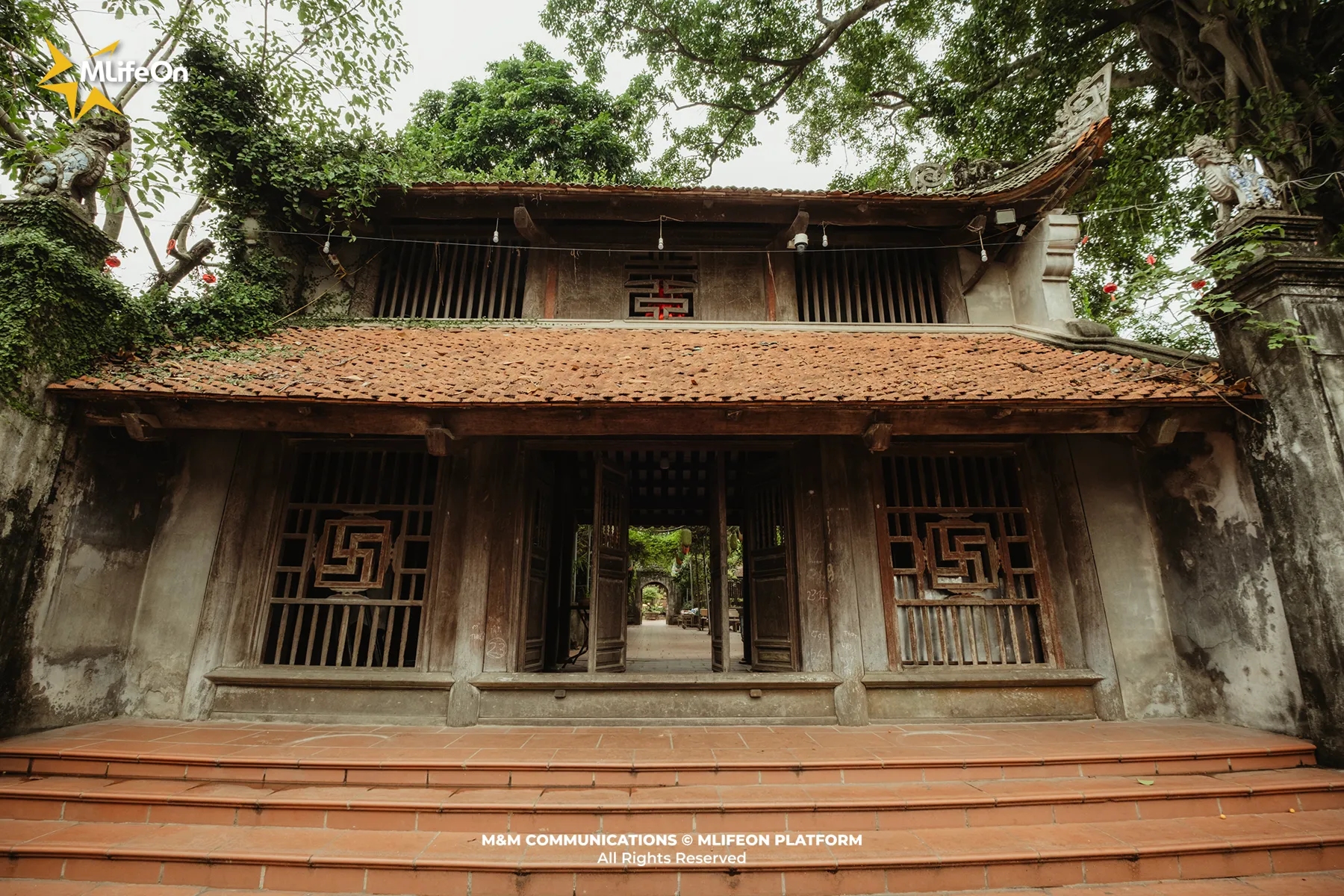
In addition, Mia Pagoda, the temple dedicated to Giang Van Minh, the temples honoring the two kings, along with numerous ancestral houses, form a diverse network of spiritual spaces throughout the village. Each site is associated with its own layer of collective memory, reflecting the village’s historical formation and the development of its resident community.
These cultural sites are not detached from present-day life. Rituals and traditional practices continue to be maintained, helping preserve the connections across generations. As a result, Duong Lam’s cultural value is sustained not only through architecture but through the ongoing spiritual life of its people.
Community-based tourism and local cuisine
In recent years, Duong Lam Ancient Village has gradually developed a community-based tourism model closely linked to local ways of life. This approach is considered a sustainable direction, contributing to heritage preservation while also driving local economic development.
Alongside agriculture as the foundational livelihood, many households have expanded their income through tourism-related activities such as welcoming visitors, operating homestays, and selling handicrafts and local specialties including fermented soy sauce, peanut candy, and banh te rice cakes. The combination of conserving the ancient village landscape and making use of cultural values has helped residents secure more stable income sources while strengthening awareness of heritage preservation in everyday life.
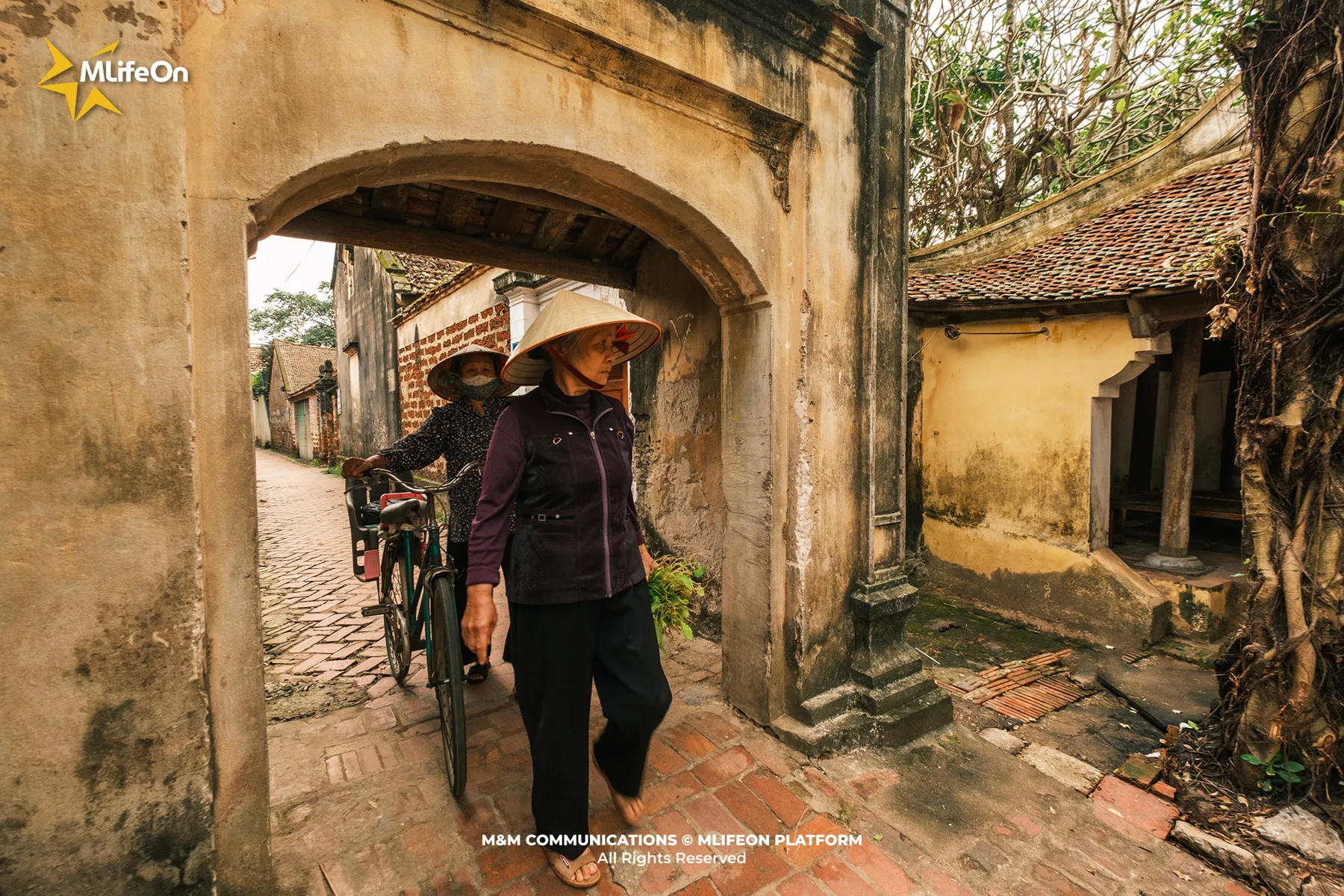
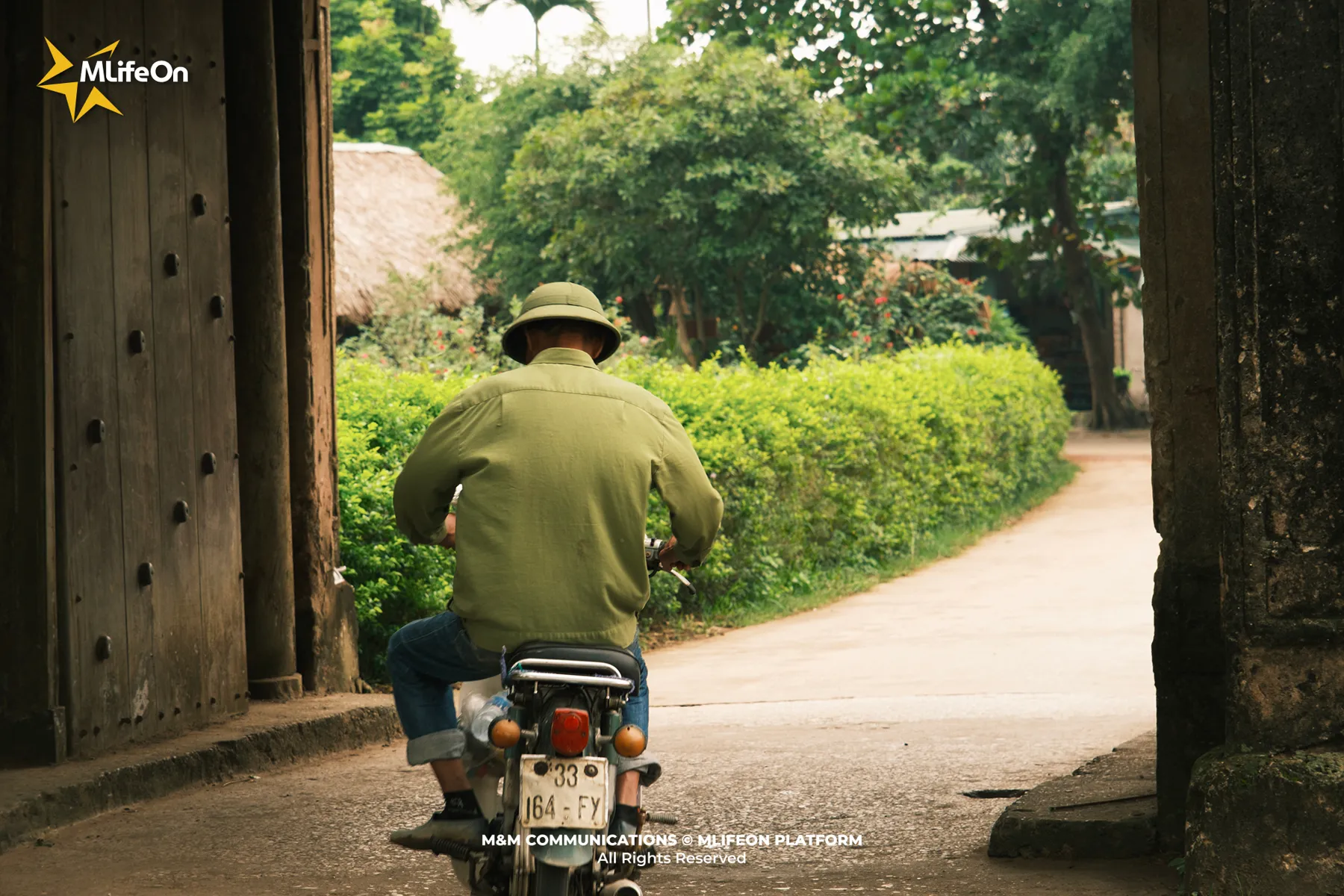
Local cuisine is an integral part of the journey to explore Duong Lam. Dishes such as Phu Nhi banh te, che lam, Ba Vi milk cakes, ga mia chicken, and roasted pork carry simple, rustic flavors that clearly reflect the culinary identity of the Son Tay region. Through food, visitors can engage directly and authentically with the cultural life of the northern Vietnamese countryside.
Duong Lam ancient village during special times of the year
During festivals, especially Tet, Duong Lam Ancient Village becomes a setting for various cultural activities closely associated with traditional village life in northern Vietnam. These programs aim to preserve long-standing cultural values for future generations while also introducing Vietnamese cultural identity to international audiences.
Through such activities, tourism promotion efforts for Duong Lam are strengthened, including the introduction of local destinations, regional specialties, and everyday cultural practices to both residents and visitors. The target audience extends beyond domestic travelers to include foreigners living in Vietnam and overseas Vietnamese communities.
Throughout the program period, a range of activities imbued with traditional Tet atmosphere are organized, such as traditional Tet markets, presentations on customary Tet practices, Tet cuisine, hands-on experiences with handicrafts, folk games, and competitions connected to village cultural life.
The year 2025 marked the fourth time the Viet Village Tet program was organized by Son Tay Town, promoting Vietnamese traditional cultural values through the ancient village setting. Entering 2026, the program continues to attract interest and anticipation, promising further opportunities for residents and visitors to gain deeper insight into Tet cultural life in Duong Lam.
Conclusion
The value of Duong Lam Ancient Village lies in the resilience of its way of life and the enduring relationship between people and village space over time. As urban areas continue to expand, the village has maintained the familiar rhythm of northern rural life while remaining connected to contemporary society. This natural continuity is what gives Duong Lam its lasting significance in today’s context.
—---
CREDIT:
- Photography: Luan Nguyen
- Content: Vy Vy
- Design: Trung Huynh