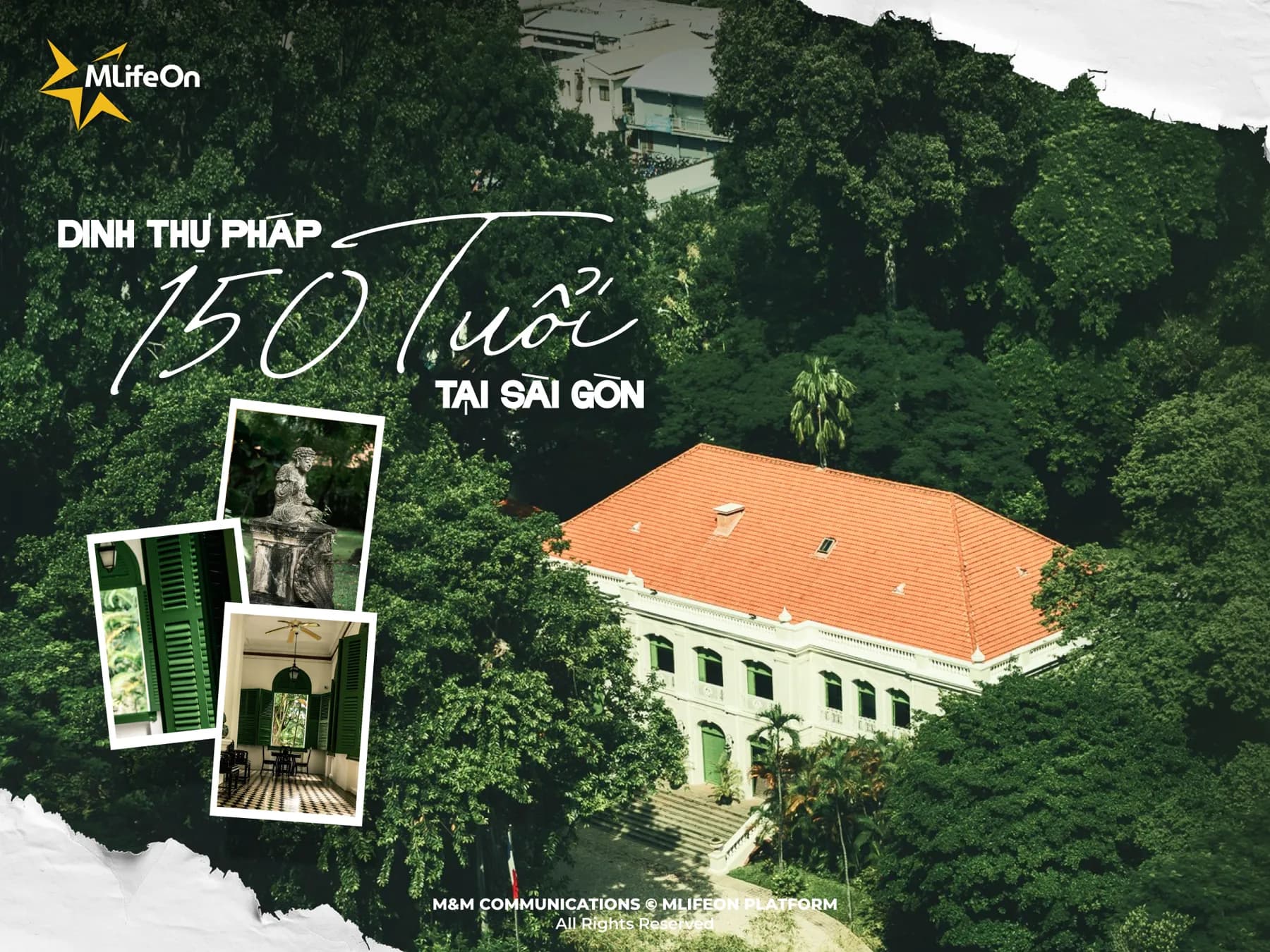
DISCOVER ANCIENT FRENCH MANSION IN SAIGON

Giang Huynh
DISCOVER ANCIENT FRENCH MANSION IN SAIGON
Join MLifeOn to explore the French Consulate General's Residence in Ho Chi Minh City - an Indochina architectural work over 150 years old, a historical witness and a cultural symbol in the heart of Saigon.

Amidst the hustle and bustle of modern Saigon - where more and more high-rise buildings are rising, there are still ancient structures, quietly preserving the memories of the past. Standing out among them is the French Consulate General's Residence - a structure that has existed for more than 150 years, a witness to history, and at the same time a typical symbol of Indochinese architecture that is rarely intact in the heart of Saigon.

Let's explore this special ancient French residence with MLifeOn in the article below.

The appearance of an ancient mansion
Frame 76.jpg

Frame 77.jpg

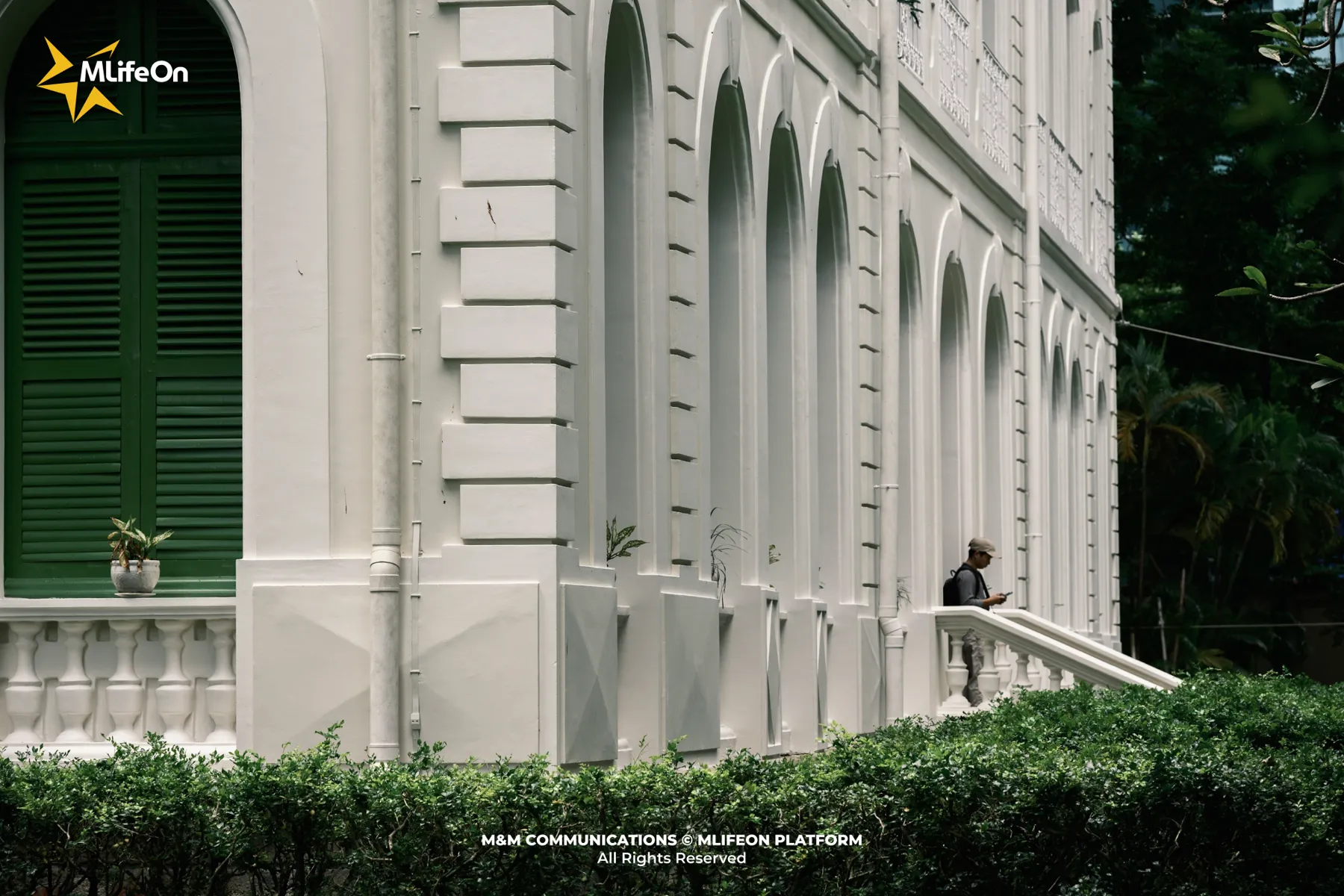
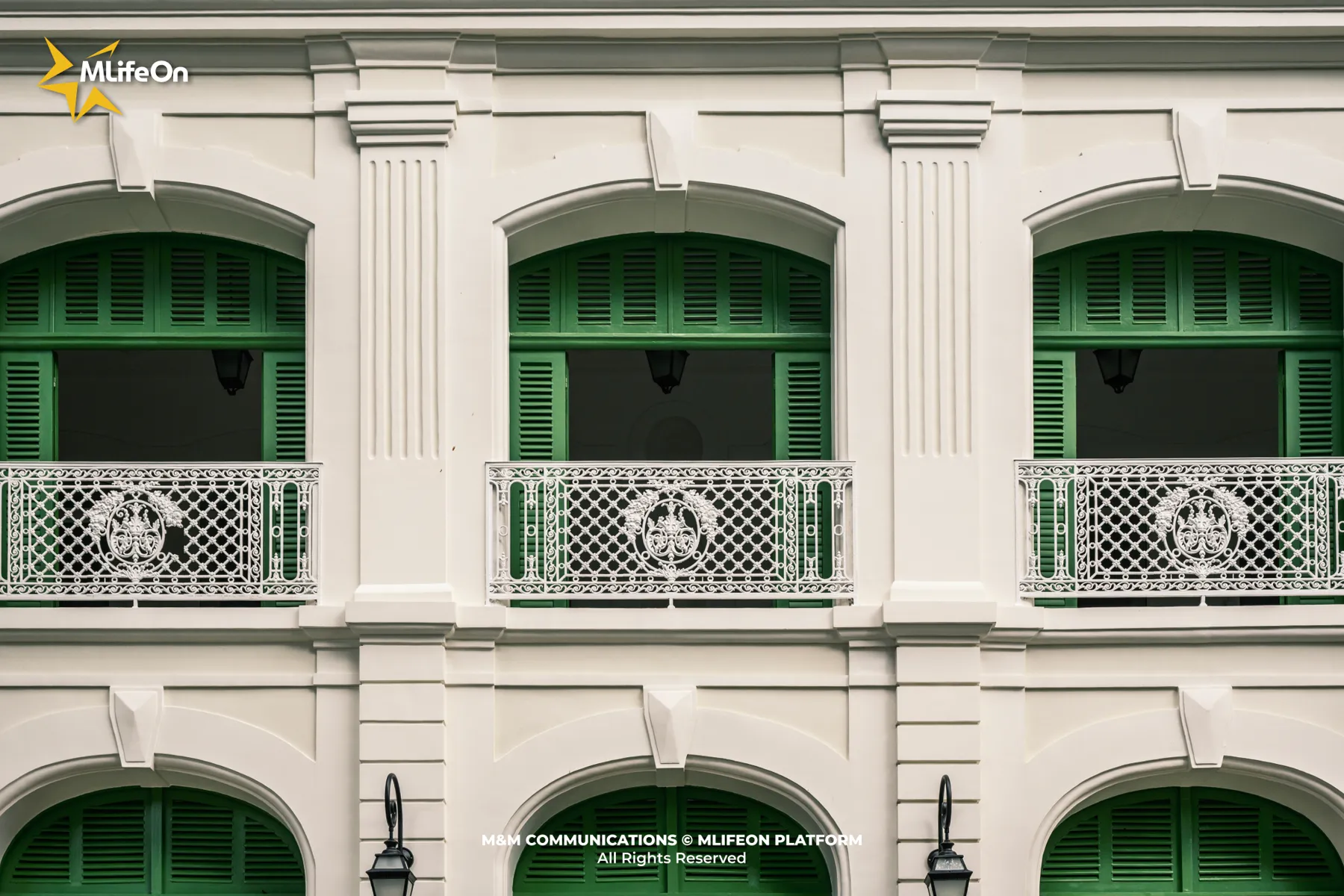
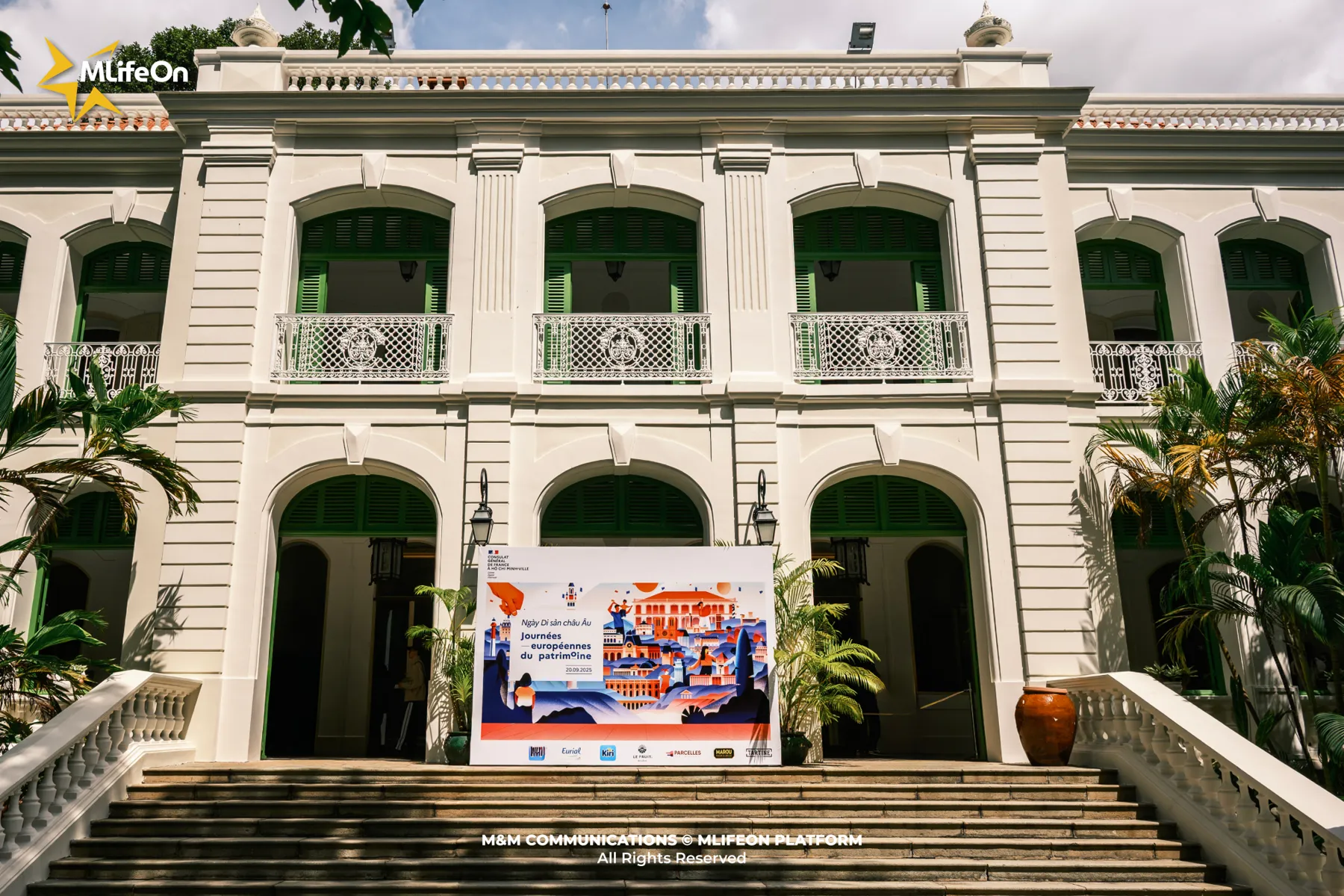
Located at 6 Le Duan, Ho Chi Minh City, the French Consulate General's Residence makes anyone passing by stop to take a look - partly because of its solemn and luxurious appearance, partly because the building is "closed" all year round. Therefore, people can only see this mansion through the moss-covered gate, unable to step inside to admire and admire this attractive architectural beauty.

As if understanding the feelings of people who love beauty and architecture who have stopped in front of the mansion's gate - the building is opened to welcome visitors when the annual "European Heritage Day" event takes place. Turning this place into a special cultural meeting place in the heart of Saigon.

Along with Notre Dame Cathedral, the City Post Office and the Independence Palace, the French Consulate General's Residence has become one of the "quartet" of typical French buildings in Saigon in the late 19th century. Today, the building is the workplace and residence of the French Consul General in Ho Chi Minh City, and is also the venue for many major cultural and diplomatic events.

Passing through the moss-green gate, one seems to go back in time, returning to 19th-century Saigon - where power, culture and art intersect.
Frame 79.jpg

Turning the pages of history

The French Consulate General's Residence not only tells the story of the colonial past, but also reflects the city's transformation through each period, from war to peace, from division to integration.
Frame 81.jpg

Construction phase (1872 - late 19th century)

The palace began construction in 1872, in the context of the French consolidating their presence in Cochinchina. The building was initially the residence of the military governor of Cochinchina, and later became the residence of French ambassadors and consuls.

War and turmoil (1954 - 1975)

After 1954, the mansion became the residence of the French ambassador to South Vietnam. During the war, the building witnessed many political upheavals, but still maintained its role as an important diplomatic center.

From 1975 to present

Since 1975, the mansion has officially been the residence of the French Consul General in Ho Chi Minh City. Not only is it a workplace, it is also a space for organizing cultural, artistic and exhibition events, contributing to strengthening the Vietnam - France relationship.
Frame 82.jpg

Frame 83.jpg

Indochina imprint in the heart of Saigon

The French Consul General's residence stands out with its Indochinese-French colonial architecture. The building is a skillful combination of European grandeur and flexible adaptation to the tropical climate of the Indochina countries at that time.

French Indochina architecture is a distinctive style formed in the late 19th century, when the French brought European design principles to the colonies but at the same time had to adjust them to suit the local climate and culture. The French Consul General's Residence in Saigon is a typical example of this harmony.

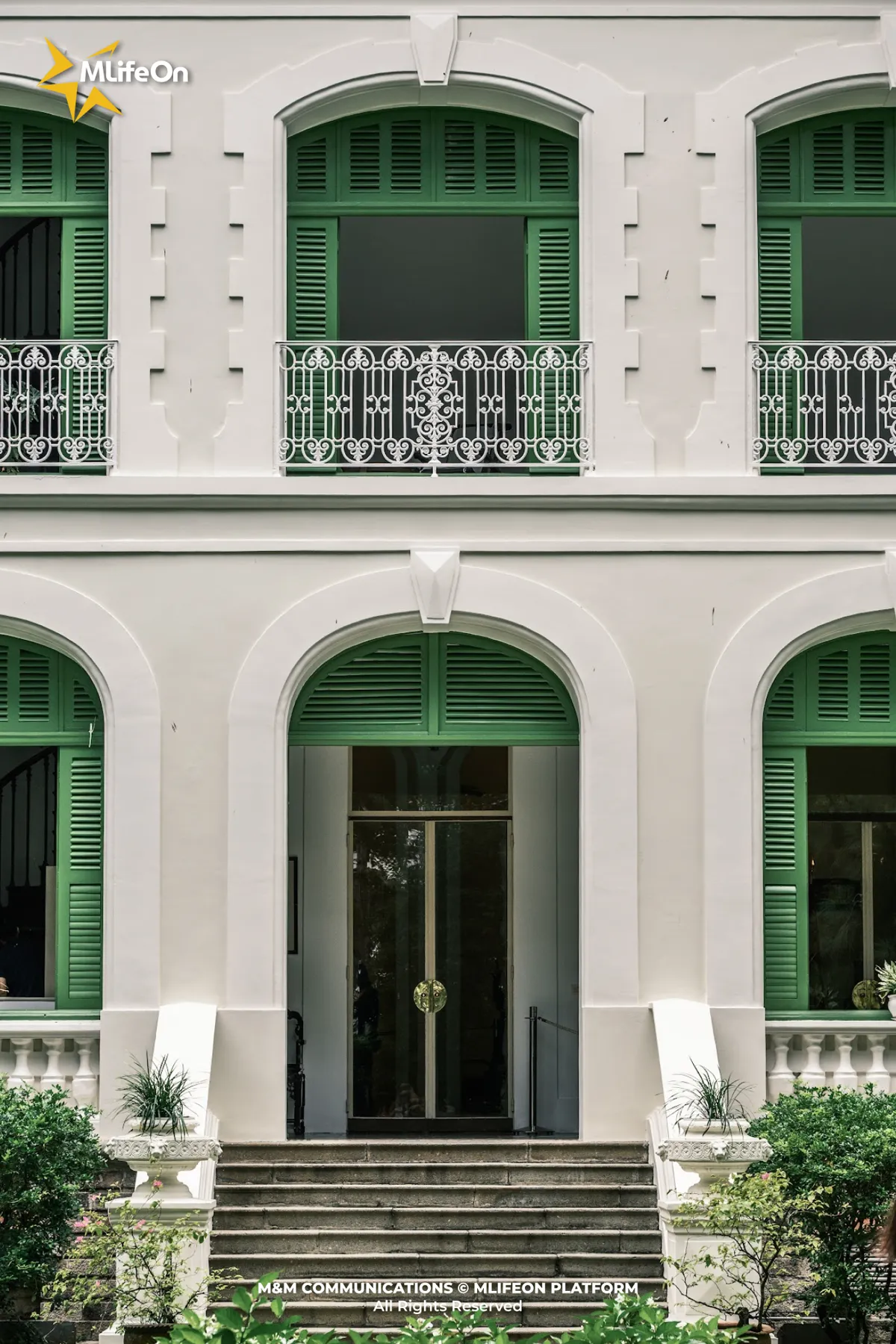
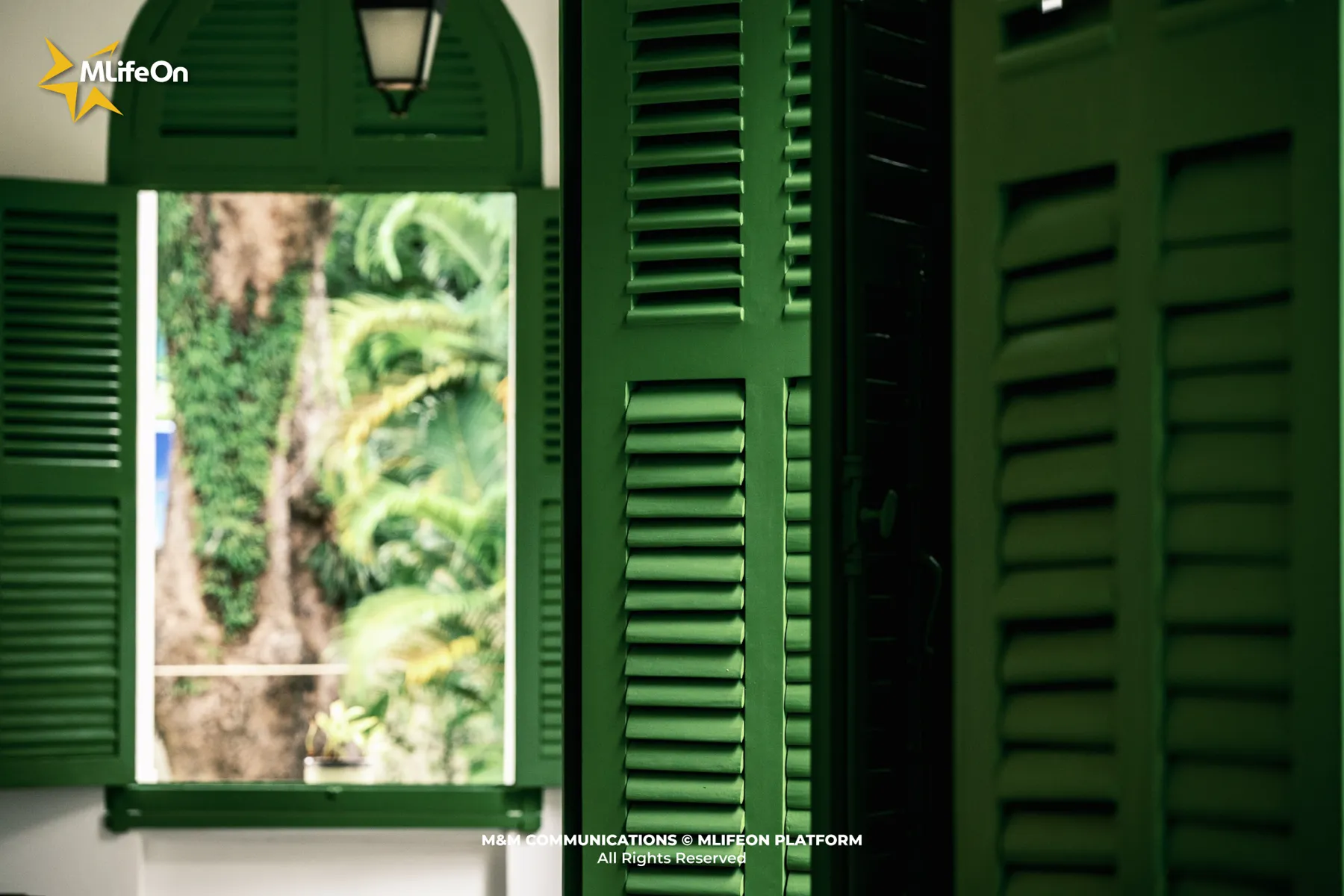
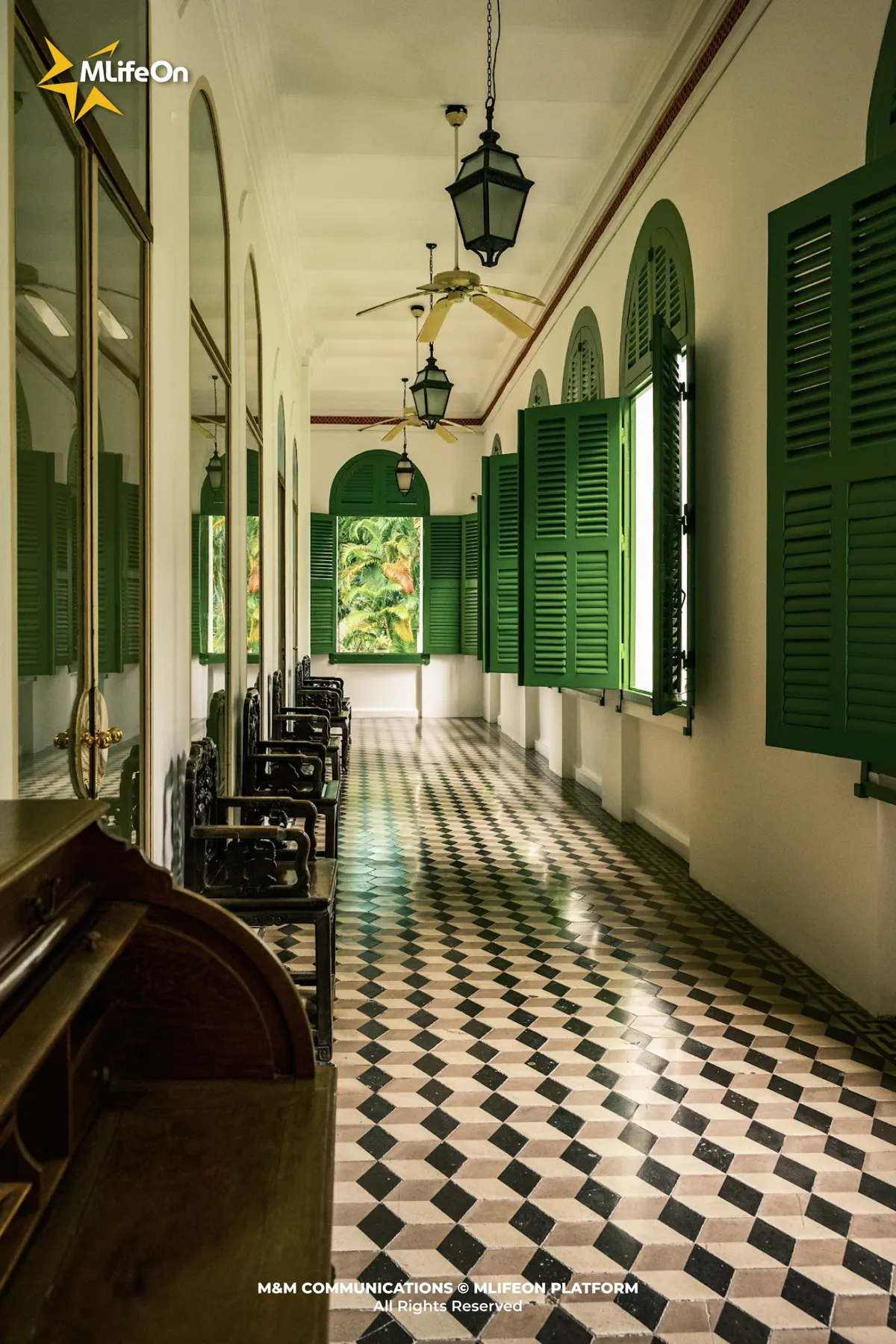
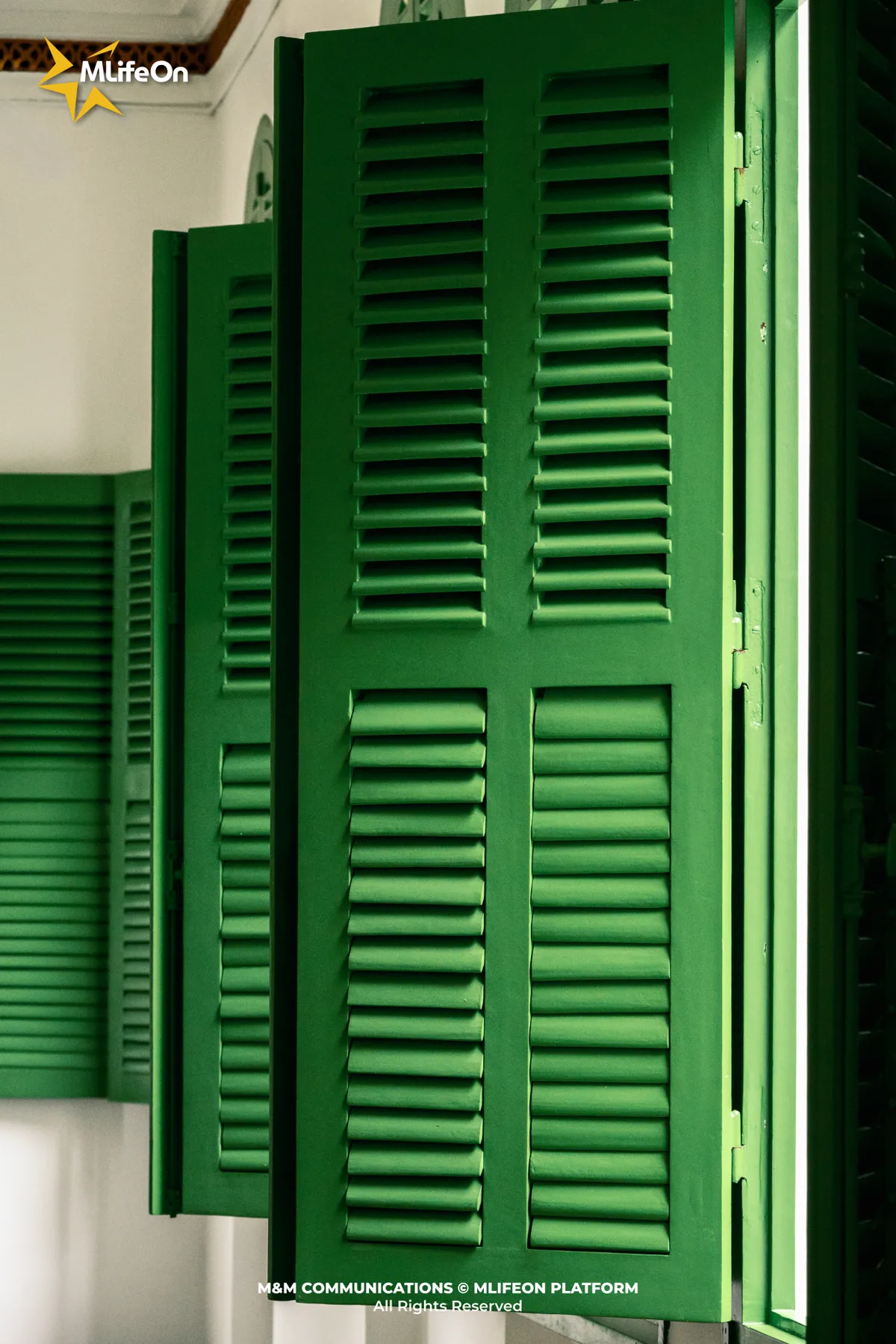
The grandeur of Europe is expressed through the symmetrical facade, tall columns, wide arches and classic red tiled roofs. But if it stopped there, the building would hardly be able to survive in the hot and humid tropical climate. Therefore, the architects cleverly included elements such as: wide corridors to reduce harsh sunlight, high and many windows for ventilation, sloping roofs to drain water quickly in the rainy season, along with a surrounding green campus to help regulate the air.

This combination not only creates a beautiful building but also has high practicality, both maintaining the majesty and luxury of French architecture, while ensuring comfort for users in the special climate conditions of Indochina. Thanks to this combination, the mansion has not only existed for more than 150 years, but also become an architectural symbol, clearly reflecting the cultural exchange between the West and the East in the special historical period of Saigon.
Frame 80.jpg

wide corridors to reduce harsh sunlight
Frame 90.jpg

high and many windows for ventilation 
Frame 89.jpg

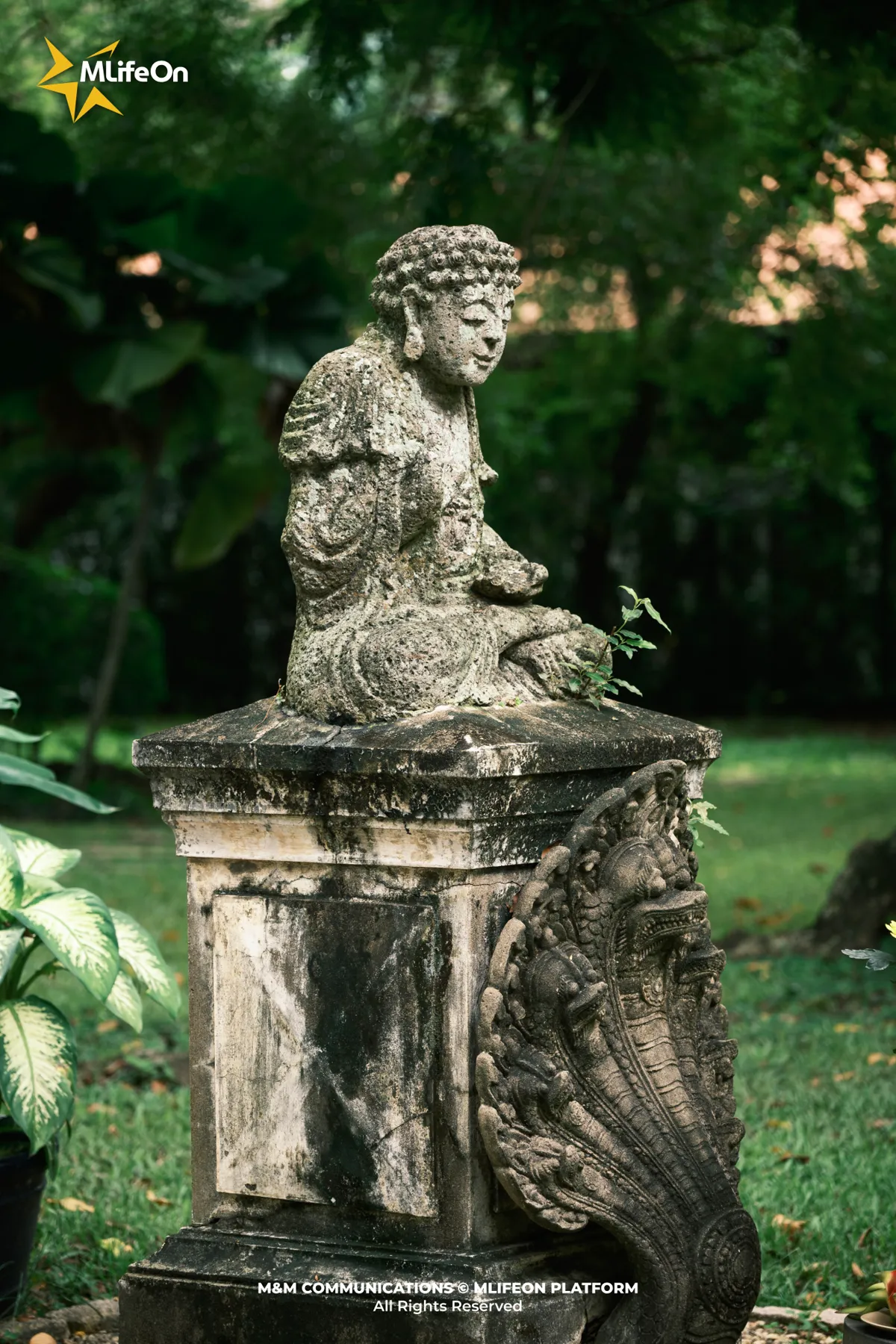
green campus to regulate the air

The French Consul General's Residence is a testament to cultural exchange, as the French brought European architecture to Vietnam but still had to adapt to the local climate and aesthetics.

When history meets modernity

The French Consulate General's Residence not only has the beauty of an ancient architectural work, but also contains profound symbolic value, becoming a witness to more than a century and a half of history, from the colonial period, through the years of war, to the period of peace and international cooperation.

The elegant white paint, the soaring green arches and the quiet red tiled roof create an ancient appearance, both majestic and luxurious, making people feel like they are entering a different space in the heart of the modern city. But the beauty of the residence does not stop at its form, but also spreads in cultural life: exhibitions, concerts, and diplomatic events regularly take place here, becoming a delicate bridge between Vietnam and France, where the past and present meet in the echoes of art.

And above all, every architectural detail, every corner of the garden here carries within it layers of memories, making people feel the interweaving of time, as if history is still whispering in every brick, every tree shade, to remind that true beauty lies not only in shape, but in the persistence of memories and historical values ​​preserved.

Frame 85.jpg

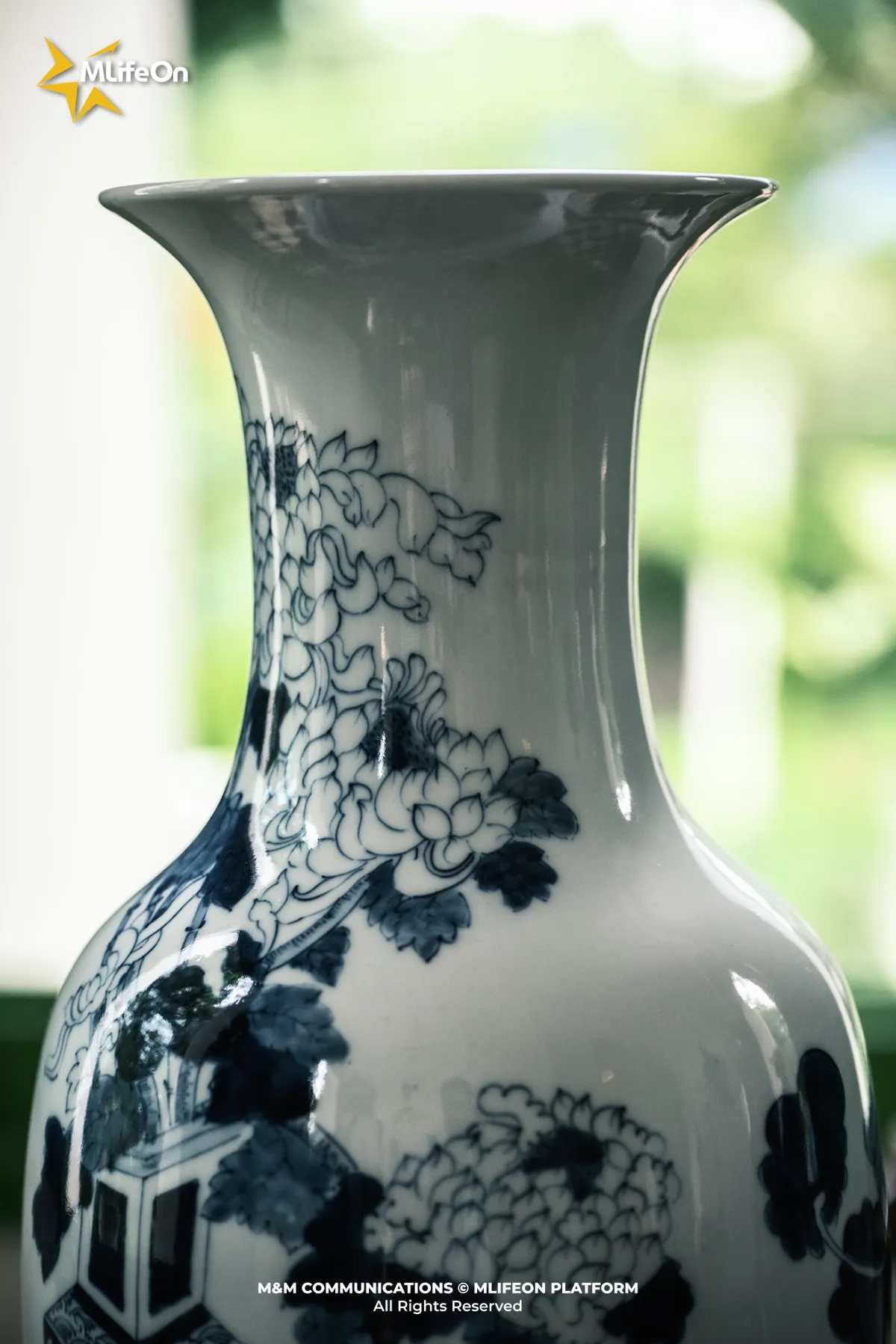
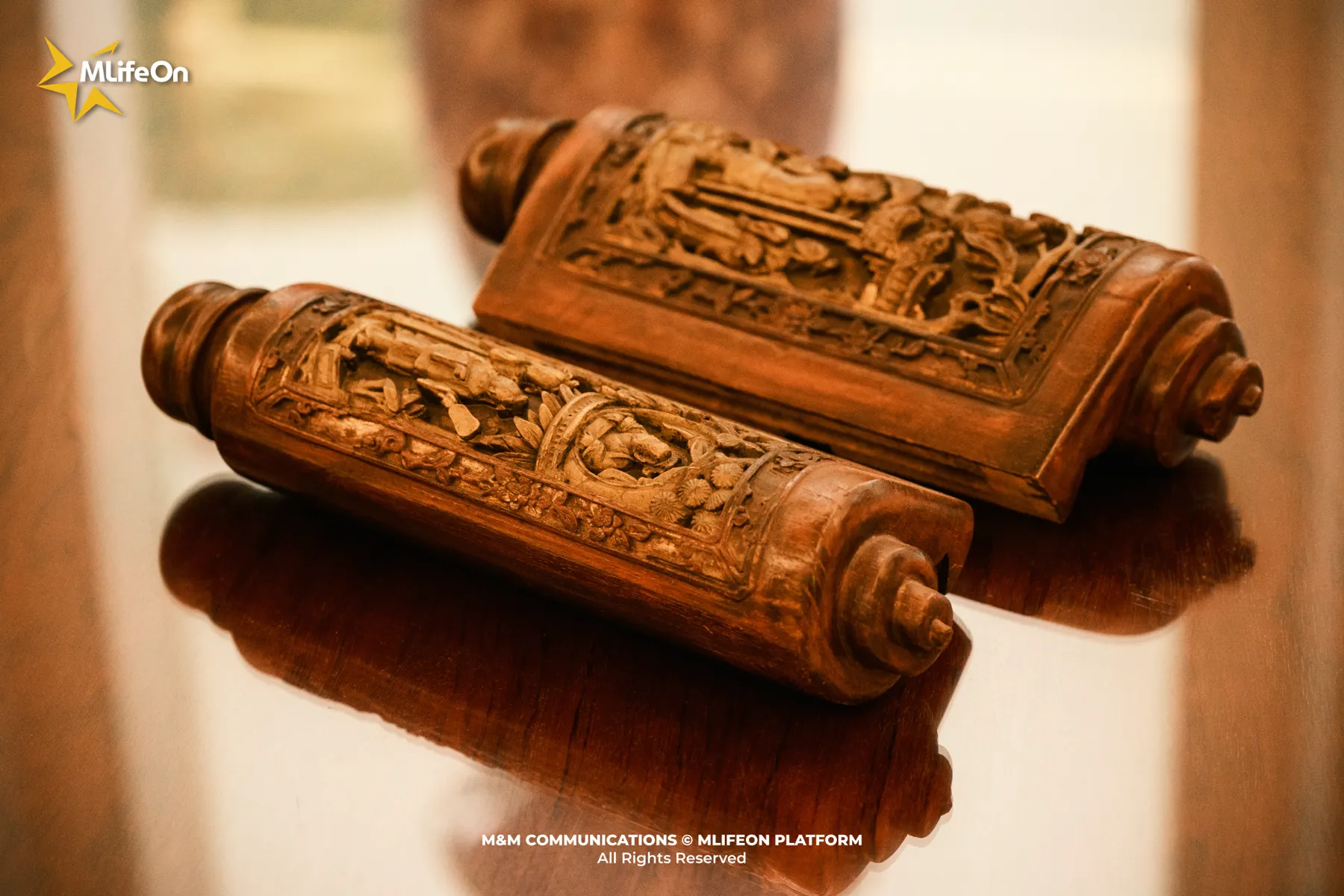
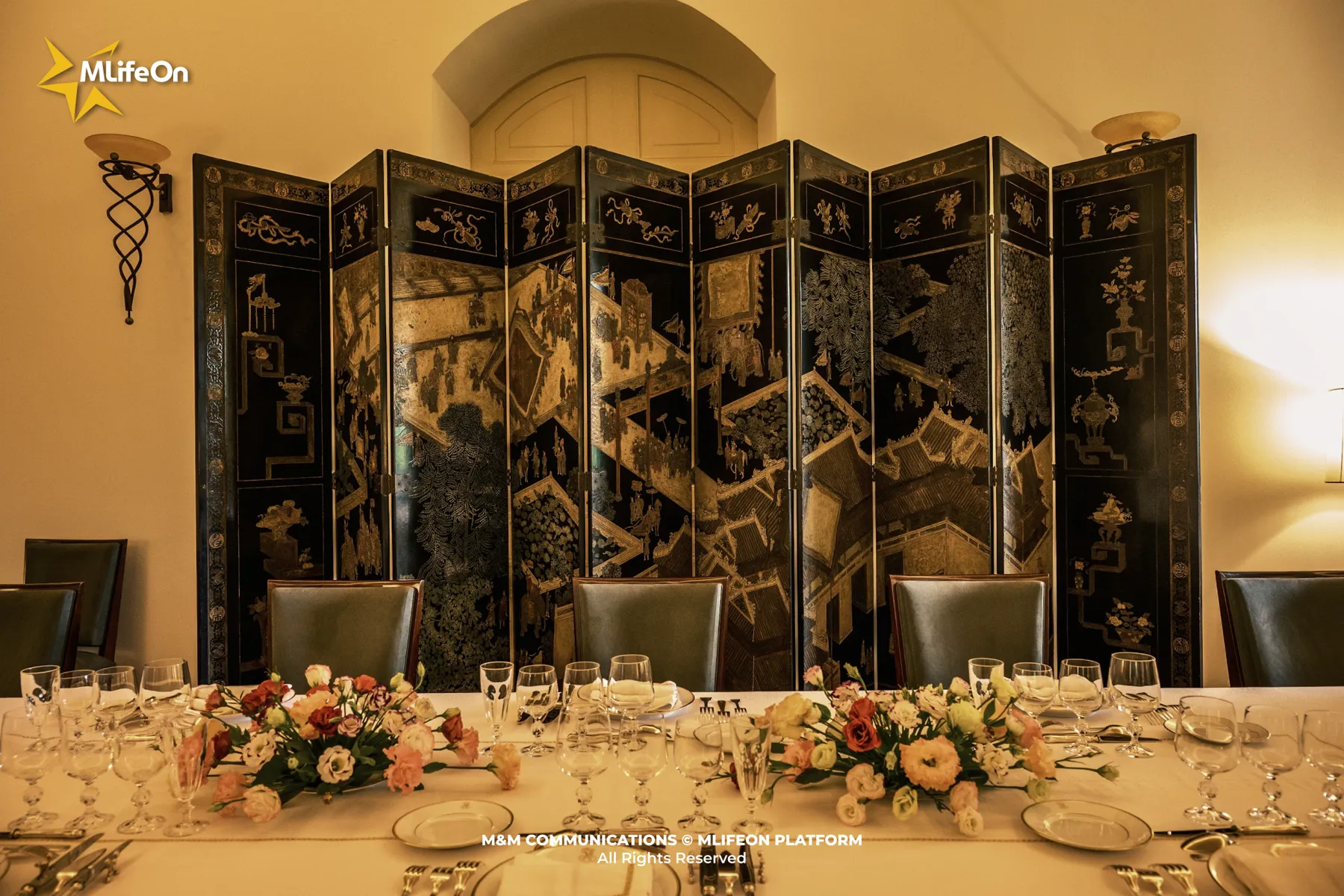
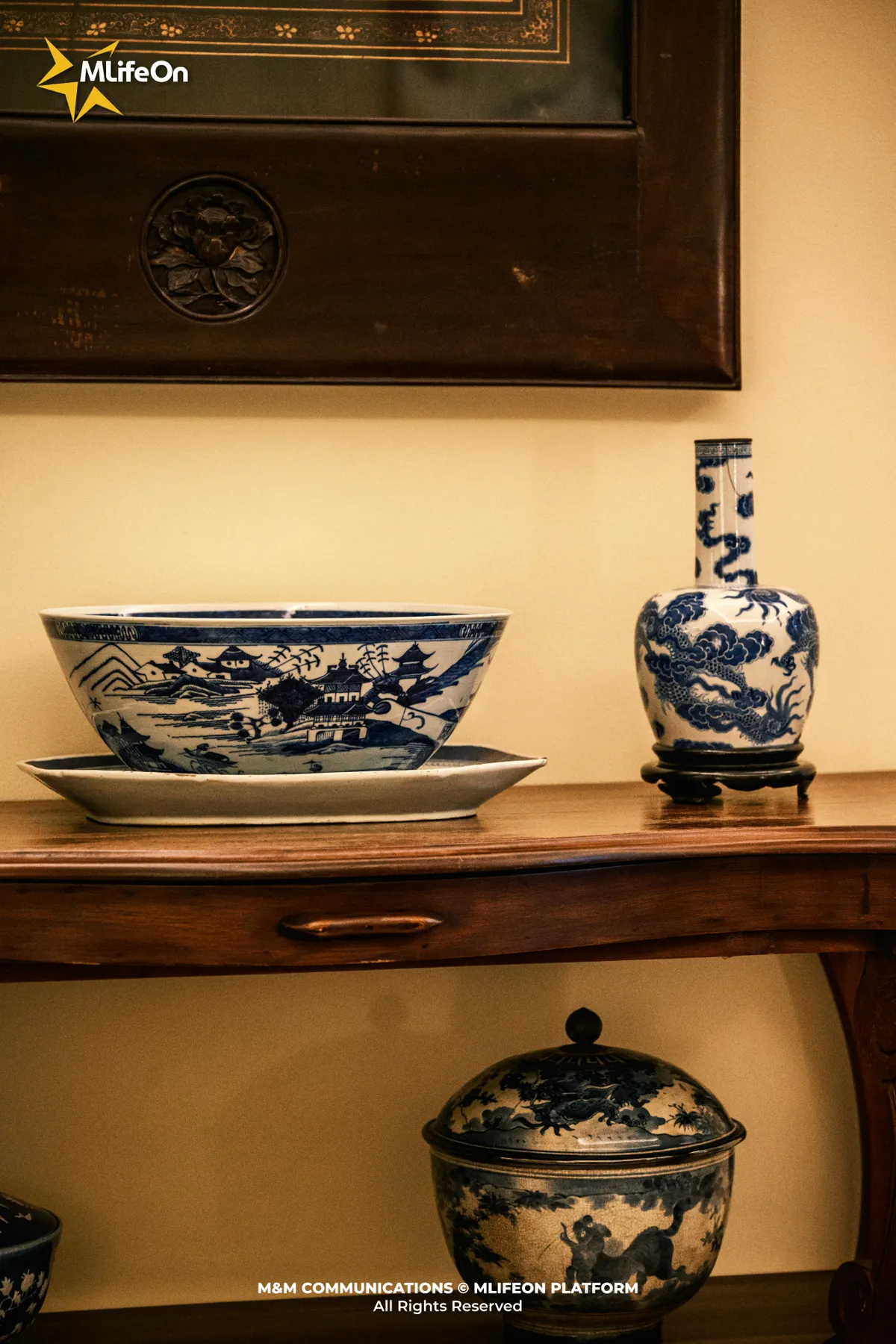
This place preserves many valuable historical artifacts.
Frame 88.jpg

Frame 84.jpg

Conclusion

The French Consulate General's Residence in Ho Chi Minh City is not only an ancient architectural work, but also a living heritage, where history, culture and diplomacy blend together. Amidst the modern pace of Saigon, this work still retains its tranquility and majesty, as a reminder of the past and a bridge to the future.

Exploring the ancient French residence in Saigon, you will not only admire the architectural beauty, but also find a story of more than 150 years - a story of intersection, of memories and timeless beauty.

—---

CREDIT: 

- Photography: Luan Nguyen 

- Content: Giang Huynh 

- Design: Dylan Nguyen 

About the Authors

All Articles

SOUND AND COLOR IN TEOCHEW TRADITIONAL OPERA

SOUND AND COLOR IN TEOCHEW TRADITIONAL OPERA

Discover Teochew Traditional Opera, a unique and enduring art form of the Chinese community, where sound, color, ritual, and memory intertwine on stage.

DALI ANCIENT TOWN - A HISTORICAL MARK OF YUNNAN PROVINCE

DALI ANCIENT TOWN - A HISTORICAL MARK OF YUNNAN PROVINCE

Explore Dali Ancient Town, a famous destination in Yunnan, China. A place where nature, architecture, and people blend harmoniously.

THE VIBRANT RED OF TET ON SAIGON’S CHINESE STREETS

THE VIBRANT RED OF TET ON SAIGON’S CHINESE STREETS

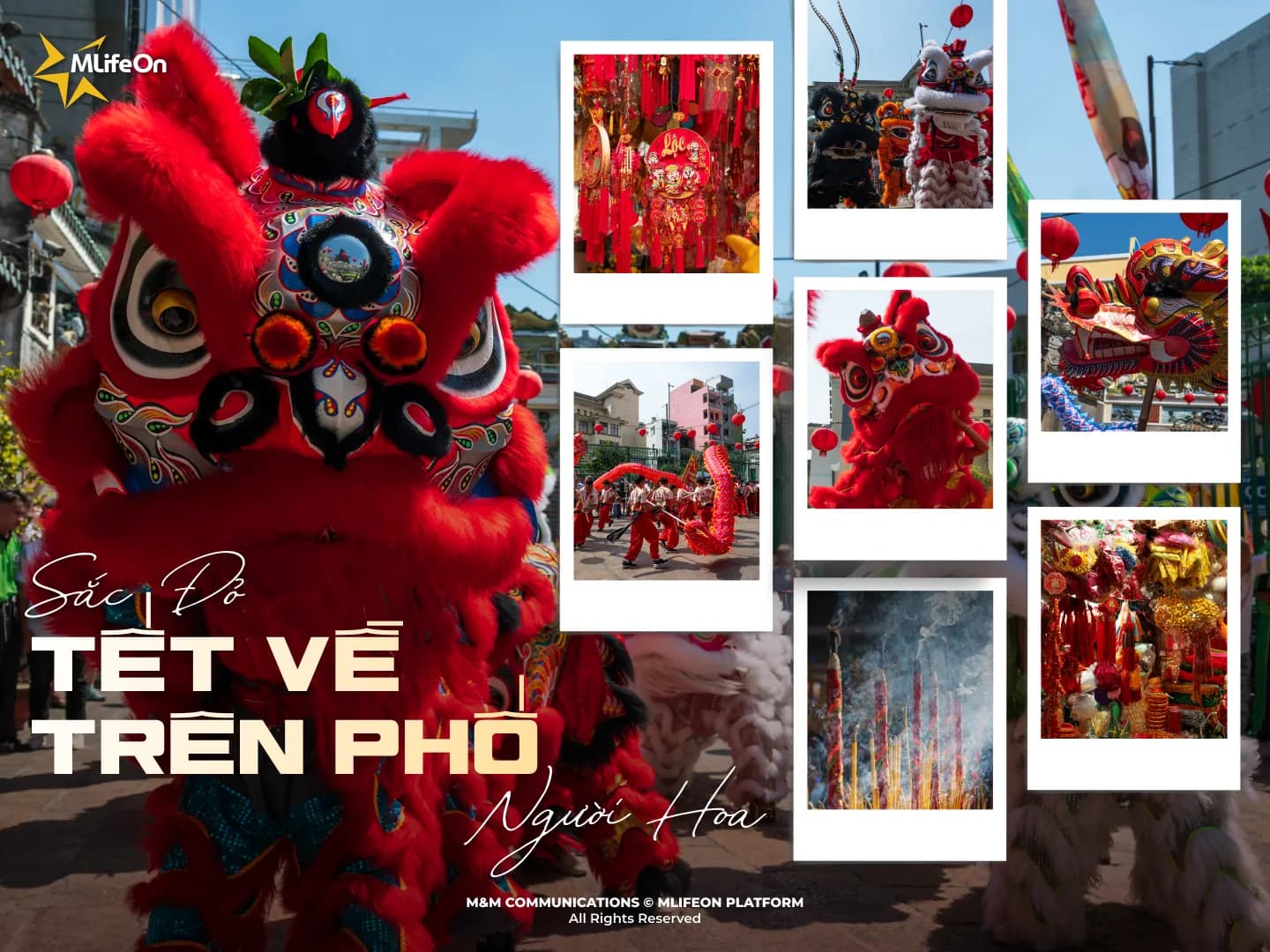
In the days leading up to Tet, Saigon’s Chinese neighborhoods gradually dress themselves in familiar shades of red. From decoration shops and everyday preparations to the quiet presence of Ong Bon Pagoda, the spirit of Tet reveals itself through simple, intimate details of daily life.

ANCESTRAL WORSHIP IN LAOS – PEACEFUL STOPS FOR A SERENE TET 2026

ANCESTRAL WORSHIP IN LAOS – PEACEFUL STOPS FOR A SERENE TET 2026

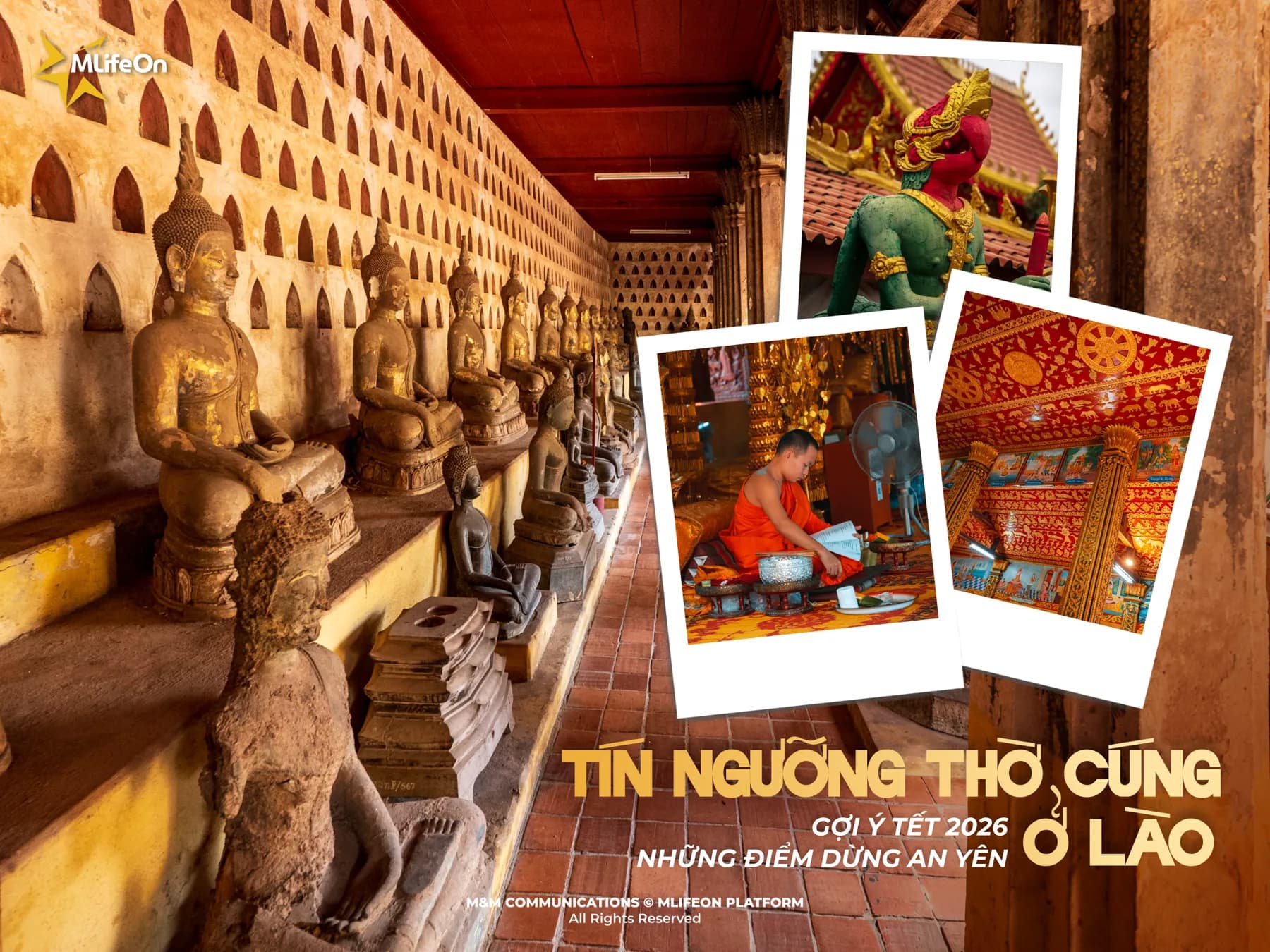
In Laos, Buddhist beliefs are not separate from everyday life but woven are into daily routines and social customs. Temples, sacred sites, and places of worship are not merely tourist attractions; they are spaces where people seek calm and balance. For those looking for a gentle, reflective journey during Tet 2026, Laos offers a slow-paced, tranquil, and refreshingly different way to welcome the new year.

VISITING XIENG THONG TEMPLE - A SACRED ANCIENT TEMPLE IN LUANG PRABANG, LAOS

VISITING XIENG THONG TEMPLE - A SACRED ANCIENT TEMPLE IN LUANG PRABANG, LAOS

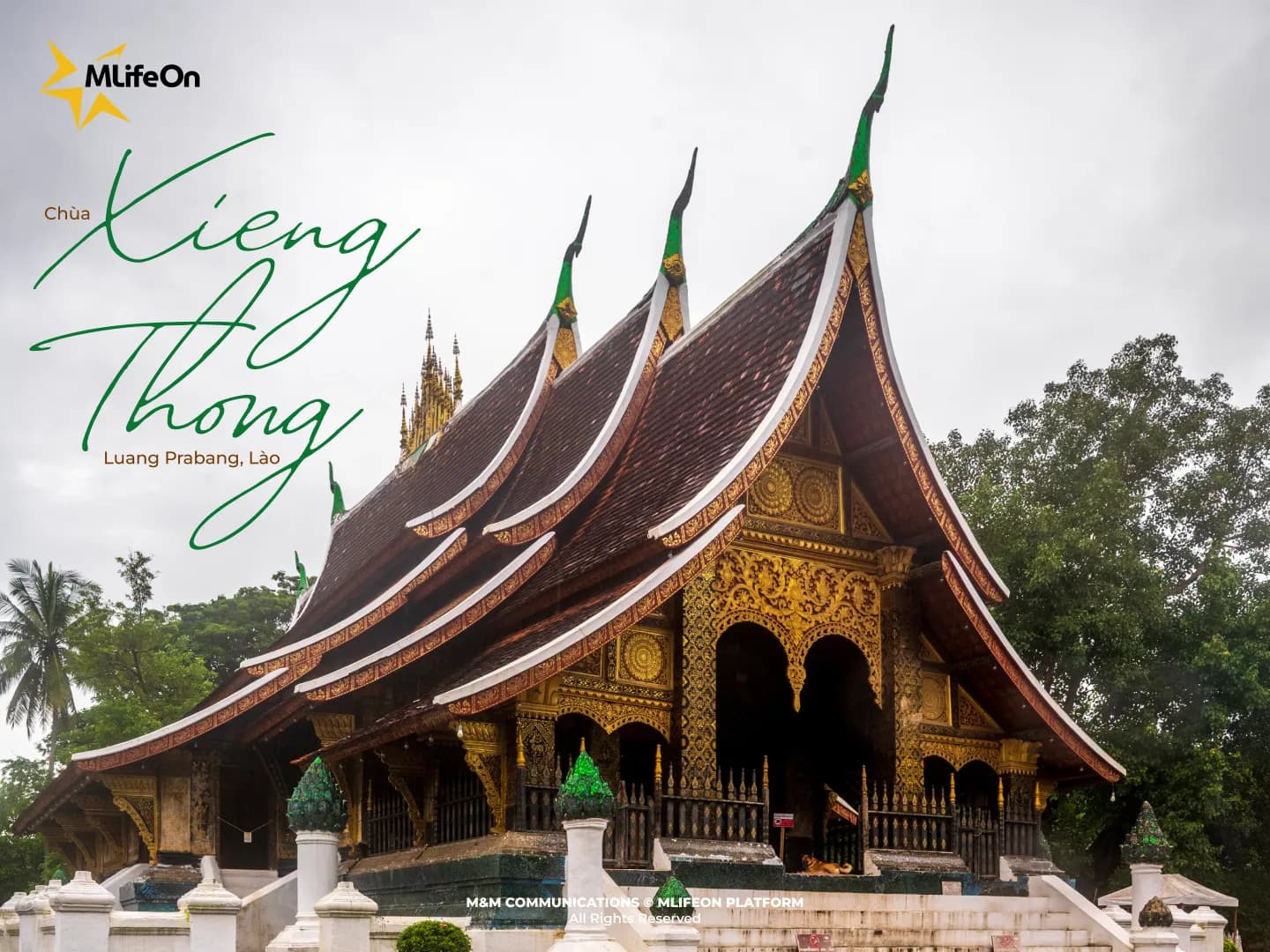
After an afternoon rain, Xieng Thong Temple appears calmer and more defined than usual. Without harsh sunlight or large crowds, this ancient temple of Luang Prabang reveals its architecture, setting, and spiritual value carefully preserved for centuries. A slower perspective that helps explain why Xieng Thong is not merely a tourist attraction, but a living memory of Lao Buddhism.

CHAM VILLAGES IN AN GIANG - WHERE SKILLED HANDS KEEP THE FLAME OF BROCADE WEAVING ALIVE

CHAM VILLAGES IN AN GIANG - WHERE SKILLED HANDS KEEP THE FLAME OF BROCADE WEAVING ALIVE

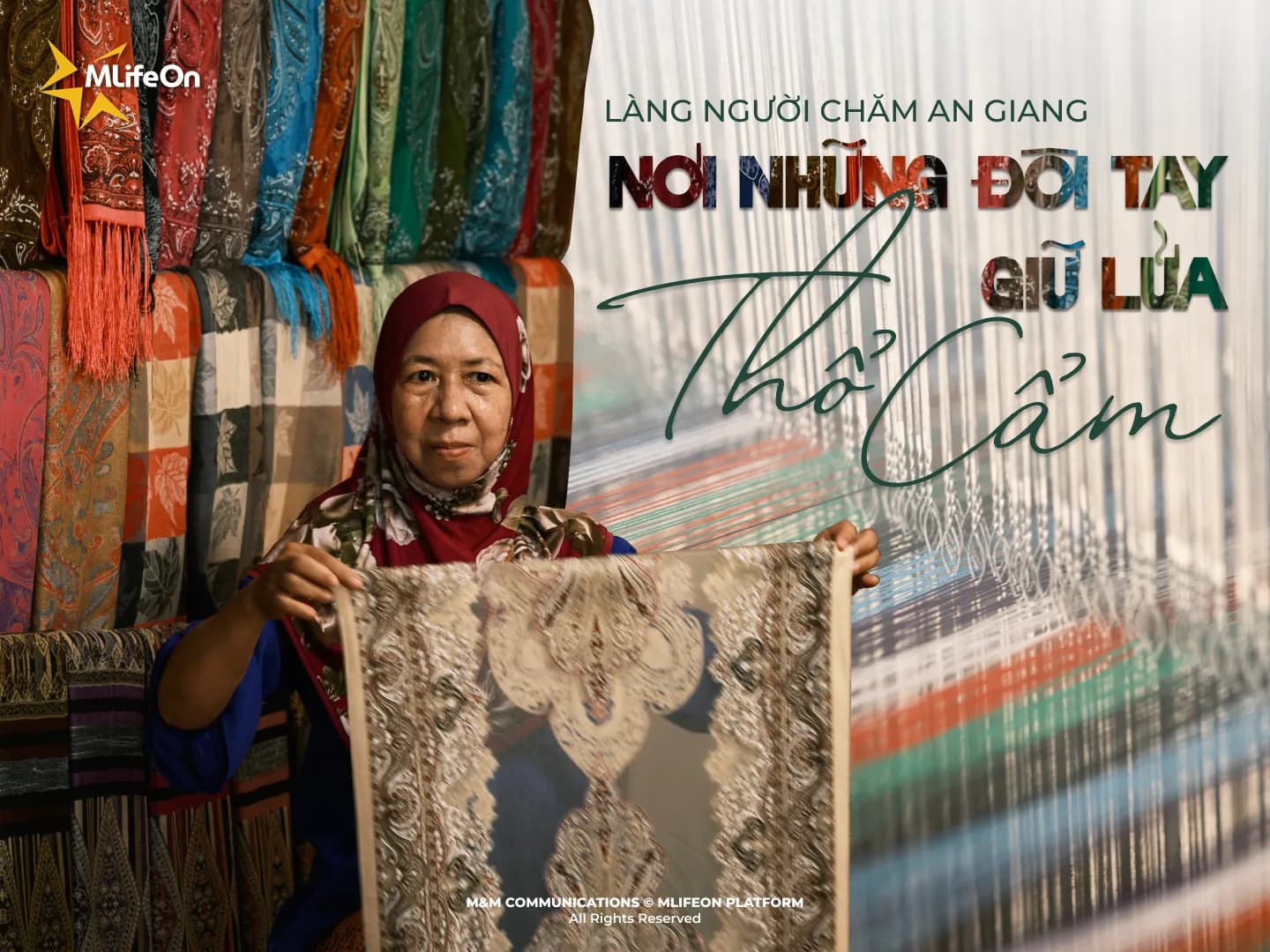
In An Giang, where the cool waters of the Hau River meet the Chau Doc River, Cham villages have existed quietly for generations. Unassuming and unshowy, life here flows slowly, much like the river in front of each home. Within this gentle rhythm, one tradition has been steadfastly preserved over time: the art of brocade weaving, passed down through the hands of Cham women.

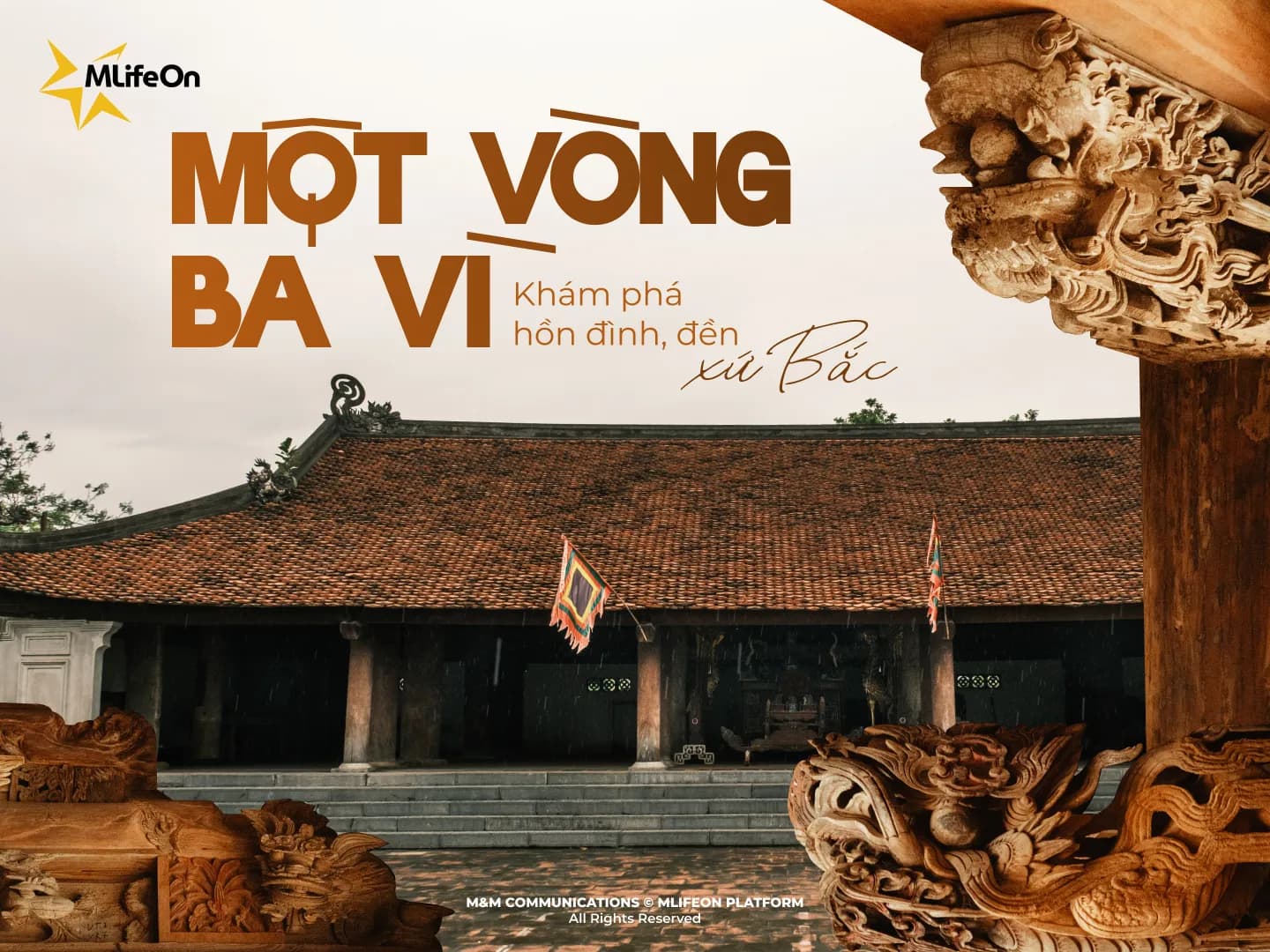
A JOURNEY THROUGH BA VI - DISCOVERING THE SPIRIT OF NORTHERN COMMUNAL HOUSES AND TEMPLES

A JOURNEY THROUGH BA VI - DISCOVERING THE SPIRIT OF NORTHERN COMMUNAL HOUSES AND TEMPLES

Ba Vi is more than mountains and winding roads. Scattered across this land are ancient communal houses and temples that have endured for centuries. Moss-covered roofs and carved wooden pillars emerge as fragments of Northern Vietnam’s cultural memory in tranquil settings.

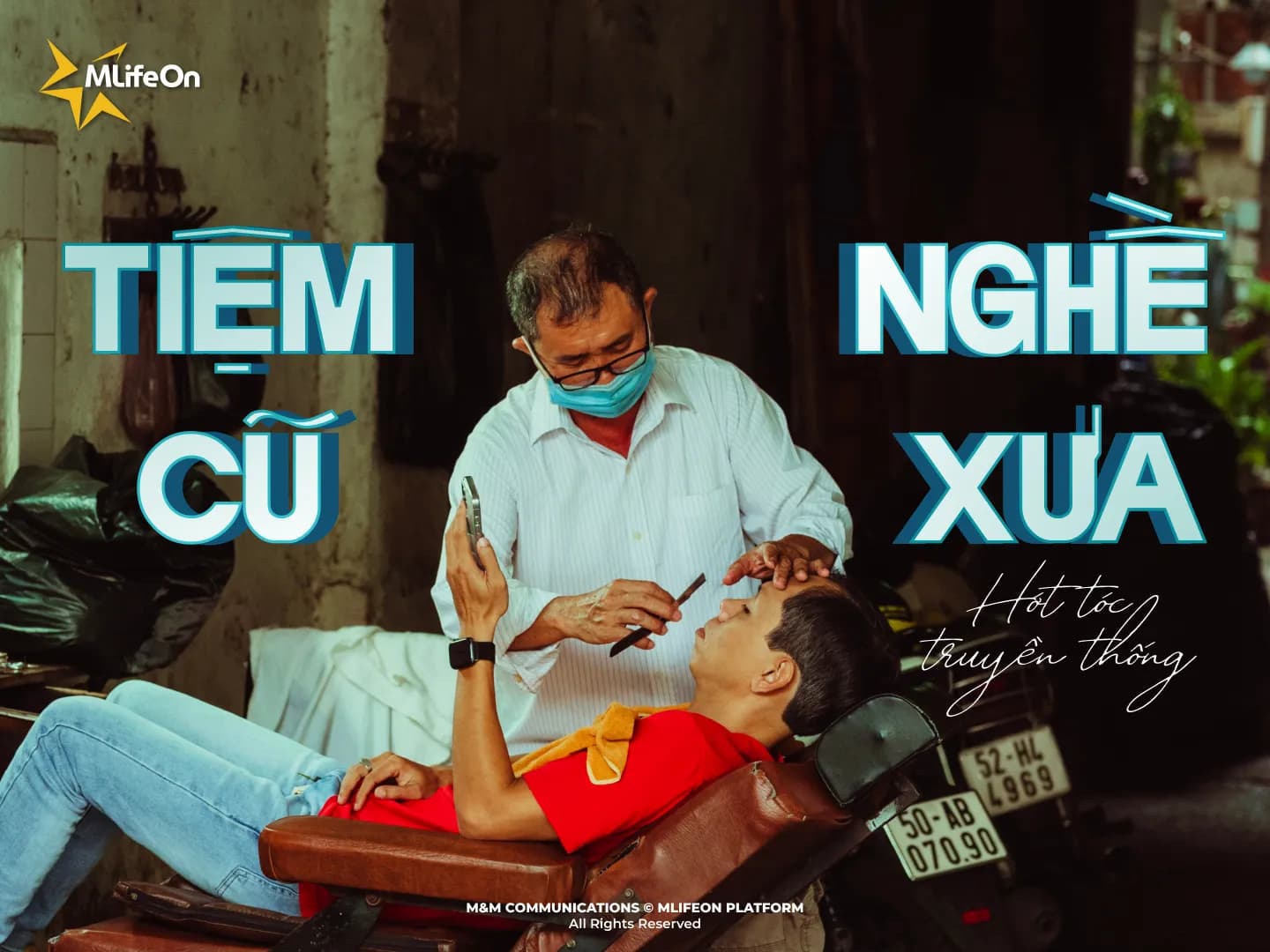
TRADITIONAL HAIRDRESSING - OLD SHOP, OLD PROFESSION

TRADITIONAL HAIRDRESSING - OLD SHOP, OLD PROFESSION

Explore the traditional Vietnamese hairdressing profession to discover its history, current state, and the cultural values ​​that are gradually fading amidst today's modern life.

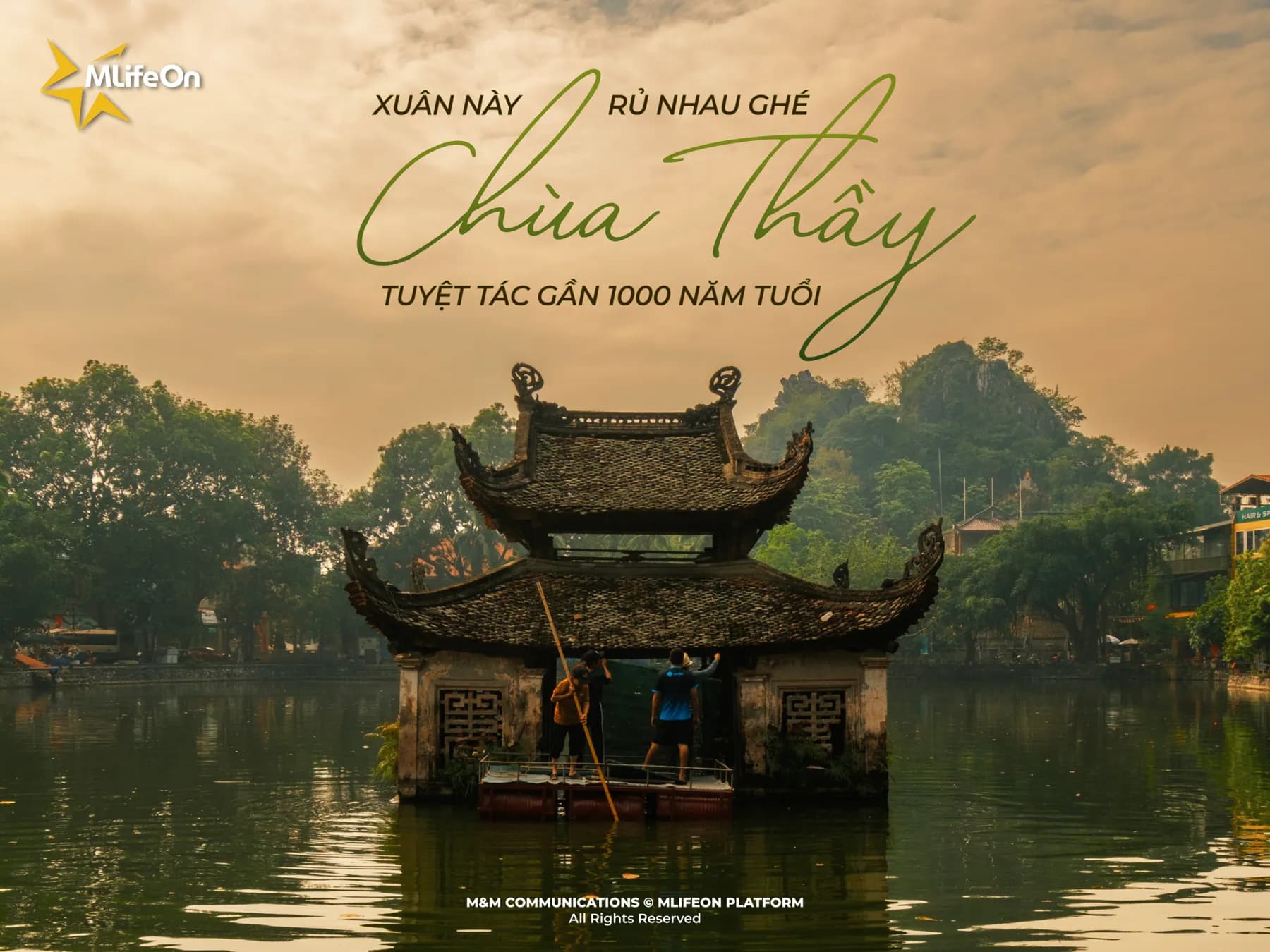
THIS SPRING, LET’S VISIT THAY PAGODA – A NEARLY 1,000-YEAR-OLD MASTERPIECE

THIS SPRING, LET’S VISIT THAY PAGODA – A NEARLY 1,000-YEAR-OLD MASTERPIECE

Not located in the heart of the bustling city, nor close to noisy urban centers, Thay Pagoda chooses a quiet setting at the foot of Sai Son Mountain. It is close enough for a day trip, yet far enough to gently pull visitors away from the hurried rhythm of city life.

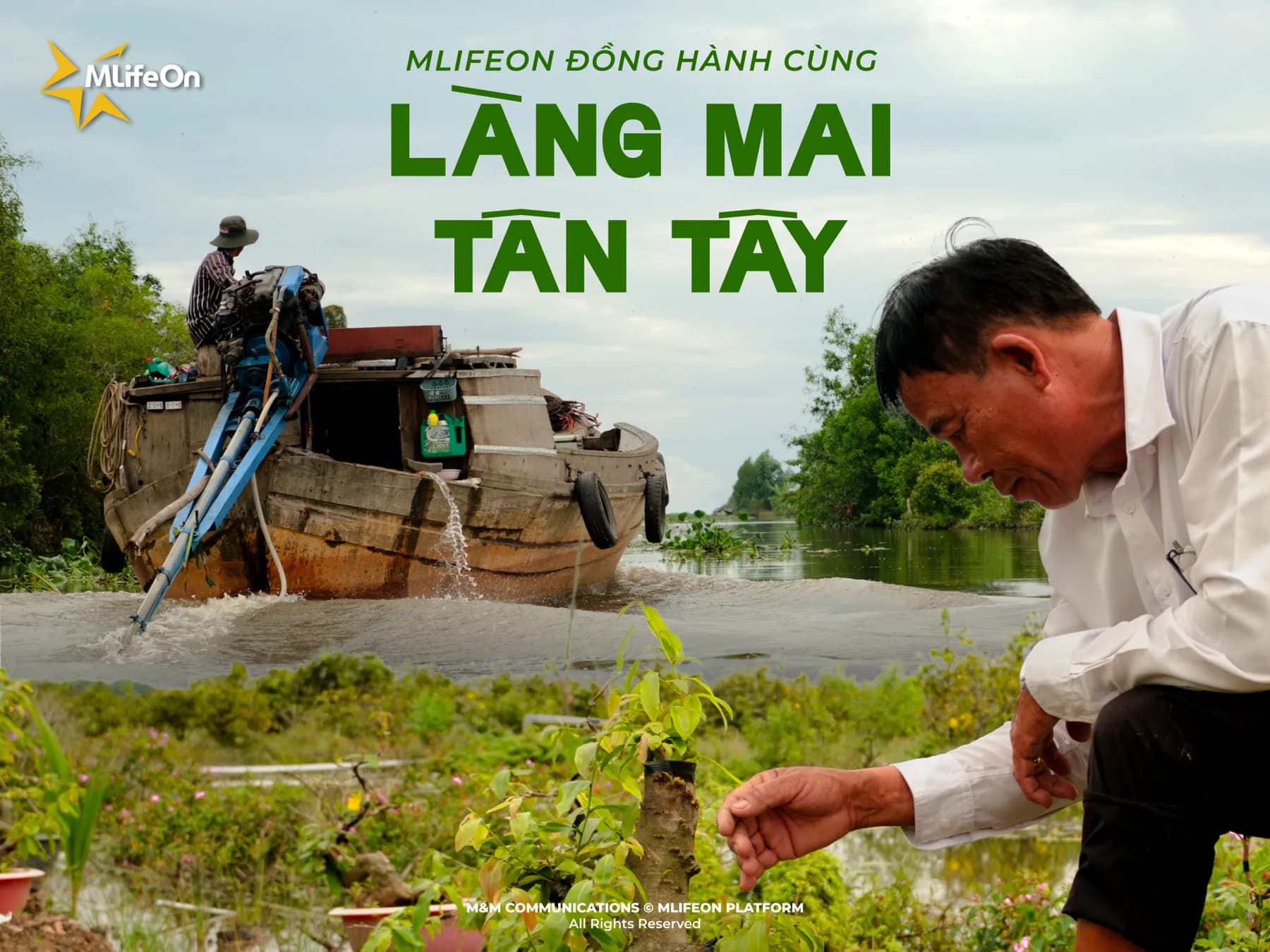
MLIFEON PARTNERS WITH TAN TAY PLUM VILLAGE

MLIFEON PARTNERS WITH TAN TAY PLUM VILLAGE

By partnering with Tan Tay Plum Blossom Village in community projects, MLifeOn has had the opportunity to directly experience the beauty of the scenery, culture, and people of this place. Follow MLifeOn to explore.

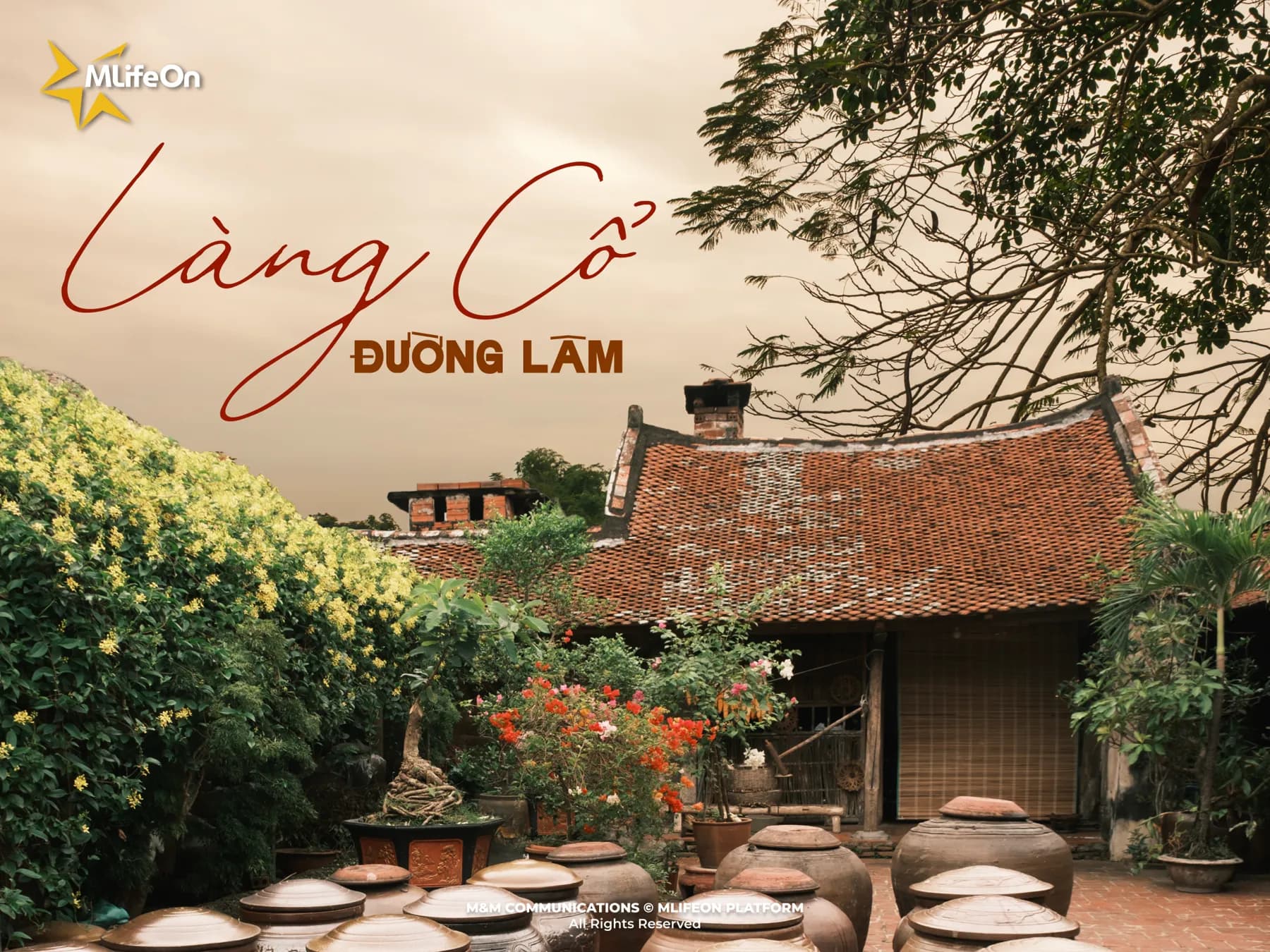
DUONG LAM ANCIENT VILLAGE - A CULTURAL HERITAGE OF DOAI REGION, HANOI

DUONG LAM ANCIENT VILLAGE - A CULTURAL HERITAGE OF DOAI REGION, HANOI

Experience the rhythm of life and the atmosphere of a Northern Vietnamese village at Duong Lam Ancient Village, a distinctive cultural destination in Hanoi.

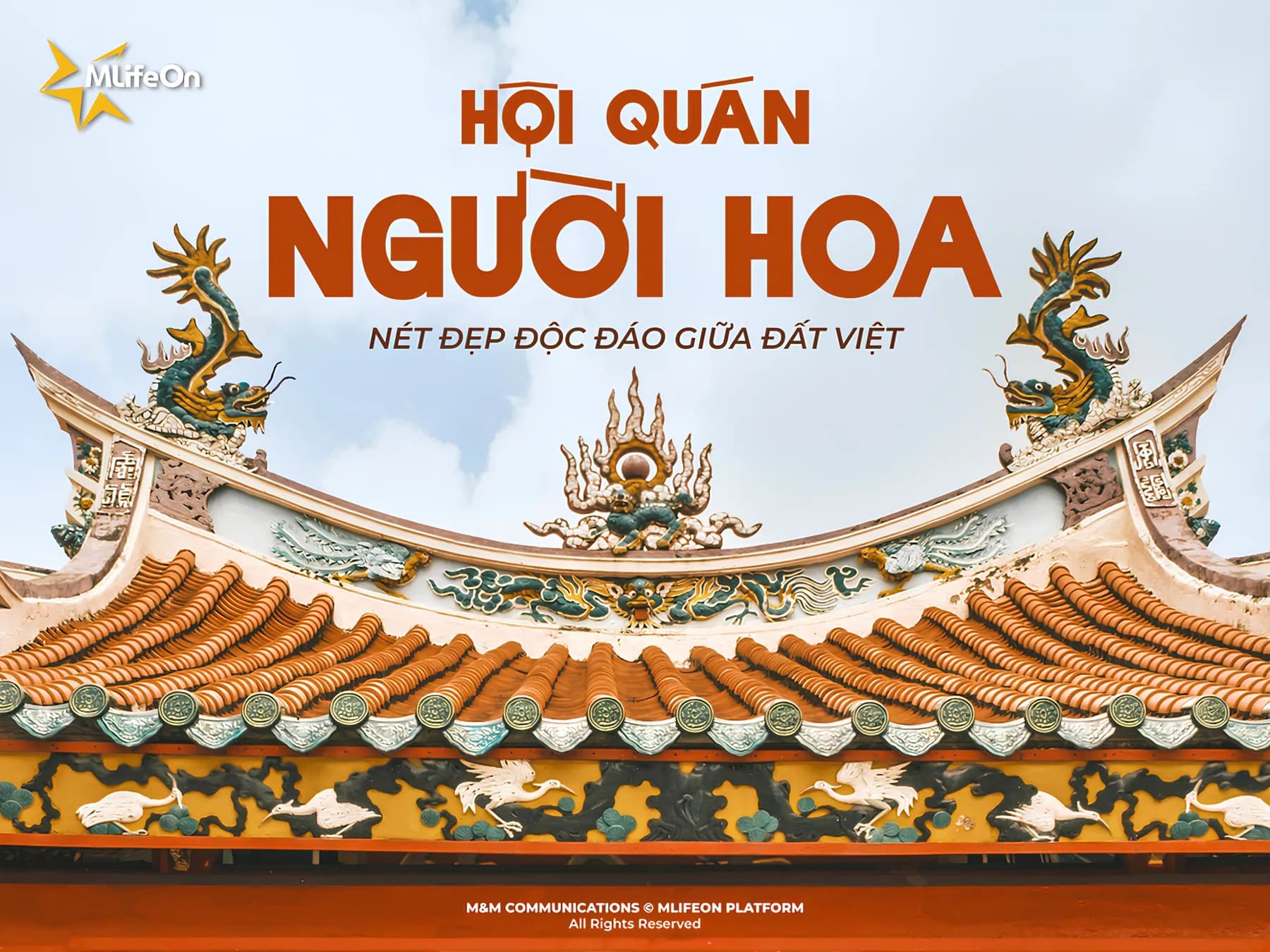
CHINESE ASSOCIATION HALLS - A UNIQUE TOUCH IN THE HEART OF VIETNAM

CHINESE ASSOCIATION HALLS - A UNIQUE TOUCH IN THE HEART OF VIETNAM

Join us on a journey to explore Chinese Assembly Halls in Vietnam, and learn about the function and architectural beauty of these structures.

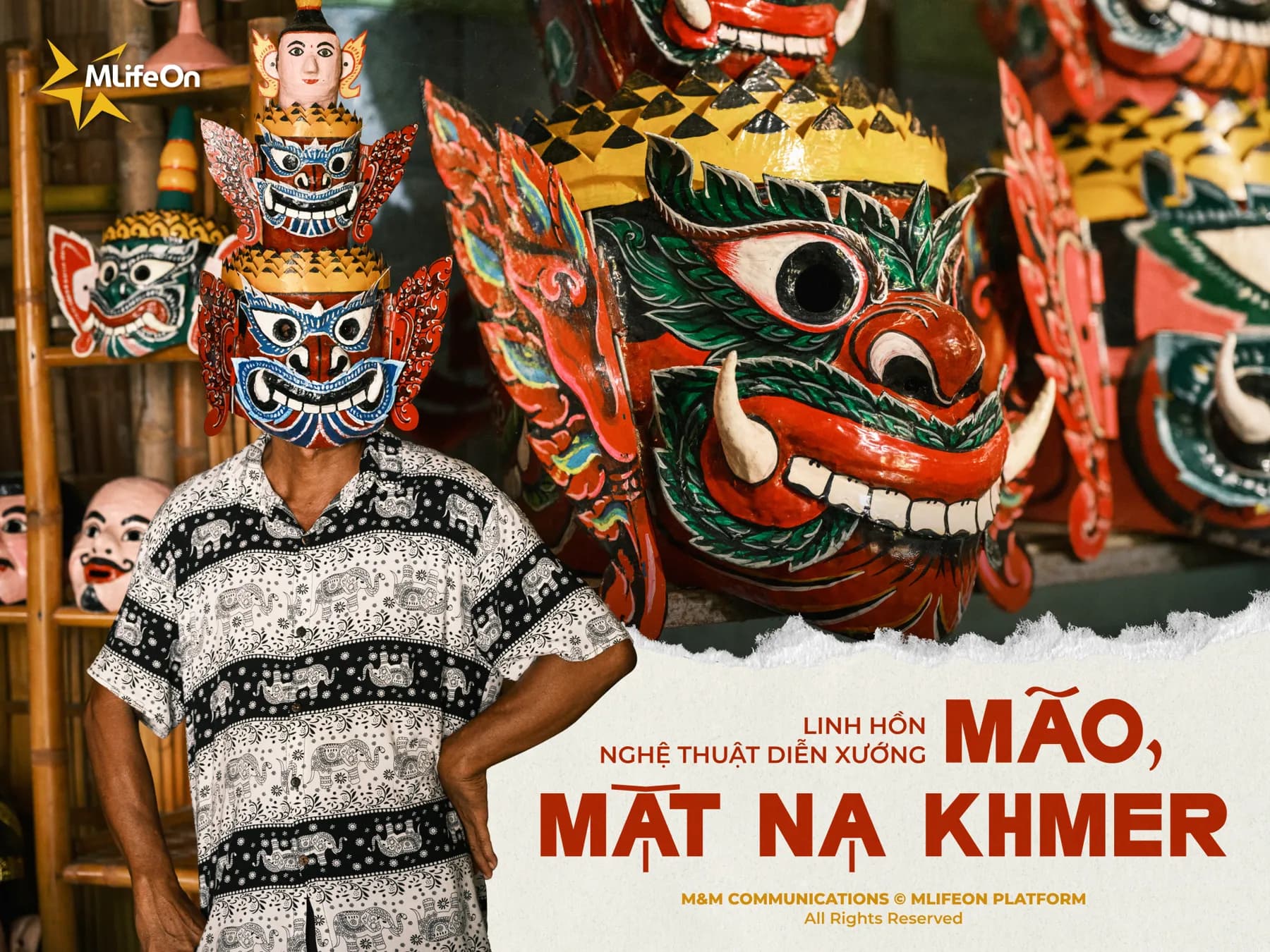
KHMER CEREMONIAL HATS AND MASKS - THE SOUL OF SOUTHERN VIETNAMESE THEATRE

KHMER CEREMONIAL HATS AND MASKS - THE SOUL OF SOUTHERN VIETNAMESE THEATRE

Explore Khmer ceremonial hats and masks, sacred and mystical elements associated with the performing arts and spiritual life of the Southern Khmer people.

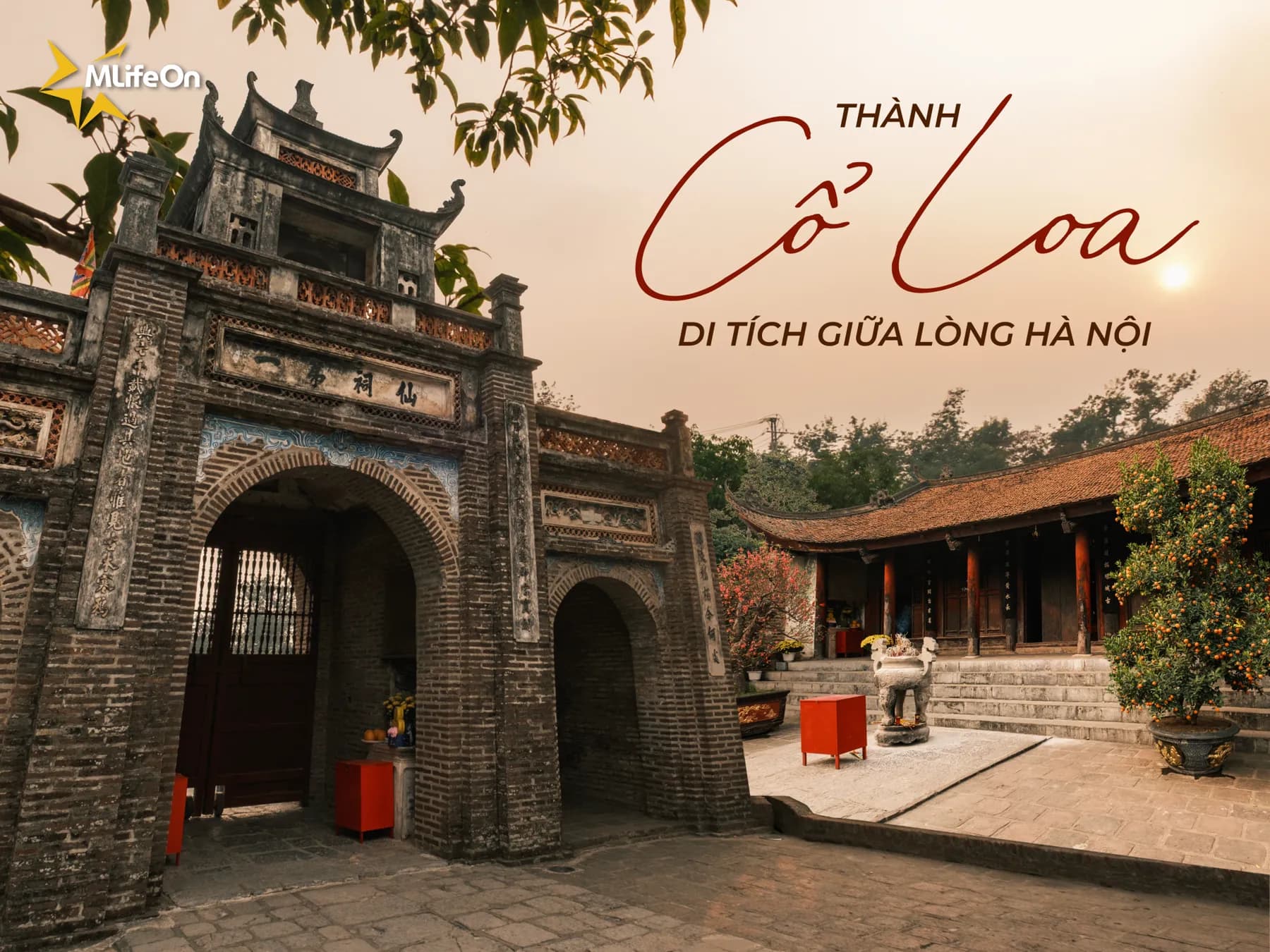
CO LOA ANCIENT CITADEL - A NATIONAL HISTORICAL SITE IN THE HEART OF HANOI

CO LOA ANCIENT CITADEL - A NATIONAL HISTORICAL SITE IN THE HEART OF HANOI

Explore the Co Loa Citadel - the ancient capital of Au Lac, a place preserving the unique historical, architectural, and archaeological values ​​of the Vietnamese people.

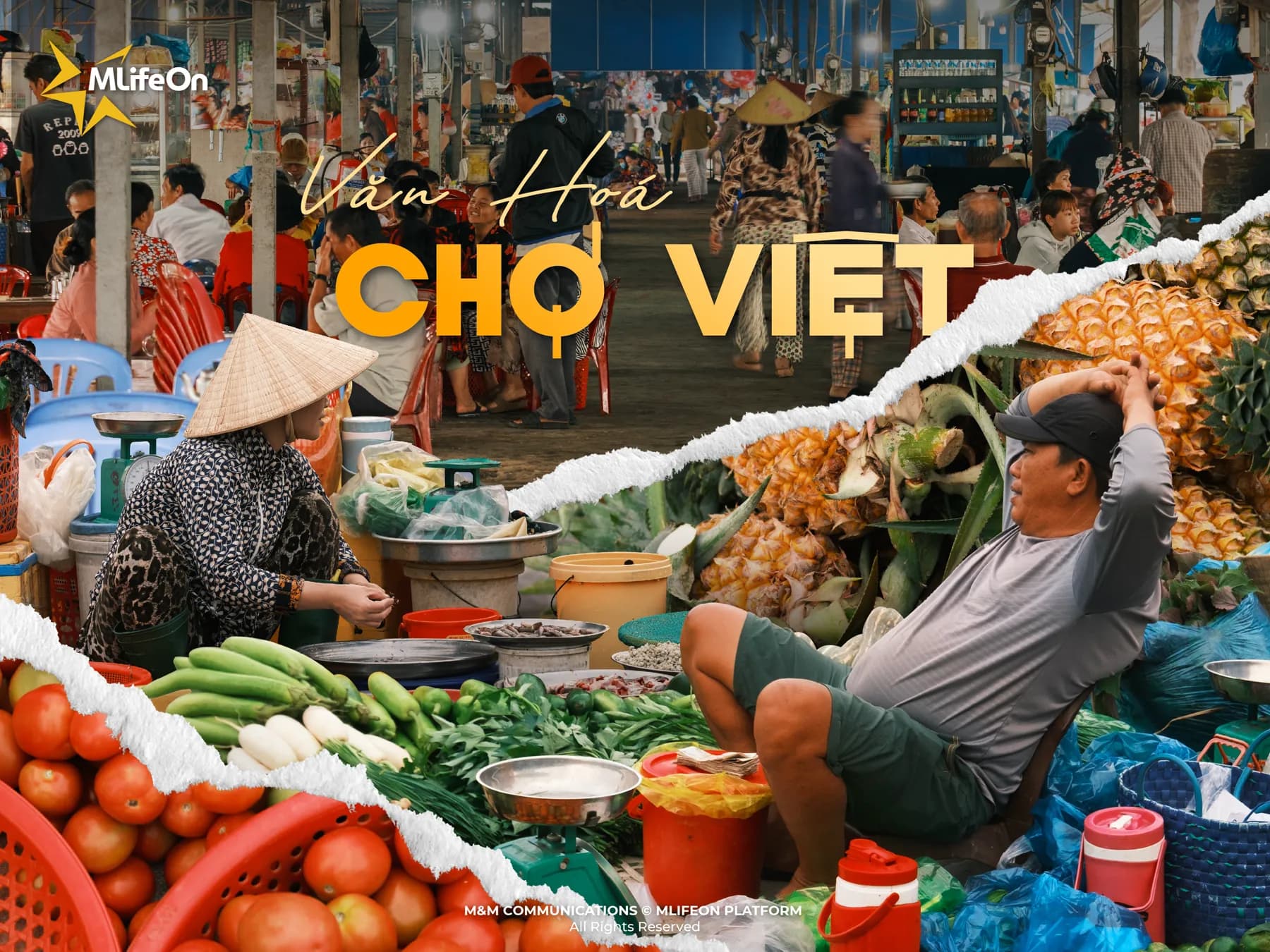
VIETNAMESE MARKETS - WHERE THE LIFE OF EACH REGION REVEALS ITSELF MOST CLEARLY

VIETNAMESE MARKETS - WHERE THE LIFE OF EACH REGION REVEALS ITSELF MOST CLEARLY

Vietnamese markets are not merely places of trade; they are the clearest reflections of local life, daily rhythms, and regional character - from river deltas and waterways to coastal shores.

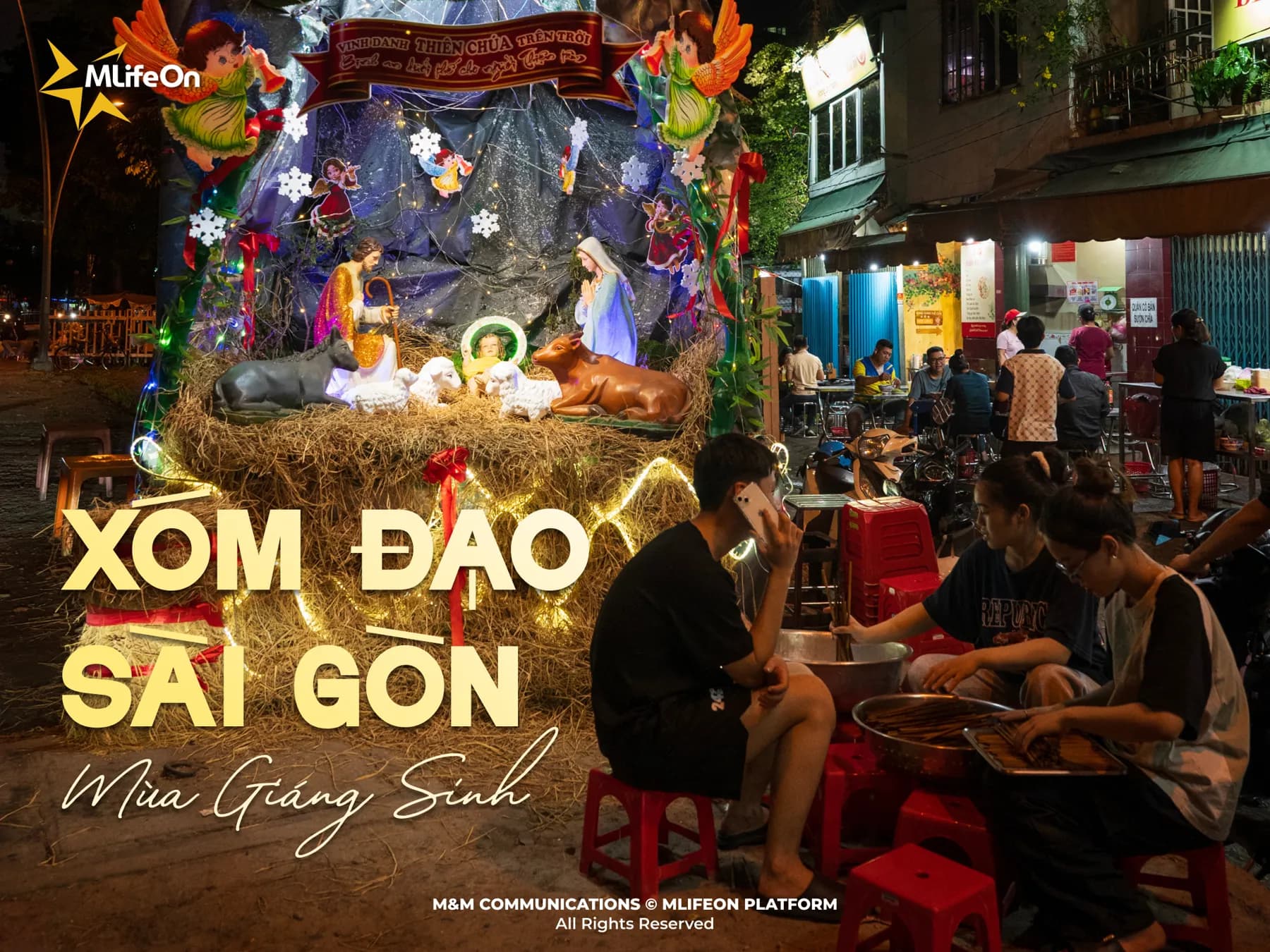
VISITING A CHRISTIAN VILLAGE DURING CHRISTMAS

VISITING A CHRISTIAN VILLAGE DURING CHRISTMAS

Discover the dazzling beauty of Saigon's Catholic neighborhoods during Christmas, where light, music, and human warmth blend together, creating a unique cultural experience in the heart of the city.

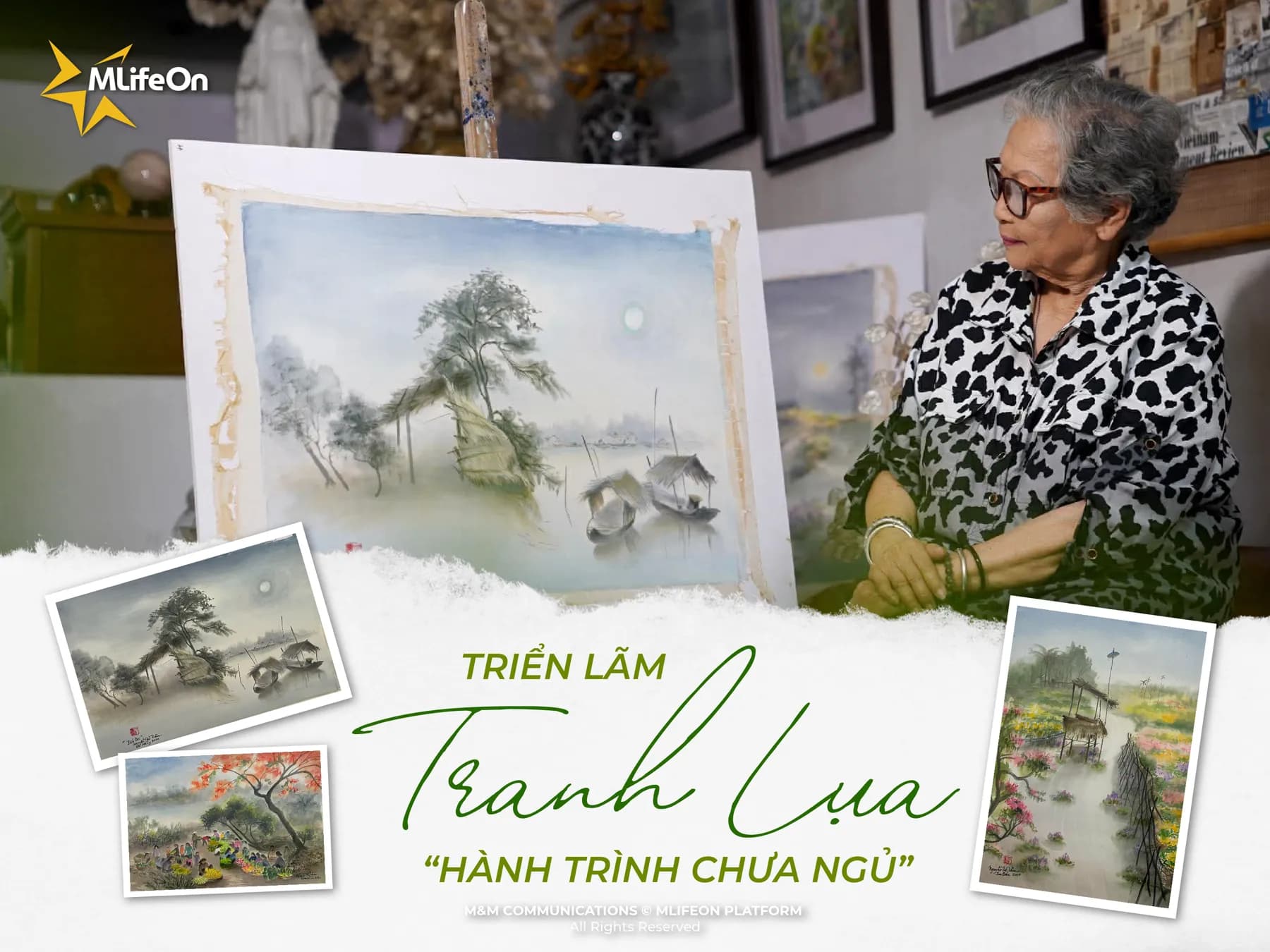
SILK PAINTING EXHIBITION - “THE UNFINISHED JOURNEY” BY ARTIST NGUYEN THI TAM

SILK PAINTING EXHIBITION - “THE UNFINISHED JOURNEY” BY ARTIST NGUYEN THI TAM

The exhibition “The Unfinished Journey” presents 50 never-before-seen silk paintings by artist Nguyen Thi Tam, capturing over three decades of her creative journey.

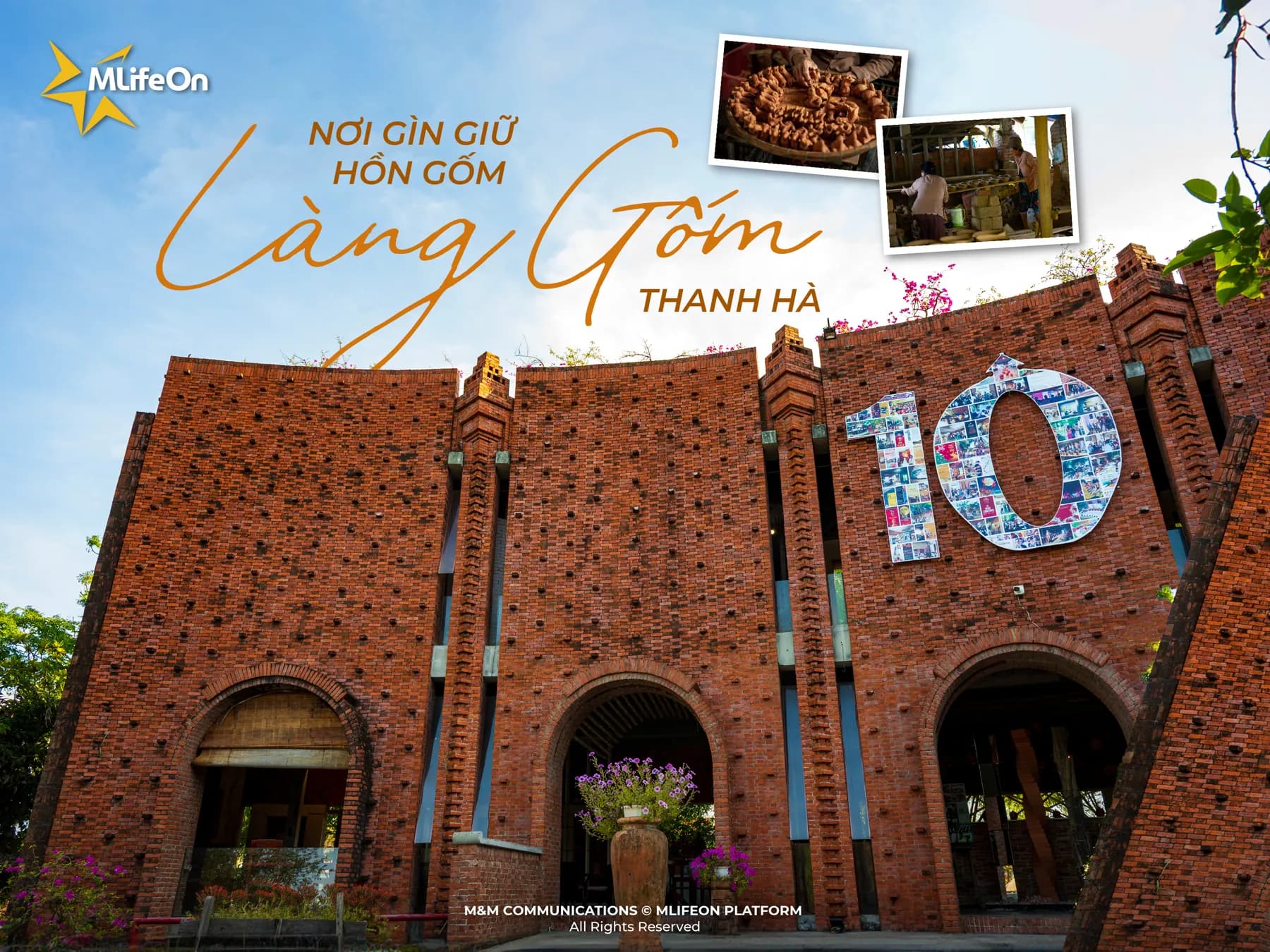
THANH HA POTTERY VILLAGE - 500 YEARS OF PRESERVING THE SOUL OF POTTERY

THANH HA POTTERY VILLAGE - 500 YEARS OF PRESERVING THE SOUL OF POTTERY

Join MLifeOn in exploring Thanh Ha Pottery Village - a traditional craft village over 500 years old located on the Thu Bon River in Hoi An.