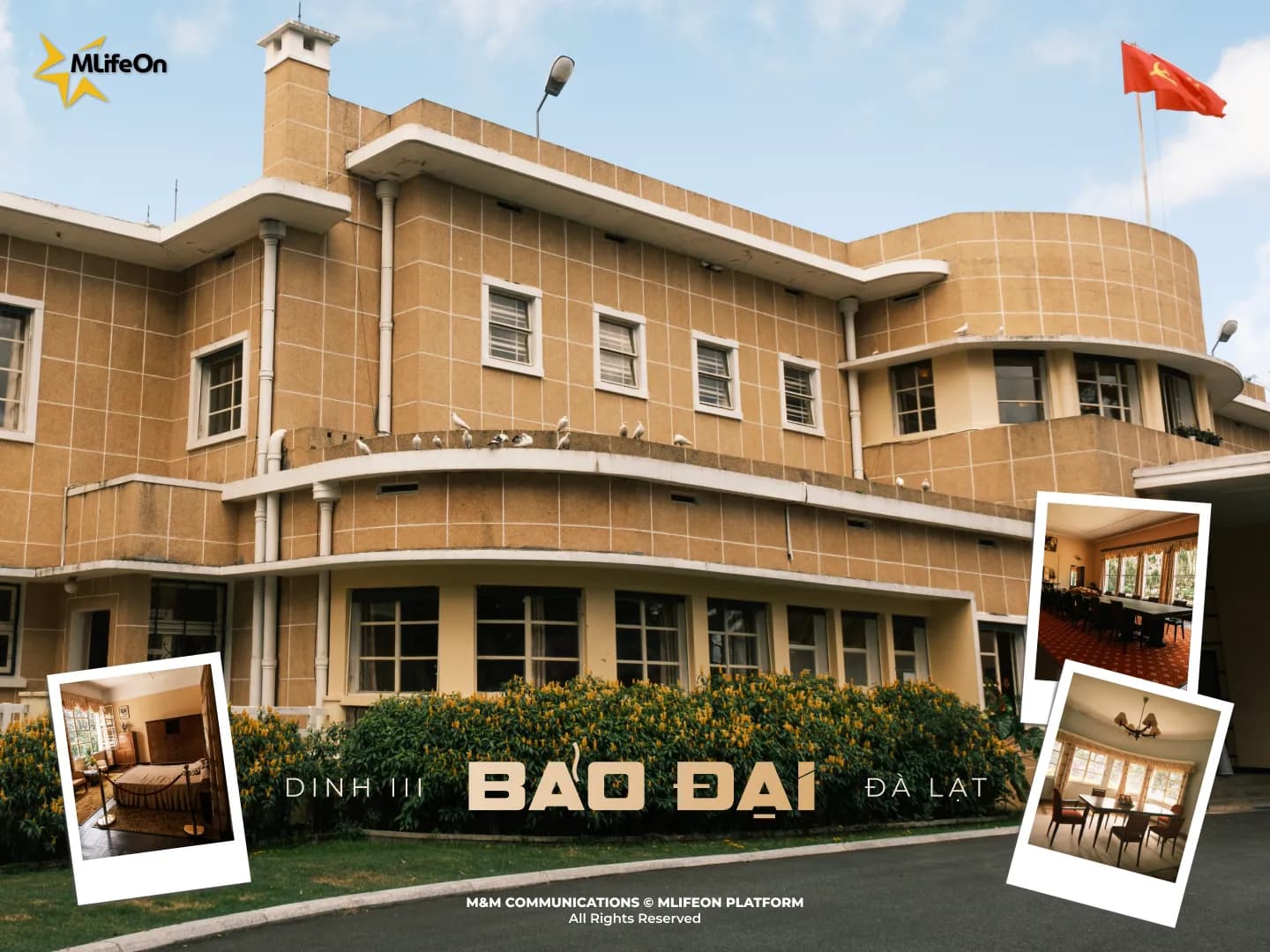
BAO DAI PALACE III - DA LAT

Như Quyền
BAO DAI PALACE III - DA LAT
Bao Dai Palace III is a summer residence associated with the last emperor of the Nguyen Dynasty in Da Lat. The palace features modern European architectural style, nestled among the highland pine forests, and preserves significant historical traces from the transitional period of the early 20th century.

A summer residence among the pines: Where history falls into quiet at Bao Dai Palace III

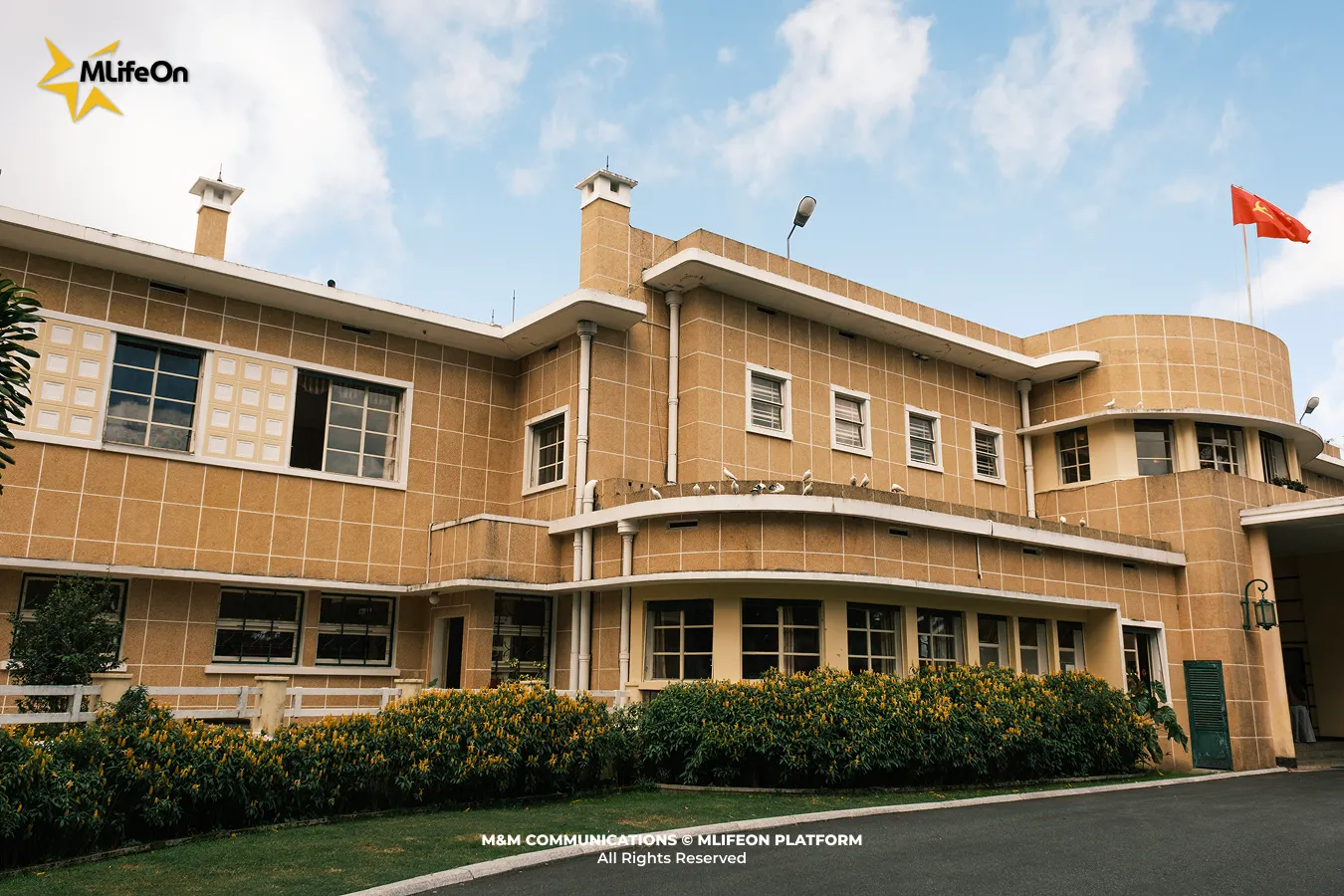
On the southern hills of central Da Lat, Bao Dai Palace III stands discreetly amid a canopy of pine trees, offering a serene atmosphere set apart from the steady rhythm of the highland city. The structure does not assert itself through grand scale, nor does it seek to project authority. Instead, its presence is measured and composed befitting a summer residence closely tied to the final years of a dynasty.
Frame 1044.png

Constructed in the 1930s, the residence once served as both a retreat and a workplace for Bảo Đại, the final emperor of the Nguyễn dynasty. At a time when Da Lat was being developed as a European-style hill station, the palace reflected the Western-oriented lifestyle of the contemporary elite, while also marking a turbulent transitional period in Vietnam’s modern history.

Restrained architecture and seamless integration with the landscape of Da Lat

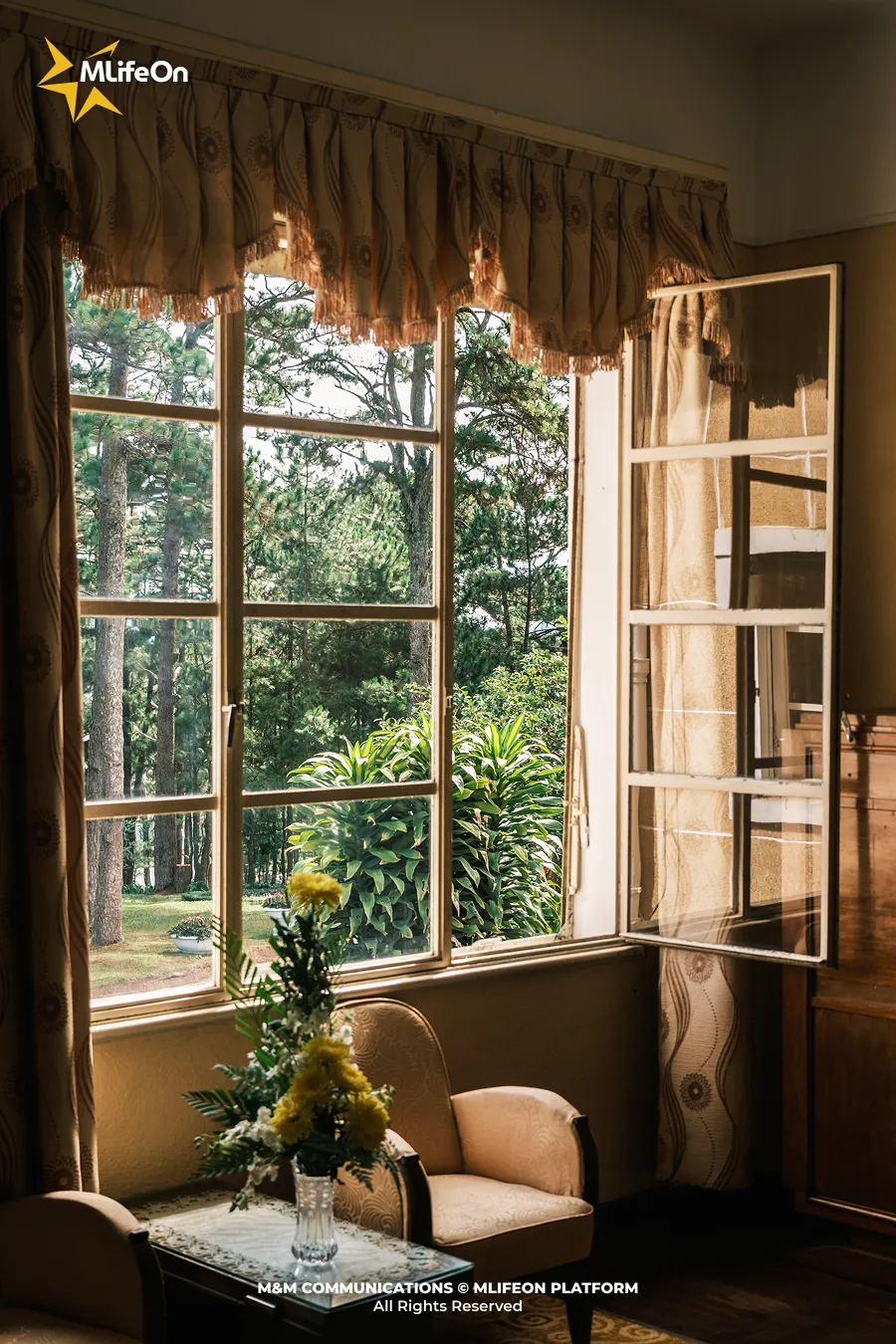
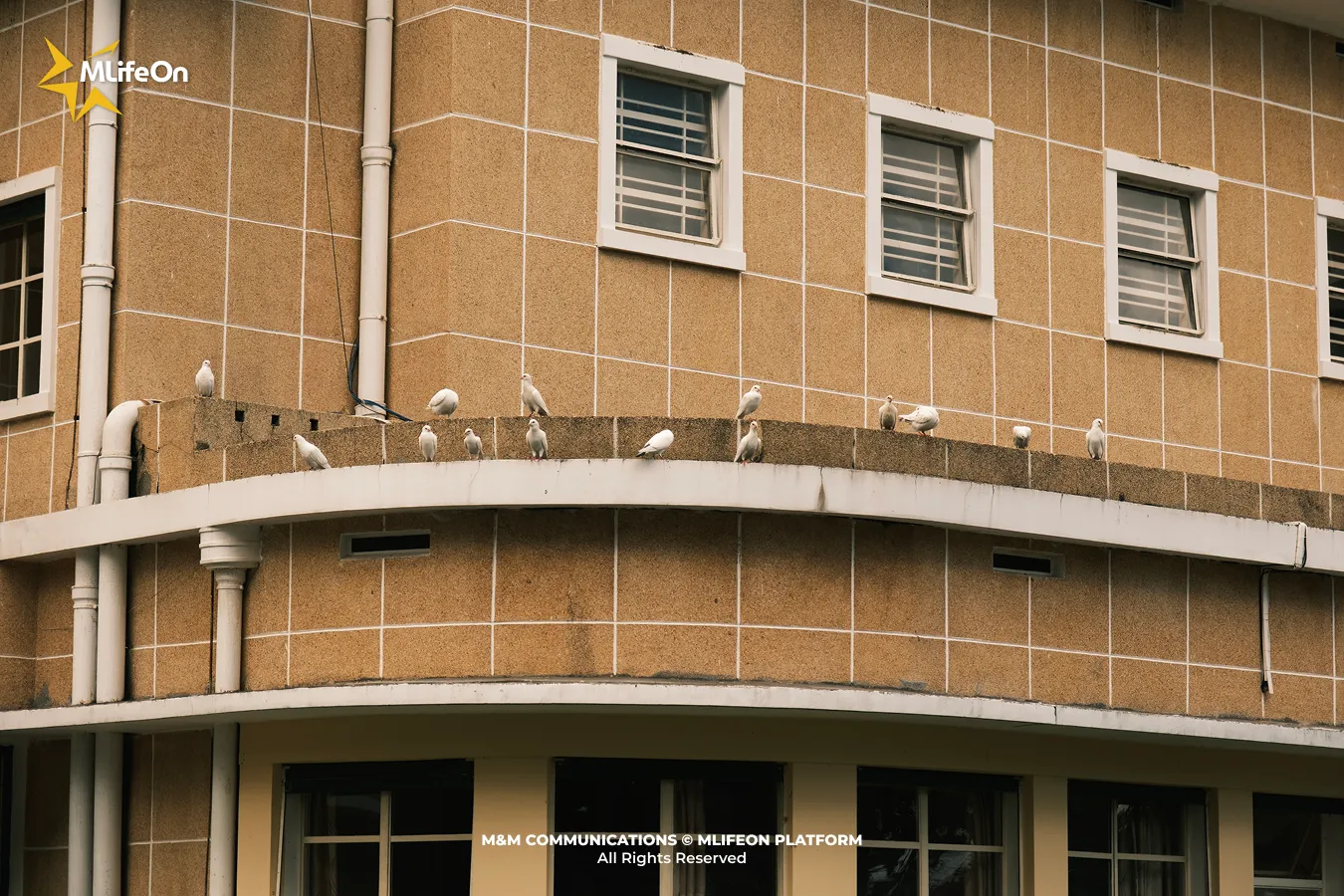
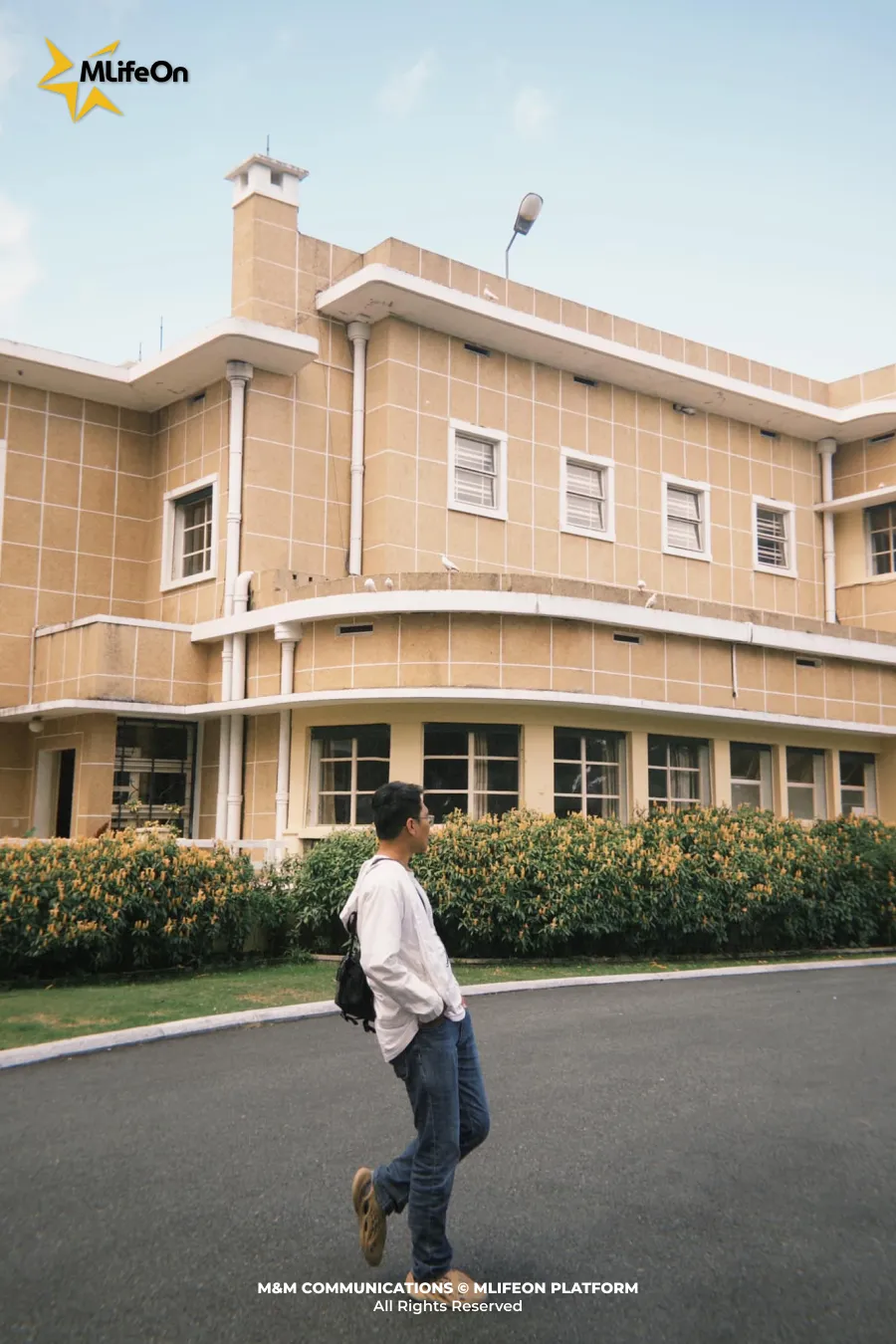
The Summer Palace adopts a modern European architectural style, characterized by a compact layout and clean, decisive lines. Flat wall surfaces, expansive glass windows, and open interior spaces reflect a design philosophy that prioritizes function over ornamentation. Without curved roofs or elaborate detailing, the structure embraces restraint, allowing its understated elegance to endure over time while harmonizing naturally with the landscape of Da Lat.
Frame 1050.png

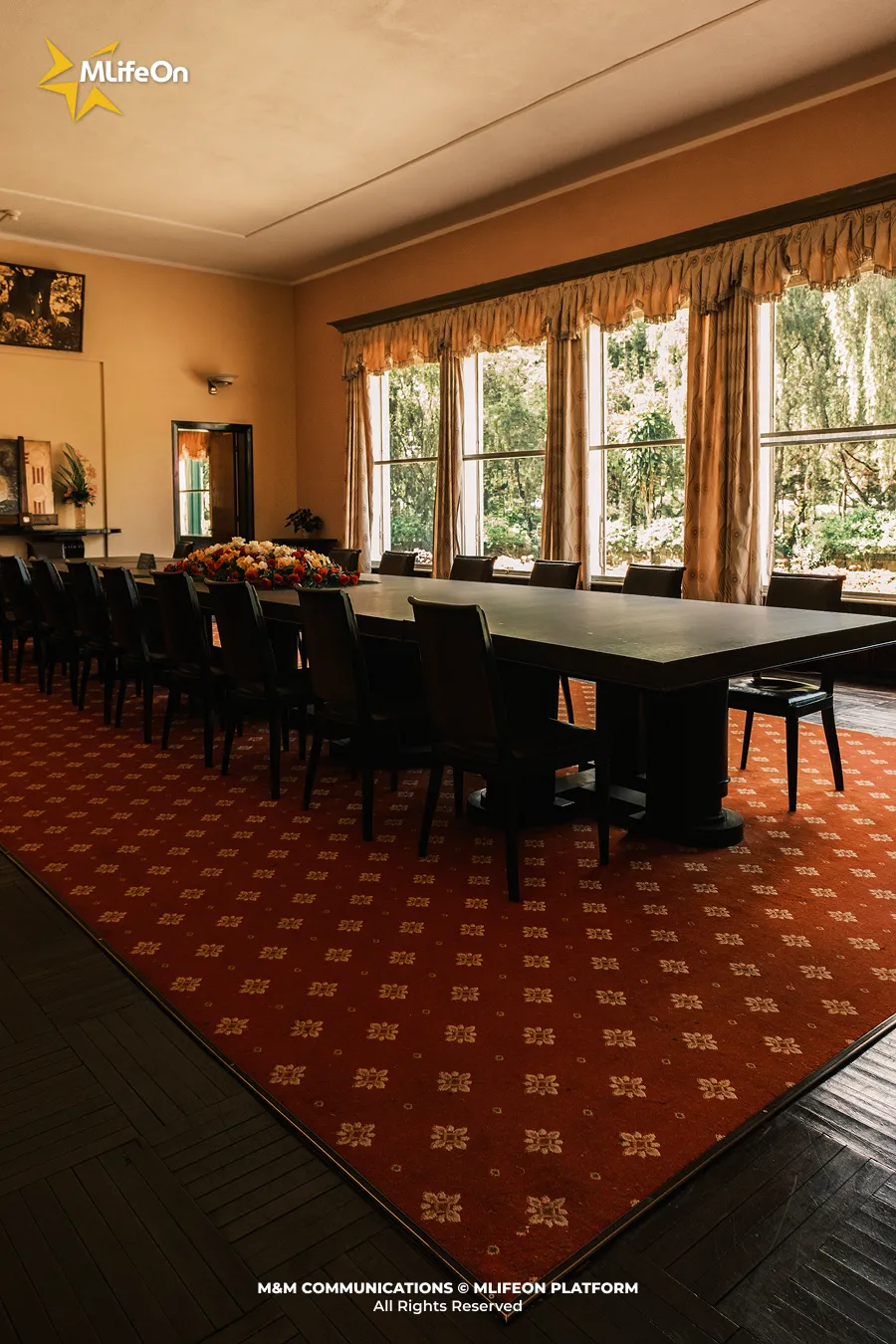
The ground floor was designated for receptions and official work, while the upper level served as the private living quarters of the royal family. This clear yet flexible spatial arrangement created a structure that balanced ceremonial function with everyday life.

Surrounded by expansive lawns and long-standing pine forests, the architecture does not stand apart from nature; rather, it appears to rely on the surrounding landscape to complete its form, achieving a harmonious relationship between built space and environment.
Frame 1042.png

Amid the highland pine forest, the architecture does not seek to impose itself upon the landscape, but instead chooses to blend into it. The restraint in its lines and volumes allows the structure to maintain a sense of composure, as though nature itself had shaped the form of the summer residence.

Original interiors and layers of memory preserved over time

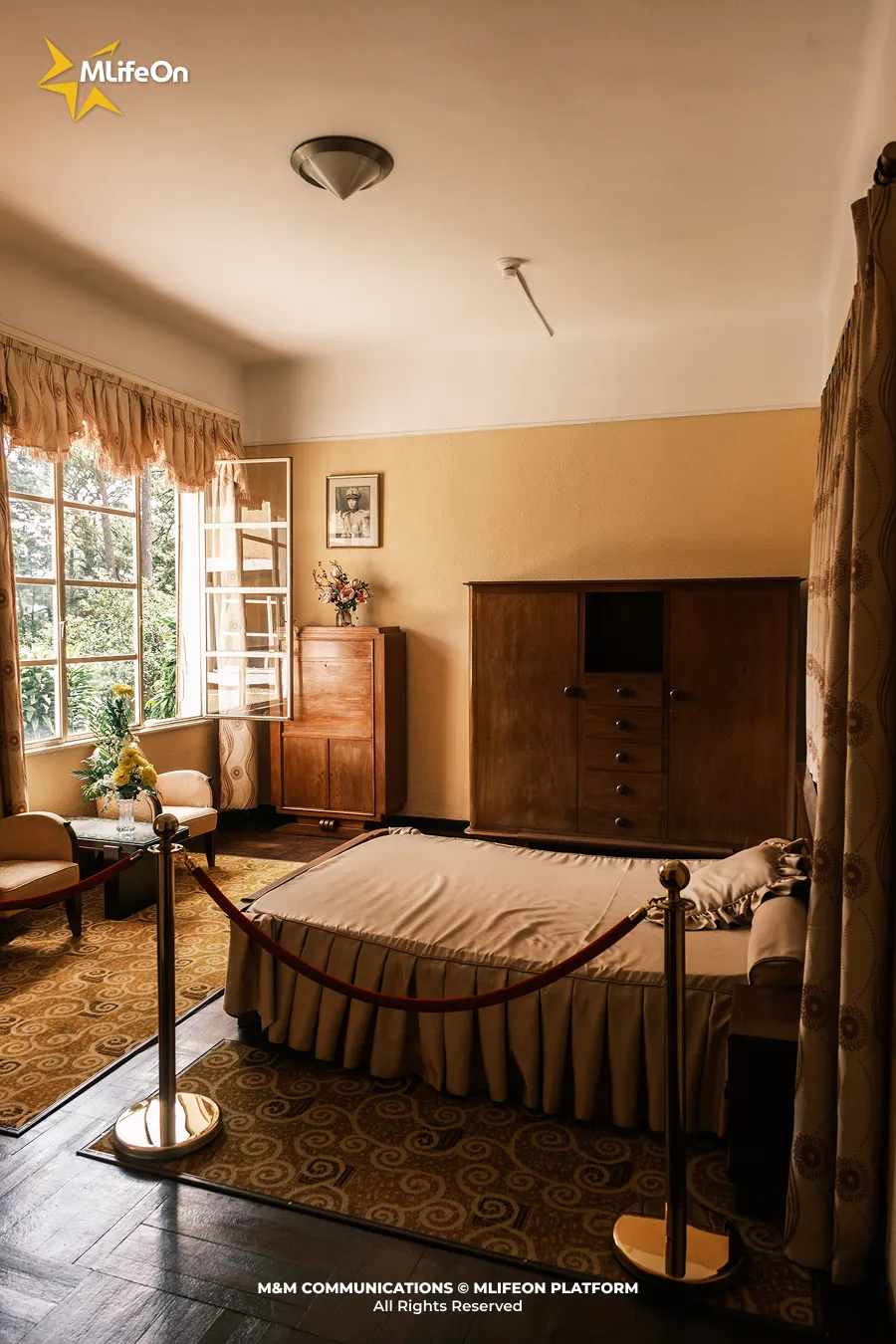
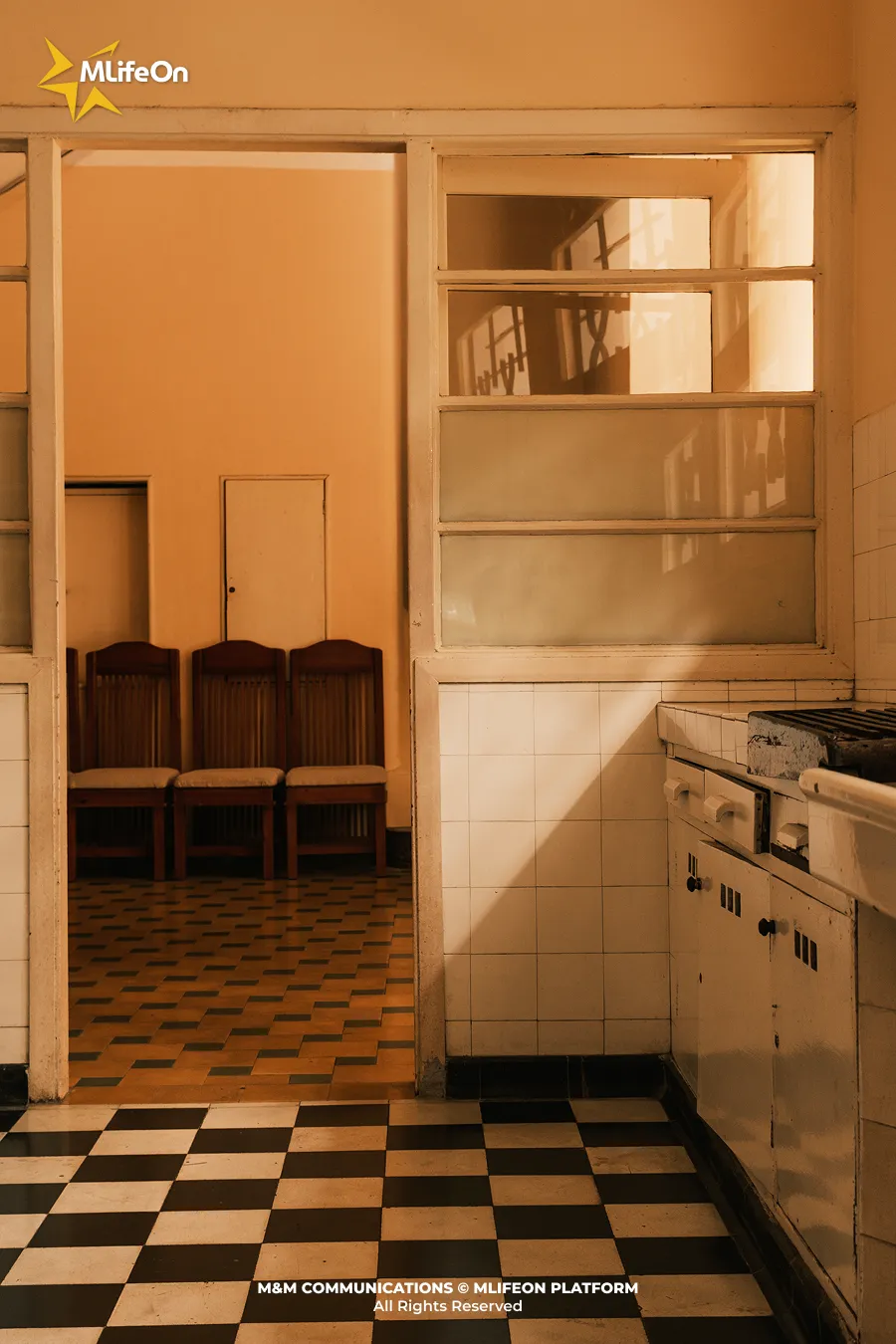
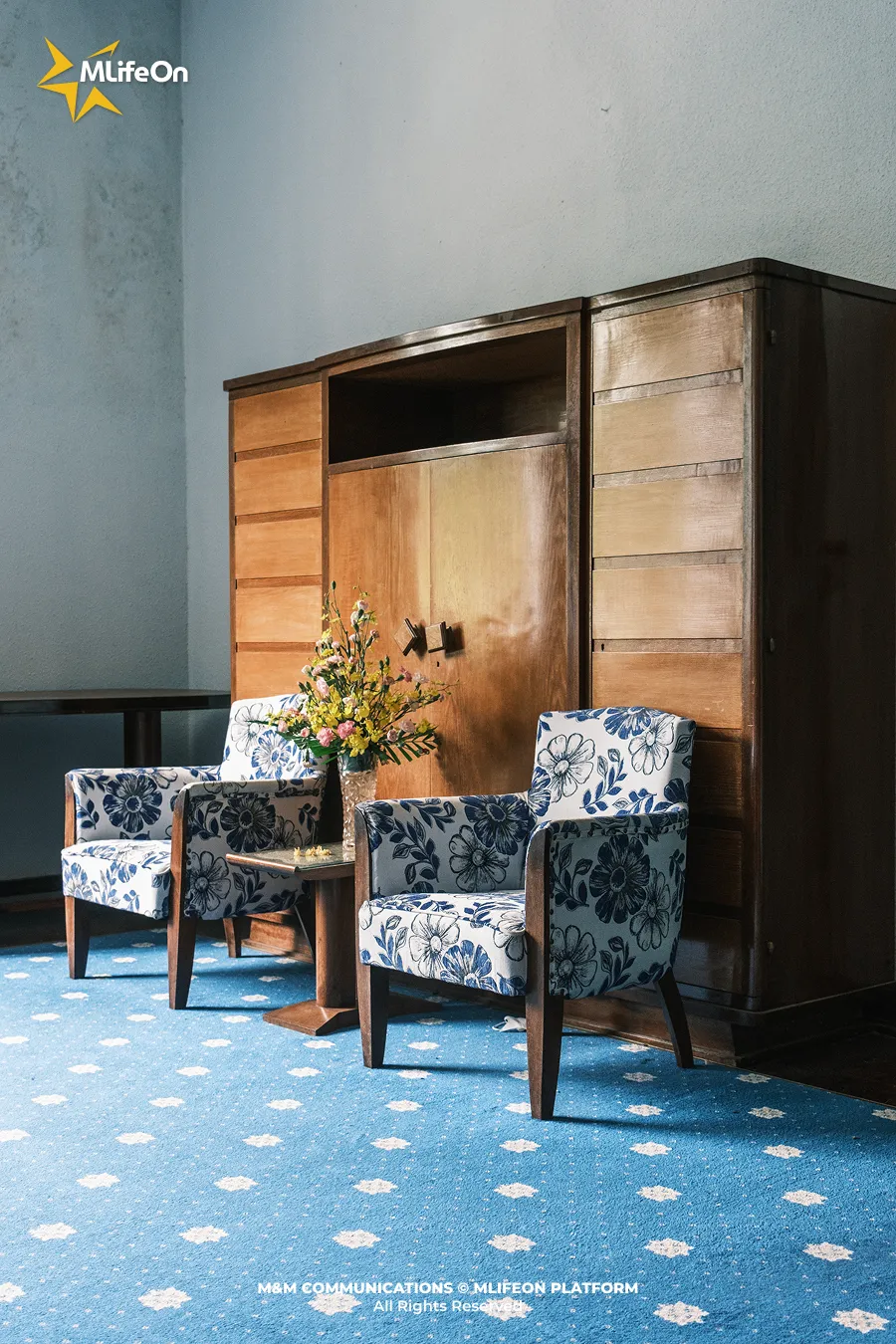
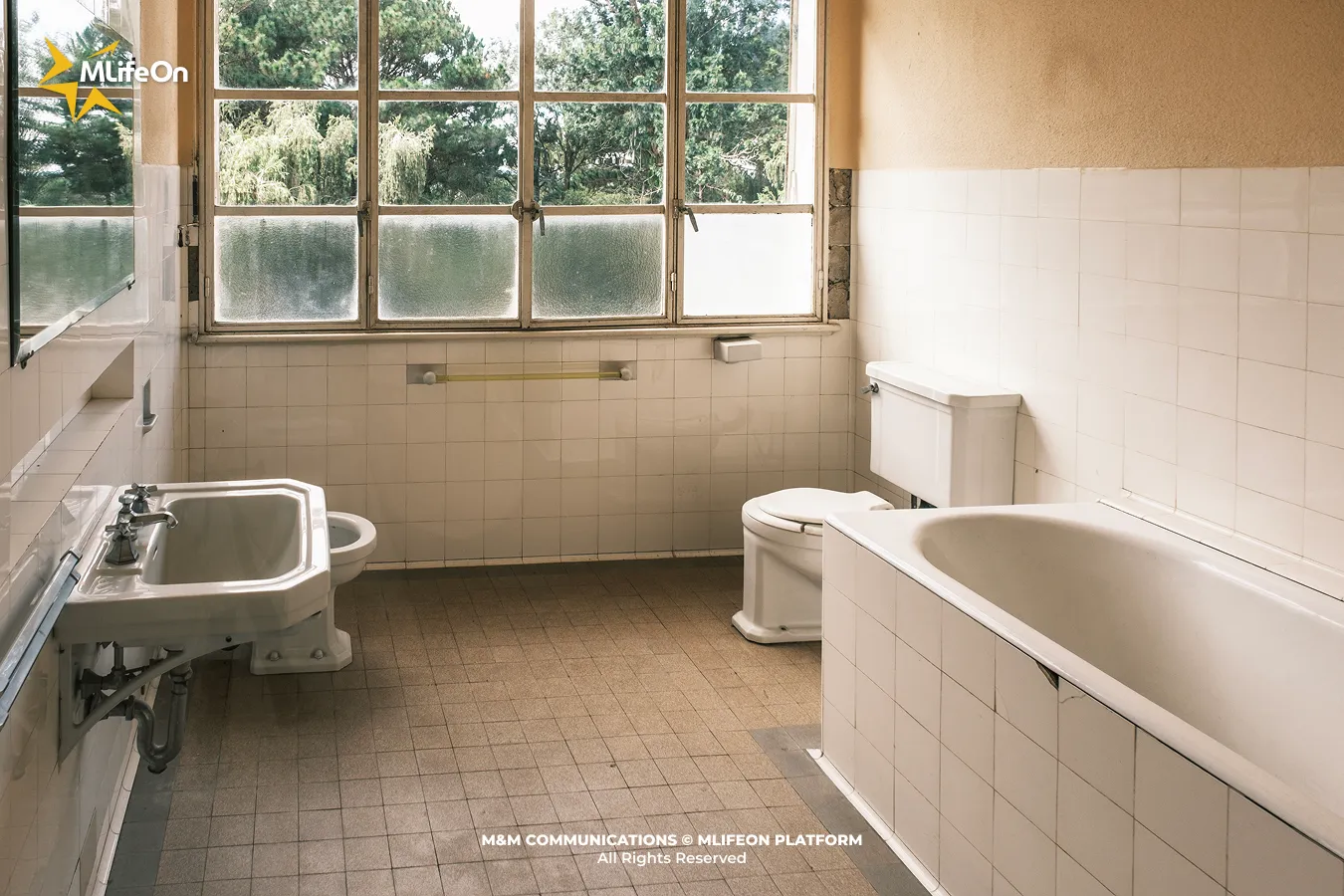
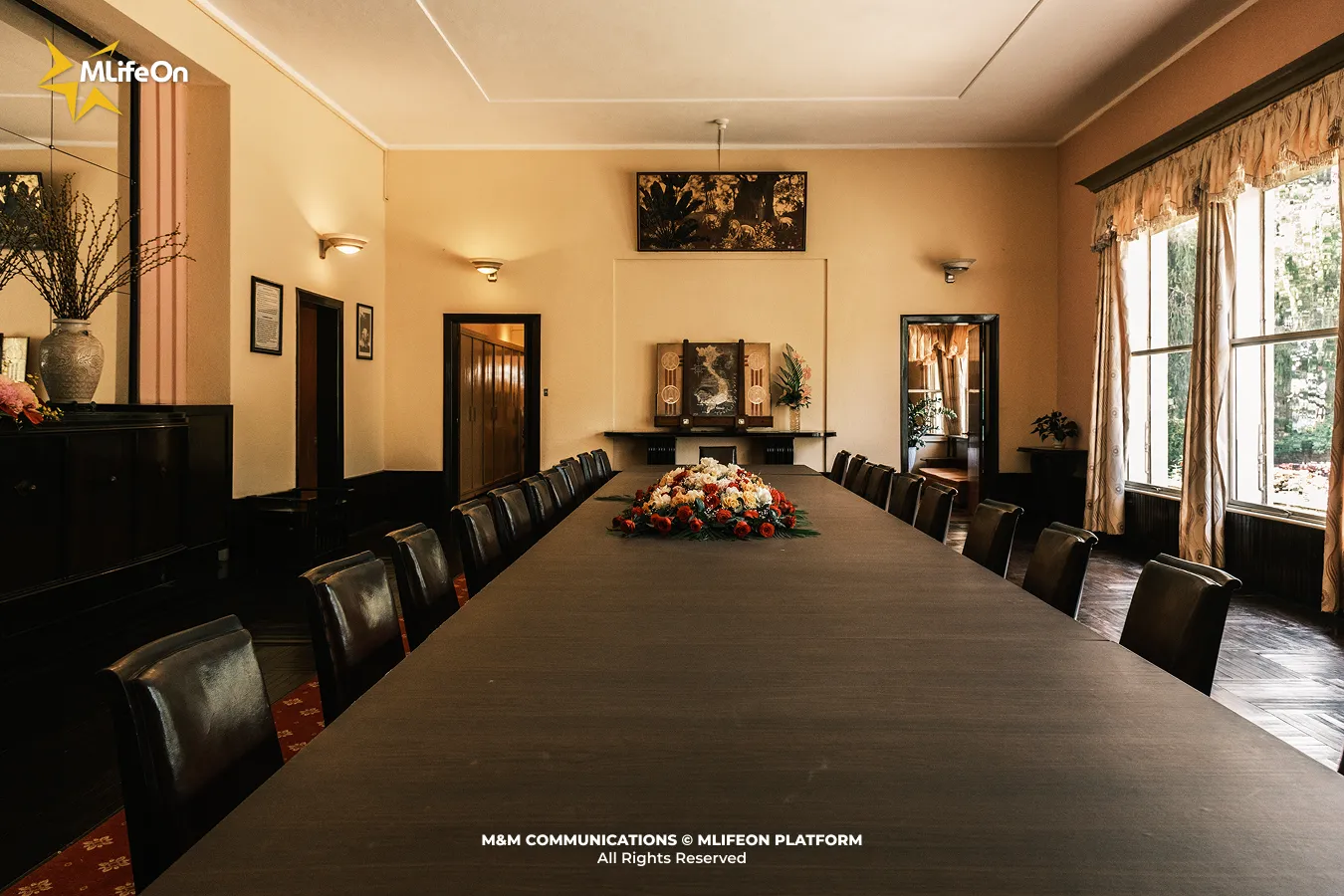
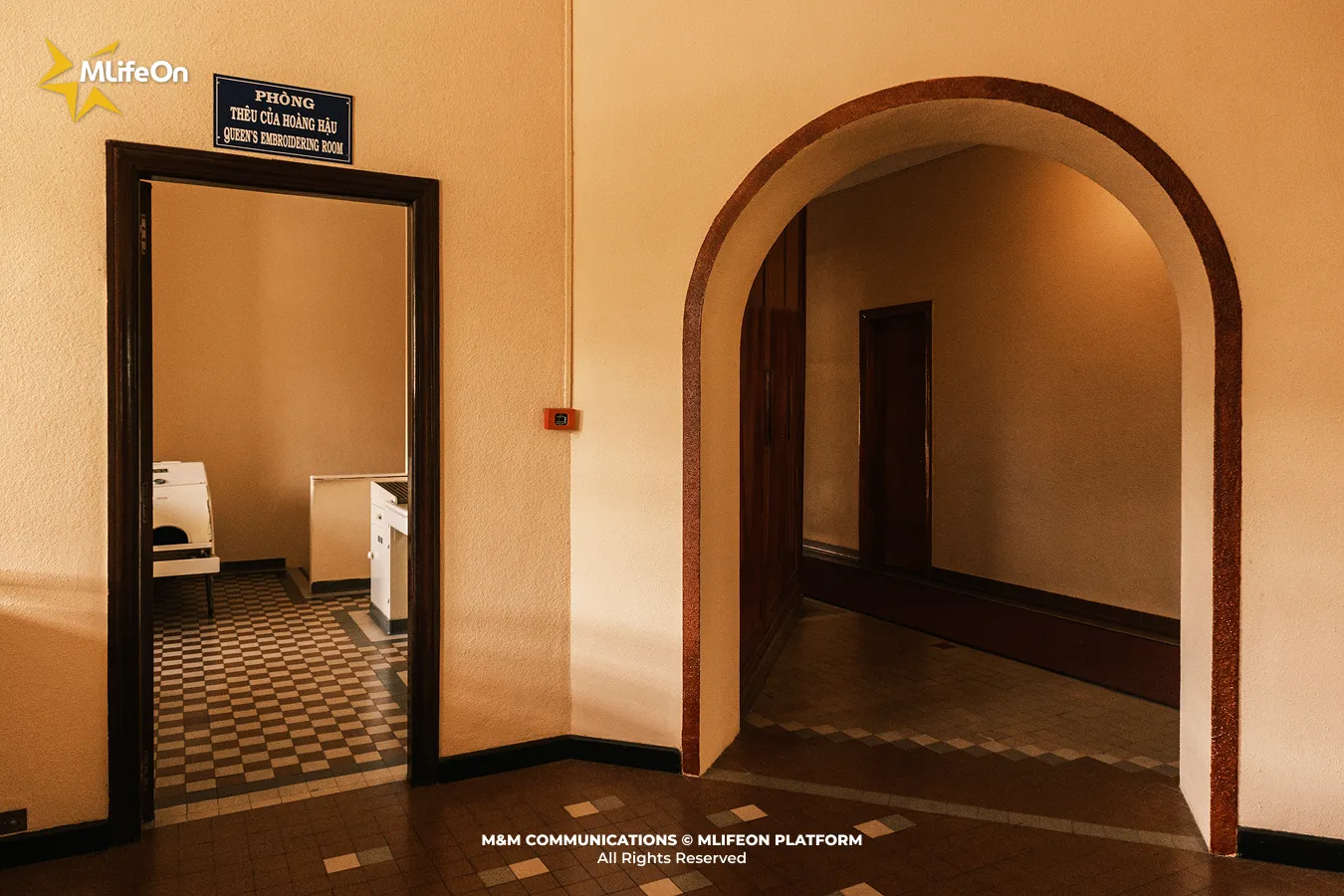
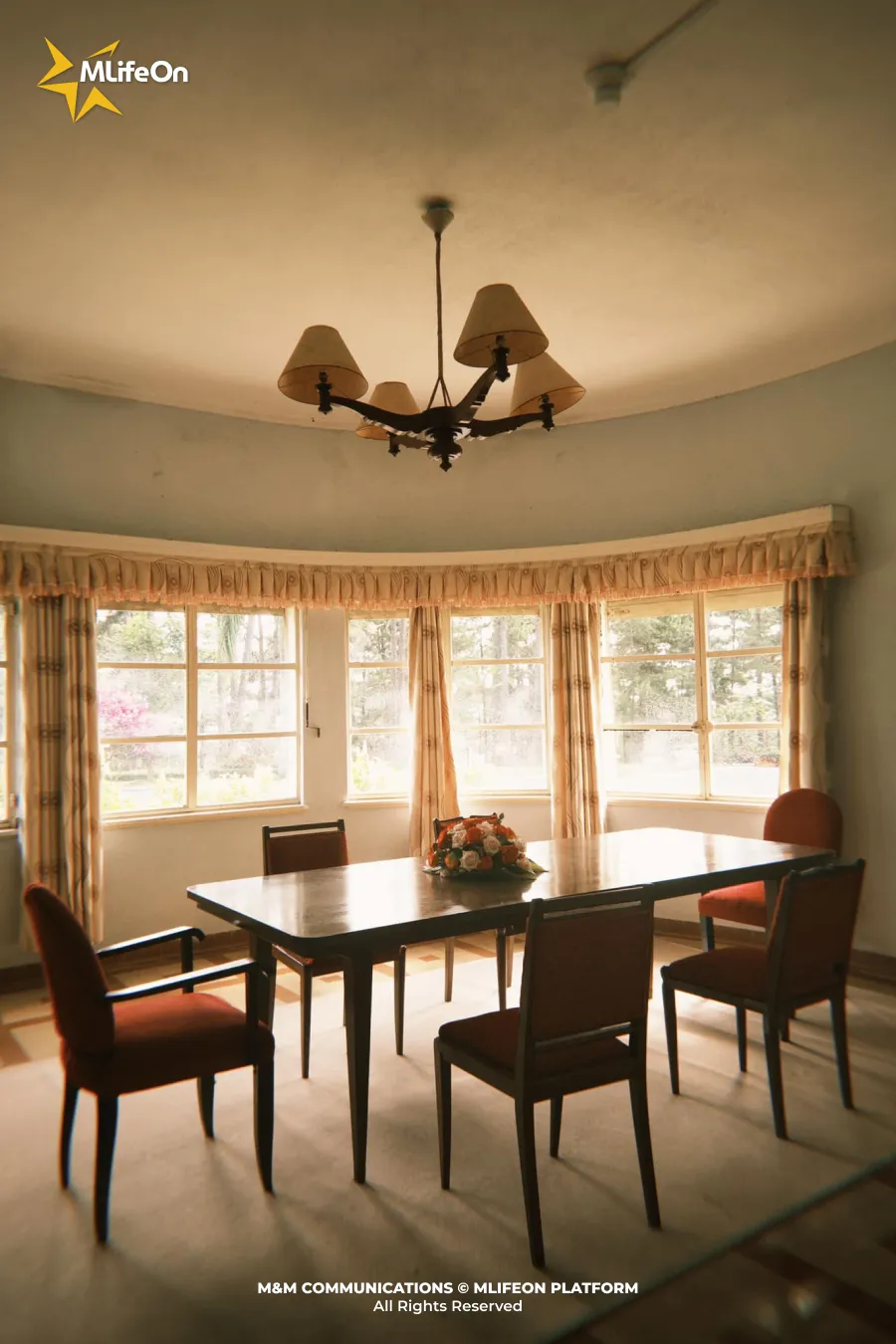
Inside Bao Dai Palace III, the functional rooms have been preserved in relatively original condition. The working desk, vintage telephone, maps, and the bedrooms of the king and queen retain their simple arrangements. The exhibition spaces avoid dramatic staging, maintaining a necessary sense of restraint so that visitors can find their own rhythm of connection with the historical narrative embedded within the residence.
Frame 1049.png

Frame 1051.png

Frame 1054.png

Frame 1058.png

Frame 1055.png

Frame 1057.png

Frame 1053.png

Frame 1056.png

Frame 1043.png

The authenticity of the interior carries not only aesthetic value but also serves as tangible evidence of memory. Each object and every arrangement contributes to recounting a story that has receded into the past, yet has never fully disappeared from the broader current of history.

A historical pause along the highland journey

Within the increasingly diverse tourism landscape of Da Lat, Bao Dai Palace III serves as a historical point of reference. The visiting space is not expansive, yet it offers a meaningful pause amid a broader exploration of the highlands. Visitors often move at a slower pace observing the architecture, reading archival materials, and sensing the dialogue between the surrounding pine forest and the two storey structure that stands quietly within it.
Frame 1052.png

The summer residence does not aim to deliver a vibrant or dynamic experience; rather, it suggests a more contemplative approach. Here, nature and architecture coexist in quiet equilibrium, evoking an image of Da Lat in the early decades of the 20th century when the city still bore the character of a secluded retreat nestled within the highlands.

Conclusion

Bao Dai Palace III does not stand out through spectacle, but endures through depth. The residence exists like a sedimentary layer within the urban memory of Da Lat, a place where past and present converge in rare composure.

Amid the pine forest and the cool highland air, the palace remains unobtrusive yet distinct enough to remind visitors that history does not reside solely in archival records. It is embedded in every wall, in each window opening onto expanses of green, where time seems to slow just enough for one to pause and listen.

------------------

CREDIT: 

- Photography: Luan Nguyen 

- Content: Nhu Quyen 

- Design: Phuong Nguyen 

About the Authors

All Articles

BAO DAI PALACE III - DA LAT

BAO DAI PALACE III - DA LAT

Bao Dai Palace III is a summer residence associated with the last emperor of the Nguyen Dynasty in Da Lat. The palace features modern European architectural style, nestled among the highland pine forests, and preserves significant historical traces from the transitional period of the early 20th century.

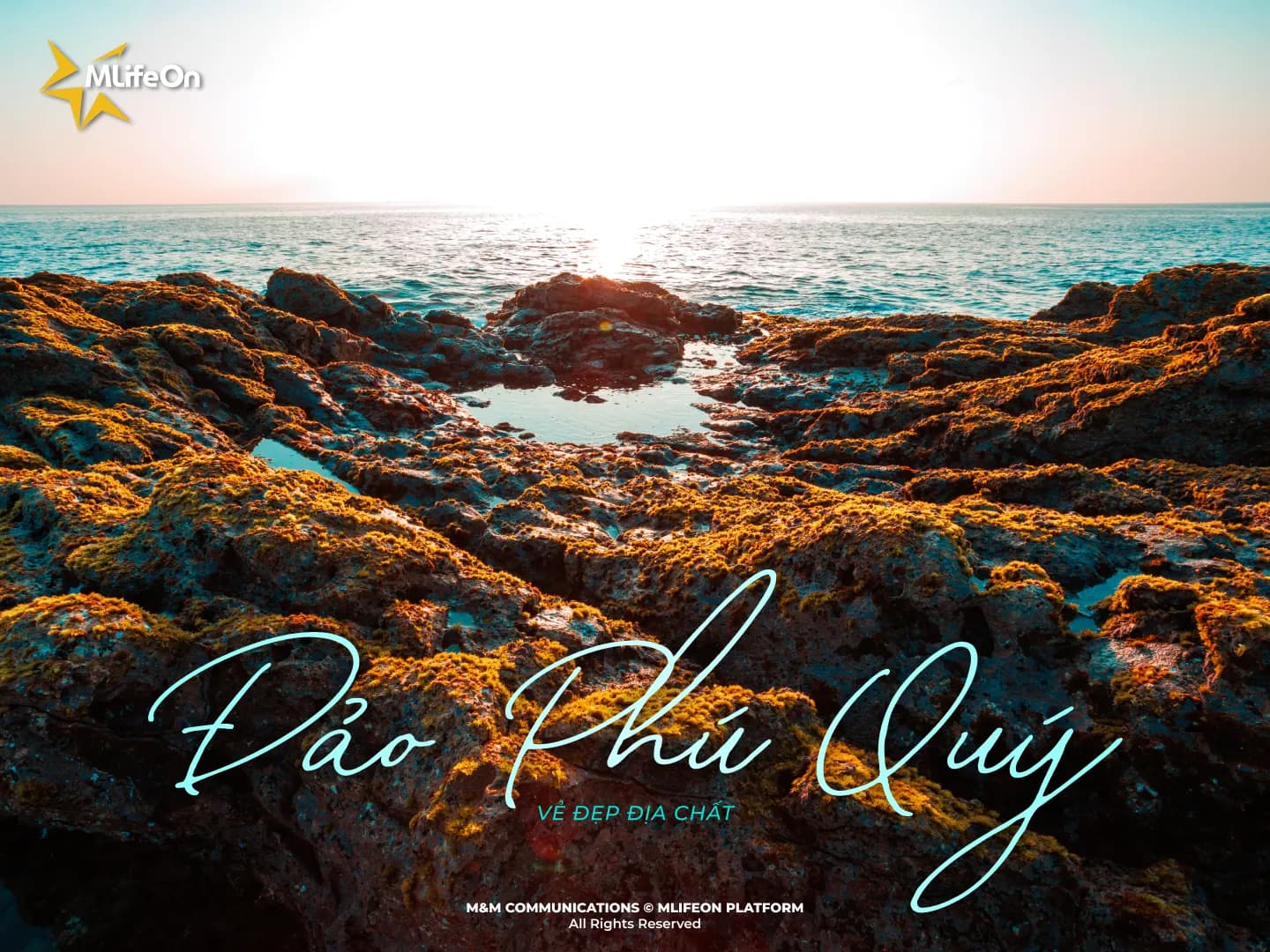
PHU QUY ISLAND - THE GEOLOGY OF A VOLCANIC REGION

PHU QUY ISLAND - THE GEOLOGY OF A VOLCANIC REGION

Explore Phu Quy Island, a volcanic island with unique basalt geology.

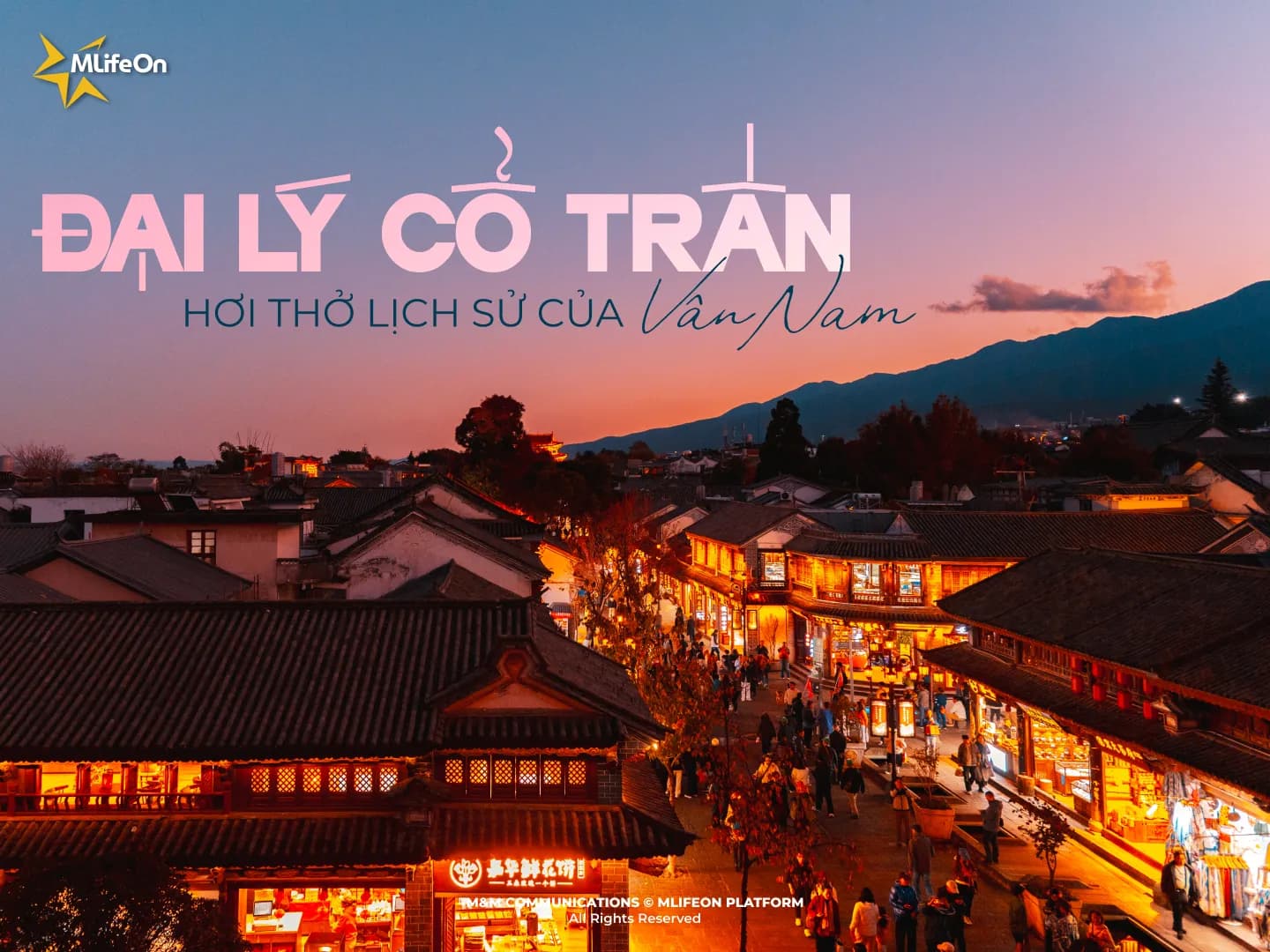
DALI ANCIENT TOWN - A HISTORICAL MARK OF YUNNAN PROVINCE

DALI ANCIENT TOWN - A HISTORICAL MARK OF YUNNAN PROVINCE

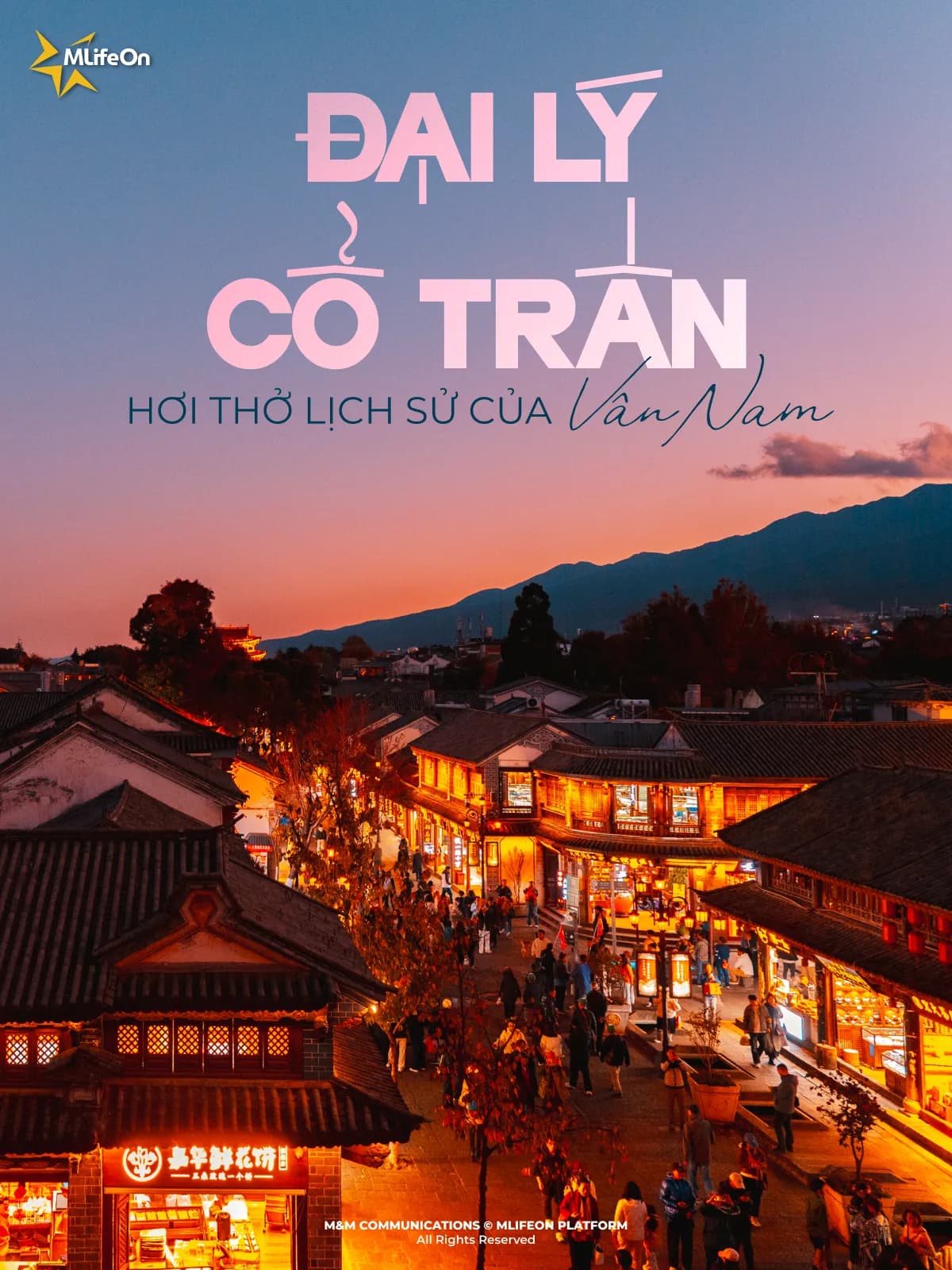
Explore Dali Ancient Town, a famous destination in Yunnan, China. A place where nature, architecture, and people blend harmoniously.

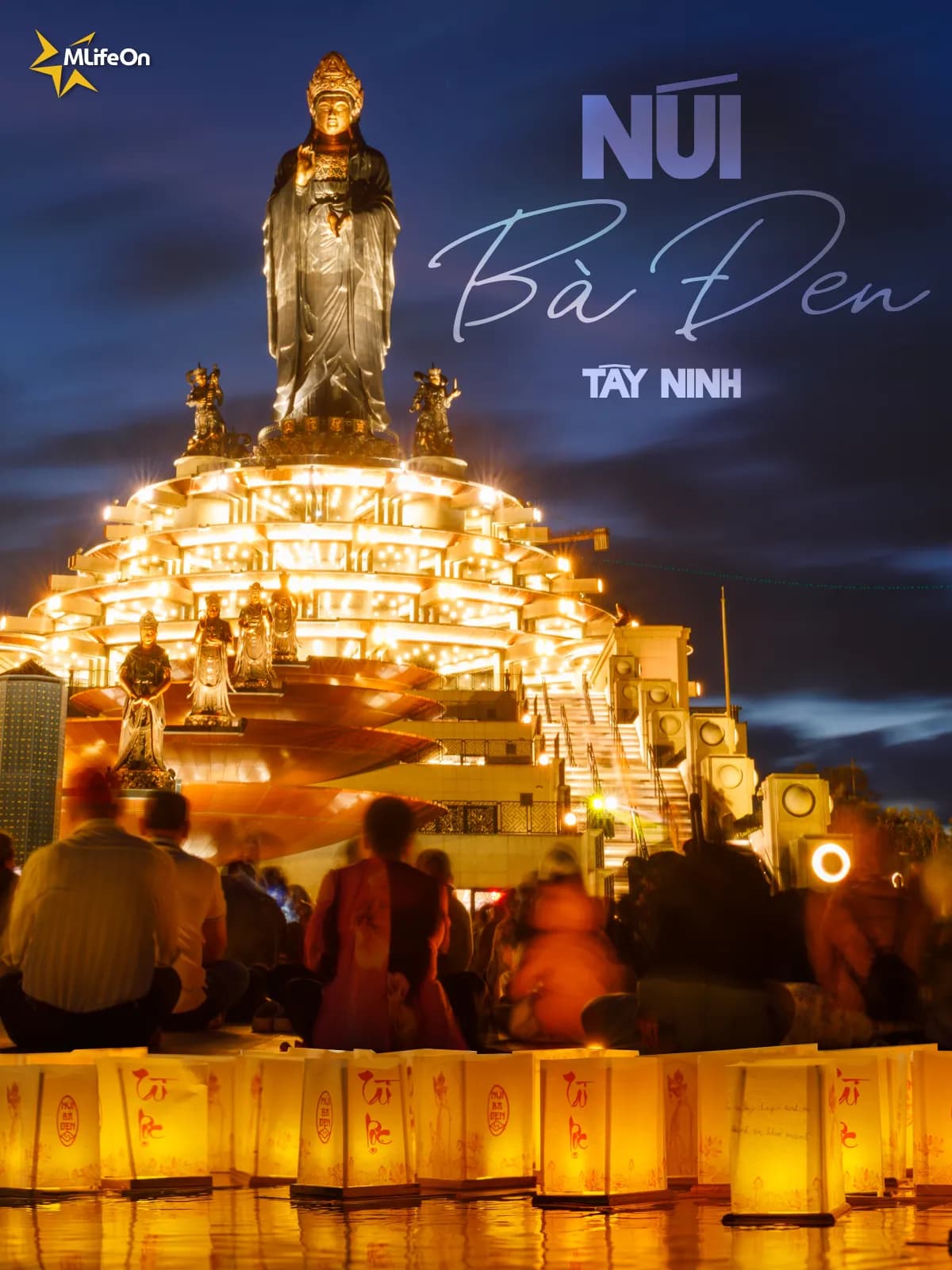
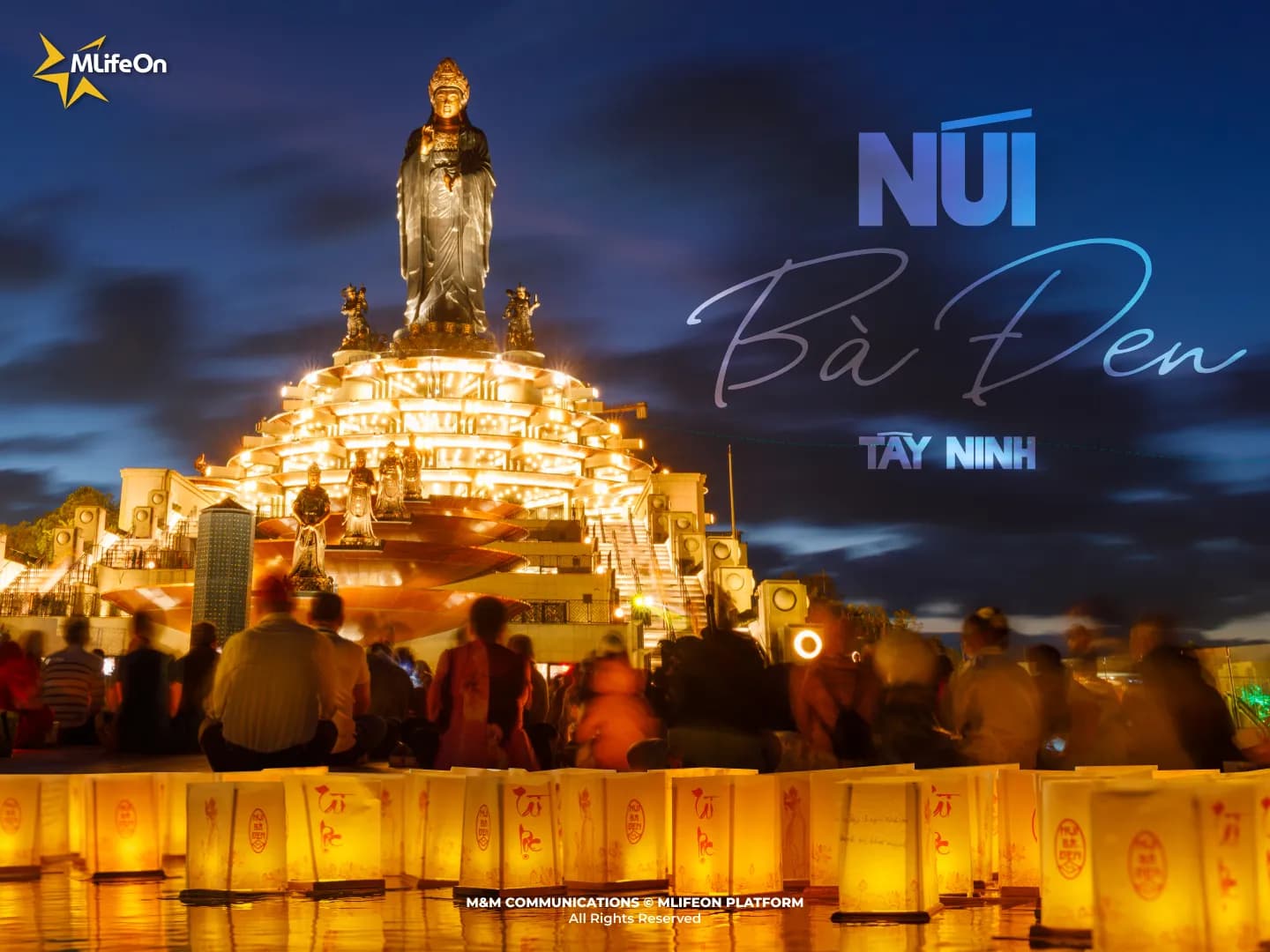
BA DEN MOUNTAIN - DISCOVERING THE SPIRITUAL SYMBOL OF TAY NINH

BA DEN MOUNTAIN - DISCOVERING THE SPIRITUAL SYMBOL OF TAY NINH

Explore Ba Den Mountain, known as the "roof of Southern Vietnam," a famous spiritual destination in Tay Ninh.

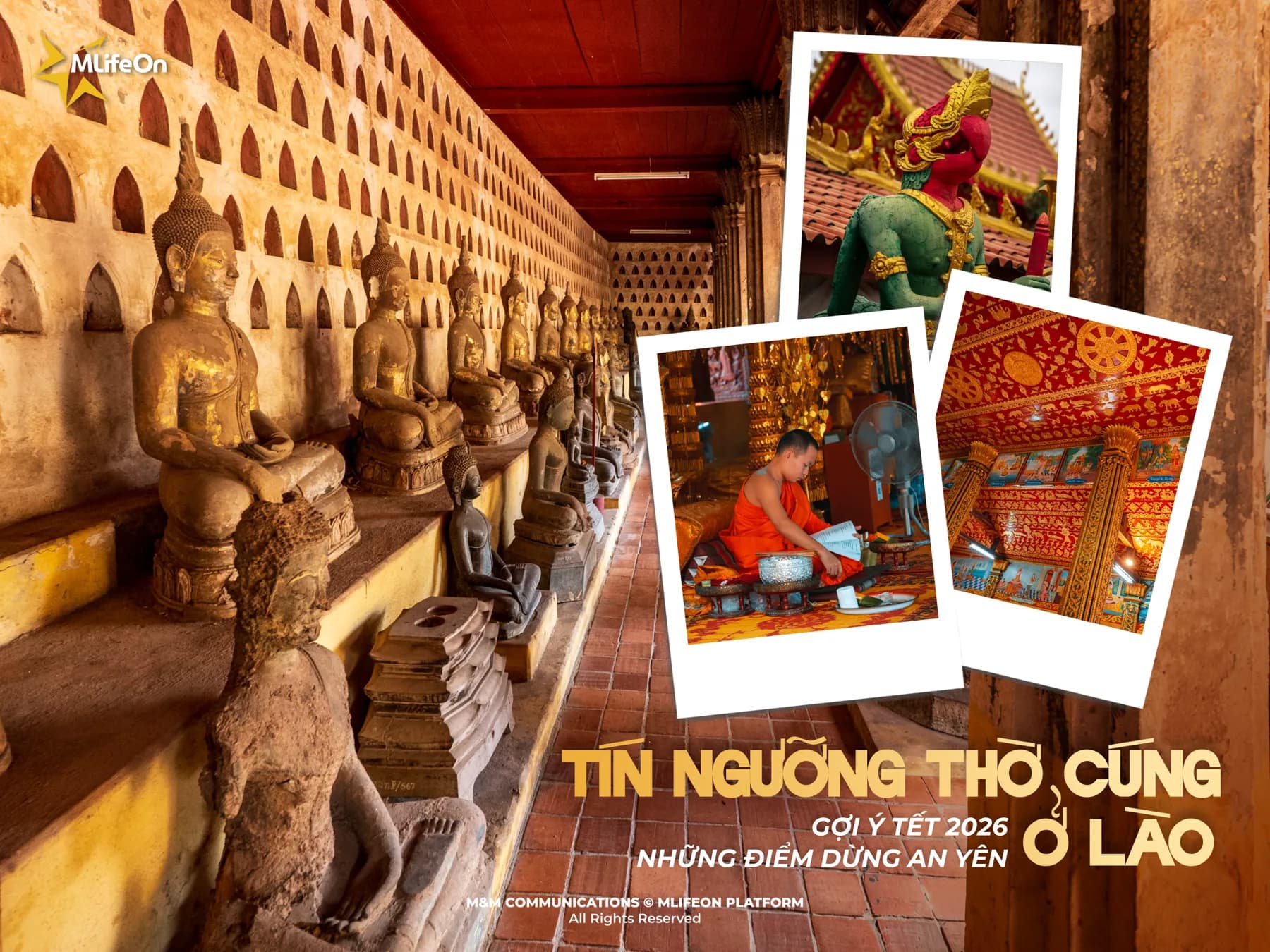
ANCESTRAL WORSHIP IN LAOS – PEACEFUL STOPS FOR A SERENE TET 2026

ANCESTRAL WORSHIP IN LAOS – PEACEFUL STOPS FOR A SERENE TET 2026

In Laos, Buddhist beliefs are not separate from everyday life but woven are into daily routines and social customs. Temples, sacred sites, and places of worship are not merely tourist attractions; they are spaces where people seek calm and balance. For those looking for a gentle, reflective journey during Tet 2026, Laos offers a slow-paced, tranquil, and refreshingly different way to welcome the new year.

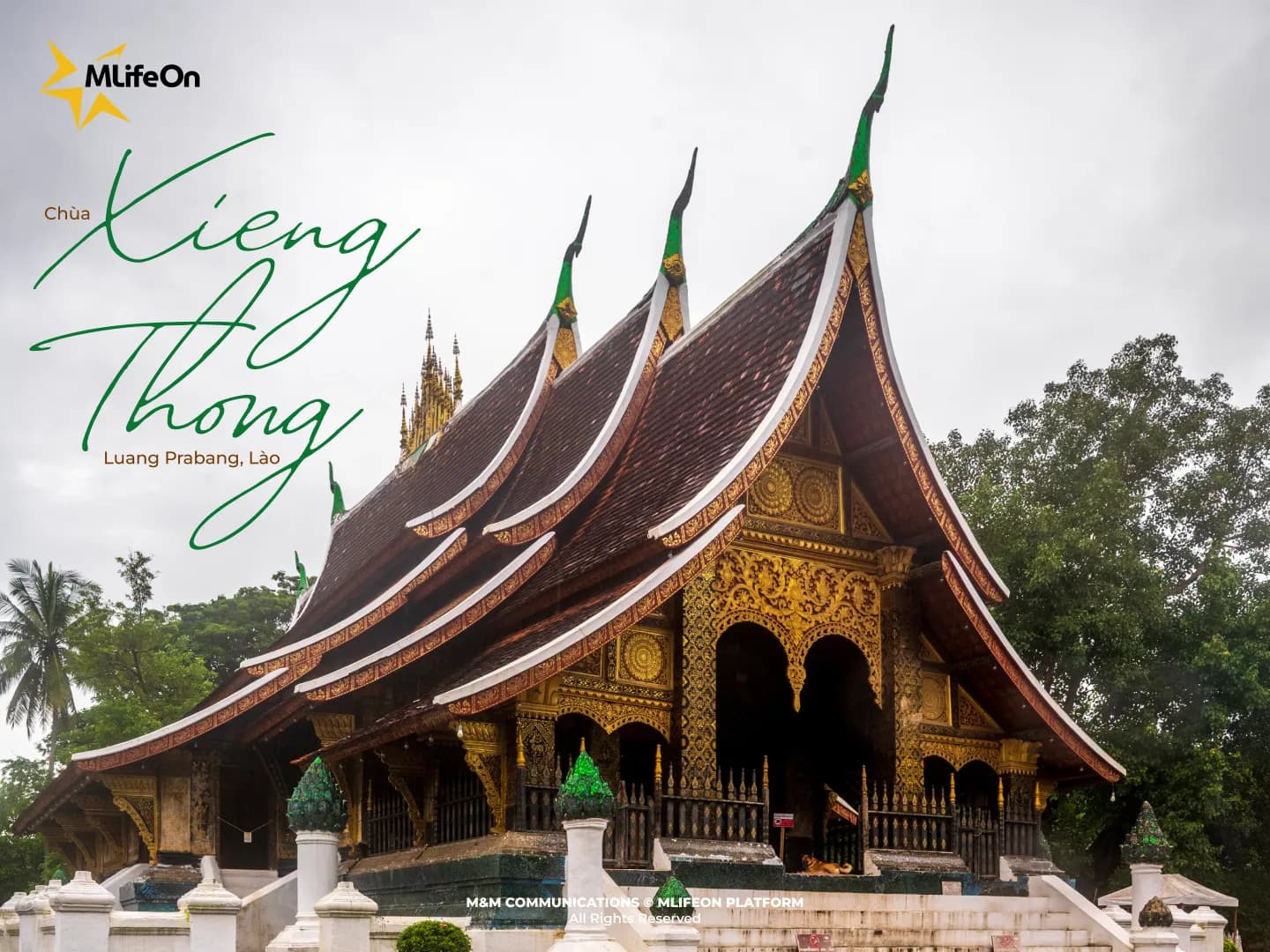
VISITING XIENG THONG TEMPLE - A SACRED ANCIENT TEMPLE IN LUANG PRABANG, LAOS

VISITING XIENG THONG TEMPLE - A SACRED ANCIENT TEMPLE IN LUANG PRABANG, LAOS

After an afternoon rain, Xieng Thong Temple appears calmer and more defined than usual. Without harsh sunlight or large crowds, this ancient temple of Luang Prabang reveals its architecture, setting, and spiritual value carefully preserved for centuries. A slower perspective that helps explain why Xieng Thong is not merely a tourist attraction, but a living memory of Lao Buddhism.

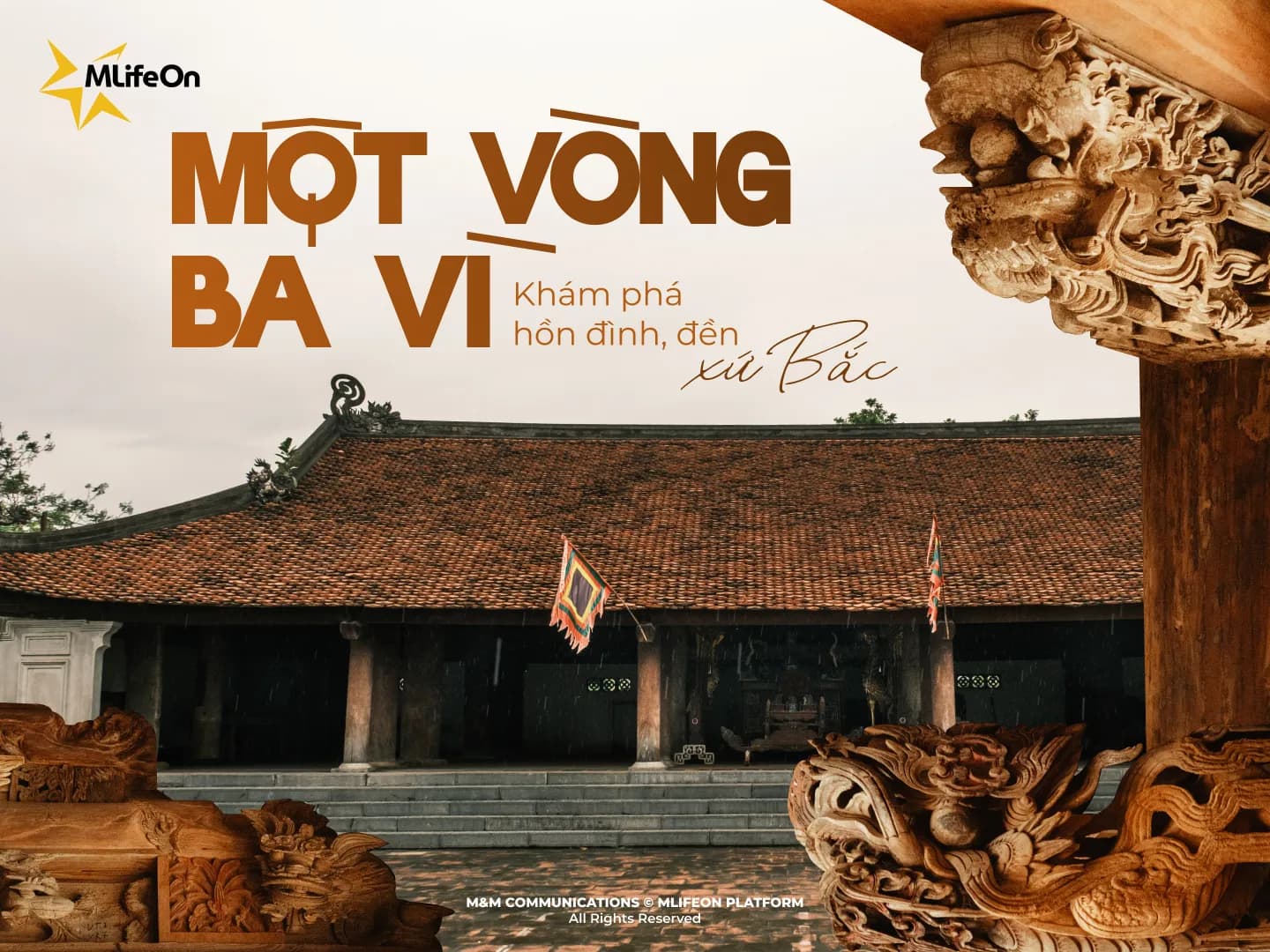
A JOURNEY THROUGH BA VI - DISCOVERING THE SPIRIT OF NORTHERN COMMUNAL HOUSES AND TEMPLES

A JOURNEY THROUGH BA VI - DISCOVERING THE SPIRIT OF NORTHERN COMMUNAL HOUSES AND TEMPLES

Ba Vi is more than mountains and winding roads. Scattered across this land are ancient communal houses and temples that have endured for centuries. Moss-covered roofs and carved wooden pillars emerge as fragments of Northern Vietnam’s cultural memory in tranquil settings.

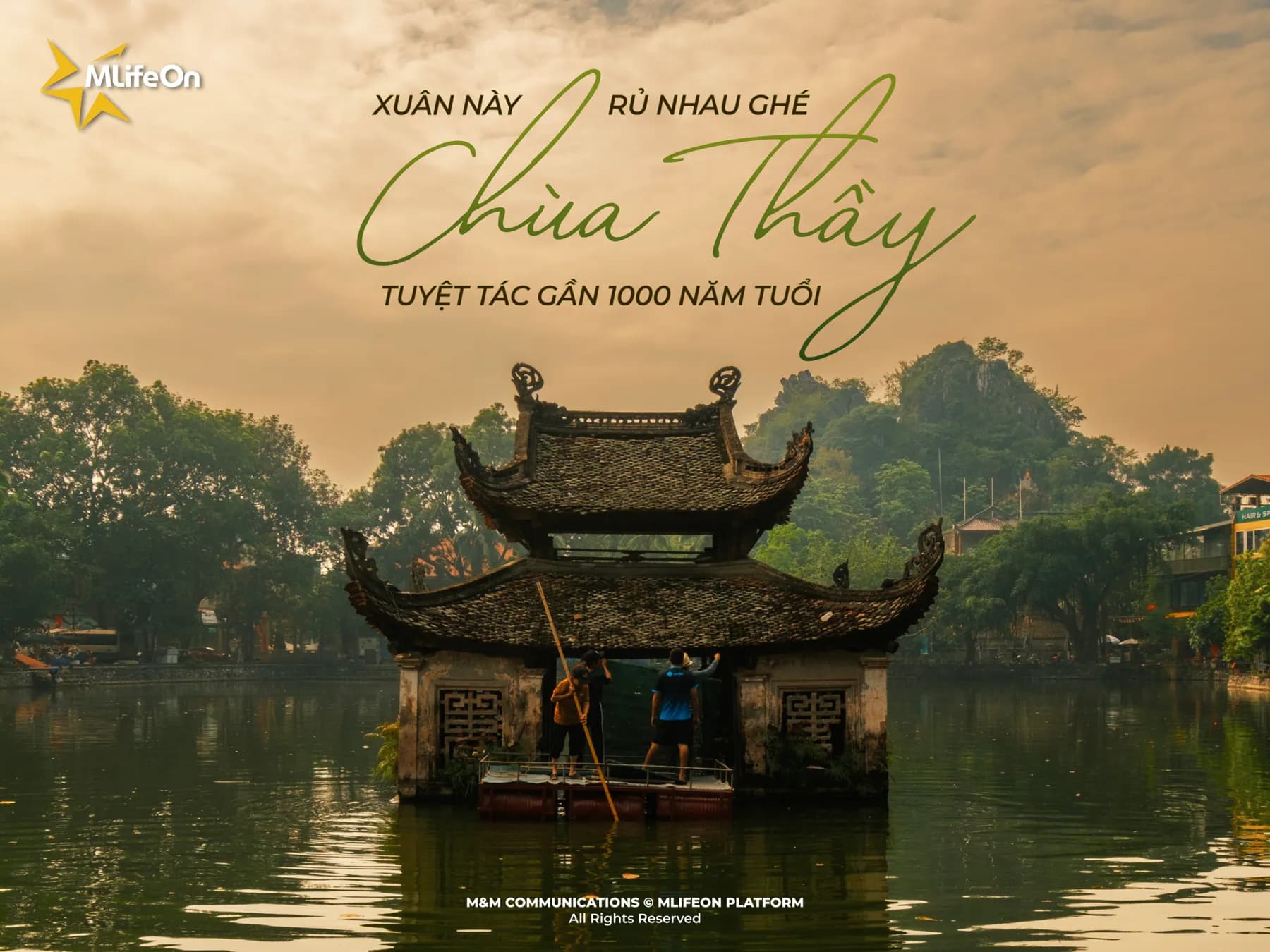
THIS SPRING, LET’S VISIT THAY PAGODA – A NEARLY 1,000-YEAR-OLD MASTERPIECE

THIS SPRING, LET’S VISIT THAY PAGODA – A NEARLY 1,000-YEAR-OLD MASTERPIECE

Not located in the heart of the bustling city, nor close to noisy urban centers, Thay Pagoda chooses a quiet setting at the foot of Sai Son Mountain. It is close enough for a day trip, yet far enough to gently pull visitors away from the hurried rhythm of city life.

GETTING LOST AT SONGQIAO NIGHT MARKET, KUNMING - A COLORFUL PARADISE OF STREET FOOD

GETTING LOST AT SONGQIAO NIGHT MARKET, KUNMING - A COLORFUL PARADISE OF STREET FOOD

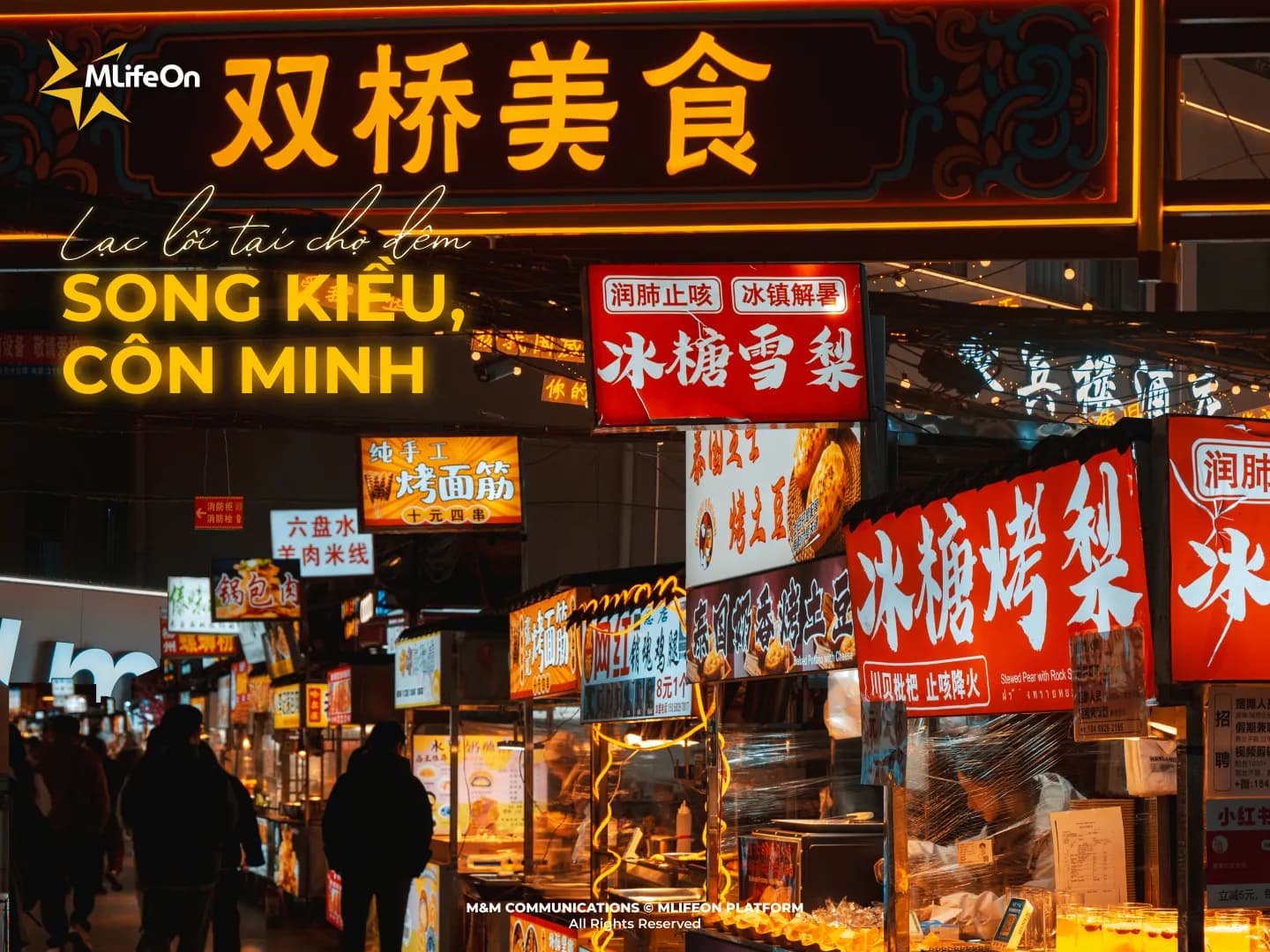
To truly experience Kunming’s nightlife, Songqiao Night Market is a destination you shouldn’t miss. Located in the heart of the city, the market comes alive with glowing lights, the aroma of food drifting through the air, and the cheerful hum of conversation. It’s a place where anyone can effortlessly immerse themselves in a vibrant, approachable, and colorful Kunming after dark.

MLIFEON PARTNERS WITH TAN TAY PLUM VILLAGE

MLIFEON PARTNERS WITH TAN TAY PLUM VILLAGE

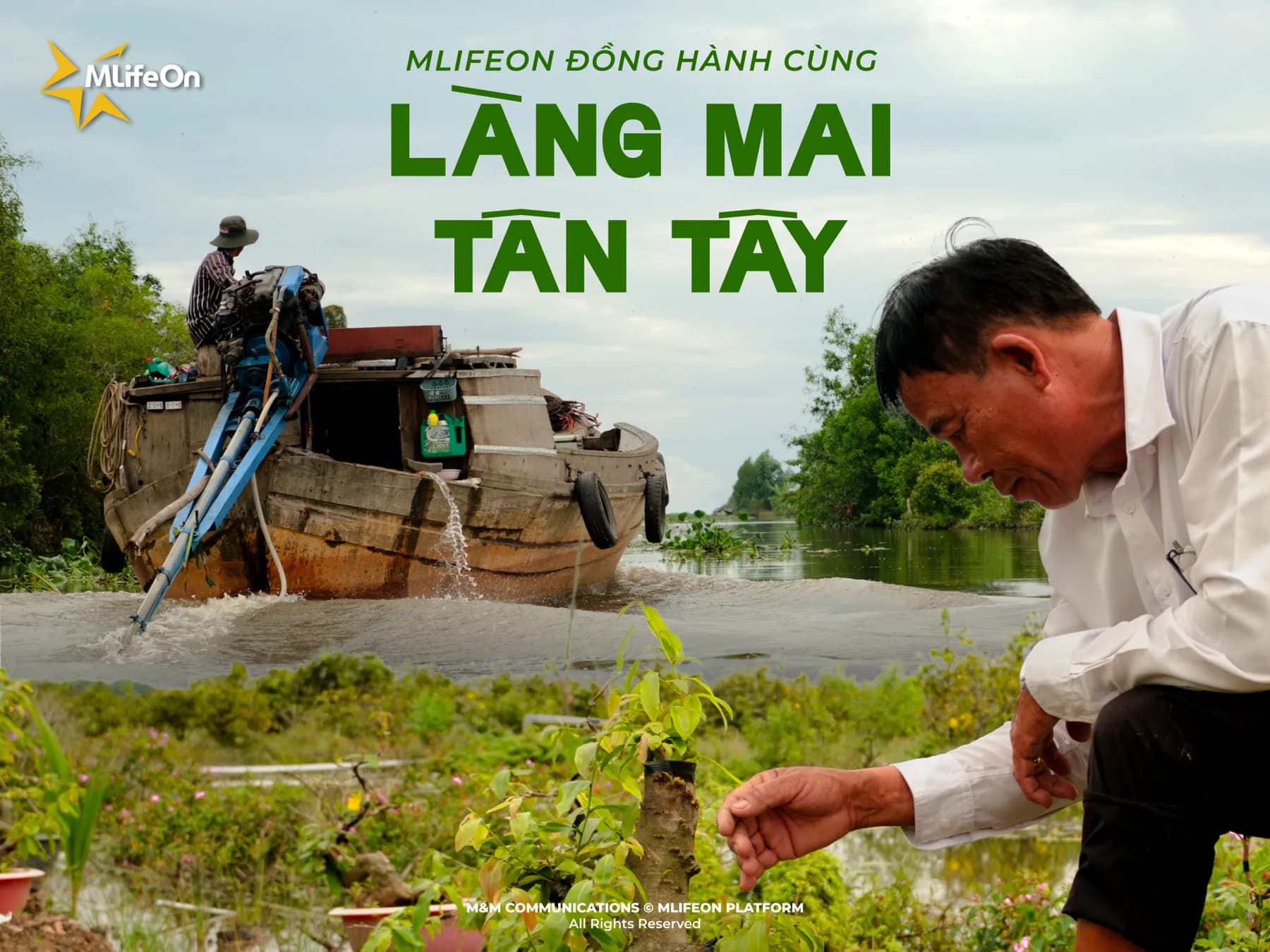
By partnering with Tan Tay Plum Blossom Village in community projects, MLifeOn has had the opportunity to directly experience the beauty of the scenery, culture, and people of this place. Follow MLifeOn to explore.

DUONG LAM ANCIENT VILLAGE - A CULTURAL HERITAGE OF DOAI REGION, HANOI

DUONG LAM ANCIENT VILLAGE - A CULTURAL HERITAGE OF DOAI REGION, HANOI

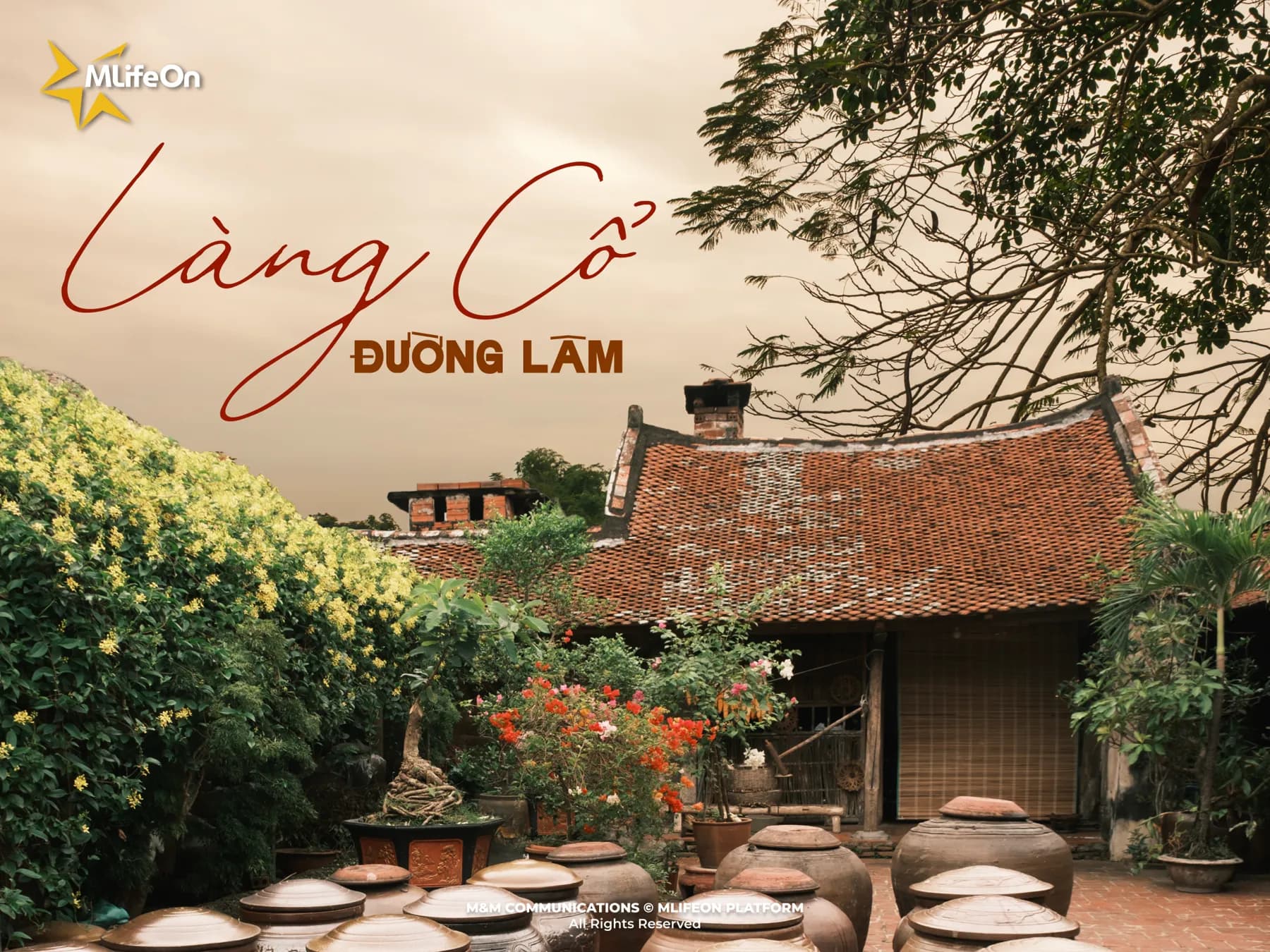
Experience the rhythm of life and the atmosphere of a Northern Vietnamese village at Duong Lam Ancient Village, a distinctive cultural destination in Hanoi.

CHINESE ASSOCIATION HALLS - A UNIQUE TOUCH IN THE HEART OF VIETNAM

CHINESE ASSOCIATION HALLS - A UNIQUE TOUCH IN THE HEART OF VIETNAM

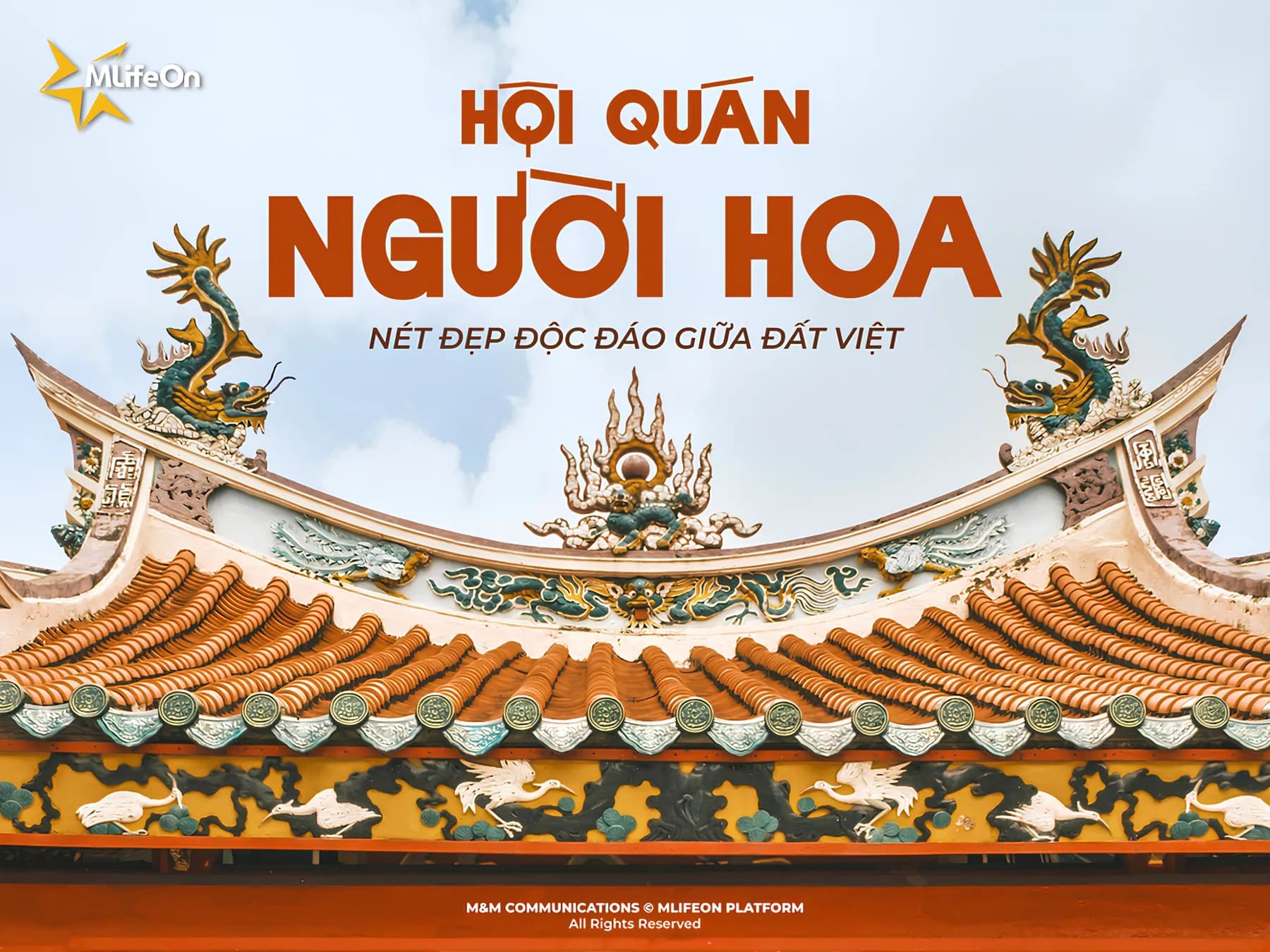
Join us on a journey to explore Chinese Assembly Halls in Vietnam, and learn about the function and architectural beauty of these structures.

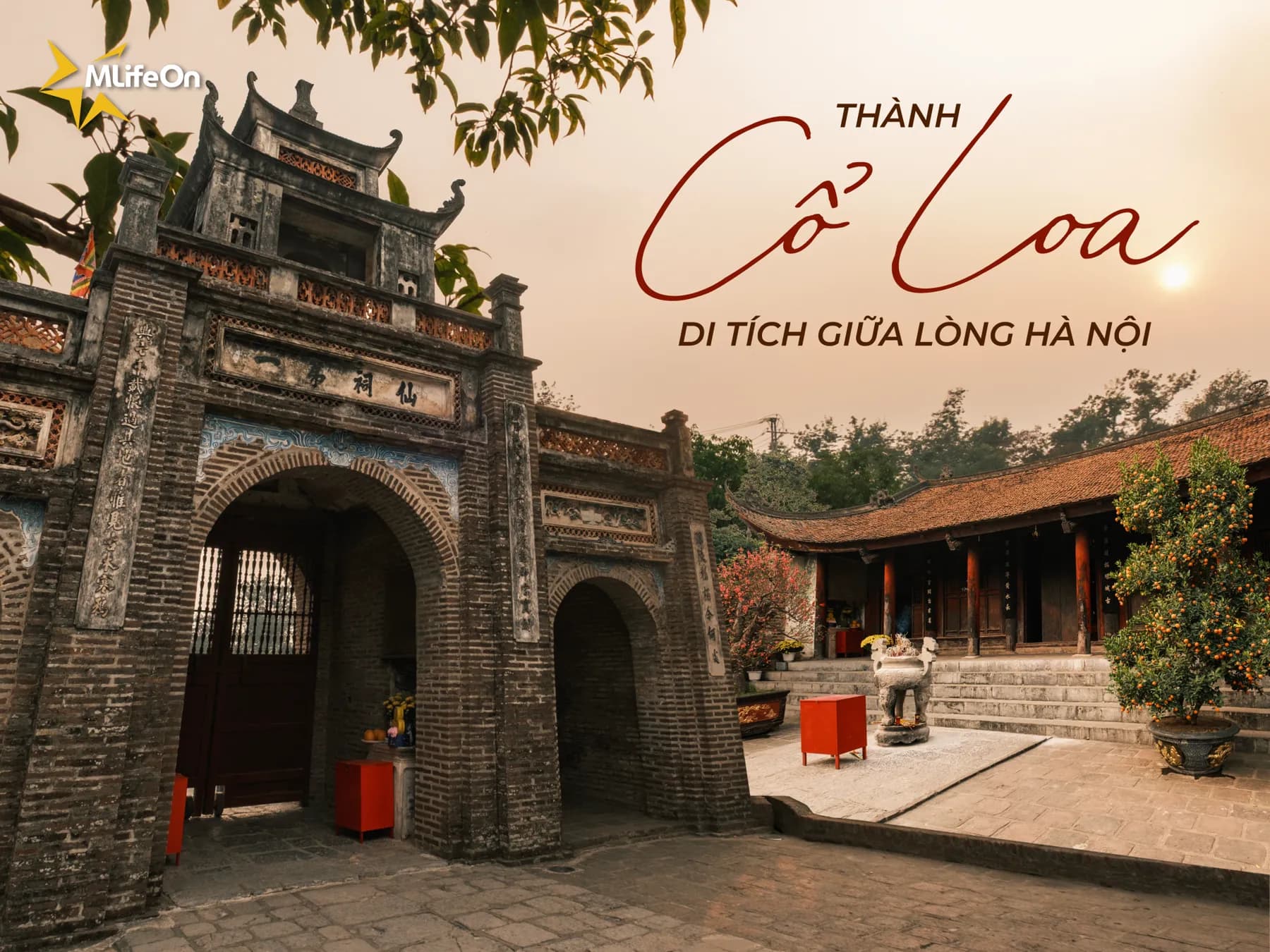
CO LOA ANCIENT CITADEL - A NATIONAL HISTORICAL SITE IN THE HEART OF HANOI

CO LOA ANCIENT CITADEL - A NATIONAL HISTORICAL SITE IN THE HEART OF HANOI

Explore the Co Loa Citadel - the ancient capital of Au Lac, a place preserving the unique historical, architectural, and archaeological values ​​of the Vietnamese people.

THE BEAUTY OF JADE DRAGON SNOW MOUNTAIN IN WINTER

THE BEAUTY OF JADE DRAGON SNOW MOUNTAIN IN WINTER

Explore Jade Dragon Snow Mountain in Lijiang, China during winter, and admire the pristine white snow scenery of the majestic and mysterious natural landscape of Yunnan.

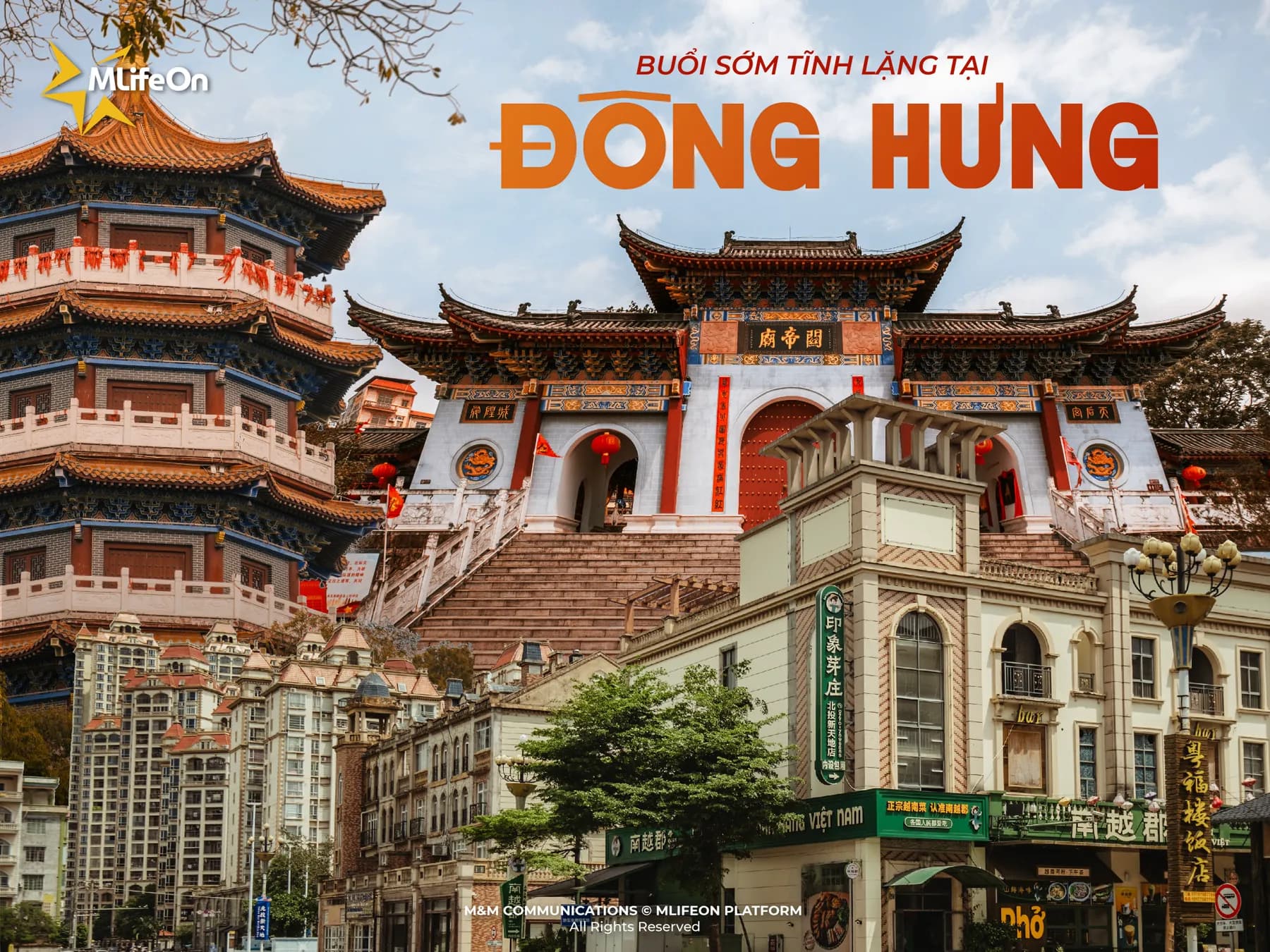
A QUIET MORNING IN DONGXING - THE BORDER CITY BETWEEN VIETNAM AND CHINA

A QUIET MORNING IN DONGXING - THE BORDER CITY BETWEEN VIETNAM AND CHINA

In the early morning, standing in the middle of an empty boulevard, Dongxing looks like a freshly built stage waiting for its first performer. High-rise buildings still cast reflections on the spotless road. Only the soft, chilly breeze from the Beilun River reminds you that this city has two rhythms: the bustling tempo of daytime, and the rare silence of dawn.

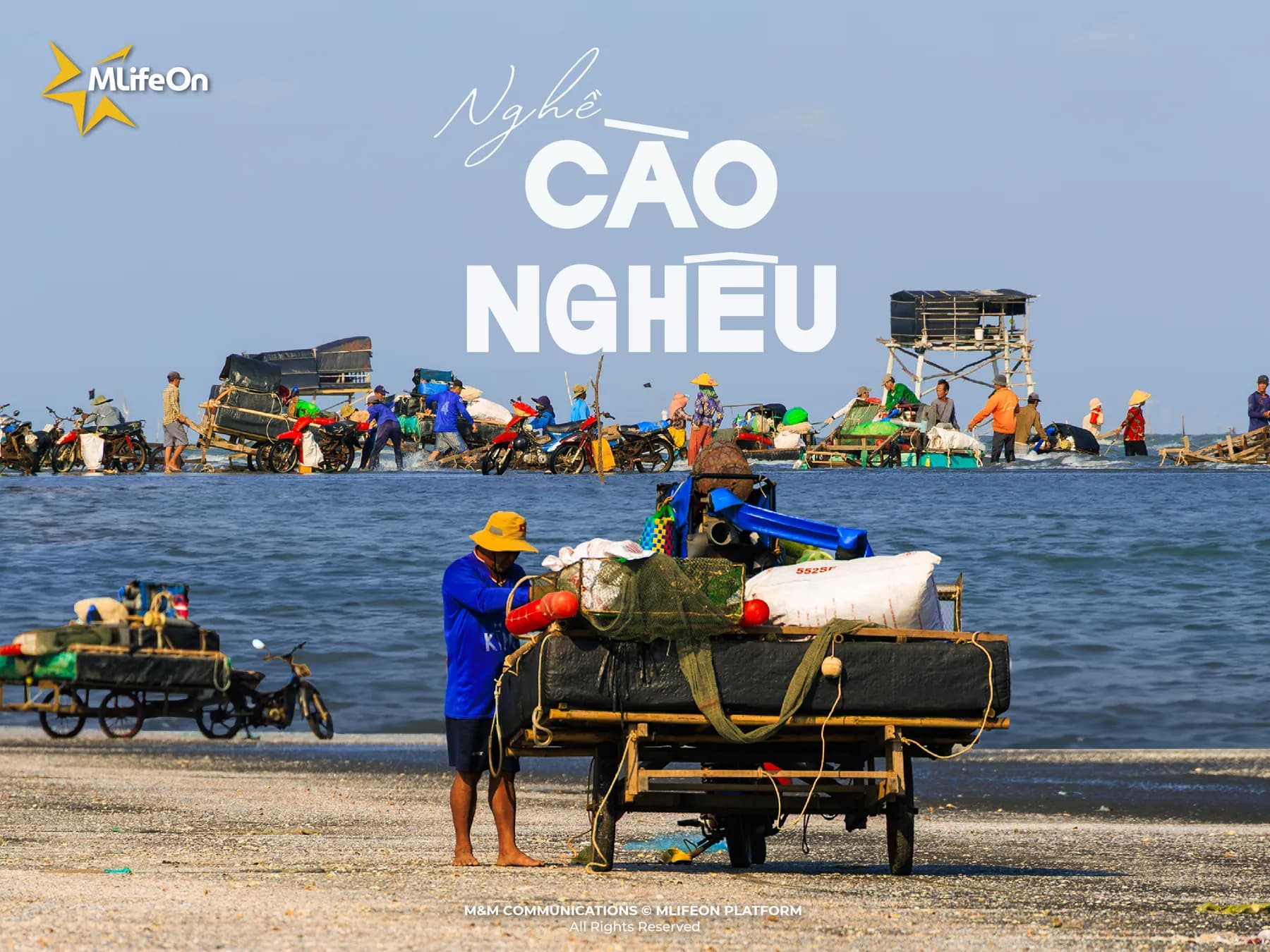
THE CLAM-RAKING TRADE – WEATHERED BY SEA WINDS, BURDENED BY LIVELIHOOD

THE CLAM-RAKING TRADE – WEATHERED BY SEA WINDS, BURDENED BY LIVELIHOOD

The clam-raking trade in Can Gio carries the salty taste of the sea and the hardship of coastal laborers. Join MLifeOn as we explore an authentic slice of life on the tidal flats tough, rugged, yet filled with resilience and quiet strength.

SAIGON DURING CHRISTMAS - FILLED WITH COLORS AND LIGHTS

SAIGON DURING CHRISTMAS - FILLED WITH COLORS AND LIGHTS

Join MLifeOn in exploring the beauty and atmosphere of Christmas in Saigon at the end of the year.

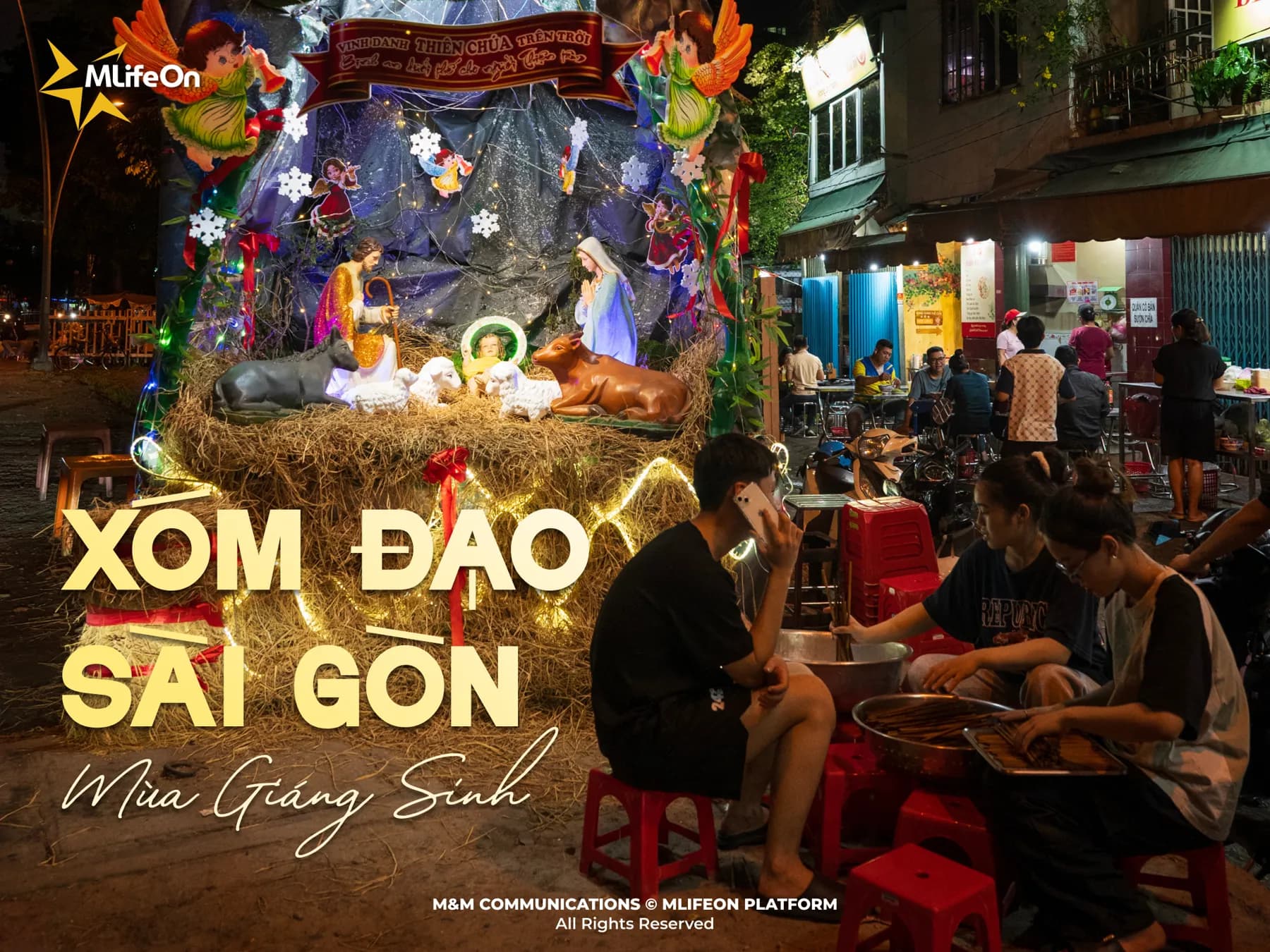
VISITING A CHRISTIAN VILLAGE DURING CHRISTMAS

VISITING A CHRISTIAN VILLAGE DURING CHRISTMAS

Discover the dazzling beauty of Saigon's Catholic neighborhoods during Christmas, where light, music, and human warmth blend together, creating a unique cultural experience in the heart of the city.